











Einleitung
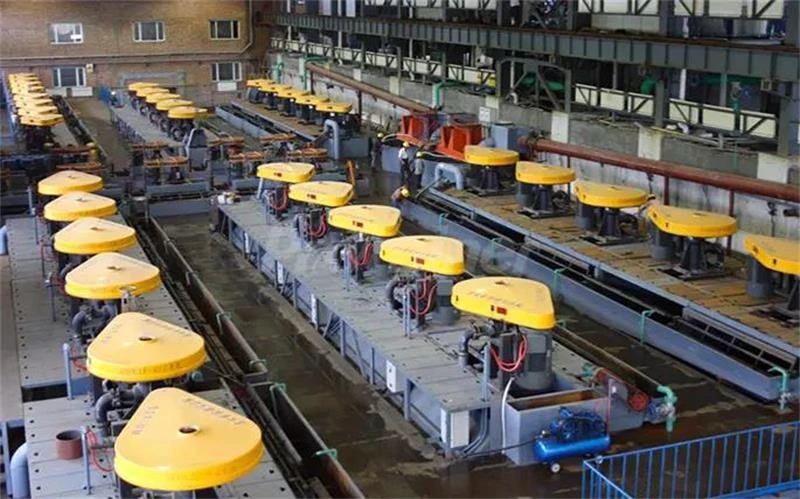
Typen von Flotationszellen spielen eine wichtige Rolle in modernen Mineralaufbereitungsanlagen, da verschiedene Flotationsgerätekonstruktionen entwickelt werden, um spezifische Anforderungen an die Erzaufbereitung zu erfüllen. Eine Flotationszelle ist eine zentrale Maschine der Mineralaufbereitung, die die Wechselwirkung von Trübe, Luftblasen und Flotationsreagenzien nutzt, um wertvolle Mineralien von unerwünschten Materialien zu trennen. Während des Flotationsprozesses haften hydrophobe Mineralpartikel an Luftblasen und steigen an die Oberfläche, wodurch ein mineralreicher Schaum entsteht, der als Konzentrat gewonnen werden kann.
Da sich die Erzeigenschaften, die Aufbereitungskapazität und die Rückgewinnungsziele zwischen verschiedenen Bergbaubetrieben erheblich unterscheiden, kann eine einzige Flotationszellenkonstruktion nicht alle Anwendungsanforderungen erfüllen. Die Auswahl der richtigen Flotationszellentypen beeinflusst direkt wichtige Faktoren wie Mineralrückgewinnung, Energieverbrauch, Betriebsstabilität und Gesamtanlageneffizienz. Beispielsweise können einige Betriebe eine starke Durchmischung und zuverlässige Leistung erfordern, während andere einen niedrigeren Energieverbrauch, eine feinere Blasenkontrolle oder eine frühzeitige Mineralrückgewinnung priorisieren.
Um diesen unterschiedlichen Aufbereitungsbedingungen gerecht zu werden, wurden Flotationszellen mit unterschiedlichen Strukturen, Belüftungsmethoden und Betriebsmechanismen entwickelt. Die Haupttypen von Flotationszellen werden nach ihrem Mischmechanismus, ihrer Luftzufuhrmethode und ihren Anwendungsanforderungen klassifiziert, darunter mechanische Flotationszellen, Druckluft-Flotationszellen, pneumatische Flotationszellen und Flash-Flotationszellen. Das Verständnis der Eigenschaften, Vorteile und geeigneten Anwendungen jedes Typs hilft Mineralaufbereitungsanlagen, die am besten geeignete Flotationsausrüstung für ihre spezifischen Produktionsziele auszuwählen. In den folgenden Abschnitten stellen wir die wichtigsten Typen von Flotationszellen vor und erläutern ihre Funktionsprinzipien, Anwendungen und Auswahlkriterien. Wenn Sie mehr erfahren möchten, klicken Sie auf “Was ist eine Flotationszelle?”
Was ist eine Flotationszelle und wie funktioniert sie?
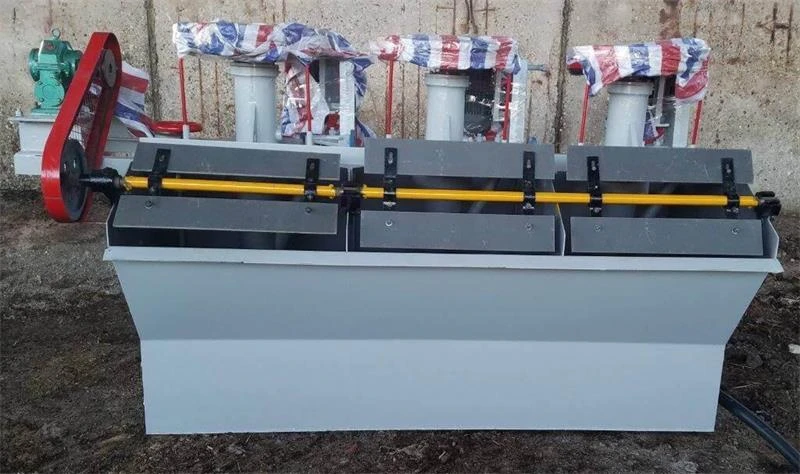
Eine Flotationszelle ist eine Art von Mineralaufbereitungsausrüstung, die verwendet wird, um wertvolle Mineralien durch die Wechselwirkung von Trübe, Mineralpartikeln, Flotationsreagenzien und Luftblasen von Gangmaterial zu trennen. Sie bietet eine kontrollierte Umgebung, in der fein gemahlene Erzpartikel selektiv an Luftblasen haften und durch das Schaumflotationsverfahren getrennt werden können. Während des Betriebs verändern Flotationsreagenzien die Oberflächeneigenschaften der Mineralien, sodass hydrophobe wertvolle Partikel an Blasen haften und an die Oberfläche steigen, wo der mineralreiche Schaum als Konzentrat gesammelt wird.
Das Funktionsprinzip einer Flotationszelle basiert auf der selektiven Anhaftung zwischen Mineralpartikeln und Luftblasen. Nach dem Zerkleinern und Mahlen wird das Erz mit Wasser und Flotationsreagenzien vermischt, um Trübe zu bilden. Die Trübe gelangt in die Flotationszelle, wo Luft durch mechanische Rührung oder ein externes Luftzufuhrsystem eingebracht wird, um Blasen zu erzeugen. Hydrophobe wertvolle Mineralien haften selektiv an den Blasenoberflächen und steigen an die Oberseite der Zelle, wodurch eine mineralreiche Schaumschicht entsteht, während unerwünschtes Gangmaterial in der Trübe verbleibt. Der gesammelte Schaum wird zu Konzentrat und schließt den Mineraltrennprozess ab. Faktoren wie Trübeeigenschaften, Reagenzienbedingungen, Blasengröße und Belüftungsleistung beeinflussen direkt die Flotationseffizienz und die Rückgewinnungsergebnisse, weshalb verschiedene Flotationszellenkonstruktionen für unterschiedliche Mineralaufbereitungsanwendungen entwickelt werden.
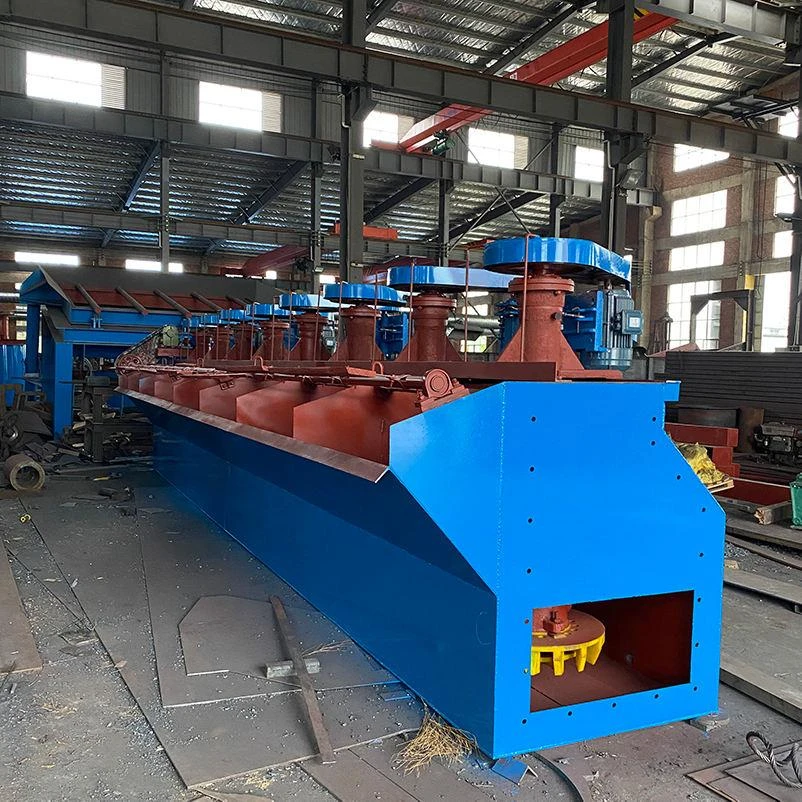
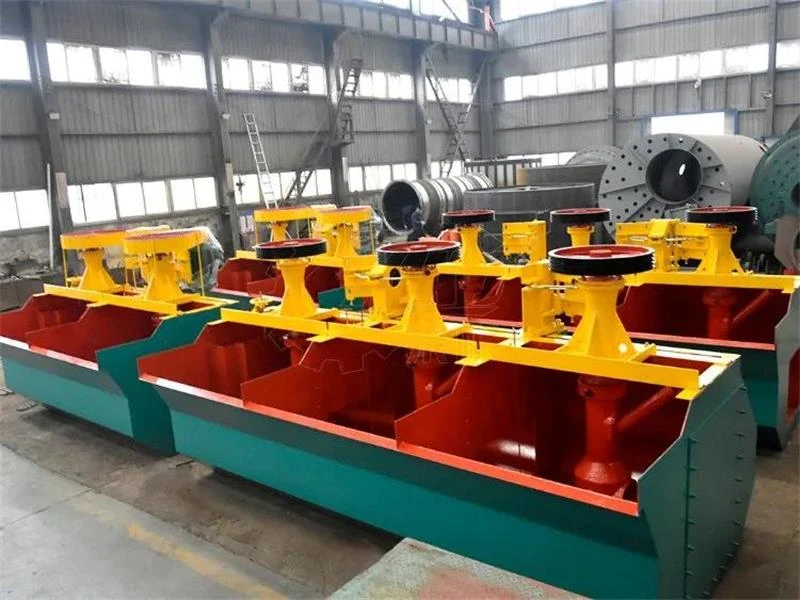
Haupttypen von Flotationszellen in der Mineralaufbereitung
Flotationszellen können nach ihrer Mischmethode, ihrem Luftzufuhrsystem und ihrem Blasenerzeugungsmechanismus klassifiziert werden. Verschiedene Flotationszellenkonstruktionen werden entwickelt, um eine stabile Mineraltrennung unter unterschiedlichen Erzbedingungen, Aufbereitungskapazitäten und Rückgewinnungsanforderungen zu erreichen. In Mineralaufbereitungsanlagen sind mechanische Flotationszellen und Druckluft-Flotationszellen die am häufigsten verwendeten Typen, während pneumatische und Flash-Flotationszellen für spezifische Anwendungen eingesetzt werden, die eine feinere Blasenkontrolle, geringeren mechanischen Verschleiß oder eine frühzeitige Rückgewinnung wertvoller Mineralien erfordern.
| Flotationszellentyp | Hauptmerkmal | Typische Anwendung |
| Mechanische Flotationszelle | Rührer-Durchmischung und Selbstansaugung für Trübeumwälzung und Blasendispergierung | Kupfer-, Gold-, Blei-Zink- und Sulfiderzaufbereitung |
| Druckluft-Flotationszelle | Externes Luftzufuhrsystem mit kontrollierter Belüftungsleistung | Mittelgroße und große Mineralaufbereitungsanlagen |
| Pneumatische Flotationszelle | Kein mechanischer Rührer, Verwendung externer Lufterzeugung zur Blasenbildung | Feinstpartikelrückgewinnung und Anwendungen mit geringerem mechanischem Verschleiß |
| Flash-Flotationszelle | Konzipiert für die schnelle Rückgewinnung freigesetzter Mineralien aus Mahlkreisläufen | Frühzeitige Mineralrückgewinnung in der Gold-, Kupfer- und Sulfiderzaufbereitung |
Unter diesen Flotationszellentypen, mechanische Flotationszellen sind aufgrund ihres zuverlässigen Betriebs und ihres breiten Anwendungsspektrums weit verbreitet. Druckluft-Flotationszellen werden für große Anlagen bevorzugt, die eine stabile Belüftung und einen niedrigeren Energieverbrauch erfordern, während pneumatische und Flash-Flotationszellen für spezialisierte Mineralrückgewinnungsanforderungen ausgewählt werden. In den folgenden Abschnitten werden die Struktur, das Funktionsprinzip, die Vorteile und die Anwendungen jedes wichtigen Flotationszellentyps im Detail vorgestellt.
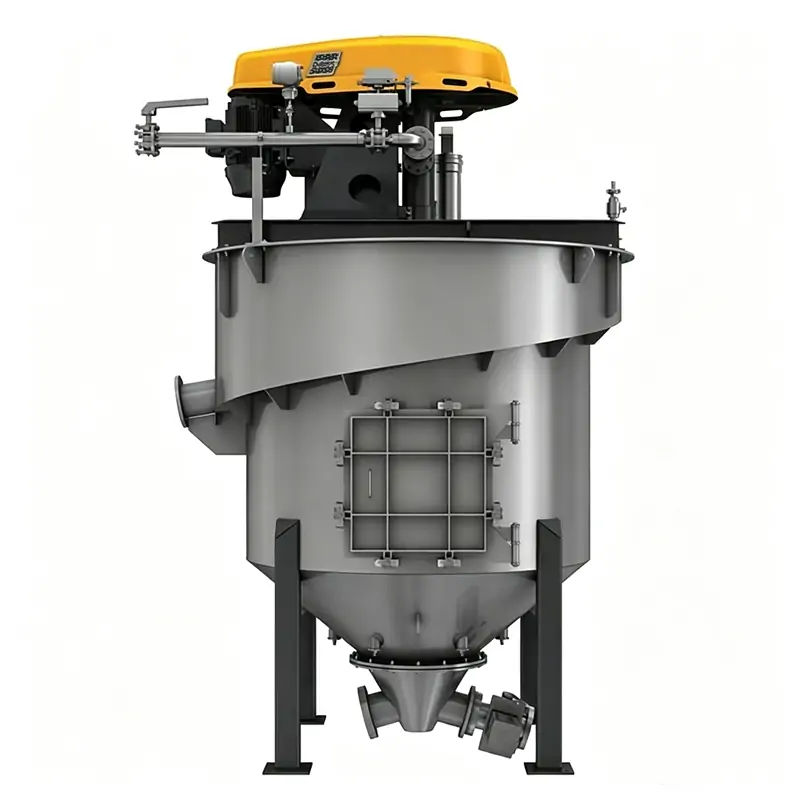
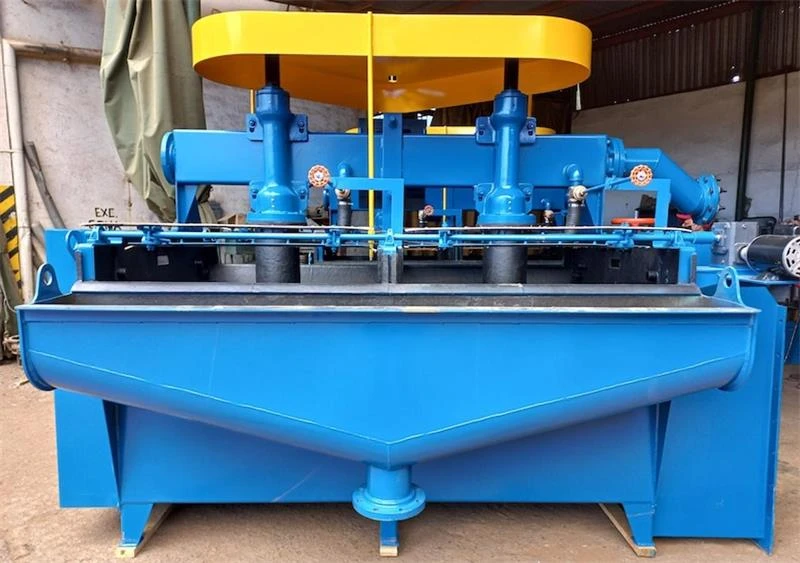
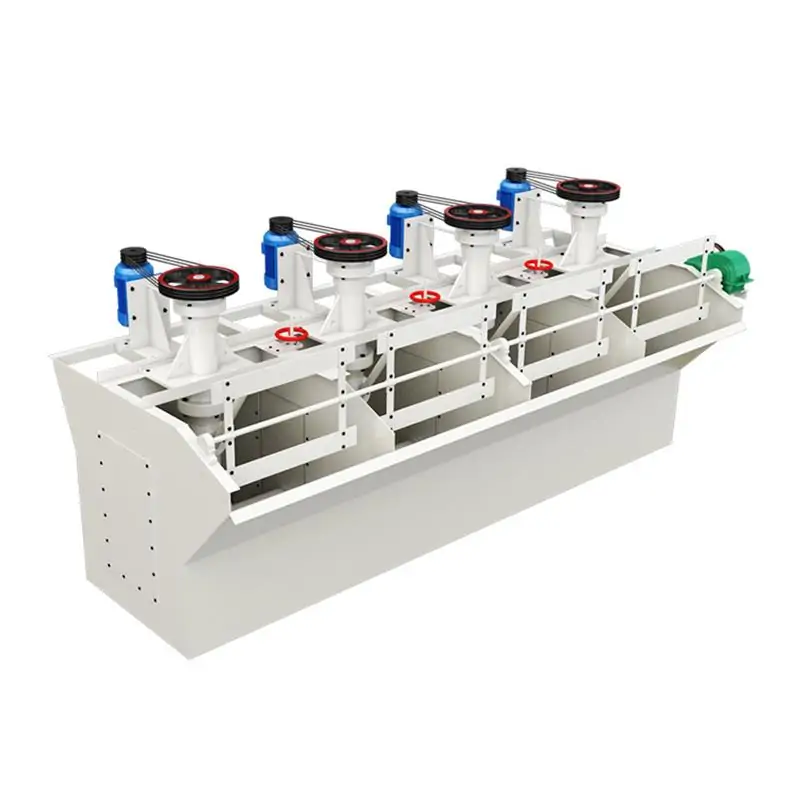
Mechanische Flotationszellen
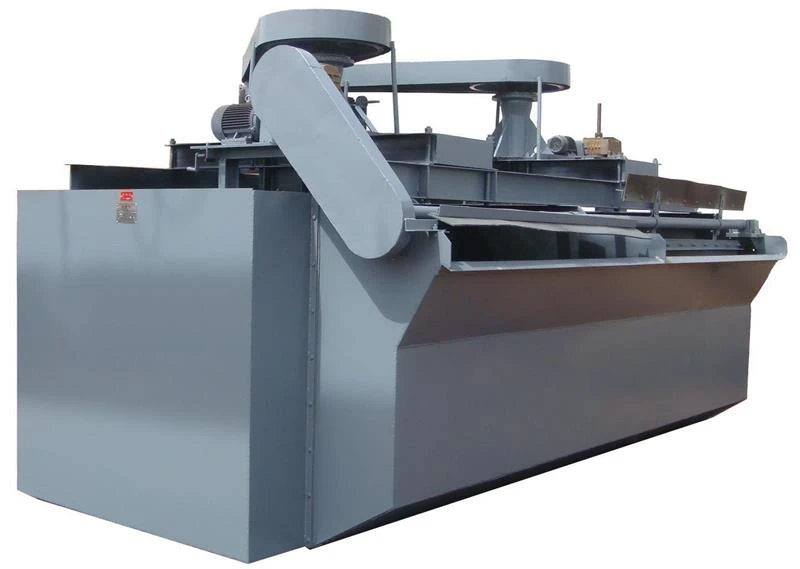
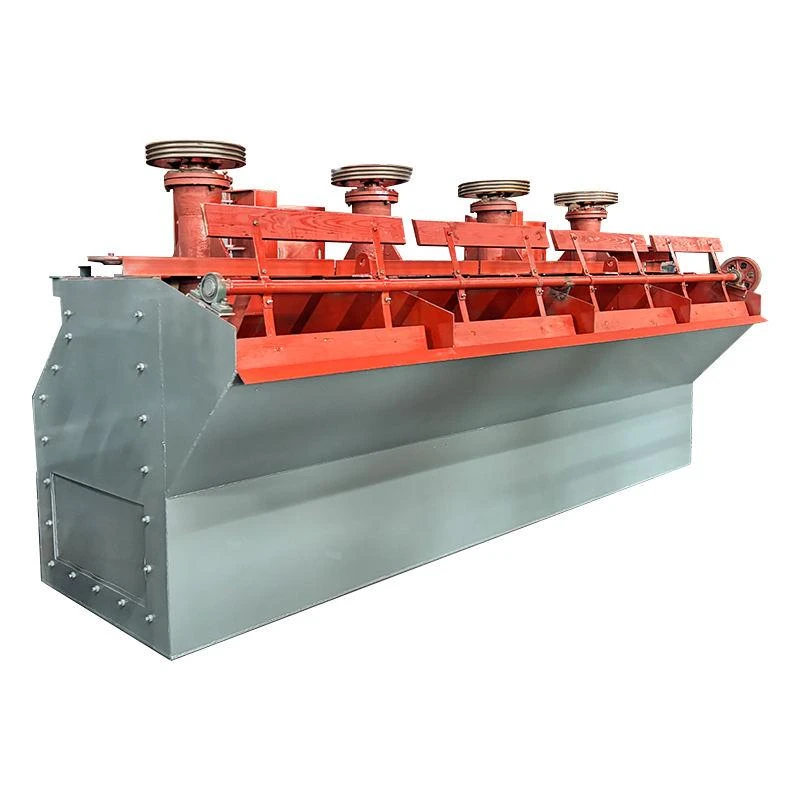
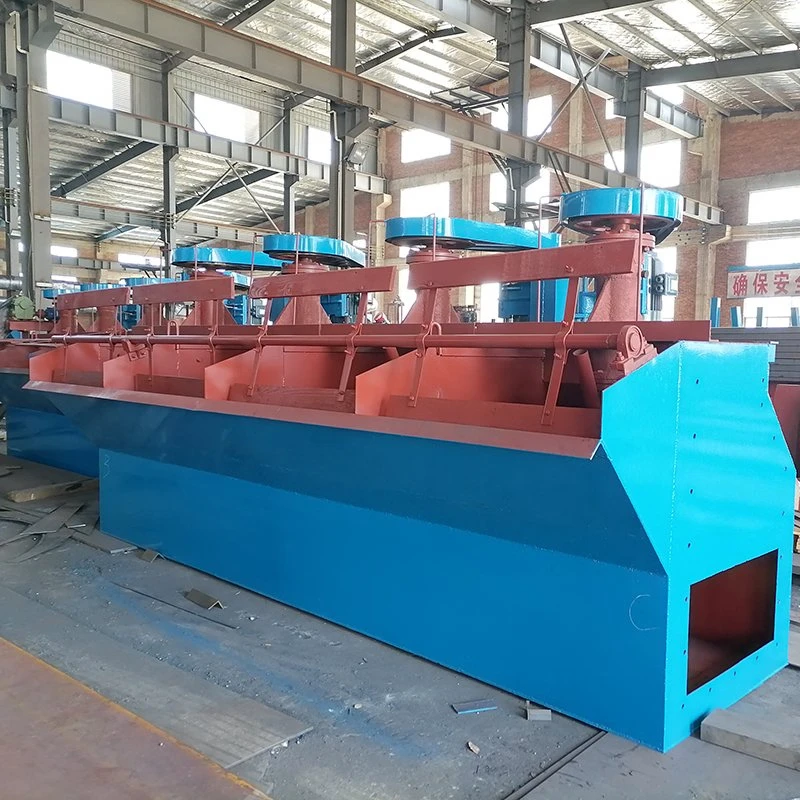
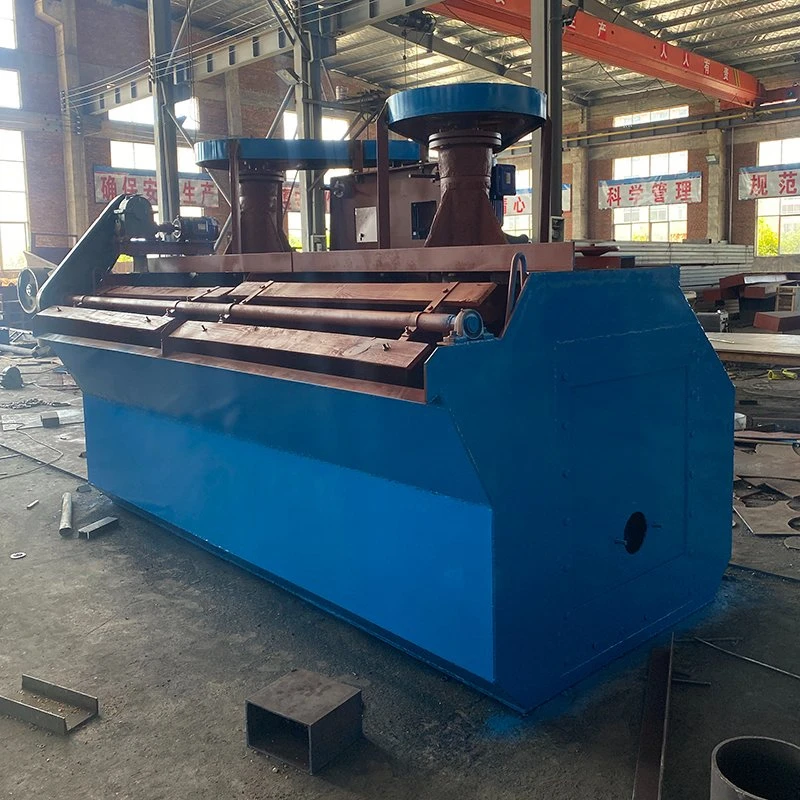
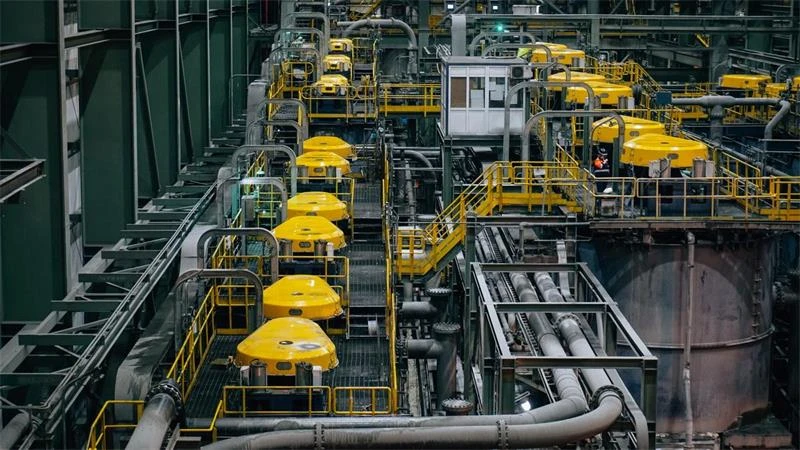
Mechanische Flotationszellen sind aufgrund ihres zuverlässigen Betriebs, ihrer einfachen Struktur und ihres breiten Anwendungsspektrums die am weitesten verbreiteten Flotationsgeräte in Mineralaufbereitungsanlagen. Diese Flotationszellen verwenden ein rührerangetriebenes Mischsystem, um Trübe und Luft zu kombinieren und geeignete Bedingungen für die Luftblasendispergierung und Mineralanhaftung zu schaffen. Durch die Aufrechterhaltung einer effektiven Trübeumwälzung und stabilen Belüftung werden mechanische Flotationszellen üblicherweise in Vorlauf-, Nachlauf- und Reinigungsprozessen für die Kupfer-, Gold-, Blei-Zink- und Sulfiderzaufbereitung eingesetzt.
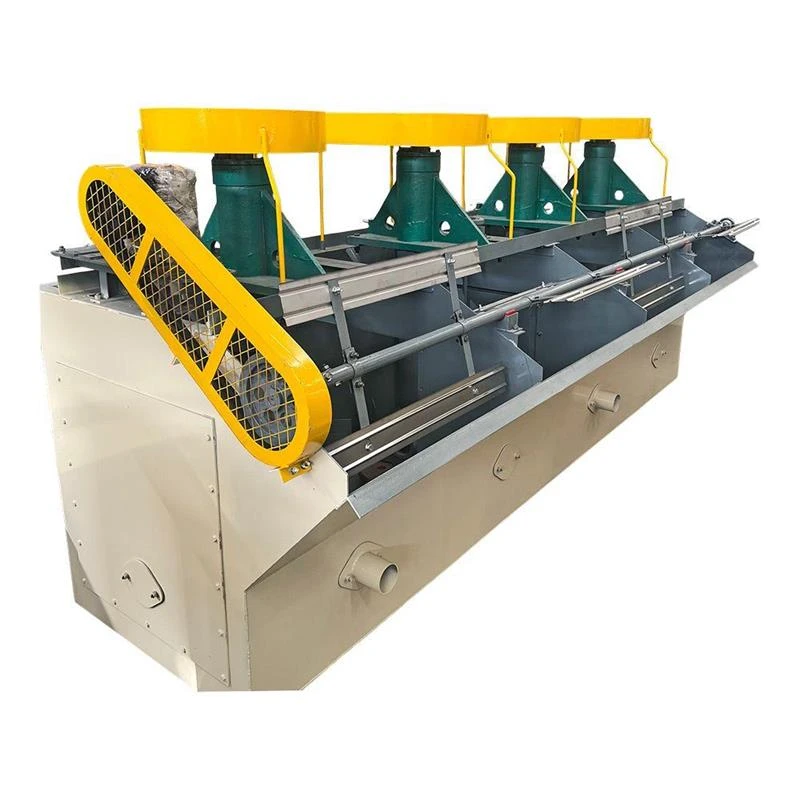
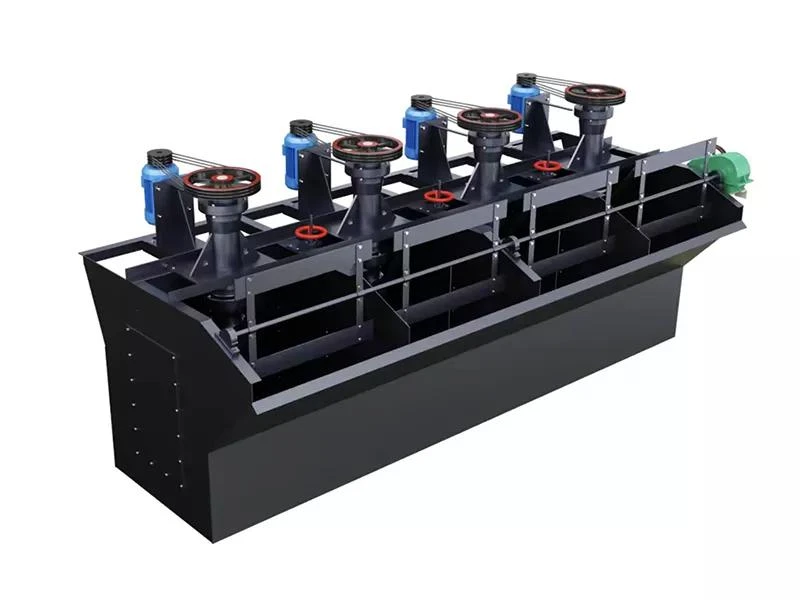
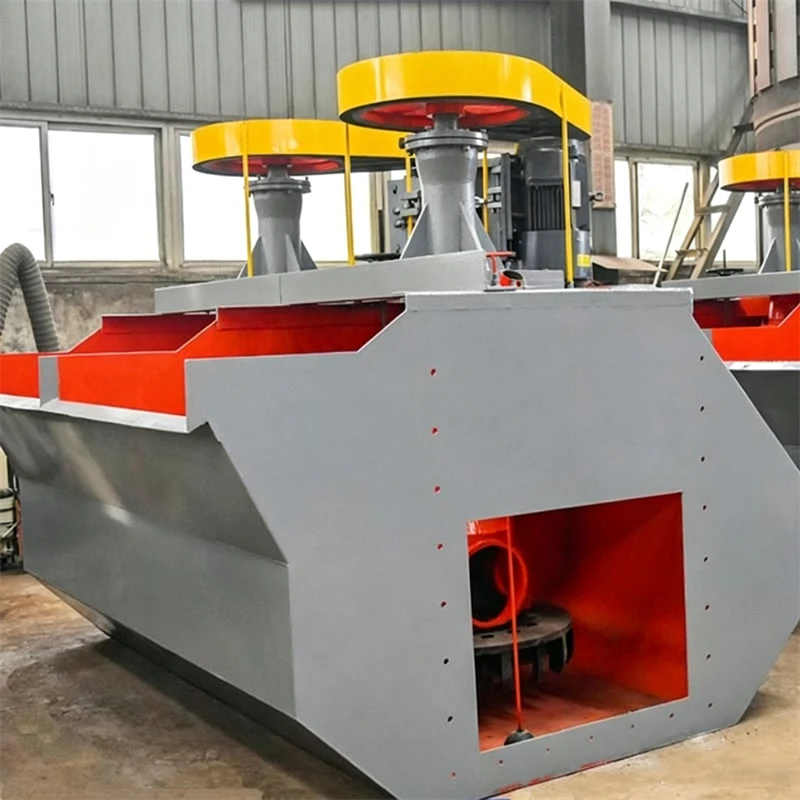
Eine mechanische Flotationszelle besteht hauptsächlich aus einem Flotationsbehälter, einem Rührwerk, einem Stator, einem Motor und einem Luftansaugsystem. Im Betrieb treibt der Motor das Rührwerk an, wodurch eine Trübeumwälzung im Behälter entsteht, während gleichzeitig Luft in den Trübstoff gesaugt und durch die Wechselwirkung zwischen Rührwerk und Stator in feine Bläschen dispergiert wird. Wertvolle Mineralpartikel haften an diesen Bläschen und steigen an die Oberfläche, um Schaum zu bilden, der als Konzentrat abgezogen wird. Die Flotationsleistung wird von Faktoren wie der Rührwerkskonstruktion, der Luftdispergierungseffizienz, der Trübeumwälzung und den Betriebsbedingungen beeinflusst, wodurch mechanische Flotationszellen eine stabile Mineralrückgewinnung in verschiedenen Aufbereitungsanwendungen gewährleisten.
BF-Flotationszelle
Die BF-Flotationszelle ist eine selbstansaugende mechanische Flotationsmaschine, die für effiziente Luftansaugung und starke Trübeumwälzung ausgelegt ist. Ihre optimierte Rührwerk- und Statorkonstruktion verbessert die Luftdispergierung und die Trübedurchmischung und schafft günstige Bedingungen für die Mineral-Blasen-Anhaftung und -Trennung. Im Vergleich zu herkömmlichen mechanischen Flotationsanlagen bieten BF-Flotationszellen eine stabile Belüftungsleistung und einen zuverlässigen Betrieb unter kontinuierlichen Arbeitsbedingungen.
Die Hauptvorteile von BF-Flotationszellen sind der stabile Betrieb, die hohe Anpassungsfähigkeit und die Eignung für Mineralaufbereitungsanlagen mit großer Kapazität. Sie werden häufig bei der Aufbereitung von Kupfer-, Gold-, Molybdän-, Blei-Zink- und anderen Metallerzen eingesetzt, insbesondere in Flotationskreisläufen, die eine starke Umwälzleistung und eine gleichbleibende Rückgewinnungsleistung erfordern.
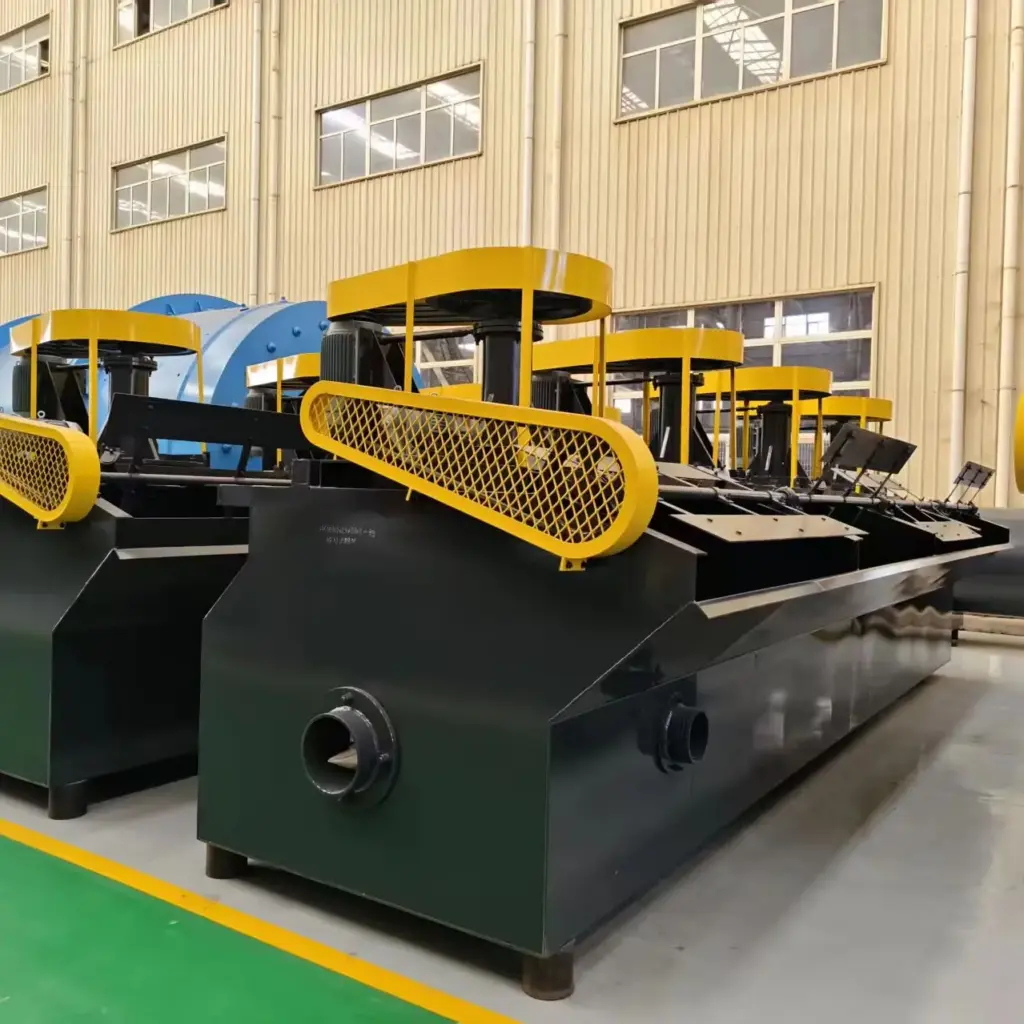
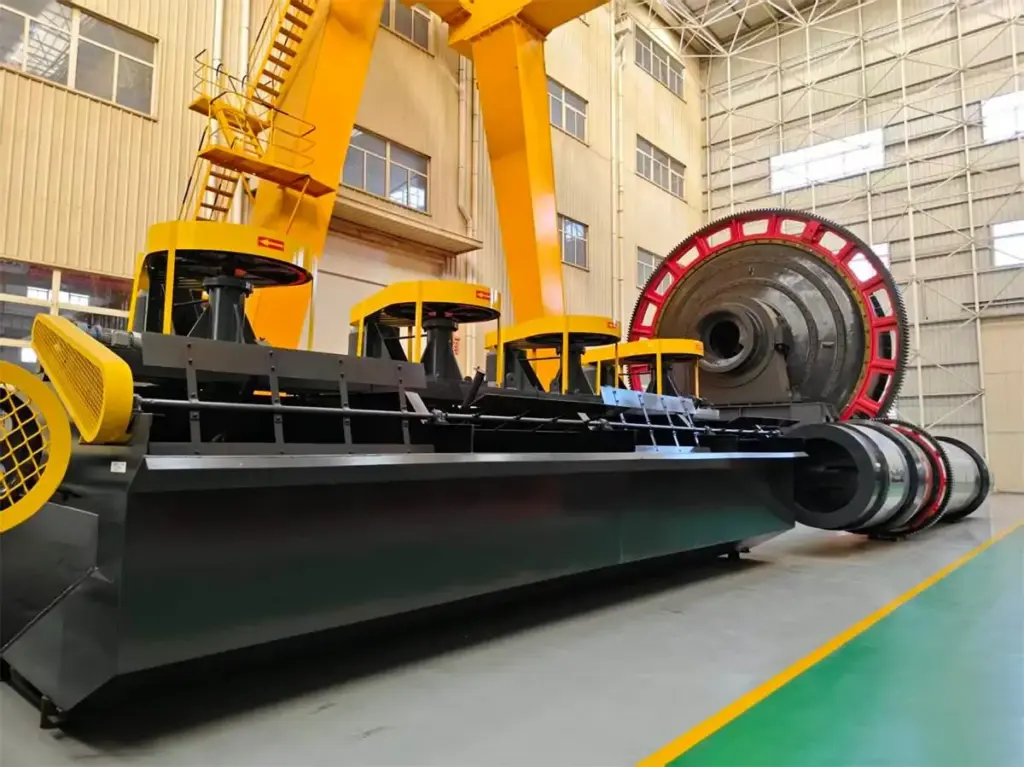
SF-Flotationszelle
Die SF-Flotationszelle kombiniert mechanische Rührung mit Selbstluftansaugung, um eine effektive Trübedurchmischung und Blasendispergierung zu erreichen. Durch die Drehung des Rührwerks wird Luft in die Trübe eingebracht und gleichmäßig in der Flotationskammer verteilt, wodurch die Kontakteffizienz zwischen Mineralpartikeln und Bläschen verbessert wird.
SF-Flotationszellen sind bekannt für ihre hohe Flotationseffizienz, ihren flexiblen Betrieb und ihre einfache Wartung. Sie werden häufig bei der Verarbeitung von Sulfiderzen, der Aufbereitung von Nichteisenmetallen und in Mineralaufbereitungsanlagen eingesetzt, in denen eine zuverlässige Flotationsleistung und betriebliche Flexibilität gefordert sind.
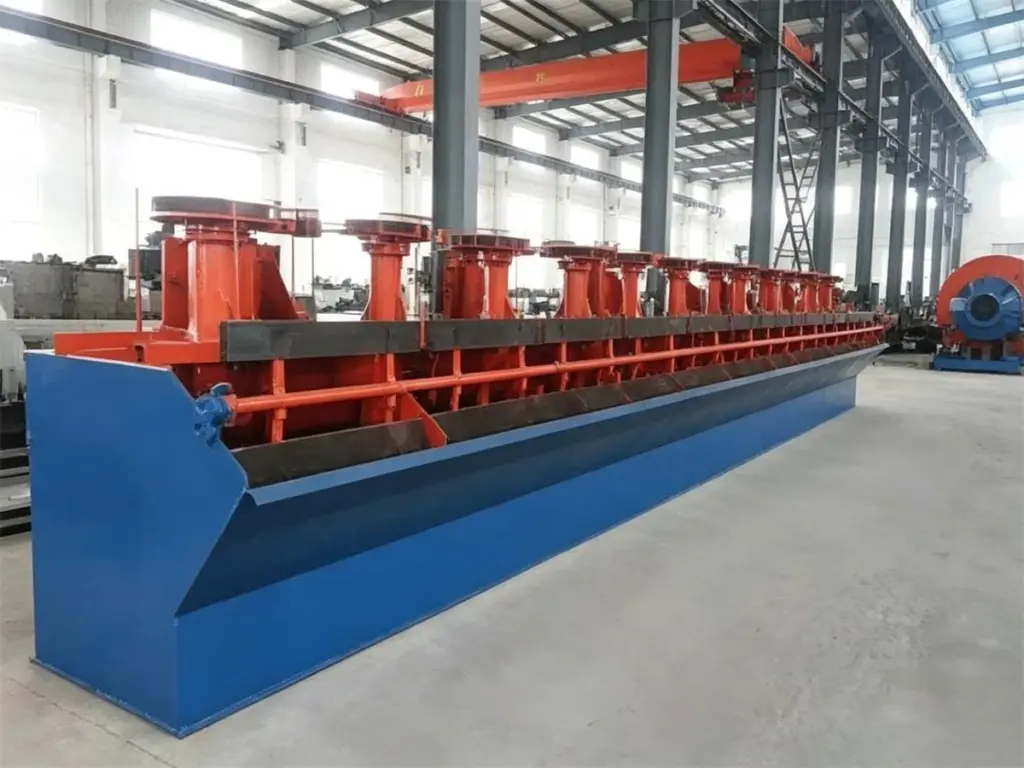
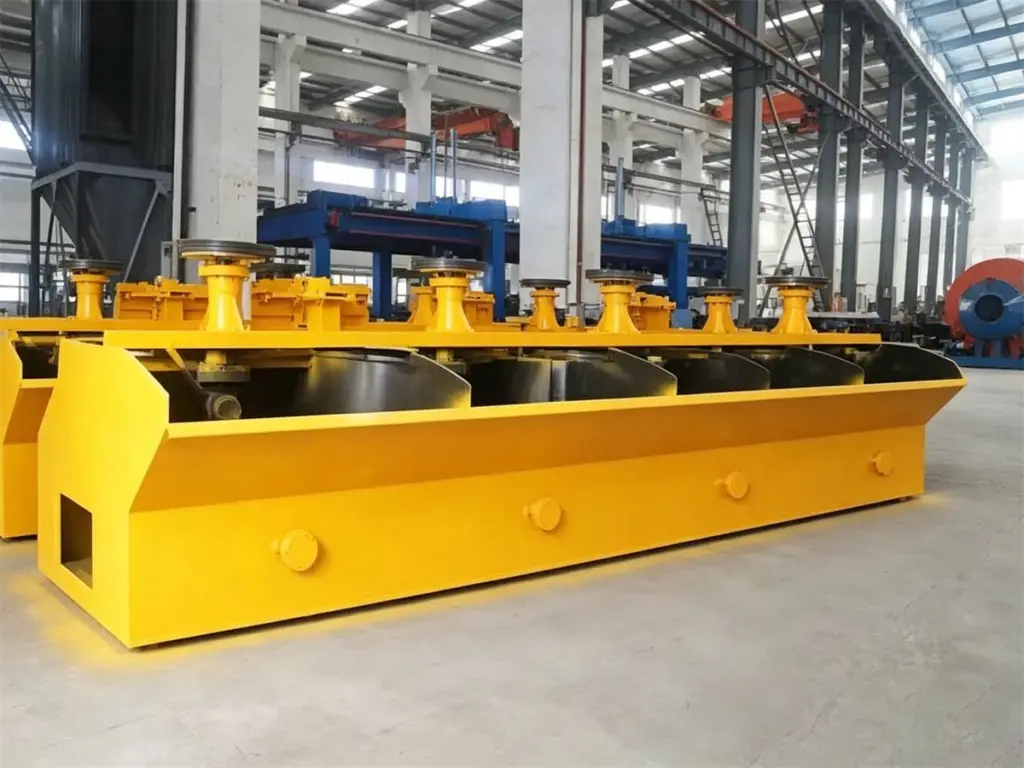
XJK-Flotationsmaschine
Die XJK-Flotationsmaschine ist eine traditionelle mechanische Mineralaufbereitungs-Flotationsanlage mit einfacher Konstruktion und zuverlässigem Betrieb. Sie verwendet ein Rührwerks-Mischsystem für die Trübeumwälzung und Luftdispergierung und eignet sich für allgemeine Mineraltrennungsanwendungen.
Aufgrund ihrer unkomplizierten Konstruktion, ihrer stabilen Leistung und ihrer wirtschaftlichen Investitionskosten werden XJK-Flotationsmaschinen häufig in kleinen und mittleren Mineralaufbereitungsanlagen zur Metallerztrennung eingesetzt. Sie bleiben eine praktische Wahl für Betriebe, die eine zuverlässige Flotationsleistung bei relativ einfachen Ausrüstungsanforderungen benötigen.
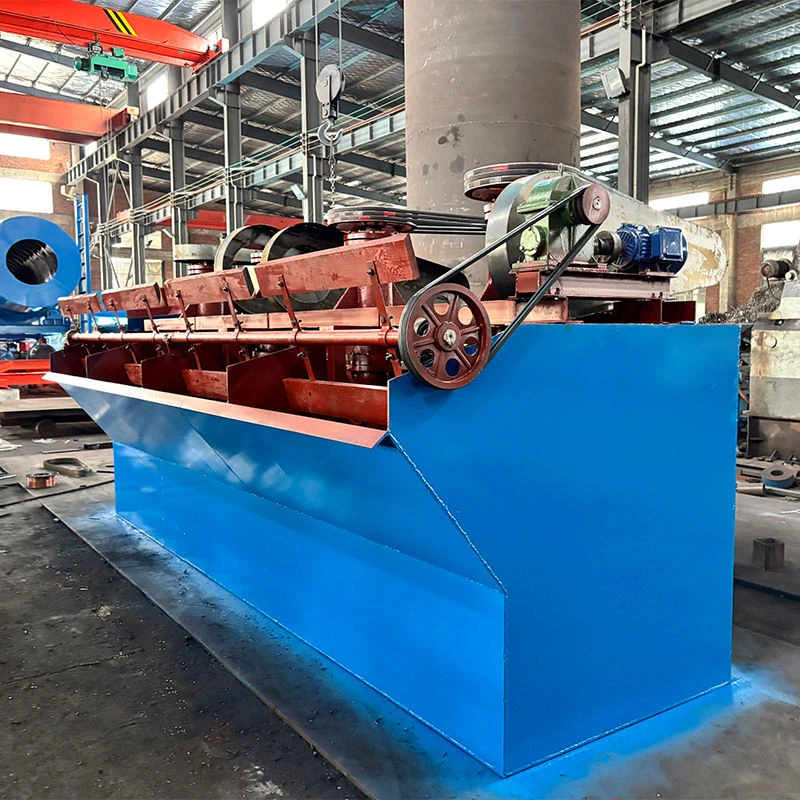
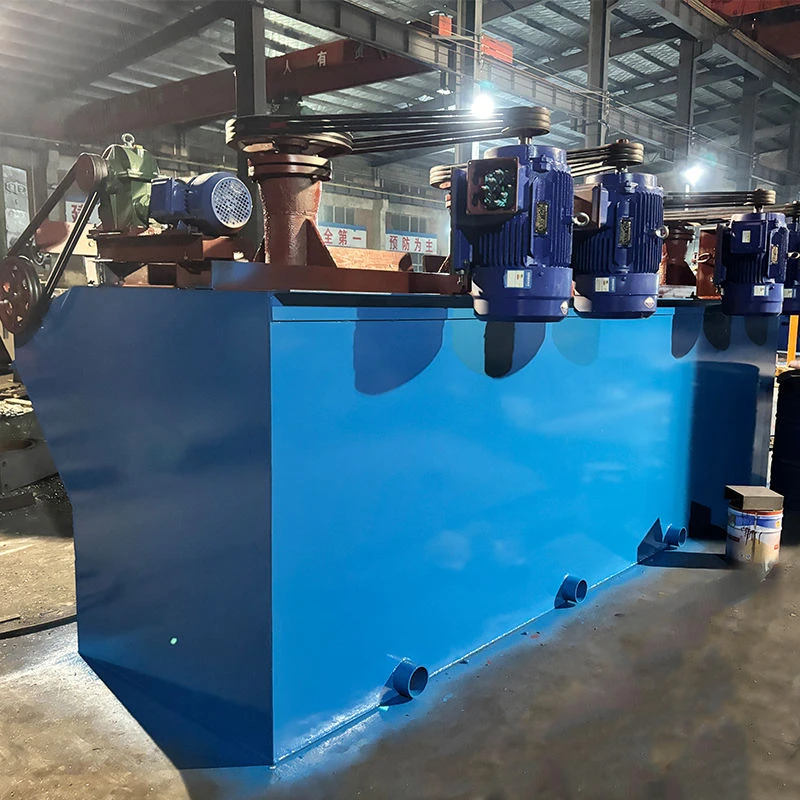
Vergleich von BF-, SF- und XJK-Flotationszellen
| Merkmal | BF | SF | XJK |
| Typ | Mechanische selbstansaugende Flotationszelle | Mechanische selbstansaugende Flotationszelle | Traditionelle mechanische Flotationsmaschine |
| Air Supply | Self-air suction | Self-air suction | Self-air suction |
| Mixing Method | Impeller agitation | Impeller agitation | Impeller agitation |
| Main Advantage | Strong air suction and slurry circulation | High flotation efficiency and flexible operation | Simple structure and reliable performance |
| Suitable Scale | Medium and large mineral processing plants | Small to medium-scale plants | Small and medium mineral processing plants |
| Typische Anwendung | Copper, gold, molybdenum, lead-zinc ores | Sulfide ores and non-ferrous metal beneficiation | General metal ore processing |
Air Inflation Flotation Cells
Air inflation flotation cells use an external air supply system to introduce air into the slurry, providing better control over aeration conditions compared with self-aspirated flotation machines. Unlike mechanical self-suction flotation cells, these flotation cells rely on forced air injection and optimized slurry circulation to improve bubble dispersion and maintain stable flotation performance. They are widely used in mineral processing plants that require reliable operation, flexible process adjustment, and large-scale production capacity.
XCF and KYF flotation cells are typical examples of air inflation Mineral Processing Flotation Equipment. These two types of flotation cells are often used together in flotation circuits, where efficient slurry circulation, controlled air dispersion, and lower energy consumption help improve mineral recovery and maintain stable operation in continuous beneficiation processes.
XCF Flotation Cell
The XCF flotation cell is an air inflation flotation machine designed with an external air supply system and strong slurry circulation capability. By combining forced air introduction with efficient mechanical agitation, XCF flotation cells provide stable bubble generation and effective contact between mineral particles and air bubbles.
XCF flotation cells are commonly used in roughing and scavenging operations for copper, gold, sulfide ores, and other mineral processing applications. Their strong circulation performance makes them suitable for flotation circuits that require consistent slurry mixing and stable mineral recovery.
KYF Flotation Cell
Der KYF flotation cell is a forced-air flotation machine designed for efficient mixing, aeration, and lower energy consumption. Its structure allows effective slurry circulation without requiring a large amount of power, making it suitable for continuous operation in large flotation circuits.
KYF flotation cells are widely applied in medium and large beneficiation plants, especially where high processing capacity, stable flotation performance, and reduced operating costs are important considerations. They are often combined with XCF flotation cells to form efficient flotation circuits for large-scale mineral processing operations.
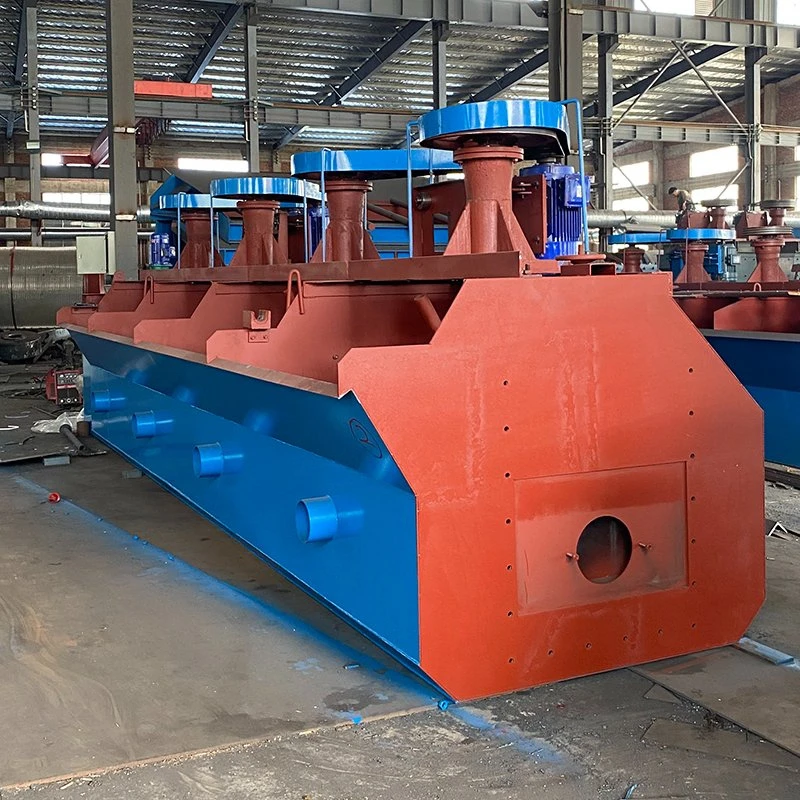
Pneumatic Flotation Cells
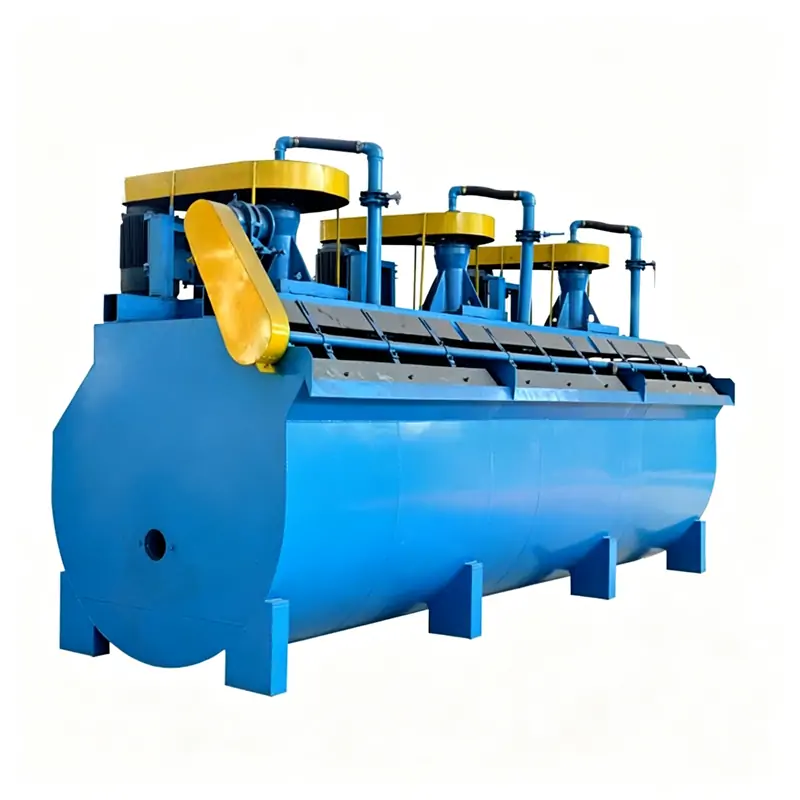
Pneumatische Flotationszellen are flotation equipment that generate air bubbles through an external air supply system without using a traditional mechanical impeller. Compared with mechanical flotation cells, this design reduces moving components and focuses on controlled aeration and bubble dispersion to improve mineral recovery under suitable operating conditions.
Due to lower mechanical wear, flexible air control, and stable flotation performance, pneumatic flotation cells are suitable for applications requiring fine bubble generation and reduced maintenance. They are commonly used for the recovery of copper, gold, iron ore, lead-zinc, and industrial minerals, especially in mineral processing operations involving fine particles.
Flash Flotation Cells
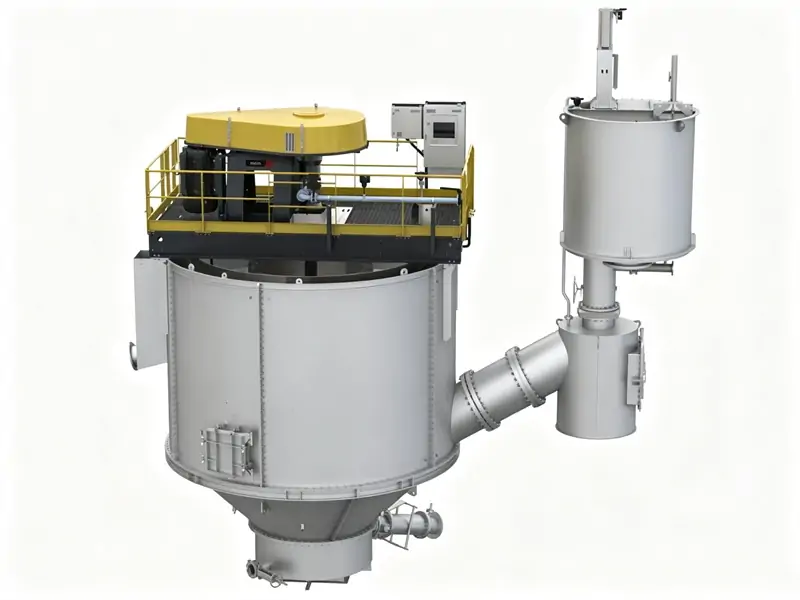
Flash-Flotationszellen are specialized flotation Mineral Processing Flotation Equipment installed in grinding circuits to recover liberated and fast-floating minerals at an early stage. They are typically used in high-density slurry streams, such as cyclone underflow, where valuable minerals can be recovered before further grinding.
By recovering valuable minerals earlier, flash flotation cells help reduce overgrinding losses, improve overall recovery, and optimize grinding and flotation performance. They are widely applied in gold, copper, sulfide ore, and graphite processing plants where early mineral recovery provides operational benefits.
Froth Flotation Cells in Mineral Processing
Schaumflotationszellen are equipment used in the froth flotation process to separate valuable minerals through the formation and collection of mineral-rich froth. During operation, hydrophobic mineral particles attach to air bubbles and rise to the surface, while unwanted gangue materials remain in the slurry.
As one of the most common mineral separation methods, froth flotation is widely used in the recovery of copper, zinc, nickel, sulfide ores, graphite, phosphate, and other minerals. Flotation cells provide the necessary conditions for bubble generation, mineral attachment, and concentrate recovery in modern beneficiation plants.
How to Choose Between Different Flotation Cell Types?
Selecting the right flotation cell types requires a comprehensive evaluation of ore characteristics, processing capacity, flotation circuit requirements, and long-term operating costs. There is no single flotation cell design suitable for all mineral processing plants. The most suitable Mineral Processing Flotation Equipment should match the specific ore properties, production targets, and plant operating conditions.
Ore Characteristics and Mineral Properties
The characteristics of the ore are the primary factors affecting flotation cell selection. Mineral type, particle size distribution, liberation degree, and slurry conditions determine how effectively valuable minerals can attach to air bubbles and be recovered. For example, ores with fine particles may require better bubble control, while coarse or high-density minerals may require stronger slurry circulation and mixing capability.
Processing Capacity and Plant Scale
The required processing capacity directly influences flotation equipment selection. Small and medium-sized plants often choose XJK and SF flotation cells because of their simple structure, reliable operation, and flexible application. For large-scale beneficiation plants, KYF and XCF flotation cells are commonly selected due to their stable aeration performance, strong circulation capability, and suitability for continuous high-capacity operation.
Flotation Circuit Requirements
Different stages of the flotation process have different Mineral Processing Flotation Equipment requirements. Roughing and scavenging operations usually focus on maximizing mineral recovery and require flotation cells with strong mixing and circulation performance. Cleaning operations focus more on improving concentrate grade and may require better control of bubble generation and froth stability. Therefore, flotation cell selection should consider the role of each unit in the overall flotation circuit.
Energy Consumption and Maintenance Cost
Besides initial investment, operating cost is an important factor in long-term equipment selection. Mechanical flotation cells provide reliable performance and wide application, while air inflation flotation cells can offer better aeration control and energy efficiency in large-scale operations. Factors such as impeller wear, spare parts availability, maintenance frequency, and equipment stability should also be considered to reduce downtime and improve overall plant efficiency.
Applications of Different Flotation Cell Types
Different flotation cell types are selected according to mineral properties, processing requirements, and recovery targets. The same Mineral Processing Flotation Equipment may perform differently under different ore conditions, so mineral processing plants usually choose suitable flotation cells based on the characteristics of the ore and the role of each stage in the flotation circuit. The following applications show how different flotation cell designs are commonly used in industrial mineral processing.
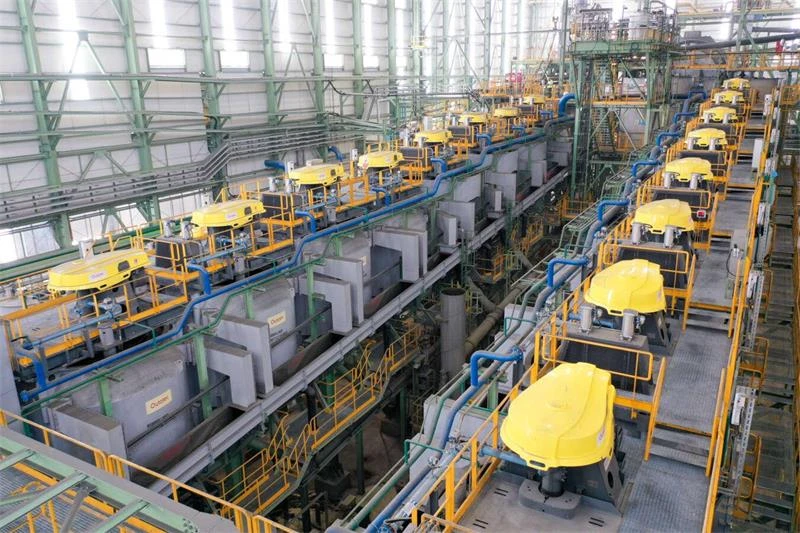
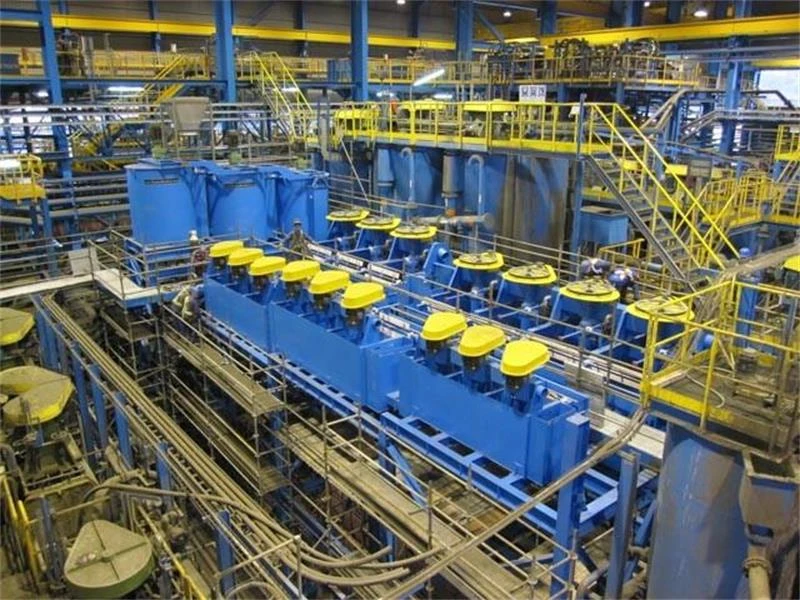
In copper ore processing, BF, XCF, and KYF flotation cells are widely applied due to their stable aeration, strong slurry circulation, and suitability for continuous operation. For gold processing, BF and SF flotation cells are commonly used for conventional flotation circuits, while flash flotation cells are often installed in grinding circuits for early recovery of liberated gold minerals. In lead-zinc processing, mechanical flotation cells remain a common choice because of their reliable mixing performance and adaptability to sulfide ore beneficiation.
For industrial minerals, such as graphite, phosphate, and other non-metallic minerals, pneumatic flotation cells can be suitable when fine particle recovery, controlled bubble generation, and reduced mechanical wear are important considerations. Understanding the relationship between ore type and flotation cell design helps plants select more efficient equipment and achieve better recovery performance, which is also the key factor when comparing different flotation cell types for specific mineral processing applications.
Conclusion & Call to Action
Understanding different Types of Flotation Cells is essential for selecting the right equipment for mineral processing plants. Mechanical flotation cells, air inflation flotation cells, pneumatic flotation cells, and flash flotation cells each have their own advantages and suitable applications. There is no single flotation cell design that fits all mineral processing conditions, and the final selection should be based on ore properties, processing capacity, recovery targets, and operating requirements.
Choosing the appropriate flotation equipment can help improve mineral recovery, reduce operating costs, and maintain stable plant performance. Zhongyi Mining provides customized flotation equipment solutions based on different mineral processing requirements, helping customers select suitable flotation cell designs for copper, gold, sulfide ores, and other beneficiation applications. Contact us today to discuss your project requirements and get a suitable flotation solution from our mineral processing experts.
Individuelle Lösung anfordern
Partner with Zhongyi for expert support, customized flotation solutions, and reliable equipment tailored to your ore characteristics and production needs.
FAQ
What are the main types of flotation cells used in mineral processing?
The main types of flotation cells used in mineral processing include mechanical flotation cells, air inflation flotation cells, pneumatic flotation cells, and flash flotation cells. Each type uses different mixing and aeration methods to achieve mineral separation. Mechanical and air inflation flotation cells are the most common choices for copper, gold, sulfide ore, and other beneficiation applications.
What is the difference between mechanical flotation cells and air inflation flotation cells?
The main difference between mechanical and air inflation flotation cells is the air supply method. Mechanical flotation cells use impeller-driven mixing and self-air suction, while air inflation flotation cells use an external air supply system. Air inflation designs provide better aeration control and are often selected for large-scale mineral processing plants requiring stable performance.
How do I choose the right flotation cell type for my mineral processing plant?
Choosing the right flotation cell types depends on ore properties, mineral characteristics, particle size, processing capacity, and recovery requirements. The selected equipment should match the flotation circuit design and production targets. Factors such as energy consumption, maintenance requirements, and long-term operating costs should also be considered before making a final equipment decision.
What is the difference between BF, SF, and XJK flotation cells?
BF, SF, and XJK flotation cells are all mechanical flotation equipment but have different design features and applications. BF flotation cells provide strong slurry circulation and stable operation, SF flotation cells offer efficient bubble dispersion and flexible operation, while XJK flotation machines are known for simple structure and reliable performance in small and medium-scale mineral processing plants.
When should a pneumatic flotation cell be selected?
A pneumatic flotation cell is suitable for applications requiring controlled aeration, fine bubble generation, and reduced mechanical wear. Compared with traditional mechanical flotation equipment, pneumatic designs reduce moving components and can provide stable flotation conditions. They are commonly used for fine mineral recovery in copper, gold, iron ore, lead-zinc, and industrial mineral processing.
What are the benefits of using a flash flotation cell?
Flash flotation cells are designed to recover liberated valuable minerals early in the grinding circuit. They help reduce overgrinding, improve mineral recovery, and increase overall process efficiency by removing fast-floating particles before further size reduction. They are commonly applied in gold, copper, and sulfide ore processing plants where early recovery is economically beneficial.
How do flotation cell types affect energy consumption and maintenance costs?
Different flotation cell types have different impacts on energy consumption, wear rates, and maintenance requirements. Factors such as impeller design, aeration method, spare parts availability, and operating conditions influence long-term costs. Selecting suitable flotation equipment can help reduce downtime, improve operational stability, and achieve better economic performance throughout the plant lifecycle.
Can flotation cells be customized for different mineral processing applications?
Yes. Flotation cells can be customized according to ore characteristics, processing capacity, flotation circuit requirements, and production goals. Equipment configuration, tank size, aeration system, and flotation arrangement can be adjusted for different applications. Professional manufacturers can provide technical support and customized solutions to improve recovery performance and meet specific plant requirements.