Introduction
Types of Flotation Cells play an important role in modern mineral processing plants, as different flotation equipment designs are developed to meet specific ore separation requirements. A flotation cell is a key mineral processing machine that uses the interaction of slurry, air bubbles, and flotation reagents to separate valuable minerals from unwanted materials. During the flotation process, hydrophobic mineral particles attach to air bubbles and rise to the surface, forming a mineral-rich froth that can be recovered as concentrate.
Since ore properties, processing capacity, and recovery targets vary significantly between different mining operations, a single flotation cell design cannot meet all application requirements. The selection of the right flotation cell types directly affects important factors such as mineral recovery, energy consumption, operating stability, and overall plant efficiency. For example, some operations may require strong mixing and reliable performance, while others may prioritize lower energy consumption, finer bubble control, or early mineral recovery.
To meet these different processing conditions, flotation cells have been developed with different structures, aeration methods, and operating mechanisms. The main types of flotation cells are classified based on their mixing mechanism, air supply method, and application requirements, including mechanical flotation cells, air inflation flotation cells, pneumatic flotation cells, and flash flotation cells. Understanding the characteristics, advantages, and suitable applications of each type helps mineral processing plants select the most suitable flotation equipment for their specific production goals. In the following sections, we will introduce the major types of flotation cells and explain their working principles, applications, and selection considerations.If you want to learn more, click “What is a Flotation Cell?”
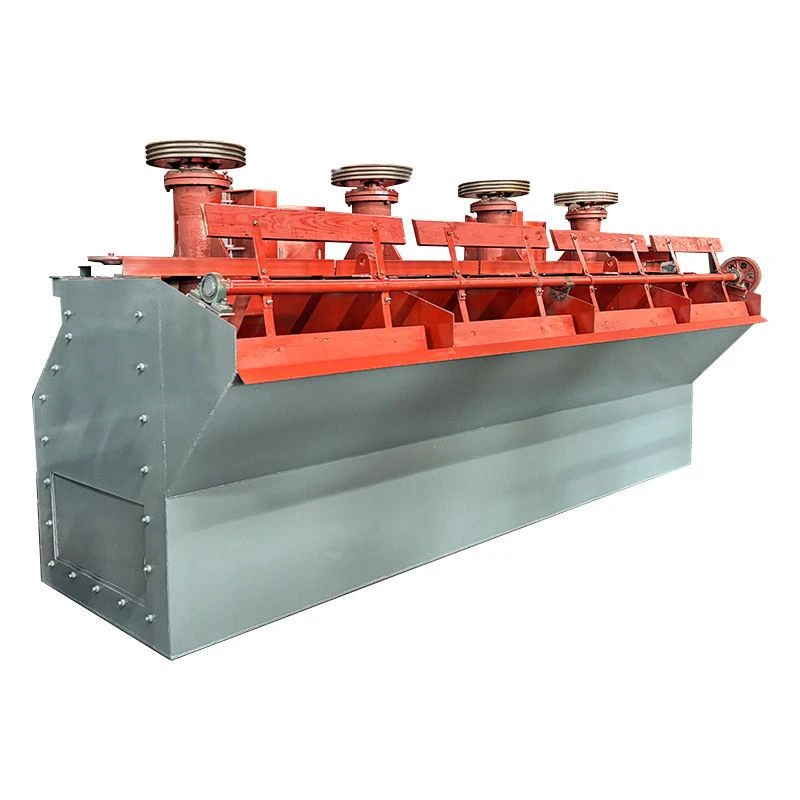
What Is a Flotation Cell and How Does It Work?
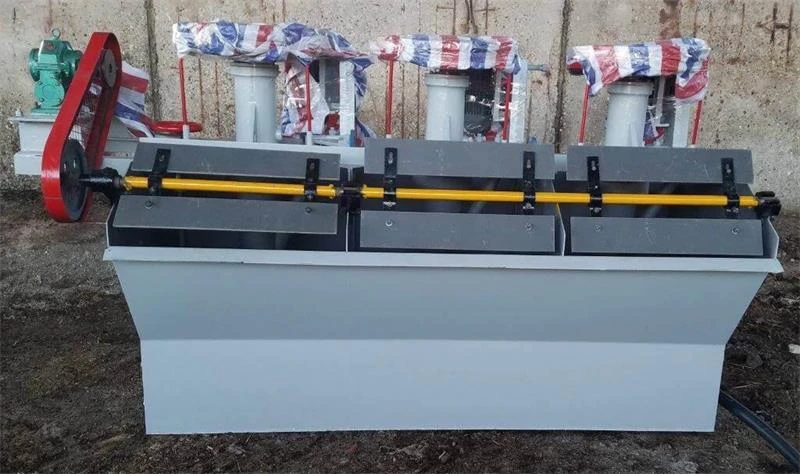
A flotation cell is a type of mineral processing equipment used to separate valuable minerals from gangue materials through the interaction of slurry, mineral particles, flotation reagents, and air bubbles. It provides a controlled environment where finely ground ore particles can selectively attach to air bubbles and be separated through the froth flotation process. During operation, flotation reagents modify the surface properties of minerals, allowing hydrophobic valuable particles to attach to bubbles and rise to the surface, where mineral-rich froth is collected as concentrate.
The working principle of a flotation cell is based on the selective attachment between mineral particles and air bubbles. After crushing and grinding, ore is mixed with water and flotation reagents to form slurry. The slurry enters the flotation cell, where air is introduced through mechanical agitation or an external air supply system to generate bubbles. Hydrophobic valuable minerals selectively attach to the bubble surfaces and rise to the top of the cell, forming a mineral-rich froth layer, while unwanted gangue materials remain in the slurry. The collected froth becomes concentrate, completing the mineral separation process. Factors such as slurry characteristics, reagent conditions, bubble size, and aeration performance directly influence flotation efficiency and recovery results, which is why different flotation cell designs are developed for various mineral processing applications.
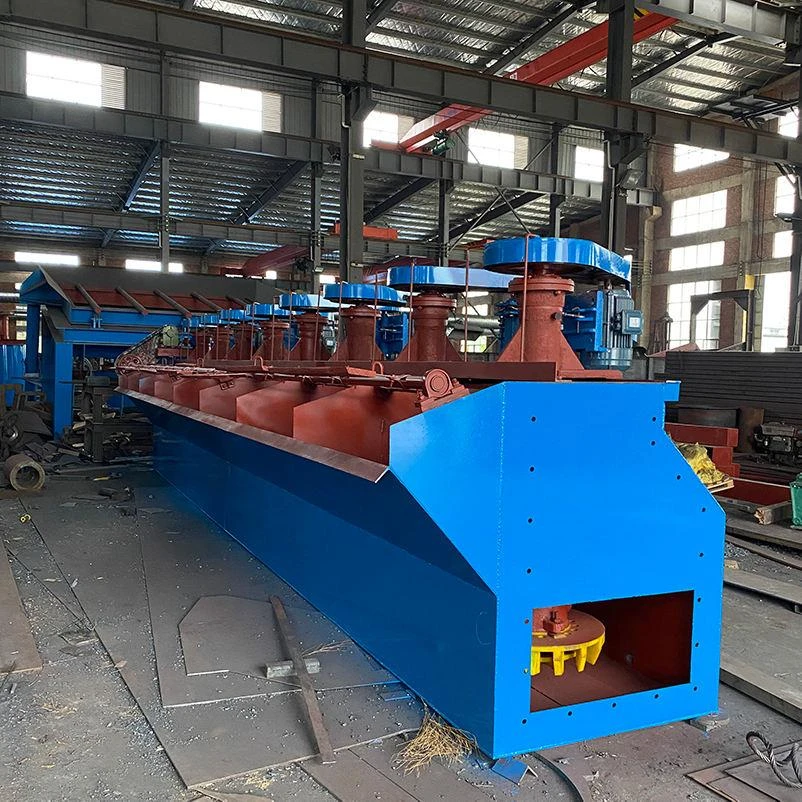
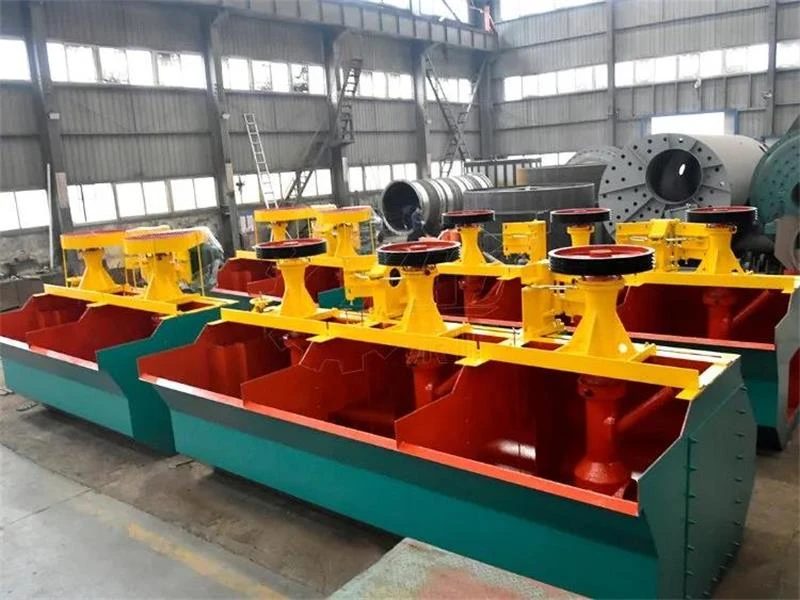
Main Types of Flotation Cells Used in Mineral Processing
Flotation cells can be classified according to their mixing method, air supply system, and bubble generation mechanism. Different flotation cell designs are developed to achieve stable mineral separation under different ore conditions, processing capacities, and recovery requirements. In mineral processing plants, mechanical flotation cells and air inflation flotation cells are the most commonly used types, while pneumatic and flash flotation cells are applied for specific applications that require finer bubble control, lower mechanical wear, or early recovery of valuable minerals.
| Flotation Cell Type | Main Feature | Typical Application |
| Mechanical Flotation Cell | Impeller mixing and self-air suction for slurry circulation and bubble dispersion | Copper, gold, lead-zinc, and sulfide ore processing |
| Air Inflation Flotation Cell | External air supply system with controlled aeration performance | Medium and large-scale mineral processing plants |
| Pneumatic Flotation Cell | No mechanical impeller, using external air generation for bubble formation | Fine particle recovery and applications requiring lower mechanical wear |
| Flash Flotation Cell | Designed for rapid recovery of liberated minerals from grinding circuits | Early mineral recovery in gold, copper, and sulfide ore processing |
Among these flotation cell types, mechanical flotation cells are widely used due to their reliable operation and broad application range. Air inflation flotation cells are preferred for large-scale plants that require stable aeration and lower energy consumption, while pneumatic and flash flotation cells are selected for specialized mineral recovery requirements. The following sections will introduce the structure, working principle, advantages, and applications of each major flotation cell type in detail.
Mechanical Flotation Cells
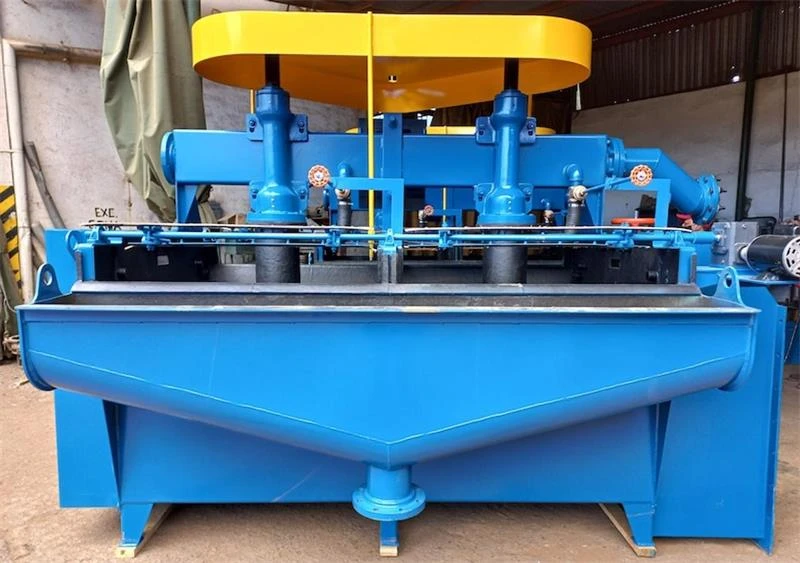
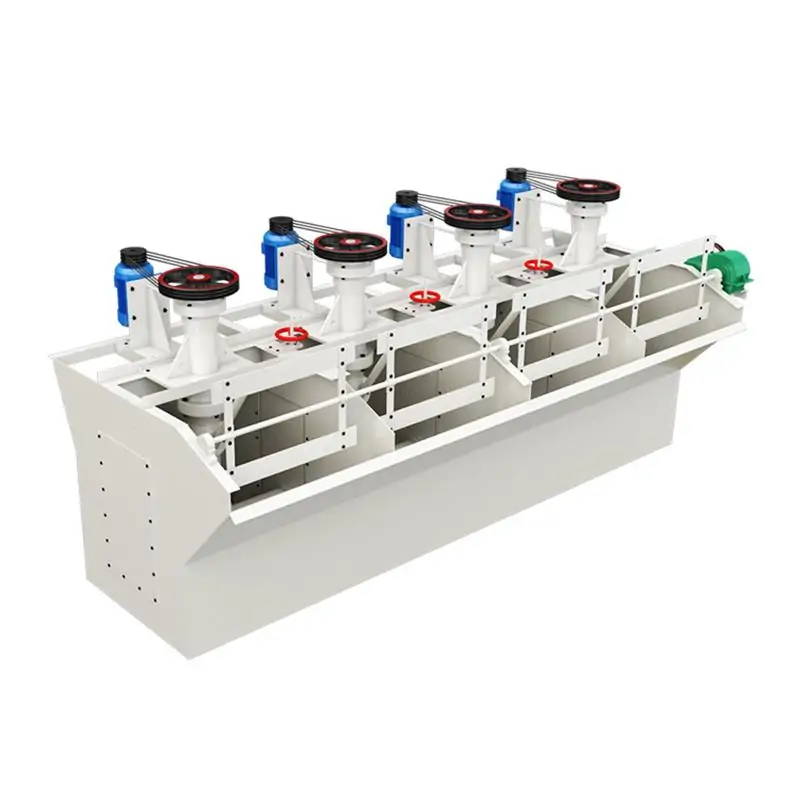
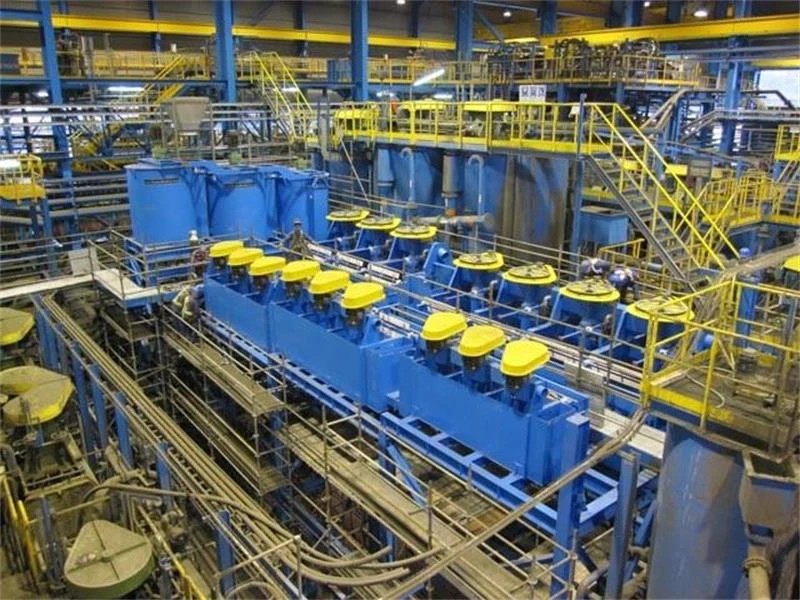
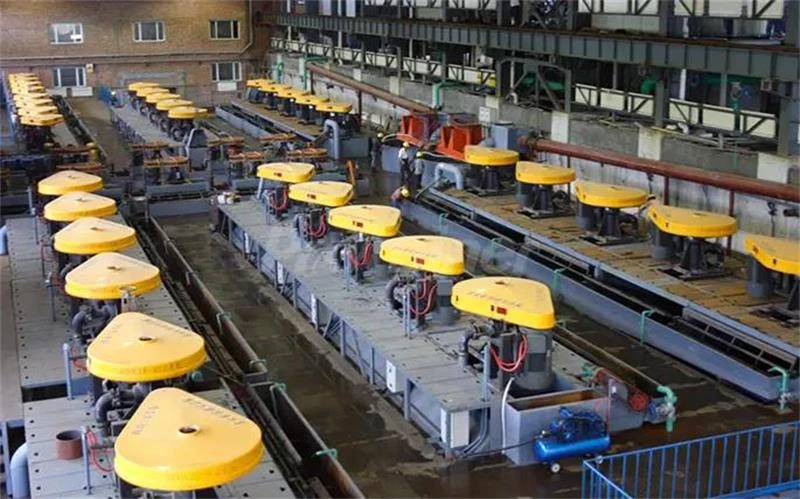
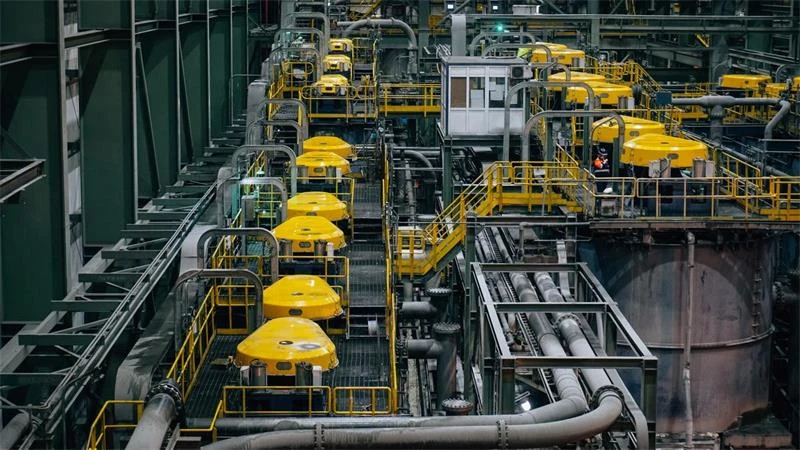
Mechanical flotation cells are the most widely used types of flotation equipment in mineral processing plants due to their reliable operation, simple structure, and wide application range. These flotation cells use an impeller-driven mixing system to combine slurry and air, creating suitable conditions for air bubble dispersion and mineral attachment. By maintaining effective slurry circulation and stable aeration, mechanical flotation cells are commonly applied in roughing, scavenging, and cleaning operations for copper, gold, lead-zinc, and sulfide ore processing.
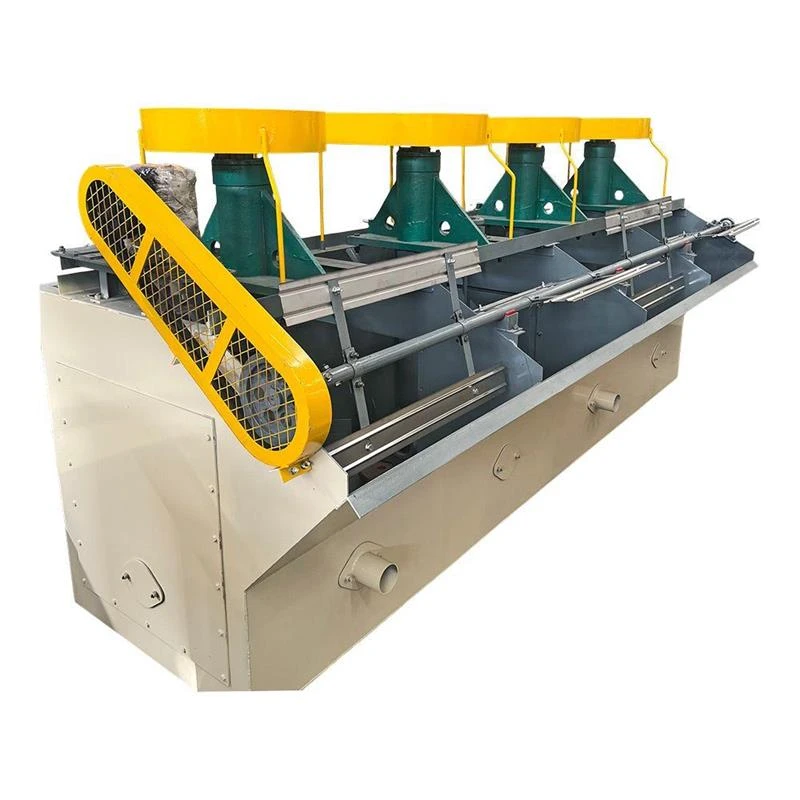
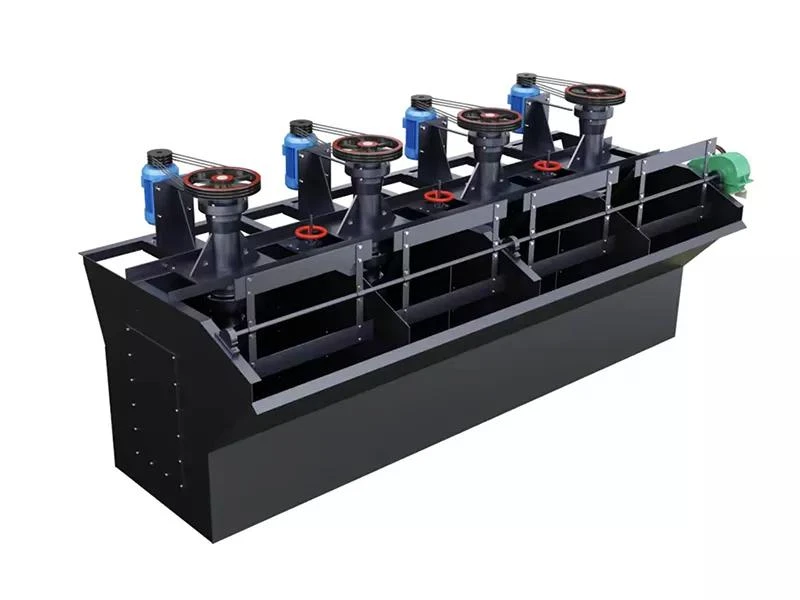
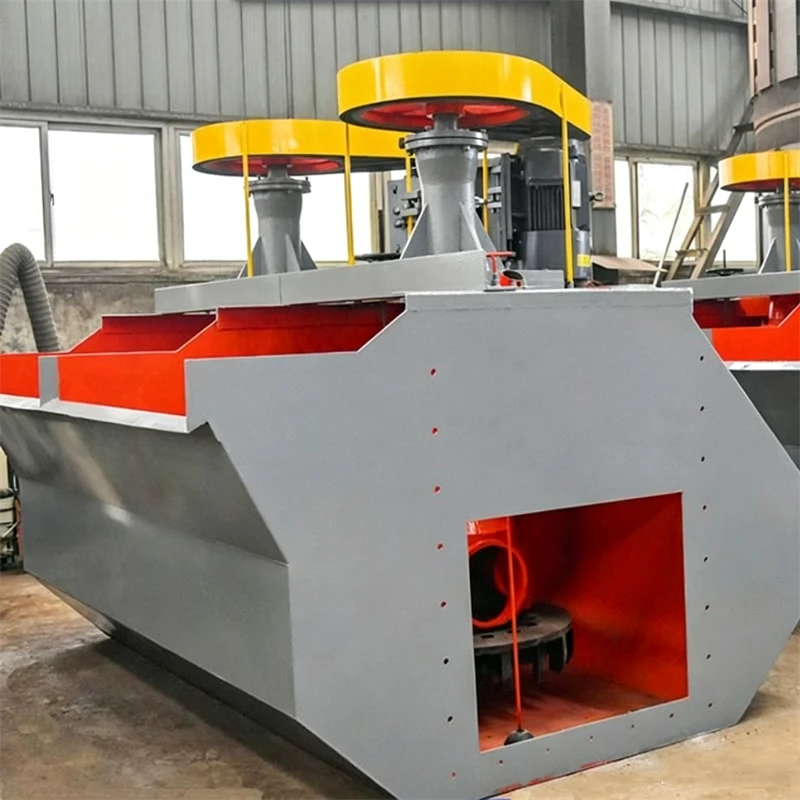
A mechanical flotation cell mainly consists of a flotation tank, impeller, stator, motor, and air suction system. During operation, the motor drives the impeller to rotate, creating slurry circulation inside the tank while drawing air into the pulp and dispersing it into fine bubbles through the interaction between the impeller and stator. Valuable mineral particles attach to these bubbles and rise to the surface to form froth, which is collected as concentrate. The flotation performance is influenced by factors such as impeller design, air dispersion efficiency, slurry circulation, and operating conditions, allowing mechanical flotation cells to provide stable mineral recovery across different processing applications.
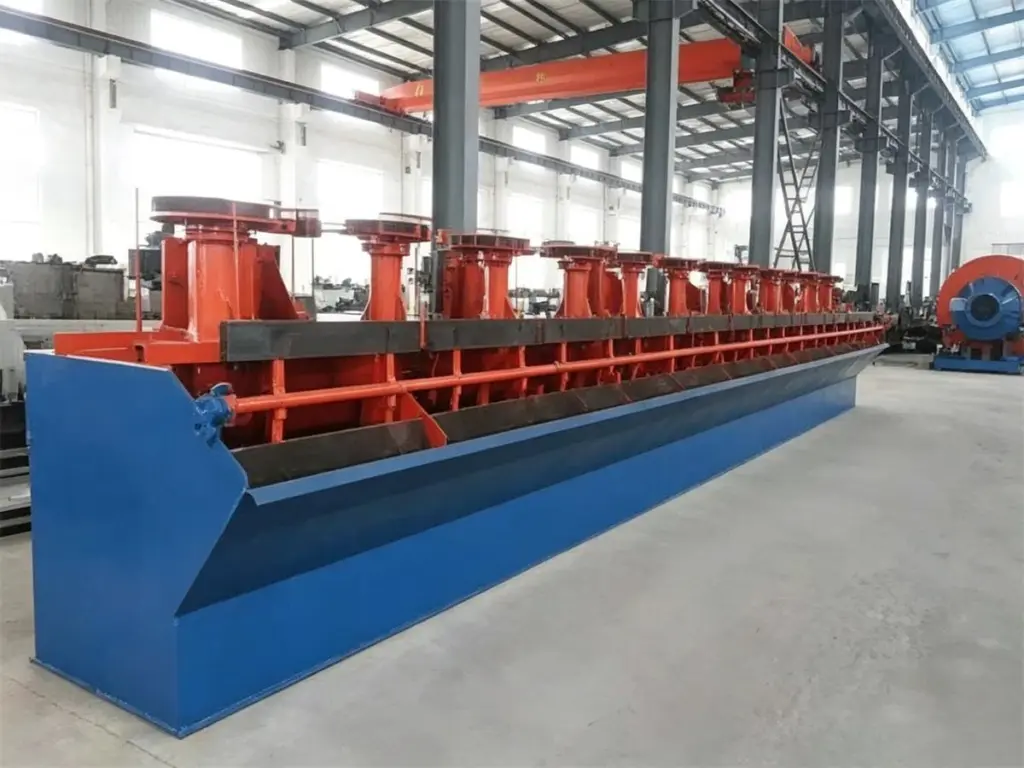
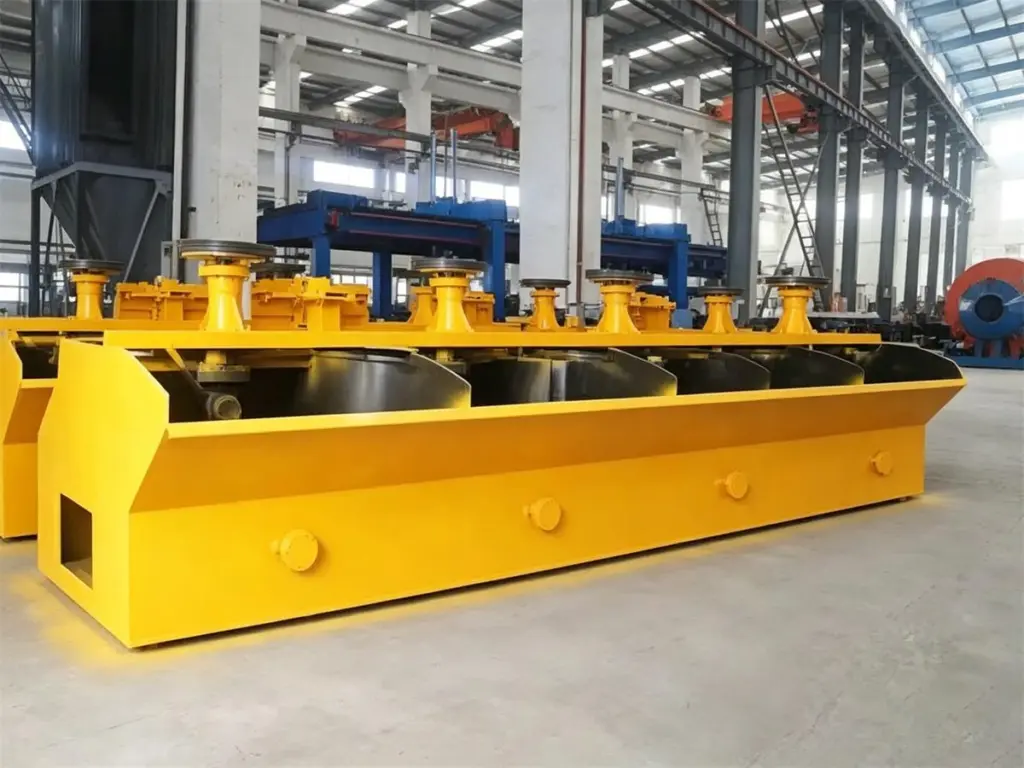
BF Flotation Cell
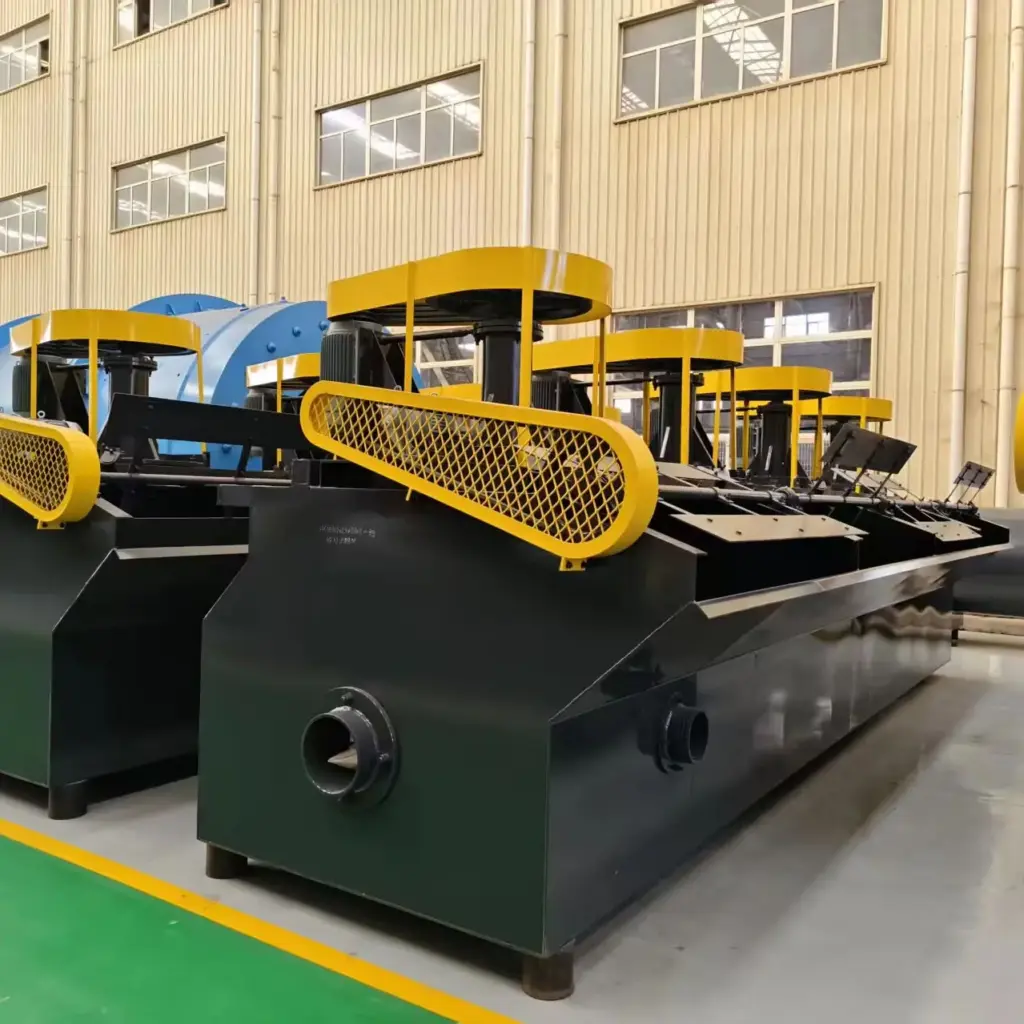
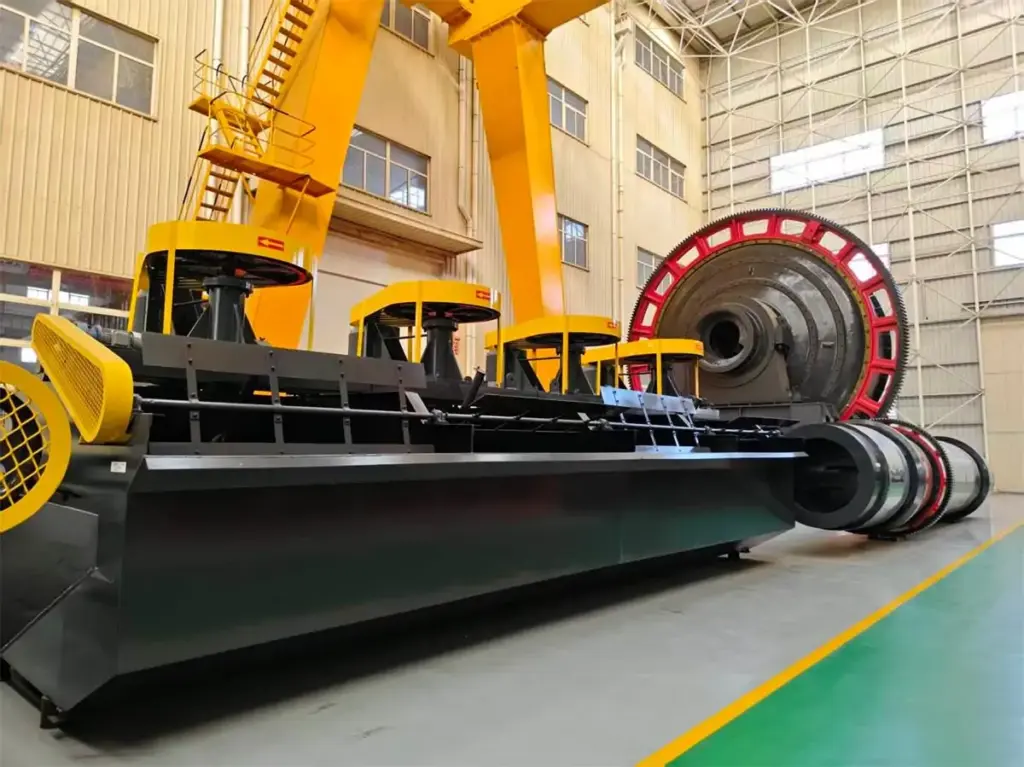
The BF flotation cell is a self-aspirated mechanical flotation machine designed for efficient air suction and strong slurry circulation. Its optimized impeller and stator structure improve air dispersion and pulp mixing, creating favorable conditions for mineral-bubble attachment and separation. Compared with conventional mechanical flotation equipment, BF flotation cells provide stable aeration performance and reliable operation under continuous working conditions.
The main advantages of BF flotation cells include stable operation, strong adaptability, and suitability for large-capacity mineral processing plants. They are widely used in the beneficiation of copper, gold, molybdenum, lead-zinc, and other metal ores, especially in flotation circuits requiring strong circulation capability and consistent recovery performance.
SF Flotation Cell
The SF flotation cell combines mechanical agitation with self-air suction to achieve effective slurry mixing and bubble dispersion. Through the rotation of the impeller, air is introduced into the slurry and evenly distributed throughout the flotation chamber, improving the contact efficiency between mineral particles and bubbles.
SF flotation cells are known for high flotation efficiency, flexible operation, and easy maintenance. They are commonly applied in sulfide ore processing, non-ferrous metal beneficiation, and mineral concentration plants where reliable flotation performance and operational flexibility are required.
XJK Flotation Machine
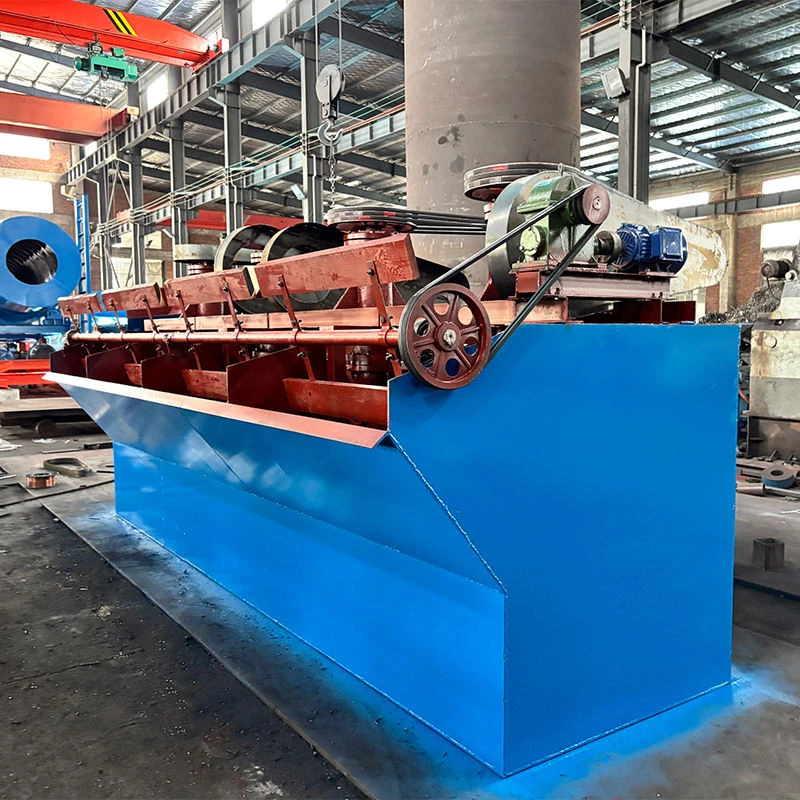
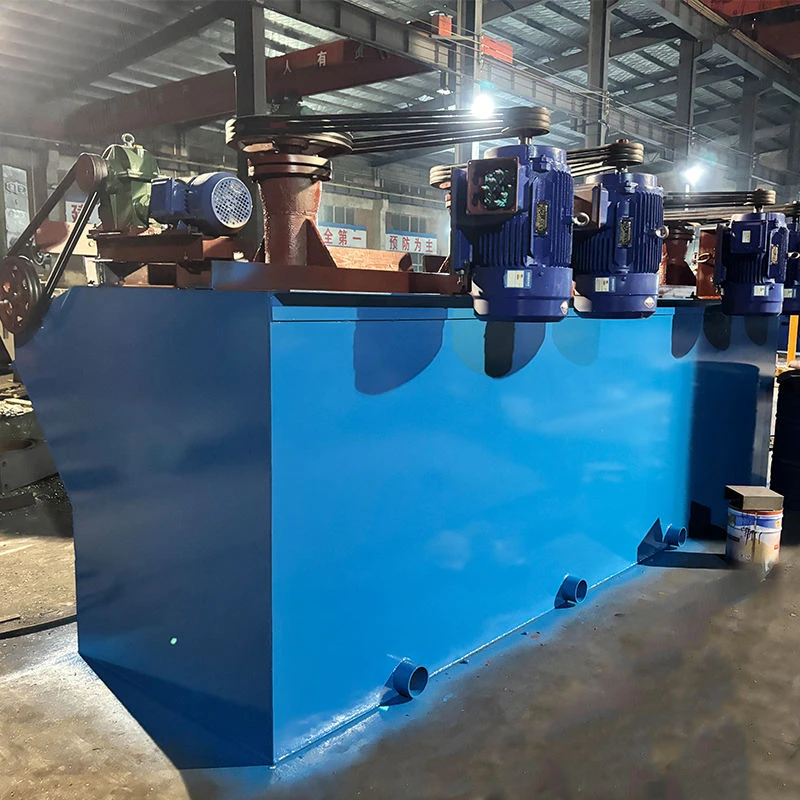
The XJK flotation machine is a traditional mechanical Mineral Processing Flotation Equipment design featuring a simple structure and dependable operation. It uses an impeller-based mixing system to provide slurry agitation and air dispersion, making it suitable for general mineral separation applications.
Due to its straightforward design, stable performance, and economical investment cost, XJK flotation machines are commonly used in small and medium-scale mineral processing plants for metal ore separation. They remain a practical choice for operations that require reliable flotation performance with relatively simple equipment requirements.
BF vs SF vs XJK Flotation Cell Comparison
| Feature | BF | SF | XJK |
| Type | Mechanical self-suction flotation cell | Mechanical self-suction flotation cell | Traditional mechanical flotation machine |
| Air Supply | Self-air suction | Self-air suction | Self-air suction |
| Mixing Method | Impeller agitation | Impeller agitation | Impeller agitation |
| Main Advantage | Strong air suction and slurry circulation | High flotation efficiency and flexible operation | Simple structure and reliable performance |
| Suitable Scale | Medium and large mineral processing plants | Small to medium-scale plants | Small and medium mineral processing plants |
| Typical Application | Copper, gold, molybdenum, lead-zinc ores | Sulfide ores and non-ferrous metal beneficiation | General metal ore processing |
Air Inflation Flotation Cells
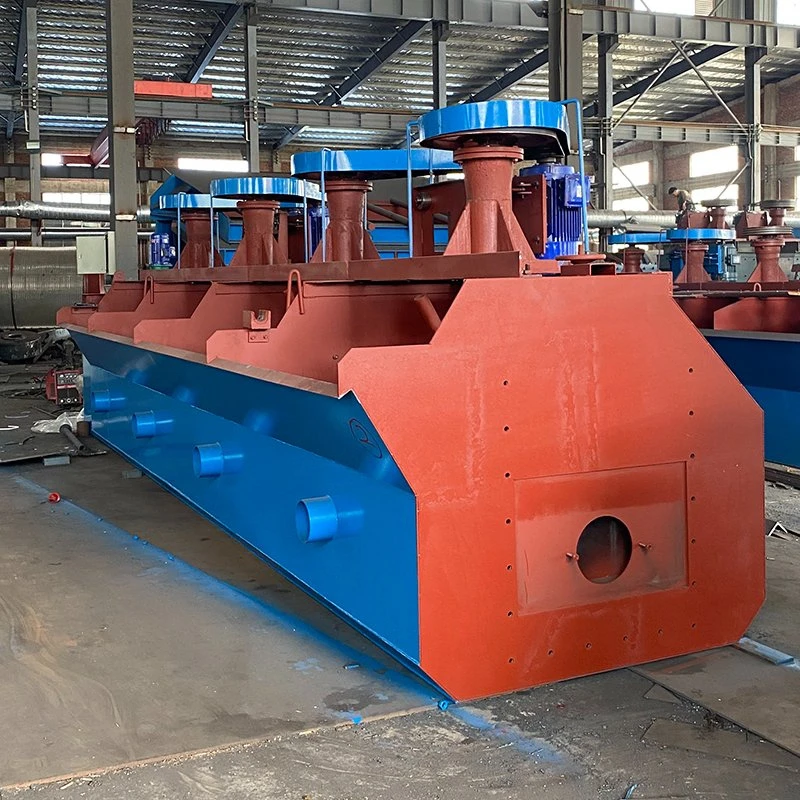
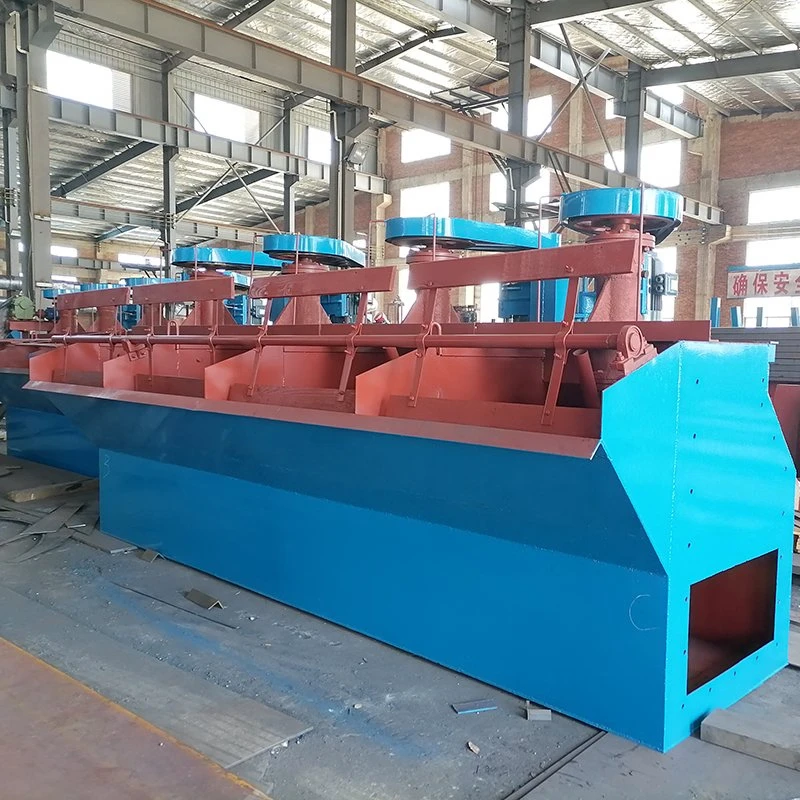
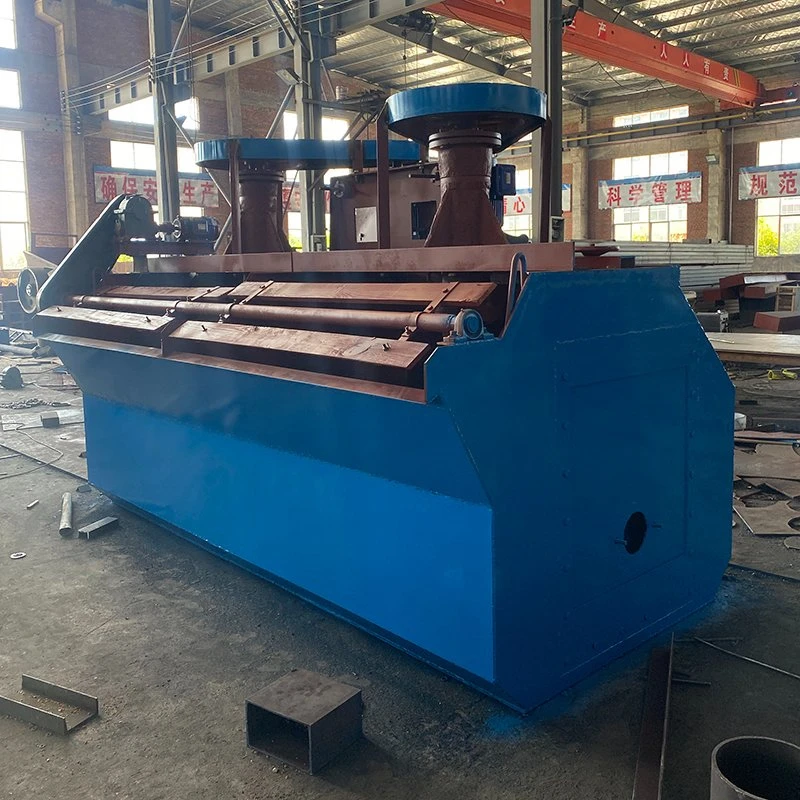
Air inflation flotation cells use an external air supply system to introduce air into the slurry, providing better control over aeration conditions compared with self-aspirated flotation machines. Unlike mechanical self-suction flotation cells, these flotation cells rely on forced air injection and optimized slurry circulation to improve bubble dispersion and maintain stable flotation performance. They are widely used in mineral processing plants that require reliable operation, flexible process adjustment, and large-scale production capacity.
XCF and KYF flotation cells are typical examples of air inflation Mineral Processing Flotation Equipment. These two types of flotation cells are often used together in flotation circuits, where efficient slurry circulation, controlled air dispersion, and lower energy consumption help improve mineral recovery and maintain stable operation in continuous beneficiation processes.
XCF Flotation Cell
The XCF flotation cell is an air inflation flotation machine designed with an external air supply system and strong slurry circulation capability. By combining forced air introduction with efficient mechanical agitation, XCF flotation cells provide stable bubble generation and effective contact between mineral particles and air bubbles.
XCF flotation cells are commonly used in roughing and scavenging operations for copper, gold, sulfide ores, and other mineral processing applications. Their strong circulation performance makes them suitable for flotation circuits that require consistent slurry mixing and stable mineral recovery.
KYF Flotation Cell
The KYF flotation cell is a forced-air flotation machine designed for efficient mixing, aeration, and lower energy consumption. Its structure allows effective slurry circulation without requiring a large amount of power, making it suitable for continuous operation in large flotation circuits.
KYF flotation cells are widely applied in medium and large beneficiation plants, especially where high processing capacity, stable flotation performance, and reduced operating costs are important considerations. They are often combined with XCF flotation cells to form efficient flotation circuits for large-scale mineral processing operations.
Pneumatic Flotation Cells
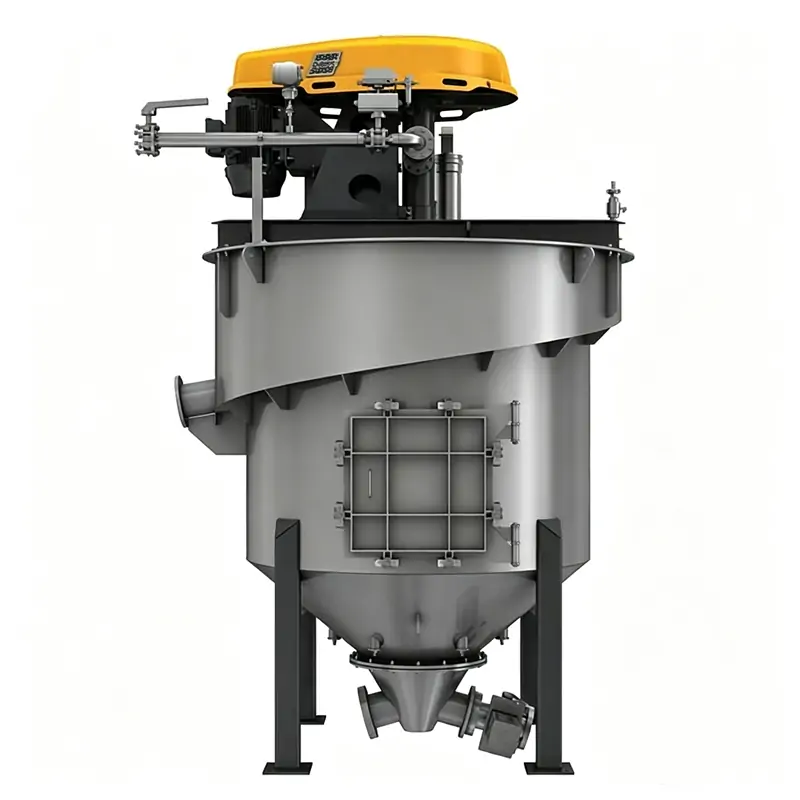
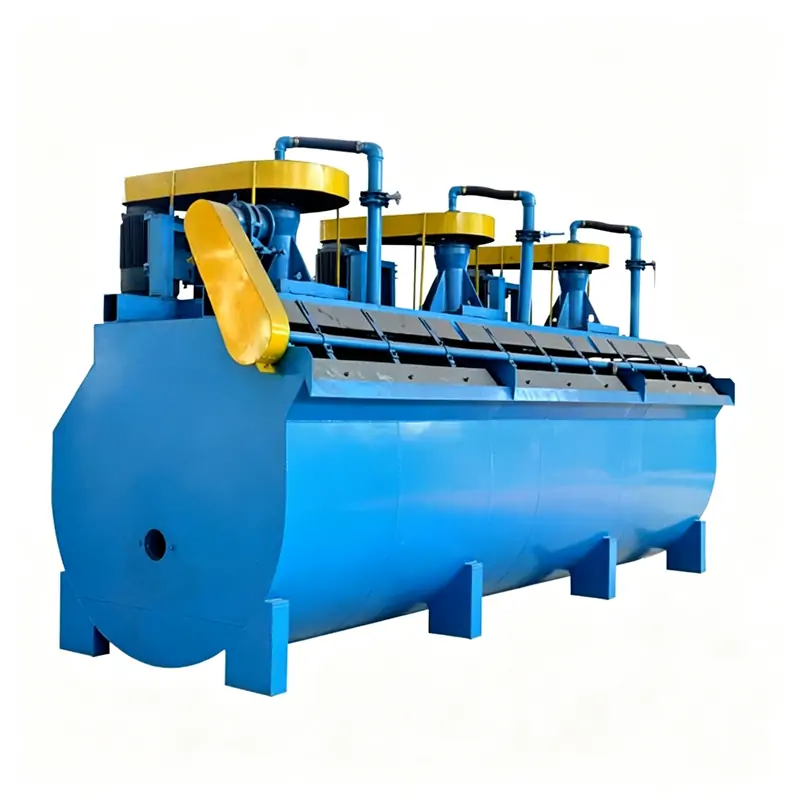
Pneumatic flotation cells are flotation equipment that generate air bubbles through an external air supply system without using a traditional mechanical impeller. Compared with mechanical flotation cells, this design reduces moving components and focuses on controlled aeration and bubble dispersion to improve mineral recovery under suitable operating conditions.
Due to lower mechanical wear, flexible air control, and stable flotation performance, pneumatic flotation cells are suitable for applications requiring fine bubble generation and reduced maintenance. They are commonly used for the recovery of copper, gold, iron ore, lead-zinc, and industrial minerals, especially in mineral processing operations involving fine particles.
Flash Flotation Cells
Flash flotation cells are specialized flotation Mineral Processing Flotation Equipment installed in grinding circuits to recover liberated and fast-floating minerals at an early stage. They are typically used in high-density slurry streams, such as cyclone underflow, where valuable minerals can be recovered before further grinding.
By recovering valuable minerals earlier, flash flotation cells help reduce overgrinding losses, improve overall recovery, and optimize grinding and flotation performance. They are widely applied in gold, copper, sulfide ore, and graphite processing plants where early mineral recovery provides operational benefits.
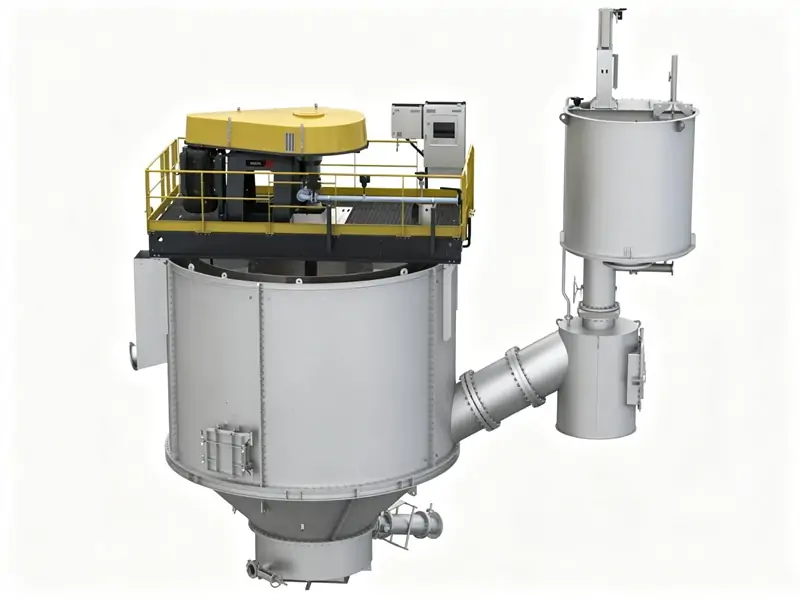
Froth Flotation Cells in Mineral Processing
Froth flotation cells are equipment used in the froth flotation process to separate valuable minerals through the formation and collection of mineral-rich froth. During operation, hydrophobic mineral particles attach to air bubbles and rise to the surface, while unwanted gangue materials remain in the slurry.
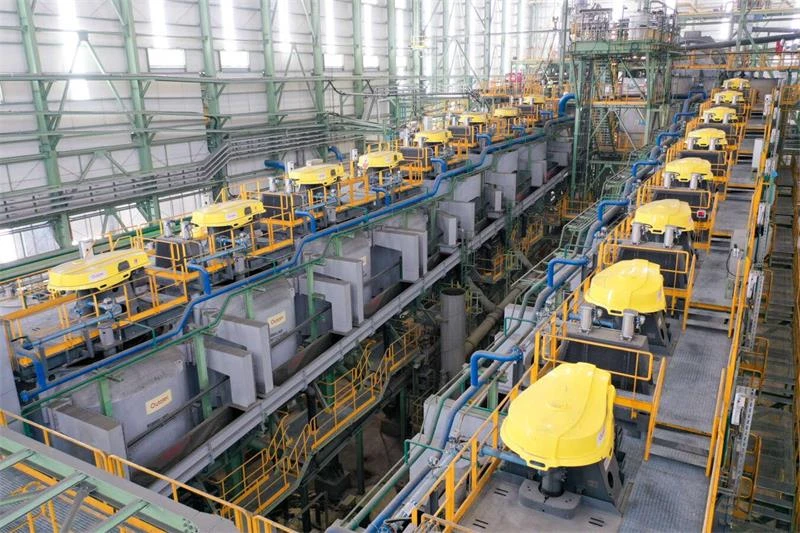
As one of the most common mineral separation methods, froth flotation is widely used in the recovery of copper, zinc, nickel, sulfide ores, graphite, phosphate, and other minerals. Flotation cells provide the necessary conditions for bubble generation, mineral attachment, and concentrate recovery in modern beneficiation plants.
How to Choose Between Different Flotation Cell Types?
Selecting the right flotation cell types requires a comprehensive evaluation of ore characteristics, processing capacity, flotation circuit requirements, and long-term operating costs. There is no single flotation cell design suitable for all mineral processing plants. The most suitable Mineral Processing Flotation Equipment should match the specific ore properties, production targets, and plant operating conditions.
Ore Characteristics and Mineral Properties
The characteristics of the ore are the primary factors affecting flotation cell selection. Mineral type, particle size distribution, liberation degree, and slurry conditions determine how effectively valuable minerals can attach to air bubbles and be recovered. For example, ores with fine particles may require better bubble control, while coarse or high-density minerals may require stronger slurry circulation and mixing capability.
Processing Capacity and Plant Scale
The required processing capacity directly influences flotation equipment selection. Small and medium-sized plants often choose XJK and SF flotation cells because of their simple structure, reliable operation, and flexible application. For large-scale beneficiation plants, KYF and XCF flotation cells are commonly selected due to their stable aeration performance, strong circulation capability, and suitability for continuous high-capacity operation.
Flotation Circuit Requirements
Different stages of the flotation process have different Mineral Processing Flotation Equipment requirements. Roughing and scavenging operations usually focus on maximizing mineral recovery and require flotation cells with strong mixing and circulation performance. Cleaning operations focus more on improving concentrate grade and may require better control of bubble generation and froth stability. Therefore, flotation cell selection should consider the role of each unit in the overall flotation circuit.
Energy Consumption and Maintenance Cost
Besides initial investment, operating cost is an important factor in long-term equipment selection. Mechanical flotation cells provide reliable performance and wide application, while air inflation flotation cells can offer better aeration control and energy efficiency in large-scale operations. Factors such as impeller wear, spare parts availability, maintenance frequency, and equipment stability should also be considered to reduce downtime and improve overall plant efficiency.
Applications of Different Flotation Cell Types
Different flotation cell types are selected according to mineral properties, processing requirements, and recovery targets. The same Mineral Processing Flotation Equipment may perform differently under different ore conditions, so mineral processing plants usually choose suitable flotation cells based on the characteristics of the ore and the role of each stage in the flotation circuit. The following applications show how different flotation cell designs are commonly used in industrial mineral processing.
In copper ore processing, BF, XCF, and KYF flotation cells are widely applied due to their stable aeration, strong slurry circulation, and suitability for continuous operation. For gold processing, BF and SF flotation cells are commonly used for conventional flotation circuits, while flash flotation cells are often installed in grinding circuits for early recovery of liberated gold minerals. In lead-zinc processing, mechanical flotation cells remain a common choice because of their reliable mixing performance and adaptability to sulfide ore beneficiation.
For industrial minerals, such as graphite, phosphate, and other non-metallic minerals, pneumatic flotation cells can be suitable when fine particle recovery, controlled bubble generation, and reduced mechanical wear are important considerations. Understanding the relationship between ore type and flotation cell design helps plants select more efficient equipment and achieve better recovery performance, which is also the key factor when comparing different flotation cell types for specific mineral processing applications.
Conclusion & Call to Action
Understanding different Types of Flotation Cells is essential for selecting the right equipment for mineral processing plants. Mechanical flotation cells, air inflation flotation cells, pneumatic flotation cells, and flash flotation cells each have their own advantages and suitable applications. There is no single flotation cell design that fits all mineral processing conditions, and the final selection should be based on ore properties, processing capacity, recovery targets, and operating requirements.
Choosing the appropriate flotation equipment can help improve mineral recovery, reduce operating costs, and maintain stable plant performance. Zhongyi Mining provides customized flotation equipment solutions based on different mineral processing requirements, helping customers select suitable flotation cell designs for copper, gold, sulfide ores, and other beneficiation applications. Contact us today to discuss your project requirements and get a suitable flotation solution from our mineral processing experts.
Request a Customized Solution
Partner with Zhongyi for expert support, customized flotation solutions, and reliable equipment tailored to your ore characteristics and production needs.
FAQ
What are the main types of flotation cells used in mineral processing?
The main types of flotation cells used in mineral processing include mechanical flotation cells, air inflation flotation cells, pneumatic flotation cells, and flash flotation cells. Each type uses different mixing and aeration methods to achieve mineral separation. Mechanical and air inflation flotation cells are the most common choices for copper, gold, sulfide ore, and other beneficiation applications.
What is the difference between mechanical flotation cells and air inflation flotation cells?
The main difference between mechanical and air inflation flotation cells is the air supply method. Mechanical flotation cells use impeller-driven mixing and self-air suction, while air inflation flotation cells use an external air supply system. Air inflation designs provide better aeration control and are often selected for large-scale mineral processing plants requiring stable performance.
How do I choose the right flotation cell type for my mineral processing plant?
Choosing the right flotation cell types depends on ore properties, mineral characteristics, particle size, processing capacity, and recovery requirements. The selected equipment should match the flotation circuit design and production targets. Factors such as energy consumption, maintenance requirements, and long-term operating costs should also be considered before making a final equipment decision.
What is the difference between BF, SF, and XJK flotation cells?
BF, SF, and XJK flotation cells are all mechanical flotation equipment but have different design features and applications. BF flotation cells provide strong slurry circulation and stable operation, SF flotation cells offer efficient bubble dispersion and flexible operation, while XJK flotation machines are known for simple structure and reliable performance in small and medium-scale mineral processing plants.
When should a pneumatic flotation cell be selected?
A pneumatic flotation cell is suitable for applications requiring controlled aeration, fine bubble generation, and reduced mechanical wear. Compared with traditional mechanical flotation equipment, pneumatic designs reduce moving components and can provide stable flotation conditions. They are commonly used for fine mineral recovery in copper, gold, iron ore, lead-zinc, and industrial mineral processing.
What are the benefits of using a flash flotation cell?
Flash flotation cells are designed to recover liberated valuable minerals early in the grinding circuit. They help reduce overgrinding, improve mineral recovery, and increase overall process efficiency by removing fast-floating particles before further size reduction. They are commonly applied in gold, copper, and sulfide ore processing plants where early recovery is economically beneficial.
How do flotation cell types affect energy consumption and maintenance costs?
Different flotation cell types have different impacts on energy consumption, wear rates, and maintenance requirements. Factors such as impeller design, aeration method, spare parts availability, and operating conditions influence long-term costs. Selecting suitable flotation equipment can help reduce downtime, improve operational stability, and achieve better economic performance throughout the plant lifecycle.
Can flotation cells be customized for different mineral processing applications?
Yes. Flotation cells can be customized according to ore characteristics, processing capacity, flotation circuit requirements, and production goals. Equipment configuration, tank size, aeration system, and flotation arrangement can be adjusted for different applications. Professional manufacturers can provide technical support and customized solutions to improve recovery performance and meet specific plant requirements.