











Giriş
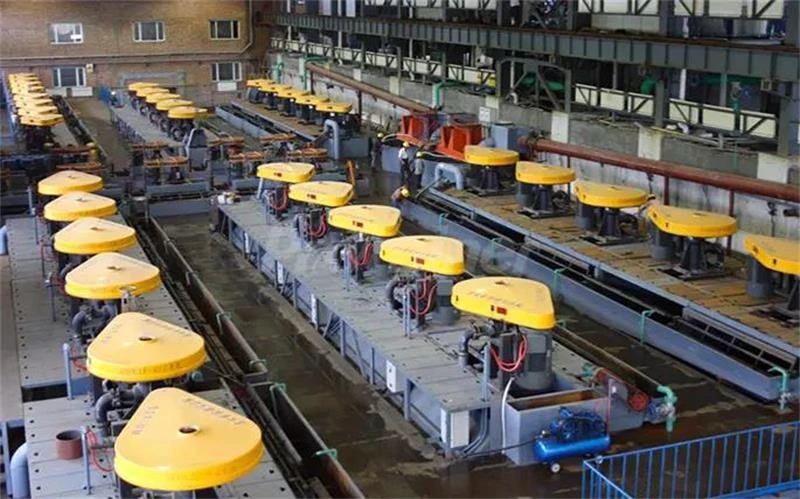
Flotasyon Hücresi Türleri, farklı cevher ayırma gereksinimlerini karşılamak üzere farklı flotasyon ekipmanı tasarımları geliştirildiğinden, modern cevher hazırlama tesislerinde önemli bir rol oynar. Flotasyon hücresi, değerli mineralleri istenmeyen malzemelerden ayırmak için bulamaç, hava kabarcıkları ve flotasyon reaktiflerinin etkileşimini kullanan temel bir cevher hazırlama makinesidir. Flotasyon işlemi sırasında, hidrofobik mineral parçacıkları hava kabarcıklarına tutunur ve yüzeye yükselerek konsantre olarak geri kazanılabilen mineral açısından zengin bir köpük oluşturur.
Cevher özellikleri, işleme kapasitesi ve geri kazanım hedefleri farklı madencilik operasyonları arasında önemli ölçüde farklılık gösterdiğinden, tek bir flotasyon hücresi tasarımı tüm uygulama gereksinimlerini karşılayamaz. Doğru flotasyon hücresi türlerinin seçimi, mineral geri kazanımı, enerji tüketimi, çalışma stabilitesi ve genel tesis verimliliği gibi önemli faktörleri doğrudan etkiler. Örneğin, bazı operasyonlar güçlü karıştırma ve güvenilir performans gerektirebilirken, diğerleri daha düşük enerji tüketimine, daha ince kabarcık kontrolüne veya erken mineral geri kazanımına öncelik verebilir.
Bu farklı işleme koşullarını karşılamak üzere flotasyon hücreleri farklı yapılar, havalandırma yöntemleri ve çalışma mekanizmalarıyla geliştirilmiştir. Başlıca flotasyon hücresi türleri, karıştırma mekanizmalarına, hava besleme yöntemlerine ve uygulama gereksinimlerine göre sınıflandırılır; bunlar arasında mekanik flotasyon hücreleri, hava üflemeli flotasyon hücreleri, pnömatik flotasyon hücreleri ve flaş flotasyon hücreleri yer alır. Her türün özelliklerini, avantajlarını ve uygun uygulamalarını anlamak, cevher hazırlama tesislerinin kendi özel üretim hedeflerine en uygun flotasyon ekipmanını seçmesine yardımcı olur. Aşağıdaki bölümlerde, başlıca flotasyon hücresi türlerini tanıtacak ve çalışma prensiplerini, uygulamalarını ve seçim değerlendirmelerini açıklayacağız. Daha fazla bilgi edinmek isterseniz, tıklayın “Flotasyon Hücresi Nedir?”
Flotasyon Hücresi Nedir ve Nasıl Çalışır?
Bir flotasyon hücresi , bulamaç, mineral parçacıkları, flotasyon reaktifleri ve hava kabarcıklarının etkileşimi yoluyla değerli mineralleri gang malzemelerinden ayırmak için kullanılan bir cevher hazırlama ekipmanı türüdür. İnce öğütülmüş cevher parçacıklarının hava kabarcıklarına seçici olarak tutunabildiği ve köpük flotasyonu işlemi yoluyla ayrılabildiği kontrollü bir ortam sağlar. Çalışma sırasında, flotasyon reaktifleri minerallerin yüzey özelliklerini değiştirerek hidrofobik değerli parçacıkların kabarcıklara tutunmasına ve yüzeye yükselmesine olanak tanır; burada mineral açısından zengin köpük konsantre olarak toplanır.
Bir flotasyon hücresinin çalışma prensibi, mineral parçacıkları ile hava kabarcıkları arasındaki seçici tutunmaya dayanır. Kırma ve öğütmeden sonra cevher, bulamaç oluşturmak üzere su ve flotasyon reaktifleriyle karıştırılır. Bulamaç flotasyon hücresine girer; burada hava, kabarcık oluşturmak üzere mekanik karıştırma veya harici hava besleme sistemi yoluyla verilir. Hidrofobik değerli mineraller seçici olarak kabarcık yüzeylerine tutunur ve hücrenin üst kısmına yükselerek mineral açısından zengin bir köpük tabakası oluştururken, istenmeyen gang malzemeleri bulamaçta kalır. Toplanan köpük konsantre haline gelerek mineral ayırma işlemini tamamlar. Bulamaç özellikleri, reaktif koşulları, kabarcık boyutu ve havalandırma performansı gibi faktörler flotasyon verimliliğini ve geri kazanım sonuçlarını doğrudan etkiler; bu nedenle çeşitli cevher hazırlama uygulamaları için farklı flotasyon hücresi tasarımları geliştirilmiştir.
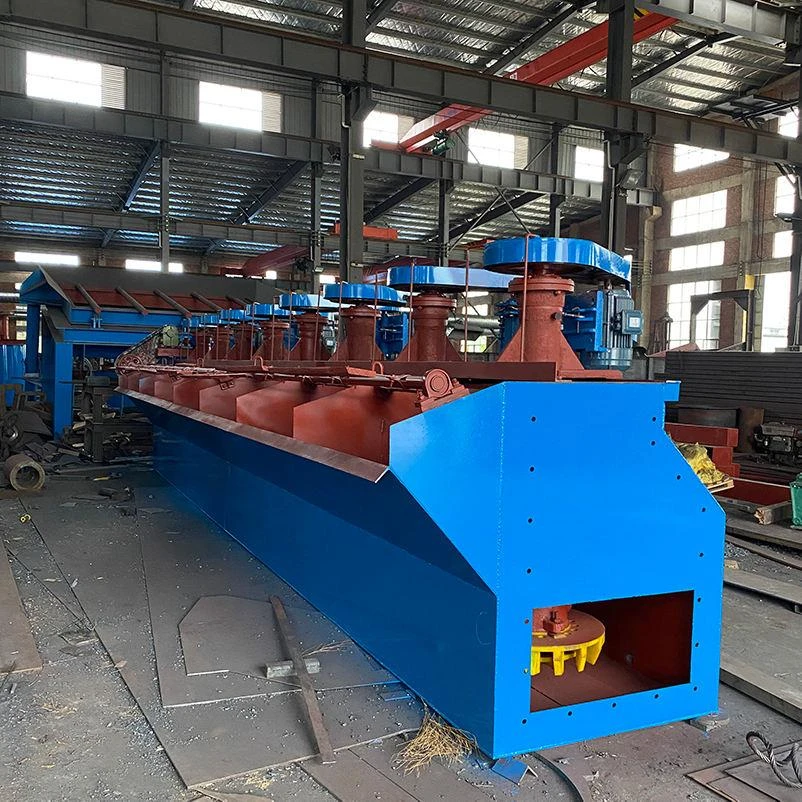
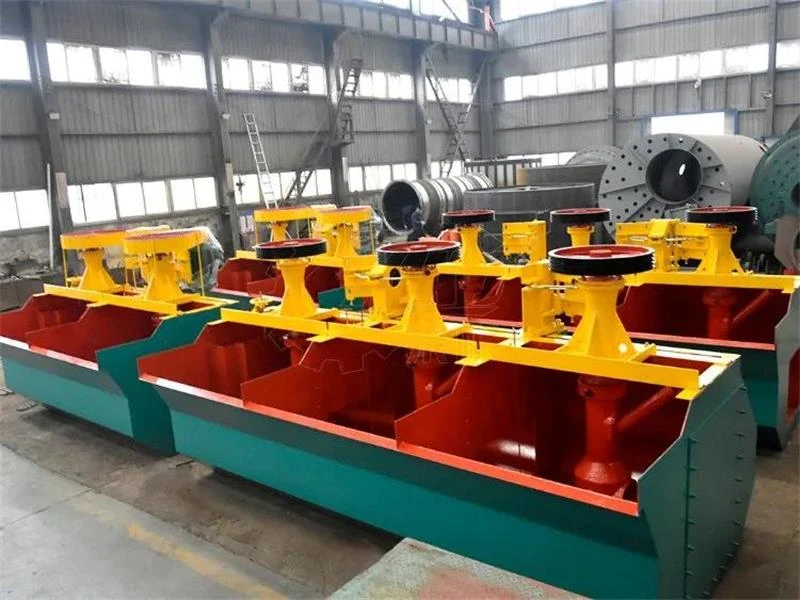
Cevher Hazırlamada Kullanılan Başlıca Flotasyon Hücresi Türleri
Flotasyon hücreleri, karıştırma yöntemlerine, hava besleme sistemlerine ve kabarcık oluşturma mekanizmalarına göre sınıflandırılabilir. Farklı flotasyon hücresi tasarımları, farklı cevher koşulları, işleme kapasiteleri ve geri kazanım gereksinimleri altında istikrarlı mineral ayırma elde etmek üzere geliştirilmiştir. Cevher hazırlama tesislerinde, mekanik flotasyon hücreleri ve hava üflemeli flotasyon hücreleri en yaygın kullanılan türlerdir; pnömatik ve flaş flotasyon hücreleri ise daha ince kabarcık kontrolü, daha düşük mekanik aşınma veya değerli minerallerin erken geri kazanımını gerektiren özel uygulamalarda kullanılır.
| Flotasyon Hücresi Türü | Ana Özellik | Tipik Uygulama |
| Mekanik Flotasyon Hücresi | Bulamaç sirkülasyonu ve kabarcık dağılımı için karıştırıcı karıştırma ve kendinden hava emişi | Bakır, altın, kurşun-çinko ve sülfürlü cevher işleme |
| Hava Üflemeli Flotasyon Hücresi | Kontrollü havalandırma performansına sahip harici hava besleme sistemi | Orta ve büyük ölçekli cevher hazırlama tesisleri |
| Pnömatik Flotasyon Hücresi | Mekanik karıştırıcı yok, kabarcık oluşumu için harici hava üretimi kullanır | İnce parçacık geri kazanımı ve daha düşük mekanik aşınma gerektiren uygulamalar |
| Flaş Flotasyon Hücresi | Öğütme devrelerinden serbestleşmiş minerallerin hızlı geri kazanımı için tasarlanmıştır | Altın, bakır ve sülfürlü cevher işlemede erken mineral geri kazanımı |
Bu flotasyon hücresi türleri arasında, mekanik flotasyon hücreleri güvenilir çalışmaları ve geniş uygulama aralıkları nedeniyle yaygın olarak kullanılmaktadır. Hava üflemeli flotasyon hücreleri istikrarlı havalandırma ve daha düşük enerji tüketimi gerektiren büyük ölçekli tesisler için tercih edilirken, pnömatik ve flaş flotasyon hücreleri özel mineral geri kazanım gereksinimleri için seçilir. Aşağıdaki bölümlerde, her bir başlıca flotasyon hücresi türünün yapısı, çalışma prensibi, avantajları ve uygulamaları ayrıntılı olarak tanıtılacaktır.
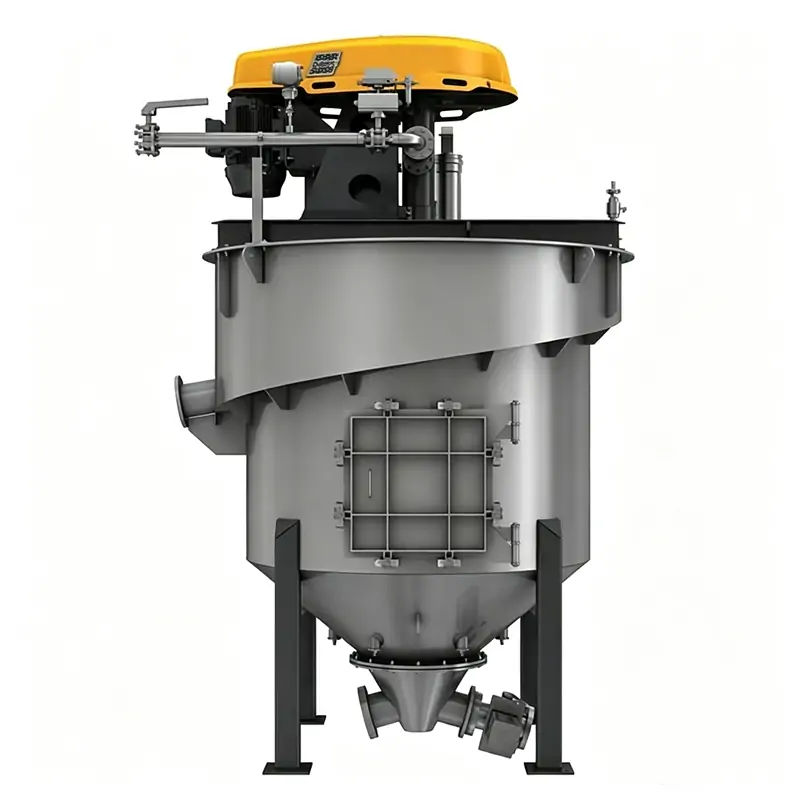
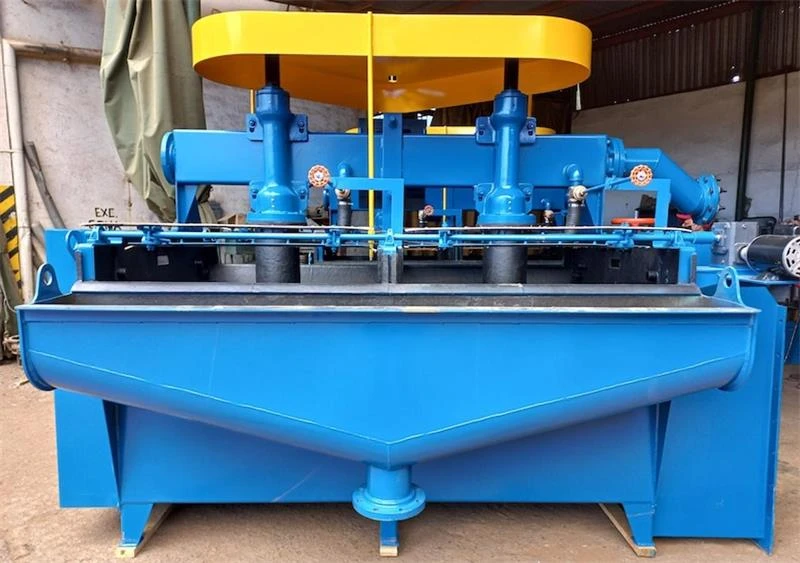
Mekanik Flotasyon Hücreleri
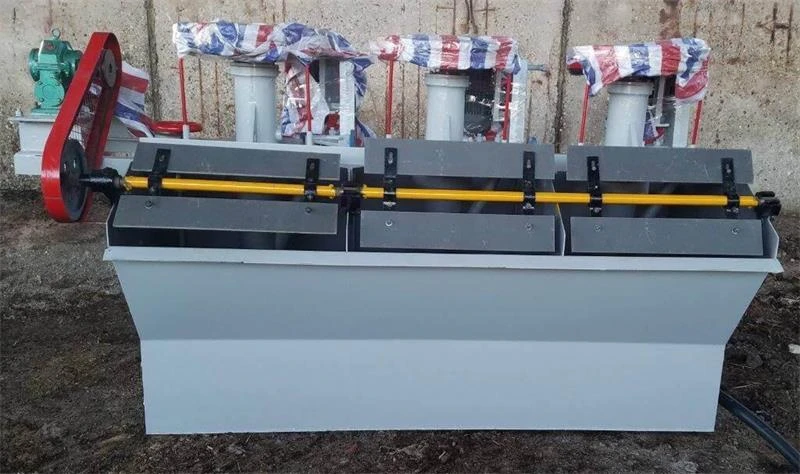
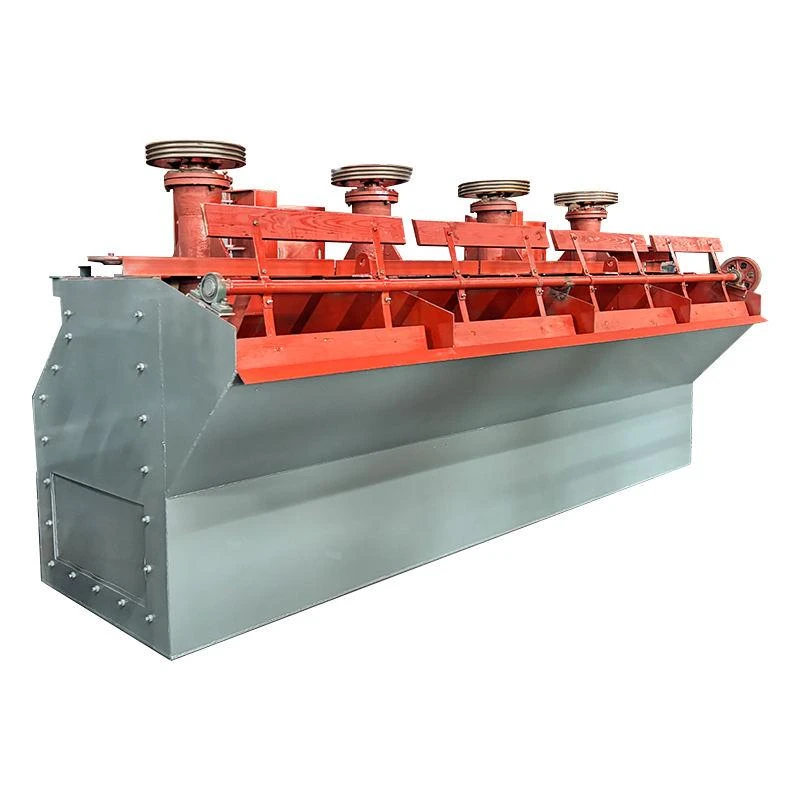
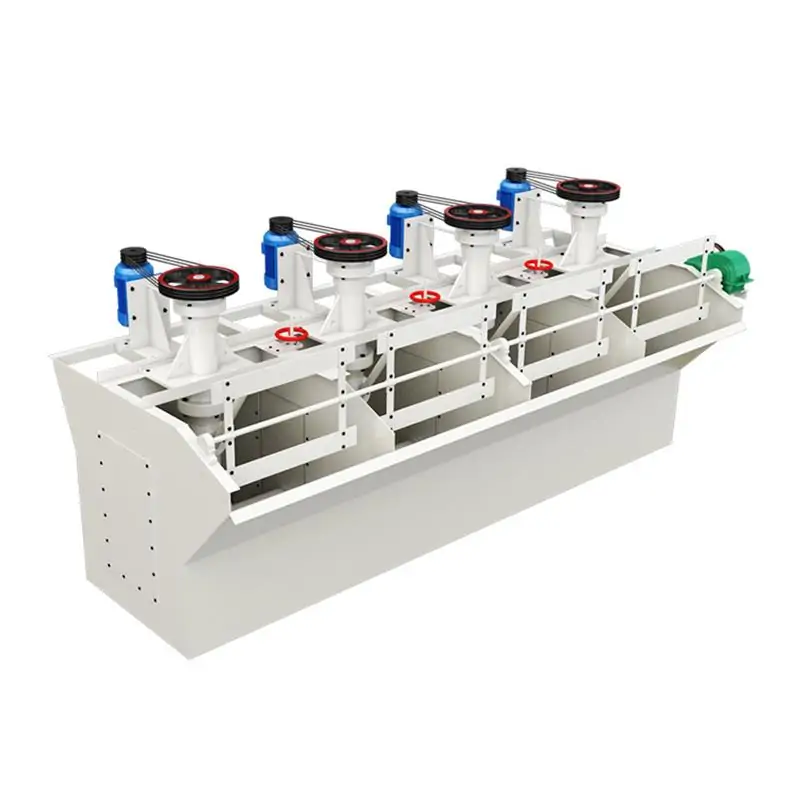
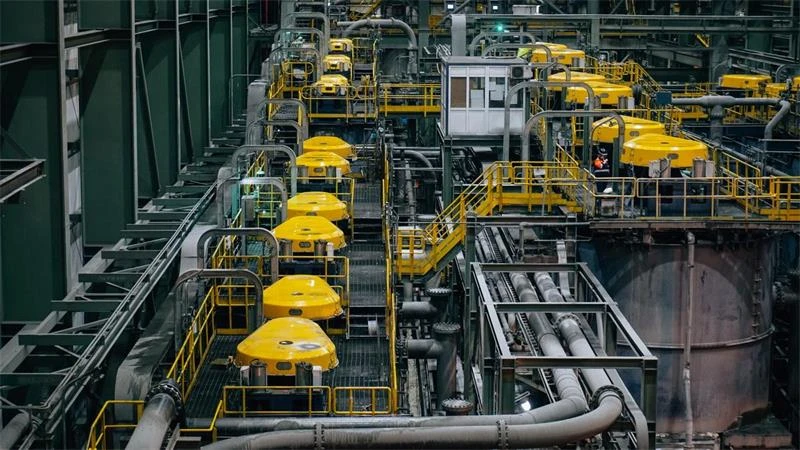
Mekanik flotasyon hücreleri, güvenilir çalışmaları, basit yapıları ve geniş uygulama aralıkları nedeniyle cevher hazırlama tesislerinde en yaygın kullanılan flotasyon ekipmanı türleridir. Bu flotasyon hücreleri, bulamaç ve havayı birleştirmek, hava kabarcığı dağılımı ve mineral tutunması için uygun koşullar oluşturmak üzere karıştırıcı tahrikli bir karıştırma sistemi kullanır. Etkili bulamaç sirkülasyonu ve istikrarlı havalandırmayı sürdürerek, mekanik flotasyon hücreleri bakır, altın, kurşun-çinko ve sülfürlü cevher işlemede kaba flotasyon, süpürme ve temizleme işlemlerinde yaygın olarak uygulanır.
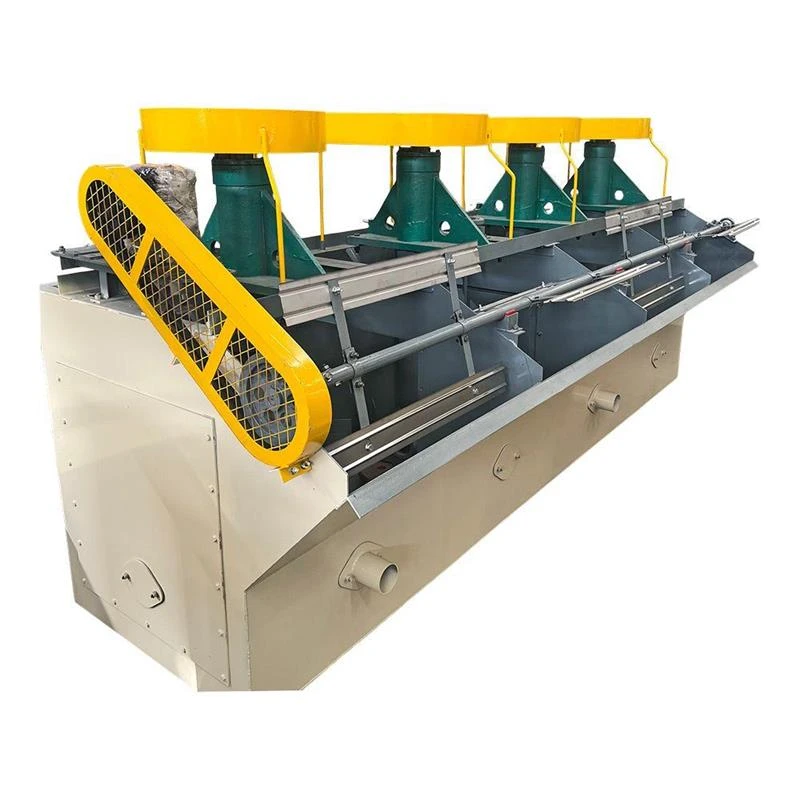
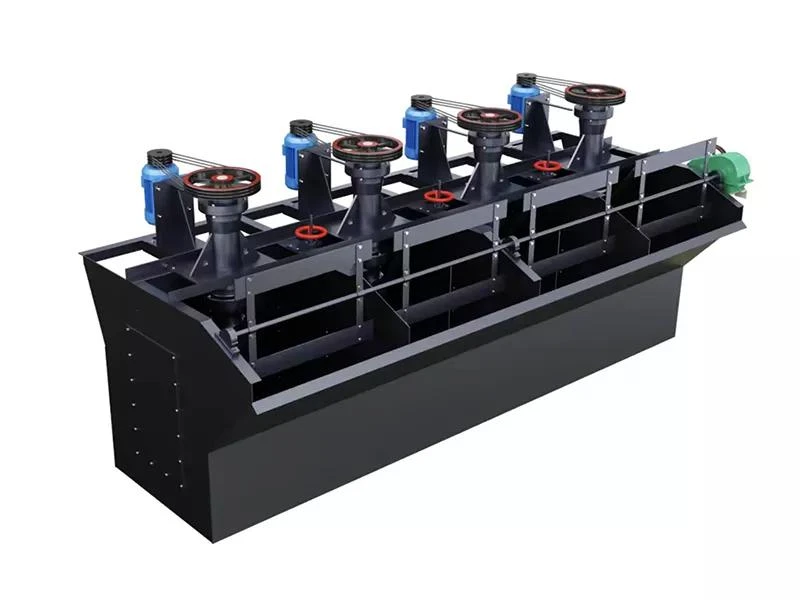
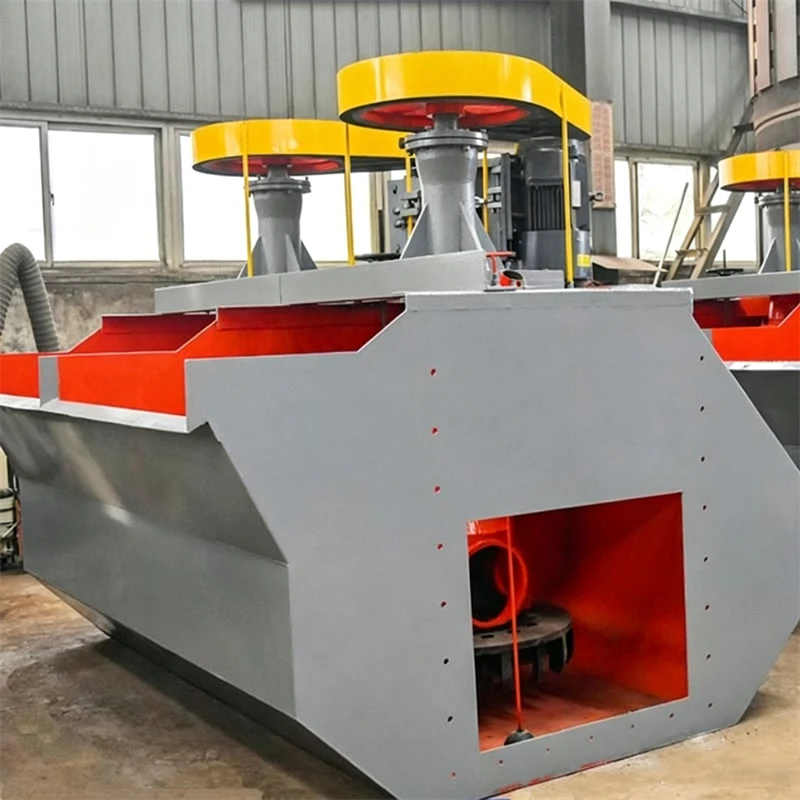
Bir mekanik flotasyon hücresi esas olarak bir flotasyon tankı, karıştırıcı, stator, motor ve hava emme sisteminden oluşur. Çalışma sırasında motor, karıştırıcıyı döndürerek tank içinde bulamaç sirkülasyonu oluştururken havayı pulp içine çeker ve karıştırıcı ile stator arasındaki etkileşim yoluyla ince kabarcıklara dağıtır. Değerli mineral parçacıkları bu kabarcıklara tutunarak yüzeye yükselir ve konsantre olarak toplanan köpük oluşturur. Flotasyon performansı karıştırıcı tasarımı, hava dağıtım verimliliği, bulamaç sirkülasyonu ve çalışma koşulları gibi faktörlerden etkilenir; bu da mekanik flotasyon hücrelerinin farklı proses uygulamalarında istikrarlı mineral geri kazanımı sağlamasına olanak tanır.
BF Flotasyon Hücresi
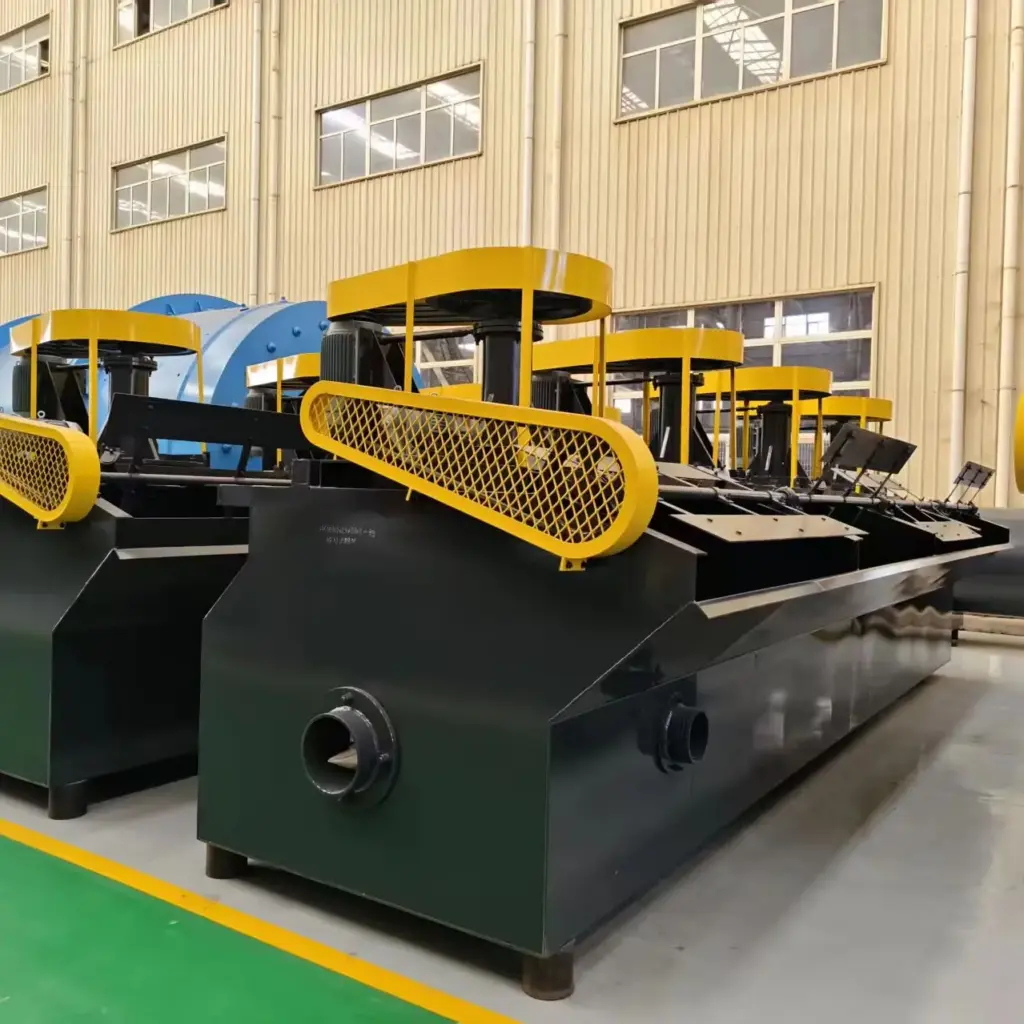
BF flotasyon hücresi verimli hava emişi ve güçlü bulamaç sirkülasyonu için tasarlanmış kendinden emişli bir mekanik flotasyon makinesidir. Optimize edilmiş karıştırıcı ve stator yapısı hava dağıtımını ve pulp karıştırmasını iyileştirerek mineral-kabarcık tutunması ve ayrımı için uygun koşullar oluşturur. Geleneksel mekanik flotasyon ekipmanlarıyla karşılaştırıldığında, BF flotasyon hücreleri sürekli çalışma koşulları altında istikrarlı havalandırma performansı ve güvenilir çalışma sağlar.
BF flotasyon hücrelerinin başlıca avantajları arasında istikrarlı çalışma, güçlü uyum yeteneği ve büyük kapasiteli mineral işleme tesislerine uygunluk yer alır. Bakır, altın, molibden, kurşun-çinko ve diğer metal cevherlerinin zenginleştirilmesinde, özellikle güçlü sirkülasyon kabiliyeti ve tutarlı geri kazanım performansı gerektiren flotasyon devrelerinde yaygın olarak kullanılırlar.
SF Flotasyon Hücresi
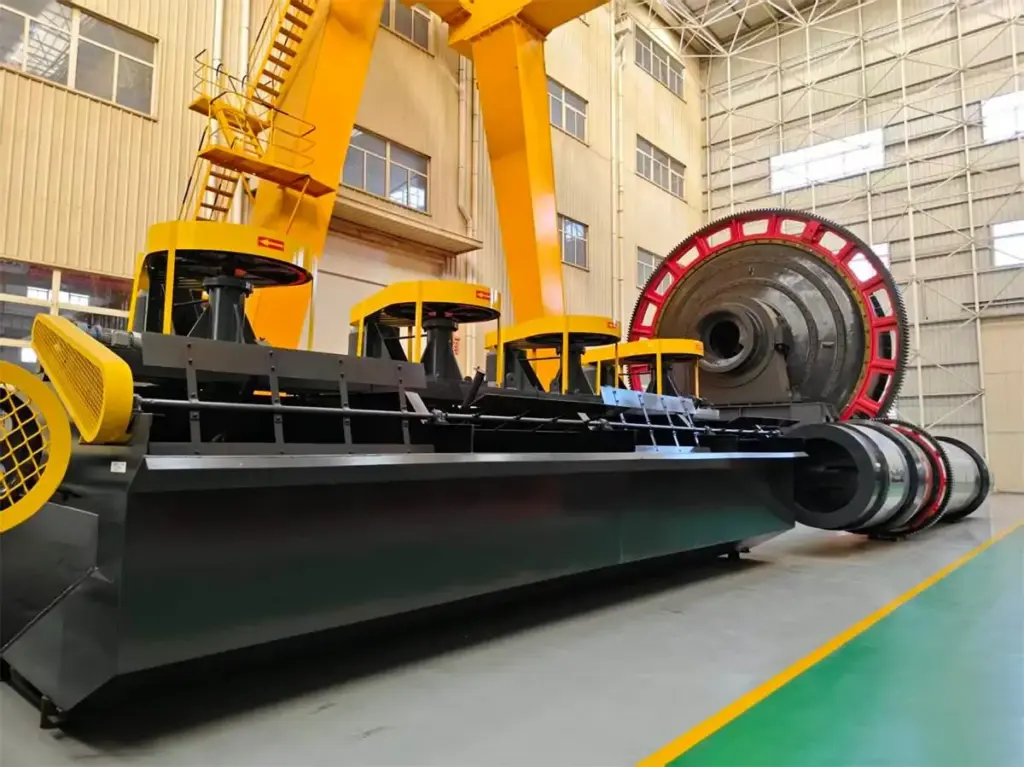
SF flotasyon hücresi etkili bulamaç karıştırma ve kabarcık dağıtımı elde etmek için mekanik ajitasyonu kendinden hava emişiyle birleştirir. Karıştırıcının dönüşü yoluyla hava bulamaca verilir ve flotasyon odası boyunca eşit şekilde dağıtılarak mineral parçacıkları ile kabarcıklar arasındaki temas verimliliği artırılır.
SF flotasyon hücreleri yüksek flotasyon verimliliği, esnek çalışma ve kolay bakım ile bilinir. Güvenilir flotasyon performansı ve operasyonel esneklik gerektiren sülfür cevheri işleme, demir dışı metal zenginleştirme ve mineral konsantrasyon tesislerinde yaygın olarak uygulanırlar.
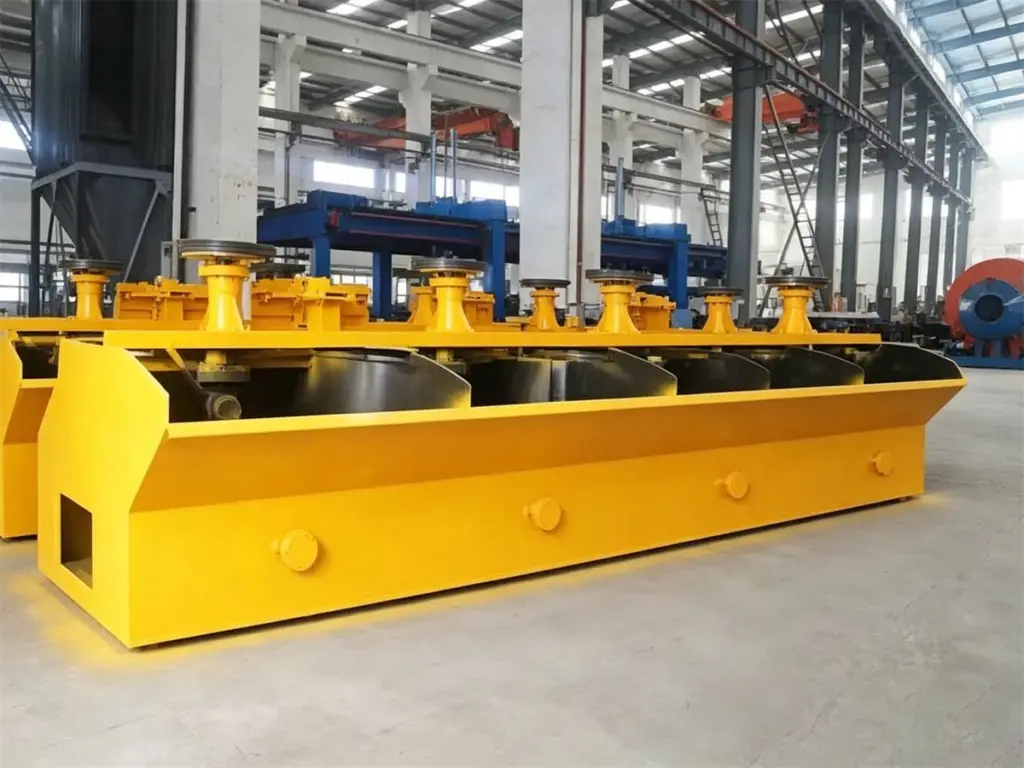
XJK Flotasyon Makinesi
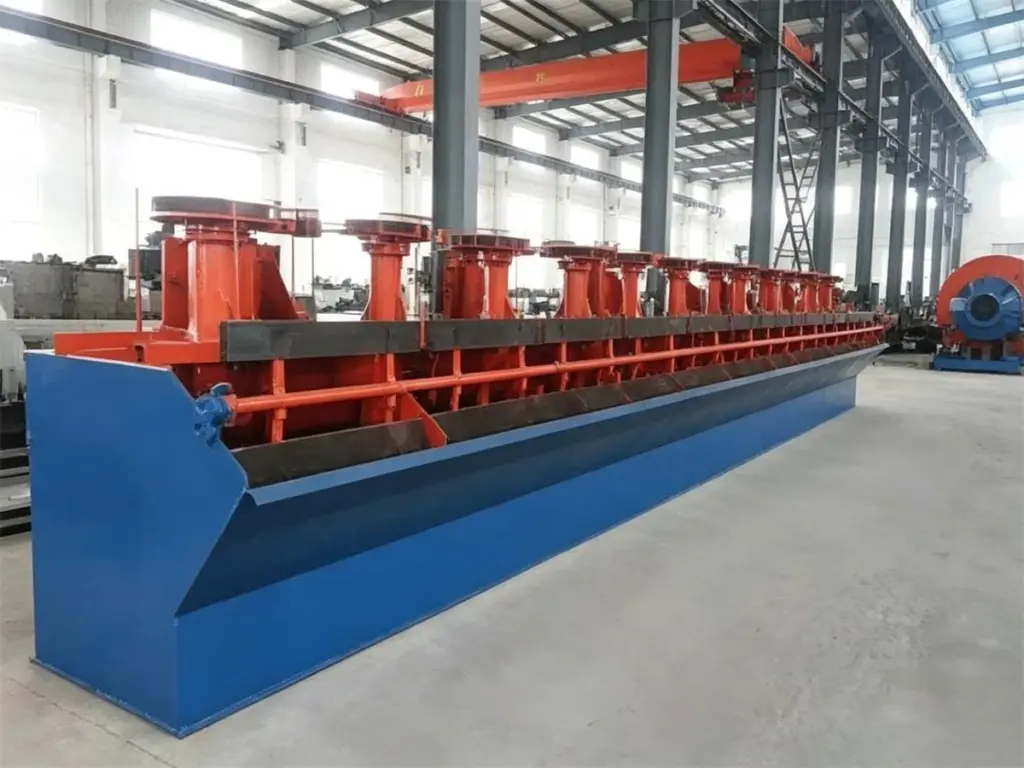
XJK flotasyon makinesi basit yapı ve güvenilir çalışma özelliklerine sahip geleneksel bir mekanik Mineral İşleme Flotasyon Ekipmanı tasarımıdır. Bulamaç ajitasyonu ve hava dağıtımı sağlamak için karıştırıcı tabanlı bir karıştırma sistemi kullanır ve genel mineral ayrımı uygulamaları için uygundur.
Basit tasarımı, istikrarlı performansı ve ekonomik yatırım maliyeti nedeniyle XJK flotasyon makineleri, metal cevheri ayrımı için küçük ve orta ölçekli mineral işleme tesislerinde yaygın olarak kullanılır. Nispeten basit ekipman gereksinimleriyle güvenilir flotasyon performansı gerektiren operasyonlar için pratik bir seçenek olmaya devam etmektedirler.
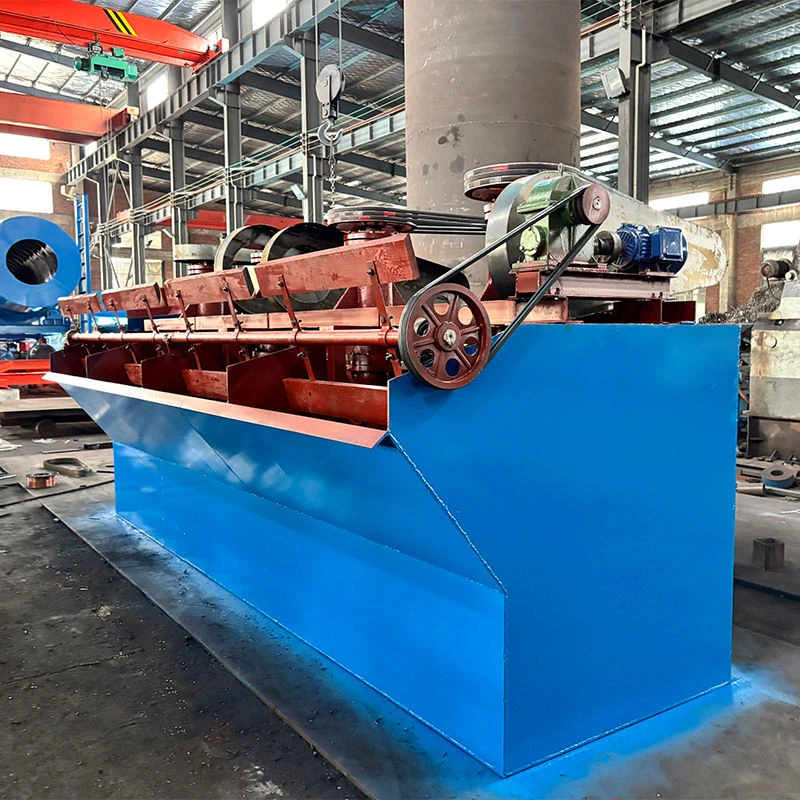
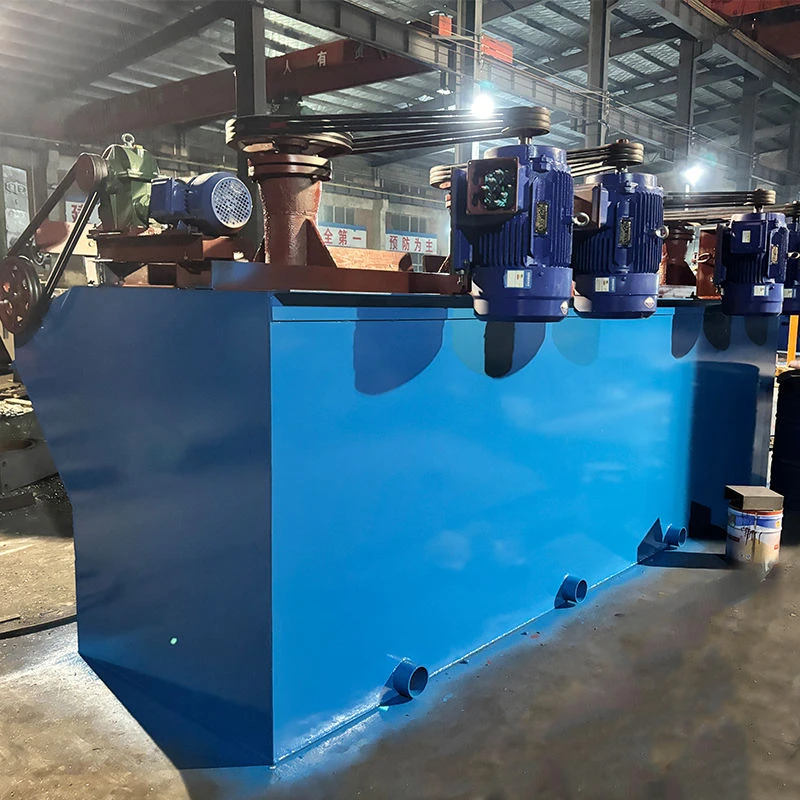
BF vs SF vs XJK Flotasyon Hücresi Karşılaştırması
| Özellik | BF | SF | XJK |
| Tip | Mekanik kendinden emişli flotasyon hücresi | Mekanik kendinden emişli flotasyon hücresi | Geleneksel mekanik flotasyon makinesi |
| Air Supply | Self-air suction | Self-air suction | Self-air suction |
| Mixing Method | Impeller agitation | Impeller agitation | Impeller agitation |
| Main Advantage | Strong air suction and slurry circulation | High flotation efficiency and flexible operation | Simple structure and reliable performance |
| Suitable Scale | Medium and large mineral processing plants | Small to medium-scale plants | Small and medium mineral processing plants |
| Tipik Uygulama | Copper, gold, molybdenum, lead-zinc ores | Sulfide ores and non-ferrous metal beneficiation | General metal ore processing |
Air Inflation Flotation Cells
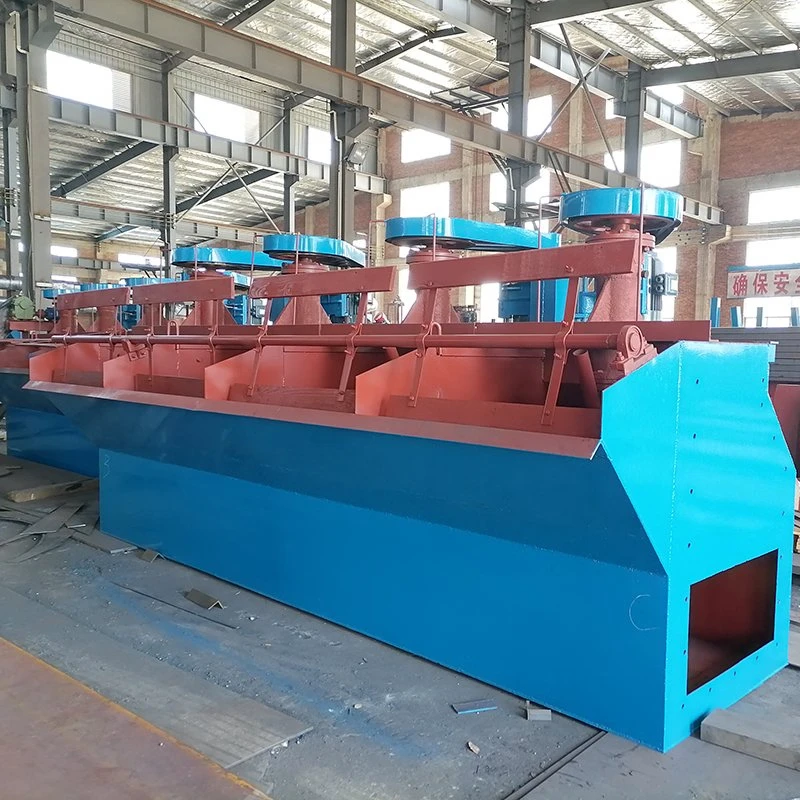
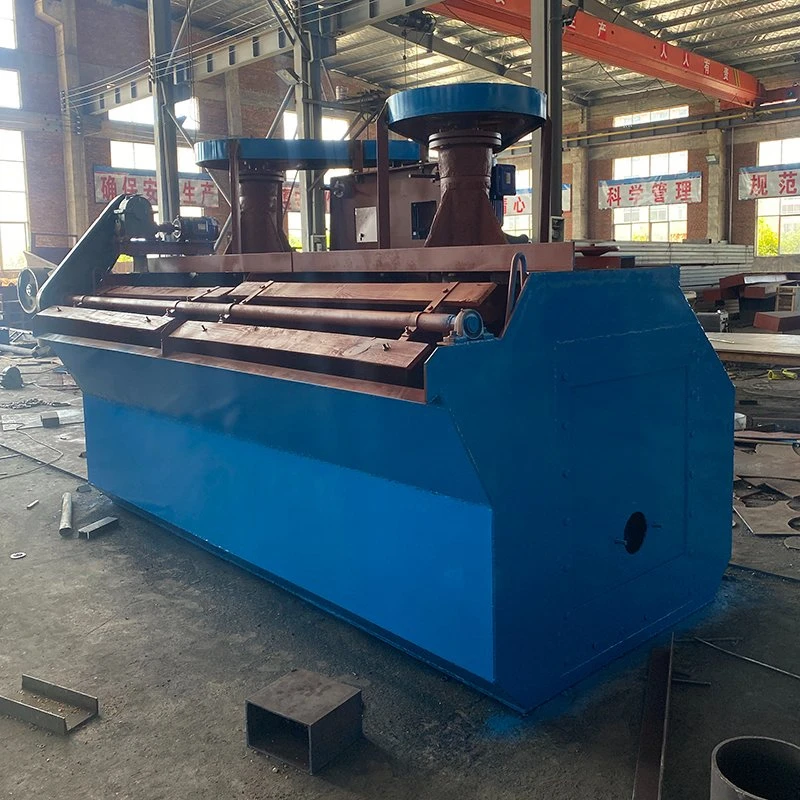
Air inflation flotation cells use an external air supply system to introduce air into the slurry, providing better control over aeration conditions compared with self-aspirated flotation machines. Unlike mechanical self-suction flotation cells, these flotation cells rely on forced air injection and optimized slurry circulation to improve bubble dispersion and maintain stable flotation performance. They are widely used in mineral processing plants that require reliable operation, flexible process adjustment, and large-scale production capacity.
XCF and KYF flotation cells are typical examples of air inflation Mineral Processing Flotation Equipment. These two types of flotation cells are often used together in flotation circuits, where efficient slurry circulation, controlled air dispersion, and lower energy consumption help improve mineral recovery and maintain stable operation in continuous beneficiation processes.
XCF Flotation Cell
The XCF flotation cell is an air inflation flotation machine designed with an external air supply system and strong slurry circulation capability. By combining forced air introduction with efficient mechanical agitation, XCF flotation cells provide stable bubble generation and effective contact between mineral particles and air bubbles.
XCF flotation cells are commonly used in roughing and scavenging operations for copper, gold, sulfide ores, and other mineral processing applications. Their strong circulation performance makes them suitable for flotation circuits that require consistent slurry mixing and stable mineral recovery.
KYF Flotation Cell
The KYF flotation cell is a forced-air flotation machine designed for efficient mixing, aeration, and lower energy consumption. Its structure allows effective slurry circulation without requiring a large amount of power, making it suitable for continuous operation in large flotation circuits.
KYF flotation cells are widely applied in medium and large beneficiation plants, especially where high processing capacity, stable flotation performance, and reduced operating costs are important considerations. They are often combined with XCF flotation cells to form efficient flotation circuits for large-scale mineral processing operations.
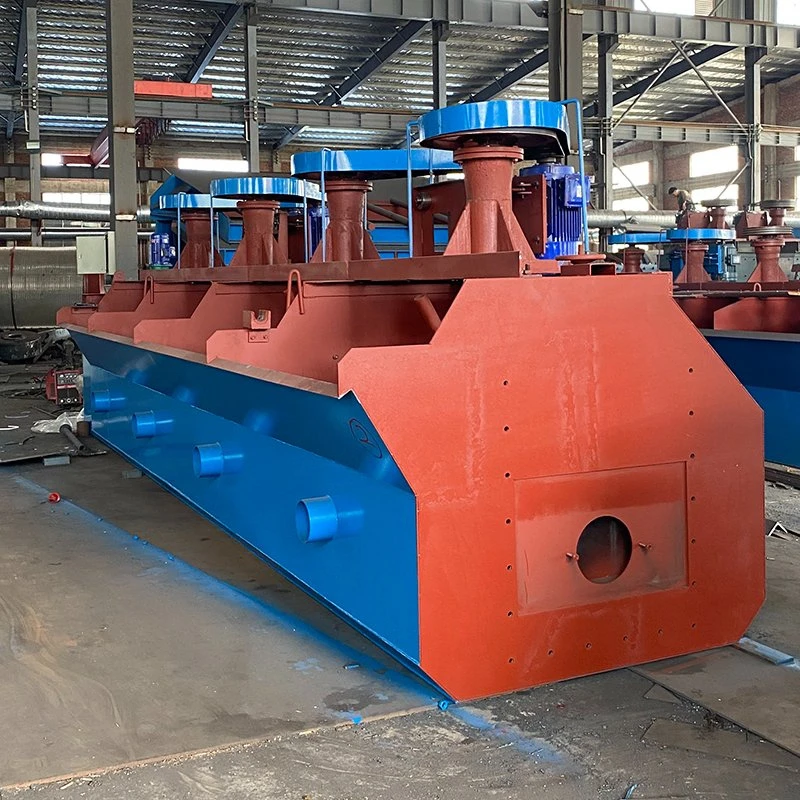
Pneumatic Flotation Cells
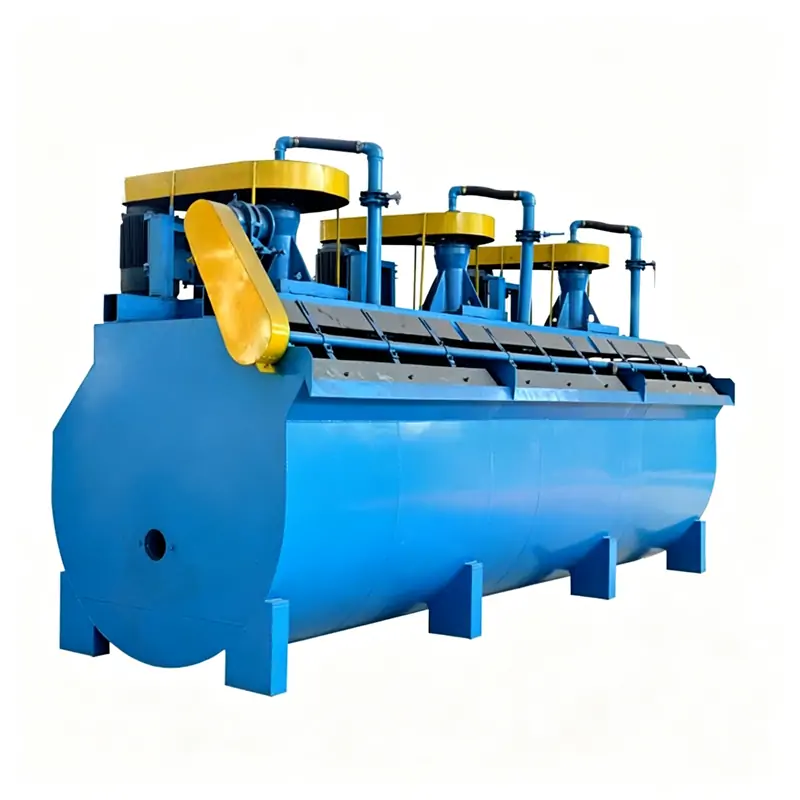
Pnömatik flotasyon hücreleri are flotation equipment that generate air bubbles through an external air supply system without using a traditional mechanical impeller. Compared with mechanical flotation cells, this design reduces moving components and focuses on controlled aeration and bubble dispersion to improve mineral recovery under suitable operating conditions.
Due to lower mechanical wear, flexible air control, and stable flotation performance, pneumatic flotation cells are suitable for applications requiring fine bubble generation and reduced maintenance. They are commonly used for the recovery of copper, gold, iron ore, lead-zinc, and industrial minerals, especially in mineral processing operations involving fine particles.
Flash Flotation Cells
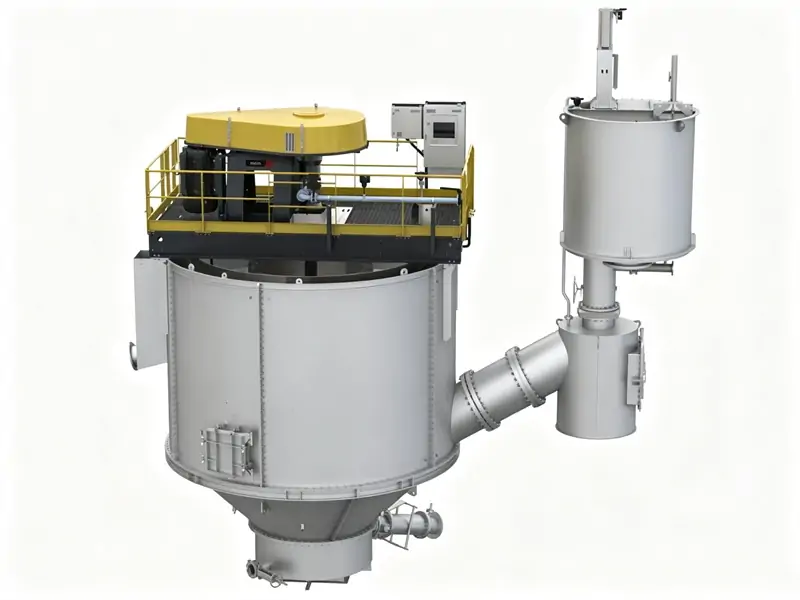
Flaş flotasyon hücreleri are specialized flotation Mineral Processing Flotation Equipment installed in grinding circuits to recover liberated and fast-floating minerals at an early stage. They are typically used in high-density slurry streams, such as cyclone underflow, where valuable minerals can be recovered before further grinding.
By recovering valuable minerals earlier, flash flotation cells help reduce overgrinding losses, improve overall recovery, and optimize grinding and flotation performance. They are widely applied in gold, copper, sulfide ore, and graphite processing plants where early mineral recovery provides operational benefits.
Froth Flotation Cells in Mineral Processing
Köpük flotasyon hücreleri are equipment used in the froth flotation process to separate valuable minerals through the formation and collection of mineral-rich froth. During operation, hydrophobic mineral particles attach to air bubbles and rise to the surface, while unwanted gangue materials remain in the slurry.
As one of the most common mineral separation methods, froth flotation is widely used in the recovery of copper, zinc, nickel, sulfide ores, graphite, phosphate, and other minerals. Flotation cells provide the necessary conditions for bubble generation, mineral attachment, and concentrate recovery in modern beneficiation plants.
How to Choose Between Different Flotation Cell Types?
Selecting the right flotation cell types requires a comprehensive evaluation of ore characteristics, processing capacity, flotation circuit requirements, and long-term operating costs. There is no single flotation cell design suitable for all mineral processing plants. The most suitable Mineral Processing Flotation Equipment should match the specific ore properties, production targets, and plant operating conditions.
Ore Characteristics and Mineral Properties
The characteristics of the ore are the primary factors affecting flotation cell selection. Mineral type, particle size distribution, liberation degree, and slurry conditions determine how effectively valuable minerals can attach to air bubbles and be recovered. For example, ores with fine particles may require better bubble control, while coarse or high-density minerals may require stronger slurry circulation and mixing capability.
Processing Capacity and Plant Scale
The required processing capacity directly influences flotation equipment selection. Small and medium-sized plants often choose XJK and SF flotation cells because of their simple structure, reliable operation, and flexible application. For large-scale beneficiation plants, KYF and XCF flotation cells are commonly selected due to their stable aeration performance, strong circulation capability, and suitability for continuous high-capacity operation.
Flotation Circuit Requirements
Different stages of the flotation process have different Mineral Processing Flotation Equipment requirements. Roughing and scavenging operations usually focus on maximizing mineral recovery and require flotation cells with strong mixing and circulation performance. Cleaning operations focus more on improving concentrate grade and may require better control of bubble generation and froth stability. Therefore, flotation cell selection should consider the role of each unit in the overall flotation circuit.
Energy Consumption and Maintenance Cost
Besides initial investment, operating cost is an important factor in long-term equipment selection. Mechanical flotation cells provide reliable performance and wide application, while air inflation flotation cells can offer better aeration control and energy efficiency in large-scale operations. Factors such as impeller wear, spare parts availability, maintenance frequency, and equipment stability should also be considered to reduce downtime and improve overall plant efficiency.
Applications of Different Flotation Cell Types
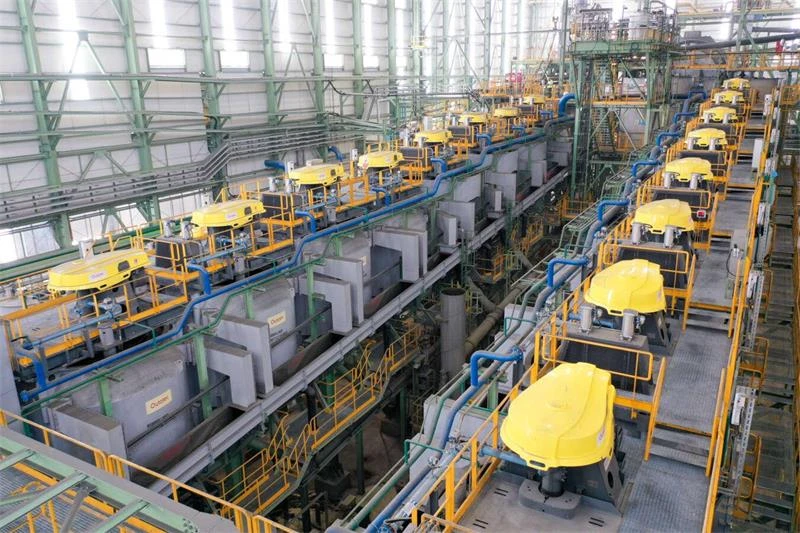
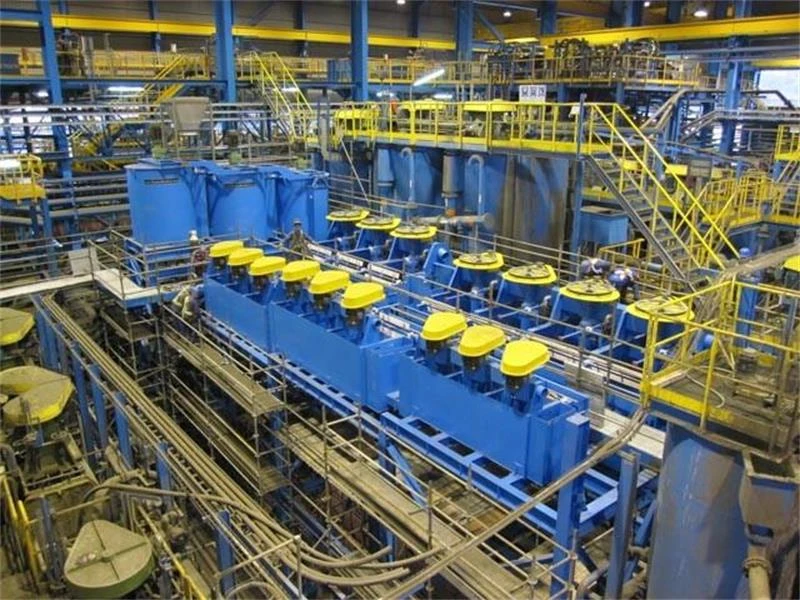
Different flotation cell types are selected according to mineral properties, processing requirements, and recovery targets. The same Mineral Processing Flotation Equipment may perform differently under different ore conditions, so mineral processing plants usually choose suitable flotation cells based on the characteristics of the ore and the role of each stage in the flotation circuit. The following applications show how different flotation cell designs are commonly used in industrial mineral processing.
In copper ore processing, BF, XCF, and KYF flotation cells are widely applied due to their stable aeration, strong slurry circulation, and suitability for continuous operation. For gold processing, BF and SF flotation cells are commonly used for conventional flotation circuits, while flash flotation cells are often installed in grinding circuits for early recovery of liberated gold minerals. In lead-zinc processing, mechanical flotation cells remain a common choice because of their reliable mixing performance and adaptability to sulfide ore beneficiation.
For industrial minerals, such as graphite, phosphate, and other non-metallic minerals, pneumatic flotation cells can be suitable when fine particle recovery, controlled bubble generation, and reduced mechanical wear are important considerations. Understanding the relationship between ore type and flotation cell design helps plants select more efficient equipment and achieve better recovery performance, which is also the key factor when comparing different flotation cell types for specific mineral processing applications.
Conclusion & Call to Action
Understanding different Types of Flotation Cells is essential for selecting the right equipment for mineral processing plants. Mechanical flotation cells, air inflation flotation cells, pneumatic flotation cells, and flash flotation cells each have their own advantages and suitable applications. There is no single flotation cell design that fits all mineral processing conditions, and the final selection should be based on ore properties, processing capacity, recovery targets, and operating requirements.
Choosing the appropriate flotation equipment can help improve mineral recovery, reduce operating costs, and maintain stable plant performance. Zhongyi Mining provides customized flotation equipment solutions based on different mineral processing requirements, helping customers select suitable flotation cell designs for copper, gold, sulfide ores, and other beneficiation applications. Contact us today to discuss your project requirements and get a suitable flotation solution from our mineral processing experts.
Özelleştirilmiş Çözüm Talep Edin
Partner with Zhongyi for expert support, customized flotation solutions, and reliable equipment tailored to your ore characteristics and production needs.
SSS
What are the main types of flotation cells used in mineral processing?
The main types of flotation cells used in mineral processing include mechanical flotation cells, air inflation flotation cells, pneumatic flotation cells, and flash flotation cells. Each type uses different mixing and aeration methods to achieve mineral separation. Mechanical and air inflation flotation cells are the most common choices for copper, gold, sulfide ore, and other beneficiation applications.
What is the difference between mechanical flotation cells and air inflation flotation cells?
The main difference between mechanical and air inflation flotation cells is the air supply method. Mechanical flotation cells use impeller-driven mixing and self-air suction, while air inflation flotation cells use an external air supply system. Air inflation designs provide better aeration control and are often selected for large-scale mineral processing plants requiring stable performance.
How do I choose the right flotation cell type for my mineral processing plant?
Choosing the right flotation cell types depends on ore properties, mineral characteristics, particle size, processing capacity, and recovery requirements. The selected equipment should match the flotation circuit design and production targets. Factors such as energy consumption, maintenance requirements, and long-term operating costs should also be considered before making a final equipment decision.
What is the difference between BF, SF, and XJK flotation cells?
BF, SF, and XJK flotation cells are all mechanical flotation equipment but have different design features and applications. BF flotation cells provide strong slurry circulation and stable operation, SF flotation cells offer efficient bubble dispersion and flexible operation, while XJK flotation machines are known for simple structure and reliable performance in small and medium-scale mineral processing plants.
When should a pneumatic flotation cell be selected?
A pneumatic flotation cell is suitable for applications requiring controlled aeration, fine bubble generation, and reduced mechanical wear. Compared with traditional mechanical flotation equipment, pneumatic designs reduce moving components and can provide stable flotation conditions. They are commonly used for fine mineral recovery in copper, gold, iron ore, lead-zinc, and industrial mineral processing.
What are the benefits of using a flash flotation cell?
Flash flotation cells are designed to recover liberated valuable minerals early in the grinding circuit. They help reduce overgrinding, improve mineral recovery, and increase overall process efficiency by removing fast-floating particles before further size reduction. They are commonly applied in gold, copper, and sulfide ore processing plants where early recovery is economically beneficial.
How do flotation cell types affect energy consumption and maintenance costs?
Different flotation cell types have different impacts on energy consumption, wear rates, and maintenance requirements. Factors such as impeller design, aeration method, spare parts availability, and operating conditions influence long-term costs. Selecting suitable flotation equipment can help reduce downtime, improve operational stability, and achieve better economic performance throughout the plant lifecycle.
Can flotation cells be customized for different mineral processing applications?
Yes. Flotation cells can be customized according to ore characteristics, processing capacity, flotation circuit requirements, and production goals. Equipment configuration, tank size, aeration system, and flotation arrangement can be adjusted for different applications. Professional manufacturers can provide technical support and customized solutions to improve recovery performance and meet specific plant requirements.