











Giới thiệu
Các loại máy tuyển nổi đóng vai trò quan trọng trong các nhà máy tuyển khoáng hiện đại, vì các thiết kế thiết bị tuyển nổi khác nhau được phát triển để đáp ứng yêu cầu phân tách quặng cụ thể. Máy tuyển nổi là thiết bị tuyển khoáng then chốt sử dụng sự tương tác giữa bùn quặng, bọt khí và thuốc tuyển để tách khoáng vật có giá trị khỏi vật liệu không mong muốn. Trong quá trình tuyển nổi, các hạt khoáng vật kỵ nước bám vào bọt khí và nổi lên bề mặt, tạo thành lớp bọt giàu khoáng vật có thể được thu hồi dưới dạng tinh quặng.
Do tính chất quặng, công suất xử lý và mục tiêu thu hồi khác nhau đáng kể giữa các hoạt động khai thác, một thiết kế máy tuyển nổi duy nhất không thể đáp ứng tất cả yêu cầu ứng dụng. Việc lựa chọn đúng các loại máy tuyển nổi ảnh hưởng trực tiếp đến các yếu tố quan trọng như thu hồi khoáng vật, tiêu thụ năng lượng, độ ổn định vận hành và hiệu quả tổng thể của nhà máy. Ví dụ, một số hoạt động có thể yêu cầu khuấy trộn mạnh và hiệu suất đáng tin cậy, trong khi những hoạt động khác có thể ưu tiên tiêu thụ năng lượng thấp hơn, kiểm soát bọt mịn hơn hoặc thu hồi khoáng vật sớm.
Để đáp ứng các điều kiện xử lý khác nhau này, máy tuyển nổi đã được phát triển với các cấu trúc, phương pháp sục khí và cơ chế vận hành khác nhau. Các loại máy tuyển nổi chính được phân loại dựa trên cơ chế khuấy trộn, phương pháp cấp khí và yêu cầu ứng dụng, bao gồm máy tuyển nổi cơ khí, máy tuyển nổi sục khí, máy tuyển nổi khí nén và máy tuyển nổi nhanh. Hiểu rõ đặc điểm, ưu điểm và ứng dụng phù hợp của từng loại giúp các nhà máy tuyển khoáng lựa chọn thiết bị tuyển nổi phù hợp nhất cho mục tiêu sản xuất cụ thể của mình. Trong các phần sau, chúng tôi sẽ giới thiệu các loại máy tuyển nổi chính và giải thích nguyên lý làm việc, ứng dụng và các yếu tố cần cân nhắc khi lựa chọn. Nếu bạn muốn tìm hiểu thêm, hãy nhấp vào “Máy tuyển nổi là gì?”
Máy tuyển nổi là gì và nó hoạt động như thế nào?
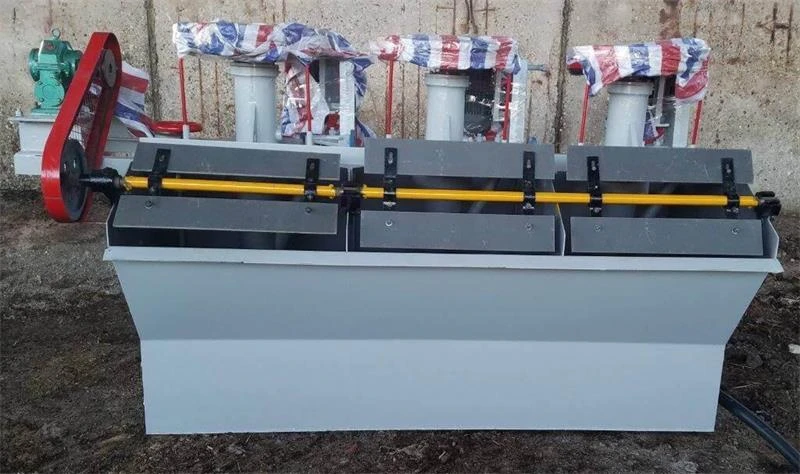
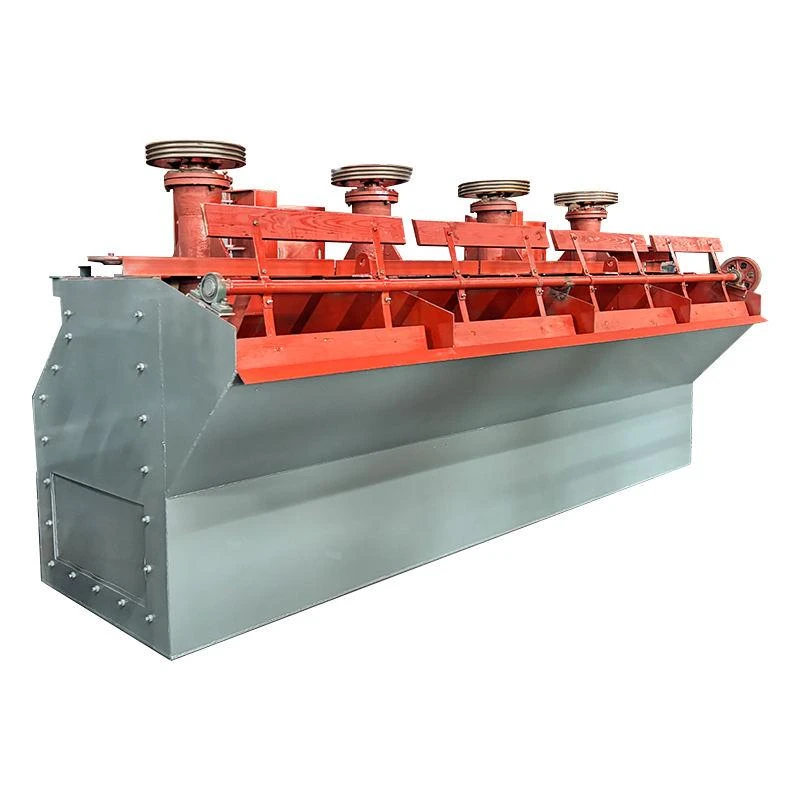
Máy tuyển nổi là một loại thiết bị tuyển khoáng được sử dụng để tách khoáng vật có giá trị khỏi vật liệu đá mạch thông qua sự tương tác giữa bùn quặng, hạt khoáng vật, thuốc tuyển và bọt khí. Thiết bị cung cấp một môi trường được kiểm soát nơi các hạt quặng được nghiền mịn có thể bám chọn lọc vào bọt khí và được phân tách thông qua quá trình tuyển nổi bọt. Trong quá trình vận hành, thuốc tuyển biến đổi tính chất bề mặt của khoáng vật, cho phép các hạt có giá trị kỵ nước bám vào bọt khí và nổi lên bề mặt, nơi lớp bọt giàu khoáng vật được thu hồi dưới dạng tinh quặng.
Nguyên lý làm việc của máy tuyển nổi dựa trên sự bám chọn lọc giữa hạt khoáng vật và bọt khí. Sau khi nghiền và đập, quặng được trộn với nước và thuốc tuyển để tạo thành bùn quặng. Bùn quặng đi vào máy tuyển nổi, nơi không khí được đưa vào thông qua khuấy trộn cơ khí hoặc hệ thống cấp khí bên ngoài để tạo bọt. Các khoáng vật có giá trị kỵ nước bám chọn lọc vào bề mặt bọt khí và nổi lên đỉnh máy, tạo thành lớp bọt giàu khoáng vật, trong khi vật liệu đá mạch không mong muốn vẫn ở trong bùn quặng. Lớp bọt thu được trở thành tinh quặng, hoàn tất quá trình phân tách khoáng vật. Các yếu tố như đặc tính bùn quặng, điều kiện thuốc tuyển, kích thước bọt và hiệu suất sục khí ảnh hưởng trực tiếp đến hiệu quả tuyển nổi và kết quả thu hồi, đó là lý do tại sao các thiết kế máy tuyển nổi khác nhau được phát triển cho các ứng dụng tuyển khoáng khác nhau.
Các loại máy tuyển nổi chính được sử dụng trong tuyển khoáng
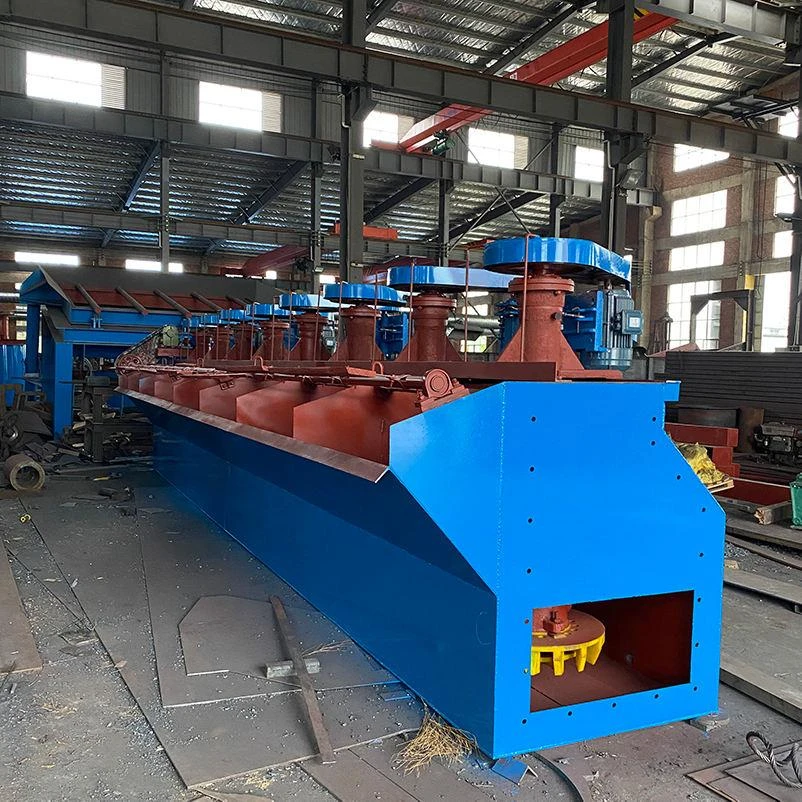
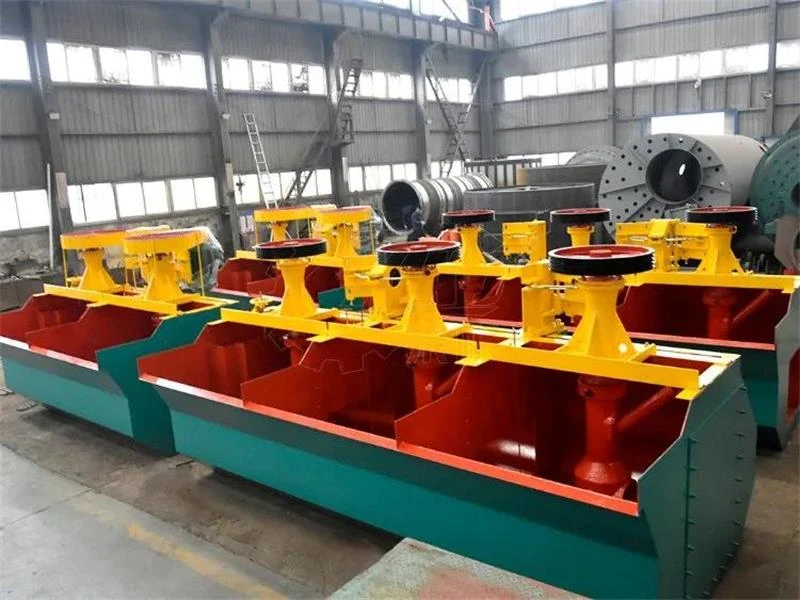
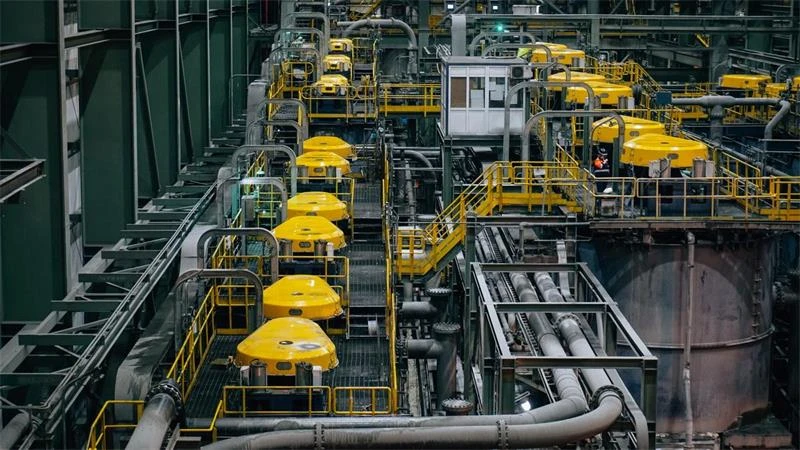
Máy tuyển nổi có thể được phân loại theo phương pháp khuấy trộn, hệ thống cấp khí và cơ chế tạo bọt. Các thiết kế máy tuyển nổi khác nhau được phát triển để đạt được phân tách khoáng vật ổn định dưới các điều kiện quặng, công suất xử lý và yêu cầu thu hồi khác nhau. Trong các nhà máy tuyển khoáng, máy tuyển nổi cơ khí và máy tuyển nổi sục khí là những loại được sử dụng phổ biến nhất, trong khi máy tuyển nổi khí nén và máy tuyển nổi nhanh được áp dụng cho các ứng dụng cụ thể yêu cầu kiểm soát bọt mịn hơn, mài mòn cơ khí thấp hơn hoặc thu hồi sớm khoáng vật có giá trị.
| Loại máy tuyển nổi | Đặc điểm chính | Ứng dụng điển hình |
| Máy tuyển nổi cơ khí | Khuấy trộn bằng cánh khuấy và tự hút khí để tuần hoàn bùn quặng và phân tán bọt | Tuyển quặng đồng, vàng, chì-kẽm và quặng sulfide |
| Máy tuyển nổi sục khí | Hệ thống cấp khí bên ngoài với hiệu suất sục khí được kiểm soát | Nhà máy tuyển khoáng quy mô vừa và lớn |
| Máy tuyển nổi khí nén | Không có cánh khuấy cơ khí, sử dụng hệ thống tạo khí bên ngoài để hình thành bọt | Thu hồi hạt mịn và các ứng dụng yêu cầu mài mòn cơ khí thấp hơn |
| Máy tuyển nổi nhanh | Được thiết kế để thu hồi nhanh các khoáng vật đã giải phóng khỏi mạch nghiền | Thu hồi khoáng vật sớm trong tuyển quặng vàng, đồng và quặng sulfide |
Trong số các loại máy tuyển nổi này, máy tuyển nổi cơ khí được sử dụng rộng rãi nhờ vận hành đáng tin cậy và phạm vi ứng dụng rộng. Máy tuyển nổi sục khí được ưu tiên cho các nhà máy quy mô lớn yêu cầu sục khí ổn định và tiêu thụ năng lượng thấp hơn, trong khi máy tuyển nổi khí nén và máy tuyển nổi nhanh được lựa chọn cho các yêu cầu thu hồi khoáng vật chuyên biệt. Các phần sau sẽ giới thiệu chi tiết về cấu trúc, nguyên lý làm việc, ưu điểm và ứng dụng của từng loại máy tuyển nổi chính.
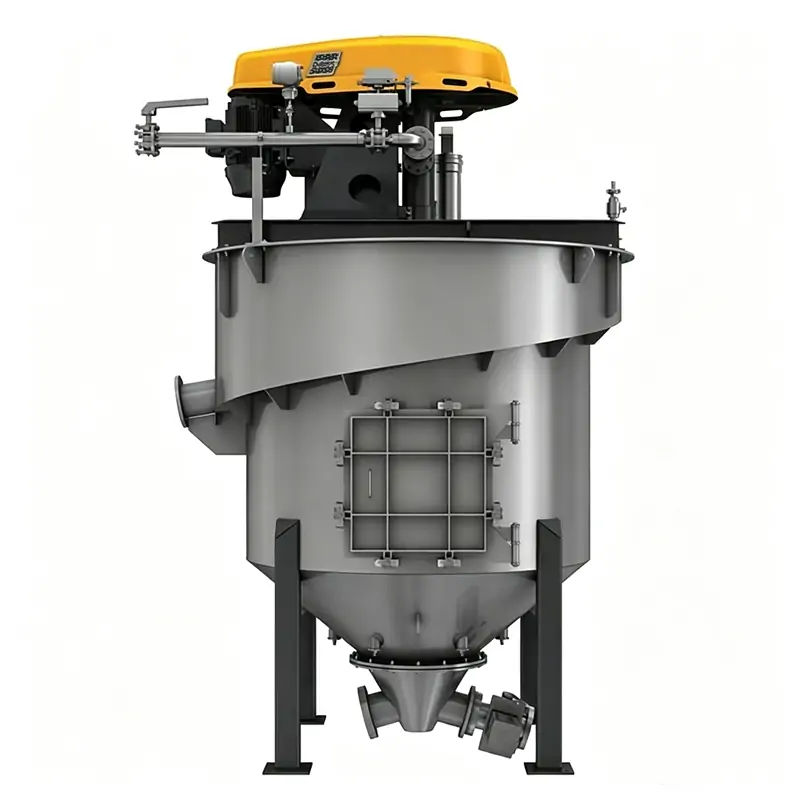
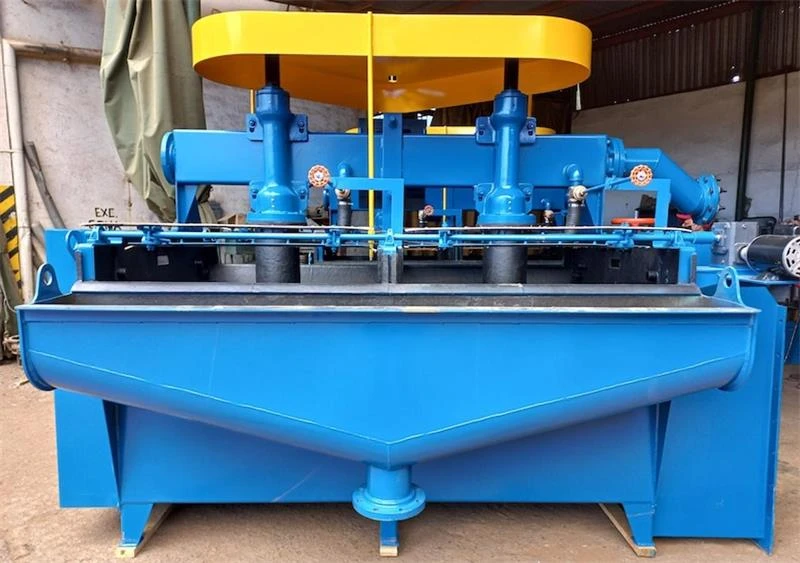
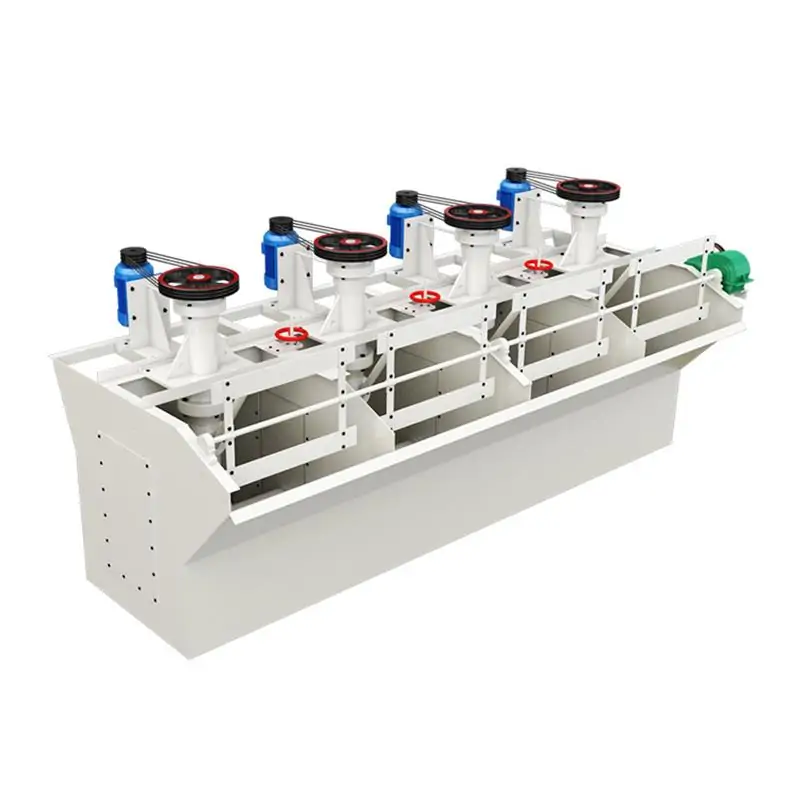
Máy tuyển nổi cơ khí
Máy tuyển nổi cơ khí là loại thiết bị tuyển nổi được sử dụng rộng rãi nhất trong các nhà máy tuyển khoáng nhờ vận hành đáng tin cậy, cấu trúc đơn giản và phạm vi ứng dụng rộng. Các máy tuyển nổi này sử dụng hệ thống khuấy trộn dẫn động bằng cánh khuấy để kết hợp bùn quặng và không khí, tạo điều kiện phù hợp cho phân tán bọt khí và bám dính khoáng vật. Bằng cách duy trì tuần hoàn bùn quặng hiệu quả và sục khí ổn định, máy tuyển nổi cơ khí thường được áp dụng trong các hoạt động tuyển thô, tuyển vét và tuyển tinh cho tuyển quặng đồng, vàng, chì-kẽm và quặng sulfide.
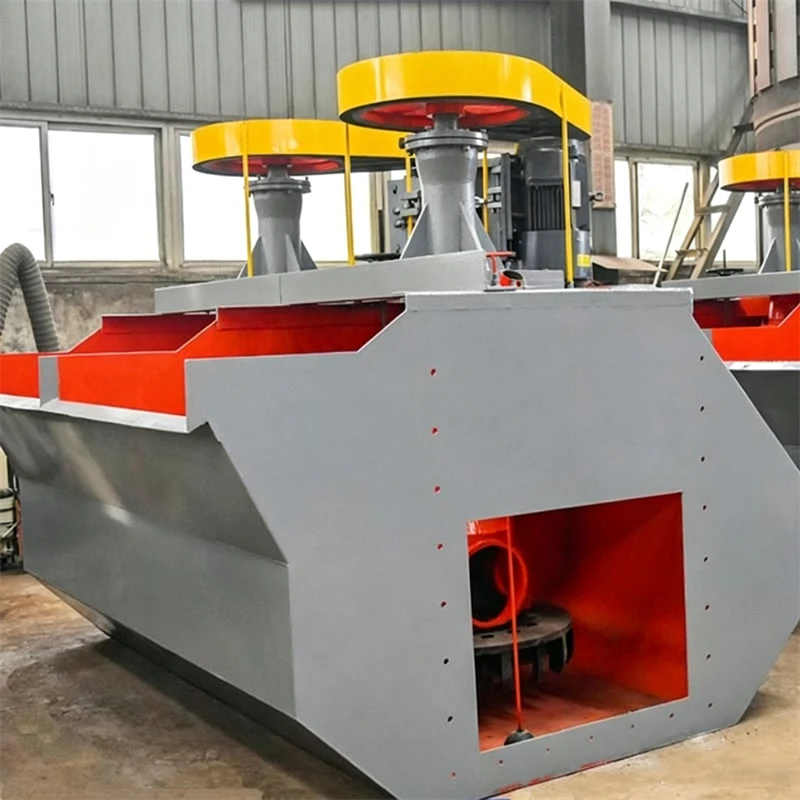
Máy tế bào tuyển nổi cơ học chủ yếu bao gồm bể tuyển nổi, cánh khuấy, stato, động cơ và hệ thống hút khí. Trong quá trình vận hành, động cơ dẫn động cánh khuấy quay, tạo ra sự tuần hoàn bùn bên trong bể đồng thời hút không khí vào bùn quặng và phân tán thành các bọt khí mịn thông qua sự tương tác giữa cánh khuấy và stato. Các hạt khoáng có giá trị bám vào các bọt khí này và nổi lên bề mặt tạo thành bọt khoáng, được thu gom làm tinh quặng. Hiệu suất tuyển nổi chịu ảnh hưởng của các yếu tố như thiết kế cánh khuấy, hiệu quả phân tán không khí, tuần hoàn bùn và điều kiện vận hành, cho phép máy tế bào tuyển nổi cơ học cung cấp khả năng thu hồi khoáng ổn định trong các ứng dụng chế biến khác nhau.
Máy tuyển nổi BF
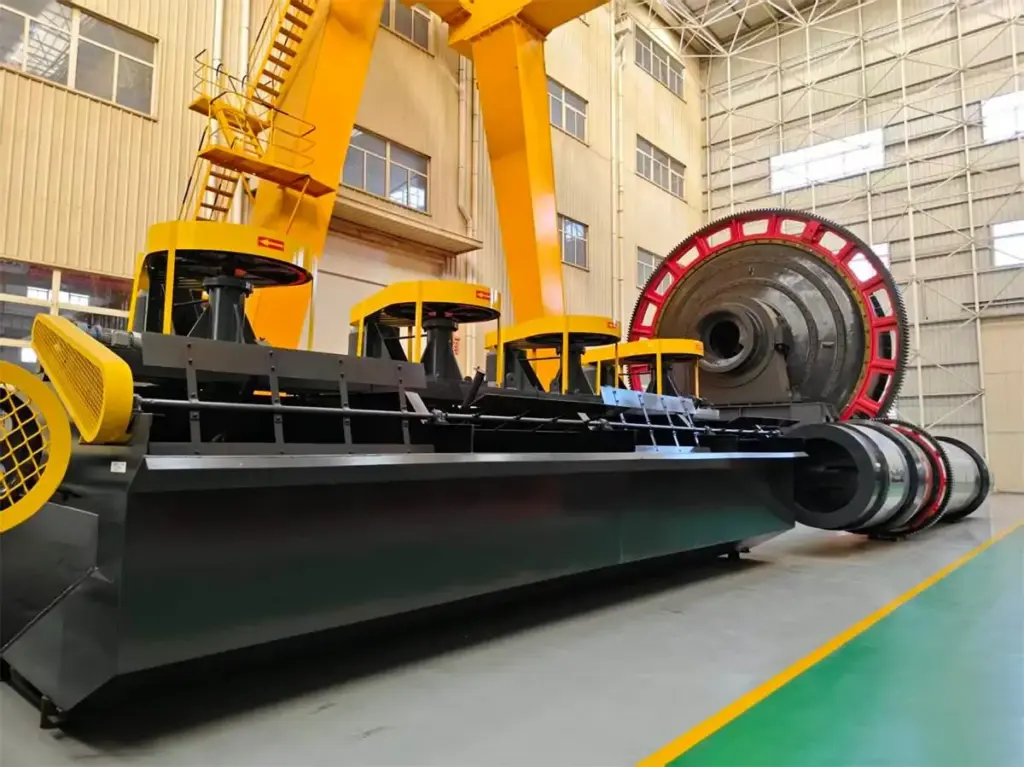
Máy tế bào tuyển nổi BF là máy tuyển nổi cơ học tự hút khí được thiết kế để hút khí hiệu quả và tuần hoàn bùn mạnh mẽ. Kết cấu cánh khuấy và stato được tối ưu hóa giúp cải thiện phân tán không khí và trộn bùn, tạo điều kiện thuận lợi cho sự bám dính và tách khoáng-bọt khí. So với thiết bị tuyển nổi cơ học thông thường, máy tế bào tuyển nổi BF cung cấp hiệu suất sục khí ổn định và vận hành đáng tin cậy trong điều kiện làm việc liên tục.
Các ưu điểm chính của máy tế bào tuyển nổi BF bao gồm vận hành ổn định, khả năng thích ứng cao và phù hợp với các nhà máy chế biến khoáng sản công suất lớn. Chúng được sử dụng rộng rãi trong tuyển khoáng đồng, vàng, molypden, chì-kẽm và các quặng kim loại khác, đặc biệt trong các mạch tuyển nổi yêu cầu khả năng tuần hoàn mạnh và hiệu suất thu hồi ổn định.
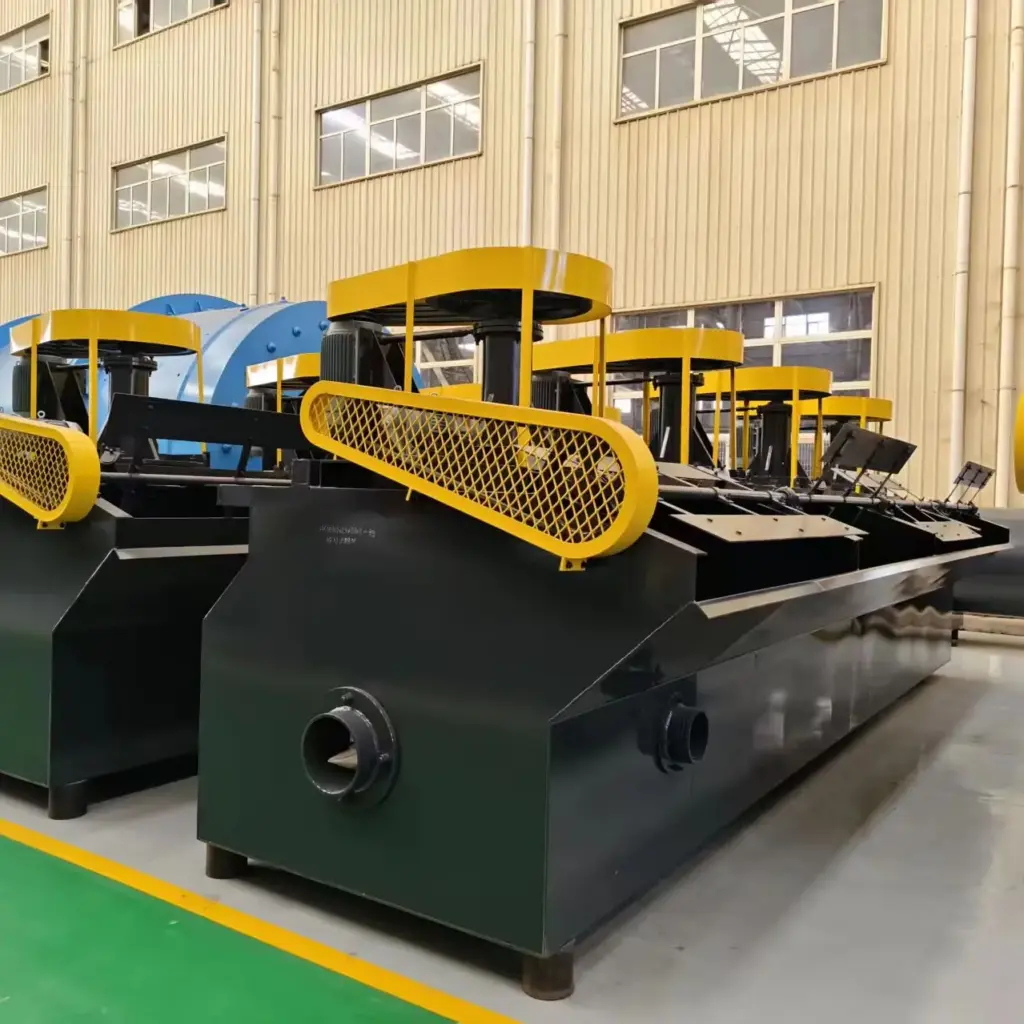
Máy tế bào tuyển nổi SF
Máy tế bào tuyển nổi SF kết hợp khuấy cơ học với tự hút khí để đạt được trộn bùn và phân tán bọt khí hiệu quả. Thông qua chuyển động quay của cánh khuấy, không khí được đưa vào bùn và phân bố đều khắp buồng tuyển nổi, cải thiện hiệu quả tiếp xúc giữa các hạt khoáng và bọt khí.
Máy tế bào tuyển nổi SF được biết đến với hiệu suất tuyển nổi cao, vận hành linh hoạt và bảo trì dễ dàng. Chúng thường được ứng dụng trong chế biến quặng sulfide, tuyển khoáng kim loại màu và các nhà máy tuyển khoáng nơi yêu cầu hiệu suất tuyển nổi đáng tin cậy và tính linh hoạt trong vận hành.
Máy tuyển nổi XJK
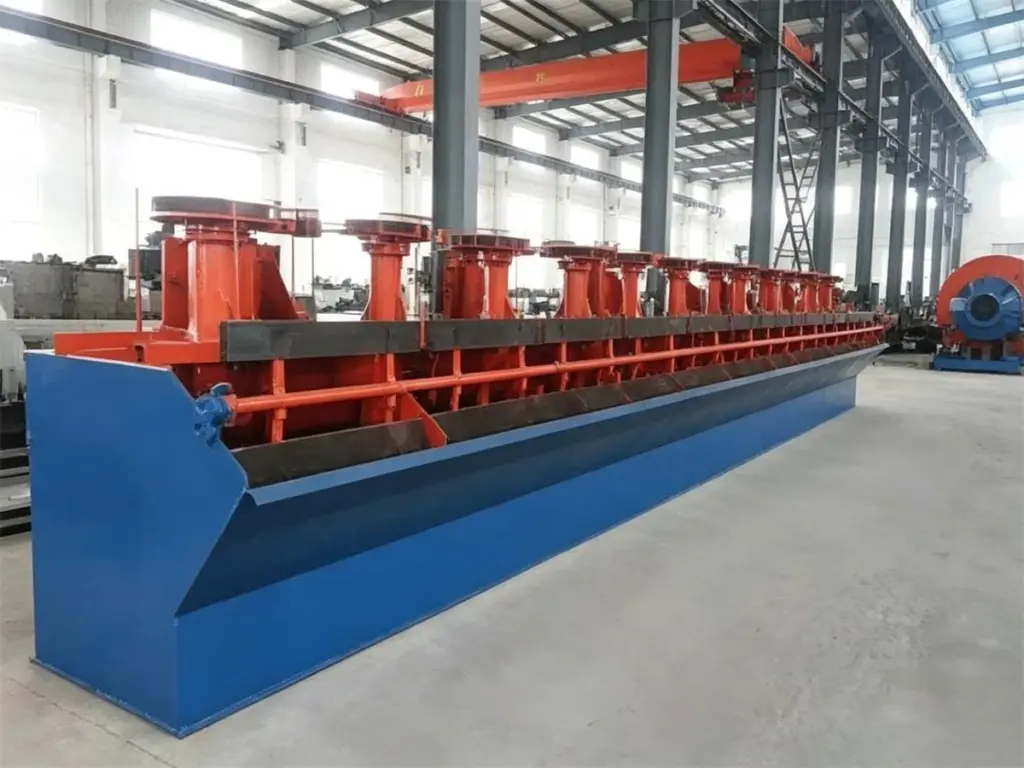
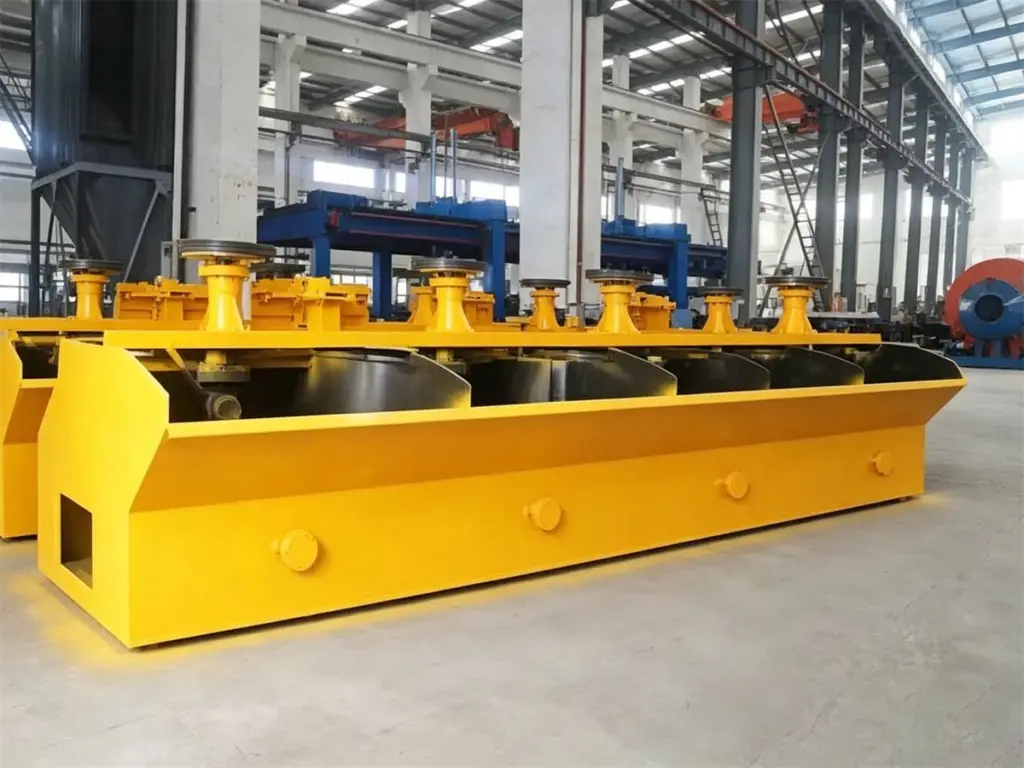
Máy tuyển nổi XJK là thiết kế Thiết bị tuyển nổi chế biến khoáng sản cơ học truyền thống với kết cấu đơn giản và vận hành đáng tin cậy. Nó sử dụng hệ thống trộn dựa trên cánh khuấy để cung cấp khuấy bùn và phân tán không khí, phù hợp cho các ứng dụng tách khoáng thông thường.
Nhờ thiết kế đơn giản, hiệu suất ổn định và chi phí đầu tư kinh tế, máy tuyển nổi XJK thường được sử dụng trong các nhà máy chế biến khoáng sản quy mô nhỏ và vừa để tách quặng kim loại. Chúng vẫn là lựa chọn thực tế cho các hoạt động yêu cầu hiệu suất tuyển nổi đáng tin cậy với yêu cầu thiết bị tương đối đơn giản.
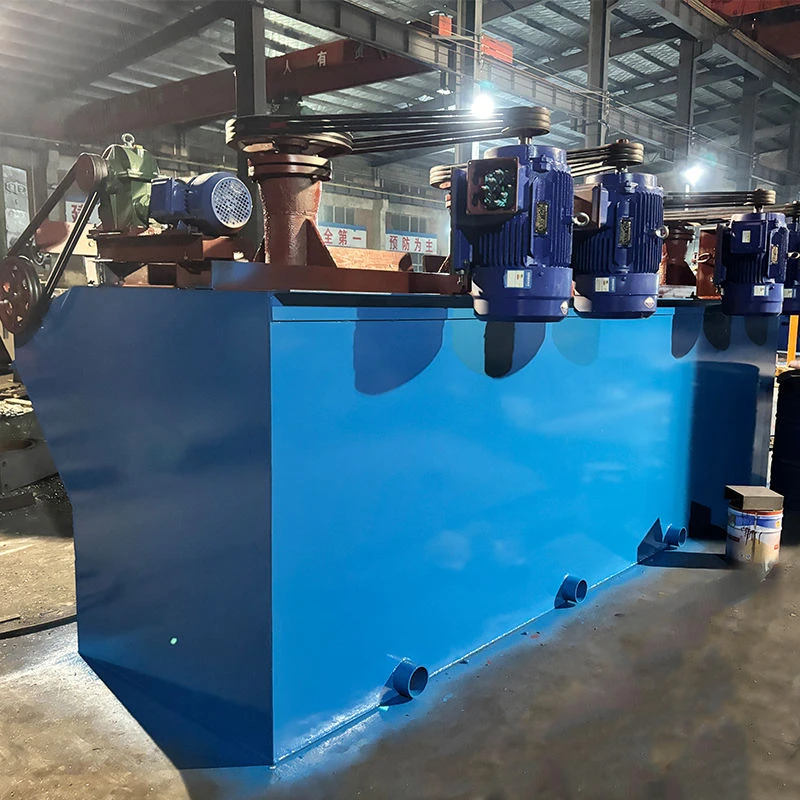
So sánh máy tế bào tuyển nổi BF vs SF vs XJK
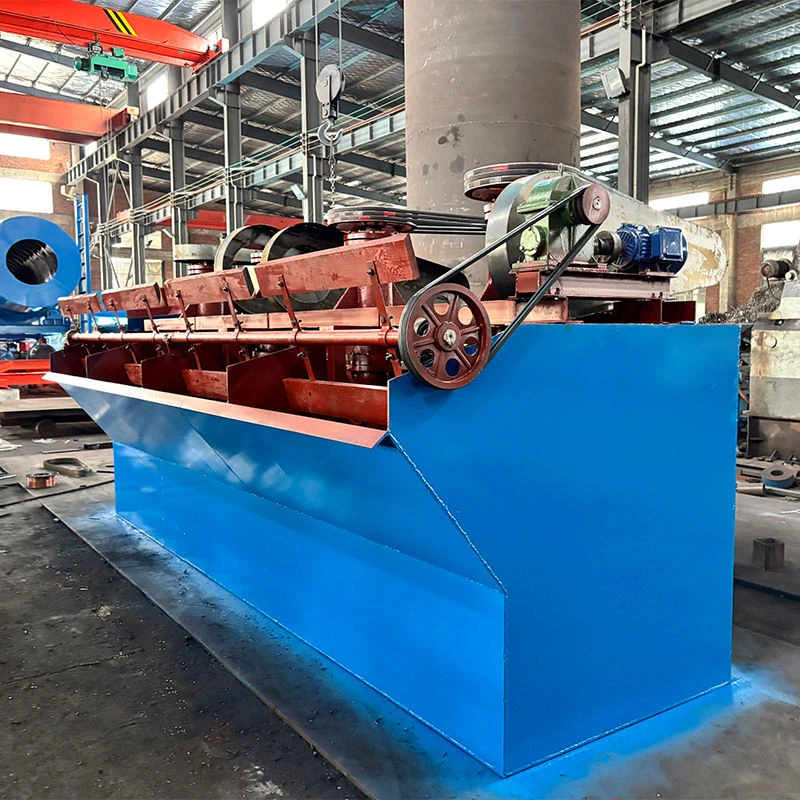
| Tính năng | BF | SF | XJK |
| Loại | Mechanical self-suction flotation cell | Mechanical self-suction flotation cell | Traditional mechanical flotation machine |
| Air Supply | Self-air suction | Self-air suction | Self-air suction |
| Mixing Method | Impeller agitation | Impeller agitation | Impeller agitation |
| Main Advantage | Strong air suction and slurry circulation | High flotation efficiency and flexible operation | Simple structure and reliable performance |
| Suitable Scale | Medium and large mineral processing plants | Small to medium-scale plants | Small and medium mineral processing plants |
| Ứng dụng điển hình | Copper, gold, molybdenum, lead-zinc ores | Sulfide ores and non-ferrous metal beneficiation | General metal ore processing |
Air Inflation Flotation Cells
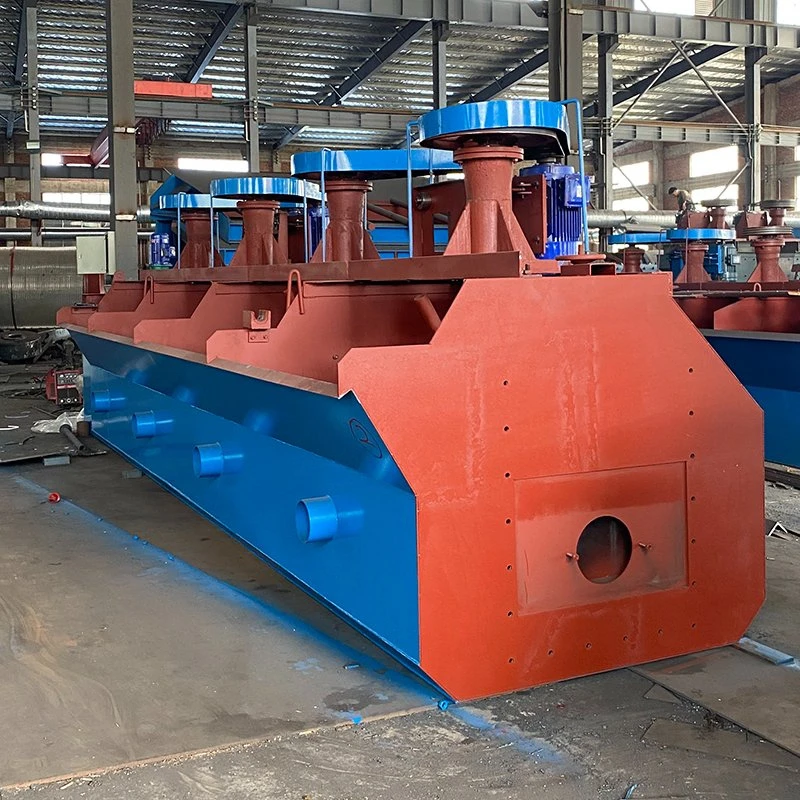
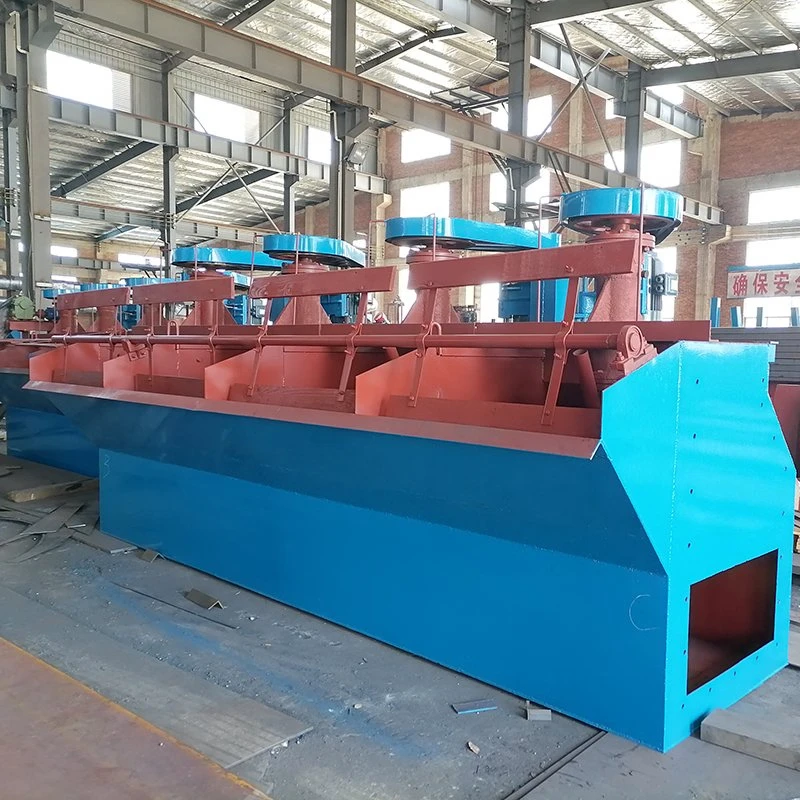
Air inflation flotation cells use an external air supply system to introduce air into the slurry, providing better control over aeration conditions compared with self-aspirated flotation machines. Unlike mechanical self-suction flotation cells, these flotation cells rely on forced air injection and optimized slurry circulation to improve bubble dispersion and maintain stable flotation performance. They are widely used in mineral processing plants that require reliable operation, flexible process adjustment, and large-scale production capacity.
XCF and KYF flotation cells are typical examples of air inflation Mineral Processing Flotation Equipment. These two types of flotation cells are often used together in flotation circuits, where efficient slurry circulation, controlled air dispersion, and lower energy consumption help improve mineral recovery and maintain stable operation in continuous beneficiation processes.
XCF Flotation Cell
The XCF flotation cell is an air inflation flotation machine designed with an external air supply system and strong slurry circulation capability. By combining forced air introduction with efficient mechanical agitation, XCF flotation cells provide stable bubble generation and effective contact between mineral particles and air bubbles.
XCF flotation cells are commonly used in roughing and scavenging operations for copper, gold, sulfide ores, and other mineral processing applications. Their strong circulation performance makes them suitable for flotation circuits that require consistent slurry mixing and stable mineral recovery.
KYF Flotation Cell
The KYF flotation cell is a forced-air flotation machine designed for efficient mixing, aeration, and lower energy consumption. Its structure allows effective slurry circulation without requiring a large amount of power, making it suitable for continuous operation in large flotation circuits.
KYF flotation cells are widely applied in medium and large beneficiation plants, especially where high processing capacity, stable flotation performance, and reduced operating costs are important considerations. They are often combined with XCF flotation cells to form efficient flotation circuits for large-scale mineral processing operations.
Pneumatic Flotation Cells
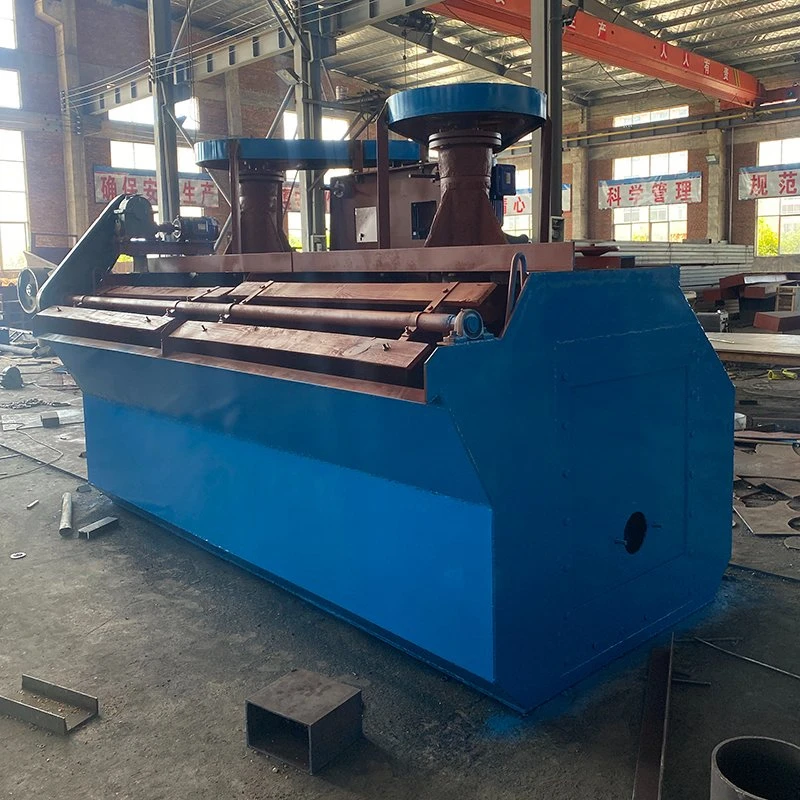
Máy tuyển nổi khí động are flotation equipment that generate air bubbles through an external air supply system without using a traditional mechanical impeller. Compared with mechanical flotation cells, this design reduces moving components and focuses on controlled aeration and bubble dispersion to improve mineral recovery under suitable operating conditions.
Due to lower mechanical wear, flexible air control, and stable flotation performance, pneumatic flotation cells are suitable for applications requiring fine bubble generation and reduced maintenance. They are commonly used for the recovery of copper, gold, iron ore, lead-zinc, and industrial minerals, especially in mineral processing operations involving fine particles.
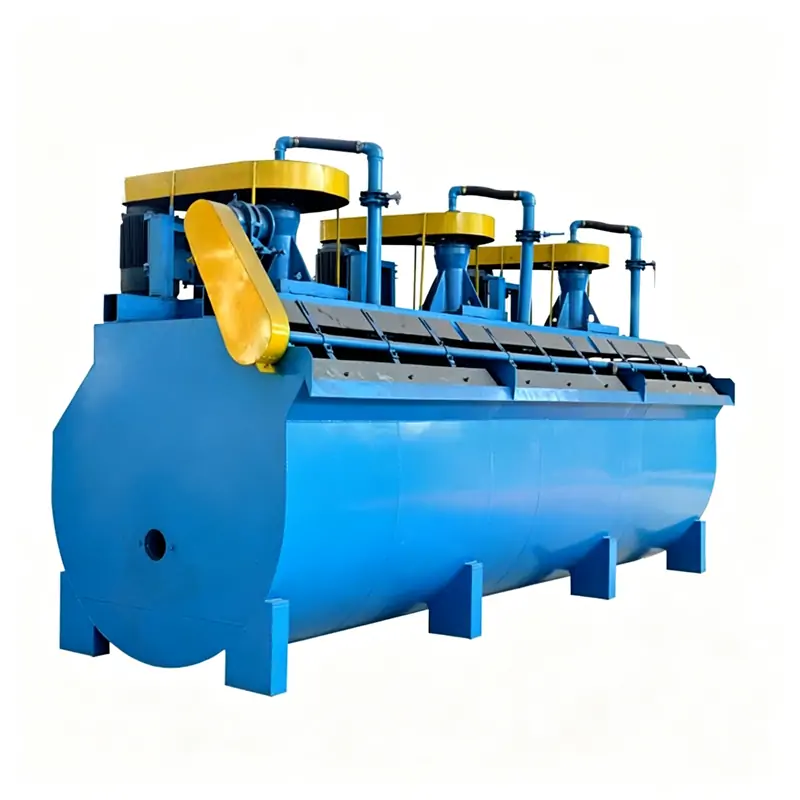
Flash Flotation Cells
Máy tuyển nổi nhanh are specialized flotation Mineral Processing Flotation Equipment installed in grinding circuits to recover liberated and fast-floating minerals at an early stage. They are typically used in high-density slurry streams, such as cyclone underflow, where valuable minerals can be recovered before further grinding.
By recovering valuable minerals earlier, flash flotation cells help reduce overgrinding losses, improve overall recovery, and optimize grinding and flotation performance. They are widely applied in gold, copper, sulfide ore, and graphite processing plants where early mineral recovery provides operational benefits.
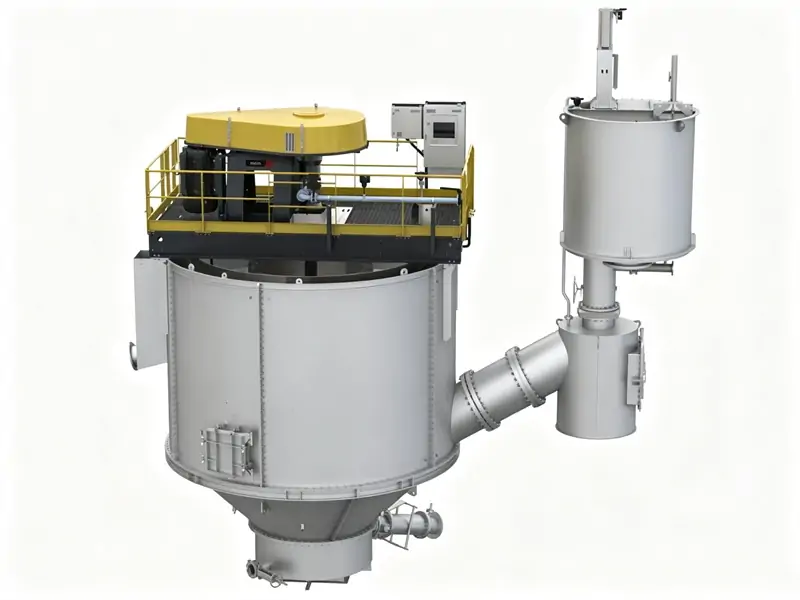
Froth Flotation Cells in Mineral Processing
Máy tuyển nổi bọt are equipment used in the froth flotation process to separate valuable minerals through the formation and collection of mineral-rich froth. During operation, hydrophobic mineral particles attach to air bubbles and rise to the surface, while unwanted gangue materials remain in the slurry.
As one of the most common mineral separation methods, froth flotation is widely used in the recovery of copper, zinc, nickel, sulfide ores, graphite, phosphate, and other minerals. Flotation cells provide the necessary conditions for bubble generation, mineral attachment, and concentrate recovery in modern beneficiation plants.
How to Choose Between Different Flotation Cell Types?
Selecting the right flotation cell types requires a comprehensive evaluation of ore characteristics, processing capacity, flotation circuit requirements, and long-term operating costs. There is no single flotation cell design suitable for all mineral processing plants. The most suitable Mineral Processing Flotation Equipment should match the specific ore properties, production targets, and plant operating conditions.
Ore Characteristics and Mineral Properties
The characteristics of the ore are the primary factors affecting flotation cell selection. Mineral type, particle size distribution, liberation degree, and slurry conditions determine how effectively valuable minerals can attach to air bubbles and be recovered. For example, ores with fine particles may require better bubble control, while coarse or high-density minerals may require stronger slurry circulation and mixing capability.
Processing Capacity and Plant Scale
The required processing capacity directly influences flotation equipment selection. Small and medium-sized plants often choose XJK and SF flotation cells because of their simple structure, reliable operation, and flexible application. For large-scale beneficiation plants, KYF and XCF flotation cells are commonly selected due to their stable aeration performance, strong circulation capability, and suitability for continuous high-capacity operation.
Flotation Circuit Requirements
Different stages of the flotation process have different Mineral Processing Flotation Equipment requirements. Roughing and scavenging operations usually focus on maximizing mineral recovery and require flotation cells with strong mixing and circulation performance. Cleaning operations focus more on improving concentrate grade and may require better control of bubble generation and froth stability. Therefore, flotation cell selection should consider the role of each unit in the overall flotation circuit.
Energy Consumption and Maintenance Cost
Besides initial investment, operating cost is an important factor in long-term equipment selection. Mechanical flotation cells provide reliable performance and wide application, while air inflation flotation cells can offer better aeration control and energy efficiency in large-scale operations. Factors such as impeller wear, spare parts availability, maintenance frequency, and equipment stability should also be considered to reduce downtime and improve overall plant efficiency.
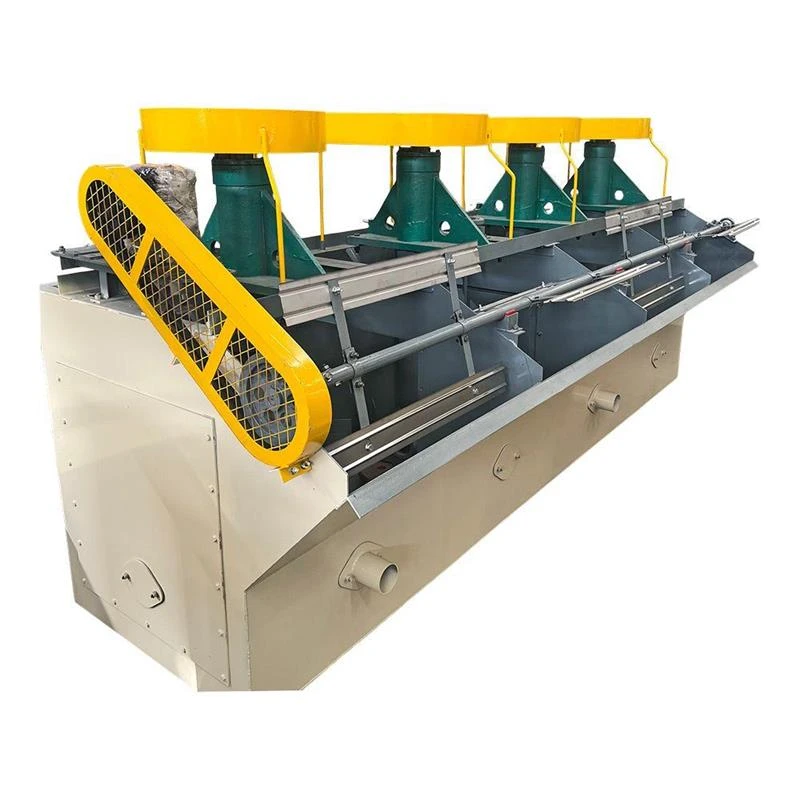
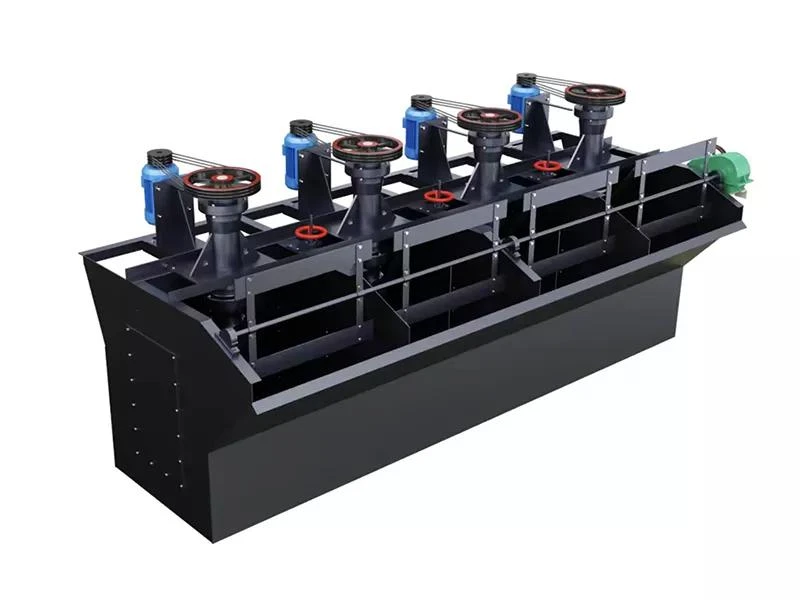
Applications of Different Flotation Cell Types
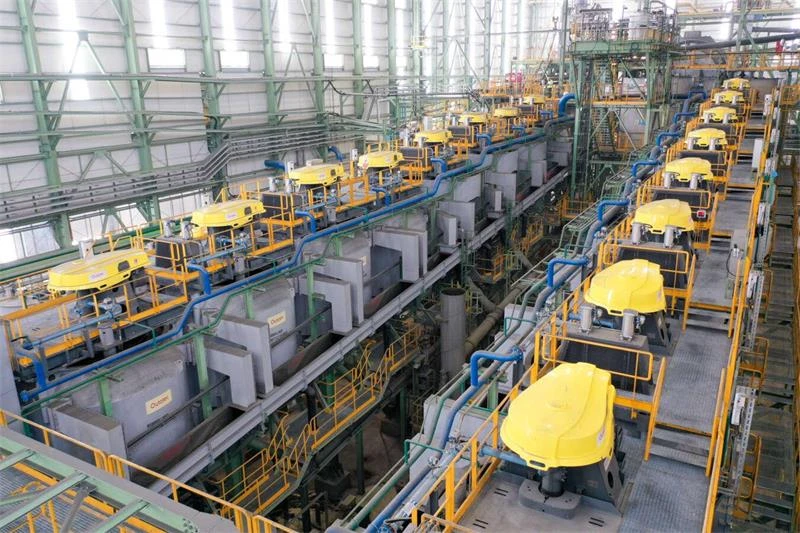
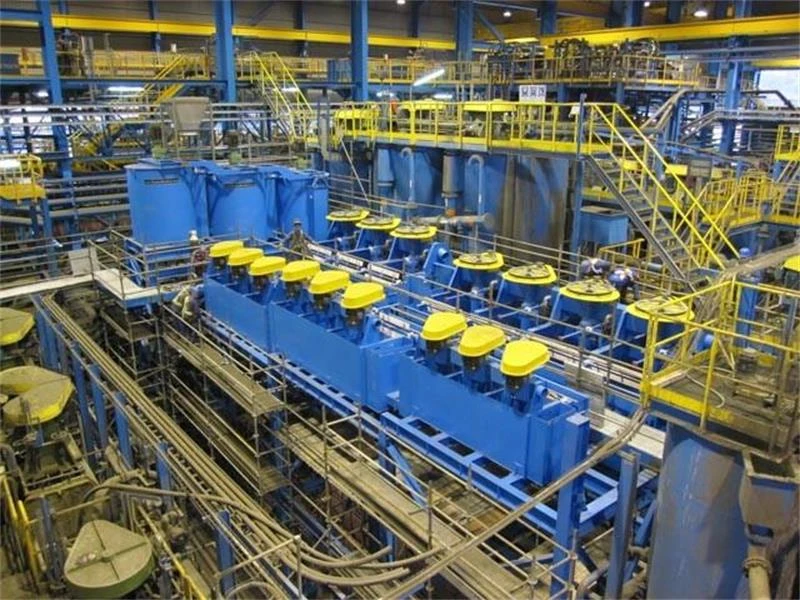
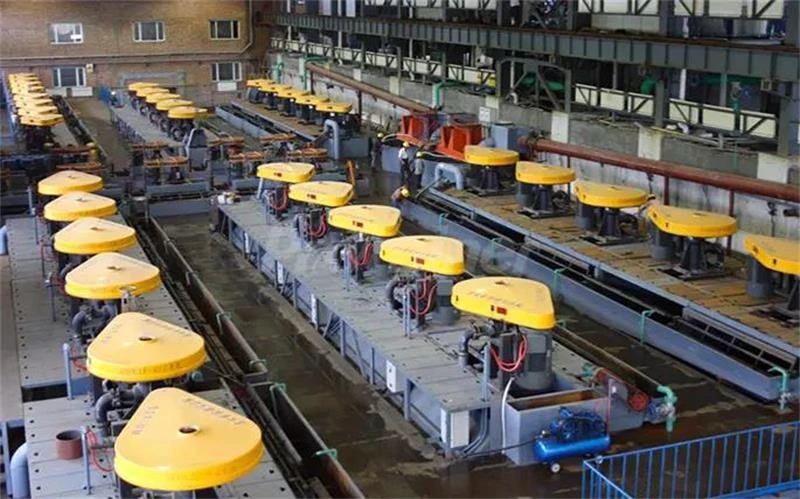
Different flotation cell types are selected according to mineral properties, processing requirements, and recovery targets. The same Mineral Processing Flotation Equipment may perform differently under different ore conditions, so mineral processing plants usually choose suitable flotation cells based on the characteristics of the ore and the role of each stage in the flotation circuit. The following applications show how different flotation cell designs are commonly used in industrial mineral processing.
In copper ore processing, BF, XCF, and KYF flotation cells are widely applied due to their stable aeration, strong slurry circulation, and suitability for continuous operation. For gold processing, BF and SF flotation cells are commonly used for conventional flotation circuits, while flash flotation cells are often installed in grinding circuits for early recovery of liberated gold minerals. In lead-zinc processing, mechanical flotation cells remain a common choice because of their reliable mixing performance and adaptability to sulfide ore beneficiation.
For industrial minerals, such as graphite, phosphate, and other non-metallic minerals, pneumatic flotation cells can be suitable when fine particle recovery, controlled bubble generation, and reduced mechanical wear are important considerations. Understanding the relationship between ore type and flotation cell design helps plants select more efficient equipment and achieve better recovery performance, which is also the key factor when comparing different flotation cell types for specific mineral processing applications.
Conclusion & Call to Action
Understanding different Types of Flotation Cells is essential for selecting the right equipment for mineral processing plants. Mechanical flotation cells, air inflation flotation cells, pneumatic flotation cells, and flash flotation cells each have their own advantages and suitable applications. There is no single flotation cell design that fits all mineral processing conditions, and the final selection should be based on ore properties, processing capacity, recovery targets, and operating requirements.
Choosing the appropriate flotation equipment can help improve mineral recovery, reduce operating costs, and maintain stable plant performance. Zhongyi Mining provides customized flotation equipment solutions based on different mineral processing requirements, helping customers select suitable flotation cell designs for copper, gold, sulfide ores, and other beneficiation applications. Contact us today to discuss your project requirements and get a suitable flotation solution from our mineral processing experts.
Yêu cầu giải pháp tùy chỉnh
Partner with Zhongyi for expert support, customized flotation solutions, and reliable equipment tailored to your ore characteristics and production needs.
Câu hỏi thường gặp
What are the main types of flotation cells used in mineral processing?
The main types of flotation cells used in mineral processing include mechanical flotation cells, air inflation flotation cells, pneumatic flotation cells, and flash flotation cells. Each type uses different mixing and aeration methods to achieve mineral separation. Mechanical and air inflation flotation cells are the most common choices for copper, gold, sulfide ore, and other beneficiation applications.
What is the difference between mechanical flotation cells and air inflation flotation cells?
The main difference between mechanical and air inflation flotation cells is the air supply method. Mechanical flotation cells use impeller-driven mixing and self-air suction, while air inflation flotation cells use an external air supply system. Air inflation designs provide better aeration control and are often selected for large-scale mineral processing plants requiring stable performance.
How do I choose the right flotation cell type for my mineral processing plant?
Choosing the right flotation cell types depends on ore properties, mineral characteristics, particle size, processing capacity, and recovery requirements. The selected equipment should match the flotation circuit design and production targets. Factors such as energy consumption, maintenance requirements, and long-term operating costs should also be considered before making a final equipment decision.
What is the difference between BF, SF, and XJK flotation cells?
BF, SF, and XJK flotation cells are all mechanical flotation equipment but have different design features and applications. BF flotation cells provide strong slurry circulation and stable operation, SF flotation cells offer efficient bubble dispersion and flexible operation, while XJK flotation machines are known for simple structure and reliable performance in small and medium-scale mineral processing plants.
When should a pneumatic flotation cell be selected?
A pneumatic flotation cell is suitable for applications requiring controlled aeration, fine bubble generation, and reduced mechanical wear. Compared with traditional mechanical flotation equipment, pneumatic designs reduce moving components and can provide stable flotation conditions. They are commonly used for fine mineral recovery in copper, gold, iron ore, lead-zinc, and industrial mineral processing.
What are the benefits of using a flash flotation cell?
Flash flotation cells are designed to recover liberated valuable minerals early in the grinding circuit. They help reduce overgrinding, improve mineral recovery, and increase overall process efficiency by removing fast-floating particles before further size reduction. They are commonly applied in gold, copper, and sulfide ore processing plants where early recovery is economically beneficial.
How do flotation cell types affect energy consumption and maintenance costs?
Different flotation cell types have different impacts on energy consumption, wear rates, and maintenance requirements. Factors such as impeller design, aeration method, spare parts availability, and operating conditions influence long-term costs. Selecting suitable flotation equipment can help reduce downtime, improve operational stability, and achieve better economic performance throughout the plant lifecycle.
Can flotation cells be customized for different mineral processing applications?
Yes. Flotation cells can be customized according to ore characteristics, processing capacity, flotation circuit requirements, and production goals. Equipment configuration, tank size, aeration system, and flotation arrangement can be adjusted for different applications. Professional manufacturers can provide technical support and customized solutions to improve recovery performance and meet specific plant requirements.