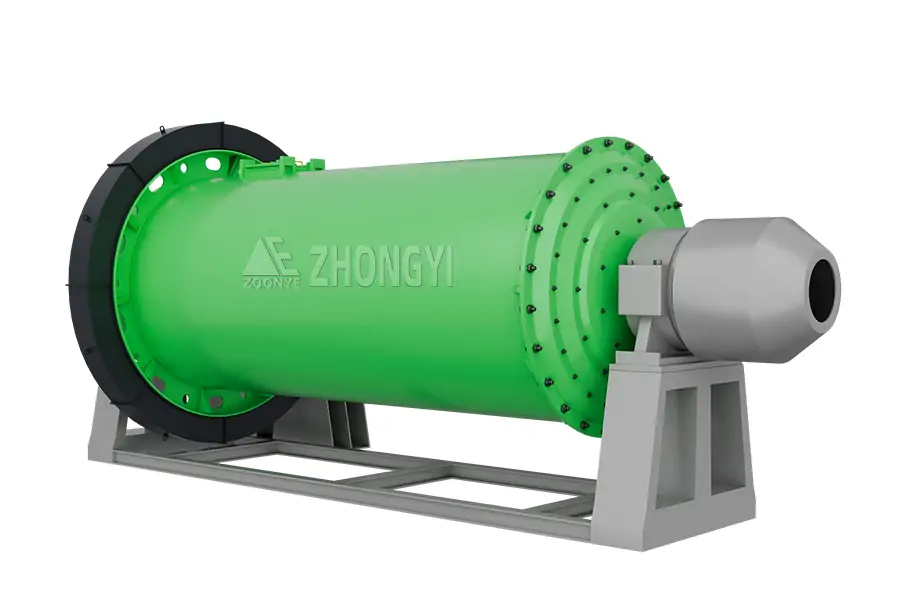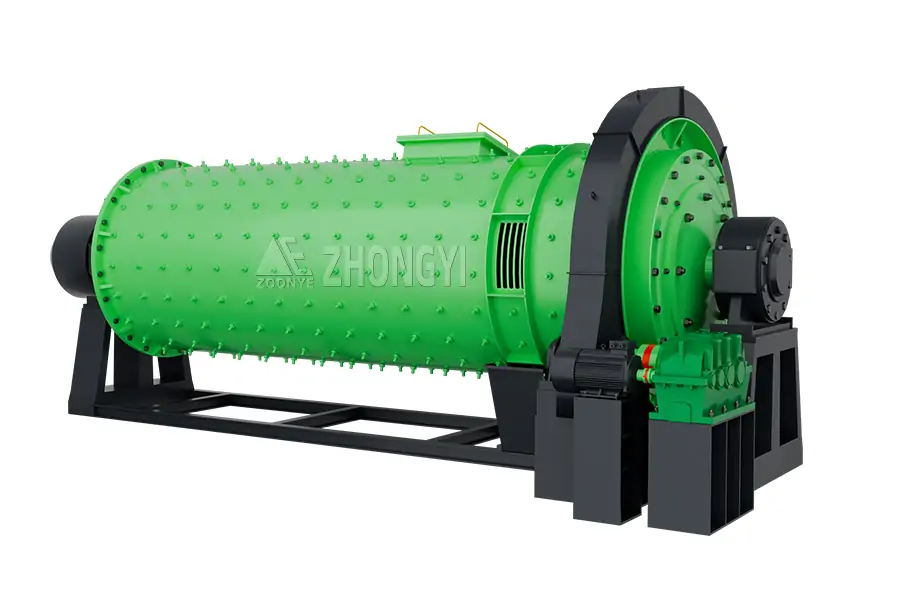
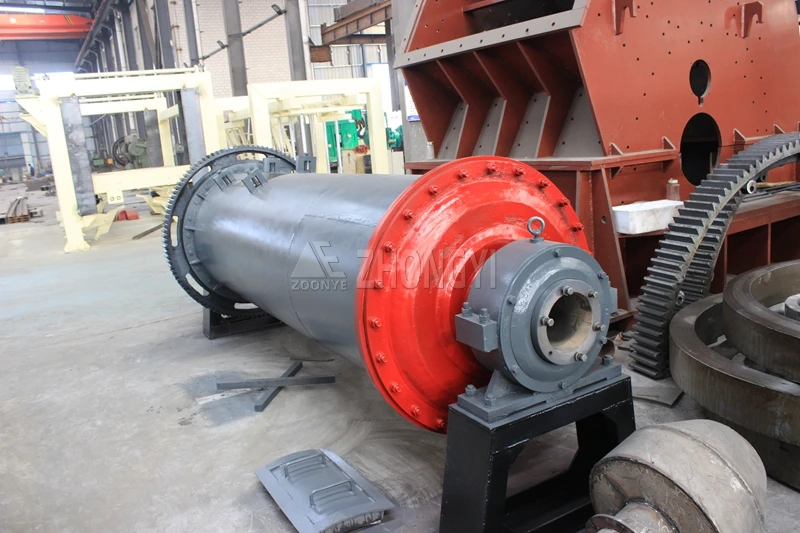
What Is a Ceramic Ball Mill?
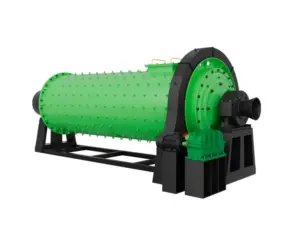
A Ceramic Ball Mill, also known as a ceramic grinding mill or ceramic lined ball mill, is a grinding equipment used for fine processing of non-metallic materials with low contamination requirements. It is widely used in ceramics, glass, chemical, and mineral powder production lines.
The equipment uses ceramic lining plates and grinding media to avoid metal contamination during grinding. Materials are ground through continuous impact and friction inside a rotating cylinder. Typical discharge fineness can reach 0.074 mm, making it suitable for fine powder applications.
In operation, ceramic ball mills can be used in both wet and dry grinding processes depending on production requirements. They are often applied in batch or continuous systems for raw material preparation, pigment grinding, and mineral processing. Compared with steel ball mill equipments, they are more suitable for materials requiring high purity and stable chemical properties.
Suitable Materials
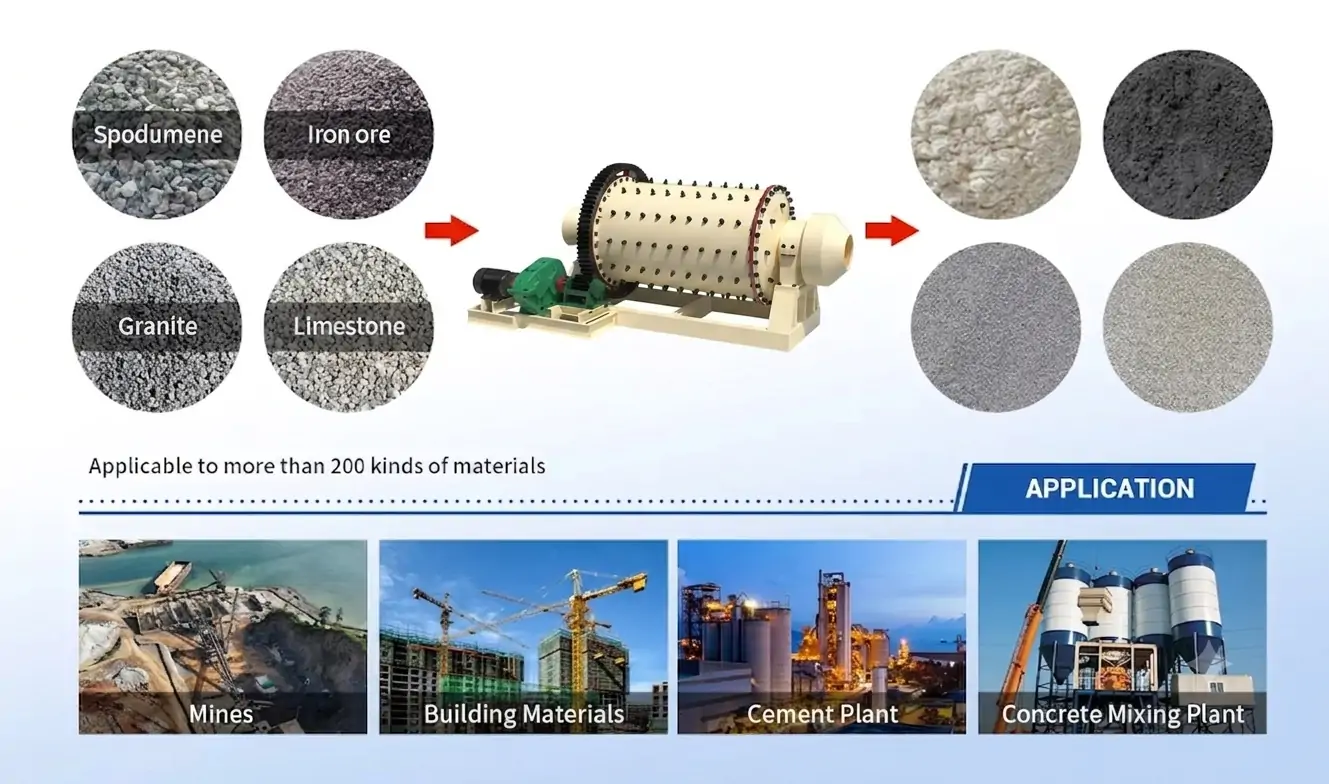
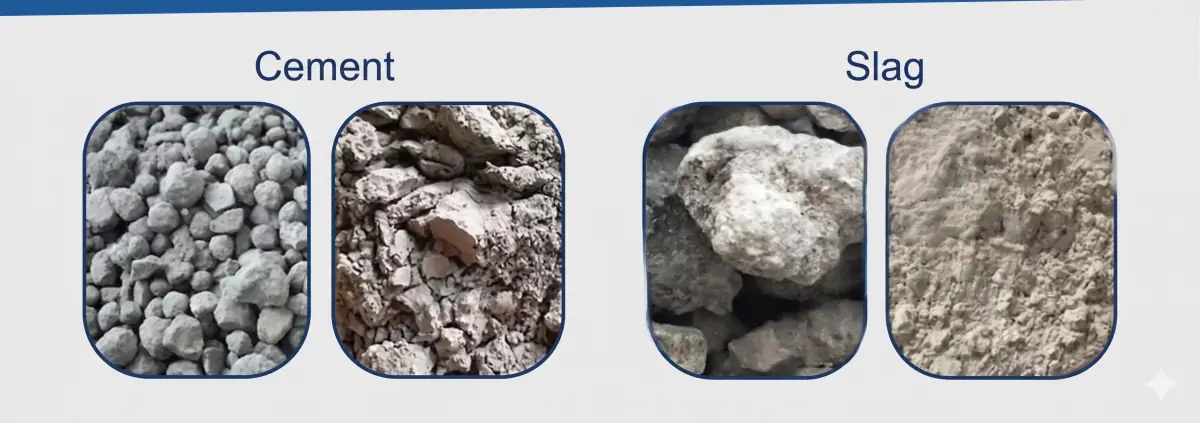
Ceramic Ball Mill is mainly used for fine and ultra-fine grinding of non-metallic materials that require high purity and low contamination. It is suitable for electronic ceramics (such as alumina, zirconia, barium titanate), inorganic non-metallic materials (glazes, pigments, silica powder), advanced materials (lithium battery cathode and anode materials, rare earth powders), as well as chemical, pharmaceutical, and food additive industries where sensitivity to metal contamination is critical.
The typical feed size is controlled at ≤25 mm. After grinding, the discharge fineness is usually in the range of 0.074–0.1 mm (about 100–200 mesh). With adjusted process parameters and extended grinding time, the material can further reach micron or even sub-micron levels (D97 ≤ 2 μm), depending on material properties and operating conditions.
How a Ceramic Ball Mill Works?
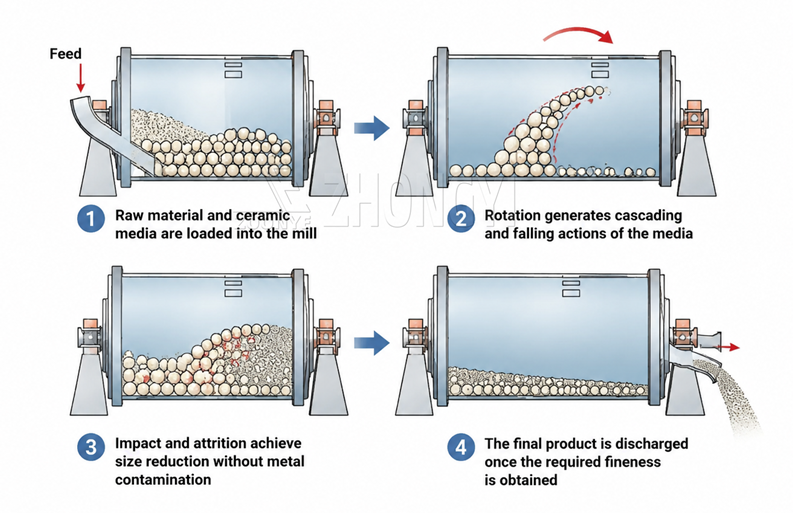
Ceramic ball mill works on the principle of rotating cylinder grinding, where ceramic grinding media inside the mill continuously crush and grind materials through impact and friction. The motor drives the cylinder to rotate at a stable speed, creating a grinding environment suitable for fine and ultra-fine material processing.
Inside the rotating chamber, the material and ceramic balls are lifted by centrifugal force and friction from the lining, then fall along a parabolic path due to gravity. During this process, strong impact from falling media breaks the particles, while rolling and sliding between grinding balls provide continuous fine grinding action.
The material gradually moves from the feed end to the discharge end under continuous feeding and internal circulation. After sufficient grinding time, the fine powder is discharged through the outlet, completing the milling process for ceramics, chemical powders, and non-metallic materials.
Video
Ceramic Ball Mill Parts
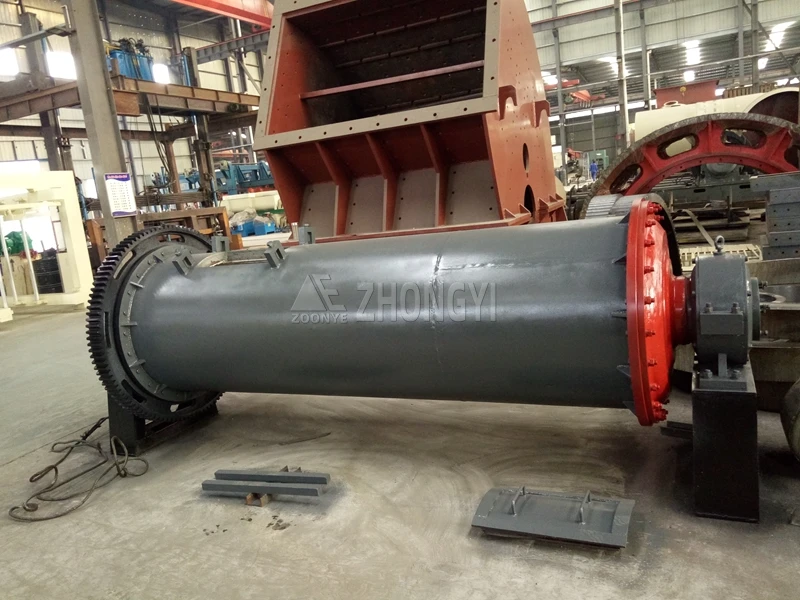
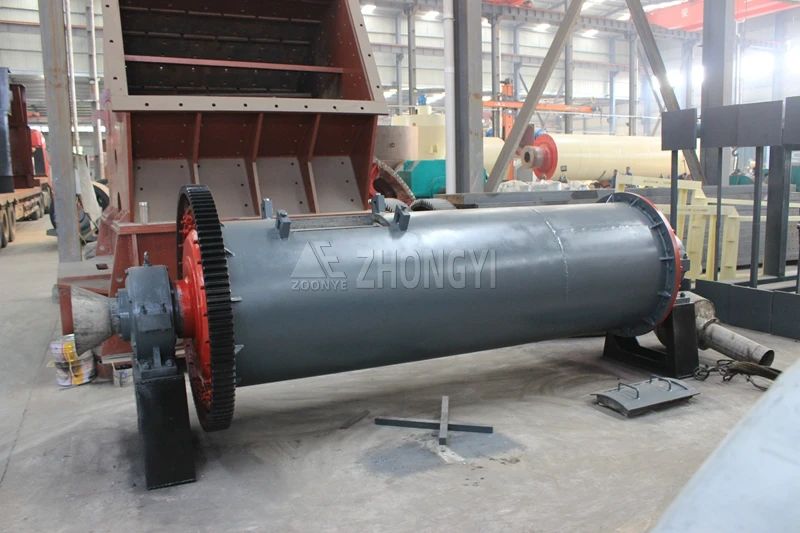
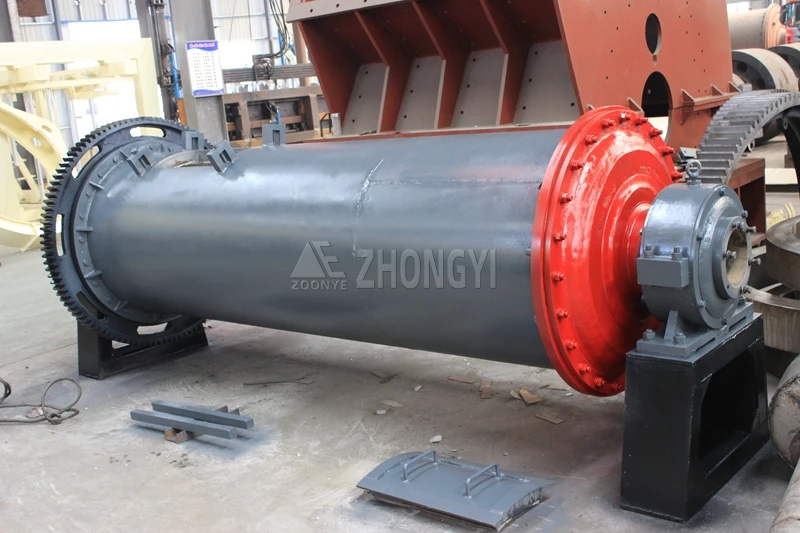
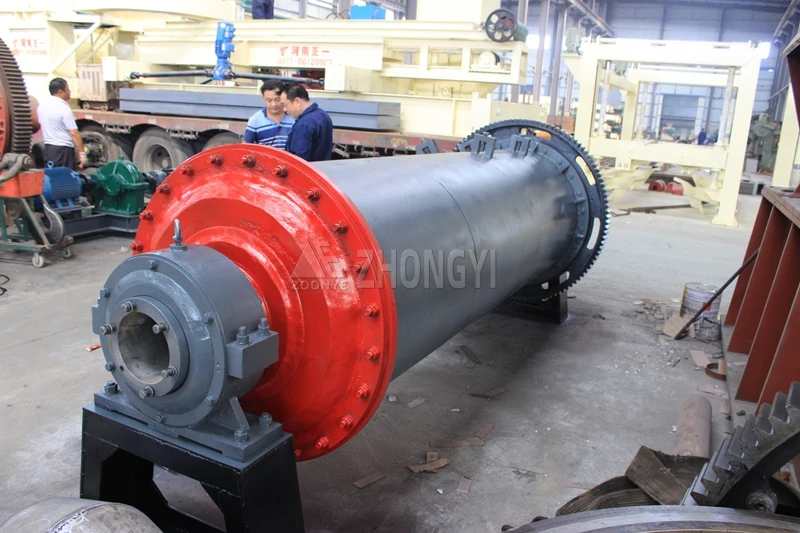
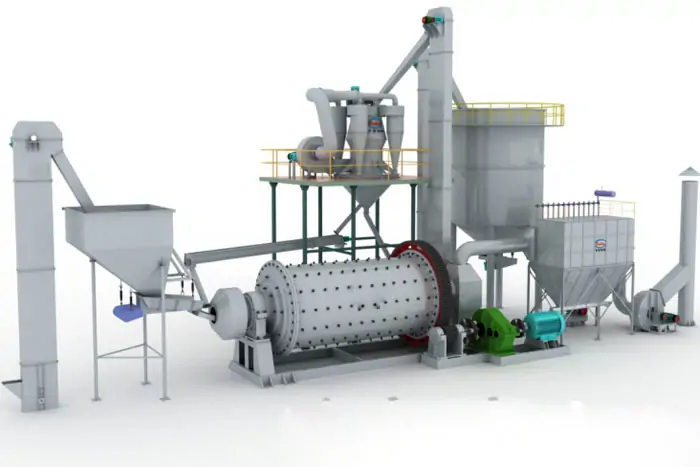
The Ceramic Grinding Mill consists of several key components that work together for continuous grinding and particle size reduction of non-metallic materials. The main structure includes the feeding system, rotating cylinder, ceramic lining, grinding media, drive unit, discharge section, and support components, all designed for stable industrial operation in wet or dry grinding processes.
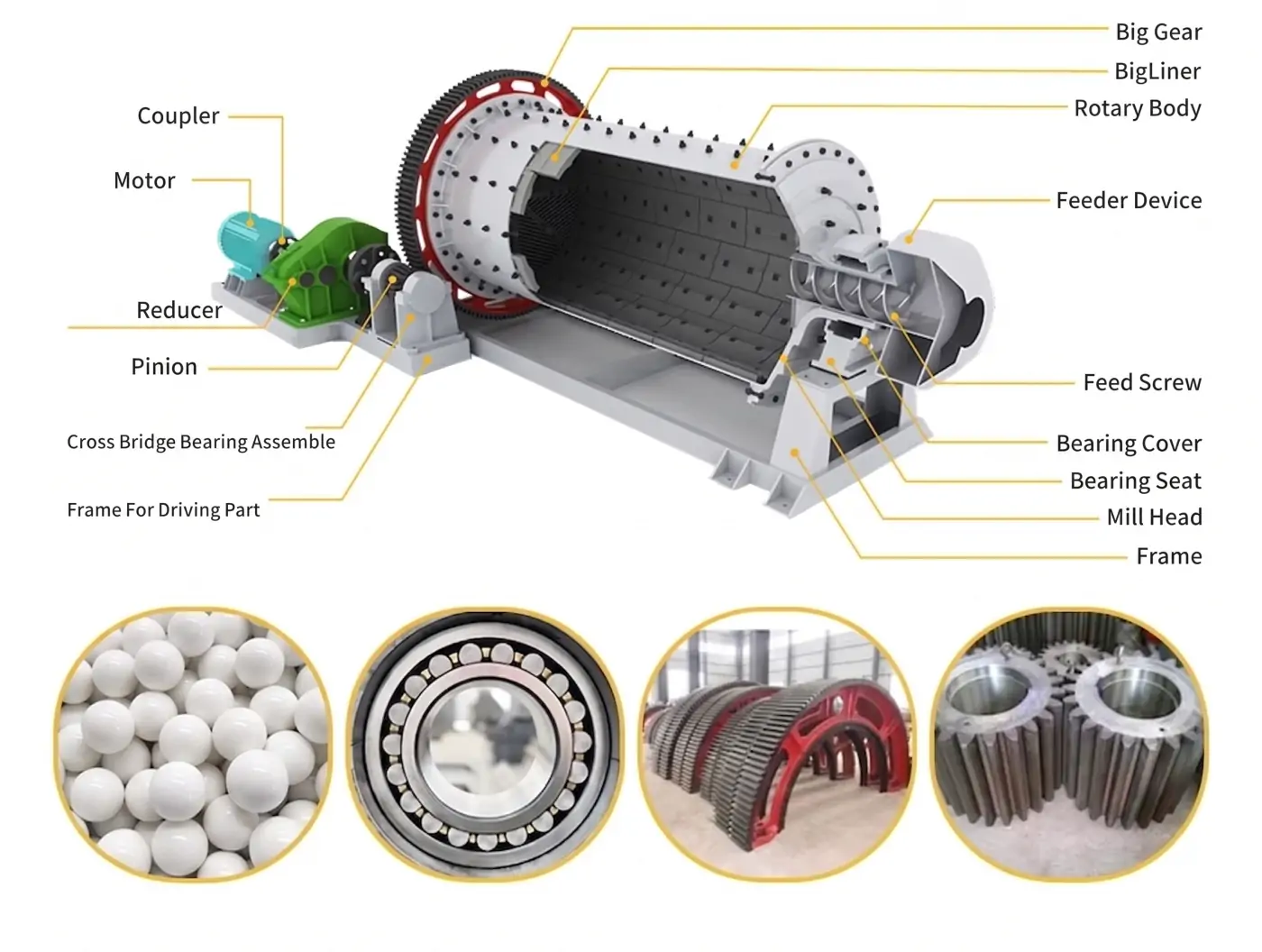
- Feeding System
Feed inlet and hopper structure that guides raw material into the mill chamber with controlled and uniform distribution. - Grinding Cylinder (Shell)
Cylindrical steel body that rotates and carries the grinding media and material during operation. - Ceramic Lining
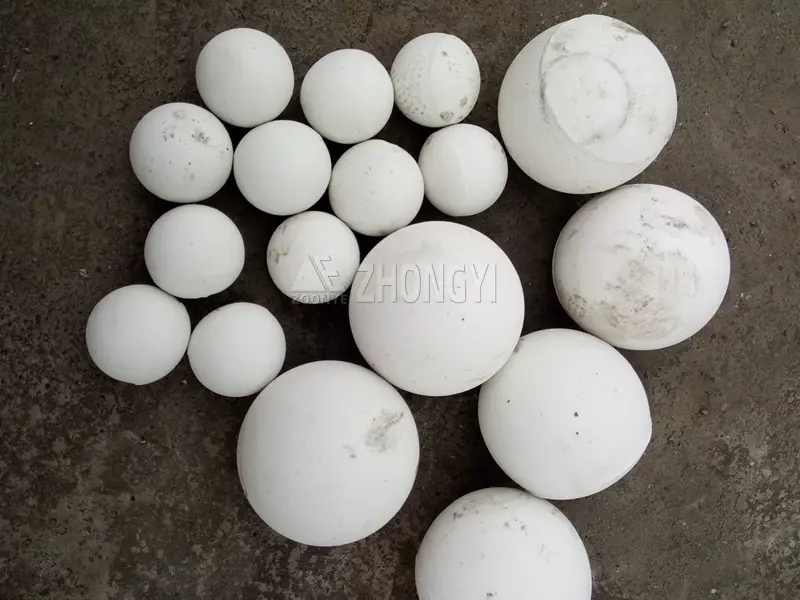
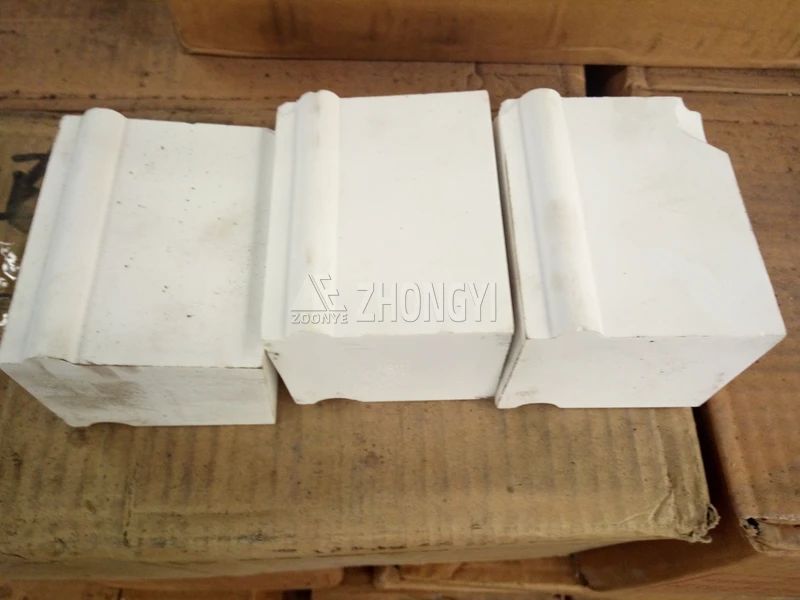
High-alumina or zirconia lining installed inside the shell, providing wear resistance and preventing iron contamination during grinding. - Grinding Media (Ceramic Balls)
Alumina or zirconia balls that generate impact and friction forces to reduce material particle size inside the mill. - Drive System
Motor, gearbox, and transmission assembly that provides rotational motion to the grinding cylinder at set speed. - Discharge System
Outlet structure for material discharge, designed according to wet or dry grinding requirements. - Support Structure and Bearings
Bearing system and base frame that support the rotating cylinder and maintain stable mechanical operation under load.
Specifications
| Model | Loading volume (tons/batch) | Rotational speed of the cylinder (rpm) | Reference power (kW) |
| 800×600 | 0.075 | 42 | 3 |
| 900×1200 | 0.2 | 38.5 | 5.5 |
| 1300×1500 | 0.5 | 33 | 7.5 |
| 1500×1800 | 1.2 | 28.5 | 11 |
| 1800×2000 | 1.5 | 24 | 15 |
| 2600×2800 | 5 | 16.5 | 37 |
| 3000×3800 | 10 | 14.5 | 55 |
| 3200×4600 | 15 | 13.5 | 75 |
| 3400×6600 | 18 | 13 | 135 |
Choosing the right grinding equipment depends on material characteristics, capacity requirements, and final particle size. Explore our guide on what is a ball mill machine and how to select the right type.
Ceramic Ball Mill Applications
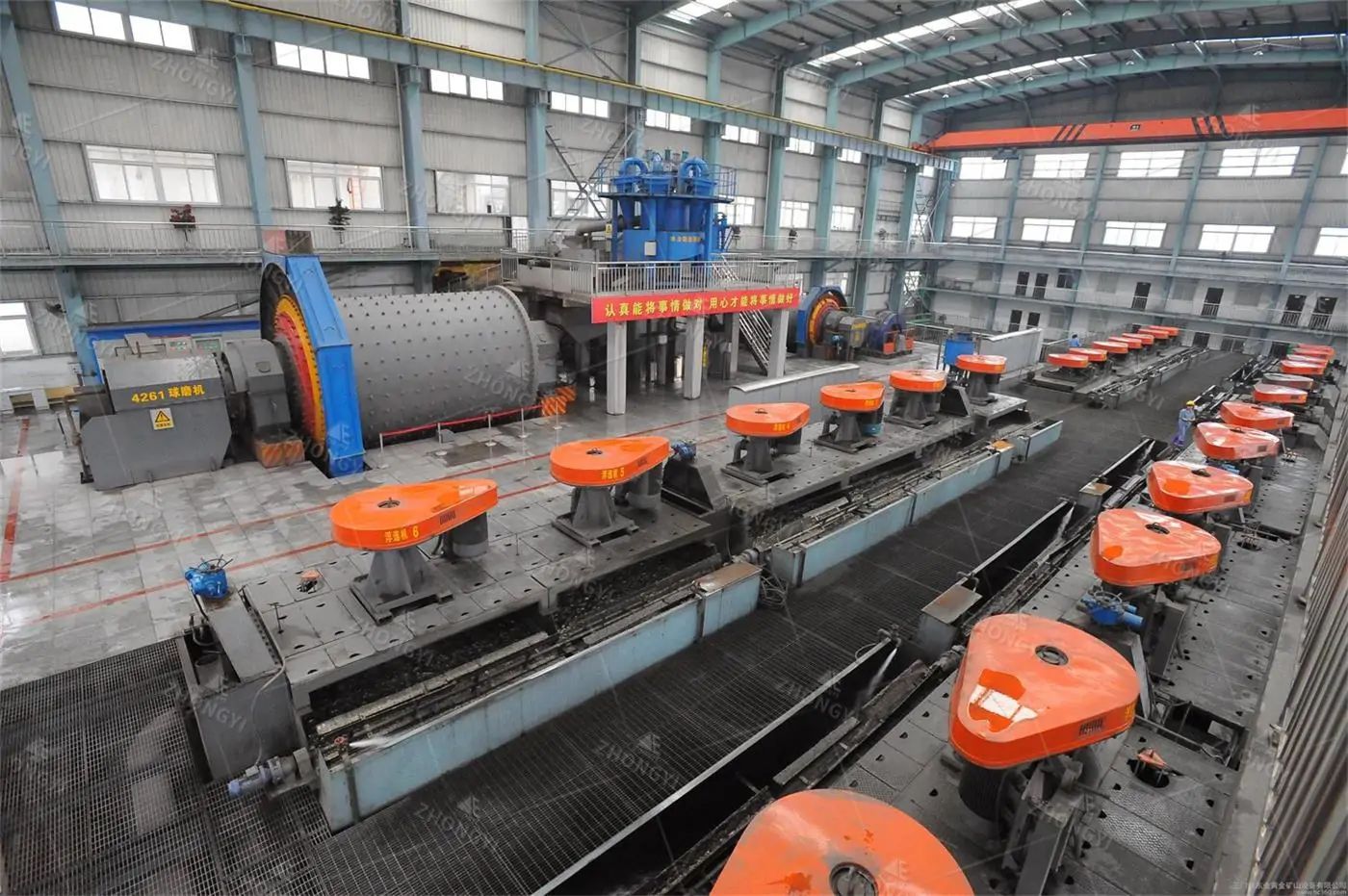
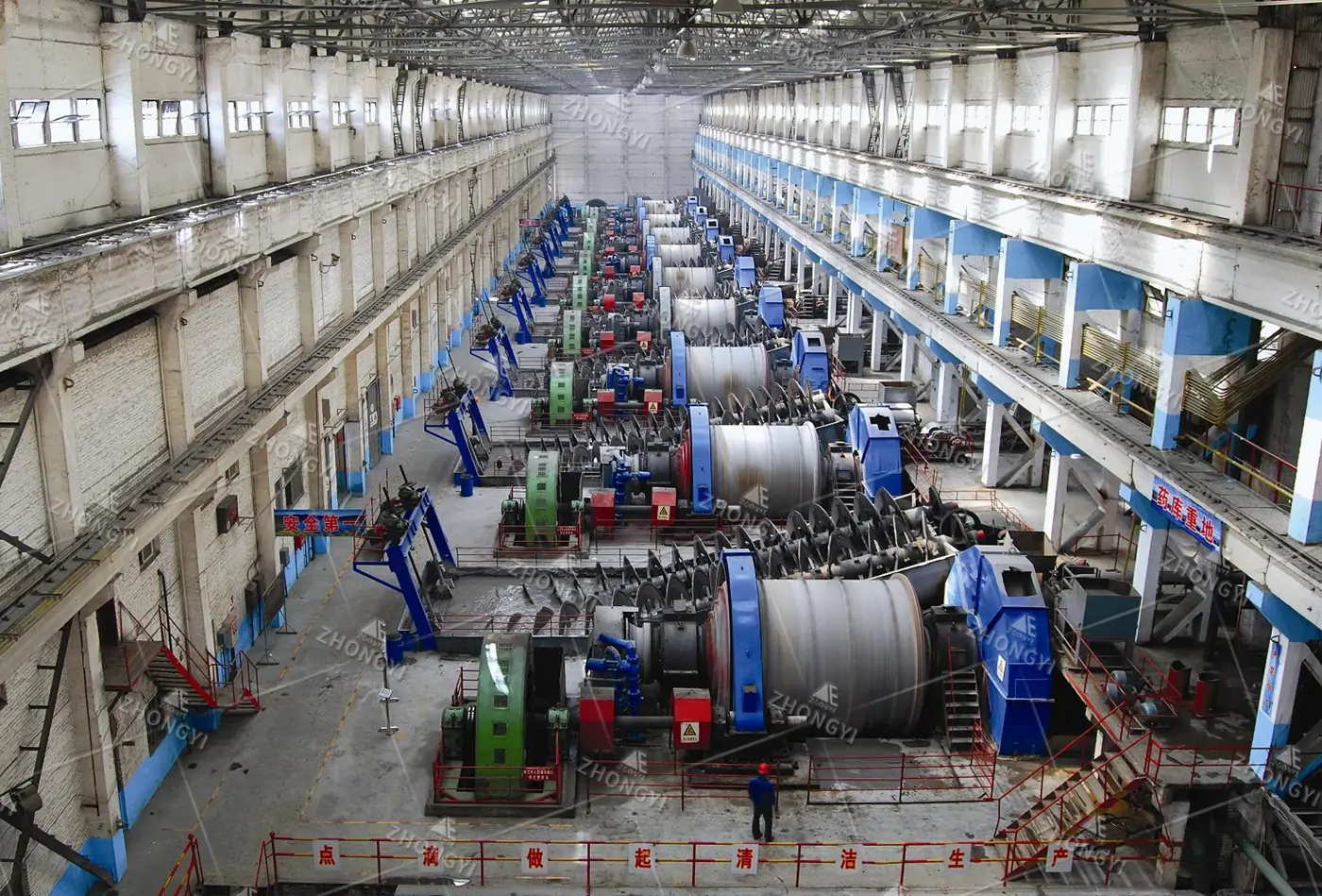
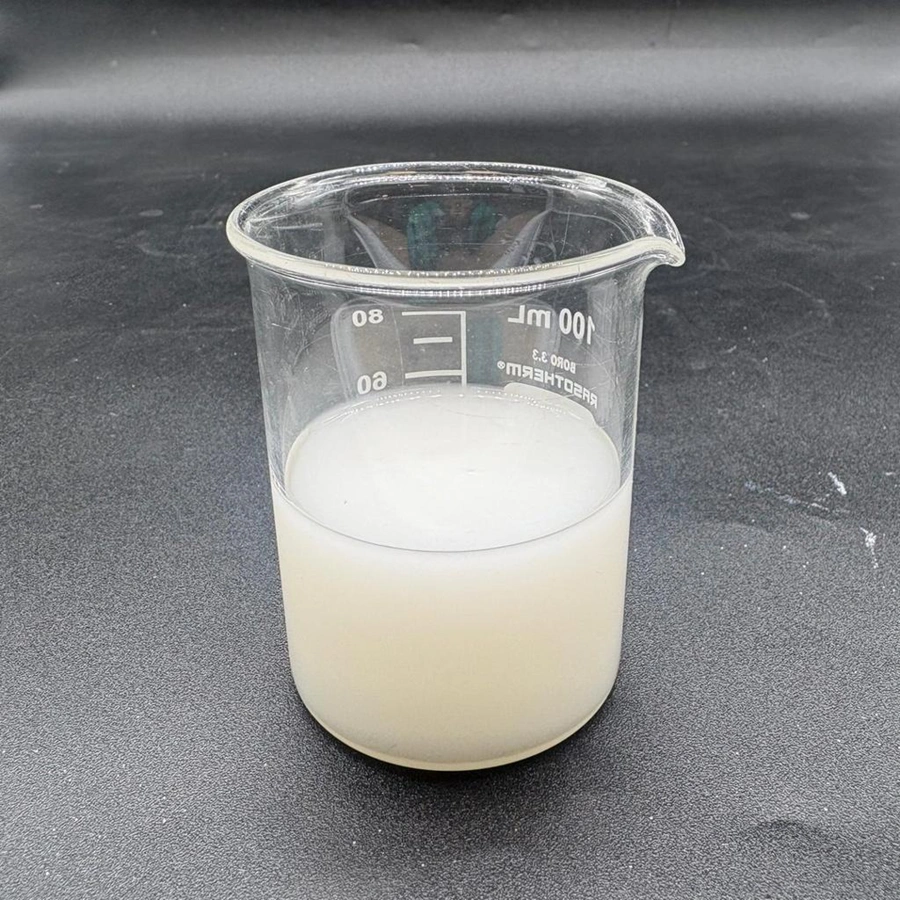
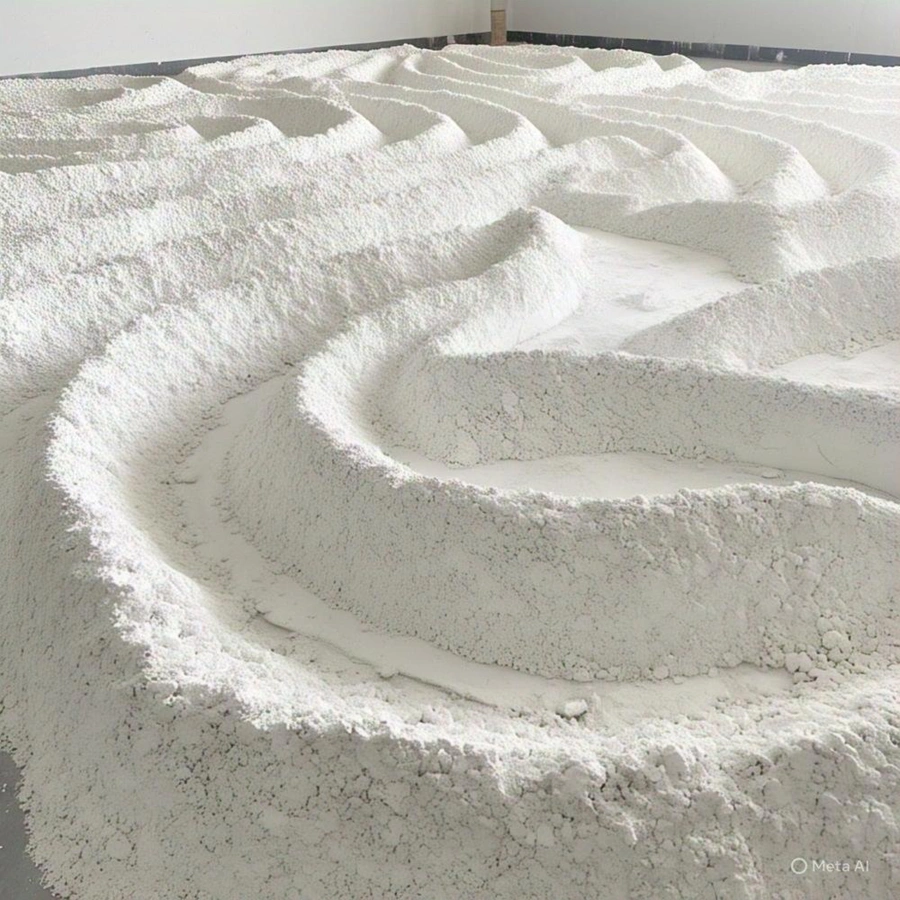
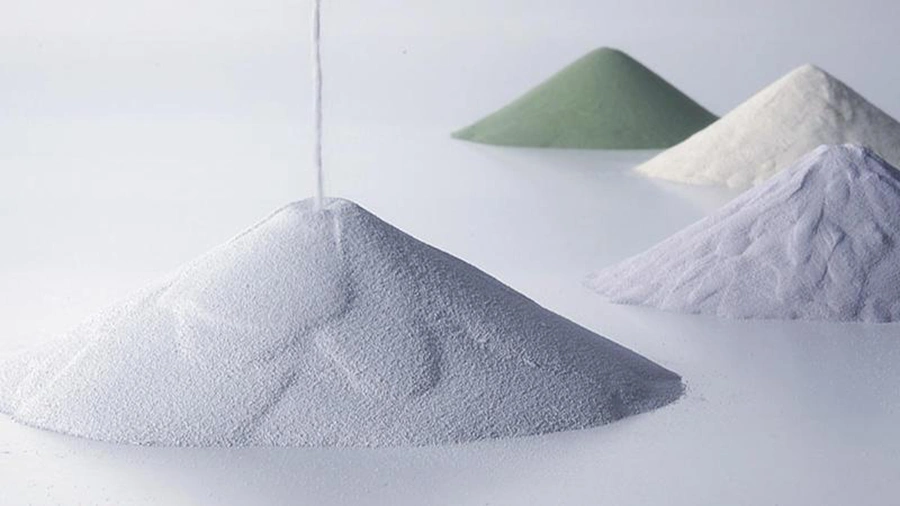
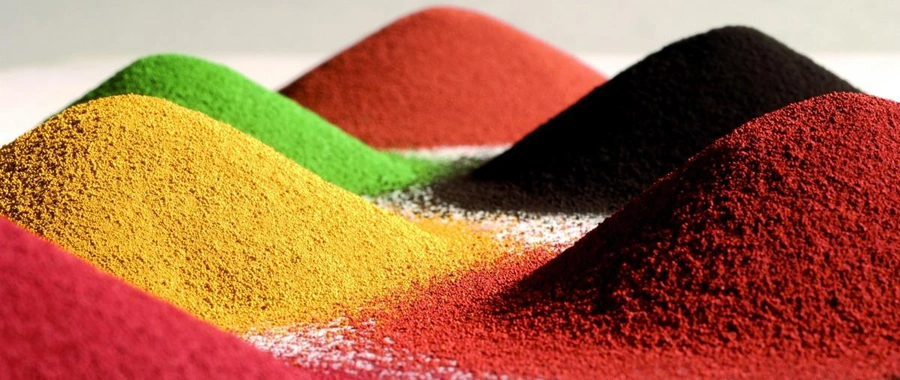
A Ceramic Ball Mill is widely used for fine grinding of non-metallic and high-purity materials where metal contamination must be avoided. It is commonly applied in ceramic raw material processing, glaze production, glass manufacturing, chemical powders, and mineral industries such as quartz, feldspar, and kaolin. With ceramic or alumina lining and grinding media, it offers high wear resistance, stable operation, and excellent product purity. The mill provides uniform particle size distribution, efficient grinding performance, and is suitable for both wet and dry grinding processes in continuous or batch production systems.

Projects Show
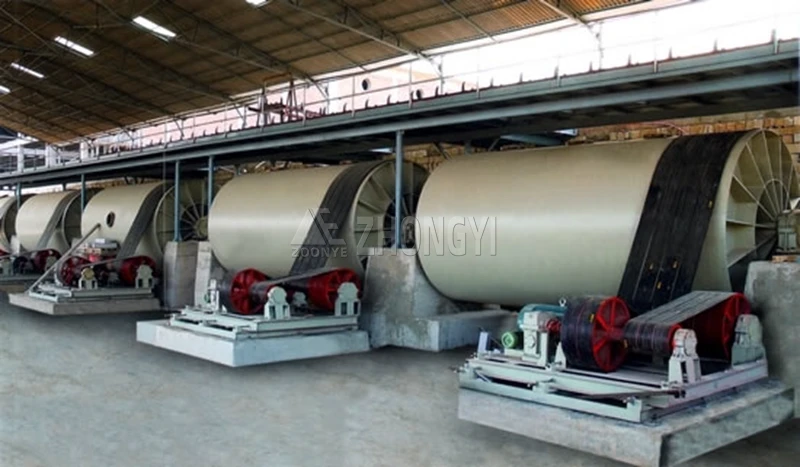
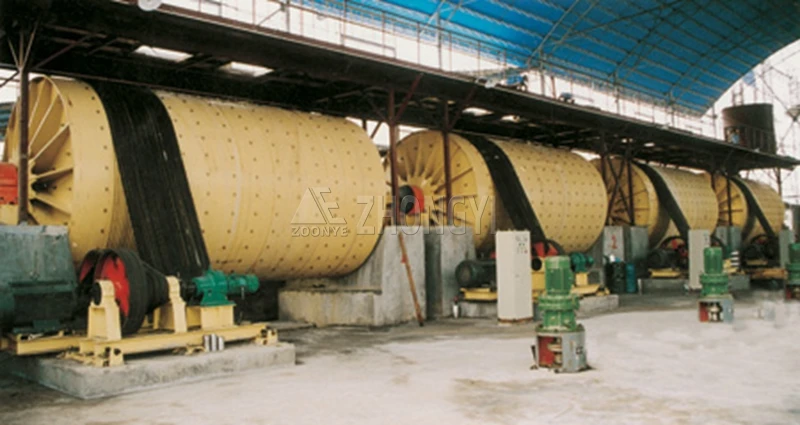
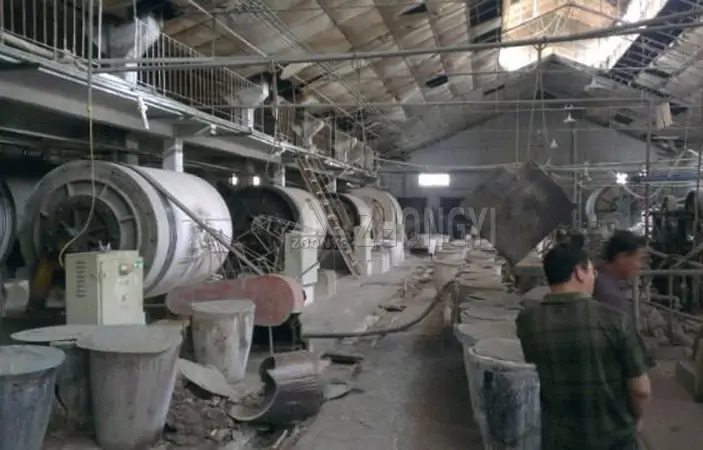
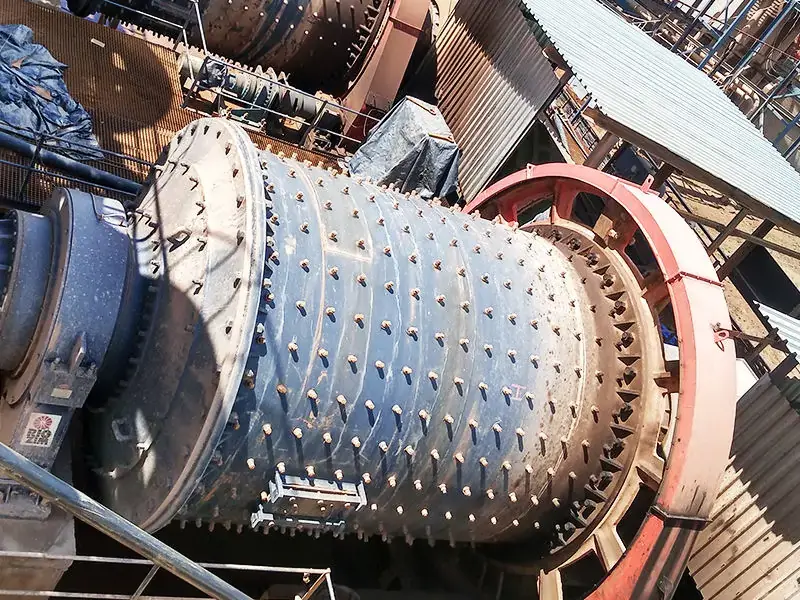
How to Choose the Right Ceramic Ball Mill?
Selecting the right model is critical to improving grinding efficiency, reducing operational costs, and ensuring long-term equipment reliability. The following key considerations will help you make an informed decision:
For expert guidance and customized mineral processing configurations, contact Zhongyi to select the ideal technical combination,For applications requiring more controlled feed particle size, a Rod Mill can be used before the ceramic ball mill.
Request a Customized Solution
As a professional manufacturer, Zhongyi Mining provides tailored Ceramic Ball Mill solutions based on your material, capacity requirements, and process conditions. Instead of a fixed price, we recommend selecting the most suitable configuration to optimize grinding efficiency and operating cost.
Ceramic Ball Mill Price
The price of a ceramic grinding mill typically ranges from USD 5,000 to USD 80,000+, depending on model size, capacity, and configuration. Small laboratory or pilot-scale mills are usually in the lower price range, while large industrial continuous grinding systems with high capacity and full lining protection fall into the higher investment level. Contact Zhongyi Mining with your project details to receive an accurate technical proposal and quotation.
Here are the main factors that influence the price:
Explore More Grinding Equipment
Whether you are processing metal ores, ceramic raw materials, cement clinker, or ultrafine industrial powders, Zhongyi provides complete grinding solutions for different materials, capacities, and fineness requirements. Explore our full range of grinding equipment to find the right solution for your production process.
| Equipment | Best For | Features |
| Mining Ball Mill | Gold, copper, iron ore, lead-zinc and other mineral processing plants | Heavy-duty grinding equipment designed for primary and secondary grinding. Suitable for wet or dry operation with high throughput and stable performance. |
| Rod Mill | Coarse grinding, sand making, tungsten, tin and magnetic separation plants | Steel rods provide selective grinding with less over-grinding and a more uniform particle size distribution. |
| Clinker Grinding Unit | Cement plants and clinker grinding stations | Complete grinding system including mill, classifier, dust collection and conveying equipment for efficient cement production. |
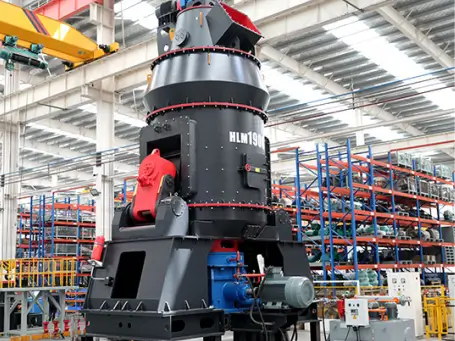
| Vertical Roller Mill | Cement, slag, limestone, coal and industrial minerals | Integrates crushing, drying, grinding and classification into one unit with lower energy consumption and reduced footprint. |
| Ceramic Lined Ball Mill | High-purity minerals, battery materials, chemicals | Ceramic lining protects materials from metallic contamination while improving wear resistance and extending equipment life. |
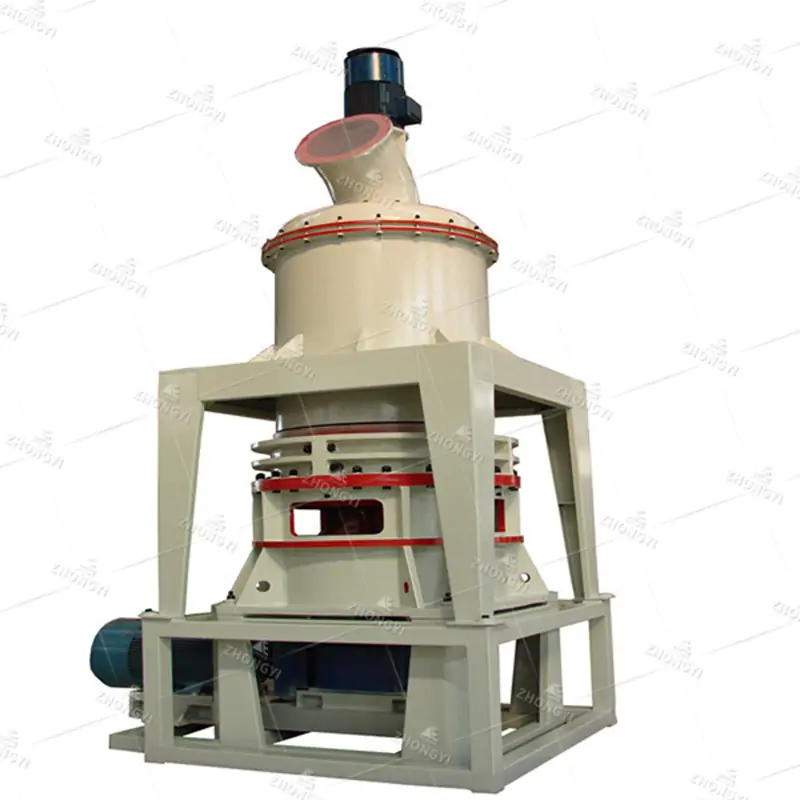
| Ultra Fine Grinding Mill | Calcium carbonate, talc, barite, graphite, silica and other ultrafine powders | Produces micron and sub-micron powders with high classification efficiency for applications requiring extremely fine particle sizes. |
Custom Grinding Solutions
To get an accurate and tailored price for your Ceramic Ball Mill, please fill out our inquiry form with your project specifications. Our engineering team will provide a customized solution and competitive quotation.
Please provide the following information:
Ceramic Ball Mill Manufacturer and Supplier
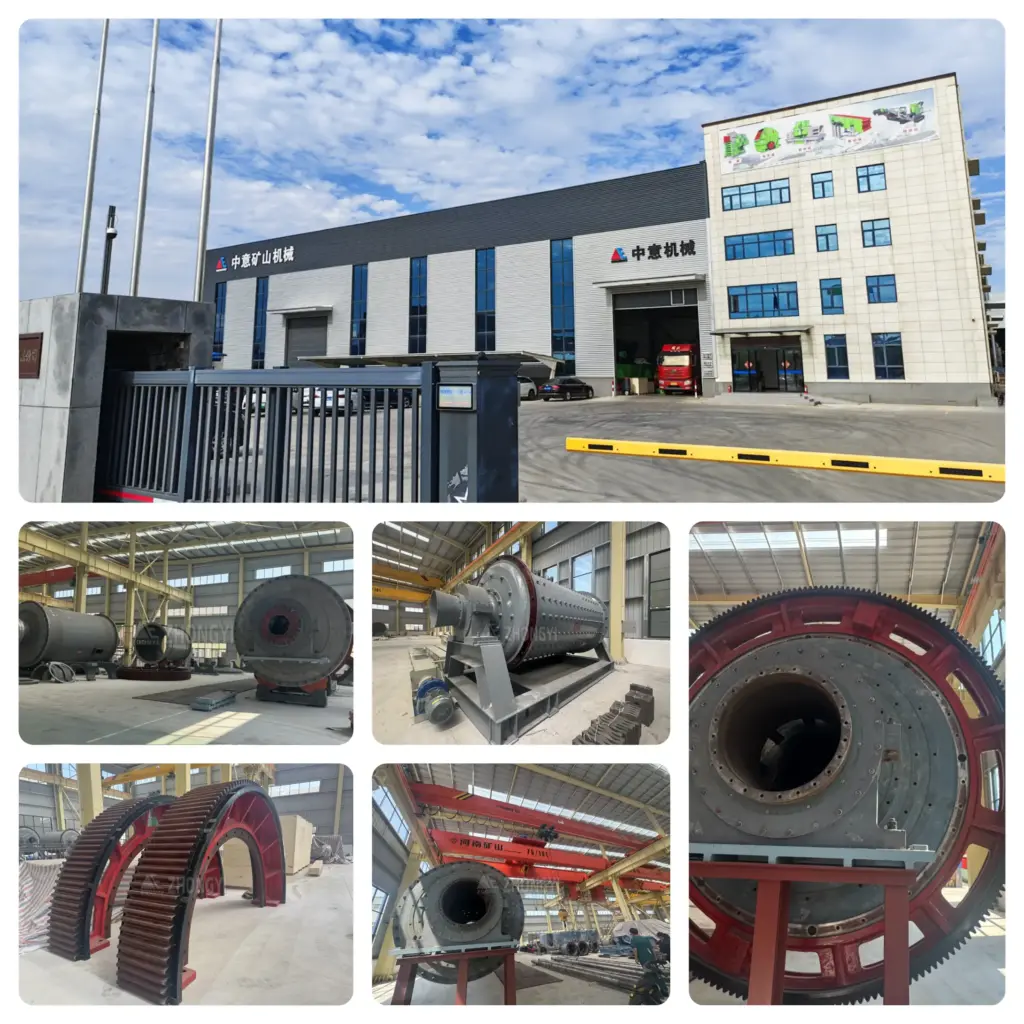
As a professional Ceramic Ball Mill manufacturer and supplier, Zhongyi provides high-quality grinding solutions engineered for modern ceramic production. The right mill ensures consistent particle size, stable throughput, and uniform powder properties, improving downstream processes and product quality. By evaluating material characteristics, production capacity, and site conditions, Zhongyi delivers tailored grinding solutions that optimize efficiency, reduce energy consumption, and lower operating costs. For decentralized non‑metallic mineral hubs operating directly at the quarry face.
We have extensive experience in alumina, zirconia, clay, and advanced ceramic projects, We offer end-to-end services including process design, equipment manufacturing, installation guidance, and operator training. Certified under ISO9001 and internationally recognized standards, Zhongyi is a trusted partner for ceramic production facilities worldwide.
FAQs
What materials can a ceramic ball mill grind?
A ceramic ball mill can grind a wide range of materials, including ceramic raw materials, quartz, feldspar, chemicals, glass powder, and non-metallic minerals. It is especially useful when low contamination is required.
What is the lifespan of ceramic lining?
The service life of ceramic lining depends on the material being processed, operating conditions, and maintenance practices. Under normal conditions, it can last for several years because of its strong wear resistance.
How to choose the right capacity?
Capacity should be selected based on your required output, feed size, material hardness, and target fineness. A proper model match helps balance production efficiency and energy consumption.
Is it suitable for wet and dry grinding?
Yes. Ceramic ball mills can be used for both wet grinding and dry grinding, depending on the material and process requirements.
Can a ceramic ball mill achieve ultra-fine grinding?
Yes. With the right milling media, rotation speed, and grinding time, a ceramic ball mill can produce powders as fine as 10 μm or smaller, suitable for advanced ceramics, glazes, and specialty coatings.
How do I reduce contamination during milling?
Using high-purity ceramic grinding media and liners minimizes contamination. Maintaining proper maintenance schedules and avoiding metal contact during operation also helps ensure product purity.
What are the energy-saving options for ceramic ball mills?
Modern ceramic ball mills can be equipped with energy-efficient motors, variable frequency drives, and optimized liner designs, which reduce energy consumption without compromising grinding performance.
How to maintain a ceramic ball mill for long-term performance?
Regular inspection of liners and grinding media, proper cleaning after use, monitoring motor load and vibration, and timely replacement of worn parts all contribute to longer service life and stable performance throughout the production cycles.