What Is a Secondary Combustion Chamber?
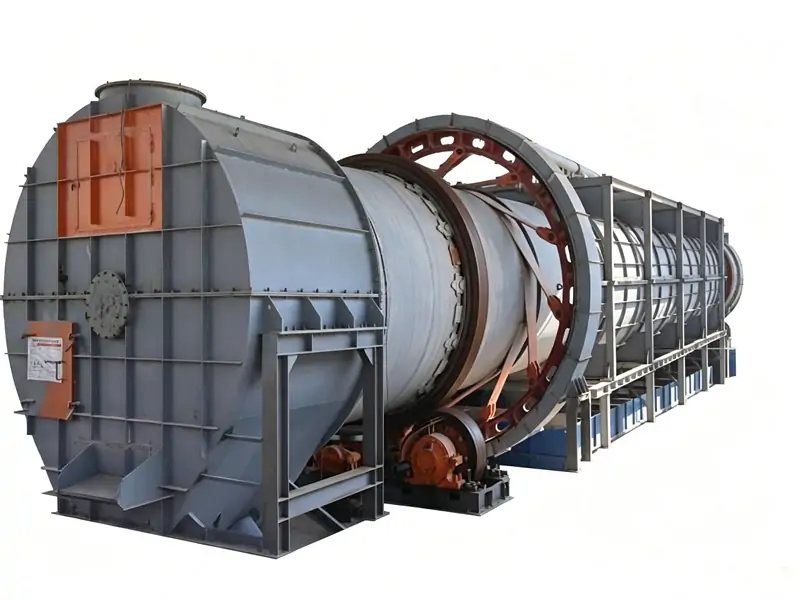
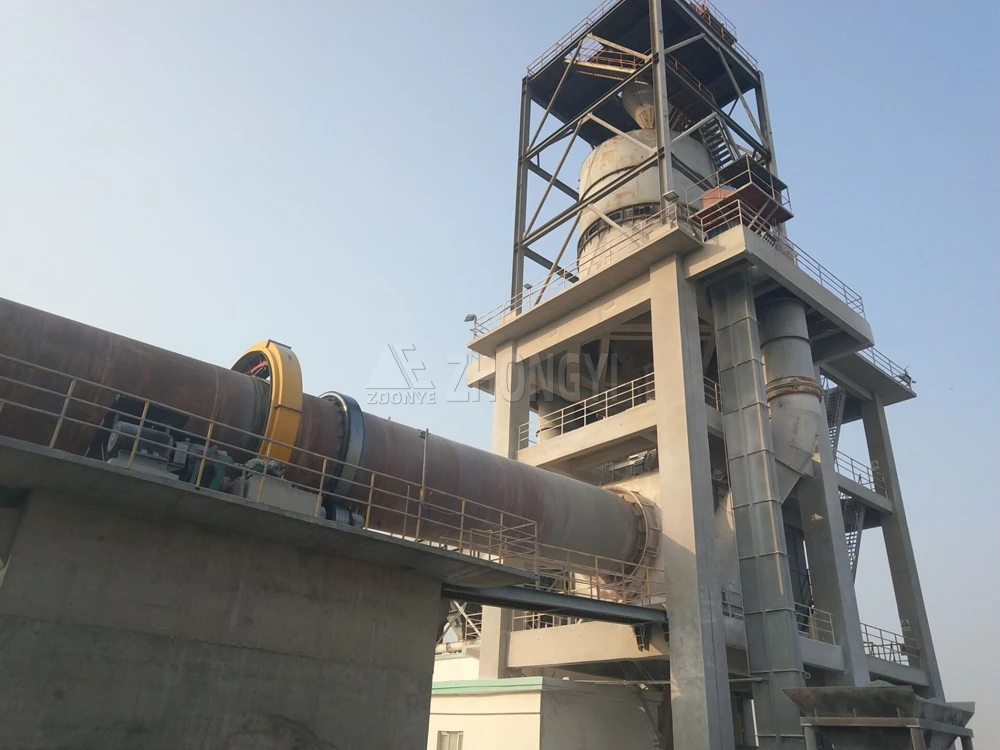
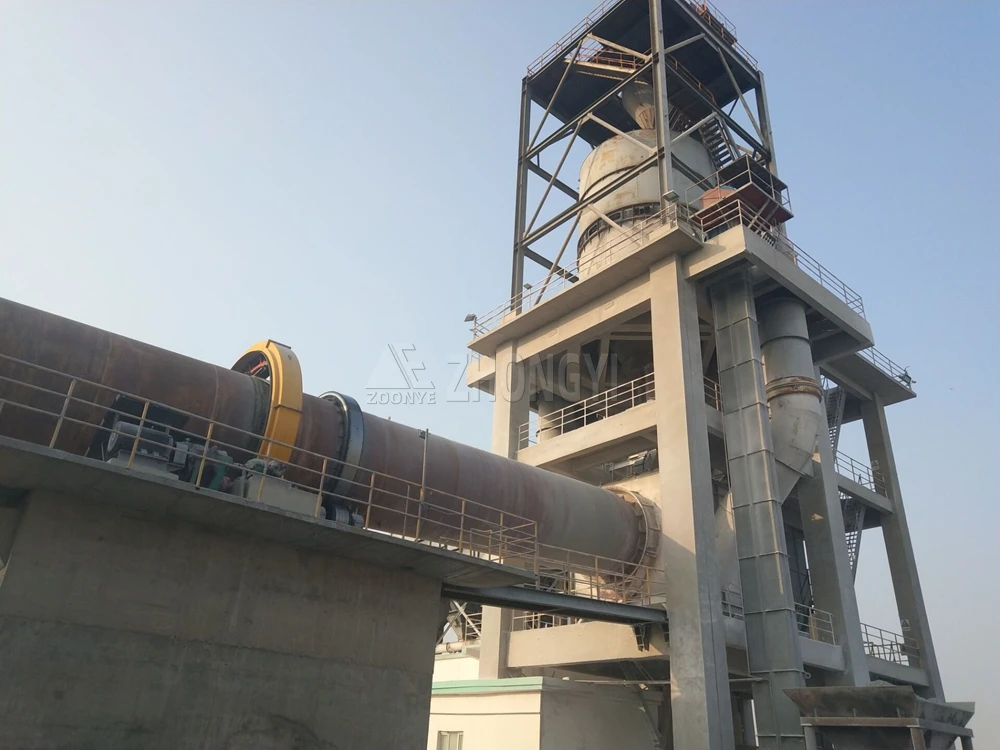
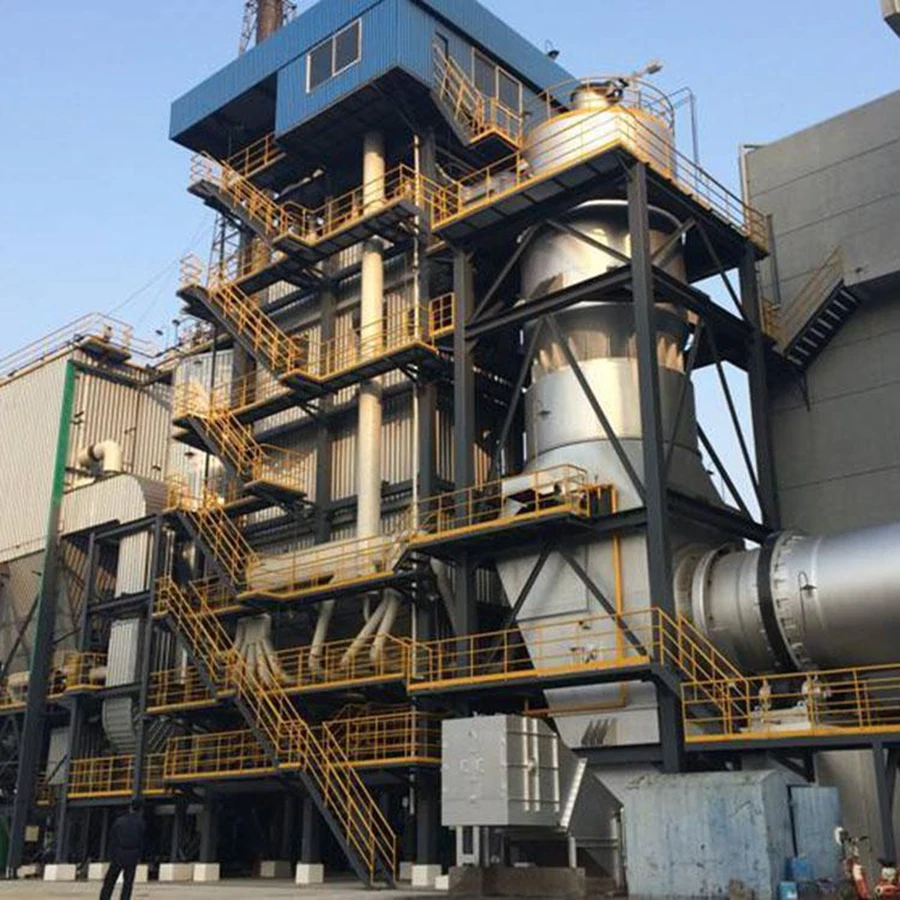
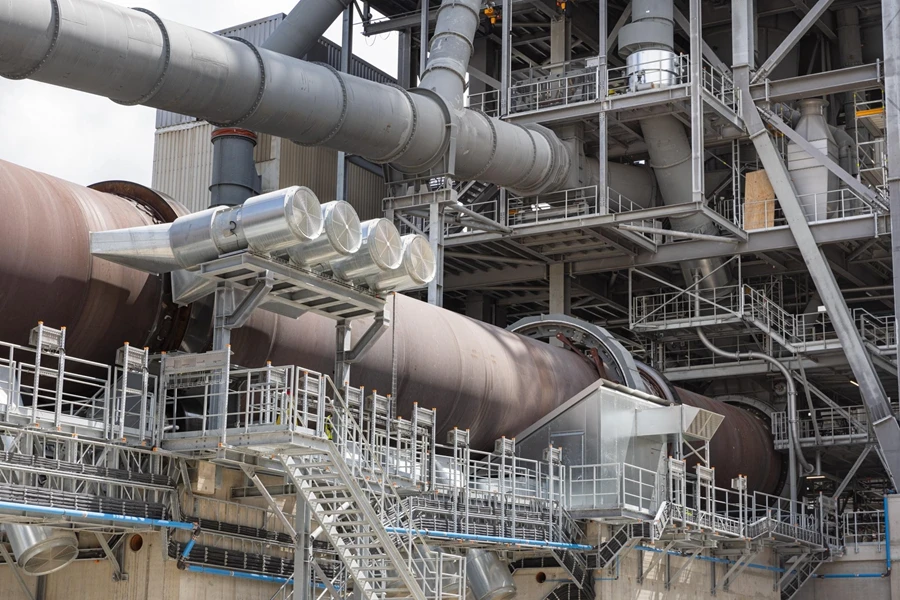
A secondary combustion chamber is a high-temperature combustion unit installed after a rotary kiln or primary thermal processing equipment to further oxidize unburned gases and combustible components in the exhaust stream. In mining and mineral processing systems, it serves as an essential thermal treatment component that improves combustion completeness, stabilizes gas conditions, and supports efficient operation of downstream gas treatment systems.
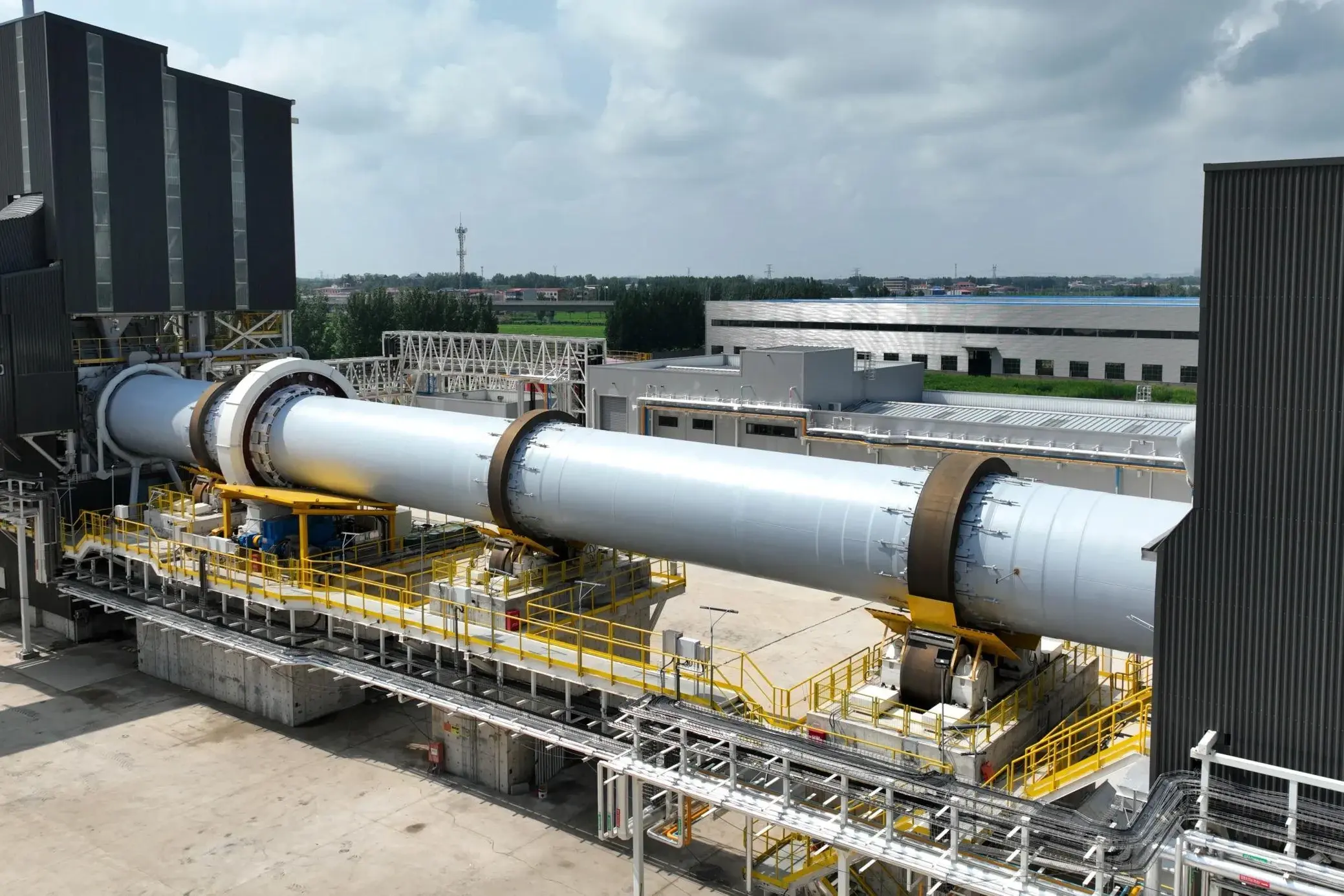
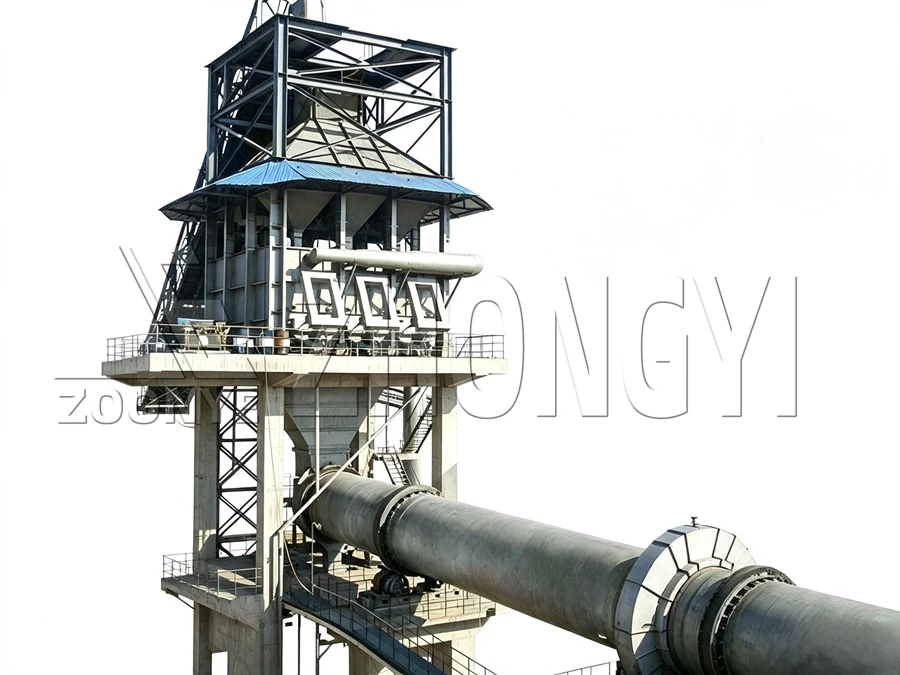
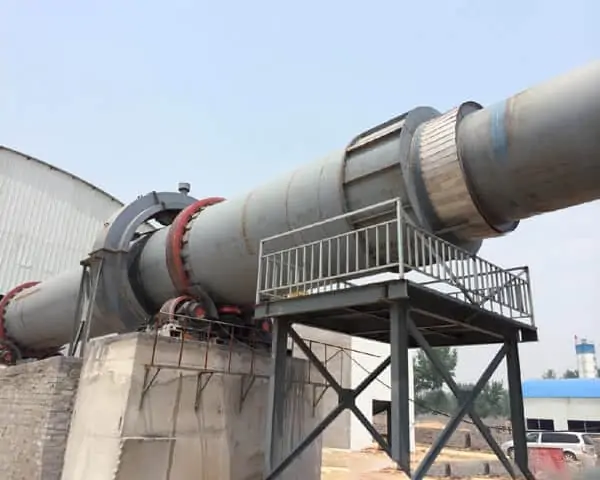
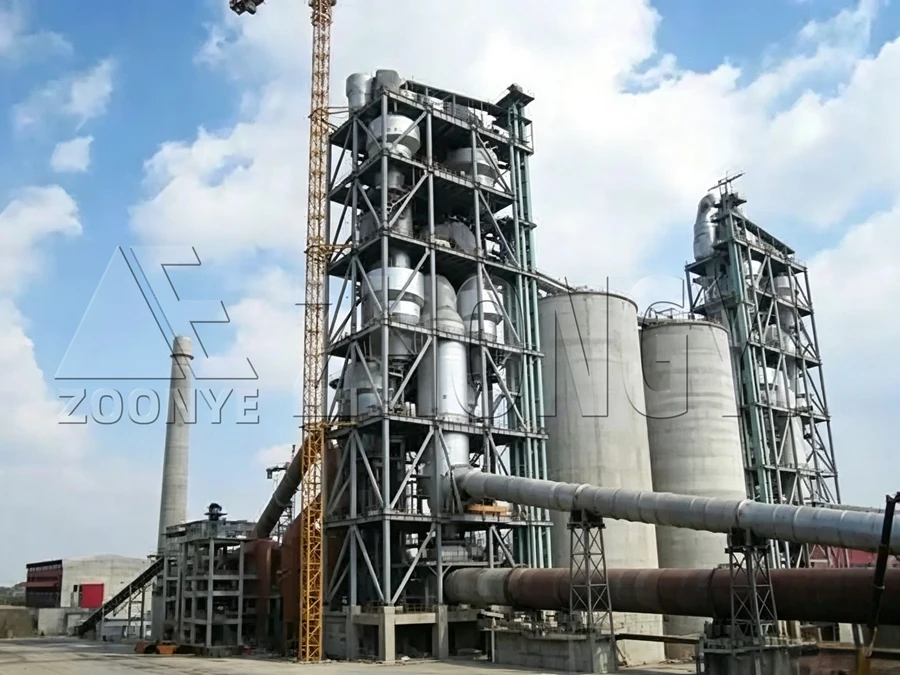
Designed for continuous high-temperature operation, secondary combustion chambers are widely integrated into rotary kiln systems, mineral roasting plants, calcination lines, and other thermal processing applications where reliable combustion performance, temperature stability, and effective exhaust management are required.
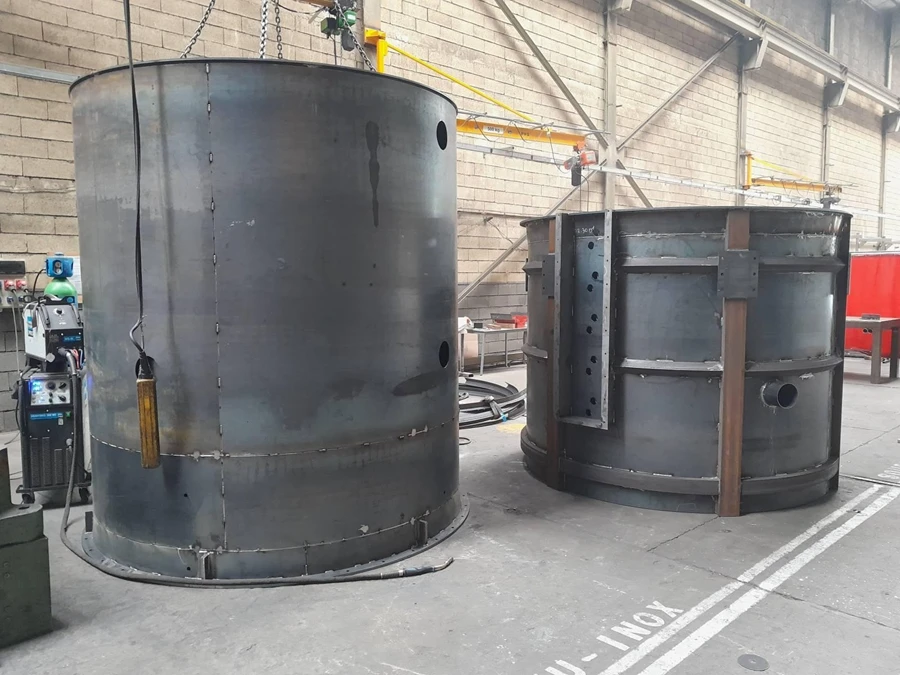
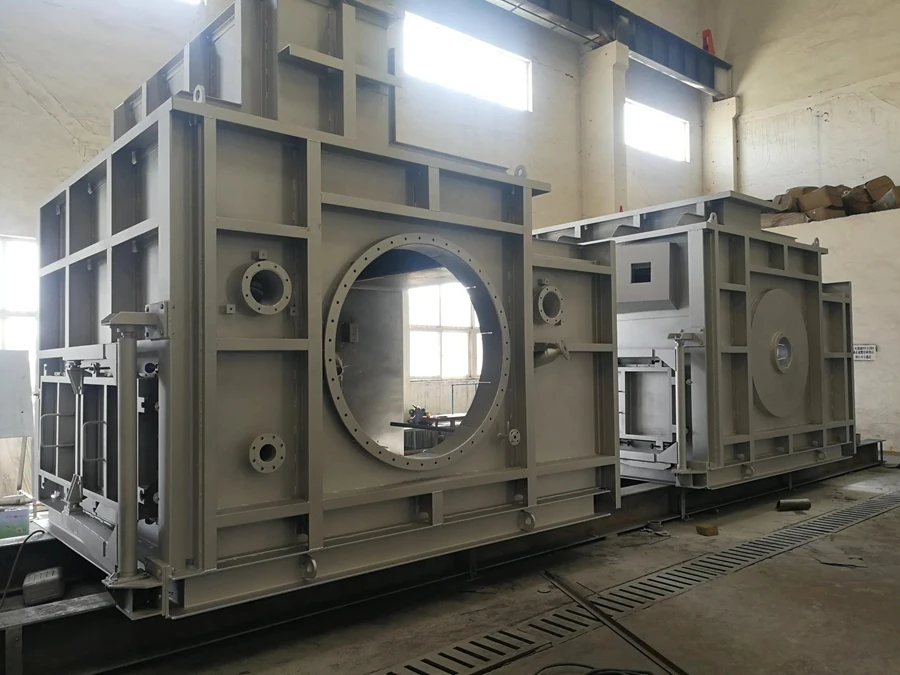
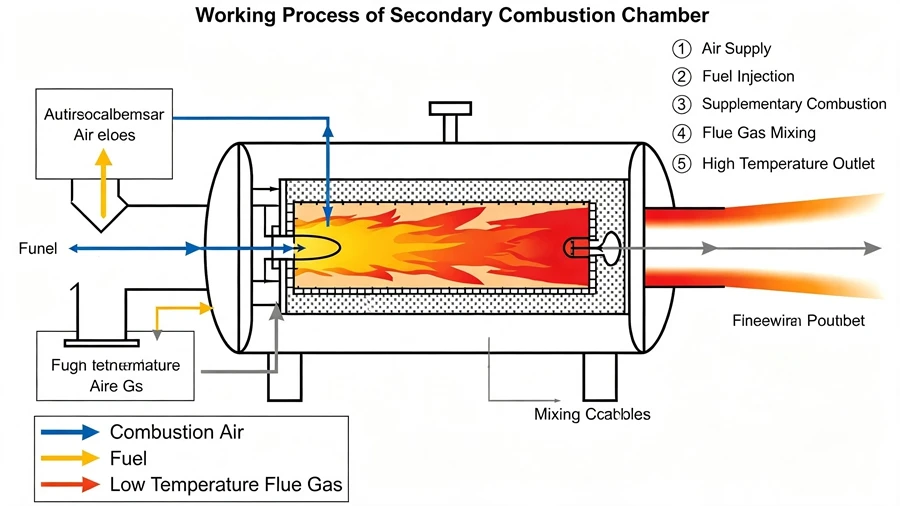
How Does a Secondary Combustion Chamber Work?
A secondary combustion chamber receives high-temperature gases from the rotary kiln and introduces controlled secondary air to support further combustion. The chamber design allows gases to mix effectively under high-temperature conditions, promoting the oxidation of remaining combustible components and improving overall combustion stability.
The treated gases then move to downstream systems, such as dust collection, gas purification, or heat recovery equipment. By maintaining proper airflow, temperature, and residence time, the secondary combustion chamber helps achieve more reliable thermal processing performance.
Main Components of Secondary Combustion Chamber
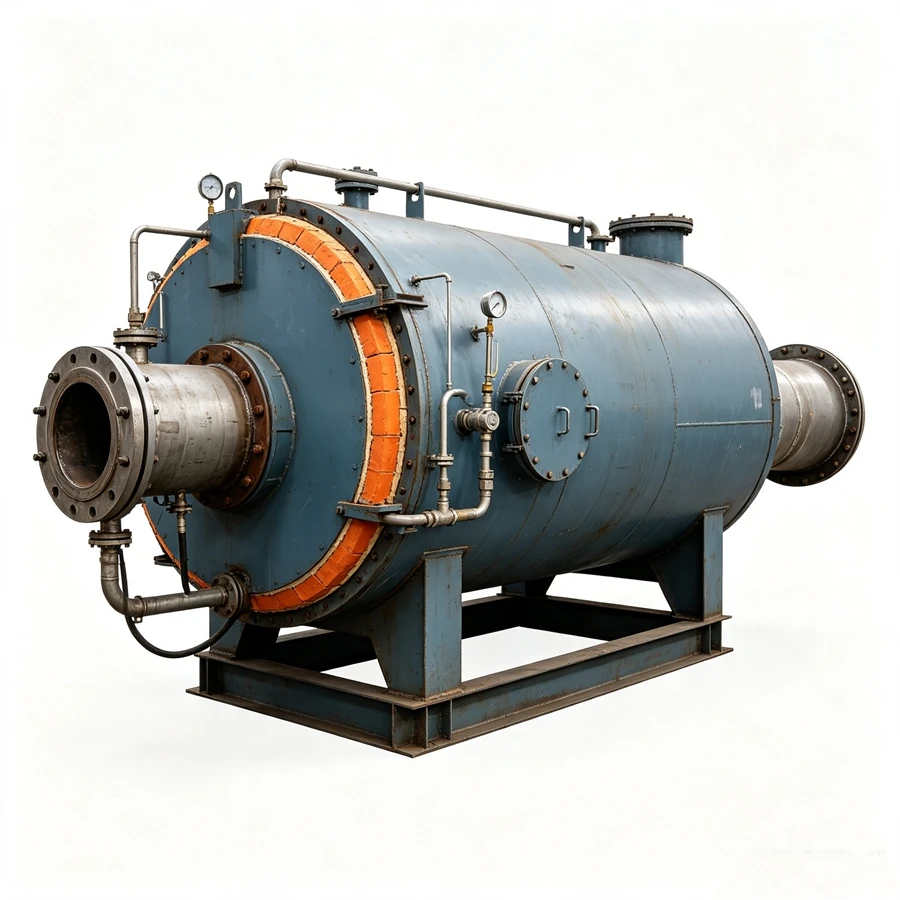
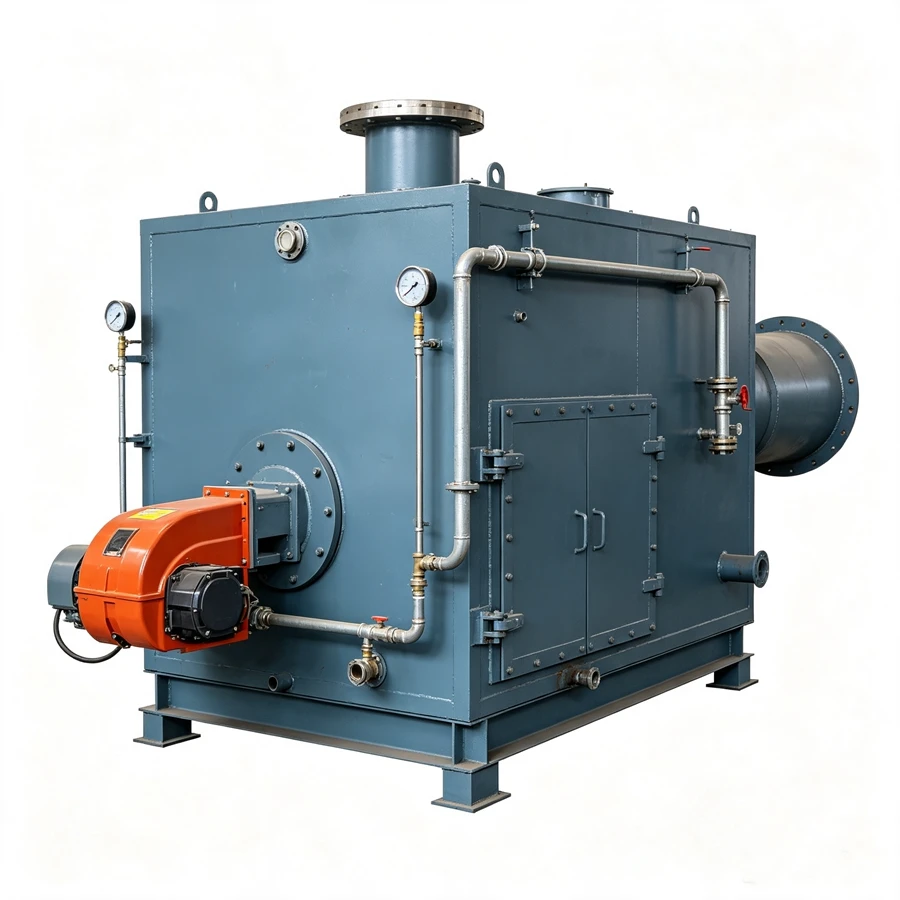
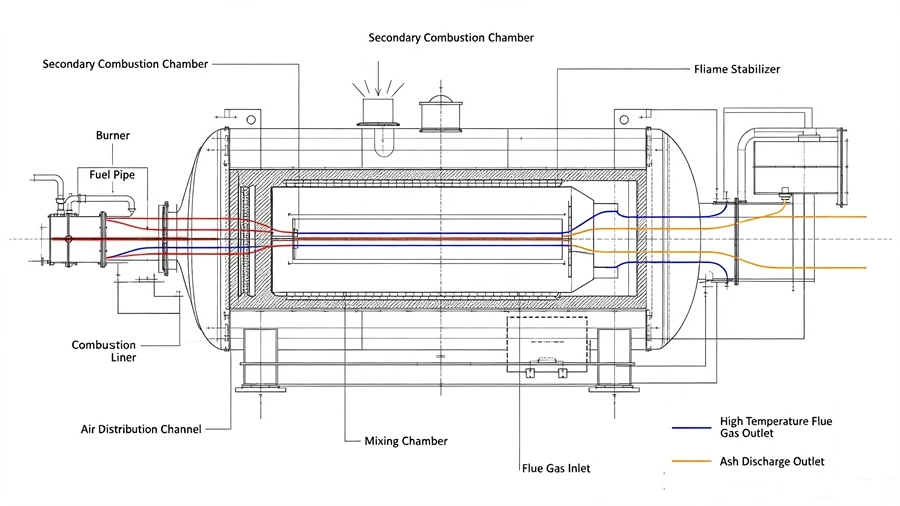
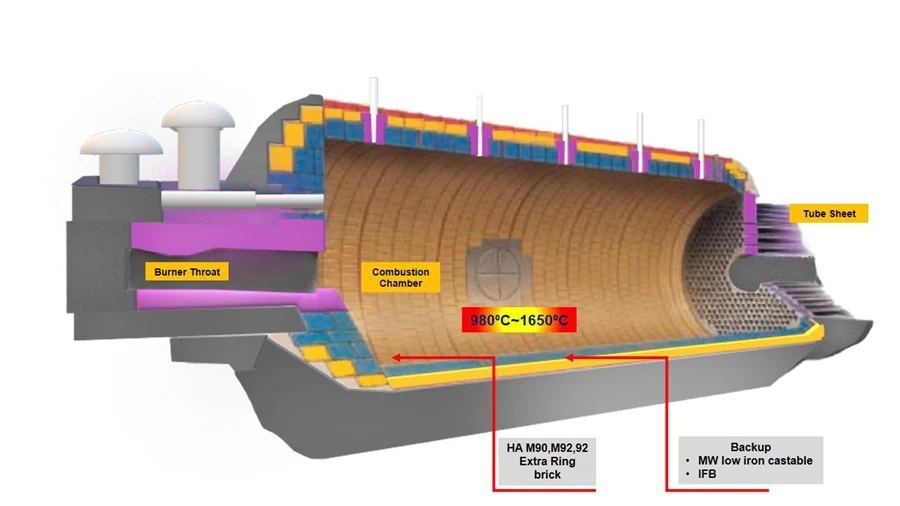
A secondary combustion chamber consists of several key systems designed to maintain stable high-temperature combustion conditions. These components work together to control heat input, airflow distribution, and gas mixing, ensuring efficient combustion performance and reliable integration with rotary kiln and thermal processing systems. The configuration of each component can be customized based on material characteristics, fuel conditions, processing capacity, and specific project requirements to achieve stable operation under different working conditions.
| Component | Function |
| Chamber Shell | A heavy-duty steel structure that provides mechanical support and protects internal components during continuous high-temperature operation. |
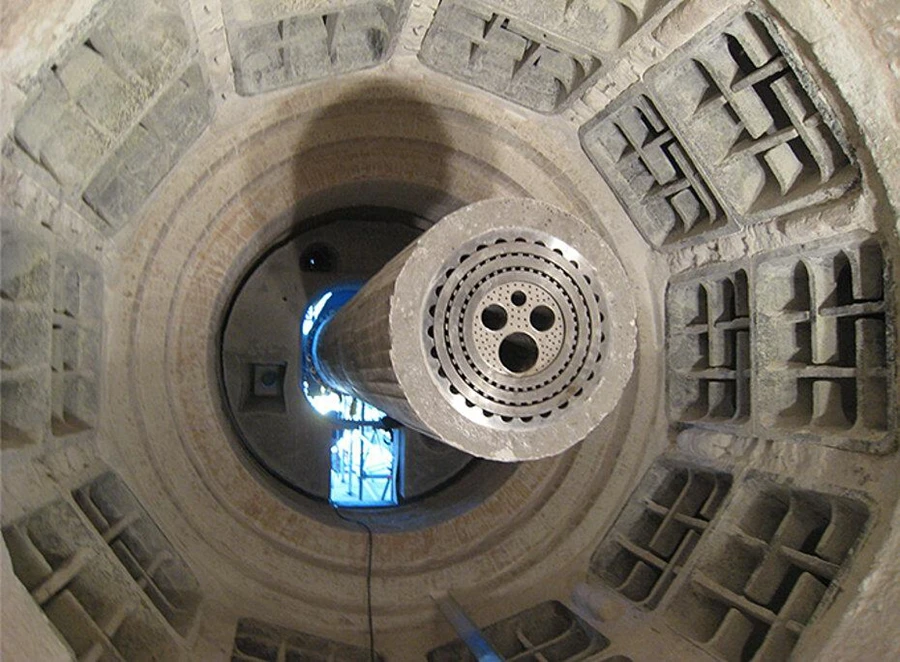
| Refractory Lining and Insulation Layer | Protects the chamber body from thermal stress and high-temperature erosion while reducing heat loss and improving energy efficiency. |
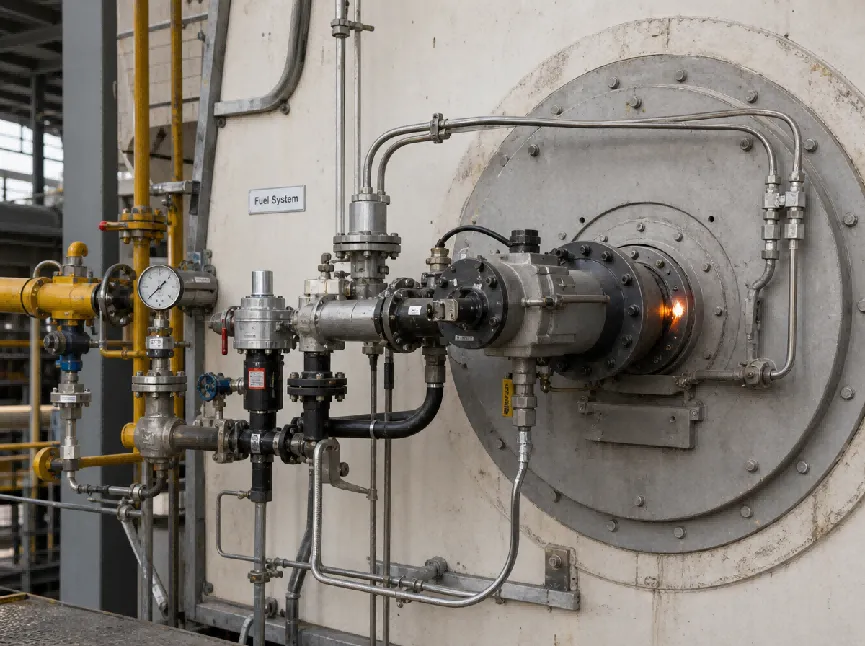
| Burner System | Provides auxiliary heat input to maintain required combustion temperatures and ensures stable operation under varying process conditions. |
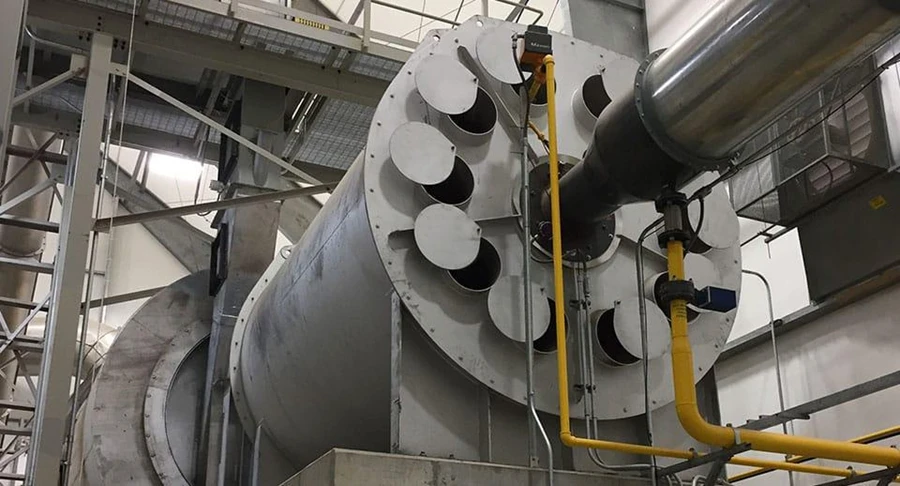
| Secondary Air Supply System | Introduces controlled combustion air into the chamber to improve oxygen distribution, gas turbulence, and oxidation efficiency. |
| Temperature Monitoring and Control System | Continuously monitors chamber temperature and helps regulate burner output and airflow for stable combustion conditions. |
| Gas Inlet and Outlet Connections | Connects the chamber with upstream equipment such as rotary kilns and downstream systems including dust collectors, gas treatment units, or heat recovery equipment. |
| Cooling and Heat Recovery Interface | Supports rapid cooling or heat recovery of high-temperature exhaust gas according to the requirements of the complete thermal processing system. |
Specifications and Capacity Range
Secondary combustion chambers are customized according to process conditions, exhaust gas characteristics, and system requirements. The specifications below represent typical configurations for rotary kiln and high-temperature processing applications.
| Parameter | Specification Range | Description |
| Chamber Structure | Vertical / Horizontal / Cylindrical / Rectangular | Customized for layout and gas flow requirements. |
| Processing Capacity | Customized according to system capacity | Matched with exhaust gas volume and rotary kiln conditions. |
| Operating Temperature | 850–1200℃ | Maintains stable high-temperature combustion conditions. |
| Gas Residence Time | ≥2 seconds (customizable) | Provides sufficient time for gas oxidation reactions. |
| Chamber Material | Heat-resistant steel + refractory lining | Ensures strength and high-temperature resistance. |
| Refractory Material | High alumina refractory / customized materials | Improves thermal resistance and service life. |
| Burner Configuration | Gas / Oil / Alternative Fuel | Selected according to fuel and process requirements. |
| Air Supply System | Secondary air injection system | Improves oxygen distribution and gas mixing. |
| Operating Pressure | Slightly positive pressure | Maintains stable airflow and prevents gas leakage. |
Advantages
Engineered for rotary kiln and high-temperature processing applications, Zhongyi Mining secondary combustion chambers combine optimized combustion technology, high-temperature resistant construction, and customized process design to achieve stable combustion, improved thermal efficiency, and long-term reliability in complex industrial environments.
Applications
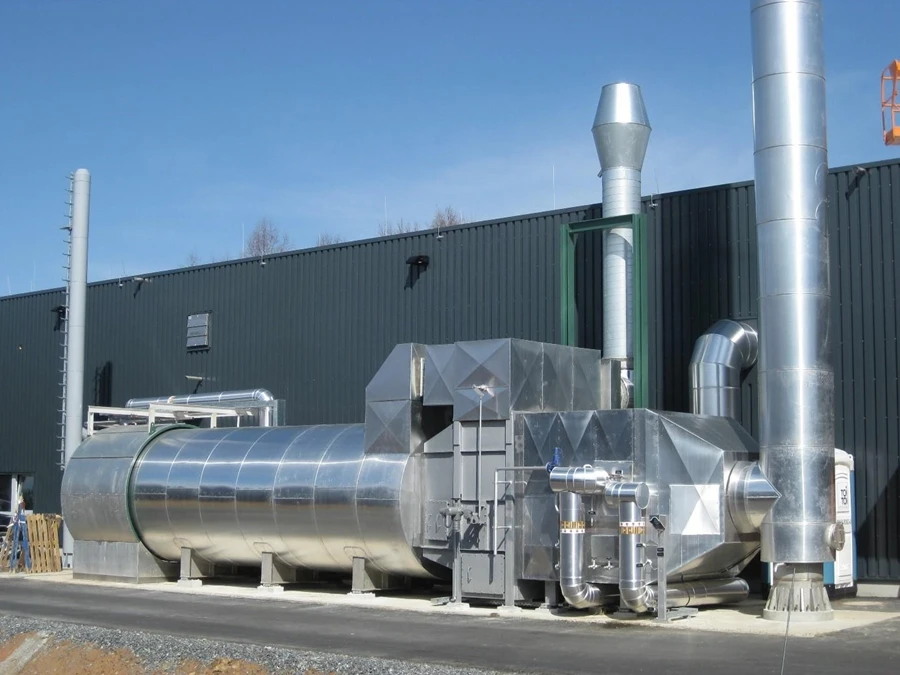
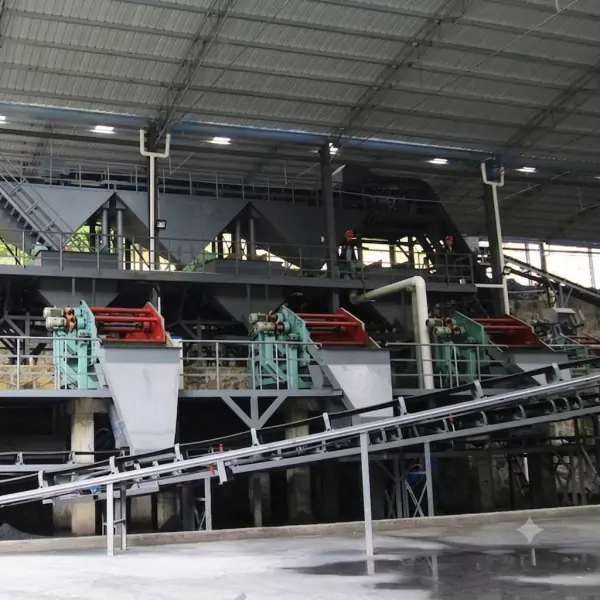
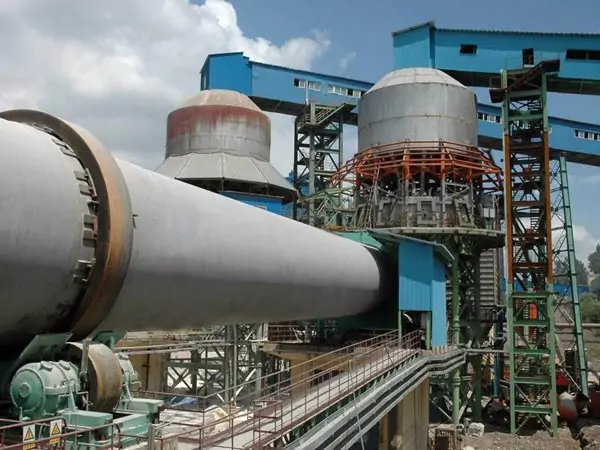
Secondary combustion chambers are widely used in mining and mineral processing systems to improve combustion stability, thermal efficiency, and exhaust gas control. They are commonly integrated with rotary kilns and other high-temperature processing equipment for the following applications.
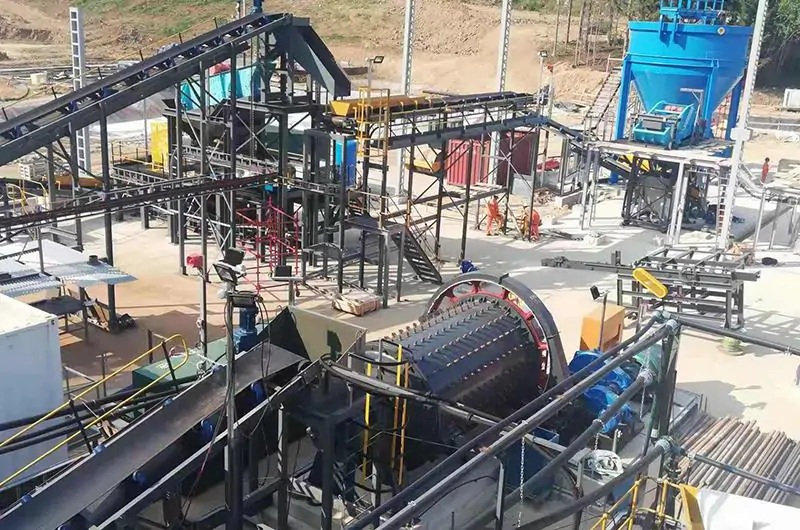
Secondary Combustion Chamber vs Primary Combustion Chamber
In thermal processing systems, the primary and secondary combustion chambers serve different roles within the combustion process. The primary chamber is responsible for the initial combustion or thermal reaction, while the secondary combustion chamber provides additional space for gas oxidation and combustion completion under controlled high-temperature conditions. The key differences between these two stages are summarized below.
Practical Equipment Comparison
| Comparison | Primary Combustion Chamber | Secondary Combustion Chamber |
| Main Function | Initial combustion and thermal reaction | Complete oxidation of residual gases |
| Processing Object | Raw materials and fuel | Combustible gases from primary combustion |
| Operating Temperature | Lower temperature range | Higher temperature operation |
| Main Control Factors | Material feeding and fuel supply | Air distribution and residence time |
| System Position | Main combustion zone | Downstream combustion section |
| Primary Goal | Material conversion and heat release | Improve combustion completeness and gas stability |
How to Choose the Right Secondary Combustion Chamber?
Choosing the right secondary combustion chamber depends on the process conditions, gas characteristics, and the requirements of the complete thermal system. The key considerations include processing capacity, combustion conditions, fuel type, and downstream equipment integration.
Why Choose Zhongyi?
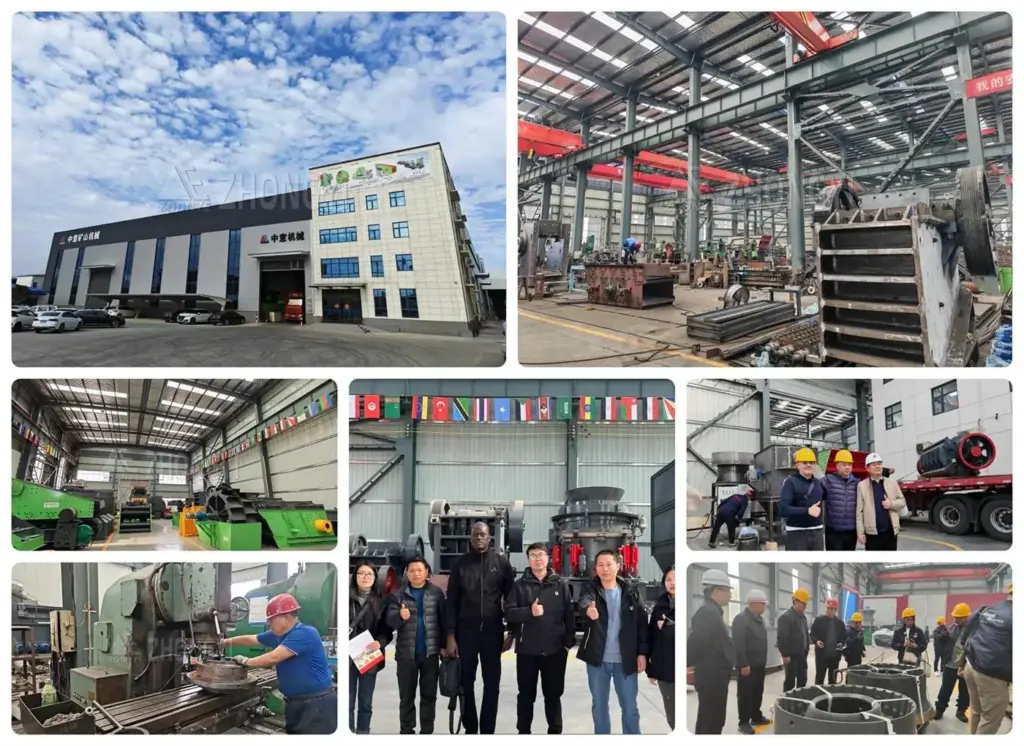
Zhongyi Mining provides secondary combustion chambers for rotary kiln and high-temperature processing systems, supported by experience in mining and thermal processing equipment. Each chamber is designed according to material characteristics, processing capacity, fuel conditions, and system requirements to ensure reliable integration and stable operation.
With advanced manufacturing capabilities, strict quality control, and professional engineering support, Zhongyi Mining helps customers optimize combustion performance and improve system reliability. From equipment selection and customized design to installation guidance and after-sales service, we provide complete support throughout the project lifecycle.
Request a Customized Solution
Partner with Zhongyi for reliable secondary combustion chamber solutions designed for rotary kilns and high-temperature processing systems, delivering stable combustion performance, efficient exhaust gas treatment, and customized configurations for different industrial applications.
Custom Solutions for Different Secondary Combustion Requirements
Each secondary combustion chamber is engineered for specific high-temperature processing requirements and seamless integration with rotary kiln and calcination systems. Zhongyi Mining provides customized combustion solutions to improve temperature control, combustion efficiency, and system stability across various industrial applications.
For complete thermal processing requirements, explore our calcination plant solutions covering rotary kiln systems, preheating, cooling, and flue gas treatment, or contact our engineering team for a customized equipment proposal.
Please Provide the Following Information:
FAQs
What is a secondary combustion chamber used for?
A secondary combustion chamber is used to further oxidize combustible gases and incomplete combustion products from rotary kilns or primary combustion systems. It provides additional high-temperature reaction space to improve combustion efficiency, stabilize exhaust gas conditions, and support downstream gas treatment processes in mining, mineral processing, and industrial thermal systems.
What temperature does a secondary combustion chamber operate at?
A secondary combustion chamber usually operates at approximately 1,000–1,200℃, depending on the process requirements and gas characteristics. The high-temperature environment promotes complete oxidation of combustible components and helps maintain stable combustion performance. The chamber design should match the required temperature, heat load, and operating conditions of the complete thermal processing system.
Why is residence time important in a secondary combustion chamber?
Residence time determines how long gases remain in the high-temperature zone for oxidation reactions. A properly designed chamber provides sufficient residence time, commonly more than 2 seconds for many applications, allowing combustible gases to react fully and improving combustion stability before the exhaust enters gas treatment equipment.
Can a secondary combustion chamber be used with a rotary kiln?
Yes. Secondary combustion chambers are commonly integrated with rotary kiln systems for mineral processing, calcination, and thermal treatment applications. The chamber is designed according to kiln exhaust conditions, gas flow characteristics, and downstream equipment requirements to improve combustion control and maintain stable operation of the complete production line.
What fuel types can be used in a secondary combustion chamber?
Secondary combustion chambers can be configured for different fuel sources, including natural gas, coal gas, diesel, and alternative fuels. The burner system is selected based on fuel availability, required heat input, and operating conditions. Proper fuel matching helps maintain stable temperature control and improve overall thermal efficiency.
How is a secondary combustion chamber customized for different projects?
Secondary combustion chambers are customized based on the requirements of each thermal processing system. Factors such as gas flow, processing capacity, operating temperature, fuel conditions, and equipment layout influence the chamber design. Customized configurations help ensure proper integration with rotary kilns and reliable operation under different industrial conditions.
What materials are used to build a secondary combustion chamber?
Secondary combustion chambers are typically constructed with heavy-duty steel shells and high-temperature refractory linings. Material selection depends on operating temperature, gas composition, corrosion risks, and service conditions. Proper structural and refractory design helps reduce heat loss, improve durability, and maintain reliable performance during continuous high-temperature operation.
How do I choose the right secondary combustion chamber?
Selecting the right secondary combustion chamber requires evaluating the connected thermal system, gas flow rate, processing capacity, temperature requirements, fuel conditions, and downstream treatment equipment. A properly matched design improves combustion efficiency, reduces operating issues, and provides stable performance throughout the service life of the equipment.