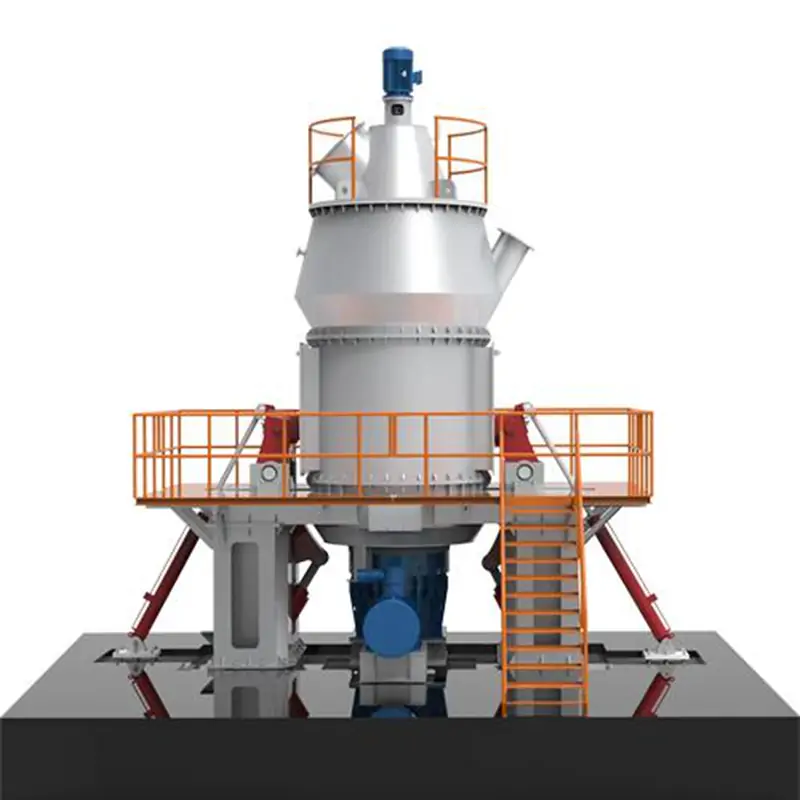
What is Vertical Roller Mill?
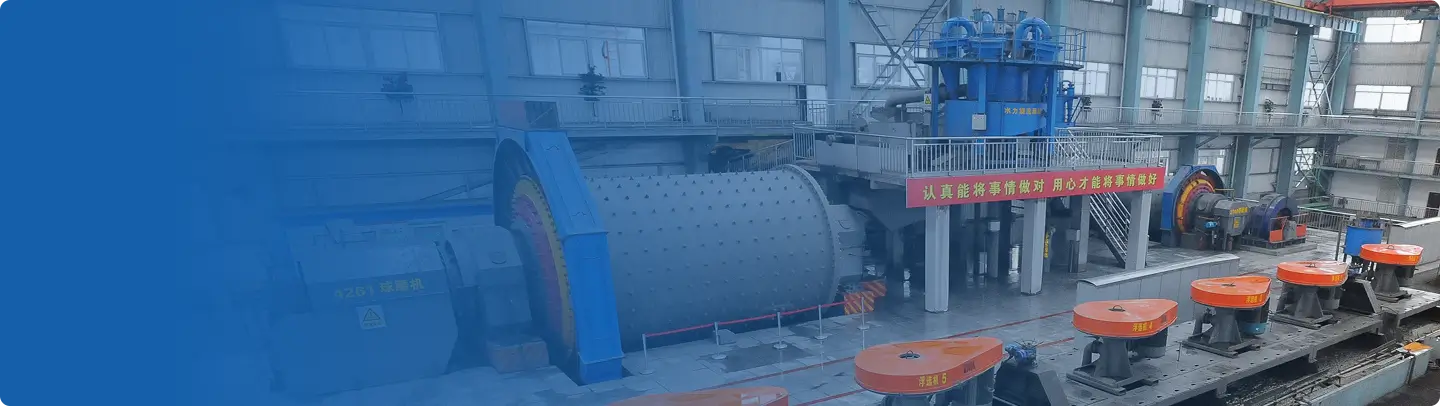
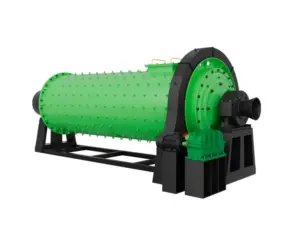
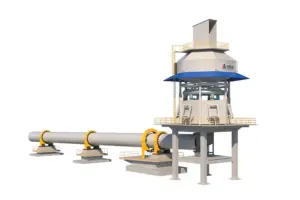
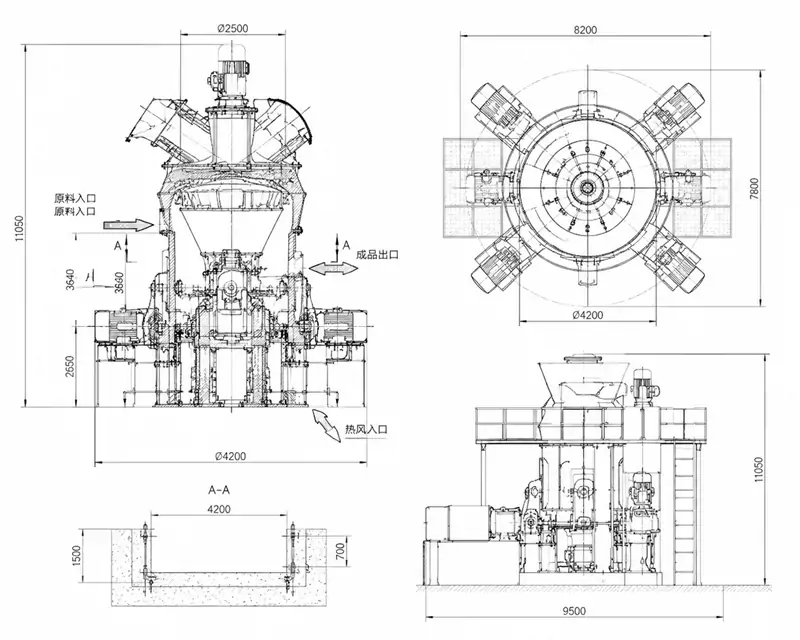
Vertical Roller Mill, also known as vertical grinding mill, is a type of industrial grinding equipment used for continuous size reduction, drying, and classification of bulk materials within a single integrated system. It is used in cement plants, mining operations, and industrial powder processing lines. It is commonly selected for large-scale grinding systems where stable output and continuous production are required in mineral processing and industrial manufacturing. For alternative plant layout evaluations demanding conventional impact pulverization at massive scales, this technology functions as the standard high-efficiency counterpart to our traditional heavy-duty industrial ball mill arrays.
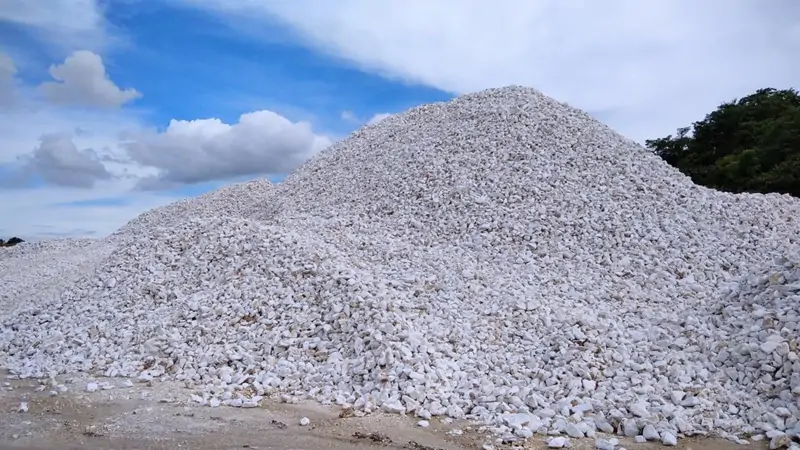
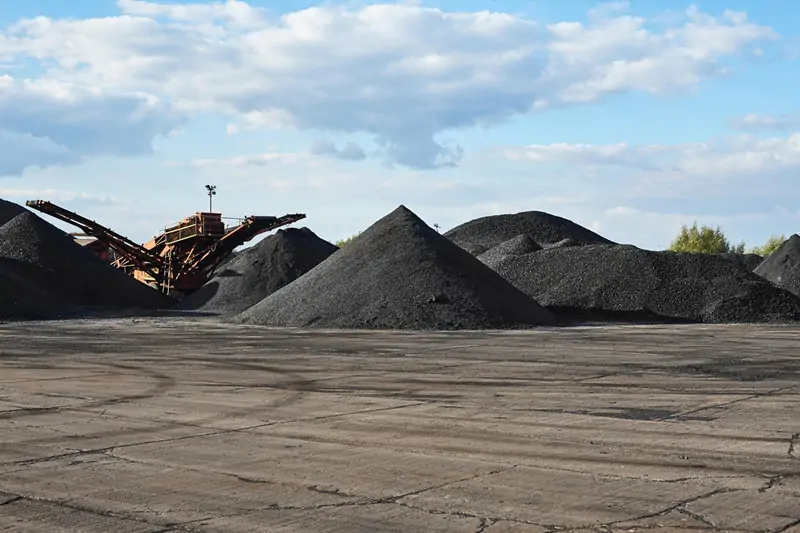
It is applied in the processing of cement raw materials, clinker-related grinding, slag powder production, coal preparation, and non-metallic minerals such as limestone, calcite, and quartz. These materials usually enter the system with varying moisture content and particle size distribution, and are processed under controlled grinding pressure and airflow conditions to achieve stable fineness. In continuous production lines, it is often integrated with drying and separation systems to maintain consistent particle size, reduce energy consumption per ton, and support stable downstream kiln or finishing processes. For silica‑critical dressing lines requiring zero metal coloration, this coarse table output can be routed into non‑contaminating ceramic lined ball mill grinding loops.
Applications
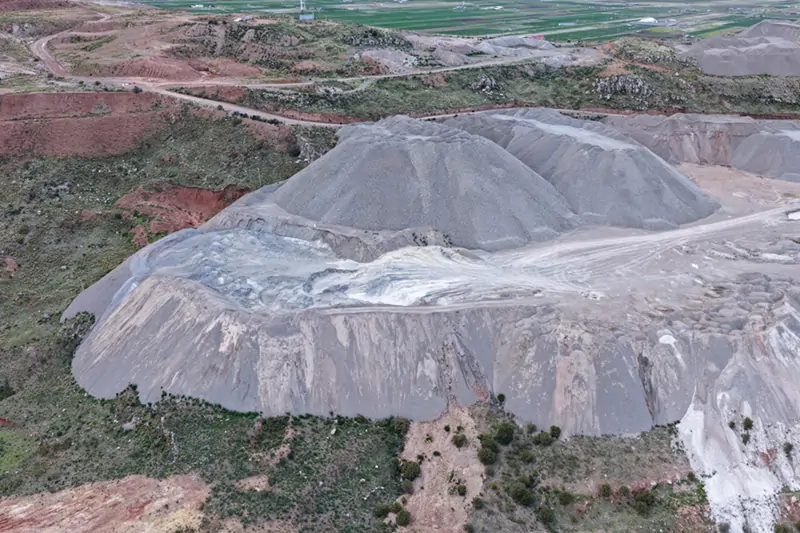
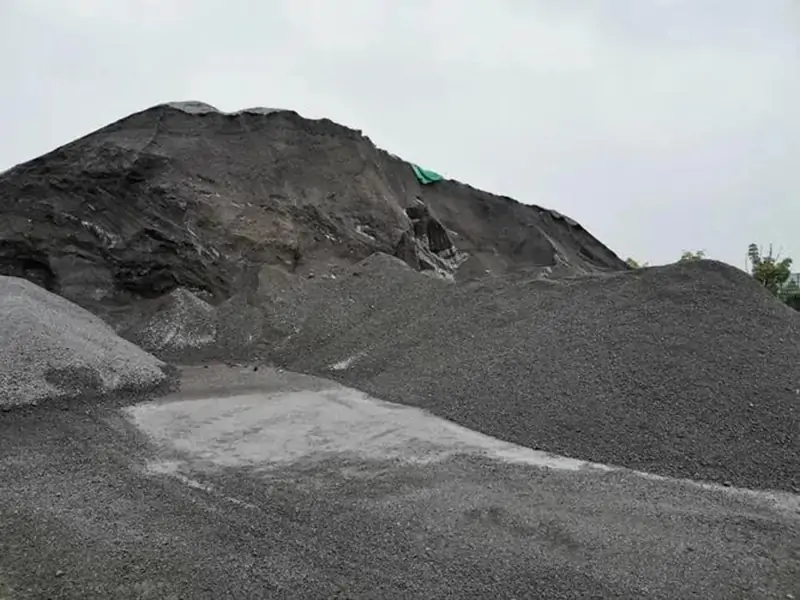
Vertical Roller Mill is used across several industrial grinding systems where raw materials need to be processed into fine powder for downstream production. It is typically integrated into continuous production lines, where it performs different roles depending on material type and process requirements.
Working Principle
Vertical Roller Mill operates as a continuous grinding system that combines material bed compression, hot air transport, and internal classification in one closed circuit. Material is fed, ground, dried, and separated in a continuous flow until it reaches the required fineness.
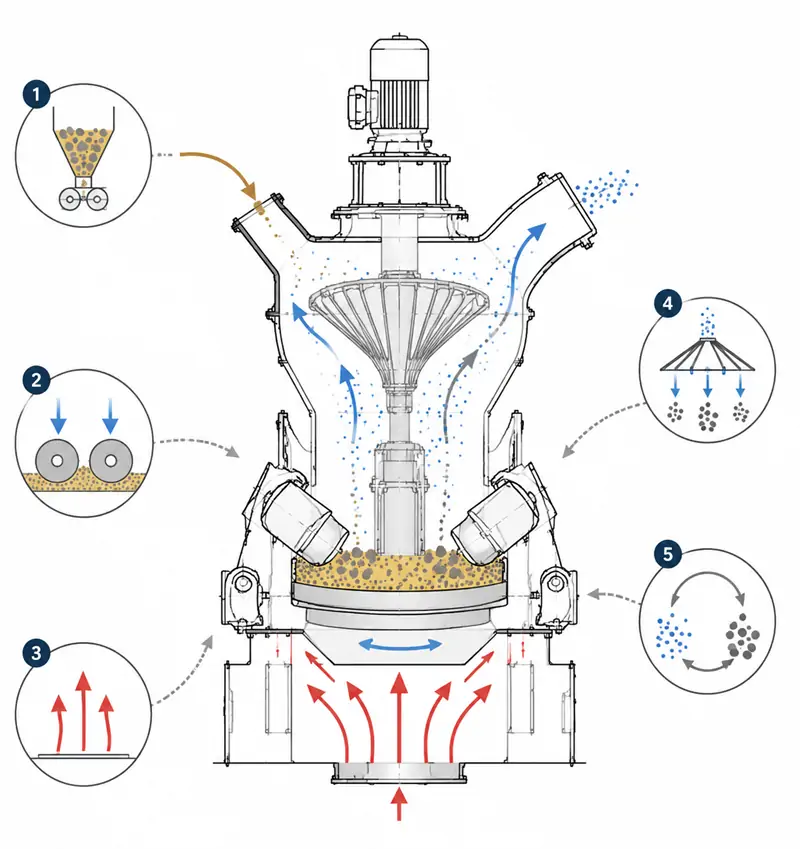
Material Feeding and Bed Formation
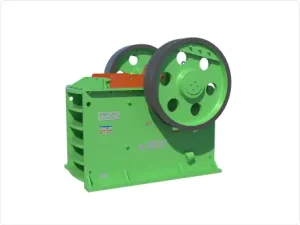
Raw material forms a stable grinding bed on the rotating table. To consistently meet the maximum 50mm feed limit, primary aggregates are pre‑conditioned upstream via a mining jaw crusher.
Bed Grinding under Roller Pressure
Grinding rollers press on the material bed and apply continuous force. The material is reduced through compression and shear between the rollers and the rotating table. This bed grinding method allows stable operation under continuous load conditions.
Hot Air Flow and Material Transport
Hot air enters the mill from the lower section and flows through the grinding zone. It removes moisture from the material and carries the fine particles upward. At the same time, it supports internal material circulation inside the system.
Classification and Recirculation
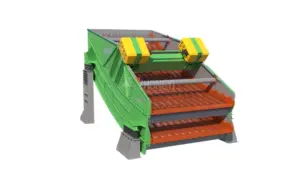
Classification and Recirculation: The internal separator removes coarse particles before discharge. In high-tonnage wet lines, this sorting stage works in close circuit with an external oil lubricated vibrating screen for high-accuracy product grading.
Specification
Vertical Roller Mill specifications are influenced by material properties, production requirements, and plant configuration. The values below represent typical industrial ranges used in cement, slag, coal, and mineral grinding systems.
| Item | Value | Engineering Reference |
|---|---|---|
| Capacity | 5 – 250 t/h | Varies with material hardness, moisture content, and grinding fineness requirement |
| Feed size | ≤ 50 mm | Larger feed requires pre-crushing in most industrial layouts |
| Output fineness | 80 – 600 mesh | Controlled by separator speed and airflow stability |
| Power | 200 – 5000 kW | Increases with capacity demand and fine grinding intensity |
| System type | Dry grinding system with integrated drying and classification | Suitable for continuous industrial production lines |
| Grinding method | Bed grinding (pressure + shear) | Provides stable operation under continuous load conditions |
Selection is determined by material characteristics, production requirements, and plant layout conditions to ensure stable operation under actual industrial conditions.
Advantages
Vertical Roller Mill operates with grinding pressure, airflow, and internal classification. The system reacts to material changes during continuous operation, and performance is reflected in process stability and output control.
Stable grinding and fineness control
Material with different hardness, moisture, or size passes through the system without large changes in final fineness. The separator adjusts during operation, keeping output within a controlled range.
Energy use and grinding efficiency
Material leaves the grinding zone once it reaches target size. This reduces repeated grinding cycles and lowers circulation inside the system during long operation.
Stable operation under continuous load
Material forms a steady bed on the grinding table. Grinding pressure stays evenly distributed, which keeps the system running with limited variation over long production periods.
Particle control and classification
The internal separator removes coarse particles before discharge. Final output stays within a narrower size range with fewer mixed particles.
System flexibility in plant conditions
The mill can operate with different raw materials, moisture levels, and plant layouts, including integration with crushing and conveying systems.
Comparison
Different grinding systems are used depending on production scale, material conditions, and process requirements. The differences mainly come from grinding method, energy use, drying ability, and system integration.
Ball Mill vs Vertical Roller Mill
| Item | Ball Mill | Vertical Roller Mill |
|---|---|---|
| Grinding method | Impact and attrition | Bed grinding |
| Energy consumption | Higher | Lower |
| Drying ability | External drying required | Integrated drying |
| Capacity | Medium | Large |
| System layout | Larger footprint | Compact layout |
| Operation mode | Batch or continuous | Continuous operation |
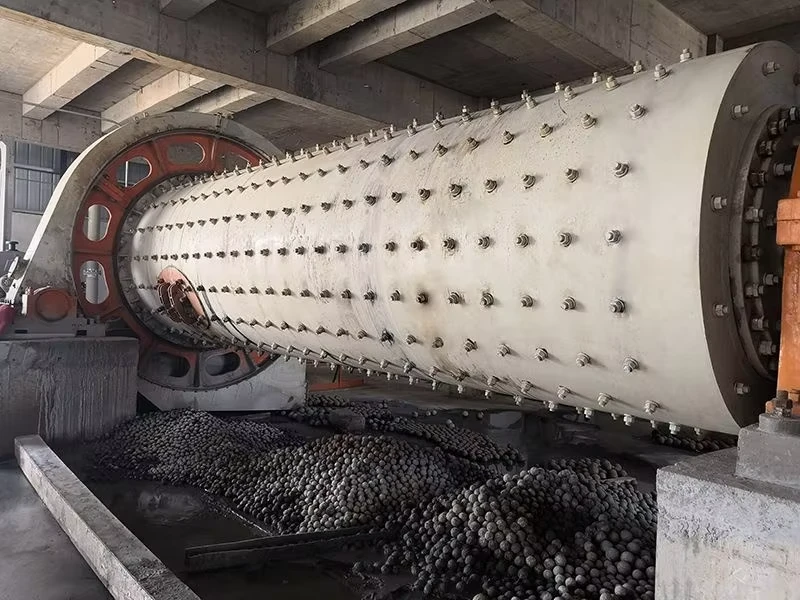
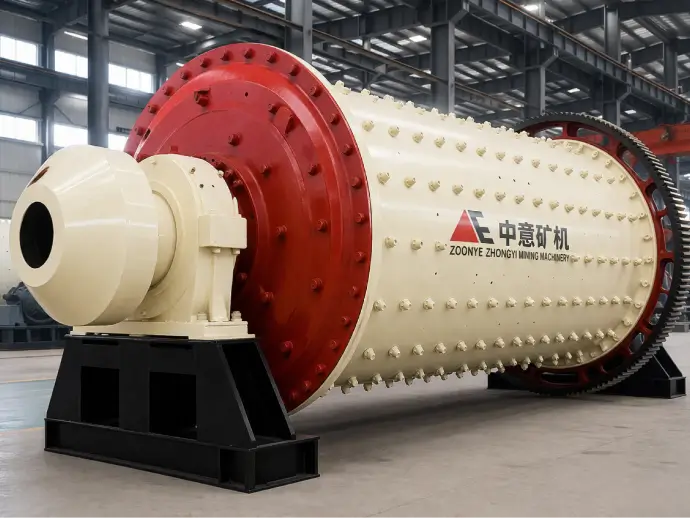
Ball Mill grinds material through repeated impact inside a rotating cylinder. Material stays longer in the system before reaching final size.
Vertical Roller Mill grinds material on a stable material bed. Fine particles are removed during operation, which reduces internal circulation and grinding cycles.
Raymond Mill vs Vertical Roller Mill
| Item | Raymond Mill | Vertical Roller Mill |
|---|---|---|
| Capacity | Medium | Large |
| Moisture handling | Limited | Better adaptability |
| System structure | Separate units | Integrated system |
| Application scale | Small to medium plants | Large industrial production |
Raymond Mill uses rollers and grinding ring with external classification, suitable for medium fineness production.
Vertical Roller Mill integrates grinding, drying, and classification in one system, designed for continuous large-scale operation.
Ultra-fine Mill vs Vertical Roller Mill
| Item | Ultra-fine Mill | Vertical Roller Mill |
|---|---|---|
| Fineness level | Very fine | Medium to fine |
| Capacity | Lower | Higher |
| Feed size | Smaller | Larger |
| System focus | Particle precision | Production stability |
Ultra-fine Mill focuses on very fine powder with strict particle size control.
Vertical Roller Mill focuses on industrial production with higher capacity and stable continuous operation.
Selection summary
Ball Mill is used in traditional grinding systems with flexible operation needs.
Raymond Mill is used for medium-scale powder production.
Vertical Roller Mill is used for large-scale continuous grinding with drying and energy efficiency requirements.
Ultra-fine Mill is used where very fine particle size is the main requirement.
Projects Show
System Selection
Grinding system selection depends on material conditions, capacity, product fineness, energy cost, and plant layout. These factors usually overlap, so the final choice is based on what fits the actual production setup.
System Selection
| Application Scenario | Recommended System |
|---|---|
| Cement & slag large-scale production | Vertical Roller Mill system |
| High-moisture raw materials (>8–12%) | VRM with drying system |
| Energy-focused grinding projects (20–30% lower power use) | Vertical grinding system (VRM-based) |
| Medium fineness (80–400 mesh) production | Ball Mill system |
Request a Customized Solution
Partner with Zhongyi for expert technical support, customized Vertical Mill solutions, and reliable equipment designed based on your material characteristics and production requirements.
Customization Requirements
System design is based on specific project conditions, such as material characteristics, production needs, and site layout. These factors will directly affect equipment selection and overall system configuration. To provide you with the most suitable solution, please share the following information:
Why Choose Zhongyi
Zhongyi has been involved in industrial grinding system projects for over 20 years. Equipment is used in cement production lines, slag grinding plants, and mineral powder processing systems in different regions. Project work is based on material conditions such as hardness, moisture content, and required fineness, and system configuration is adjusted according to these parameters instead of fixed standard setups.
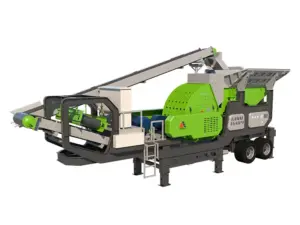
Production line design takes process layout into account, including pre-crushing conditions, drying requirements, and plant space limitations. Equipment is designed for continuous industrial operation, with installation and commissioning support provided to align system performance with actual operating conditions. For localized mining hubs or roadside cement blending plants requiring complete infrastructure agility, our technical team can easily unify these stationary milling components alongside an open-pit mobile crusher plant chassis integration.
Equipment is manufactured under ISO9001 quality management standards and complies with CE requirements for international export markets. For new grinding lines or system upgrades, technical discussion can be arranged based on material and production data.
We look forward to your inquiry.
FAQs
1. What is a Vertical Mill used for?
A vertical mill is an industrial grinding system used for cement, slag, coal, limestone, and other mineral materials. It integrates grinding, drying, and classification in one unit, making it suitable for continuous large-scale production.
2. How does a Vertical Mill work?
Material is fed onto a rotating grinding table and crushed by rollers under pressure. Hot air passes through the system for drying, while a built-in classifier separates fine particles to achieve the required product fineness.
3. What materials can be processed by a Vertical Mill?
Vertical mills are commonly used for cement raw meal, clinker, slag, coal, limestone, and other industrial minerals. The applicable range depends on material hardness, moisture content, and required output quality.
4. What is the capacity range of a Vertical Mill?
Capacity depends on system design and project requirements, ranging from small industrial lines to large-scale production systems handling several hundred tons per hour in continuous operation.
5. Is a Vertical Mill more energy efficient than a Ball Mill?
Yes, vertical mills generally reduce energy consumption by around 20–30% compared with traditional ball mills under similar operating conditions, especially in large-scale continuous grinding applications.
6. What are the main advantages of a Vertical Mill?
Key advantages include lower energy consumption, integrated grinding and drying, compact plant layout, and stable performance under continuous industrial production conditions.
7. Can a Vertical Mill handle high-moisture materials?
Yes, when equipped with a hot air or drying system, a vertical mill can process high-moisture materials while maintaining stable grinding and continuous operation.
8. Can Zhongyi provide customized Vertical Mill solutions?
Yes, Zhongyi designs customized Vertical Mill systems based on material type, capacity requirements, moisture level, fineness target, and plant layout to ensure stable and efficient operation.