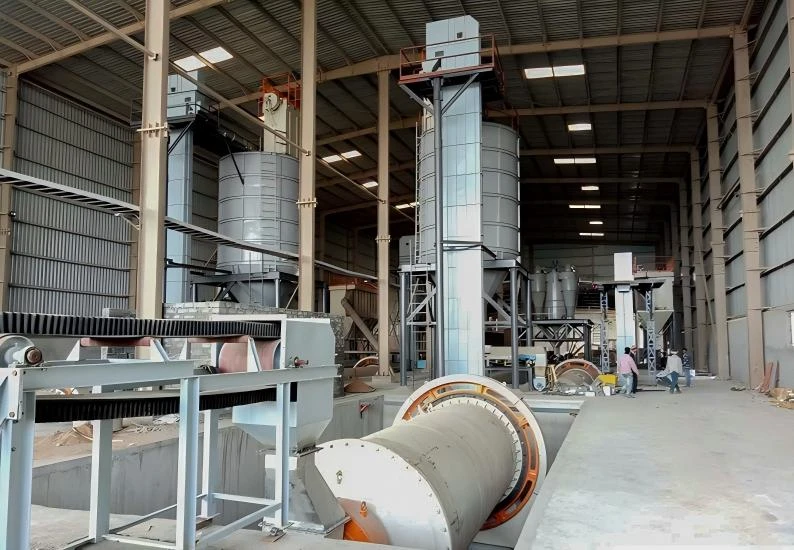
What is Clinker Grinding Unit?
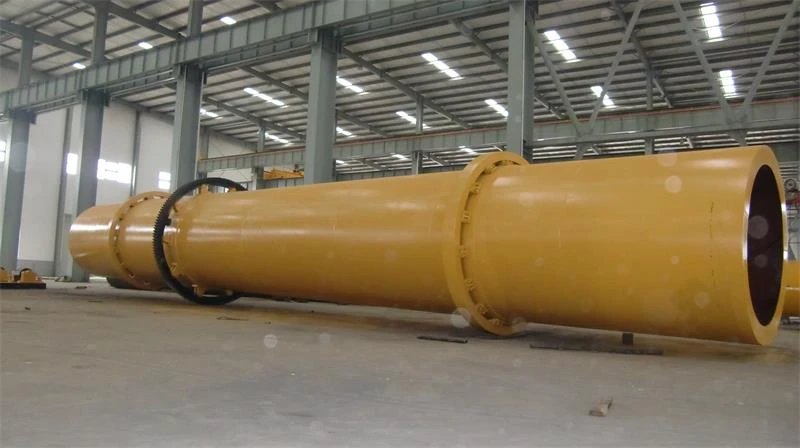
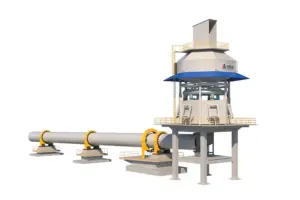
A Clinker Grinding Unit, also called a cement grinding station, is a system that grinds clinker with gypsum into cement powder. It is used in cement production lines where clinker is delivered from a kiln system or external source, then processed into finished cement. In fully integrated cement manufacturing plants, this technological setup works in direct connection with the discharge cooling end of our heavy-duty cement rotary kiln to process freshly calcined nodules continuousely.
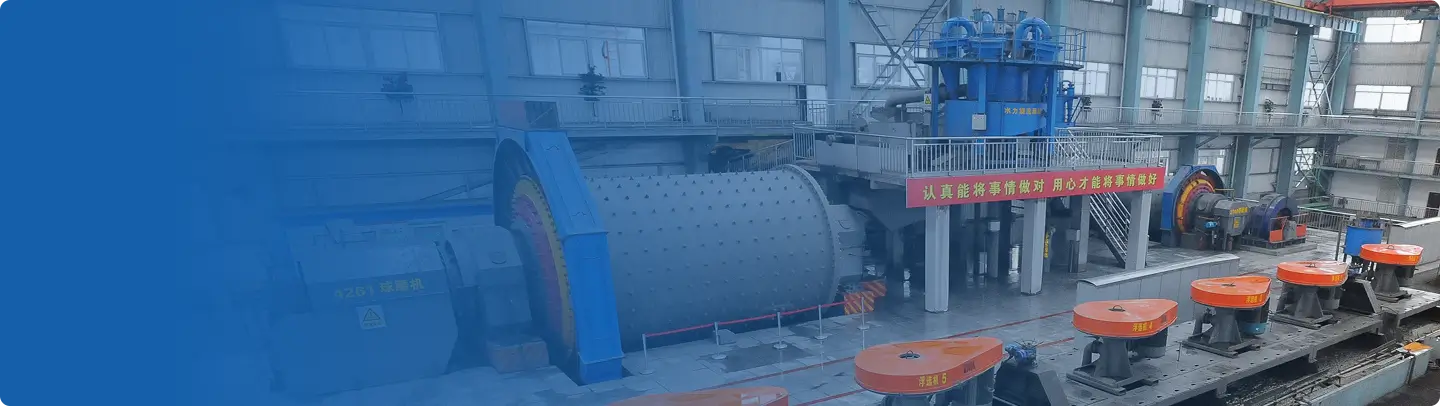
The unit is commonly placed after the clinker burning stage and works as the final step before cement storage and packaging. Depending on plant capacity, energy efficiency requirements, and product fineness standards, it is typically equipped with either a ball mill or a vertical roller mill to complete the grinding process. For advanced applications requiring specialty high-blaine cements, the pre-ground output can be further routed into an ultra fine grinding mill circuit.
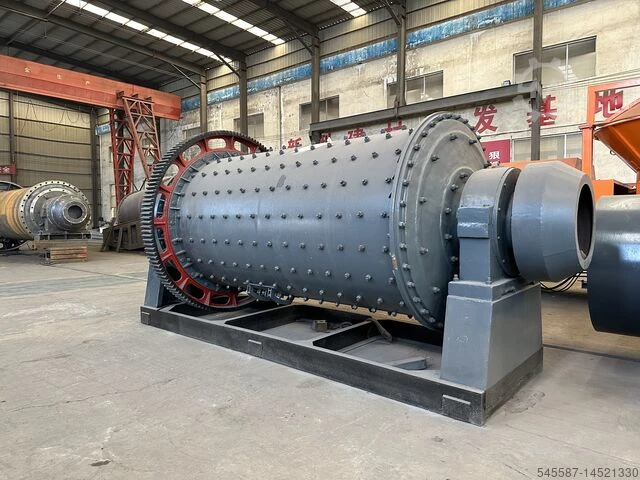
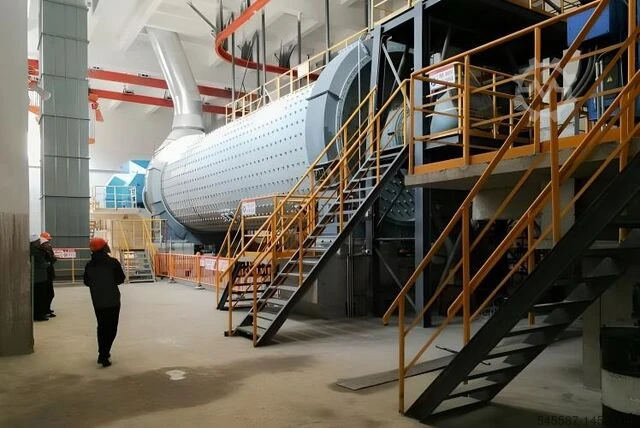
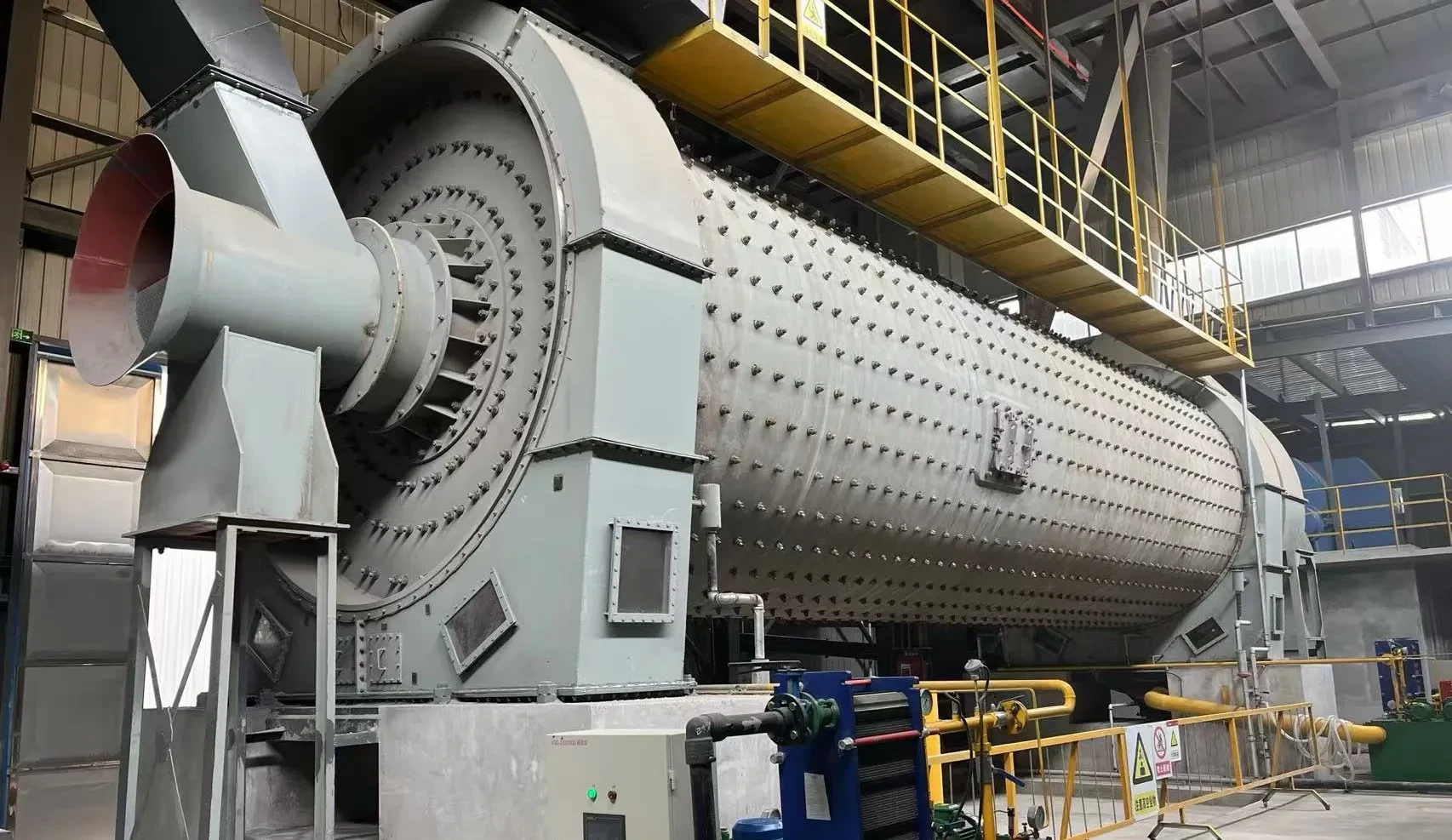
Applications
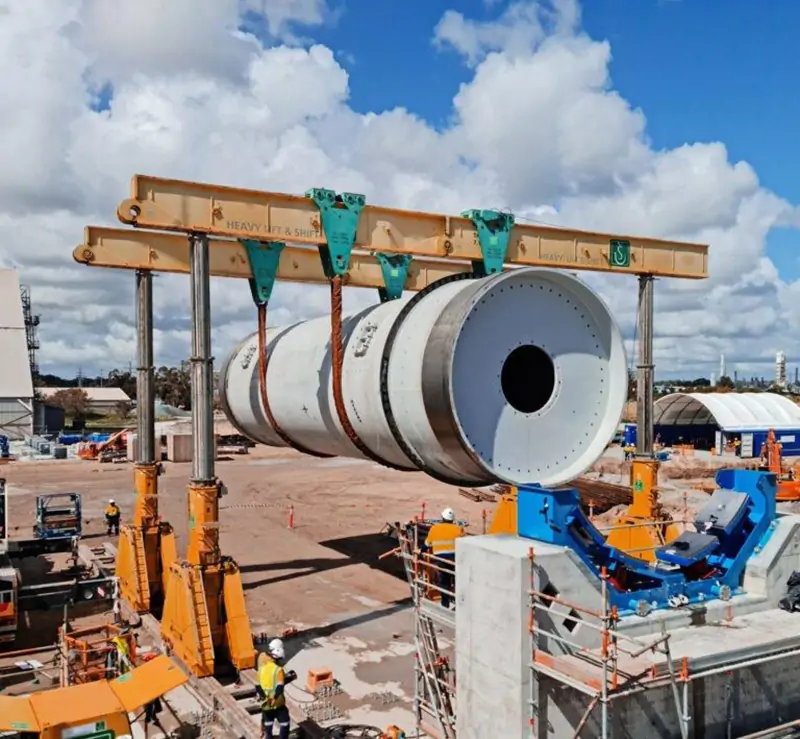
Clinker Grinding System is applied in different cement production layouts depending on clinker supply conditions, plant configuration, and project requirements. It can operate as an independent grinding unit or be integrated into existing cement production systems.
Working Principle
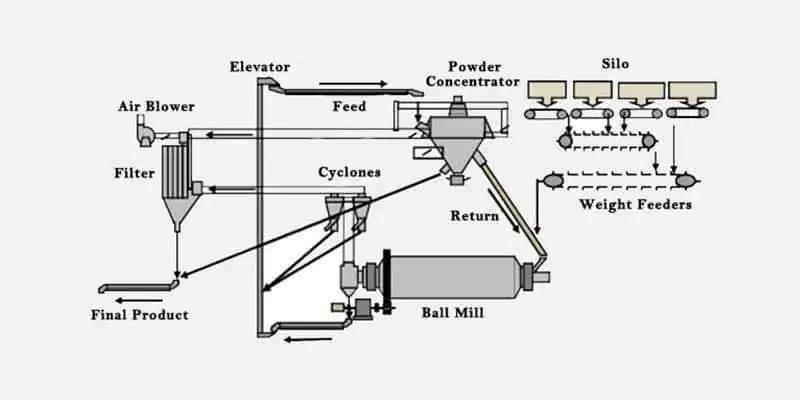
The Clinker Grinding Unit operates as a continuous closed-circuit grinding system. Clinker and gypsum are fed into the grinding circuit, reduced into fine particles, classified by a separator, and then collected as finished cement in storage silos. The system runs continuously to maintain stable product fineness and output.
Clinker Feeding
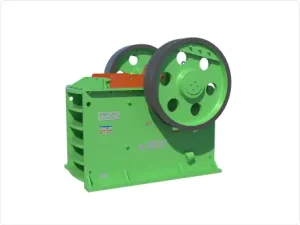
Clinker is transported from storage silos to the grinding circuit under precise feed rate control to prevent mill overload. To optimize power efficiency, large aggregate fractions are standardly pre-conditioned by an upstream mining jaw crusher to reduce incoming material size.
Grinding Process
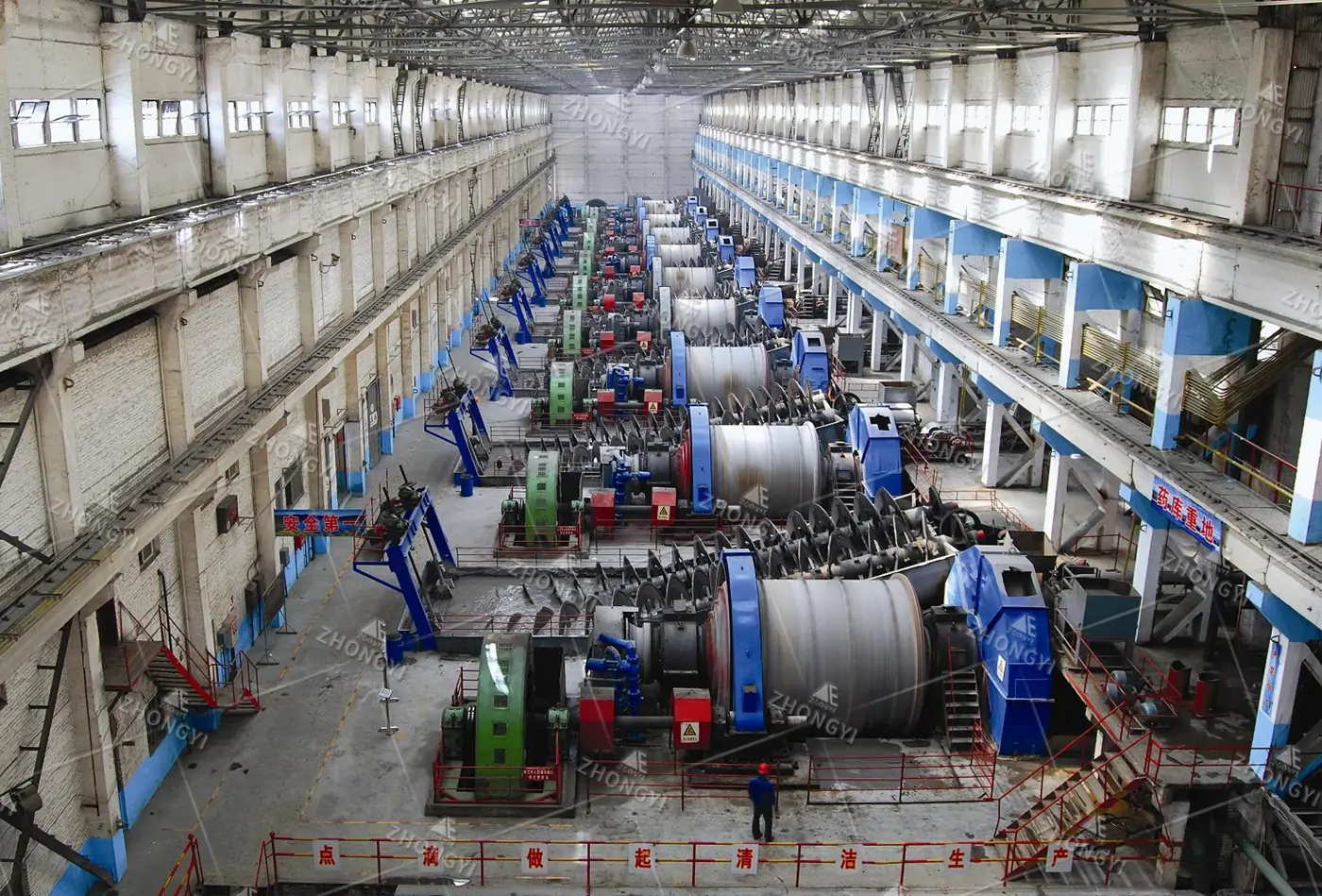
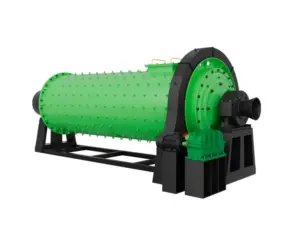
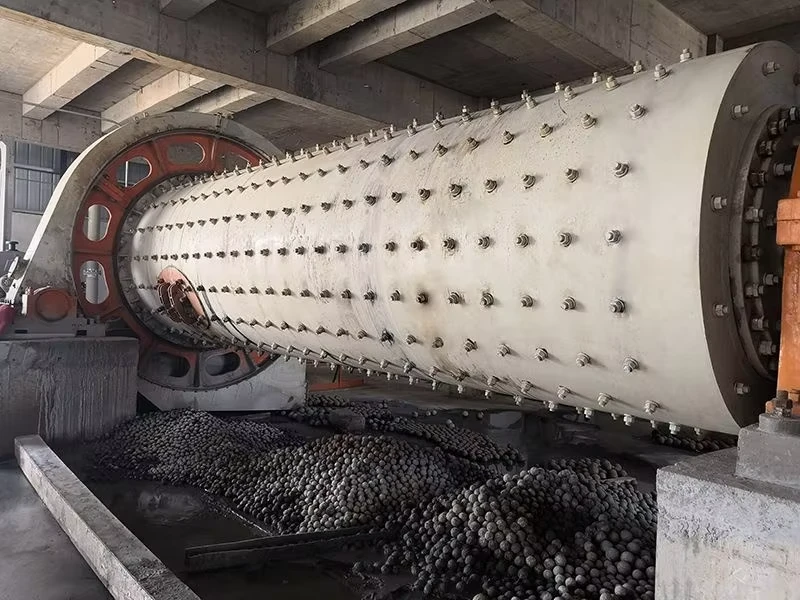
Grinding occurs via steel media impact in ball mills or table rollers in vertical mills. For ball mill systems, this reduction stage utilizes the high-torque durability of our ball mill engineering to maximize continuous power efficiency and fine material output.
Separation Process
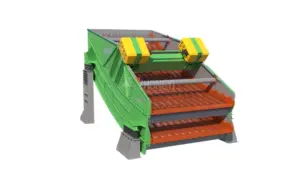
The ground material is conveyed to a dynamic separator for classification. Fine particles that meet required cement fineness are collected as finished product, while coarse particles are returned to the mill for further grinding. This closed-loop circulation ensures stable product quality and consistent fineness control.
Cement Discharge
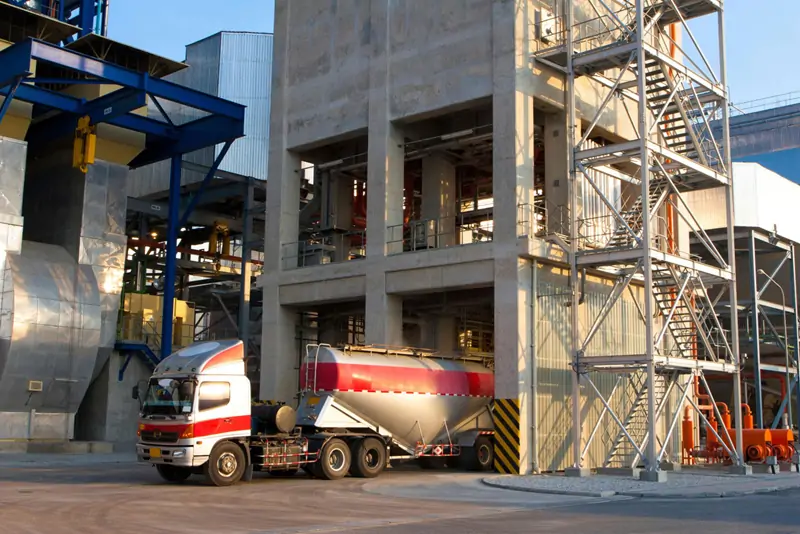
Qualified cement powder is discharged into cement silos for storage. From the silos, cement can be delivered to packing systems or bulk loading systems depending on plant configuration and downstream requirements.
System Types
Clinker Grinding System can be arranged in different system configurations based on capacity demand, power cost, and plant operation conditions. The most common options are Ball Mill system, Vertical Roller Mill (VRM) system, and Semi-finish grinding system.
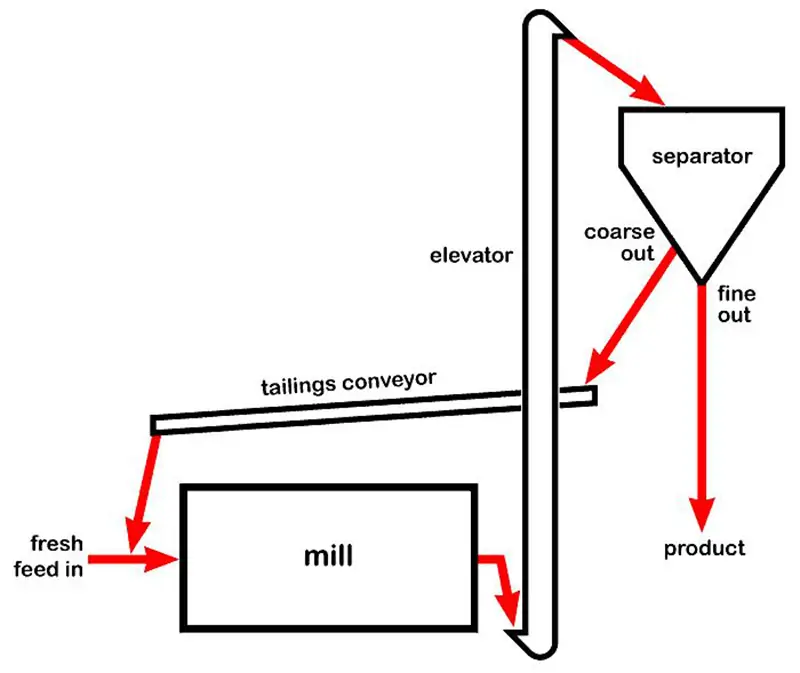
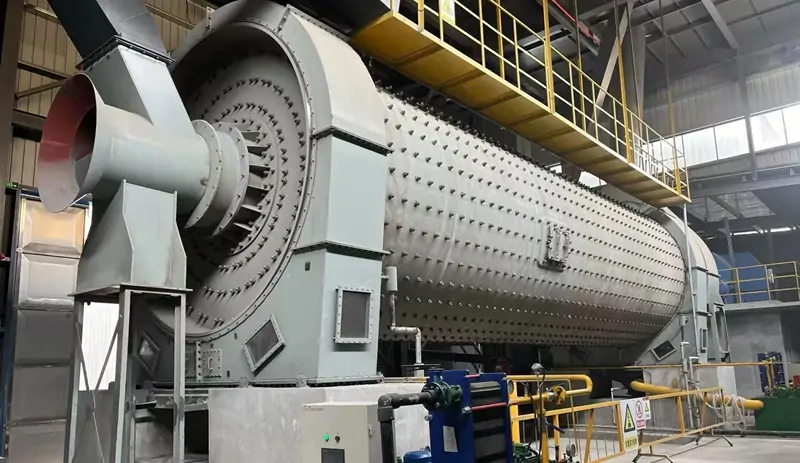
Ball Mill Grinding System
The ball mill system uses a rotating mill filled with steel grinding media to grind clinker by impact and abrasion. It is usually operated in a closed circuit with a separator to control cement fineness.
This system is widely used because it runs steadily and is easy to maintain. It also handles changes in raw material fairly well, which makes it a common choice for many existing cement plants.
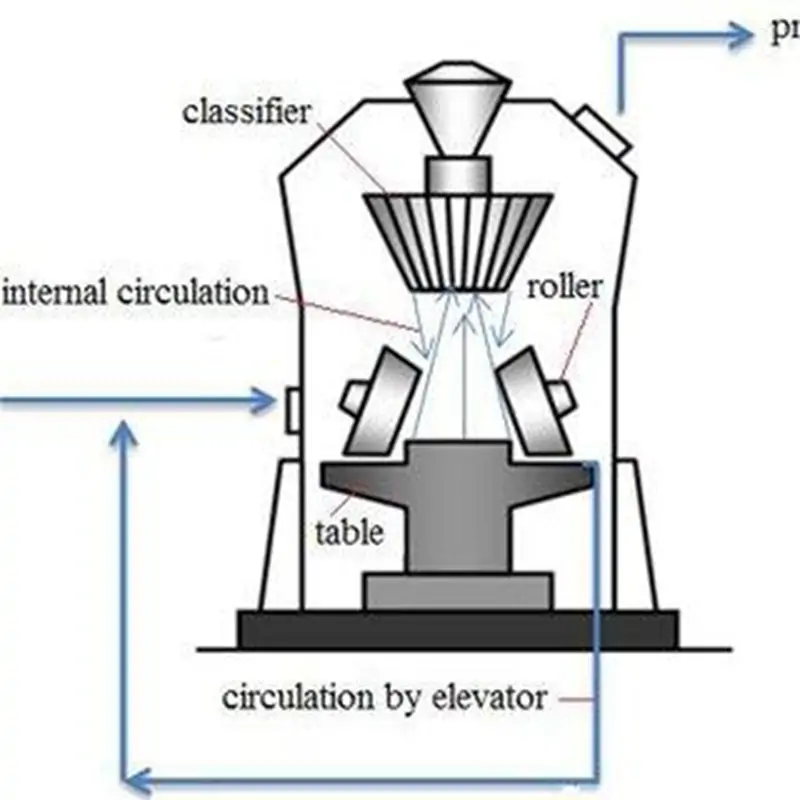
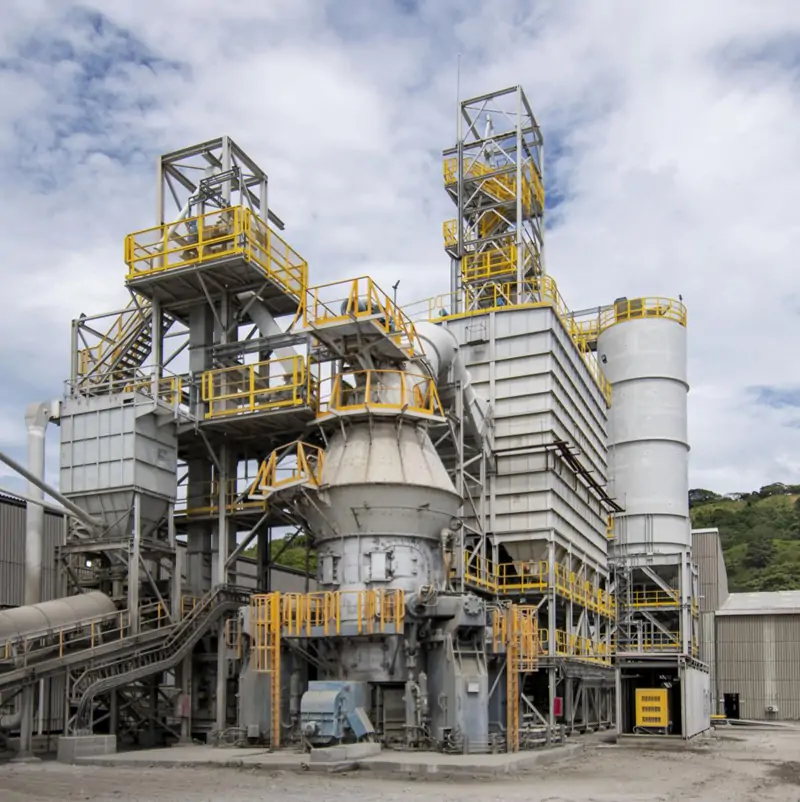
Vertical Roller Mill (VRM) System
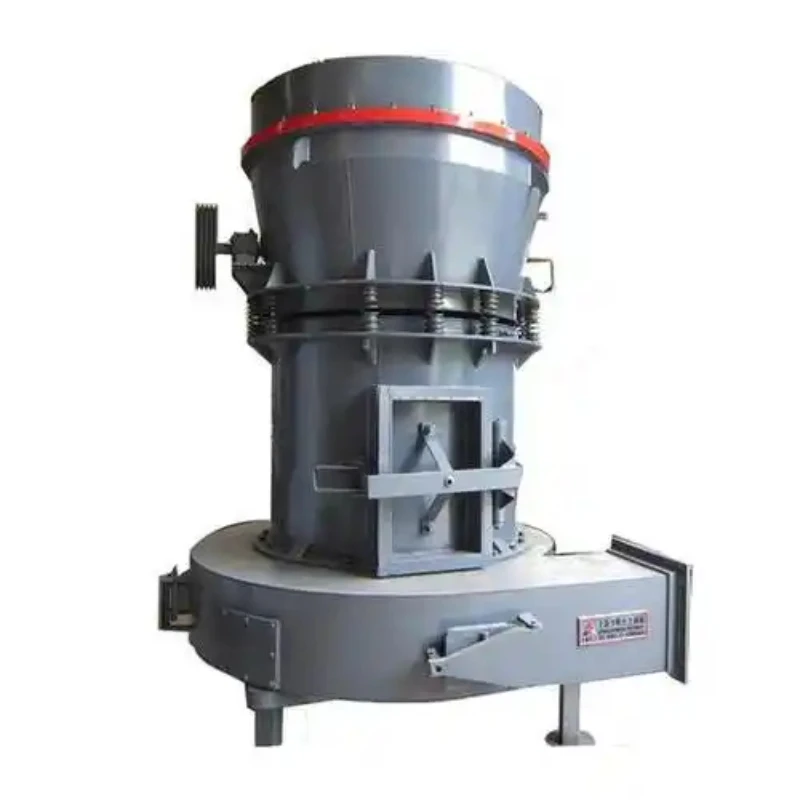
The VRM system grinds material using pressure between rollers and a rotating grinding table. At the same time, material is dried and classified inside the mill, so the whole process is more compact.
Compared with a ball mill system, VRM is often selected when lower energy consumption is required. It is commonly used in new plants or upgraded production lines with higher efficiency targets.
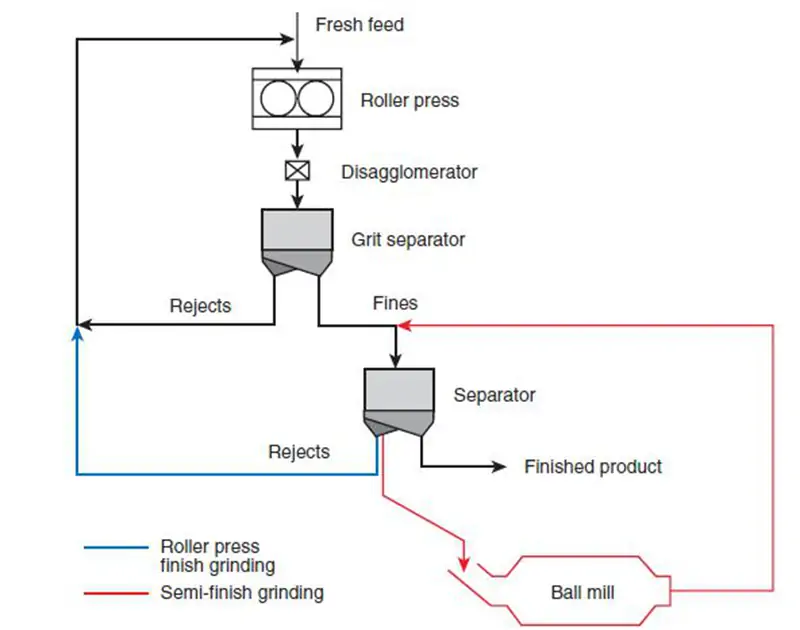
Semi-Finish Grinding System
The semi-finish system combines a pre-grinding stage with a final ball mill grinding stage. The pre-grinding unit reduces the particle size first, then the ball mill finishes the grinding process.
This layout is often used in upgrade or expansion projects. It helps increase capacity without completely replacing the existing grinding system, which makes it practical for retrofit situations.
Components
Clinker Grinding System consists of storage, feeding, grinding, classification, conveying and cement handling sections. Clinker is fed in, ground, classified and then conveyed as finished cement in a continuous flow, keeping operation stable and product quality consistent.
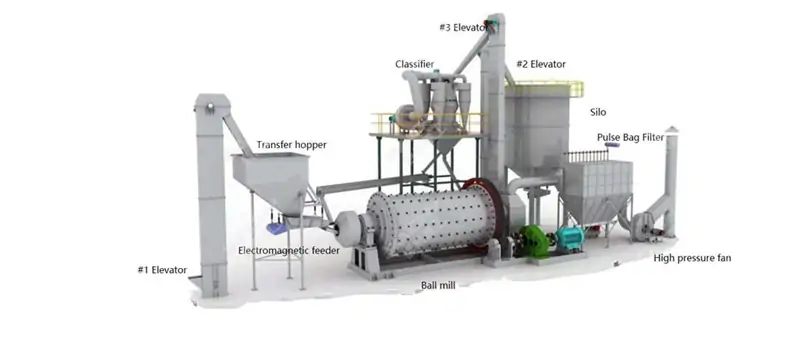
Clinker Storage and Feeding System
Clinker is stored in silos before entering the grinding line. A controlled feeding system regulates discharge into the downstream equipment to maintain stable mill loading and reduce fluctuations during operation.
Material Conveying System
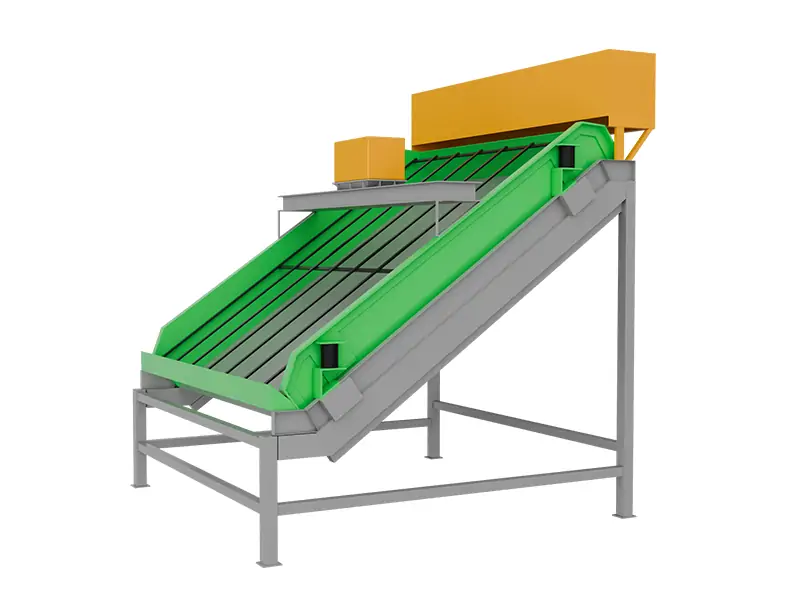
A belt conveyor with weighing control transfers clinker from the storage silo to the grinding section. The system monitors material flow in real time and helps maintain a stable and consistent feed rate to the mill.
Grinding and Classification System
The grinding system consists of a ball mill or vertical roller mill combined with a dynamic separator. The mill reduces clinker into fine powder, while the separator controls cement fineness by returning coarse particles for further grinding in a closed circuit.
Cement Handling and Air System
Finished cement is collected and transported through air slides and pneumatic conveying lines. A dust collection system (bag filter) is installed to control emissions and maintain stable air balance within the system.
Cement Storage and Packing System
Qualified cement is stored in silos before final dispatch. It can be delivered either in bulk form or through packing machines depending on project requirements and transportation methods.
Specifications
Clinker Grinding System parameters define the typical design ranges used in cement grinding plants. These values are used for basic engineering design, system selection, and project evaluation.
Engineering Parameters Overview
| Parameter | Typical Range | Engineering Notes |
|---|---|---|
| Capacity | 50–3000 t/d | Depends on system layout and mill configuration |
| Grinding capacity | 0.5–125 t/h | Influenced by clinker hardness and circuit design |
| Cement fineness | 3000–4500 cm²/g (Blaine) | Controlled by separator efficiency and grinding time |
| System power | Varies by configuration | Ball mill systems generally require higher power than VRM systems |
| Circuit type | Closed / Open circuit | Closed circuit is standard in modern cement plants |
| Separator type | High-efficiency dynamic separator | Controls particle size distribution and product stability |
System Configuration Options
| System type | Application scenario |
|---|---|
| Ball Mill System | Stable operation, conventional cement plants |
| Vertical Roller Mill (VRM) | Energy-saving new cement plants |
| Semi-finish Grinding System | Capacity expansion and retrofit projects |
Note
All parameters are typical engineering ranges and should be adjusted according to raw material conditions, process design, and project requirements.
Advantages
Clinker Grinding System is a mature cement grinding subsystem used to produce cement with stable quality and controlled fineness. It operates continuously in different plant layouts and does not require complex operation.
Stable Closed-Circuit Operation
The system runs in a closed circuit with a dynamic separator. Material is circulated during grinding, which helps keep particle size stable and ensures consistent cement quality during continuous operation.
Flexible System Configuration
Ball mill, VRM, and semi-finish systems can be selected based on capacity, power cost, and plant layout. The same grinding function can be arranged in different system layouts depending on project needs.
Controlled Cement Fineness
Cement fineness is adjusted by separator performance and grinding conditions. The Blaine value can be kept within standard industrial ranges required for cement production.
Application Flexibility
The system is used in standalone grinding stations, integrated cement plants, and retrofit projects. In many upgrade projects, semi-finish systems are chosen because they can increase capacity without rebuilding the whole line.
Proven Industrial Use
Clinker grinding systems have been used in cement production for many years. The process is stable and widely applied in both new plants and existing production lines.
Request a Customized Solution
Partner with Zhongyi for expert technical support, customized solutions, and reliable Clinker Grinding Unit tailored to your production requirements and process conditions.
Custom Grinding System Design
Clinker Grinding System can be designed based on project-specific conditions. To develop a proper system layout, basic technical and site information is required.
Provide the Following Information:
Note
Final design is confirmed after technical evaluation.
Why Choose Zhongyi?
Clinker Grinding System projects require stable process design, proper equipment matching, and reliable engineering execution. With more than 20 years of equipment manufacturing experience, Zhongyi focuses on providing complete grinding system solutions from process design to system integration.
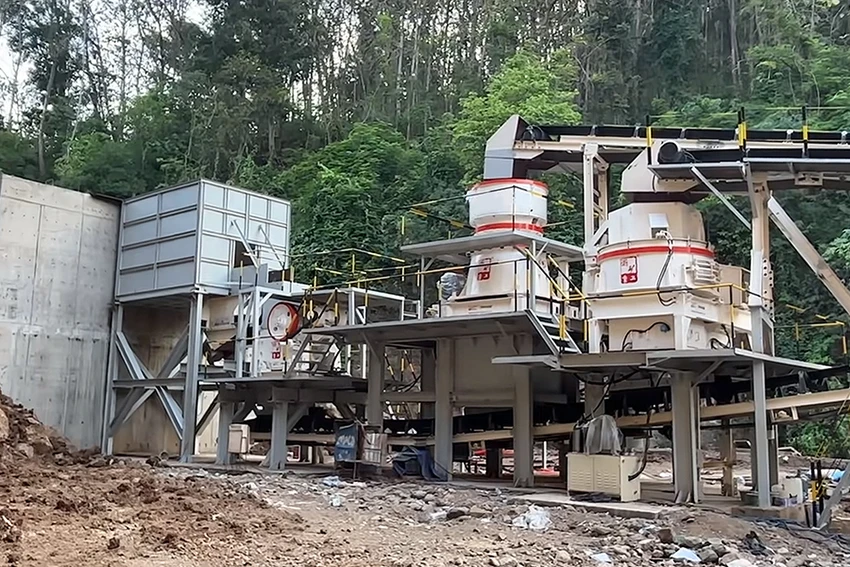
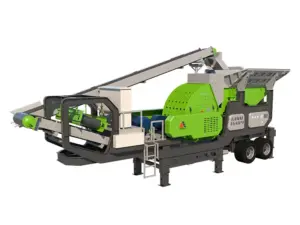
Each system is designed based on real project conditions, including capacity, raw material characteristics, and plant layout. Equipment such as mills, separators, and conveying systems are selected as a complete closed-circuit configuration to ensure stable operation and consistent cement fineness in long-term production. For onsite infrastructure projects or fast-track regional blending stations, our plant design team can also seamlessly interface these intake material circuits with a highly adaptive mobile crusher plant layout.
All equipment is manufactured under standard industrial quality control systems and verified before delivery. The system has been applied in cement plants, grinding stations, and expansion projects in different operating conditions, with configuration adjusted according to site requirements and engineering evaluation.
FAQs
1. What is a clinker grinding unit used for?
A clinker grinding unit is used to grind clinker with gypsum into finished cement. It is usually the final stage in cement production, producing cement with controlled fineness for construction use.
2. What is the typical capacity of a grinding system?
Clinker Grinding System capacity commonly ranges from 50 to 3000 t/d. Selection depends on mill type, plant layout, and production demand, with VRM systems generally used for larger capacities.
3.What equipment is included in a grinding system?
A standard system includes clinker silo, feeding unit, grinding mill, dynamic separator, dust collection system, and cement silo. These units operate in a closed circuit to ensure stable cement output.
4. What is the difference between ball mill and VRM?
Ball mill relies on steel grinding media for impact and abrasion. VRM uses rollers and a grinding table. VRM systems generally consume less energy, around 18–28 kWh/t under normal operating conditions.
5. How is cement fineness controlled?
Cement fineness is mainly controlled by separator efficiency and grinding circulation. Typical Blaine fineness is maintained between 3000–4500 cm²/g depending on cement grade requirements.
6. Can clinker from different sources be used?
Yes. The system can process clinker from different production plants or imported sources. Stable grinding performance depends on consistent feed control and proper system configuration.
7.What affects cement quality stability?
Feed rate fluctuation, clinker hardness variation, and separator performance can affect cement quality. A closed-circuit grinding system helps maintain more stable particle size distribution.
8. Does Zhongyi support customized grinding system design?
Yes. Zhongyi designs Clinker Grinding System based on project capacity, site conditions, and process requirements. System configuration, layout, and equipment selection can all be adjusted for different cement plant projects.