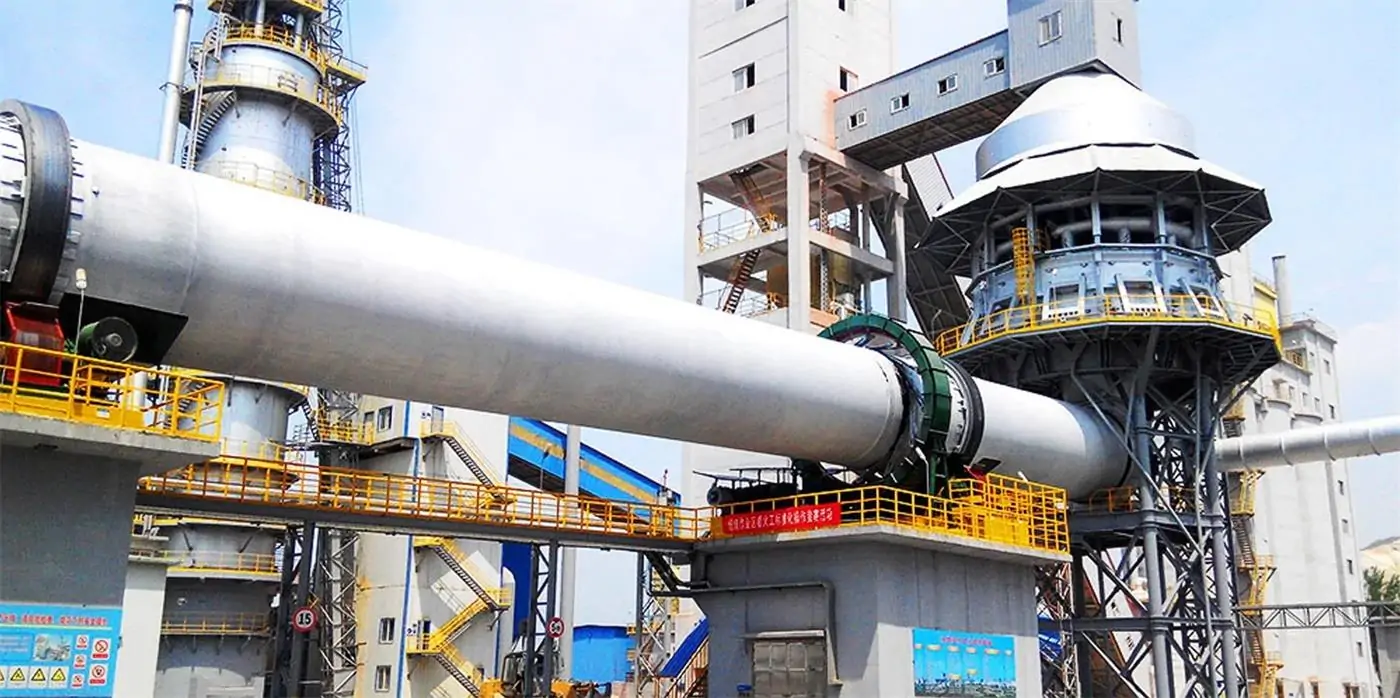
What Is a Calcination Plant?
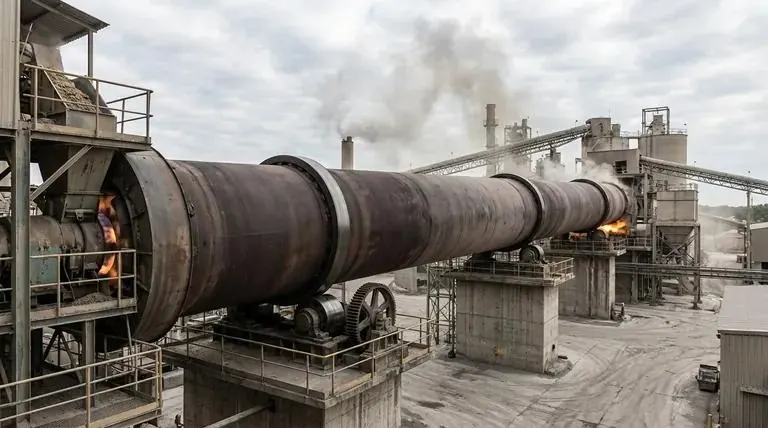
The calcination plant is a thermal processing line used to heat solid minerals or industrial by-products below their melting point. The process triggers thermal decomposition, drives off moisture, or removes volatile components inside a rotary kiln or vertical shaft kiln. This system directly processes materials such as limestone, gypsum, bauxite, clay, petroleum coke, and various industrial tailings or solid wastes.
The primary goal of the plant is to convert these raw materials and industrial by-products into usable commercial products. Common outputs include quicklime, calcined bauxite, anhydrous gypsum, and reactive cement additives. Zhongyi supplies the complete, turnkey production line—including raw material crushing, feeding systems, rotary kilns, waste heat recovery, and dust collection systems—engineered to meet your specific capacity and emission requirements.
Calcination Process Flow
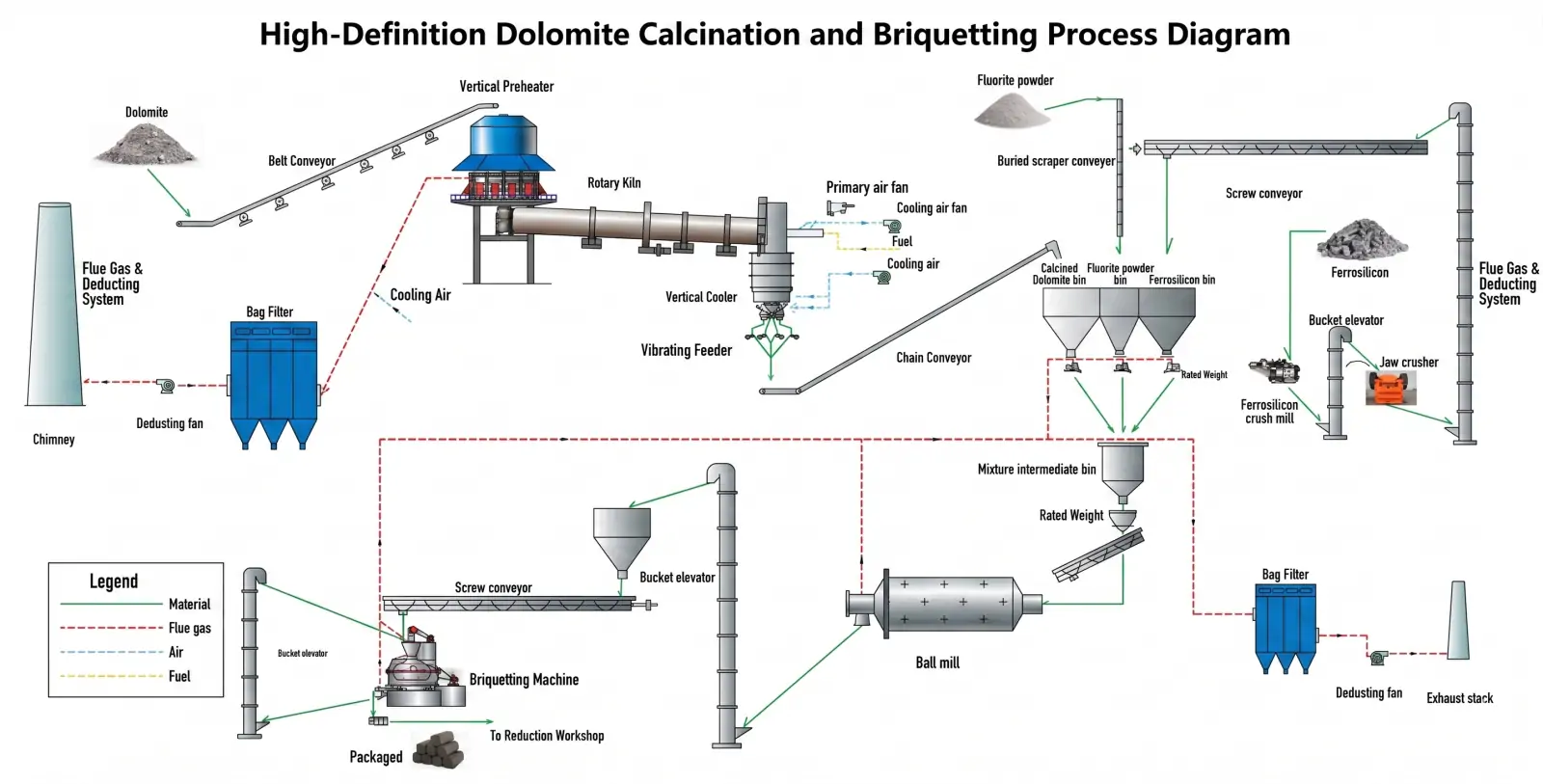
I. Raw Material Storage, Transportation, and Conveying System
Raw materials with a particle size of approximately 15–40 mm are transported by trucks to the plant site, where they are stored in a stockpile and then loaded into the receiving hopper by a loader. A metered feeder is installed below the receiving hopper to ensure stable and uniform discharge. The material is then conveyed via a steep-angle belt conveyor to the top hopper of the preheating system, ensuring a continuous and stable feed.
II. Calcination and Cooling System
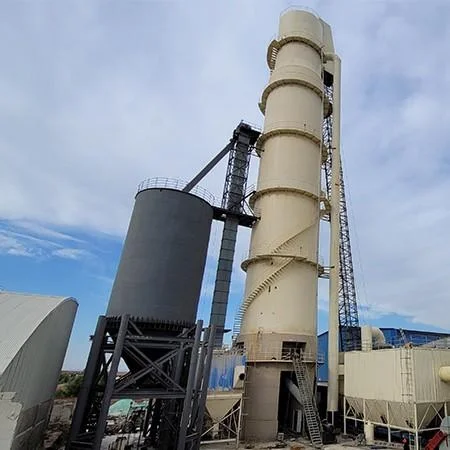
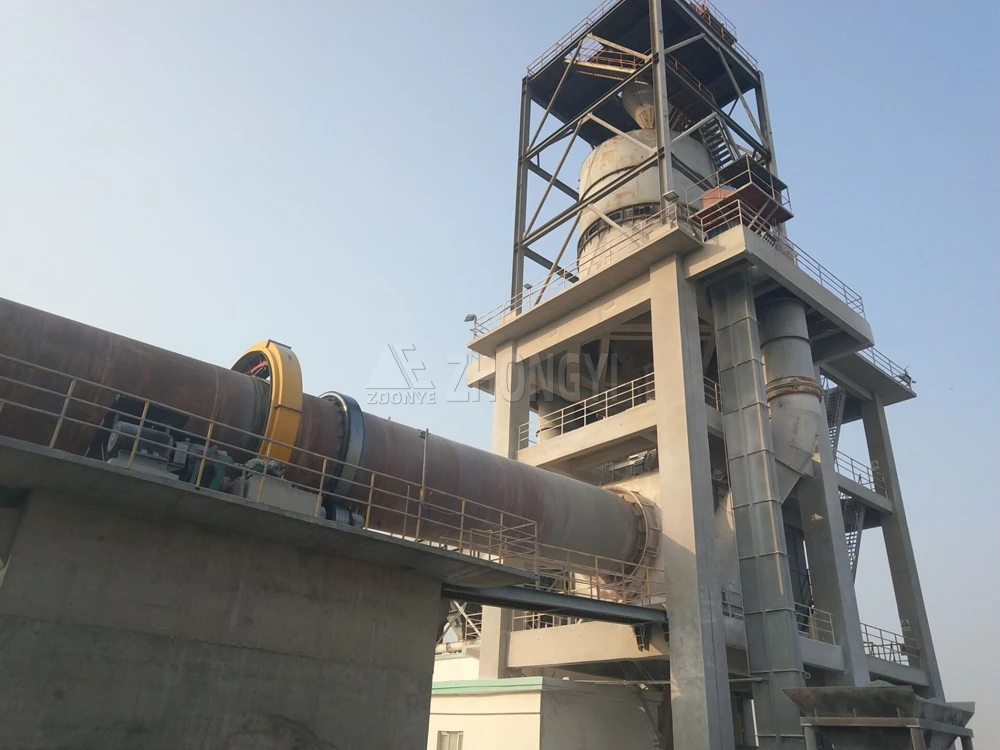
The material flows from the top silo of the preheater through a chute into the preheater body, where it undergoes heat exchange with high-temperature flue gas discharged from the rotary kiln. It is preheated to over 600°C and undergoes preliminary decomposition. Subsequently, the material is fed into the tail end of the rotary kiln by a hydraulic pusher, where it undergoes deep calcination at temperatures of approximately 850–1200°C. The calcined material flows through a chute into the cooler, where it is cooled to below 100°C before discharge, thereby achieving thermal energy recovery and stabilizing the material’s physical properties.
III. Flue Gas Treatment and Waste Heat Utilization System
The high-temperature flue gas generated during the calcination process first enters the preheater, where its temperature is reduced to 280–300°C through heat exchange with the material. A portion of the flue gas is routed through piping to the pulverized coal preparation system for waste heat drying, while the remaining flue gas is treated by the dust removal system, further reducing its temperature to below 80°C and controlling dust concentration to ≤50 mg/Nm³. After meeting emission standards, it is discharged through the stack, ensuring clean emissions and the cascading utilization of energy.
Materials We Process
The calcination systems are designed for the thermal treatment of limestone, dolomite, bauxite, magnesite, gypsum, kaolin and alumina hydrate, covering processes such as decarbonation, dehydration and phase transformation under controlled high-temperature conditions in rotary kiln or shaft kiln configurations.
Lime Calcination Plant
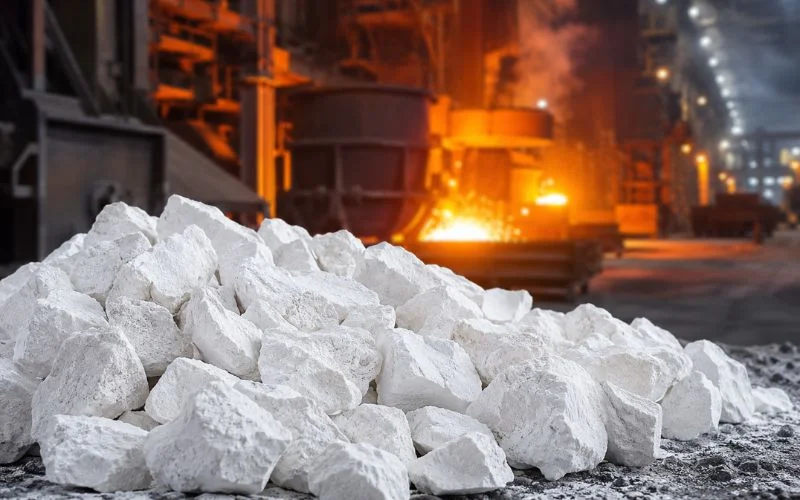
Limestone is thermally decomposed to produce quicklime (CaO) through controlled decarbonation in rotary kiln systems.
- Material Specification: Limestone (CaCO₃), including high-calcium or dolomitic limestone, typically in lump or crushed form within industrial feed size ranges.
- Process Output: Quicklime (CaO), produced through partial or full decarbonization depending on kiln conditions, used as reactive lime for metallurgical and construction applications.
Bauxite Calcination Plant
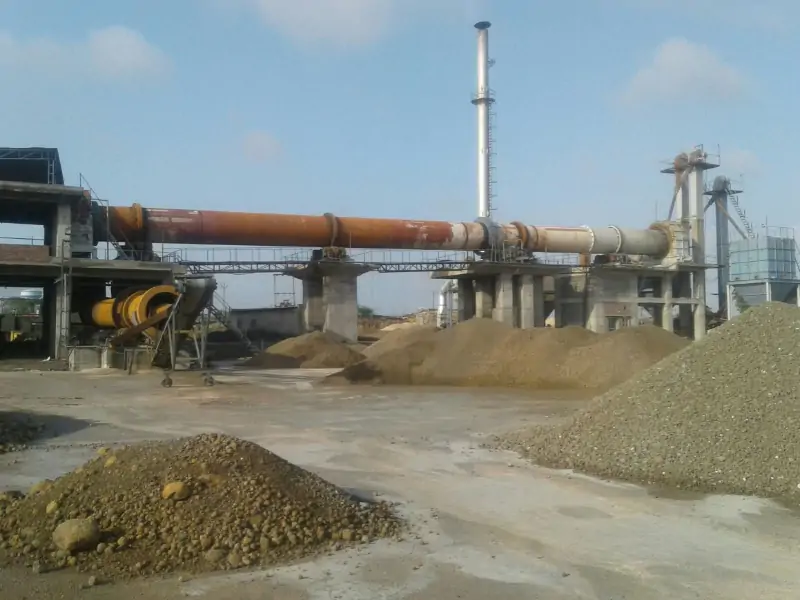
Bauxite ore is processed under high-temperature conditions to remove moisture and chemically bound water for downstream alumina refining applications.
- Material Specification: Bauxite ore, including high-alumina and low-silica grades, typically processed in raw lump or crushed form with natural moisture content.
- Process Output: Calcined bauxite with reduced moisture and chemically bound water, used as feed material for alumina refining and refractory applications.
Dolomite Calcination Plant
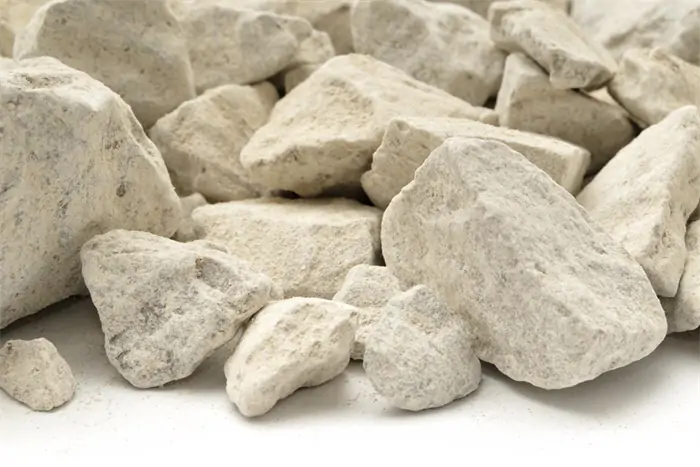
Dolomite is calcined to produce dolime (CaO·MgO), with controlled dissociation of calcium and magnesium carbonates.
- Material Specification: Dolomite (CaMg(CO₃)₂), natural dolomitic rock in lump or crushed form suitable for high-temperature thermal processing.
- Process Output: Calcined dolomite (CaO·MgO) obtained through controlled decomposition of calcium and magnesium carbonates for metallurgical use.
Gypsum Calcination Plant
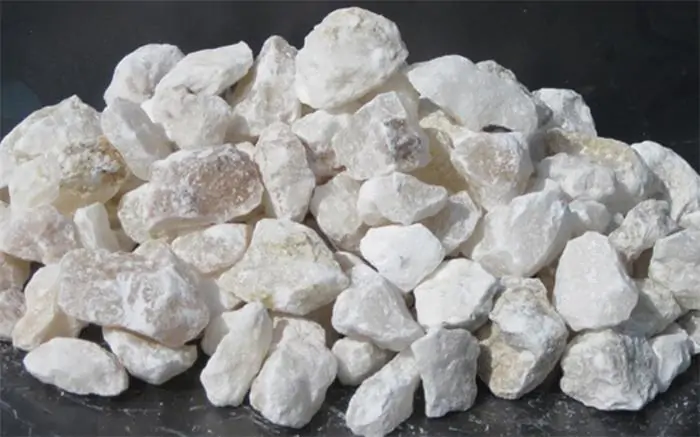
Natural gypsum is converted into hemihydrate or anhydrite phases through controlled dehydration in continuous calcination units.
- Material Specification: Natural gypsum (CaSO₄·2H₂O), sedimentary or mined material processed in lump or powder form.
- Process Output: Hemihydrate gypsum or anhydrite produced through controlled dehydration for construction and industrial binder applications.
Kaolin Calcination Plant
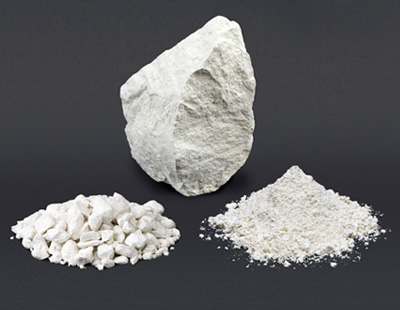
Kaolin clay is thermally treated to transform crystalline structure into metakaolin for use in ceramics, cement and filler industries.
- Material Specification: Kaolin clay, hydrated aluminosilicate mineral in refined powder or processed feed form.
- Process Output: Metakaolin produced through thermal transformation of crystalline structure for cement, ceramic, and filler applications.
Magnesium Oxide Plant
Magnesite is calcined to produce magnesium oxide (MgO) with controlled CO₂ release and sintering control.
- Material Specification: Magnesite (MgCO₃), natural magnesium carbonate ore in lump or granular form.
- Process Output: Magnesium oxide (MgO), including light-burned or dead-burned grades used in refractory and industrial applications.
Alumina Calcination Plant
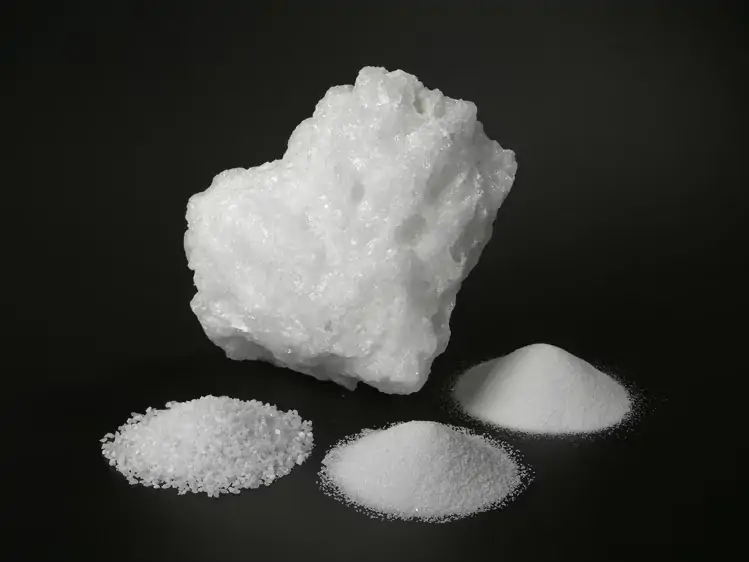
Alumina hydrate is calcined to obtain stable alumina (Al₂O₃) for smelting and industrial applications.
- Material Specification: Alumina hydrate (Al(OH)₃), filtered or precipitated feed material with controlled moisture content.
- Process Output: Calcined alumina (Al₂O₃) with stable crystalline properties for smelting and industrial production processes.
Need a Tailored Calcination Solution?
Not sure which calcination system fits your material and capacity? Our engineering team can help you configure a complete solution based on your raw material, output requirement, and plant conditions—ensuring stable operation, lower energy cost, and compliant emissions.
Systems of Calcination Plant
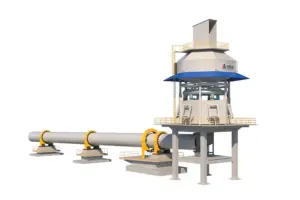
A calcination plant solution are consists of a raw material feeding system, crushing and pre-processing system, preheating system, calcination system, cooling system, dust collection system, and centralized automatic control system. The calcination system is the core section, with common equipment including rotary kilns, vertical shaft kilns, and fluidized bed calciners, selected according to material properties and production requirements.
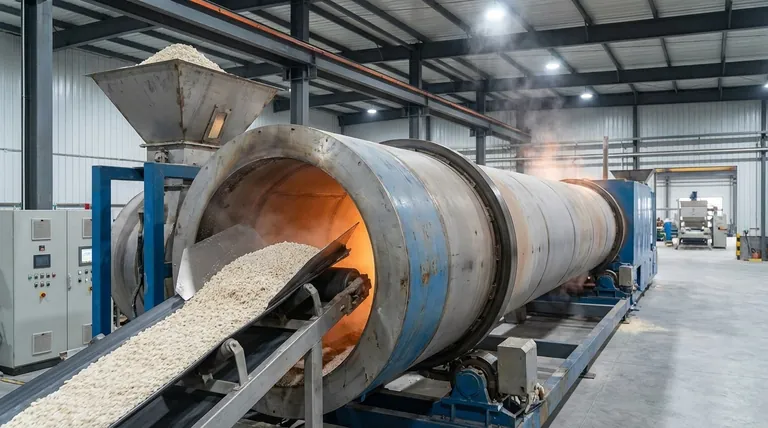
Raw Material Feeding System
The raw material feeding system is responsible for delivering bulk materials from storage to the kiln feed section with stable and controlled flow. It minimizes feed fluctuations that could affect kiln thermal stability and ensures continuous operation through buffering and regulated conveying.
- Storage Bin: provides buffering capacity and stabilizes feed rate
- Apron Feeder: suitable for large lump materials and heavy-duty impact feeding
- Belt Conveyor: continuous material transfer between different process sections
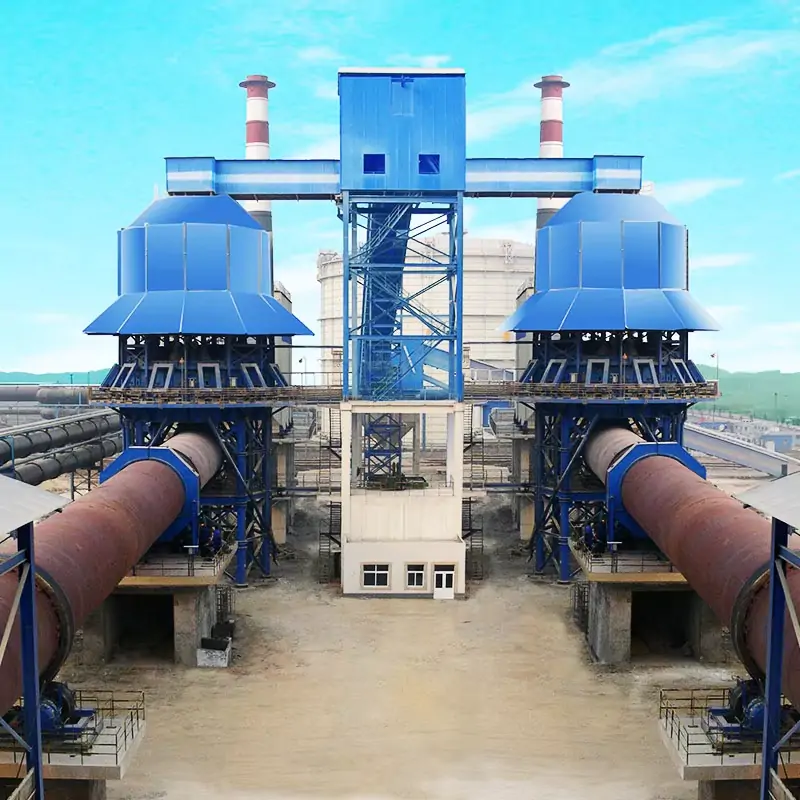
Rotary Kiln System
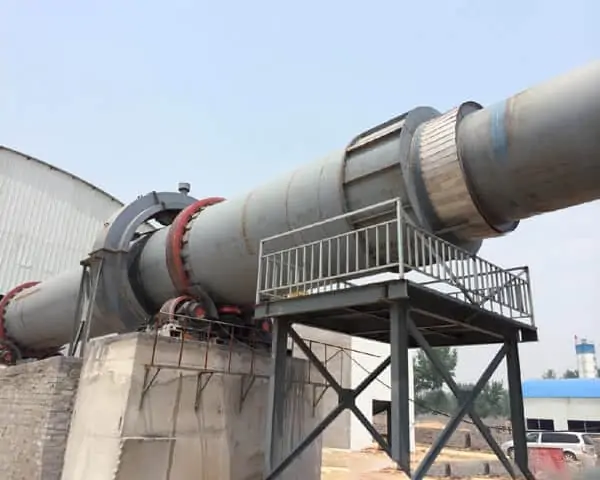
The rotary kiln system is the core thermal unit of the entire calcination plant. It enables high-temperature reactions such as decomposition and phase transformation. Kiln operating conditions directly influence product quality, activity level, and energy consumption.
- Rotary Kiln: main equipment where calcination reactions take place
- Burner System: controls flame shape, temperature distribution, and heat input stability
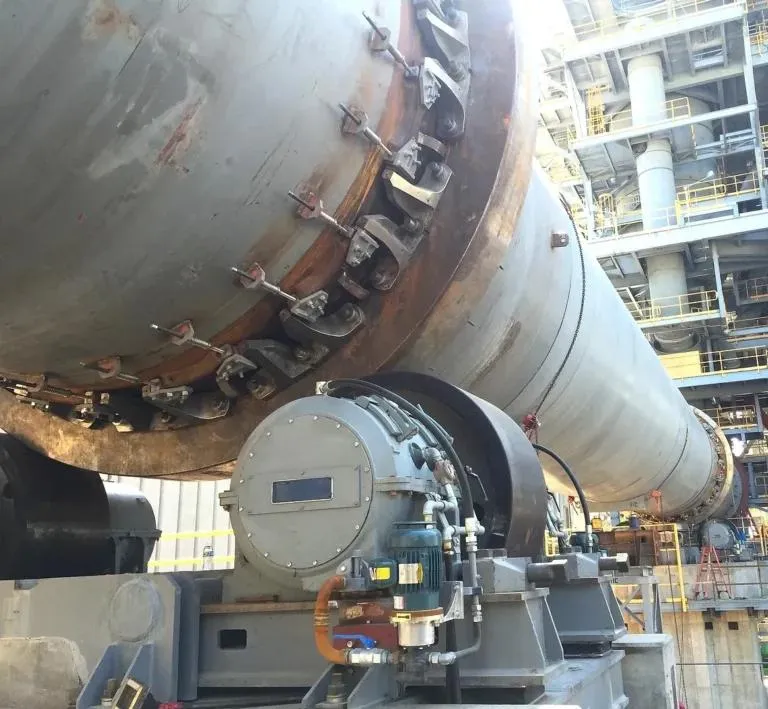
- Drive System: ensures steady rotation and consistent material residence time
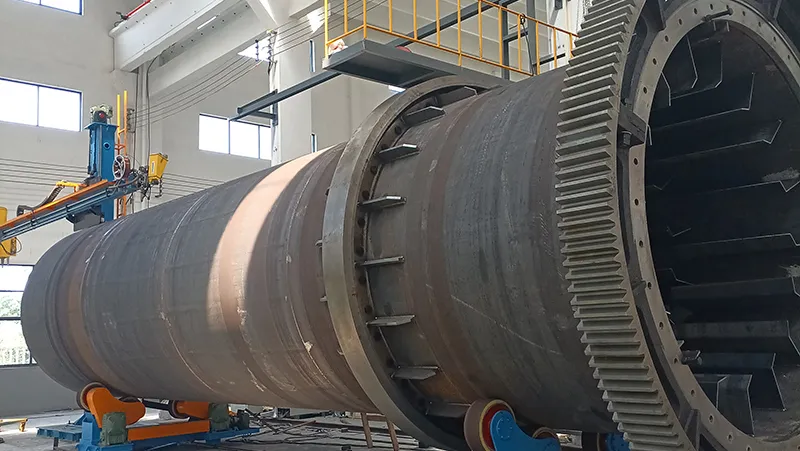
Cooling System
The cooling system rapidly reduces the temperature of calcined materials while improving product stability and enabling partial waste heat recovery. Different cooling configurations can be selected based on capacity and process requirements.
- Rotary Cooler: stable continuous cooling with strong adaptability
- Vertical Cooler: compact structure with higher heat recovery efficiency
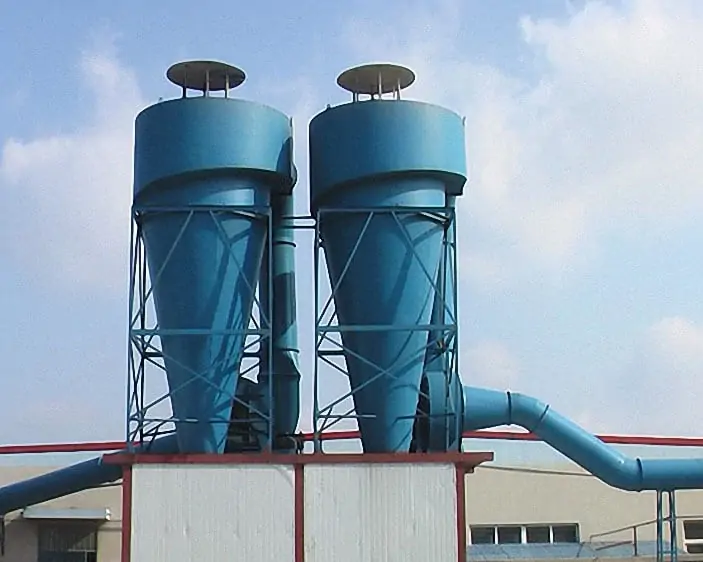
Dust Collection System
The dust collection system is designed to control particulate emissions throughout the process and recover fine materials. It plays a key role in meeting environmental regulations and maintaining clean plant operation.
- Bag Filter: high-efficiency capture of fine dust particles
- Cyclone Collector: primary separation of coarse particles to reduce system load
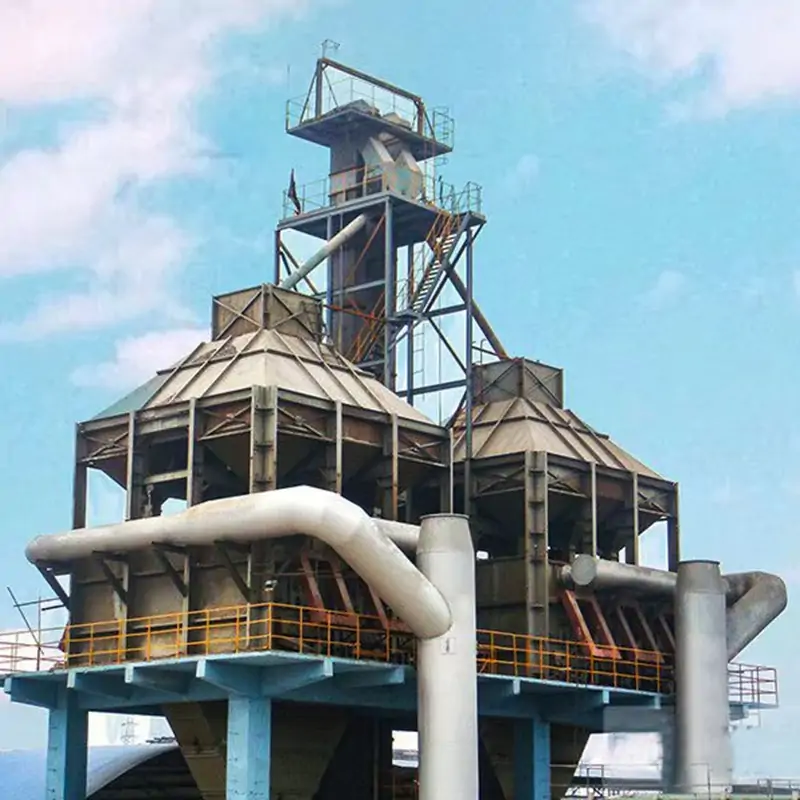
Flue Gas Treatment System
Flue gas treatment system is designed to handle high-temperature and dust-laden exhaust generated during calcination processes.
- Preheater:Uses kiln exhaust gas (around 280–300℃) to preheat raw materials to 500–800℃, improving calcination efficiency and reducing fuel consumption.
System Equipment Specifications
| No. | Item name | Parameter for different production capacity | |||
| 5000t/a | 10000t/a | 15000t/a | 20000t/a | ||
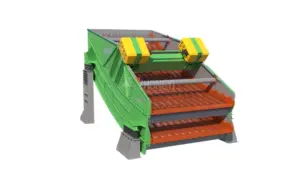
| 1 | Vibration screen | ZSB1020 | ZSB1020 | ZSB1230 | ZSB1250 |
| 2 | Inclined Belt Conveyor | DJ.500 | DJ.500 | DJ.650 | DJ.800 |
| 3 | Vertical Preheater | Quadrangle | Hexagon | Octagon | Decagon |
| 4 | Rotary kiln | Φ2.5×40m | Φ3.0×50m | Φ3.3×55m | Φ38×58m |
| 5 | Vertical cooler | 3.6×3.6 | 3.6×3.6 | 3.6×3.6 | 4.1×4.1 |
| 6 | Cyclone filter | Ø2500 | Ø2800 | 2×Ø2000 | 2×Ø2800 |
| 7 | High temp. bag filter | ZL2100 | ZL2350 | ZL3300 | ZL4300 |
| 8 | High temp. fan | N=315kW | N=355kW | N=500kW | N=800kW |
| 9 | Bag filter | ZM32-4 | ZM32-5 | ZM64-4 | ZM64-6 |
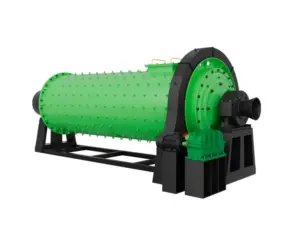
| 10 | Ball mill | MQG1.83×7m | MQG2.2×7m | MQG2.4×7m | MQG3.0×9m |
| 11 | Briquetter | 3*LYQ5.0 | 3*LYQ6.0 | 4*LYQ6.0 | 4*LYQ8.0 |
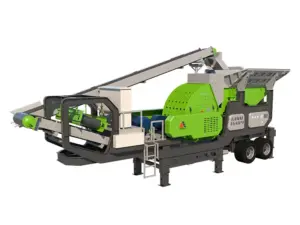
| 12 | Jaw crusher | PEF150×750 | PEF150×750 | PEF250×750 | PEF250x750 |
Custom Calcination Production Line
Zhongyi designs and supplies calcination production lines based on your raw material, capacity, and site conditions. Whether you need to improve product quality, reduce fuel cost, or meet emission requirements, we can configure a practical system covering the full process from feeding to calcination and gas treatment. We also provide matched solutions for Alumina Rotary Kiln, Rotary Kiln Systems, Vertical Shaft Kiln Lines, and other mineral calcination projects. Contact our team to get a solution built around your actual production needs.
What can be customized:
- Process type: rotary kiln / vertical shaft kiln / other calcination systems
- Capacity: small, medium, or large-scale production lines
- Feeding system: material size, storage, and feeding method
- Preheating & calcination: kiln configuration and temperature control
- Cooling system: air cooling or rotary cooling design
- Fuel system: coal, gas, oil, or alternative fuels
- Flue gas treatment: dust removal and heat recovery setup
- Control system: PLC automatic operation and monitoring
- Plant layout: customized design based on site conditions
Contact Zhongyi Calcination Team
Zhongyi focuses on calcination plant solutions for mineral processing, covering line design, equipment supply, and project support. We work from your raw material and production target to build a practical, stable system that fits your actual operating conditions.
FAQ
Can Zhongyi provide a complete mineral processing or calcination production line?
Yes. We deliver full EPC solutions, including ore testing, process design, equipment manufacturing, installation, commissioning, and operator training. Each line is customized based on ore type, daily capacity, site conditions, and desired product quality.
How do I get an accurate quotation?
Provide the ore type, daily or hourly processing capacity, feed size, product requirements, site voltage, space constraints, and approximate investment budget. Our team will design a tailored solution and provide detailed equipment and production line pricing.
Can you test our ore and predict recovery rates?
Yes. We perform laboratory tests on gold, silver, copper, iron, lead-zinc, and other ores. These tests determine expected recovery, concentrate grade, and process parameters, ensuring equipment and flow sheet selection is accurate for your project.
How long does it take to build a production line?
Standard equipment is typically delivered in 30–45 days. Customized production lines, including installation and commissioning, usually take 45–90 days depending on capacity, configuration, and material handling requirements.
Do you provide on-site installation and commissioning services?
Yes. Our engineers can guide on-site installation, commissioning, and trial operation with ore. Remote video support is also available. Operator training and maintenance guidance are provided to ensure smooth startup and reliable production.
What is the expected equipment warranty and spare parts supply?
Main equipment is warranted for 12 months. Consumables and wear parts are not covered but are supplied at factory prices. We maintain global stock of key spare parts, ensuring fast delivery and long-term availability.
Can your calcination equipment handle different materials?
Our rotary kilns and calcination furnaces process a wide range of materials, including mineral concentrates, limestone, kaolin, sludge, and non-metallic minerals. Temperature and residence time are adjustable to meet specific calcination or activation requirements.
How can you ensure product quality and recovery targets?
We base design on ore testing and optimize process parameters during commissioning. Controlled feeding, stable kiln temperature, precise grinding, and proper separation ensure recovery rates, concentrate grade, and final product meet contractual requirements.