What Is a High Frequency Vibrating Screen?
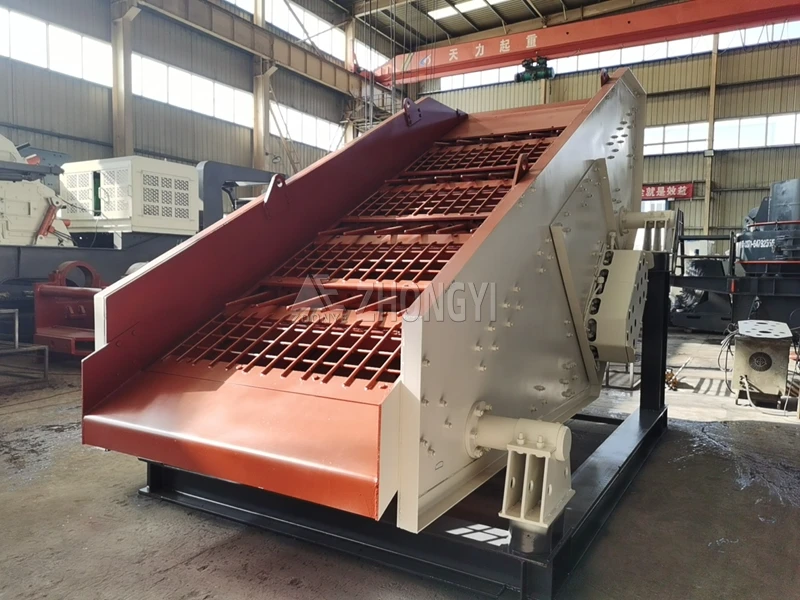
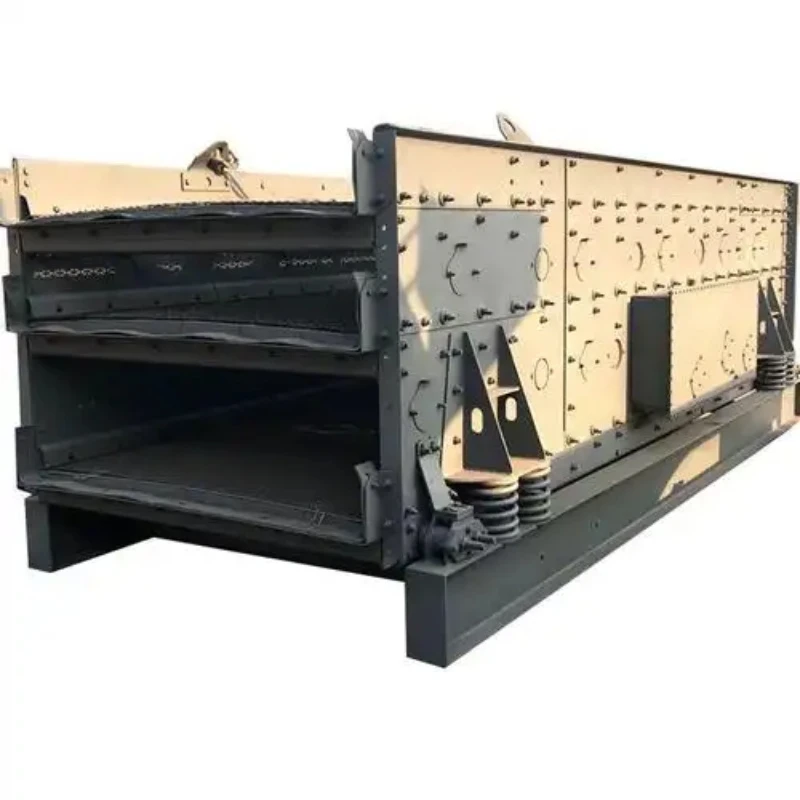
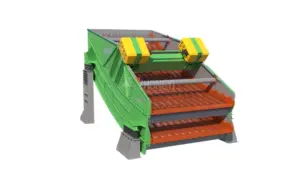
A High Frequency Vibrating Screen, also known as a high-frequency screen or fine screening machine, is a screening equipment designed for efficient separation of fine particles using high vibration frequency and low amplitude motion. It is widely used in mineral processing, coal preparation, and aggregate classification, especially for materials below 1–3 mm. In standard silica sand or non-metallic ore lines, this screen functions in a tight closed loop with an upstream rod mill to handle first-stage discharge slurry classification effectively.
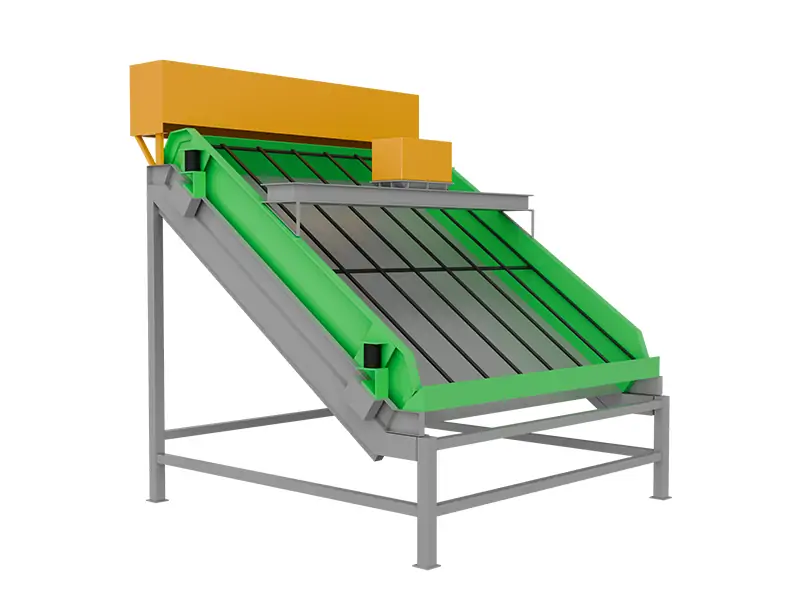
How Does a High Frequency Vibrating Screen Work?
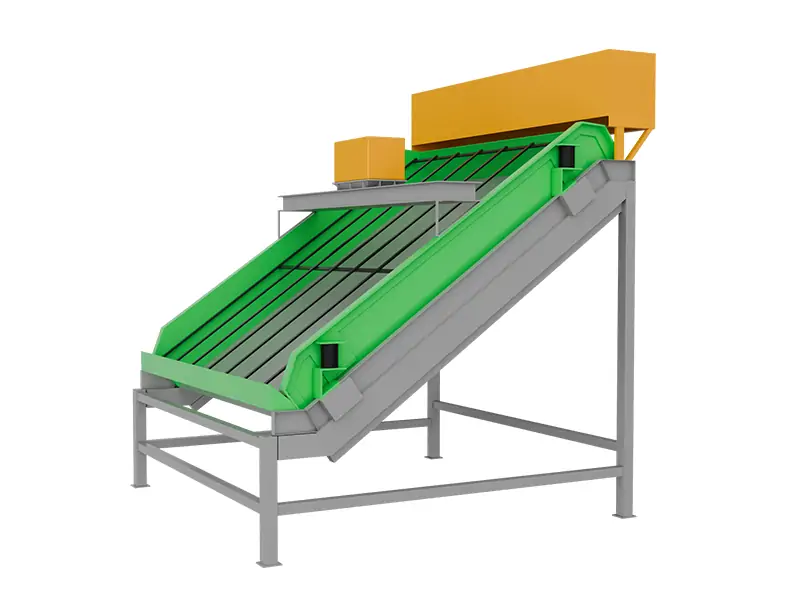
This high frequency vibrating screen for fine particle separation is designed for efficient processing of fine materials, using high vibration frequency combined with low amplitude to improve screening accuracy and stability. It is widely used in mineral processing for fine classification, slurry screening, and dewatering workflows.
During operation, material is evenly fed onto the screen deck. Under high-frequency vibration, the liquid surface tension or material sticky layer is rapidly broken, allowing fine particles to stratify quickly, contact the mesh openings, and pass through. Meanwhile, the oversized material remains on the top layer and is continuously vibrated toward the discharge outlet.
Strict feed size control is essential to optimize screening efficiency and extend mesh service life. In standard configuration layouts, the initial feed size is strictly regulated below 25 mm (and below 20 mm for compact specialized models), fully aligning with the modern mineral beneficiation principle of “more crushing and less grinding.”
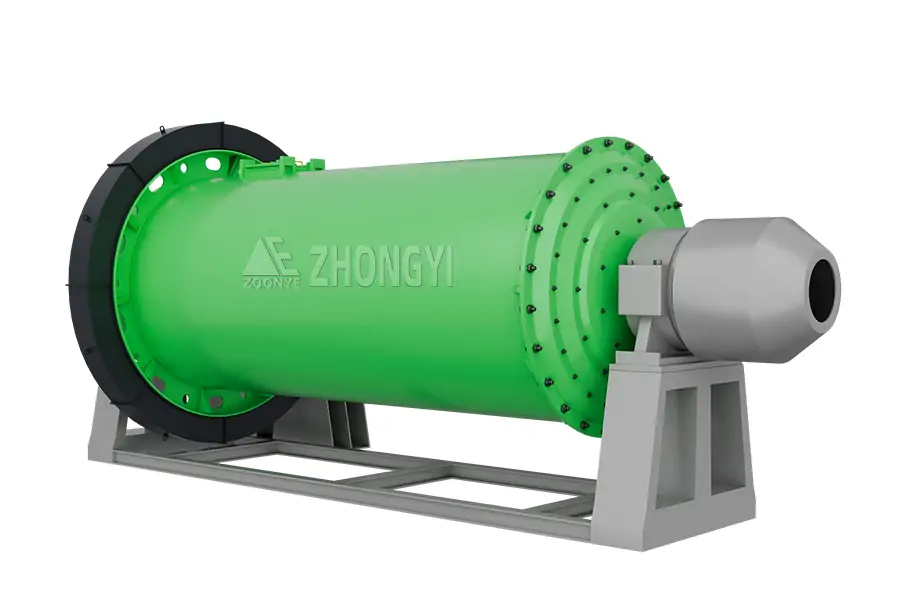
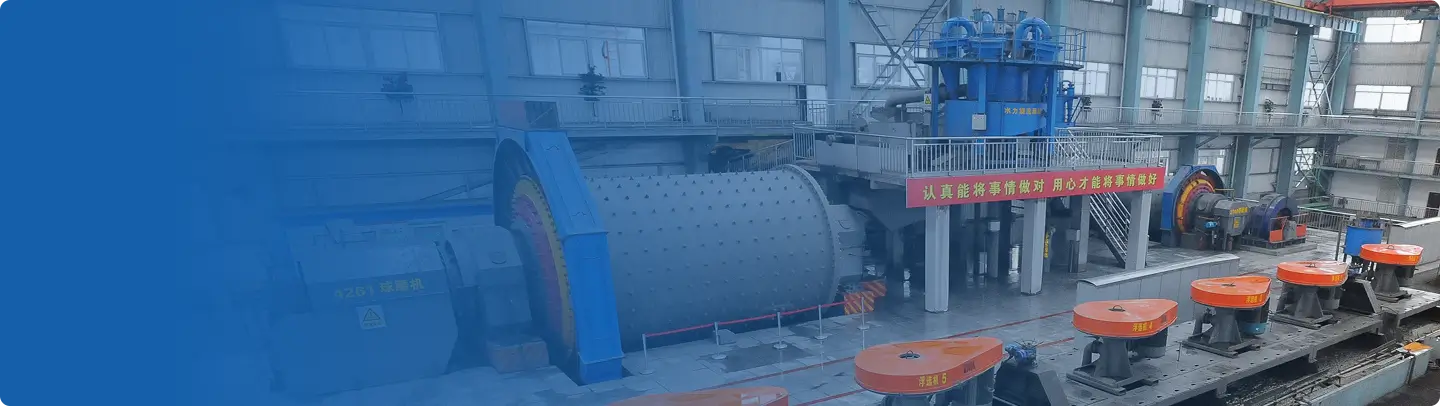
Once inside continuous industrial production loops, this high-acceleration sizing and desliming mechanism performs critical grain-size adjustments. In traditional metal ore beneficiation circuits, this high-velocity liquid classification operates in close technological tandem with a downstream mining ball mill to regulate the overgrinding of valuable concentrates before flotation.
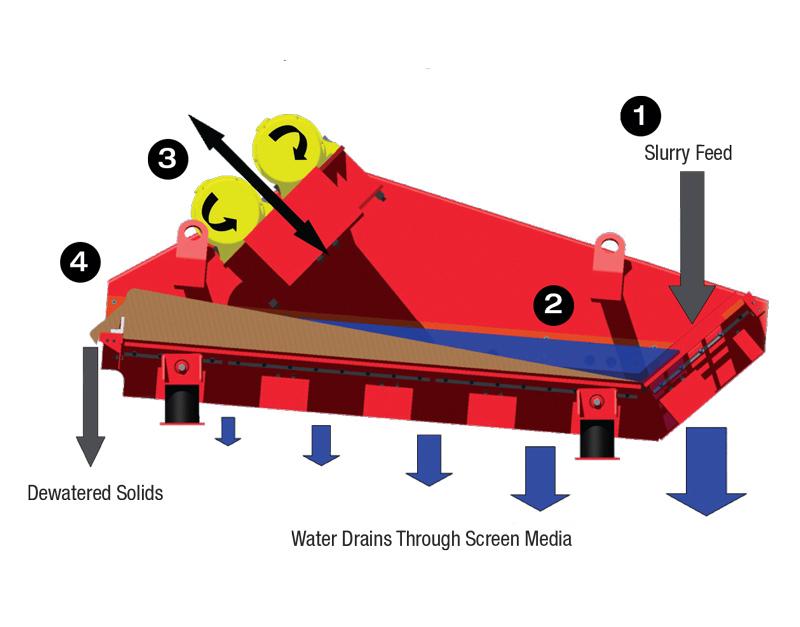
Features
This fine material screening equipment is designed to deliver efficient and precise screening performance for fine materials in demanding industrial applications. With optimized vibration parameters and a well-structured design, it helps improve separation accuracy, reduce energy consumption, and maintain stable operation over long periods. These features make it a reliable solution for mineral processing, slurry classification, and fine material recovery.
High Screening Efficiency for Fine Materials: High vibration frequency and low amplitude improve the passage rate of fine particles, ensuring efficient screening performance for fine materials.
Accurate Separation with Low Energy Consumption: Optimized vibration design enables precise particle separation while maintaining low energy consumption and stable efficiency.
Stable Operation and Compact Structure: A compact structure with a balanced vibration system ensures stable operation and reliable performance under continuous working conditions.
Wear-Resistant Screen Media and Long Service Life: Wear-resistant screen media extends service life, reduces maintenance frequency, and lowers overall operating costs.
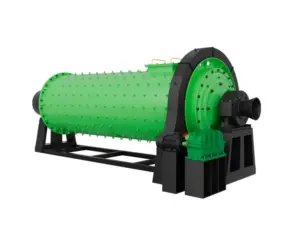
For high‑purity non-metallic industrial minerals where metallic iron contamination must be strictly avoided, these classified fine wet fractions are standardly targeted for advanced micro-particle reduction within our high-density ceramic lined ball mill systems.
Specifications
| Model | Screen Area (m²) | Deck Number | Capacity (t/h) | Feed Size (mm) | Separation Size (mm) | Power (kW) | Weight (kg) |
| HFS-1030 | 3.0 | 1 | 10–20 | ≤5 | 0.1–1 | 1.5 | 1200 |
| HFS-1230 | 3.6 | 1–2 | 15–25 | ≤5 | 0.1–1 | 2.2 | 1500 |
| HFS-1530 | 4.5 | 1–2 | 20–35 | ≤6 | 0.1–1.5 | 3.0 | 1800 |
| HFS-1830 | 5.4 | 2 | 30–50 | ≤6 | 0.1–2 | 4.0 | 2200 |
| HFS-2040 | 8.0 | 2–3 | 40–70 | ≤8 | 0.2–2 | 5.5 | 2800 |
Applications
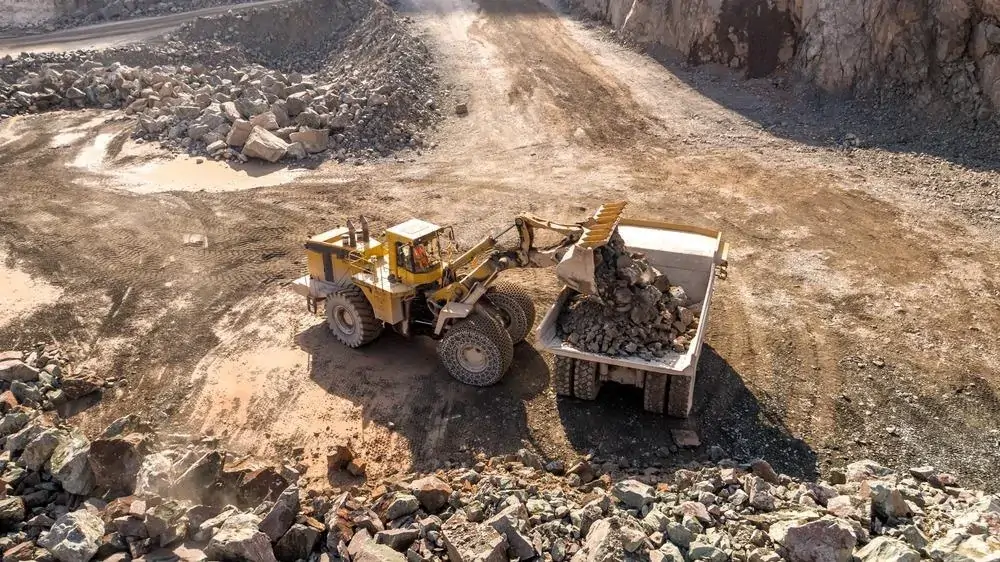
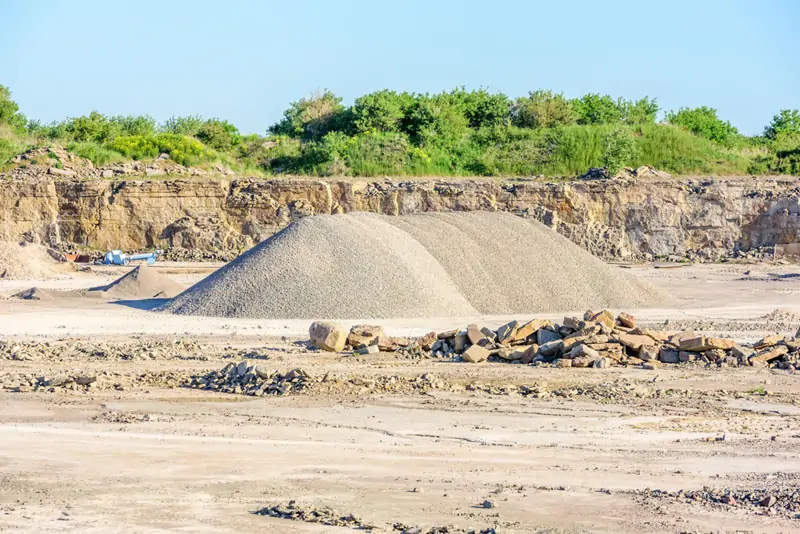
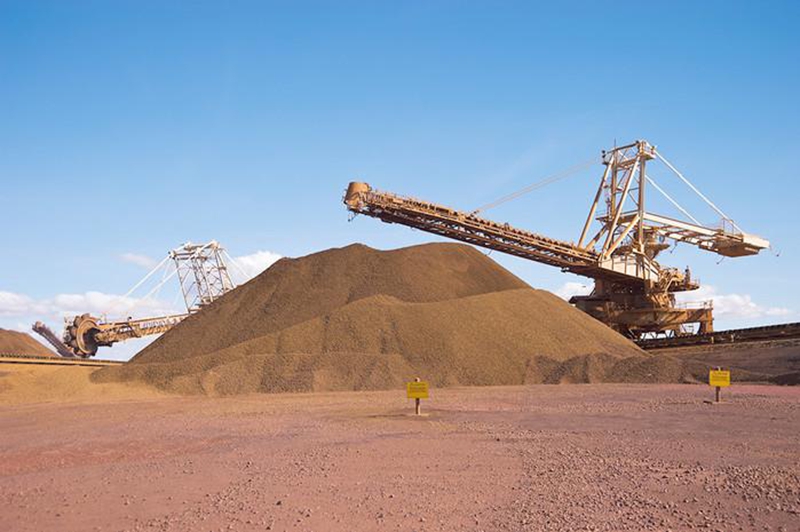
Mining high frequency vibrating screens are used for fine particle classification and separation in mineral processing systems, especially in grinding, flotation, and tailings treatment circuits where high precision screening is required.
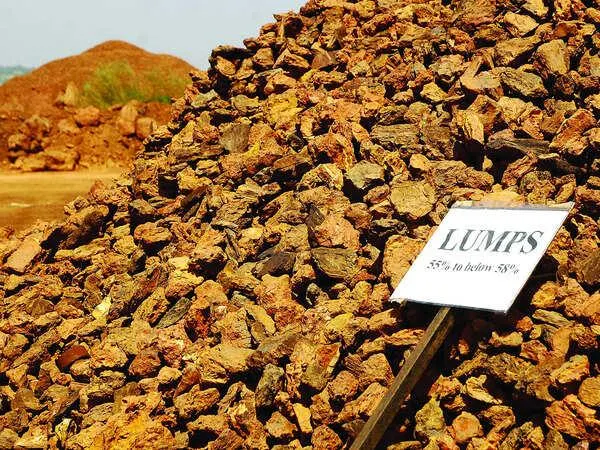

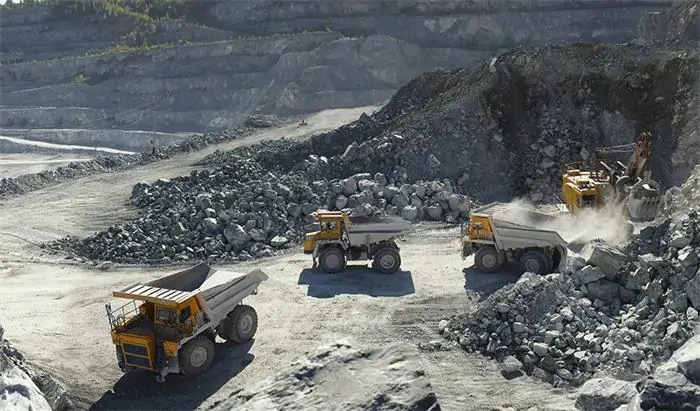
High Frequency Vibrating Screen vs Conventional Vibrating Screen
High frequency screening machines and conventional vibrating screens are designed for different screening duties. A high frequency vibrating screen is typically used for fine particle classification, high-precision separation, and wet processing, while conventional vibrating screens are more suitable for coarse screening and bulk material handling.
Difference in Vibration Frequency and Amplitude
High frequency vibrating screens operate with high frequency and low amplitude, enhancing fine particle stratification and passage. Conventional screens use lower frequency and higher amplitude, which is more effective for larger particle movement.
Difference in Screening Accuracy
High frequency vibrating screens deliver higher screening efficiency and finer separation accuracy. Conventional vibrating screens are generally applied where precision requirements are lower.
Difference in Separation Accuracy:
High frequency screening machines utilize intense structural acceleration to continuously shatter the adhesive liquid film surrounding sub-millimeter fines, yielding high separation sharp-cuts. Conventional screens lack the critical G-force needed to disrupt high-viscosity surface tension, making them more suitable for primary bulk scalping where minor undersize carryover is acceptable.
When to Choose a High Frequency Vibrating Screen
Select high-frequency configurations when your mill flowsheet requires high-efficiency wet desliming, recovery of fine valuable tailings, or strict multi-fraction sizing below 3 mm. For large-tonnage quarry layouts where coarse materials over 40 mm require rapid, high-volume dry stratification, standard lower-rpm linear or circular motion vibrating decks remain the industry standard.
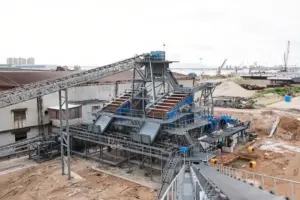
Projects Show
How to Choose the Right High Frequency Vibrating Screen?
Selecting a suitable high frequency vibrating screen for fine mineral processing requires a systematic evaluation of material properties, slurry behaviors, and plant conditions. A well-matched fine screening machine can significantly improve classification efficiency, control particle size distribution, and ensure stable operation within the overall processing circuit.
Request a Customized Solution
Partner with Zhongyi for expert technical support, customized solutions, and reliable equipment tailored to your ore characteristics and production requirements.
Custom High Frequency Vibrating Screen
To receive a precise and tailored solution for your high frequency vibrating screen
Provide the Following Information:
High Frequency Vibrating Screen Manufacturer and Supplier
Zhongyi has over 16 years of experience in designing and manufacturing high frequency vibrating screens, we provide reliable solutions for precise fine material screening across various industries. All our screens are engineered to meet international quality and safety standards, ensuring long-term stability, high efficiency, and accurate particle separation.
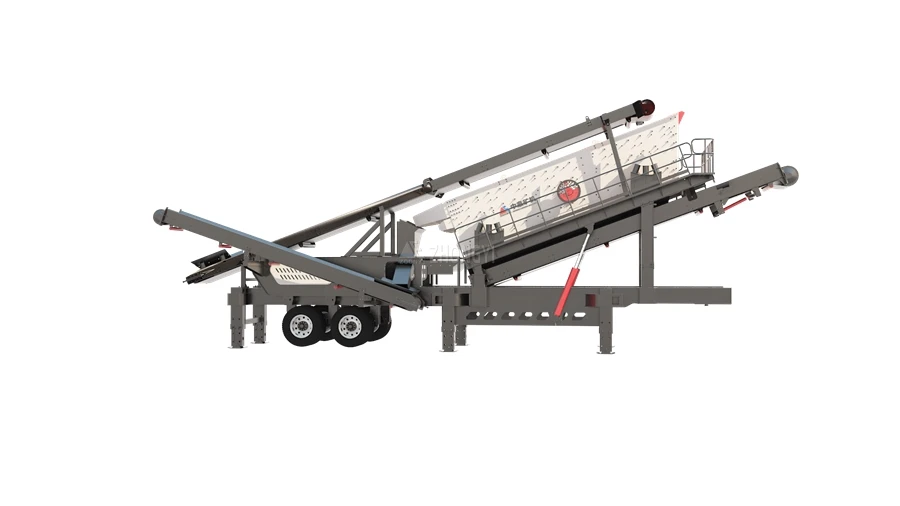
As a trusted manufacturer and supplier, we offer fully customizable designs to suit your material type, capacity requirements, and site conditions. From mineral processing to slurry separation, our equipment delivers consistent performance that meets global expectations. For modern eco-friendly operations requiring fast infrastructure mobilization directly inside open‑pit mining pockets, these precise fine sizing setups can be perfectly coupled with our heavy‑duty automated mobile crusher plant systems.
FAQs
1. What industries use high frequency vibrating screens?
High frequency vibrating screens are widely used in mining, coal preparation, aggregate production, and chemical slurry separation. While a heavy zsw series mining vibrating feeder controls coarse bulk intake at the plant head, this unit handles continuous high-precision grading for fine sub-millimeter fractions at the processing tail.
2. How do you evaluate the screening efficiency of a vibrating screen?
Screening efficiency depends on frequency, aperture size, open area, and material properties. A high-quality screen can reach over 85% efficiency. Buyers should request real-case data and check screen mesh quality and tensioning systems when considering solutions from Zhongyi.
3. How is the capacity of a high frequency vibrating screen calculated?
Capacity is measured in tons per hour (TPH) and depends on screen area, vibration frequency, and material characteristics like size and moisture. Larger screening areas and higher frequency increase output when properly configured with Zhongyi equipment.
4. What impact does screen mesh material have on performance?
Screen mesh materials include stainless steel, polyurethane, and nylon. Polyurethane offers high wear resistance and longer lifespan, while stainless steel ensures higher precision. Choosing the right material improves performance and durability in Zhongyi screening systems.
5. What is the maintenance cost of a high frequency vibrating screen?
Maintenance costs depend on motor quality, screen wear, and design structure. High-quality machines use modular designs for easy part replacement. Durable components help reduce downtime and operating costs when using Zhongyi solutions.
6. What key parameters should buyers check before purchasing?
Important parameters include vibration frequency (typically above 3000 rpm), amplitude, screen area, motor power, and processing capacity. Structural stability and anti-clogging design are also critical factors to evaluate in Zhongyi vibrating screens.
7. What are the advantages of STS high frequency vibrating screens?
STS screens offer higher frequency, better screening accuracy, and lower energy consumption. Their optimized vibration system reduces clogging and improves fine particle separation, which are key strengths of Zhongyi STS vibrating screen technology.
8. How to choose a reliable vibrating screen supplier?
Choose suppliers with proven project cases, certifications (such as ISO), and strong after-sales support. Check customer reviews, export experience, and customization capabilities to ensure you select a trusted manufacturer like Zhongyi.