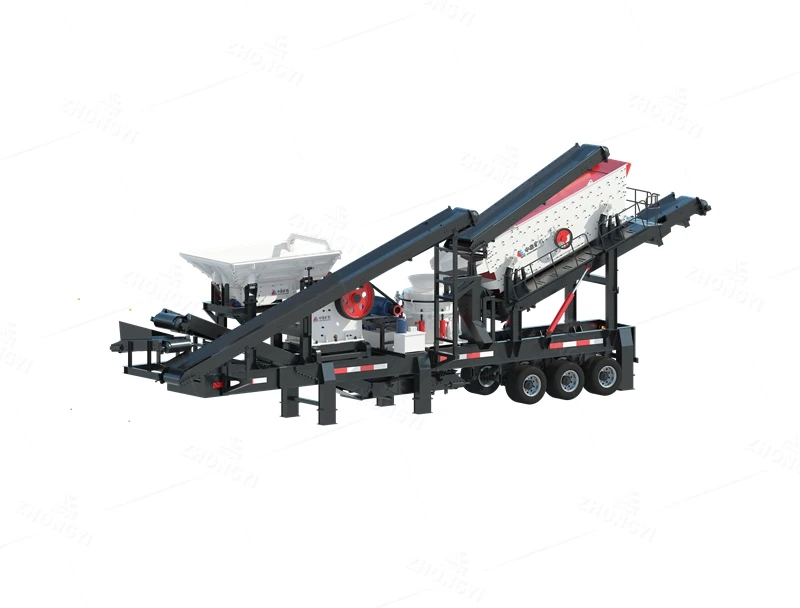
What is a Mobile Crusher Plant?
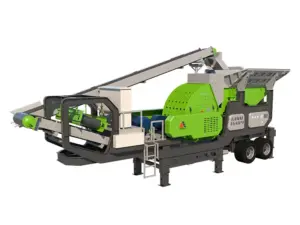
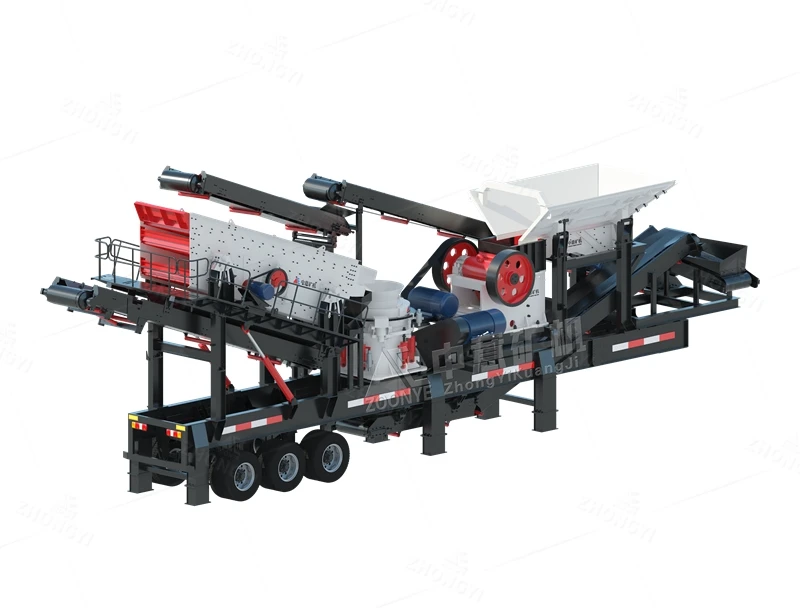
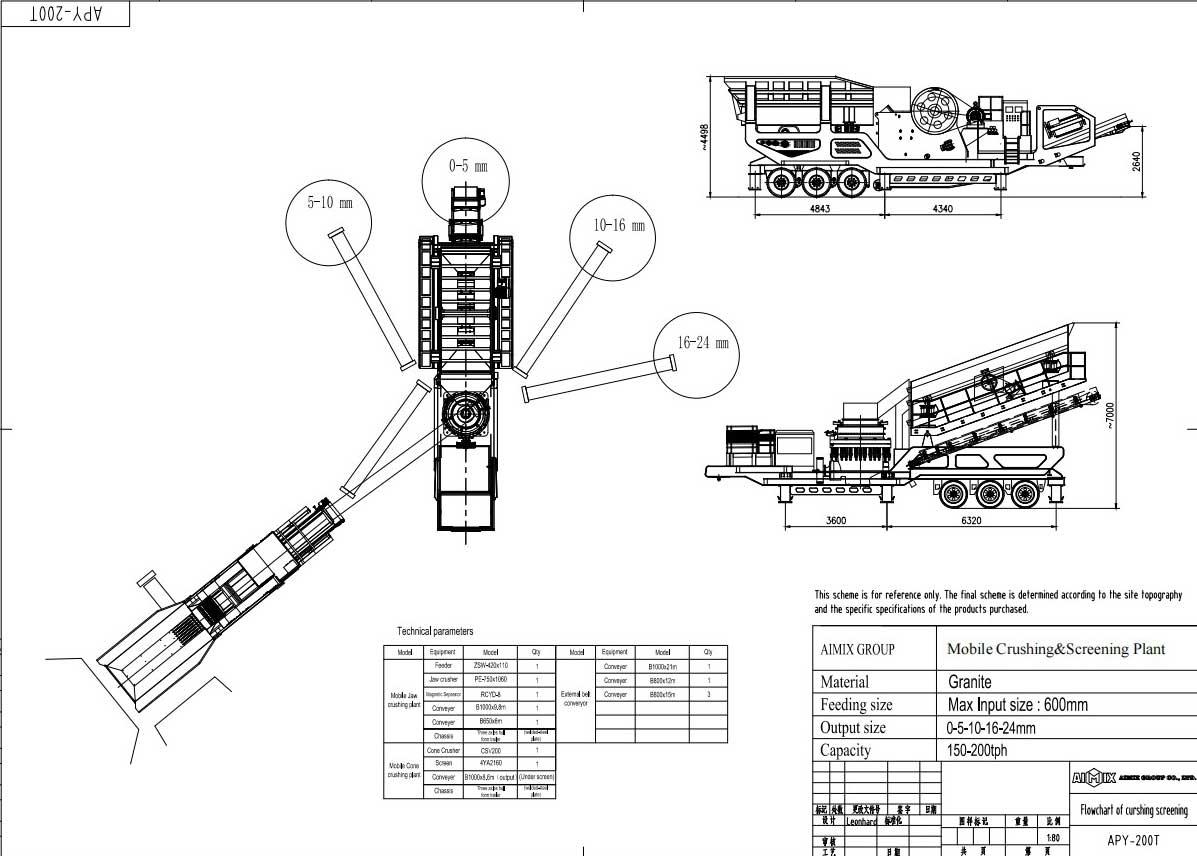
A mobile crusher plant, also referred to as a mobile crushing plant or portable crusher plant, is a self-contained crushing system mounted on a tracked or wheeled chassis. It integrates feeding, crushing, screening, and conveying into one portable unit, allowing the entire production line to move with the working site instead of relying on fixed installations.
It is widely used in quarrying, mining, construction, and recycling applications. Typical systems process feed sizes up to around 600 mm and produce output sizes from 0–40 mm in closed-circuit operation, with capacities ranging from 80 to 500 t/h depending on material and crusher configuration.
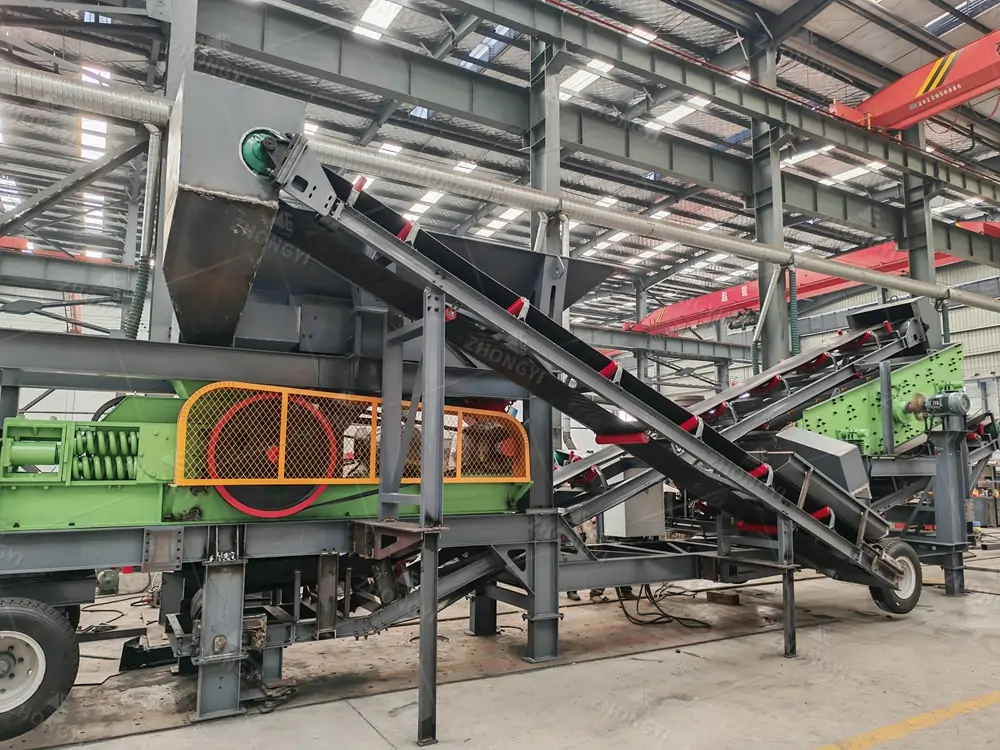
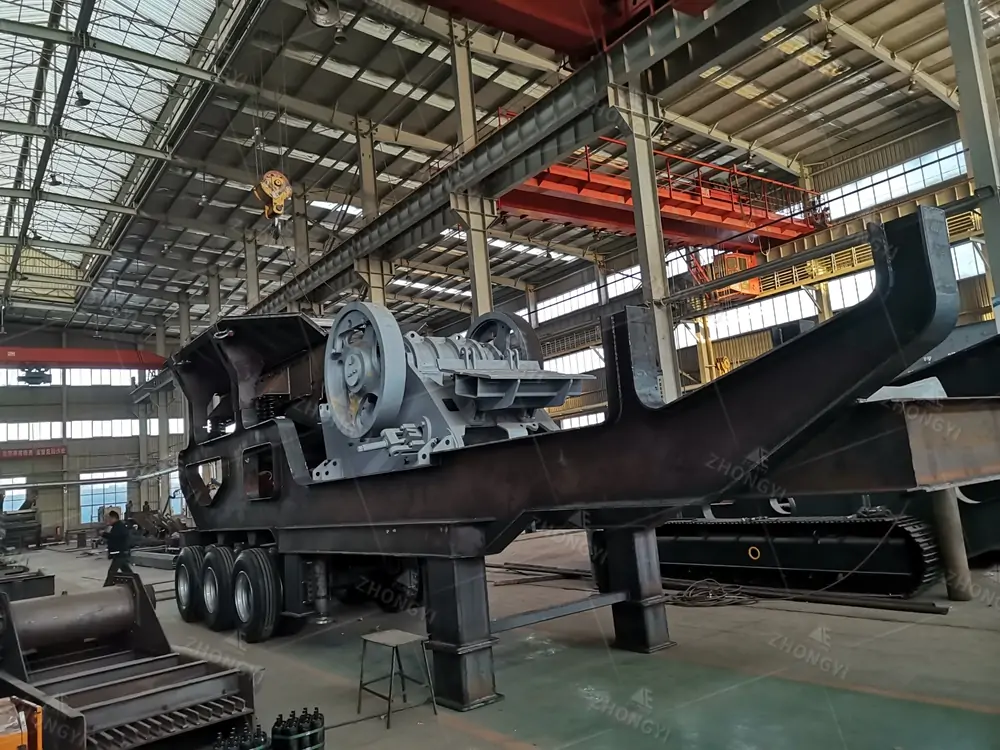
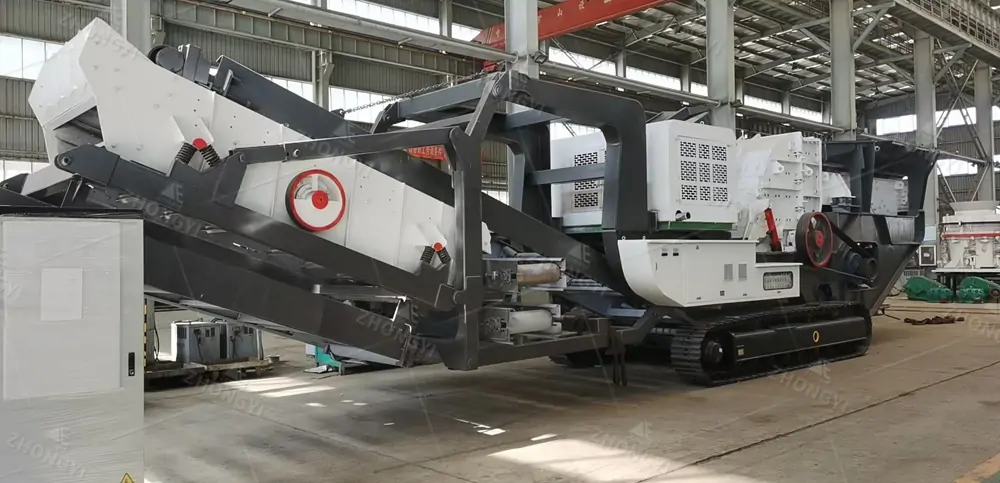
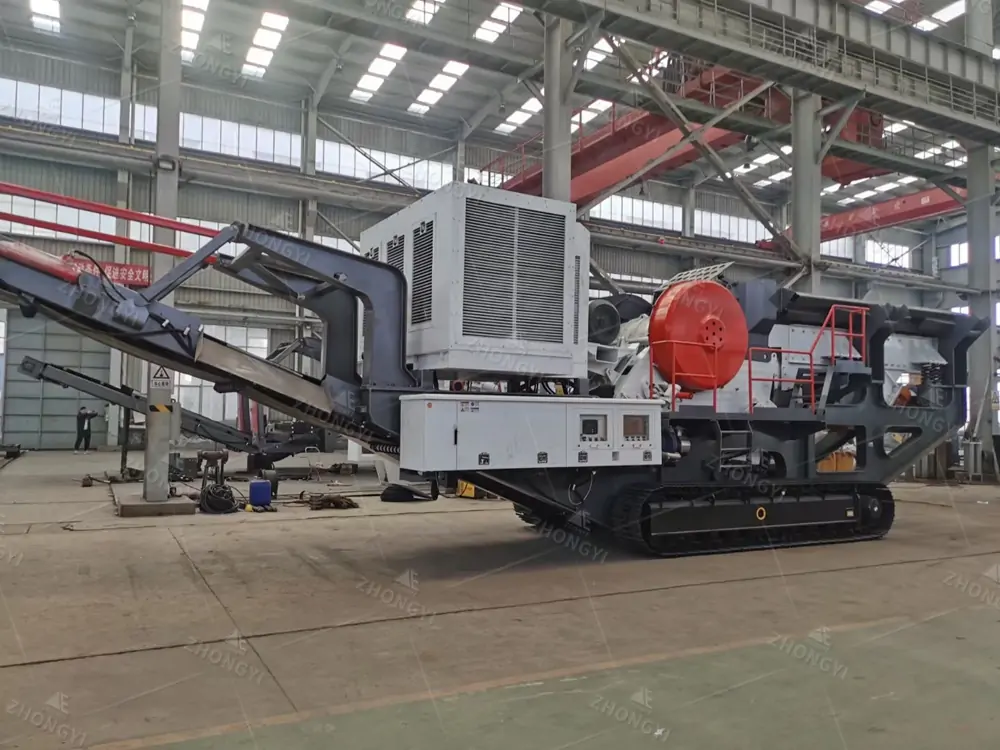
How Does a Mobile Crusher Plant Work?
A mobile crusher plant processes material through a continuous sequence of feeding, crushing, screening, and conveying. Raw material is fed into the crusher by a vibrating feeder, where it is reduced to the required size through compression or impact crushing. The crushed material then passes through a screening system that separates qualified products from oversized particles. Oversized material is returned for further crushing, while finished aggregates are discharged through conveyors.
Types of Mobile Crusher Plants
Mobile crusher plants are available in various configurations to meet different crushing requirements, material characteristics, and project conditions. Zhongyi offers a complete range of mobile crushing solutions, including mobile jaw crusher plants for primary crushing, mobile impact crusher plants for processing construction waste and aggregates, mobile cone crusher plants for secondary and tertiary crushing, and mobile screening plants for material classification.
Types of Mobile Crusher Plants by Function
Mobile crusher plants are available in different configurations to match various crushing stages and production requirements. Depending on the material type, feed size, and desired output, the system can be configured as a mobile jaw crusher, cone crusher, impact crusher, screening plant, or an integrated crushing and screening plant. Each type is designed for specific applications, from primary rock crushing to final aggregate production and construction waste recycling, providing flexible and efficient on-site material processing.
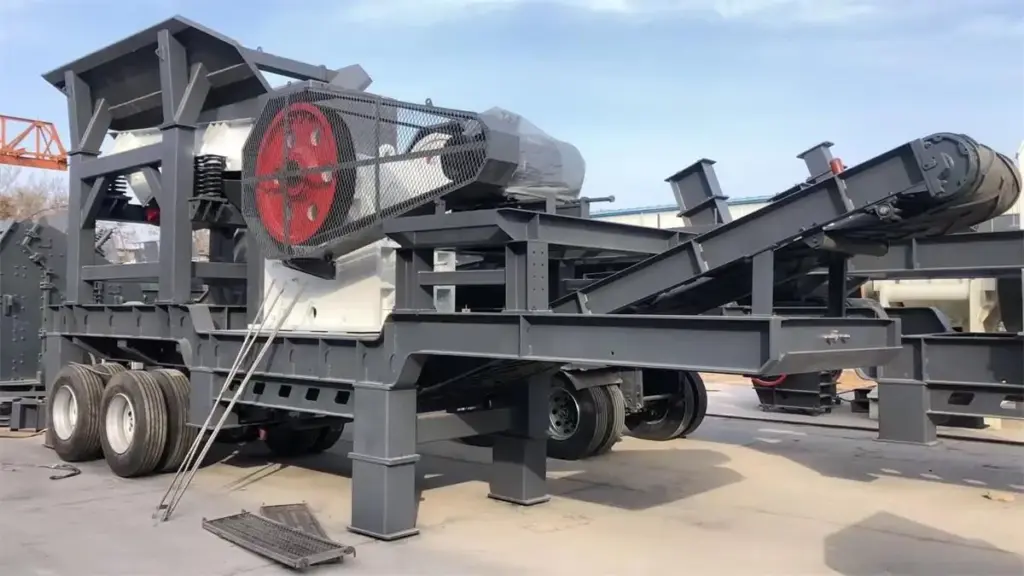
Mobile Jaw Crusher Plant
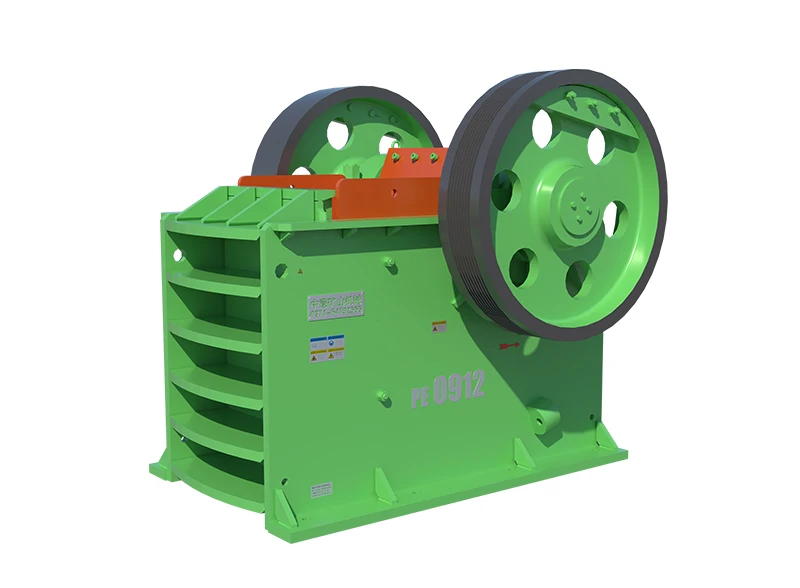
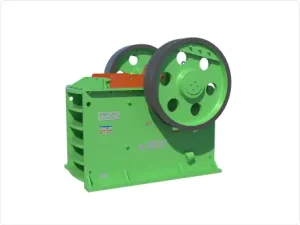
Mobile Jaw Crusher Plant is designed for primary crushing of large and hard materials. This highly compact unit integrates a Mining Jaw Crusher for efficient primary crushing of large and hard materials in quarrying and mining operations.
- Feed Size: ≤800 mm
- Capacity: 50–500 t/h
- Crusher Type: Jaw Crusher
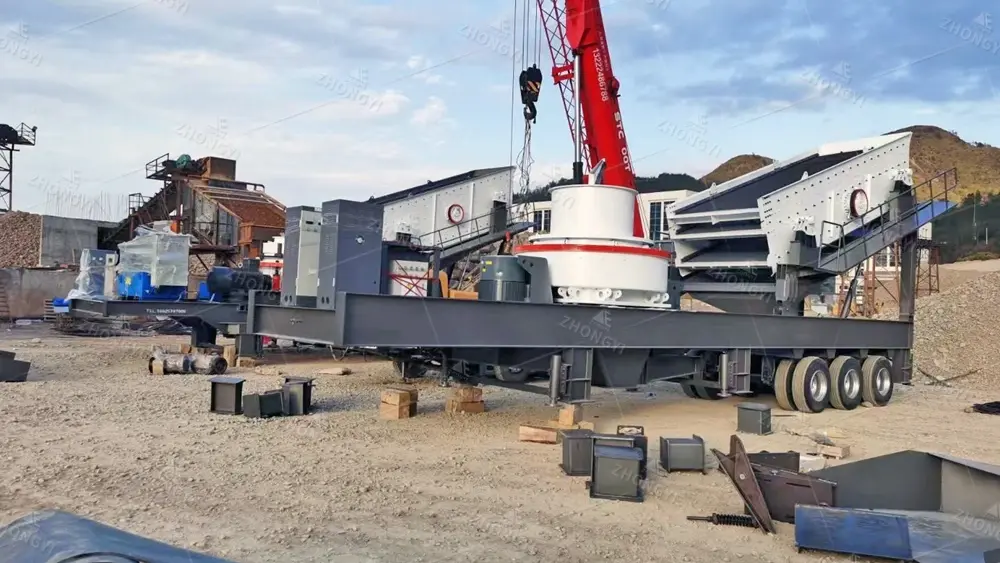
Mobile Cone Crusher Plant
Mobile Cone Crusher Plant is used for secondary and tertiary crushing, producing uniform aggregates with excellent particle shape. It is ideal for processing high-hardness materials in mining and stone crushing operations.
- Feed Size: ≤300 mm
- Capacity: 80–500 t/h
- Crusher Type: Cone Crusher
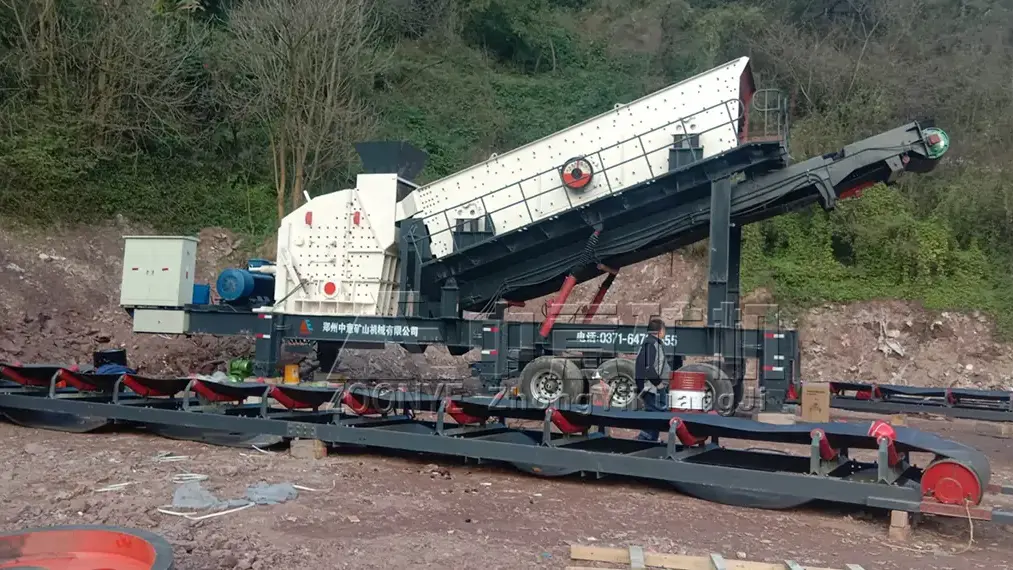
Mobile Impact Crusher Plant
Mobile Impact Crusher Plant is suitable for medium-hard materials and recycling applications. It delivers high reduction ratios and produces well-shaped finished products for construction and road projects.
- Feed Size: ≤700 mm
- Capacity: 70–400 t/h
- Crusher Type: Impact Crusher
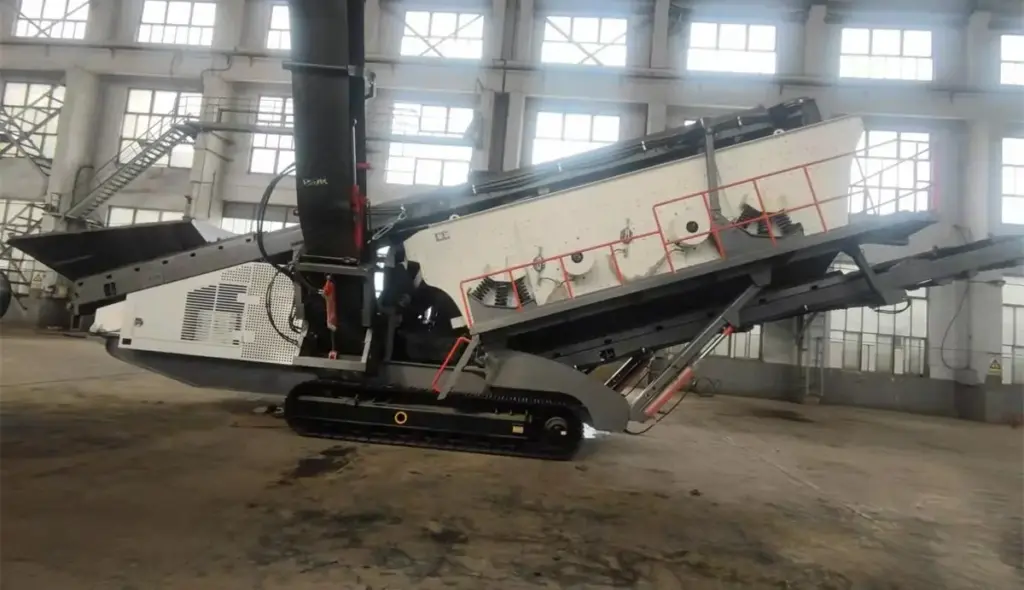
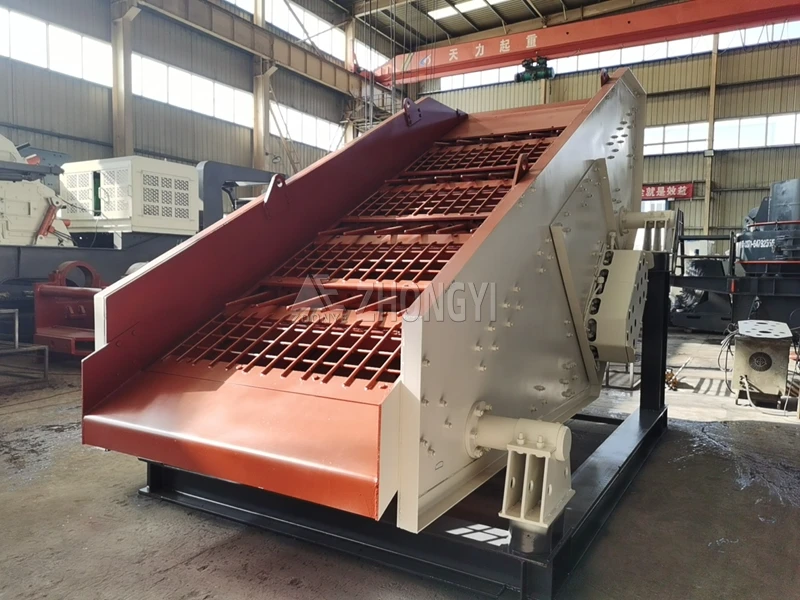
Mobile Screening Plant
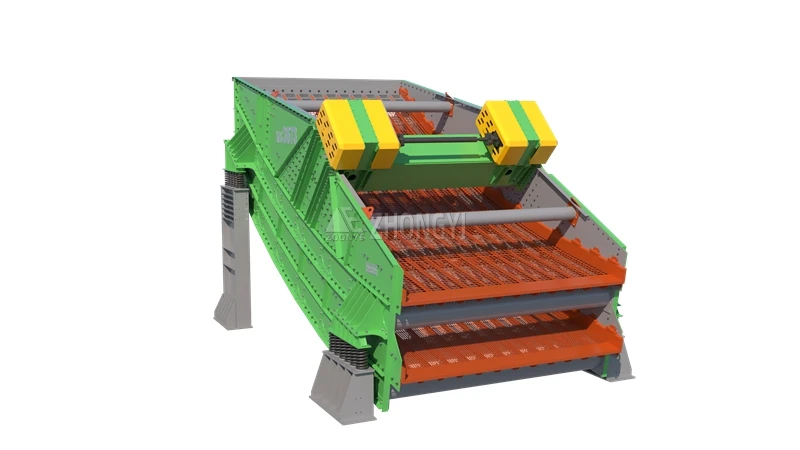
Mobile Screening Plant is used for material classification and finished product separation. For standard industrial projects requiring dry dewatering or fine aggregate sizing, this multi-deck setup matches the separation accuracy of our linear motion vibrating screen lines.
- Capacity: 50–600 t/h
- Screen Decks: 2–4 layers
- Screen Area: 7–18 m²
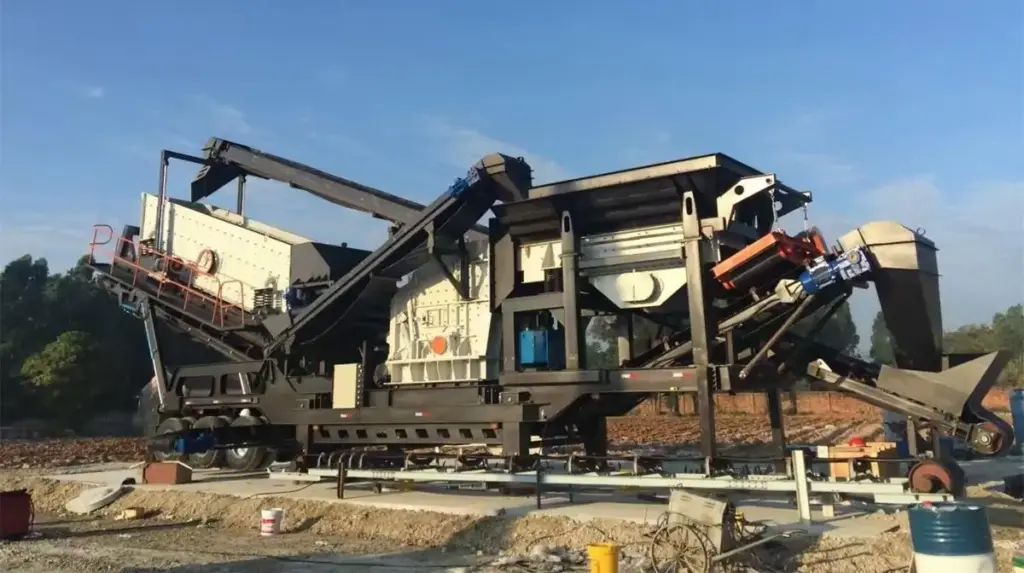
Mobile Crushing and Screening Plant
Mobile Crushing and Screening Plant integrates feeding, crushing, screening, and conveying into one compact system. It is suitable for mining, quarrying, and construction waste recycling projects requiring flexible deployment.
- Capacity: 50–600 t/h
- Mobility Type: Tracked or Wheeled
- Processing Stages: Crushing + Screening
Mobile Crusher Plant Chassis & Power Options
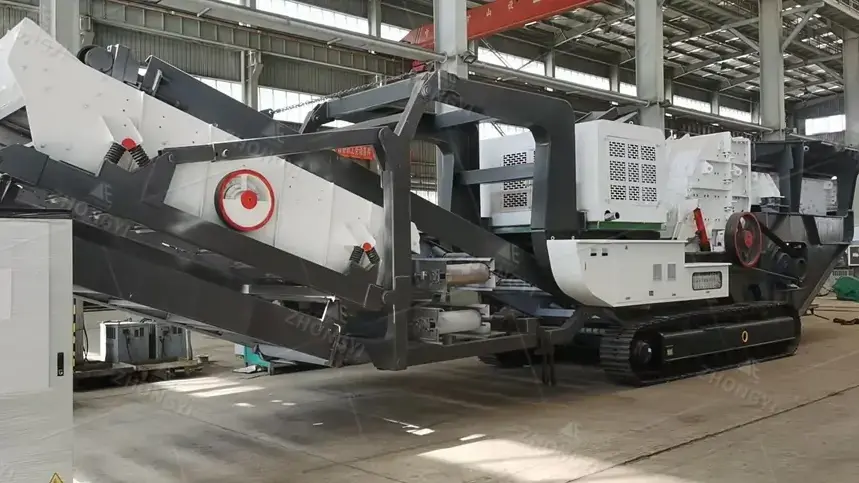
Tracked Mobile Crusher Plant
Tracked Mobile Crusher Plant is mounted on crawler tracks, allowing it to move directly within mining and quarry sites. It is suitable for rough terrain, steep slopes, and projects requiring frequent repositioning.
- Capacity: 50–500 t/h
- Travel Speed: 0–1.5 km/h
- Mobility Type: Crawler Track
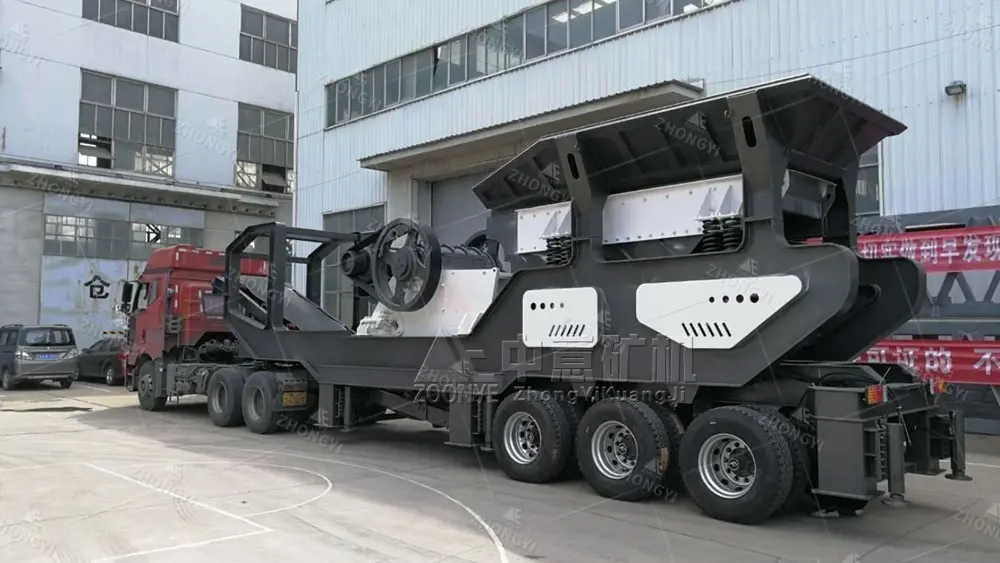
Rubber Wheeled Mobile Crusher Plant
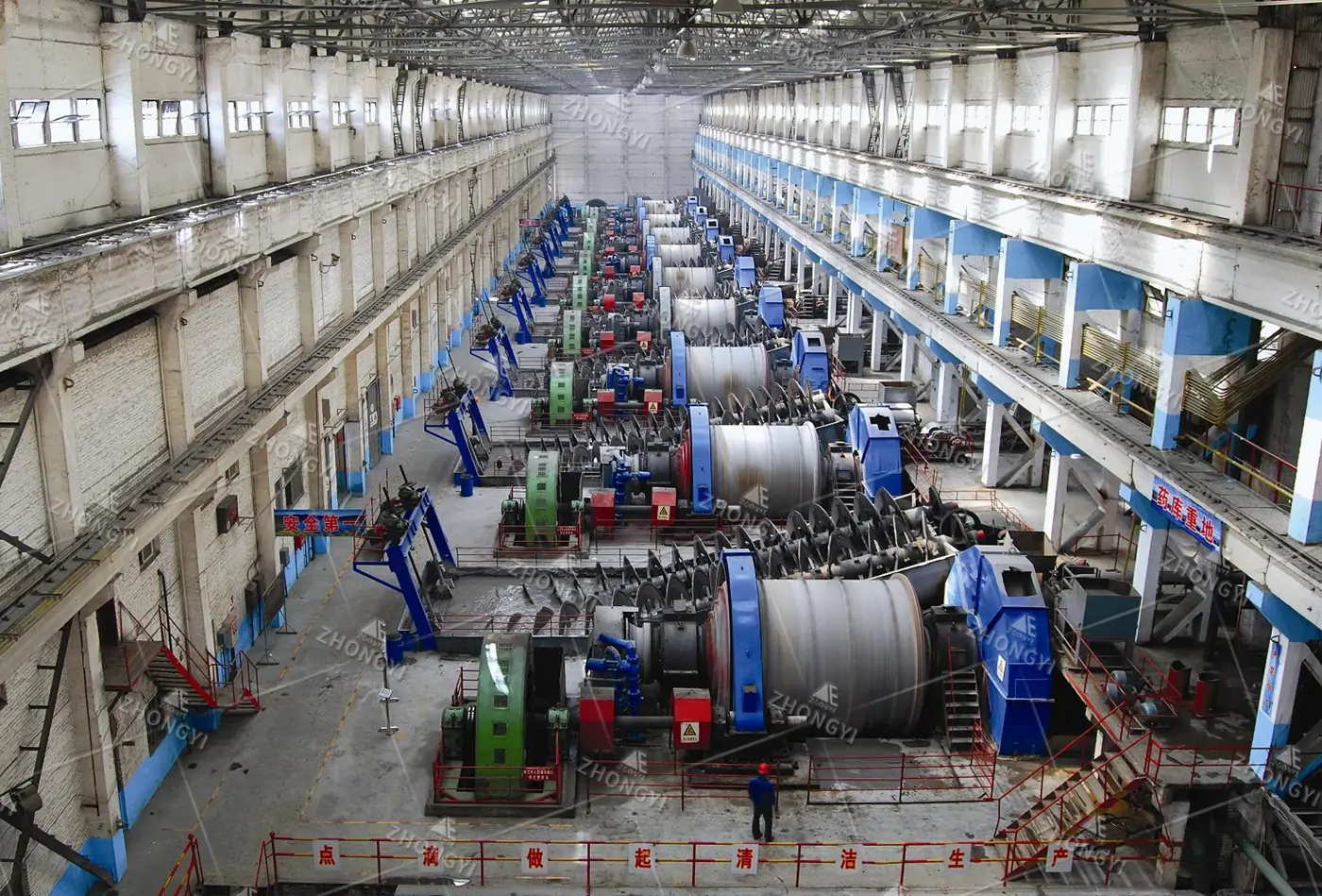
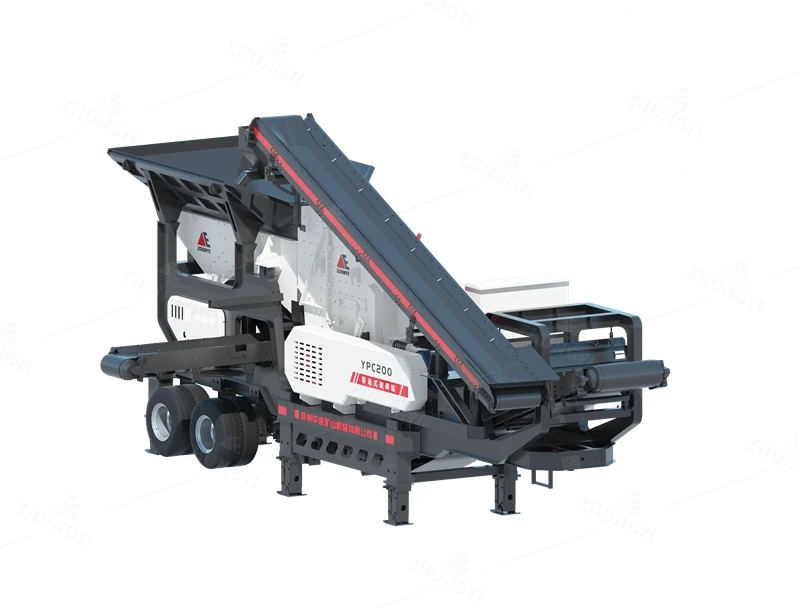
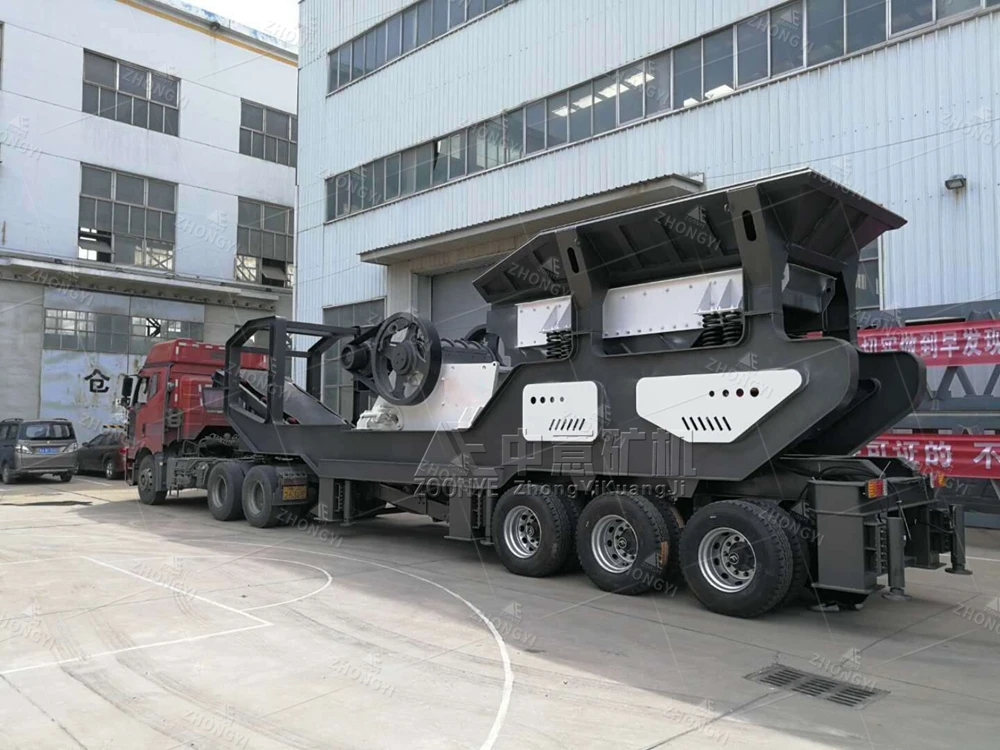
Wheeled Mobile Crusher Plant is mounted on a tire chassis for rapid road transportation. For specialized sand or industrial mineral lines, this unit provides the optimal, non-overgrinding feedstock required by our stationary rod mill circuits.
- Capacity: 50–450 t/h
- Axle Configuration: 2–4 axles
- Mobility Type: Tire Mounted
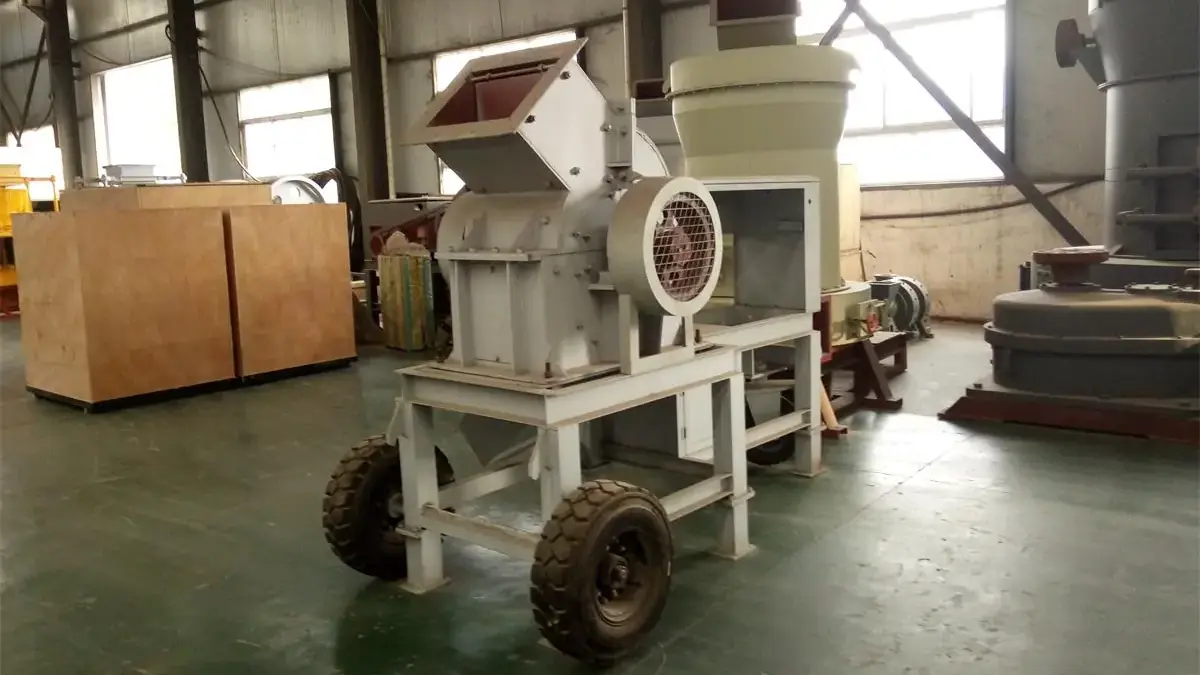
Diesel Mobile Crusher Plant
Diesel Mobile Crusher Plant is powered by an independent diesel generator system, making it ideal for remote areas without reliable electrical infrastructure. It provides flexible operation and easy deployment.
- Capacity: 30–400 t/h
- Engine Power: 100–500 kW
- Power Source: Diesel Engine
Specifications
Mobile crusher plant specifications can be customized based on processing capacity, feed size, discharge requirements, and equipment configuration. Zhongyi can adjust the design according to different site conditions and production line layouts, ensuring flexible and efficient mobile crushing solutions. It’s parameters are listed below.
| Model | Feeding Size (mm) | Discharge Size (mm) | Capacity (t/h) | Motor Power (kW) | Crusher Type | Screen Deck | Transport Dimensions (L×W×H, m) |
|---|---|---|---|---|---|---|---|
| MCP-80T | ≤450 | 0–40 | 60–100 | 132 | Jaw / Impact | Single deck | 12 × 2.8 × 3.2 |
| MCP-120T | ≤550 | 0–45 | 90–140 | 200 | Jaw / Impact | Single deck | 13.5 × 3.0 × 3.4 |
| MCP-200T | ≤600 | 0–50 | 150–220 | 315 | Jaw / Cone | Double deck | 15 × 3.2 × 3.6 |
| MCP-300T | ≤650 | 0–55 | 220–320 | 440 | Jaw + Cone (closed circuit) | Double deck | 16.5 × 3.3 × 3.8 |
| MCP-400T | ≤700 | 0–60 | 300–420 | 560 | Jaw + Cone | Triple deck | 18 × 3.5 × 4.0 |
| MCP-500T | ≤800 | 0–65 | 400–520 | 710 | Jaw + Cone (heavy duty) | Triple deck | 20 × 3.8 × 4.2 |
Applications
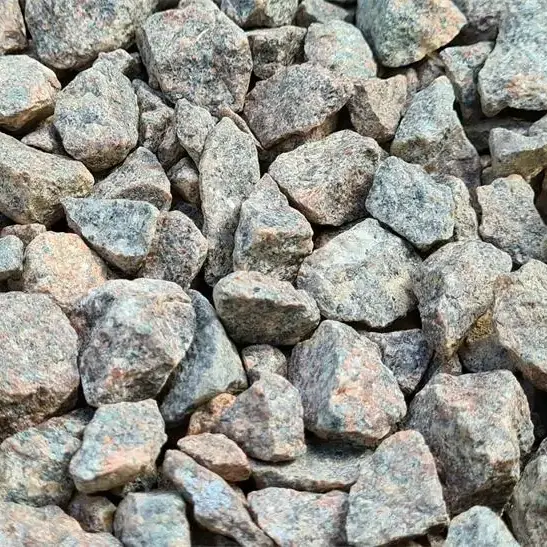
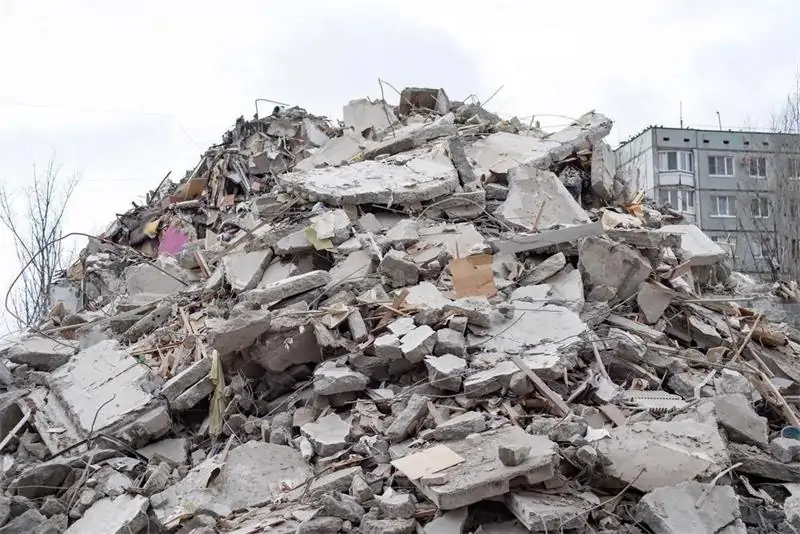
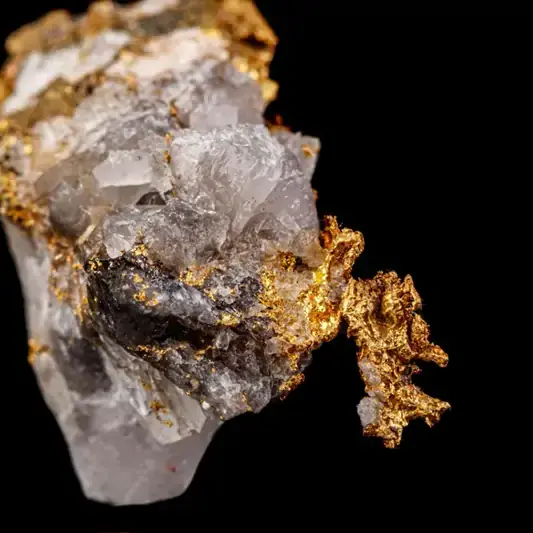
A mobile crusher plant is used for on-site crushing in mining, quarrying, construction, and recycling operations. It processes raw material directly after extraction or demolition and produces sized output for screening, stockpiling, or further processing.
Mobile Crusher Plant Advantages
Mobile crusher plants integrate feeding, crushing, screening, and conveying into a single mobile unit. They require minimal civil work, can be deployed quickly, and are suitable for mining, quarrying, construction waste recycling, and aggregate production projects.
One machine can complete primary crushing, secondary crushing, screening, and material transfer, reducing equipment footprint and simplifying operation.
Wheel-mounted and crawler-mounted designs allow rapid relocation between sites. The plant can be moved and recommissioned within a few days.
Placing the crusher close to the material source can reduce raw material transportation costs by 30–60%, while also lowering fuel consumption and truck usage.
No large concrete foundation is required. Most units can be installed and put into operation within 1–3 days after arrival.
Jaw, cone, impact, and screening modules can be combined according to feed size, material hardness, capacity, and final product requirements.
Designed for continuous operation with stable output. Typical capacities range from 50 to 500 t/h, covering both small contractors and large aggregate producers.
Mobile Crusher Plant vs Stationary Crushing Plant
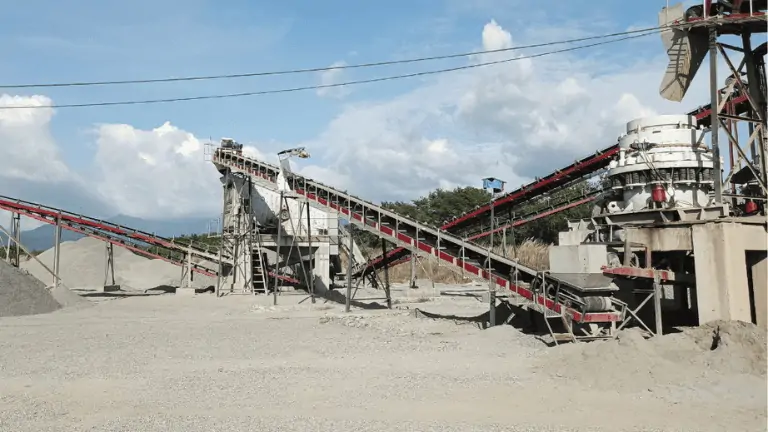
Mobile and stationary plants serve different operational strategies. A mobile plant follows the working face on a tracked or wheeled chassis; a stationary plant sits on a concrete foundation with fixed conveyors. The trade-off is mobility against per-ton operating cost.
| Parameter | Mobile Crusher Plant | Stationary Crushing Plant |
| Relocation time | 4–8 hours | 4–8 weeks |
| Foundation required | None | Concrete footing (10–30% of equipment cost) |
| Setup time | 1 shift | 2–3 months |
| Capital cost (per t/h) | Higher (+20–40%) | Lower (baseline) |
| Haulage from pit face | 50–200 m (direct feed) | 500–2000 m (truck haulage) |
| Operational flexibility | High – multiple sites per year | Low – single site |
| Power source | Diesel-electric or grid hybrid | Grid only |
| Best for | Short-term projects, multi-face quarry, demo recycling | Long-life deposit, >1M t/y annual tonnage |
Use a mobile plant when you need to crush at multiple locations or the deposit has multiple small faces. Use a stationary plant for a single large deposit with proven reserves for over 10 years.
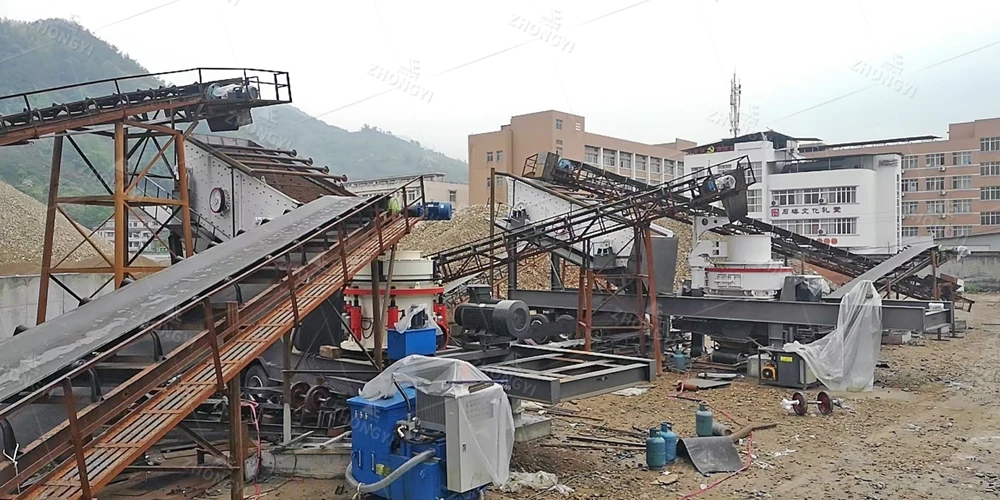
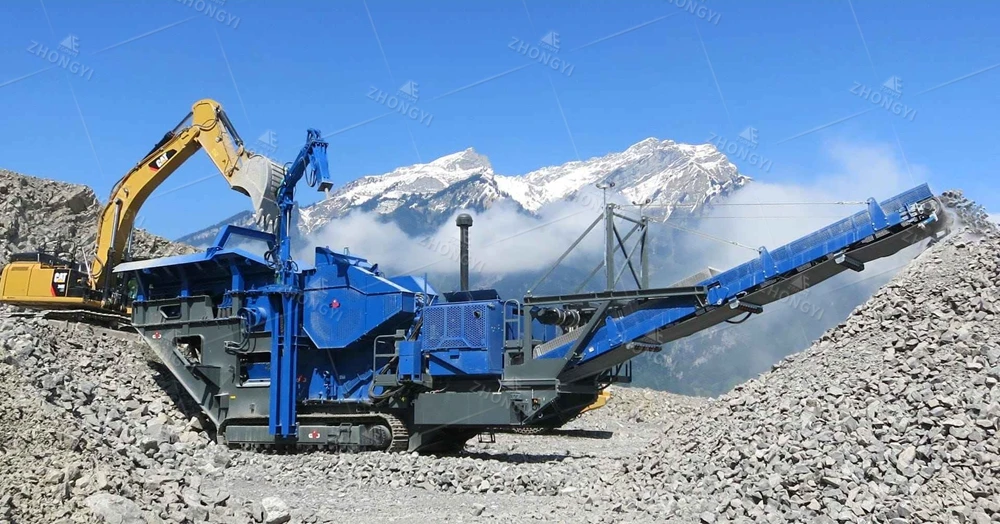
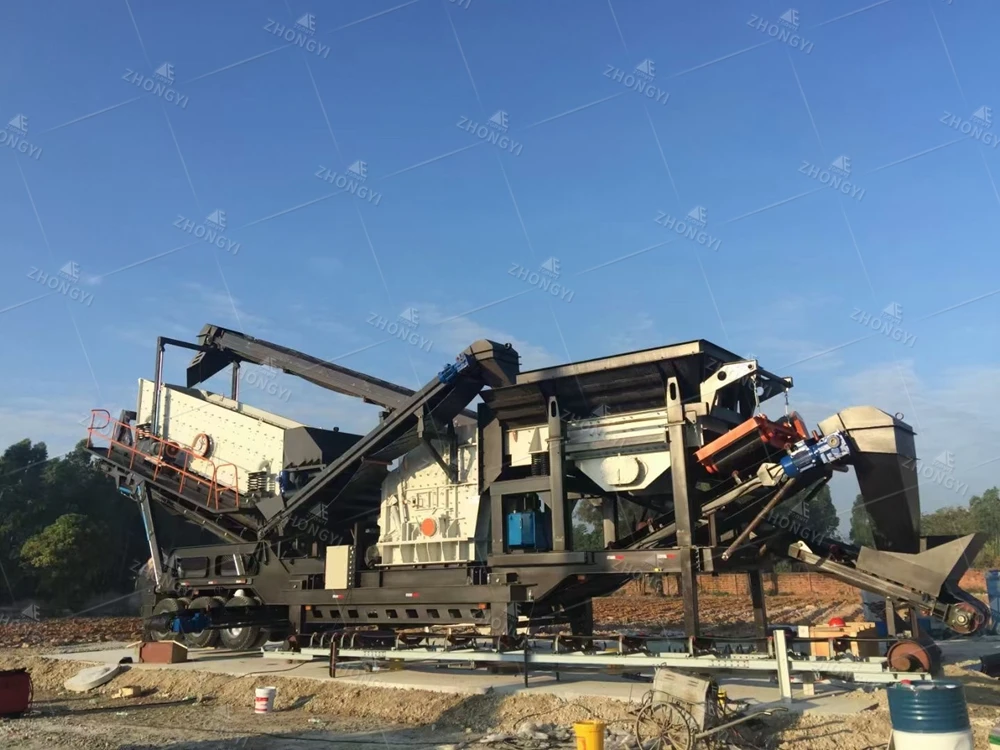
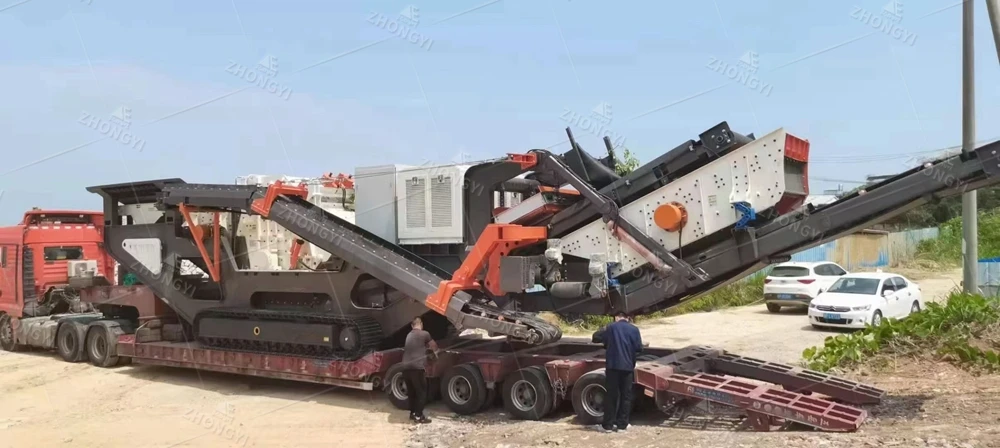
Projects Show
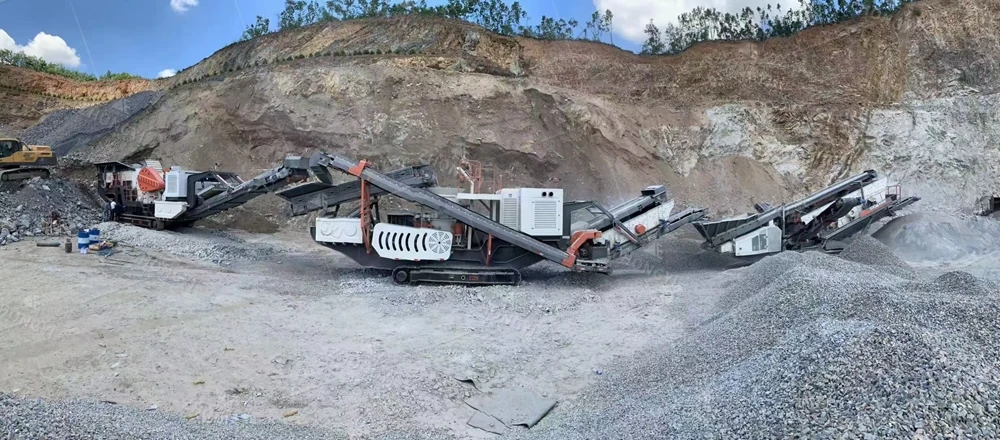
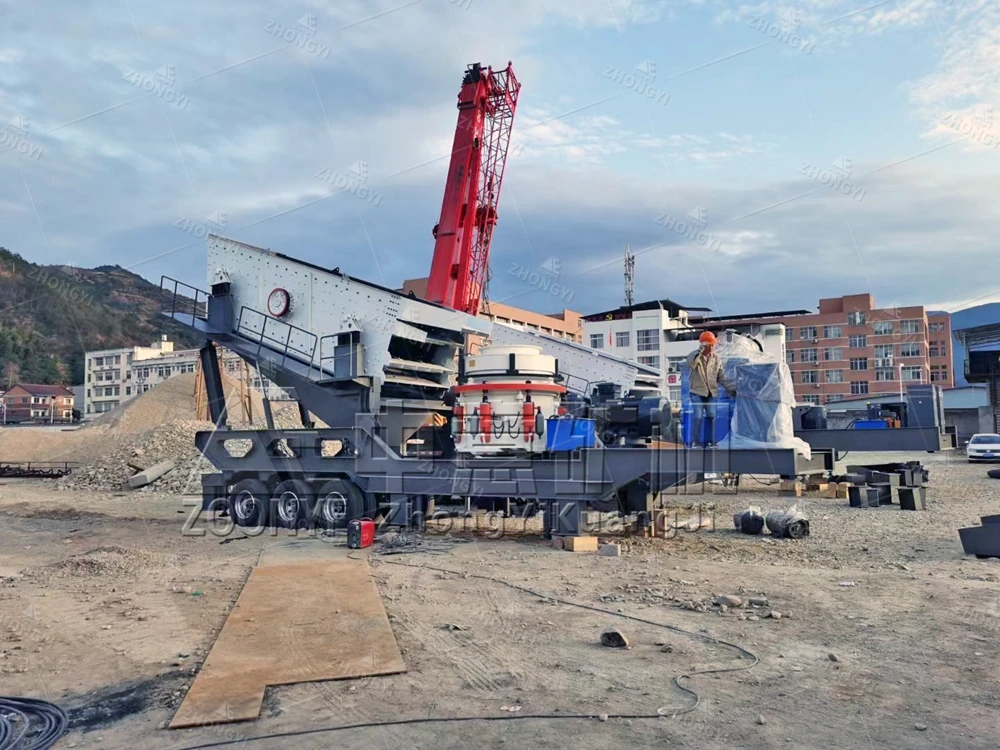
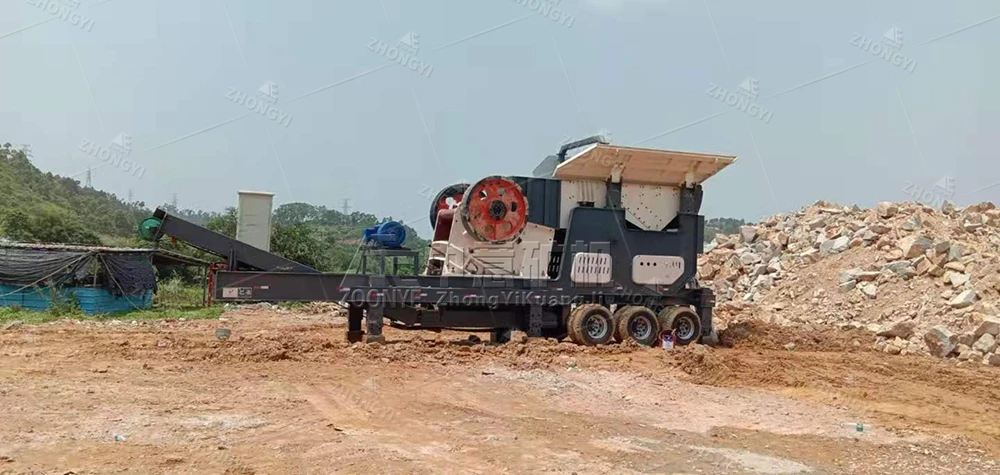
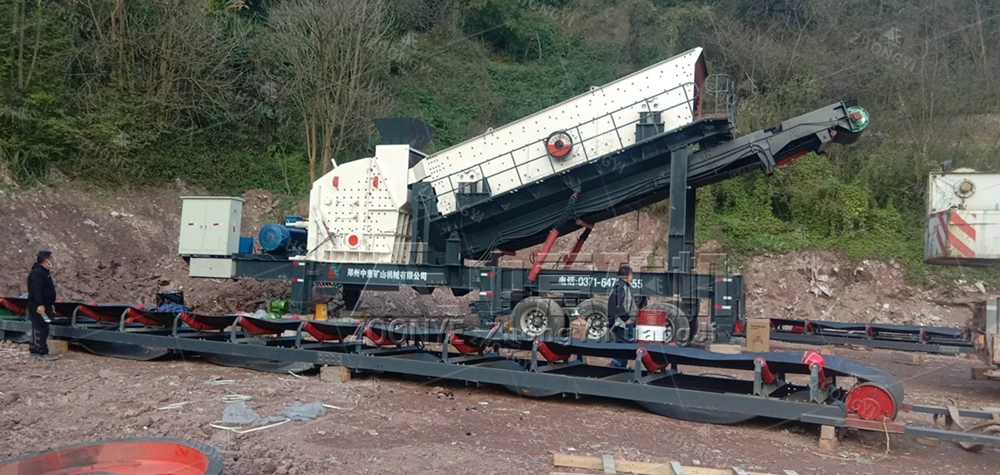
How to Choose the Right Mobile Crusher Plant?
Selecting the correct mobile crusher plant directly impacts your operating cost, uptime, and product quality. Evaluate these factors before purchasing:
Contact Zhongyi to explore our Mobile Crusher Plant solutions and get a customized setup tailored to your material, capacity, and project requirements.
Request a Customized Solution
Partner with Zhongyi for expert technical support, customized solutions, and reliable equipment tailored to your ore characteristics and production requirements.
Custom Mobile Crusher Plant
To receive an accurate quotation for your Mobile Crusher Plant, please share your project details with our team. We will evaluate your material, capacity, and site conditions to provide a tailored crushing solution that fits your production goals.
Kindly provide the following information:
Mobile Crusher Plant Manufacturer & Supplier
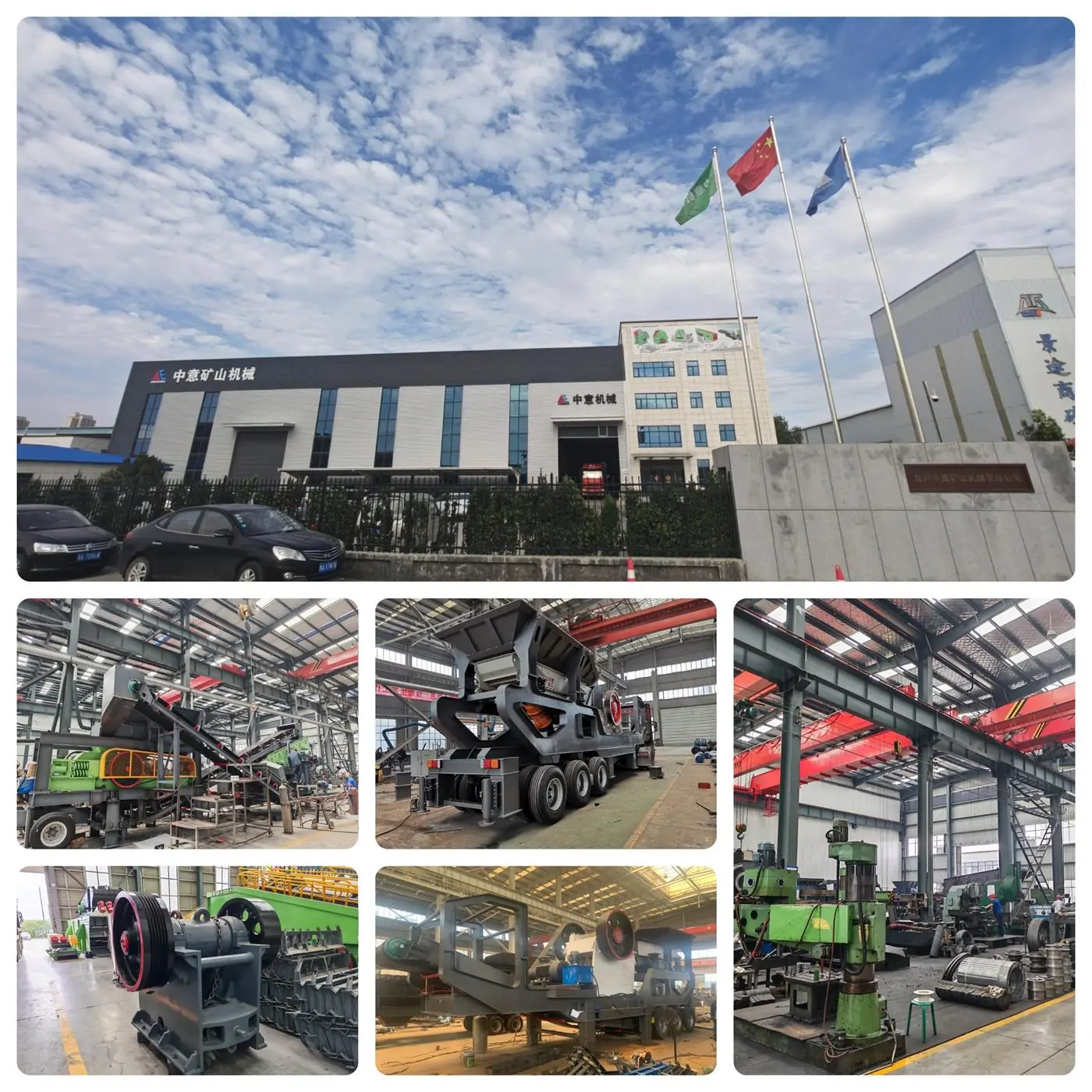
As a professional manufacturer of crushing and screening equipment, Henan Xinzhongyi Environmental Protection Equipment Co., Ltd. delivers mobile crusher plants built for quarrying, mining, and recycling. A correctly specified mobile plant reduces haulage cost by 30–50% compared to fixed lines while maintaining consistent product shape and gradation. Zhongyi evaluates your material hardness (feed up to 800 mm), capacity needs (80–500 t/h), and site conditions to configure the right chassis, crusher, and screening deck.
We have over 16 years of engineering experience in crushing systems for limestone, granite, gold ore, iron ore, and C&D waste, Zhongyi has delivered 500+ mobile crushing units to projects across Southeast Asia, Africa, South America, and the Middle East. Our ISO9001:2015 certified factory and CE-marked components ensure consistent build quality. We provide process layout design, chassis customization, on-site installation supervision, operator training, and a ready stock of wear parts. Zhongyi is a trusted partner for contractors and mining companies seeking field-proven mobile crushing solutions.
FAQ
What is a mobile crusher plant used for?
It crushes rocks, ores, construction waste, and recycled materials directly at the job site, eliminating haulage to a fixed plant
What feed and output size can it handle?
Most mobile jaw crusher plants accept feed up to 600–800 mm and produce discharge from 0 to 65 mm, adjustable by changing crusher settings or screen mesh.
Is a mobile crusher plant suitable for hard rock like granite?
Yes, with a jaw crusher for primary and cone for secondary. Impact crushers work better for limestone and concrete, not hard abrasive rock.
Mobile vs stationary — which costs less per ton?
Stationary plants have lower cost per ton for fixed high-volume operations. Mobile plants save haulage fuel and tires when the working face moves frequently.
What factors affect mobile crusher plant price?
Crusher type (jaw/impact/cone), capacity (80–500 t/h), chassis (tracked vs wheeled), power source, and automation level are the main price drivers.
How do I choose a reliable mobile crusher plant supplier?
Look for ISO9001 certification, 16+ years of experience, wear parts stock, and project references. We can provide on-site commissioning and operator training.
What is typical delivery time for a mobile plant?
Standard delivery is 30–60 days after order confirmation. Installation supervision typically lasts 5–10 working days per unit.
What are the main wear parts and how often do they need replacement?
Jaw plates, blow bars, mantle/concave, screen meshes, and conveyor belts. Jaw plates on hard rock last 800–1500 hours; blow bars on recycled material last 300–600 hours.