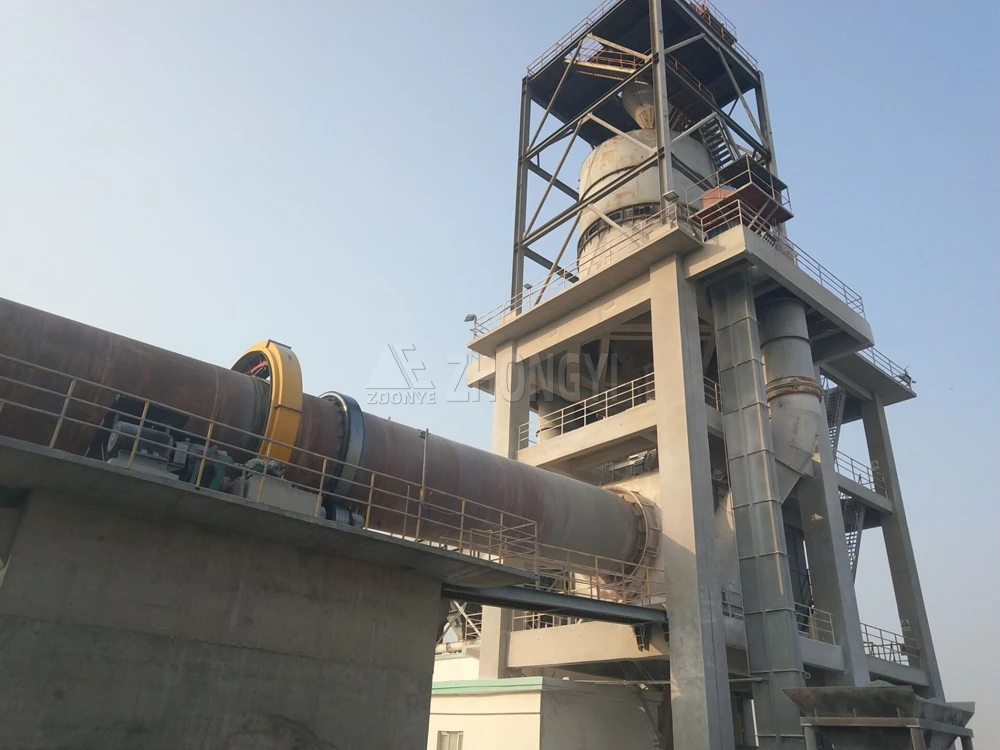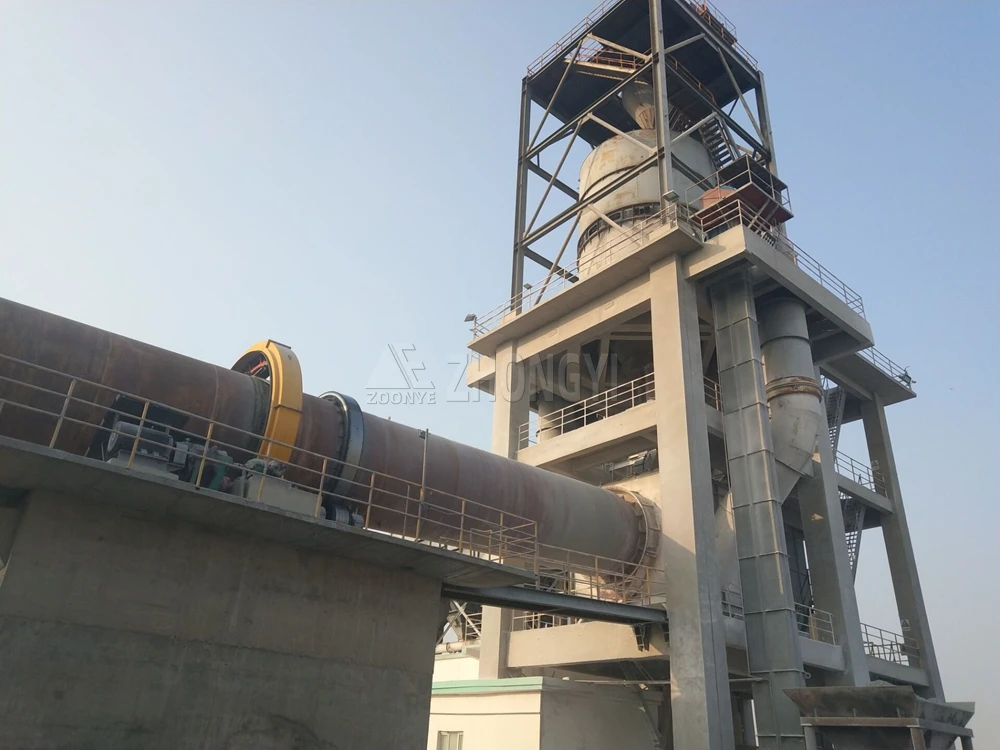
What Is a Vertical Preheater?
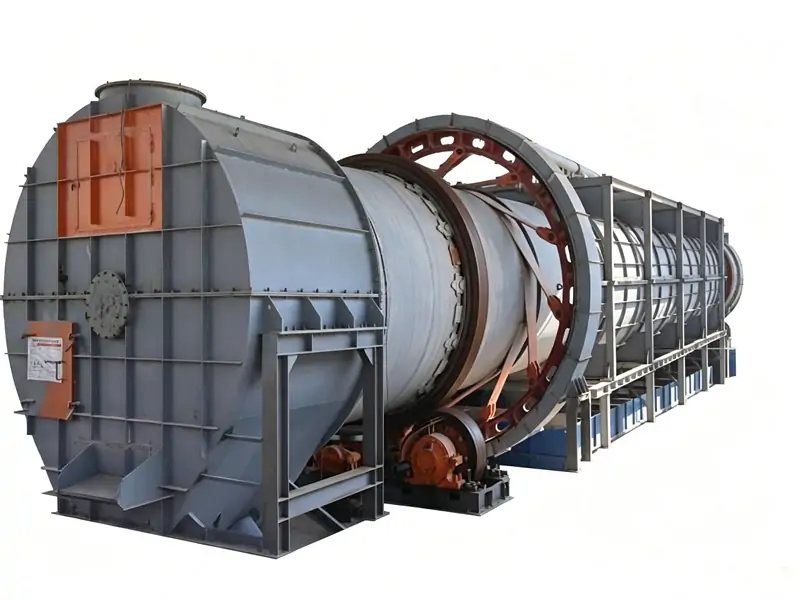
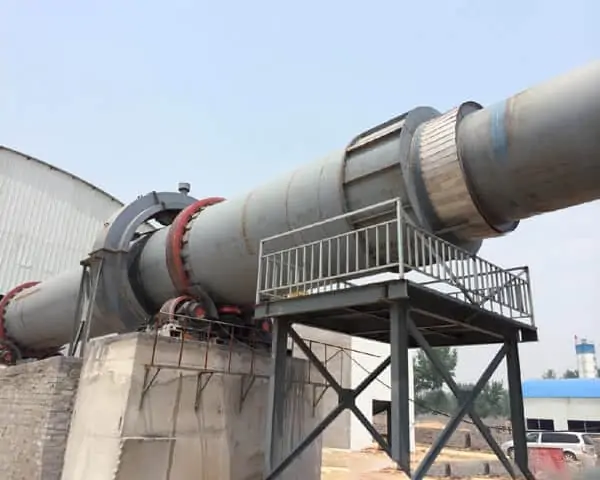
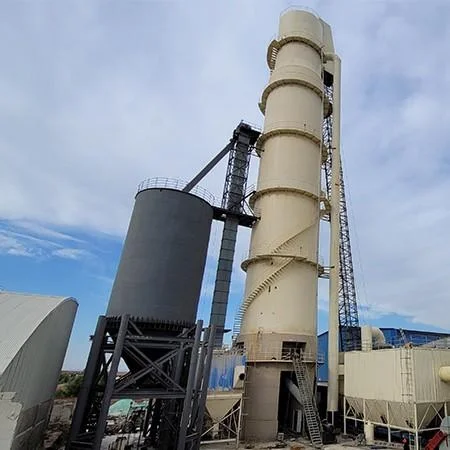
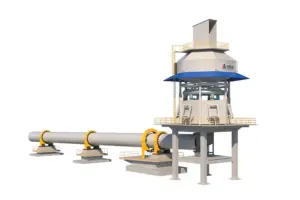
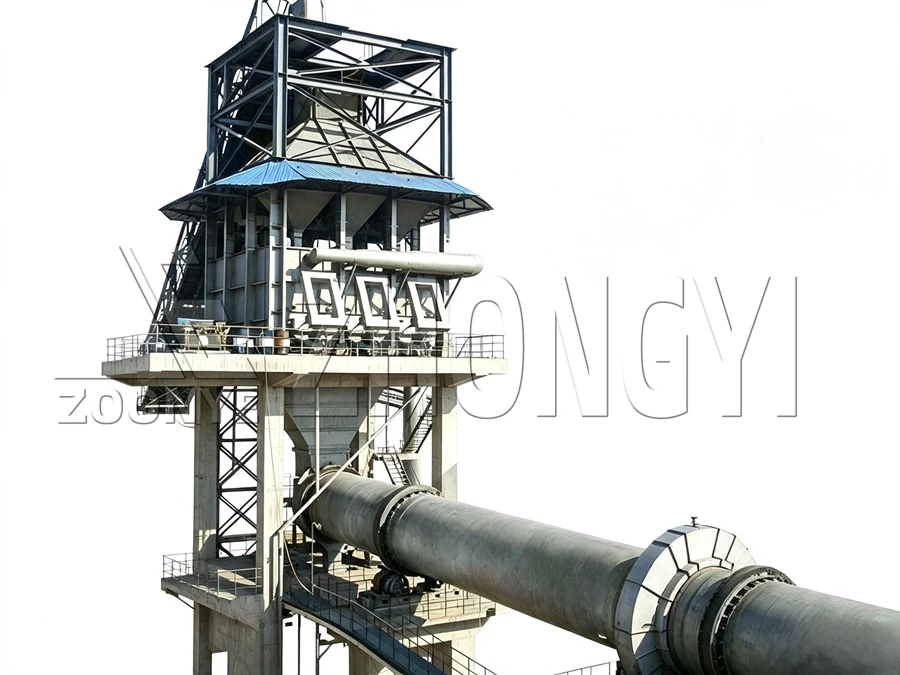
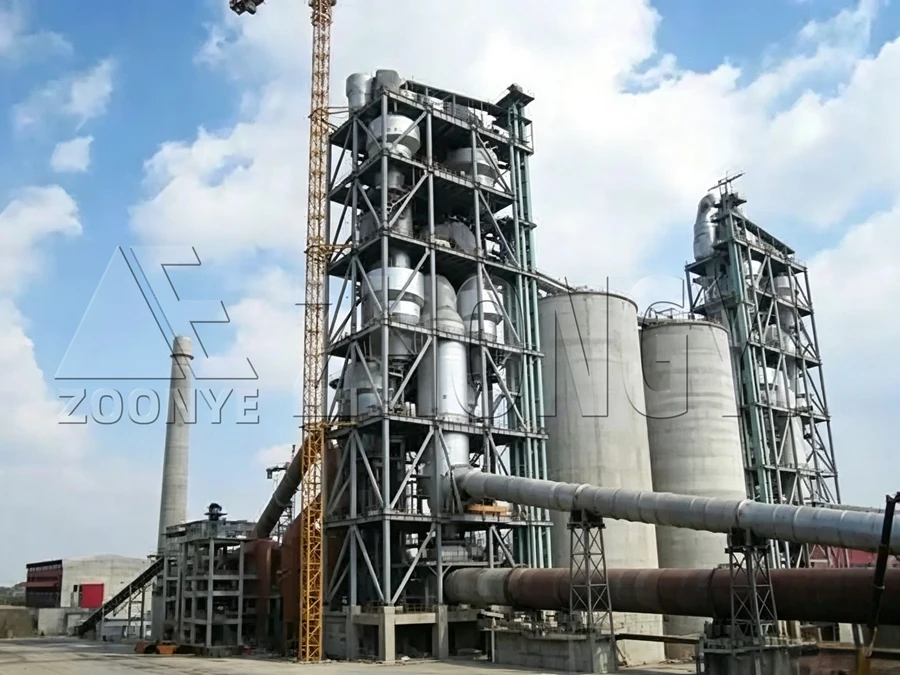
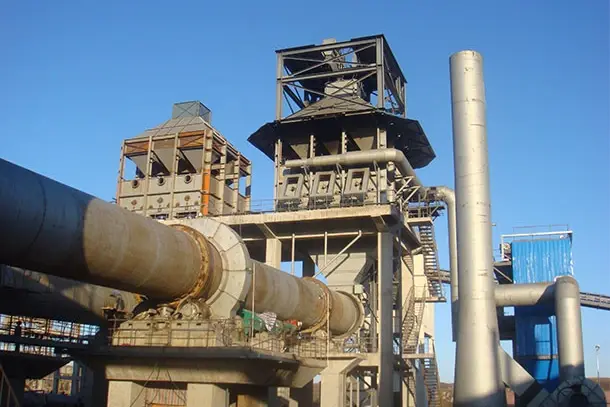
A Vertical Preheater is a thermal processing equipment used in rotary kiln calcination systems to preheat limestone, dolomite, and other mineral materials before entering the kiln. Installed at the kiln inlet, it uses high-temperature exhaust gas from the rotary kiln for counter-current heat exchange, allowing materials moving downward to absorb heat from upward-flowing hot gases and achieve efficient preheating.
As an essential component of a complete calcination system, a vertical preheater works together with rotary kilns, coolers, and dust collection equipment rather than operating independently. By recovering waste heat from kiln exhaust gas, it reduces the heat demand of the kiln, improves thermal efficiency, lowers fuel consumption, and supports stable calcination performance in lime and mineral processing plants.
How Does a Vertical Preheater Work?
A BF Flotation Cell works by using impeller-driven mixing to combine slurry, air and flotation reagents, allowing valuable minerals to attach to bubbles and separate from the slurry. The flotation process mainly includes slurry mixing, bubble mineralization and froth recovery.
Material Feeding and Distribution
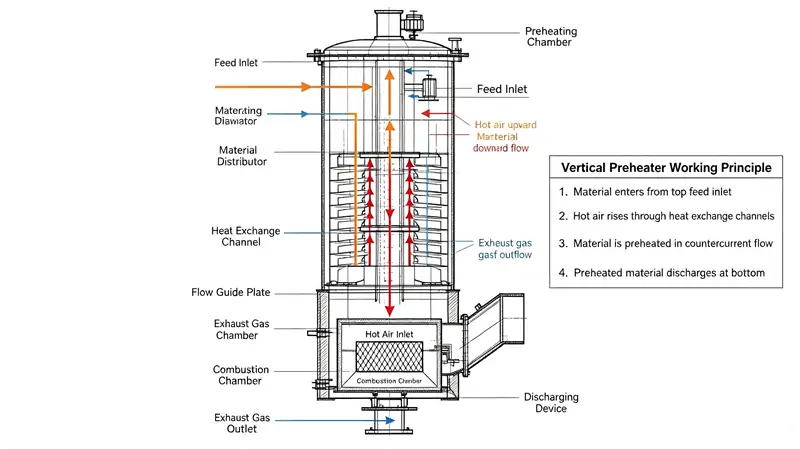
Raw materials such as limestone and dolomite are continuously fed into the upper section of the vertical preheater and move downward by gravity. The internal distribution system ensures uniform material flow and stable residence time, improving contact between the descending materials and rising kiln exhaust gas for efficient heat transfer before entering the rotary kiln.
Counter-Current Heat Exchange Process
High-temperature exhaust gas from the rotary kiln flows upward through the material layer, while raw materials move downward in the opposite direction. The two flows exchange heat directly, allowing the materials to be preheated before entering the kiln. The multi-stage structure increases the contact time between gas and materials, improving heat transfer and reducing heat loss during the calcination process.
Preheated Material Discharge and Calcination
After preheating, the heated materials are discharged through a hydraulic pushing system and fed into the rotary kiln for final calcination. By increasing the material temperature before entering the kiln, the preheater reduces the heat required inside the kiln, lowers fuel consumption, and improves the energy efficiency of the calcination process.
Main Components of Vertical Preheater
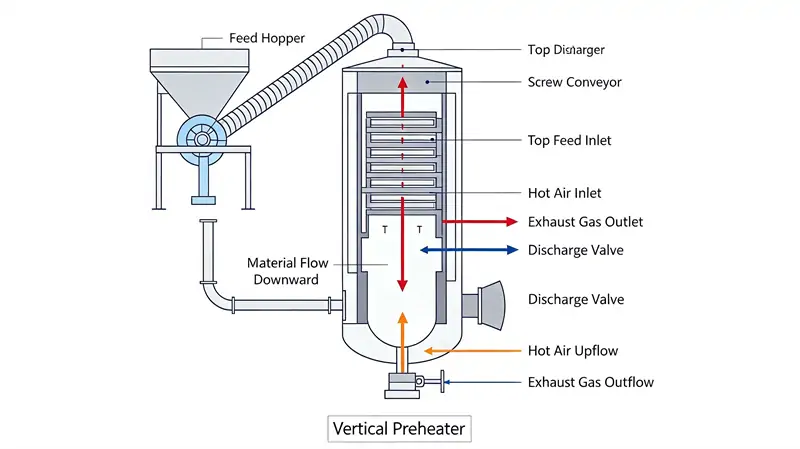
A vertical preheater is composed of feeding, preheating, discharge, and exhaust gas recovery systems that work together in the rotary kiln calcination process. Each component has a specific function in controlling material movement, maintaining gas-solid heat exchange, and recovering heat from kiln exhaust gas before final calcination.
Specifications
Zhongyi Mining vertical preheaters are designed for integration with rotary kiln calcination systems, with specifications optimized according to material characteristics, production capacity, and process requirements. The following parameters provide a general reference for typical vertical preheater configurations.
| Parameter | Specification |
| Application | Rotary kiln calcination systems |
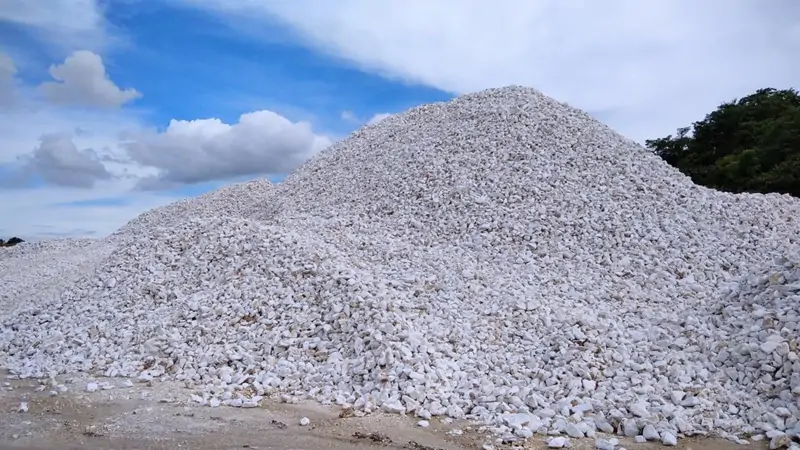
| Material Type | Limestone, dolomite, and other mineral materials |
| Processing Capacity | 200–600 t/d |
| Feed Particle Size | 10–50 mm |
| Preheating Structure | Vertical multi-stage preheating system |
| Main Body Height | 4.0–4.4 m |
| Heat Source | Rotary kiln exhaust gas recovery |
| Installation Type | Integrated with rotary kiln production line |
| Customization | Available based on material characteristics and production requirements |
Advantages
Vertical preheaters improve rotary kiln performance by recovering waste heat, enhancing material preheating efficiency, and optimizing thermal utilization. Their key advantages include:
Materials Suitable for Vertical Preheater
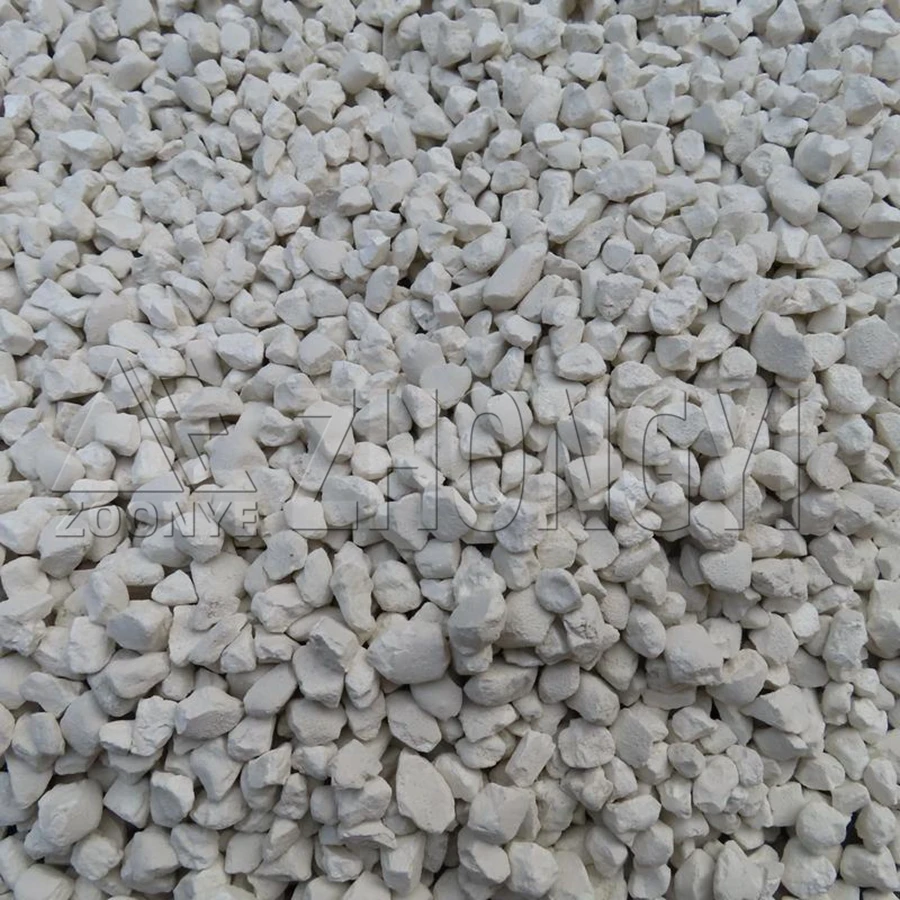
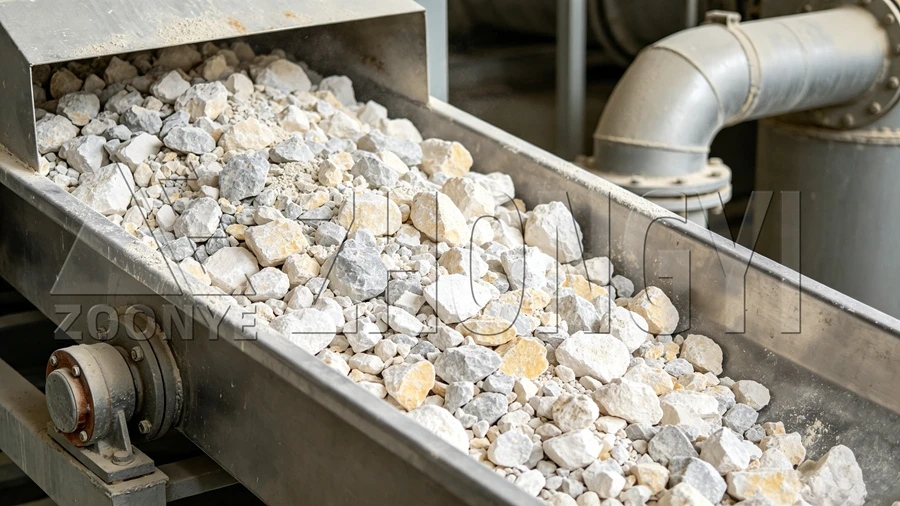
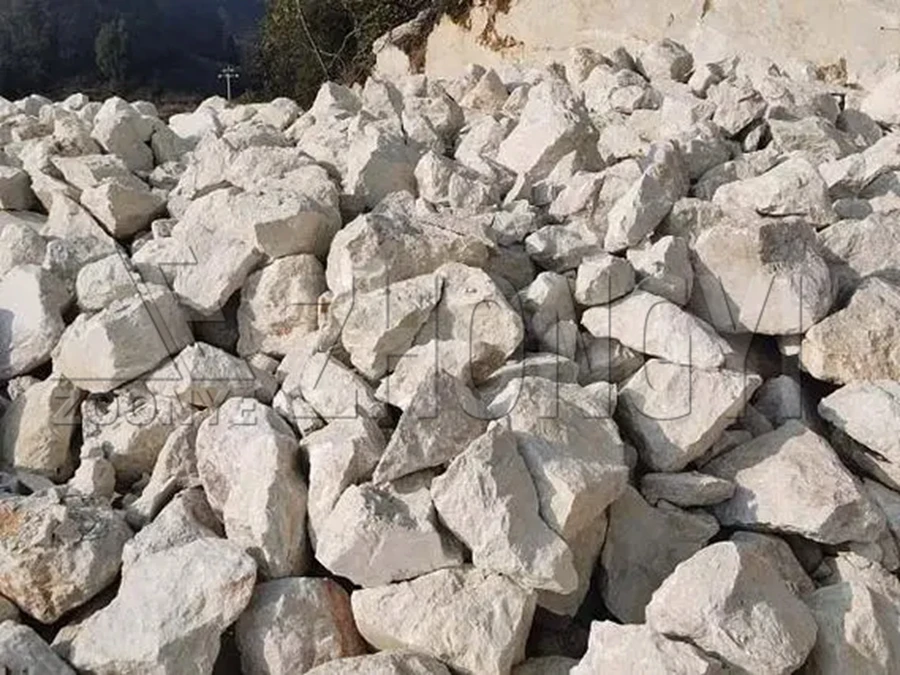
Vertical preheaters are widely used for mineral materials requiring efficient heat recovery and controlled preheating before rotary kiln calcination. Material suitability depends on key factors such as particle size, chemical composition, moisture content, and thermal characteristics. Proper evaluation of these properties helps achieve uniform heat transfer, stable calcination performance, and improved energy efficiency throughout the production process.
| Material Type | Typical Applications | Preheating Requirements |
| Limestone | Lime production and calcium carbonate calcination | Improves heat transfer and reduces fuel consumption during calcination |
| Dolomite | Active dolomite and magnesium processing | Ensures uniform heating and stable calcination |
| Carbonate Minerals | Mineral calcination with thermal decomposition | Improves heat utilization before high-temperature treatment |
| Clay & Industrial Minerals | Thermal activation and mineral modification | Requires evaluation of moisture, particle size, and thermal properties |
| Other Calcination Materials | Customized mineral processing applications | Designed based on material characteristics and process requirements |
Applications
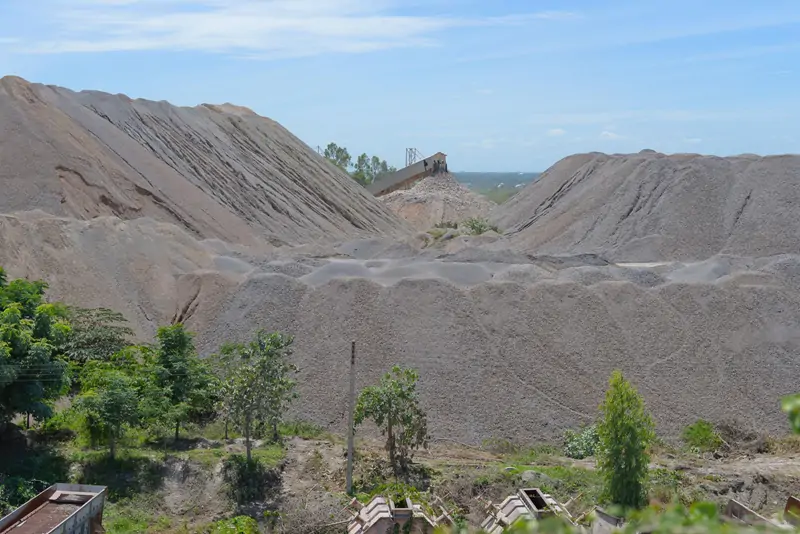
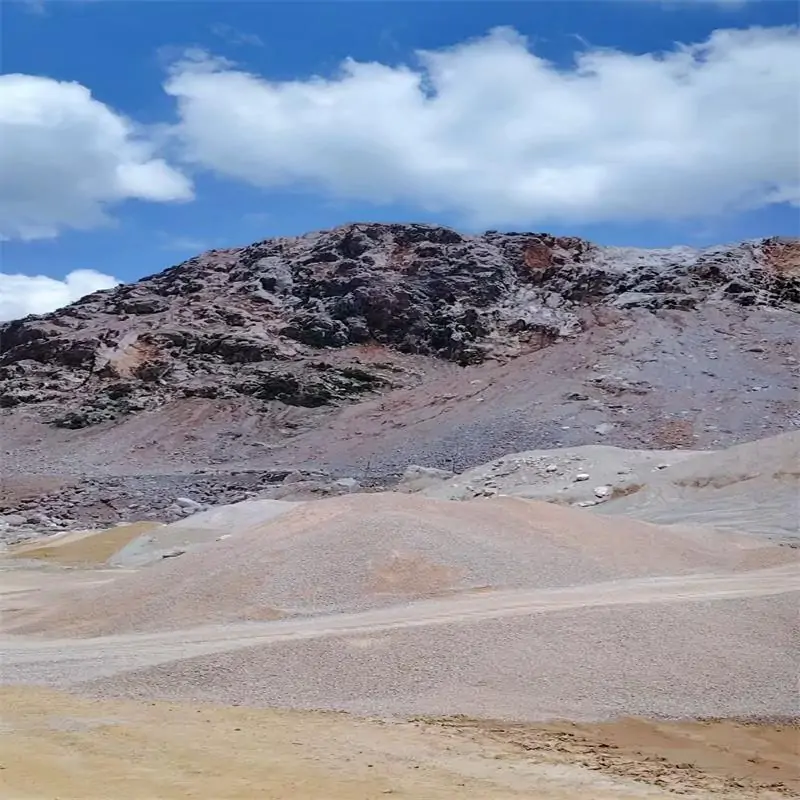
Vertical preheaters are mainly used in rotary kiln calcination systems to preheat mineral raw materials before entering the kiln. By recovering heat from high-temperature kiln exhaust gas, they reduce the thermal load of the rotary kiln and are widely applied in limestone calcination, dolomite processing, and other mineral treatment applications.
Vertical Preheater vs Traditional Horizontal Preheater
Vertical preheaters and traditional horizontal preheaters have different designs and operating characteristics. The right choice depends on production capacity, plant layout, energy efficiency requirements, and integration with the rotary kiln system. The following comparison highlights the key differences to help customers evaluate the most suitable preheating solution for their calcination process.
Practical Equipment Comparison
| Comparison | Vertical Preheater | Traditional Horizontal Preheater |
| Heat Transfer Performance | Efficient gas-solid contact improves heat recovery and preheating efficiency | Longer heat exchange path with lower space utilization |
| Installation Layout | Compact vertical design requires less installation space | Larger footprint and more complex layout requirements |
| System Integration | Easily integrated with rotary kilns, coolers, and dust collection systems | May require additional space and process adjustments |
| Operation & Maintenance | Simple structure, stable operation, and easier maintenance | Maintenance access depends on equipment design |
| Energy Efficiency | Better waste heat utilization helps reduce fuel consumption | Higher potential heat loss during operation |
How to Select a Suitable Vertical Preheater?
Choosing the right vertical preheater starts with understanding your raw materials and production requirements. Factors such as material size, composition, moisture content, and thermal characteristics affect preheating performance and should be evaluated to ensure stable heat transfer and consistent calcination results.
We recommend evaluating factors such as material characteristics, preheating temperature requirements, processing capacity, heat exchange efficiency, equipment structure, and maintenance conditions before selecting the right vertical preheater. A properly designed preheater can improve system performance, reduce fuel consumption, and ensure stable operation in long-term industrial production.
| Selection Factor | What to Consider | Recommendation |
| Material Characteristics | Material size, moisture content, flowability, and thermal properties | Analyze raw material properties to determine the suitable preheater structure and internal design. |
| Processing Capacity | Required throughput and production scale | Select the preheater size according to actual capacity requirements and future expansion plans. |
| Heat Exchange Efficiency | Heat recovery rate and temperature transfer performance | Choose a design with optimized gas-solid heat exchange to improve thermal efficiency. |
| Material Residence Time | Required preheating time before entering the next process | Adjust equipment height, internal structure, and operating parameters to achieve sufficient heat transfer. |
| Operating Temperature | Inlet gas temperature and required material outlet temperature | Select suitable refractory materials and insulation design according to operating conditions. |
| Energy Consumption | Fuel usage and heat loss during operation | Evaluate heat recovery performance and insulation efficiency to reduce energy costs. |
| System Compatibility | Connection with rotary kiln, calciner, or other processing equipment | Ensure the preheater design matches the complete production line for stable operation. |
| Maintenance Requirements | Wear parts, cleaning, inspection, and replacement frequency | Choose a reliable structure with easy access for maintenance and service. |
| Automation Level | Temperature monitoring, material flow control, and process management | Consider automated control systems to improve operation stability and product consistency. |
Request a Customized Solution
Partner with Zhongyi for Vertical Preheater solutions designed to enhance heat recovery, reduce fuel consumption, and improve calcination efficiency in rotary kiln systems for limestone, dolomite, and various mineral processing projects.
Why Choose Zhongyi?
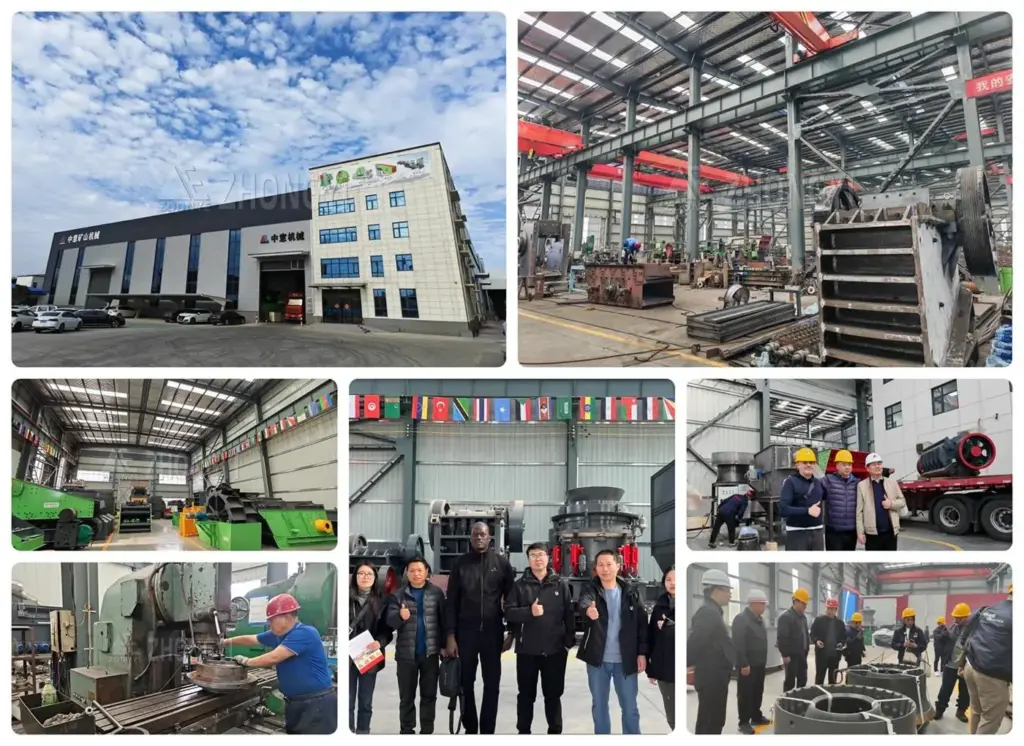
Zhongyi Mining combines engineering experience, manufacturing capability, and process knowledge to deliver reliable vertical preheater equipment for rotary kiln calcination systems. With strict quality control, advanced production facilities, and professional technical teams, we focus on equipment durability, stable operation, and efficient heat utilization under demanding industrial conditions.
Unlike standard equipment suppliers, Zhongyi Mining emphasizes practical application performance and complete project support. From equipment design and manufacturing to installation guidance and commissioning, we work closely with customers to ensure the preheater integrates smoothly with the calcination system and delivers long-term operational value.
Customized Vertical Preheater Solutions for Rotary Kiln Systems
Each calcination project has unique requirements depending on raw material characteristics, production capacity, rotary kiln configuration, and thermal process conditions. Zhongyi Mining provides customized vertical preheater solutions covering equipment selection, system matching, and process optimization to improve heat recovery efficiency and ensure stable operation.
Whether for a new calcination plant or an existing production line upgrade, our engineering team can recommend suitable preheater configurations based on actual operating conditions. For complete project planning, explore our Calcination Production Line Solutions to learn more about integrated equipment configuration and technical support. Contact Zhongyi Mining to discuss your material properties, production requirements, and plant conditions, and our team will help develop a reliable vertical preheater solution for your application.
Please Provide the Following Information:
FAQs
What is a vertical preheater used for in a rotary kiln system?
A vertical preheater is used to recover high-temperature exhaust heat from the rotary kiln and preheat raw materials before calcination. By improving heat utilization and reducing thermal loss, it helps lower fuel consumption, stabilize kiln operation, and improve overall calcination efficiency. It is widely applied in limestone, dolomite, and other mineral processing systems requiring efficient preheating before high-temperature treatment.
How does a vertical preheater improve energy efficiency?
A vertical preheater improves energy efficiency by transferring heat from kiln exhaust gases to incoming raw materials before they enter the rotary kiln. This recovered heat reduces energy loss, increases thermal utilization, and decreases fuel demand during operation. For continuous calcination plants, it helps optimize heat balance, reduce operating costs, and maintain stable production performance.
What materials are suitable for vertical preheating before calcination?
Vertical preheaters are commonly used for limestone, dolomite, and other mineral materials that require preheating before calcination. The suitability depends on factors such as particle size, chemical composition, moisture content, and thermal characteristics. Evaluating material properties in advance helps ensure efficient heat transfer, stable operation, and consistent product quality during the calcination process.
How do I choose the right vertical preheater for my production line?
Selecting the right vertical preheater requires evaluating raw material characteristics, required production capacity, rotary kiln specifications, fuel conditions, and auxiliary equipment configuration. A suitable preheater should be matched with the complete calcination system to achieve efficient heat recovery, stable operation, and reliable performance rather than selecting equipment based only on processing capacity.
Can a vertical preheater be integrated into an existing rotary kiln plant?
Yes, vertical preheaters can be integrated into both new calcination projects and existing rotary kiln production lines. The integration design depends on kiln size, exhaust gas conditions, available installation space, and existing auxiliary equipment. Proper engineering evaluation ensures smooth connection with the current system while improving heat recovery efficiency and reducing energy consumption.
What is the typical capacity range of a vertical preheater?
The capacity of a vertical preheater depends on material characteristics, kiln configuration, and process requirements. Zhongyi Mining vertical preheaters are commonly applied in medium and large-scale calcination systems, with typical processing capacities of 200–600 t/day. Customized configurations can be developed according to production targets, raw material conditions, and complete plant requirements.
What maintenance is required for a vertical preheater?
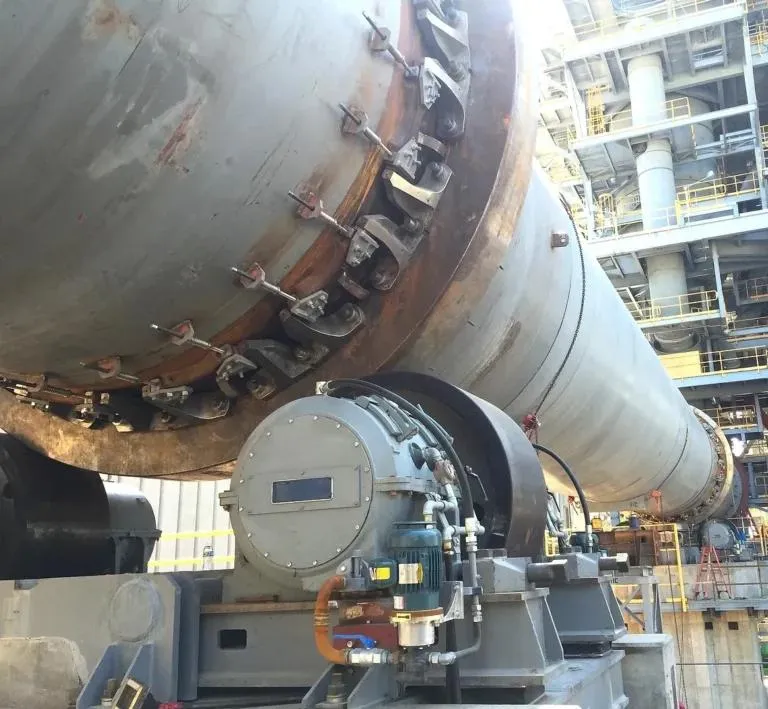
Routine maintenance of a vertical preheater mainly includes inspection of refractory lining, sealing components, feeding systems, and dust collection equipment. A robust structure and reliable components help reduce wear, minimize unexpected downtime, and maintain stable performance under high-temperature conditions. Proper maintenance also extends equipment service life and improves long-term operating reliability.
What are the advantages of a vertical preheater compared with traditional preheating systems?
Compared with traditional preheating systems, vertical preheaters provide efficient gas-solid heat exchange, compact installation design, and better waste heat utilization. They are easier to integrate with rotary kiln systems and help improve thermal efficiency, reduce fuel consumption, and support stable calcination performance. These advantages make them suitable for customers seeking reliable and energy-efficient production solutions.