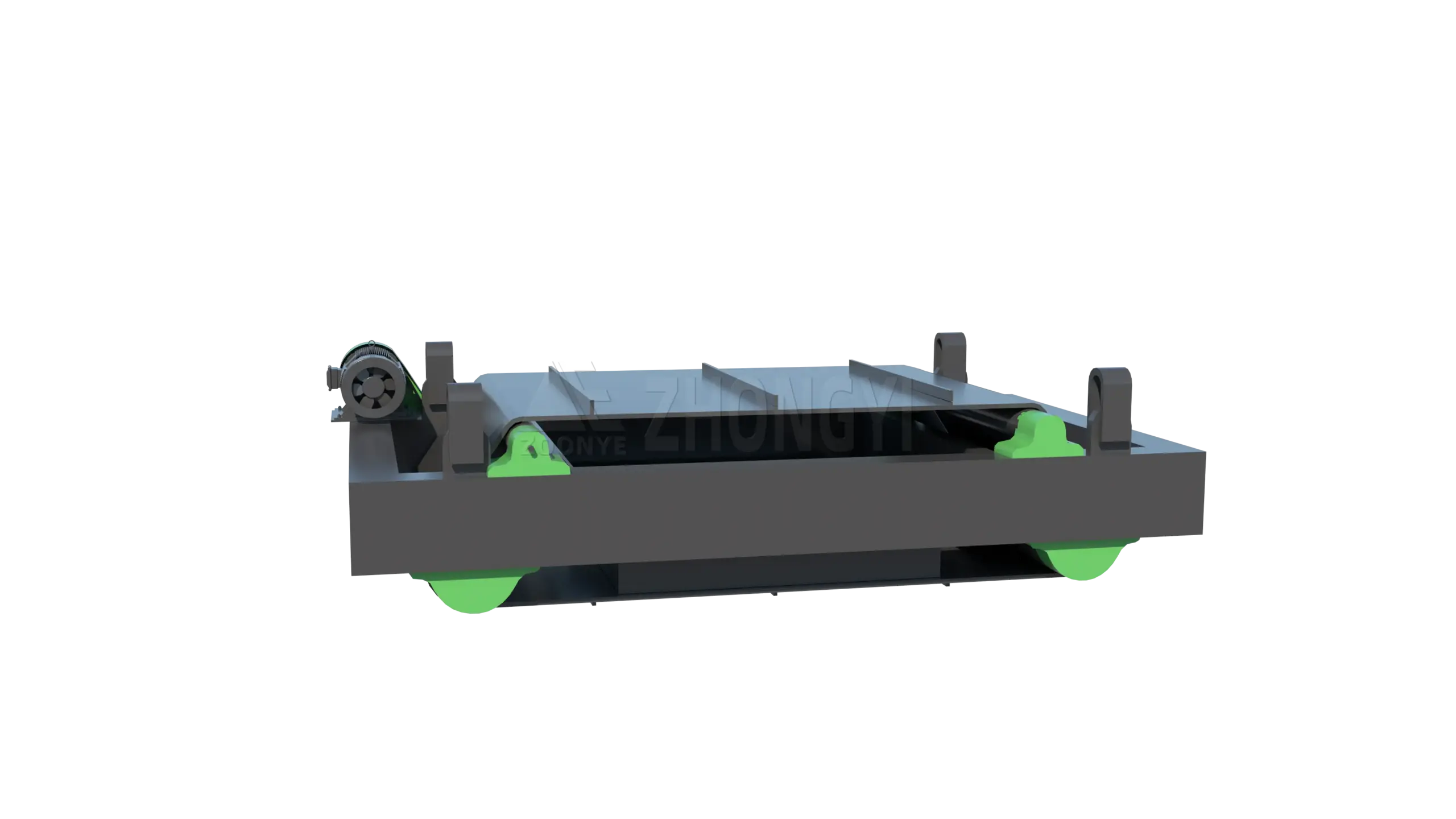
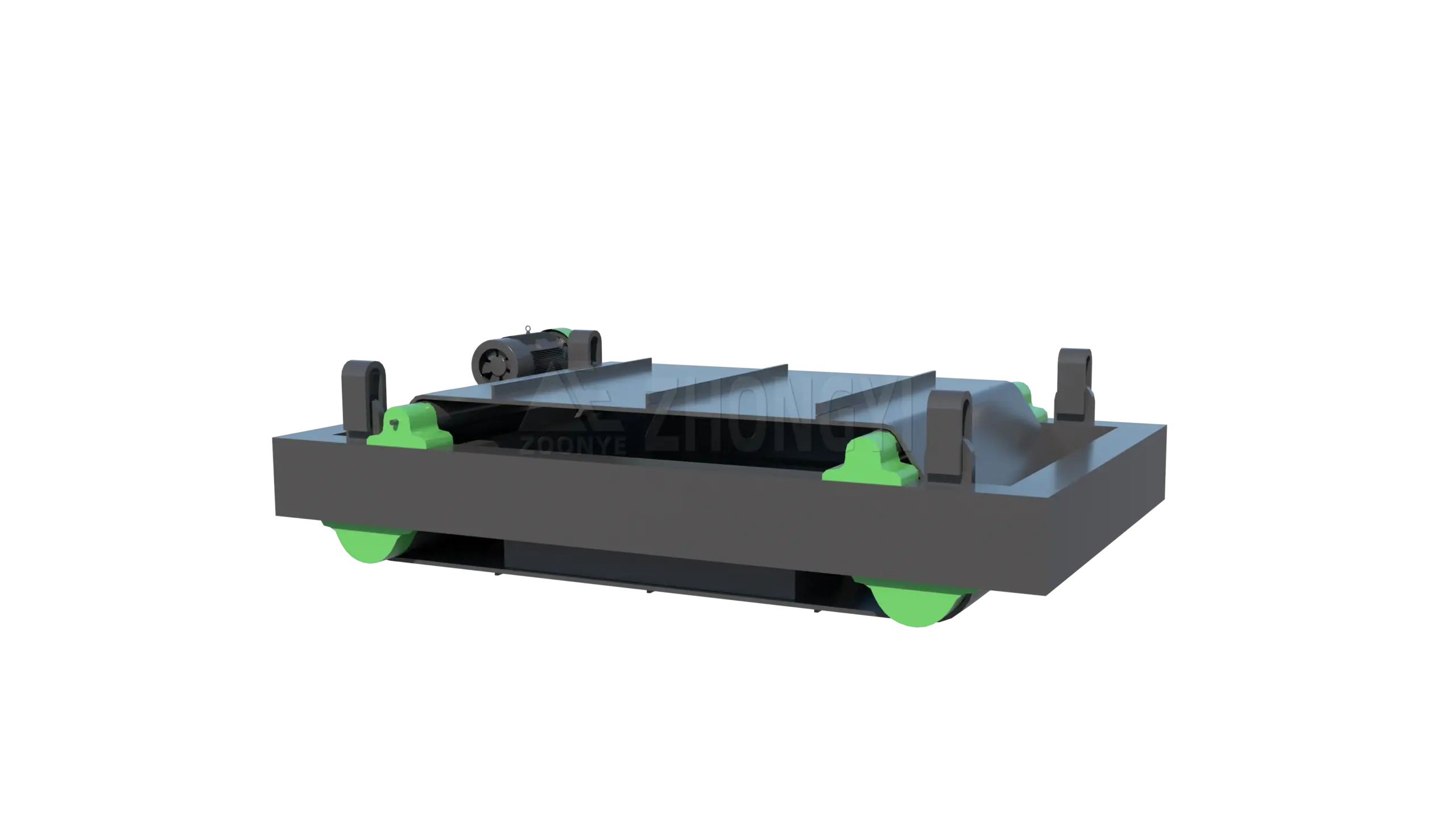
What is a Mining Magnetic Separator?
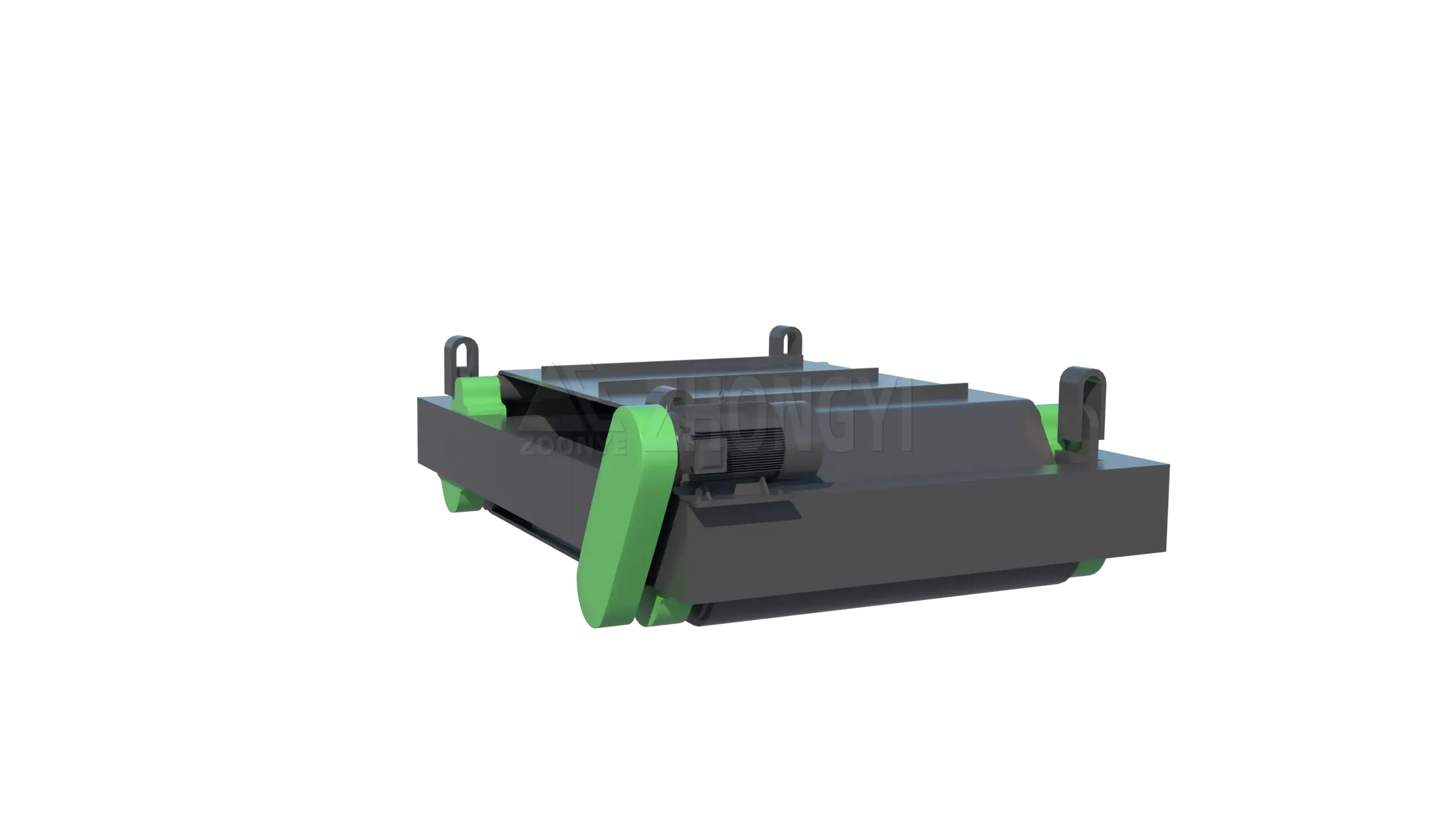
A mining magnetic separator (also known as magnetic separation equipment, mineral magnetic separator, or ore magnetic separator) is a critical piece of equipment in the field of mineral processing. Its function is to separate magnetic minerals from non-magnetic substances by exploiting the differences in magnetic susceptibility between them. This equipment is widely utilized in mineral processing plants to upgrade ore grades, recover valuable minerals, and reduce costs during subsequent processing stages.
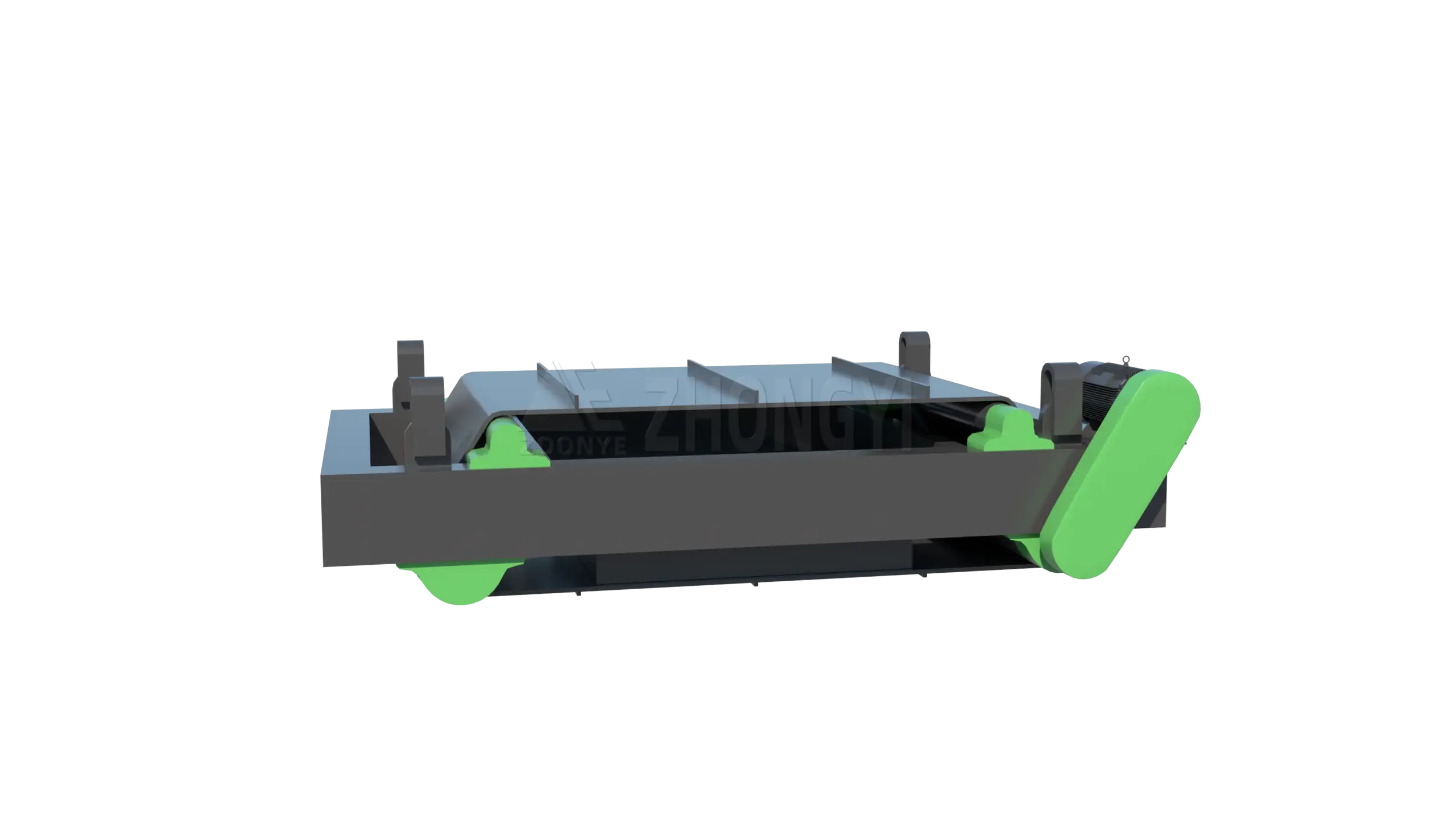
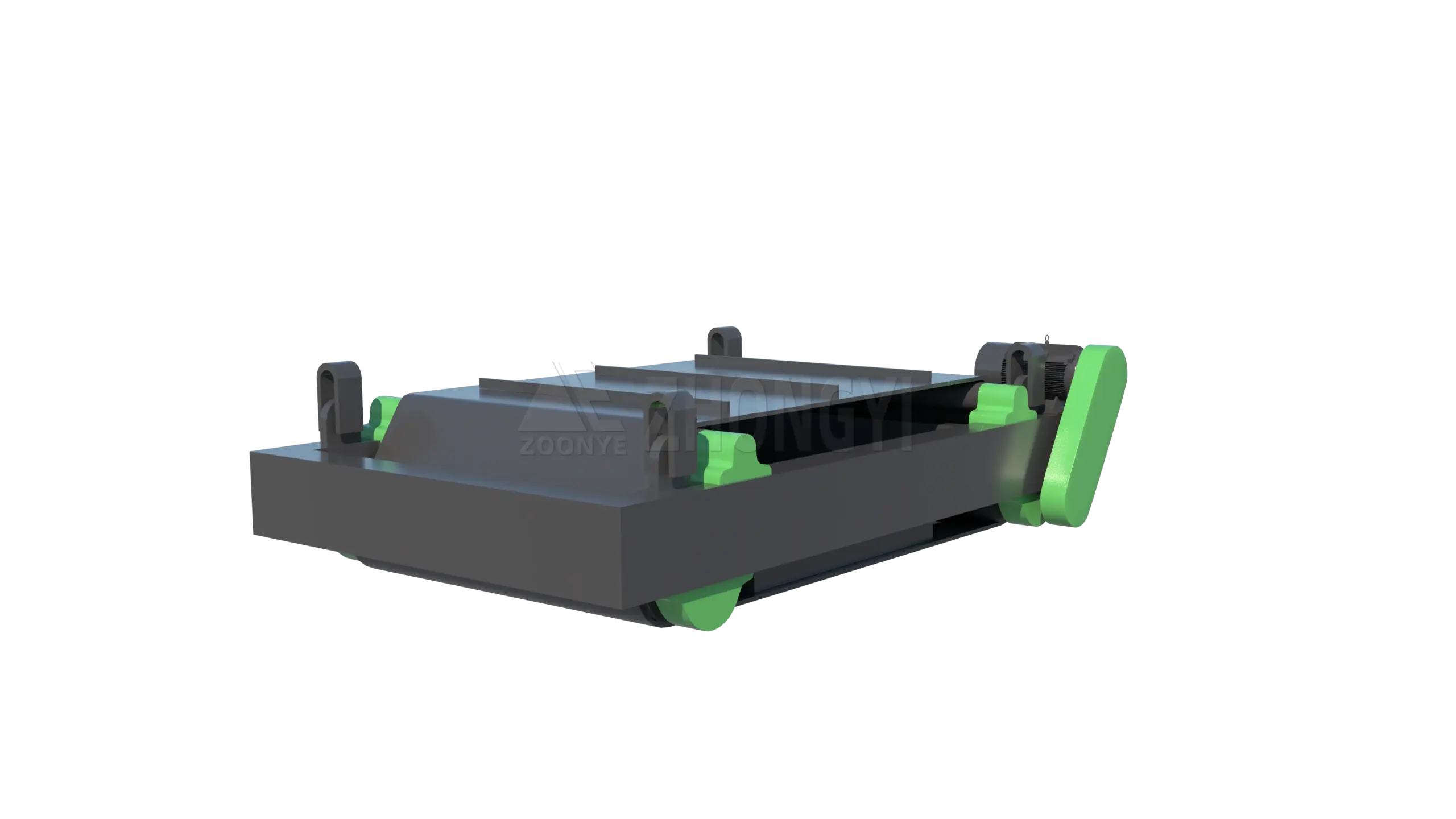
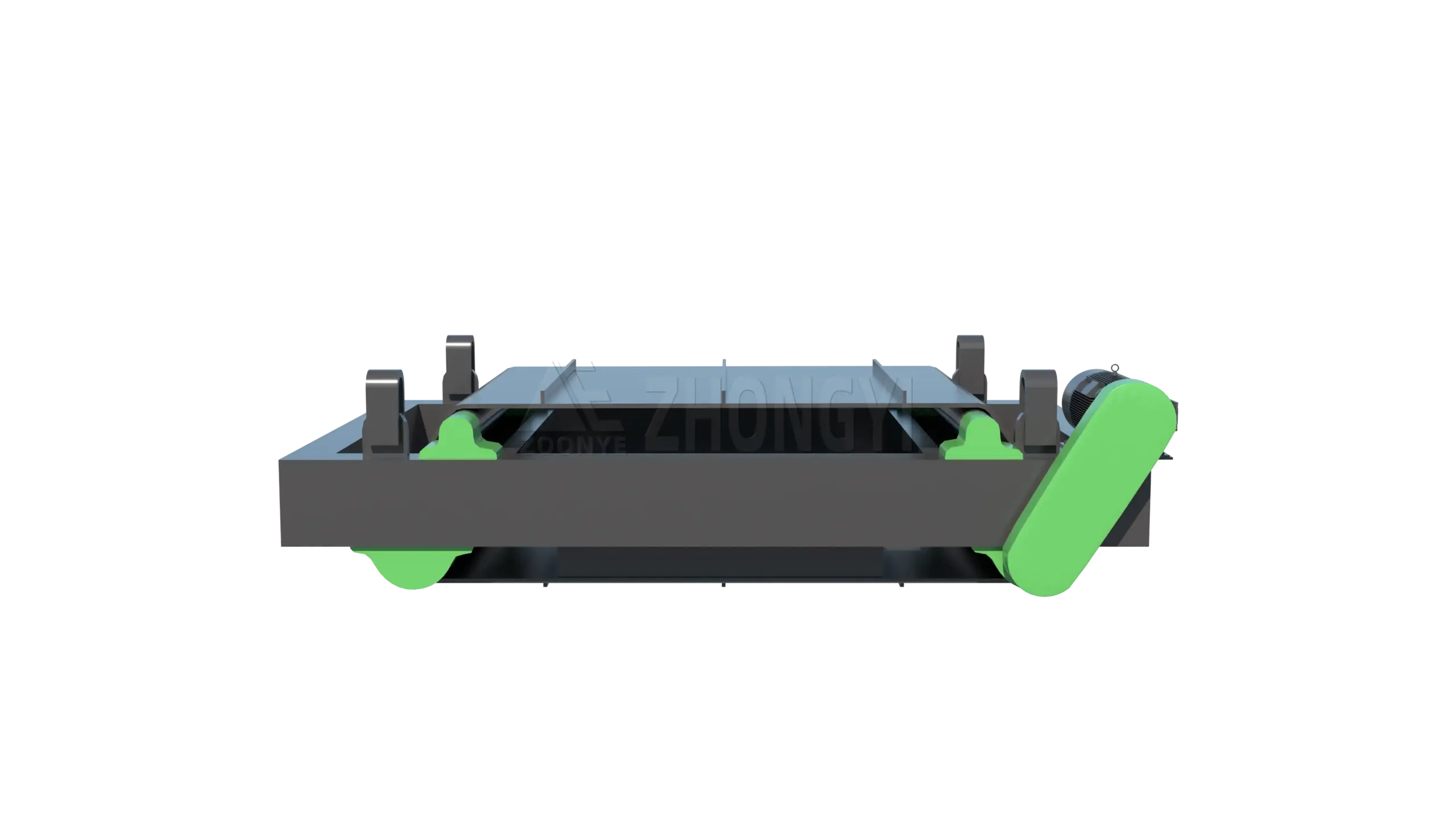
How a Mining Magnetic Separator Works?
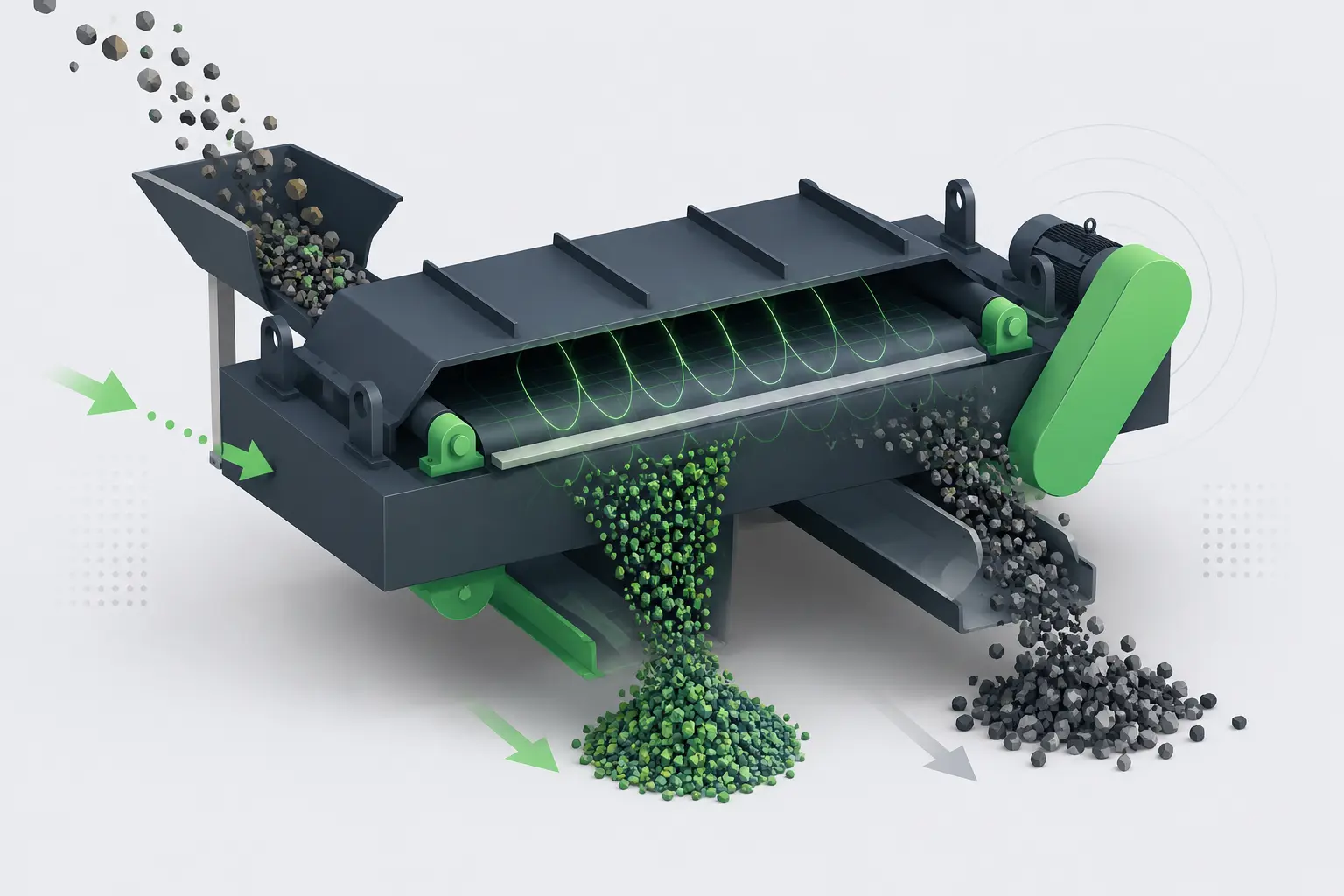
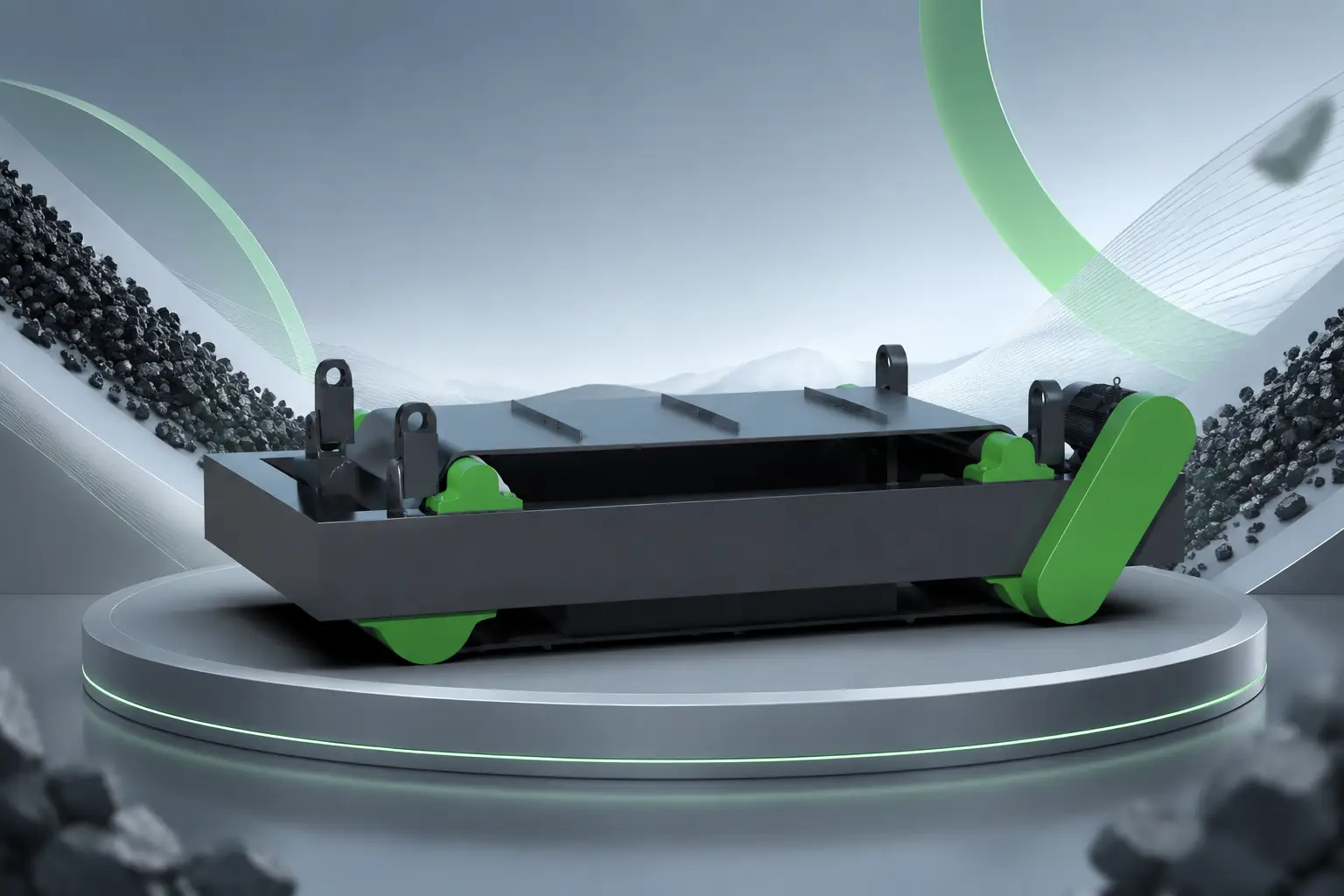
A mining magnetic separator works by using magnetic force to separate magnetic minerals from non-magnetic materials during continuous material flow.
The equipment generates a magnetic field through a drum, roller, or magnetic system. When materials pass through the magnetic zone, magnetic particles such as magnetite are attracted and attached to the surface of the drum, while non-magnetic materials fall away under gravity or centrifugal force. This creates a continuous separation process without interrupting material flow.
The separated magnetic material is then discharged at the end of the magnetic zone, while tailings are released separately for further processing or disposal. It is widely used in iron ore processing, mineral beneficiation, and recycling lines to improve ore grade and recovery efficiency.
Specifications
| Parameter | LIMS (Wet Drum) | HIMS (High Intensity) | Dry Separator |
| Magnetic Field Strength | 1,000–2,000 Gauss | 10,000–20,000+ Gauss | 2,000–12,000 Gauss |
| Processing Capacity | 50–300 TPH | 10–100 TPH | 30–150 TPH |
| Feed Size | 0–3 mm | <1 mm | 1–50 mm |
| Drum Diameter | 600–1500 mm | 800–1200 mm | 800–1500 mm |
| Rotation Speed | 20–60 rpm | 15–40 rpm | 30–80 rpm |
| Recovery Rate | 95–99% | 70–90% | 70–85% |
Applications
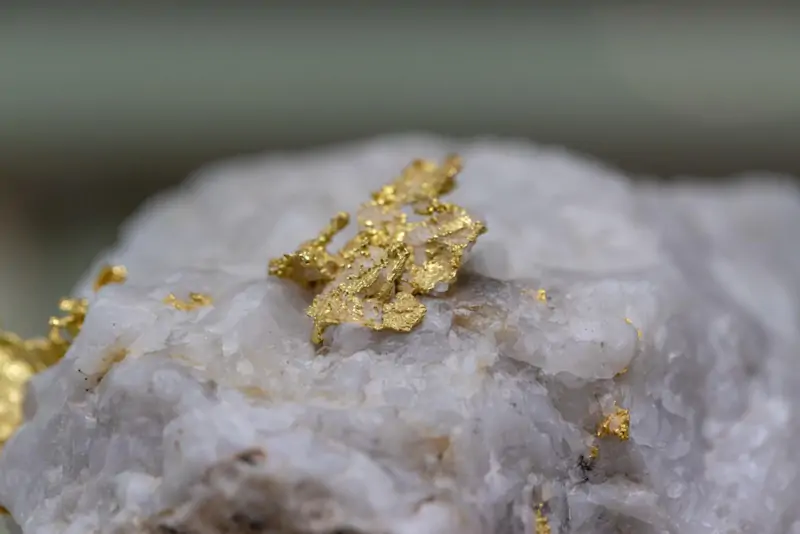
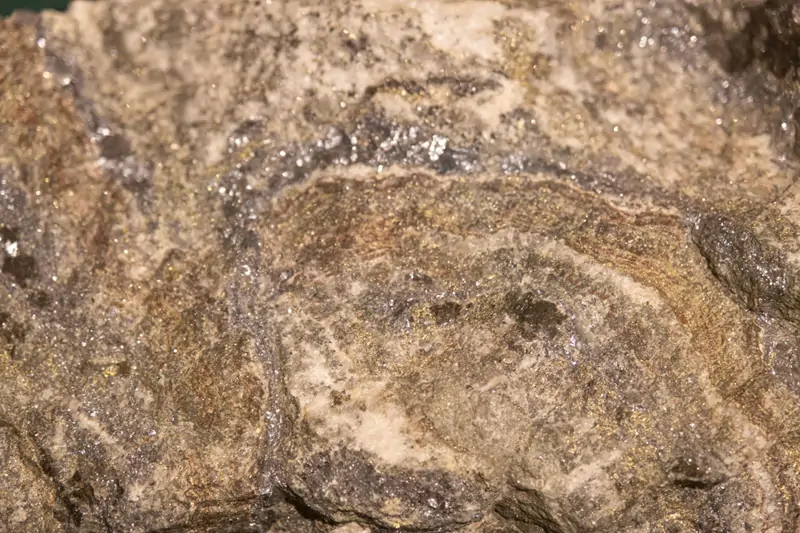
Mining magnetic separators are used for continuous separation of magnetic and non-magnetic materials in mineral processing and material recovery systems. The main function is to remove iron-bearing impurities, upgrade ore grade, and recover valuable magnetic minerals from raw or processed materials. They are commonly installed in crushing, grinding, and beneficiation circuits.
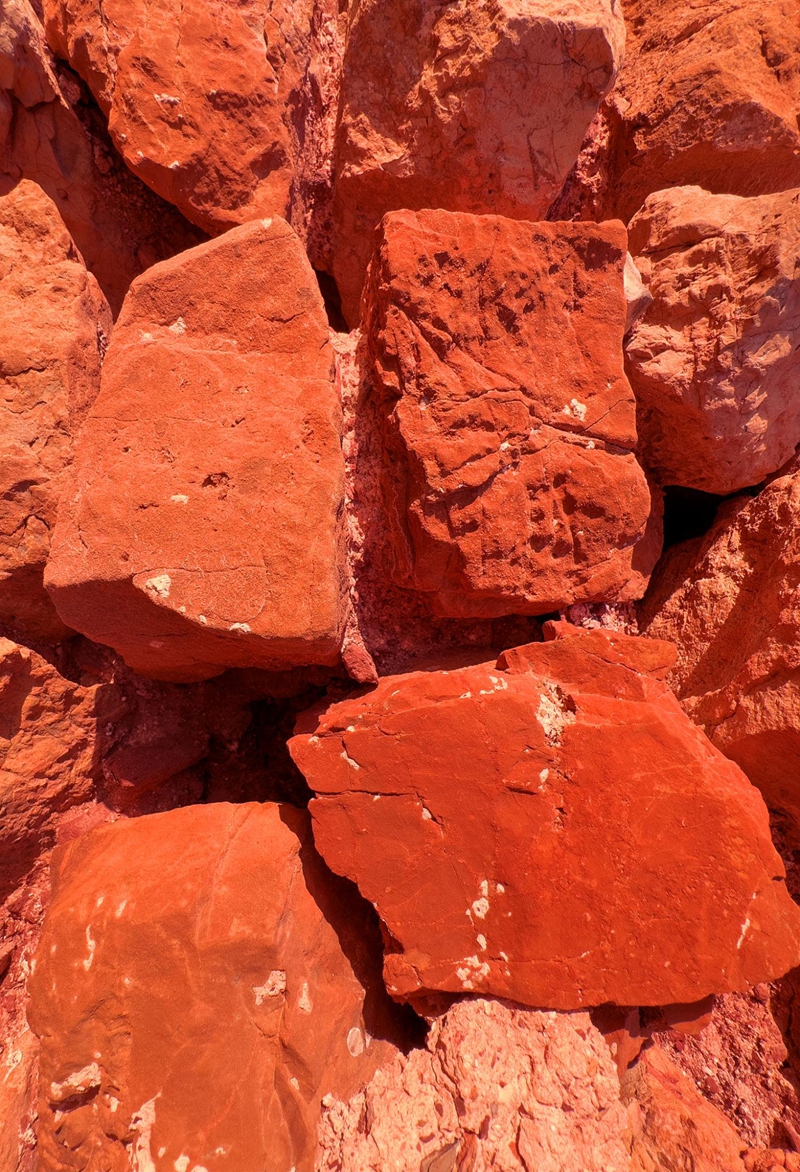
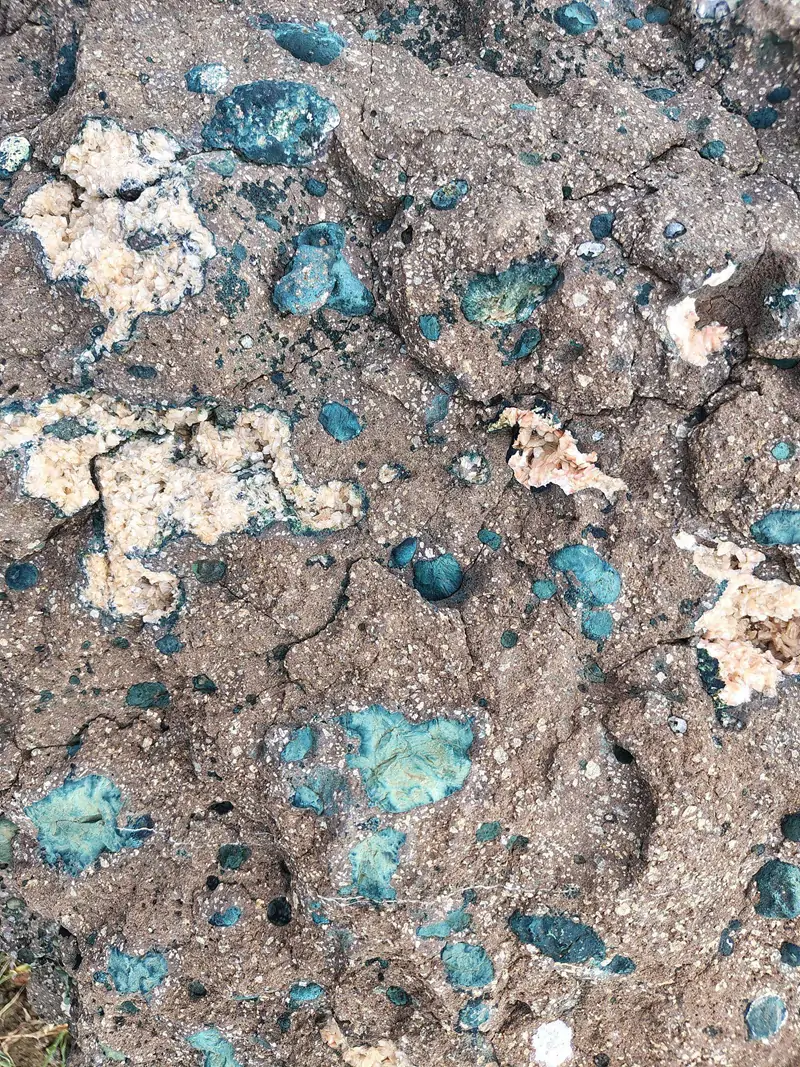

6 Factors for Selecting Magnetic Separation Equipment
Selecting a suitable mineral magnetic separator is essential for stable performance, high recovery, and consistent concentrate quality. The right choice depends on ore properties, process requirements, and operating conditions across the entire beneficiation line. The main factors include:
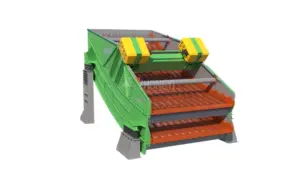
- Magnetic field strength:Strong ores use LIMS; weak ones require HIMS. In fine mineral processing circuits, magnetic separation is often combined with a High Frequency Vibrating Screen to improve particle classification efficiency and reduce the circulation of unliberated materials.
- Ore type: Different minerals (iron, manganese, chromite, etc.) need different separation methods.
- Feed size: Fine materials usually need wet separation, while coarser feed can use dry or rough separation.
- Processing capacity: Equipment must match plant throughput to avoid bottlenecks or overload.
- Recovery and grade requirement: Higher grade or higher recovery may require stronger magnetic field or multiple separation stages.
- Moisture condition: Dry and wet processes perform differently, especially for fine or sticky materials.
How to Choose the Right Ore Magnetic Separator?
Translating ore characteristics and process goals into the correct equipment choice requires a systematic evaluation. Follow these steps to ensure the separator you select delivers stable performance and meets your recovery and grade targets.
For expert guidance and customized solutions, contact Zhongyi to select the most suitable mining magnetic separator for your project.
Request a Customized Solution
Partner with Zhongyi for expert technical support, customized solutions, and reliable equipment tailored to your ore characteristics and production requirements.
Customized Ore Magnetic Separator
To obtain an accurate and customized quotation for magnetic separation equipment, please submit the following project information. Our technical team will design a tailored solution and provide a competitive price.
Provide the Following Information:
Mining Magnetic Separator Manufacturer and Supplier
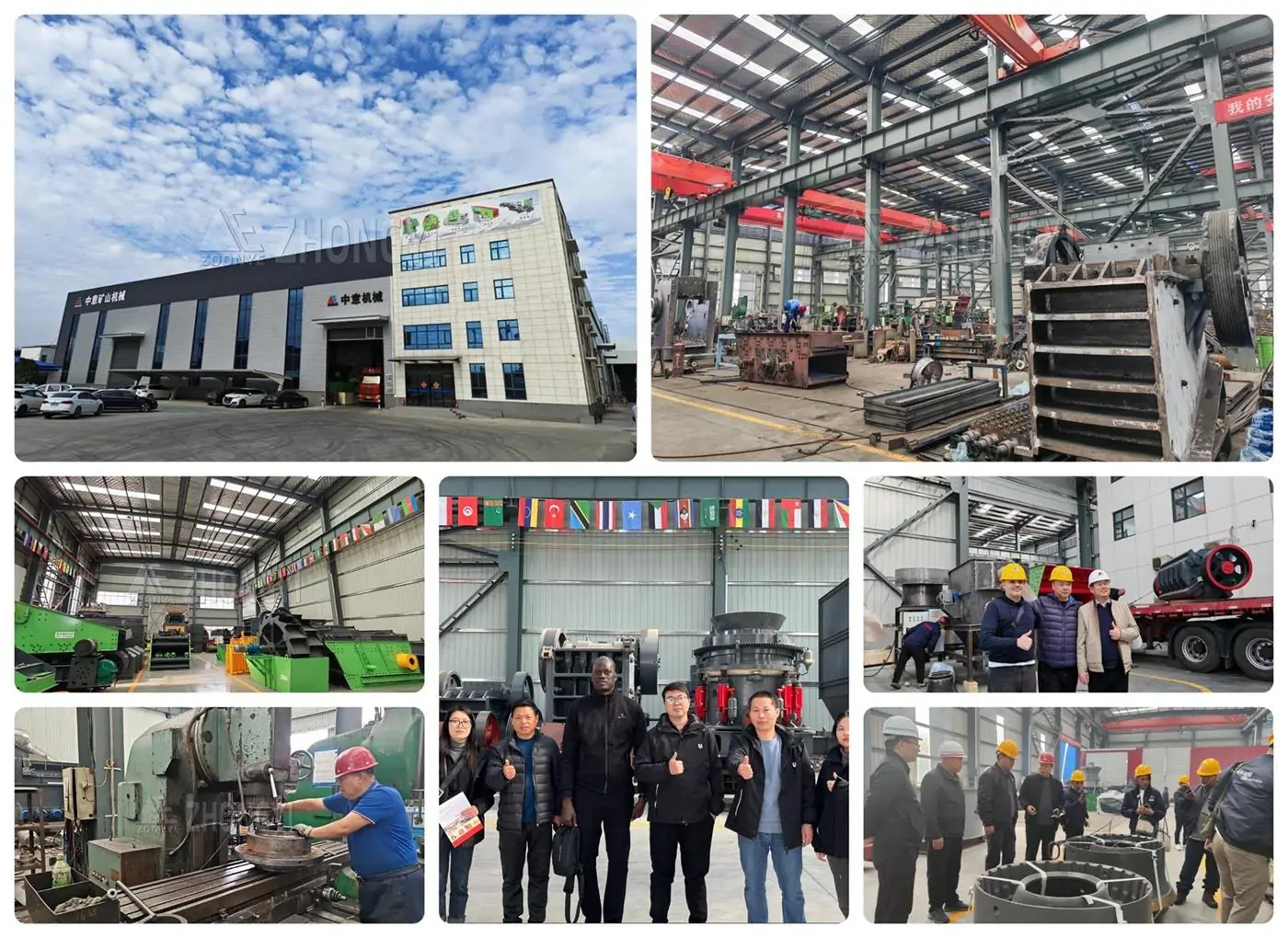
Zhongyi has been manufacturing mining magnetic separators and mineral processing equipment since 2010. With three production bases and advanced CNC machining lines, we maintain stable manufacturing capacity for continuous industrial supply. Our equipment is used in iron ore beneficiation, non-metallic mineral purification, and recycling applications.
The company is ISO9001 certified with more than 60 technical patents covering separation and processing systems. Our magnetic separators are designed for stable operation in ore upgrading, impurity control, and tailings recovery processes.
We provide integrated solutions including process design, equipment selection, manufacturing, and on-site support. Zhongyi delivers both standalone machines and complete mineral processing systems tailored to project requirements.
FAQ
What type of magnetic separator is suitable for my ore?
Selection depends on ore type and magnetic properties. Magnetite typically uses LIMS (0.1–0.2 T), while hematite or weakly magnetic minerals require HIMS (1–2 T). Lab testing is recommended to confirm the optimal configuration.
What is the typical processing capacity?
Capacity varies by model and size, usually ranging from 50 to 300 TPH for wet drum separators. For example, a 1200 mm drum commonly handles 80–120 TPH, depending on feed density and particle size distribution.
What particle size can the separator handle?
Wet magnetic separators are suitable for 0–3 mm (optimal <1 mm), while dry separators handle 1–50 mm. Proper grinding and classification are essential to ensure stable separation efficiency and avoid performance loss.g and recovery stages such as flotation, leaching, gravity separation, or magnetic separation.
What recovery rate can I expect?
For magnetite, recovery can reach 95–99% with LIMS. For weakly magnetic minerals, HIMS typically achieves 70–90% recovery, depending on ore characteristics and process design.recovery stages such as flotation, leaching, gravity separation, or magnetic separation.
How does magnetic field strength affect performance?
Higher magnetic intensity improves recovery of weakly magnetic minerals but may reduce concentrate grade and increase energy consumption. Proper selection balances recovery, grade, and operating cost based on project requirements.
What are the maintenance requirements?
Magnetic separators require routine inspection of wear parts, bearings, and magnetic systems. With proper maintenance, key components typically last 3–5 years, and downtime is minimal due to simple mechanical structure.
Can the equipment be customized?
Yes, most manufacturers offer customization based on ore type, capacity (TPH), plant layout, and process flow. This ensures better integration into existing systems and improves overall separation performance.recovery stages such as flotation, leaching, gravity separation, or magnetic separation.
What factors affect the total cost?
Total cost includes equipment price, customization, installation, and freight. Shipping for heavy equipment can account for 10–30% of total cost, especially for overseas projects in Africa or South America.