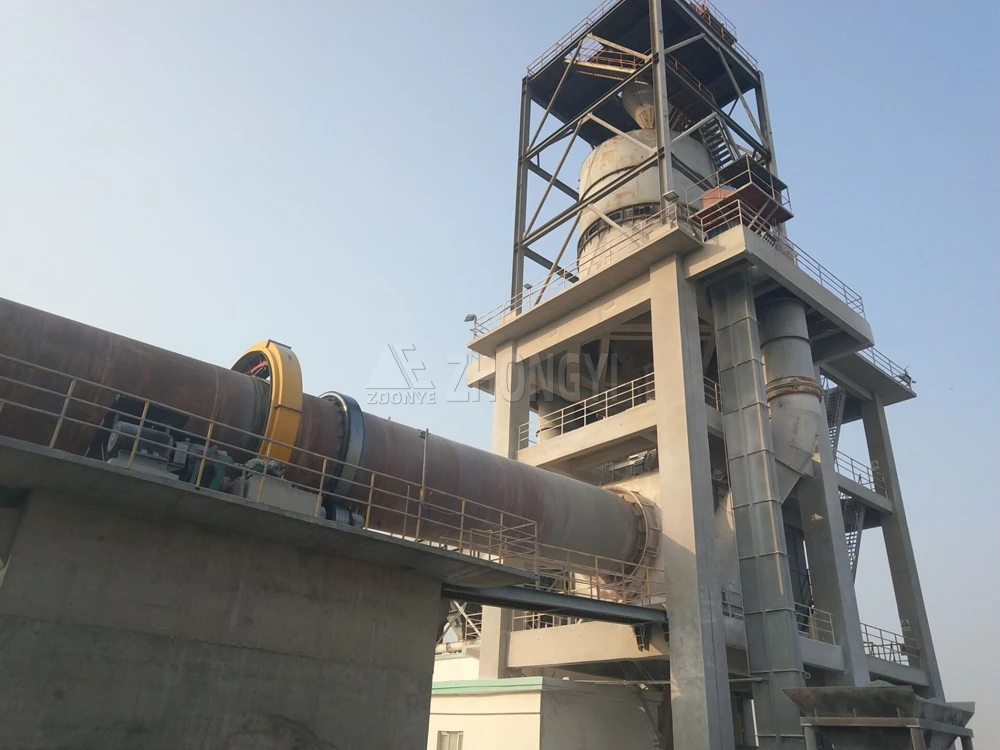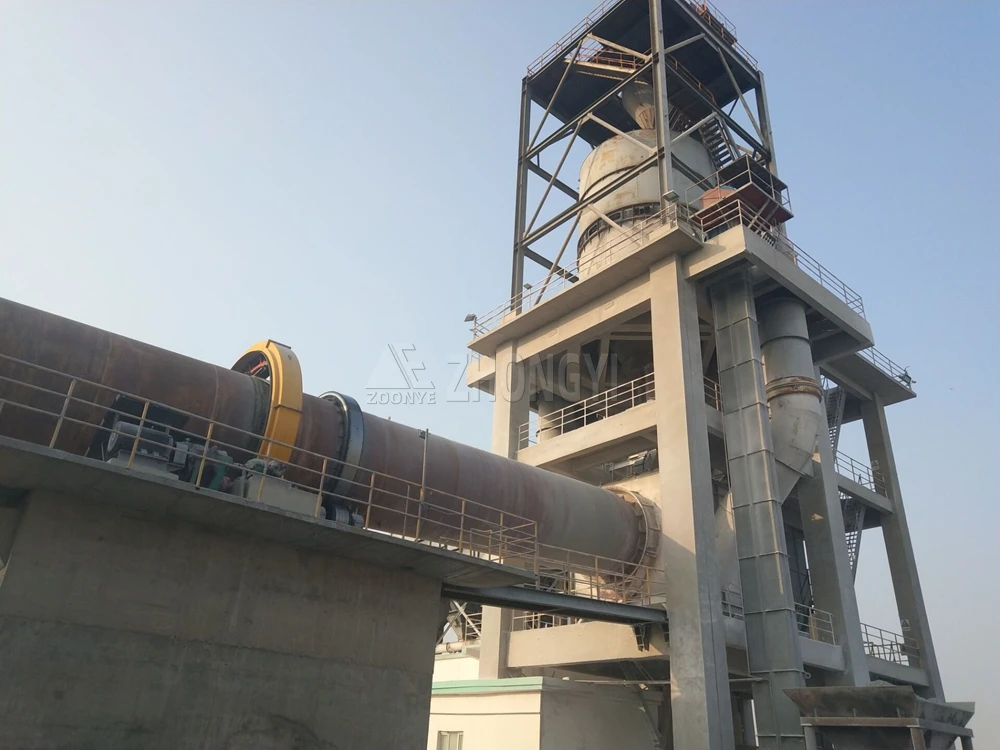
What Is an Indirect Fired Rotary Kiln?
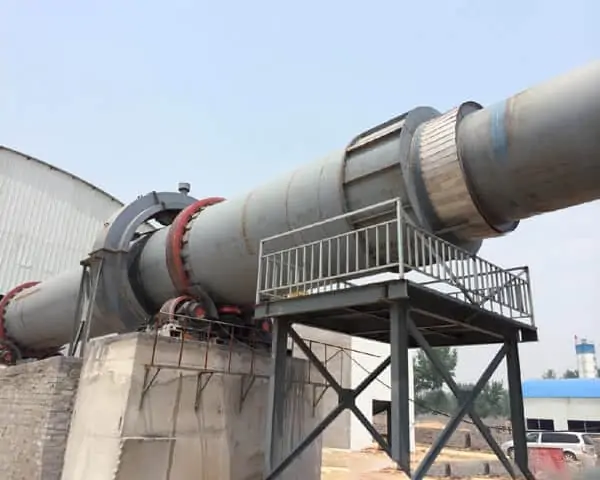
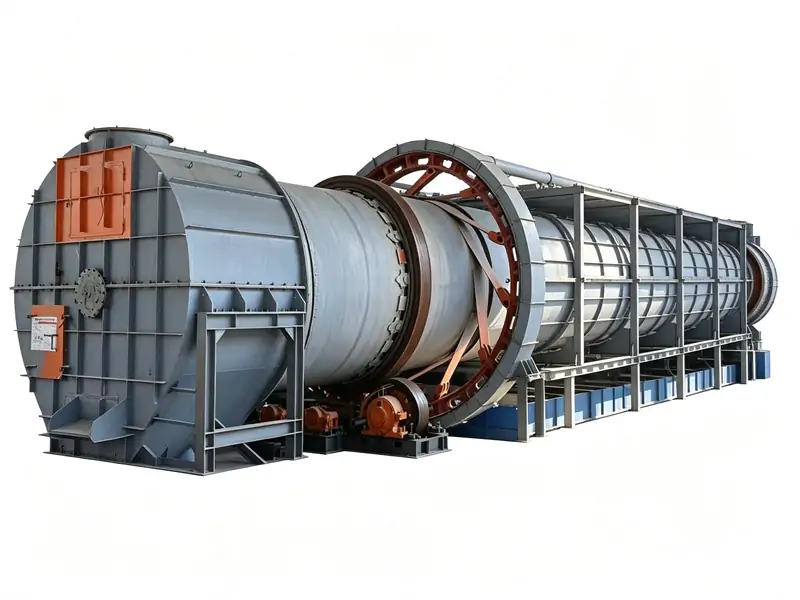
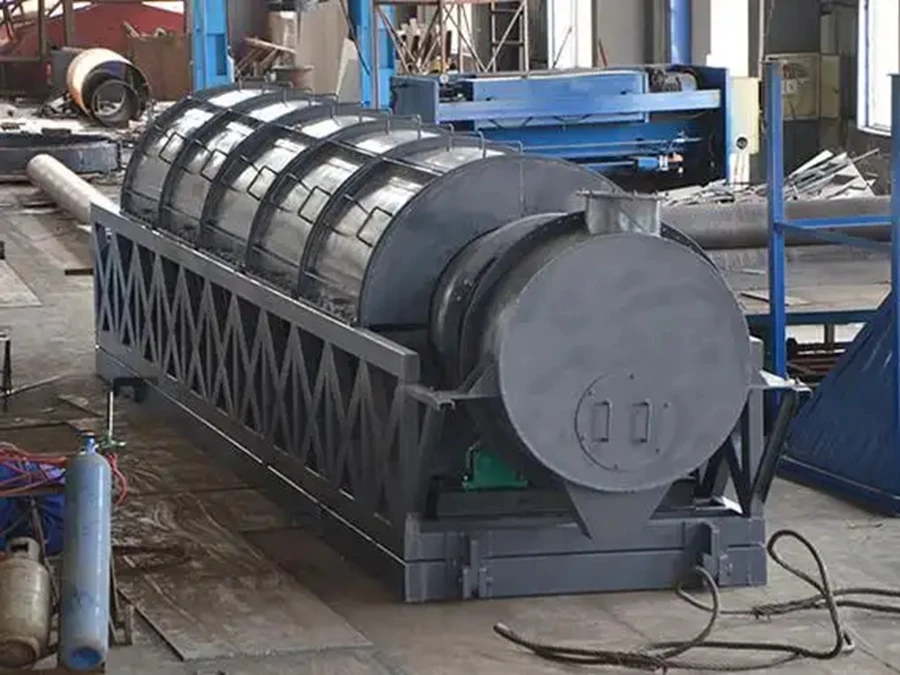
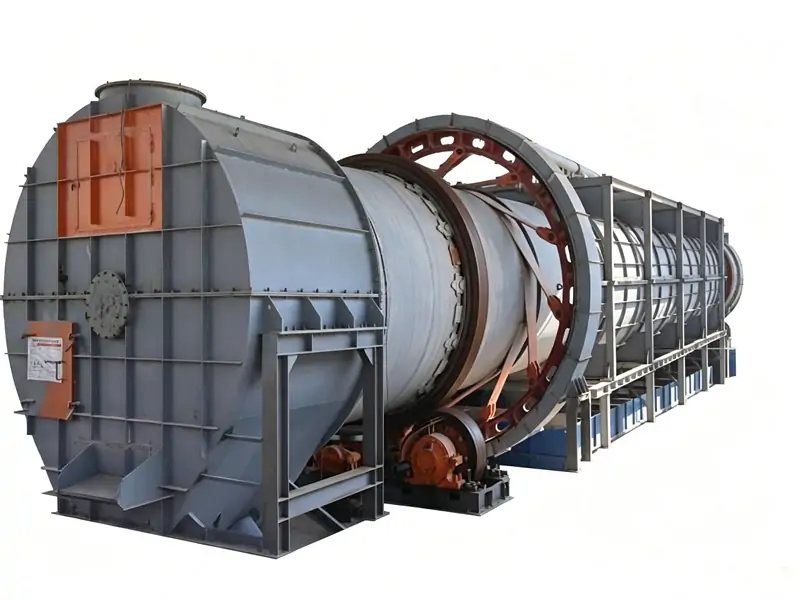
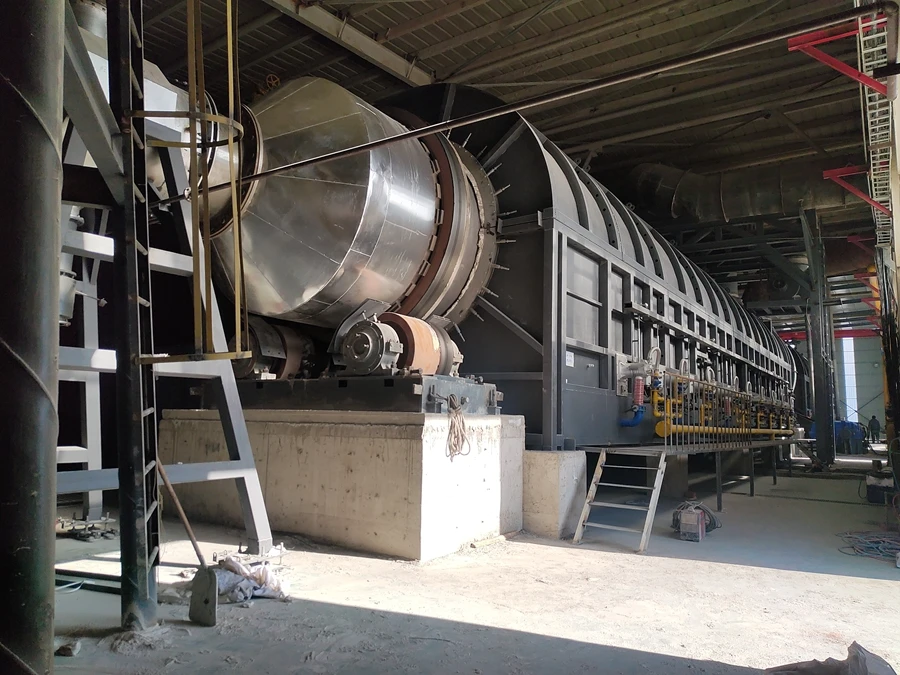
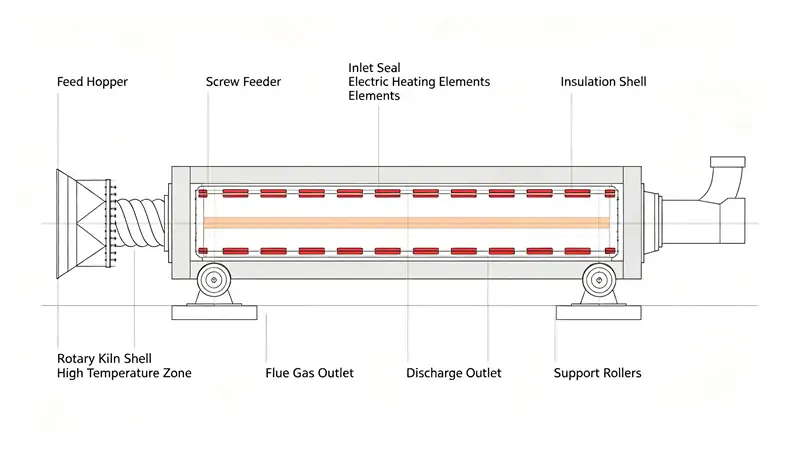
An Indirect Fired Rotary Kiln (External Heating Rotary Kiln) is a continuous thermal processing equipment that heats materials through an external heating source instead of direct flame or hot gas contact. Electric heating elements are installed around the outside of the furnace tube, and heat is transferred through the tube wall to achieve uniform heating and controlled thermal treatment of the materials inside.
Compared with direct fired rotary kilns, an indirect fired rotary kiln separates the heating source from the processed materials, preventing combustion gas contamination and providing better temperature accuracy and atmosphere control. This design makes it particularly suitable for high-value materials requiring high purity, stable quality and precise processing conditions, such as lithium battery materials, advanced powders, rare earth compounds and metal materials.
How Does an Indirect Fired Rotary Kiln Work?
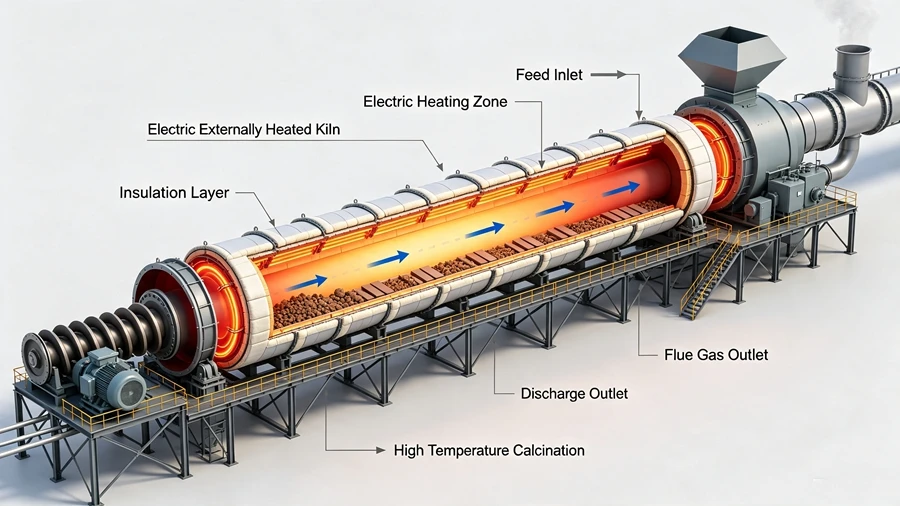
An Indirect Fired Rotary Kiln uses electric heating elements installed outside the furnace tube to generate heat. The thermal energy is transferred through the tube wall to the materials inside, enabling continuous and uniform heating without direct contact between the heating elements and materials.
During operation, materials move through the rotating furnace tube while being heated under controlled temperature conditions. The combination of external electric heating, rotary movement and automatic temperature control ensures efficient heat transfer and consistent processing results for applications such as drying, dehydration, calcination and sintering.
Material Feeding and Rotary Movement
Raw materials enter the rotating furnace tube through the feeding system. The controlled rotation moves and mixes materials through the heating zone, improving heat transfer and ensuring uniform thermal processing.
External Electric Heating and Heat Transfer
The Indirect Fired Rotary Kiln uses electric heating elements around the furnace tube to generate heat. The heat passes through the tube wall and transfers to the material inside, providing uniform heating and accurate temperature control. This external heating structure avoids direct contact between the heating source and materials, making it suitable for clean and controlled thermal processing.
Continuous Thermal Processing
During operation, materials continuously move through the heated zone while being rotated and mixed inside the furnace tube. The controlled residence time, uniform heat transfer and stable temperature profile enable continuous thermal processes such as drying, dehydration, calcination, sintering and carbon removal for various advanced materials.
Automatic Temperature and Atmosphere Control
The Indirect Fired Rotary Kiln uses an automatic temperature control system to adjust heating power and maintain stable processing temperatures. A protective atmosphere system, such as nitrogen protection, can be added for oxidation-sensitive materials.
Main Components of Indirect Fired Rotary Kiln
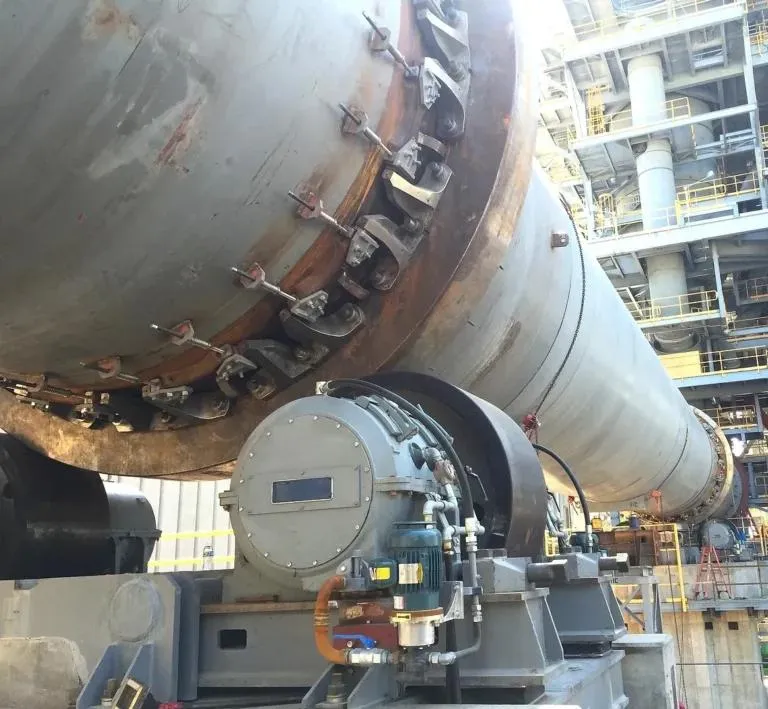
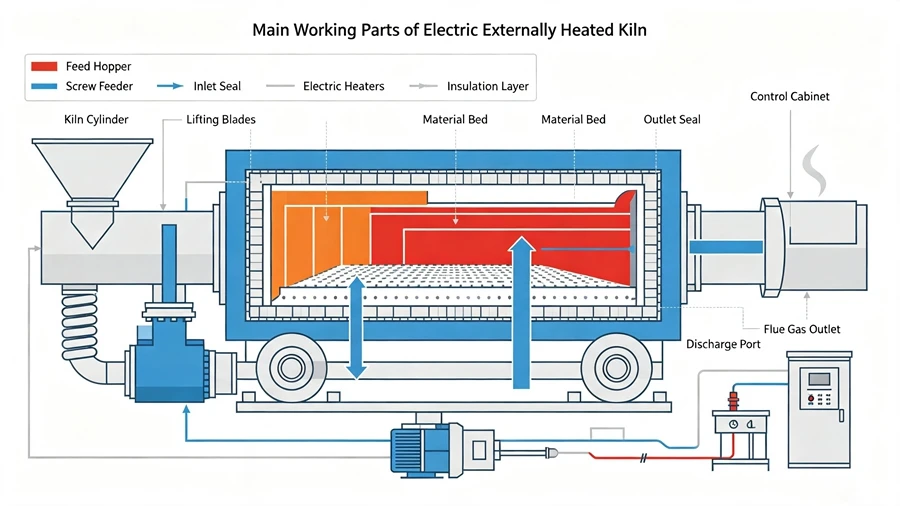
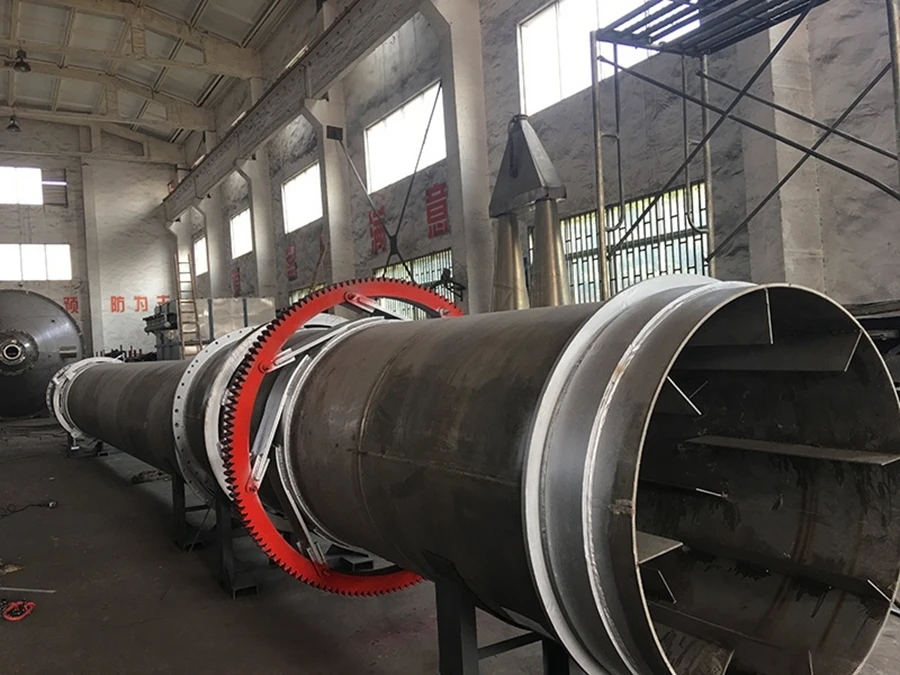
An Indirect Fired Rotary Kiln consists of several key systems, including the electric heating system, rotary furnace tube, drive system, temperature control system and atmosphere protection system. These components work together to provide stable heating, precise temperature control and continuous thermal processing for different materials.
| Component | Function | Key Features |
| Electric Heating System | Provides external heat for thermal processing | Heating elements, heating chamber and sensors ensure stable heat supply |
| Rotary Furnace Tube | Transfers materials through the heating zone | Customized diameter, length and materials for different applications |
| Drive System | Controls furnace rotation and material residence time | Motor, reducer and support system enable stable rotary operation |
| Automatic Temperature Control System | Maintains precise heating conditions | Imported controllers and multi-zone control optimize temperature accuracy |
| Atmosphere Protection System | Controls processing atmosphere for sensitive materials | Supports nitrogen, inert gas and oxygen-controlled environments |
Specifications
The technical specifications of an Indirect Fired Rotary Kiln can be customized according to material characteristics, processing temperature and production requirements. Key parameters such as furnace tube size, operating temperature, rotation speed, heating power and atmosphere control are designed to match different thermal processing applications, ensuring stable operation and consistent treatment results.
| Parameter | Specification |
| Equipment Type | Indirect Fired Rotary Kiln |
| Heating Method | Electric External Heating |
| Operating Temperature | 700–900℃ (Customized up to 1000℃) |
| Furnace Tube Diameter | Φ300–2000 mm (Customized) |
| Furnace Tube Length | 3–28 m (Customized) |
| Rotation Speed | 0–5 rpm, Adjustable |
| Temperature Control | Automatic PID Temperature Control |
| Atmosphere | Air / Nitrogen / Inert Atmosphere |
| Tube Material | 304 / 310S / 316L / Inconel / Customized |
| Heating Power | Customized According to Furnace Size |
| Filling Ratio | 0.06–0.36 |
| Inclination Angle | 0–5° (Adjustable) |
| Power Supply | 380V, 50Hz, Three-Phase |
| Application | Lithium Materials, Powders, Rare Earths, Activated Carbon, Metal Materials |
Advantages
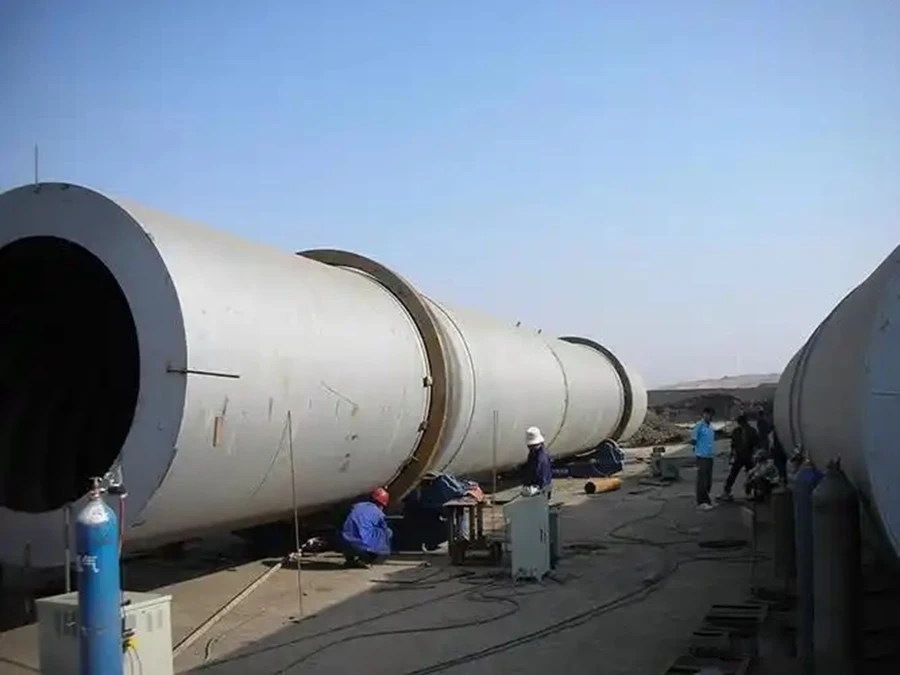
An Indirect Fired Rotary Kiln is designed for advanced thermal processing where temperature accuracy, material purity and process stability are critical. Its external heating structure isolates the heat source from the material, providing a clean processing environment, precise temperature control and reliable continuous operation for high-value materials.
Applications
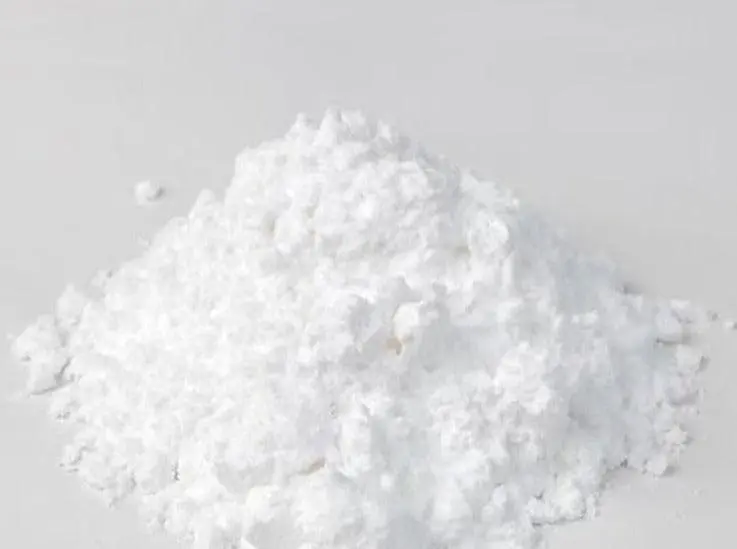
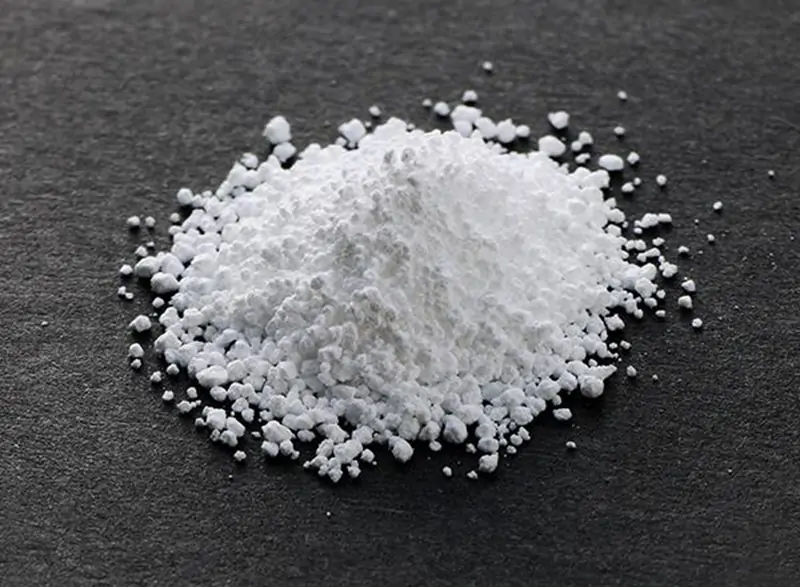
The Indirect Fired Rotary Kiln is used for high-value materials requiring clean heating, stable temperature control and controlled processing. Applications include lithium materials, powders, rare earths and non-ferrous metals for drying, calcination and thermal treatment.
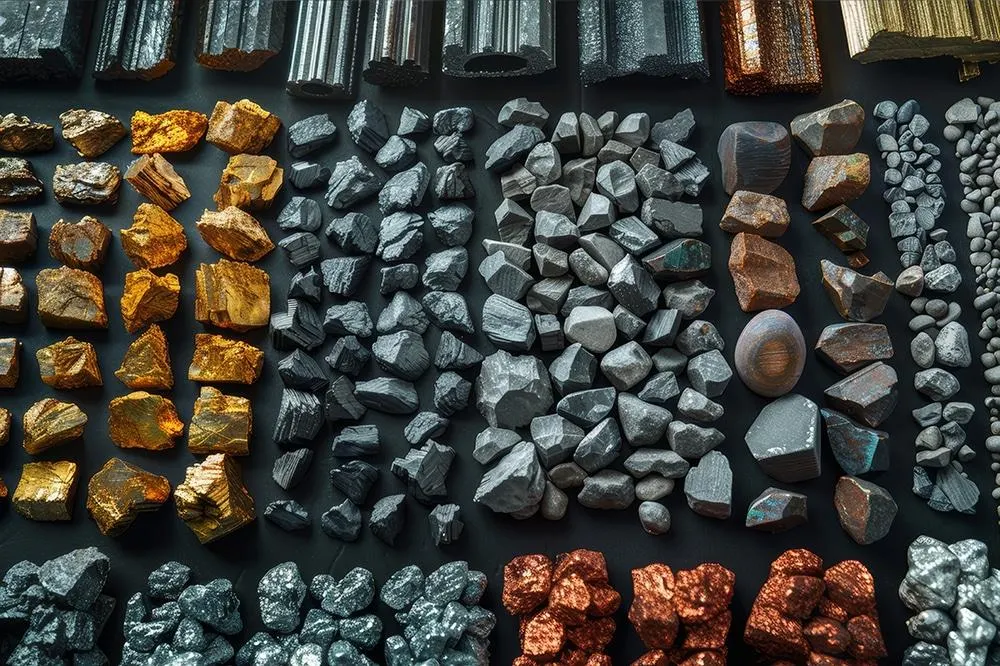
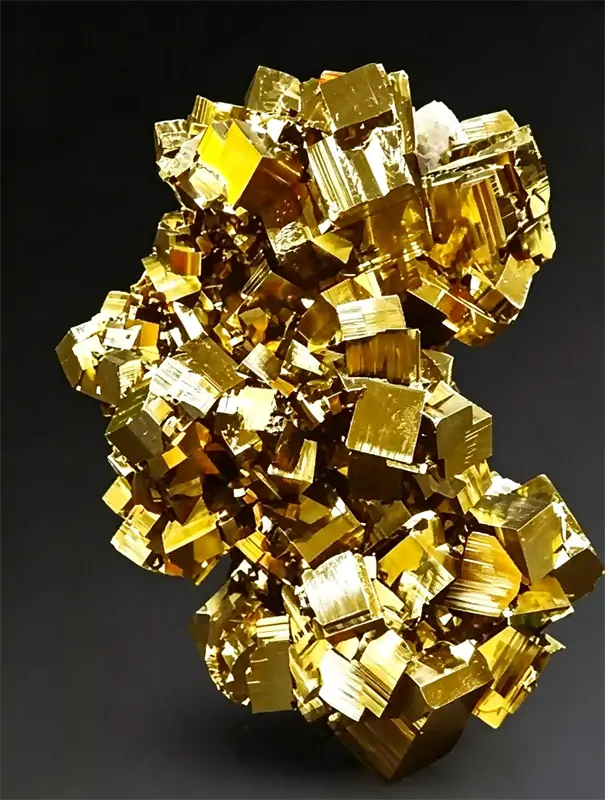
Indirect Fired Rotary Kiln vs Direct Fired Rotary Kiln
Indirect Fired Rotary Kiln uses external heating to transfer heat through the furnace tube, while direct fired rotary kilns heat materials through direct contact with hot gases. The selection depends on material properties and process requirements.
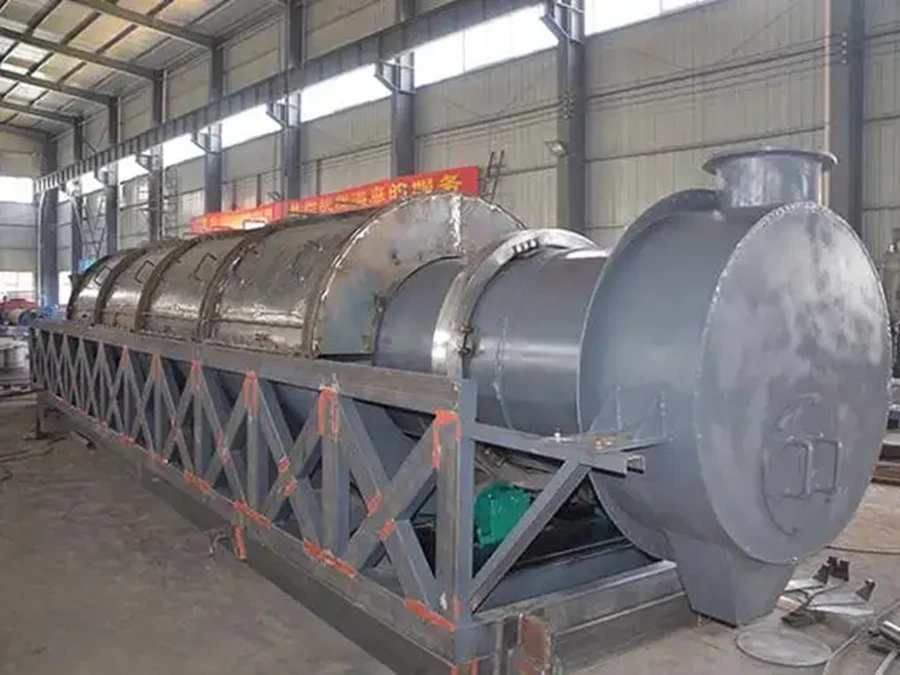
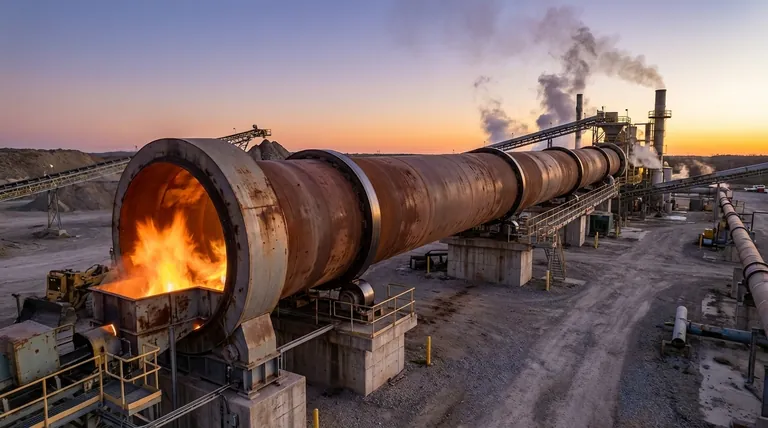
Practical Equipment Comparison
| Comparison Item | Indirect Fired Rotary Kiln | Direct Fired Rotary Kiln |
| Heating Method | External electric heating through furnace tube | Direct flame or hot gas heating |
| Material Contact | No direct contact with combustion gases | Materials contact with hot gases |
| Temperature Control | High precision with stable temperature profiles | Relies mainly on gas flow and combustion control |
| Atmosphere Control | Supports nitrogen, inert gas and controlled atmosphere processing | Limited atmosphere control due to combustion gases |
| Material Purity | Suitable for high-purity materials with lower contamination risk | May be affected by fuel combustion products |
| Thermal Processing | Ideal for calcination, sintering and special material treatment | Suitable for large-scale bulk material processing |
| Typical Applications | Lithium materials, powders, rare earth compounds, metal oxides | Cement, lime, minerals and general industrial materials |
| Environmental Control | Cleaner heating process with easier atmosphere management | Requires additional exhaust gas treatment systems |
Thermal Processing Applications
The Indirect Fired Rotary Kiln supports various thermal processes by providing controlled heating, stable temperature profiles and adjustable atmosphere conditions for different material requirements.
| Process | Function |
| Drying | Removes free moisture from materials |
| Dehydration | Removes chemically bound water or crystal water |
| Calcination | Changes material structure through high-temperature treatment |
| Sintering | Improves density and material properties |
| Carbon Removal | Removes residual carbon from materials |
| Atmosphere Treatment | Controls oxidation or protective processing conditions |
How to Choose the Right Indirect Fired Rotary Kiln?
Choosing the right indirect fired rotary kiln requires a comprehensive evaluation of the material properties, production requirements, and operating conditions. Compared with direct fired rotary kilns, indirect fired rotary kilns heat materials through the kiln shell, preventing direct contact between the material and combustion gases. This design makes them ideal for applications involving heat-sensitive materials, fine powders, high-purity products, or processes requiring a controlled atmosphere.
We recommend evaluating key factors such as material characteristics, processing temperature, capacity, residence time, energy efficiency, and automation requirements before selecting a suitable kiln model. A properly designed indirect fired rotary kiln can improve process stability, product quality, and long-term operating efficiency.
| Selection Factor | What to Consider | Recommendation |
| Material Characteristics | Moisture content, particle size, chemical properties, and heat sensitivity | Analyze the material properties first to determine whether indirect heating is required |
| Processing Temperature | Required operating temperature and temperature uniformity | Choose a kiln with suitable heating design based on the material reaction or drying requirements |
| Production Capacity | Required throughput (kg/h or t/h) | Select kiln diameter and length according to production demand and future expansion plans |
| Material Residence Time | Required heating, drying, or reaction time inside the kiln | Adjust kiln speed, inclination, and length-to-diameter ratio to achieve the required retention time |
| Atmosphere Control | Need for inert gas, vacuum, or controlled atmosphere operation | Choose an indirect kiln when oxidation or contamination from combustion gases must be avoided |
| Energy Efficiency | Heat transfer efficiency and fuel consumption | Consider optimized insulation, heat recovery systems, and efficient burners to reduce operating costs |
| Material Feeding Method | Continuous or batch feeding requirements | Select a suitable feeding system based on material flow characteristics and production stability |
| Maintenance Requirements | Wear parts, sealing system, drive system, and inspection access | Choose a kiln design with reliable components and easy maintenance access |
| Automation Level | Temperature control, speed adjustment, and process monitoring | Automated control systems help maintain stable operation and improve product consistency |
Why Choose Zhongyi?
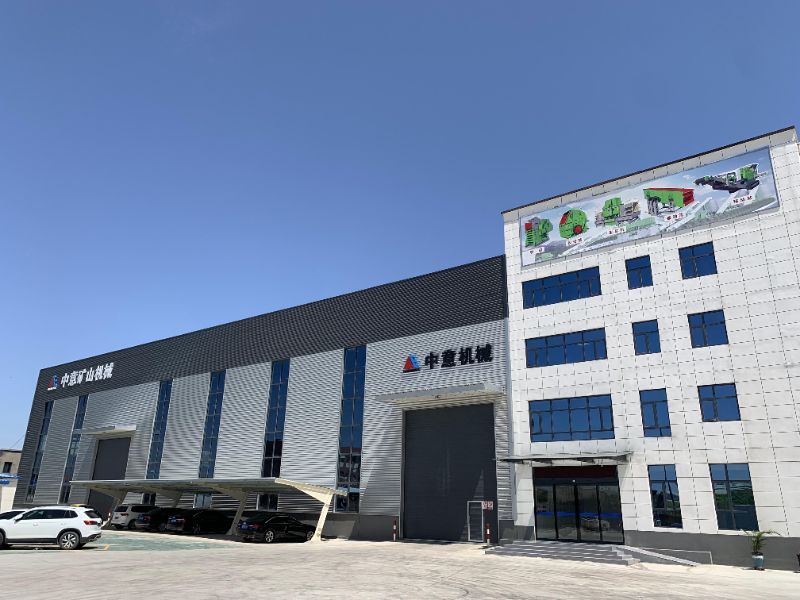
Choosing the right Indirect Fired Rotary Kiln supplier requires more than comparing equipment specifications. Zhongyi Mining has years of experience in thermal processing equipment and understands the challenges of material characteristics, process stability and long-term production requirements. Our engineering team has supported projects involving lithium materials, powders, rare earth compounds and other advanced materials, helping customers achieve reliable thermal processing performance.
With strong manufacturing capability, strict quality control and professional engineering support, Zhongyi Mining focuses on delivering reliable equipment for continuous industrial operation. From component selection and precision manufacturing to factory inspection and technical support, we help customers reduce project risks, improve equipment reliability and achieve stable production performance.
Request a Customized Solution
Work with Zhongyi Mining to develop reliable Indirect Fired Rotary Kiln solutions with accurate temperature control, clean thermal processing and flexible configurations for lithium battery materials, powder processing, rare earth and non-ferrous metal applications.
Custom Solutions for Indirect Fired Rotary Kiln Requirements
Every thermal processing project has different material characteristics and production requirements. Share your material type, processing temperature, capacity requirements and atmosphere conditions with our engineering team, and we will help evaluate the suitable Indirect Fired Rotary Kiln configuration for your application.
For complete processing requirements, we also provide integrated thermal processing solutions and production line solutions covering equipment selection, process design and system integration. Contact Zhongyi Mining to discuss your project requirements and develop a reliable solution for your production needs.
Please Provide the Following Information:
FAQs
What is an Indirect Fired Rotary Kiln used for?
An Indirect Fired Rotary Kiln is designed for thermal processing applications requiring clean heating, precise temperature control and stable processing conditions. It is commonly used for lithium battery materials, powder materials, rare earth compounds, metal oxides and other advanced materials. Typical processes include drying, dehydration, calcination, sintering and carbon removal where material purity and process consistency are important.
What is the difference between an Indirect Fired Rotary Kiln and a Direct Fired Rotary Kiln?
The main difference is the heating method. An Indirect Fired Rotary Kiln transfers heat through the furnace tube, separating the heat source from the processed material. A direct fired rotary kiln uses hot gases to heat materials directly. Indirect heating is more suitable for high-purity materials, sensitive products and applications requiring atmosphere control.
What materials can be processed in an Indirect Fired Rotary Kiln?
An Indirect Fired Rotary Kiln can process various advanced materials, including lithium iron phosphate (LFP), lithium manganese oxide (LMO), activated carbon, zinc oxide, rare earth compounds and metal powders. It is suitable for drying, calcination, activation, sintering and other thermal treatment processes. The final equipment configuration depends on material properties, production capacity and process requirements.
What is the maximum operating temperature of an Indirect Fired Rotary Kiln?
The operating temperature depends on the furnace structure, heating system and selected tube material. Standard Indirect Fired Rotary Kilns are commonly designed for temperatures below 1000℃, while special designs can achieve higher temperatures according to process requirements. Material characteristics, heating uniformity and atmosphere conditions should be considered when selecting the suitable temperature range.
Can an Indirect Fired Rotary Kiln operate under a protective atmosphere?
Yes. An Indirect Fired Rotary Kiln can be integrated with atmosphere control systems using nitrogen, inert gas or other protective gases. This helps prevent oxidation and contamination during thermal processing. It is widely used for lithium battery materials, rare earth compounds and advanced powders that require stable atmosphere conditions during calcination, sintering or other high-temperature treatments.
How to select the right Indirect Fired Rotary Kiln for my application?
Selecting the right kiln requires evaluating material characteristics, processing purpose, production capacity, temperature range and atmosphere requirements. Important factors include material composition, particle size, moisture content, required residence time and final product quality. A suitable kiln configuration should match current production needs while ensuring stable operation and reliable long-term performance.
What information is needed before designing an Indirect Fired Rotary Kiln solution?
Before designing a solution, customers should provide material name, chemical composition, particle size, moisture content, processing purpose, required capacity, operating temperature and atmosphere requirements. Final product standards and plant conditions are also important. These details help engineers determine suitable furnace structure, heating system and process configuration.
How long can an Indirect Fired Rotary Kiln operate continuously?
The continuous operating performance of an Indirect Fired Rotary Kiln depends on material characteristics, operating temperature, equipment design and maintenance conditions. With proper material selection, reliable drive components and regular maintenance, the kiln can support long-term industrial production. Actual service life and stability depend on the specific process conditions and operating environment.