









What Is a Mining Ball Mill?
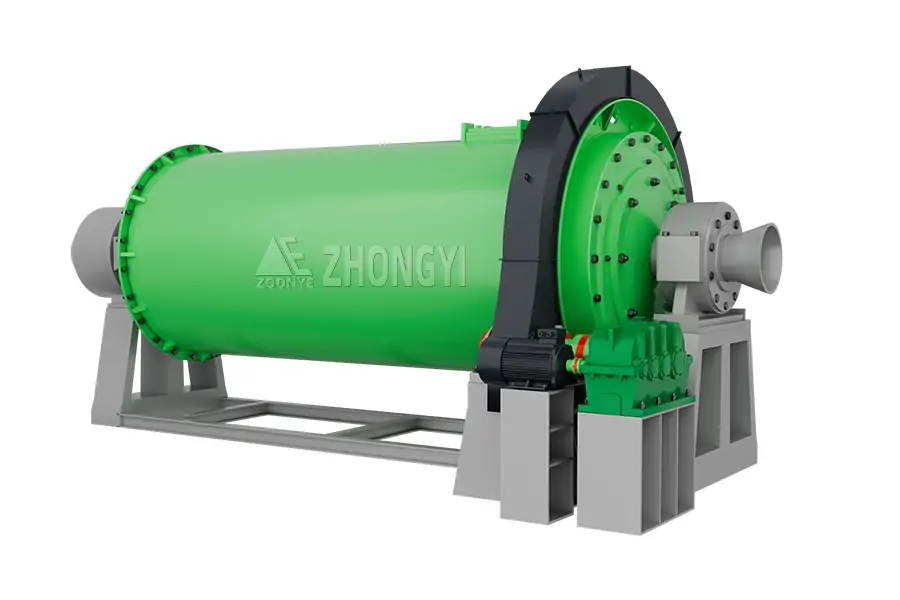
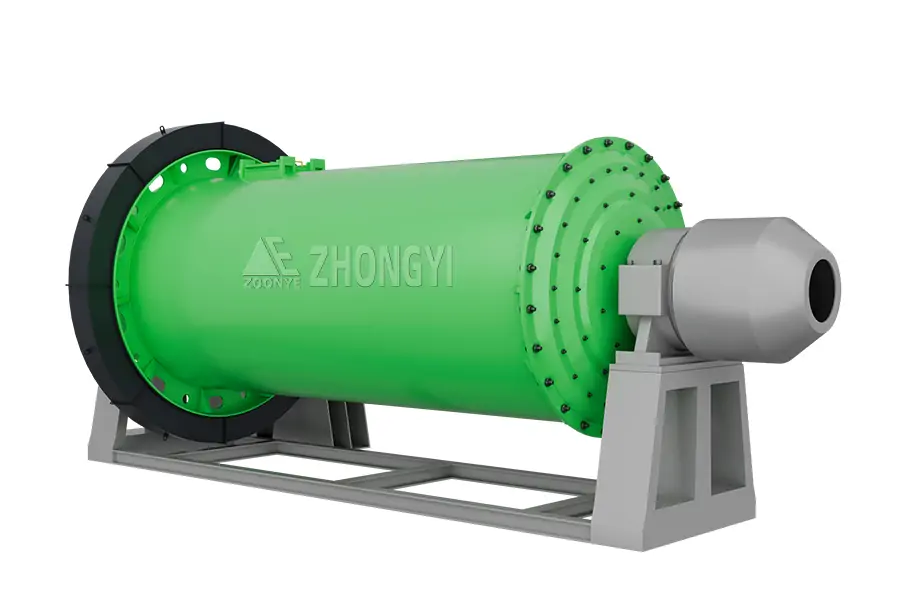
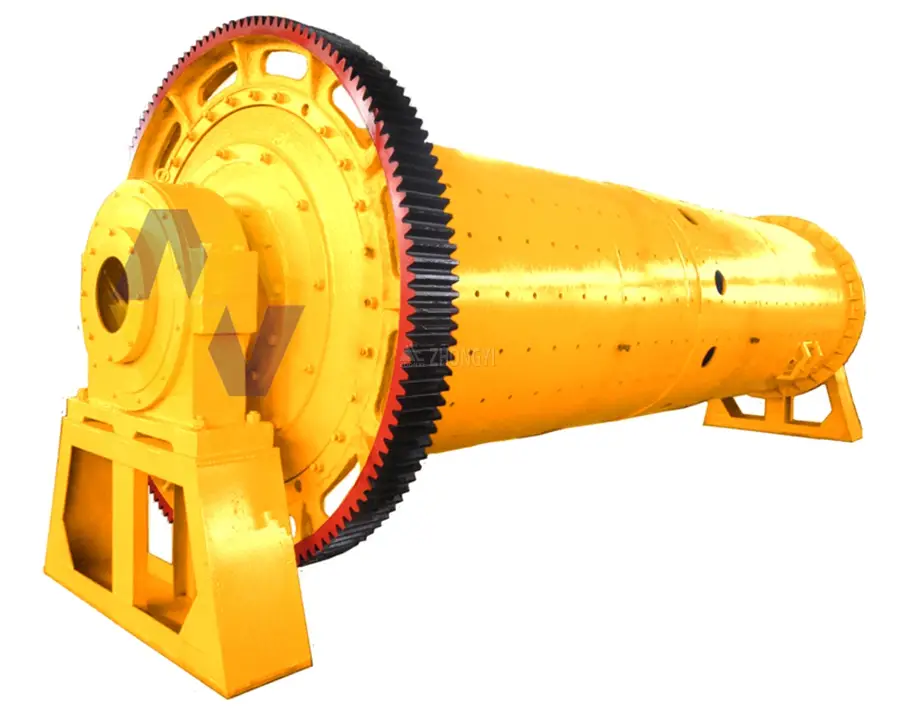
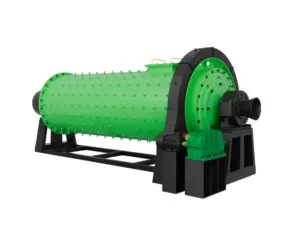
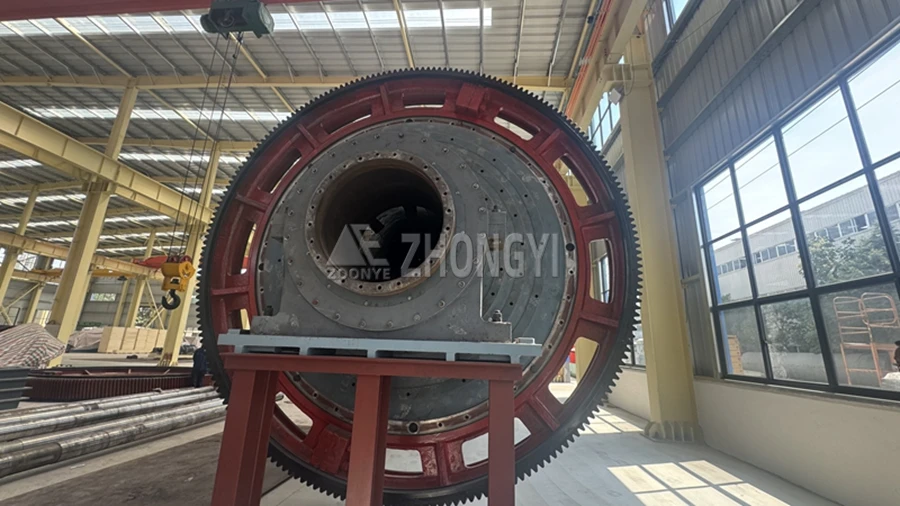
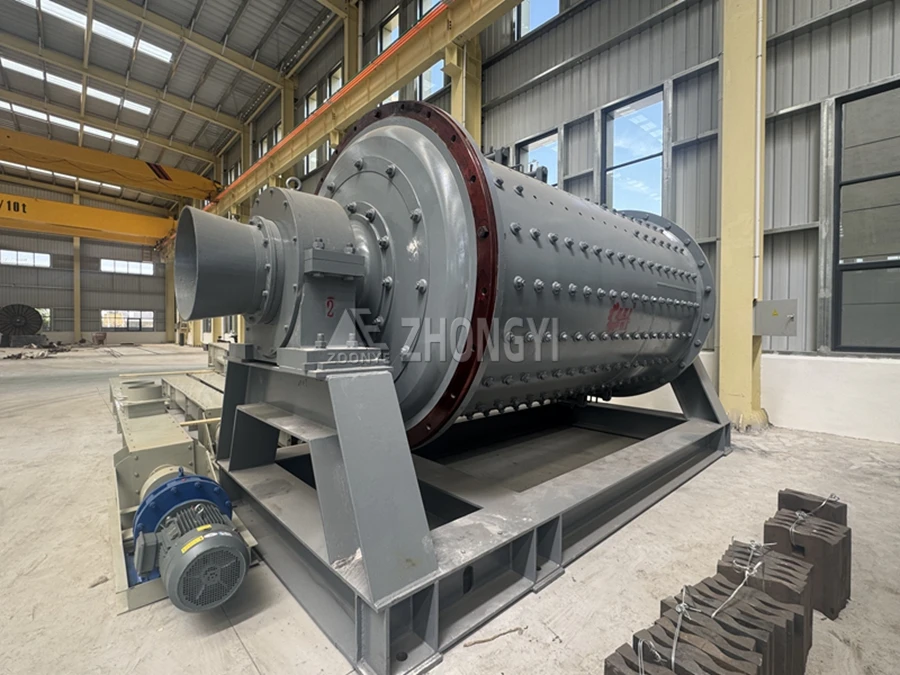
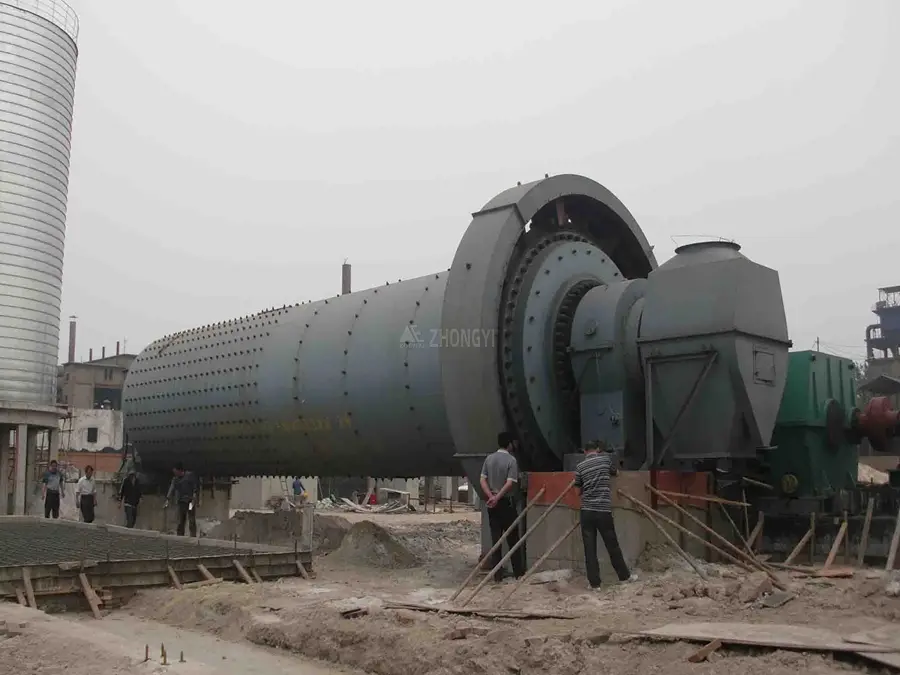
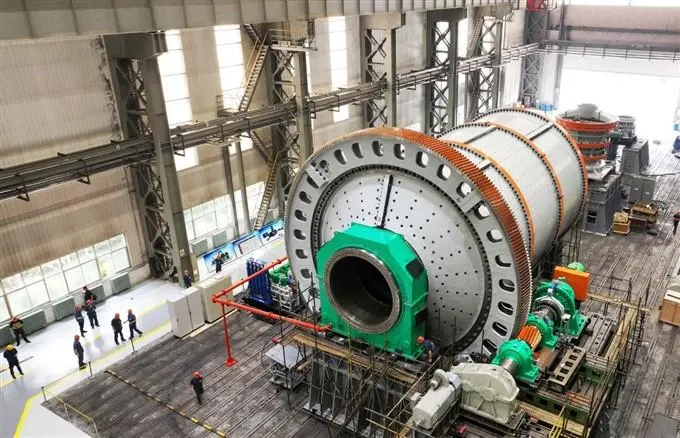
A Mining Ball Mill is grinding equipment used in mineral processing plants to reduce crushed ore to the particle size required for downstream beneficiation. It consists of a rotating cylindrical shell containing grinding media, which reduce ore particle size through impact and attrition.
A Mining Ball Mill Machine is commonly installed after crushing equipment in the mineral processing circuit. Its main function is to grind ore sufficiently to achieve the required liberation of valuable minerals from gangue, preparing the material for subsequent processes such as flotation, gravity separation, or magnetic separation. It is widely used in gold, copper, iron ore, and other mineral processing operations.
What Materials Can a Mining Ball Mill Process?
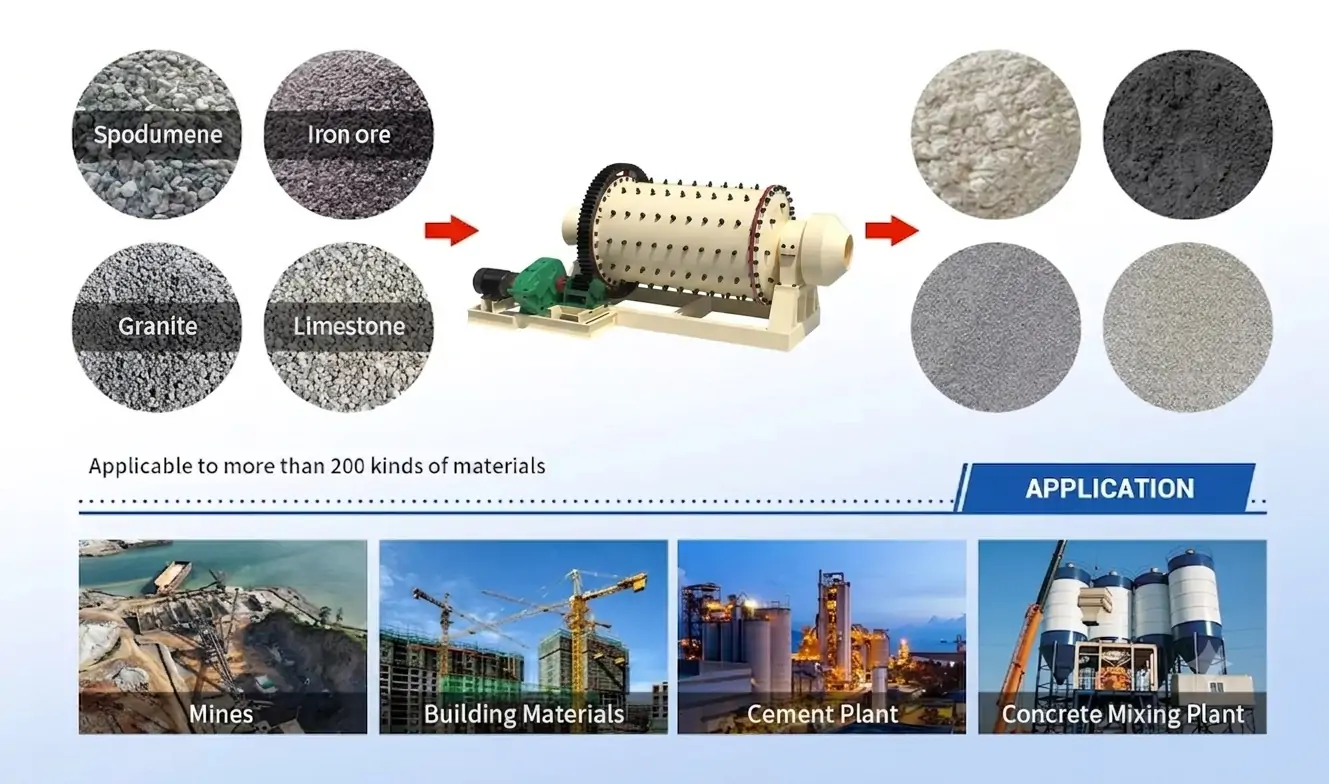
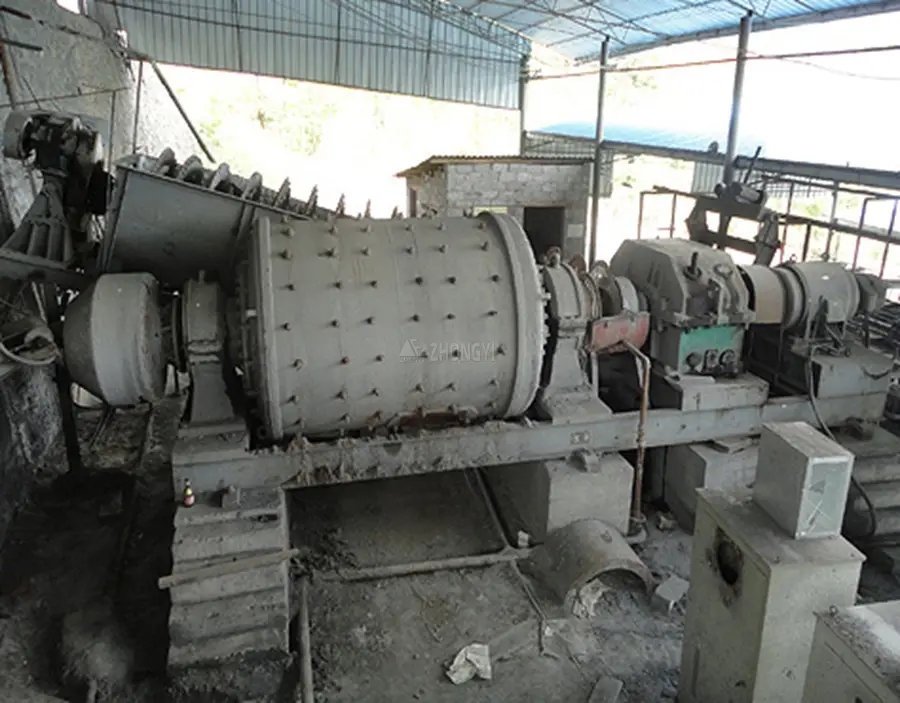
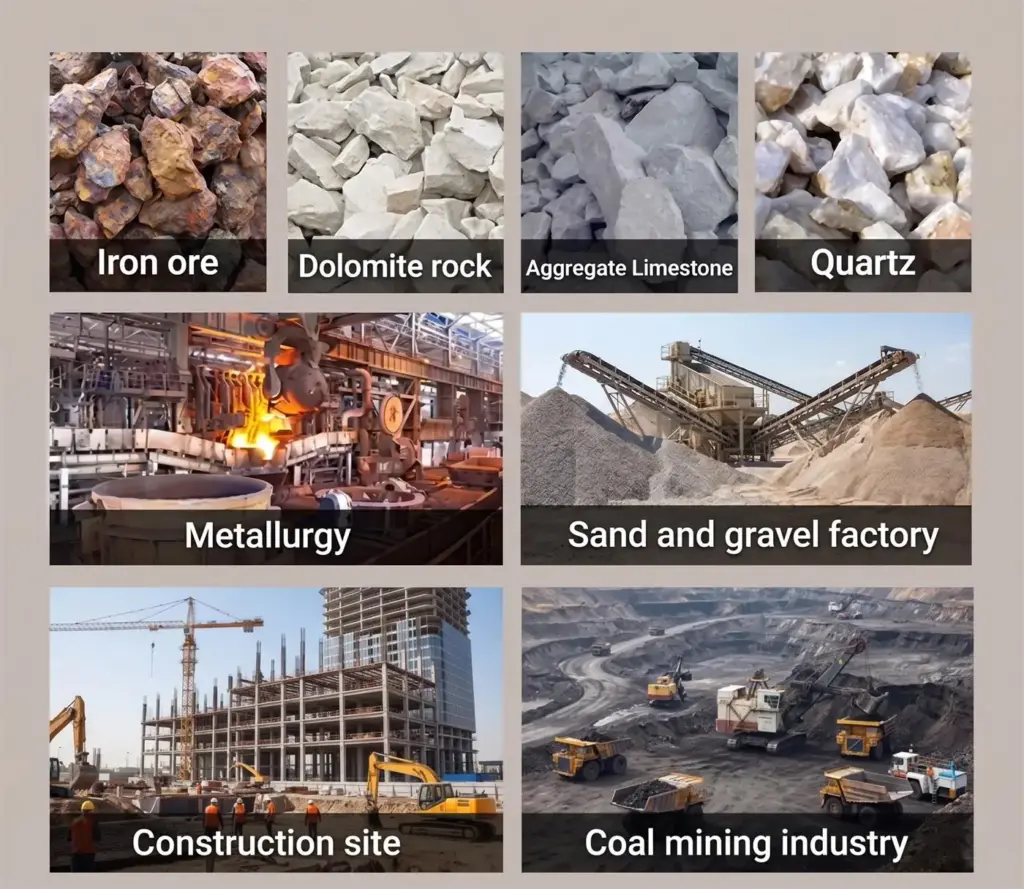
A Mining Ball Mill is commonly used to grind metallic and non-metallic ores after crushing. Typical materials include gold ore, copper ore, iron ore, lead-zinc ore, nickel ore, limestone, quartz, and other mineral-bearing rocks. Grinding reduces ore particle size and prepares the material for subsequent mineral processing.
The grinding requirements vary with ore hardness, abrasiveness, feed particle size, mineral composition, and required liberation size. These properties affect the selection of mill specifications and operating conditions. Therefore, the suitability of a Ball Mill for Mining should be evaluated based on actual ore characteristics and processing requirements rather than material type alone.
How does a Mining Ball Mill Works?
A Mining Ball Mill operates by rotating a cylindrical shell filled with ore and grinding media, typically steel balls. As the shell rotates, the liners lift the grinding media, which then fall or roll through the ore. The resulting impact breaks larger particles, while attrition between the grinding media and ore further reduces particle size.
Ore enters through the feed end and moves toward the discharge end during continuous operation. In wet grinding, water forms a slurry that carries the ground material out of the mill; in dry grinding, material is discharged without slurry. Grinding performance depends mainly on mill speed, grinding media size and loading, feed size, and ore hardness.
Mining Ball Mill Parts
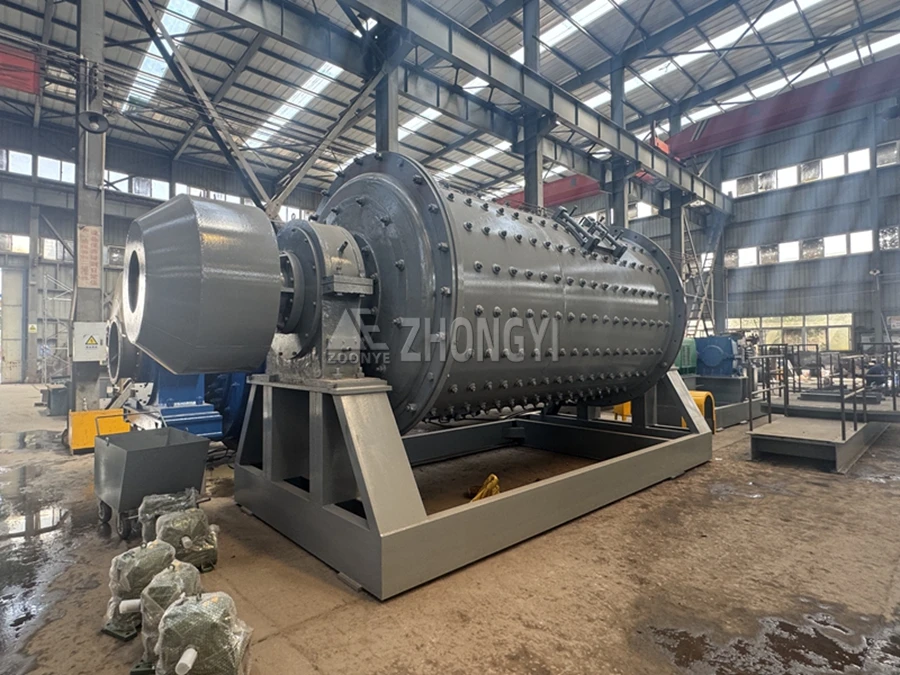
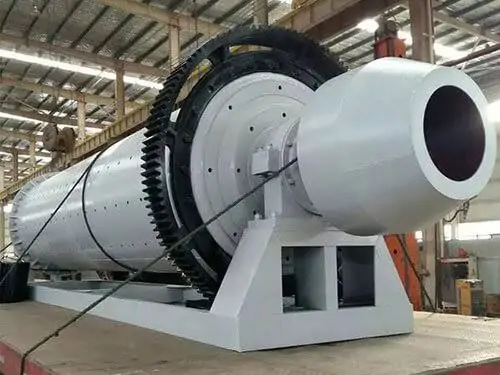
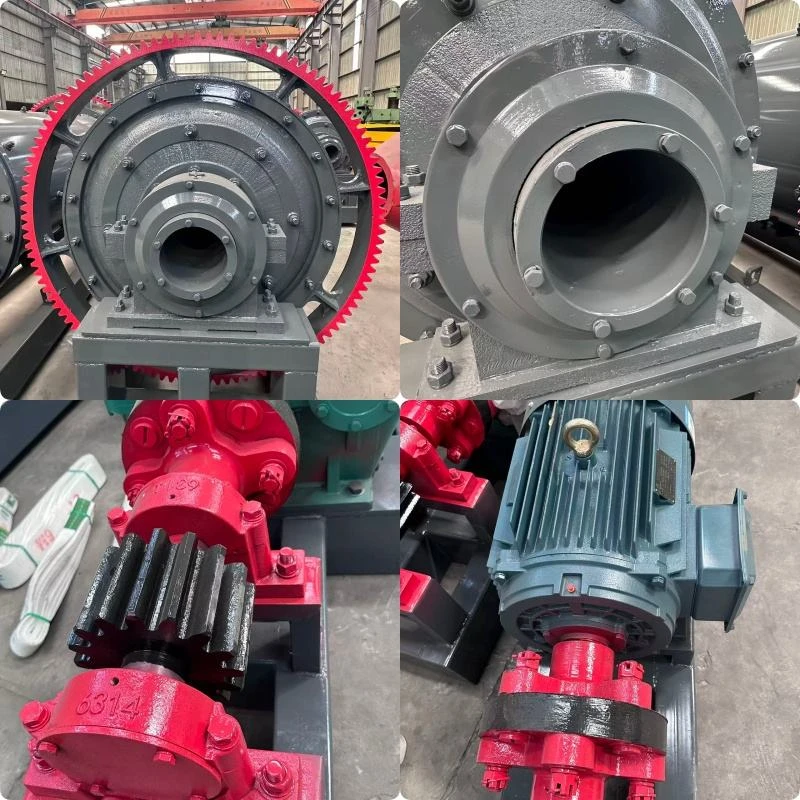
A Mining Ball Mill consists of several key components that work together to feed ore, perform grinding, transmit power, and discharge processed material. Its main components and functions include:
- Mill Shell: The rotating cylindrical body that contains the ore and grinding media during operation.
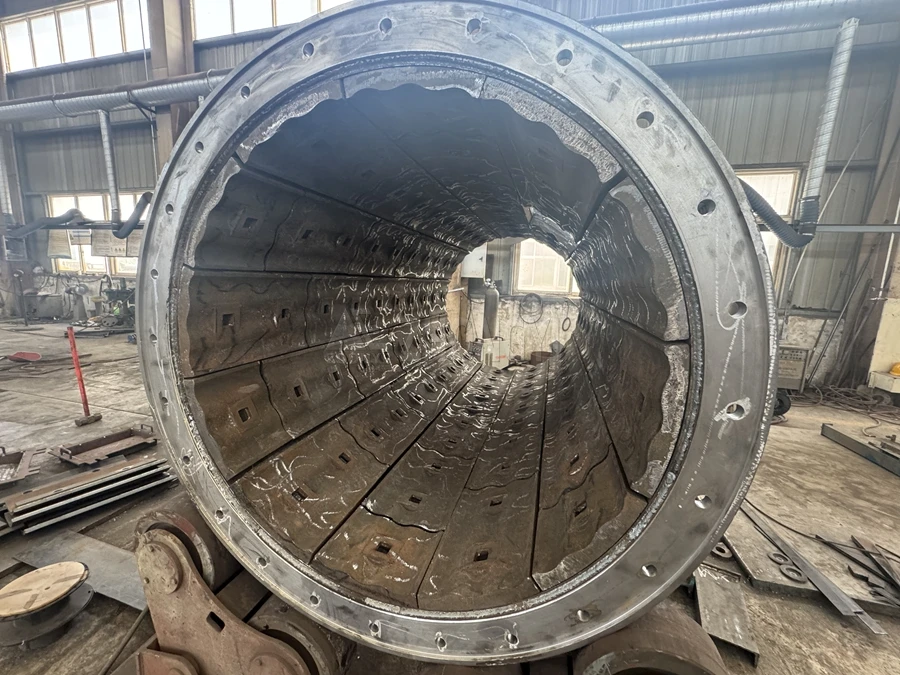
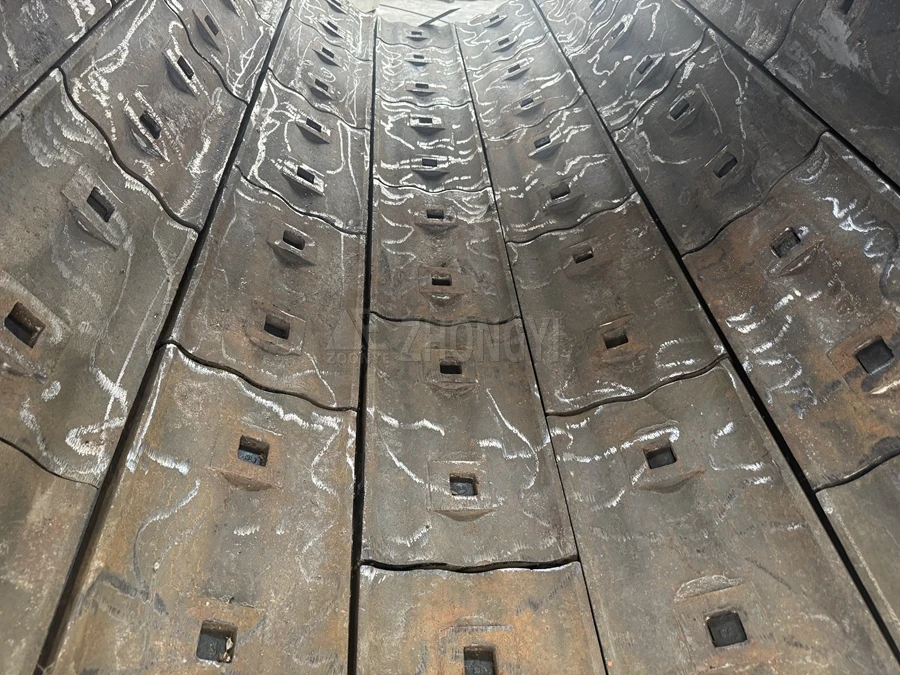
- Liner Plates: Protect the inner shell from impact and abrasion while influencing the movement of grinding media.
- Grinding Media: Steel balls that reduce ore particle size through impact and attrition.
- Feeding System: Directs crushed ore into the mill and maintains a continuous feed.
- Drive System: Uses a motor and transmission components to rotate the mill shell at the required speed.
- Main Bearing: Supports the rotating assembly and carries the operating load.
- Lubrication System: Supplies lubricant to designated bearings and transmission components to reduce friction and wear.
- Discharge System: Removes ground material from the mill. Its structure varies according to the mill’s discharge design.
Mining Ball Mill Technical Specifications
The following table lists the model specifications of Zhongyi Mining Ball Mills, including capacity, feed size, cylinder speed, grinding media load, effective volume, drive method, and motor configuration.
| Model (m) | Capacity (t/h) | Rotational Speed (r/min) | Feed Size (mm) | Grinding Media Load (t) | Effective Volume (m³) | Drive Method | Main Motor / Power (kW) | Main Reducer | Equipment Weight (t) |
| Φ2.4×7.5 | 21–23 | 20.4 | ≤25 | 37.5 | 29.5 | Edge Drive | JR1510-8/475 | CZD80 | 76 |
| Φ2.4×10 | 30 | 20.4 | ≤25 | 50 | 39 | Edge Drive | JR1512-8/570 | CZD80 | 84 |
| Φ2.6×8 | 20–24 | 19.57 | ≤25 | 52 | 38.05 | Edge Drive | JR1512-8/630 | CZD80 | 97 |
| Φ2.6×9 | 42 (Wet Grinding) | 19.57 | ≤25 | 58 | 42.7 | Edge Drive | YR560-8/710 | MBY10 | 125 |
| Φ3×9 | 28–32 | 18.34 | ≤20 | 78 | 57.4 | Edge Drive | YR1000-8/1180/1000 | JDX800 | 150 |
| Φ3.4×7.5 | 60 | 16.9 | ≤25 | 80 | 58 | Edge Drive | YR1000-8/1180/1000 | ZD100 | 167 |
| Φ3.5×10 | 75 | 16.8 | ≤25 | 100 | 70 | Center Drive | YR1250-8/1250 | — | 154 |
| Φ3.8×7.5 | 90 | 17 | ≤25 | 95 | 91.8 | Edge Drive | YR710-8/1600 | JDX900 | 218 |
| Φ4.6×10+3.5 | 190 | 15 | ≤25 | 190 | 177 | Center Drive | YRKK1000-8/3550 | JQS3500 | 352 |
| Φ4.6×10.5+3.5 | 210 | 15 | ≤25 | 200 | 185 | Center Drive | YRKK1000-8/3550 | JQS3500 | 358 |
Note: The above specifications are for reference only. Actual configuration may vary depending on material characteristics and operating conditions. Customized solutions are available upon request.
Selecting the right mining ball mill requires understanding its structure, operating principle, and applications. Explore our guide on what is a ball mill machine and how to choose the right type.
Applications
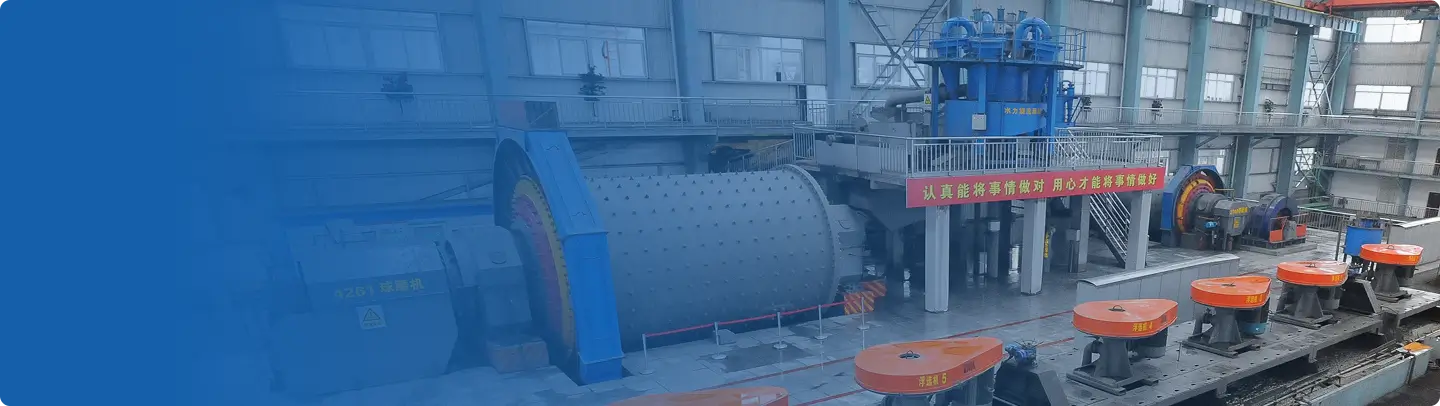
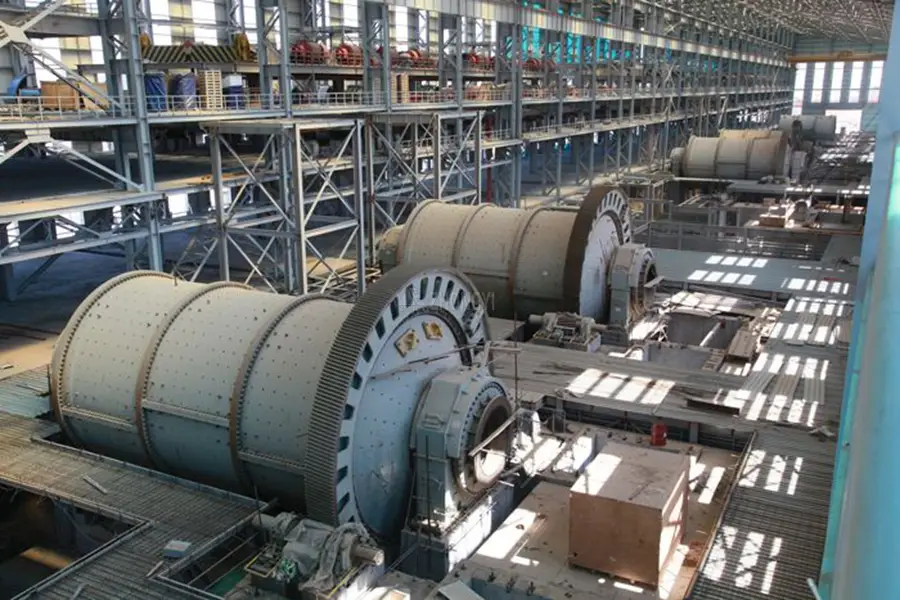
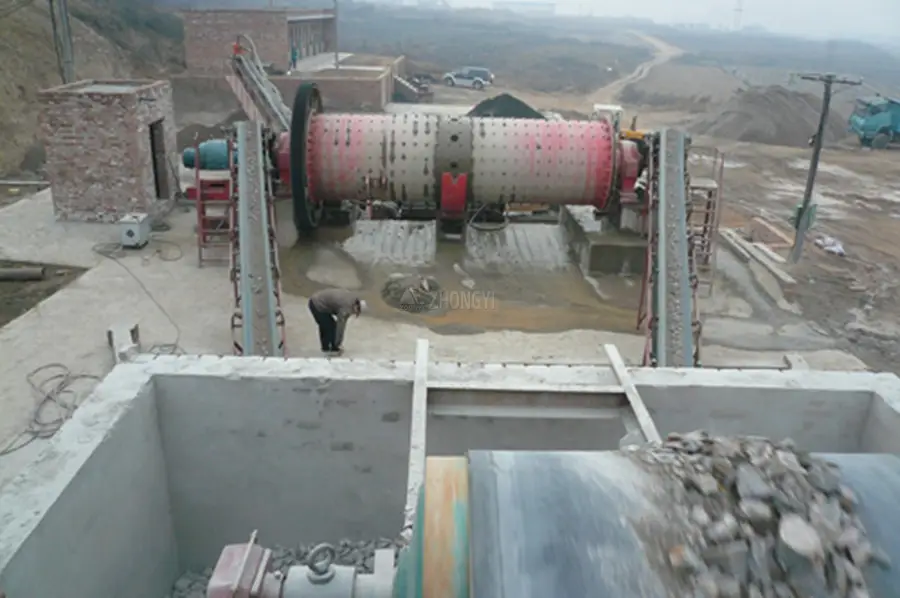
A Mining Ball Mill is used in mineral processing plants to grind crushed ore before beneficiation. It commonly works with classification equipment to control grinding particle size and prepare ore for subsequent separation processes.
Xinyang Gold Ore Processing Project
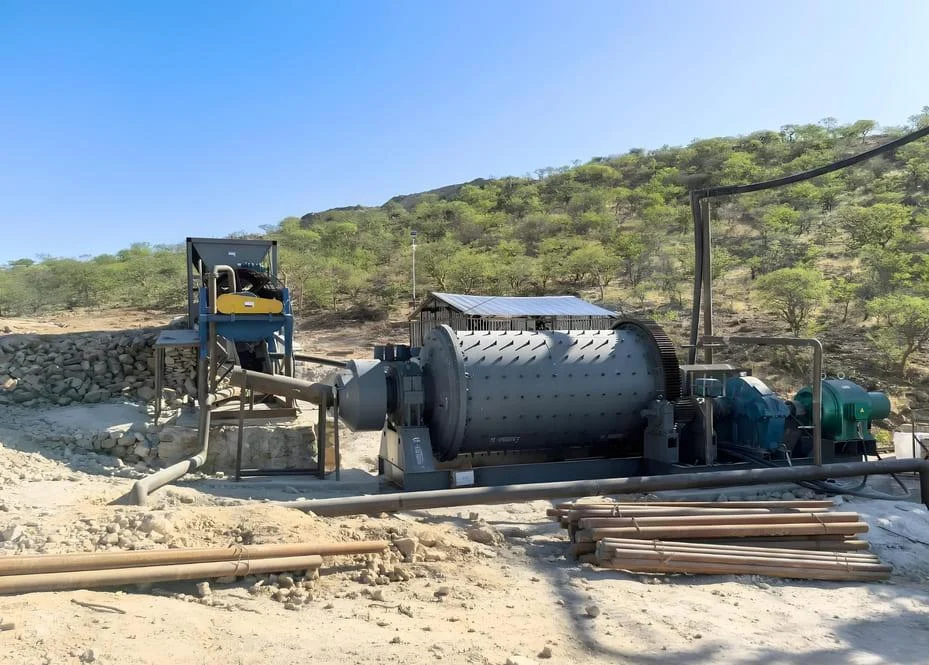
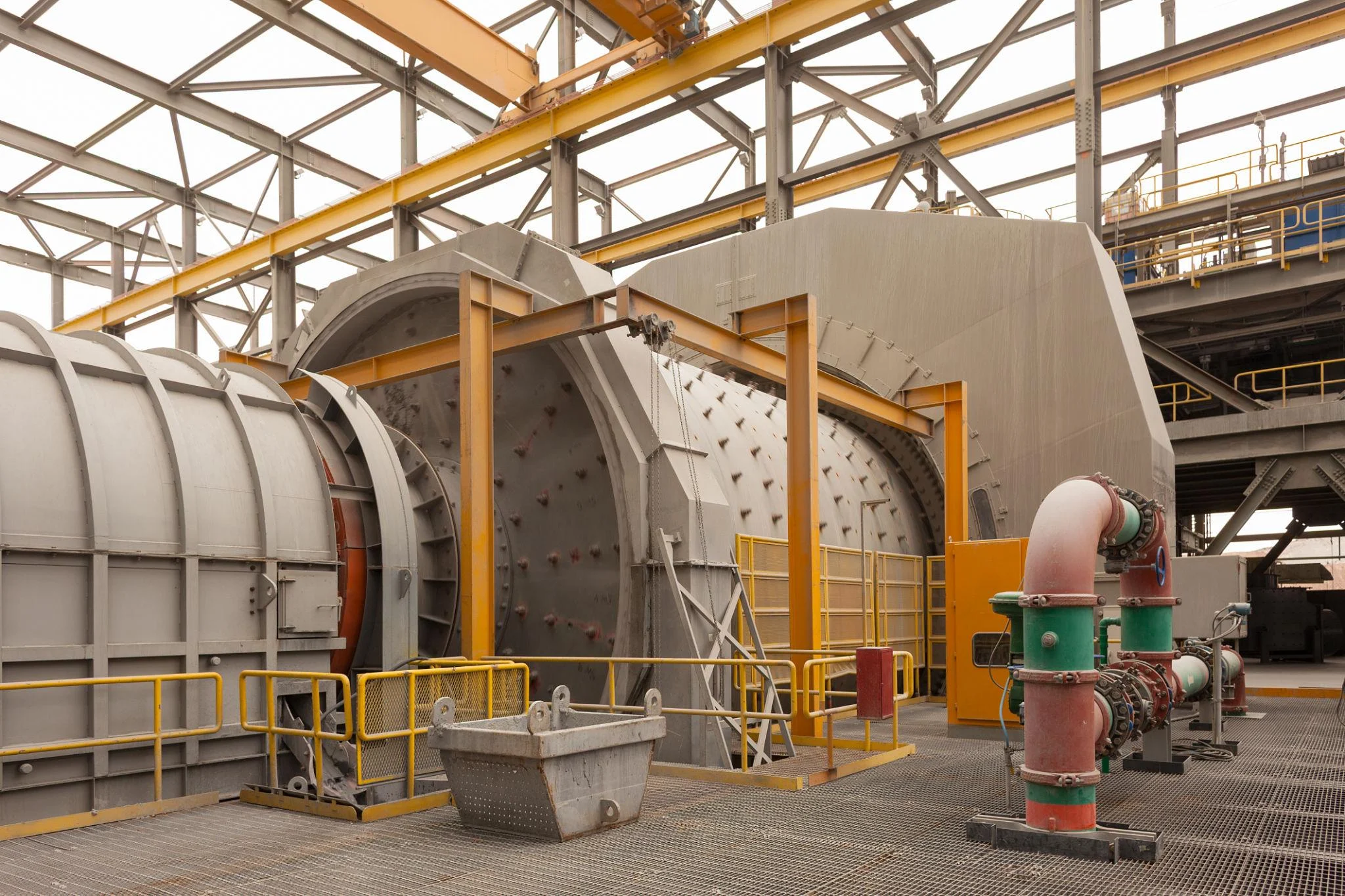
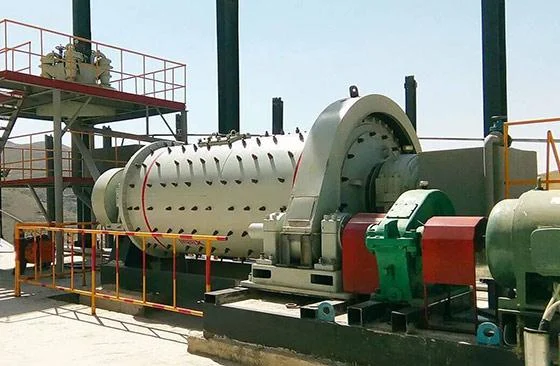
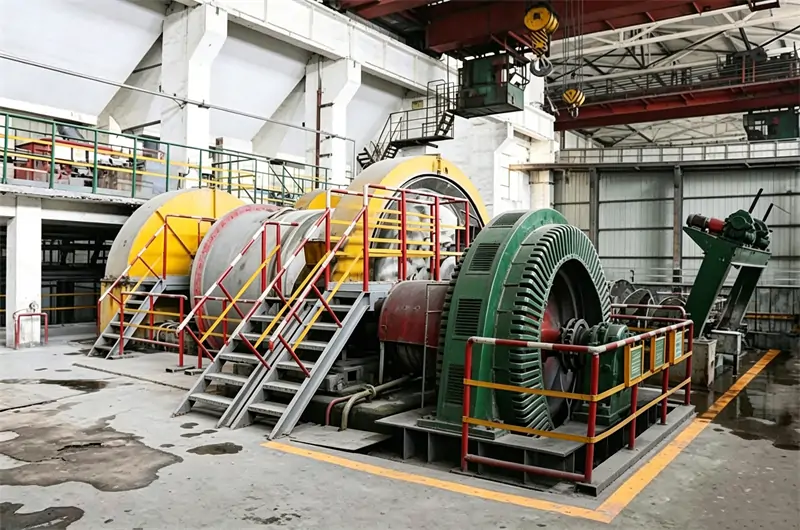
The Xinyang Yunfeng gold ore processing plant uses two types of Mining Ball Mill: an MQG3200×4500 grate discharge ball mill and an MQY2400×3600 overflow ball mill. The two mills are integrated into the grinding circuit, working with a spiral classifier to process crushed gold ore. The ground slurry is then sent to a jig concentrator for gravity recovery of coarse gold particles before entering the flotation preparation stage. The plant combines crushing, grinding, classification, gravity separation, and flotation in an integrated processing flowsheet.
How to Choose the Right Mining Ball Mill?
Select a Mining Ball Mill according to ore properties, feed size, required capacity, grinding fineness, and site conditions. Key selection factors include:
For model selection, provide the ore type, feed size, required capacity, target fineness, and grinding method.
Request a Customized Solution
Partner with Zhongyi for mining ball mill solutions, technical support, and equipment configurations tailored to your ore characteristics and grinding requirements.
Custom Mining Ball Mill Solutions
Zhongyi provides customized Mining Ball Mill solutions based on ore characteristics, feed size, required grinding fineness, processing capacity, and site conditions. We can configure individual ball mills or integrate grinding equipment with classification and downstream processing systems to meet different project requirements.
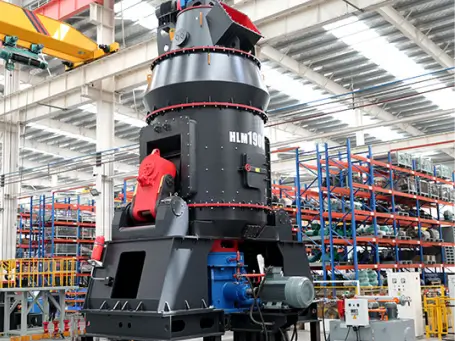
For complete plant configurations, explore our Gold Mine Processing Plant Solutions for gold ore grinding and recovery, or Powder Grinding Mill Plant for integrated crushing, grinding, classification, and dust collection.
Contact our engineers with your project details for equipment selection, configuration recommendations, and a customized quotation.
Provide the Following Information:
Mining Ball Mill Manufacturer and Supplier
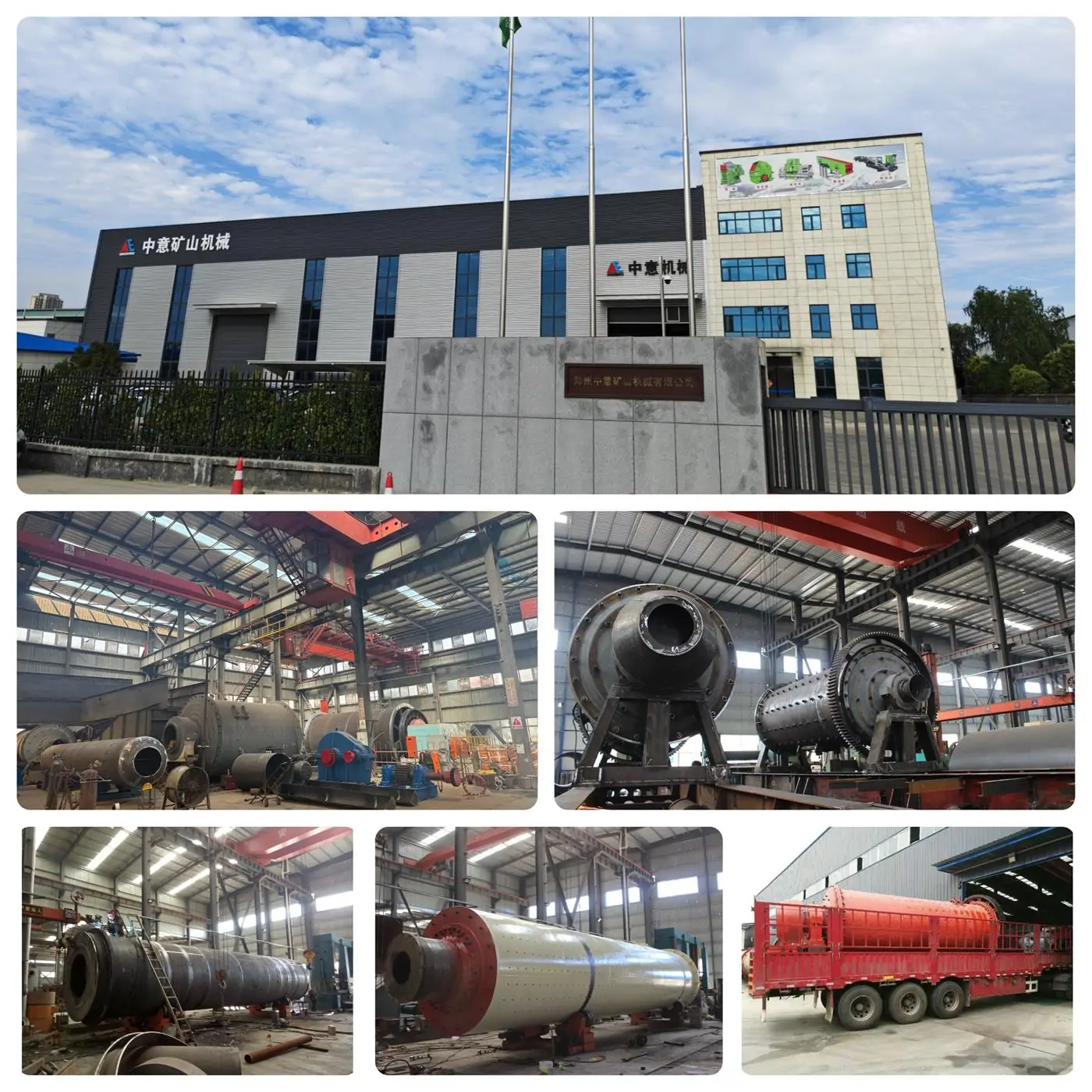
Zhongyi manufactures Mining Ball Mill Equipment for gold, copper, iron ore, lead-zinc, and other mineral grinding applications. The manufacturing process covers component machining, equipment fabrication, assembly, and inspection. With more than 40,000 m² of manufacturing facilities and over 200 sets of production and machining equipment, Zhongyi has the production capacity to manufacture different ball mill models for mineral processing projects.
For ball mill manufacturing, component accuracy and assembly quality directly affect equipment operation. Zhongyi follows its ISO 9001:2015 quality management system in production and inspection. Key equipment specifications, including cylinder dimensions, rotational speed, grinding media load, and motor configuration, are checked against the corresponding model requirements before delivery.
FAQs
What Is a Mining Ball Mill Used For?
A Mining Ball Mill grinds crushed ore into finer particles to achieve the mineral liberation required for beneficiation. It is commonly installed after crushing equipment and works with classification equipment in a grinding circuit. The ground material is then supplied to downstream processes such as flotation, gravity separation, or magnetic separation, depending on the ore and process design.
What Materials Can a Ball Mill for Mining Process?
A Ball Mill for Mining can process various metallic and non-metallic ores, including gold ore, copper ore, iron ore, lead-zinc ore, and quartz. Suitability depends on ore hardness, abrasiveness, mineral composition, and required grinding fineness. These properties should be evaluated before selecting the mill model and grinding configuration.
What Is the Feed Size of a Mining Ball Mill?
The acceptable feed size depends on the selected ball mill model and its specified inlet range. It must also match the discharge size of the upstream crushing equipment. Oversized feed may affect grinding performance and increase operating load. Check the technical specifications of the selected model rather than applying one feed-size limit to all ball mills.
What Is the Capacity of Mining Ball Mill Equipment?
The capacity of Mining Ball Mill Equipment varies by model and operating conditions. Ore hardness, feed size, target grinding fineness, and grinding circuit configuration all affect throughput. Zhongyi’s technical specification table provides the rated capacity for each model. Actual capacity should be evaluated against the characteristics of the ore being processed.
What Factors Affect Ball Mill Grinding Efficiency?
Grinding efficiency is affected by ore hardness, feed particle size, grinding media size and loading, mill speed, and operating conditions. In wet grinding, slurry concentration also influences grinding performance. In a closed-circuit system, classification efficiency affects how effectively coarse particles return to the mill for further grinding.
What Is the Difference Between Wet and Dry Grinding in a Ball Mill?
Wet grinding uses water to form a slurry during the grinding process, while dry grinding processes material without adding water. The choice depends on ore characteristics, downstream processing requirements, and material handling conditions. Wet or dry operation should be confirmed against the selected mill model and the overall plant flowsheet.
What Information Is Needed to Select a Mining Ball Mill Machine?
To select a Mining Ball Mill Machine, provide the ore type, feed size, required processing capacity, target grinding fineness, and wet or dry grinding requirement. Project location, available power supply, and installation conditions are also useful. These details help engineers evaluate suitable mill models and configurations.
Can Zhongyi Customize Mining Ball Mill Specifications?
Zhongyi can evaluate ball mill models and available configurations according to project requirements. Selection may involve mill dimensions, motor configuration, and discharge arrangement, subject to the available product designs. Provide your ore characteristics, feed size, capacity target, and grinding requirements so our engineers can assess the appropriate equipment specifications.