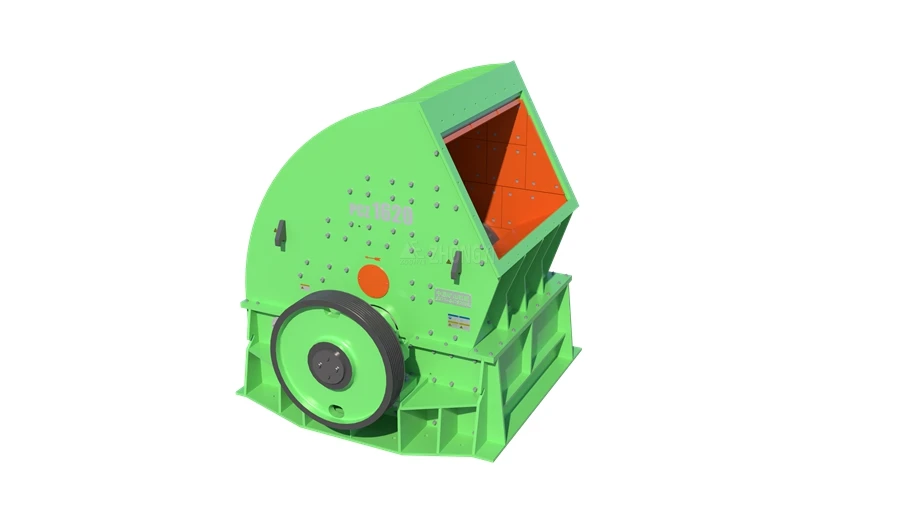
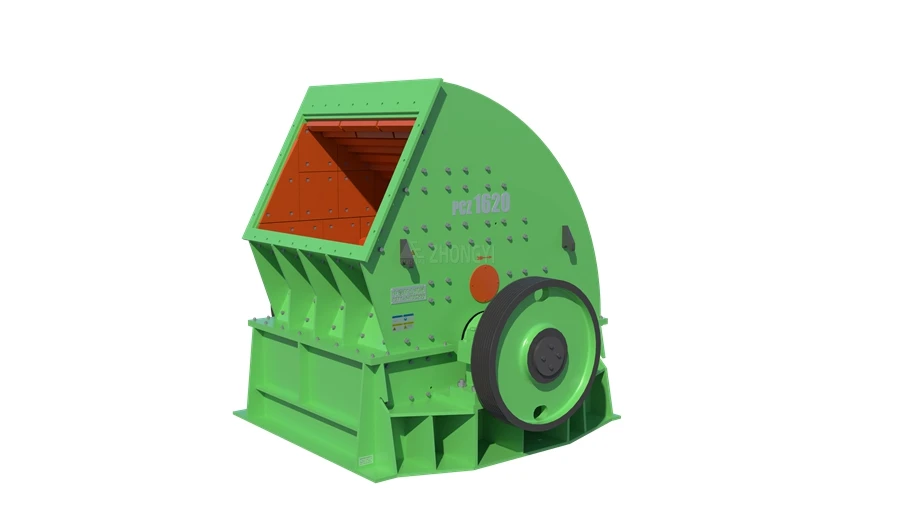
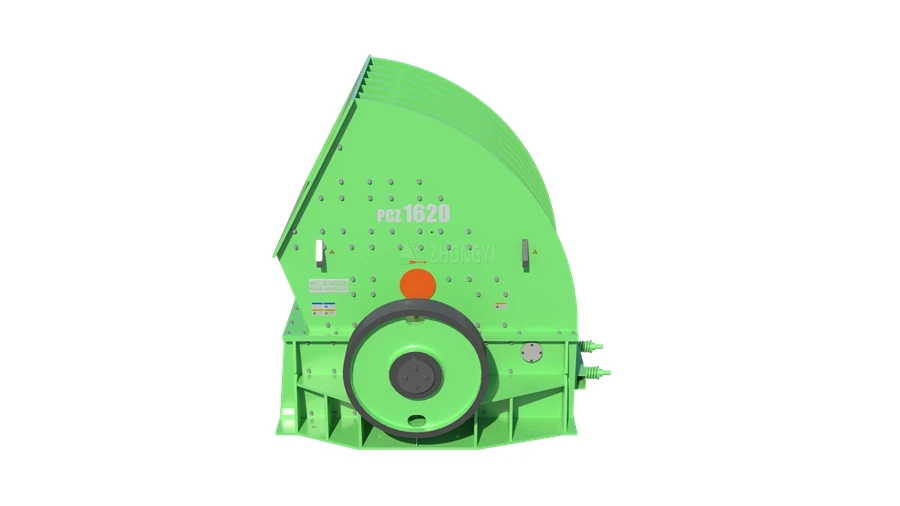
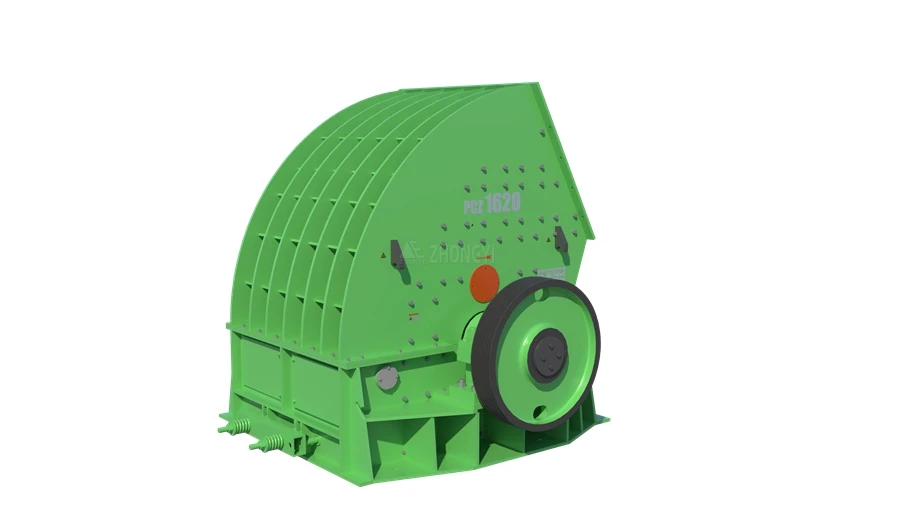
What is a Heavy Hammer Crusher?
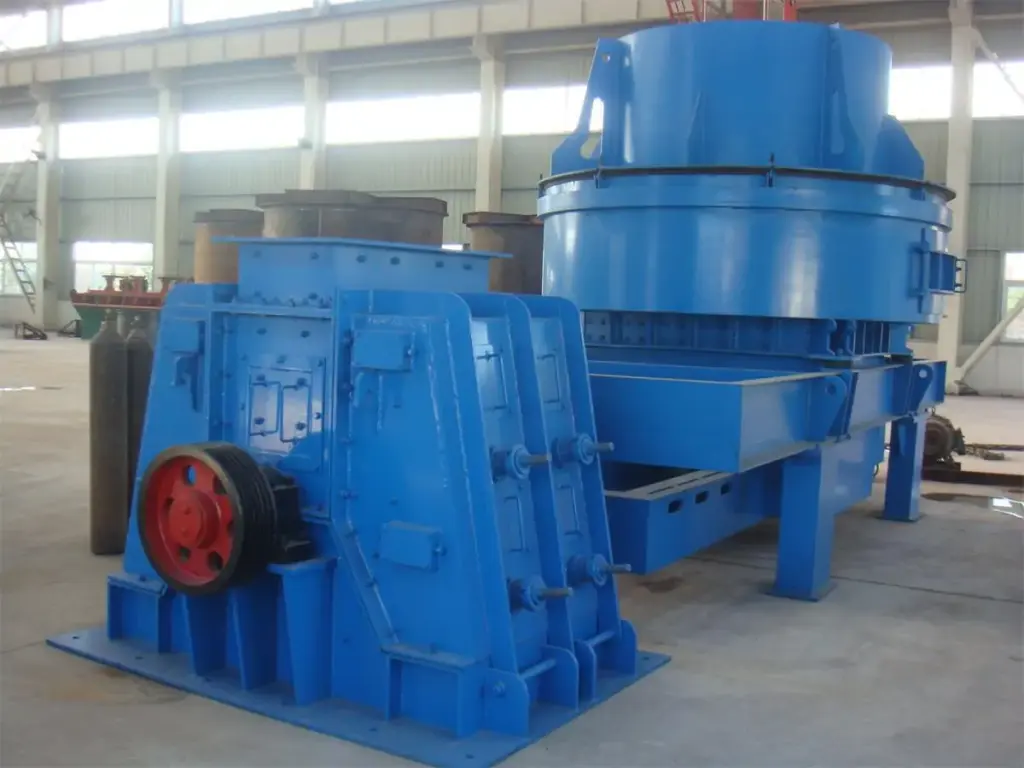
A Hammer Crusher, also known as a Hammer Mill Crusher, is used to crush medium-hard and brittle materials such as limestone, coal, gypsum, and shale. It is widely used in mining, quarrying, cement plants, and aggregate production, with capacities ranging from 5 to 800 t/h.
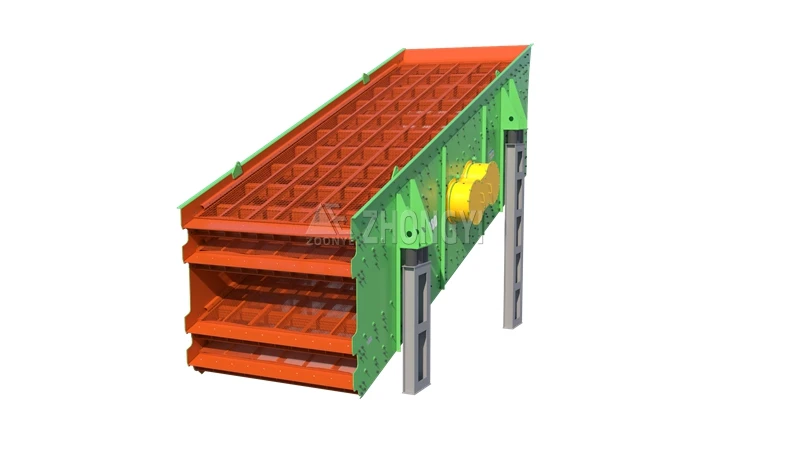
In a stone crushing plant, the hammer crusher is typically installed after the vibrating feeder and before the vibrating screen and belt conveyor. It reduces material to the required size for screening, conveying, or further processing, providing a simple structure, stable operation, and low maintenance requirements.
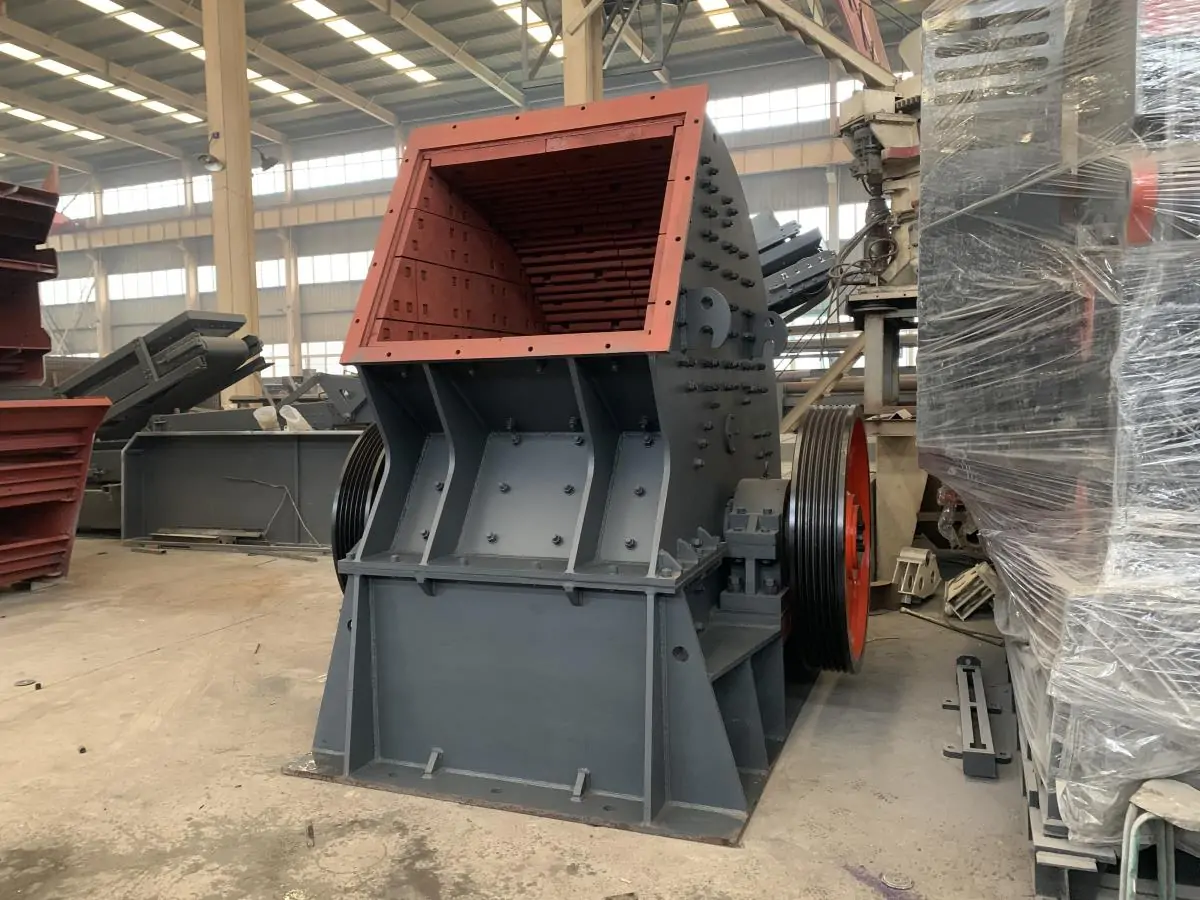
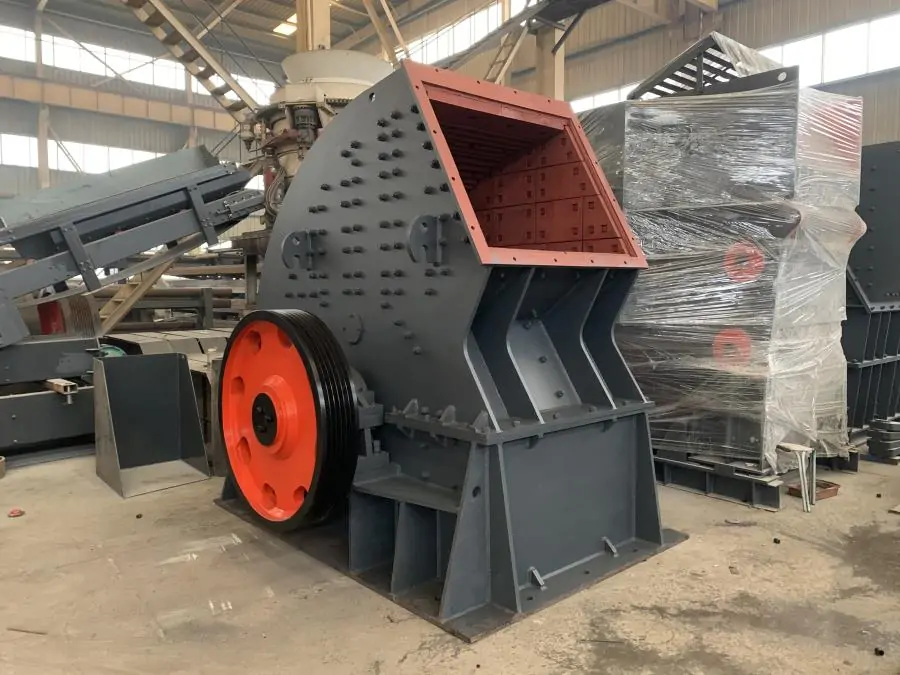
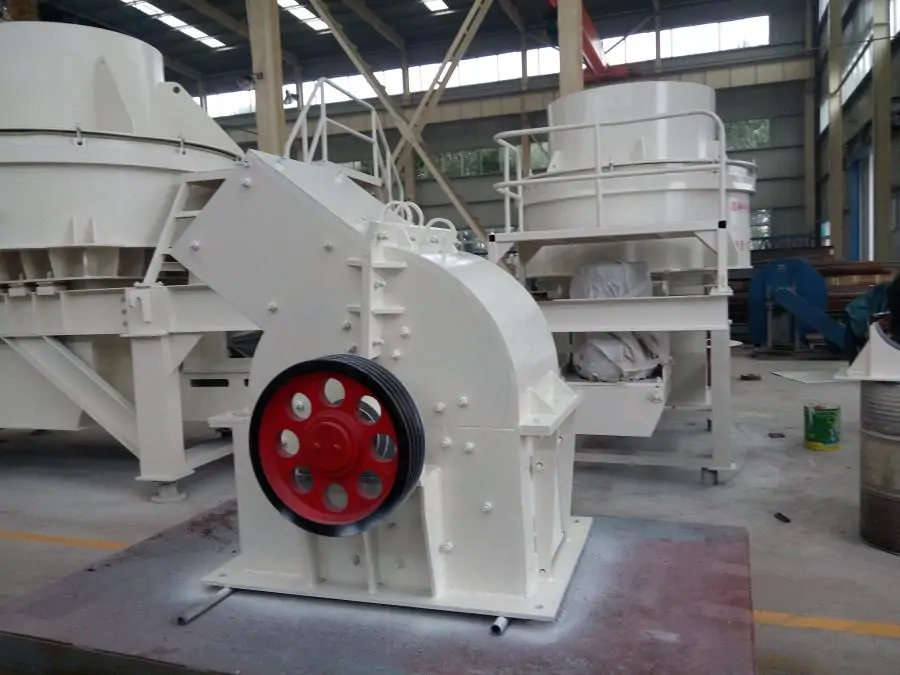
Hammer Crusher Working Principle
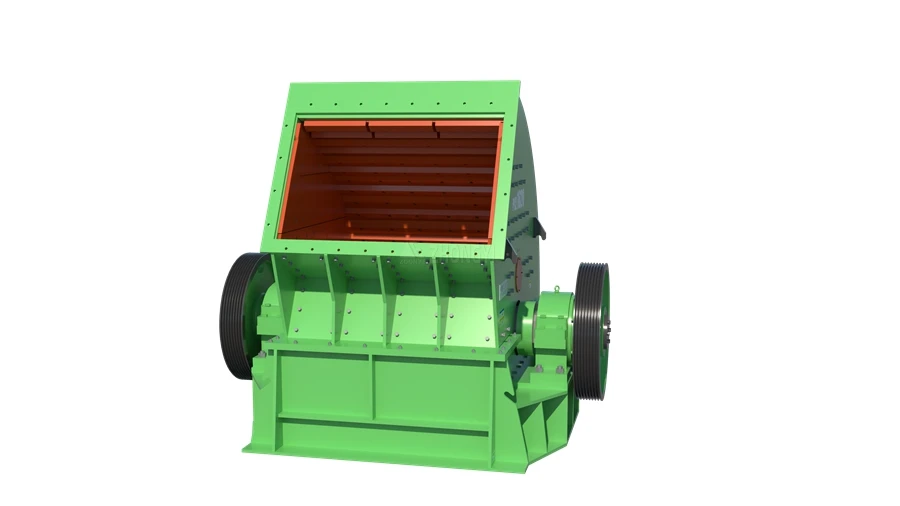
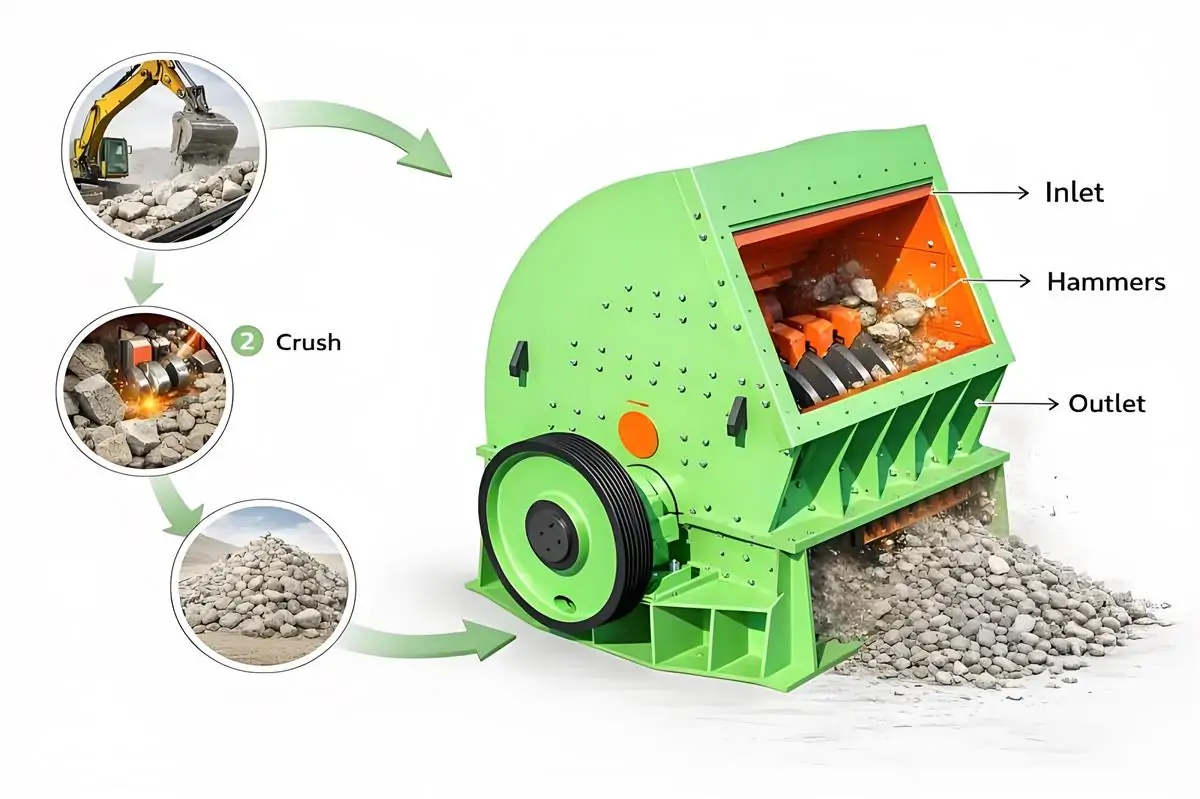
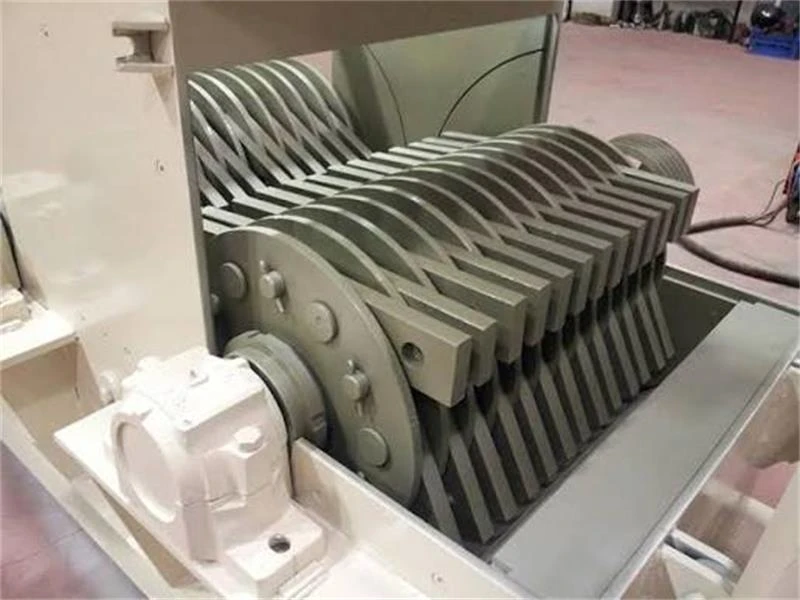
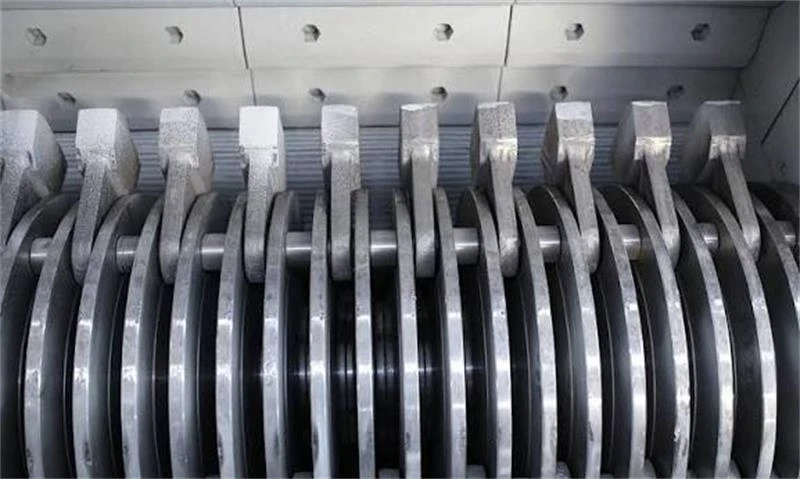
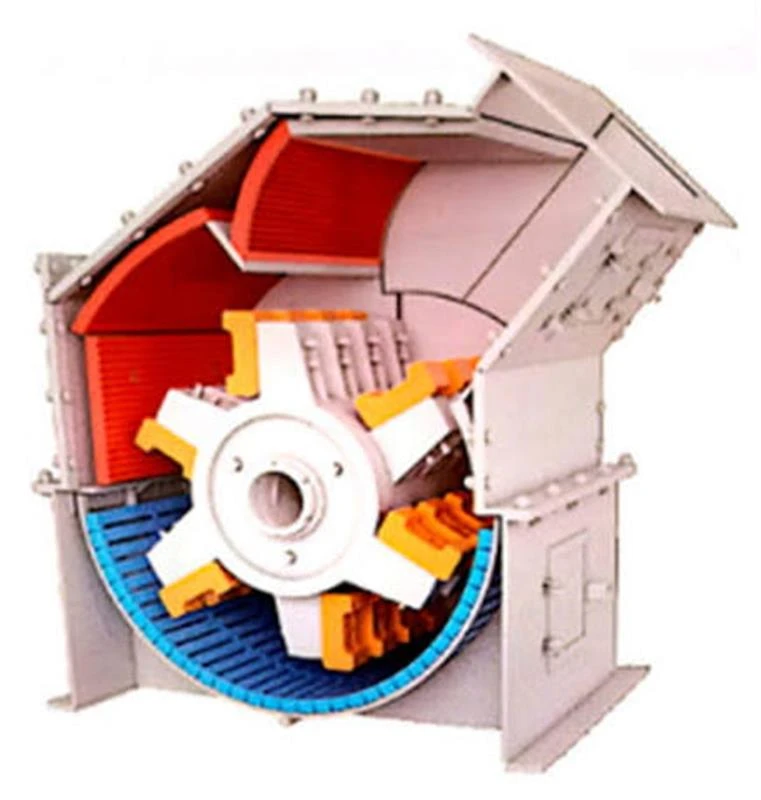
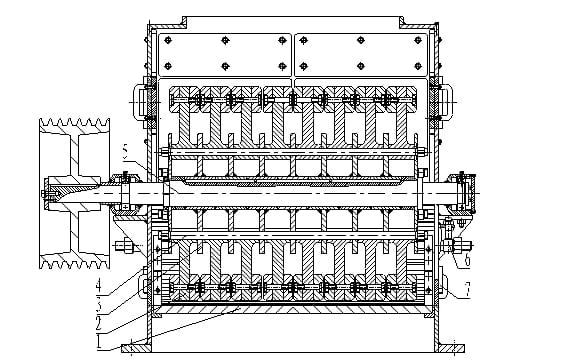
The Hammer Crusher uses a high-speed impact crushing principle. Its core component is a rotor fitted with wear-resistant hammers. During operation, the motor drives the rotor at high speed, and materials entering the crushing chamber are struck and broken by the rotating hammers.
Crushed material smaller than the grate openings is discharged through the bottom of the crusher, while oversized particles remain inside the chamber for further impact and crushing until the required particle size is reached. This continuous crushing process provides high reduction efficiency, stable throughput, and uniform product size for a wide range of brittle materials.
Advantages
The heavy hammer crusher is designed for efficient material reduction with a simple and robust structure, ensuring stable operation across different applications.
Hammer Crusher Specifications
The following specifications provide general reference parameters for heavy hammer crushers. These values may vary depending on material properties and specific configurations, helping users evaluate suitable models for different applications.
| Model | Feeding Size (mm / in) | Output Size (mm / in) | Capacity (t/h) | Power (kW / HP) |
| PC-400×300 | ≤100 mm / ≤4 in | 5–20 mm / 0.2–0.8 in | 5–10 | 11 kW / 15 HP |
| PC-600×400 | ≤120 mm / ≤4.7 in | 10–25 mm / 0.4–1 in | 10–25 | 18.5 kW / 25 HP |
| PC-800×600 | ≤150 mm / ≤6 in | 10–30 mm / 0.4–1.2 in | 20–50 | 55 kW / 75 HP |
| PC-1000×800 | ≤200 mm / ≤8 in | 15–40 mm / 0.6–1.6 in | 50–100 | 90 kW / 120 HP |
| PC-1200×1000 | ≤250 mm / ≤10 in | 20–50 mm / 0.8–2 in | 80–200 | 132 kW / 175 HP |
| PCZ-1308 | ≤300 mm / ≤12 in | 20–60 mm / 0.8–2.4 in | 100–300 | 160 kW / 215 HP |
| PCZ-1512 | ≤350 mm / ≤14 in | 25–70 mm / 1–2.8 in | 200–500 | 220 kW / 295 HP |
| PCZ-1615 | ≤400 mm / ≤16 in | 30–80 mm / 1.2–3.1 in | 300–800 | 315 kW / 420 HP |
Applications
The hammer crusher is widely used in various industries due to its efficient impact crushing mechanism and adaptability to different materials. It is suitable for processing medium-hard and brittle materials, making it a reliable choice for both primary and secondary crushing applications.
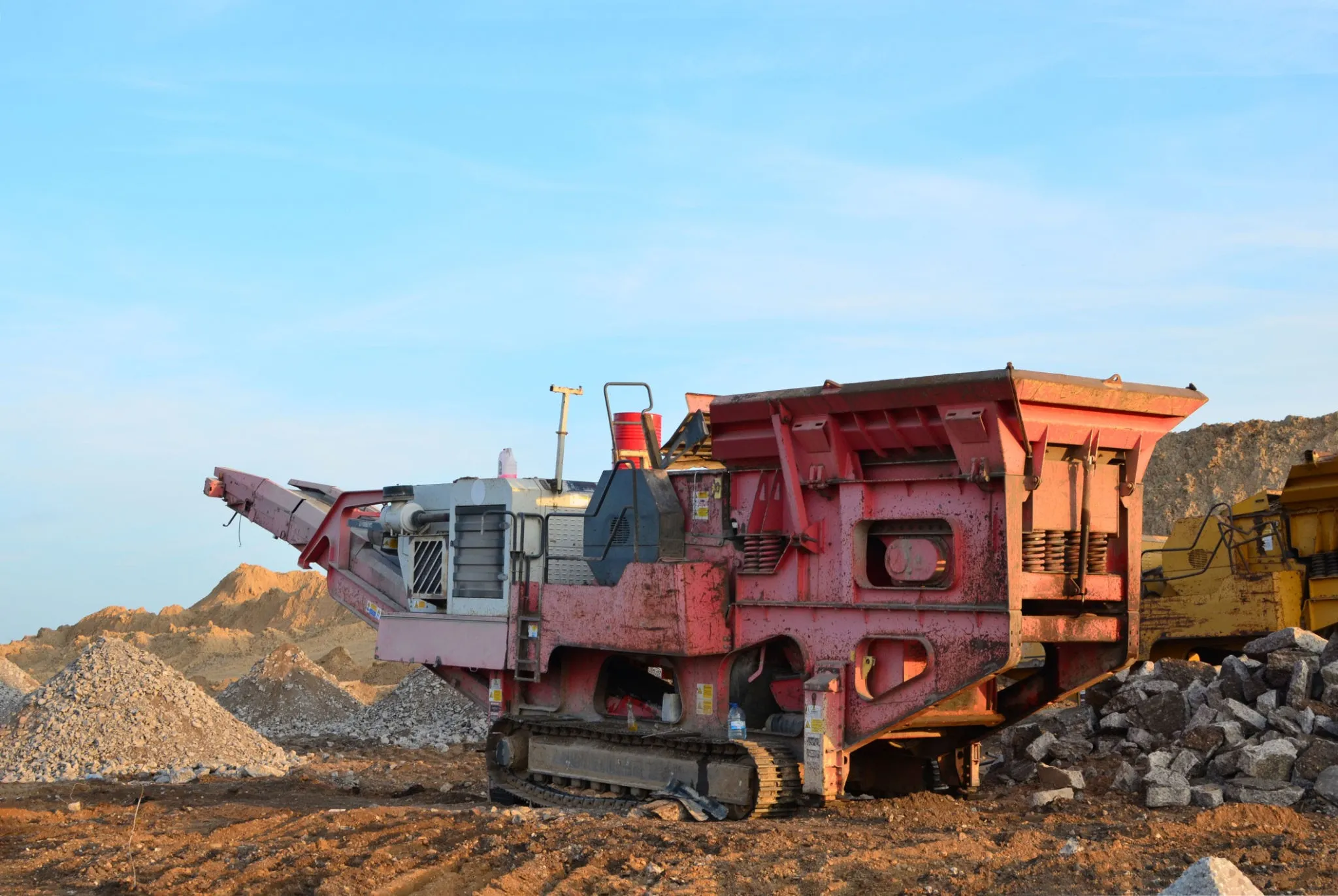
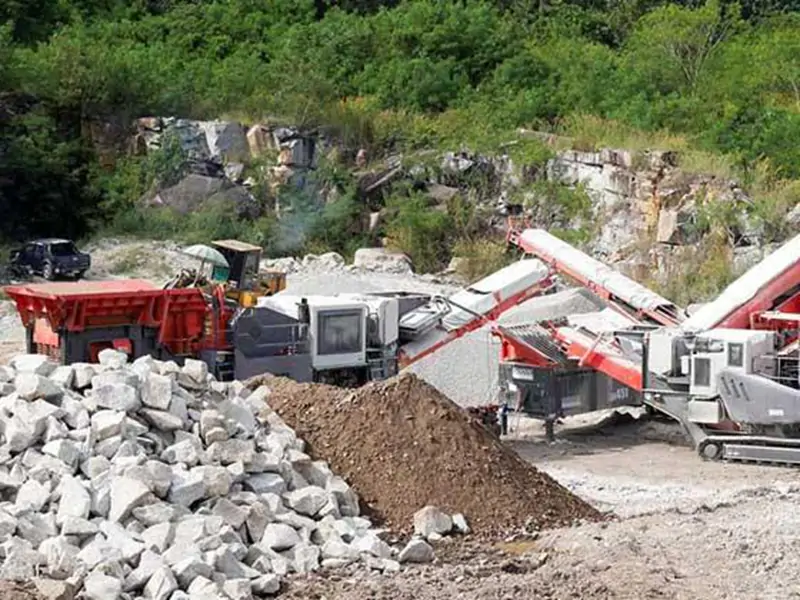
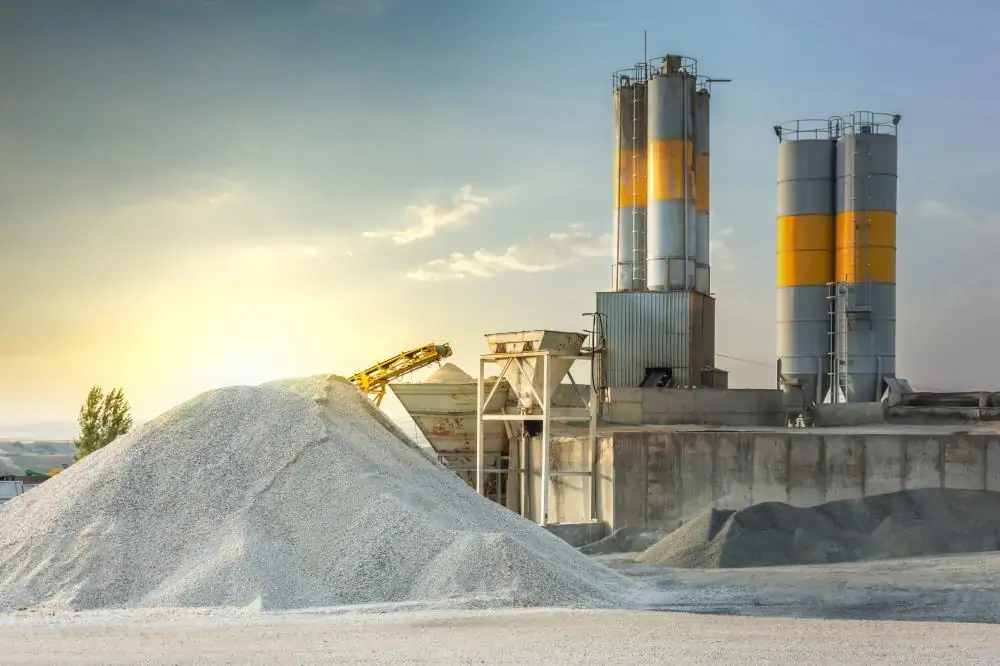
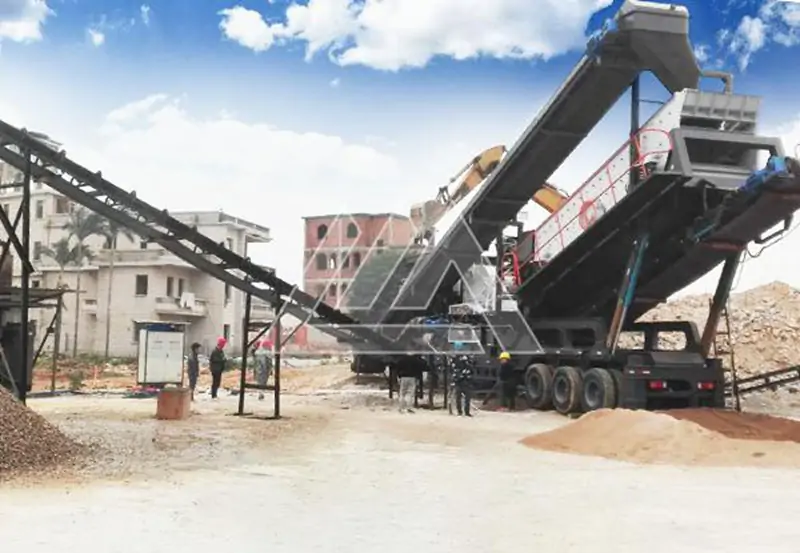
Heavy Hammer Crusher Quarry Project Case
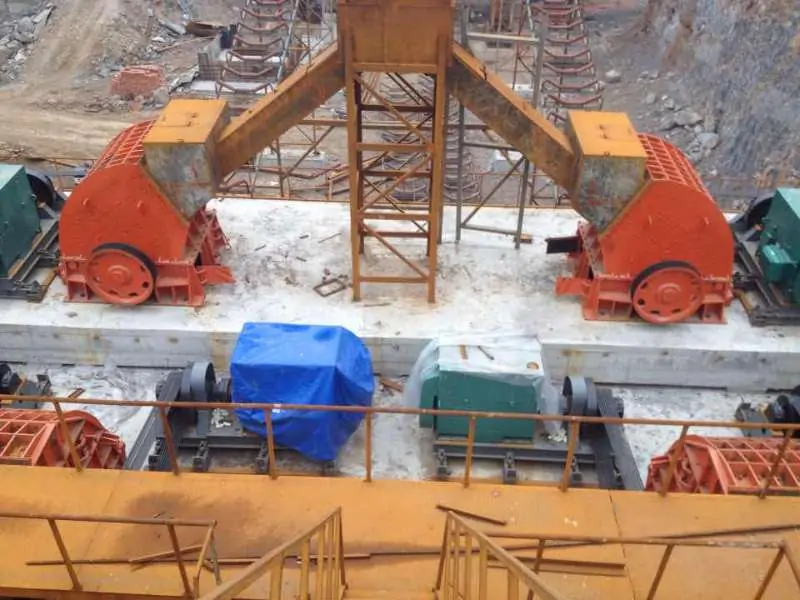
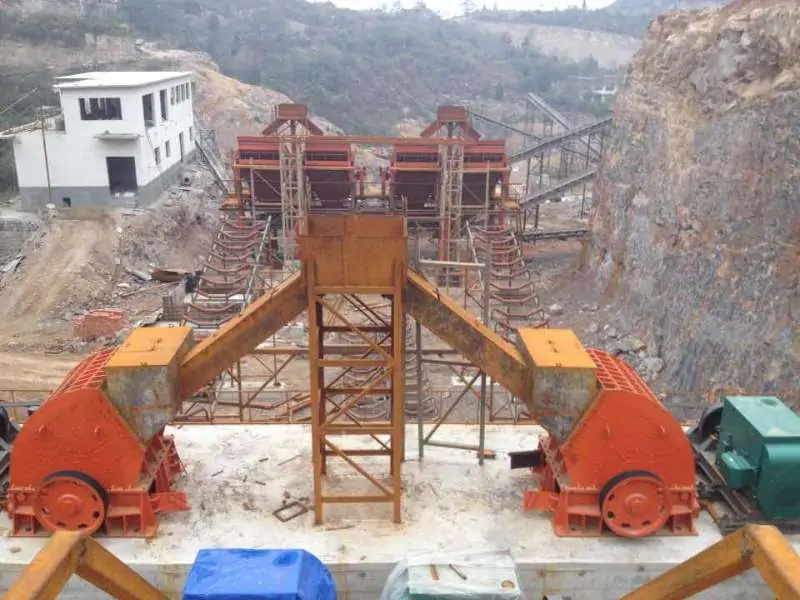
This mountain limestone quarry chose Zhongyi heavy hammer crushers as core primary crushing equipment upon our professional layout proposal. We designed a symmetrical feeding structure, installing two Zhongyi heavy hammer crushers side by side, with one central feeding bin evenly distributing raw ores to both units to prevent single-device overload and downtime.
Cooperating with vibrating screens and conveyor belts, the full crushing line runs automatically. After commissioning, the hourly capacity hits 380 tons. This scheme cuts overall investment compared with jaw-crusher plus cone-crusher configuration. Zhongyi sturdy hammer bodies suit tough mountain working conditions, supplying qualified aggregates for local highway projects and creating steady revenue for the quarry owner.
Hammer Crusher vs Impact Crusher
When selecting crushing equipment, understanding the differences between a hammer crusher and an impact crusher is important for choosing the right solution. The comparison mainly involves working principle, operating cost, and material suitability. If you are interested in “Stone Crusher Types: Working Principle, Uses, and Selection Guide,” please click here.
Comparison Table
| Aspect | Hammer Crusher | Impact Crusher |
| Working principle | High-speed hammers impact materials | Rotor throws materials to impact plates |
| Operating cost | Lower, simpler structure | Higher, more wear parts |
| Suitable materials | Medium-hard, brittle materials | Medium-hard materials with better shaping |
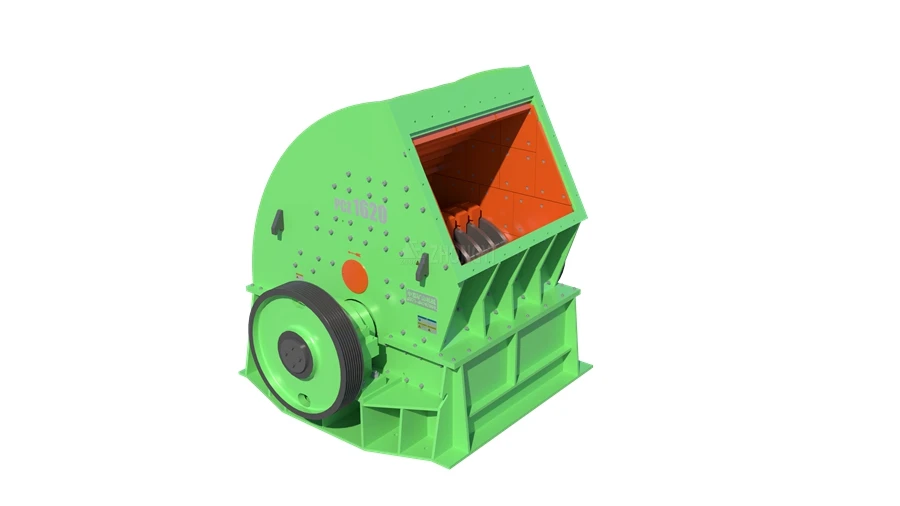
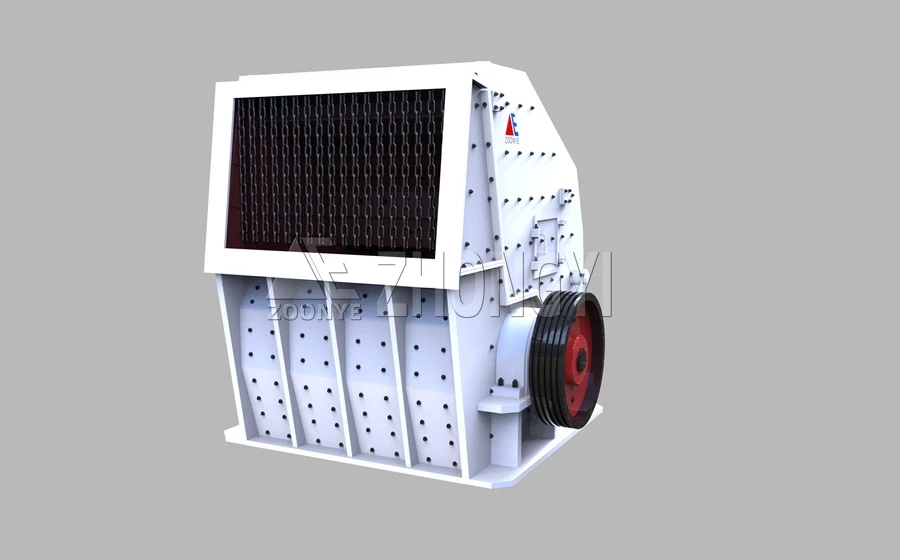
Working mechanism: A hammer crusher uses rotating hammers to directly impact and break materials, while an impact crusher relies on repeated collisions between materials and impact plates for finer shaping.
Cost perspective:Hammer crushers generally have a simpler structure and lower maintenance requirements, making them more suitable for cost-sensitive projects. Impact crushers may involve higher wear part consumption due to their multi-stage crushing process.
Material application:Hammer crushers are more suitable for brittle materials such as limestone and coal, while impact crushers are preferred when better particle shape and finer output are required.
Hammer Crusher Price & Cost Factors
The price of a hammer crusher varies depending on configuration, capacity, and project requirements. For buyers, understanding the key cost factors helps ensure a suitable and cost-effective equipment selection.
Price range: A hammer crusher typically ranges from USD 3,000 to USD 150,000+, depending on model size, capacity, and technical specifications. Small units are suitable for light-duty applications, while large-capacity machines are used in mining and industrial production.
Capacity: Higher capacity models require larger rotors, stronger structures, and increased power, which directly affect the overall cost.
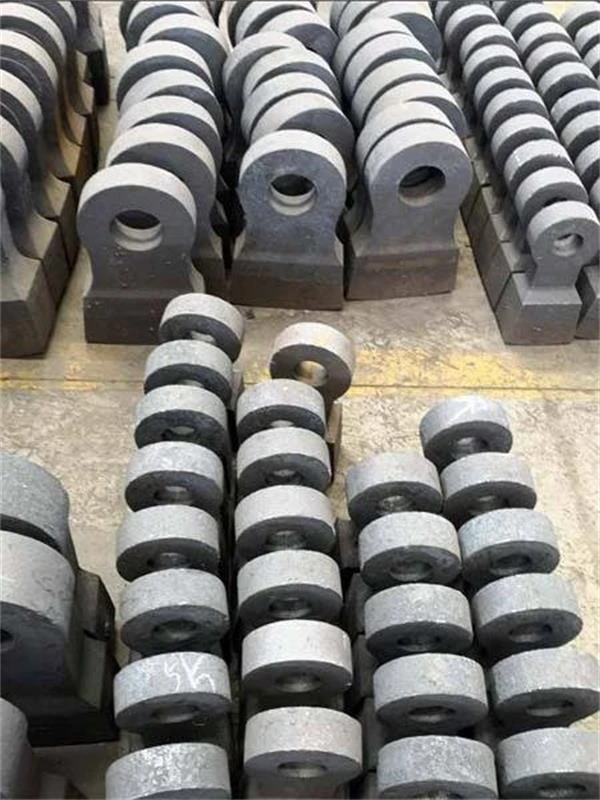
Material and components: Equipment built with wear-resistant materials and high-quality components offers longer service life, though it may increase the initial investment.
Brand and manufacturer: Manufacturers such as Zhongyi Mining Machinery provide stable quality, optimized design, and reliable after-sales support, helping reduce long-term operational risks.
Customization: Additional requirements such as mobile configurations, discharge size adjustments, or automation systems will influence the final pricing.
Request a Quote to receive a customized hammer crusher solution and detailed pricing based on your specific requirements.
Details
How to Choose the Right Hammer Crusher?
Selecting the right hammer crusher requires a clear understanding of material characteristics, production targets, and site conditions. A well-matched configuration ensures stable operation and efficient crushing performance.
For projects with specific requirements, working with experienced manufacturers such as Zhongyi Mining Machinery can help ensure proper equipment selection and configuration, improving long-term efficiency and reliability.
Why Choose Zhongyi Mining?
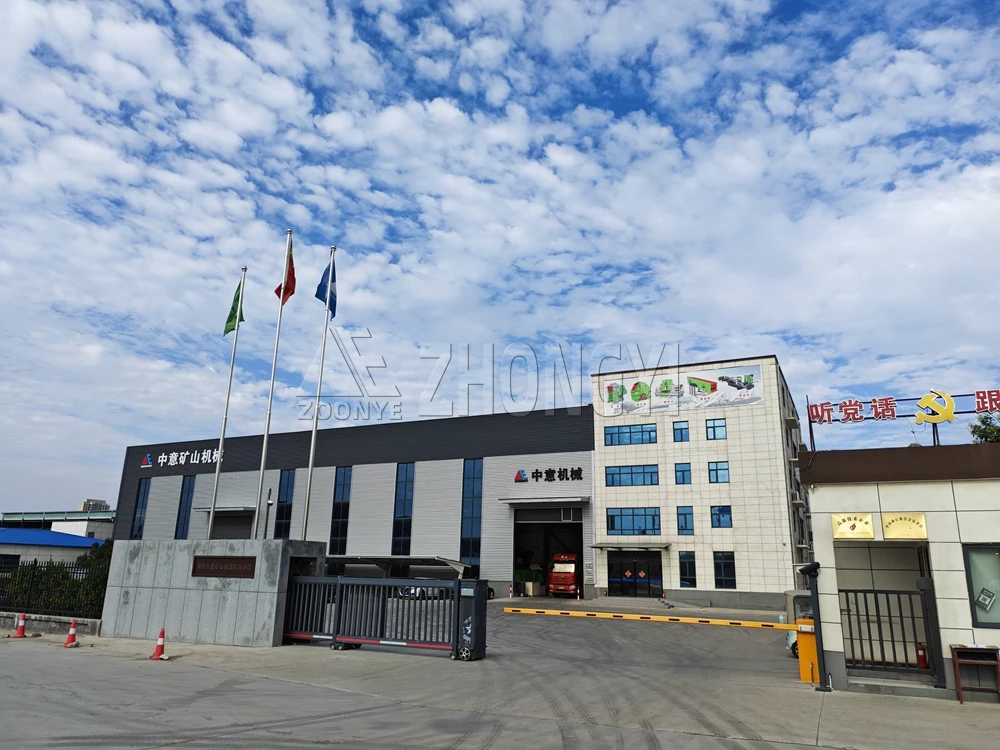
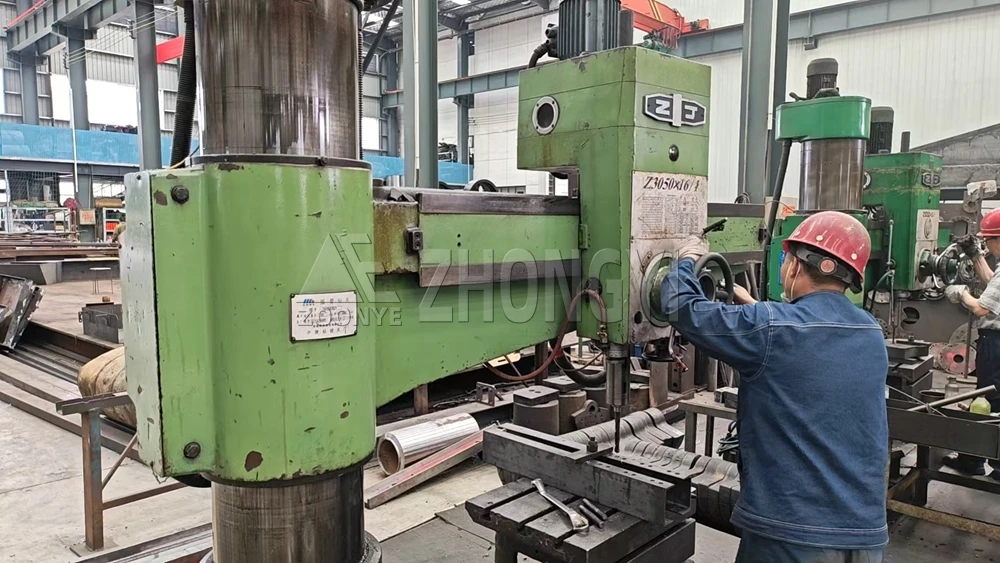
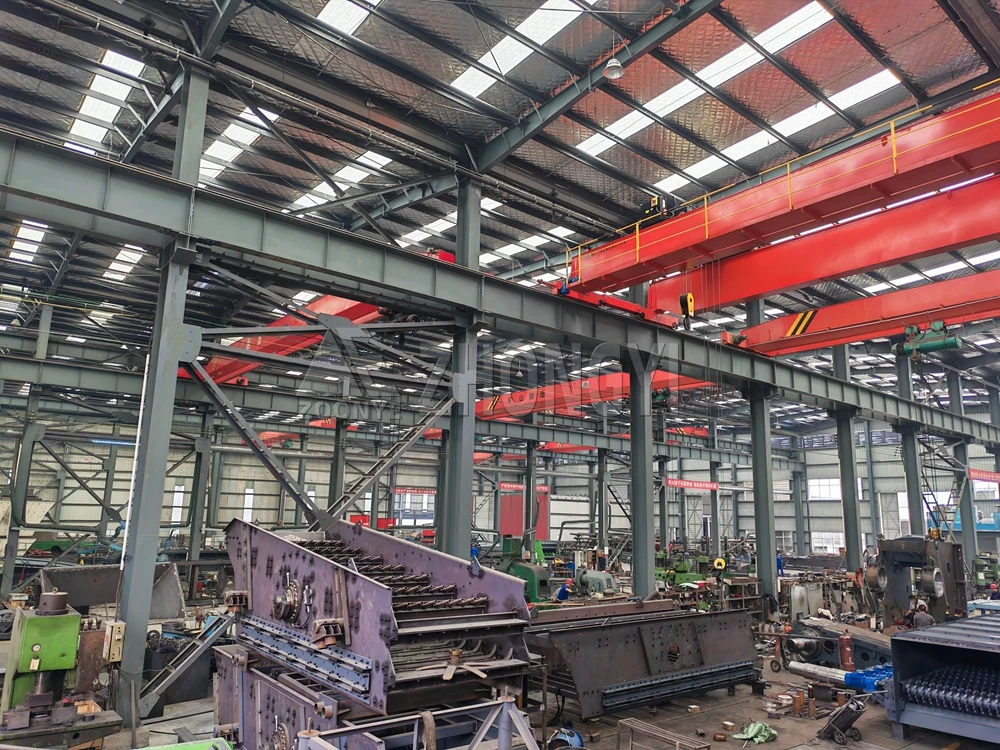
With 15+ years of engineering and manufacturing experience, Zhongyi Mining has built a reputation for delivering durable, high-performance hammer crushers for mining, quarrying, and aggregate processing. Manufactured to ISO and CE certified standards, every crusher undergoes strict quality control to ensure reliable operation, consistent output, and extended equipment life.
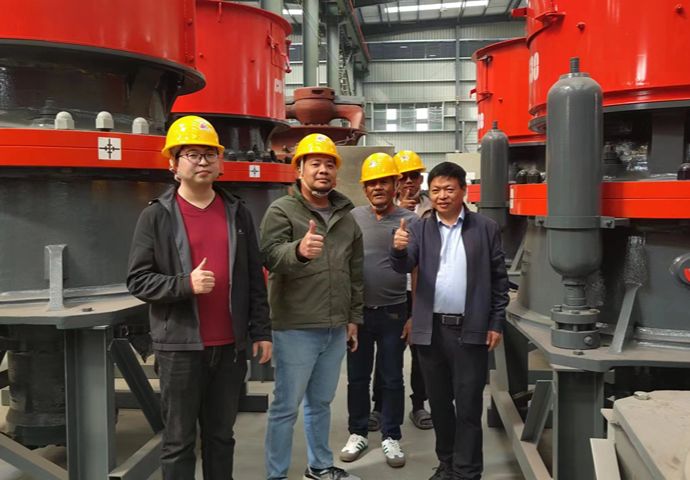
Our commitment extends beyond manufacturing. Leveraging global project experience and professional engineering support, we provide tailored equipment selection, installation guidance, technical assistance, and responsive spare parts service, helping customers maximize productivity while reducing operational risk and life
Request a Customized Solution
Partner with Zhongyi Mining for reliable Heavy Hammer Crushers built for high-capacity crushing and long-term performance.
Custom Heavy Hammer Crusher Solutions
Every crushing project has unique requirements, from material hardness and feed size to required output, discharge size, and production capacity. Share your application details with our engineering team, and we’ll recommend the most suitable Heavy Hammer Crusher configuration or develop a tailored solution that fits your production goals. For complete aggregate or mining operations, we also provide complete crushing production line solutions, integrating feeders, crushers, screening equipment, and conveying systems for maximum efficiency. Contact us today to discuss your project and receive a customized solution and quotation.
Please Provide the Following Information:
FAQs
What is a heavy hammer crusher used for?
A heavy hammer crusher is designed for primary and secondary crushing of medium-hard, brittle materials such as limestone, dolomite, gypsum, coal, and bluestone. It is widely used in mining, quarrying, cement plants, and aggregate production. Many models can achieve one-stage crushing, reducing the need for multiple crushing machines and lowering overall investment and operating costs.
How does a heavy hammer crusher work?
A heavy hammer crusher uses high-speed rotating hammers to strike incoming material against impact plates and crushing liners. The material is repeatedly impacted until it reaches the required size before passing through the grate or discharge opening. This design delivers high reduction ratios, continuous production, and efficient crushing for large feed materials.
What is the maximum feed size and capacity of a heavy hammer crusher?
Heavy hammer crushers can typically process feed sizes up to 1200–1600 mm, with production capacities ranging from 100 to over 3000 t/h, depending on the model and material characteristics. Selecting the correct crusher requires considering feed size, material hardness, moisture content, and the required finished product size.
What materials can be crushed by a heavy hammer crusher?
Heavy hammer crushers are ideal for brittle and medium-hard materials, including limestone, dolomite, gypsum, coal, marl, shale, and bluestone. They are generally not recommended for highly abrasive materials such as granite or quartz because excessive wear may increase maintenance costs and reduce hammer life.
What is the difference between a heavy hammer crusher and an impact crusher?
A heavy hammer crusher is better suited for processing large feed materials with high throughput and can often complete primary crushing in a single stage. An impact crusher is commonly used for secondary or tertiary crushing when superior particle shape and tighter size control are required. The right choice depends on your material, capacity, and finished product requirements.
How do I choose the right heavy hammer crusher?
Selecting the right model depends on the material type, maximum feed size, required capacity, discharge size, moisture content, and site conditions. Providing these parameters allows engineers to recommend the most suitable crusher configuration, improving production efficiency while reducing wear, energy consumption, and maintenance costs.
How long do hammer crusher hammers last?
Hammer life depends on the material being processed, operating conditions, and hammer material. Under normal limestone crushing conditions, high-quality alloy hammers can typically operate for several months before replacement. Regular maintenance, proper feeding, and selecting wear-resistant hammer materials help extend service life and reduce operating costs.
How much does a heavy hammer crusher cost?
The price of a heavy hammer crusher varies according to capacity, feed size, configuration, materials, and customization requirements. Small models generally cost several thousand US dollars, while large mining crushers can exceed hundreds of thousands of dollars. Requesting a quotation with your project specifications ensures accurate equipment selection and pricing.