What is a Calcining plant?
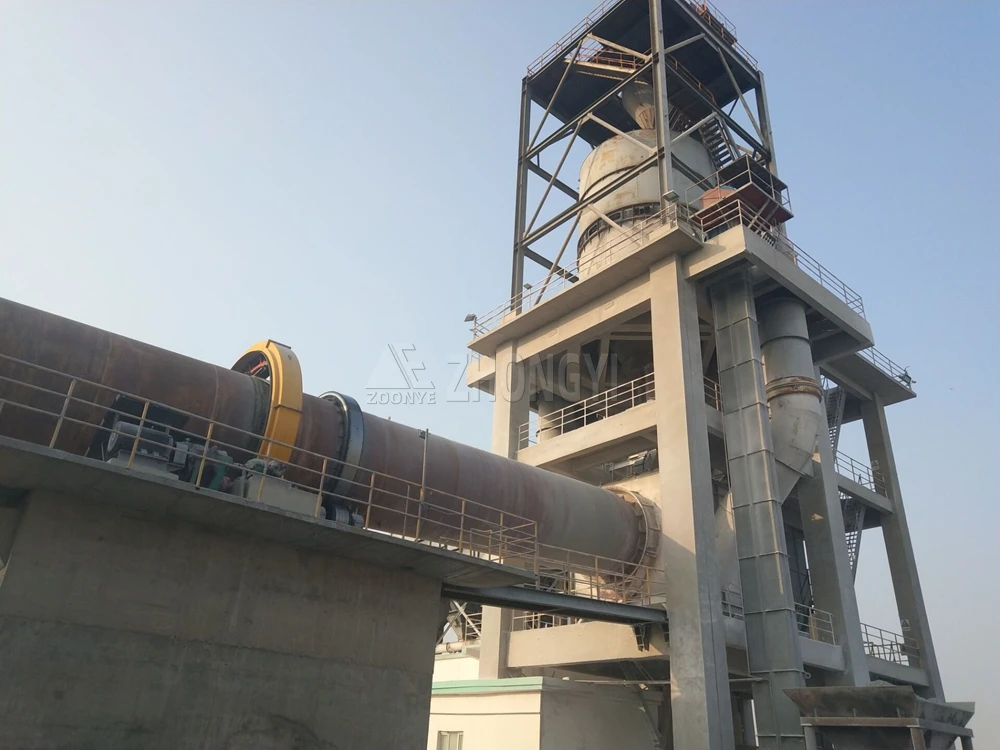
A calcining plant is an industrial facility that uses controlled heating to remove chemically bound components from raw materials through calcination. The process usually involves heating materials such as limestone, bauxite, gypsum, or minerals at high temperatures in rotary kilns or other calcination equipment to achieve chemical transformation without melting the material.
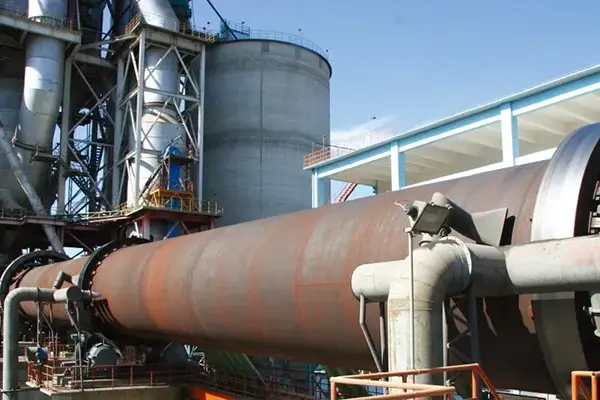
What Is Calcination?
Calcination is a high-temperature treatment process used to change the chemical properties of solid materials. During this process, raw materials are heated under controlled conditions to remove volatile components such as carbon dioxide, moisture, or chemically combined water.
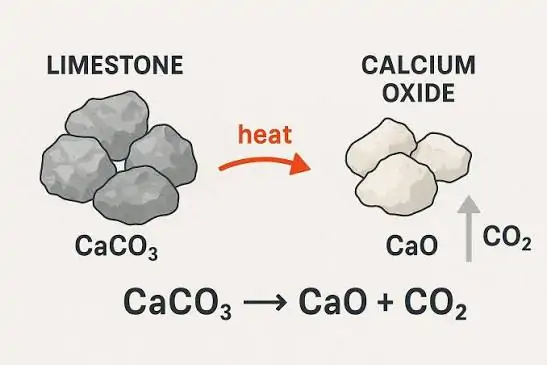
A common example is limestone calcination, where calcium carbonate decomposes into calcium oxide and carbon dioxide:
CaCO₃ → CaO + CO₂
In industrial production, calcination is mainly used for minerals, cement raw materials, and chemical materials. The process is usually carried out in rotary kilns, shaft kilns, or calciners, with temperature and residence time controlled according to the material characteristics and final product requirements. Common applications include cement manufacturing, alumina production, gypsum processing, and mineral treatment.
How Does a Calcining Plant Work?
A calcining plant completes the calcination process through four main stages: raw material preparation, feeding and preheating, high-temperature calcination, and cooling & discharge. Each stage is designed to control material properties, heat transfer, and reaction conditions to achieve stable product quality.
Step 1. Raw Material Preparation
Before entering the rotary kiln or calciner, raw materials are prepared through crushing, grinding, drying, and size control to achieve the required feed conditions. The preparation process depends on material properties and production requirements, ensuring uniform feeding, stable heat transfer, and efficient calcination during operation.
| Process | Purpose |
| Crushing | Reduce large lumps to suitable feed size |
| Grinding | Improve material fineness and reaction efficiency |
| Drying | Reduce moisture content before heating |
| Size Control | Ensure uniform feeding and stable heat transfer |
Step 2. Feeding and Preheating
Prepared materials are continuously fed into the preheater through a controlled feeding system. The preheater uses heat from exhaust gases to increase material temperature before calcination, reducing fuel consumption and improving thermal efficiency.
Main equipment includes:
- Feeding system – controls the material flow rate into the plant
- Preheater – recovers waste heat and reduces fuel consumption
Step 3. High-Temperature Calcination
Calcination is the key stage of the process, where materials are heated inside rotary kilns, shaft kilns, or calciners under controlled temperature and residence time. The heating process causes chemical decomposition, dehydration, or phase transformation, depending on the material characteristics. For example, limestone is usually calcined at around 900–1000°C to convert calcium carbonate into calcium oxide.
The operating temperatures vary depending on the material:
| Material | Approximate Calcination Temperature | Main Reaction |
| Limestone | 900–1000°C | CaCO₃ → CaO + CO₂ |
| Alumina | 1000–1300°C | Removal of chemically combined water |
| Gypsum | 120–180°C | Dehydration reaction |
Step 4. Cooling and Product Discharge
After calcination, the finished product is discharged from the heating system and cooled before storage or further processing. Coolers, conveyors, and storage systems are used to control product temperature, improve handling efficiency, and maintain stable product quality.
Main equipment includes:
- Cooler – reduces product temperature and improves handling conditions
- Conveyor system – transfers calcined materials to storage or the next process stage
- Storage system – manages finished product collection and supply
Common Types of Calciner Plants
Calciner plants are classified based on the heating method, material movement, and heat transfer mechanism. The selection of a suitable calcination system depends on factors such as raw material properties, production capacity, required product quality, and energy efficiency requirements. The most common industrial calciner plants include rotary kiln calciner plants, shaft kiln calciner plants, fluidized bed calciner plants, and suspension calciner plants.
Rotary Kiln Calciner Plant
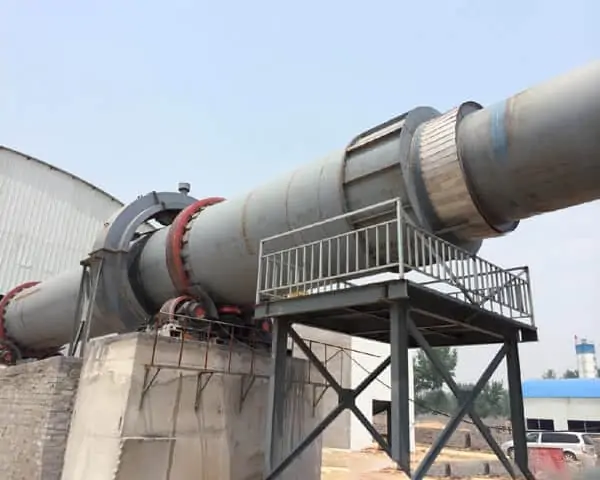
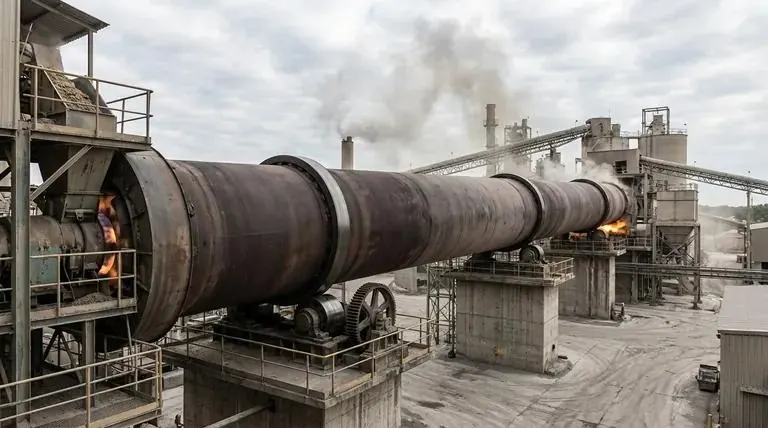
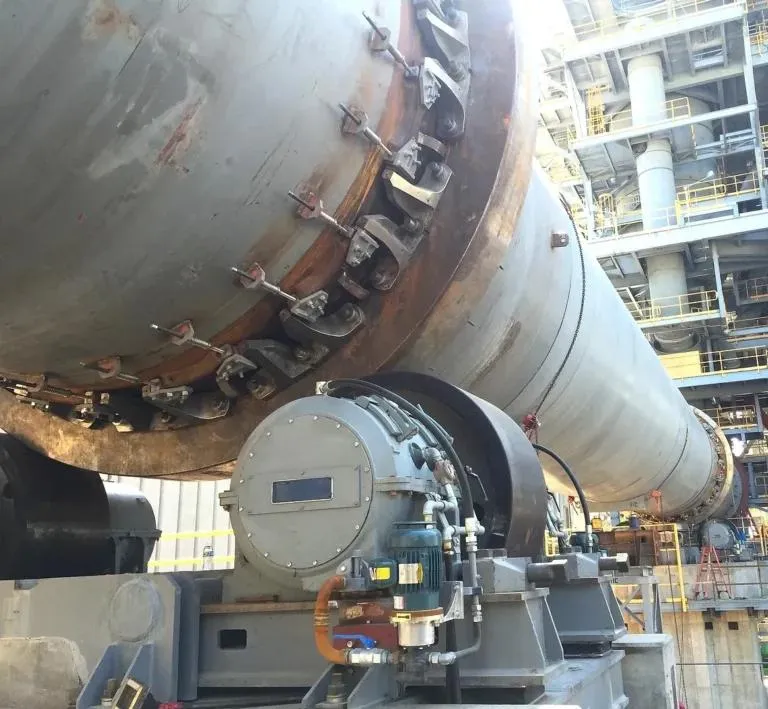
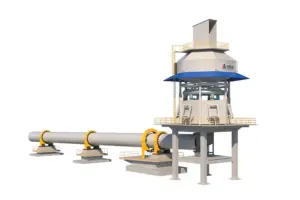
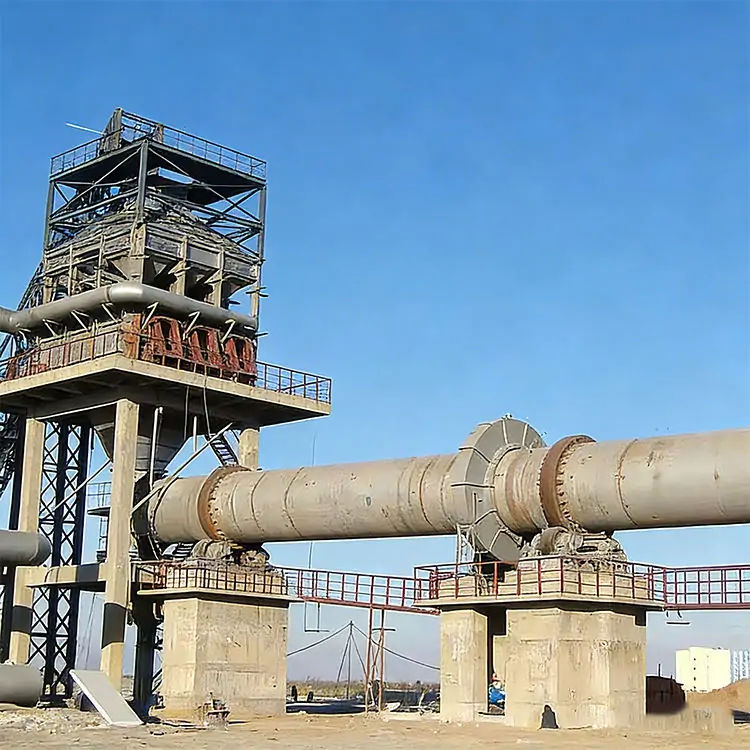
A rotary kiln calciner plant uses a slightly inclined rotating cylinder to heat materials continuously. Raw materials enter from the feed end and move slowly through the kiln while exposed to high-temperature gases. The continuous rotation improves material mixing and heat transfer, making rotary kilns suitable for large-scale calcination processes with different material characteristics.
- Continuous operation with high production capacity
- Handles various material sizes and compositions
- Provides long residence time for complete calcination
- Suitable for limestone, cement, alumina, and mineral processing applications
Shaft Kiln Calciner Plant
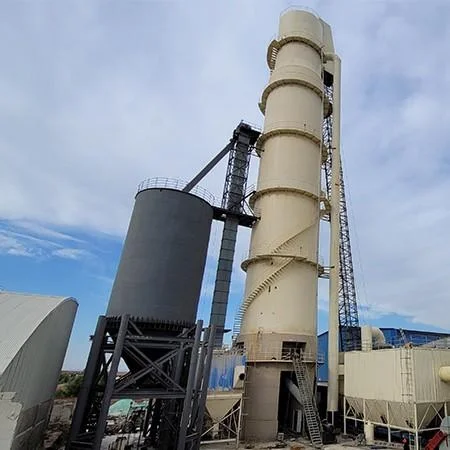
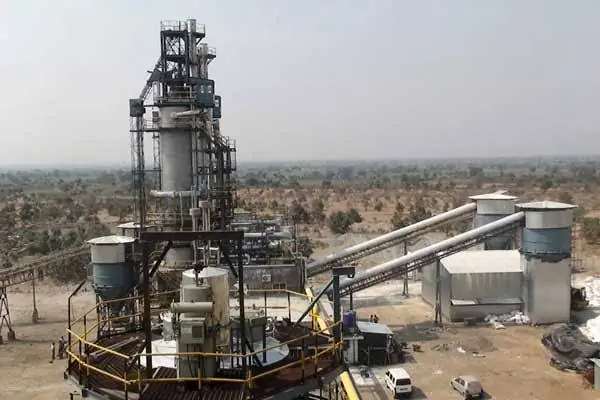
A shaft kiln calciner plant uses a vertical kiln structure where materials move downward by gravity while hot gases flow upward. This counter-current heat exchange method improves thermal efficiency and reduces fuel consumption. Shaft kilns are mainly used for materials with stable composition and controlled particle size.
- Compact vertical structure with small footprint
- High heat utilization through counter-current flow
- Lower mechanical complexity and maintenance requirements
- Commonly used for lime and limestone calcination
Fluidized Bed Calciner Plant
A fluidized bed calciner plant uses high-temperature gas flow to suspend fine particles inside the reactor. The direct contact between hot gases and materials creates rapid heat transfer and uniform temperature distribution, making it suitable for fine powders and materials requiring precise process control.
- High heat transfer efficiency and rapid reaction rate
- Short residence time with accurate temperature control
- Suitable for fine particles and powder materials
- Widely used in alumina, chemical, and mineral processing industries
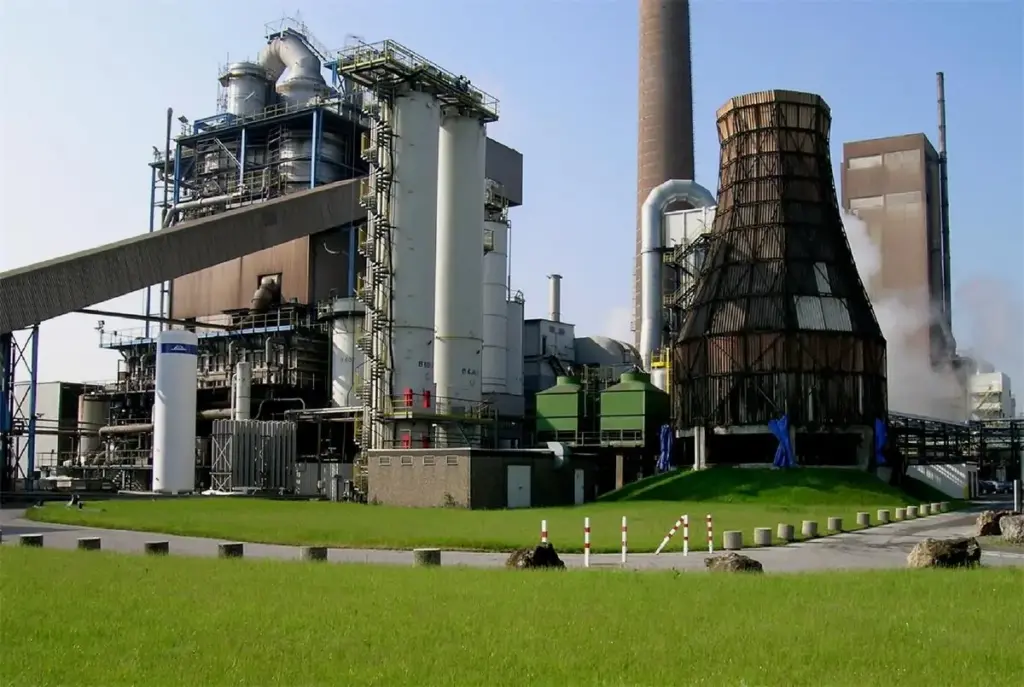
Flash Calciner Plant
A flash calciner plant heats finely ground materials directly in a high-temperature gas stream. Due to the intensive contact between particles and hot gases, the calcination reaction can be completed within a short processing time. It is suitable for materials requiring fast thermal treatment.
- Rapid heating and short reaction time
- Compact equipment design with high efficiency
- Suitable for fine mineral powders and industrial materials
- Provides flexible operation for specialized calcination processes
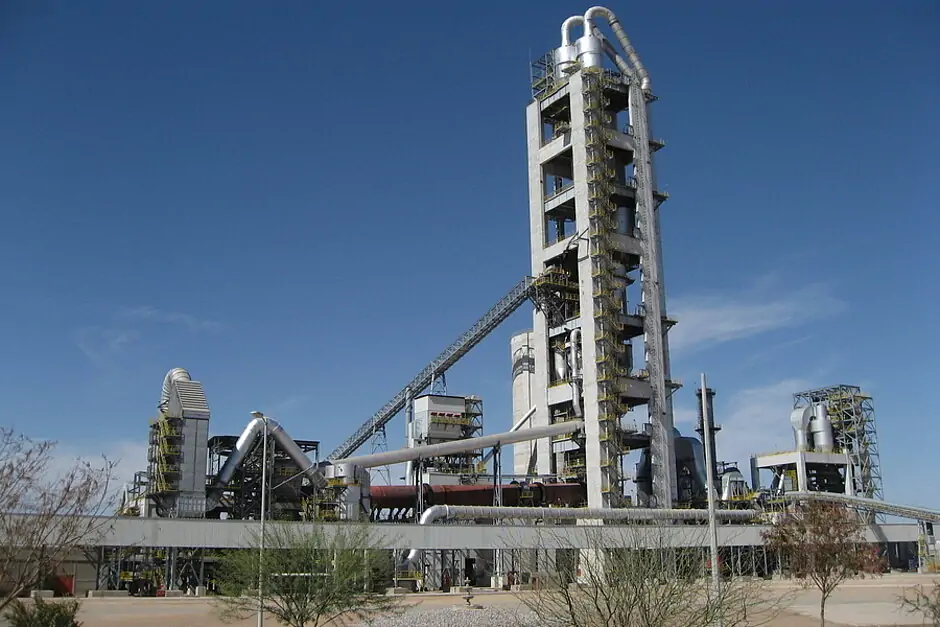
Equipment Selection Guide
Selecting the right calciner plant depends on the material characteristics, production capacity, energy requirements, and final product specifications. Factors such as raw material composition, particle size, moisture content, required calcination temperature, and operating conditions should be evaluated before equipment selection. For large-scale mineral and cement applications, rotary kiln systems are often preferred for their flexibility and continuous operation, while other calcination systems may be selected for specific materials and process requirements.
| Equipment Asset | Primary Process Medium | Heating Mechanism | Feed Size Range | Material Flow Vector |
| Alumina Rotary Kiln | Al(OH)3, Alumina Powders | Counter-Current Fuel Combustion | Fine Powders / Slurries | Mechanical Rotation + Gravity |
| Cement Rotary Kiln | Cement Raw Meal, Slags | High-Flame Liquid Sintering | Finely Ground Raw Meal | Mechanical Rotation + Gravity |
| Lime Rotary Kiln | Limestone (CaCO3) | Direct Radiation & Preheating | Small-to-Medium (10-40mm) | Mechanical Rotation + Gravity |
| Vertical Lime Kiln | Limestone (CaCO3) | Static Shaft Gas Convection | Coarse Fractions (40-80mm) | Pure Gravitational Descent |
Zhongyi provides customized calcination plant solutions based on project conditions, including equipment selection, process design, and system configuration. Our engineering team evaluates material properties and production requirements to recommend suitable calciner equipment for stable operation, efficient energy use, and long-term production performance.
Related Equipment:
Kiln Condition Troubleshooting & Control Protocols
| Operational Deviation | Root Cause | Engineering Correction |
| Kiln Coating & Ring Formation | Localized material overheating; high concentration recycling of alkali or sulfur volatiles. | Re-engineer burner nozzle geometry; modify the ratio of primary-to-secondary air flow. |
| Refractory Spalling | Mechanical stress from cylinder centerline misalignment; rapid thermal cycling. | Deploy laser-guided alignment systems; monitor shell parameters using automated infrared scanners. |
| Raw Material Under-Calcination | Fluctuations in feed volume; loss of synchronization between rotational speed and thermal input. | Integrate Variable Frequency Drive (VFD) controls directly with automated weight-feed systems. |
Conclusion
The design and operational efficiency of a calciner plant depend entirely on matching the thermal processing machinery to the raw material’s physical traits.
When configuring an industrial processing line, equipment selection must follow two strict engineering criteria:
For Fine Powders and Slurries (Al(OH)3 or Cement Raw Meal)
Rotary kiln systems are mandatory. The continuous mechanical rotation maintains bed fluidity and prevents material agglomeration during high-temperature phase changes.
For Lump Minerals (10mm to 80mm Limestone)
The choice depends on particle size distribution. Fine-to-medium fractions require horizontal rotary systems to ensure core calcination, while large, coarse fractions are optimized within vertical shaft kilns to minimize thermal energy consumption per ton.
Incorrect kiln selection or mismatched thermal parameters directly lead to structural faults, including ring formation, accelerated refractory wear, and uncalcined product cores.
ZY-Mining provides custom-engineered rotary and vertical calcination systems calibrated to precise mineral handling and temperature profile requirements.

Dr. Yu
Expert in Industrial Calcination & Thermal Processing Solutions
With 15+ years of experience, Dr. Yu specializes in industrial calcination systems, rotary kiln technologies, and high-temperature mineral processing solutions. He focuses on thermal transformation processes, equipment selection, and process optimization for cement, lime, alumina, and mining industries, sharing practical engineering insights to improve production efficiency and operational reliability.
FAQ
What is a calcining plant used for?
A calcining plant is used to thermally process minerals and industrial materials below their melting point. It removes moisture, decomposes carbonates, or drives chemical transformations required for producing materials such as quicklime, alumina, and cement clinker. Calcining plants are widely used in mining, metallurgy, cement, lime, and chemical industries.
What is the difference between calcination and melting?
Calcination heats materials to high temperatures below their melting point, causing chemical or physical changes without liquefying the material. Melting, by contrast, transforms a solid into a liquid. Calcination is commonly used for dehydration, decomposition, oxidation, and phase transformation.
How does a calcining plant work?
A calcining plant generates heat through fuel combustion or electric heating. Raw materials pass through a controlled high-temperature zone where thermal reactions occur, followed by cooling before discharge. The exact process depends on the kiln design, material characteristics, and required residence time.
What materials can be processed in a calcining plant?
Common materials include limestone, aluminum hydroxide, cement raw meal, mineral concentrates, industrial ores, refractory materials, and various chemical intermediates. Different materials require different kiln temperatures, retention times, and furnace configurations.
What is the difference between a rotary kiln and a vertical lime kiln?
A rotary kiln continuously rotates to ensure uniform heat distribution and is suitable for powders and small-to-medium limestone particles. A vertical lime kiln relies on gravity-fed material movement and counter-current gas flow, making it more suitable for coarse limestone while offering high thermal efficiency.
What temperature does the calcination process require?
Calcination temperatures depend on the material being processed. Limestone is typically calcined between 900°C and 1200°C, alumina production generally requires 1200°C to 1400°C, while cement clinker formation reaches approximately 1350°C to 1450°C during the sintering stage.
How do you choose the right calcining plant?
Selecting a calcining plant depends on the raw material type, particle size, production capacity, required calcination temperature, fuel source, and desired product quality. Matching the kiln configuration to the material characteristics helps improve thermal efficiency, reduce energy consumption, and achieve consistent product quality.
What causes poor calcination efficiency?
Poor calcination efficiency is commonly caused by unstable feed rates, incorrect kiln temperature, insufficient material residence time, refractory damage, or improper burner adjustment. Proper process control, regular maintenance, and optimized operating parameters help maintain stable calcination performance and reduce energy losses.
Technical References & Industry Standards
The following references provide additional technical information on calcination engineering, rotary kiln systems, industrial heat processing, and mineral transformation technologies.
- FLSmidth – Cement and Lime Pyroprocessing Technologies
https://www.flsmidth.com/ - The Minerals, Metals & Materials Society (TMS) – Alumina and High-Temperature Process Engineering
https://www.tms.org/ - ScienceDirect – Calcination, Thermal Decomposition, and Rotary Kiln Research
https://www.sciencedirect.com/