Introduction
Stone crushers are widely used in mining, quarrying, and aggregate production to break large rocks into smaller sizes for construction, road building, cement, and recycling projects. The choice of crusher depends on the material, feed size, and required output.
In actual projects, the choice of stone crusher types directly affects the production capacity, product quality, and operating costs of the entire production line. Jaw, cone, impact, and hammer crushers are used in different crushing stages, from primary crushing to secondary and tertiary crushing, and finally to shaping—each with a distinct role.
In this article, we’ll cover the main stone crusher types, how they work, and where they are used, so you can quickly understand the differences and pick the right equipment for your project.
What Are Stone Crushers?
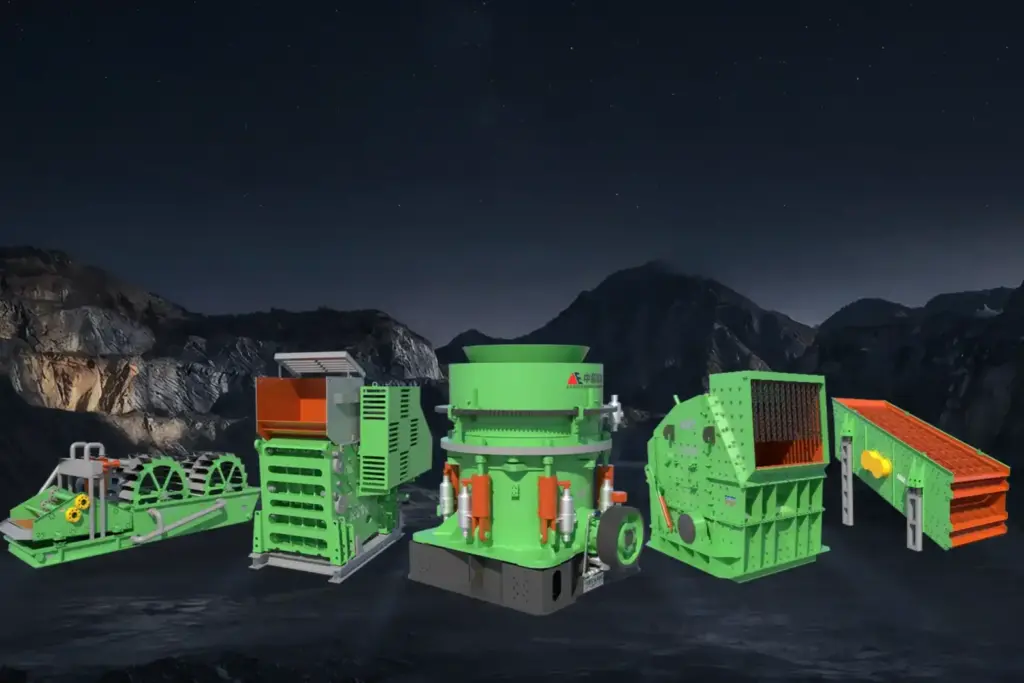
Stone crushers are machines used to reduce large rocks, ores, and construction materials into smaller sizes for further processing. They are widely used in mining, quarrying, aggregate production, and recycling projects.
Stone crushers are designed to handle different material types and production requirements. They are commonly used for processing granite, basalt, limestone, river stone, metal ores, and construction waste before screening, grinding, or additional crushing stages.
Main Types of Stone Crushers
Stone crushers are used to reduce large rocks into smaller sizes for further processing in mining, quarrying, and aggregate production. Different crusher types are selected based on material hardness, required output size, and production capacity. Below are the main types commonly used in crushing plants.
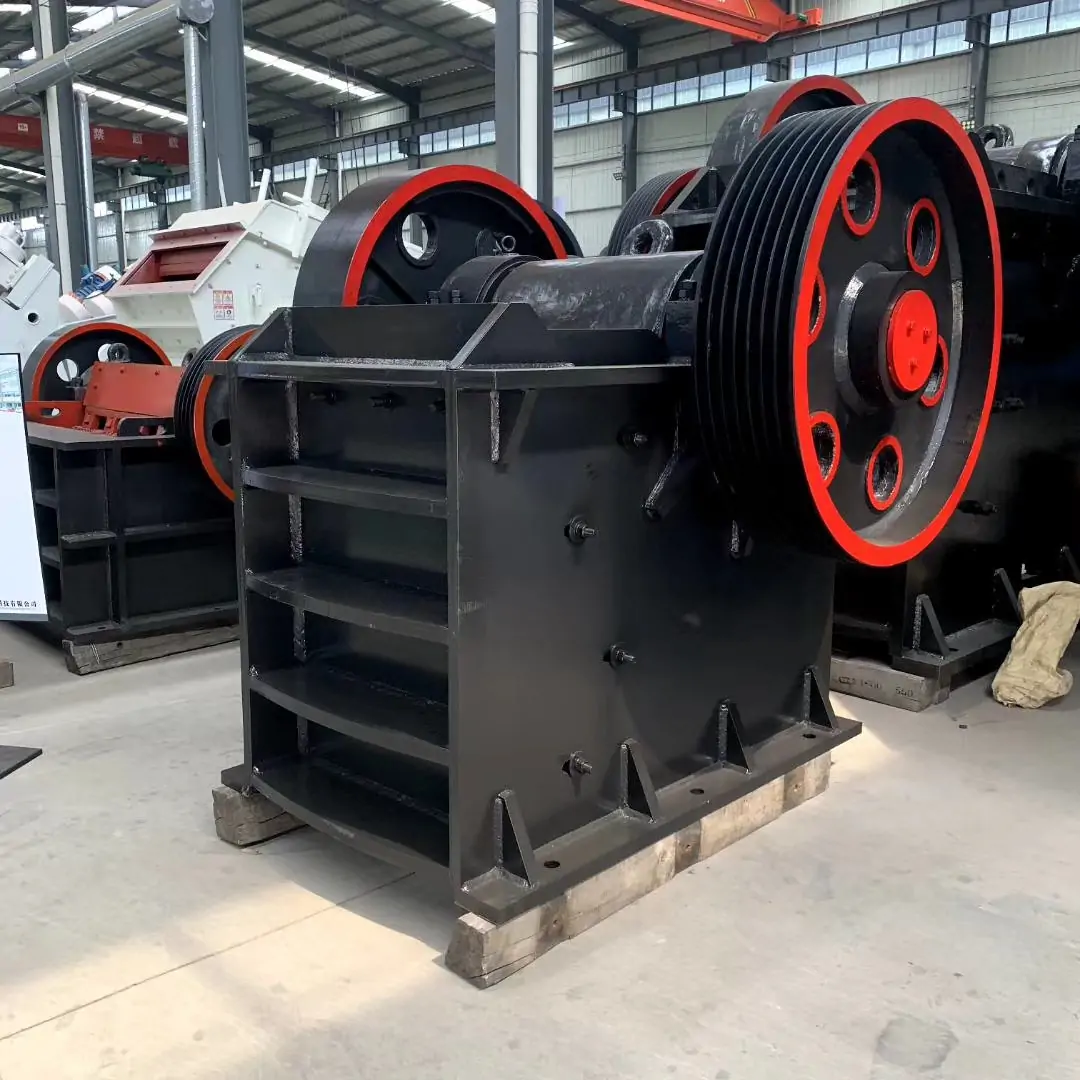
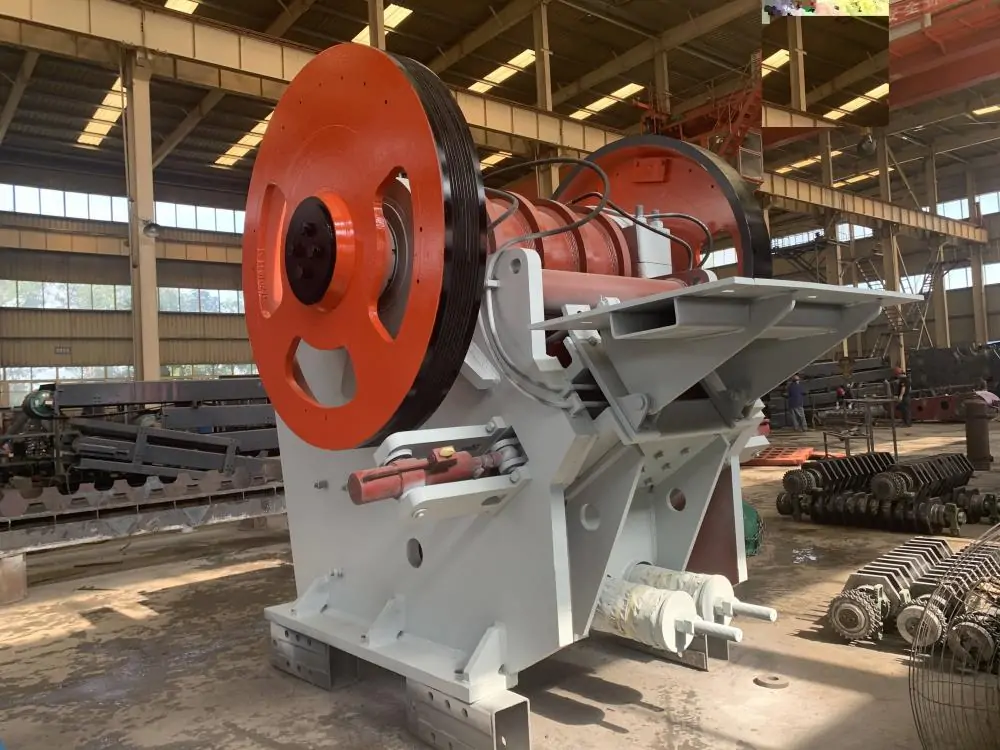
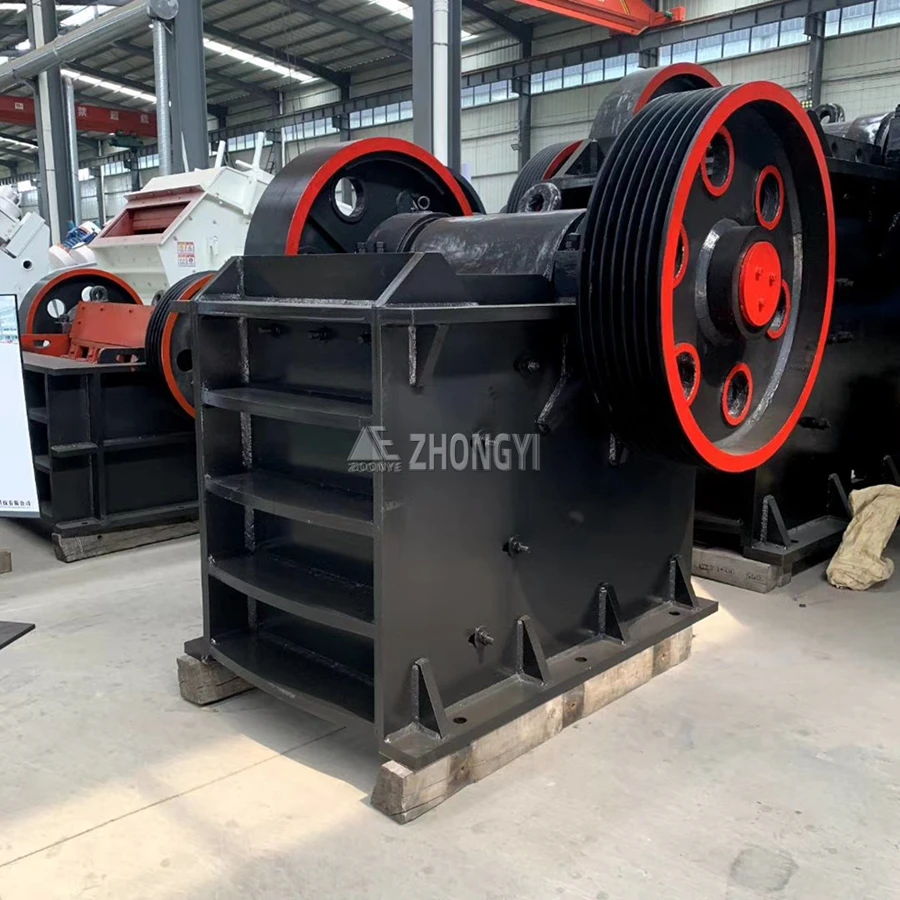
Jaw Crusher
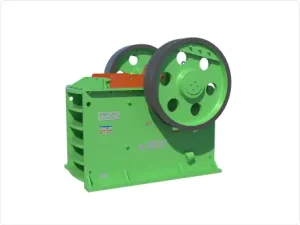
Jaw crusher is used for primary crushing of hard and large materials such as granite, basalt, and iron ore. It is typically installed at the first stage of a crushing line to reduce large rocks into manageable sizes for secondary crushing.
- Feed size: up to 1200 mm
- Output size: 100–300 mm
- Capacity: 50–1200 t/h
- Crushing stage: primary
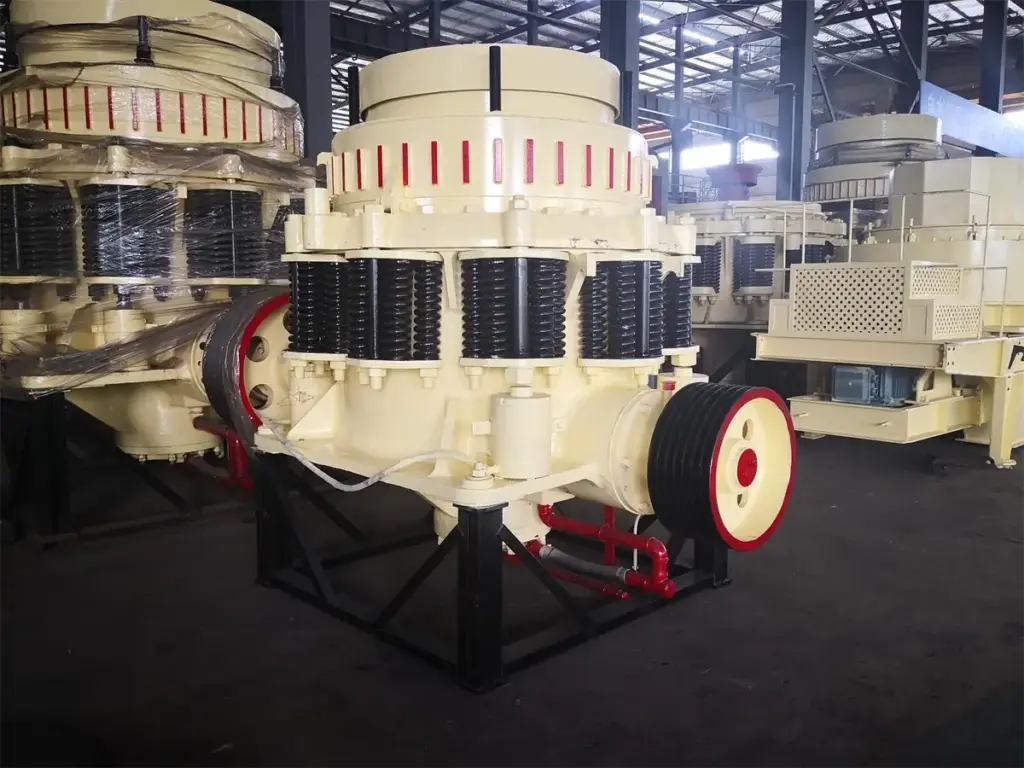
Cone Crusher
Used for secondary or tertiary crushing after jaw crusher. It produces a well-graded and uniform product, commonly used in aggregate and mining production lines.
- Feed size: 35–300 mm
- Output size: 3–60 mm
- Capacity: 50–1000 t/h
- Crushing stage: secondary / tertiary
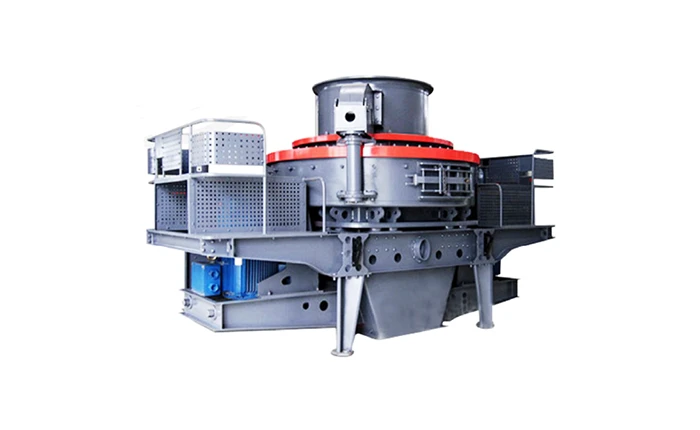
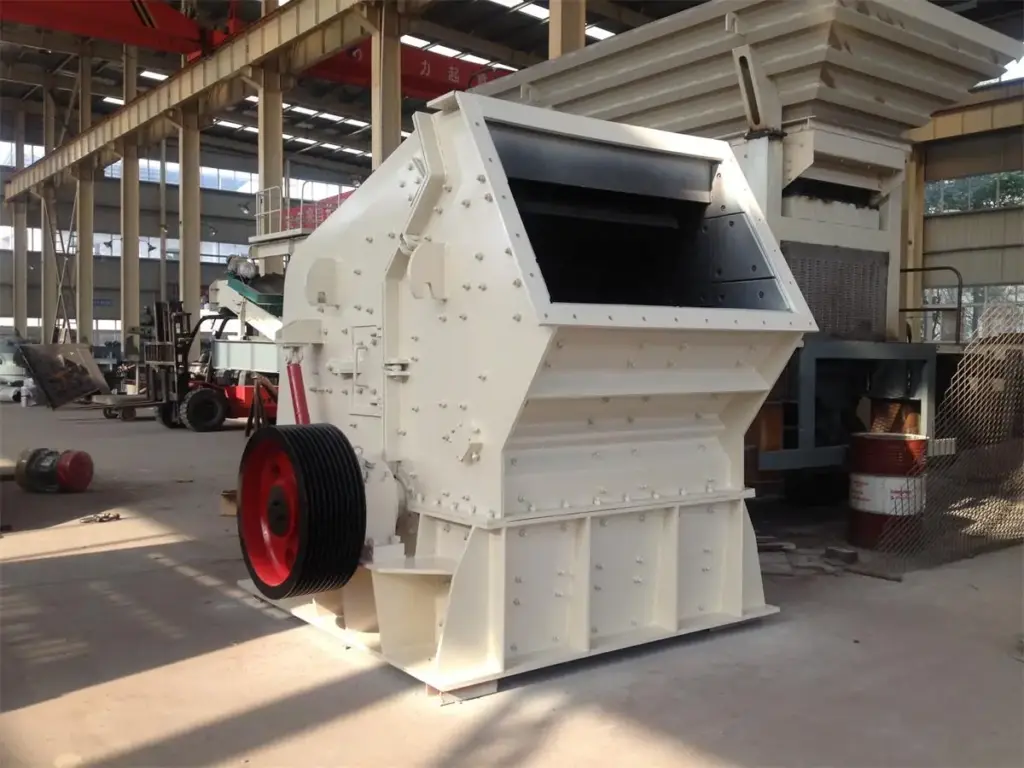
Impact Crusher
Used for medium-hard materials. It crushes material through high-speed impact, producing good particle shape for aggregate production.
- Feed size: up to 500 mm
- Output size: 5–50 mm
- Capacity: 50–600 t/h
- Crushing stage: secondary
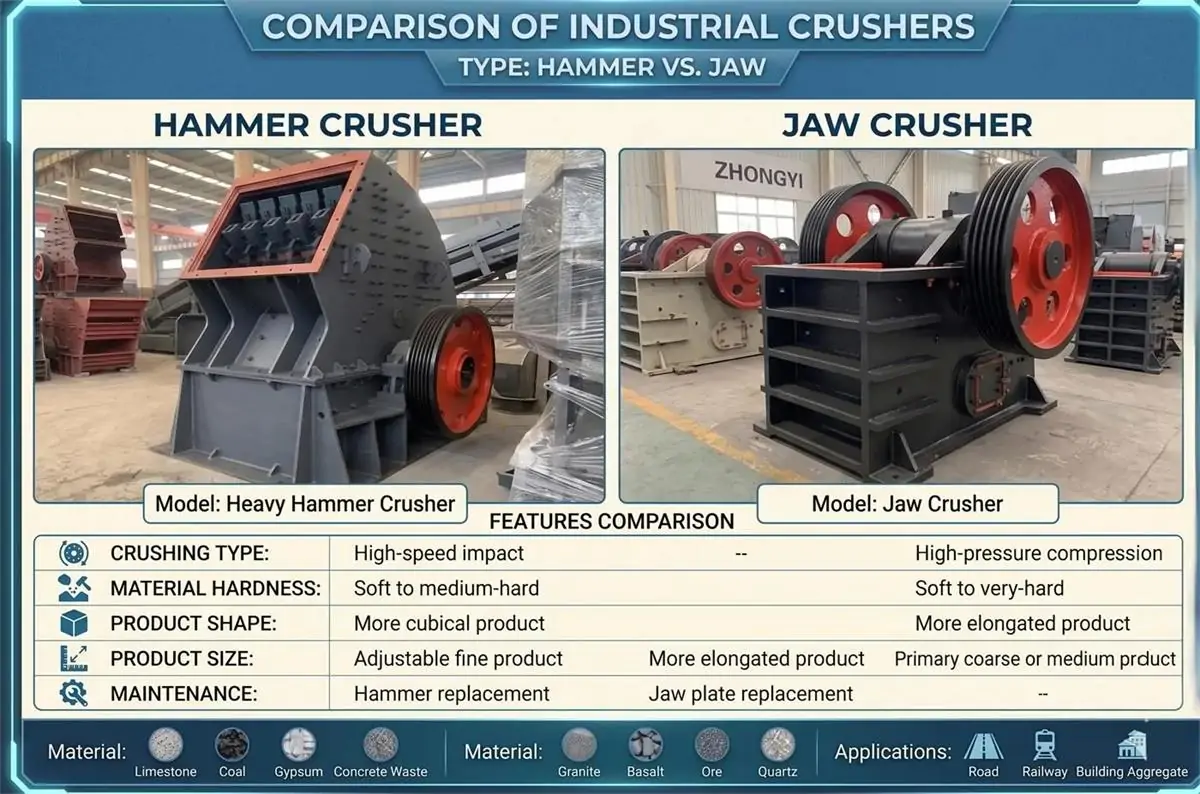
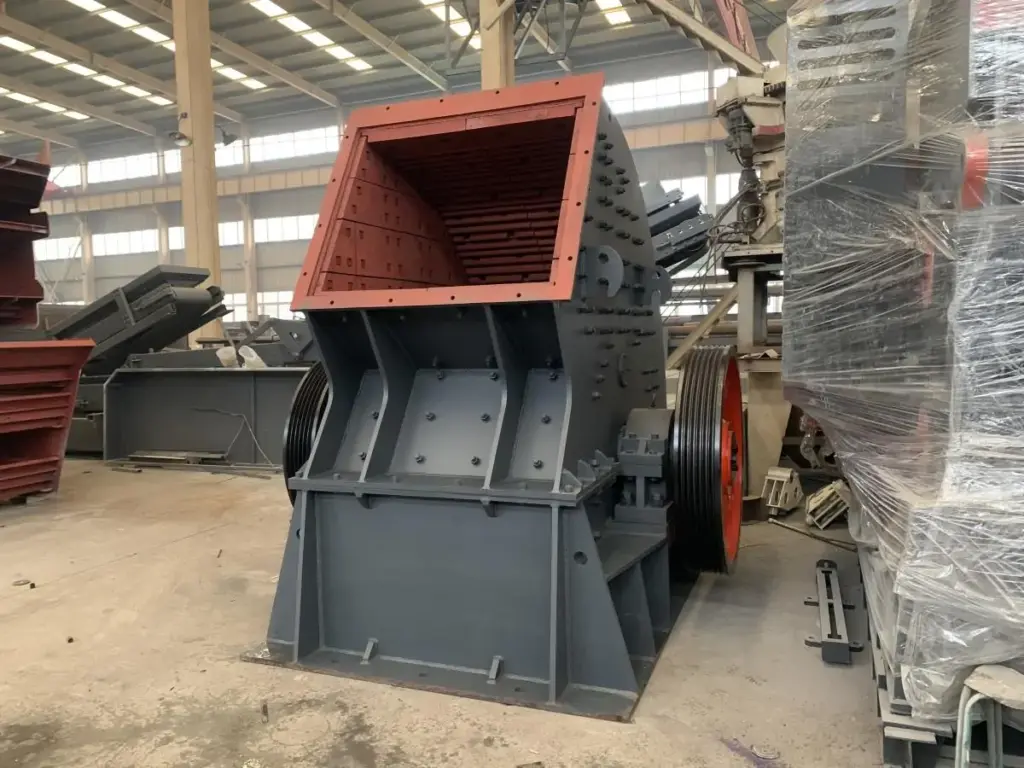
Hammer Crusher
Used for soft to medium-hard materials such as limestone and coal. It allows single-stage crushing with high reduction ratio.
- Feed size: up to 600 mm
- Output size: 0–30 mm
- Capacity: 30–1000 t/h
- Crushing stage: primary / secondary
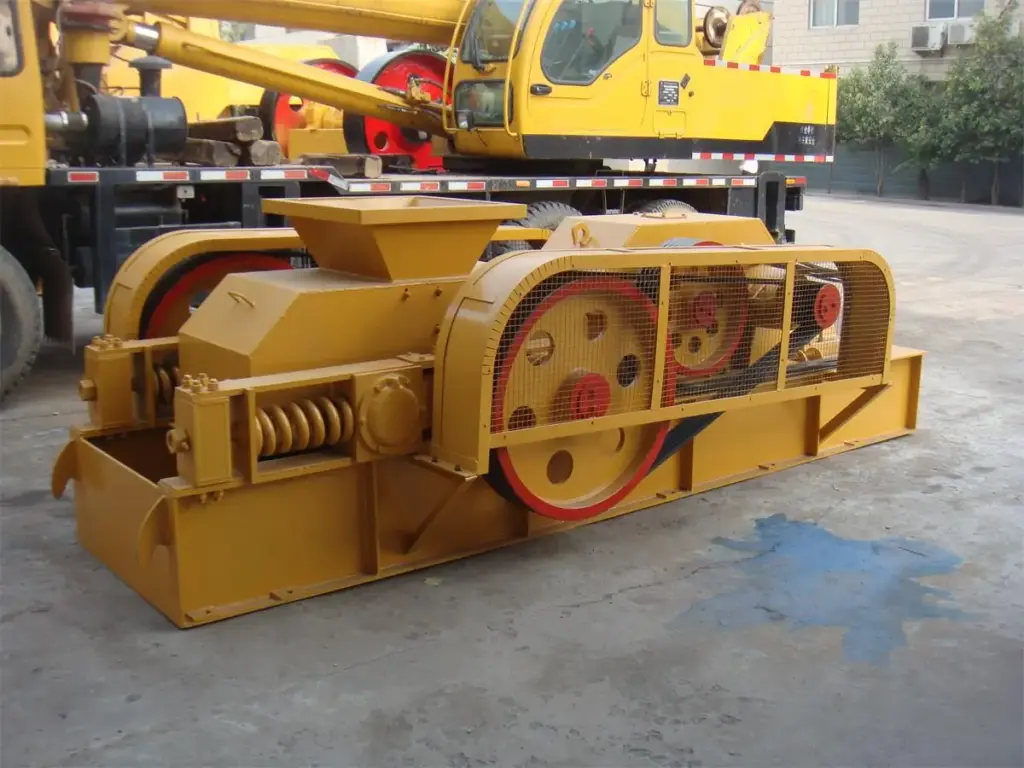
Roll Crusher
Used for fine crushing with controlled and uniform output size. Suitable for applications requiring low over-crushing.
- Feed size: up to 80 mm
- Output size: 0.5–20 mm
- Capacity: 10–300 t/h
- Crushing stage: secondary / fine crushing
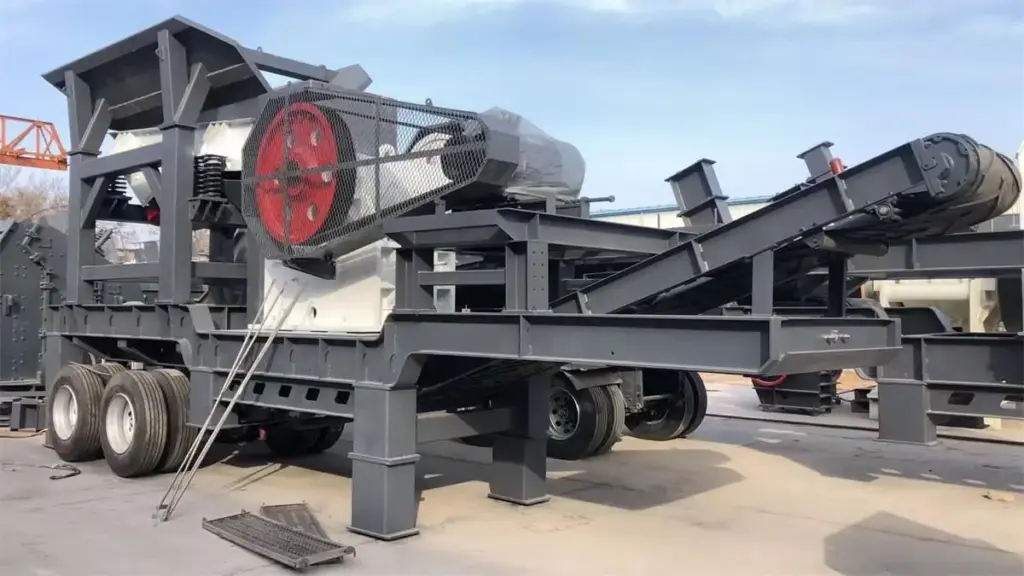
Mobile Crusher Station
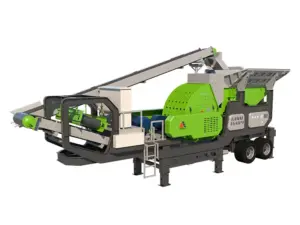
A mobile crushing plant integrating feeding, crushing, and screening. Designed for flexible on-site operation in quarry and construction projects.
- Feed size: up to 800 mm
- Output size: 0–50 mm
- Capacity: 50–500 t/h
- Configuration: jaw / cone / impact / screening units
- Crushing stage: primary / secondary / combined system
How Different Stone Crushers Work?
Jaw Crusher Working Principle
Material is crushed through compression between fixed and moving jaw plates. It is suitable for hard and large feed materials such as granite and basalt. It is commonly used in the primary crushing stage.
Cone Crusher Working Principle
Material is crushed between the mantle and concave under continuous pressure. It is suitable for hard and abrasive materials. It produces a more uniform and finer output compared to jaw crusher.
Impact Crusher Working Principle
Material is broken by high-speed impact from rotating blow bars. It is suitable for medium-hard materials and is often used when good particle shape is required.
Hammer Crusher Working Principle
Rotating hammers strike and break the material in one stage. It is suitable for soft to medium-hard materials and simple crushing processes with lower cost.
Roll Crusher Working Principle
Material is crushed between two rotating rollers with adjustable gap control. It is suitable for fine crushing and applications requiring controlled output size.
Stone Crusher Types and Differences
| Crusher Type | Feed Size | Output Size | Crushing Method | Main Application |
|---|---|---|---|---|
| Jaw Crusher | Large | Coarse | Compression | Primary crushing |
| Cone Crusher | Medium | Medium/Fine | Compression | Secondary crushing |
| Impact Crusher | Medium | Medium | Impact | Shaping / recycling |
| Hammer Crusher | Medium/Soft | Fine | Impact + grinding | Simple crushing lines |
| Roll Crusher | Small/Medium | Fine | Compression | Fine crushing |
Stone crusher selection depends on material hardness, required output size, and production stage.
Applications
Stone crushers are widely used in mining, quarrying, and construction projects to reduce large rocks into smaller materials for further processing. They are key equipment in crushing plants and support different stages of material preparation from raw rock to usable aggregates.
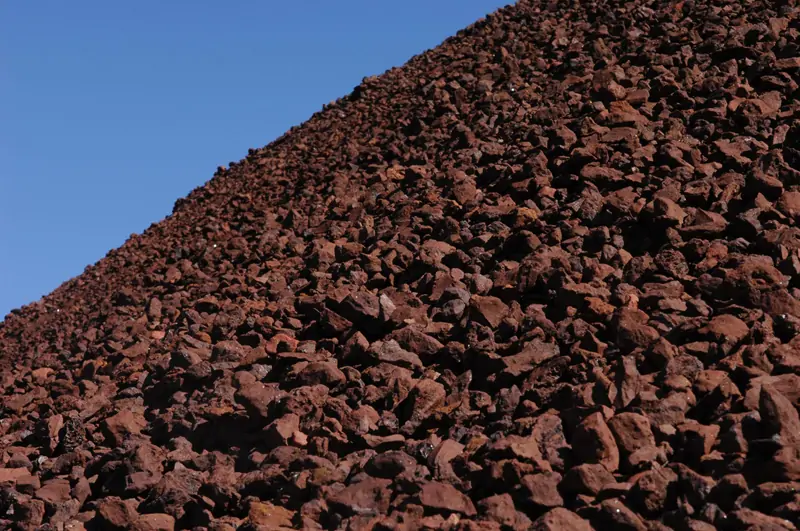
Mining
Used for primary size reduction of ore materials before grinding and mineral processing.
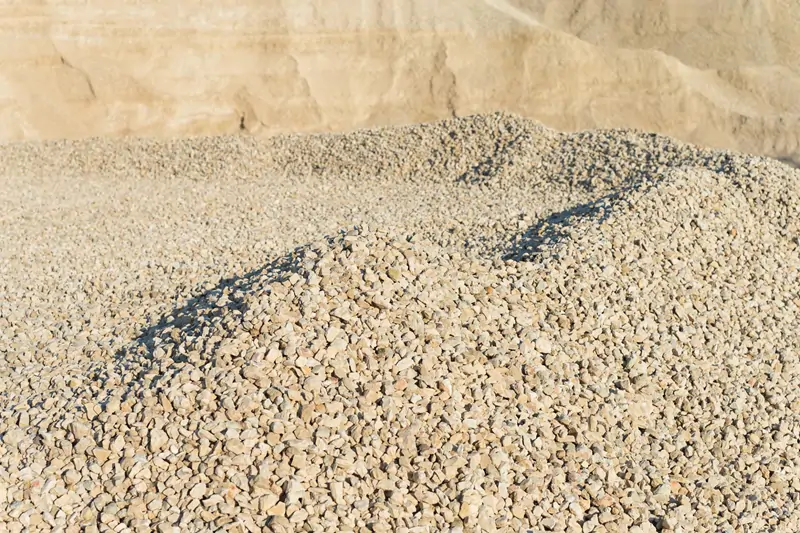
Quarrying
Used to process blasted rock into different aggregate sizes for screening and further crushing.
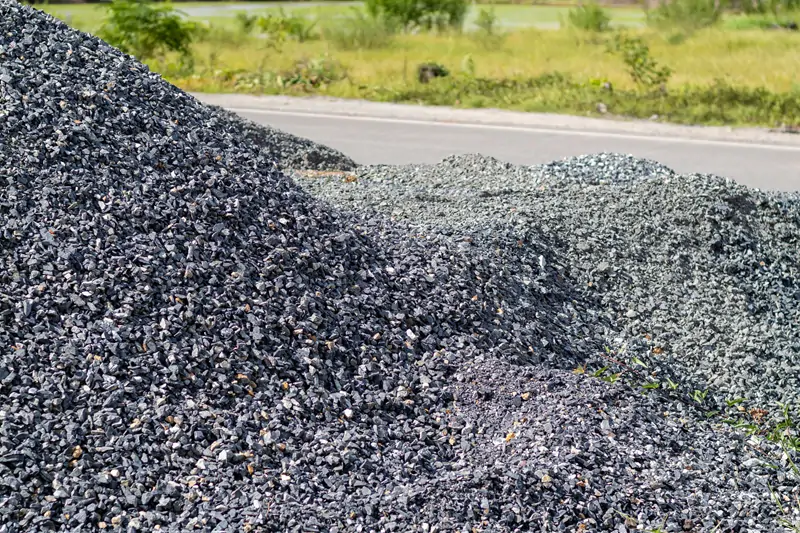
Construction
Supplies aggregates for concrete production, road base, and infrastructure works.
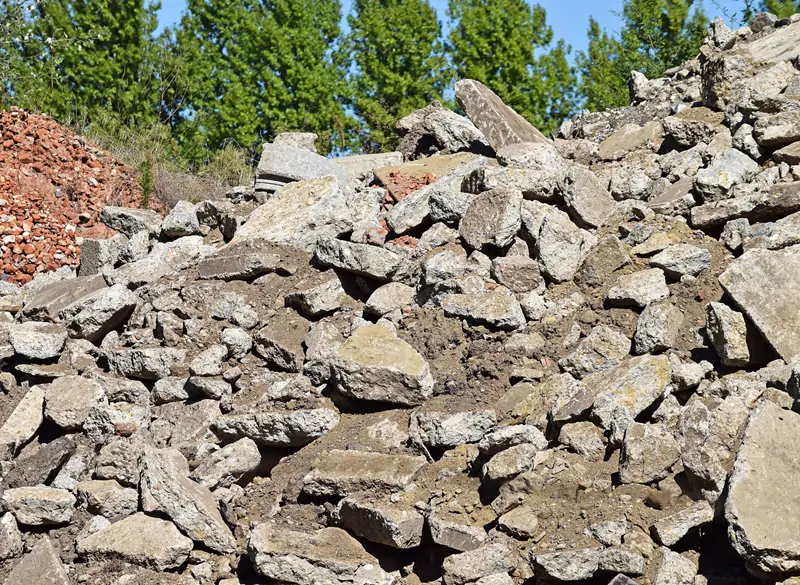
Recycling
Recycles construction and demolition waste into reusable aggregates for road base and construction materials.
How to Choose the Right Stone Crusher?
Choosing the right stone crusher depends on material, capacity, feed size, and required output. Different crushers are designed for different crushing stages. A correct selection helps keep production stable and control operating cost.
Material Hardness
Hard materials like granite, basalt, and iron ore require jaw and cone crushers. Medium and soft materials such as limestone and coal can use impact or hammer crushers. Harder materials usually increase wear cost.
Feed Size
Jaw crushers handle large feed sizes up to 1000–1200 mm. Smaller feed is suitable for cone, impact, or roll crushers in secondary or fine crushing stages.
Required Capacity
Small plants start from 10–100 TPH. Large mining projects can reach 500–1000+ TPH. High capacity usually requires jaw plus cone crusher combinations.
Final Product Size
Coarse aggregates are produced by jaw and cone crushers. Finer and shaped aggregates are better achieved with impact or roll crushers.
Production Process
Simple systems use single-stage crushing. Most plants use multi-stage systems with primary, secondary, and screening equipment for better efficiency.
Budget and Operation Cost
Jaw and cone crushers have higher initial cost but stable long-term operation. Impact and hammer crushers cost less but need more frequent wear part replacement.
Zhongyi provides customized crushing solutions based on project requirements to match different capacity, material, and output needs.
Conclusion
Stone crushers play a key role in mining, quarrying, and aggregate production. Each type—jaw, cone, impact, hammer, roll, and mobile crusher—serves a specific purpose depending on material hardness, required output size, and production conditions. Selecting the right crusher helps improve efficiency, reduce operating cost, and ensure stable product quality. For most projects, a properly designed crushing system combining different crusher types delivers the best overall performance.
For reliable crushing solutions, Zhongyi provides customized stone crusher equipment and complete production line support to meet different project requirements. Contact us to get a tailored solution for your application.
Request a Customized Solution
Contact our team for tailored stone crusher solutions based on your project requirements.

Dr. Yu
Expert in Mineral Processing Solutions
With 15+ years of experience, Dr. Chen specializes in gravity, magnetic, flotation, and electrostatic separation. He focuses on ore processing and process optimization, sharing practical insights and equipment applications to help improve recovery rates and production efficiency.
FAQ
What is a stone crusher used for?
Stone crushers are used to reduce large rocks into smaller sizes for aggregate production. They are commonly applied in mining, quarrying, road building, and construction material processing.
Which stone crusher is best for hard rock?
Jaw crushers and cone crushers are most suitable for hard rocks such as granite, basalt, and iron ore. They provide strong compression and stable performance in primary and secondary crushing stages.
What is the typical capacity of a stone crusher?
Capacity usually ranges from 10 TPH for small plants to over 1000 TPH for large mining operations. The final capacity depends on material hardness, feed size, and plant configuration.
What is the difference between jaw and impact crusher?
Jaw crushers use compression for primary crushing of hard materials. Impact crushers use high-speed impact and are better for medium-hard materials and producing shaped aggregates.
Can stone crushers process construction waste?
Yes. Mobile and impact crushers are widely used for recycling construction waste such as concrete, bricks, and asphalt. The output can be reused in road base and new construction projects.
How do I choose the right stone crusher?
Selection depends on material hardness, feed size, required capacity, and final product size. Most projects use a combination of jaw, cone, and impact crushers for different stages.
What affects stone crusher cost?
Cost depends on crusher type, capacity, motor power, and wear part consumption. Jaw and cone crushers have higher initial cost but lower long-term operating cost.
Can stone crushers be customized for different projects?
Yes. Different materials and site conditions require different configurations. Zhongyi provides customized stone crusher solutions based on capacity, feed size, and final product requirements for each project.