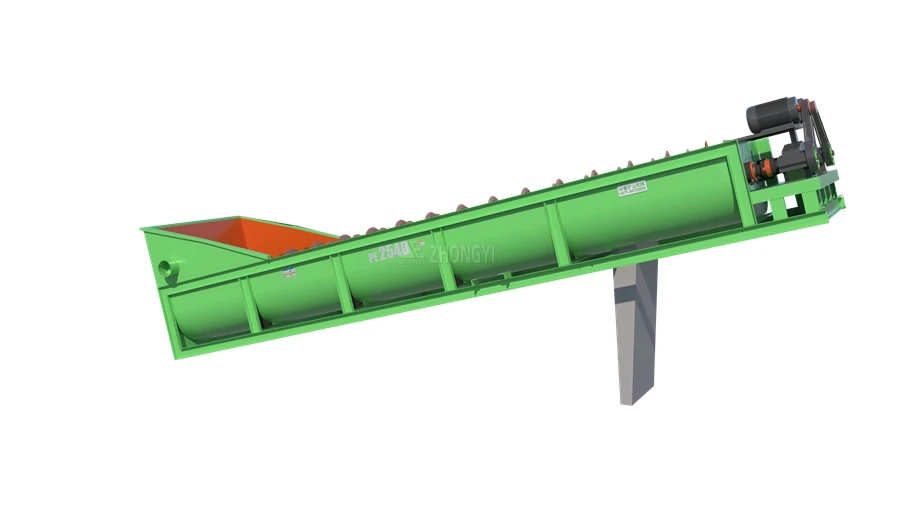
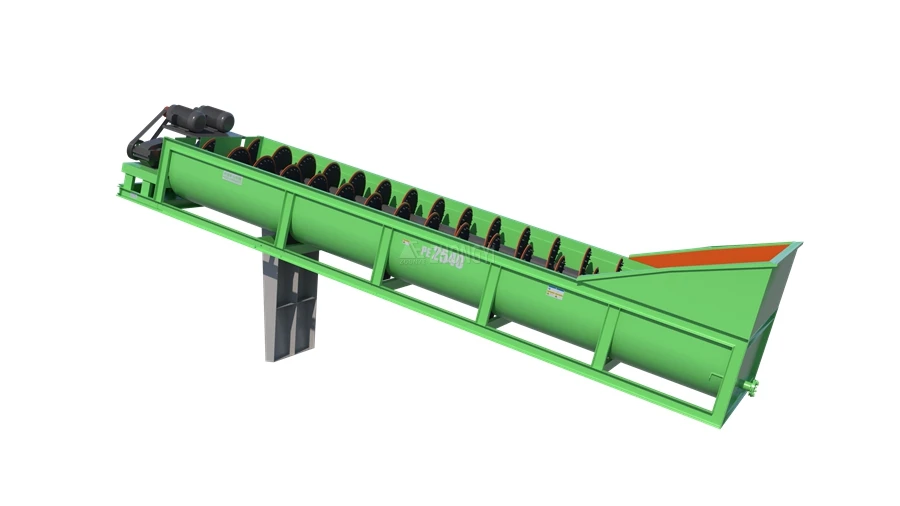
What Is a Spiral Sand Washer?
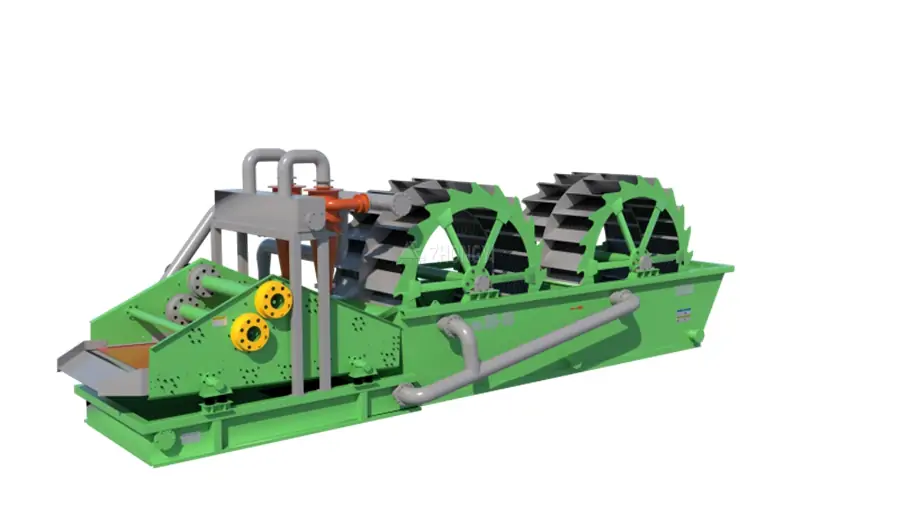
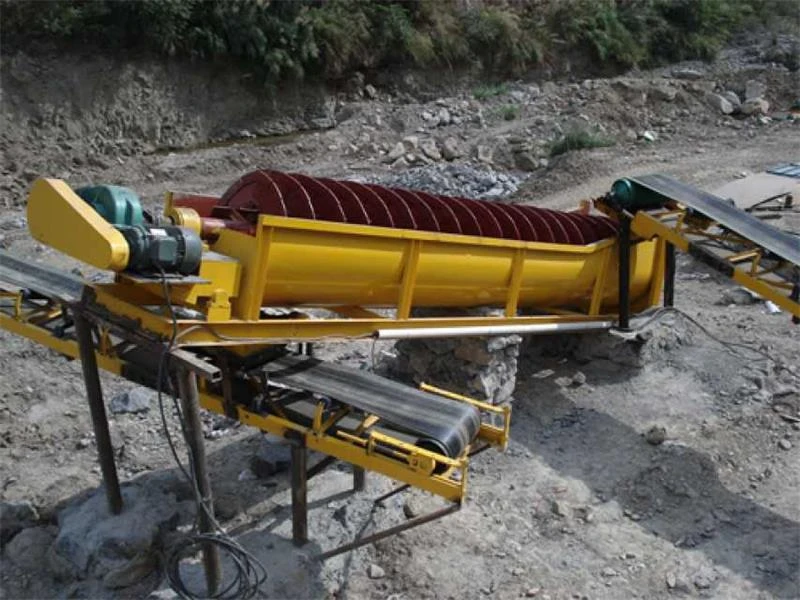
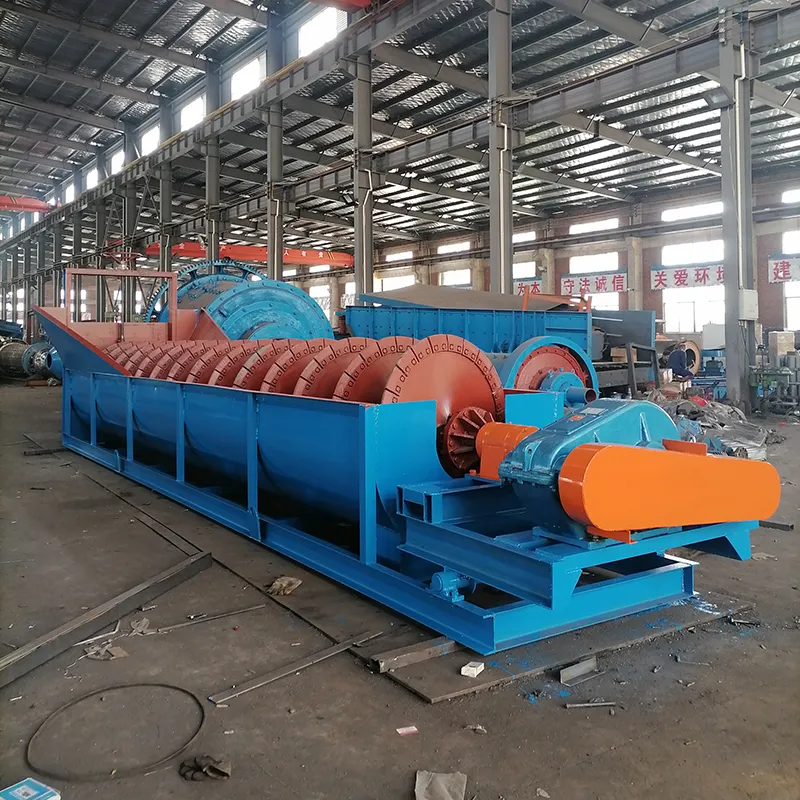
A spiral sand washer is used to clean sand and fine materials by removing mud, clay, and light impurities to improve material quality. It combines washing, dewatering, and classification in one process, using water flow and mechanical movement to separate clean sand from fines and contaminants. Typical feed sizes are ≤40–50 mm, with capacity depending on material characteristics and equipment configuration.
Unlike screening equipment, which only separates materials by size, a spiral sand washer reduces mud content and improves sand cleanliness. With washing and conveying functions combined, it is suitable for continuous operation in mining, silica sand processing, aggregates, and construction waste recycling applications.
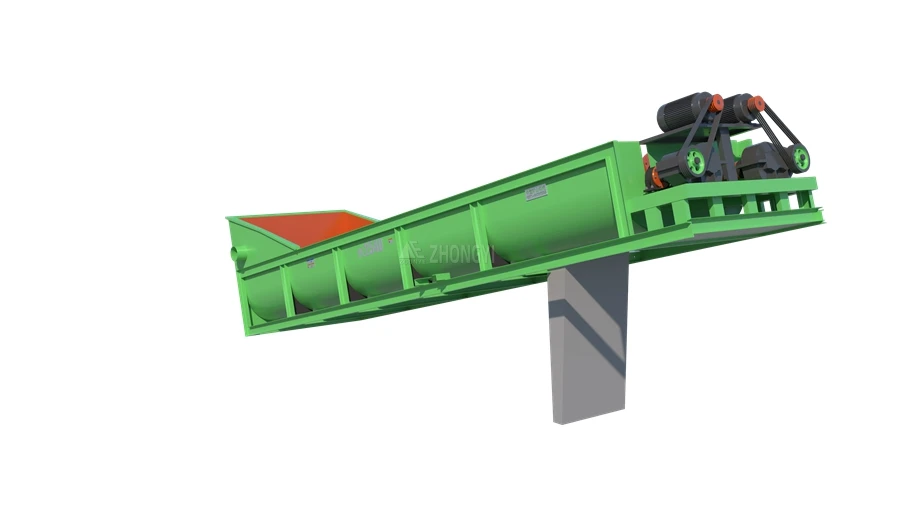
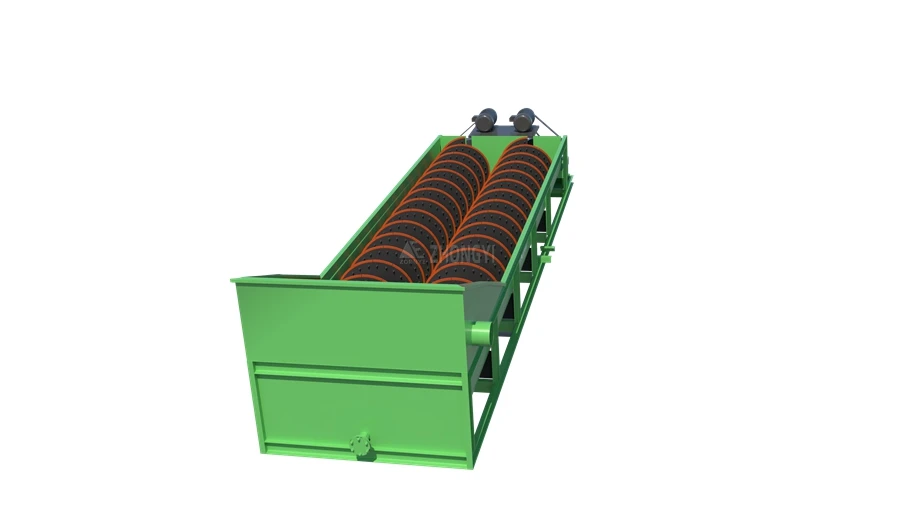
What Problem Does a Spiral Sand Washer Solve?
In mining and aggregate processing, raw sand and minerals often contain clay, mud, and fine impurities that reduce product quality and affect downstream equipment performance. A spiral sand washer removes these contaminants through washing, scrubbing, and classification, helping produce cleaner materials with more stable particle size and lower impurity content.
By combining washing, classification, and dewatering in one process, a spiral sand washer improves production efficiency while reducing material loss and equipment wear. It is widely used in silica sand, mining, aggregates, and construction waste recycling applications where consistent output quality and reliable continuous operation are required.
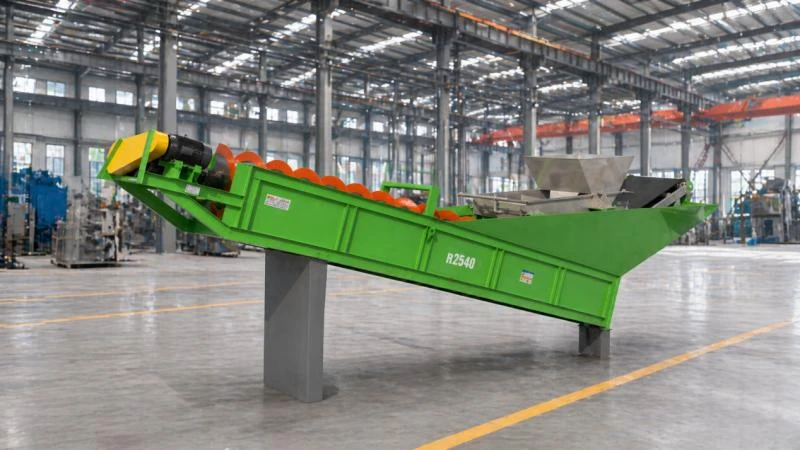
How a Spiral Sand Washer Works?
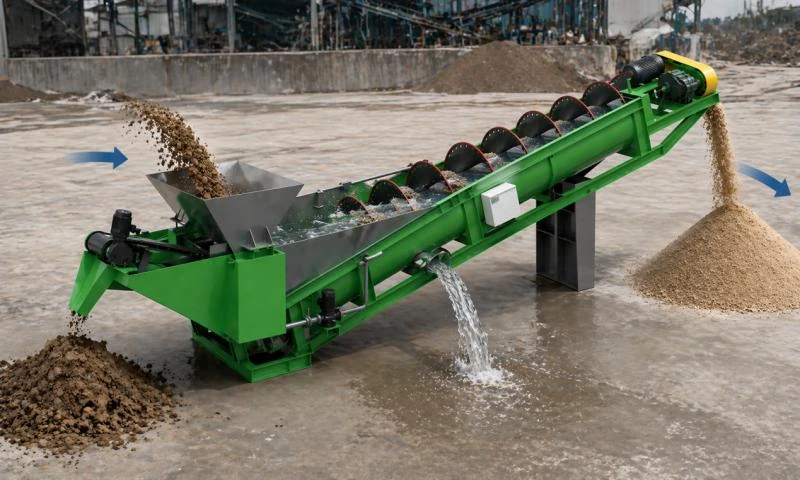
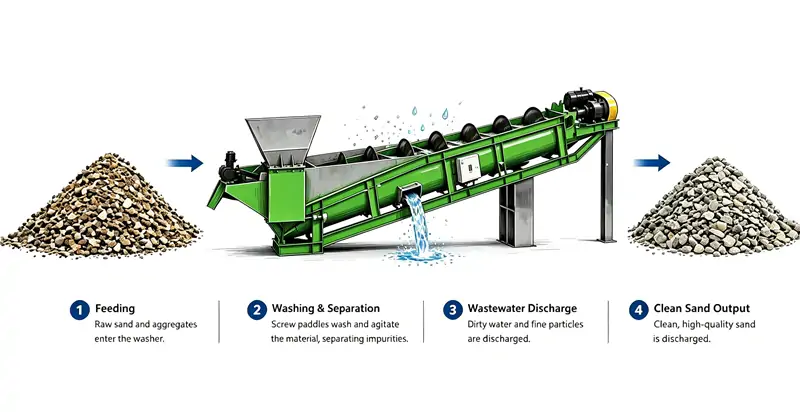
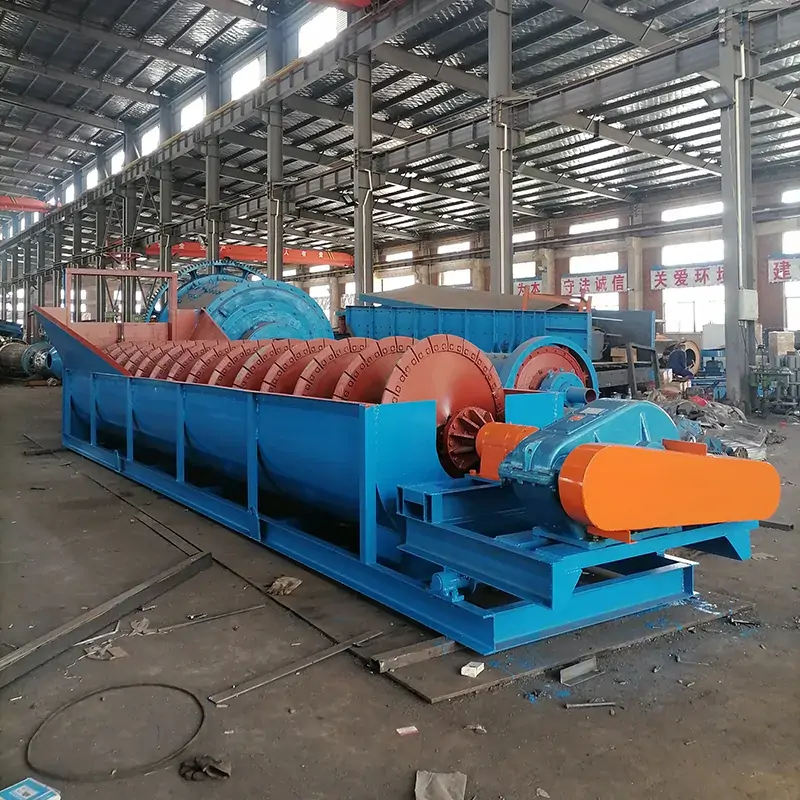
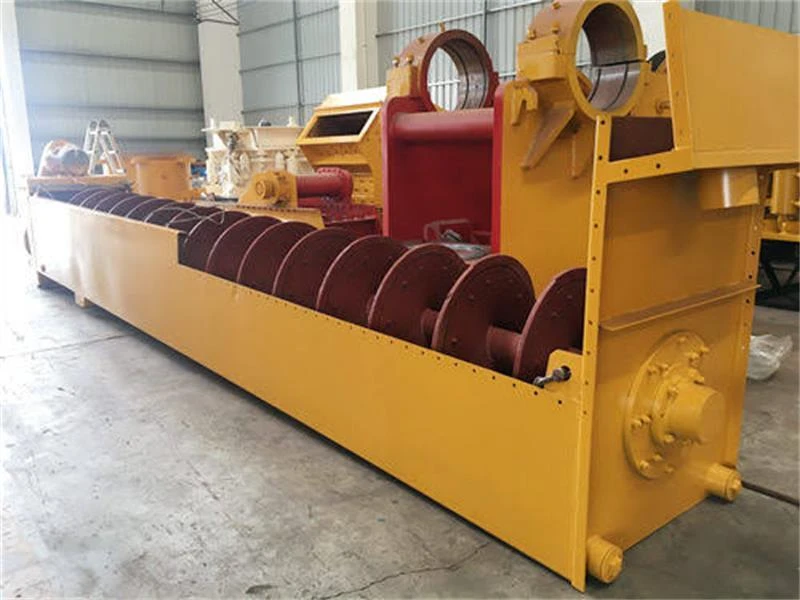
A Spiral Sand Washer works by combining spiral movement and water flow to clean, separate, and transport the material in a continuous process.
A sand washer machine runs continuously. The spiral moves the material forward, while water removes mud and fines. This helps keep the output stable and reduces material loss.
The typical process is as follows:
Applications
Spiral Sand Washers are used where sand contains mud, fines, or mixed impurities. The goal is simple: make the material cleaner and more consistent before it goes to the next step.
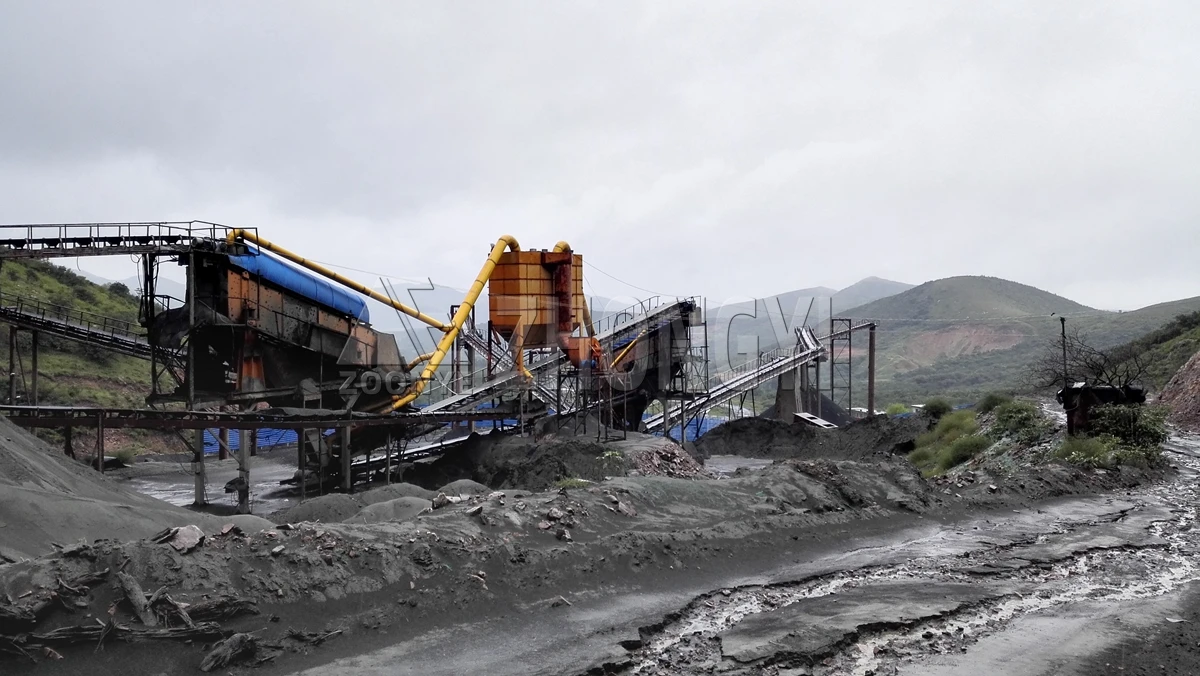
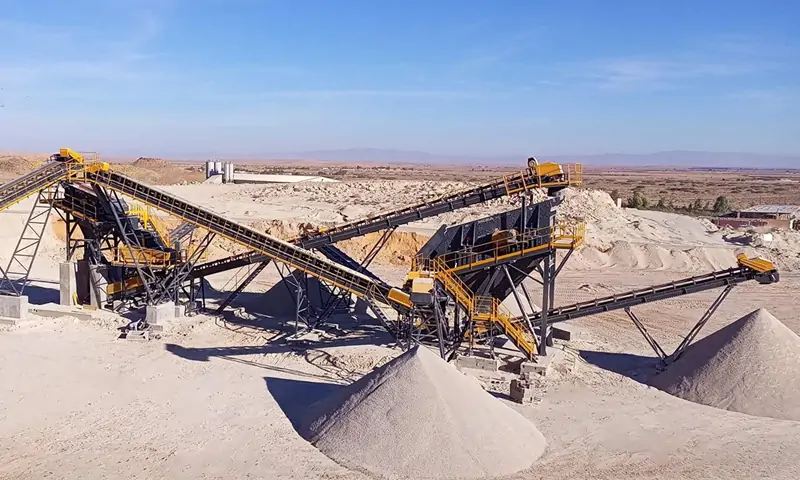
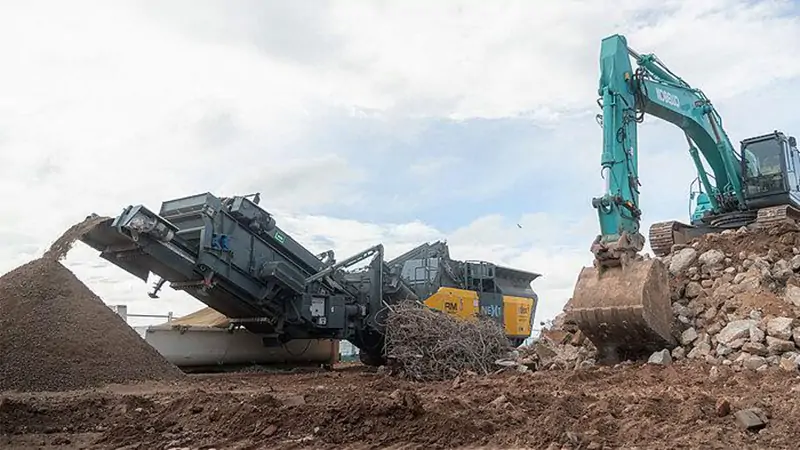
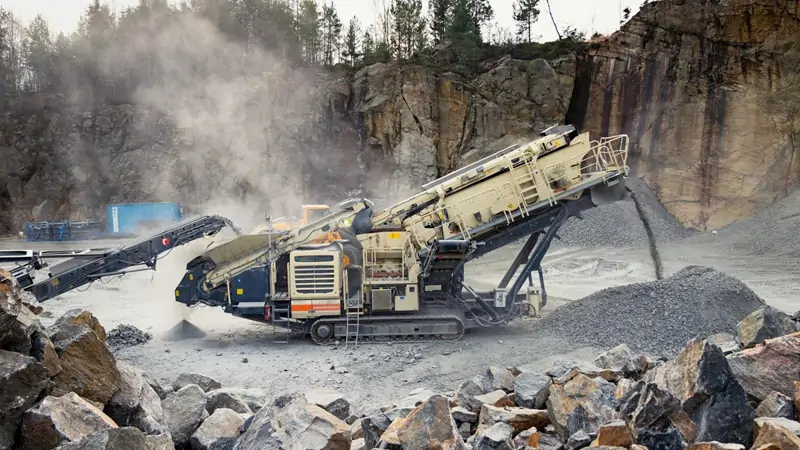
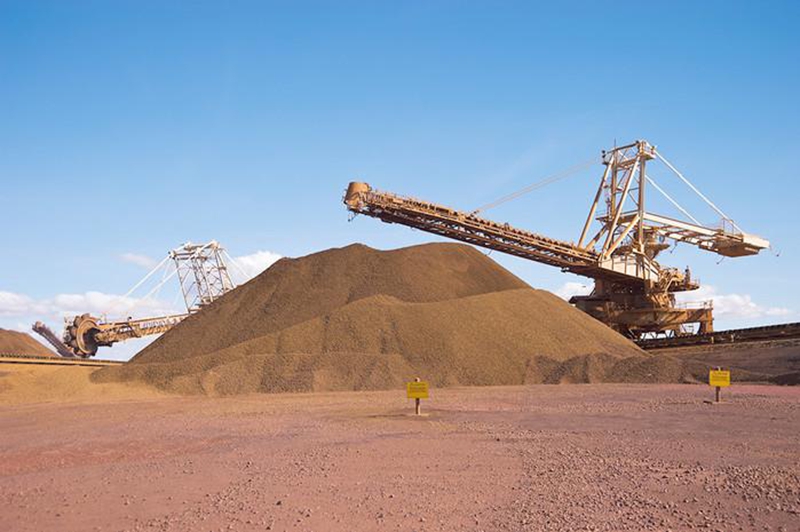
These applications often involve muddy or mixed materials, so the machine needs to run stable and keep the output consistent.
Specifications
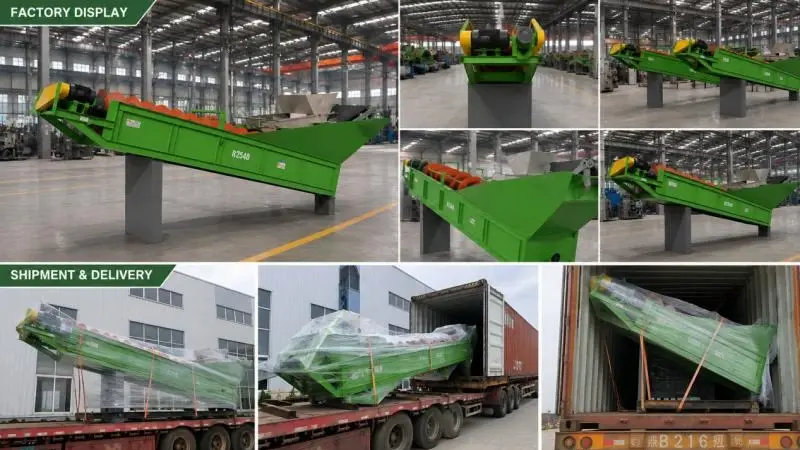
Spiral sand washer models are available in different configurations to meet various processing capacities and material conditions. The following table provides key specifications, including capacity, feed size, sand output range, water consumption, and power requirements, helping you select the suitable model for your application.
| Model | Capacity (t/h) | Feed Size (mm) | Sand Size Range (mm) | Water Consumption (m³/h) | Power (kW) | Wheel Diameter (mm) | Rotation Speed (r/min) | Weight (kg) |
| SW-10 | 10–30 | ≤20 | 0–5 | 6–20 | 5.5 | 2200 | 1.2–1.8 | 3200 |
| SW-30 | 30–60 | ≤30 | 0–8 | 15–40 | 11 | 2600 | 1.0–1.5 | 4800 |
| SW-60 | 60–100 | ≤40 | 0–10 | 30–70 | 15 | 3000 | 0.8–1.2 | 7200 |
| SW-100 | 100–150 | ≤50 | 0–10 | 50–100 | 22 | 3600 | 0.6–1.0 | 9800 |
Note
- Capacity range: 10–150 t/h
- Maximum feed size: ≤50 mm
- Suitable for fine sand and aggregate washing applications
- Water consumption varies depending on raw material moisture and impurity level
- Optional configurations are available for different plant layouts and processing requirements
How to Choose the Right Spiral Sand Washer?
Selecting the right Spiral Sand Washer is important for improving sand quality, reducing fine sand loss, and maintaining stable operation. A properly selected machine helps remove mud and impurities efficiently while reducing water consumption and operating cost.
Proper selection should be based on material condition, production requirements, and site environment.
Spiral Sand Washer Price Factors
The price of a spiral sand washer depends on equipment configuration, processing capacity, material conditions, and project requirements. A suitable configuration not only affects the initial investment but also determines washing efficiency, maintenance cost, and long-term operating performance.
The main factors affecting the price include:
- Capacity Requirements — Larger capacity models require stronger structures, larger motors, and higher processing capability.
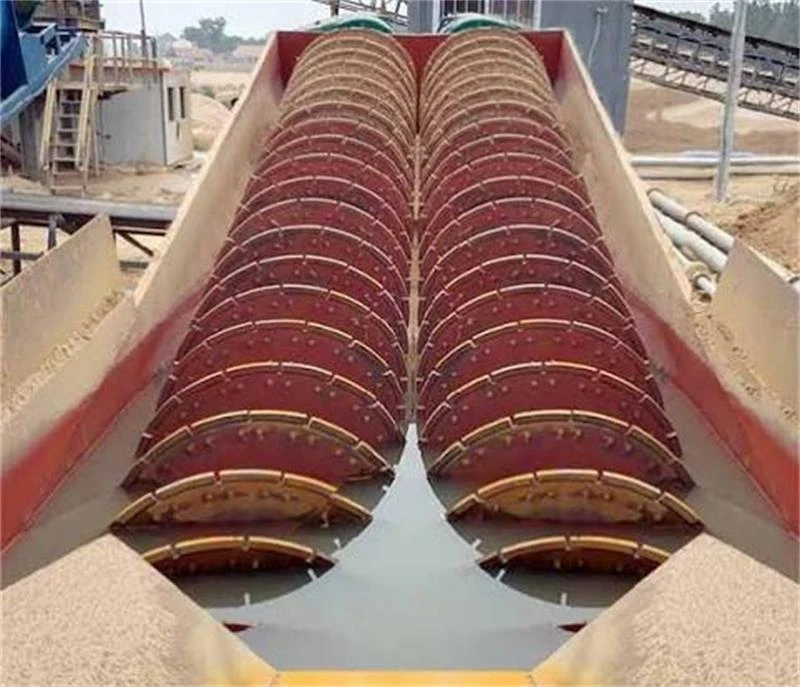
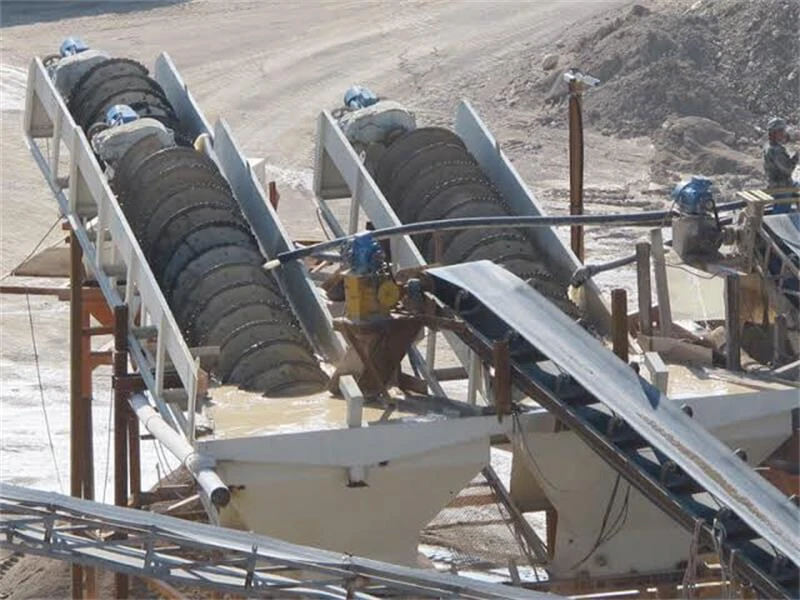
- Screw Design — Single and double screw configurations have different cleaning efficiency and production capacity.
- Wear Protection — Wear-resistant materials increase initial cost but improve service life when processing abrasive materials.
- Water System Configuration — Water supply, recycling, and treatment systems affect the overall project investment.
- Equipment Configuration — A standalone machine costs less, while complete washing plants with feeders, screens, conveyors, or recovery systems require higher investment.
For an accurate quotation, provide your material type, capacity, feed size, and application requirements. Our engineers can recommend the right spiral sand washing solution.
Why Work With Zhongyi Mining?
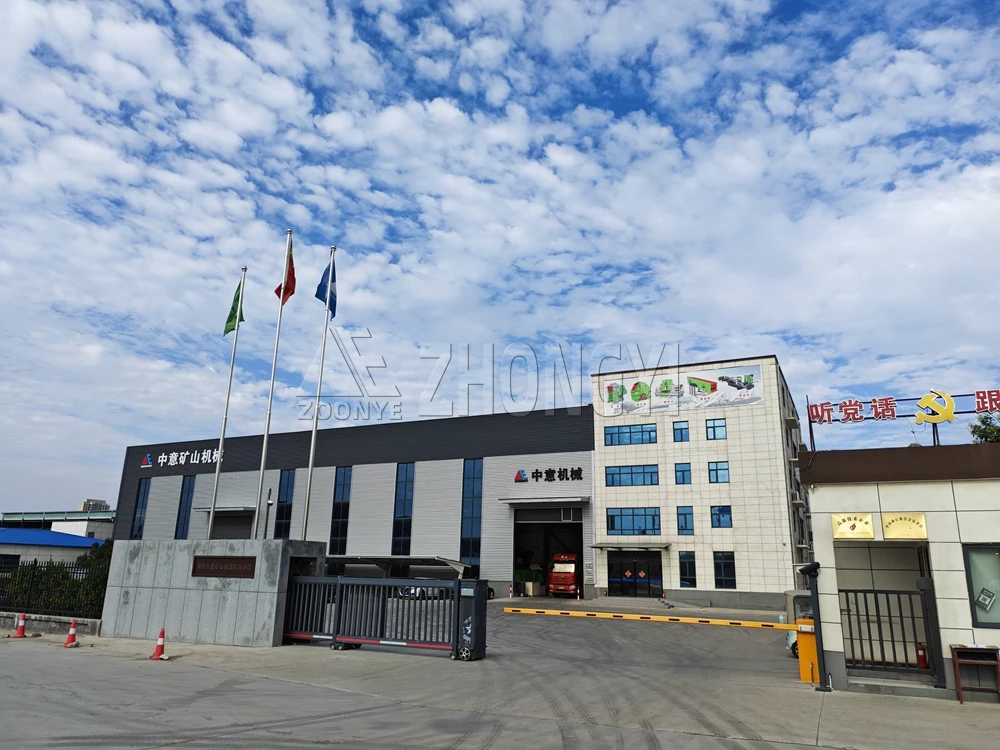
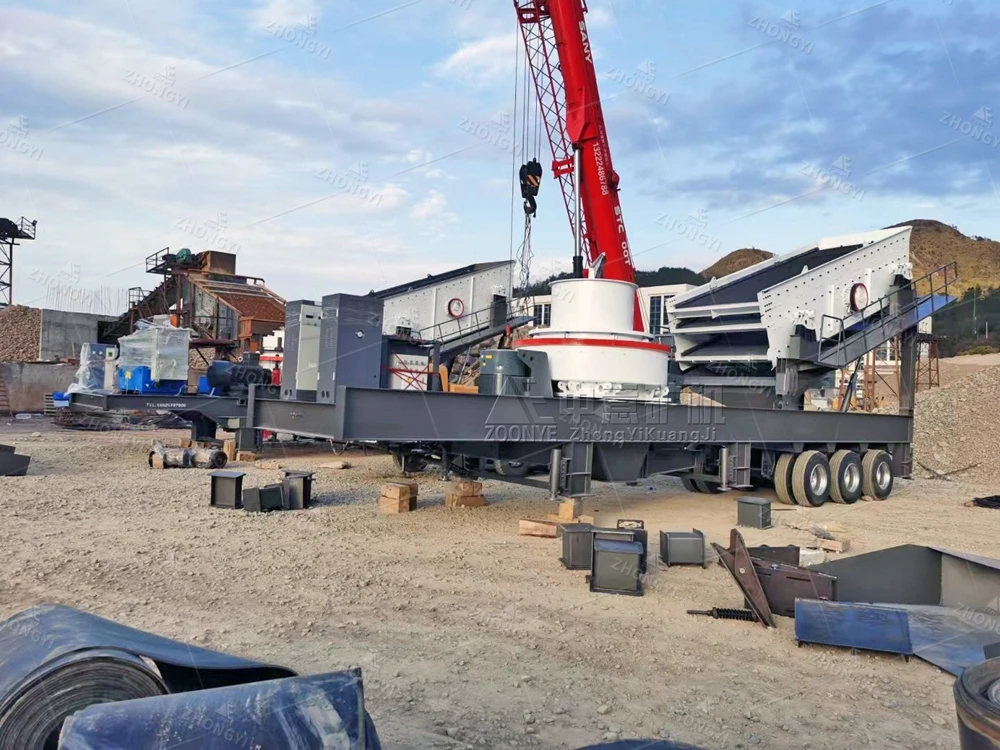
Zhongyi Mining provides sand washing solutions based on material conditions, production requirements, and site layout rather than using a single standard configuration. Equipment selection is adjusted according to factors such as mud content, feed size, capacity, water consumption, and required finished sand quality. This helps improve operating stability and reduce unnecessary operating cost.
The company has export experience in mining, aggregate, and recycling projects across different regions. Equipment manufacturing follows ISO9001 quality management standards, and configuration recommendations are supported by real operation data from actual production lines. Different system layouts are available for standalone machines or complete sand washing plants.
Request a Customized Solution
Partner with Zhongyi for reliable equipment, professional technical support, and customized solutions tailored to your material characteristics, production capacity, and project requirements.
Request a Custom Solution
Every sand washing project has different material conditions, capacity, feed size, and water requirements. Share your material type, mud content, capacity, feed size, and site conditions, and our engineers can recommend the right sand washing solution or complete sand washing production line. Contact our team for a customized configuration and quotation.
Please Provide the Following Information:
.webp)
FAQs
What is a Spiral Sand Washer used for?
A spiral sand washer is used to remove mud, clay, dust, and other impurities from sand and aggregate materials. It improves sand cleanliness and product quality through washing, classification, and dewatering. It is widely used in mining, silica sand processing, aggregate production, and construction waste recycling where stable material quality is required.
How does a Spiral Sand Washer work?
A spiral sand washer uses a rotating spiral blade and water flow to clean and classify materials. During operation, impurities such as mud and fine particles are separated from the sand, while cleaned materials are conveyed upward and discharged. The process also helps reduce moisture and improve material handling after washing.
What materials are suitable for Spiral Sand Washers?
Spiral sand washers are suitable for river sand, machine-made sand, silica sand, crushed aggregates, and recycled construction materials. They are especially useful for materials with high mud content or surface impurities that affect final product quality and downstream processing efficiency.
What is the capacity range of a Spiral Sand Washer?
The capacity of a spiral sand washer typically ranges from 10 to 150 t/h depending on the model, material characteristics, and washing requirements. Larger models are designed for higher-volume production lines, while smaller units are suitable for compact processing plants or lower-capacity applications.
How do I choose the right Spiral Sand Washer?
Selection depends on material type, mud content, feed size, required cleanliness, production capacity, and available water conditions. Proper equipment matching helps improve washing performance, reduce material loss, and maintain stable operation. For complex applications, the complete process flow should also be considered.
What factors affect Spiral Sand Washer price?
The price mainly depends on equipment capacity, screw design, wear-resistant components, water system configuration, and whether it is supplied as a standalone machine or part of a complete washing plant. Material conditions and customization requirements can also affect the final investment.
What is the difference between a Spiral Sand Washer and a sand screen?
A sand screen mainly separates materials according to particle size, while a spiral sand washer focuses on removing mud and impurities through washing and classification. In many applications, both machines work together to improve material quality and achieve better processing results.
Does Zhongyi provide installation and technical support?
Yes. Technical support includes equipment selection, configuration recommendations, installation guidance, and operation assistance. Solutions are provided according to material characteristics, production requirements, and site conditions to help ensure reliable performance after installation.