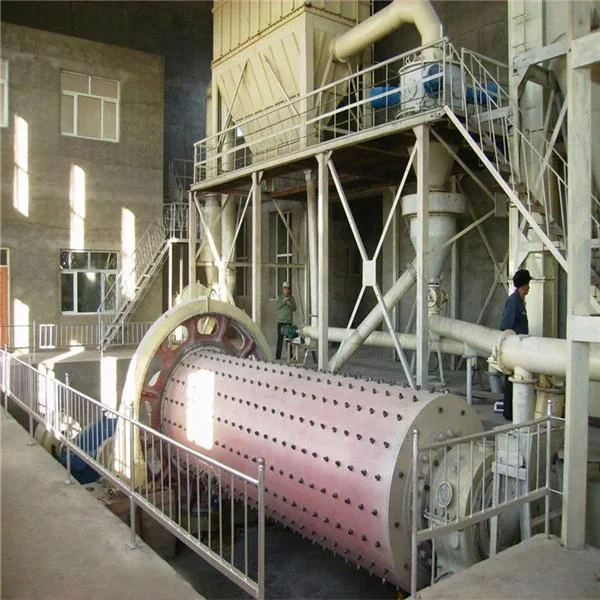
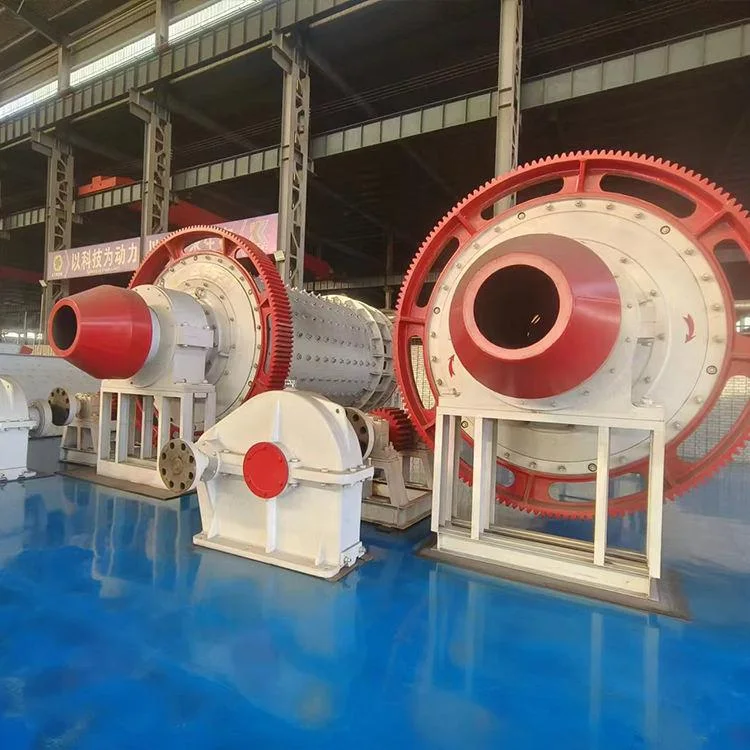
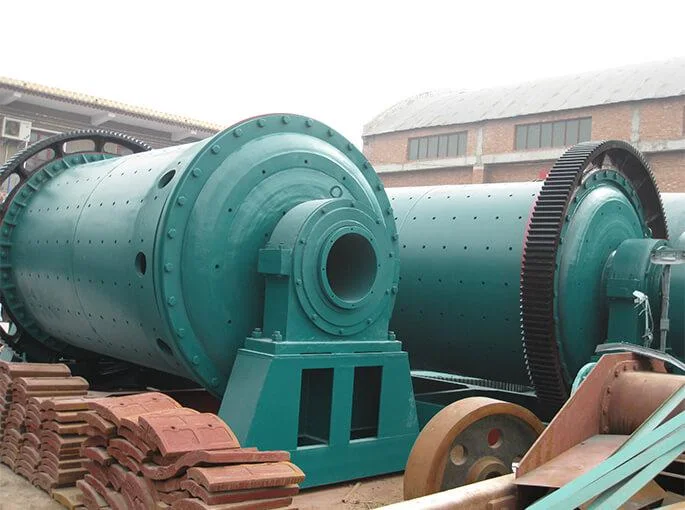
What Is a Rod Mill Grinding Machine?
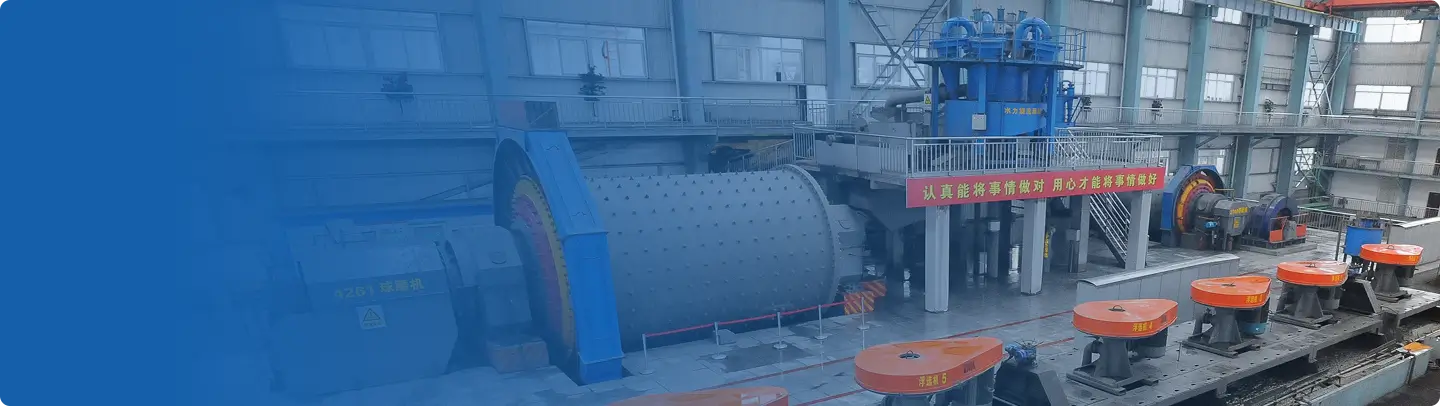
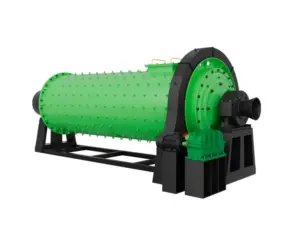
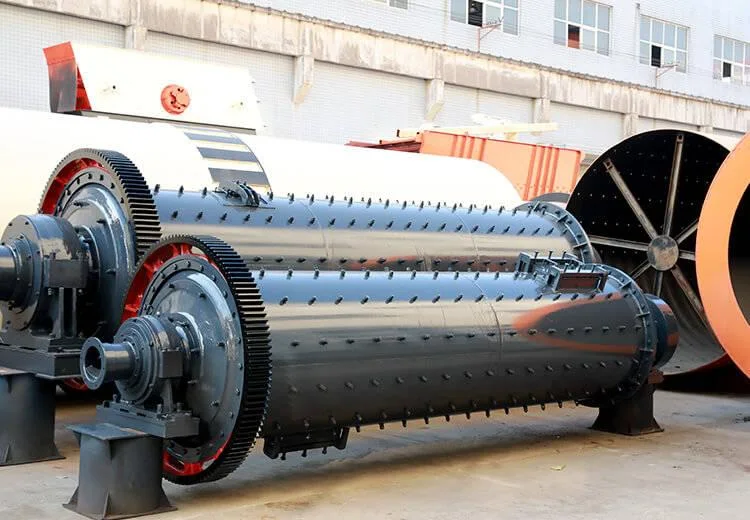
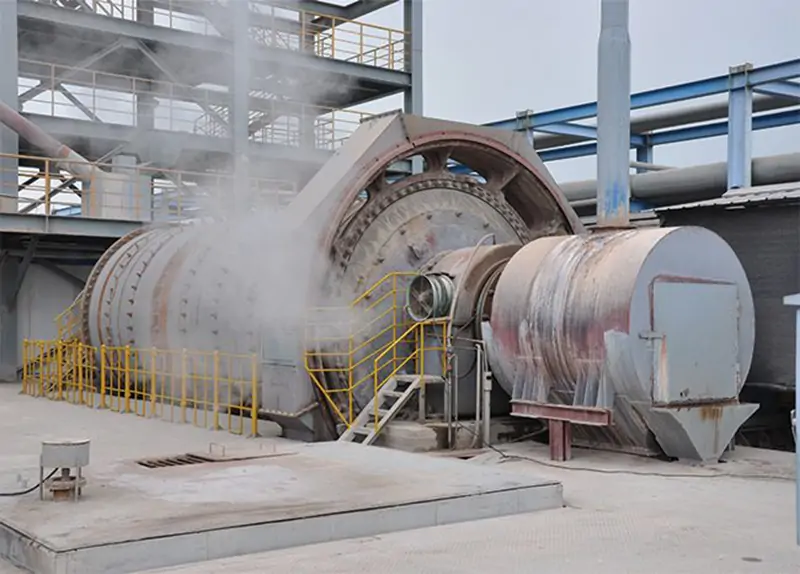
A Rod Mill Grinding Machine, also known as a rod mill or rod grinding mill, is a grinding equipment used for coarse and medium-fine grinding in mineral processing and material preparation industries. It operates by using steel rods as grinding media to reduce over-grinding and produce more uniform particle sizes.
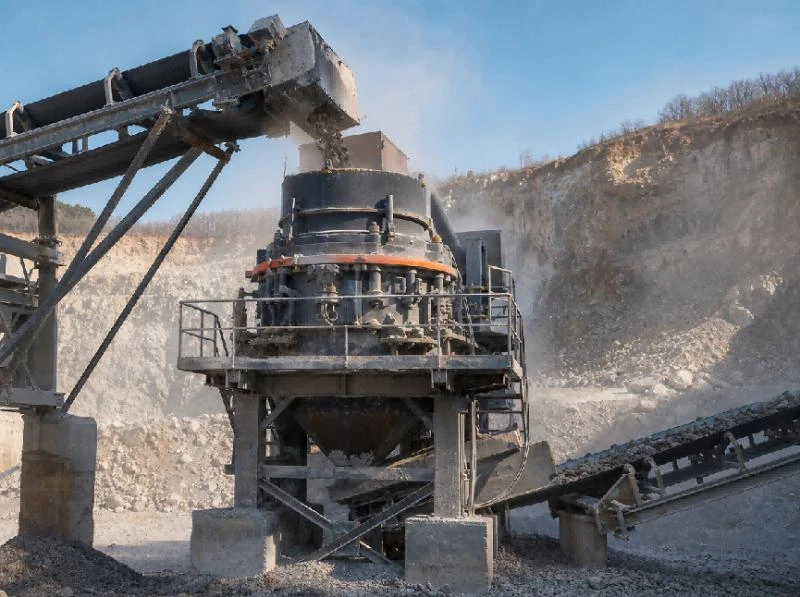
In production line, rod mills are installed after jaw crushers or cone crushers for secondary grinding, and before ball mills or classification systems such as spiral classifiers or hydrocyclones. It suitable for controlling particle size in early-stage grinding circuits.
The equipment is widely used in ore beneficiation, quartz sand processing, and chemical material preparation. Typical discharge size can reach around 0.833–0.147 mm (20–100 mesh) depending on material characteristics and grinding conditions.
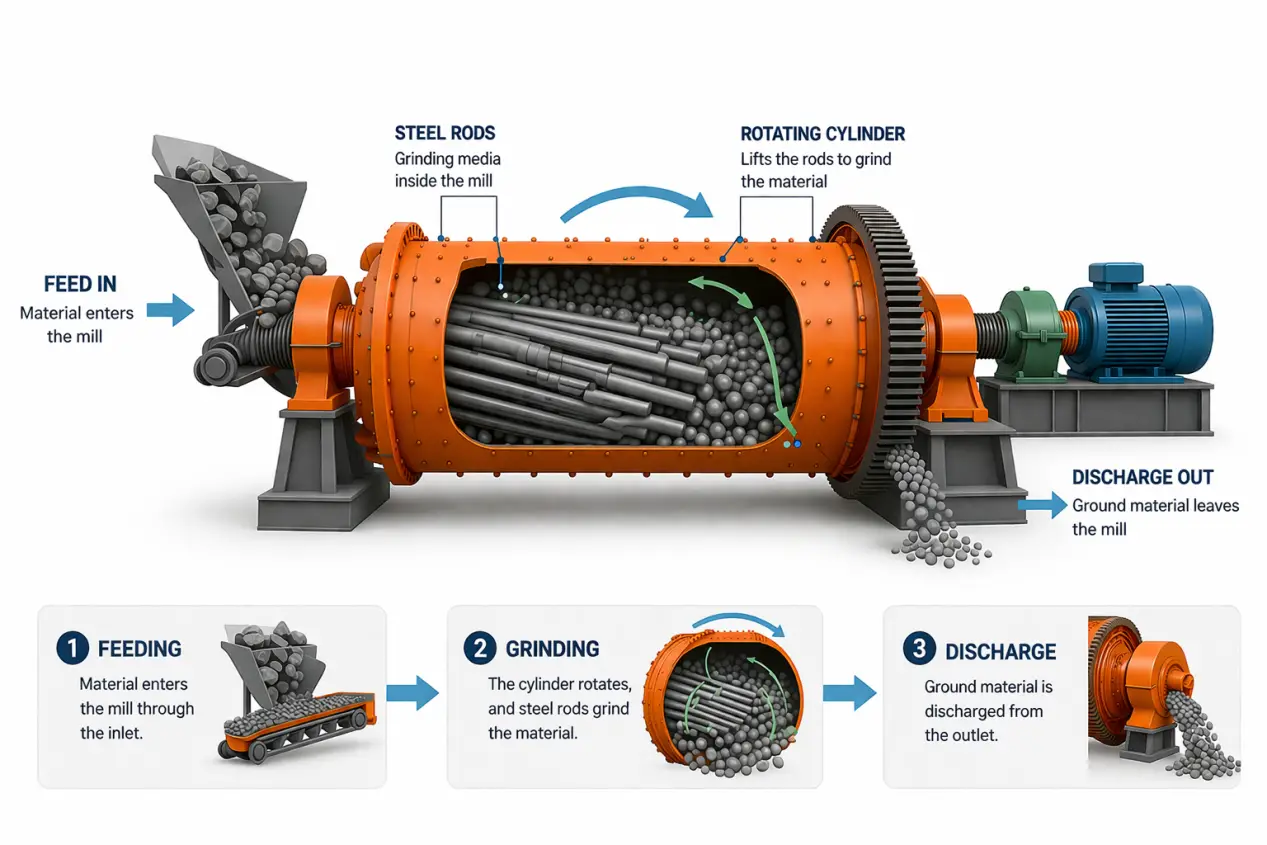
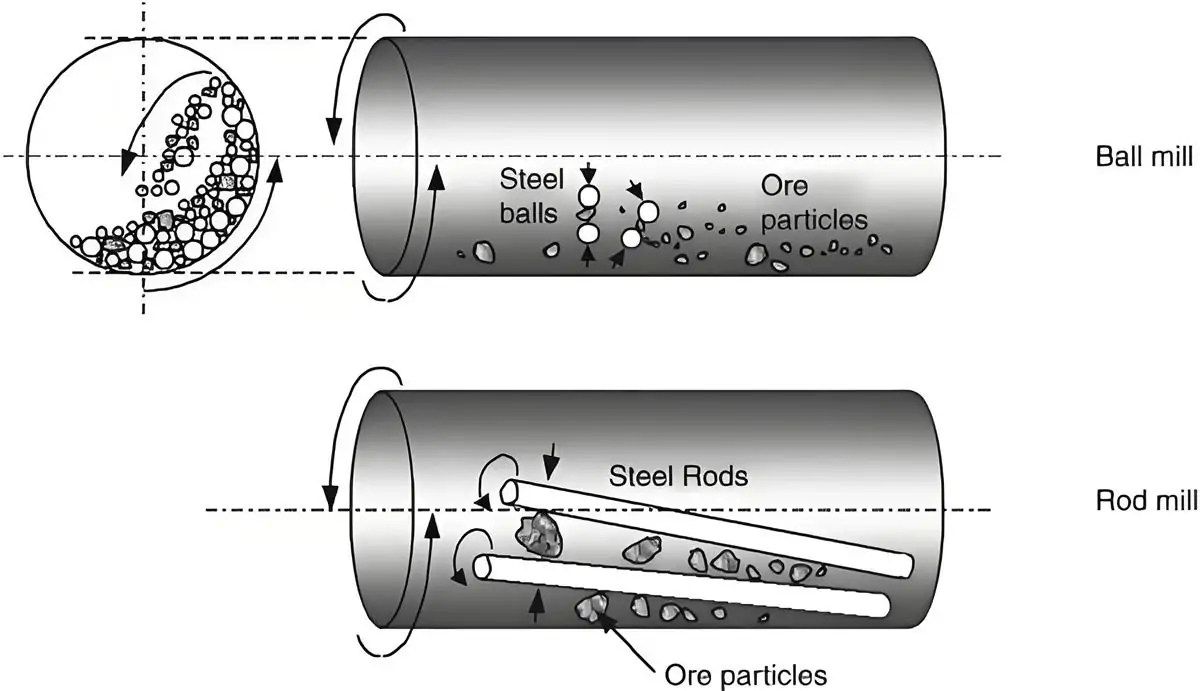
Inside the rotating cylinder, steel rods are lifted and dropped in a cascading motion. The linear contact between rods and materials produces a selective grinding effect, reducing excessive pulverization and improving particle uniformity. The final fineness is controlled by rotation speed, rod length, and retention time inside the mill.
How Does a Rod Mill Work?
A rod mill works by rotating steel rods inside a horizontal cylinder to grind materials through impact and linear contact.
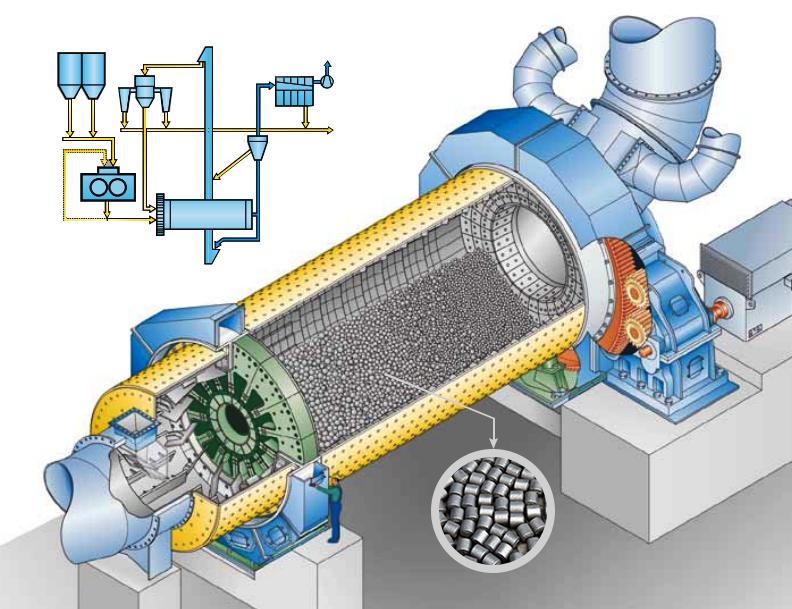
The mill is driven by a motor and reducer, which rotates the shell at a controlled speed. Inside the cylinder, steel rods lift and fall with the rotation, creating a grinding zone where particles are crushed mainly by line contact between rods and materials. This reduces over-grinding and produces a more uniform particle size compared to ball mills.
As the material moves from the feed end to the discharge end, it is continuously broken down under the combined action of impact and grinding. The final product size is controlled by rotation speed, rod loading, and retention time inside the mill, making it suitable for coarse and medium grinding stages in mineral processing lines.
Rod Mill Parts and Components
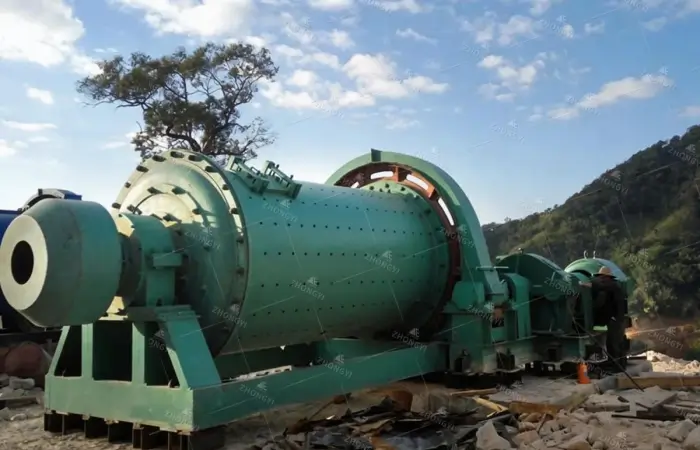
A rod mill is mainly composed of a rotating cylinder, grinding media, transmission system, feeding and discharging system, bearings, and structural frame. Each part is briefly described below:
- Cylinder Shell: The main rotating body that carries grinding rods and materials during operation.
- Grinding Rods: Steel rods that provide line contact grinding, ensuring controlled particle size distribution.
- Lining Plates: Wear-resistant liners fixed inside the shell to protect the cylinder and improve grinding performance.
- Feeding System: Feed inlet structure that allows raw material to enter the mill steadily and evenly.
- Discharge System: Outlet structure that controls continuous removal of ground material from the mill.
- Main Bearing: Supports the rotating shell and ensures stable, low-resistance rotation under heavy load.
- Transmission System: Motor, reducer, and gear unit that drive the rotation of the mill cylinder.
- Base Frame: Steel structure foundation that supports the whole machine and maintains operational stability.
Specifications
Rod mill specifications are configured according to processing capacity, feed size, discharge fineness, and grinding circuit requirements. Cylinder size, liner structure, and drive system can be adjusted based on different ore characteristics and production line layouts. Zhongyi provides both standard models and customized designs for various industrial applications.
Please refer to the detailed parameters below.
| Parameter | Range | Notes |
|---|---|---|
| Cylinder diameter | φ1.5 m – φ3.5 m (standard); up to φ8 m | Determines throughput capacity |
| Cylinder length | 3.0 m – 5.8 m | Affects residence time and discharge behavior |
| Effective mill volume | 4.6 – 60.7 m³ | Impacts grinding capacity |
| Max feed size | 50 mm | Depends on upstream crushing stage |
| Discharge size | 0.147 – 0.833 mm | Adjustable via configuration |
| Capacity | 0.6 – 180 t/h / 2.4 – 250 t/h | Varies by ore hardness |
| Mill speed | 14 – 23 rpm | Optimized for grinding efficiency |
| Motor power | 75 – 1,400 kW | Based on plant scale |
Applications
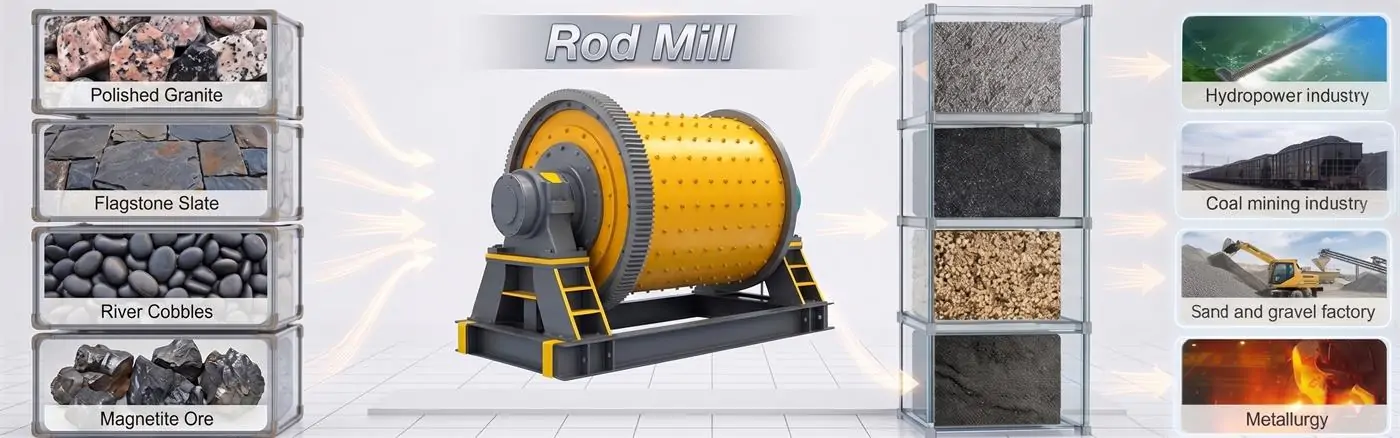
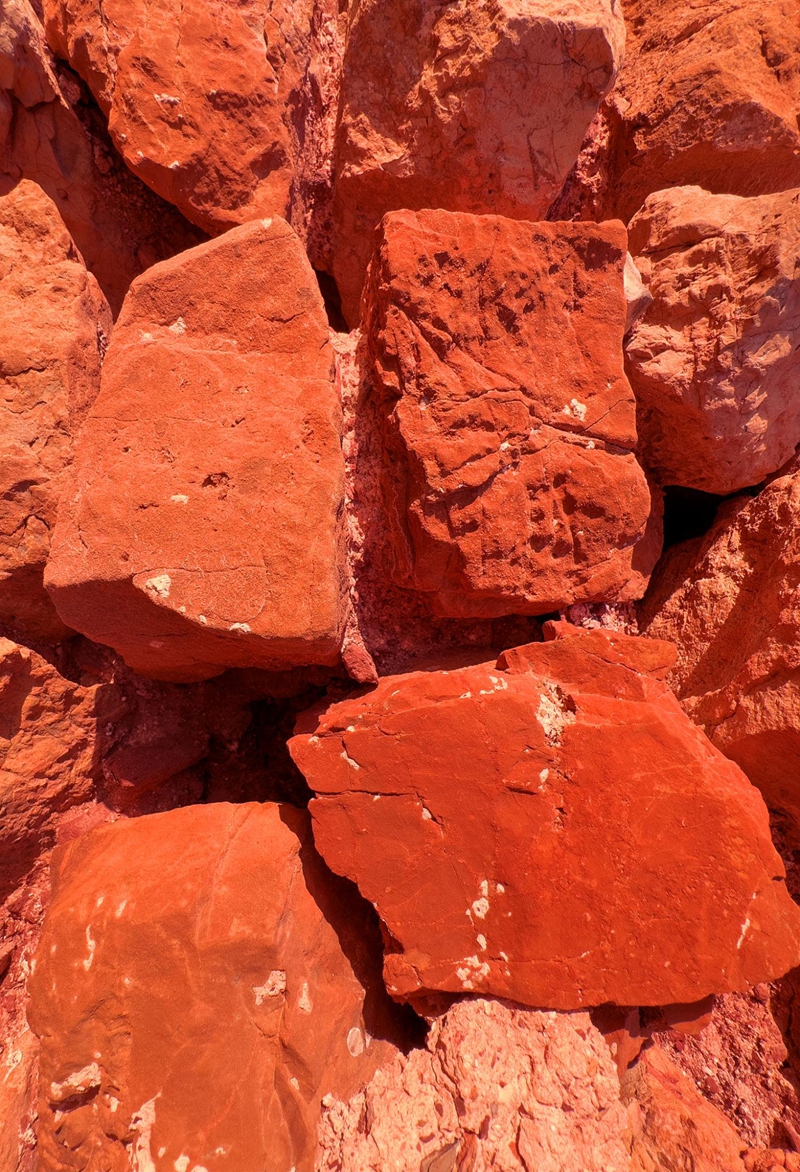
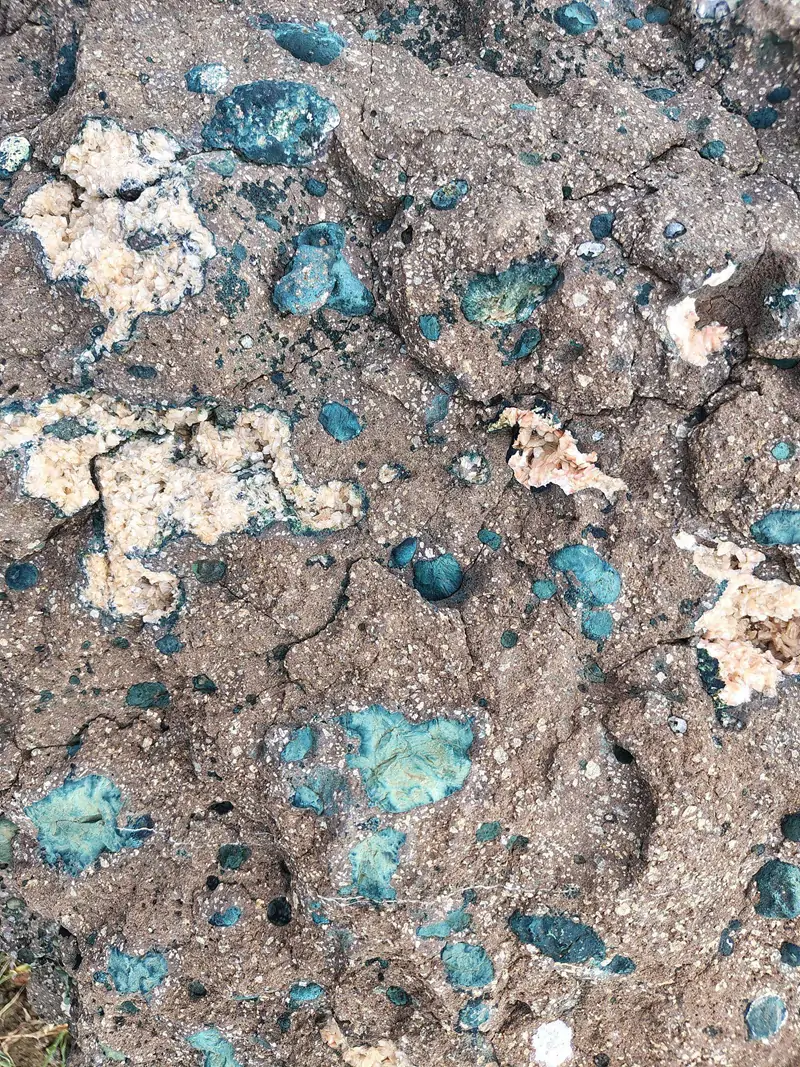
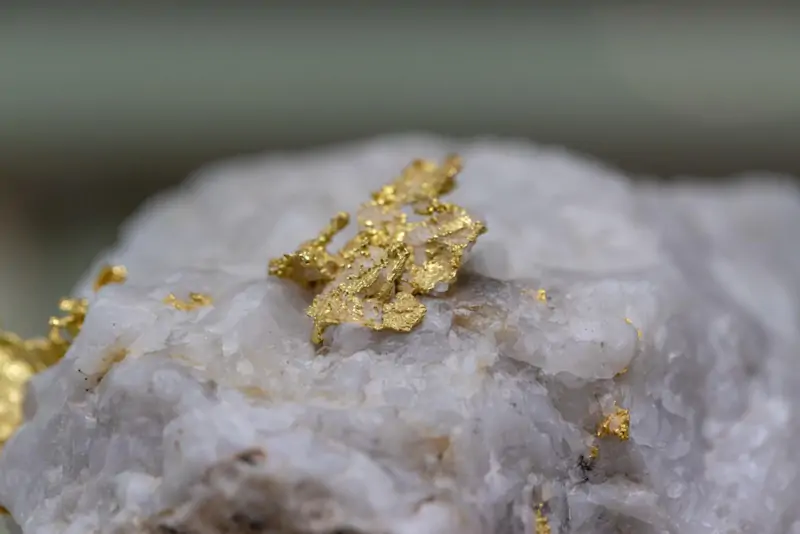
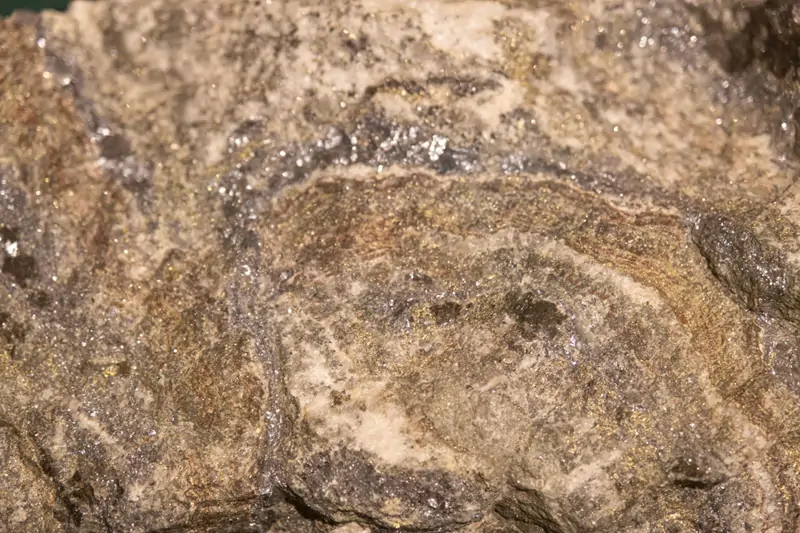
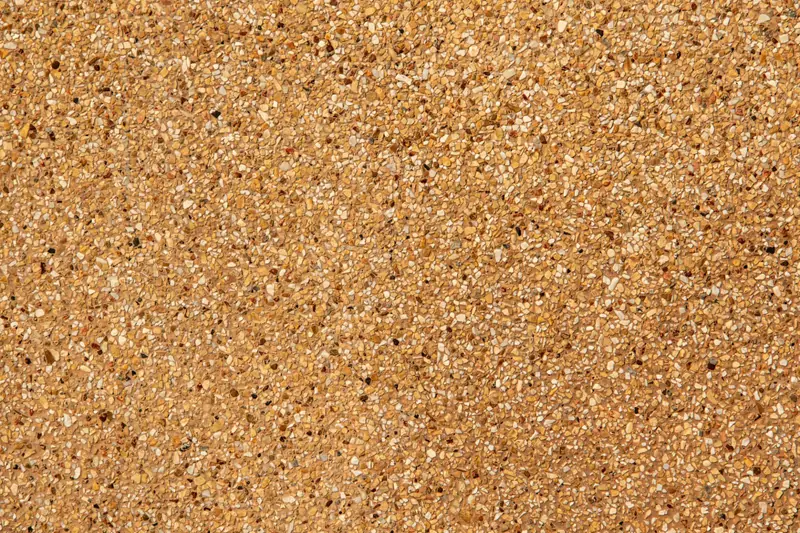
Rod mills are used for coarse to medium grinding in mineral processing circuits, mainly to control particle size and produce uniform feed for downstream separation or fine grinding. Commonly used in the following scenarios.
Rod Mill vs Ball Mill
Rod mills and ball mills are both widely used in grinding circuits, but they differ in grinding mechanism, product size control, and operating cost depending on the application.
Comparison Table
| Item | Rod Mill | Ball Mill |
|---|---|---|
| Grinding mechanism | Line contact between steel rods | Random impact from grinding balls |
| Fines generation (slimes) | Lower fines generation, more controlled size distribution | Higher fines generation due to repeated impact grinding |
| Product characteristics | Steeper size distribution, fewer ultra-fines | Finer product with more ultra-fines |
| Typical discharge range | 0.147 – 0.833 mm | < 0.147 mm (fine grinding duty) |
| Media consumption | Lower consumption in abrasive ores (e.g., granite, quartz, basalt) | Higher media wear in abrasive conditions |
| Best application stage | Primary grinding or coarse grinding | Secondary or fine grinding |
| Feed size suitability | Up to ~50 mm | Typically smaller, pre-ground feed |
| Capacity range | Medium to high (coarse grinding circuits) | High (fine grinding circuits) |
Selection Guidance
Rod mills are generally selected for coarse grinding circuits where control of fines is important and downstream processes cannot tolerate excessive ultra-fine particles. Ball mills are preferred when finer product size is required below the typical rod mill discharge range.
For high-capacity concentrators requiring two-stage grinding, the rod mill is often combined with a downstream Mining Ball Mill to achieve finer product size and stable circuit operation.
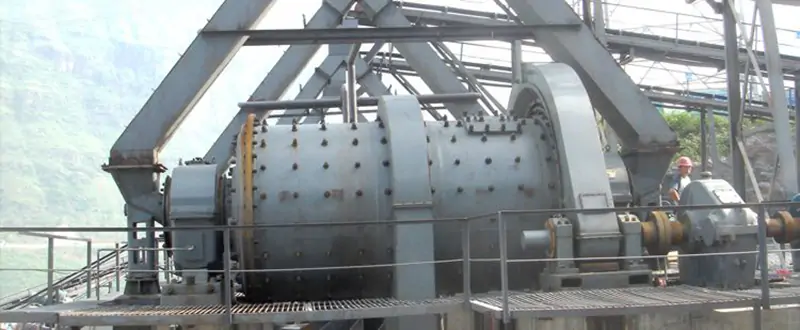
Projects Show
How to Select a Rod Mill?
For a project-specific configuration, send our engineering team your ore type, feed size, capacity target, and target discharge.
Request a Customized Solution
Partner with Zhongyi for expert technical support, customized solutions, and reliable equipment tailored to your ore characteristics and production requirements.
Custom Mining Ball Mill
To receive a precise and tailored price for your industrial grinding configuration, please complete our inquiry form with your project details. Our engineering team will respond with a customized solution and competitive quotation. For high‑capacity concentrators requiring a two‑stage reduction process, our design division can comprehensively link this initial rod mill layout with downstream mining ball mill finishing circuits.
Provide the Following Information:
Rod Mill Manufacturer and Supplier
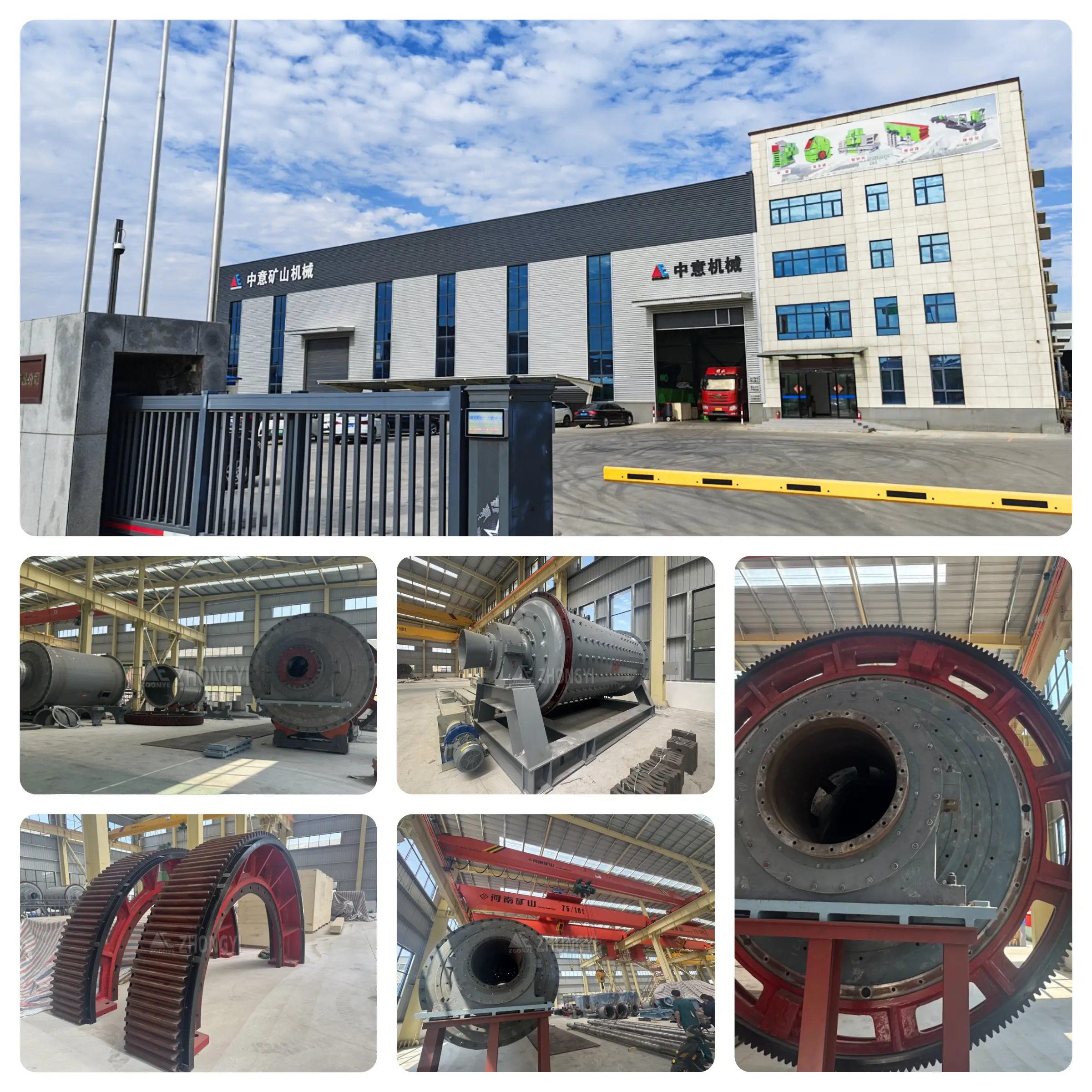
Zhengzhou Zhongyi Mining Machinery Co., Ltd. operates from Xingyang, Zhengzhou, Henan Province, with a factory area of more than 40,000 square meters and over 200 sets of processing equipment. Founded in 2010, the company holds ISO9001:2015 quality management certification and supplies mineral processing equipment to customers in Southeast Asia, Africa, South America, and Eastern Europe.
Zhongyi’s product portfolio includes rod mills, ball mills, vibrating feeders, trommel screens, and complete beneficiation lines, with reference installations in Turkey, Malaysia, Tanzania, and Indonesia. Engineering, manufacturing, installation guidance, and after-sales support are provided from the same production base to ensure consistent project execution and long-term operational reliability.
For high-capacity concentrators requiring two-stage grinding, the rod mill can be combined with a downstream Mining Ball Mill to achieve finer product size and stable circuit operation.
Contact Zhongyi for a tailored rod mill configuration matched to your ore characteristics, capacity target, and site conditions.
FAQs
1. What is a mining rod mill for in mining?
A rod mill is used for coarse grinding of ore between crushing and fine grinding stages. It accepts feed up to 50 mm and produces discharge in the 0.147–0.833 mm window.
2. How does a rod mill differ from a ball mill?
A rod mill uses steel rods as grinding media and produces fewer ultra-fines than a ball mill. The line-contact action generates a steeper particle size distribution.
3. What feed size does the rod mill accept?
Standard rod mills accept feed up to 50 mm. Larger feed requires pre-crushing to fit the cylinder opening.
4. What discharge size does the rod mill produce?
Standard discharge is 0.147–0.833 mm. The exact window is set by rod charge, mill speed, and feed rate.
5. What capacity does the rod mill cover?
Comparable Chinese rod mill lines cover 0.6–250 t/h depending on cylinder size and configuration.
6. Can the rod mill run as a wet or dry mill?
Wet overflow and dry grinding configurations are both supported. The choice depends on water availability and downstream process.
7. What motor power does a rod mill need?
Standard rod mills draw between 75 kW and 1,400 kW. Power scales with cylinder diameter and throughput.
8. How long does a rod mill installation take?
Installation typically takes a few weeks depending on foundation work, transport, and site access.