











Introduction
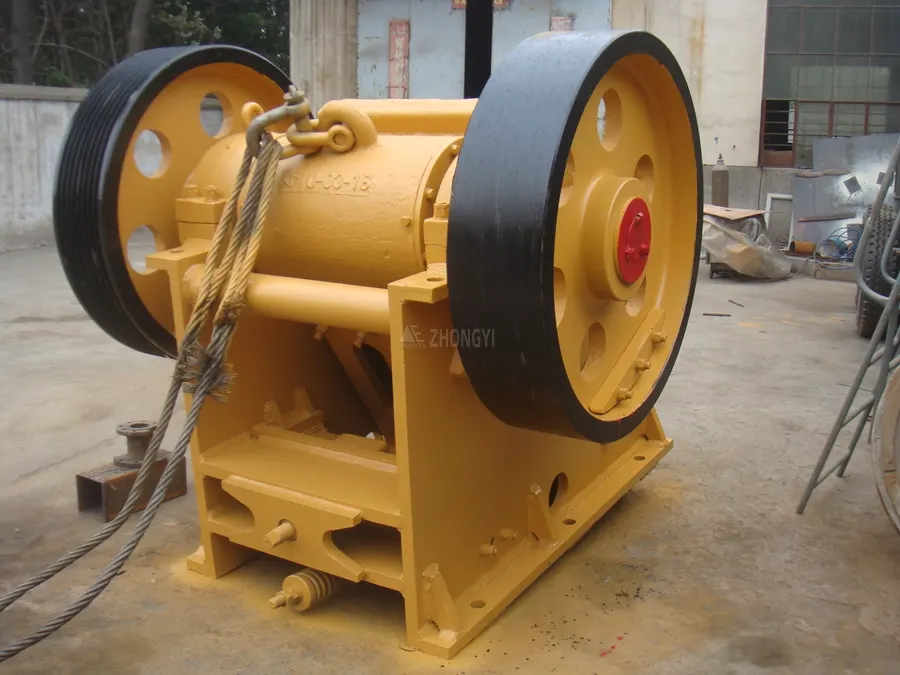
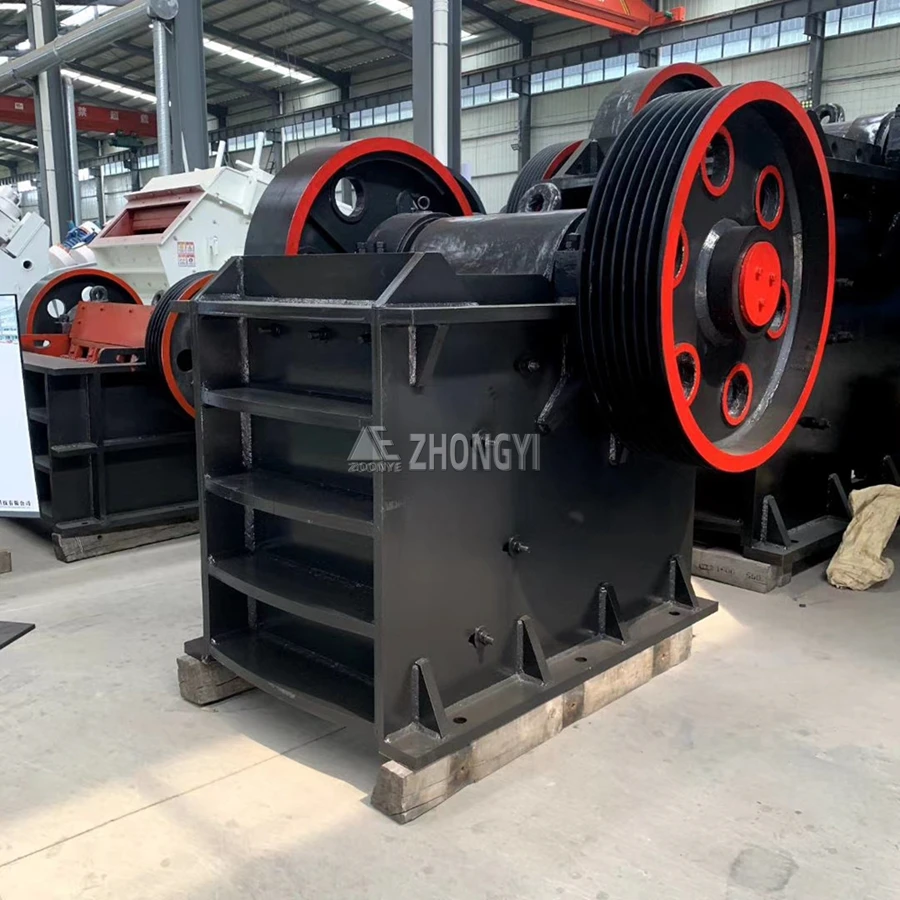
How to Select a European Jaw Crusher starts with the material, maximum feed size, and required production output. Check whether each candidate model can accept the largest incoming pieces, achieve the required throughput at the intended discharge setting, and work with downstream equipment. Material abrasiveness, installation constraints, and wear-part support also affect the final choice.
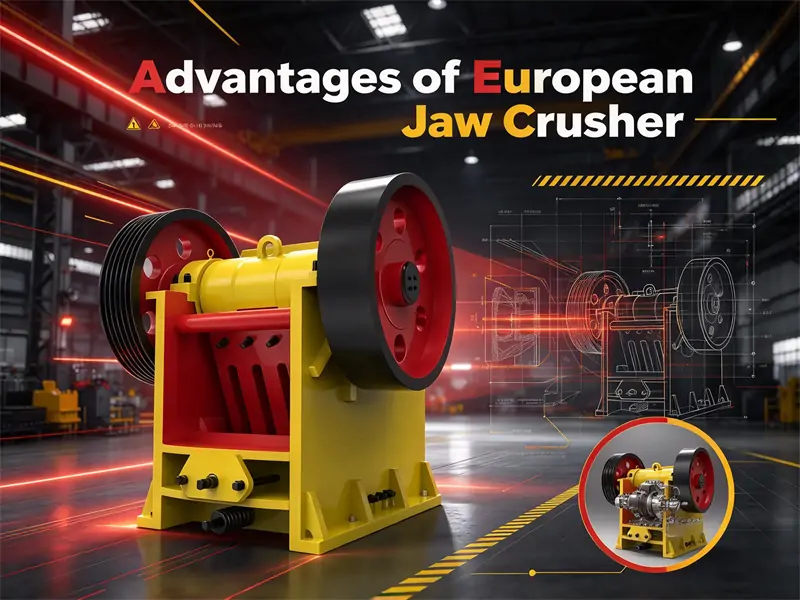
This guide explains how to assess these factors and narrow down suitable PEV series models. The term “European version” describes a design or product series rather than a single international standard. For the design features behind the selection criteria, read Advantages of European Jaw Crusher.
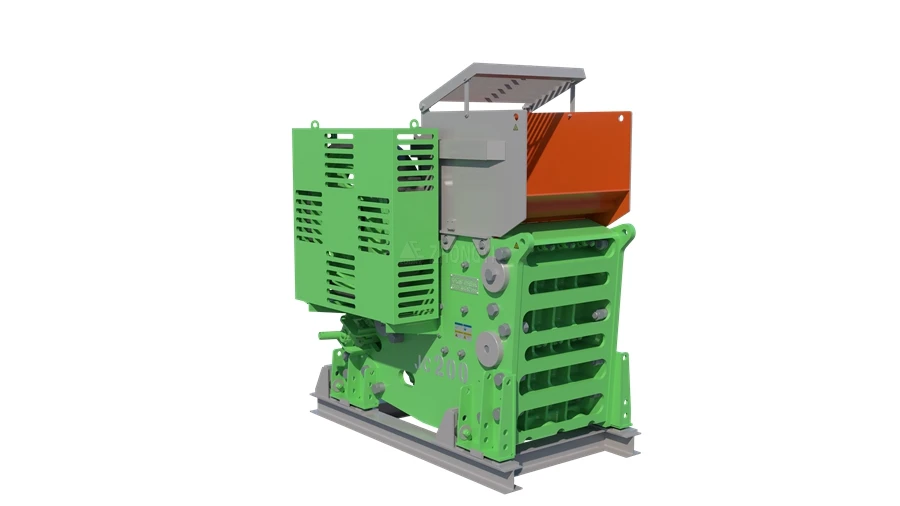
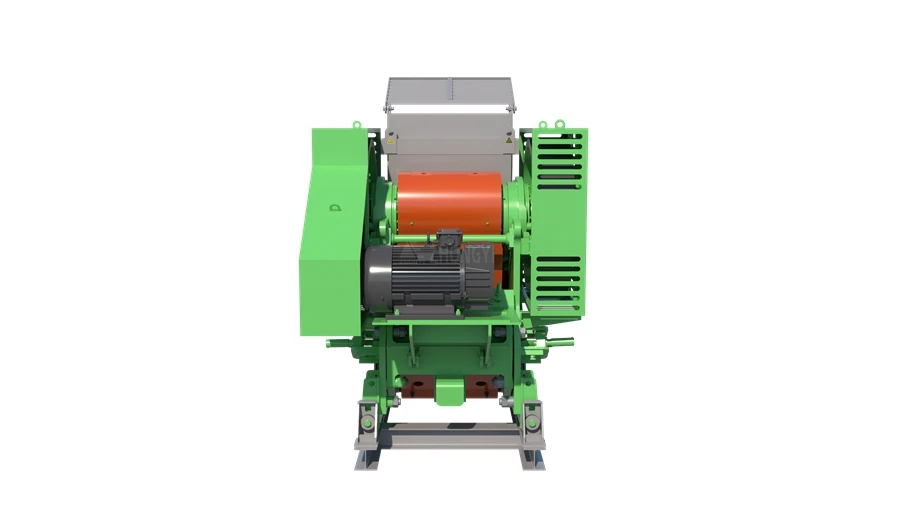
What to Confirm Before Selecting a European Version Jaw Crusher
Before comparing European version jaw crusher models, define the material, feed conditions, production target, and plant requirements. These details help narrow the model range before detailed technical evaluation.
| Factor | Information to Prepare | Why It Matters |
|---|---|---|
| Material | Rock or ore type, hardness, abrasiveness, and moisture conditions | Helps assess material suitability and expected wear |
| Maximum feed size | Largest incoming lump size and typical feed gradation | Determines whether the crusher can accept the incoming material |
| Required capacity | Target throughput in tonnes per hour (t/h) and expected operating hours | Establishes the production requirement for preliminary model screening |
| Discharge requirements | Required crusher discharge size and downstream feed requirements | Helps assess compatibility with secondary crushing and screening |
| Plant and site conditions | Existing equipment, plant layout, installation space, and operating pattern | Identifies configuration and integration constraints |
| Procurement and service | Budget, wear-part availability, spare-parts lead time, and technical support | Supports purchasing decisions and long-term maintenance planning |
These project requirements provide a starting point for model selection. Compare maximum feed size, rated capacity, and discharge range for each candidate model. Published capacity alone does not guarantee the required throughput under actual operating conditions. For a broader comparison of machine types, see How to Choose the Right Jaw Crusher Machine?
Among these factors, material characteristics and maximum feed size are the first technical checks. They help determine whether a candidate crusher is suitable for the incoming material before capacity and downstream equipment compatibility are evaluated in detail.
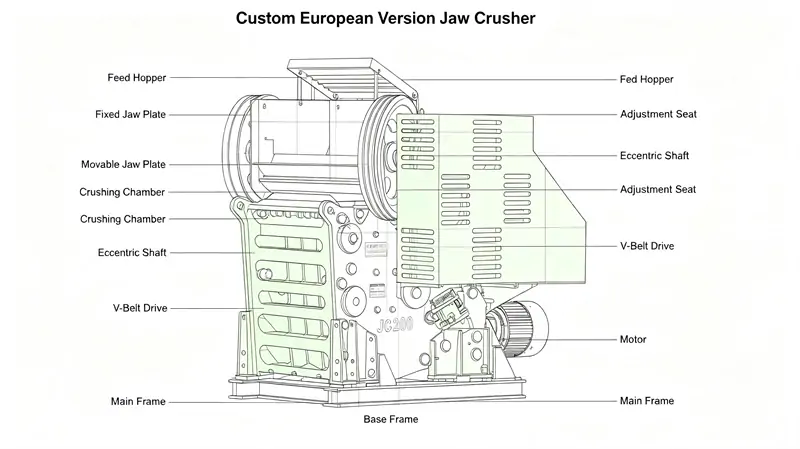
Check Material Properties and Maximum Feed Size
Material properties and feed size help determine whether a European version jaw crusher is suitable for a particular crushing application. Rock strength affects crushing load, abrasiveness influences jaw plate wear, and the largest incoming pieces must fall within the selected model’s maximum feed size. These factors should be checked before comparing rated capacity.
Evaluate Rock Hardness, Abrasiveness, and Feed Characteristics
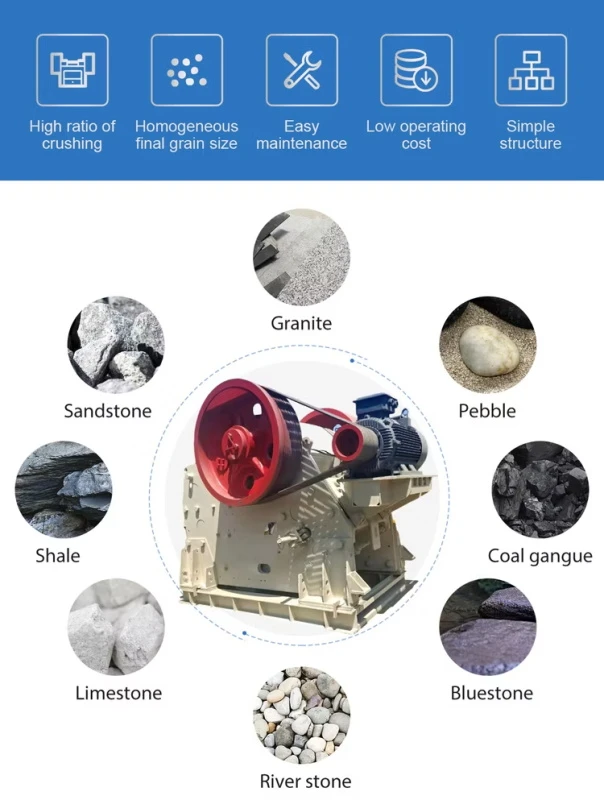
Granite, basalt, limestone, quartzite, and river pebbles differ in strength, mineral composition, and fracture characteristics. Selecting a crusher based on rock name alone is not sufficient. For granite-specific feed and wear considerations, read Granite Jaw Crusher: How to Choose the Best One.
- Rock strength: Stronger rock generally requires greater crushing force. Selection should also account for the feed size, required discharge size, and target throughput.
- Abrasiveness: Quartz-rich and other abrasive materials can accelerate jaw plate wear. Consider wear-part specifications, replacement frequency, and maintenance access when estimating operating costs.
- Feed condition: The proportion of fines, particle-size distribution, and presence of wet, sticky clay can affect feeding stability. Where material tends to stick or accumulate, assess whether pre-screening or other feed preparation is necessary.
Hardness and abrasiveness are not interchangeable. Rock strength relates to resistance to crushing, while abrasiveness affects wear on the jaw plates and other contact surfaces. Both properties should be considered when assessing equipment suitability and maintenance requirements.
Match the Feed Opening to the Maximum Rock Size
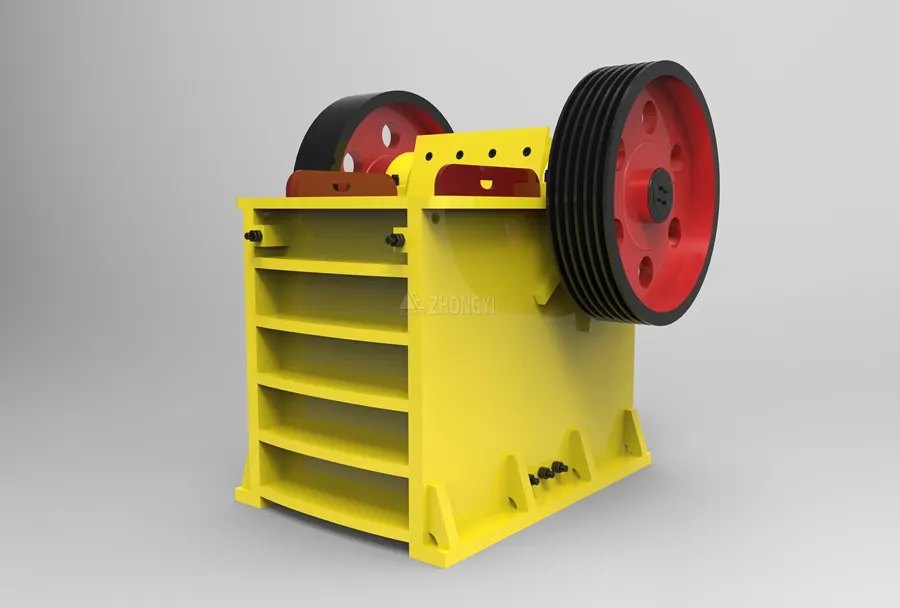
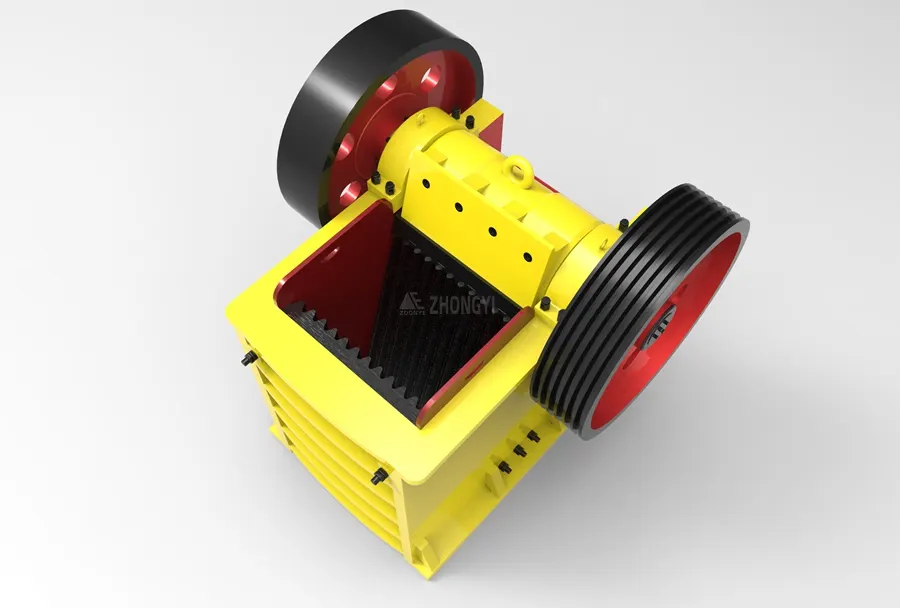
The feed opening is the entrance to the crushing chamber, while the maximum feed size is the largest material size specified for a particular model. Buyers should compare the manufacturer’s stated limit with the largest incoming pieces, including occasional oversize rock, rather than relying on average feed size alone.
Oversized or irregularly shaped rocks can bridge at the feed opening and interrupt material flow. If the incoming material exceeds the permitted feed size, consider a larger crusher or upstream measures such as screening or secondary breaking. Where fines removal and controlled feeding are needed, evaluate the GZT Serie Vibrating Grizzly Feeder against the actual feed distribution and plant layout.
Zhongyi Mining’s published PEV series specifications list a maximum feed size of 580 mm for the PEV680×980 and 800 mm for the PEV1100×1400. These figures apply to the individual models; the maximum feed size varies across the series. Confirm the relevant model specifications before finalizing the selection.
Calculate Required Capacity and Size Reduction
Selecting a European version jaw crusher requires checking the required throughput and the degree of size reduction. These factors determine whether the crusher can meet production targets and deliver material suitable for the next processing stage.
Match Rated Capacity to Actual Production Demand
Calculate the required average throughput using the target tonnage and effective operating hours:
Required average throughput (t/h) = Target tonnage (t) ÷ Effective operating hours (h)
For example, processing 1,000 tonnes in 10 effective operating hours requires an average throughput of 100 t/h. Effective hours should reflect the expected time available for production. This calculation establishes the production target; it does not establish the crusher’s rated or guaranteed output.
When assessing a model’s capacity, consider material properties, feed-size distribution, discharge setting, and feeding consistency. The feeder, conveyors, and downstream equipment must also handle the required throughput to prevent bottlenecks.
Check the Required Size Reduction and Crushing Ratio
A feed-to-product size ratio can help describe the required size reduction, but the size measures must be stated consistently. For example, 600 mm divided by 50 mm gives an arithmetic ratio of 12:1; this alone does not establish whether one crushing stage can meet the required gradation. Request model-specific performance and particle-size distribution data rather than infer achievable output from this ratio.
If the jaw crusher cannot meet the downstream feed-size requirements, a secondary crusher may be needed. Screening may also be required to separate oversize material for further crushing. Use the required throughput, maximum feed size, and discharge requirements together to narrow down suitable European version jaw crusher models.
How to Select the Right PEV Series Model
Start PEV model selection with maximum feed size and required throughput, followed by discharge requirements and installation constraints. The specifications below help narrow the options; they do not replace verification under actual project conditions.
Compare Feed Size, Discharge Range, Capacity, and Motor Power
The following specifications provide an initial comparison of selected PEV models.
| PEV Model | Max. Feed Size (mm) | Discharge Range (mm) | Capacity (t/h) | Motor Power (kW) |
|---|---|---|---|---|
| PEV680×980 | ≤580 | 65–180 | 100–220 | 75–90 |
| PEV750×1060 | ≤630 | 70–190 | 150–300 | 90–110 |
| PEV870×1100 | ≤680 | 75–200 | 200–380 | 110–132 |
| PEV950×1250 | ≤720 | 80–200 | 260–500 | 132–160 |
| PEV1100×1400 | ≤800 | 85–220 | 350–650 | 160–200 |
Source: Zhongyi Mining’s published PEV specifications, checked on October 28, 2026. Selected models are shown. The manufacturer labels the column “Discharge Range”; confirm its precise meaning and the permitted setting for the selected model. Capacity ranges depend on material, feed gradation, discharge setting, and feeding conditions, and are not guaranteed at every setting.
Before confirming a model, check dimensions, weight, foundation requirements, and maintenance access. The European Version Jaw Crusher Manufacturer product page provides the specification table used for this preliminary comparison.
Narrow Down Models Using Actual Project Conditions
Illustrative example, not a verified project: consider an aggregate application with a maximum feed size of 600 mm, a target throughput of 180 t/h, and a stated discharge requirement of 70–100 mm.
The PEV680×980 is excluded because its stated maximum feed size is 580 mm. The PEV750×1060 can be shortlisted on feed size, but its published capacity range alone does not prove that it can deliver 180 t/h at the intended setting. First clarify whether 70–100 mm refers to a discharge setting or a required product gradation. Evaluate the PEV750×1060 and PEV870×1100 using model-specific capacity and size-distribution data under comparable conditions before confirming a model.
Choose the Discharge Setting for Your Target Product
The European version jaw crusher discharge size affects product gradation, throughput, and compatibility with downstream equipment. When selecting a discharge setting, buyers should consider the required feed size for the next stage and the plant’s target production rate rather than treating the nominal opening as the final product size.
Understand CSS and the Jaw Crusher Discharge Setting
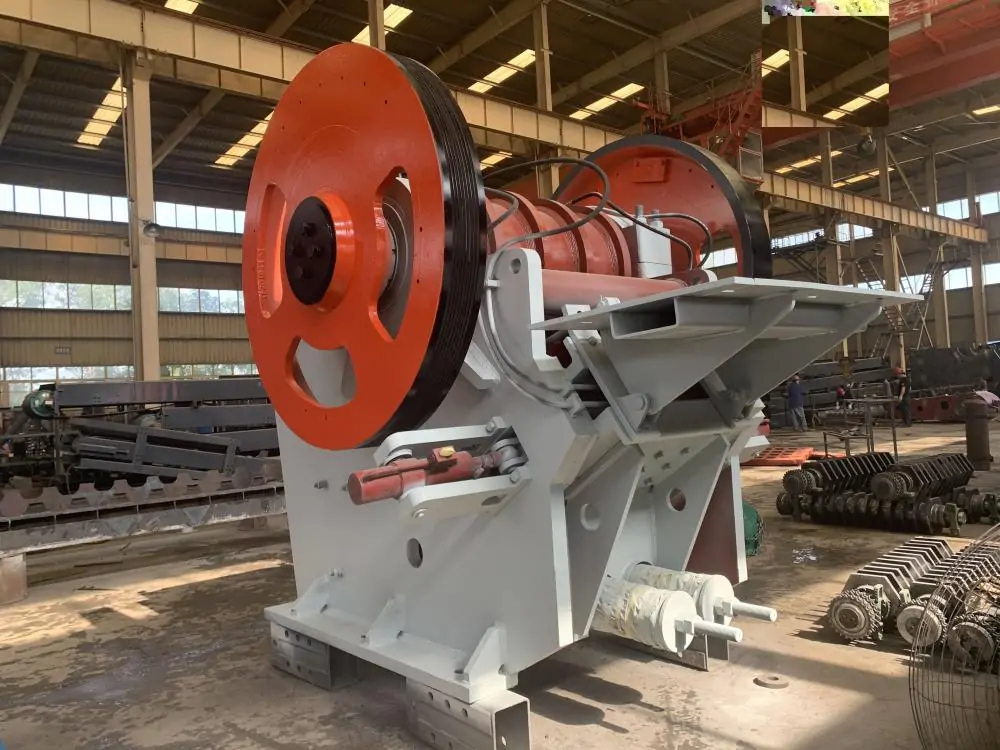
CSS (closed-side setting) is the minimum distance between the fixed and movable jaw plates at the discharge end during the crushing cycle. The European Version Jaw Crusher discharge setting affects both product gradation and throughput: a smaller setting generally produces finer material but may reduce capacity. The appropriate setting depends on the crusher design and actual operating conditions.
Match European Jaw Crusher Discharge Size to Downstream Requirements
When checking the crusher’s discharge, verify the downstream crusher’s maximum permitted feed size and required feed gradation. The discharge setting does not guarantee a uniform product size, so confirm whether the resulting particle-size distribution meets the next stage’s requirements.
Determine Whether Secondary Crushing and Screening Are Needed
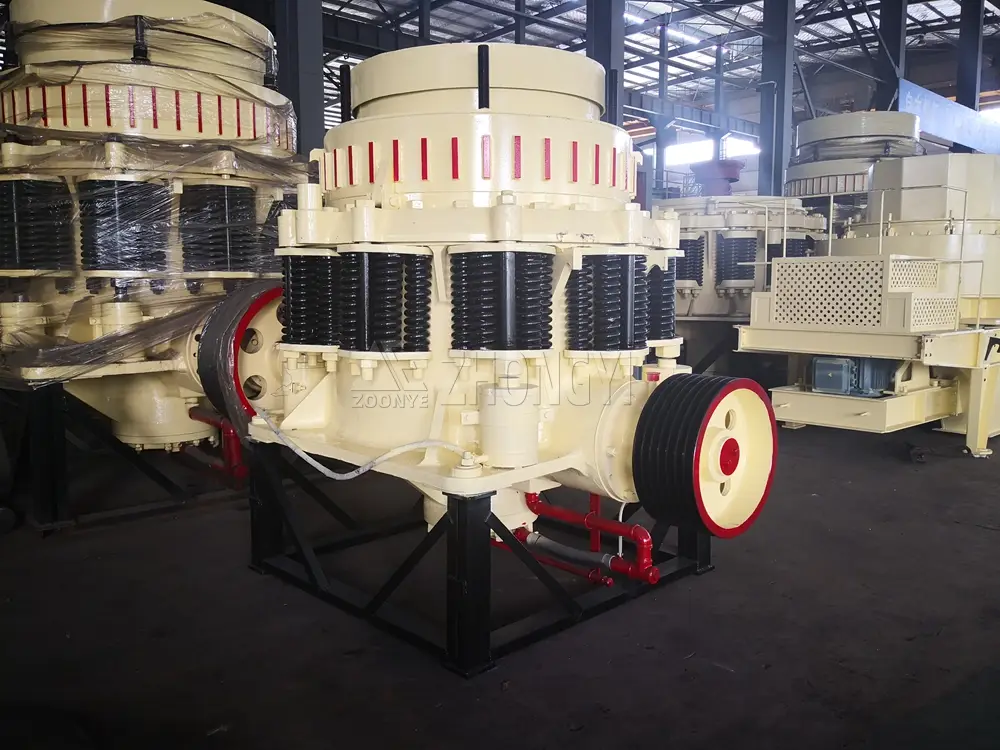
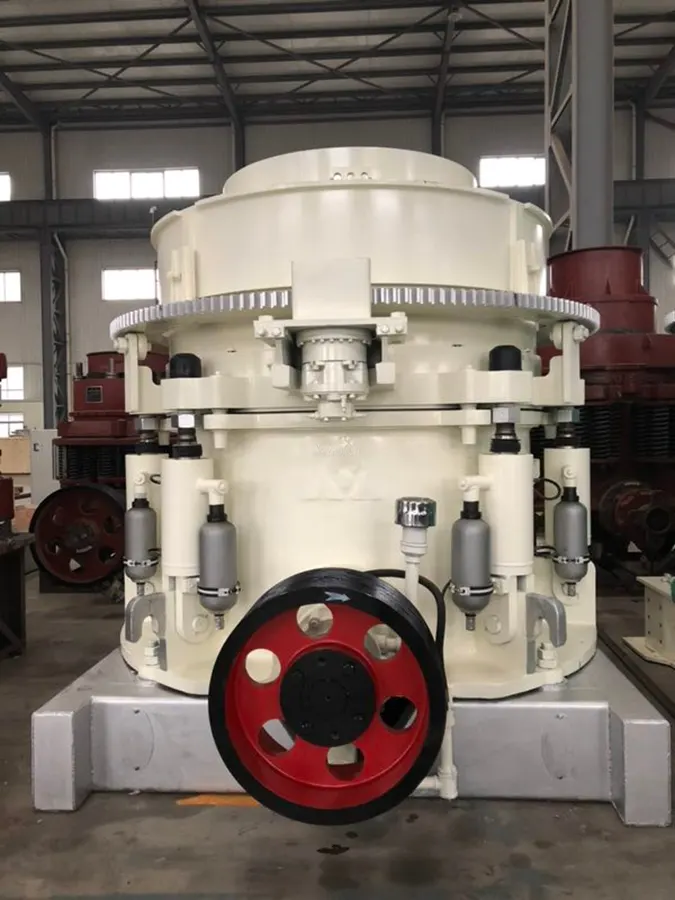
If the European Version Jaw Crusher cannot consistently produce the required gradation, secondary crushing and screening may be necessary. For suitable hard-rock circuits, compare the Multi Cylinder Hydraulic Cone Crusher with the jaw crusher’s discharge and required throughput. Screening separates on-size material from oversize material; the final circuit must meet both the specified product sizes and total plant capacity.
Match the Crusher with the Complete Crushing Plant
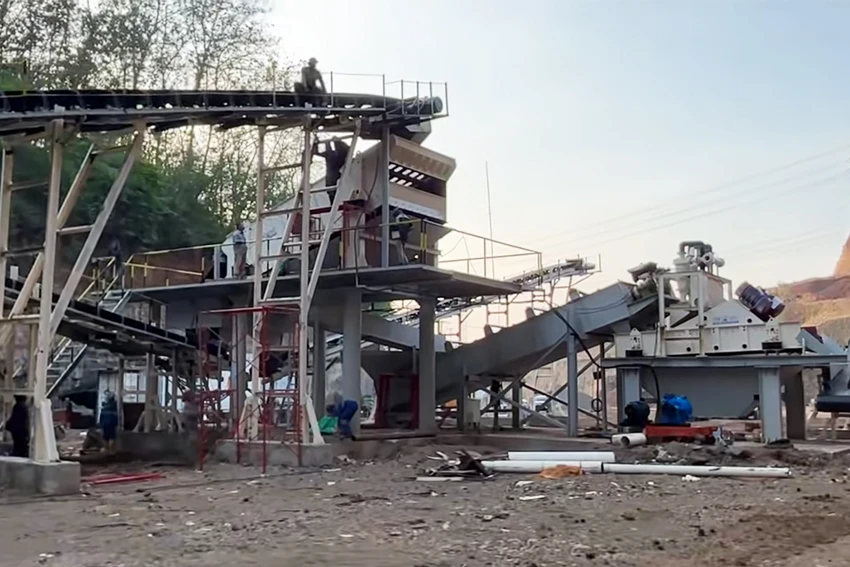
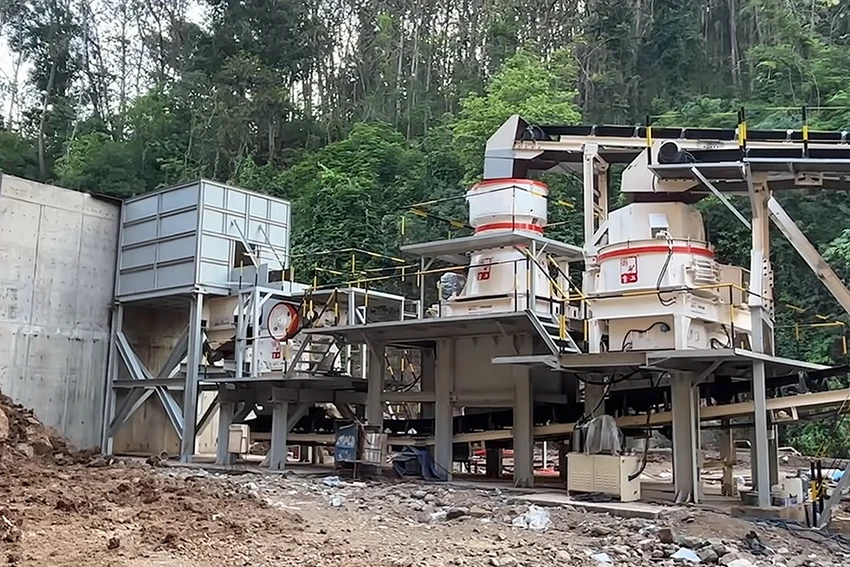
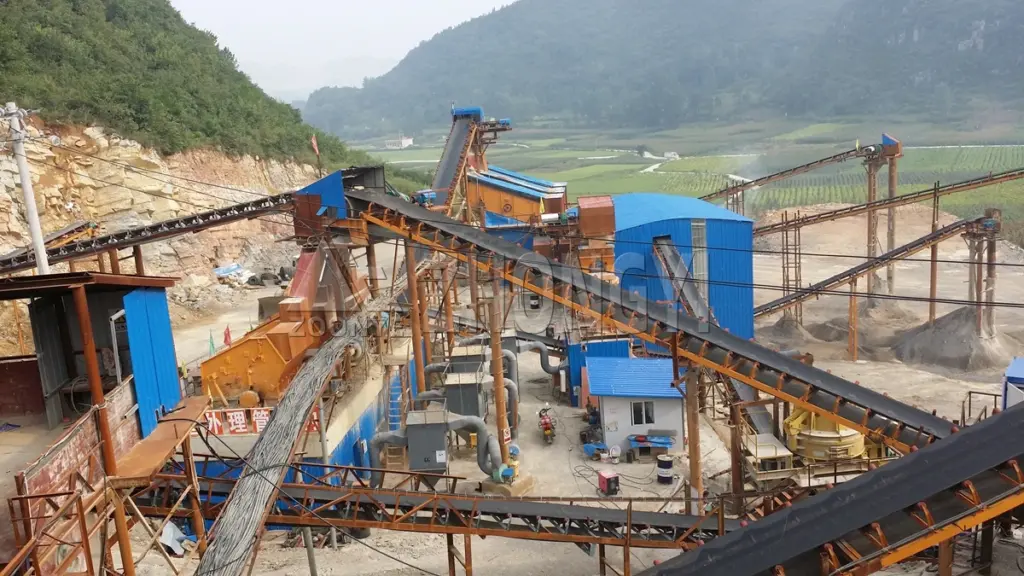
A European version jaw crusher may meet the required feed size and rated capacity, but the entire plant can still fall short of its production target if the feeder, secondary crusher, screen, or conveyors cannot handle the material flow. Crushing plant integration requires matching each stage to the feed characteristics, target product sizes, and required throughput.
Check Feeder, Secondary Crusher, Screen, and Conveyor Capacity
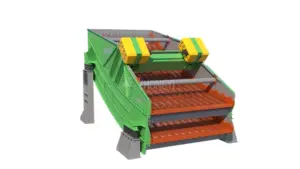
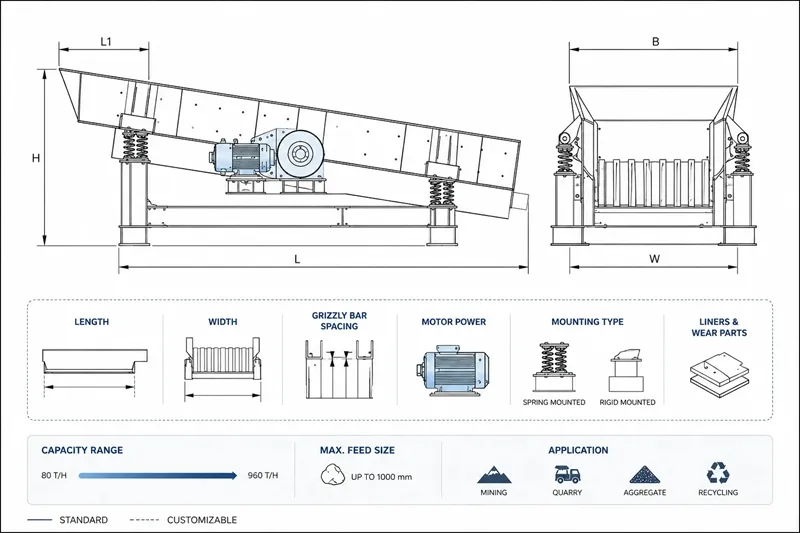
Check whether the feeder can supply material consistently and whether the secondary crusher can accept the jaw crusher’s discharge at the required throughput. Screening capacity must account for the target particle-size ranges and any returned oversize. The Triple Shaft Horizontal Vibrating Screen is one screening option to assess against those requirements. For an overview of equipment integration, see the Stone Crusher Plant Solution. Check conveyors and transfer points for bottlenecks as part of the same assessment.
Verify Installation, Power Supply, and Maintenance Access
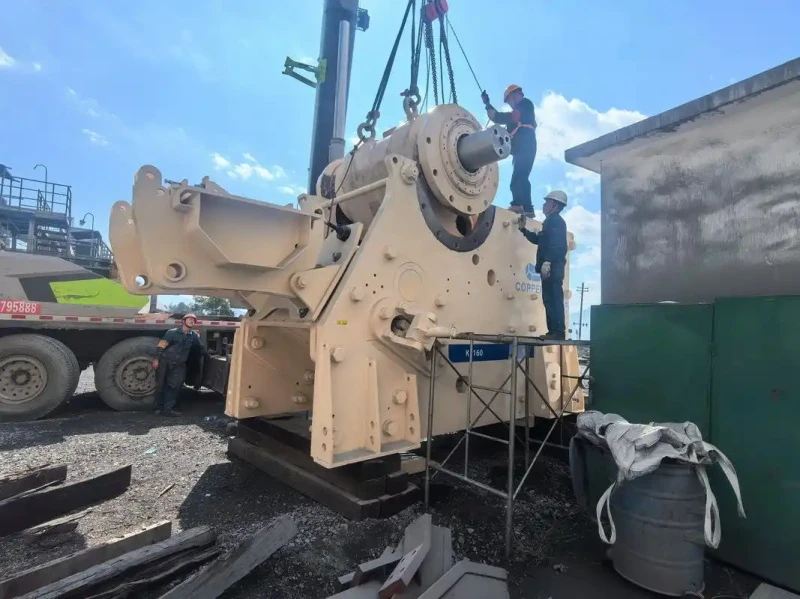
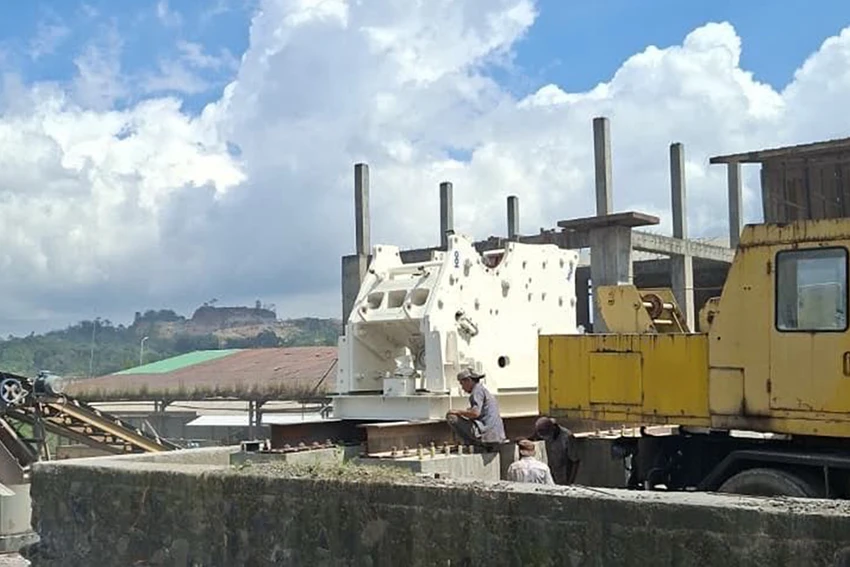
Before installation, confirm the crusher’s dimensions, operating weight, foundation loads, power supply, and control interfaces against the site drawings and electrical requirements. The crushing plant layout must allow sufficient European Version Jaw Crusher maintenance access for jaw plate replacement, lifting operations, inspection, and routine servicing. For retrofit projects, verify compatibility with existing hoppers, conveyors, and control systems. Final foundation and clearance requirements should follow the approved equipment drawings.
Allow space for dust-control equipment, guarding, and safe access as part of site planning. OSHA’s overview of respirable crystalline silica explains that crushing stone and concrete can generate respirable silica dust. Assess controls against site conditions and the requirements applicable to the project location.
Evaluate Wear Parts, Maintenance, and Operating Cost
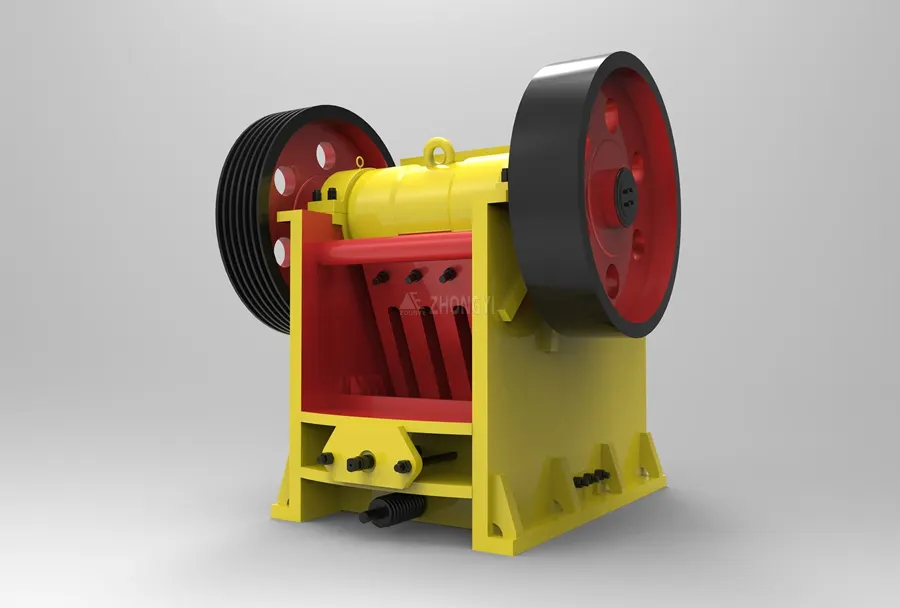
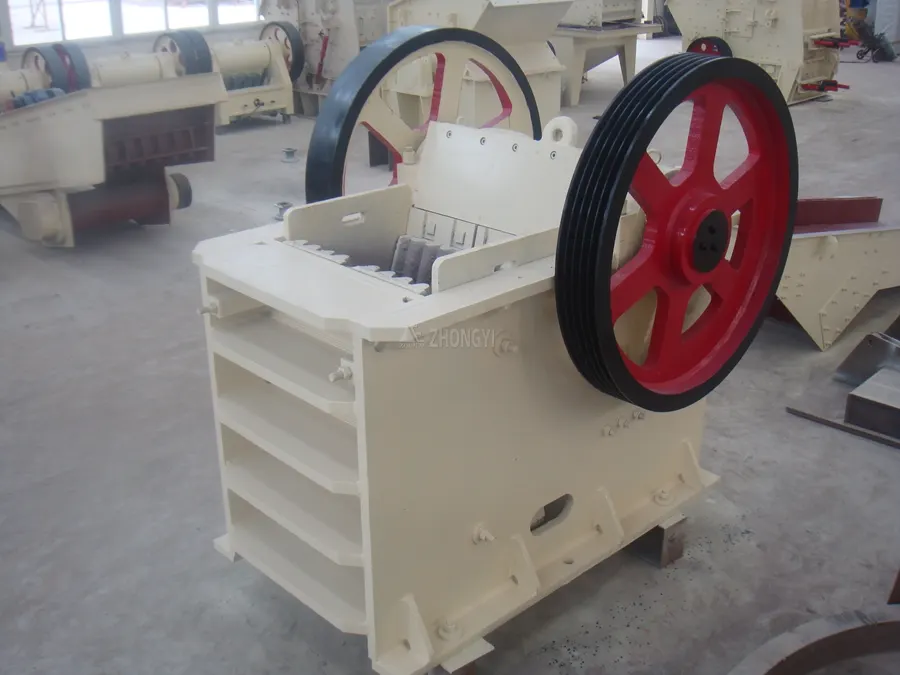
Wear parts and maintenance affect the long-term cost of operating a European Version Jaw Crusher. When comparing models, buyers should consider jaw plate wear, replacement frequency, spare parts availability, and maintenance downtime alongside the initial purchase price.
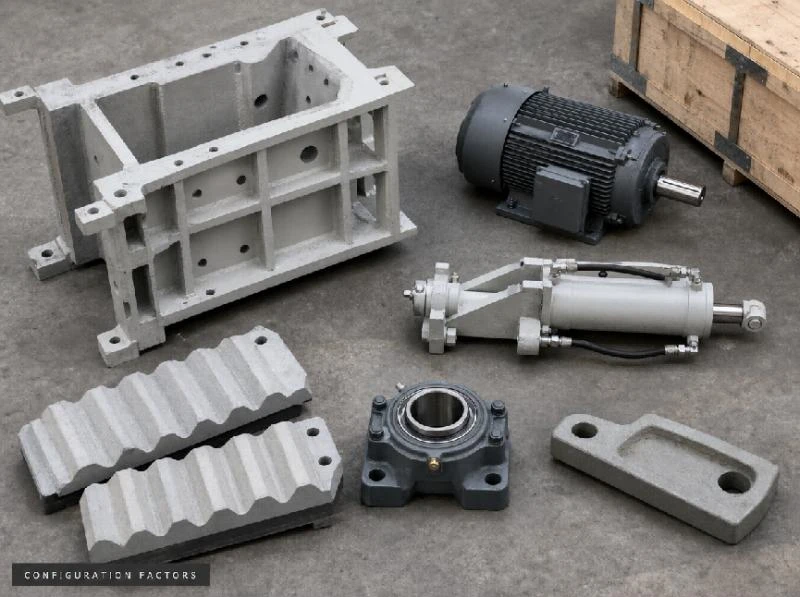
Jaw plate wear depends on material abrasiveness, feed characteristics, and operating conditions. Jaw plate material and tooth profile should be selected for the actual application rather than rock hardness alone. Buyers should also confirm the specifications, availability, and replacement requirements of jaw plates, toggle plates, and other wear parts. For continuous-operation plants, planned inspections and an appropriate spare parts inventory can help reduce maintenance-related downtime.
Maintenance access also affects operating cost and cost per tonne. Check whether wear parts can be replaced safely and efficiently, whether inspection and lubrication points are accessible, and whether replacement parts can be supplied when needed. Compare equipment and installation costs, energy consumption, wear parts, maintenance labor, and downtime over the same operating period. For a detailed breakdown of equipment costs, quotation factors, and purchasing considerations, see our guide, European Jaw Crusher Price Guide: Costs, Factors and Buying Tips.
What to Verify with a European Jaw Crusher Supplier
Before choosing a European jaw crusher supplier, verify the actual equipment configuration, performance under your operating conditions, spare parts availability, and after-sales responsibilities. Use the following checklist before placing an order.
- Equipment configuration: Verify motor power, bearing brand, key component specifications, and the quoted supply scope against technical documents and equipment nameplates.
- Performance and references: Request material testing where practical and contact customers using the same model to check actual throughput, wear-part replacement, and service response.
- Spare parts: Confirm jaw plate specifications, parts availability, dispatch times, and replacement requirements.
- Installation and service: Clarify installation responsibilities, commissioning, training, warranty coverage, and service response arrangements in writing.
- Technical documents and contract: Obtain equipment drawings, foundation requirements, electrical specifications, and maintenance instructions. Confirm delivery, acceptance criteria, and after-sales obligations in the contract.
Zhongyi Mining can help assess suitable models based on material characteristics, maximum feed size, target throughput, and site layout. Confirm the proposed configuration and the actual scope of technical support before finalizing the order.
Conclusion
Selecting the right European Version Jaw Crusher starts with the material characteristics, maximum feed size, and required throughput. Compare suitable PEV models based on their specified feed size, discharge range, and rated capacity, then verify compatibility with downstream equipment, maintenance requirements, site conditions, and the overall crushing plant layout. A thorough selection process also includes checking the supplier’s technical documentation, spare parts availability, and installation and after-sales support.
Zhongyi Mining can help assess candidate models against your project requirements. Contact our team with your material type, maximum feed size, target throughput (t/h), required product gradation, and expected operating hours to discuss a suitable configuration.
FAQ
How do I select a European Version Jaw Crusher for my project?
Start by identifying the material type, maximum feed size, required throughput, and target discharge size. Compare these requirements with the specifications of available models, then check compatibility with downstream crushers, screens, and conveyors. Material abrasiveness, installation space, maintenance access, and spare parts availability should also be evaluated before confirming the final model.
How do I calculate the required capacity of a European jaw crusher?
Divide the target tonnage by the effective operating hours to calculate the required average throughput. For example, processing 1,000 tonnes in 10 effective hours requires an average of 100 t/h. This figure represents the production target, not guaranteed crusher output. Actual capacity must be evaluated against material properties, feed-size distribution, discharge setting, feeding consistency, and downstream equipment limits.
What maximum feed size can a European jaw crusher handle?
The maximum permitted feed size varies by model and must be confirmed in the manufacturer’s specifications. The feed opening dimensions should not be treated as the maximum allowable material size. Check the largest incoming pieces, including occasional oversize rock, against the model’s stated limit. If the feed exceeds that limit, consider a larger crusher or upstream screening and breaking equipment.
How does the jaw crusher discharge setting affect capacity and product size?
The discharge setting affects the size distribution of the crushed material and the crusher’s throughput. A smaller setting generally produces finer material but may reduce capacity and increase crushing loads. The appropriate setting depends on the feed material, required downstream feed size, and production target. Confirm the adjustment method and permitted operating range for the selected model before finalizing the configuration.
How do I choose a European jaw crusher for abrasive rock?
For abrasive rock, evaluate mineral composition, abrasiveness, feed characteristics, and expected jaw plate wear. Confirm the available jaw plate materials and profiles, replacement requirements, and spare parts availability with the supplier. Maintenance access and replacement downtime also affect long-term operating costs. The final selection should reflect the actual material properties and operating conditions rather than rock hardness alone.
What information should I provide when requesting a European jaw crusher quotation?
Provide the material type, maximum feed size, feed-size distribution, target throughput in tonnes per hour, required discharge size, and expected operating hours. Also include the site power supply, installation space, and details of existing feeders, screens, conveyors, and secondary crushers. These details help the supplier evaluate suitable models, check plant compatibility, and clarify the proposed equipment configuration and scope of supply.
Can a European Version Jaw Crusher produce the final aggregate size in one stage?
Not always. A jaw crusher is commonly used for primary crushing, and its discharge may not meet the final aggregate gradation required by the project. The result depends on the material, discharge setting, and crusher configuration. If finer products or tighter particle-size control are required, a secondary crusher and screening circuit may be necessary to meet the specified product sizes.
What should I verify before confirming a European jaw crusher model?
Check the model’s maximum feed size, rated capacity, discharge range, motor power, dimensions, and weight against your project requirements. Also verify foundation and electrical requirements, maintenance access, wear-part availability, installation responsibilities, warranty terms, and commissioning support. Ask the supplier to confirm the equipment configuration and quoted scope in writing, including any operating conditions or assumptions behind the stated capacity.