Introduction
Jaw crushers are widely used in mining, quarrying, and aggregate production as primary crushing equipment for hard and large-sized materials. They play a key role in crushing circuits by reducing run-of-mine rock into smaller, manageable sizes for further processing.
This article explains the working principle of a jaw crusher, its main types, technical specifications, suitable materials, and typical applications. It also covers how to select the right model for different production requirements and introduces real project cases and customized solutions. If you need to understand jaw crushers in more detail, please continue reading this article.
What Is a Jaw Crusher?
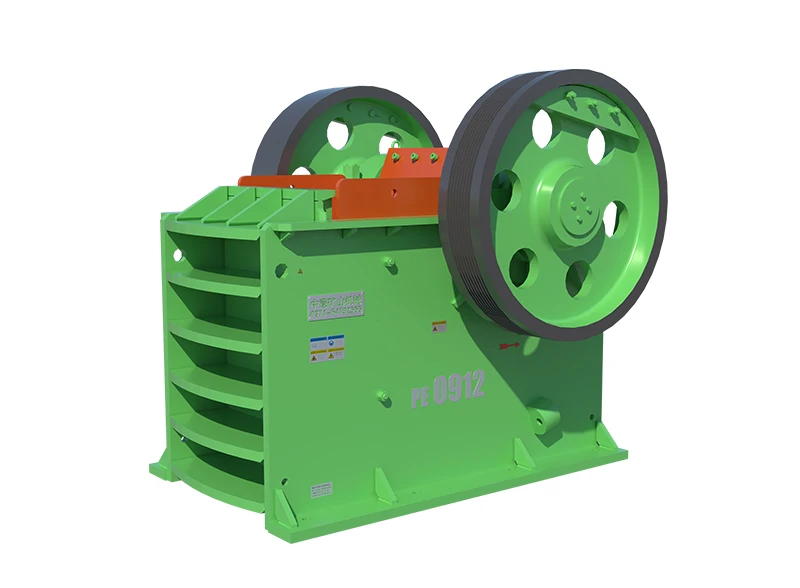
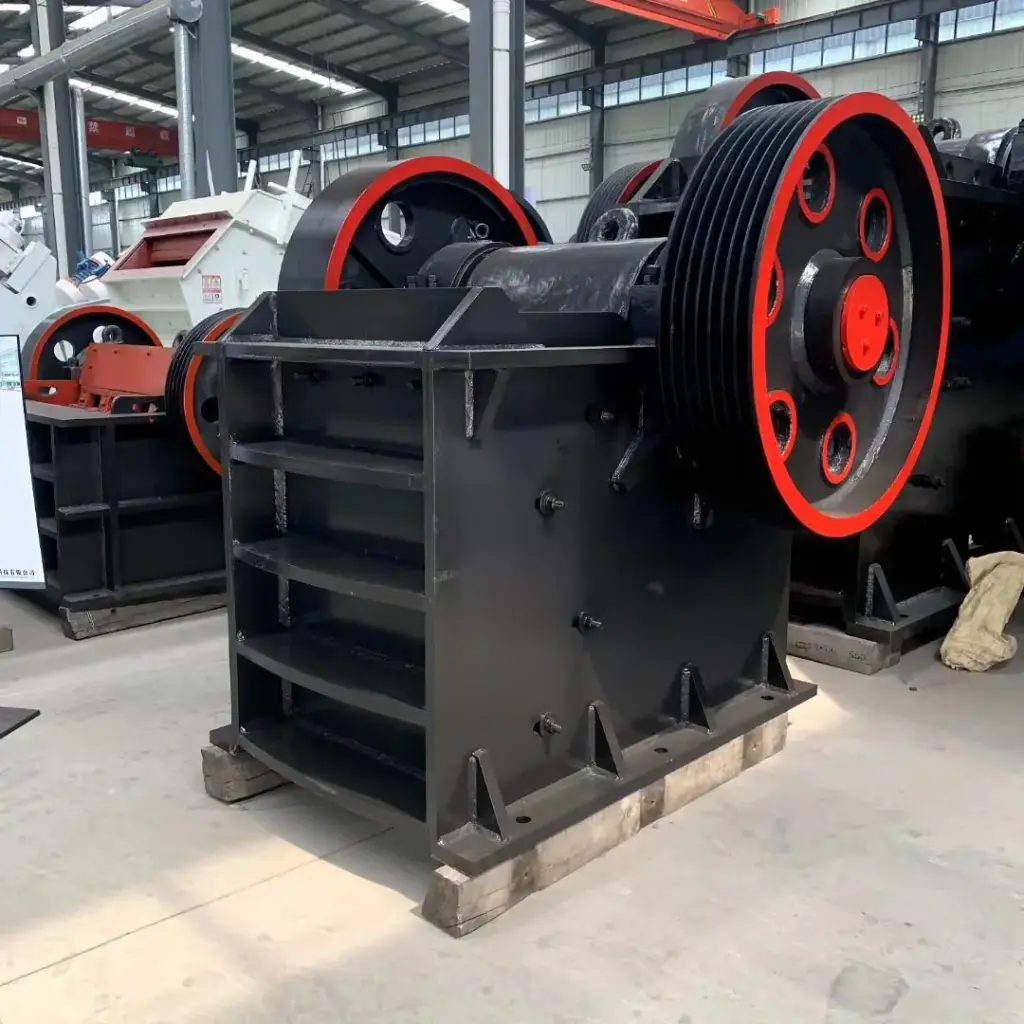
A jaw crusher is a primary crushing machine used to reduce large rocks, ores, and other hard materials into smaller sizes. It is widely used in mining, quarrying, aggregate production, and construction projects, often serving as the first stage of a crushing plant.
Jaw crushers are known for their simple structure, reliable operation, and ability to handle large feed materials. They are commonly used for processing granite, basalt, limestone, iron ore, gold ore, and other hard or abrasive materials.
How Does a Jaw Crusher Work?
A jaw crusher works by compressing material between a fixed jaw plate and a moving jaw plate. Driven by an eccentric shaft, the movable jaw moves back and forth to crush material into smaller sizes. The crushed material is then discharged through the bottom opening for further processing.
Material Feeding
Raw material enters the crushing chamber through the feed opening. Jaw crushers can handle large feed sizes, making them suitable for primary crushing of rocks and ores.
Material Crushing
As the movable jaw approaches the fixed jaw, the material is compressed, split, and broken inside the crushing chamber. This is the main crushing stage where large particles are reduced in size.
Size Reduction
With each movement cycle, the material is repeatedly compressed until it becomes small enough to move downward in the crushing chamber.
Material Discharge
When the movable jaw moves away from the fixed jaw, the crushed material is discharged through the bottom opening under gravity. Continuous movement of the jaw allows the crusher to operate continuously and maintain stable production.
Types of Jaw Crushers
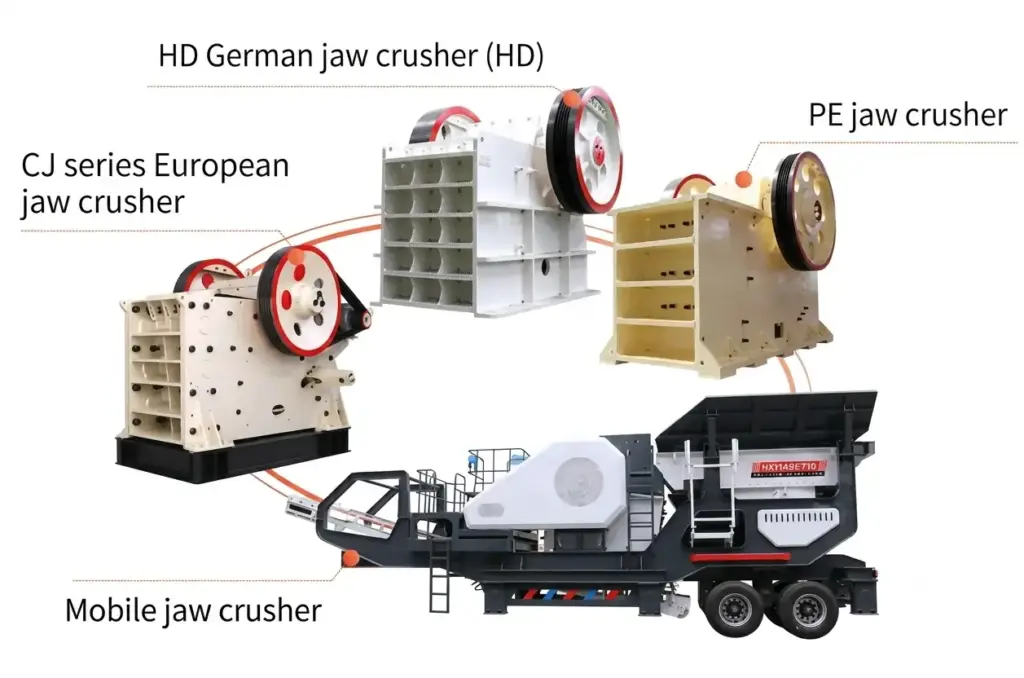
Jaw crushers are mainly available in four common types: single toggle, double toggle, stationary, and mobile models. The right choice depends on the material being processed, production requirements, and site conditions.
Single Toggle Jaw Crusher
The single toggle jaw crusher is the most widely used design. It features a simple structure, lower operating costs, and easy maintenance, making it suitable for most mining, quarrying, and aggregate crushing applications.
Double Toggle Jaw Crusher
Double toggle jaw crushers provide greater crushing force and are often used for hard and abrasive materials. They offer durable performance but require a more complex mechanical structure and higher maintenance.
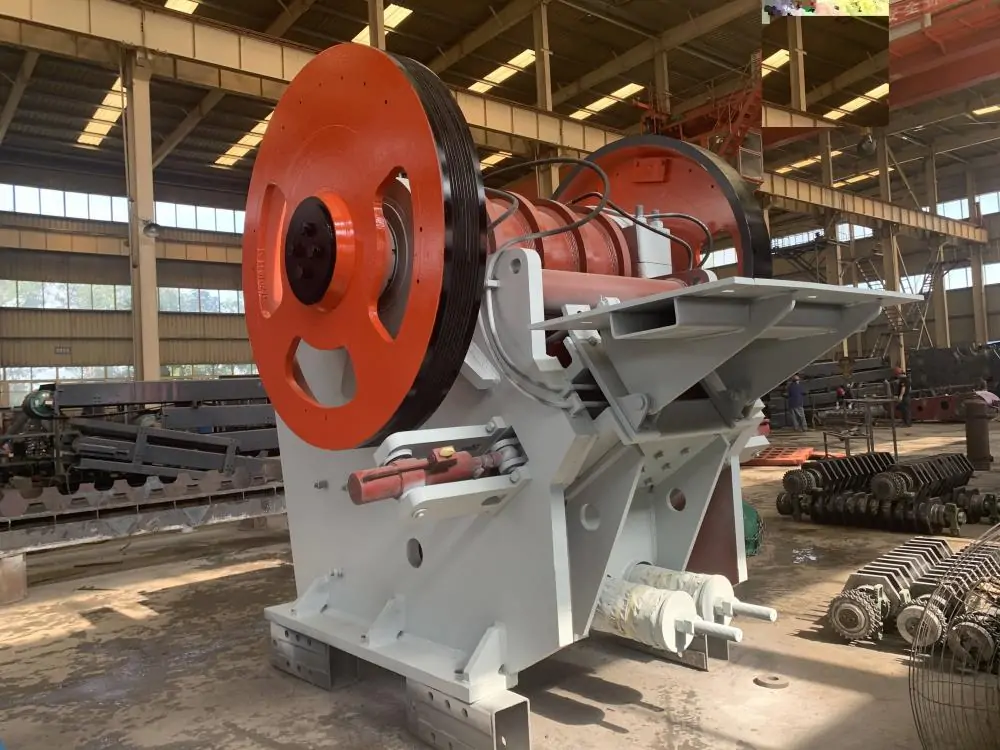
Stationary Jaw Crusher
Stationary jaw crushers are installed in fixed crushing plants for long-term production. They are commonly selected for projects that require high capacity and continuous operation.
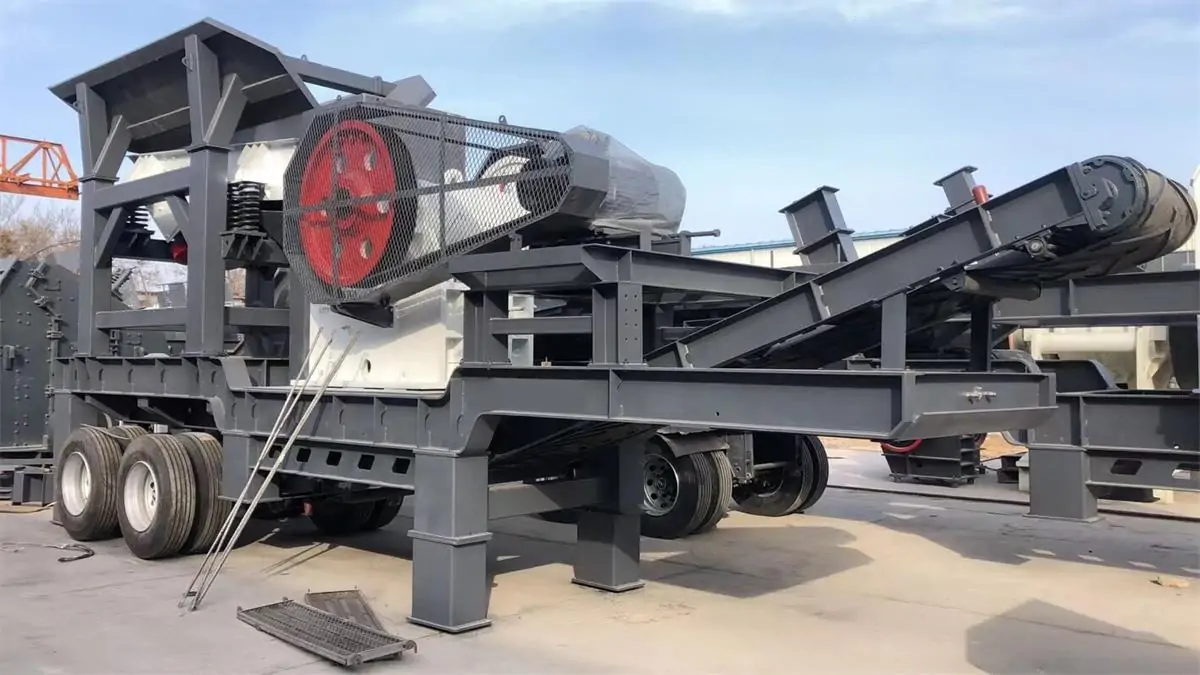
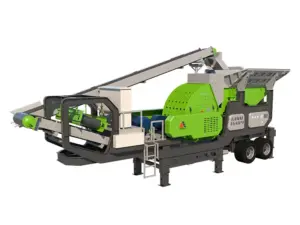
Mobile Jaw Crusher
Mobile jaw crushers can be moved directly between job sites and require less infrastructure. They are widely used in construction waste recycling, road projects, and temporary crushing operations.
Technical Specifications
Jaw crusher specifications vary by model, feed material, and production requirements. The table below shows the typical operating range of commonly used jaw crushers.
| Parameter | Typical Range |
|---|---|
| Feed Size | 125–1200 mm |
| Discharge Size | 10–350 mm |
| Capacity | 1–1000 TPH |
| Motor Power | 5.5–250 kW |
| Maximum Compressive Strength | Up to 320 MPa |
| Crushing Stage | Primary Crushing |
| Suitable Materials | Hard and Medium-Hard Materials |
Specifications vary by model and operating requirements. Zhongyi can customize jaw crusher configurations based on material characteristics, feed size, required capacity, and target output size.
Suitable Materials
quarrying, and aggregate production.
- Natural Rocks: Granite, basalt, limestone, quartz, river stone, and sandstone
- Metal Ores: Gold ore, copper ore, iron ore, lead-zinc ore, and other mineral ores
- Recycled Materials: Concrete, bricks, and construction waste
Jaw crushers are particularly suitable for materials with high compressive strength and abrasive properties. Most models can process materials with a compressive strength of up to 320 MPa.
The actual material suitability may vary depending on the crusher design, feed size, and operating conditions.
Applications of Jaw Crushers
Jaw crushers are widely used in industries that require primary crushing of large rocks, ores, and recycled materials. They are commonly found in mining sites, quarries, aggregate plants, construction projects, and recycling facilities.
Mining Operations
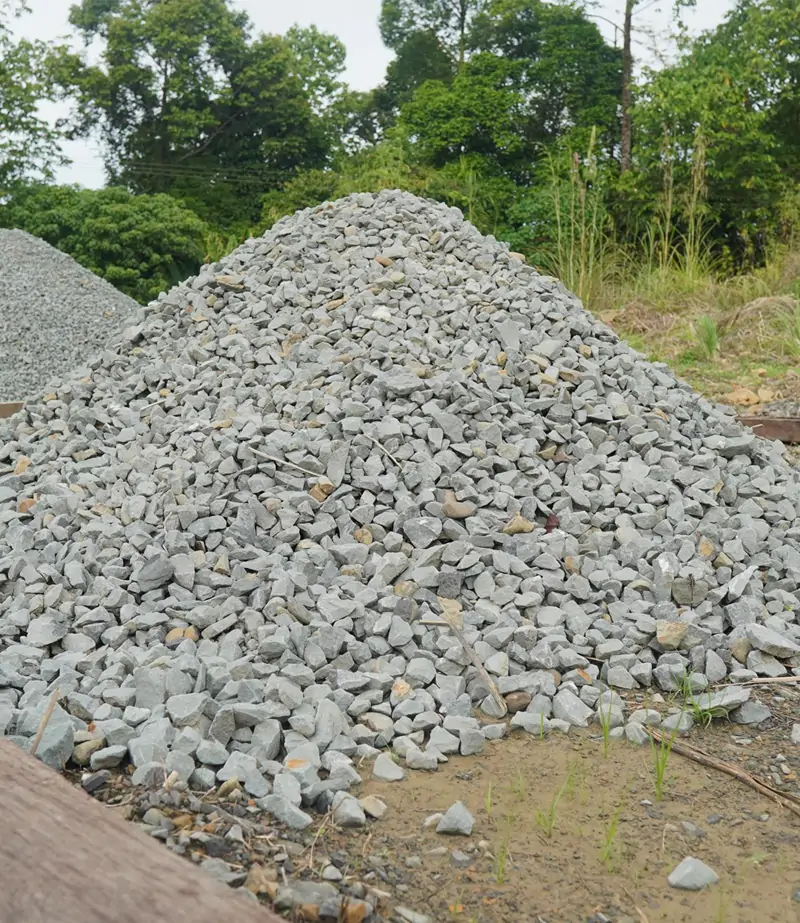
Jaw crushers are often used as the first crushing stage in mining plants. They reduce large ore into smaller sizes before grinding, screening, or mineral processing. Their large feed opening allows them to handle oversized material directly from the mine.
Quarry Crushing Plants
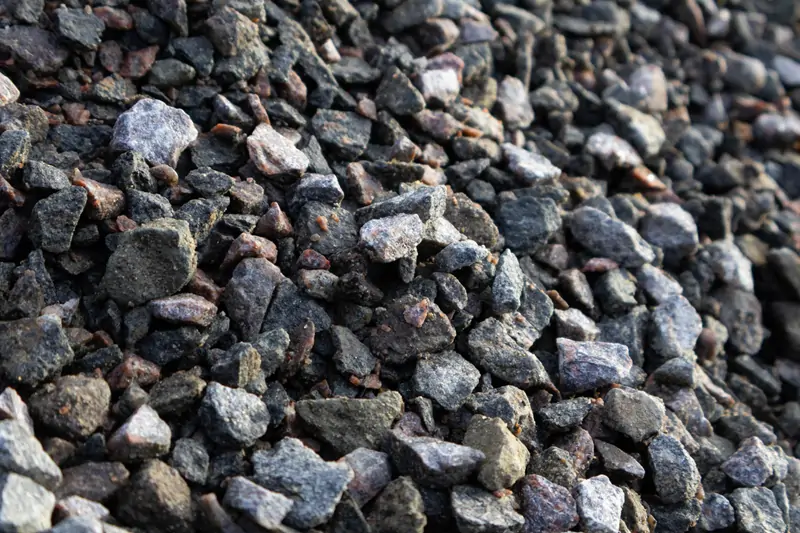
Quarries use jaw crushers to break blasted rock into manageable sizes for secondary crushing and aggregate production. They are commonly installed at the front end of crushing and screening systems.
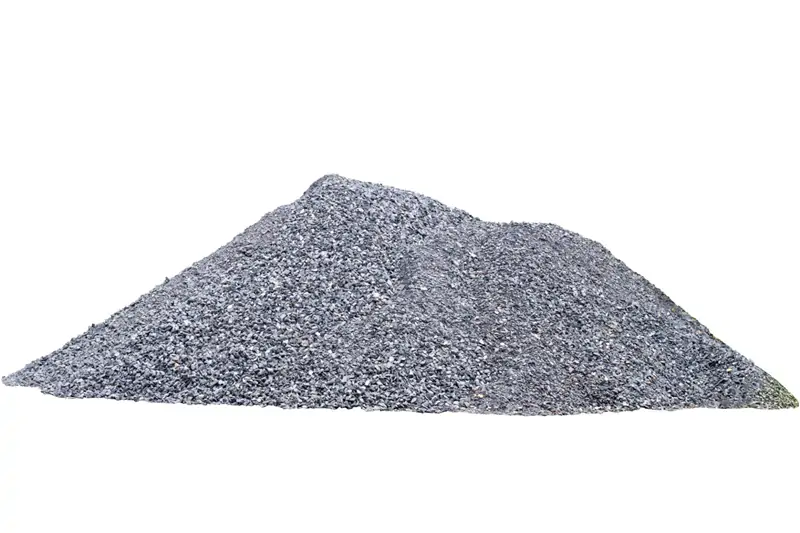
Aggregate Production
Jaw crushers produce crushed stone and aggregates used in concrete production, asphalt plants, and other construction applications. They help create consistent feed material for downstream crushing and screening equipment.
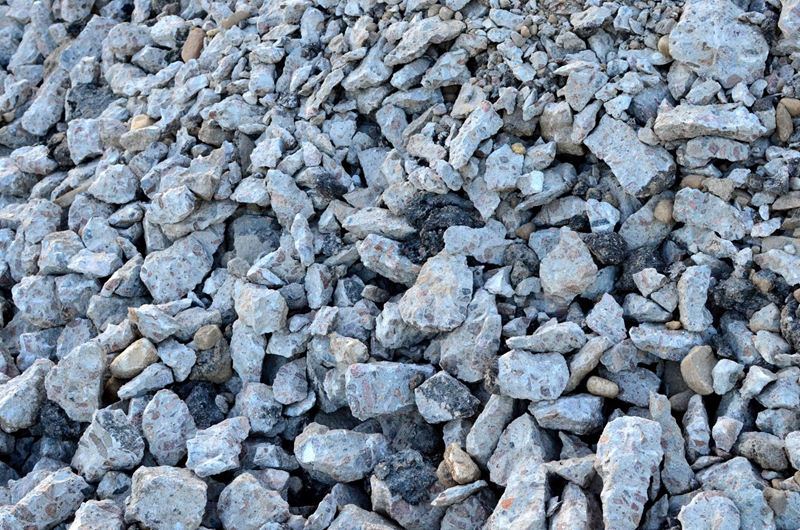
Road and Railway Construction
Crushed materials produced by jaw crushers are widely used for road bases, railway ballast, and infrastructure projects. The required particle size can be achieved through multi-stage crushing systems.
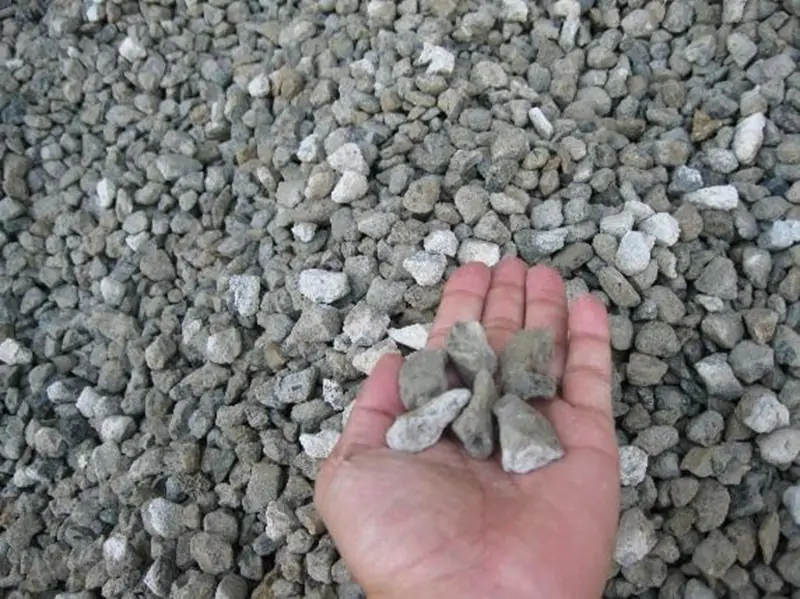
Recycling Projects
Jaw crushers can process concrete, bricks, and demolition waste, helping convert recycled materials into reusable construction aggregates. This reduces waste disposal costs and supports material reuse.
Advantages of Jaw Crushers
Jaw crushers are widely used in mining and aggregate production because of their simple structure, stable performance, and ability to handle hard and large materials. They are commonly used as primary crushing equipment in different crushing plants.
Large Feed Capacity
Jaw crushers can handle feed sizes up to around 1200 mm depending on the model, which reduces the need for pre-crushing and improves overall production efficiency.
Simple Structure and Easy Maintenance
The machine has a simple mechanical design with fewer wear parts, making inspection, maintenance, and part replacement easier and more cost-effective.
Reliable Operation
Jaw crushers are designed for continuous operation in mining and quarrying environments. Their strong structure ensures stable performance under heavy and abrasive working conditions.
Wide Material Adaptability
Jaw crushers can process materials with compressive strength up to 320 MPa, including hard rock, metal ores, and construction waste.
Adjustable Output Size
The discharge opening can be adjusted to control final product size, allowing the crusher to meet different production requirements.
Jaw Crusher vs Cone Crusher vs Impact Crusher
Jaw crushers, cone crushers, and impact crushers are widely used in crushing plants, but each is designed for different crushing stages and material conditions.
| Item | Jaw Crusher | Cone Crusher | Impact Crusher |
|---|---|---|---|
| Crushing Stage | Primary crushing | Secondary / tertiary crushing | Secondary crushing |
| Feed Size | Large (up to 1200 mm) | Medium | Medium |
| Material Type | Hard and abrasive materials | Hard and medium-hard materials | Medium-hard and soft materials |
| Output Shape | Coarse | More uniform | Cubic shape |
How to Choose the Right Jaw Crusher?
Choosing the right jaw crusher depends on your material conditions, production requirements, and site setup. A proper selection helps ensure stable operation, lower cost, and consistent output.
Material Hardness
Hard and abrasive materials such as granite and basalt require a more robust jaw crusher design. For medium-hard materials, standard models are usually sufficient.
Feed Size
The maximum feed size determines the crusher model. Larger feed materials require a jaw crusher with a wider inlet to avoid blockages and improve efficiency.
Required Capacity
Production capacity is usually measured in tons per hour (TPH). Small projects may require tens of TPH, while large mining operations may require hundreds of TPH or more.
Output Size Requirement
If the final product requires finer material, a smaller discharge opening or a multi-stage crushing setup should be considered.
Site Conditions
Fixed plants are suitable for long-term production, while mobile jaw crushers are better for projects that require frequent relocation.
Budget and Operation Cost
Besides purchase cost, long-term factors such as maintenance, wear parts, and energy consumption should also be considered when selecting a model.
For different project requirements, jaw crusher configurations can be customized. Zhongyi provides jaw crusher solutions tailored to material type, capacity requirements, and site conditions.
Request a Customized Solution
Contact our team for tailored jaw crusher solutions based on your project requirements.
Project Case
200 TPH Granite Crushing Project (Southeast Asia)
This project was designed for a local aggregate supplier processing hard granite for road construction materials. The raw material size reached up to 700 mm, requiring stable primary crushing performance and continuous operation.
Zhongyi provided a jaw crusher-based solution integrated into a complete crushing line. The system included feeding, primary crushing, secondary crushing, and screening to ensure consistent final aggregate size.
Material: Granite
Capacity: 200 TPH
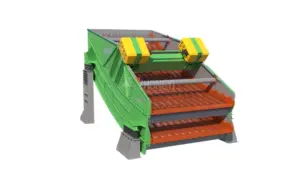
Configuration: Jaw crusher + cone crusher + vibrating screen + belt conveyor
Final Products: 0–5 mm, 5–20 mm, 20–40 mm
End Use: Road base and concrete aggregate
The plant achieved stable operation under continuous feeding conditions. To adapt to the high hardness and large feed size of the granite, Zhongyi optimized the primary crushing stage to improve material flow and reduce blockage risk, ensuring smooth coordination across the full production line.
Conclusion
A jaw crusher is a primary crushing machine that reduces large rocks into smaller sizes through a simple compression process. It’s widely used in mining, aggregates, and recycling projects, and usually works together with feeders, conveyors, and secondary crushers in a complete production line.
In practical applications, the final crushing performance of a jaw crusher depends on the feed material, the required production capacity, and the configuration of the entire system. If you’re planning a project or have questions about model selection or plant layout, you can contact our technical team. We’ll help you choose the right configuration based on your actual working conditions.

Dr. Yu
Expert in Mineral Processing Solutions
With 15+ years of experience, Dr. Chen specializes in gravity, magnetic, flotation, and electrostatic separation. He focuses on ore processing and process optimization, sharing practical insights and equipment applications to help improve recovery rates and production efficiency.
FAQ
What is a jaw crusher used for?
A jaw crusher is used for primary crushing of large, hard materials such as rock and ore. It breaks big stones into smaller sizes for further crushing or screening in mining, quarrying, and aggregate production lines.
What materials can a jaw crusher process?
Jaw crushers can handle hard and medium-hard materials, including granite, basalt, limestone, quartz, river stone, iron ore, gold ore, and construction waste. Most models can process materials with compressive strength up to around 320 MPa.
What is the maximum feed size for a jaw crusher?
Feed size depends on the model, but many jaw crushers can accept materials up to around 1200 mm. Larger feed openings help reduce pre-crushing and keep feeding more stable.
What is the difference between a jaw crusher and a cone crusher?
A jaw crusher is used for primary crushing of large materials. A cone crusher is used for secondary or fine crushing and produces a more uniform final size. They are often used together in a crushing plant.
How do I choose the right jaw crusher?
Selection depends on material hardness, feed size, required capacity, output size, and site conditions. For example, small projects may need tens of TPH, while large mining plants may require several hundred TPH or more.
What is the capacity of a jaw crusher?
Jaw crusher capacity usually ranges from 1 to 1000 TPH depending on the model and configuration. Actual output also depends on material type, feed size, and the crushing process setup.
Can a jaw crusher be used in mobile crushing plants?
Yes. Mobile jaw crushers are widely used in projects that require flexible operation, such as construction sites, demolition waste recycling, and temporary crushing operations.
Can jaw crushers be customized for different projects?
Yes. Jaw crushers can be configured based on material type, capacity needs, feed size, and site conditions. Zhongyi provides customized crusher configurations and complete crushing line solutions for different production requirements.