Titanium ore is a valuable mineral widely used in industries such as aerospace, metallurgy, chemicals, and construction due to its high strength, corrosion resistance, and industrial versatility. Efficient processing of titanium ore is essential to maximize recovery, improve concentrate quality, and ensure cost-effective production.
In this article, we will provide a comprehensive guide on titanium ore processing, covering what titanium ore is, the step-by-step processing workflow, the key equipment used at each stage, and real-world case examples of successful processing plants. Whether you are designing a new plant or optimizing an existing operation, this guide will help you understand the complete titanium ore beneficiation process and make informed equipment decisions.
Keep reading to learn the full titanium ore processing steps, required machinery, and practical application examples.
What Is Titanium Ore?
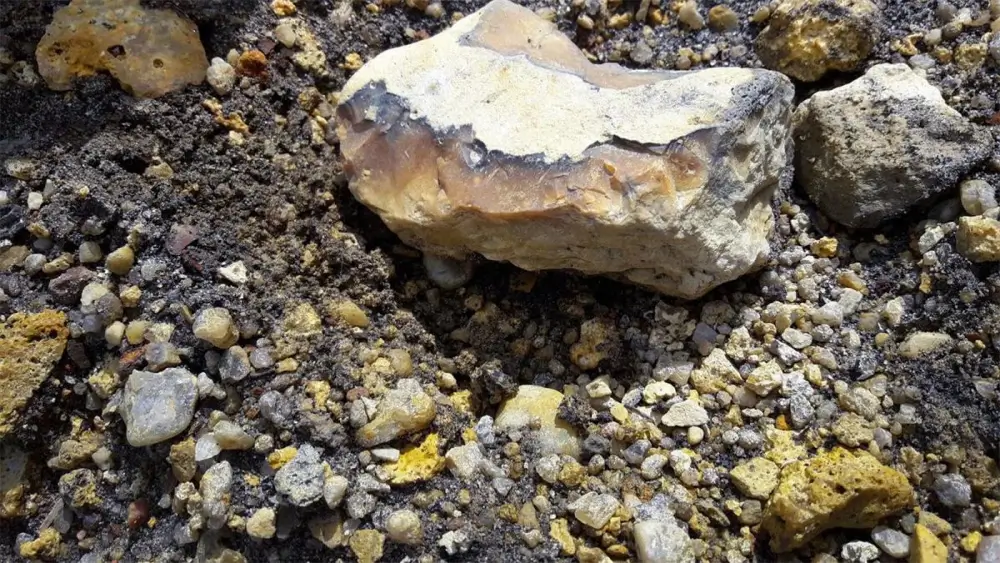
Titanium ore refers to mineral resources rich in titanium, which primarily exists in the Earth’s crust in the form of oxides. It serves as the foundation for producing key materials such as titanium metal and titanium dioxide. In terms of resource distribution, titanium ore is mainly divided into two categories:
Significant Efficiency: These are often found in association with vanadium-titanium magnetite. Although they have a relatively low grade (typically 5%–10%), their reserves are vast. Due to their weak magnetic properties and high hardness, they must be purified through complex crushing, grinding, and high-gradient magnetic separation processes, representing a typical hard-rock titanium ore processing scenario.
Titanium Placer Ores: Formed through the natural weathering of primary ores, these deposits have a loose structure and excellent processability. Their primary composition consists of a combination of ilmenite and rutile, with TiO₂ grades generally exceeding 48%. They are the most favored low-cost, high-quality resources among mineral processing companies and represent a typical application for placer ore processing.
Whether recovering ilmenite through magnetic separation or purifying rutile using electrostatic separation, understanding the physical and chemical properties of the ore is a prerequisite for selecting an efficient titanium ore processing plant. Let’s take a look at the complete titanium ore beneficiation process.
Titanium Ore Process and Equipment
Titanium ore processing is a multi-stage workflow designed to efficiently separate titanium minerals (primarily ilmenite) from gangue, maximize recovery, and improve concentrate grade. The process generally follows four main stages: pre-treatment (crushing, screening, desliming, and agitation), gravity-based enrichment, magnetic separation, and optional fine particle purification through flotation or electrostatic separation. Each stage uses specialized equipment to handle different particle sizes, densities, and mineral properties, ensuring stable and high-efficiency operation.
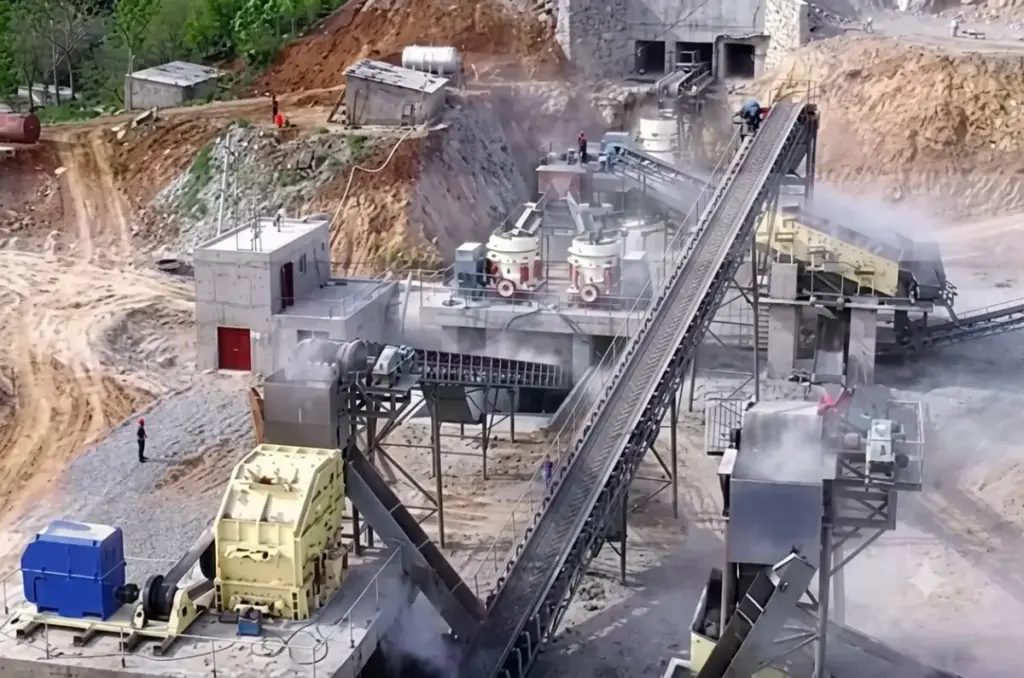
System Equipment:
- Crushing & Screening System
- Desliming & Agitation System
- Gravity Separation System
- Magnetic Separation System
- Flotation & Electrostatic Separation System
Titanium Ore Processing Step-by-Step Guide
1. Pre-treatment Stage
Crushing & Screening
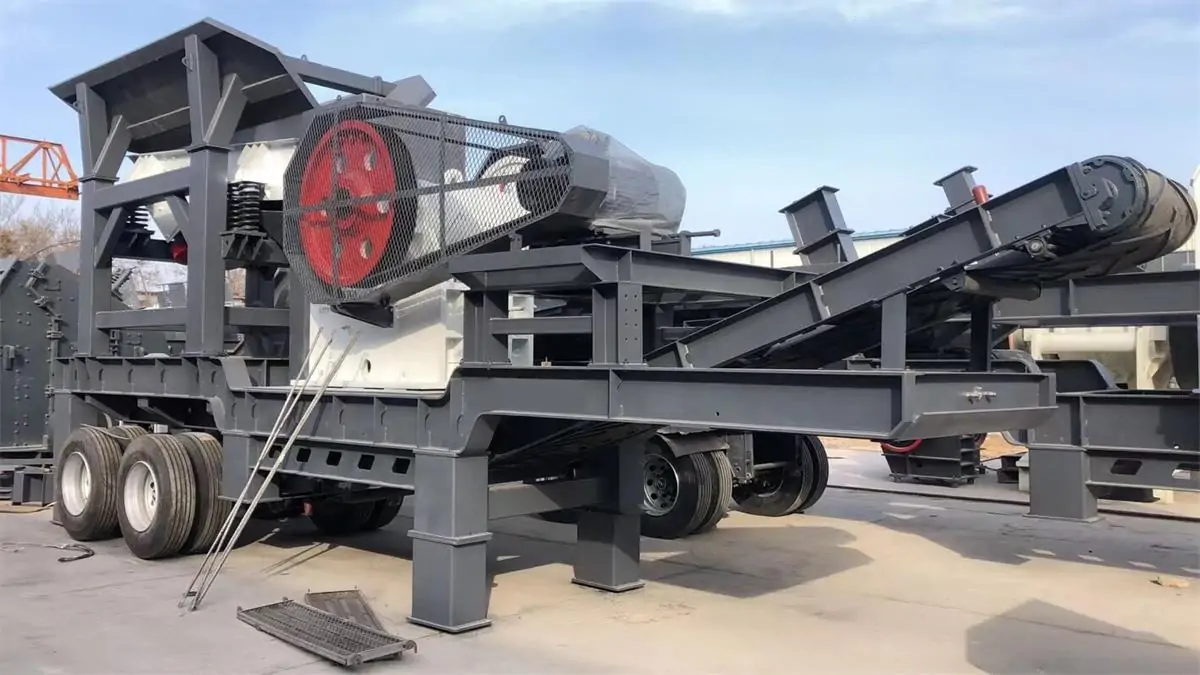
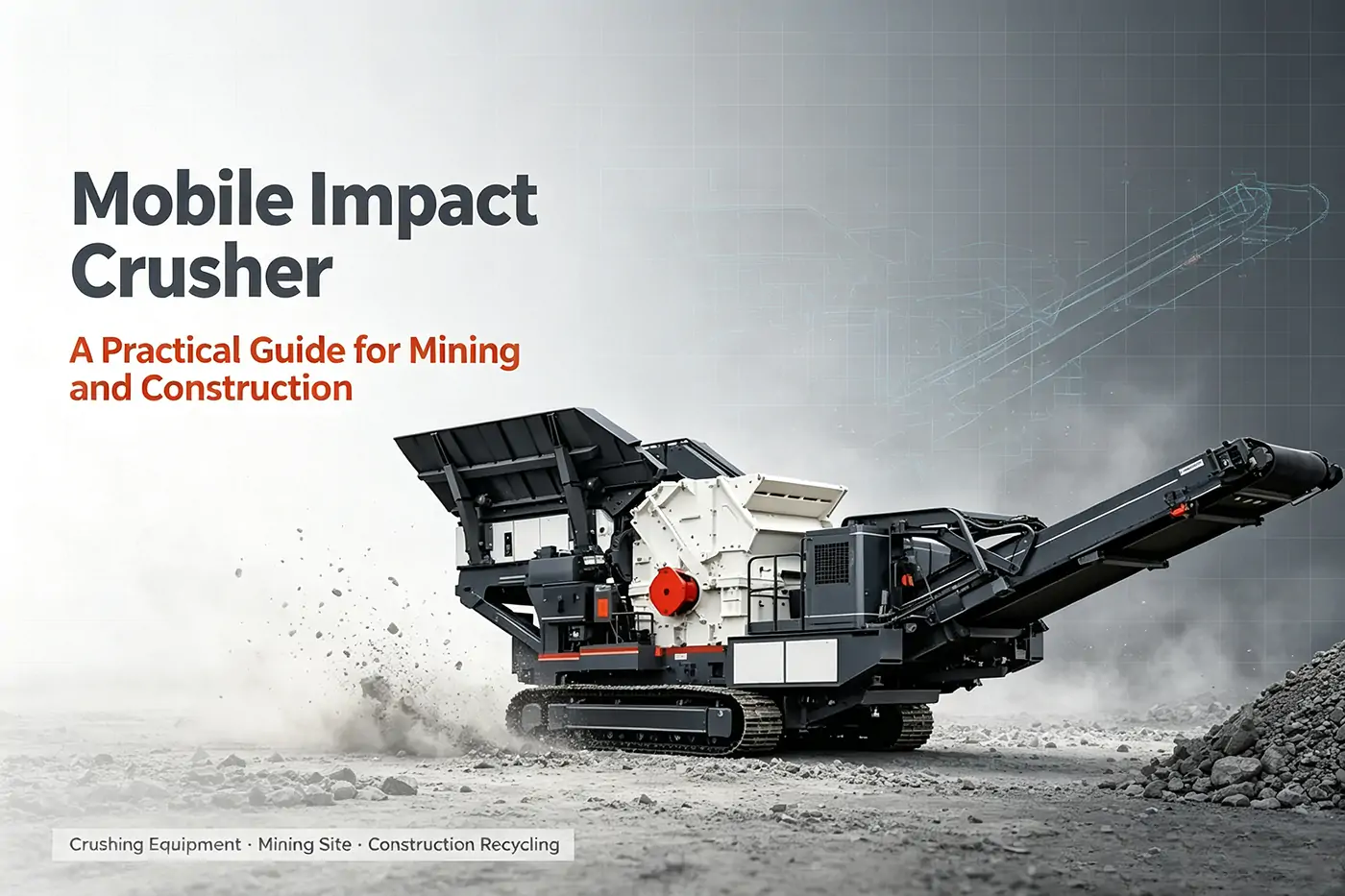
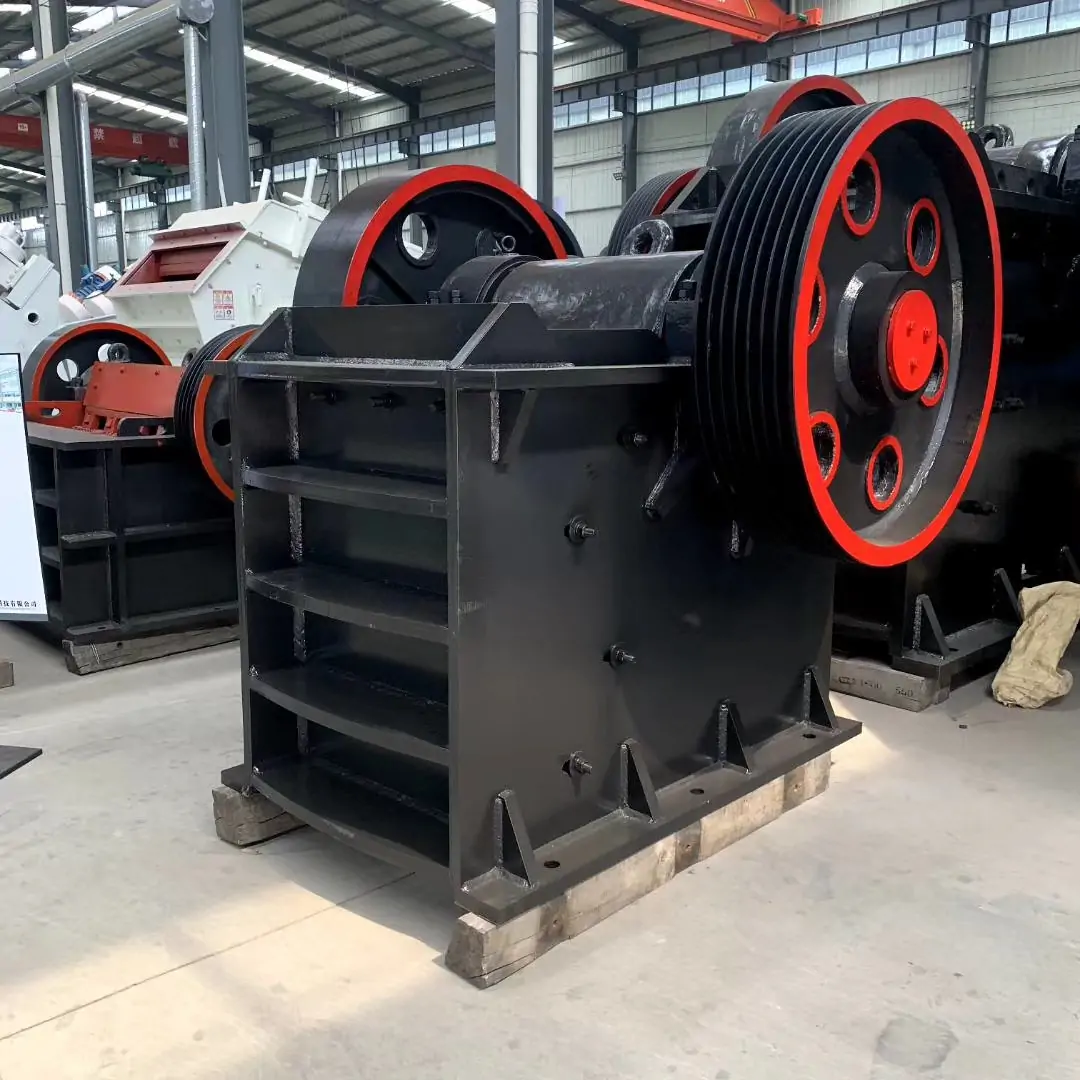
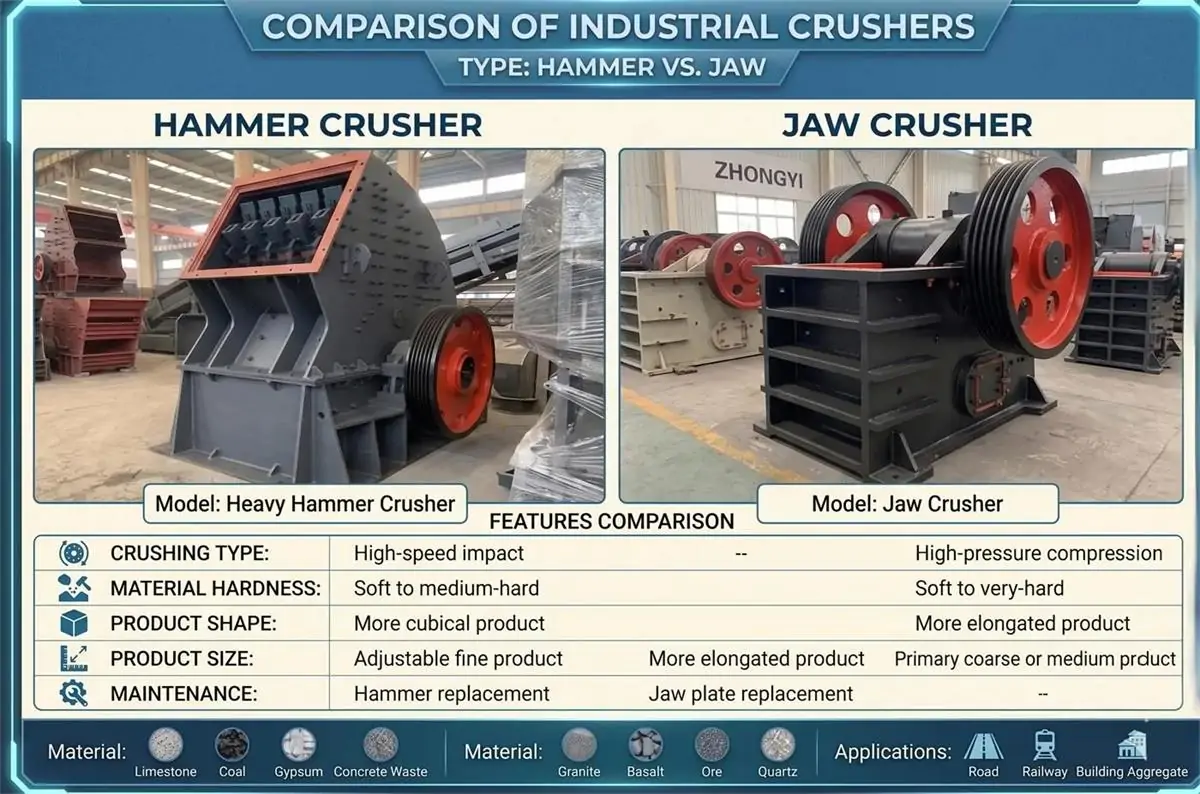
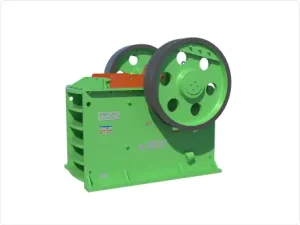
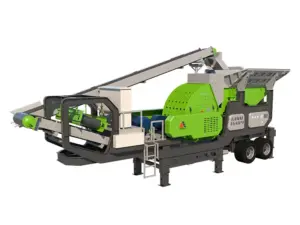
Jaw Crusher: Coarse crushing of raw ore to 3–5 mm, enabling initial liberation of titanium minerals. Feed size ≤1000 mm, Output size 50–150 mm, Capacity 50–500 t/h
Cone Crusher: Fine crushing to 1–2 mm, separating ilmenite from gangue minerals. Feed size 50–150 mm, Output size 1–2 mm, Capacity 30–300 t/h
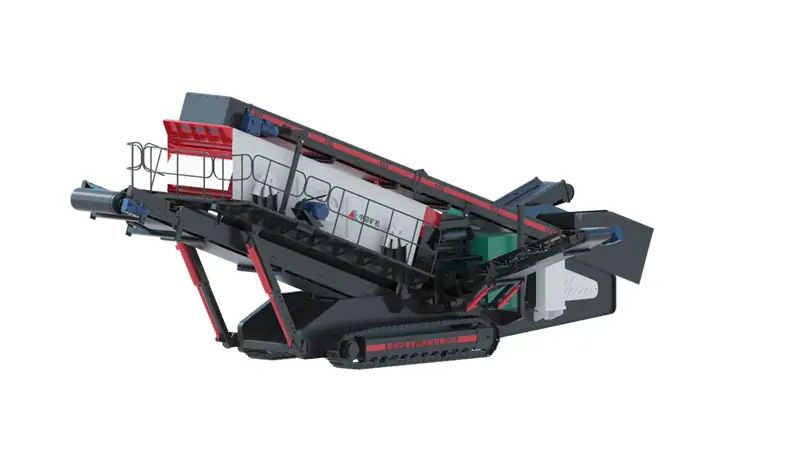
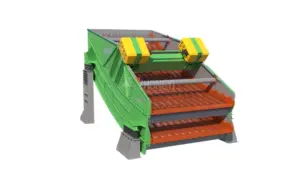
Vibrating Screen / Roller Screen: Removes oversized rocks and ensures uniform particle size; uneven material returns for re-crushing. Screen area 1–3 m², Mesh 1–5 mm, Capacity 10–200 t/h
Desliming & Agitation
Hydrocyclone: Removes fine clay and mud to prevent interference with downstream separation. Diameter 150–500 mm, Capacity 5–50 t/h, Cut size 0.03–0.1 mm
Agitation Tank / Mixing Drum: Ensures even dispersion of ore slurry for uniform separation. Volume 1–10 m³, Agitator speed 200–600 rpm
2. Gravity Enrichment Stage
Coarse Gravity Separation
Spiral Chute: Treats fine-to-medium particles using centrifugal and gravity forces to separate ilmenite coarse concentrate, middling, and tailings. Length 1.5–3 m, Number of turns 6–12, Capacity 5–50 t/h
Jig / Multi-stage Spiral Chute (“2 coarse 3 fine”): Optimizes recovery and concentrate quality through closed-loop separation. Capacity 5–50 t/h, Particle size 0.5–2 mm
Fine Gravity Refinement
Shaking Table: Further refines fine particles to improve concentrate grade. Table length 2–4 m, Slope adjustable 2–6°, Capacity 2–15 t/h
3. Magnetic Separation Stage
Drum Magnetic Separator (Weak Magnetic): Separates weakly magnetic ilmenite from non-magnetic gangue for concentrate upgrade. Magnetic field 12000–18000 GS, Capacity 5–50 t/h, Drum width 600–1500 mm
High-Gradient Magnetic Separator (Strong Magnetic): Recovers residual fine ilmenite and removes tailings. Magnetic field ≥18000 GS, Capacity 1–10 t/h, Matrix length 500–1000 mm
4. Fine Particle Purification Stage (Optional)
Flotation Machine: Selectively separates fine ilmenite (<0.15 mm) using collectors such as fatty acids or phosphate esters. Cell volume 0.5–5 m³, Rotor speed 1000–1800 rpm, Capacity 1–20 t/h
Electrostatic Separator: Utilizes conductivity differences to separate ilmenite from non-conductive gangue in high-end processing plants. Voltage 10–40 kV, Capacity 0.5–10 t/h, Roll diameter 300–600 mm
A complete titanium ore processing plant combines pre-treatment, gravity enrichment, magnetic separation, and optional flotation/electrostatic purification to achieve high recovery rates and concentrate grades suitable for industrial applications. Zhongyi Mining Machinery provides complete, customizable solutions for each stage, optimized for ore type, particle size, and production capacity.
Conclusion
Titanium ore processing is not merely a business transaction; it is the ultimate extraction of resources. If you are struggling with subpar beneficiation results or selecting the right solution for a new project, please contact our technical experts.
Submit your ore analysis report: We will provide you with a free preliminary process evaluation.
Schedule a site visit: Tour our production facilities and active client sites.

Dr. Yu
Expert in Mineral Processing Solutions
With 15+ years of experience, Dr. Chen specializes in gravity, magnetic, flotation, and electrostatic separation. He focuses on ore processing and process optimization, sharing practical insights and equipment applications to help improve recovery rates and production efficiency.
FAQ
1. What is titanium ore processing and why is it important?
Titanium ore processing is the process of extracting titanium concentrate from raw ore through techniques such as crushing, gravity separation, magnetic separation, and flotation. Its core objective is to improve grade and recovery rates to maximize the value of the resource.
2. How can the titanium recovery rate be improved in titanium ore processing?
The key to improving the titanium recovery rate lies in optimizing the combination of gravity separation and magnetic separation, controlling the grinding fineness, enhancing desliming efficiency, and using flotation or high-gradient magnetic separation to recover fine-grained ore.
3. What is the best process for ilmenite beneficiation?
For ilmenite, the mainstream beneficiation process is “strong magnetic separation + gravity separation + flotation,” which effectively separates magnetite and improves the grade of the titanium concentrate.
4. What is the difference between rock titanium processing and mineral sand processing?
Rock titanium processing requires crushing, grinding, and strong magnetic separation, whereas mineral sand processing primarily relies on screening, gravity separation, and electrostatic separation, resulting in a simpler process and lower costs.
5. What equipment is used in a titanium ore processing plant?
A typical titanium ore processing plant includes crushers, ball mills, spiral chutes, shaking tables, high-gradient magnetic separators, flotation cells, and electrostatic separation equipment.
6. Is flotation necessary in titanium ore processing?
When processing fine-grained ore, flotation is necessary in titanium ore processing. It effectively recovers titanium ore particles smaller than 0.15 mm, significantly reducing tailings loss.