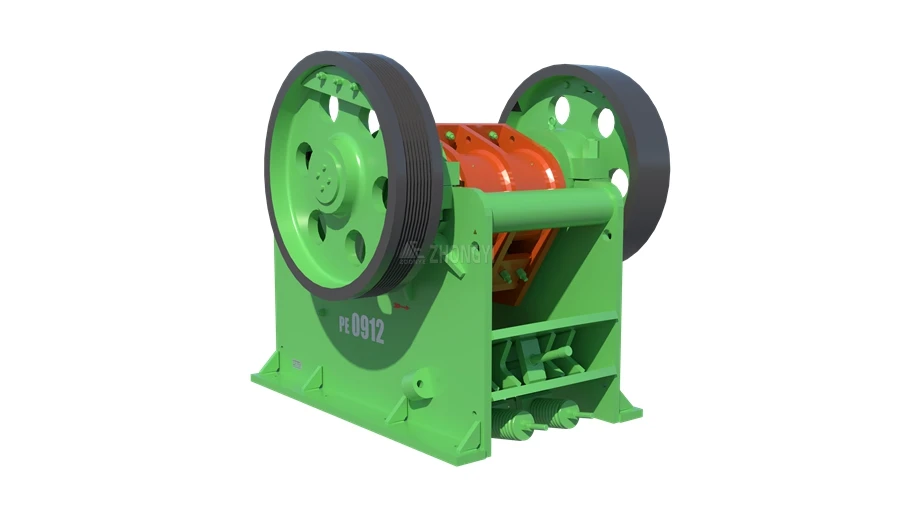
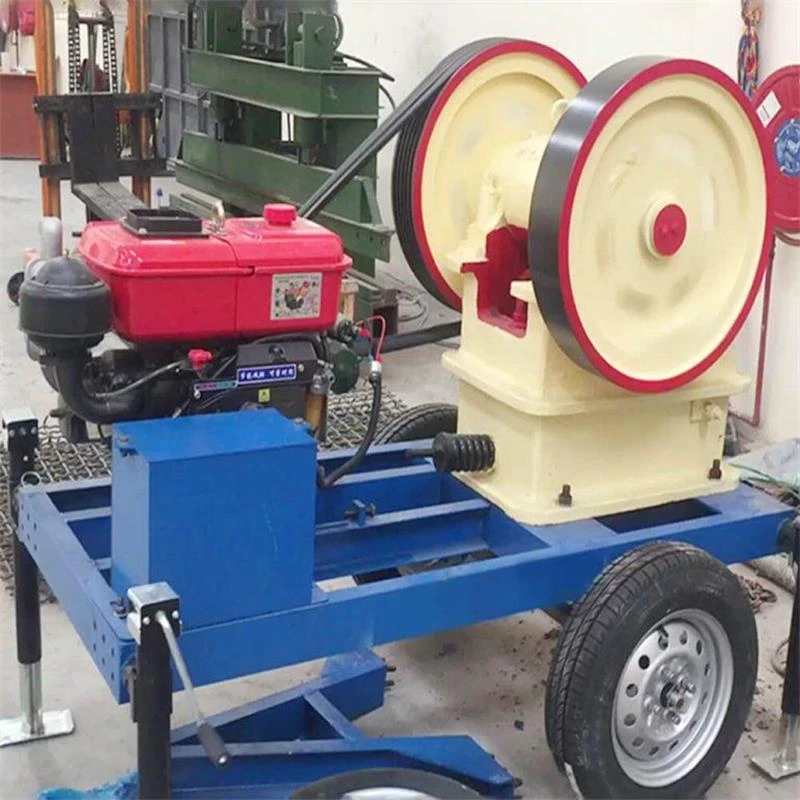
What is a Diesel Jaw Crusher?
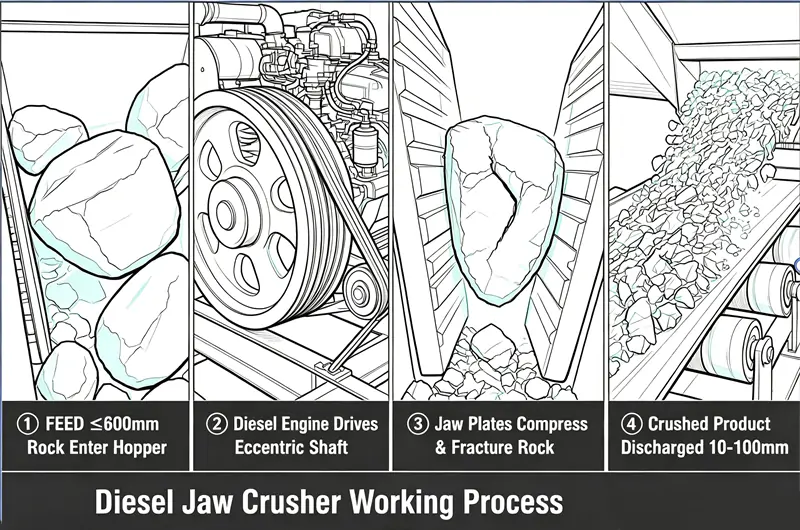
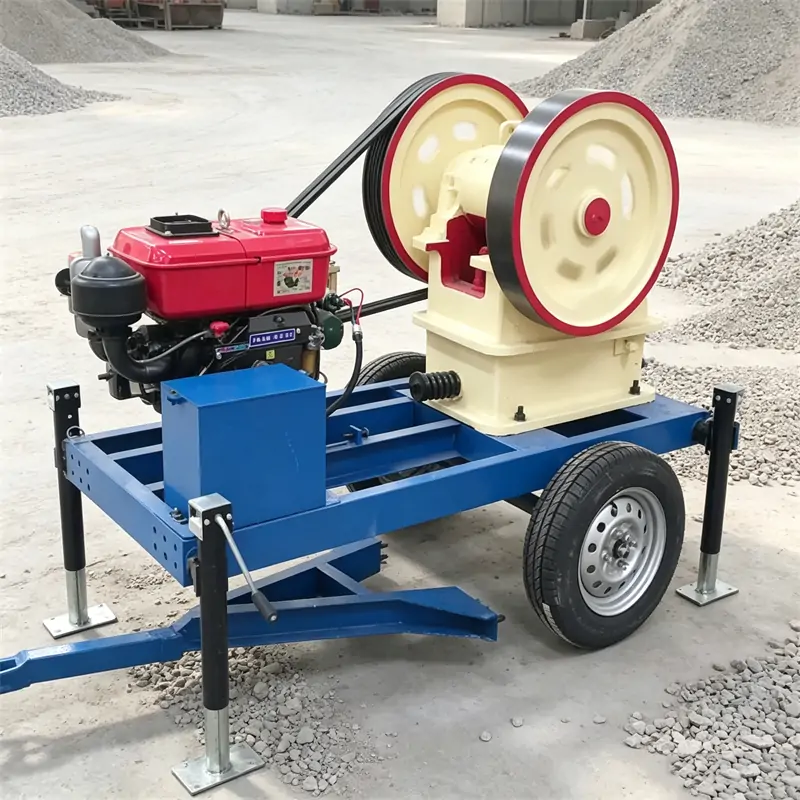
A diesel jaw crusher is a primary jaw crusher driven by a diesel engine rather than an electric motor, used for coarse reduction of rock and ore where grid power is absent or unreliable. The machine reduces feed below 600 mm to a discharge between 10 and 100 mm in a single pass.
Standard models cover feed openings from 150×250 mm up to 1200×1500 mm, with throughput from 1 to 250 t/h and engines from 8 to 280 hp. Output is governed by feed gradation, jaw plate wear, closed-side setting (CSS), and engine rpm — most operators run between 80% and 90% of rated engine load to balance fuel burn and capacity.
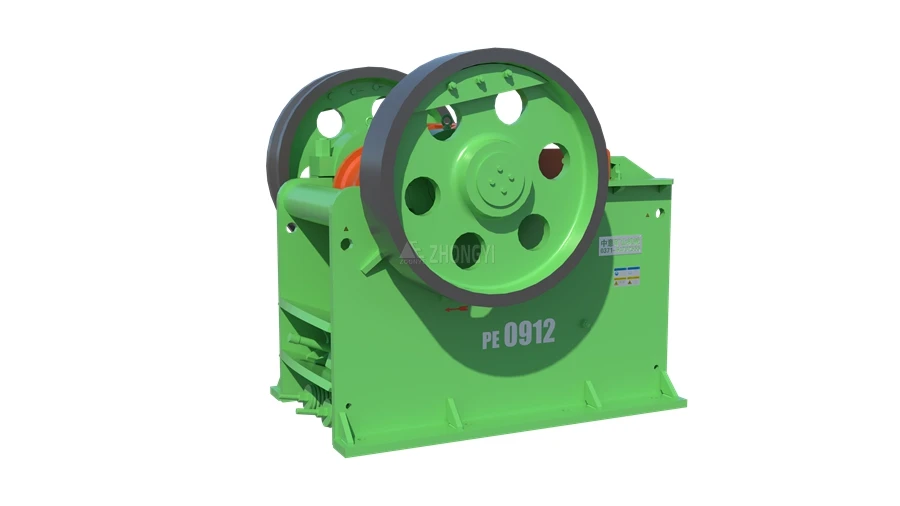
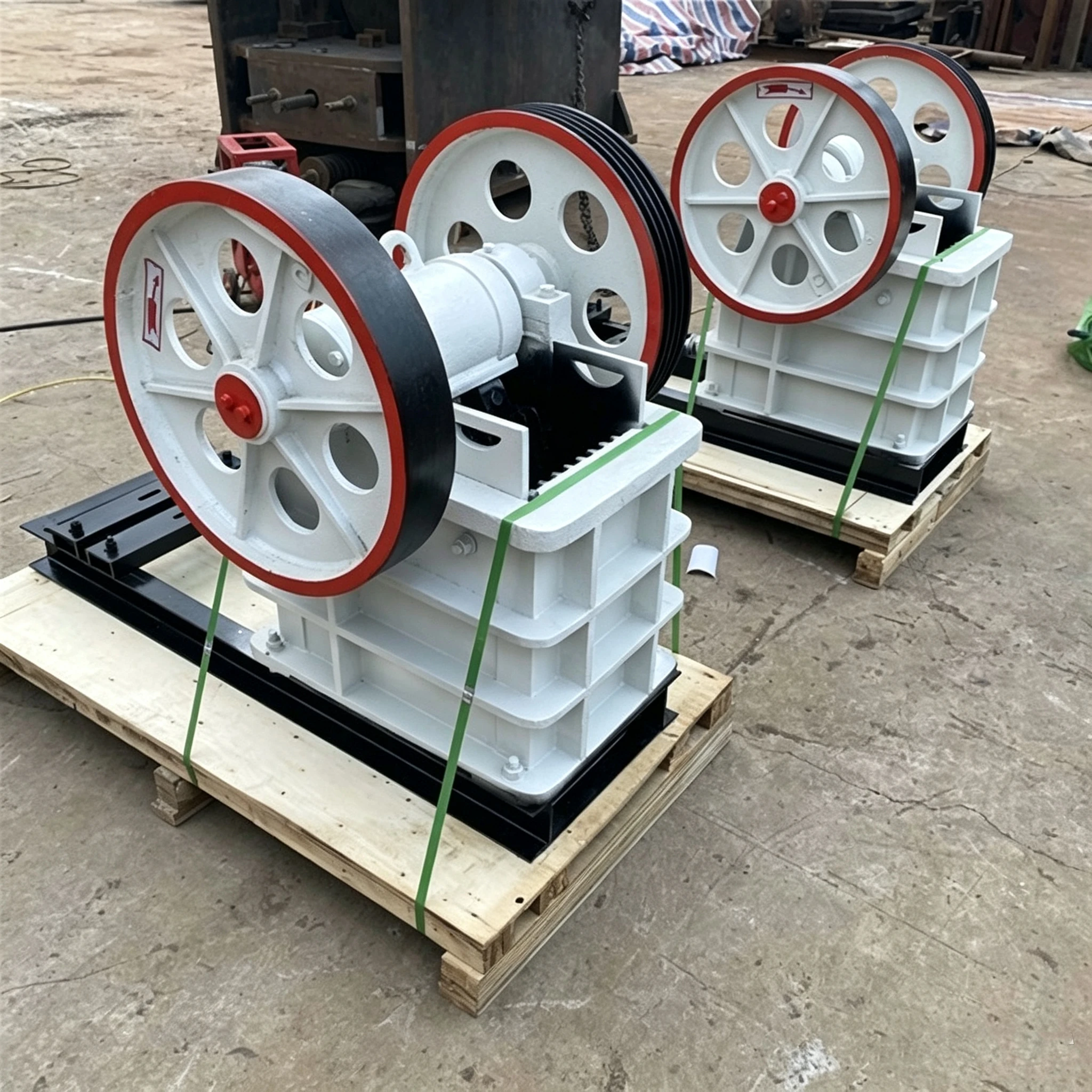
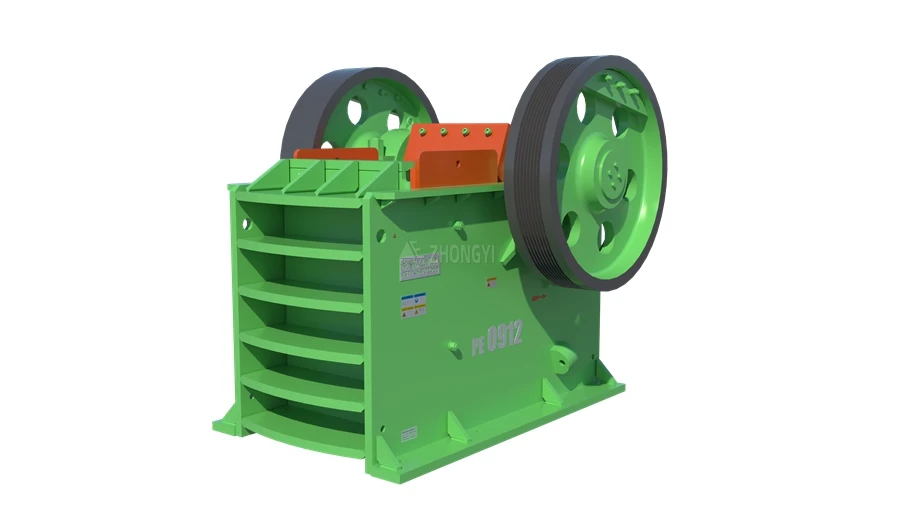
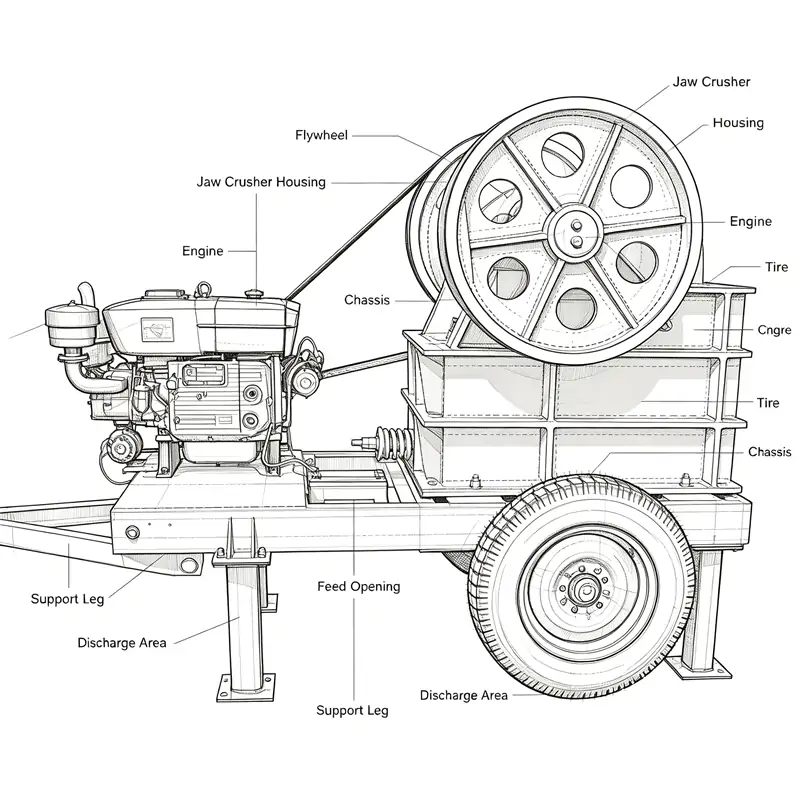
Main components:
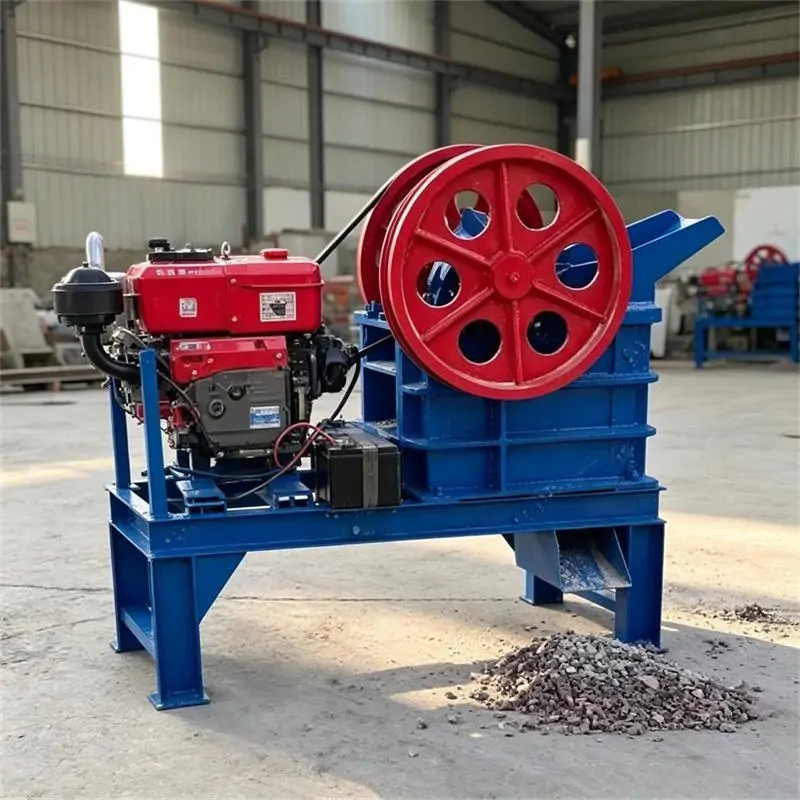
- Diesel Engine — Drives the eccentric shaft via V-belts; common brands are Cummins, Perkins, Weichai, and Kubota.
- Crushing Chamber — Deep cavity with manganese-steel jaw plates (11–14% Mn) for impact-abrasion resistance.
- Eccentric Shaft and Toggle — Convert engine rotation into the jaw’s oscillation cycle, typically at 250–330 rpm.
- Hydraulic CSS Adjuster — Sets discharge size between 10 and 100 mm without manual shimming.
How a Diesel Jaw Crusher Works ?
A diesel jaw crusher uses a diesel engine to drive the flywheel and eccentric shaft through a belt transmission system. The rotating eccentric shaft moves the movable jaw plate against the fixed jaw plate, creating compression force to crush large rocks into smaller sizes. Unlike electric jaw crushers, diesel models operate independently without grid power, making them suitable for remote mining, quarrying, and construction sites.
Typical Crushing Process
Crusher performance depends on material hardness, feed size, engine power, and CSS settings. Proper configuration helps maintain stable output, reduce fuel consumption, and extend wear part service life.
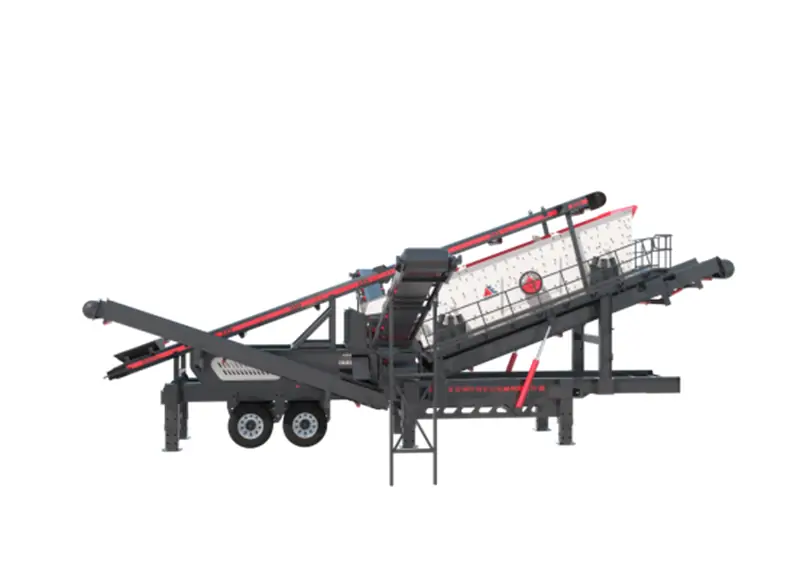
Diesel Jaw Crusher Types — Mobile, Skid-Mounted & Trailer-Pulled
Diesel jaw crushers are classified by chassis configuration, which dictates transport method and setup time. Zhongyi supplies and customizes all three types based on site mobility needs.
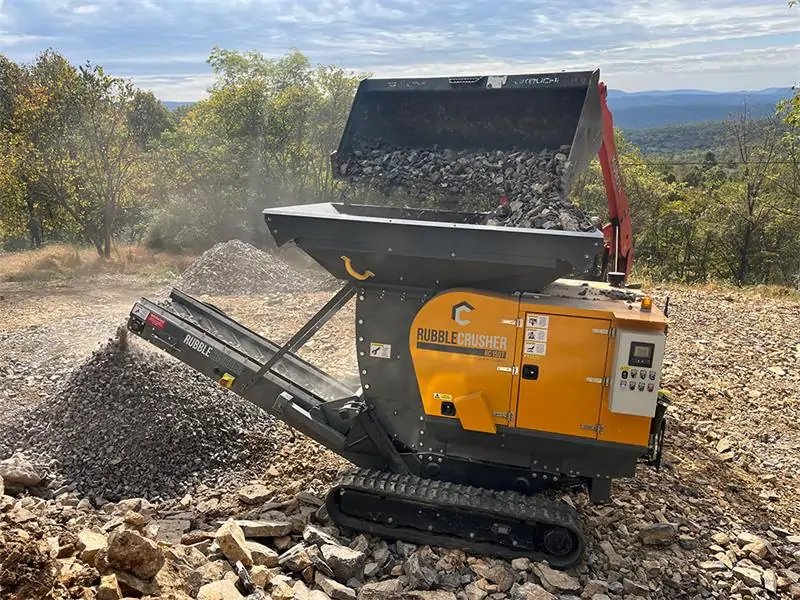
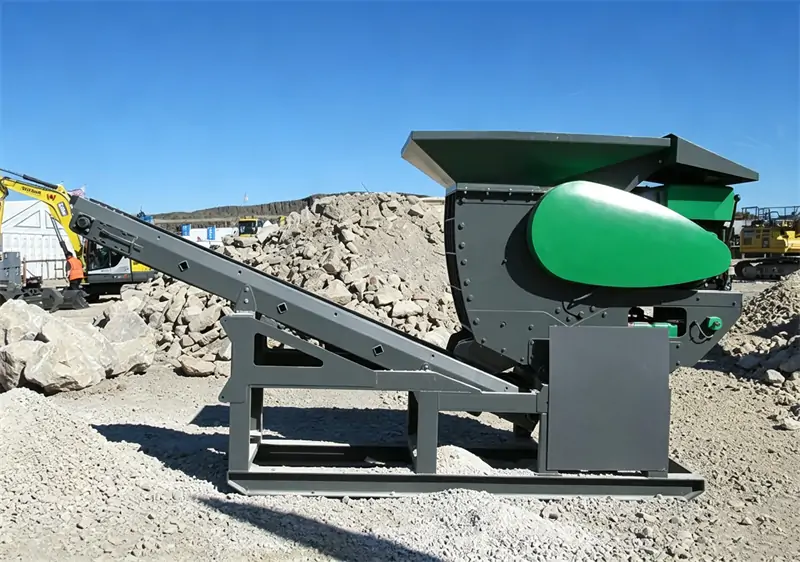
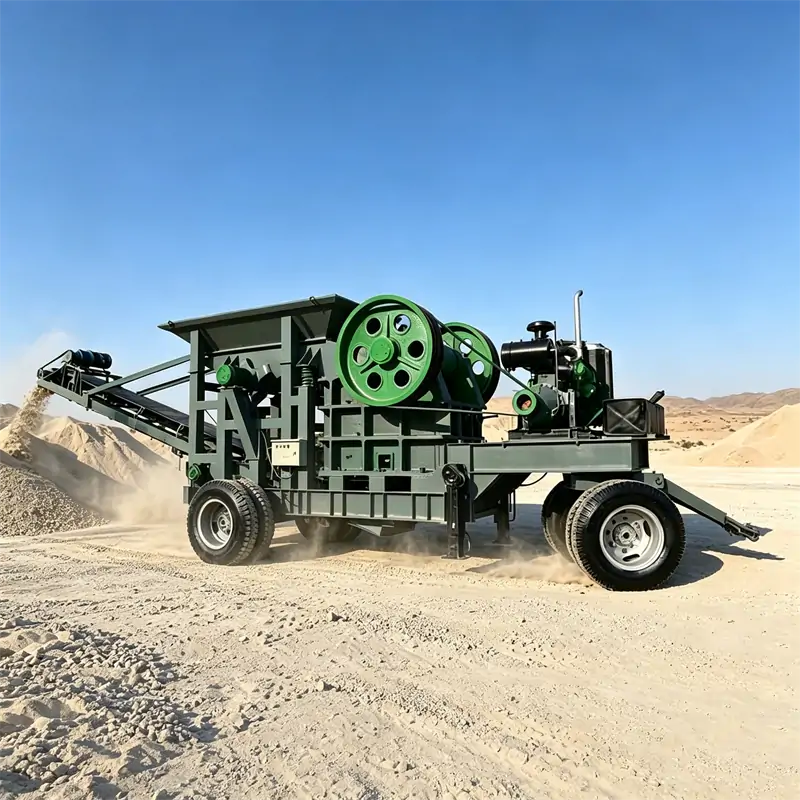
| Type | Chassis | Feed Size | Capacity | Setup Time | Best For |
| Trailer-Pulled | Towed trailer | ≤500 mm | 5–50 t/h | 2–4 hours | Small quarries, contractors |
| Skid-Mounted | Steel skid base | ≤800 mm | 30–100 t/h | 1–2 days | Semi-fixed installations |
| Self-Propelled Mobile | Track or wheel | ≤900 mm | 50–250 t/h | <1 hour | Large mobile operations |
These are typical reference ranges. Actual values depend on model and material.
Diesel Engine Options for Off-Grid Jaw Crushers
The diesel engine directly affects crusher performance, fuel efficiency, maintenance requirements, and long-term operating costs. For different regions and working conditions, diesel jaw crushers can be configured with reliable engine brands including Cummins, Perkins, Weichai, and Kubota.
| Engine Brand | Key Advantages | Recommended Applications |
| Cummins | High reliability, strong power output, and global service support | Heavy-duty mining, quarrying, and remote projects requiring long operating hours |
| Perkins | Stable performance, fuel efficiency, and wide aftermarket support | Export projects, contractors, and continuous crushing operations |
| Weichai | Cost-effective solution with easy maintenance and competitive spare parts supply | Mining and construction projects in regions with flexible emission requirements |
| Kubota | Compact design, low noise, and efficient operation | Small mobile crushers, urban demolition, and light-duty applications |
Engine selection should consider working environment, required capacity, fuel availability, emission standards, and local service support. Zhongyi can provide suitable diesel power configurations based on project requirements.
Applications
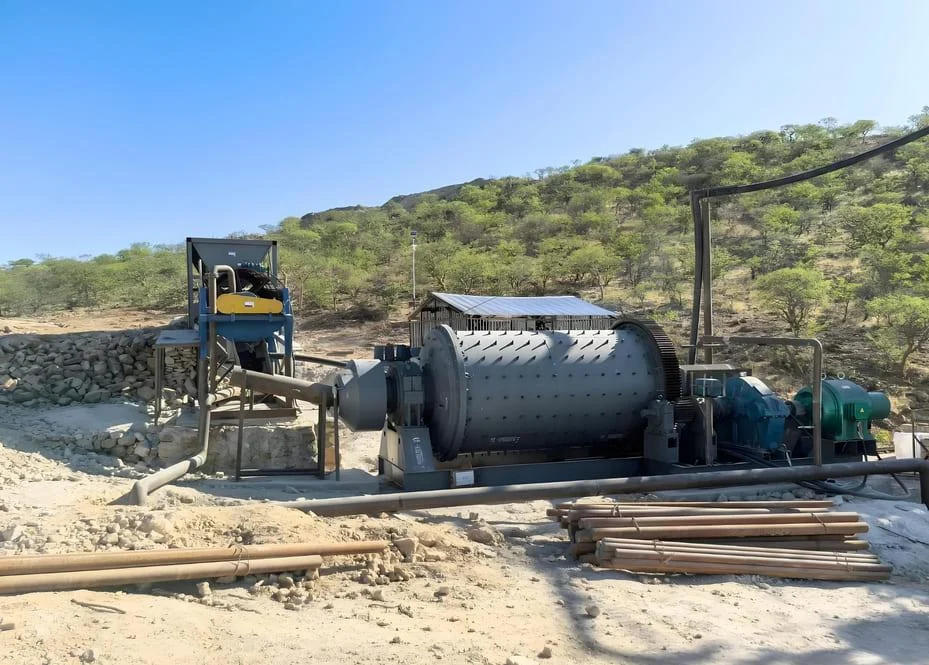
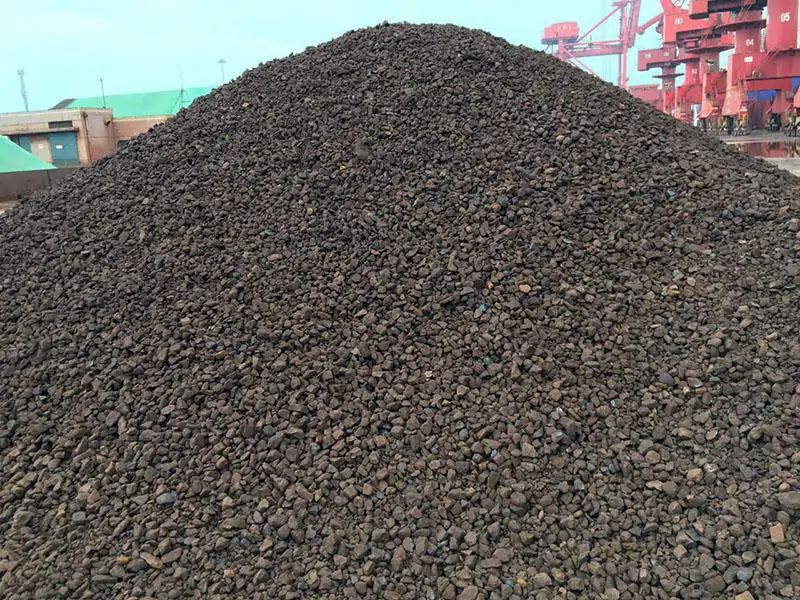
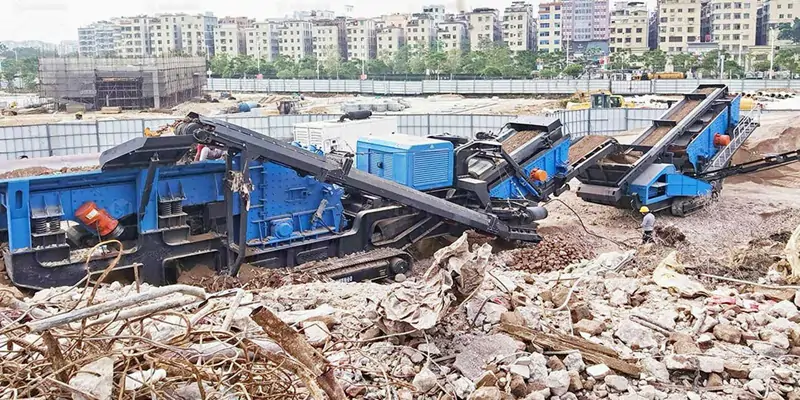
Diesel jaw crushers serve as primary crushers in operations where grid power is unstable, absent, or impractical to deploy. Typical duty covers ore preparation, aggregate production, and demolition recycling at sites ranging from small artisanal mines to large contracting jobs.

Diesel Jaw Crusher Specifications
Different projects require different crushing capacities, mobility requirements, and operating conditions. The following specifications provide a reference for selecting the right diesel jaw crusher model. Customized configurations are available based on material characteristics, production targets, and site requirements.
| Model | Screen Size (mm) | Deck Layers | Max Feed (mm) | Capacity (t/h) | Motor Power (kW) | Transport Dimensions (mm) | Weight (t) |
|---|---|---|---|---|---|---|---|
| ZY-1548S | 1,500 × 4,800 | 2 | ≤250 | 60–180 | 52 | 10,500 × 2,450 × 3,800 | 18 |
| ZY-1848S | 1,800 × 4,800 | 3 | ≤300 | 80–250 | 66 | 11,200 × 2,680 × 4,100 | 22 |
| ZY-1860S | 1,800 × 6,000 | 3 | ≤300 | 100–320 | 78 | 11,800 × 2,800 × 4,350 | 26 |
| ZY-2160S | 2,100 × 6,000 | 3 | ≤350 | 150–400 | 95 | 12,500 × 3,050 × 4,600 | 30 |
| ZY-2460S | 2,400 × 6,000 | 3 | ≤350 | 200–550 | 120 | 13,200 × 3,200 × 4,800 | 38 |
Note: Reference values based on medium-hard limestone (compressive strength ≤200 MPa). Actual capacity varies with material hardness, feed gradation, and engine load. Contact Zhongyi for selection based on your site conditions.
Diesel Jaw Crusher Fuel Consumption
Fuel consumption is a key operating cost for diesel jaw crushers and depends on engine power, crusher load, material hardness, and production capacity. In general, larger engines provide better fuel efficiency per ton when operating at suitable loads. The following values are typical references under normal crushing conditions:
| Engine Range | Output Range | Typical Fuel Consumption |
| 8–25 hp | 1–10 t/h | 0.4–1.2 L/t |
| 55–110 hp | 30–80 t/h | 0.20–0.40 L/t |
| 132–280 hp | 100–250 t/h | 0.18–0.32 L/t |
Actual fuel consumption varies depending on feed size, material characteristics, operating conditions, and engine maintenance. Maintaining the crusher within the recommended load range helps improve combustion efficiency, reduce fuel waste, and extend engine service life. Proper equipment selection is the key to achieving lower operating costs.
How to Select the Right Diesel Jaw Crusher
Selecting a diesel jaw crusher requires matching the machine with material conditions, production targets, and site requirements. Key factors include feed size, material hardness, engine power, and emission standards. Standard jaw chambers typically handle feed sizes up to 600 mm and materials up to 320 MPa. For highly abrasive materials, reinforced jaw plates and suitable engine power are recommended to maintain stable performance.
Engine selection should match the required capacity and operating environment. Smaller projects below 50 t/h may use compact diesel engines, while higher-capacity applications require stronger power systems. Buyers should also consider local fuel quality, spare parts availability, and chassis type, choosing between trailer-mounted, skid-mounted, or tracked configurations based on mobility requirements.
For engine matching, emission compliance, and customized diesel jaw crusher solutions, contact Zhongyi for a configuration based on your project conditions.
Diesel Jaw Crusher Price Factors
Diesel jaw crusher prices vary significantly depending on machine configuration, engine selection, capacity, and application requirements. The main cost factors include diesel engine brand and emission standard, jaw chamber size, chassis type, wear parts, and optional equipment. For example, higher emission-class engines, larger crushing frames, tracked chassis, and complete crushing stations with feeders and conveyors will increase the overall investment.
Other factors such as wear-resistant jaw plates, dust suppression systems, remote monitoring, export packaging, and shipping requirements can also affect the final quotation. Instead of a fixed catalog price, Zhongyi provides customized pricing based on production capacity, material conditions, engine requirements, and project location.
Why Work With Zhongyi Mining?
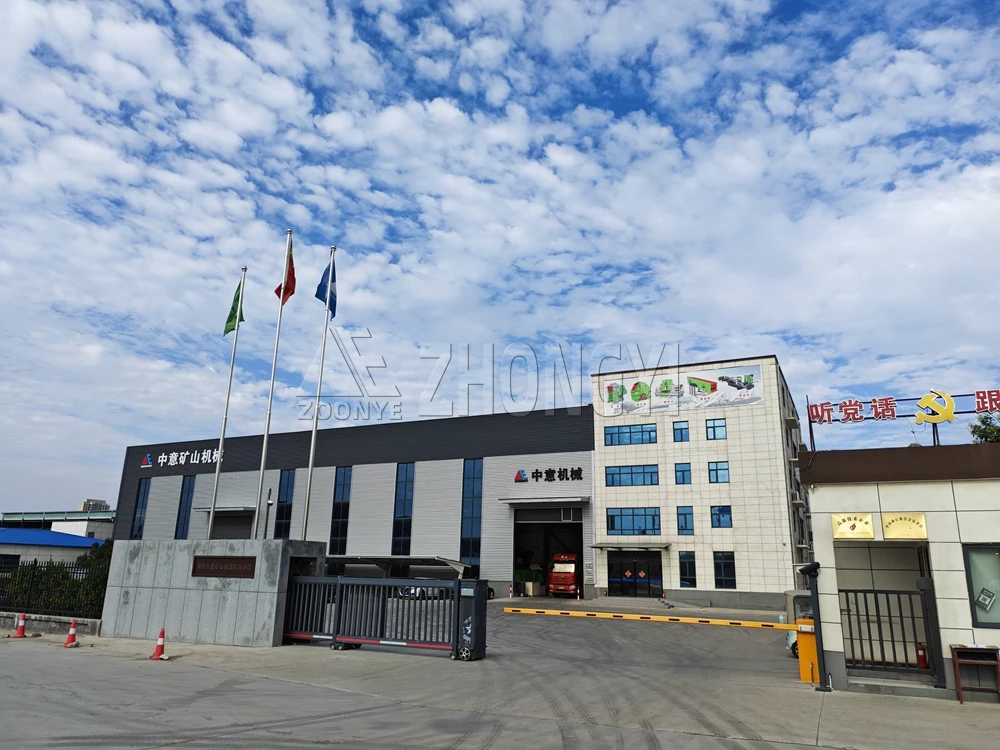
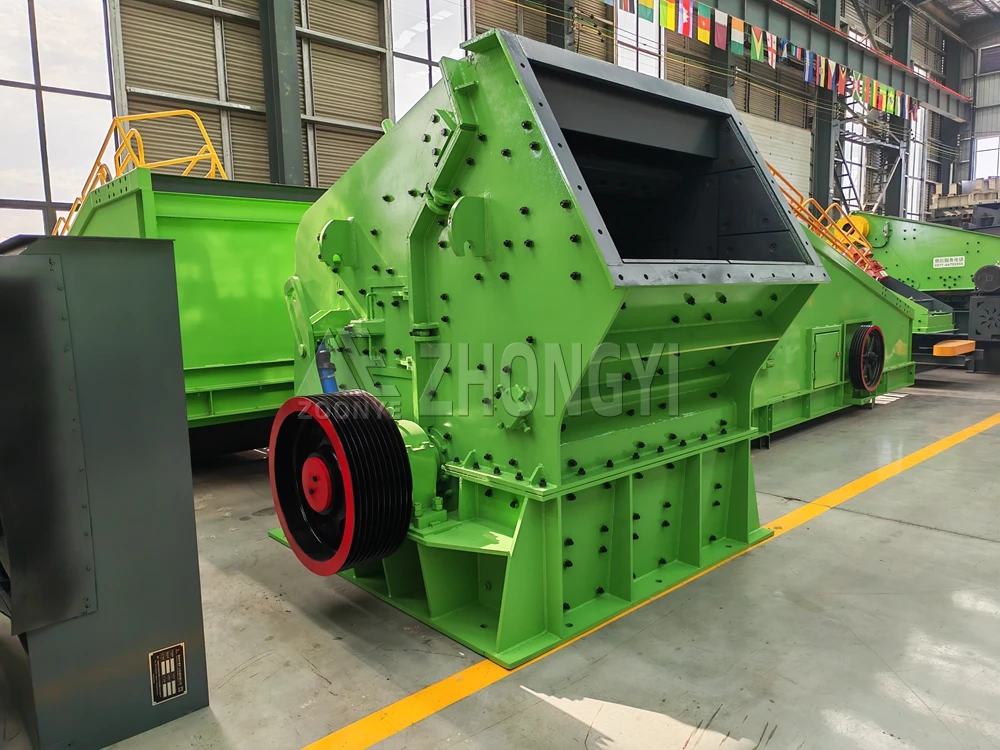
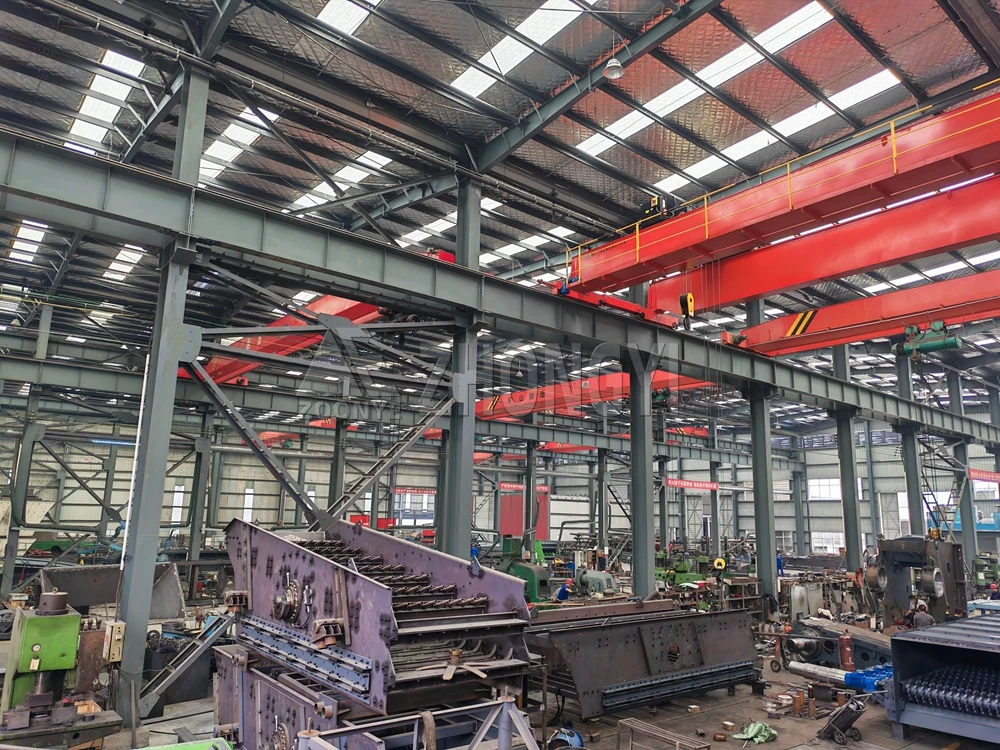
Zhongyi mining is a professional manufacturer of diesel jaw crushers for mining, aggregate, and recycling operations where off-grid power and remote logistics define the project. A correctly specified diesel jaw crusher cuts substation and haulage costs by 25–40% compared with running grid-powered lines to remote sites. By evaluating material hardness, target capacity, fuel availability, and emission market requirements, Zhongyi configures the right engine class, chamber size, and chassis for each project.
We have 17 years of engineering experience in primary crushing for gold ore, iron ore, limestone, granite, coal, and construction and demolition waste, Zhongyi has delivered 450+ diesel jaw crushers to projects across Africa, Southeast Asia, South America, and North America. The ISO9001:2015 certified factory supplies Cummins, Perkins, Weichai, and Kubota engine packages with CE-marked safety components for export markets. Services cover material analysis, engine sizing simulation, on-site commissioning, operator training, and ready spare-parts inventory. Zhongyi is a trusted partner for mining contractors and quarry operators sourcing diesel crushing equipment worldwide.
Request a Customized Solution
Partner with Zhongyi for a customized diesel jaw crusher solution designed for off-grid crushing, stable production, and reliable performance in mining, quarrying, and construction waste recycling projects.
Request a Custom Diesel Jaw Crusher Station
Every crushing project has different requirements based on material type, production capacity, working environment, and power conditions. Share your specific needs, including feed material, required capacity, output size, engine preference, mobility requirements, and project location. Zhongyi provides customized diesel jaw crusher solutions and complete crushing plant solutions designed for mining, quarrying, and recycling applications. Contact our engineering team to get a suitable configuration and project proposal.
Please Provide the Following Information:
FAQs
What is a diesel jaw crusher used for?
A diesel jaw crusher is mainly used for primary crushing in areas without reliable grid power. It reduces large rocks and construction waste into smaller sizes for further processing. With independent diesel power, it is widely used in mining, quarrying, road construction, and remote crushing projects where mobility and flexibility are required.
What feed size and capacity can a diesel jaw crusher handle?
Diesel jaw crushers typically handle feed sizes up to 600 mm, with production capacities ranging from 1 to 250 t/h depending on the jaw chamber size, engine power, and material properties. The suitable model depends on the required output size, feed characteristics, and crushing application.
Can a diesel jaw crusher work in remote areas without electricity?
Yes. Diesel jaw crushers are designed for off-grid operations where electricity is unavailable or unstable. The integrated diesel power system allows independent crushing at remote mining sites, quarries, and construction projects. They are especially suitable for locations with limited infrastructure or frequent equipment relocation requirements.
What materials can a diesel jaw crusher process?
Diesel jaw crushers can process various materials, including granite, basalt, limestone, iron ore, gold ore, concrete, and construction waste. The final performance depends on material hardness, feed size, and crusher configuration. Proper jaw plate selection helps improve crushing efficiency and wear resistance.
What diesel engine options are available for jaw crushers?
Diesel jaw crushers can be equipped with different engine brands such as Cummins, Perkins, Weichai, and Kubota according to project requirements. Engine selection depends on power demand, emission regulations, fuel availability, and local service support. Zhongyi provides suitable engine configurations for different markets and operating conditions.
Diesel jaw crusher vs electric jaw crusher: which is better?
Diesel jaw crushers are preferred for remote locations, temporary projects, and applications requiring frequent movement. Electric jaw crushers usually have lower operating costs when stable power supply is available. The better choice depends on site conditions, energy availability, mobility requirements, and long-term operating plans.
What factors affect diesel jaw crusher price?
The price of a diesel jaw crusher depends on engine brand, power class, crushing chamber size, chassis type, wear parts, and optional equipment. Mobile configurations, higher emission-standard engines, and complete crushing stations will increase investment. Customized solutions are usually quoted according to project requirements rather than fixed prices.
How to choose a reliable diesel jaw crusher supplier?
A reliable supplier should provide proven manufacturing capability, quality certifications, technical support, and after-sales service. Buyers should check factory experience, equipment testing procedures, spare parts availability, and project references. Zhongyi provides customized crushing solutions with professional engineering support for mining, quarrying, and recycling applications.