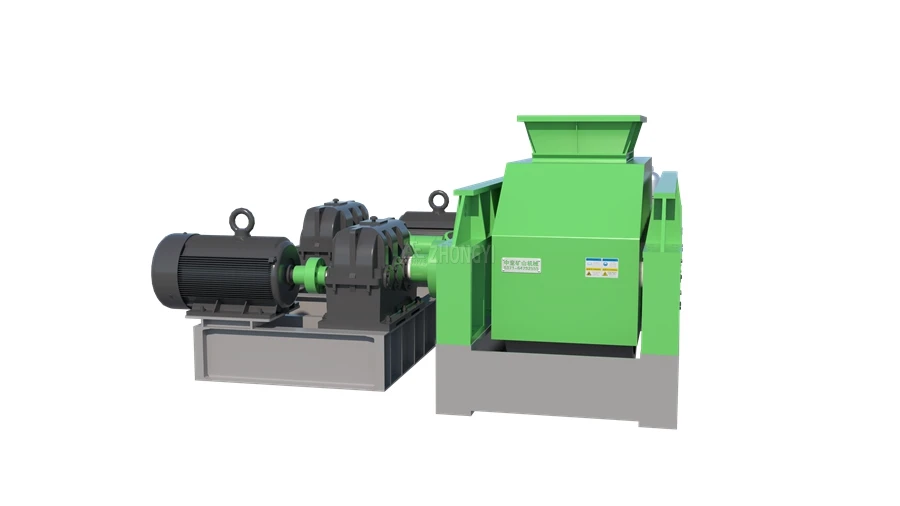
What Is a Double Roller Crusher?
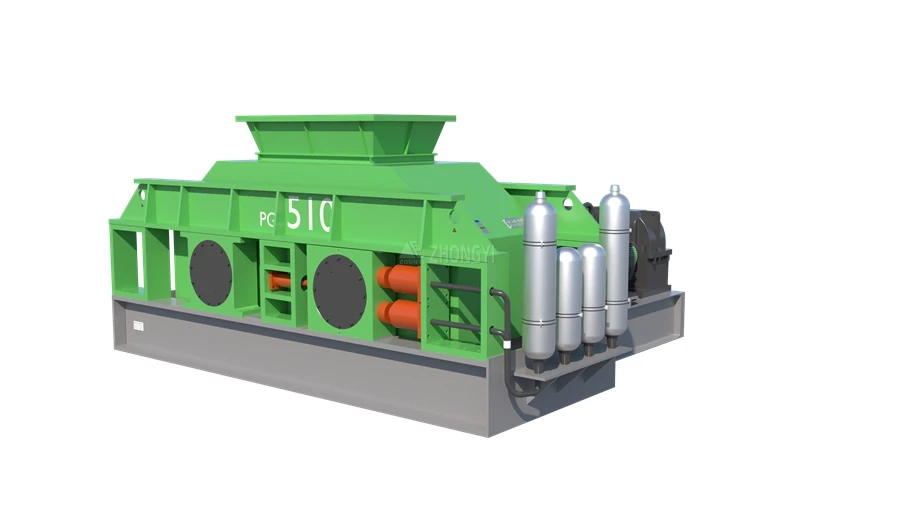
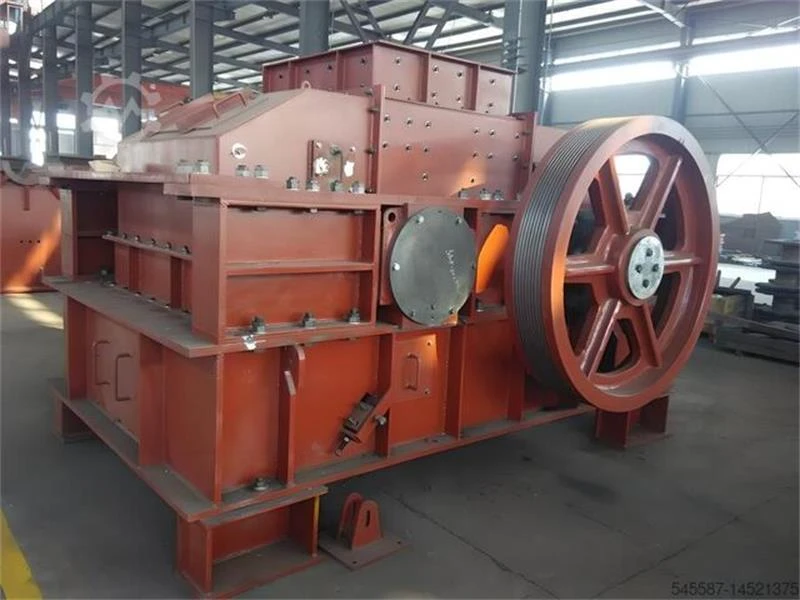
A double roller crusher is a secondary crushing machine that reduces material by compression and shear between two parallel rotating rolls. It typically sits between a primary crusher (jaw or impact) and downstream screens or mills, handling medium-hard to hard materials that need a controlled output with minimal fines.
Common roll diameters range from 600 mm to 1,500 mm, with capacities from 10 to 300 t/h and motor power from 11 kW to 2×132 kW. Discharge size is adjusted by roll gap (2–10 mm). Performance depends on feed size distribution, material moisture (up to 15% with smooth rolls, higher with toothed), and roll shell wear rate. Double roller crushers serve coal preparation, limestone aggregate, iron ore processing, clay brick production, and metallurgical applications.
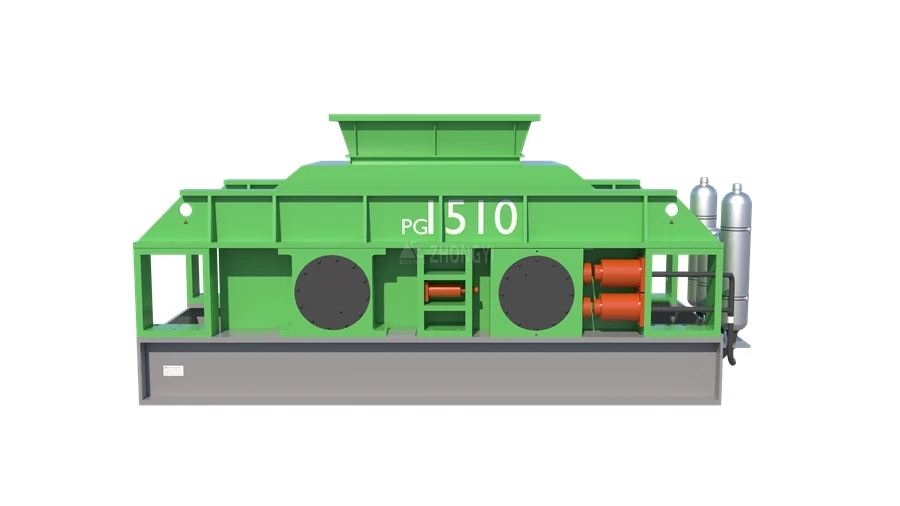
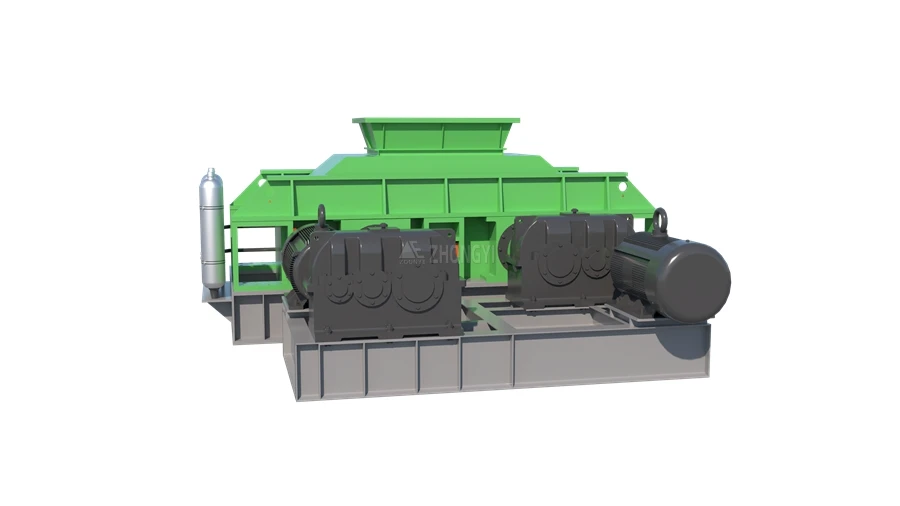
How Does a Double Roller Crusher Work?
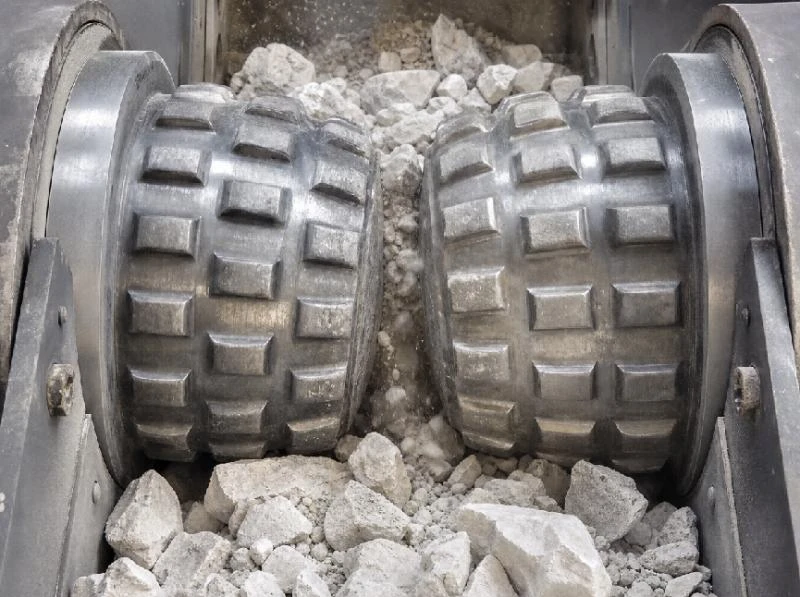
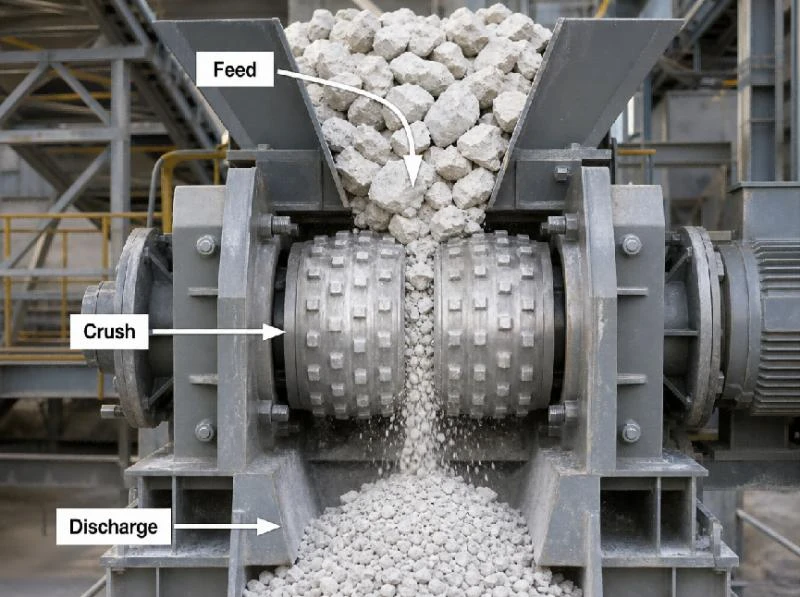
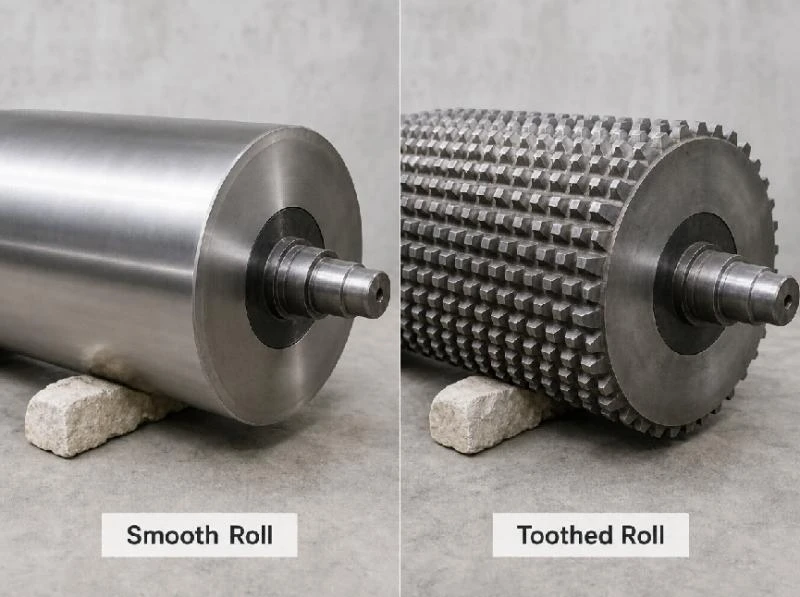
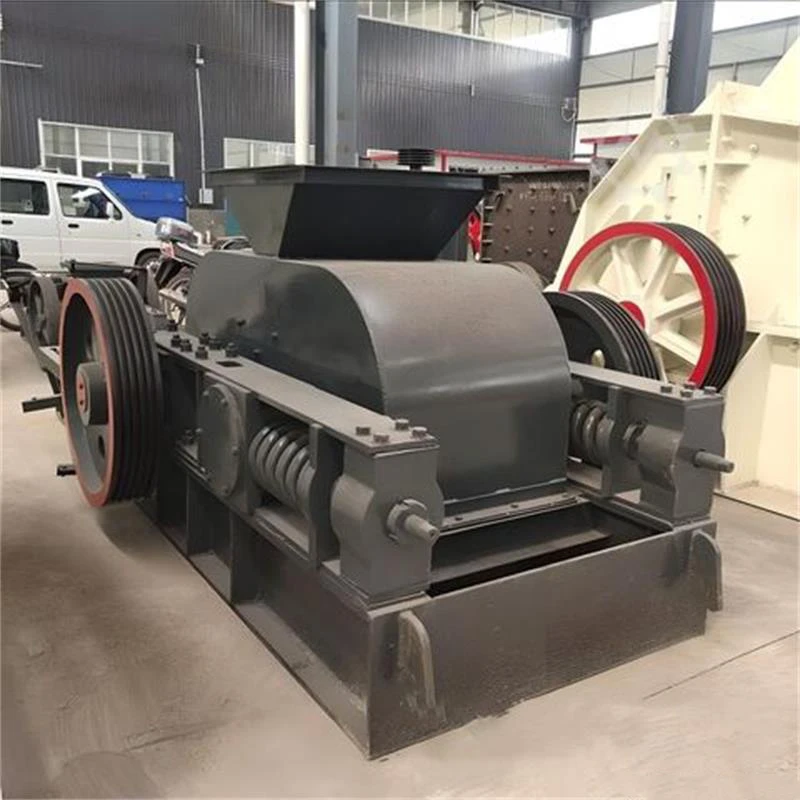
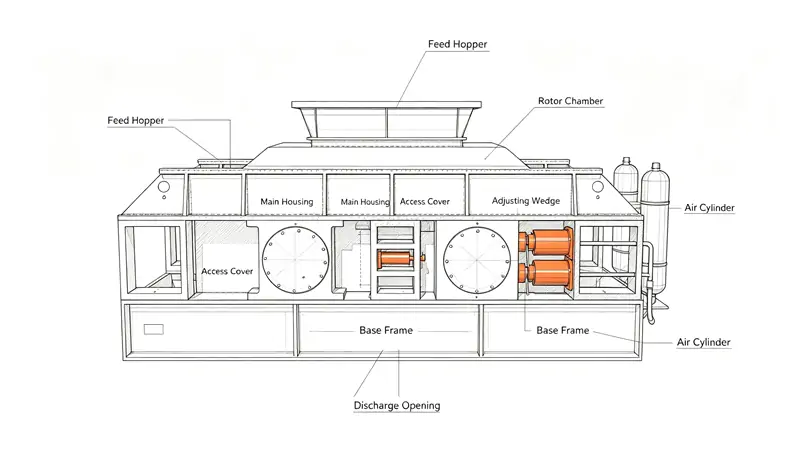
A double roller crusher operates by two rolls rotating toward each other, drawing material into a narrowing gap where it is crushed by compression (smooth rolls) or compression combined with shear (toothed rolls). Compared with hammer crushers that rely on high-speed impact, this method applies controlled pressure to produce uniform particle size with minimal fines.
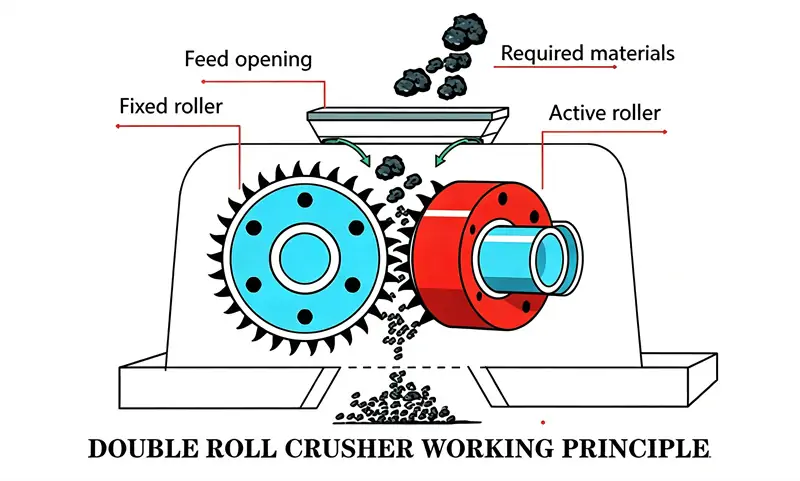
The working process is straightforward: material is fed from the top hopper → gripped and pulled into the roll gap → compressed and crushed → discharged from the bottom at the preset size.
Main factors affecting performance include:
- Roll gap setting (2–10 mm): smaller gap produces finer output but reduces throughput
- Roll surface type: smooth rolls for dry, free-flowing materials; toothed rolls for moist or sticky materials
- Speed differential: up to 1:1.5 for toothed rolls to enhance shearing efficiency
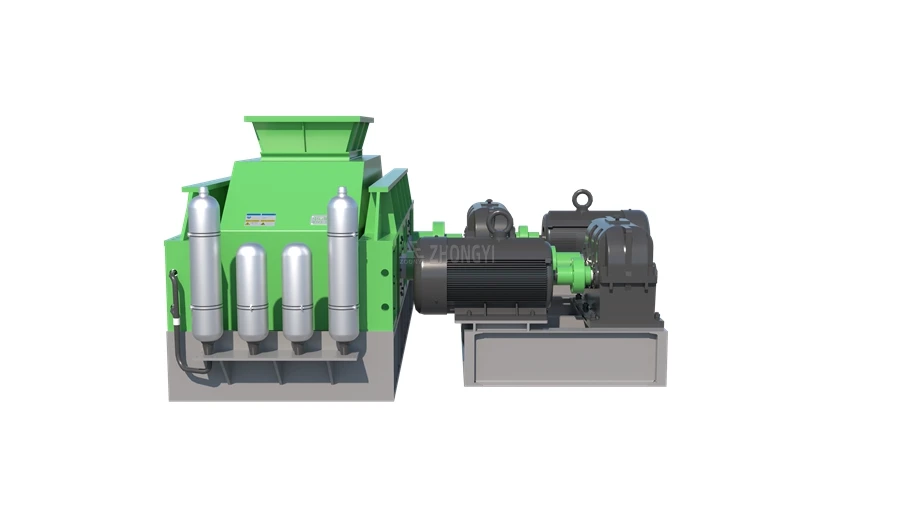
To ensure safe operation, spring or hydraulic protection systems allow the movable roll to open when uncrushable material (tramp iron) enters, then automatically return to the preset position, protecting roll shells and bearings.
Double Roller Crusher Technical Specifications
The right double roller crusher model depends on feed size, required discharge size, and processing capacity. The specification table below shows the main parameters of standard models to help identify the suitable configuration for your application. For special materials or customized production requirements, our engineers can provide a tailored solution.
| Model | Feeding Size (mm) | Discharge Size (mm) | Capacity (t/h) | Motor Power (kW) |
| 2PG400×250 | ≤ 25 | 2–8 | 5–12 | 5.5 × 2 |
| 2PG610×400 | ≤ 40 | 2–12 | 10–30 | 15 × 2 |
| 2PG750×500 | ≤ 50 | 3–15 | 25–55 | 22 × 2 |
| 2PG900×600 | ≤ 60 | 3–20 | 45–85 | 30 × 2 |
| 2PG1200×800 | ≤ 80 | 5–30 | 80–160 | 45 × 2 |
| 2PG1500×1000 | ≤ 100 | 5–40 | 150–320 | 90 × 2 |
These figures are a starting point only. Final selection should match actual material characteristics and process conditions.
Advantages
Double roller crushers are widely used for secondary and fine crushing where stable output, controlled particle size, and low maintenance are required. Compared with impact-based crushing equipment, the compression crushing principle provides better control of fines generation and product consistency. With proper configuration, the equipment can be adapted to different materials and operating conditions.
Applications
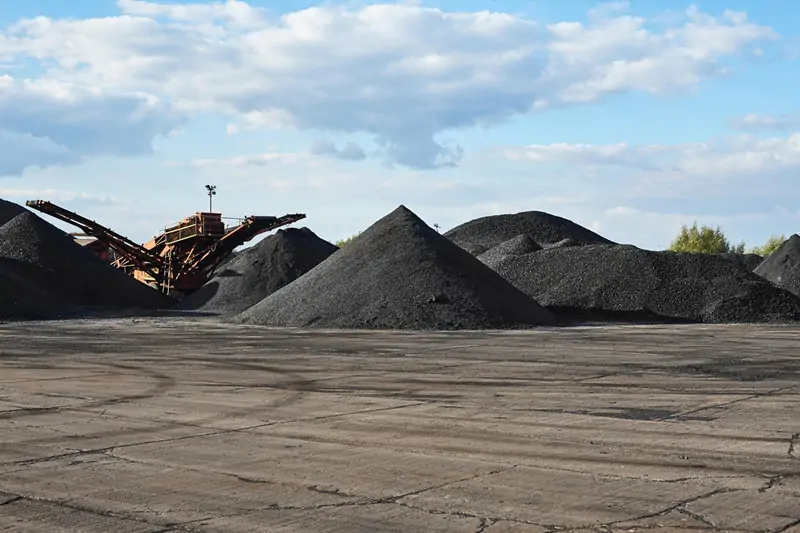
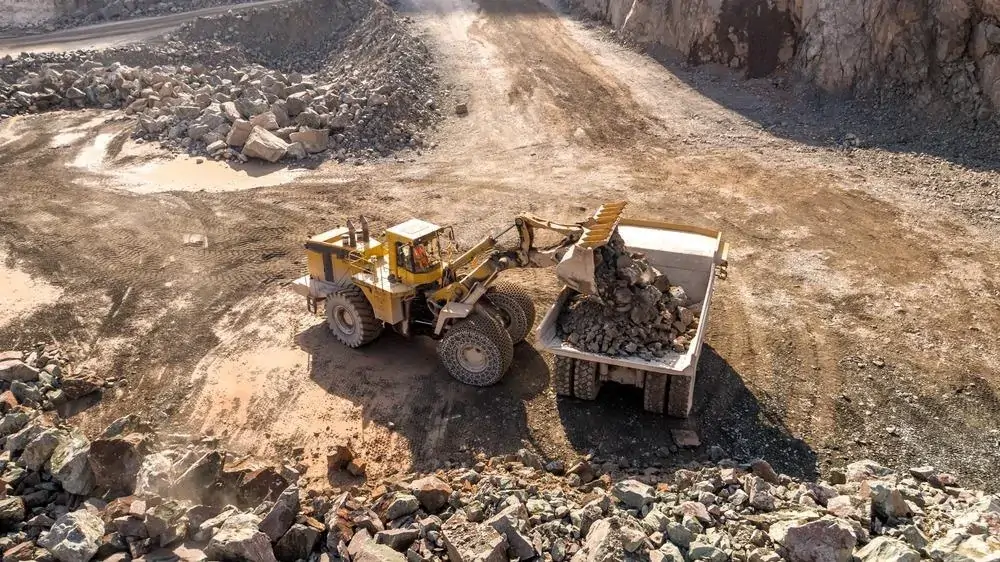
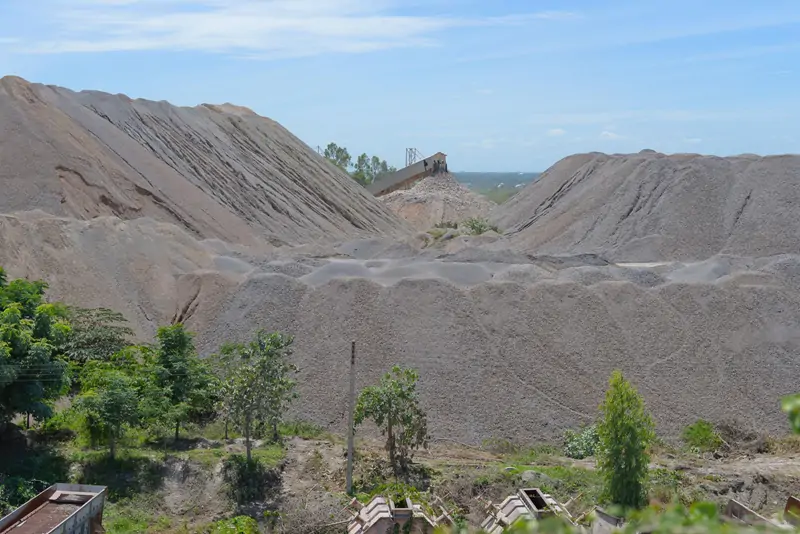
Double roller crushers are widely used for secondary crushing of medium-hard and brittle materials due to their low over-crushing rate, adjustable output size, and stable operation. They are commonly applied in mining, coal preparation, aggregate production, and industrial material processing, where controlled particle size and reliable performance are required.
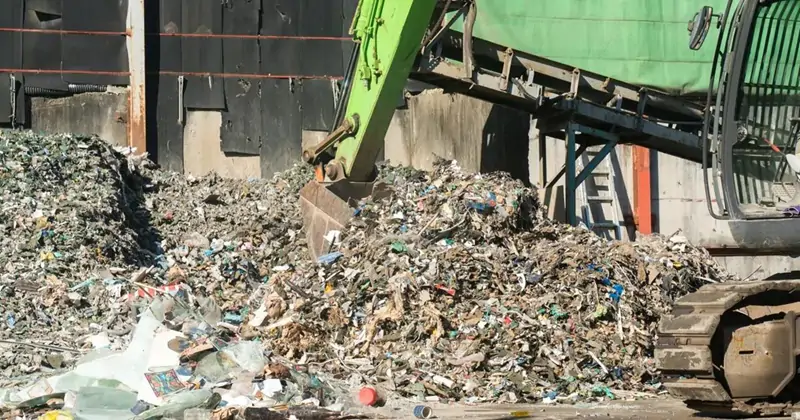
Double Roller Crusher vs Hammer Crusher — Which to Choose?
Roll crushers use slow compression and shear with low fines (<15%) and handle moisture up to 15–18%. Hammer crushers use high-speed impact with more fines (20–30%+) and a moisture limit below 8–10%.
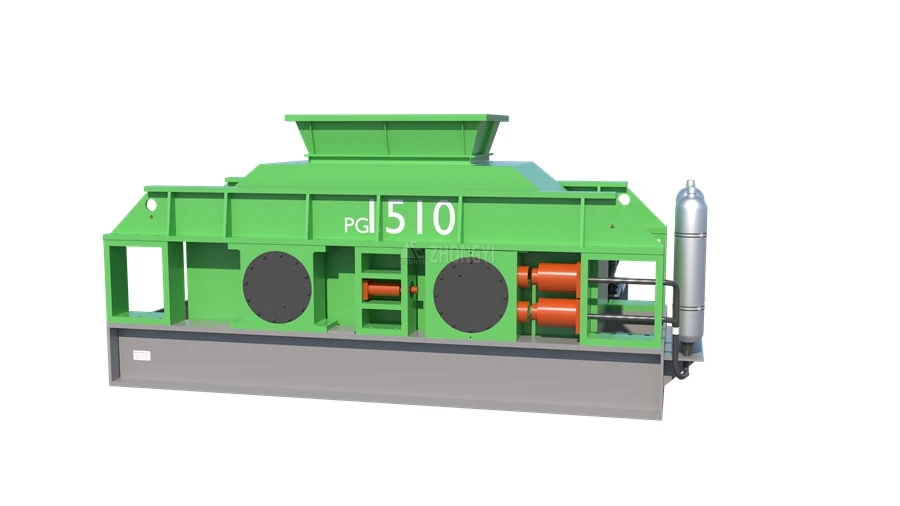
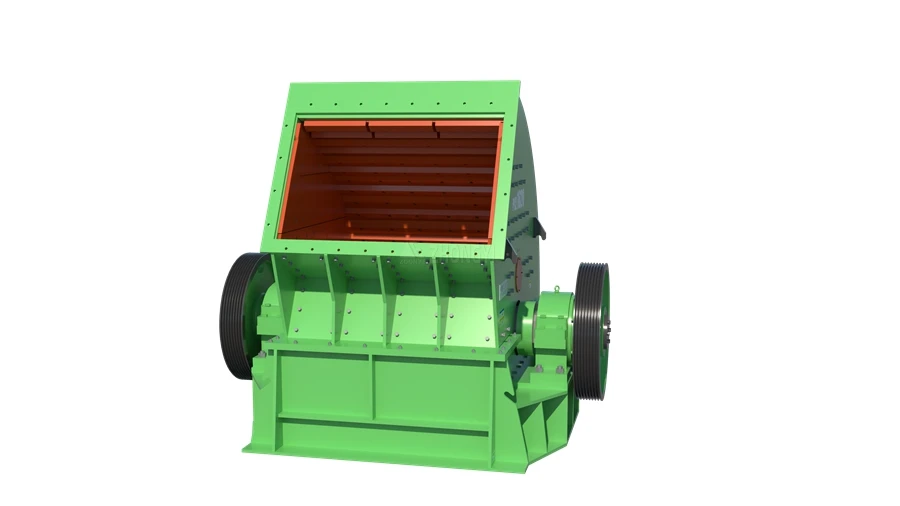
Comparison Table
| Parameter | Double Roller Crusher | Hammer Crusher |
| Crushing Mechanism | Compression + shear | High-speed impact |
| Max Feed Size | 60–100 mm | 100–200 mm |
| Product Size Range | 2–40 mm (adjustable) | 0–15 mm (via grate) |
| Fines Generation | Typically <15% | 20–30%+ |
| Moisture Tolerance | Up to 15–18% | Below 8–10% |
| Main Wear Parts | Roll shells | Hammers, impact plates, grate bars |
| Wet/Sticky Capability | Good (toothed rolls) | Poor |
Selection Note
Need low fines, uniform product, or processing wet/sticky material (clay, shale, damp coal)? Choose a double roller crusher. Need to reduce dry, hard, brittle material to fine output in one pass? A hammer crusher may work — but factor in higher wear cost and fines handling.
Double Roller Crusher Price Factors
The price of a double roller crusher depends on model size, configuration, material characteristics, and project requirements. Main cost factors include roll size, surface type, drive system, adjustment method, roll material, and auxiliary equipment.+
| Factor | Price Impact |
| Roll Size | Larger diameter and width require stronger structure and higher-power motors. |
| Roll Surface | Smooth rolls are lower cost; toothed or corrugated rolls suit wet and sticky materials. |
| Drive System | Single drive is economical; dual drive provides higher crushing force for hard materials. |
| Adjustment Method | Spring adjustment is simple and cost-effective; hydraulic adjustment enables easier gap control. |
| Roll Shell Material | Wear-resistant alloys increase cost but extend service life for abrasive materials. |
| Auxiliary Equipment | Feeders, chutes, frames, and control systems affect total package cost. |
| Shipping & Installation | Large units may require additional transport and commissioning costs. |
The final price depends on your material, capacity, feed size, output size, and required configuration. Contact our team for a customized quotation.
How to Select the Right Double Roller Crusher?
Selecting the right double roller crusher requires evaluating material characteristics, feed conditions, and production requirements. Factors such as hardness, moisture, feed size, discharge size, wear resistance, and drive configuration directly affect crushing performance, equipment lifespan, and maintenance costs. A proper selection ensures stable operation and long-term reliability.
Match the Crusher to Material Characteristics
Material hardness, moisture, and abrasiveness determine the suitable roll type and wear protection. Smooth rolls are suitable for dry, brittle materials such as limestone and gypsum. Toothed or corrugated rolls are better for damp materials like coal, clay, and shale. For abrasive materials such as iron ore and quartz, wear-resistant roll shells or replaceable liners help reduce wear.
Define Feed and Discharge Requirements
Select the model according to the maximum feed size and required discharge size. Standard models handle feed sizes up to 60 mm, while larger models can process up to 100 mm. The roll gap controls the final product size and should be matched with both the material feed condition and production requirements.
Match Capacity and Drive Configuration
Choose capacity based on peak feed rate to avoid overload during operation. A 10–15% capacity margin is recommended for stable production. Dual-motor drives provide higher crushing force for hard materials, while hydraulic gap adjustment allows easier product size changes and protection against uncrushable materials.
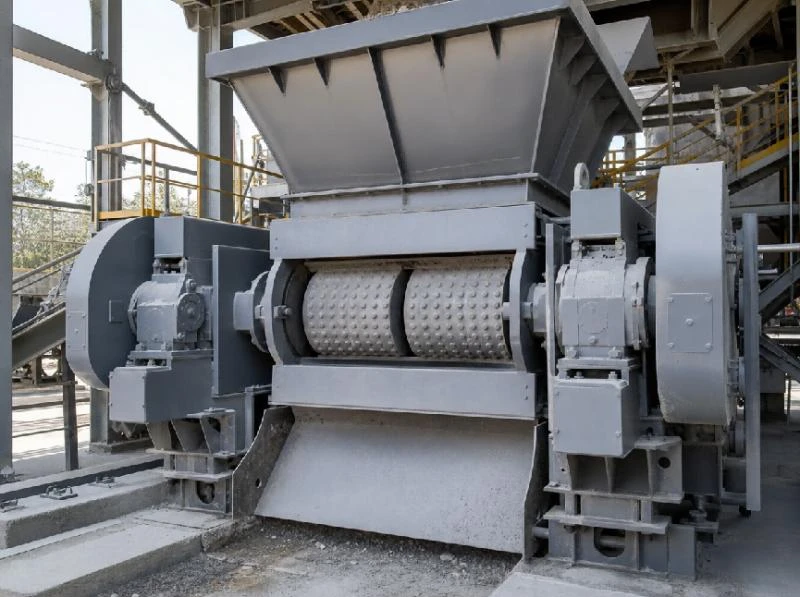
Project Case
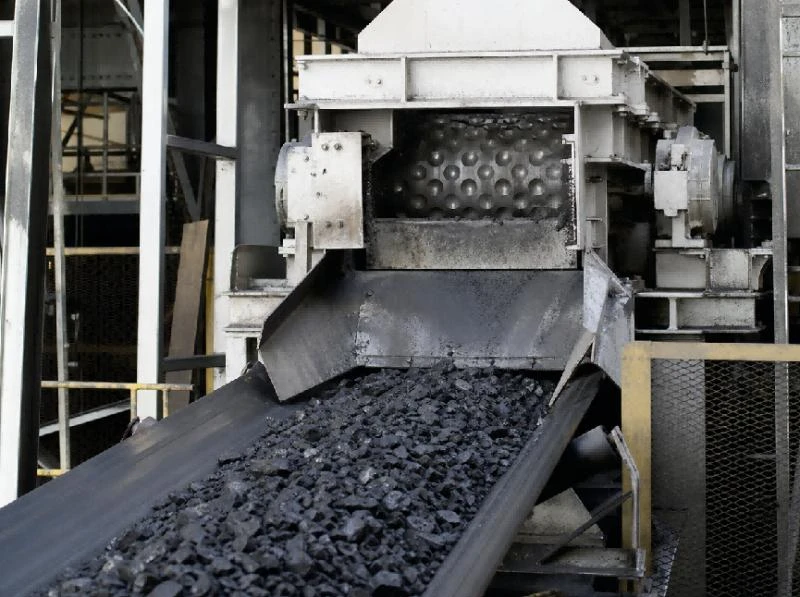
Featured Project — Coal Crushing Line in Shanxi, China
A coal preparation plant in Shanxi needed to reduce excessive fines generated during secondary crushing. Based on the coal characteristics and production requirements, Zhongyi recommended a 2PG900×600 double roller crusher with toothed rolls to replace the existing hammer crusher. Manufactured by Zhongyi, the equipment was installed before the washing system to produce a controlled 6–15 mm coal size with lower over-crushing. After commissioning, the crusher achieved stable operation at 55–65 t/h per unit, while fines generation was significantly reduced. After six months of operation, roll wear remained low, helping the customer improve washing efficiency and reduce dust handling costs.
Why Work With Zhongyi Mining?
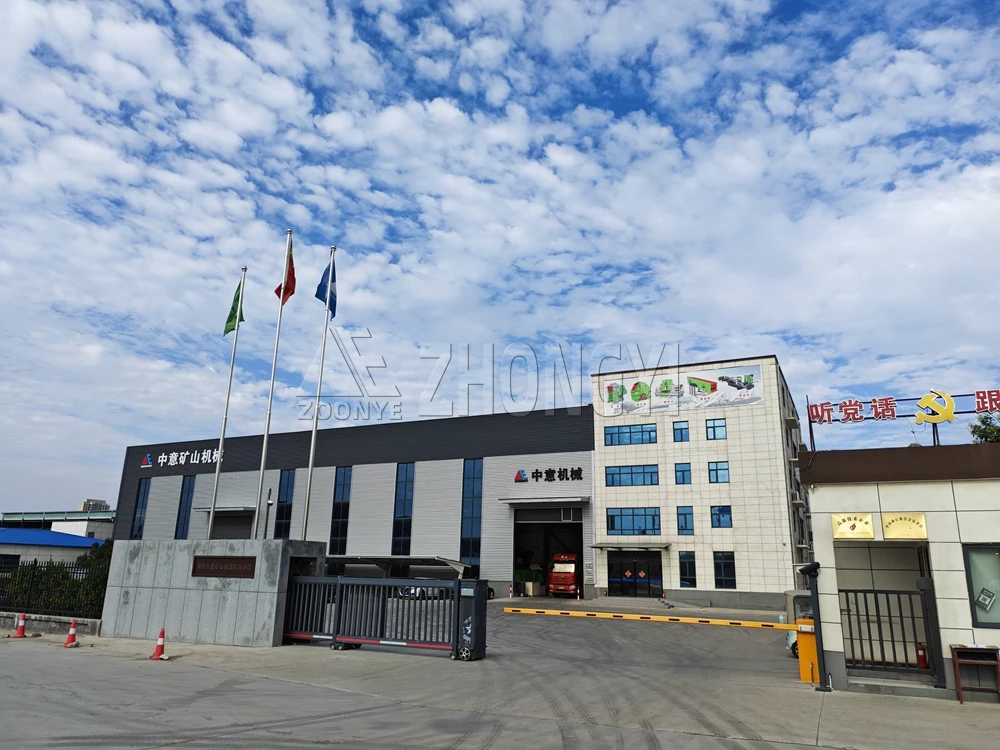
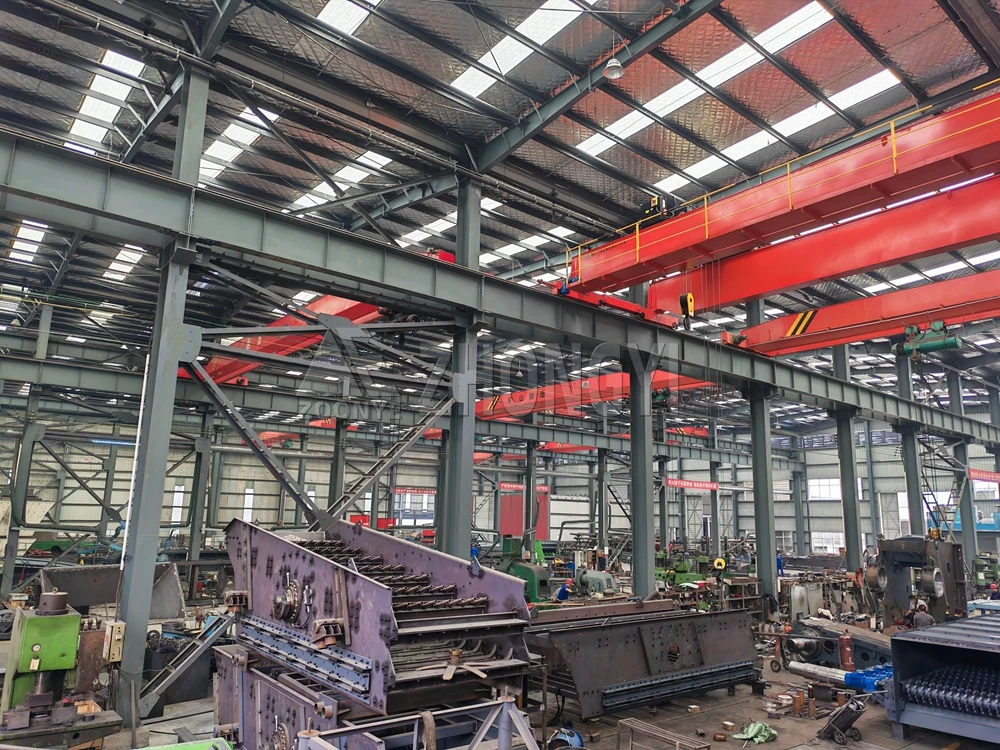
Zhongyi Mining designs and manufactures double roller crushers for mining, coal preparation, and aggregate processing applications. Each crusher is configured based on material characteristics, feed conditions, and production targets, including hardness, moisture content, feed size, capacity, and required discharge size. By selecting the right roll diameter, roll width, drive system, and roll surface design, we helps customers achieve stable crushing performance, controlled product size, and reduced wear costs in long-term operation.
With 16 years of experience in crushing equipment projects, Zhongyi has provided double roller crusher solutions for materials including coal, limestone, iron ore, copper ore, clay, gypsum, and coke. Our engineering team supports the complete process from equipment selection and customized design to manufacturing, installation guidance, and technical support. Backed by ISO 9001:2015 and CE certification, Zhongyi focuses on reliable equipment performance, practical application experience, and long-term service support for customers worldwide.
Request a Customized Solution
Partner with Zhongyi for expert technical support, customized solutions, and reliable equipment tailored to your material characteristics and production requirements.
Request a Custom Solution
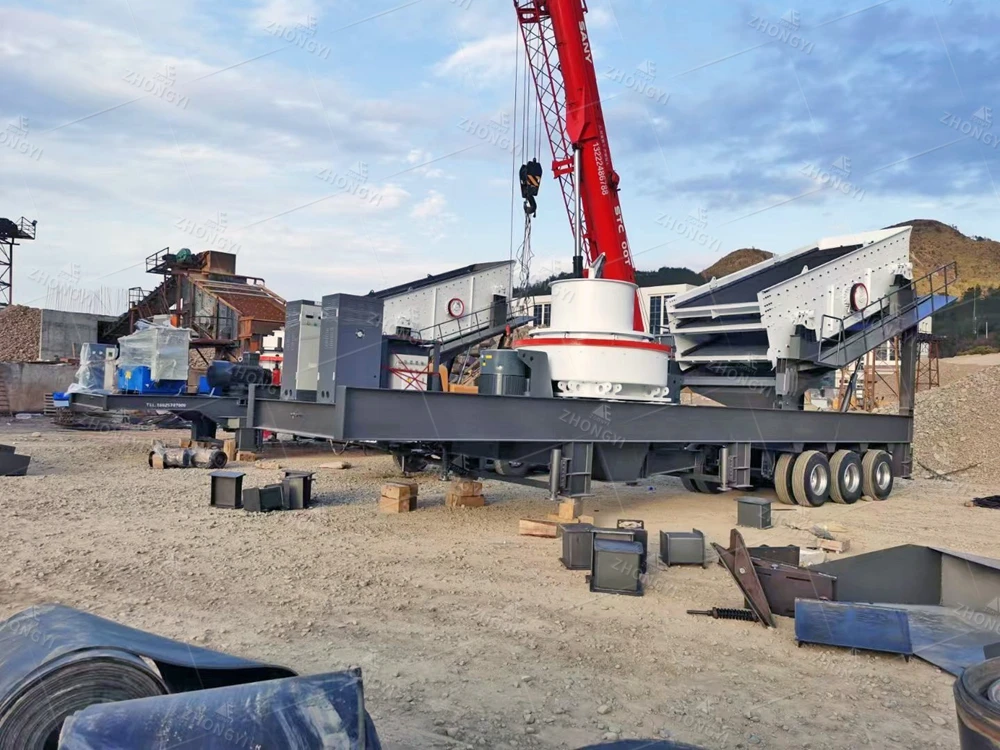
Every crushing project has different material, capacity, feed size, and output requirements. Tell us your material, required capacity, feed and discharge sizes, and site conditions. Our engineers can recommend the right double roller crusher or develop a complete Stone Crusher Plant Solution for your project. Contact our team for a customized configuration and quotation.
Please Provide the Following Information:
FAQs
What is a double roller crusher mainly used for?
A double roller crusher is mainly used for secondary and fine crushing of materials such as coal, limestone, gypsum, coke, and minerals. It provides controlled discharge size, low fines generation, and stable operation for applications requiring consistent product quality before screening, grinding, or further processing.
What materials can a double roller crusher process?
Double roller crushers can process medium-hard materials including coal, limestone, clay, gypsum, iron ore, copper ore, and coke. The roll surface should be selected according to material properties. Smooth rolls are suitable for dry materials, while toothed or corrugated rolls are recommended for wet or sticky materials.
What is the maximum feed size of a double roller crusher?
The maximum feed size depends on the crusher model and roll dimensions. Zhongyi double roller crushers typically handle feed sizes from 60 mm to 100 mm. For oversized materials, upstream screening or primary crushing is recommended to ensure stable feeding and reduce unnecessary wear.
Can a double roller crusher handle wet or sticky materials?
Yes. Toothed or corrugated roll designs are suitable for wet and sticky materials such as coal, clay, and shale. They provide better material grip and reduce slipping or blockage. The actual moisture handling capability depends on material characteristics, feeding conditions, and crusher configuration.
How does a double roller crusher compare with a hammer crusher?
Double roller crushers generally produce fewer fines and offer better control of product size, making them suitable for applications where over-crushing needs to be minimized. Hammer crushers provide higher impact force but may generate more fines and require different solutions for wet or sticky materials.
How do I select the right double roller crusher model?
Model selection depends on material hardness, moisture content, feed size, required discharge size, capacity, and wear conditions. Zhongyi engineers evaluate these factors to recommend the suitable roll diameter, width, drive system, and roll surface configuration for stable operation and lower maintenance costs.
What factors affect the price of a double roller crusher?
The main price factors include roll size, roll surface type, drive configuration, adjustment method, roll shell material, and auxiliary equipment. Customized designs for specific materials, capacity requirements, or plant integration may also affect the final equipment cost.
Can Zhongyi support installation and commissioning?
Yes. Zhongyi provides technical support including installation drawings, operation guidance, remote assistance, and optional on-site commissioning. Our engineers help ensure correct installation, smooth startup, and reliable operation of the double roller crusher throughout the project lifecycle.