Project Overview
This 150TPD commercial beneficiation project was launched for processing low-grade quartz vein molybdenum sulfide ore. The client previously ran a rudimentary processing line with discrete equipment and open-circuit single-stage grinding. Unscientific grinding particle size and unreasonable flotation reagent matching led to severe molybdenite loss in tailings, low concentrate grade and excessive reagent consumption. To cut operational costs and maximize the utilization of existing mineral resources, the client decided to renovate the whole beneficiation line and build a dedicated molybdenum sulfide flotation processing plant.
After cross-checking multiple mining equipment manufacturers and testing different beneficiation schemes, the client signed a full EPC turnkey contract with Zhongyi. Our service scope covered ore dressing testing, process layout optimization, civil construction drawing design, complete equipment supply, site erection, cold/hot commissioning and post-commissioning operator training. The customizedmolybdenum flotation plant is configured specifically for fine-grained symbiotic molybdenum ore, solving core sorting difficulties via staged closed-circuit grinding and selective priority flotation.
Existing Processing Difficulties
- Complex Ore Texture: Molybdenite is finely disseminated and closely associated with quartz, feldspar and pyrite gangue minerals. The raw ore molybdenum grade ranges from 0.12% to 0.18%. Under-grinding cannot realize monomer dissociation of molybdenite; over-grinding causes slime pollution and increases flotation difficulty.
- Unstable Grinding Circuit: The original open-circuit grinding process failed to control particle size steadily. Random particle fineness directly affected flotation selectivity, resulting in fluctuating molybdenum concentrate indicators.
- Backward Flotation Technology: The client adopted universal collectors without targeted inhibitors. Single-stage rough-scavenging flotation structure cannot separate gangue and impurity sulfides effectively, with the overall molybdenum recovery rate capped at 68%.
- Environmental Compliance Pressure: Local mining regulatory departments enforced strict access standards for process wastewater and solid tailings, requiring beneficiation plants to equip complete tailings stacking facilities and closed water recycling systems.
Customized Molybdenum Beneficiation Solution
Based on repeated conditional tests and onsite parameter debugging, our technical team finalized a practical and cost-efficient processing flow: two-stage closed-circuit crushing → two-stage classified closed-circuit grinding → bulk rough flotation → multi-stage concentration flotation → concentrate thickening & pressure filtration. We optimized staged grinding fineness and adjusted the formula of collectors, frothers and depressants to suppress gangue floating, effectively improving molybdenite separation efficiency. As a full-service EPC provider, Zhongyi helped the client realize stable low-OPEX production and environmentally compliant operation of the entire molybdenum processing plant.
Process Flow & Equipment Configuration
1. Crushing and Screening System
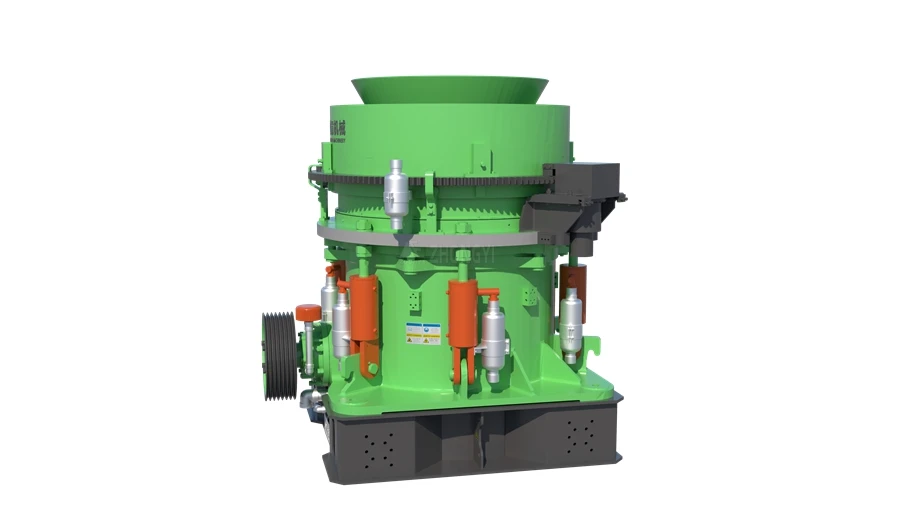
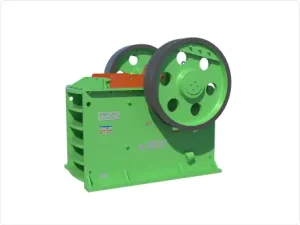
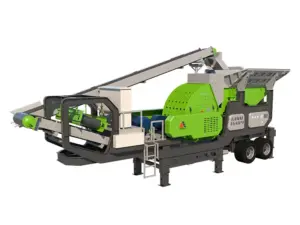
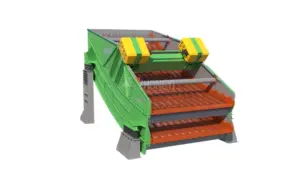
This project adopts mature two-stage closed-circuit crushing technology. Run-of-mine ore undergoes primary coarse crushing via jaw crusher, then delivered to circular vibrating screens for classification. Oversize materials above 12mm are conveyed to cone crusher for fine crushing and returned to the screening system to form closed circulation. The final feed particle size for the grinding section is controlled at 0-12mm to guarantee uniform feeding.
2. Two-Stage Classified Grinding and Classification
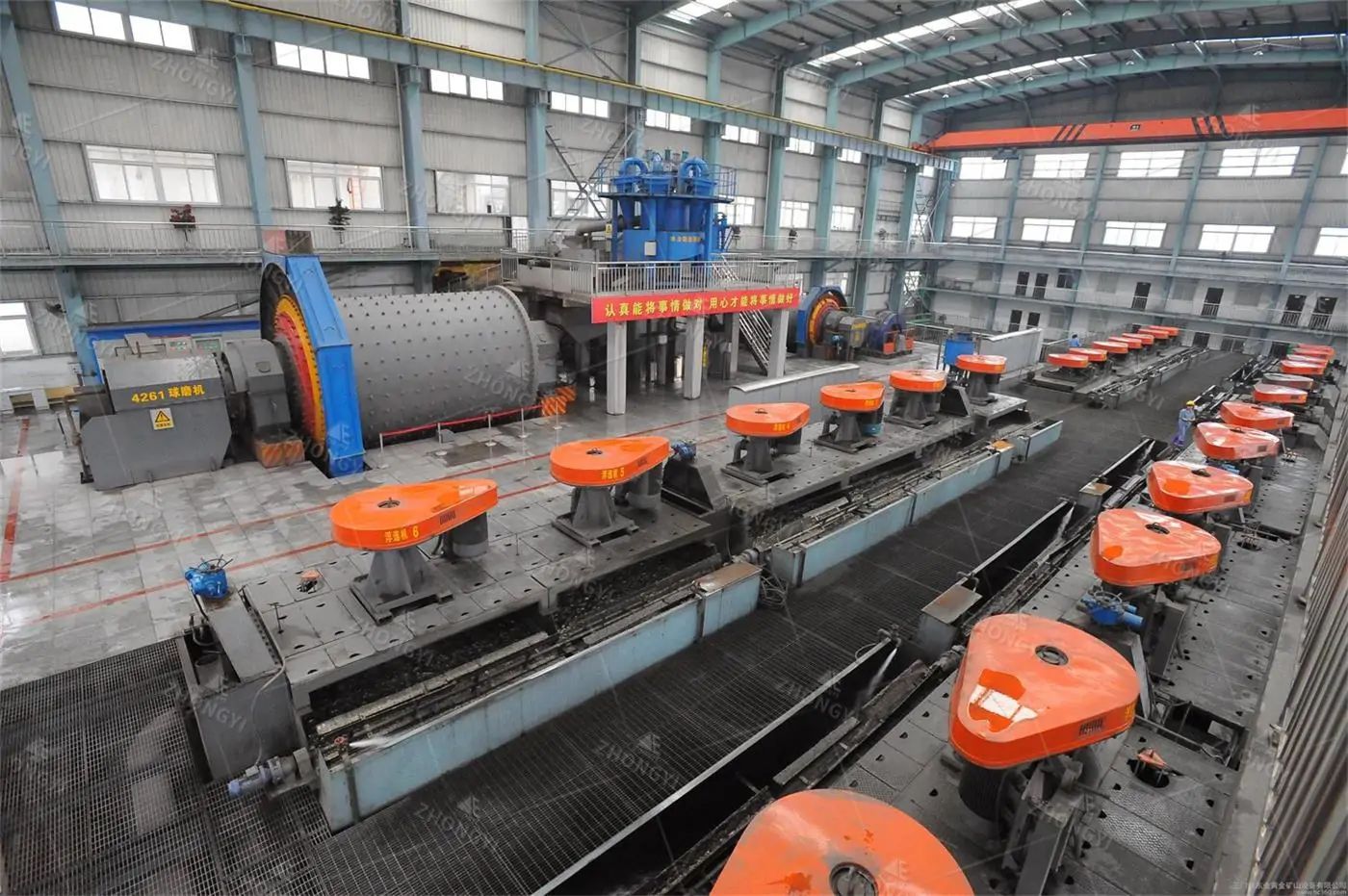
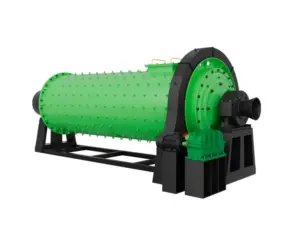
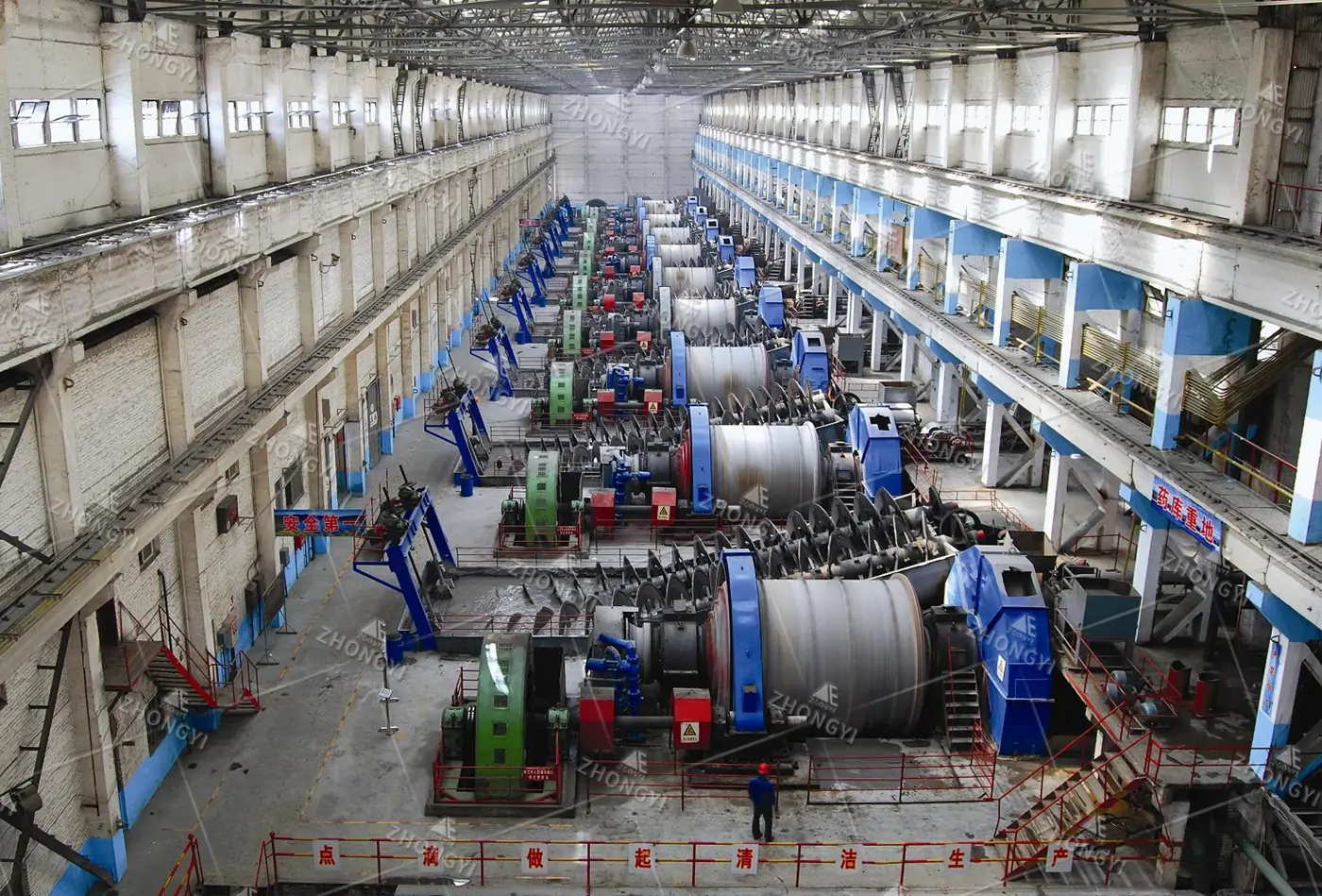
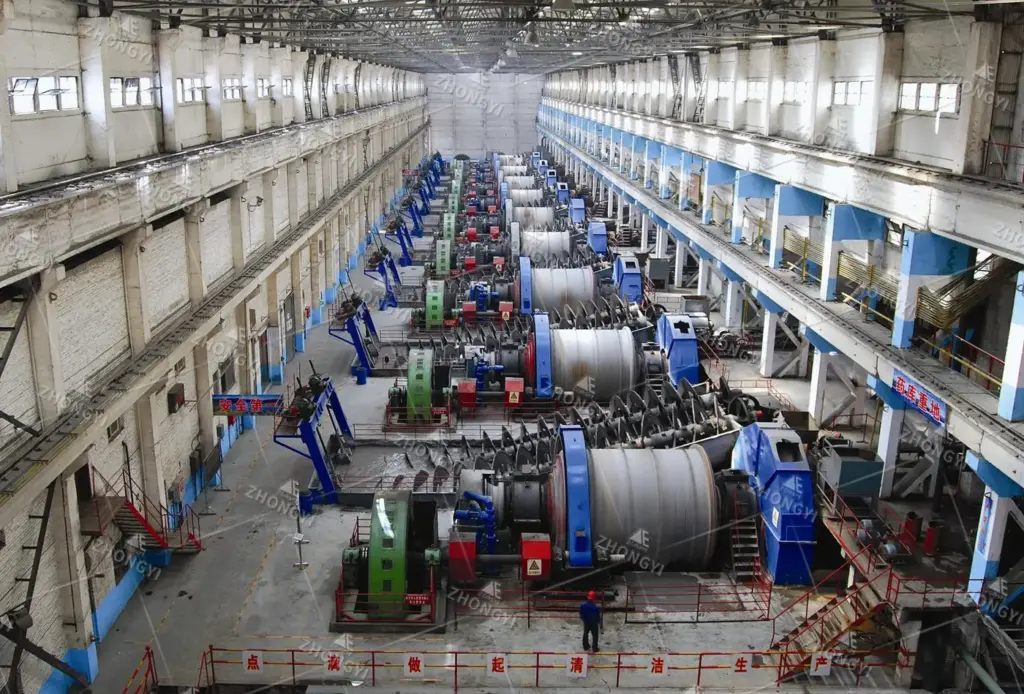
Given molybdenite’s high sensitivity to over-grinding, we configured a dual-stage closed-circuit grinding system matched with MQY1836 overflow ball mills and hydrocyclone clusters. Primary grinding is controlled to 65% passing 200 mesh for bulk roughing flotation; rough molybdenum concentrate enters secondary fine grinding and is adjusted to 85% passing 200 mesh to dissociate fine-grained associated impurities. Closed-circuit circulation cuts slime generation and reduces overall reagent consumption.
3. Priority Selective Flotation (Core Section)
The flotation circuit adopts the industry-standard “bulk flotation & impurity removal” process, consisting of 1 roughing cell, 2 scavenging cells and 4 concentrating cells. We deployed targeted sodium silicate depressants to inhibit quartz gangue, paired with low-dose special collectors to preferentially float molybdenite. This method effectively isolates molybdenum minerals from pyrite and silicate impurities, solving the low-grade fine molybdenum ore sorting problem.
4. Concentrate Dewatering and Tailings Recycling
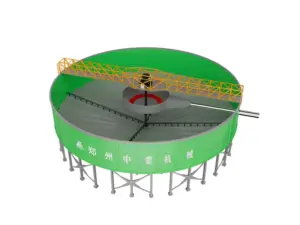
Flotation qualified molybdenum concentrate is pre-thickened by deep cone thickeners to remove free water, then dehydrated by chamber filter presses. After pressure filtration, concentrate surface moisture is controlled below 10%, fully compliant with smelter purchasing criteria. Flotation tailings are transported to anti-seepage tailings ponds for centralized stacking. All production wastewater is settled and clarified, then recycled to crushing and flotation sections to achieve zero wastewater discharge.
Project Core Specifications
| Parameter | Specification |
| Daily Processing Capacity | 150 tons per day (TPD) |
| Processed Ore | Quartz vein type molybdenum sulfide ore |
| Raw Ore Molybdenum Grade | 0.12% – 0.18% |
| Grinding Fineness | Primary: 65% passing 200 mesh; Secondary: 85% passing 200 mesh |
| Beneficiation Technology | Two-stage closed-circuit crushing + classified grinding + multi-stage selective molybdenum flotation + concentrate dewatering |
| Core Equipment List | Jaw crusher, cone crusher, circular vibrating screen, MQY1836 overflow ball mill, hydrocyclone group, molybdenum flotation cell, deep cone thickener, filter press |
Operational Indicators
After 45 days of continuous trial operation and parameter optimization, the renovated molybdenum flotation processing plant achieved stable production. Benefiting from classified grinding and customized flotation reagent scheme, the overall molybdenum recovery rate increased from 68% to 80%-83%. The final molybdenum concentrate grade stably hits above 45%, meeting long-term bulk procurement standards for smelting factories. The closed-loop water recycling system reduces the client’s water cost by 22%, and standardized tailings disposal helps the plant pass local environmental inspections steadily.
Client Feedback
“Low recovery and unstable concentrate grade have long plagued our molybdenum ore production. Zhongyi’s classified grinding and targeted flotation solution solved our core bottlenecks. The MQY1836 overflow ball mill and supporting flotation cells feature low wear parts consumption and easy daily maintenance. Their field engineers completed equipment debugging and systematic operational training for our team, enabling us to reach expected production indicators in a short time. We highly recognize Zhongyi’s EPC capability for non-ferrous metal beneficiation.”
Get Tailored Ore Processing Solution
Struggling with low recovery of low-grade molybdenum sulfide ore and associated minerals? Zhongyi provides customizable molybdenum processing plant and full EPC services covering ore testing, process design, equipment manufacturing, site installation and lifelong after-sales support. Submit your ore samples now to get professional beneficiation reports and accurate project budgets.