What Is a Mining Ball Mill?
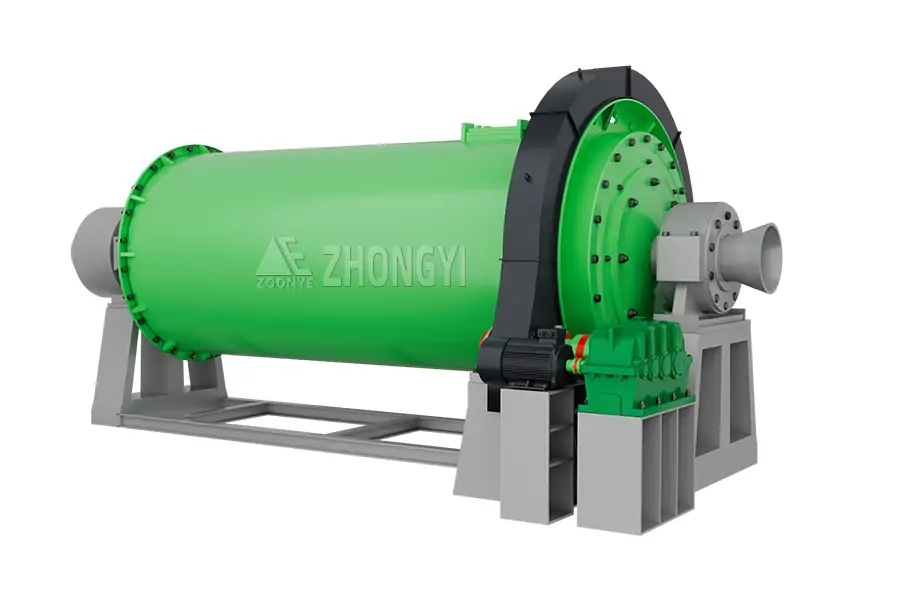
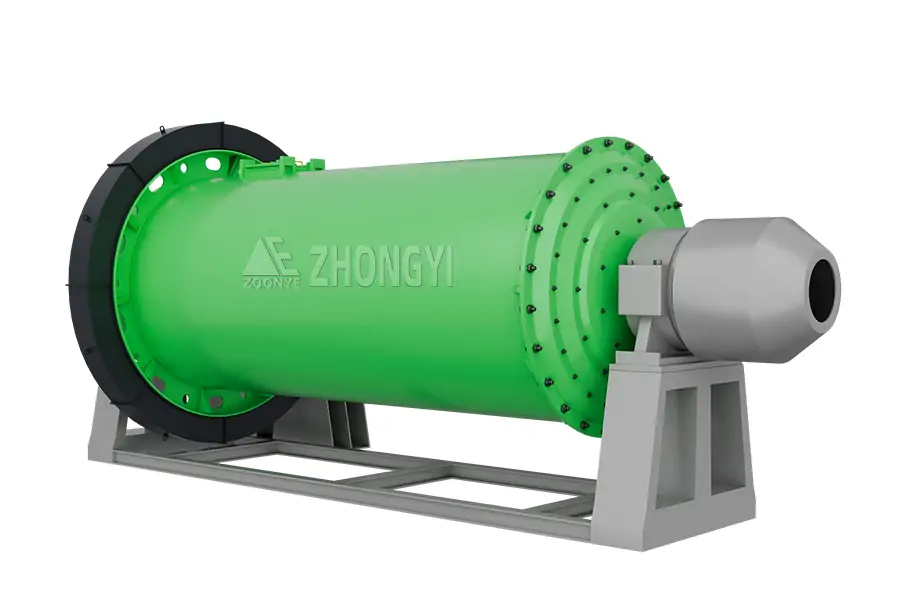
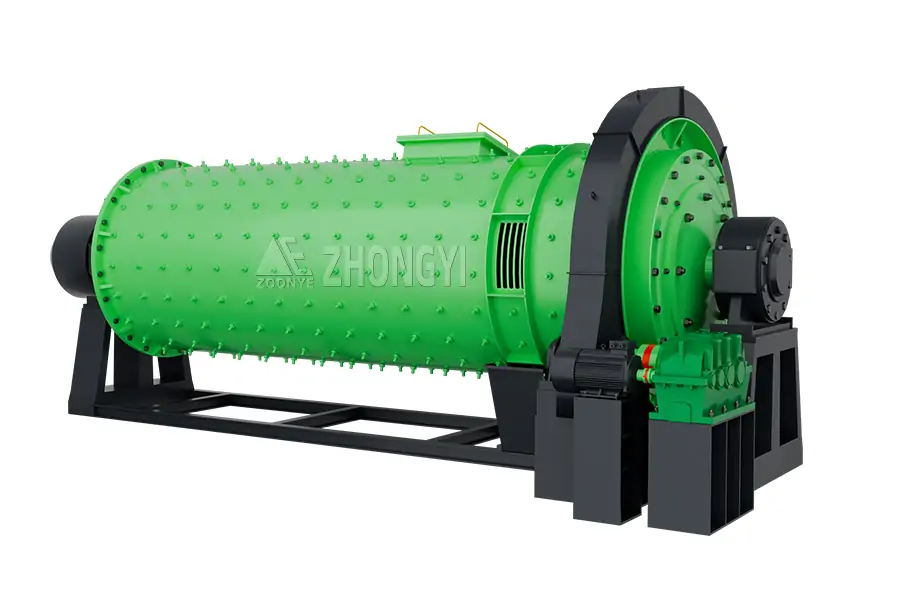
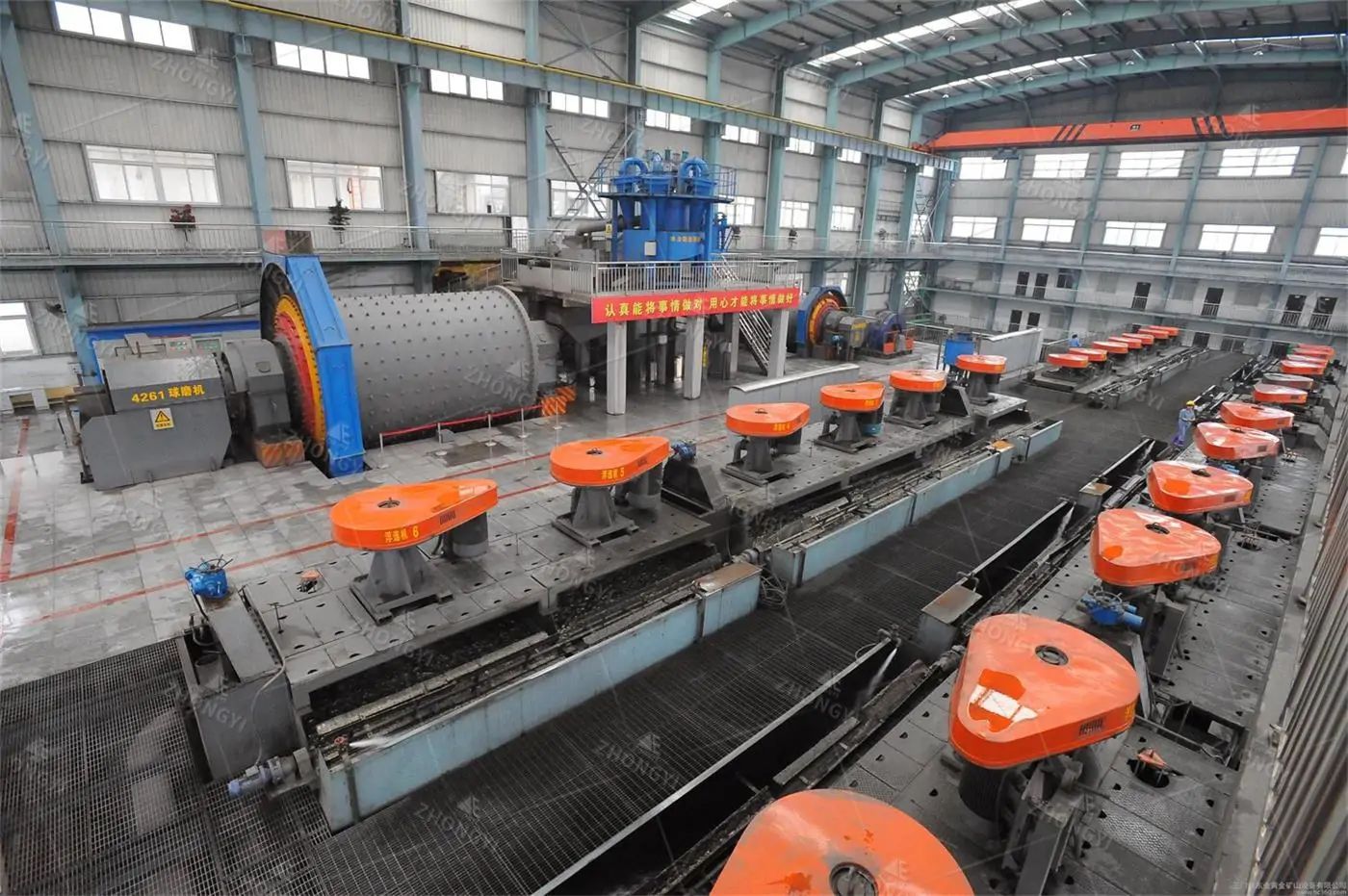
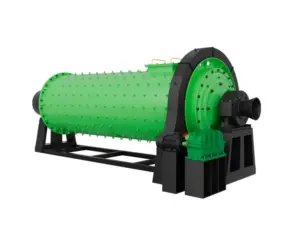
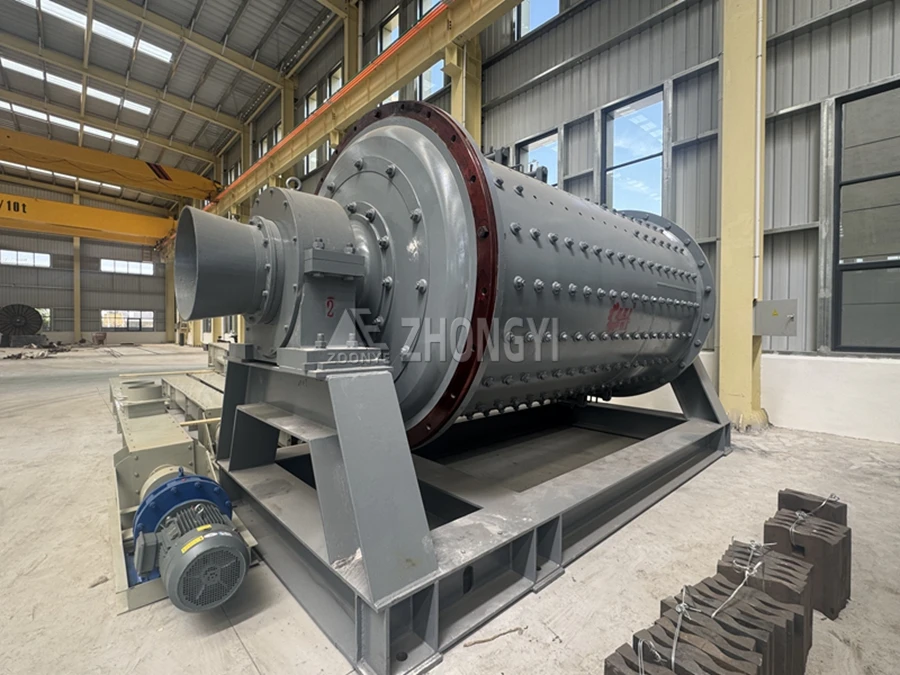
A Mining Ball Mill is a heavy-duty grinding equipment used in mineral processing plants to reduce crushed ore into fine particles for downstream beneficiation. It operates by rotating a cylindrical shell filled with grinding media, where the ore is continuously impacted and ground through impact and attrition forces.
Designed for large-scale mining operations, mining ball mills are commonly used in gold, copper, iron ore, lithium, and other mineral processing plants. Depending on the ore characteristics and process requirements, they can be configured as overflow ball mills, grate discharge ball mills, wet grinding mills, or dry grinding mills.
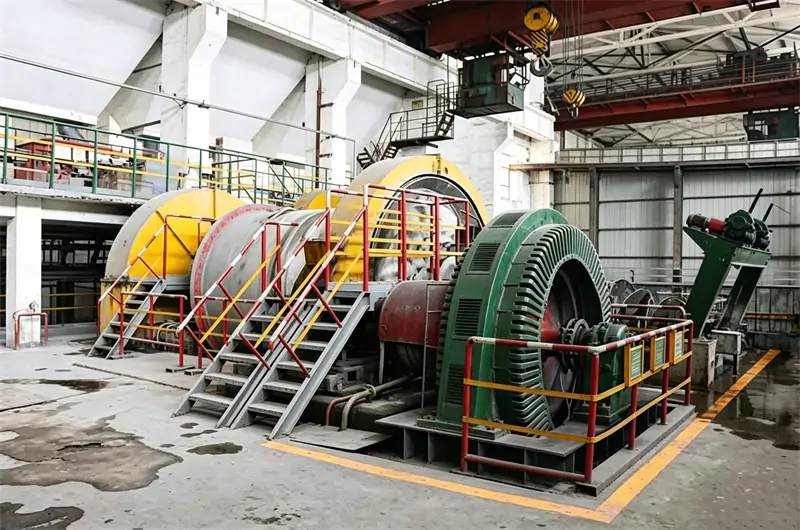
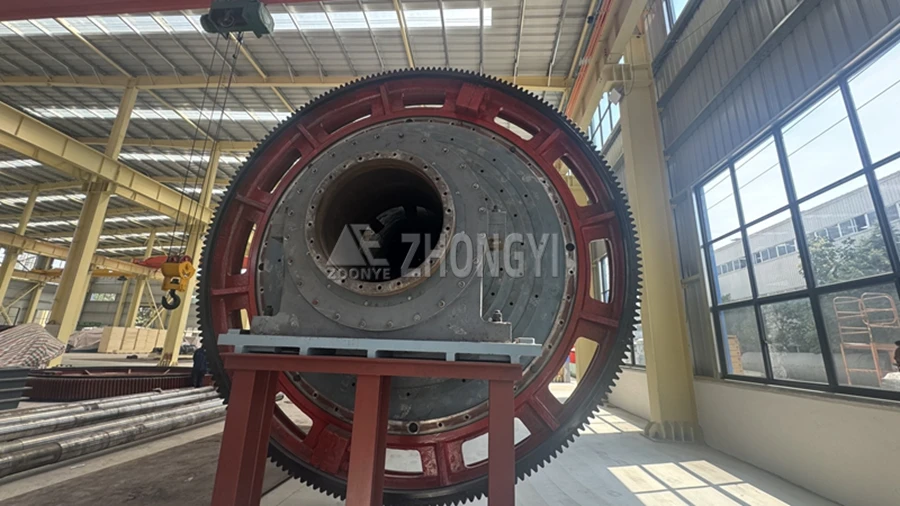
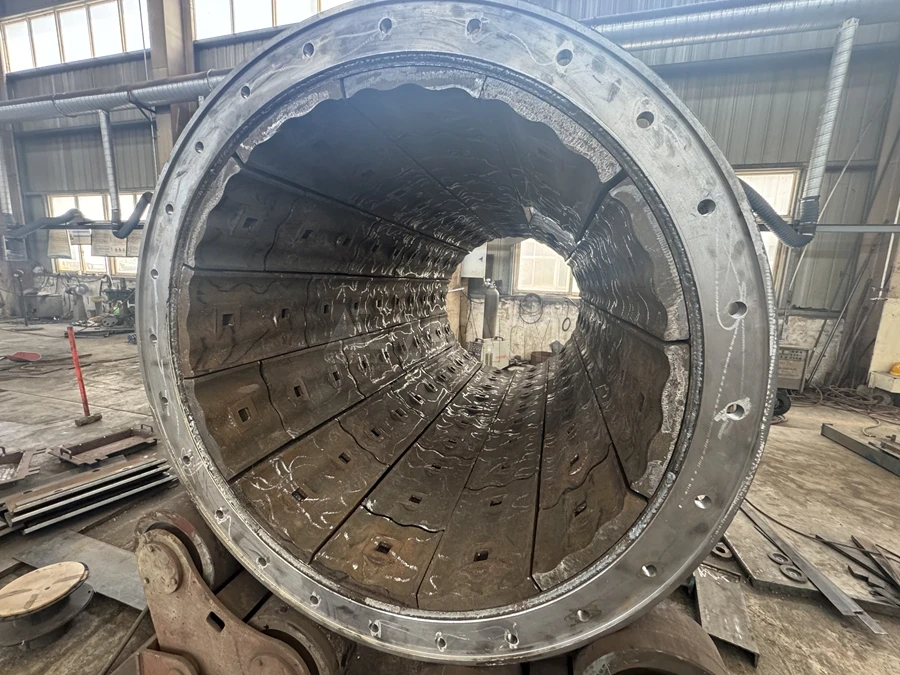
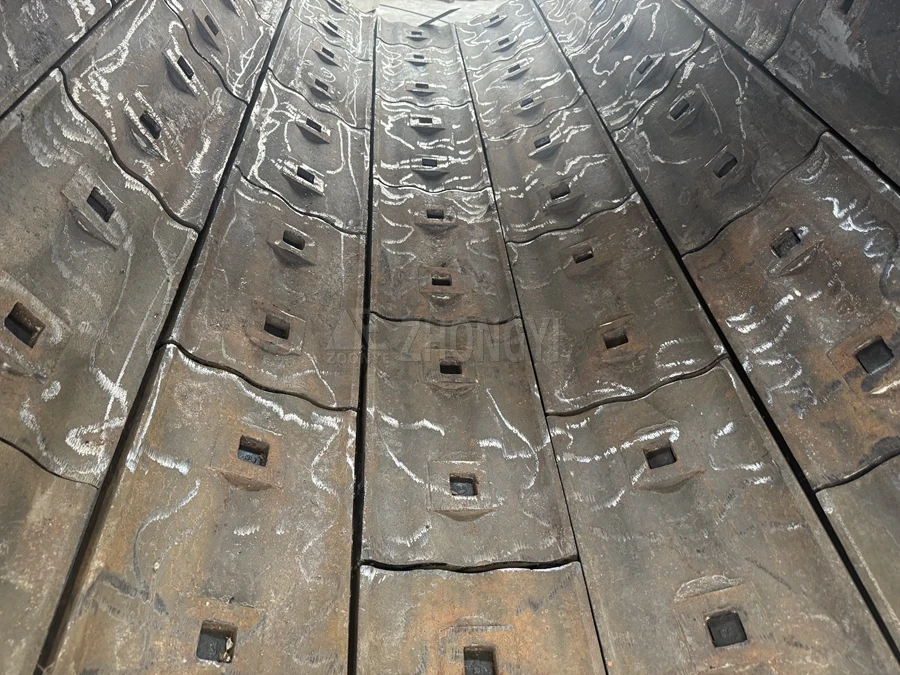
A complete mining ball mill system typically includes the mill shell, liners, girth gear, drive system, bearings, lubrication unit, feeding and discharge devices, and grinding media. The equipment selection is mainly determined by factors such as ore hardness, feed particle size, required product fineness, processing capacity, and energy consumption requirements.
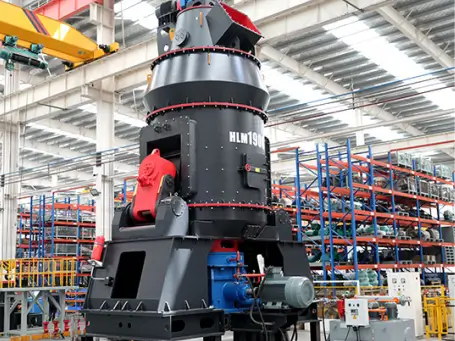
In mineral processing circuits, mining ball mills are usually installed after primary crushing equipment and work together with classifiers, hydrocyclones, flotation systems, or gravity separation equipment to achieve the required liberation size for valuable minerals. Proper mill sizing and grinding media selection are critical to maintaining stable operation, reducing wear costs, and improving overall recovery efficiency.
Application Materials
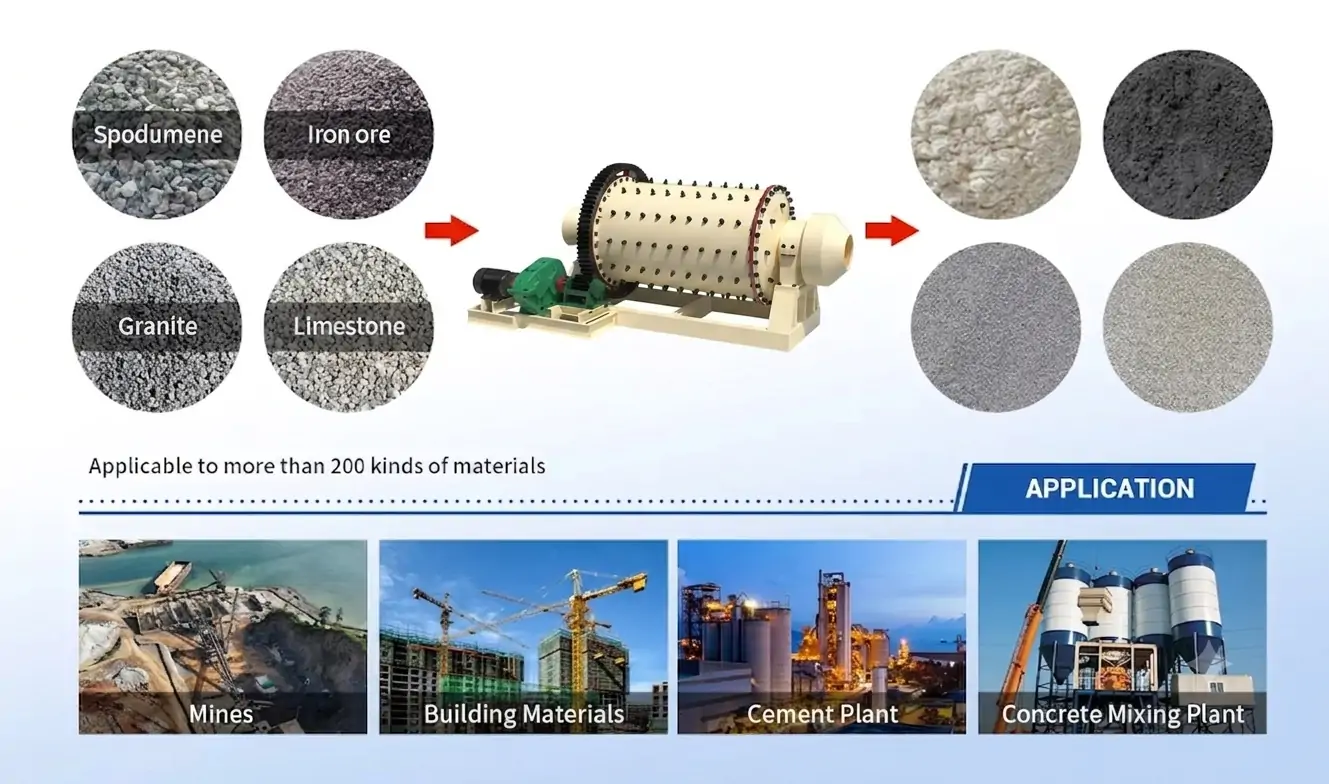
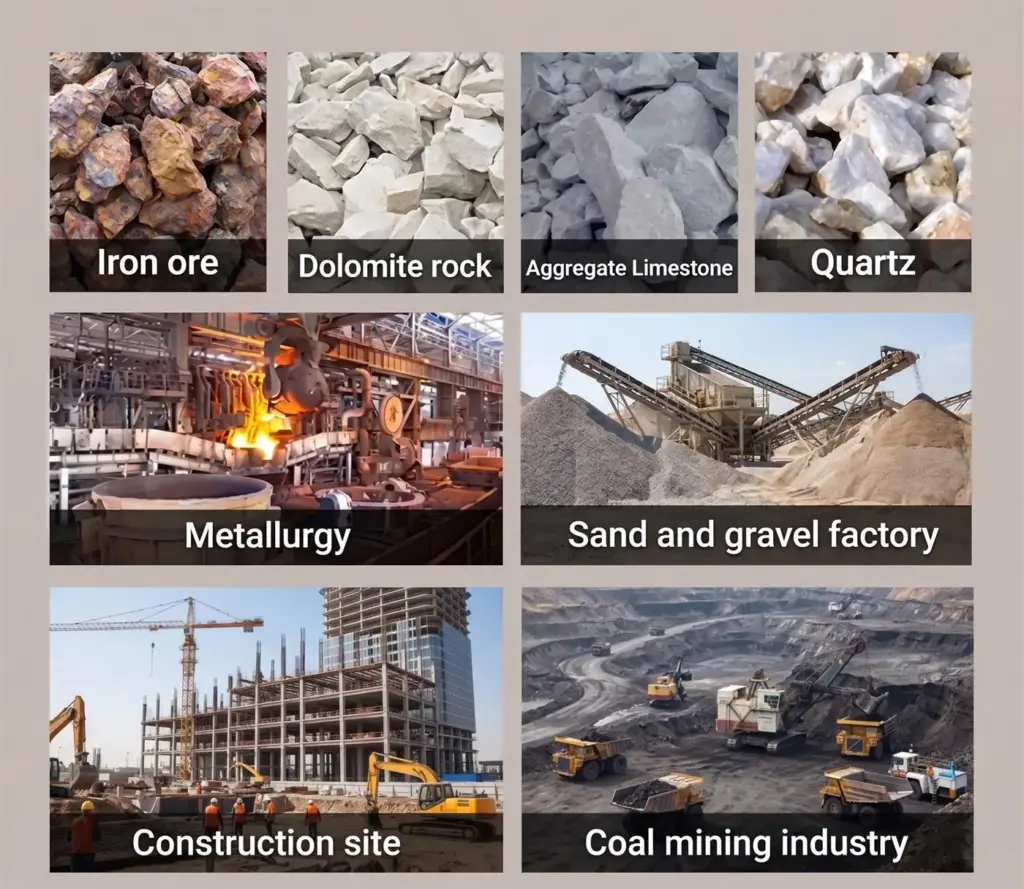
Mining ball mill machine is used for grinding a wide range of metallic and non-metallic ores. The typical feed size is generally ≤20–25 mm, depending on the crushing stage and ore hardness. After grinding, the material can be reduced to 0.074 mm (200 mesh) in standard applications, and in fine grinding conditions it can reach 0.037 mm (400 mesh) or finer with proper classification control.
It is widely applied in processing gold ore, copper ore, iron ore, lead-zinc ore, nickel ore, limestone, quartz, and other mineral materials, providing stable particle size reduction for downstream beneficiation processes such as flotation, magnetic separation, and gravity separation.
How a Mining Ball Mill Works?
A mining ball mill works by rotating a steel cylinder filled with grinding media and ore. As the mill rotates, the steel balls are lifted and dropped inside the chamber, crushing and grinding the ore through impact and friction.
The crushed material is continuously fed into the mill and gradually reduced to the required particle size. In wet grinding, water is added to form a slurry, which helps improve grinding efficiency and material flow. The processed material is then discharged from the mill and sent to the next stage, such as classification or flotation.
The grinding performance mainly depends on factors such as mill speed, ball size, grinding media filling rate, feed size, and ore hardness. Proper adjustment of these parameters helps maintain stable operation and improve grinding efficiency.
Mill speed on standard models sits in the 21–38 rpm range, with motor power scaling from 18.5 kW on small cylinders to 1,250 kW on the largest units in the comparable Chinese range
Mining Ball Mill Parts
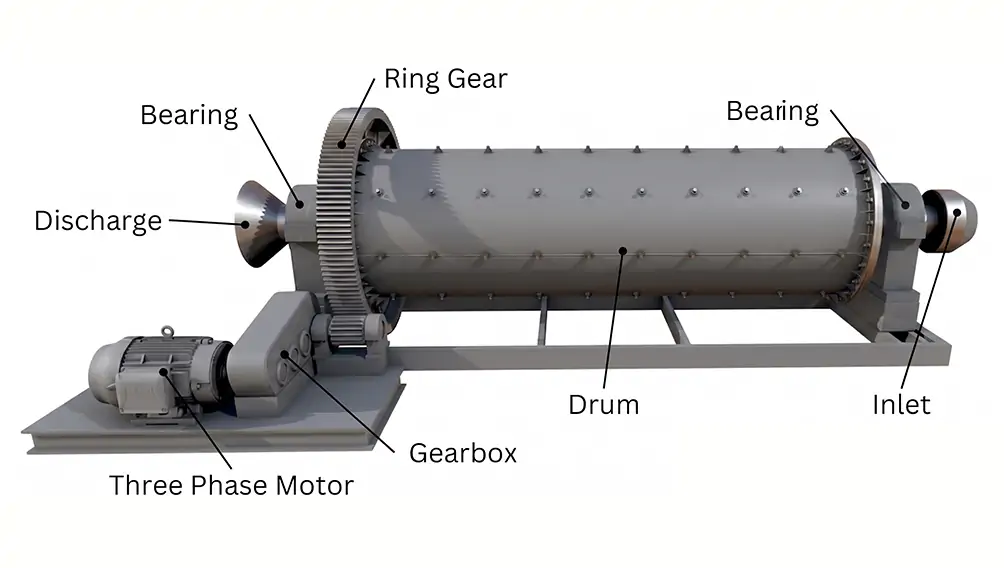
A mining ball mill is composed of a feeding system, cylinder, grinding media, drive system, discharge system, and support structure. These components form the core of the grinding circuit and are designed for continuous ore size reduction in mineral processing plants. The following are the functions and features of the various components of a mining ball mill used in mining:
Feed Chute
Directs ore and water into the mill and ensures a smooth, continuous feed.
Cylinder Shell
The main rotating body of the mill where grinding takes place.
Liner Plates
Protect the cylinder from wear and help lift the grinding media for effective crushing and grinding.
Grinding Media (Steel Balls)
Provide the impact and abrasion forces required to reduce ore particle size.
Main Bearing
Supports the weight of the rotating cylinder and ensures stable operation.
Ring Gear and Pinion
Transmit power from the drive system to rotate the mill shell.
Motor and Reducer
Provide the driving force and adjust rotational speed to meet process requirements.
Discharge System
Controls the discharge of ground material from the mill and maintains production efficiency.
Lubrication System
Supplies lubricant to bearings and transmission components to reduce wear and extend service life.
Base Frame
Provides structural support and maintains equipment stability during operation.
Inspection and Maintenance Ports
Allow convenient access for liner replacement, inspection, and routine maintenance.
Specifications
| 900×1800 | 900 × 1800 | ≤ 20 | 0.075–0.89 | 0.65–2 | 18.5 |
| MQY 0918 | 900 × 1800 | ≤ 25 | 0.075–0.4 | — | 22 |
| MQY 1224 | 1200 × 2400 | ≤ 25 | 0.075–0.4 | — | 55 |
| MQY 1530 | 1500 × 3000 | ≤ 25 | 0.075–0.4 | — | 95 |
| 1830×6400 | 1830 × 6400 | ≤ 25 | 0.075–0.4 | 6.5–15 | 210 |
| 2200×5500 | 2200 × 5500 | ≤ 25 | 0.075–0.4 | 10–22 | 370 |
| MQY 2136 | 2100 × 3600 | ≤ 25 | 0.075–0.4 | — | 210 |
Note: The above specifications are for reference only. Actual configuration may vary depending on material characteristics and operating conditions. Customized solutions are available upon request.
Selecting the right mining ball mill requires understanding its structure, operating principle, and applications. Explore our guide on what is a ball mill machine and how to choose the right type.
Applications
This Industrial ball mill is selected wherever the downstream process requires a fine, uniform discharge at production scale. Handles abrasive and non-abrasive feed across 0.65–160 t/h
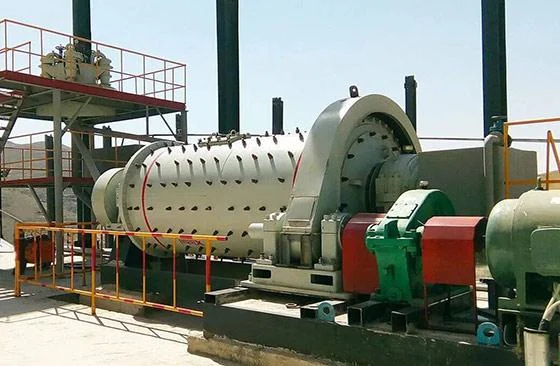
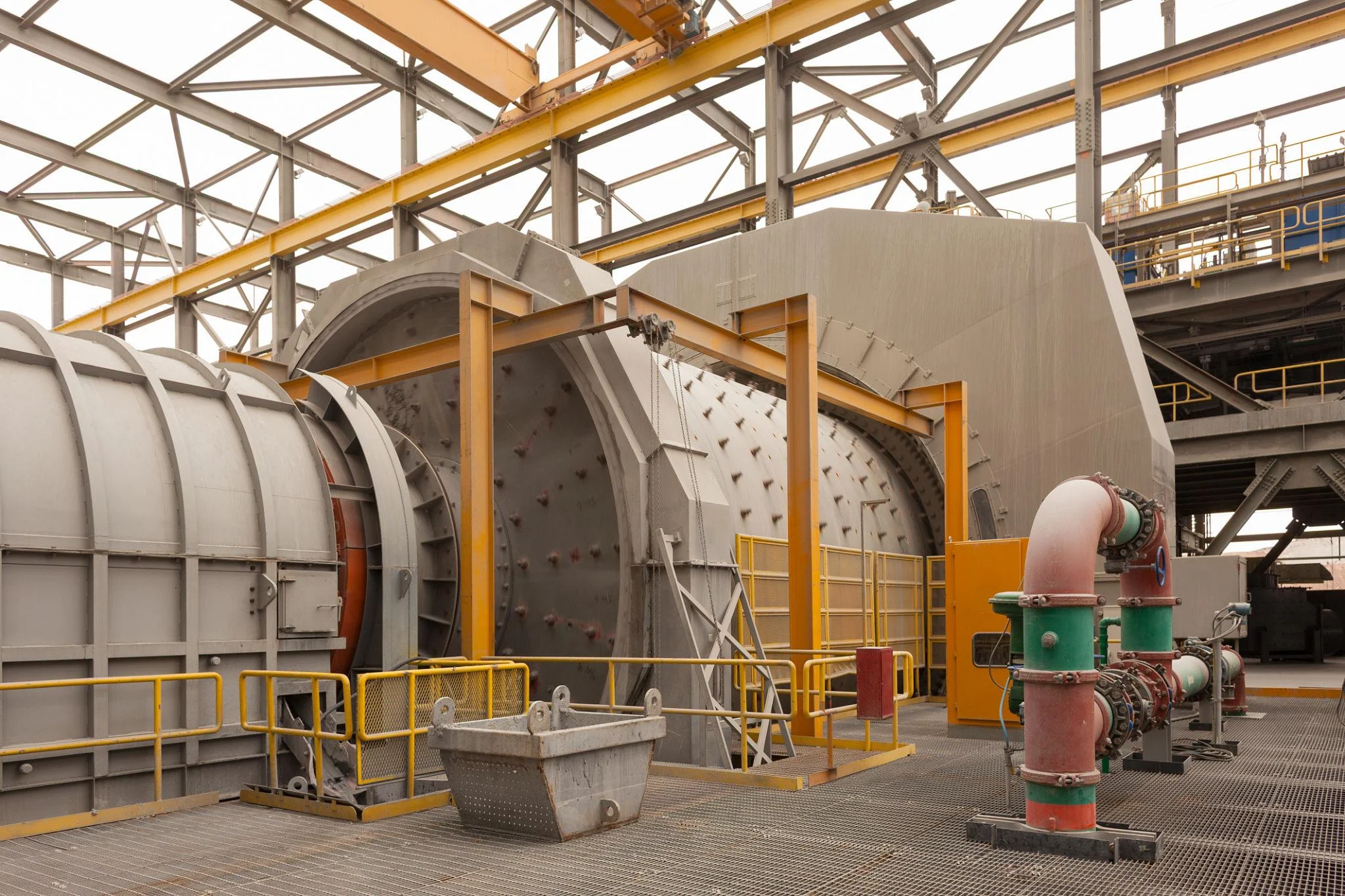
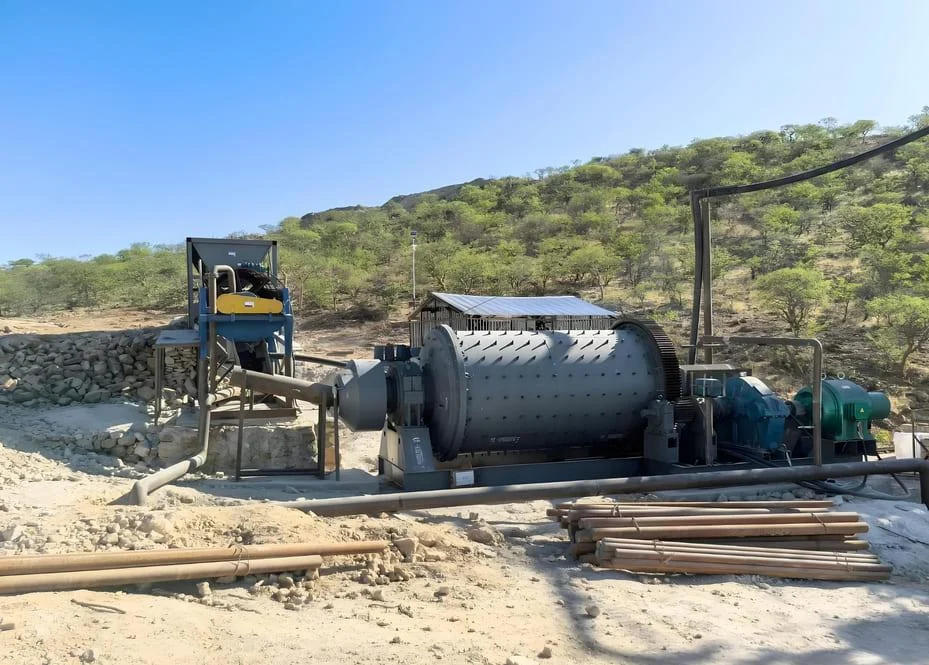
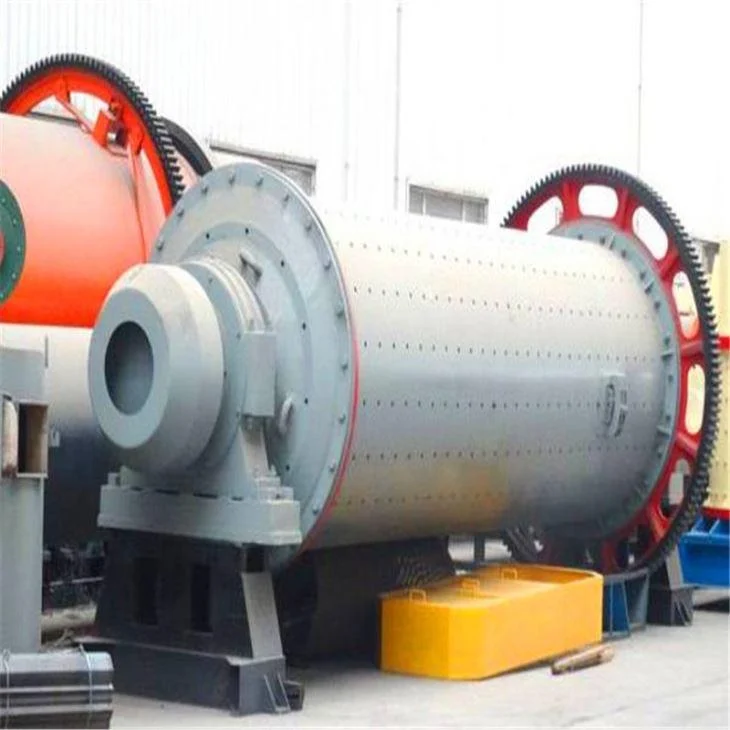
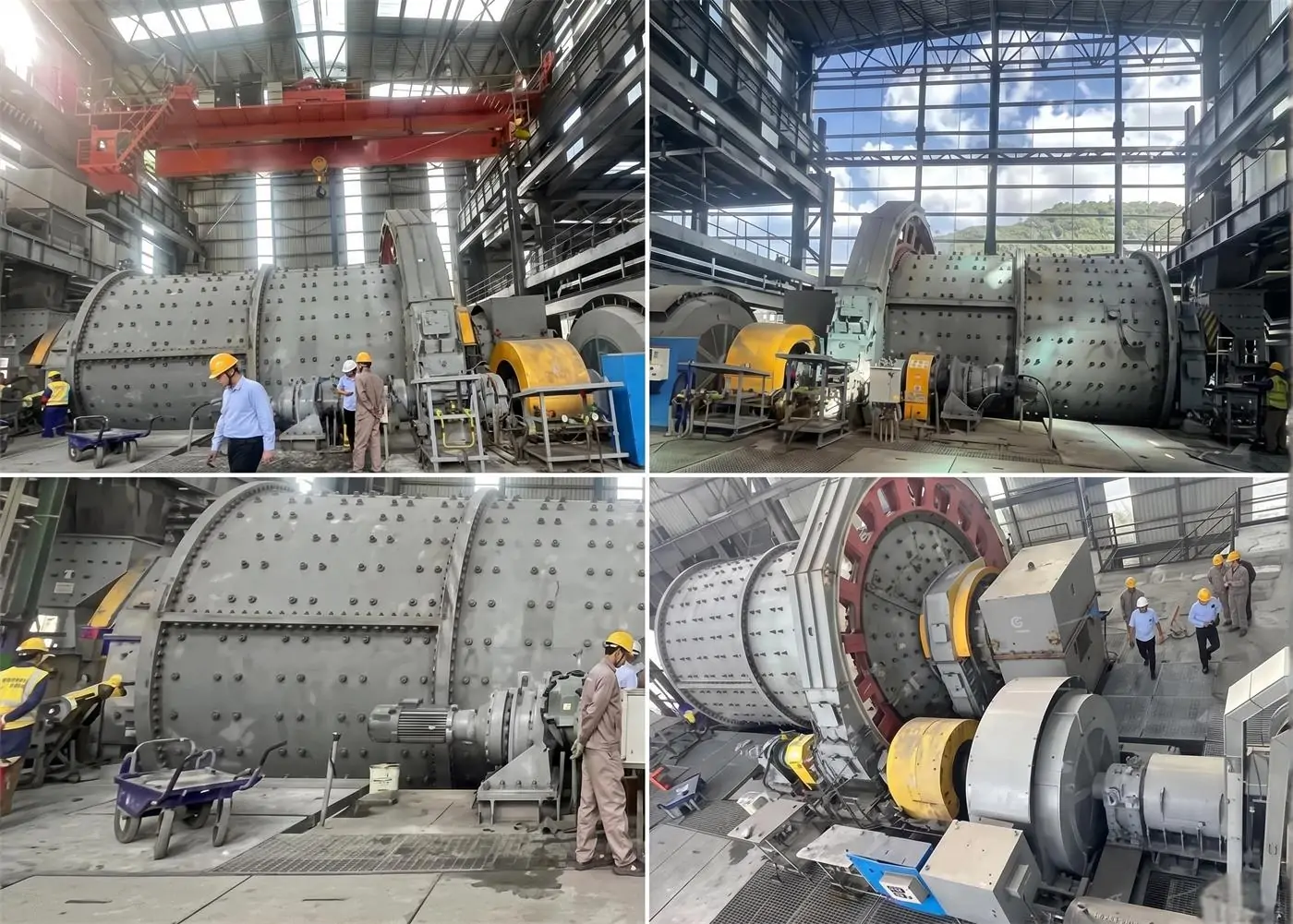
Projects Show
How to Choose the Right Mining Ball Mill?
Selection is driven by four variables: mill diameter, motor power, discharge type, and liner material.
Send ore type, feed size, target discharge, and capacity requirement for a configuration, motor sizing, and per-ton energy figure.
Request a Customized Solution
Partner with Zhongyi for expert technical support, customized solutions, and reliable equipment tailored to your ore characteristics and production requirements.
Custom Mining Ball Mill
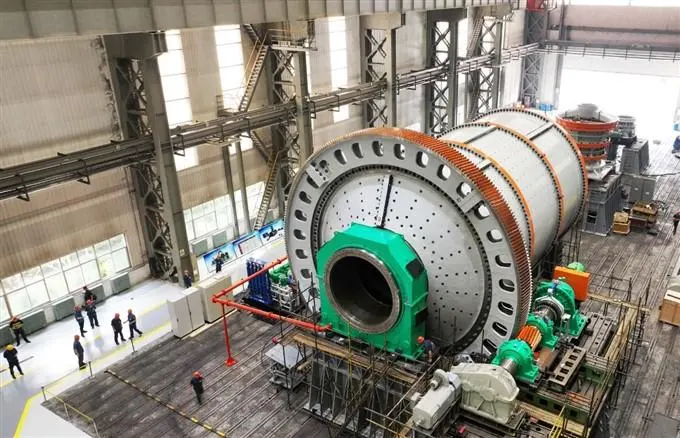
Zhongyi provides custom Mining Ball Mill solutions based on ore characteristics, feed size, required fineness, processing capacity, and plant layout. Mill size, liner type, drive system, and discharge configuration can all be tailored to meet specific project requirements.
For complete grinding solutions, explore our Grinding Equipment, Mineral Processing Plant Solutions, and Steel Grinding Balls. Submit your project details below, and our engineers will recommend the most suitable ball mill configuration and provide a customized quotation.
Provide the Following Information:
Mining Ball Mill Manufacturer and Supplier
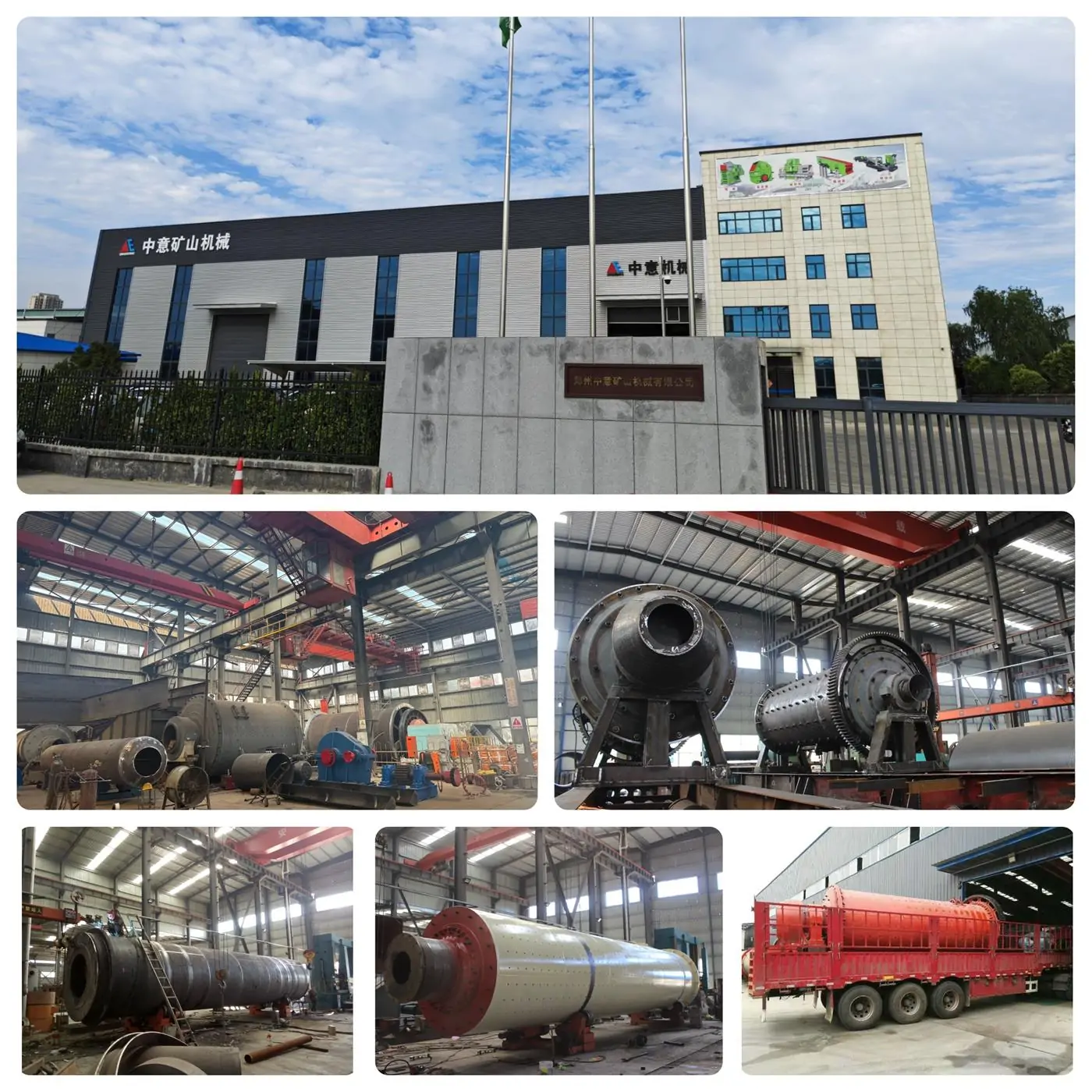
Zhongyi Mining Machinery is a professional Mining Ball Mill manufacturer and supplier with over 40,000 m² of manufacturing facilities and more than 200 sets of production and machining equipment. Certified to ISO 9001:2015 standards, we design and manufacture ball mills for gold, copper, iron ore, lead-zinc, and other mineral processing applications, serving customers across Southeast Asia, Africa, South America, and Eastern Europe.
Beyond equipment supply, Zhongyi provides complete grinding and beneficiation solutions, including process design, equipment selection, plant layout support, installation guidance, commissioning, and after-sales service. Our engineering team can customize ball mill specifications according to ore characteristics, processing capacity, and target fineness, to meet specific process requirements.
FAQs
1. What is a mining ball mill used for?
A mining ball mill grinds ore between secondary crushing and downstream flotation, magnetic separation, gravity, or leaching. Feed up to 25 mm; discharge 0.075–0.4 mm.
2. How does a ball mill differ from a rod mill?
A ball mill uses steel balls; a rod mill uses rods. Ball mills give finer discharge; rod mills limit over-grinding but cap coarser.
3. What feed size does a ball mill accept?
Standard Chinese ball mill lines accept feed up to 25 mm. Larger feed requires pre-crushing — typically a cone crusher in closed circuit.
4. What discharge size does a ball mill machine produce?
Standard discharge is 0.075–0.4 mm in single-stage. For sub-0.074 mm, add a second-stage mill or vertical stirred mill.
5. What capacity does a mining ball mill cover?
Standard Chinese lines cover 0.65–160 t/h. Largest units reach 5.5 m diameter and 1,250 kW motor power.
6. What affects mining ball mill price?
A mining ball mill is used to grind crushed ore to the particle size required for downstream mineral processing. It is commonly installed between crushing and recovery stages such as flotation, leaching, gravity separation, or magnetic separation.
7. What are the main wear parts in a ball mill?
A mining ball mill is used to grind crushed ore to the particle size required for downstream mineral processing. It is commonly installed between crushing and recovery stages such as flotation, leaching, gravity separation, or magnetic separation.
8. How long does a mining ball mill installation take?
Installation typically takes several weeks depending on foundation work, motor alignment, and site access.