What is a Hydraulic Cone Crusher?
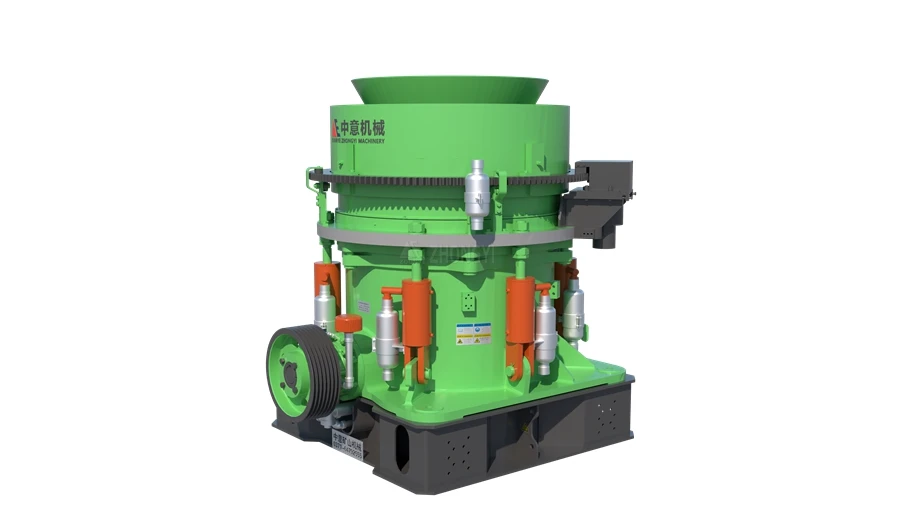
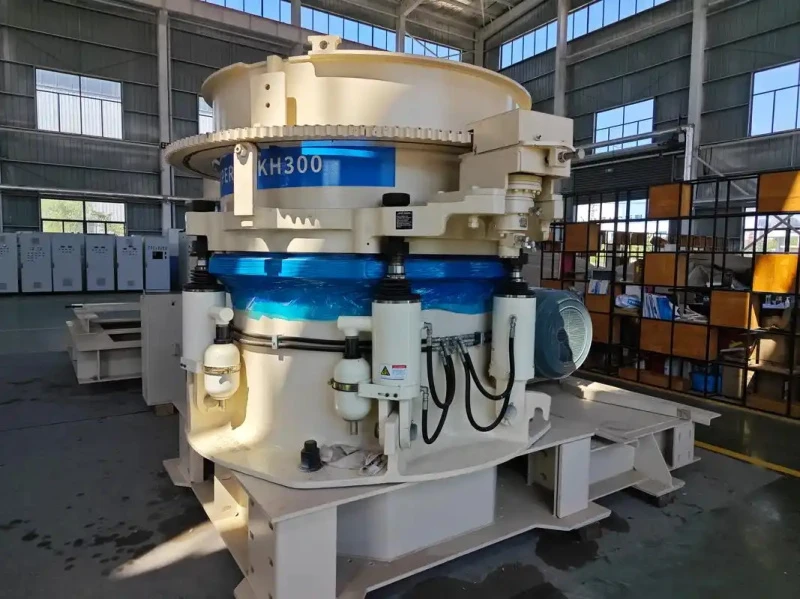
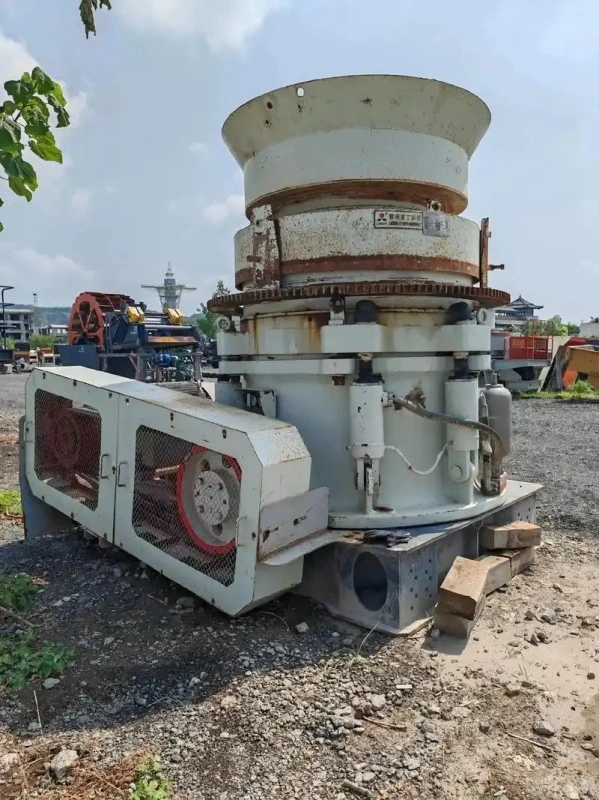
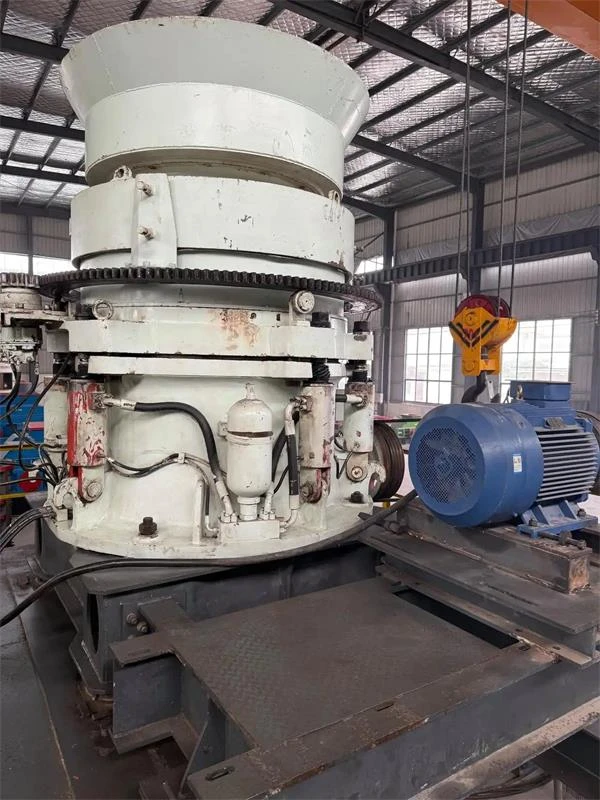
A Hydraulic Cone Crusher, also known as a hydraulic cone crusher machine or hydraulic rock crusher, is a compression-type crushing equipment mainly used for secondary and tertiary crushing of hard and abrasive materials such as granite, basalt, iron ore, and aggregates. It is commonly installed after primary crushers such as jaw crushers and works before vibrating screens, sand-making equipment, or grinding systems. The crusher uses the compression force between the mantle and concave to reduce material size, with models available for capacities up to hundreds of tons per hour.
The equipment uses a hydraulic control system to adjust the discharge opening (CSS), maintain stable product size, and provide overload protection during operation. When uncrushable materials enter the chamber, the hydraulic system releases pressure and quickly restores normal operation, reducing downtime and equipment damage. With adjustable settings and reliable performance, hydraulic cone crushers are widely applied in mining, quarrying, and aggregate production lines requiring continuous and stable crushing.
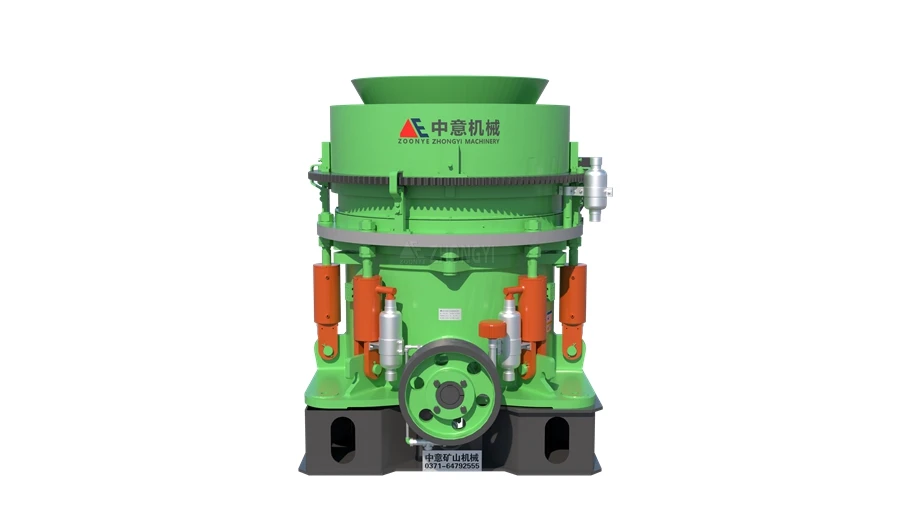
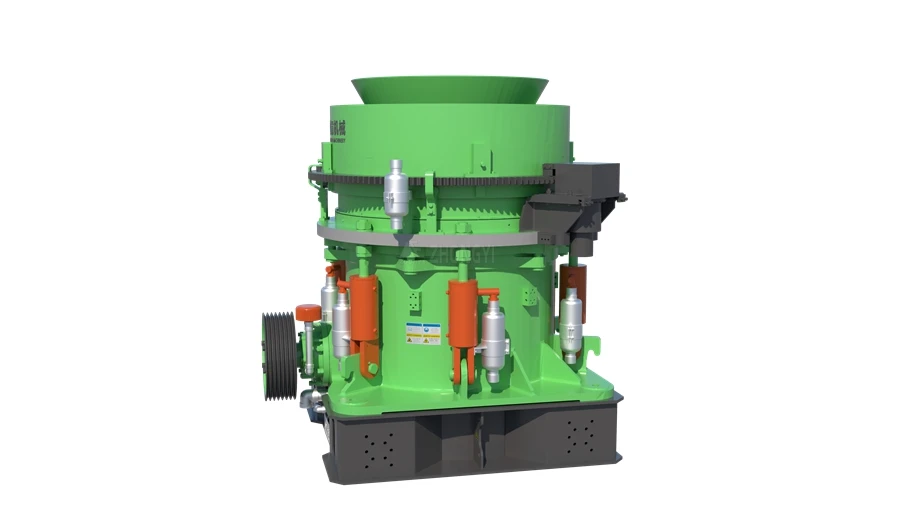
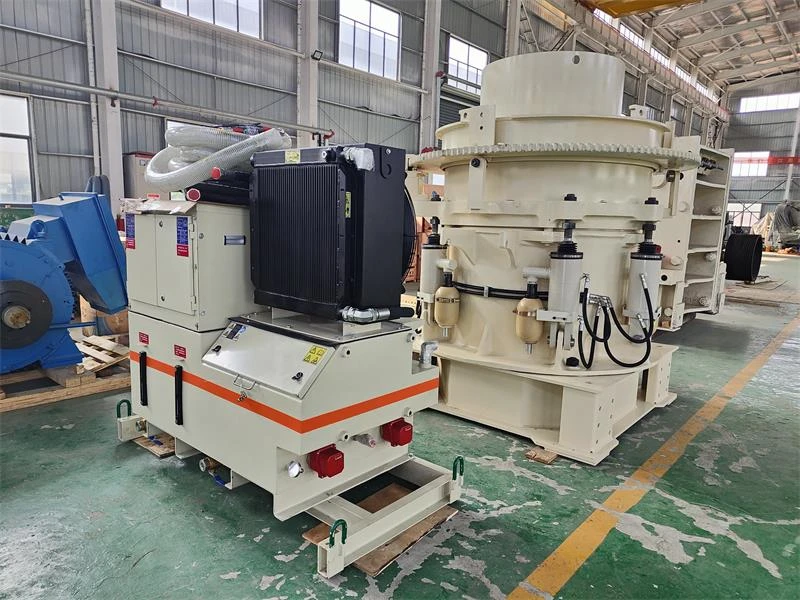
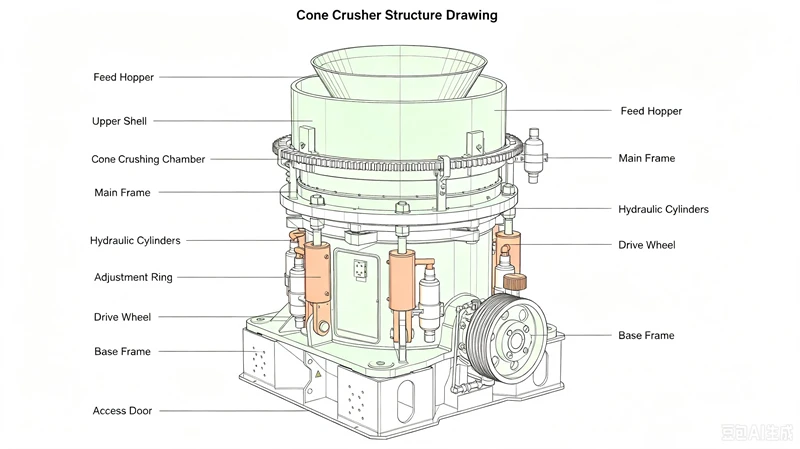
Components and Structure:
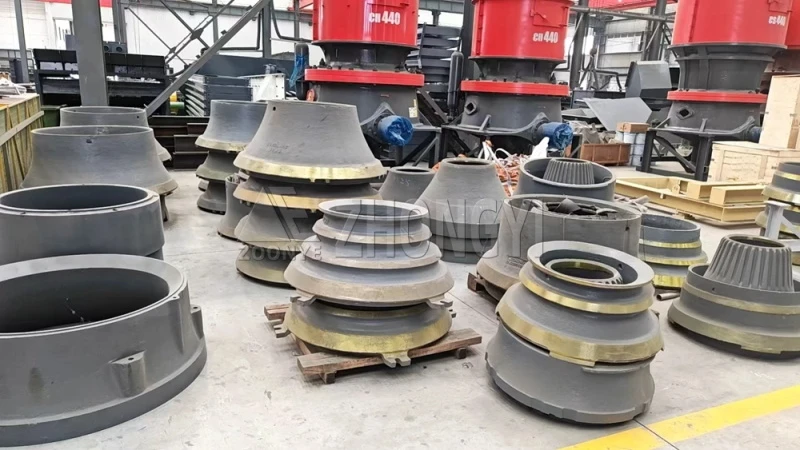
Crushing Chamber (Mantle and Concave): Ensures efficient material crushing and excellent product shape.
Eccentric System: Drives the crushing motion and determines the machine’s production capacity.
Hydraulic System: Controls CSS adjustment, overload protection, and chamber clearing operations.
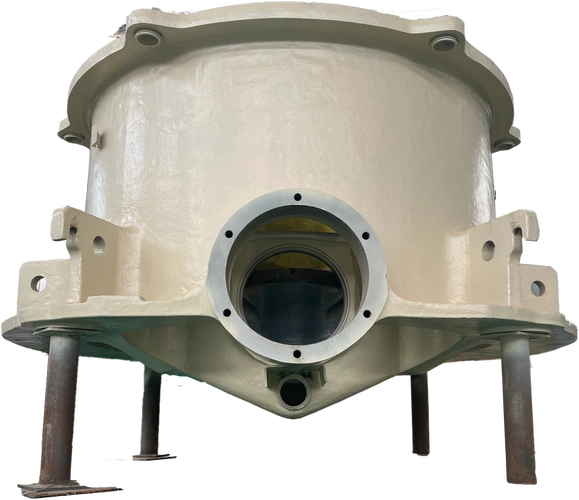
Main Frame and Main Shaft: Supports the machine’s heavy-duty operation.
Lubrication System: Maintains operational stability and reduces wear.
The multi-cylinder design delivers superior crushing force and demonstrates exceptional performance under heavy-load operating conditions.
Advantages
Hydraulic cone crushers are designed for mining and aggregate production where stable crushing performance and reliable operation are required. With hydraulic adjustment and optimized chamber design, they deliver consistent product size, reduce downtime, and improve production efficiency.
Applications
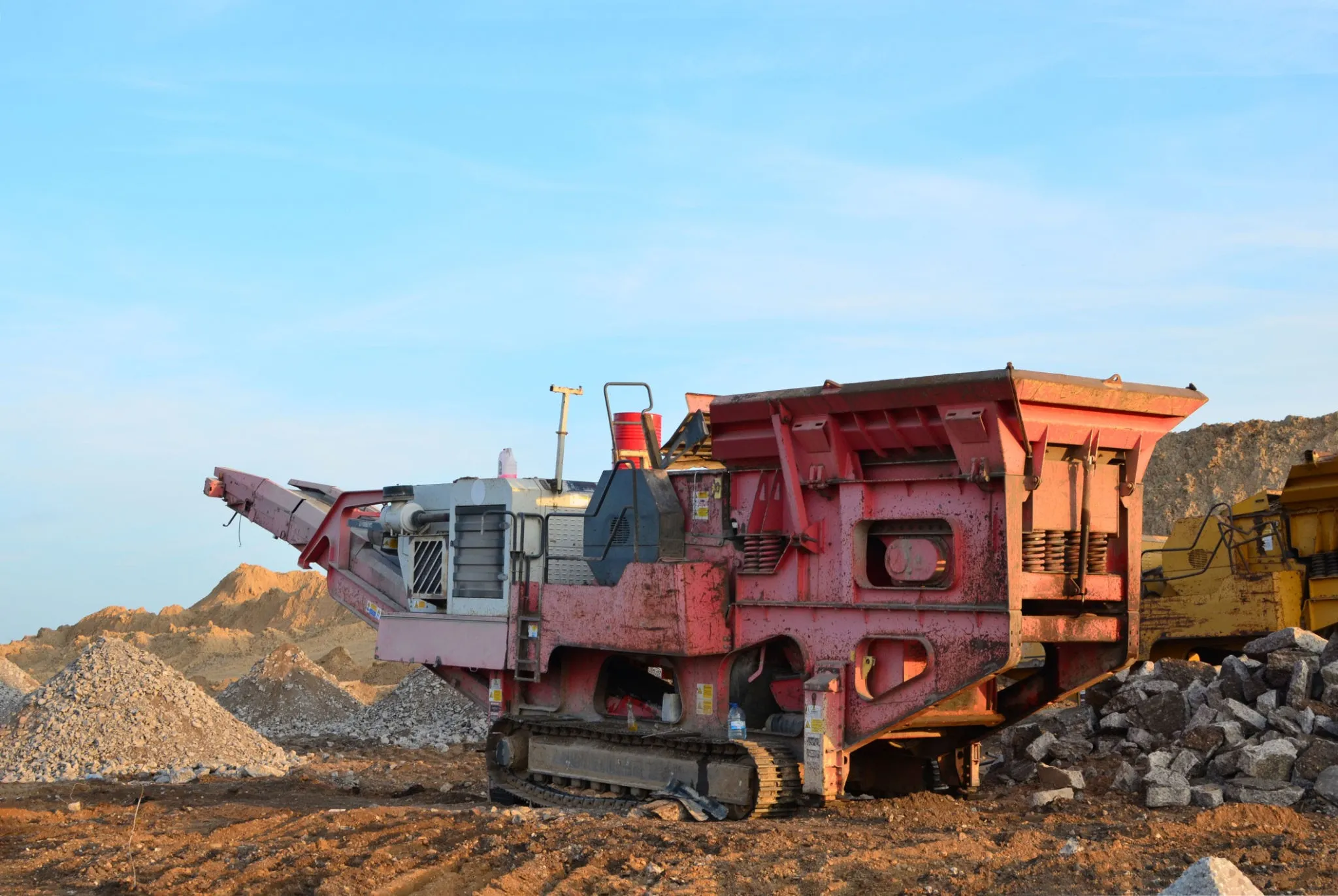
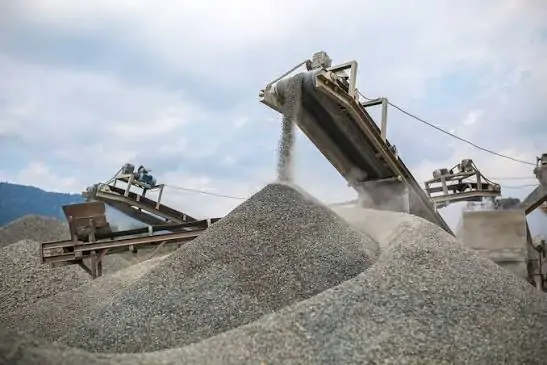
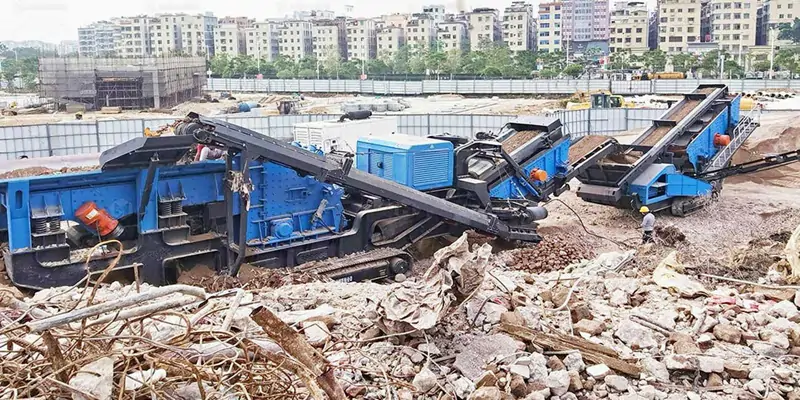
Renowned for their high efficiency, powerful crushing capabilities, and stable output, hydraulic cone crushers are widely utilized across industries such as mining, aggregate production, and recycling. They are particularly well-suited for large-scale, continuous production environments worldwide, where they are employed to process hard and highly abrasive materials.
Specifications
Hydraulic cone crusher specifications should be evaluated based on capacity, feed size, output size, and power consumption to ensure optimal performance and cost efficiency in different crushing applications.
| Model | Type | Capacity (TPH) | Feed Size (mm) | Output Size (mm) | Motor Power (kW) | Energy Consumption (kWh/t) | Weight (t) |
| HC100 | Single Cylinder | 50–120 | ≤180 | 6–25 | 75–90 | 0.8–1.2 | 6.5 |
| HC200 | Single Cylinder | 100–250 | ≤250 | 8–32 | 110–160 | 0.9–1.3 | 10.5 |
| MC300 | Multi Cylinder | 180–400 | ≤300 | 10–38 | 160–250 | 1.0–1.4 | 18 |
| MC500 | Multi Cylinder | 300–700 | ≤320 | 12–45 | 250–400 | 1.1–1.5 | 26.5 |
| MC800 | Multi Cylinder | 500–1200 | ≤350 | 16–51 | 400–600 | 1.2–1.5 | 42 |
| FH400 | Full Hydraulic | 120–300 | ≤280 | 8–35 | 132–250 | 0.9–1.3 | 20 |
| FH600 | Full Hydraulic | 200–500 | ≤300 | 10–40 | 200–400 | 1.0–1.4 | 28 |
Hydraulic Cone Crusher vs Other Crushers
Hydraulic Cone Crusher is widely used in secondary and tertiary crushing stages due to its high efficiency, automatic adjustment, and reliable overload protection. Compared with jaw crushers, impact crushers, and traditional spring cone crushers, hydraulic cone crushers offer better control of product size, higher crushing capacity, and improved stability for large-scale mining and aggregate production. The right choice depends on material properties, production requirements, and investment considerations.
| Comparison Item | Hydraulic Cone Crusher | Jaw Crusher | Spring Cone Crusher |
| Primary Application | Secondary and tertiary crushing | Primary crushing of large rocks | Secondary and fine crushing |
| Crushing Principle | Compression crushing through mantle and concave | Compression crushing through movable and fixed jaws | Compression crushing through spring-loaded cone |
| Feed Size | Medium to large feed materials | Handles very large feed size | Medium-sized materials |
| Product Shape | Good particle shape with high cubicity | Relatively flat and elongated particles | Good particle shape |
| Capacity | High capacity, suitable for large production lines | High primary crushing capacity | Medium capacity |
| Adjustment Method | Hydraulic adjustment, automatic control | Mechanical adjustment | Manual adjustment |
| Overload Protection | Hydraulic protection system automatically releases uncrushable materials | Mechanical protection system | Spring overload protection |
| Automation Level | High, supports intelligent control systems | Moderate | Lower automation |
| Maintenance Requirement | Easy adjustment and reduced downtime | Simple structure, easy maintenance | Simple maintenance |
| Operating Cost | Lower long-term cost due to high efficiency | Low initial investment | Low investment cost |
| Best Choice For | Large mines, aggregate plants, high-output crushing projects | Primary crushing plants | Small and medium crushing applications |
How to Choose the Right Hydraulic Cone Crusher?
Selecting the appropriate hydraulic cone crusher requires matching the equipment’s specifications and parameters with the characteristics of the material to be crushed, your production goals, and your budgetary constraints. Proper equipment selection not only boosts production efficiency but also minimizes downtime, thereby maximizing your return on investment.
Maintenance and Operation Guide
Regular inspection of key components, including lubricant level, liner wear, hydraulic pressure, and fasteners, helps maintain stable crusher performance. Common issues such as abnormal vibration, reduced output, and overheating should be checked through proper feeding conditions, lubrication status, and wear part condition. For technical support, contact Zhongyi’s service team.
| Maintenance Item | Maintenance Requirements |
| Lubrication System Inspection | Check lubricating oil level, oil temperature, and oil pressure regularly. Replace oil and filters according to operating conditions to ensure proper lubrication of bearings and gears. |
| Hydraulic System Check | Inspect hydraulic oil level, pressure, and pipeline connections. Ensure the hydraulic adjustment and overload protection system operates properly. |
| Wear Parts Inspection | Regularly check the mantle and concave wear condition. Replace worn parts in time to maintain crushing efficiency and product size accuracy. |
| Discharge Opening Adjustment | Check and adjust the discharge opening according to production requirements to maintain stable output and particle size. |
| Fastener Inspection | Inspect bolts, nuts, and other fastening components regularly to prevent loosening caused by continuous vibration. |
| Drive System Maintenance | Check the motor, transmission components, and coupling condition to ensure smooth power transmission. |
| Dust and Contamination Control | Keep the crusher and surrounding area clean. Prevent dust and foreign materials from entering the lubrication and hydraulic systems. |
| Daily Operation Monitoring | Monitor abnormal noise, vibration, oil leakage, and temperature changes during operation. Stop the machine and inspect immediately if abnormal conditions occur. |
| Regular Comprehensive Inspection | Perform scheduled inspections of main components, including bearings, hydraulic units, frame structure, and crushing chamber, to prevent unexpected downtime. |
Why Choose Our Hydraulic Cone Crusher?
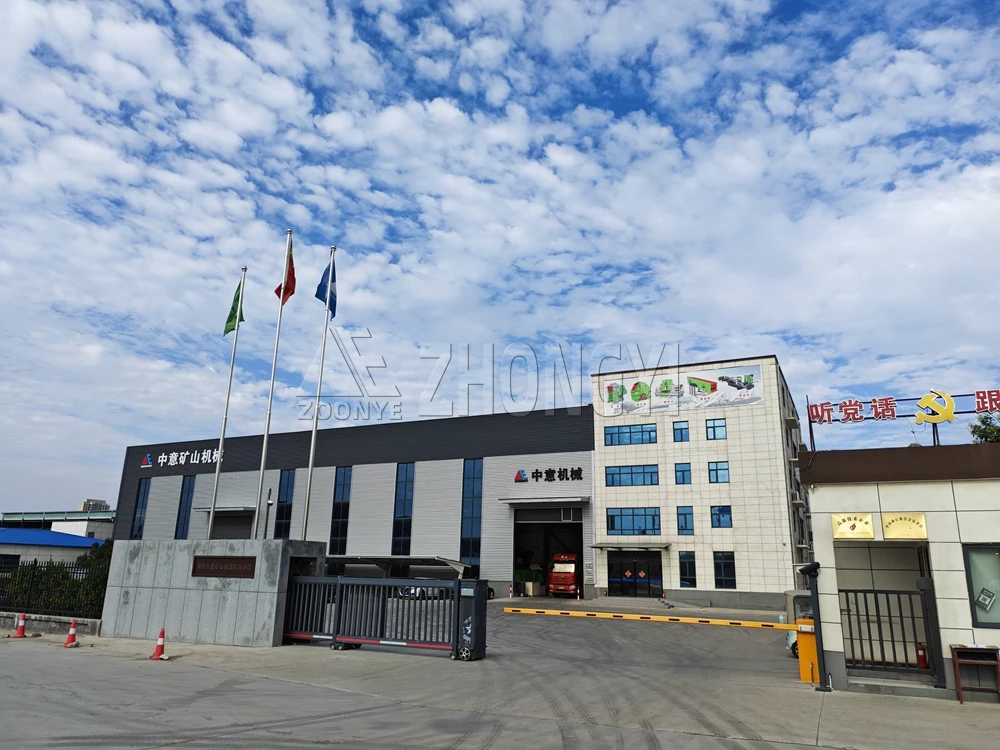
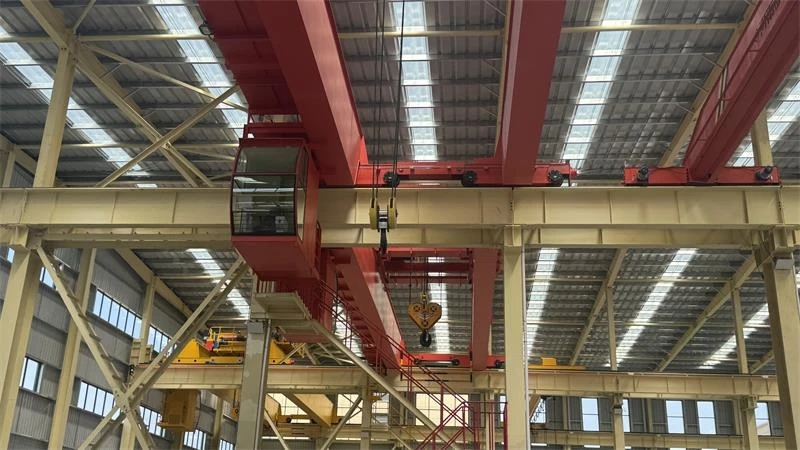
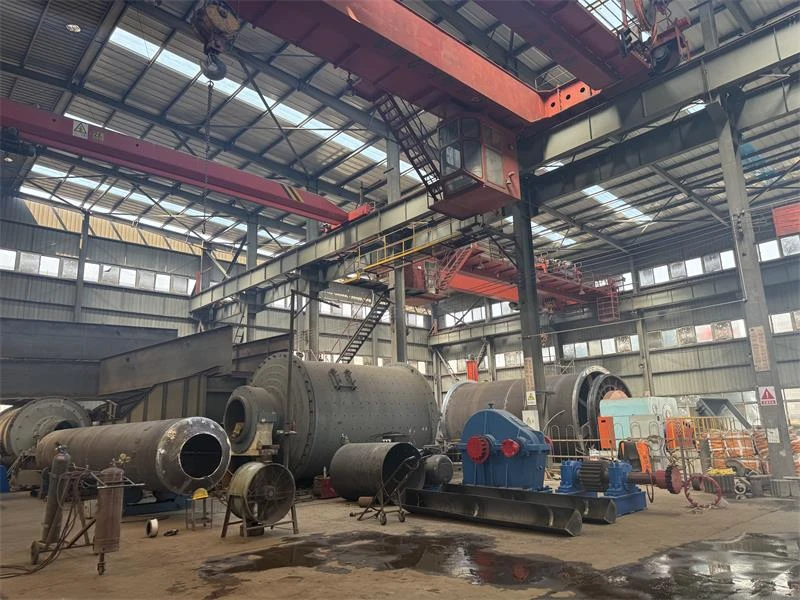
Selecting the right hydraulic cone crusher involves more than just the equipment itself; it is about ensuring long-term production efficiency, operational reliability, and a strong return on investment. Backed by advanced engineering, optimized hydraulic systems, and proven field performance, Zhongyi offers not only high-quality crushing equipment but also comprehensive crushing solutions meticulously tailored to your specific project requirements. From equipment selection to after-sales support, Zhongyi is dedicated to helping you ensure robust production operations and maximize your operational value.
Request a Customized Solution
Partner with Zhongyi for a Multi Cylinder Hydraulic Cone Crusher designed for high-capacity crushing, stable output, and reliable operation in mining, quarrying, and aggregate production applications. Our team provides crusher selection and configuration based on your material, capacity, and project requirements.
Request a Custom Mobile Screening Station
Every crushing project has different requirements depending on material characteristics, production capacity, and site conditions. Zhongyi provides customized hydraulic cone crusher solutions, including model selection, configuration optimization, and complete crushing plant solutions to match your specific application. Share your project details with our engineers, and we will recommend the most suitable equipment and process design for your operation.For complete crushing solutions, Zhongyi can also provide integrated [crushing production line solutions] including feeding, crushing, screening, and conveying equipment. Contact our technical team for a customized recommendation.
To recommend the right hydraulic cone crusher solution, please provide:
FAQs
What capacity hydraulic cone crusher do I need for my project?
Capacity selection depends on material type, feed size, required output, and production targets. The crusher should not operate continuously at maximum rated capacity. Selecting a model with suitable capacity allowance helps maintain stable production, reduce wear, and provide better long-term performance under different operating conditions.
How do I choose between single cylinder and multi cylinder hydraulic cone crushers?
The choice depends on application requirements. Single cylinder models are suitable for medium-scale crushing with simpler maintenance, while multi cylinder hydraulic cone crushers provide higher crushing force, better adjustment accuracy, and stable performance for hard rock, large-scale mining, and high-capacity aggregate production.
How is the final product size controlled?
The final product size is controlled by adjusting the Closed Side Setting (CSS). The hydraulic adjustment system allows operators to change the discharge opening according to production requirements, helping maintain consistent particle size and improve downstream screening or grinding efficiency.
What materials can a hydraulic cone crusher process?
Hydraulic cone crushers are designed for medium-hard and hard materials such as granite, basalt, iron ore, quartzite, and other abrasive rocks. Material hardness, abrasiveness, moisture content, and feed size should be considered during selection to ensure stable operation and proper wear performance.
What maintenance is required for a hydraulic cone crusher?
Regular maintenance includes checking lubrication systems, monitoring hydraulic pressure, inspecting wear parts, and maintaining proper feeding conditions. Routine inspections help identify potential issues early, reduce unplanned downtime, and maintain stable crushing performance during continuous operation.
How much energy does a hydraulic cone crusher consume?
Energy consumption depends on crusher model, motor power, material hardness, and operating conditions. Optimized chamber design, proper feeding, and hydraulic control help improve crushing efficiency and reduce energy consumption per ton of processed material.
What factors affect hydraulic cone crusher wear part life?
Wear part service life depends on material abrasiveness, feeding conditions, crusher settings, and operating practices. Selecting suitable liner materials and maintaining proper crushing parameters can extend mantle and concave life while reducing replacement frequency and operating costs.
What information is needed to select the right hydraulic cone crusher?
Before selecting a crusher, provide material type, maximum feed size, required capacity, output size, application, and site conditions. These details help engineers recommend the correct model, configuration, and crushing solution for reliable production performance.