What Is a Vertical Dryer?
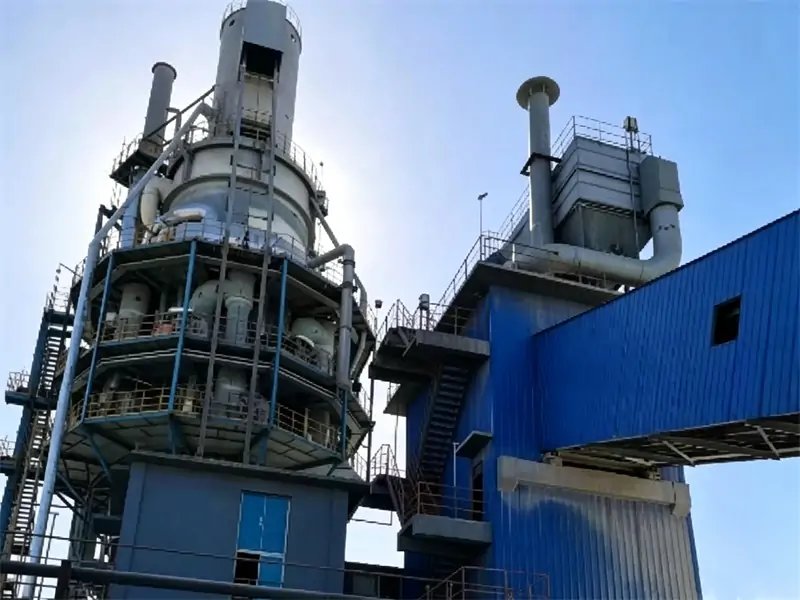
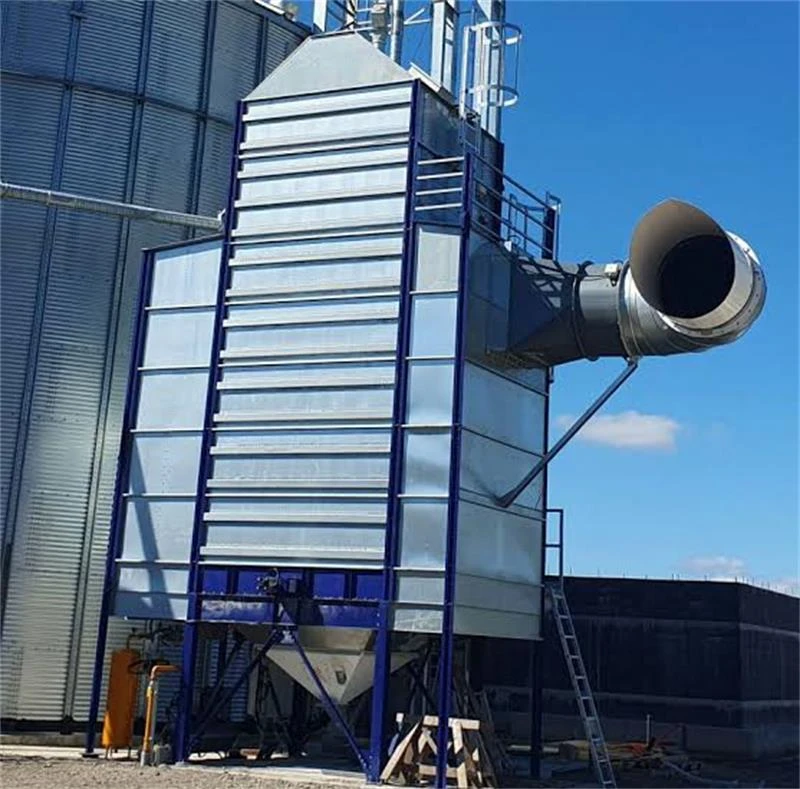
A vertical dryer, also called a briquette dryer or vertical drying furnace in coal and mineral briquetting applications, is a continuous drying machine used to reduce the moisture content of coal briquettes, mineral powder pellets, ore agglomerates and other granular materials. The dryer has a vertical drying chamber in which wet material is fed from the top and moves downward under gravity. Hot air passes through the drying zones and transfers heat to the material, causing moisture to evaporate and leave with the exhaust gas.
In a typical processing line, the vertical dryer is installed after a briquetting machine, pelletizer or granulator and before conveying, screening, storage or further processing equipment. Wet material is evenly distributed at the top of the chamber and gradually moves through the drying zones while its moisture is removed. For selected coal briquette applications, feed moisture of around 12–14% can be reduced to approximately 2–4%, depending on the material, feed rate, heat input, residence time and required final moisture. The actual drying parameters should be determined from the material and process conditions rather than moisture content alone.
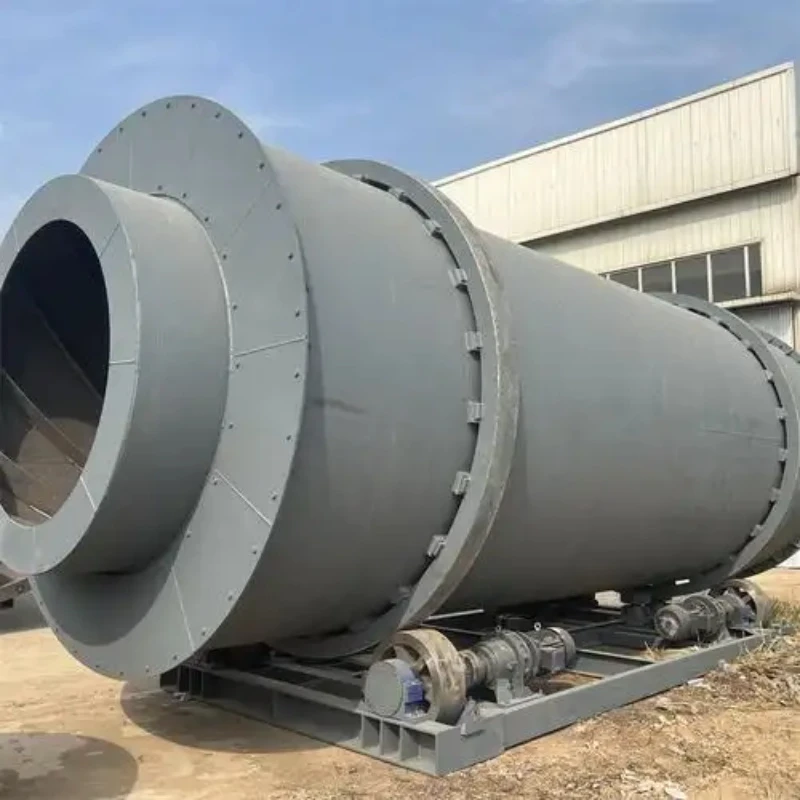
What Materials Can a Vertical Dryer Dry?
A vertical dryer is suitable for selected coal, mineral and agglomerated materials that require continuous moisture reduction. Material suitability depends on feed moisture, particle size, bulk density, flowability, thermal sensitivity and target moisture.
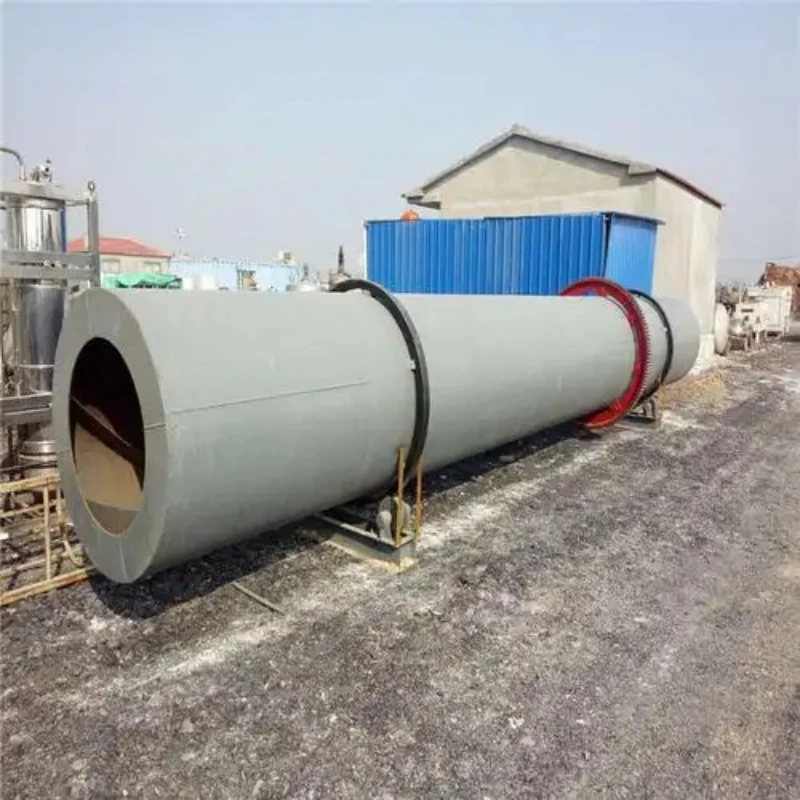
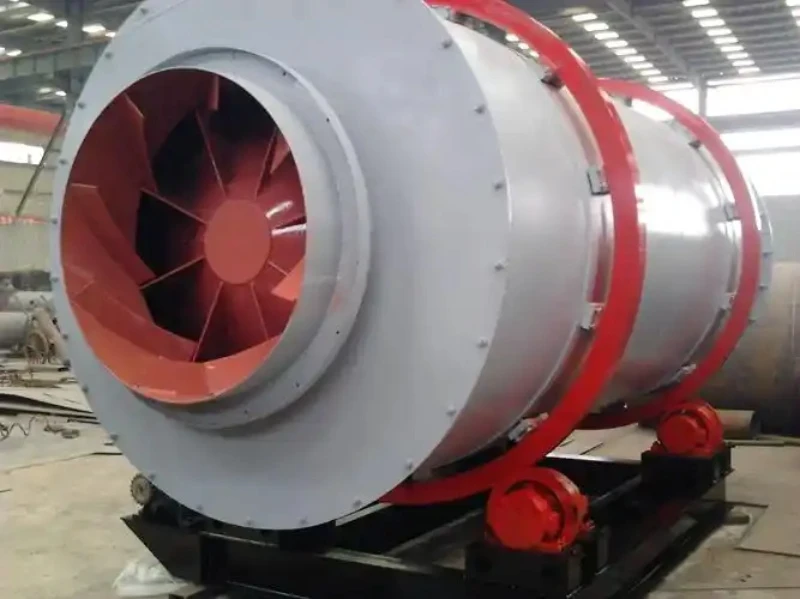
Vertical Dryer Structure
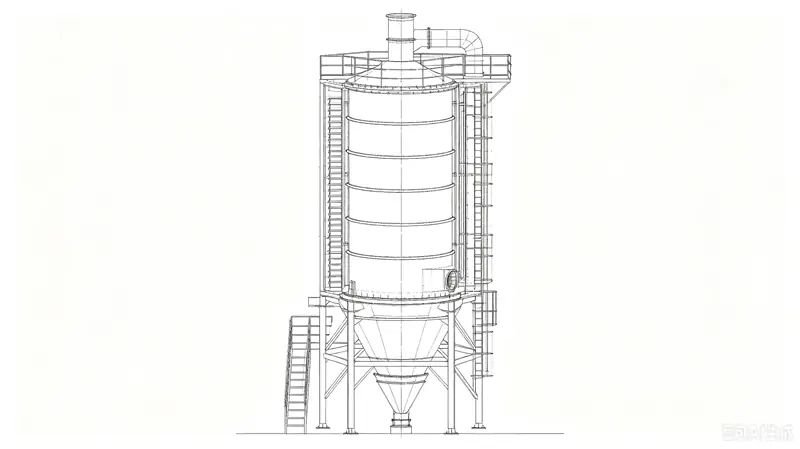
A vertical dryer consists of a vertical insulated chamber, material distribution system, drying sections, hot-air circulation system, temperature control and exhaust system. Wet material enters from the top and moves downward through the drying chamber, while heated air passes through the designated drying areas. The internal structure can be adjusted according to material characteristics, capacity and required final moisture.
Main structural components include:
- Insulated Steel Shell — Steel outer shell with internal insulation to reduce heat loss during operation.
- Drying Sections — Multi-level internal sections provide controlled material movement and heat-transfer areas.
- Material Distribution System — Spreads incoming material evenly across the drying chamber.
- Material Retention Structure — Controls material flow and residence time inside the dryer.
- Hot-Air Distribution System — Directs heated air or hot flue gas into the required drying zones.
- Temperature Monitoring and Control — Monitors drying temperature and adjusts heat input according to operating conditions.
- Exhaust and Dust Collection — Removes moisture-laden gas and directs exhaust to the dust-collection system where required.
- Feeding and Discharge Equipment — Maintains continuous material feeding and controlled discharge.
The internal configuration is selected according to the material, feed rate, moisture content and drying requirement.
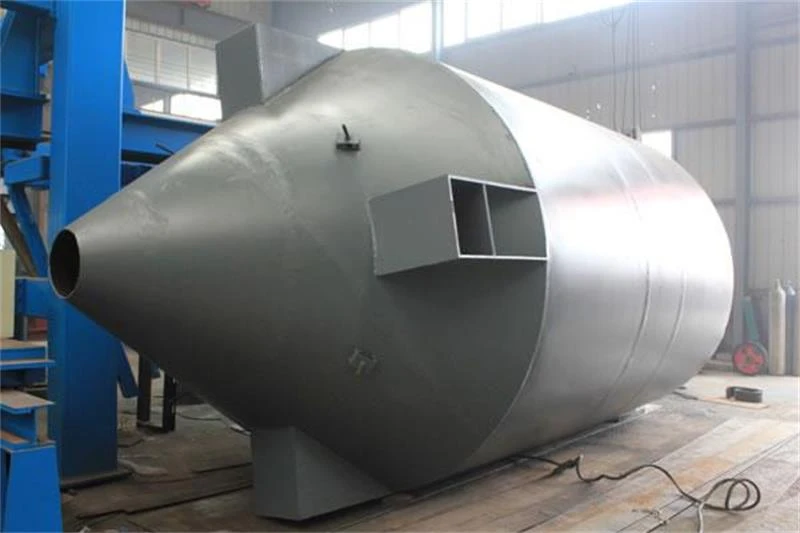
How Does a Vertical Dryer Work?
A vertical dryer continuously removes moisture as wet material moves downward through a heated drying chamber. Depending on the configuration, hot air or flue gas passes through the material while the released moisture is discharged through the exhaust system.
Material Feeding and Controlled Downward Movement
Wet material enters the top of the dryer and is evenly distributed across the chamber. Internal structures control material flow and residence time as the material gradually moves downward by gravity.
Heat Transfer and Moisture Removal
Heat is transferred between the heated gas and material through convection, radiation and conduction. As the material heats up, moisture evaporates and is carried out with the exhaust gas. Dust can be separated through the connected dust-collection system.
Actual drying conditions are determined by feed moisture, material characteristics, heat input, airflow, residence time and target final moisture.
Three Drying Zones in a Vertical Dryer
A vertical dryer divides the drying process into preheating, main drying and final drying zones. Material flow and residence time are controlled through each zone, while internal distribution structures keep the material dispersed for better contact with heated gas. Temperature, moisture and airflow conditions can be adjusted according to the actual drying process.
How Is the Drying Process Controlled?
A vertical dryer adjusts temperature, airflow and material residence time according to changes in feed moisture and operating conditions. Monitoring these parameters across the drying zones helps keep the drying process stable as material moves through the chamber.
Moisture and Temperature Monitoring
Material moisture and gas temperature can be monitored at different drying stages. The data provides a basis for adjusting heat input and airflow when feed conditions or drying requirements change.
Heat and Airflow Adjustment
The system can adjust heat supply, induced-draft airflow and secondary hot-air distribution to maintain suitable drying conditions. Airflow and heat input should be matched to the material properties rather than operated at a fixed setting.
Material Flow and Residence Time Control
Internal distribution and retention structures regulate how quickly material passes through the dryer. Residence time can be adjusted according to feed moisture, material characteristics and target final moisture, helping maintain more consistent discharge conditions.
In practice, dryer settings are determined by the actual feed material and required moisture reduction rather than by temperature alone.
Vertical Dryer Technical Specifications
The table below lists the reference specifications for clean coal drying. Final equipment configuration and operating parameters are determined according to the material, capacity and process requirements.
| Model | Clean Coal Capacity (t/h) | Inlet Temperature (℃) | Outlet Temperature (℃) | Feed Moisture (%) | Final Moisture (%) |
| 2216 | 10–12 | 150–260 | 80–100 | 13–16 | 4–5 |
| 2216 | 12–14 | 150–260 | 80–100 | 13–16 | 4–5 |
| 2516 | 14–16 | 150–260 | 80–100 | 13–16 | 4–5 |
| 3020 | 16–18 | 150–260 | 80–100 | 13–16 | 4–5 |
| 3222 | 18–20 | 150–260 | 80–100 | 13–16 | 4–5 |
| 3424 | 20–22 | 150–260 | 80–100 | 13–16 | 4–5 |
| 3626 | 22–25 | 150–260 | 80–100 | 13–16 | 4–5 |
| 3828 | 25–30 | 150–260 | 80–100 | 13–16 | 4–5 |
| 4030 | 33–35 | 150–260 | 80–100 | 13–16 | 4–5 |
| 4230 | 38–40 | 150–260 | 80–100 | 13–16 | 4–5 |
Note: Actual capacity and drying parameters may vary with material properties, feed conditions and process design.
Why Choose a Vertical Dryer?
A vertical dryer combines compact layout, gravity-assisted material flow and controlled multi-zone drying in one process. Its configuration can be matched to the material, heat source and downstream requirements for continuous drying of coal, minerals, briquettes and other granular materials.
Vertical Dryer vs. Rotary Dryer
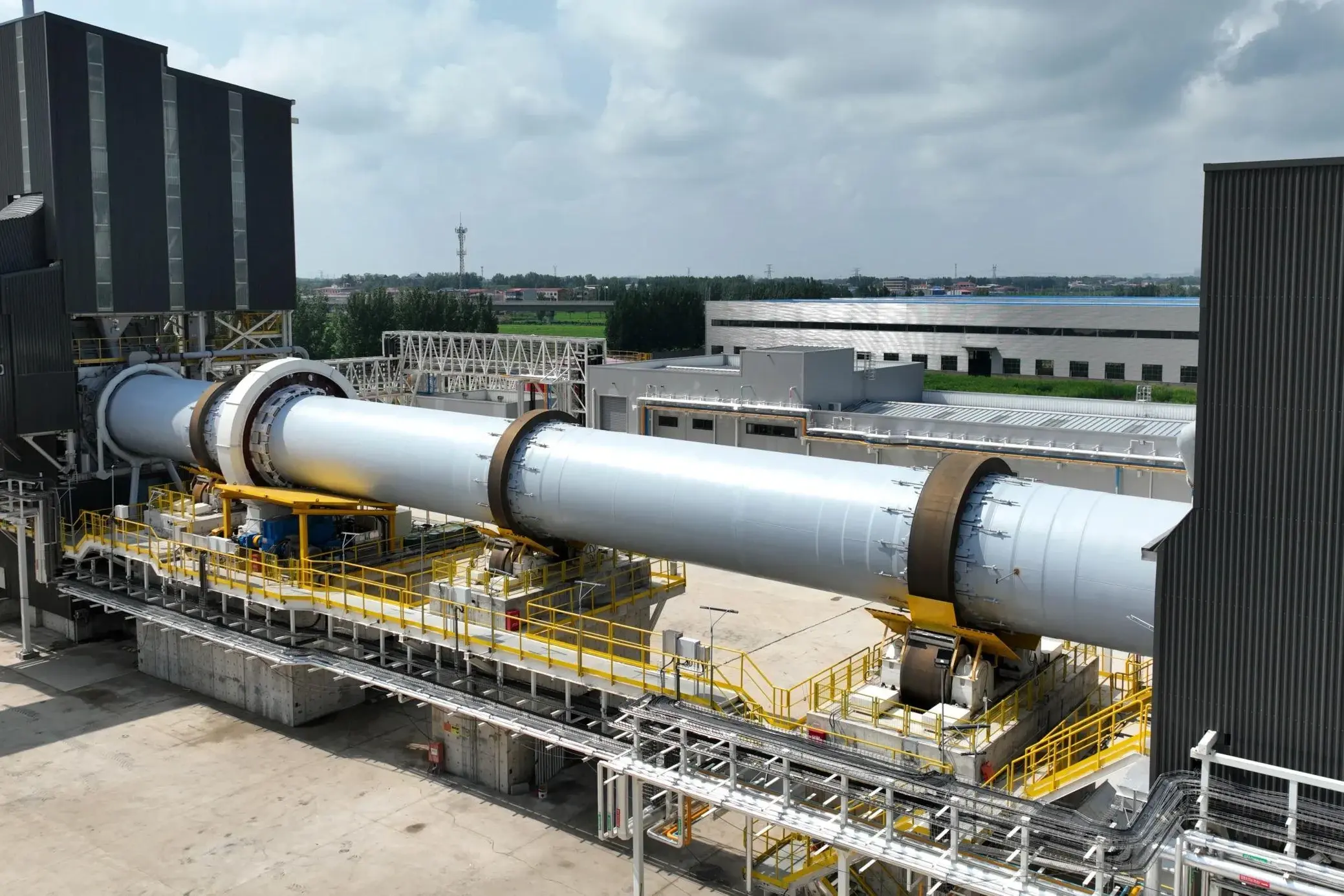
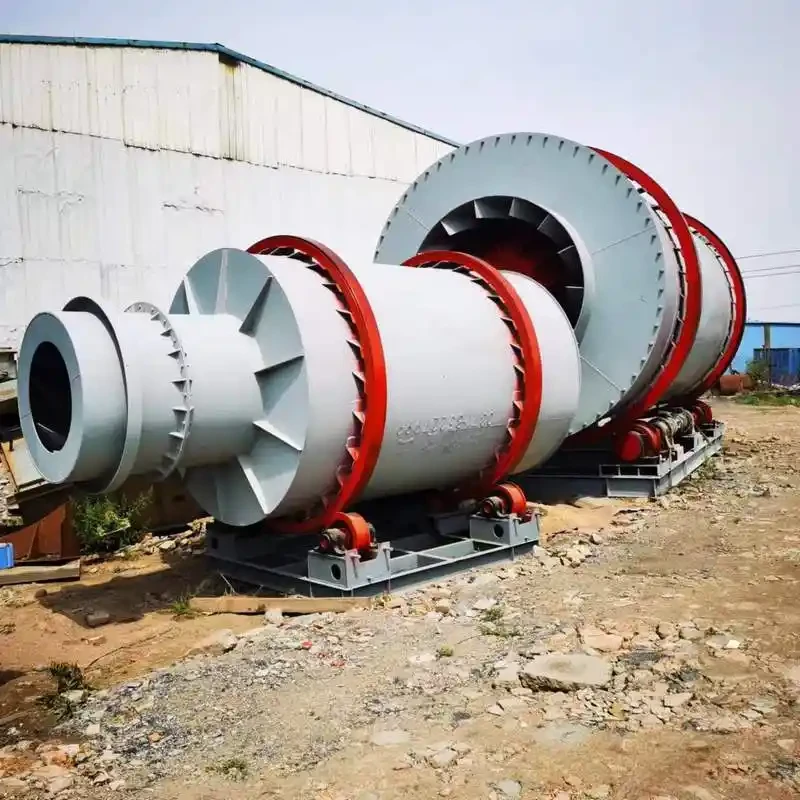
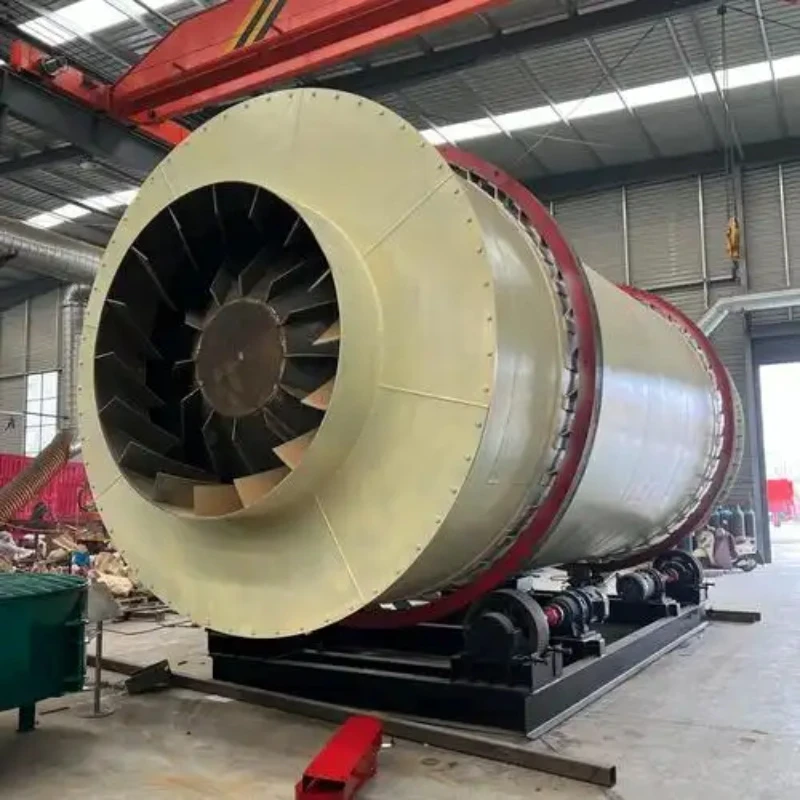
Vertical and rotary dryers differ mainly in material movement, chamber configuration and plant layout. A vertical dryer uses gravity-assisted downward flow through a compact drying chamber, while a rotary dryer moves material through a rotating drum. Both can be used for industrial bulk-material drying, but the appropriate configuration depends on the material and process requirements.
| Factor | Vertical Dryer | Rotary Dryer |
| Main structure | Vertical drying chamber | Rotating drum |
| Material movement | Gravity-assisted downward flow | Rotation with lifting and cascading |
| Floor-space requirement | Compact vertical arrangement | Generally requires a longer installation area |
| Material retention | Internal distribution and retention structures | Drum speed, slope and internal flights |
| Drying arrangement | Multiple vertical drying zones | Drying along the drum length |
| Heat transfer | Hot-air flow through designated drying sections | Hot gas contacts material during lifting and cascading |
| Typical applications | Selected coal, minerals, pellets, briquettes and granular materials | Coal, minerals, aggregates and other bulk materials |
| Key selection factors | Feed moisture, flowability, residence time and plant layout | Feed moisture, material behavior, throughput and drum configuration |
Selection Considerations
A vertical dryer may be considered when compact layout, gravity-assisted material flow and controlled drying zones are important. A rotary dryer may be considered when the process requires a longer drying path, continuous lifting and cascading, or broad bulk-material handling.
The selection should be based on material properties, feed moisture, target final moisture, capacity, heat source, residence time and available plant layout, rather than equipment type alone.
Vertical Dryer Applications
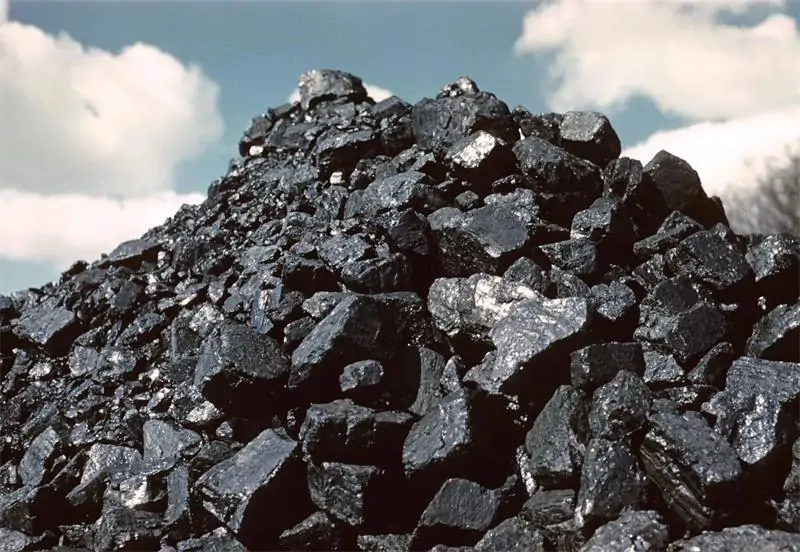
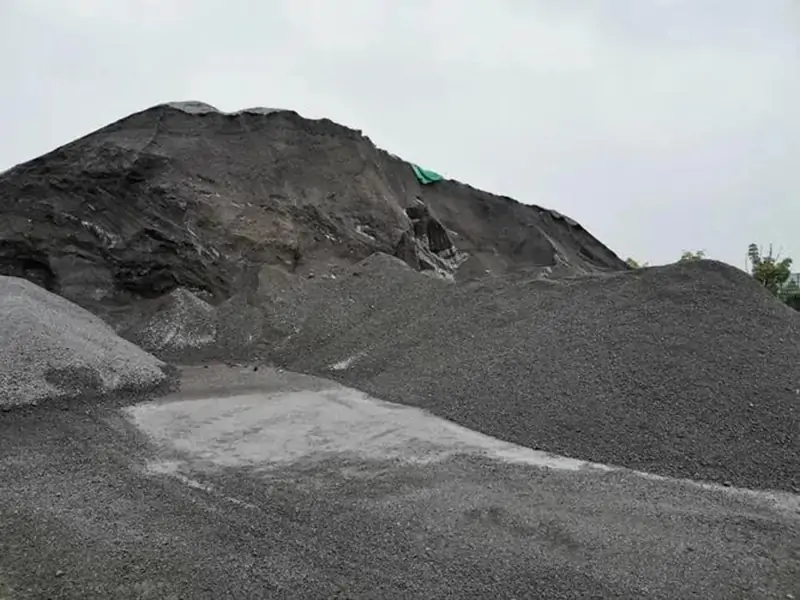
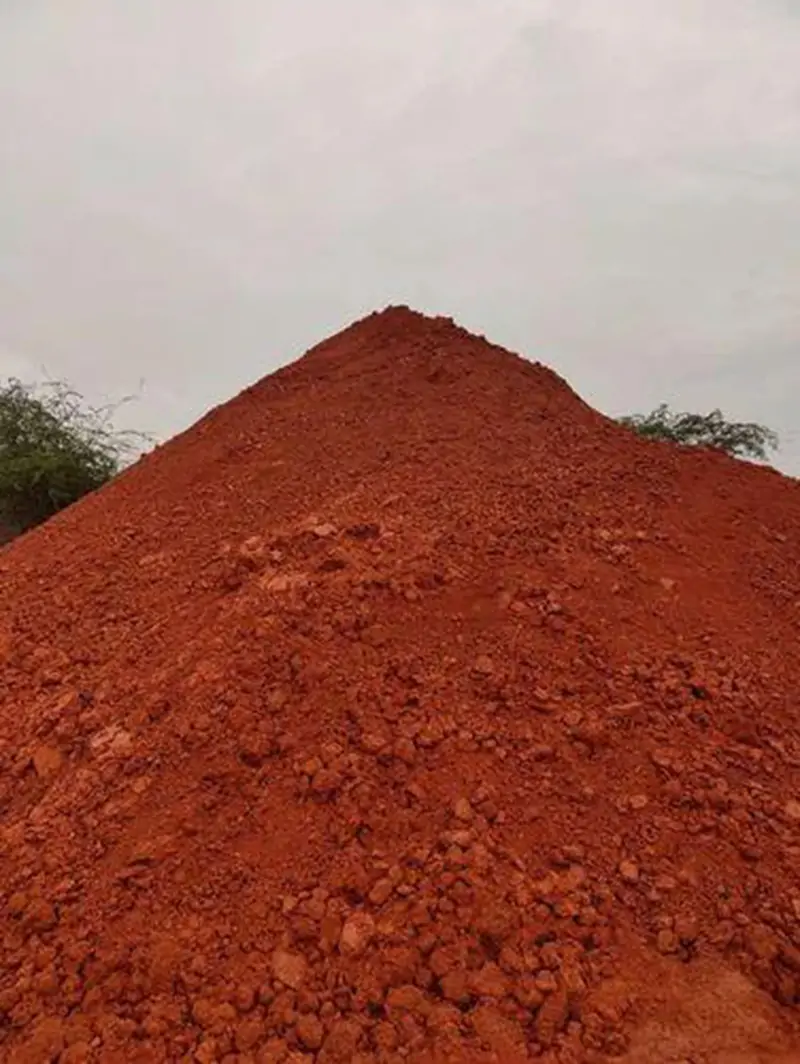
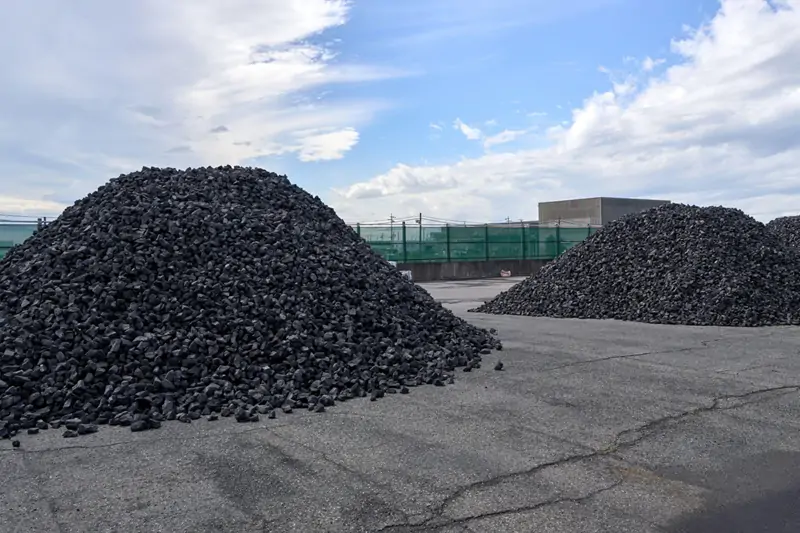
Vertical dryers are used for continuous moisture reduction in coal, industrial silicon materials, minerals, briquettes and pellets. The actual application depends on feed moisture, particle size, bulk density, flowability and required final moisture.
How to Select a Vertical Dryer?
Selecting a vertical dryer depends on the material, capacity and required moisture reduction. Feed conditions, heat source and site space also affect the dryer size and configuration. The main parameters are:
- Material Type — Coal, mineral, briquette, pellet or other granular material.
- Capacity — Required processing capacity in tonnes per hour (t/h).
- Feed Moisture — Moisture content of the material before drying.
- Final Moisture — Required moisture content after drying.
- Particle Size — Feed size and particle-size distribution.
- Bulk Density & Flowability — Material density and flow behavior inside the dryer.
- Heat Source — Hot air, waste heat or other available heat source.
- Site Conditions — Available floor space, installation height and layout.
Information Required for a Dryer Proposal
Material + Capacity + Feed Moisture + Final Moisture + Particle Size + Bulk Density + Heat Source + Working Hours + Site Layout
These parameters are used to determine the dryer size, internal configuration and operating conditions for the project.
Why Choose Zhongyi?
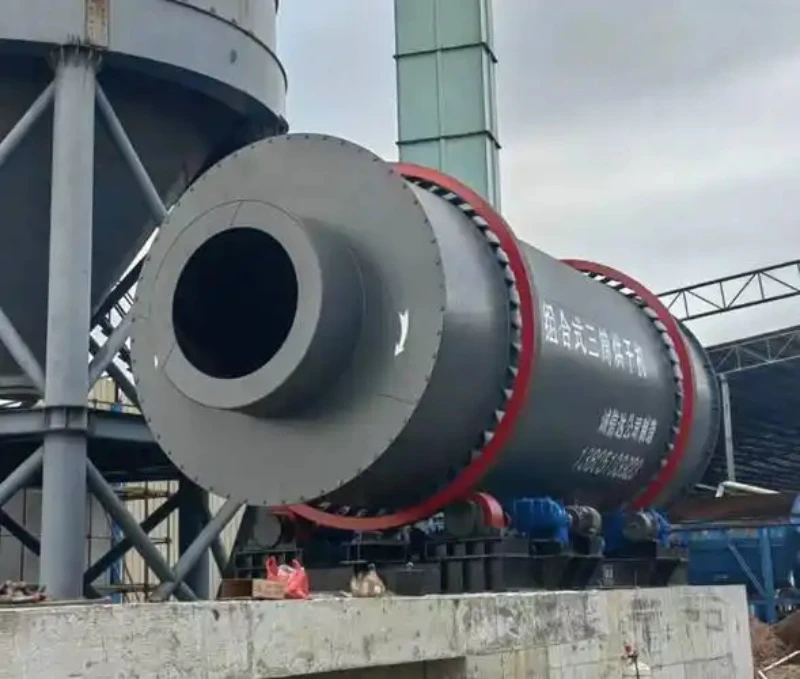
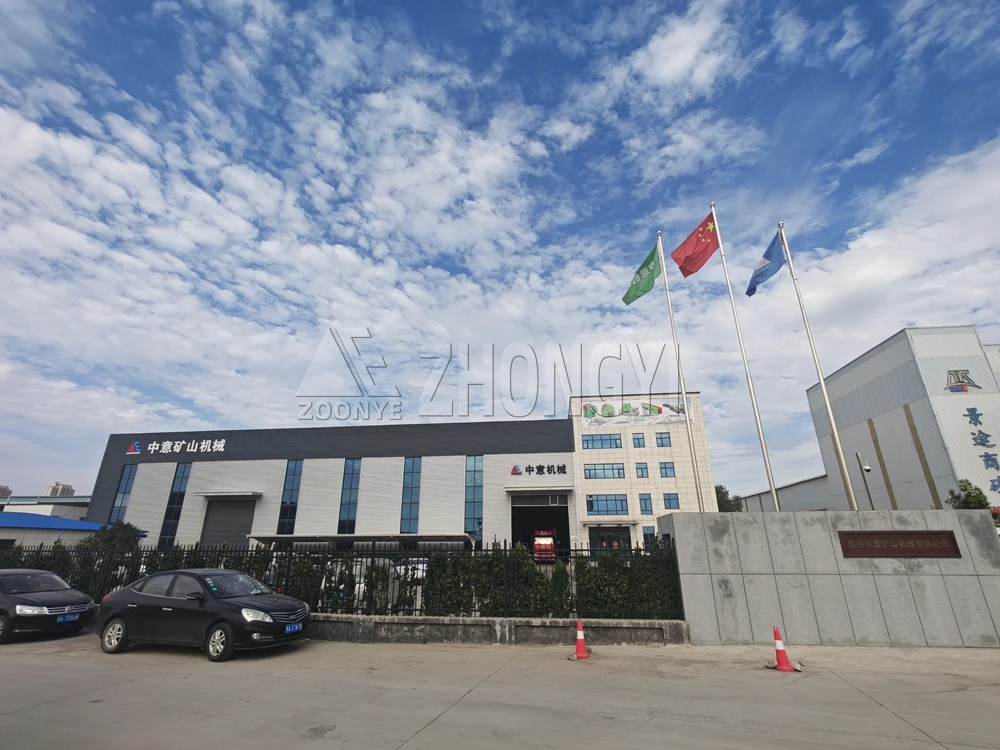
Zhongyi Machinery has been manufacturing mining and industrial equipment since 2010. With a 39,989 m² factory and 200+ processing machines, we support equipment manufacturing and project delivery for mining, metallurgy and other industrial applications.
Manufacturing & Project Experience
We have supplied equipment for mining plants, steel mills, magnesium plants and other industrial projects in China and overseas markets. Our manufacturing and engineering work covers equipment fabrication, inspection, equipment selection, process arrangement and plant commissioning.
Dryer Engineering & Project Support
For vertical dryer projects, we consider material type, capacity, feed moisture, particle size, bulk density, target moisture and heat source when determining the equipment configuration. We provide support from equipment manufacturing and delivery to installation and commissioning, with the dryer coordinated with feeding, heating, dust collection and conveying systems where required.
Request a Customized Solution
Work with Zhongyi for a Vertical Dryer designed for continuous drying of coal, minerals, briquettes and pellets, with the configuration matched to your material and moisture requirements.
Custom High Density Agitation Tank Solutions
Each drying project has different material properties, capacity, feed moisture, target moisture and heat source. Send us your material type, processing capacity, moisture requirements, particle size, available heat source and site conditions. Our engineers can use this information to select the appropriate vertical dryer configuration and match the feeding, heating, exhaust, dust collection and conveying equipment to your process.
For projects that combine drying with other thermal processing stages, our [Calcination Plant Solutions] provide a reference for complete production-line planning and equipment arrangement. Tell us your process requirements and site conditions, and we can evaluate the suitable equipment configuration for your project. Contact Zhongyi to discuss your requirements and get a project-specific proposal.
Please Provide the Following Information:
FAQs
What is a vertical dryer used for?
A vertical dryer is a continuous drying machine used to reduce moisture in coal, minerals, briquettes, pellets and other suitable granular materials. Wet material enters from the top and moves downward through the drying chamber while heated air or flue gas provides the required heat. The drying result depends on feed moisture, material properties, heat input, airflow, residence time and target final moisture.
What materials can a vertical dryer handle?
A vertical dryer can handle selected coal products, industrial silicon materials, mineral powders, briquettes and pellets. Material suitability depends on feed moisture, particle size, bulk density, flowability and thermal characteristics. The material should be evaluated before selecting the dryer size and configuration, particularly when the feed contains high moisture, fine particles or materials with specific temperature requirements.
How do I choose the right vertical dryer capacity?
Dryer capacity is determined by the required throughput and the amount of moisture to be removed. For example, the requirements for 10 t/h of low-moisture material will differ from 10 t/h of high-moisture feed. Feed moisture, target moisture, bulk density, particle size, heat source and working hours should be provided for proper capacity selection.
What affects the configuration and price of a vertical dryer?
The dryer configuration and price depend on capacity, material properties, moisture reduction, heat source and supporting equipment. Site conditions can also affect the overall arrangement. A project requiring a larger capacity, specific heat source, dust collection or customized feeding and discharge equipment may have different equipment requirements. A detailed quotation should therefore be based on actual process parameters rather than capacity alone.
What heat sources can be used with a vertical dryer?
A vertical dryer can be configured for different heat sources, including hot air, hot flue gas and suitable industrial waste heat. The available heat source should provide suitable temperature, flow rate and operating stability for the drying process. Its condition and connection method should be considered when designing the complete system so that heat supply matches the required moisture reduction.
What is the difference between a vertical dryer and a rotary dryer?
A vertical dryer uses a vertical chamber with gravity-assisted downward material flow, while a rotary dryer uses a rotating drum to move material through the drying path. The choice depends on material characteristics, required moisture reduction, capacity, residence time, heat source and plant layout. A vertical dryer can be considered where compact installation and controlled multi-zone drying are important.
Can a vertical dryer be integrated into an existing production line?
Yes. A vertical dryer can be connected with existing feeding, heating, exhaust, dust collection, discharge and conveying systems. Before installation, the upstream and downstream equipment, material flow, available space and heat source should be checked. This information helps determine the connection points and operating conditions required for the dryer to work with the existing process.
Can a vertical dryer achieve a specific final moisture?
The achievable final moisture depends on the feed moisture, material properties, heat input, airflow, residence time and required capacity. A specific final moisture should therefore be confirmed from the actual feed conditions rather than estimated from the dryer type alone. For a project evaluation, provide the initial and target moisture together with capacity and material information so the drying requirements can be assessed.