What Is A Froth Flotation Cell?
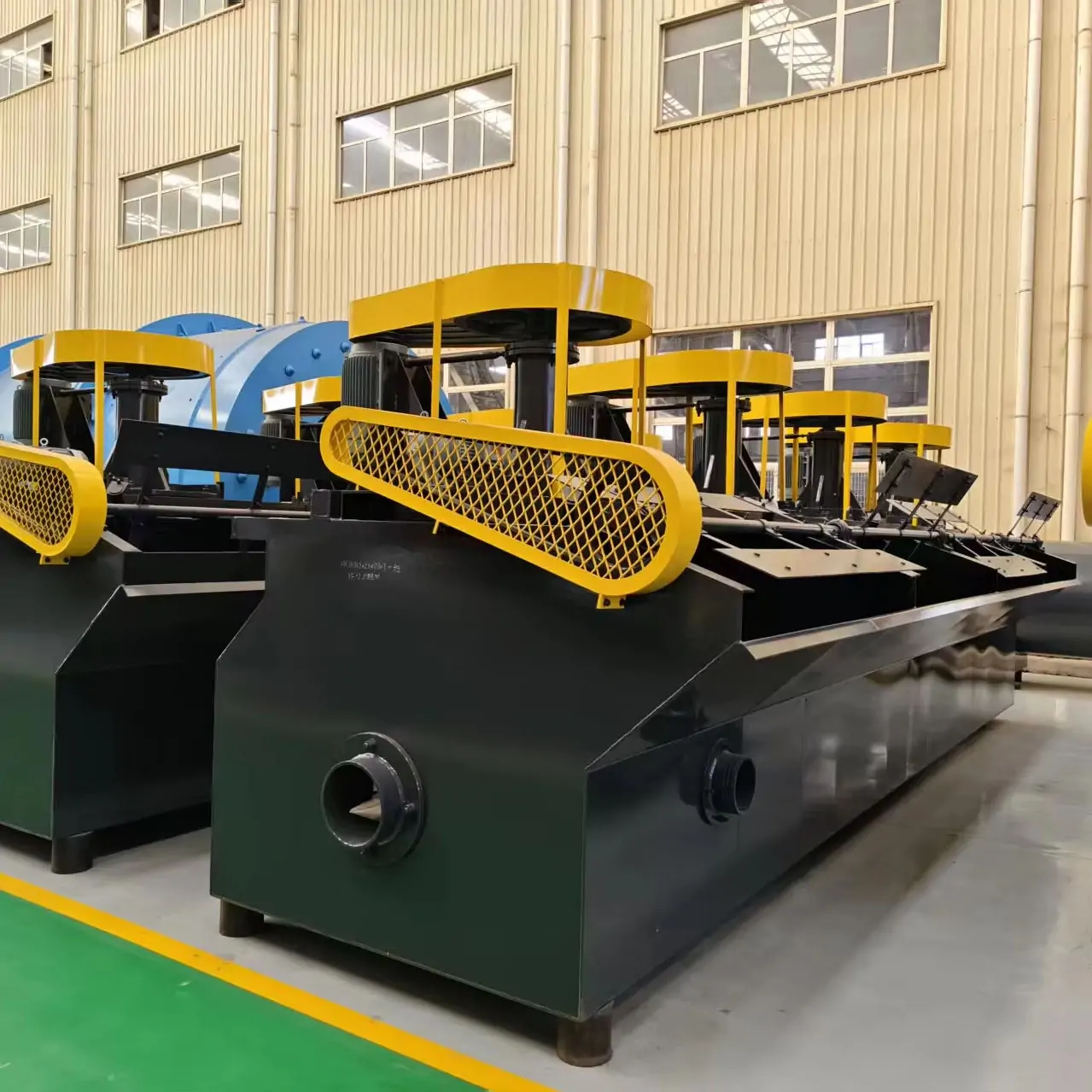
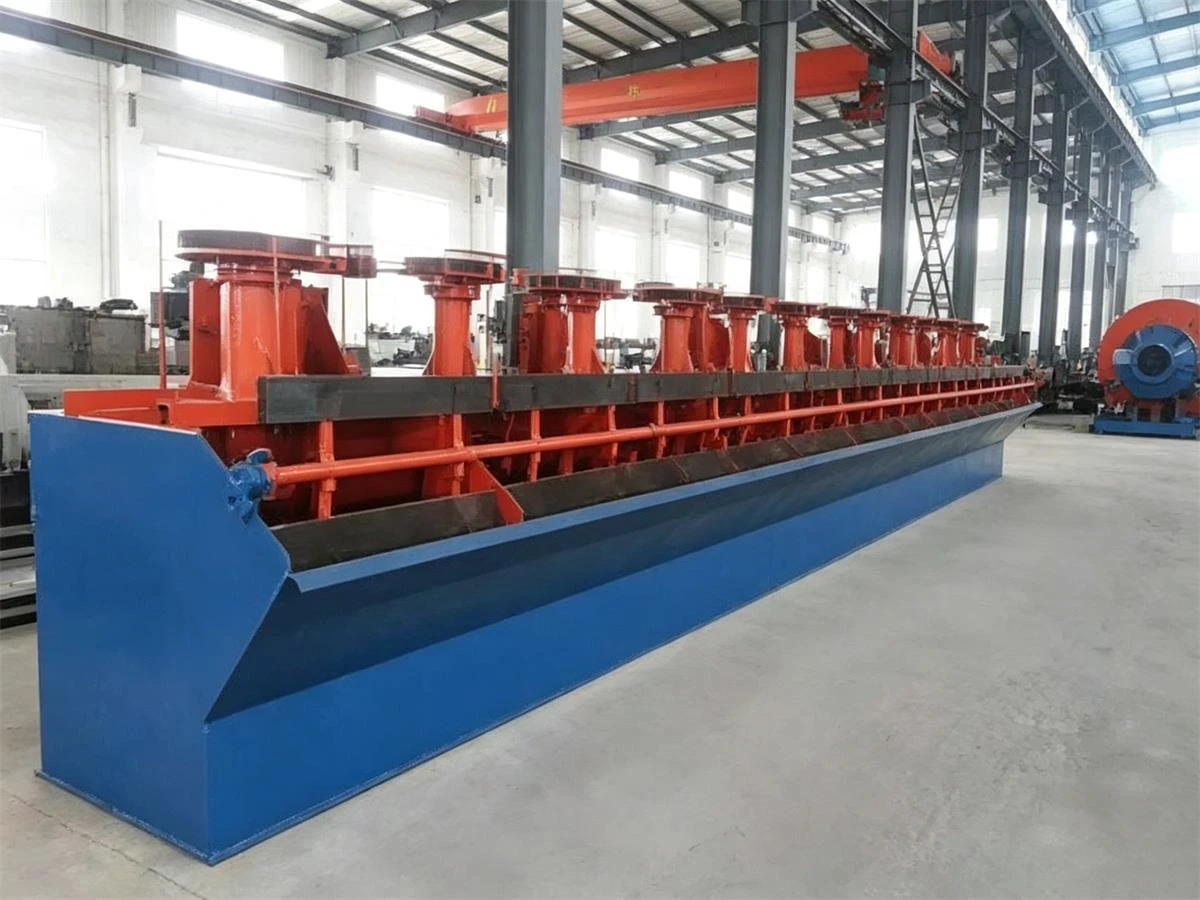
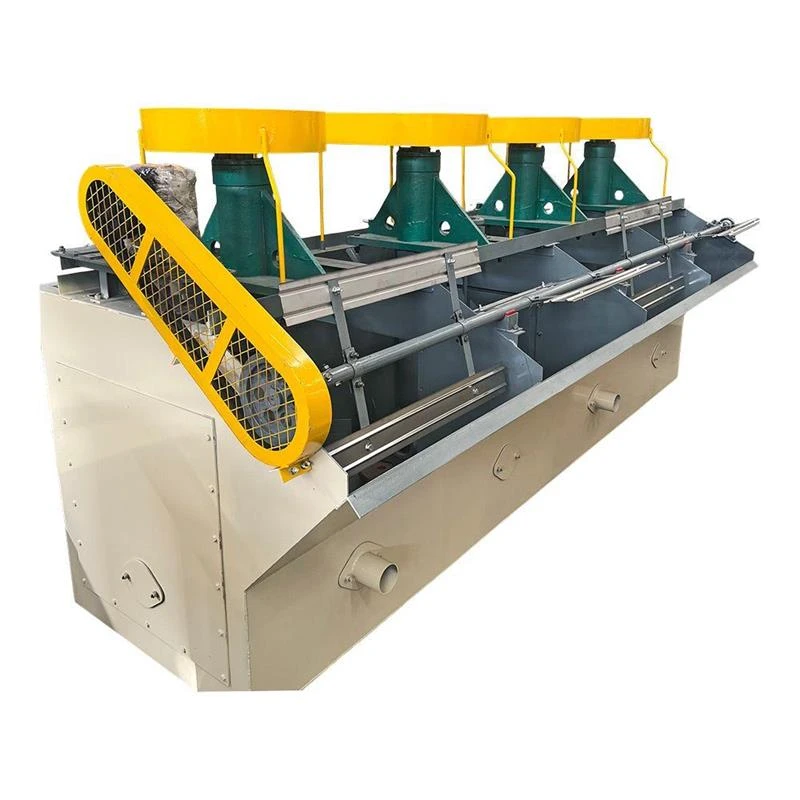
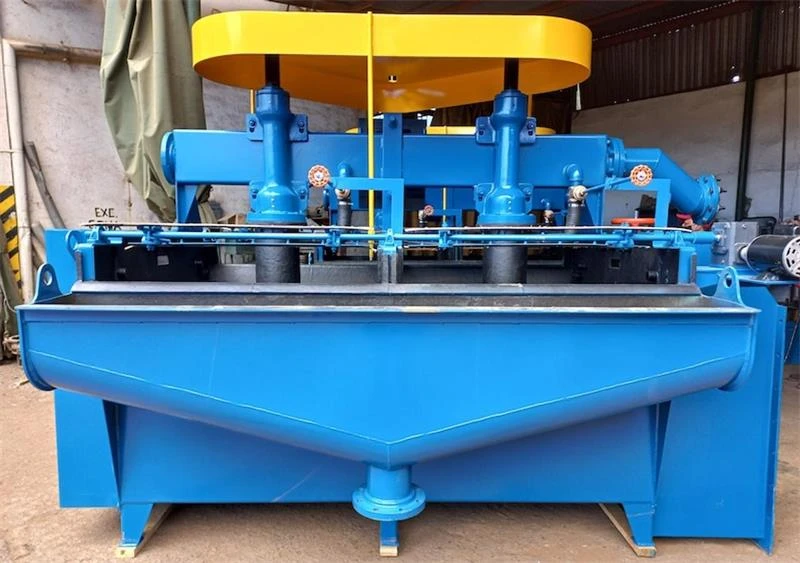
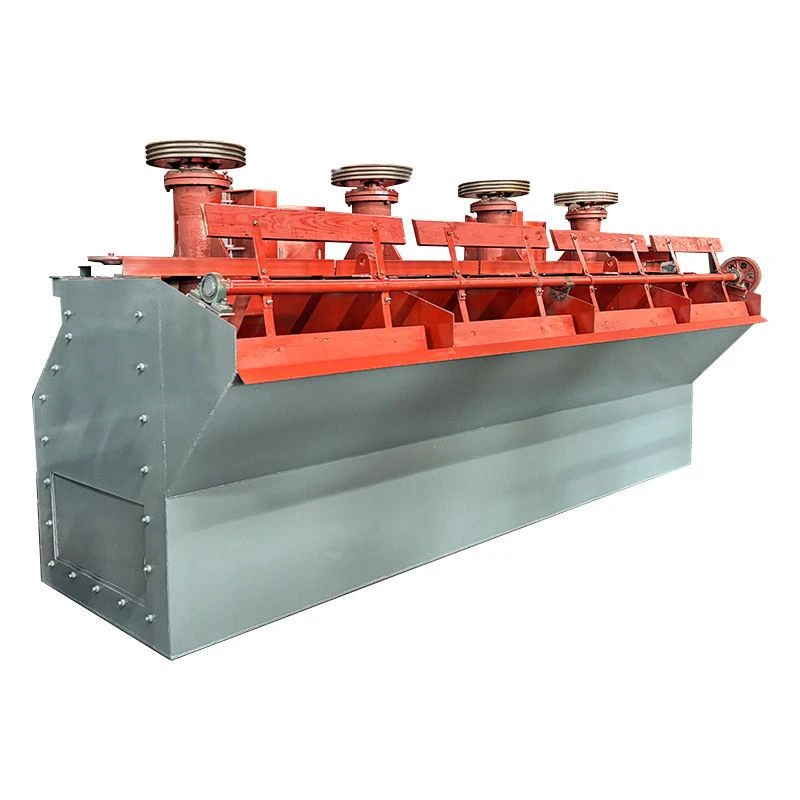
A froth flotation cell, also known as a flotation machine, flotation tank, or mineral flotation equipment, is a core separation device used in the froth flotation process to recover valuable minerals from ore. It separates target minerals from gangue materials based on differences in surface hydrophobicity, using air bubbles as the carrier medium. After grinding and conditioning, the mineral slurry enters the flotation cell, where the impeller mixing system disperses air into fine bubbles. Hydrophobic minerals selectively attach to these bubbles and rise to form a mineralized froth layer, while hydrophilic gangue particles remain in the slurry and are discharged as tailings.
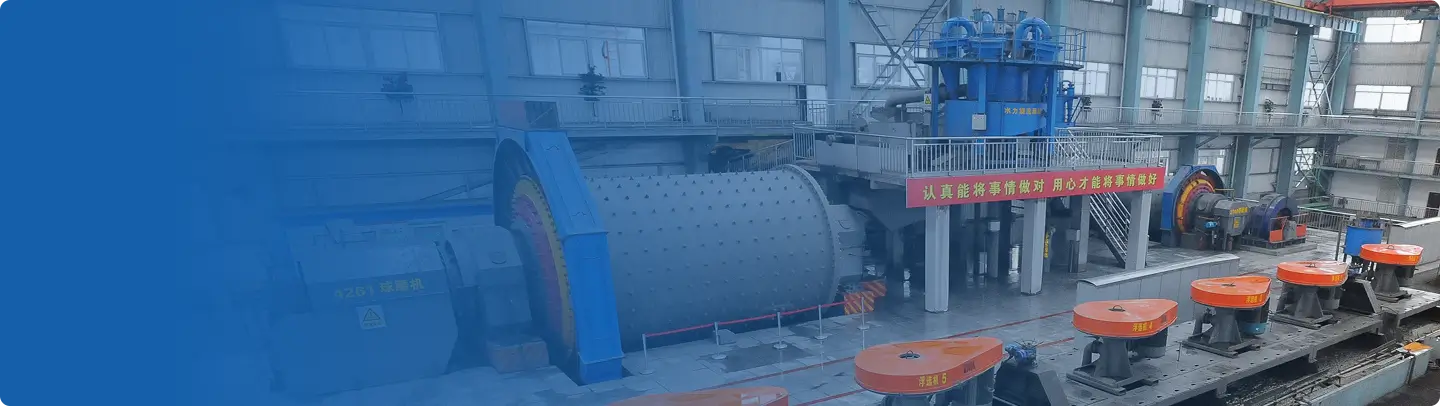
In a complete mineral processing plant, the froth flotation cell is typically installed after crushers, grinding mills, and hydrocyclones, which prepare the ore slurry with suitable particle size and concentration. It works together with flotation reagent dosing systems, concentrate thickeners, filter presses, and tailings treatment equipment to complete the recovery process. With optimized aeration, agitation, and froth control, modern flotation cells can effectively recover copper, gold, lead-zinc, nickel, and other valuable minerals. More than 90% of global copper, lead, zinc, molybdenum, antimony, and nickel production relies on froth flotation technology for mineral recovery.If you want to learn more, click “What is a Flotation Cell?”
Froth Flotation Cell Working Principle
The froth flotation cell working principle is based on the difference in mineral surface properties. By combining slurry mixing, air dispersion, and reagent interaction, the flotation cell separates valuable minerals from gangue through selective bubble attachment.
Mineral Slurry Mixing And Air Dispersion Process
After grinding and conditioning, mineral slurry enters the flotation cell, where the impeller and stator system maintain particle suspension and evenly disperse air into fine bubbles. The generated bubbles provide a carrier surface for mineral attachment and improve the contact between mineral particles and air bubbles.
Hydrophobic Mineral Attachment And Froth Recovery
Flotation reagents modify mineral surfaces during the process. Collectors increase mineral hydrophobicity, frothers stabilize bubbles, and modifiers improve separation selectivity. Hydrophobic target minerals attach to bubbles and rise to form a mineralized froth layer, which is collected as concentrate, while hydrophilic gangue remains in the slurry and is discharged as tailings.
Froth Flotation Cell Structure And Main Components
A froth flotation cell consists of several key components that work together to create the required conditions for mineral separation, including the flotation tank, mixing system, air supply system, and froth discharge unit. The design and performance of each component directly affect slurry circulation, bubble-mineral contact, and overall flotation efficiency.
Froth Flotation Cell Types And Selection Guide
Different froth flotation cell designs are developed to meet different mineral characteristics, processing capacities, and flotation stages. The main selection factors include ore properties, required recovery rate, concentrate quality, and plant scale. Common types include mechanical flotation cells, forced air flotation cells, pneumatic flotation cells, and flotation columns.If you’d like to learn more, click on “Types of Flotation Cells for Mineral Processing.”
Froth Flotation Cell Chemical Reagents And Mineral Recovery
Chemical reagents are essential in froth flotation because they modify mineral surface properties and control the separation between valuable minerals and gangue. Collectors increase the hydrophobicity of target minerals, allowing them to attach to air bubbles and rise to the froth layer. Different minerals require different collectors, such as xanthates for sulfide minerals like copper, lead, and zinc ores, and fatty acids for oxide minerals to improve floatability and recovery performance.
Frothers are used to control bubble formation and maintain a stable froth layer during flotation. Common frothers include MIBC and polypropylene glycol, which affect bubble size, froth stability, and mineral carrying capacity. A properly controlled froth structure helps mineralized bubbles rise efficiently while reducing the entrainment of unwanted particles.
pH regulators and modifiers adjust the slurry chemistry to improve mineral selectivity and reagent performance. Common reagents include lime, sodium carbonate, and sulfuric acid, which influence collector adsorption and mineral separation behavior. By balancing reagent type, dosage, and slurry conditions, froth flotation cells can achieve higher recovery rates and concentrate grades for different ore types.
Operating Parameters Affecting Flotation Performance
The performance of a froth flotation cell is influenced by several operating parameters, including particle size, slurry conditions, airflow, and froth control. Proper adjustment of these factors helps maintain stable flotation conditions and improves mineral recovery and concentrate quality.
1. Particle Size Distribution
Particle size directly affects bubble attachment and mineral recovery. In most flotation operations, the suitable particle size range is generally around 10–150 μm, allowing valuable minerals to achieve sufficient liberation while maintaining effective contact with air bubbles.
2. Slurry Density And Residence Time
Slurry density and residence time influence reagent consumption, mineral suspension, and concentrate grade. Proper control of solids concentration and retention time ensures sufficient mineral-bubble interaction without reducing flotation selectivity.
3. Air Flow Rate And Bubble Size
Airflow rate determines bubble generation and distribution inside the flotation cell. Proper air control improves mineral recovery, selectivity, and froth stability, while excessive airflow may increase unwanted particle entrainment and reduce concentrate quality.
4. Froth Depth Control
Froth depth affects the balance between recovery and concentrate grade. A shallow froth layer may reduce mineral recovery, while an excessively deep froth layer can increase gangue entrainment and lower concentrate quality. Stable froth control is essential for consistent flotation performance.
Applications
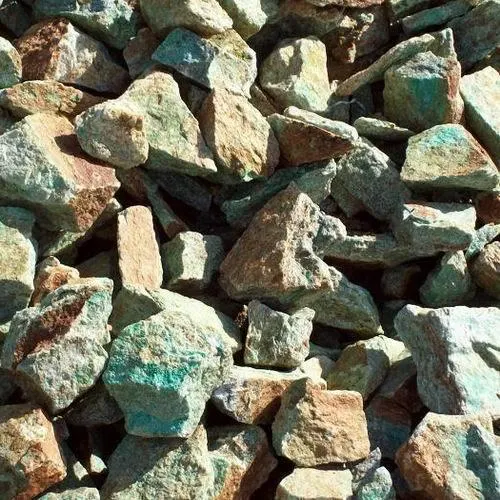
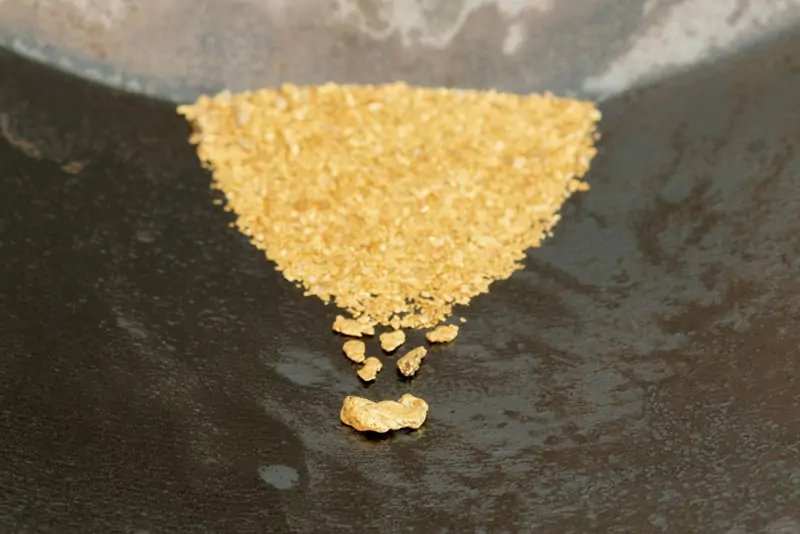
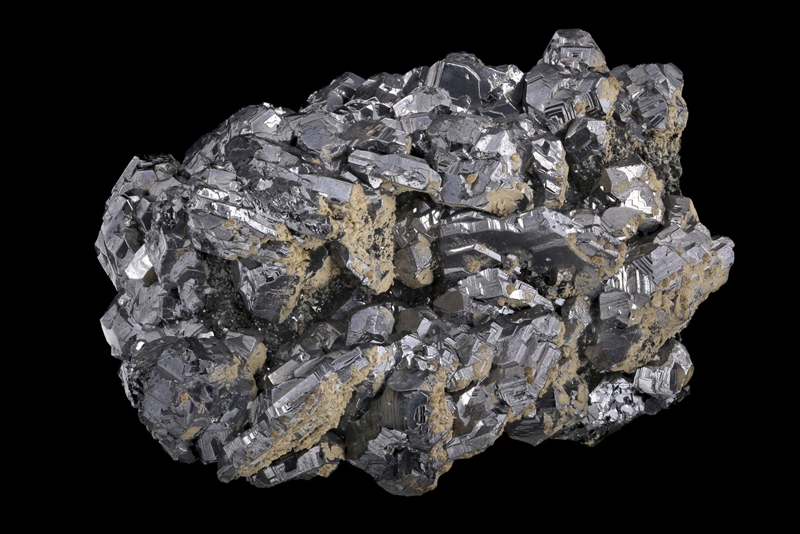
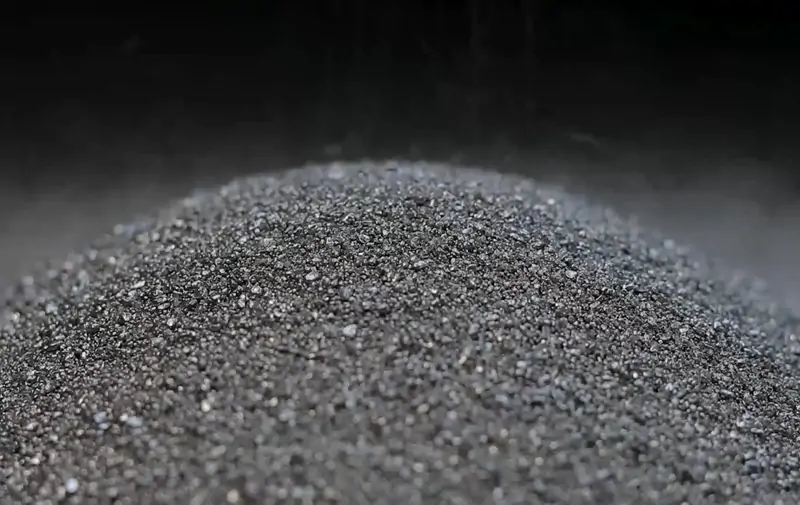
Froth flotation cells are widely applied in mineral processing and resource recovery industries. By adjusting flotation conditions according to ore properties, the equipment helps improve valuable mineral recovery and concentrate quality.
Froth Flotation Cell Technical Specifications
Flotation cells can be selected based on ore characteristics, processing capacity, and the beneficiation process. The main technical parameters are listed below; specific configurations can be adjusted according to project requirements.
| Parameter | Specification |
| Cell Volume | 0.5–320 m³ |
| Processing Capacity | Customized according to plant scale and flotation circuit requirements |
| Applicable Minerals | Copper, Gold, Zinc, Nickel, Sulfide Ores, Non-metallic Minerals |
| Impeller Speed | Adjustable according to slurry conditions |
| Air Flow | Adjustable for optimized bubble generation |
| Power | Customized based on cell size and operating conditions |
| Material | Wear-resistant steel for long service life |
| Automation System | Optional PLC-based monitoring and control |
Project Case
Froth Flotation Cell Improves Copper Recovery Performance In A Sulfide Ore Processing Plant
A copper mining project required an upgrade to its existing flotation circuit due to unstable recovery performance and inconsistent concentrate quality. The ore contained complex sulfide minerals, mainly chalcopyrite, with variations in mineral composition and particle size after grinding. Based on the plant’s production capacity, ore characteristics, and flotation requirements, our team provided a customized froth flotation cell solution, optimizing the cell configuration, impeller and stator design, airflow control, and flotation process parameters to improve mineral-bubble contact and separation efficiency.
After installation and commissioning, the new flotation cells achieved more stable slurry circulation and froth control during continuous operation. The upgraded system improved copper recovery performance, maintained consistent concentrate grade, and reduced fluctuations caused by changes in feed conditions. The project manager commented: “The flotation cells showed reliable operation and strong adaptability to our ore conditions. The equipment design and technical support helped us achieve more stable production and improve overall processing efficiency.”
Why Choose Zhongyi?
With over 16 years of experience in mining equipment manufacturing, Zhongyi provides froth flotation cell solutions based on real project requirements rather than standard equipment supply. From flotation process design and equipment manufacturing to installation and commissioning, our engineering team works closely with customers to match flotation cell configuration with ore characteristics, processing capacity, and plant conditions. Supported by a 40,000+ m² manufacturing facility, 60+ patented technologies, and experienced technical personnel, Zhongyi delivers reliable flotation equipment with strict quality control and long-term operational stability for mineral processing projects worldwide.
Request a Customized Solution
Partner with Zhongyi for a froth flotation cell solution designed for efficient mineral separation, stable concentrate recovery, and reliable flotation performance in copper, gold, sulfide ore, and other mineral processing projects.
Custom Solutions
Every mineral processing project has unique requirements based on ore properties, processing capacity, and recovery targets. Zhongyi provides customized froth flotation cell solutions by evaluating factors such as mineral composition, feed size, slurry conditions, and production goals. Our engineering team supports equipment selection, flotation process optimization, and configuration design to ensure stable operation and efficient mineral recovery.
For complete plant requirements, Zhongyi also provides integrated mineral processing production line solutions, covering crushing, grinding, flotation, concentrate treatment, and tailings management. Share your project information with our technical team, and we will develop a suitable flotation solution based on your actual operating conditions. Contact Zhongyi today for professional support and customized equipment recommendations.
Please Provide the Following Information:
FAQs
What is a froth flotation cell used for?
A froth flotation cell is an industrial mineral processing machine used to separate valuable minerals from unwanted gangue materials through selective bubble attachment. It is widely used for copper, gold, lead-zinc, nickel, and sulfide ore flotation. By improving mineral recovery and concentrate grade, flotation cells help mining operations maximize resource utilization and improve overall processing efficiency.
How does a froth flotation cell work?
A froth flotation cell works by mixing mineral slurry with flotation reagents and dispersing air into the slurry through an impeller or air injection system. Hydrophobic mineral particles attach to air bubbles and rise to form a mineralized froth layer, which is collected as concentrate. Meanwhile, unwanted hydrophilic materials remain in the slurry and are discharged as tailings.
What minerals can be processed by a froth flotation cell?
Froth flotation cells are suitable for a wide range of mineral processing applications, including copper sulfide ores, gold-bearing ores, lead-zinc minerals, nickel ores, molybdenum ores, graphite, phosphate, and other non-metallic minerals. The flotation process is selected according to mineral surface properties, liberation size, and separation requirements to achieve better recovery performance.
How do I choose the right froth flotation cell for my mineral processing plant?
Selecting the right froth flotation cell requires considering ore type, mineral composition, processing capacity, feed particle size, slurry characteristics, and expected recovery targets. Large-scale plants usually require high-volume flotation cells with stable airflow control, while smaller or complex ore projects may need flexible configurations for better process adjustment.
What factors affect the performance of a froth flotation cell?
The performance of a froth flotation cell is influenced by several operating factors, including particle size distribution, slurry density, reagent dosage, airflow rate, bubble size, froth depth, and residence time. Proper control of these parameters helps improve bubble-mineral attachment, maintain stable froth conditions, and achieve a balance between high recovery rate and concentrate quality.
What is the difference between mechanical and forced air flotation cells?
Mechanical flotation cells use an impeller and stator system to mix slurry and disperse air, providing strong agitation and wide application in mineral processing plants. Forced air flotation cells use an external air supply system to achieve more accurate airflow control and are commonly used in large-scale operations requiring stable flotation performance and lower energy consumption.
What information should I provide when purchasing a froth flotation cell?
To recommend a suitable froth flotation cell, customers should provide key project details such as mineral type, processing capacity, feed size, ore characteristics, required recovery rate, existing process flow, and installation conditions. Based on this information, engineers can design the appropriate flotation configuration, equipment specifications, and supporting mineral processing solution.
Can Zhongyi provide customized froth flotation cell solutions?
Yes. Zhongyi provides customized froth flotation cell solutions based on different mineral properties, production scales, and processing requirements. With experience in mining equipment design, manufacturing, and project installation, our engineering team can optimize flotation equipment selection, configuration, and integration with crushing, grinding, classification, and dewatering systems for complete mineral processing projects.