What Is a Diesel Powered Mobile Hammer Crusher?
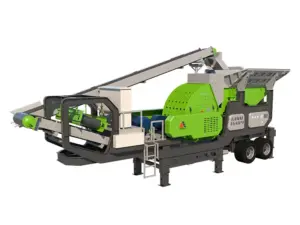
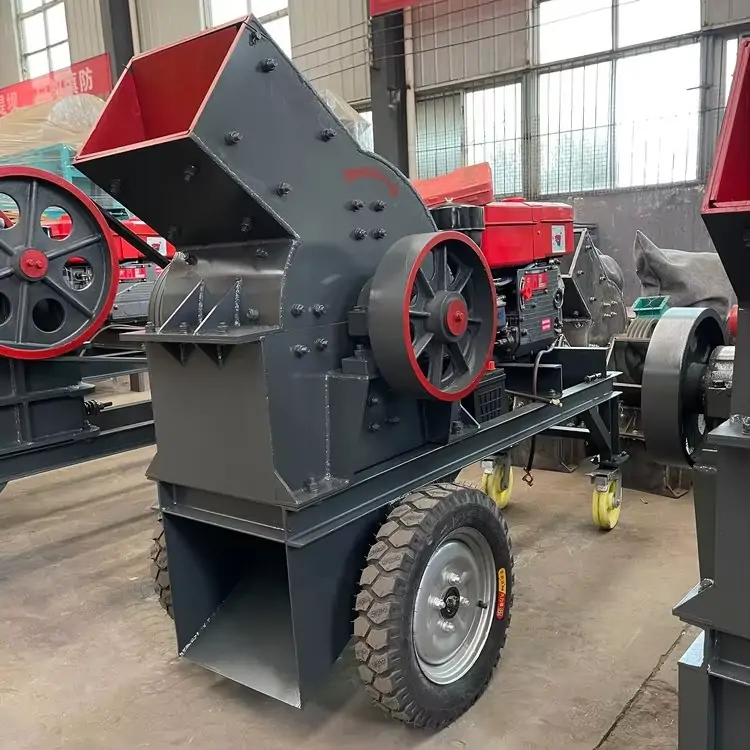
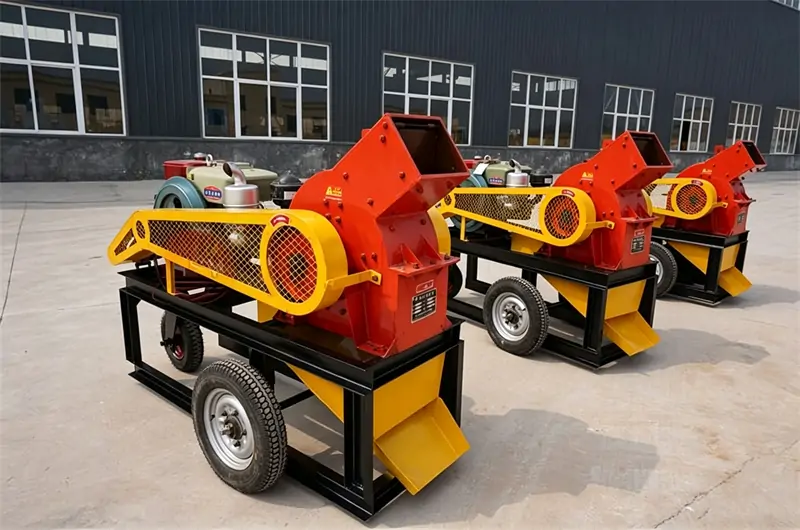
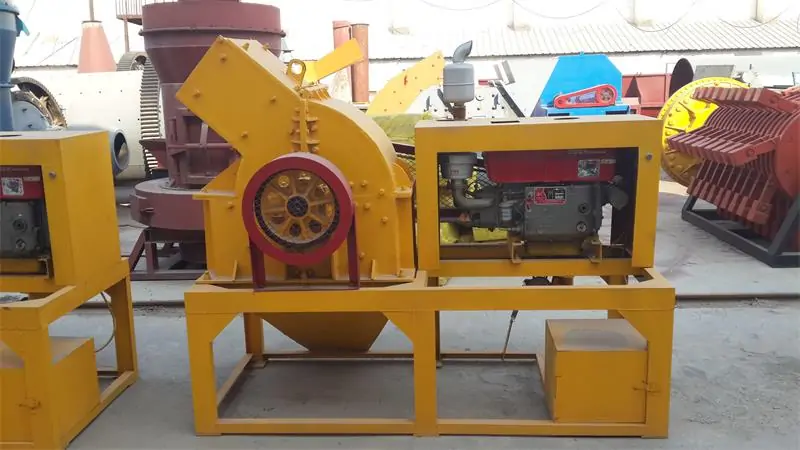
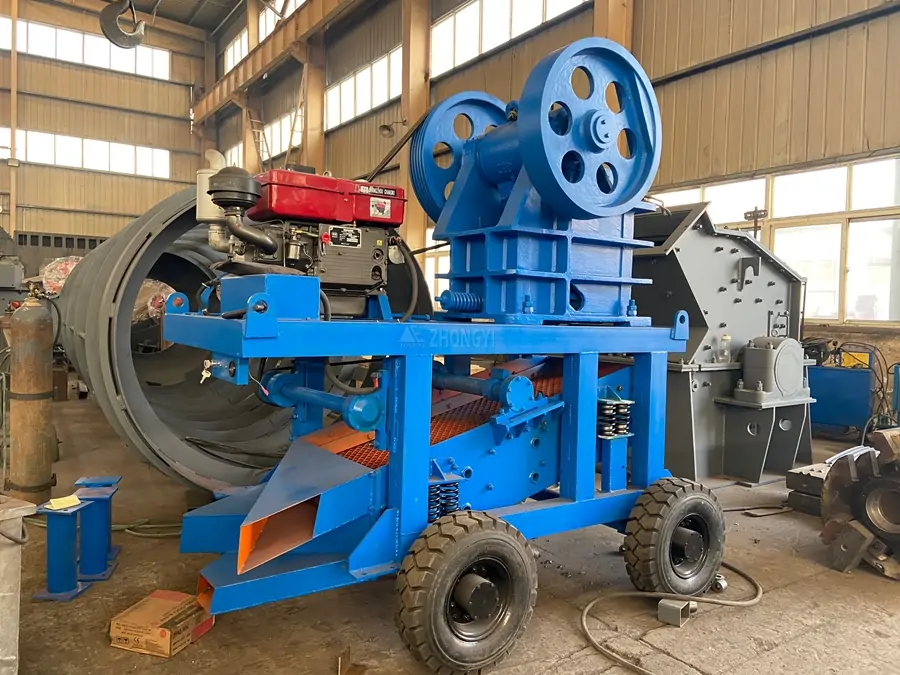
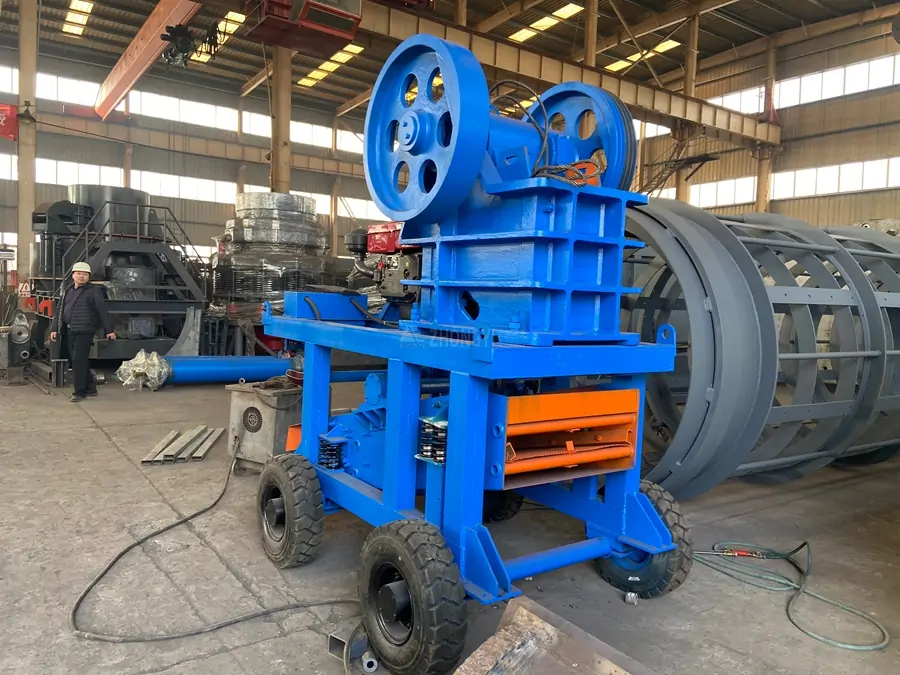
A diesel powered mobile hammer crusher is a self-contained crushing unit that mounts a hammer crusher onto a wheeled or tracked chassis, driven entirely by a diesel engine. It performs medium to fine crushing of moderately hard, brittle materials—typically sitting between primary crushing and final screening. Common uses include on-site aggregate production, road base material preparation, and demolition waste recycling in areas without power lines.
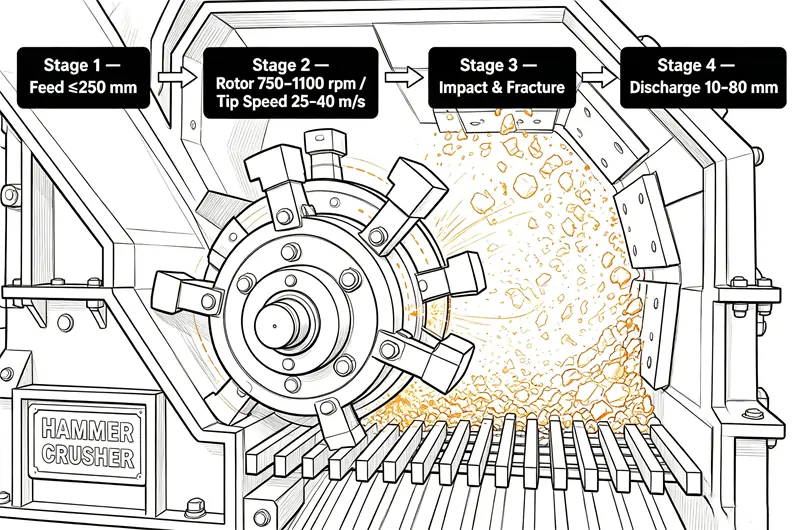
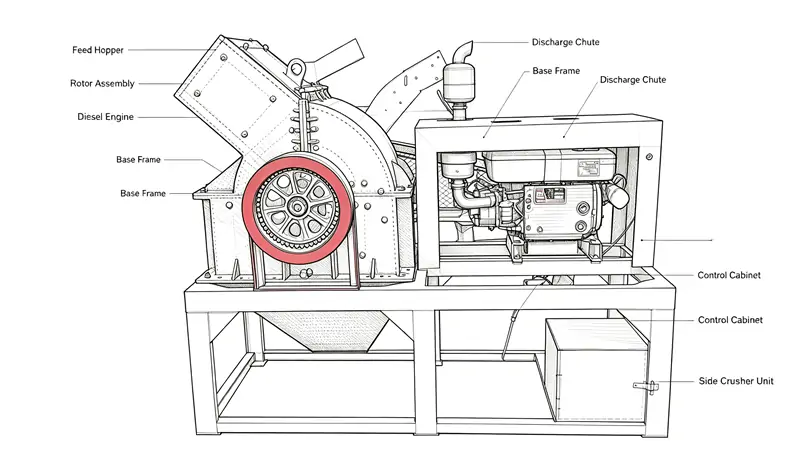
These crushers handle feed sizes up to 250 mm and produce outputs ranging from 10 to 80 mm (adjustable by changing grate bar spacing). Capacity varies from 30 to 120 t/h depending on rotor diameter (800–1250 mm) and engine power (75–160 kW). Key components include the diesel engine, high-speed rotor with replaceable hammers, reinforced crushing chamber with breaker plates, adjustable grate bar assembly, mobile chassis (tyre or track), and a control panel for engine and choke monitoring.
How Does a Diesel Powered Mobile Hammer Crusher Work?
A diesel powered mobile hammer crusher transmits engine power through a clutch and belt drive to a high-speed rotor rotating at 750–1100 rpm. Hammers attached to the rotor strike incoming material repeatedly inside the crushing chamber. Unlike jaw crushers that rely on compression, this machine uses high-velocity impact to fracture brittle materials instantly—making it significantly more effective for medium-hard ores, coal, and demolition waste.
The typical process: material (≤250 mm) is fed into the hopper → evenly enters the crushing chamber → rotating hammers strike at tip speeds of 25–40 m/s → crushed material circulates until small enough to pass through bottom grate bars (adjustable 10–80 mm) → discharged via conveyor or chute.
Main efficiency factors: hammer tip speed is most critical (below 25 m/s reduces fracture); moisture above 12–15% tends to clog grate openings; grate bar spacing and open area (30–50% standard) control output size and throughput. Regular hammer inspection every 300–600 operating hours maintains performance.
Advantages
Designed for remote mining and quarry operations, Zhongyi diesel mobile hammer crushers provide independent power, flexible mobility, and customized crushing configurations for different materials and working conditions.
Applications
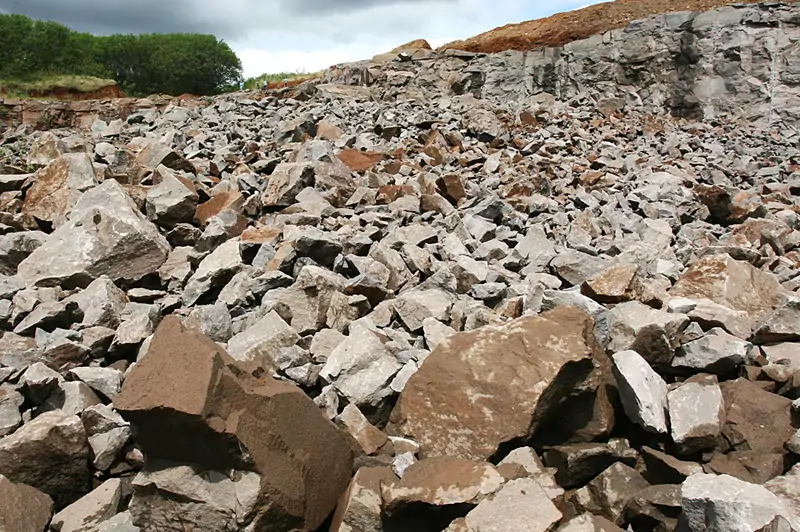
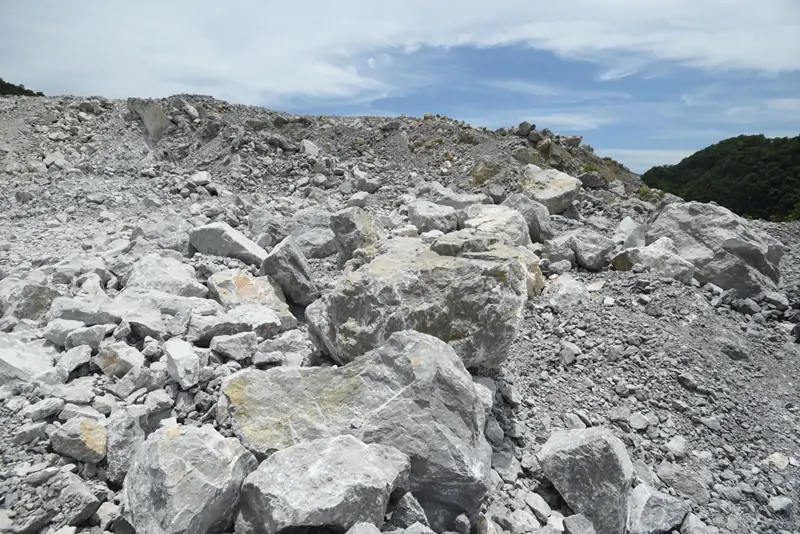
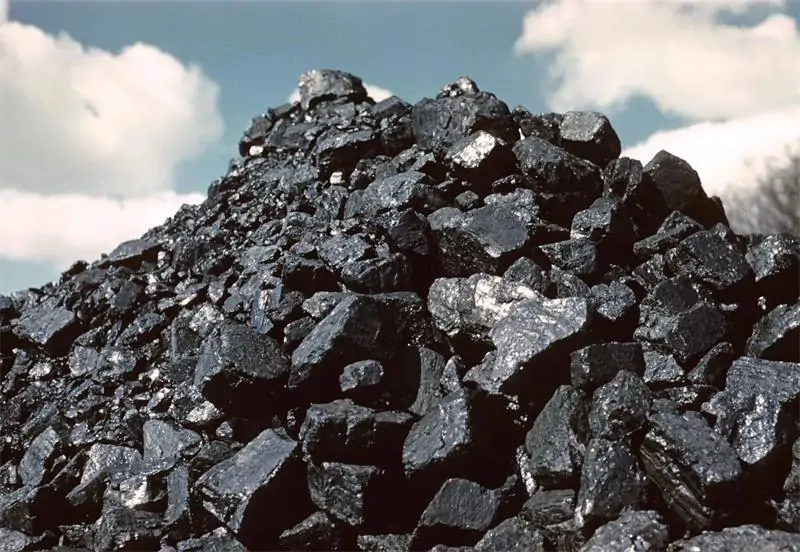
A diesel powered mobile hammer crusher is designed for medium to fine crushing of brittle materials in remote locations without grid power. It serves as a primary or secondary crusher in mining, quarrying, construction recycling, and road building projects.

Specifications
The diesel powered mobile hammer crusher is available in multiple models to meet different on-site crushing requirements. Model selection depends on feed size, required output size, processing capacity, and engine power. The following specifications provide a quick comparison of key parameters to help customers choose the suitable configuration for mining, quarrying, construction waste recycling, and other mobile crushing applications.
| Model | Rotor Diameter (mm) | Feeding Size (mm) | Discharge Size (mm) | Capacity (t/h) | Engine Power (kW) |
| ZY-DMHC-800 | 800 | ≤200 | 10–60 | 35–55 | 75 |
| ZY-DMHC-1000 | 1000 | ≤250 | 10–70 | 50–80 | 110 |
| ZY-DMHC-1200 | 1200 | ≤280 | 15–80 | 70–110 | 132 |
| ZY-DMHC-1250 | 1250 | ≤300 | 15–80 | 90–130 | 160 |
| ZY-DMHC-1500 | 1500 | ≤350 | 20–90 | 120–180 | 200 |
Note: These specifications are for reference only. Final selection depends on material hardness, moisture, abrasiveness, and required particle size. Contact Zhongyi for site-specific recommendations.
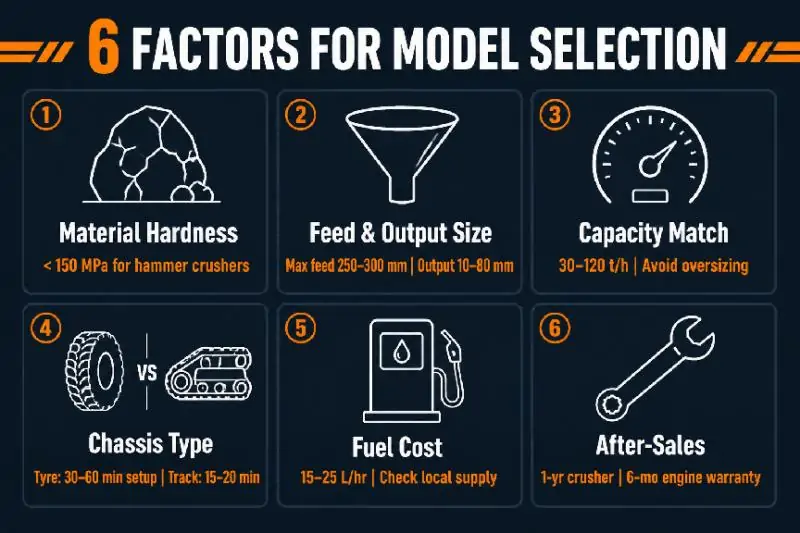
How to Choose the Right Diesel Powered Mobile Hammer Crusher?
Selecting a diesel mobile hammer crusher requires matching the machine with material properties, production targets, and site conditions.
Diesel Powered Mobile Hammer Crusher Price
The price of a diesel powered mobile hammer crusher depends on machine configuration, production capacity, mobility requirements, and project conditions. Key cost factors include crusher size, diesel engine selection, chassis type, discharge design, and additional equipment.
| Factor | Price Impact |
| Crusher Model & Rotor Size | Larger rotors provide higher capacity but increase equipment cost. |
| Diesel Engine Selection | Engine brand, power rating, and emission requirements affect investment and operating cost. |
| Chassis Type | Tyre-mounted units are more economical, while tracked models offer better mobility on difficult terrain. |
| Discharge Configuration | Grate or grizzly discharge options affect material handling performance and cost. |
| Optional Equipment | Feeders, conveyors, screens, and spare parts packages increase total project investment. |
Zhongyi provides customized diesel mobile hammer crusher configurations based on material properties, capacity requirements, and working conditions. Contact our engineering team for a suitable solution and quotation.
Project Case
Diesel Mobile Hammer Crusher Case Study: Road Base Production in Mozambique
A quarry in Cabo Delgado, Mozambique, required a reliable crushing solution for road base production in an off-grid environment. Based on the limestone characteristics and production target, Zhongyi recommended a ZY-DMHC-1000 diesel mobile hammer crusher with an integrated feeder and screening system. Manufactured by Zhongyi, the unit was configured with a 110 kW diesel engine to ensure stable operation without grid power. After installation and operator training, the crusher achieved an average output of 53 t/h, meeting the customer’s 50 t/h requirement. The mobile unit was relocated three times during the project, helping the quarry improve flexibility and reduce transportation costs while maintaining continuous aggregate production.
Why Work With Zhongyi Mining?
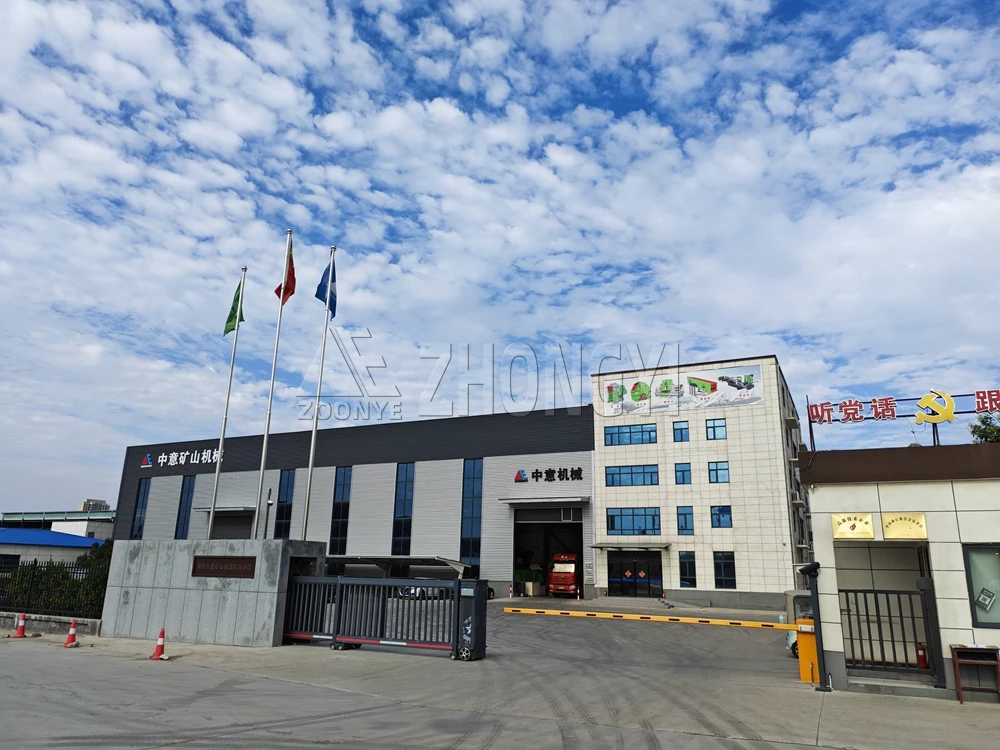
Zhingyi Mining is a specialized manufacturer of diesel powered mobile hammer crushers built for off-grid crushing in mining, quarrying, and recycling. Our machines deliver consistent 30–120 t/h throughput with adjustable discharge from 10–80 mm, backed by rotor tip speeds of 25–40 m/s and hammer life of 300–600 hours.
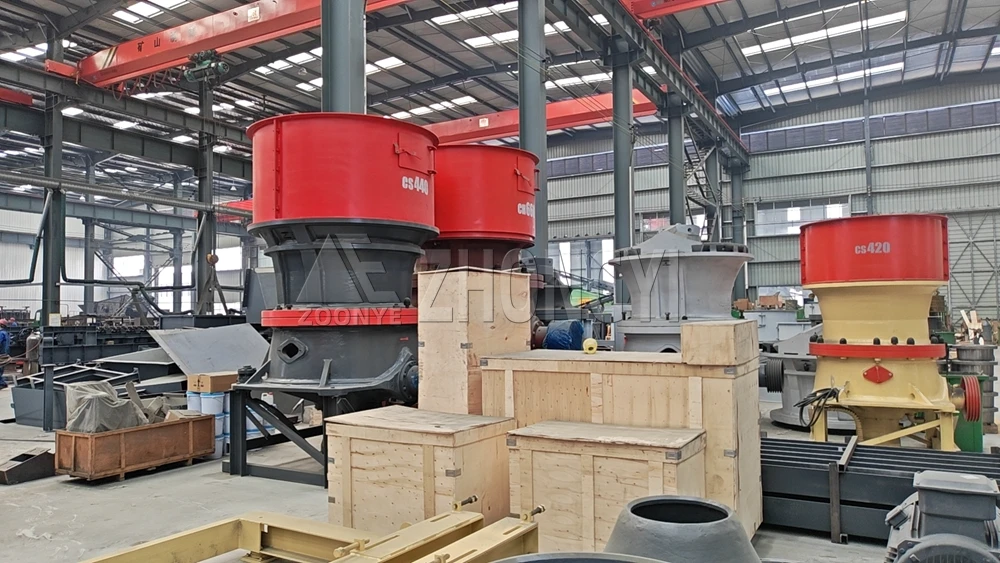
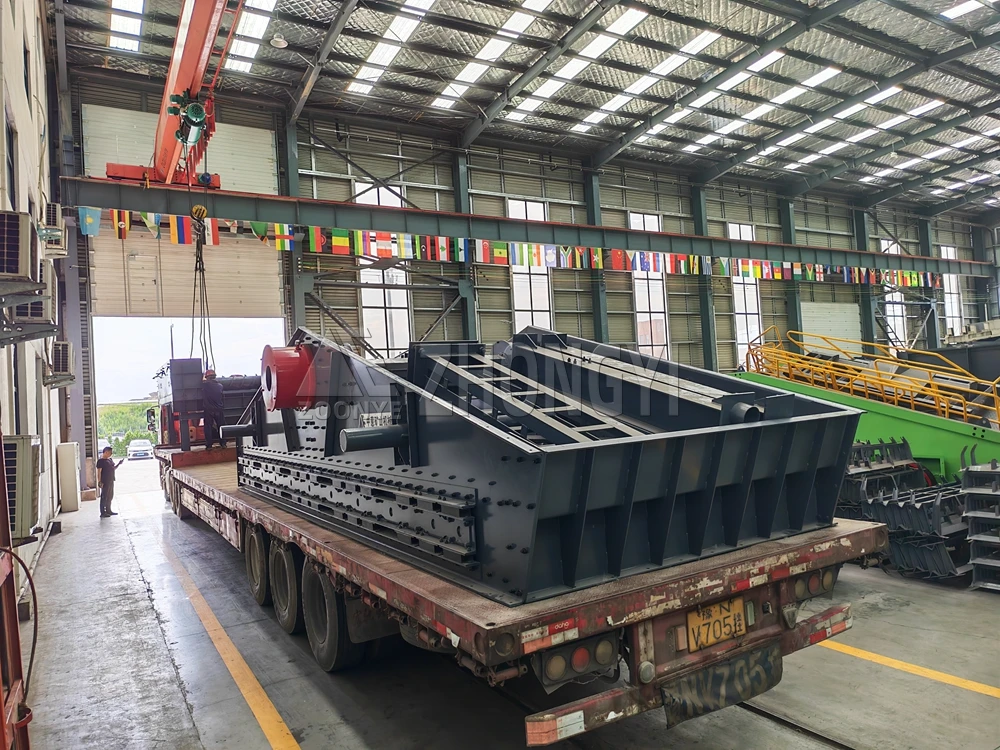
We have 16+ years of project experience across Africa, Southeast Asia, and South America, Zhongyi holds ISO9001:2015 certification and offers CE-compliant diesel engine options. Our services cover process design, equipment fabrication, on-site commissioning, operator training, and long-term spare parts supply—making us a trusted partner where the grid doesn’t reach.
Request a Customized Solution
Partner with Zhongyi for a diesel mobile hammer crusher solution designed for on-site crushing, reliable performance, and flexible operation in mining, quarrying, construction waste recycling, and other demanding working conditions. Share your material type, capacity requirements, output size, and site conditions with our engineering team to receive a customized crushing configuration.
Request a Customized Solution
Partner with Zhongyi for expert technical support and customized diesel mobile hammer crusher solutions or Stone Crusher Plant Solution tailored to your material and site conditions. To receive an accurate proposal, please provide:
Please Provide the Following Information:
FAQs
What is a diesel powered mobile hammer crusher used for?
A diesel powered mobile hammer crusher is designed for on-site crushing of medium-hard and brittle materials such as limestone, coal, gypsum, and construction waste. Equipped with a diesel engine and mobile chassis, it operates independently without grid power, making it suitable for remote mines, quarries, and temporary crushing projects.
What materials can a diesel mobile hammer crusher process?
Diesel mobile hammer crushers can process materials including limestone, coal, gypsum, concrete, bricks, and other medium-hard rocks. The suitable application depends on material hardness, moisture content, feed size, and required output. Proper configuration helps improve crushing efficiency and reduce wear during continuous operation.
What feed size and output can I expect from a diesel mobile hammer crusher?
The maximum feed size is typically 150–300 mm, depending on rotor diameter and crusher configuration. Production capacity usually ranges from 30–120 t/h, while the final discharge size can be adjusted through grate spacing to meet different aggregate and processing requirements.
Is a diesel mobile hammer crusher suitable for wet materials?
Standard hammer crushers perform best with dry or low-moisture materials. For higher moisture applications, a grizzly-type discharge or customized configuration can help reduce material blockage and improve feeding stability. Material properties should be evaluated before selecting the suitable discharge design.
How is a diesel mobile hammer crusher different from an electric stationary crusher?
A diesel mobile hammer crusher does not require external power infrastructure and can be relocated between working areas, making it suitable for remote or short-term projects. Electric stationary crushers usually offer lower operating costs but require permanent installation, foundations, and stable power supply.
What factors affect diesel mobile hammer crusher price?
The price depends on crusher model, rotor size, diesel engine configuration, chassis type, and optional equipment such as feeders or screening systems. Different material conditions and production requirements also affect the final configuration. Zhongyi provides customized quotations based on specific project needs.
How to choose the right diesel mobile hammer crusher?
The selection should consider material hardness, feed size, required capacity, output size, mobility requirements, and working environment. Choosing the correct rotor configuration, engine power, and chassis type helps achieve stable production and lower operating costs.
What support does Zhongyi provide after purchase?
Zhongyi provides technical support throughout equipment delivery, installation, and operation. Customers can receive installation guidance, operating instructions, spare parts support, and remote assistance. For specific projects, Zhongyi can also provide customized solutions and professional service according to site conditions.