What is a Flash Flotation Cell?
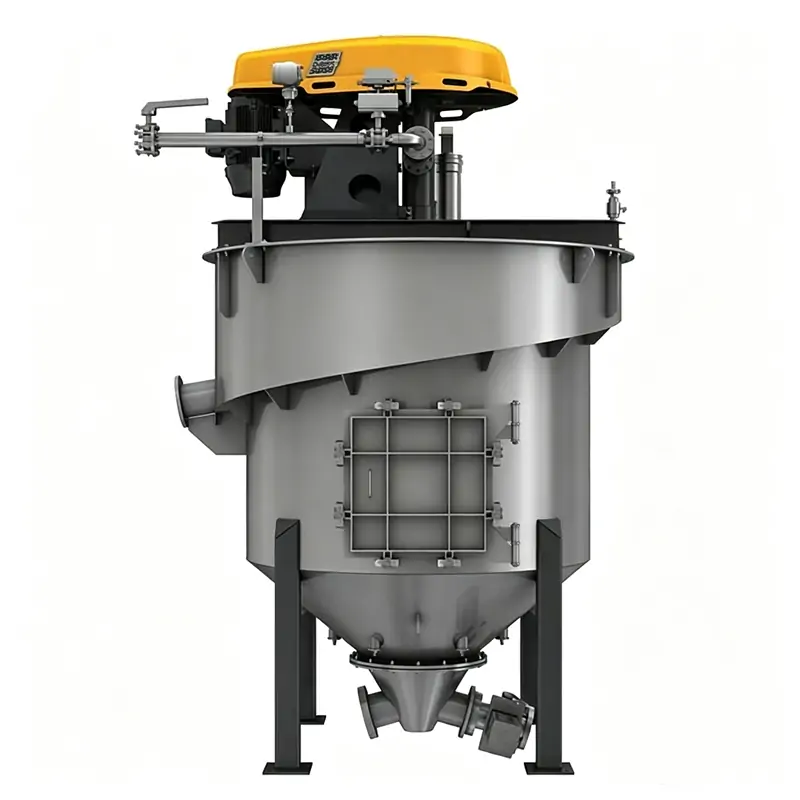
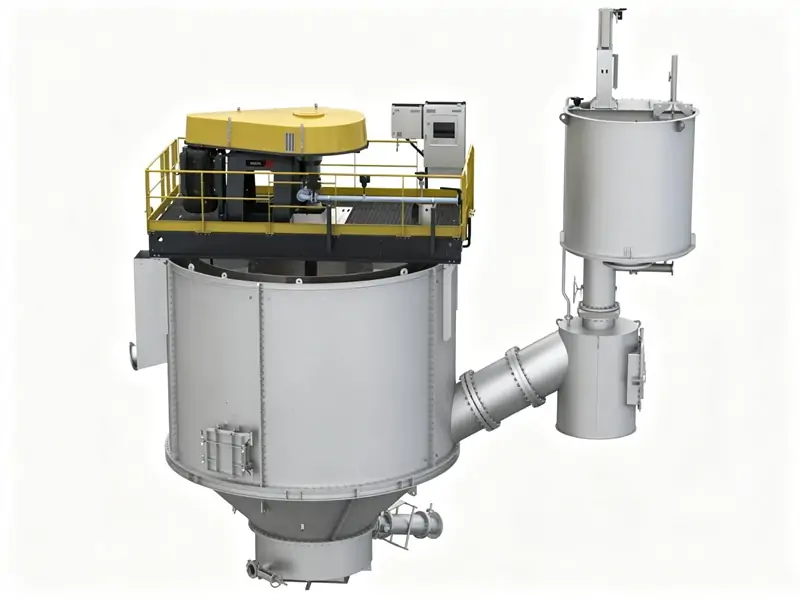
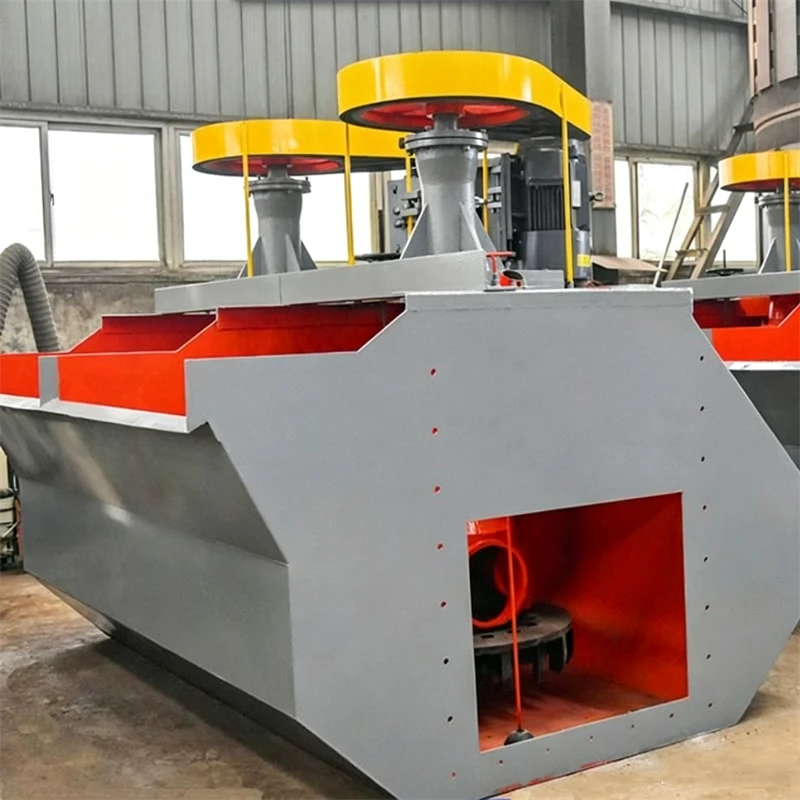
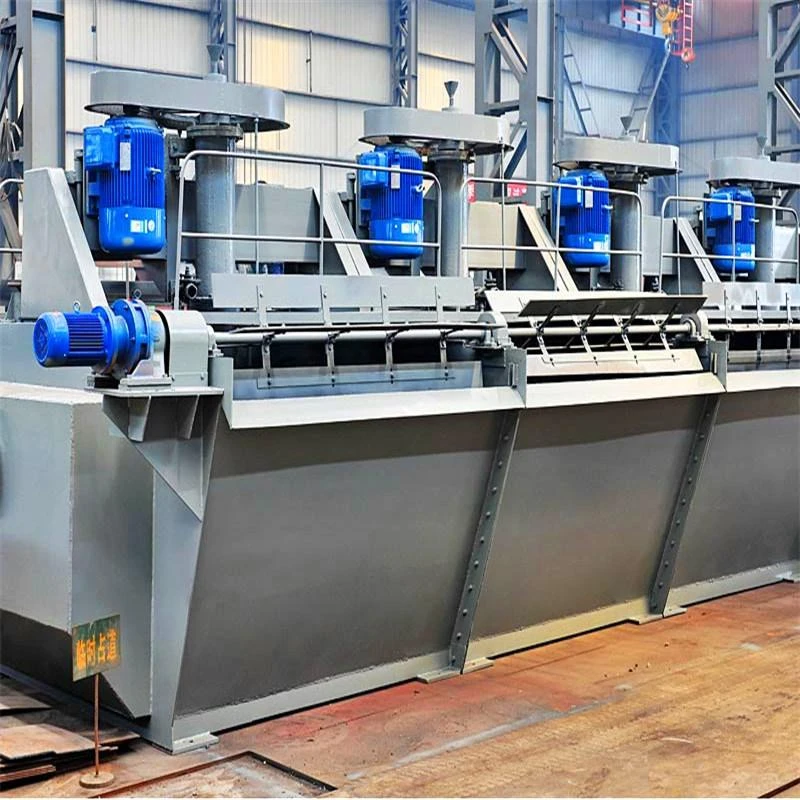
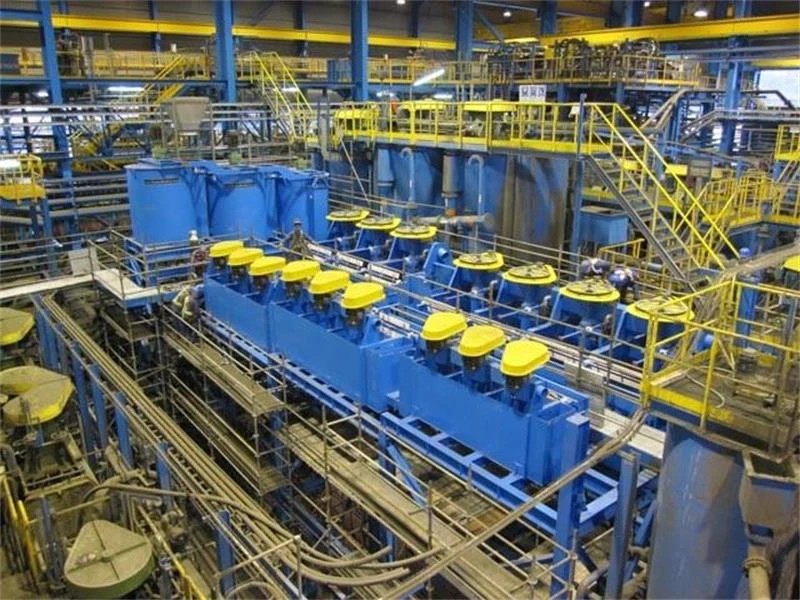
A Flash Flotation Cell, also known as a Flash Flotation Machine or Skim-Air Flotation Cell, is a specialized flotation equipment designed for the flash flotation process. It is mainly installed in the grinding circuit to recover fast-floating and liberated coarse valuable minerals from hydrocyclone underflow, preventing overgrinding and improving mineral recovery.
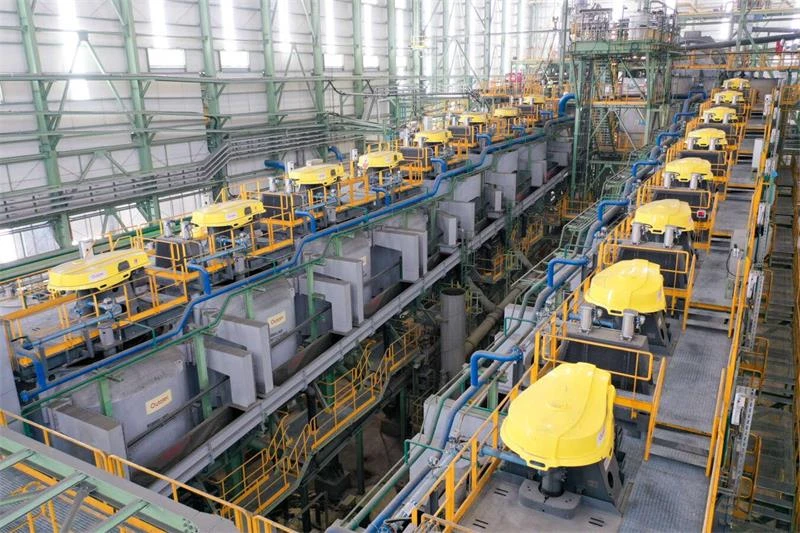
The flash flotation cell is typically integrated with upstream equipment such as ball mills, rod mills, and hydrocyclones, and works together with downstream equipment including cleaner flotation cells, concentrate thickening systems, and dewatering equipment. Through rapid flotation separation, it can recover valuable minerals within a short residence time, with some industrial applications achieving early recovery of more than 20% of valuable minerals before conventional flotation.
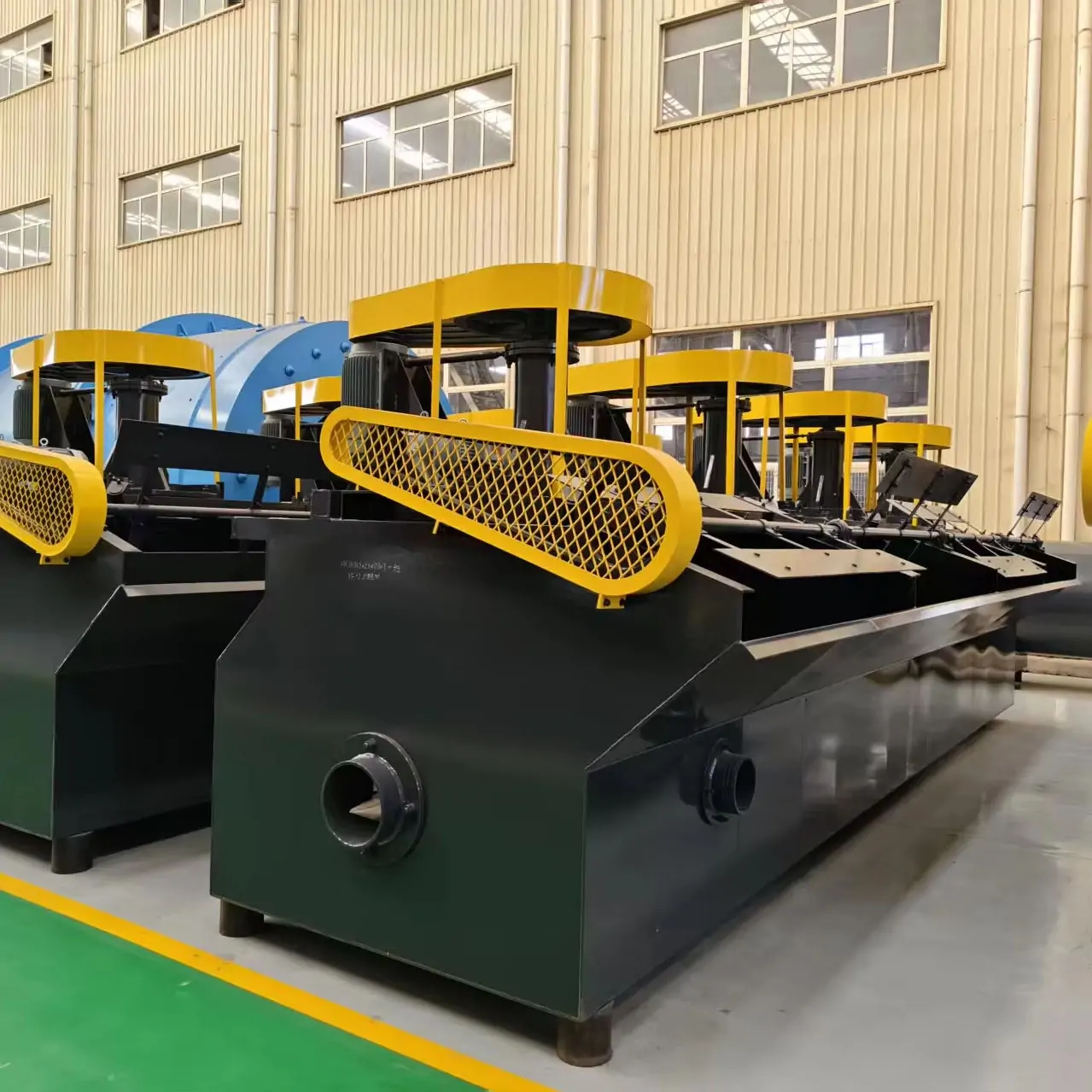
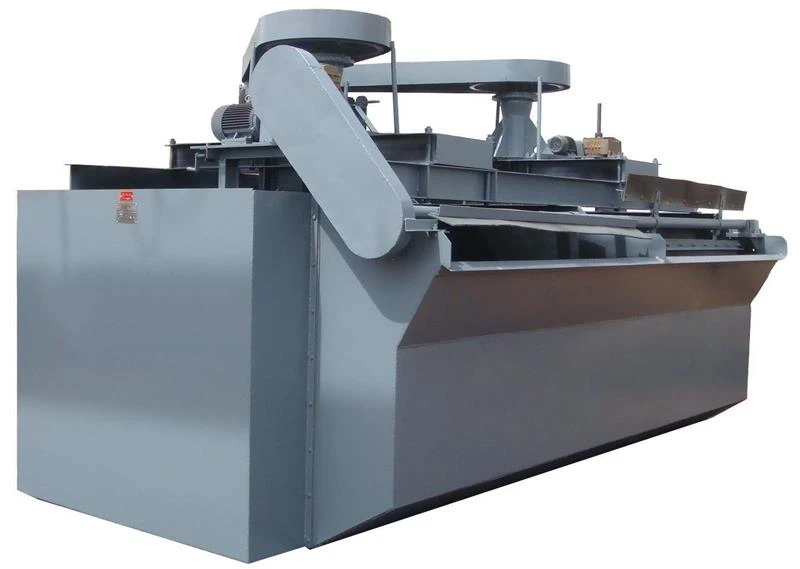
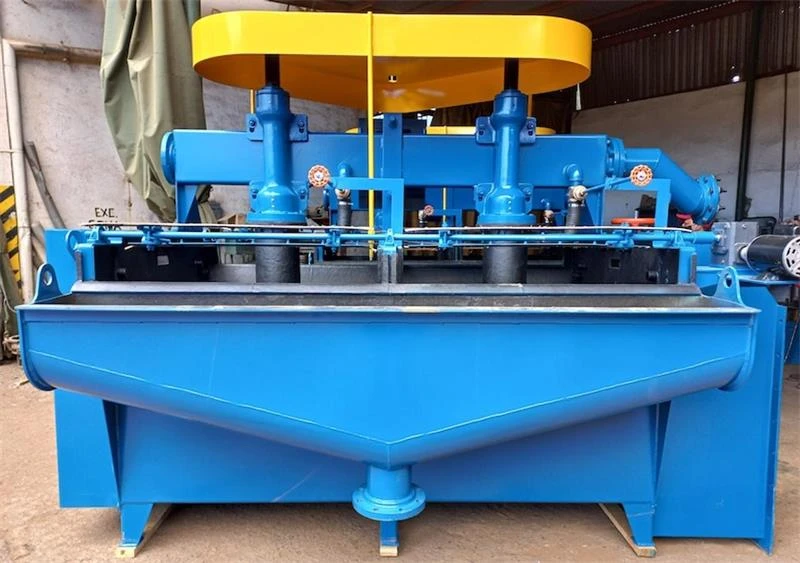
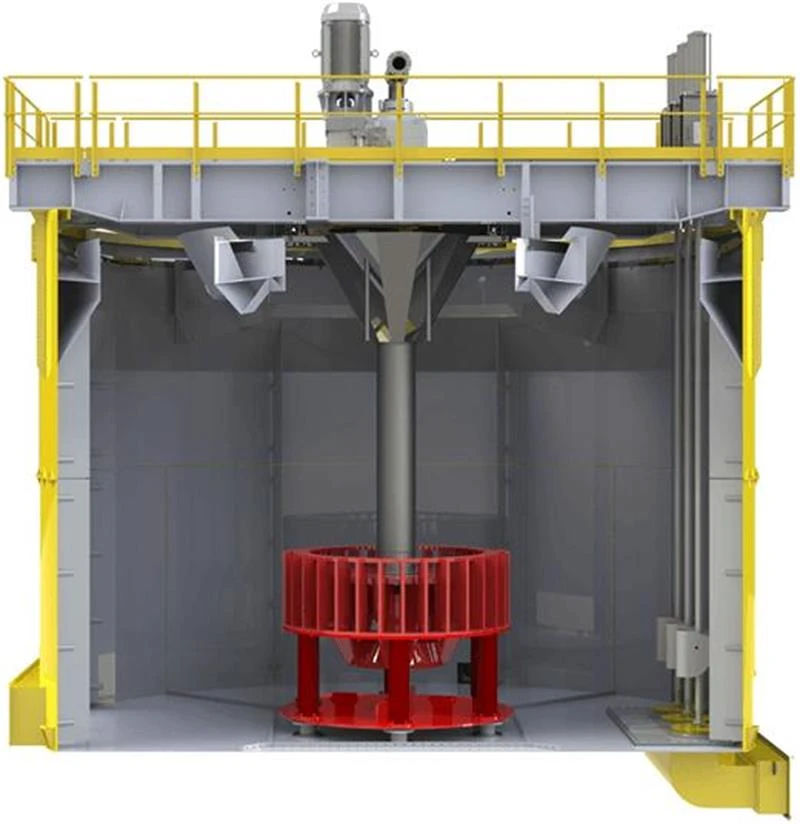
Designed for high-density slurry handling, the flash flotation cell features a robust tank structure, tangential feeding design, and cone-bottom discharge system, making it suitable for coarse particle recovery in gold, copper, sulfide ore, and graphite processing plants. Its compact design allows integration into existing grinding circuits to improve recovery performance without major process modifications.If you’d like to learn more, click on “Types of Flotation Cells for Mineral Processing.”
Flash Flotation Cell Working Principle
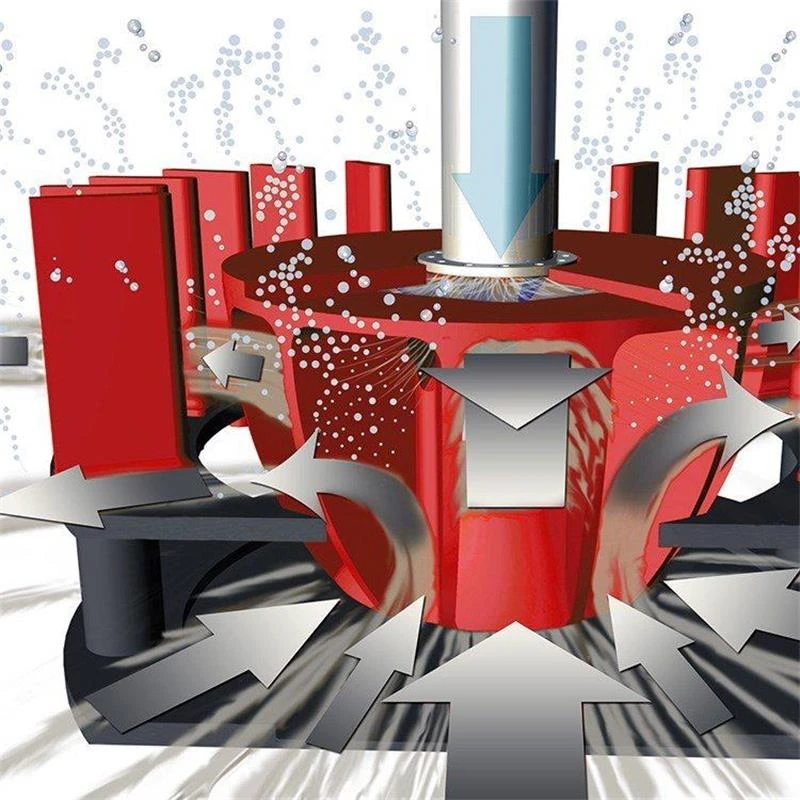
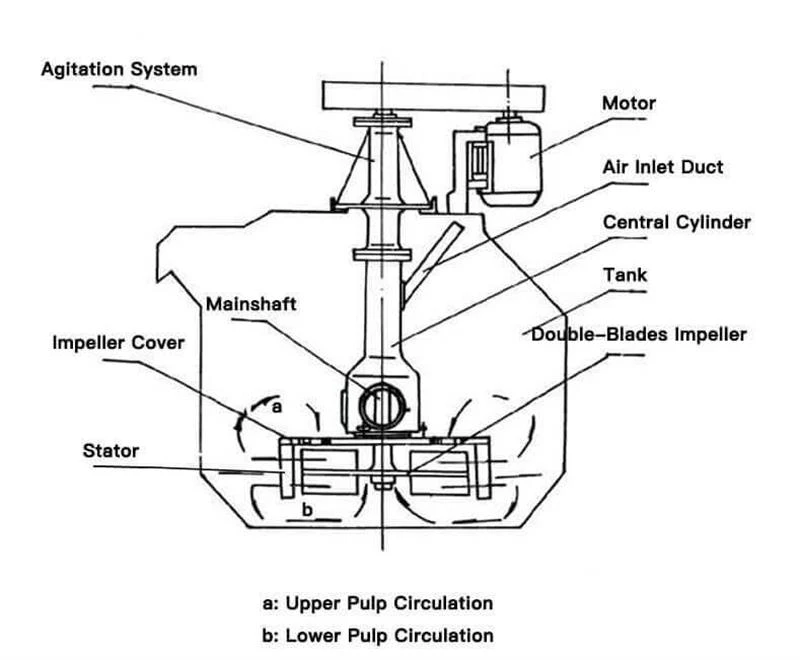
The flash flotation cell working principle is based on the rapid recovery of liberated and fast-floating minerals from high-density grinding circuit slurry. Through the combination of tangential feeding, efficient air dispersion, and gravity discharge, the equipment creates favorable conditions for coarse particle flotation, allowing valuable minerals to be recovered before overgrinding occurs.
High Density Slurry Feeding And Tangential Flow Design
The flash flotation cell receives cyclone underflow feeding from the grinding circuit and is designed to handle high-concentration slurry containing coarse liberated minerals. The tangential feed inlet creates a stable swirling flow inside the tank, improving mineral circulation and increasing the contact opportunities between valuable particles and flotation bubbles, which is essential for efficient coarse particle recovery.
Mineral-Bubble Collision And Rapid Froth Recovery
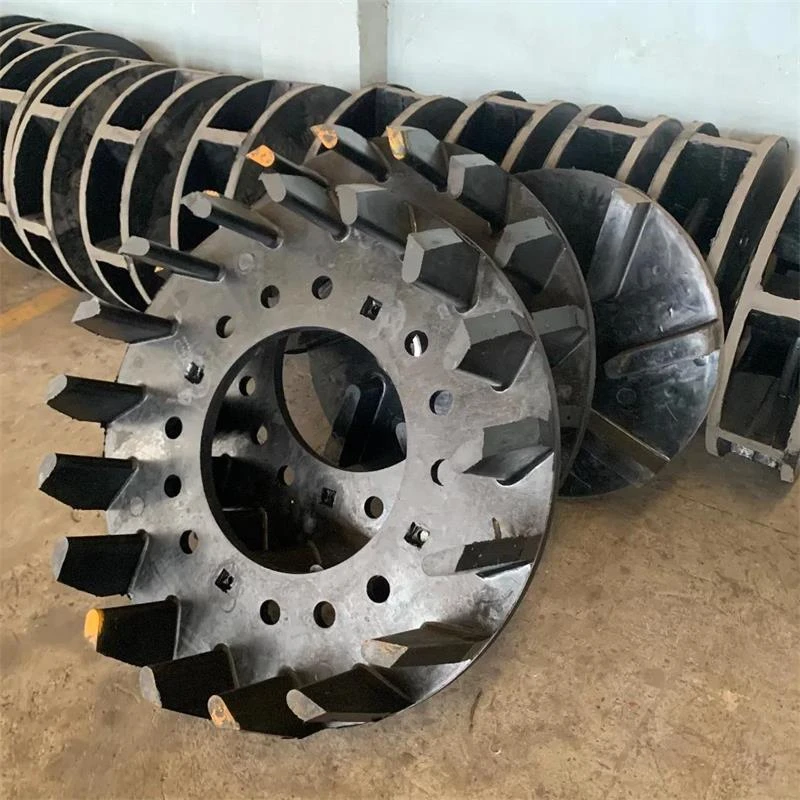
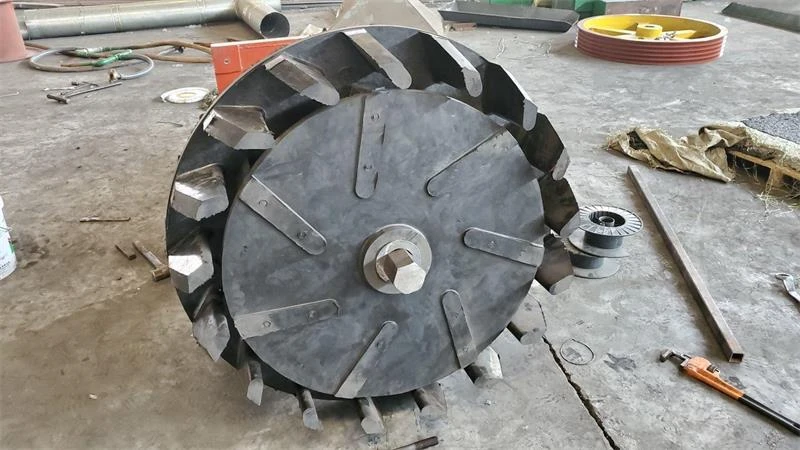
The impeller generates turbulence to achieve effective air dispersion and slurry mixing, allowing fine bubbles to collide and attach with valuable mineral particles. The mineralized bubbles quickly rise to the surface and form a froth concentrate layer, which is collected through overflow, enabling short-residence-time flotation and early recovery of fast-floating minerals.
Gravity Discharge For Coarse Particle Handling
The cone bottom design of the flash flotation cell supports efficient coarse particle discharge and reduces sanding risks during continuous operation. Unrecovered particles are concentrated by gravity and discharged through the bottom outlet, helping maintain stable slurry flow while preventing excessive retention of coarse minerals inside the tank and reducing the possibility of overgrinding in the downstream process.
-1024x1024.webp)
Flash Flotation Cell Design Features
The flash flotation cell is designed for the demanding conditions of grinding circuits, where high-density slurry, coarse particles, and continuous operation are required. Its structural design focuses on improving early mineral recovery, reducing overgrinding losses, and maintaining stable flotation performance in applications such as gold, copper, sulfide ore, and graphite processing.
Applications
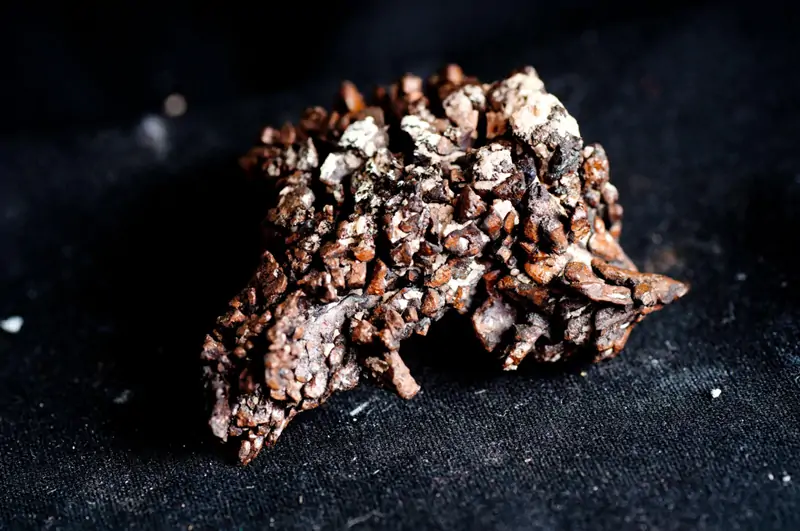
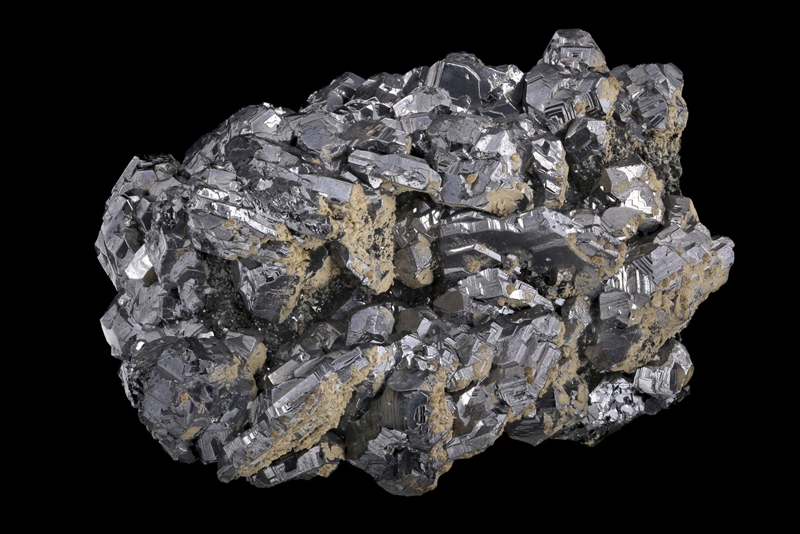
The flash flotation cell is mainly used in grinding circuits to recover liberated and fast-floating coarse minerals at an early stage. By processing cyclone underflow slurry before further grinding, it helps prevent valuable minerals from overgrinding, reduce energy consumption, and improve overall flotation recovery.

Technical Specifications
Flash flotation cells are available in different sizes to match grinding circuit capacity, ore characteristics, and recovery requirements. See the typical specifications below.
| Parameter | Specification |
| Equipment Type | Flash Flotation Cell |
| Effective Volume | 2.4–121 m³ |
| Processing Capacity | 80–2400 t/h |
| Installation Position | Hydrocyclone Underflow |
| Feed Condition | High-density Slurry |
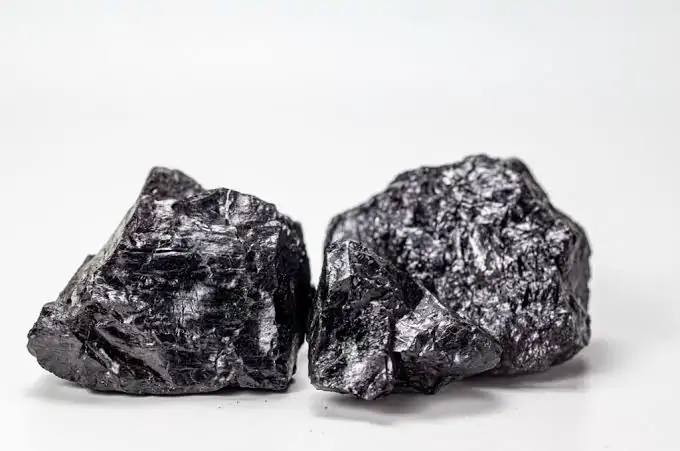
| Applicable Minerals | Gold, Copper, Sulfide Ore, Graphite |
| Drive System | Motor Driven Impeller |
| Air Supply | External Low-pressure Air System |
Flash Flotation Cell Process Configurations
The flash flotation cell process configuration is selected according to mineral characteristics, recovery targets, and existing plant conditions. The main objective is to recover fast-floating minerals early, reduce overgrinding, and improve overall flotation efficiency without unnecessary changes to the grinding circuit.
Flash Flotation Cell Advantages Compared With Conventional Flotation
The flash flotation cell and conventional flotation cell serve different roles in mineral processing plants. Flash flotation focuses on early recovery of fast-floating and liberated coarse minerals from grinding circuits, while conventional flotation is mainly used for overall mineral separation in the main flotation circuit.
| Feature | Flash Flotation Cell | Conventional Flotation Cell |
| Installation | Grinding circuit | Main flotation circuit |
| Feed | Cyclone underflow slurry | Overflow slurry |
| Purpose | Early recovery of liberated minerals | Bulk mineral separation |
| Residence Time | Short | Longer |
| Target | Fast-floating coarse minerals | General flotation recovery |
| Slurry Condition | High-density slurry | Lower-density flotation feed |
| Main Benefit | Reduce overgrinding and improve recovery | Complete flotation separation |
Compared with conventional flotation equipment, the flash flotation cell provides several advantages in grinding circuit applications:
- Higher coarse mineral recovery: Designed to recover already liberated coarse particles before they return to further grinding, reducing valuable mineral losses caused by overgrinding.
- Lower grinding energy consumption: Early removal of recoverable minerals reduces unnecessary grinding load and improves overall circuit efficiency.
- More stable flotation performance: By reducing the load entering the main flotation circuit, conventional flotation equipment can operate under more stable conditions with improved process control.
The flash flotation cell is not a replacement for conventional flotation cells but a complementary recovery unit. In many mineral processing plants, flash flotation is integrated with conventional flotation circuits to maximize recovery of gold, copper, sulfide minerals, and other valuable resources.
Selection Guide
Selecting a flash flotation cell should be based on the ore characteristics, grinding circuit conditions, and expected recovery performance. Since flash flotation is installed in the grinding circuit to recover valuable minerals from cyclone underflow, the equipment needs to match the actual slurry conditions and process requirements rather than only the plant capacity.
Ore properties are one of the key factors in equipment selection, including mineral liberation size, mineral density, and flotation kinetics. Flash flotation is particularly suitable for ores containing easily liberated and fast-floating minerals, as it can recover these valuable particles before they return to the grinding circuit and experience unnecessary overgrinding.
The grinding circuit layout and recovery target also influence the final configuration. Factors such as cyclone capacity, circulating load, available installation space, and concentrate requirements should be considered during selection. In some plants, flash flotation concentrate can be directly recovered as final concentrate, while other operations combine it with cleaner flotation to improve concentrate grade and overall recovery.
Why Choose Zhongyi?
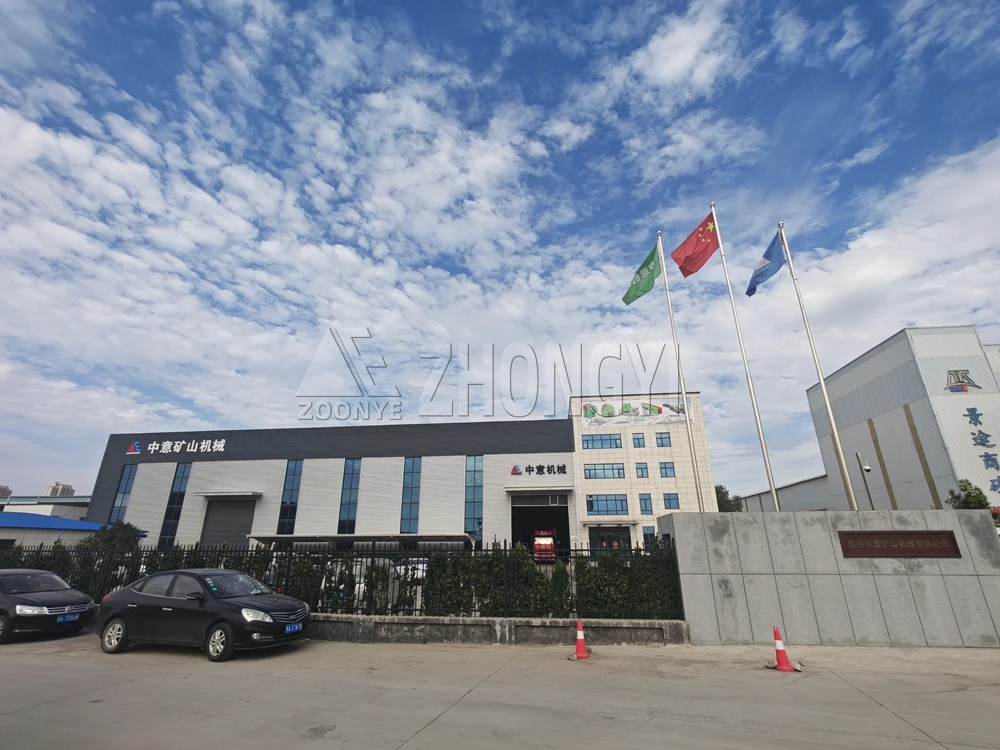
Zhongyi Mining has extensive experience in mining machinery manufacturing, integrating equipment design, R&D, production, sales, and installation. With expertise in mineral processing equipment, we focus on reliable flotation equipment with robust structures, stable operation, and consistent performance for demanding grinding circuit applications.
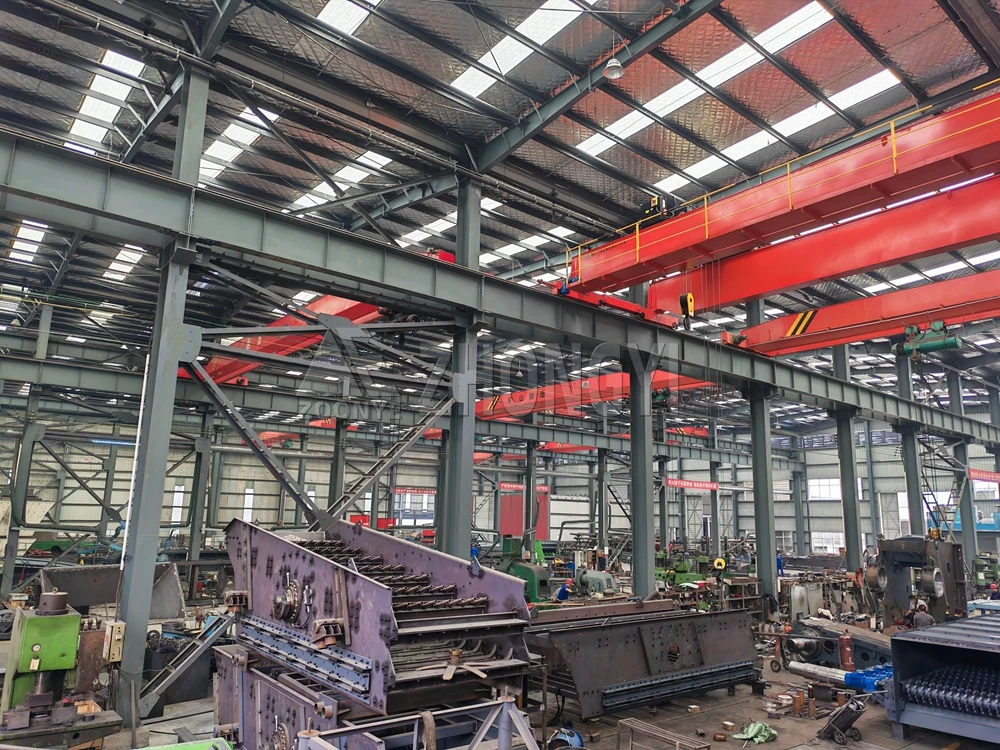
Located in Xingyang, Henan Province, our manufacturing facility covers more than 40,000 m² and is equipped with over 200 sets of advanced processing equipment. Supported by a professionally trained technical team and strict quality control processes, we ensure dependable equipment quality and long-term operating performance for mineral processing plants worldwide.
Request a Customized Solution
Partner with Zhongyi for a flash flotation cell designed for early mineral recovery, efficient coarse particle flotation, and stable performance in gold, copper, sulfide ore, and other mineral processing applications.
Flash Flotation Cell Manufacturer And Custom Solutions
With extensive experience in mining equipment manufacturing, we provide flash flotation cell solutions designed to match different mineral processing requirements and plant conditions. Our engineering team evaluates key factors such as ore characteristics, grinding circuit layout, and recovery targets to support efficient equipment selection and process integration. For complete mineral processing projects, we also provide related mineral processing plant solutions covering equipment coordination, process optimization, and production requirements.
Whether you need a flash flotation cell for a new project or an upgrade to an existing flotation circuit, you can share your application details, including ore type, processing capacity, and installation conditions. Our technical team will help evaluate the requirements and provide suitable equipment recommendations. Contact us to discuss your flash flotation requirements and find the right solution for your operation.
Please Provide the Following Information:
FAQs
What is a flash flotation cell used for?
A flash flotation cell is used to recover fast-floating and liberated valuable minerals from grinding circuit slurry before overgrinding occurs. It is mainly installed on cyclone underflow streams to recover coarse mineral particles early, reduce unnecessary grinding, and improve overall flotation recovery in gold, copper, sulfide, and other mineral processing plants.
Where is a flash flotation cell installed in a mineral processing plant?
A flash flotation cell is typically installed in the grinding circuit, usually after the ball mill and before the main flotation stage. It processes high-density cyclone underflow slurry containing liberated valuable minerals. The recovered concentrate can enter cleaner flotation or be collected as final concentrate, while the remaining slurry continues through the conventional flotation process.
What minerals can be recovered by flash flotation?
Flash flotation cells are commonly used for recovering gold, copper sulfide, lead-zinc, and other valuable sulfide minerals. They are especially suitable for ores containing coarse, liberated, and fast-floating particles that can be recovered before further grinding. In some applications, flash flotation is also used for graphite and other coarse mineral recovery processes.
What is the difference between a flash flotation cell and a conventional flotation cell?
The main difference is the installation position and recovery purpose. A flash flotation cell operates in the grinding circuit to recover valuable minerals at an early stage from cyclone underflow slurry, while conventional flotation cells are mainly used in the main flotation circuit for bulk separation and improving final concentrate quality.
Can a flash flotation cell reduce overgrinding?
Yes. A flash flotation cell reduces overgrinding by recovering already liberated valuable minerals before they return to the grinding circuit. This helps decrease unnecessary grinding energy consumption, reduce mineral sliming caused by excessive grinding, and improve the efficiency of downstream flotation operations.
How do I select the right flash flotation cell for my plant?
The selection of a flash flotation cell depends on ore characteristics, grinding circuit capacity, cyclone underflow conditions, slurry density, particle size distribution, and recovery targets. Accurate process data allows engineers to evaluate the required equipment capacity, flotation conditions, and suitable configuration for stable plant operation.
Can a flash flotation cell be installed in an existing flotation plant?
Yes. Flash flotation cells can often be integrated into existing mineral processing plants as a recovery improvement unit. By adding the equipment to the grinding circuit, plants can recover additional valuable minerals without replacing the complete flotation system, helping improve recovery performance with limited process modifications.
What factors affect flash flotation cell performance?
The performance of a flash flotation cell is influenced by ore properties, mineral liberation size, slurry concentration, particle size distribution, air supply, and grinding circuit conditions. Proper control of these factors helps maintain stable bubble generation, efficient mineral recovery, and consistent flotation performance during continuous operation.