What Is a High Density Agitation Tank?
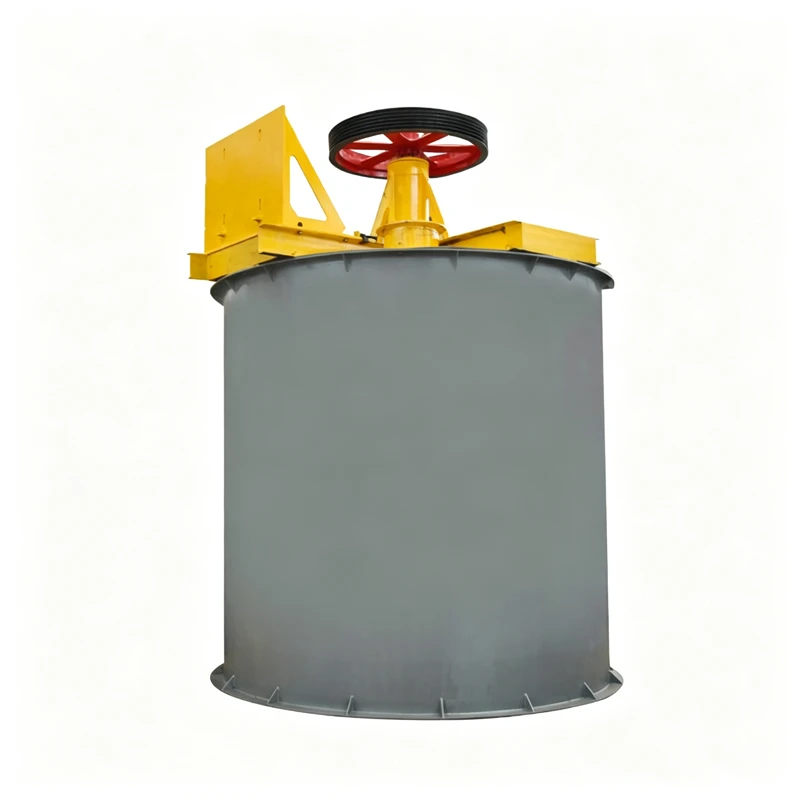
A High Density Agitation Tank, also known as a High Concentration Agitation Tank or High Density Slurry Agitation Tank, is a mechanical mixing vessel designed for the conditioning and suspension of high-solids mineral slurry. It is commonly used to mix concentrated pulp with process reagents, water, or cement while maintaining stable slurry circulation and minimizing solids settlement. Typical slurry concentrations are around 50–70 wt% solids, depending on the material and process conditions.
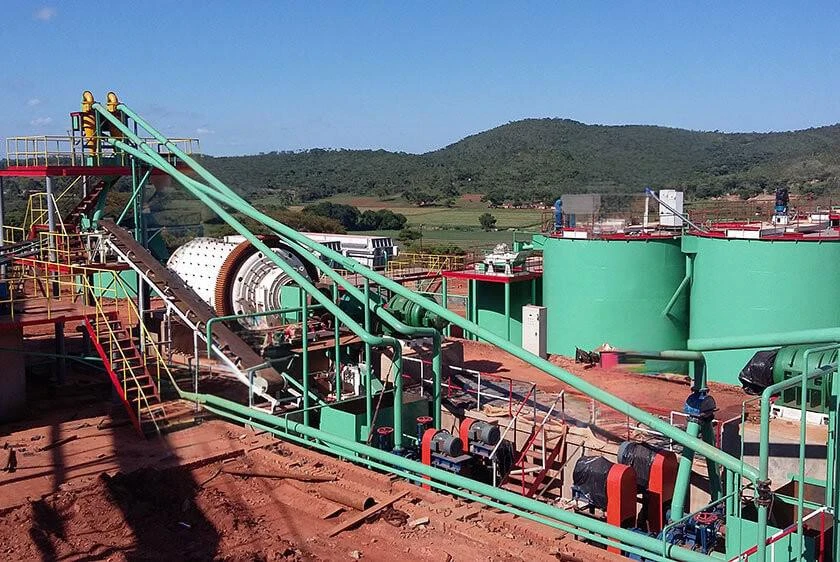
In mineral processing plants, the tank is typically installed after slurry concentration or classification equipment, such as a thickener or hydrocyclone, according to the process flowsheet. It can feed subsequent flotation, filtration, separation, or slurry transfer operations. In backfill plants, thickened tailings are mixed with cement and water in the tank before the prepared slurry is pumped underground for filling.
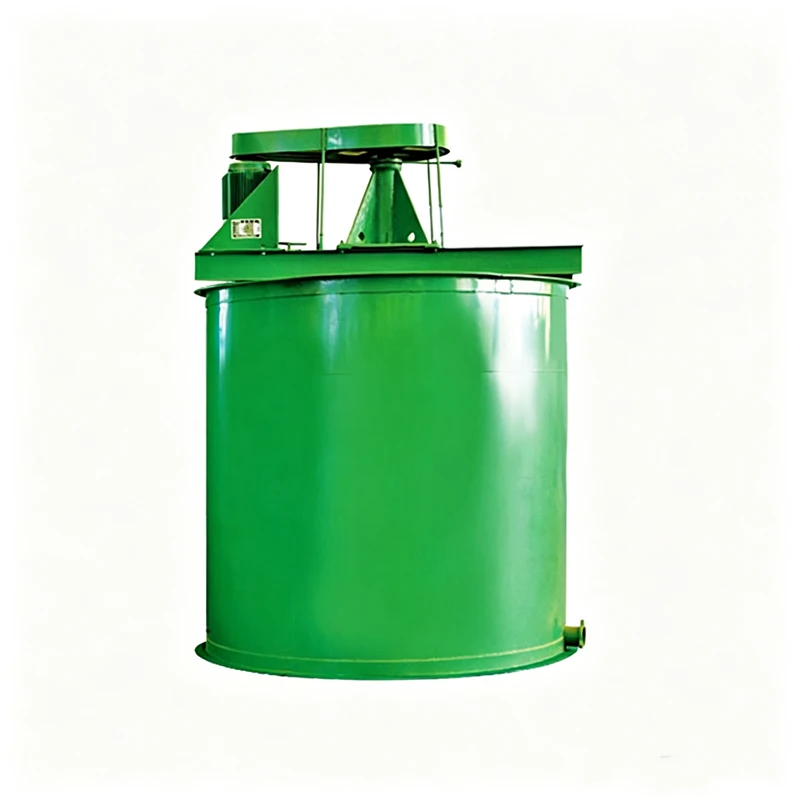
What Is a High Density Agitation Tank Used For?
A High Density Agitation Tank is used for mixing and conditioning concentrated mineral slurry before the next stage of processing. As solids concentration increases, slurry becomes more difficult to circulate and more prone to settling. The tank provides continuous agitation to maintain a more uniform slurry, improve reagent contact, and prepare the material for flotation, separation, filtration, or backfill operations.
Slurry Mixing
The tank mixes high-solids mineral pulp with reagents, process water, cement, or other required materials. Continuous agitation helps distribute the added components throughout the slurry and maintain consistent conditions for downstream processing.
Slurry Conditioning and Solid Suspension
High-density slurry can settle quickly when circulation is insufficient. The agitation system keeps solids moving through the tank and reduces accumulation at the bottom, providing the conditioning time required by the process and helping maintain a consistent slurry concentration.
Reagent and Slurry Contact
In flotation and other mineral processing circuits, the tank provides the controlled mixing needed for reagents to contact the mineral pulp before separation. In tailings backfill plants, it is used to mix thickened tailings with cement and water to produce a uniform filling slurry for underground delivery.
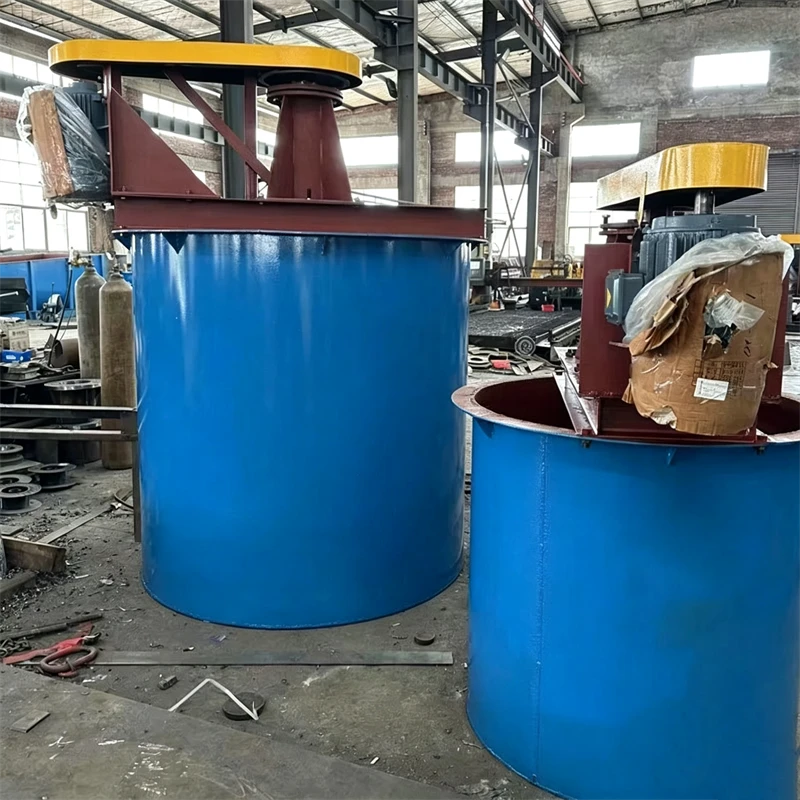
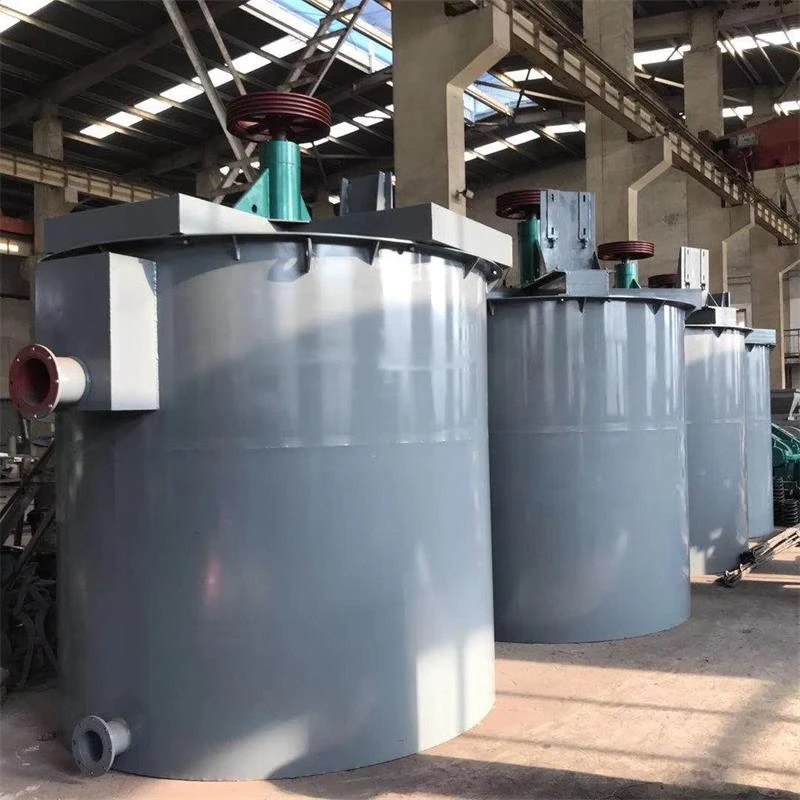
How Does a High Density Agitation Tank Work?
A High Density Agitation Tank works by continuously circulating high-solids slurry through a motor-driven shaft and impeller system. Once the slurry enters the tank, the rotating impellers push the pulp through the mixing zone. In high-density designs, upper and lower impellers can create opposing flows, causing the slurry to move upward and downward and form a continuous circulation pattern within the tank.
This circulation keeps the heavier solids moving and reduces accumulation at the tank bottom, while also helping reagents, water, or cement mix evenly with the pulp. The impeller size and circulation arrangement are selected according to the slurry concentration, particle characteristics, and process duty, so the tank can provide stable mixing and conditioning without relying simply on higher rotational speed.
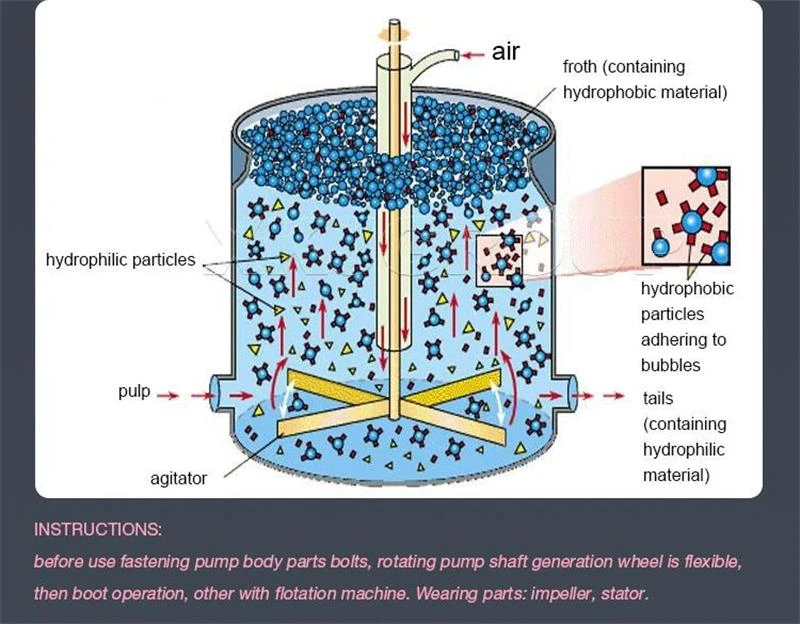
High Density Agitation Tank Structure
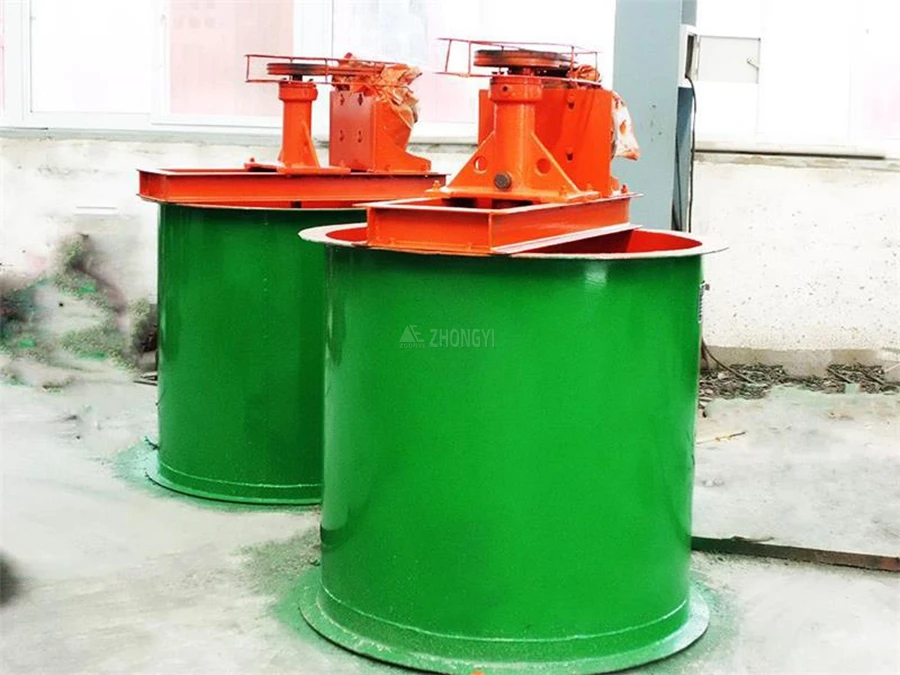
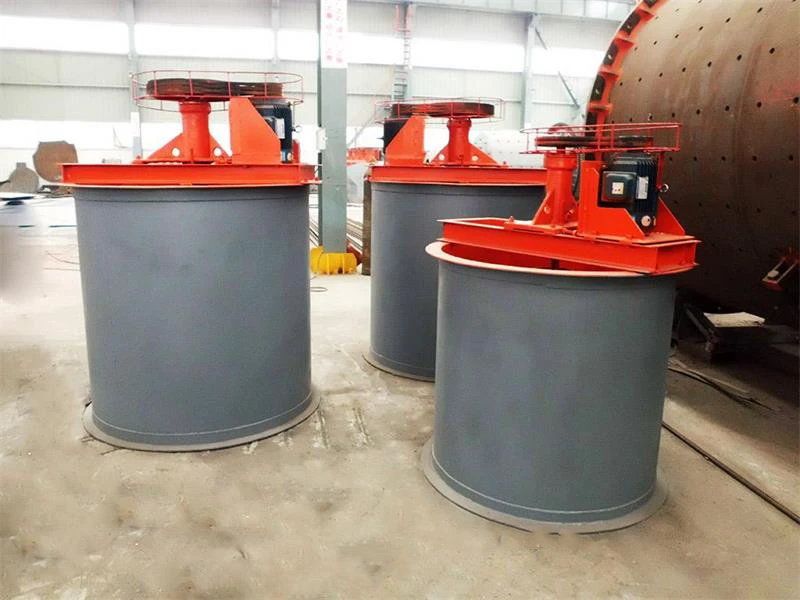
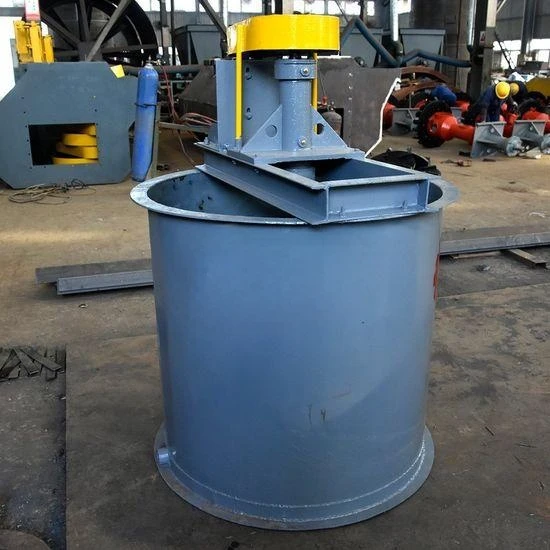
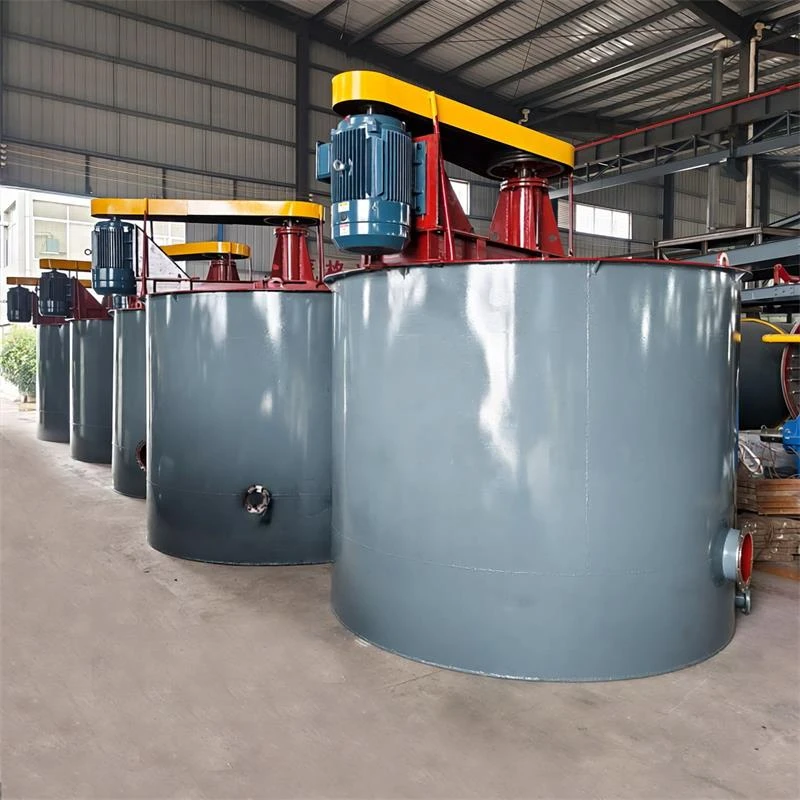
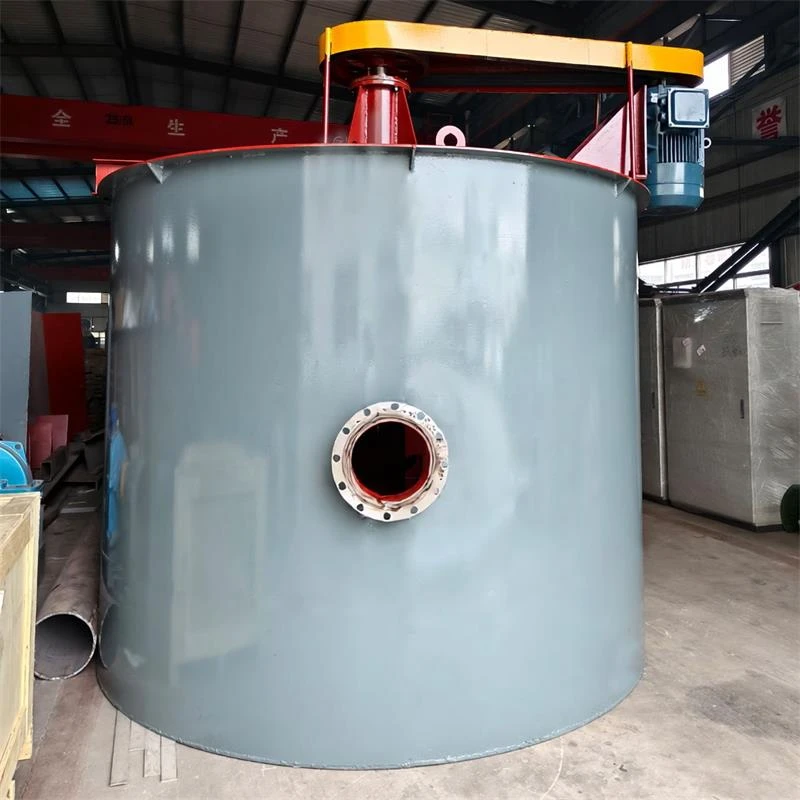
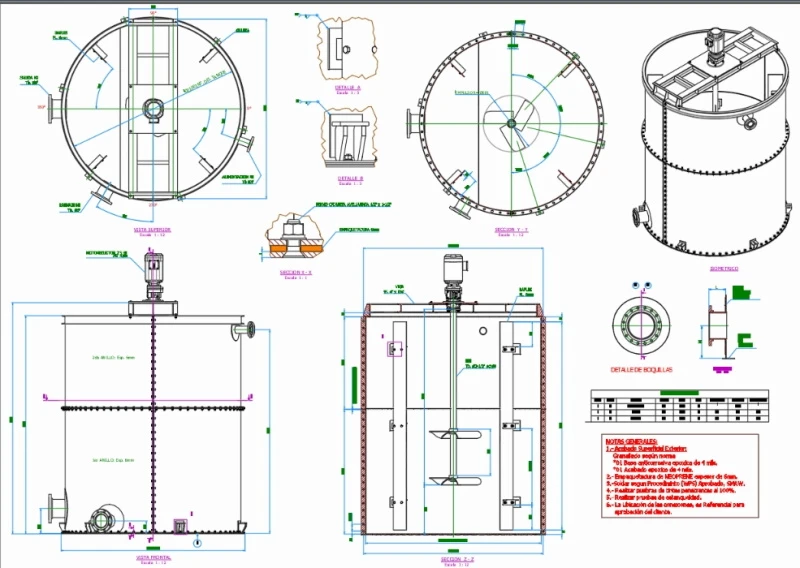
A High Density Agitation Tank is built around four main structural systems: the tank body, impeller assembly, shaft and drive, and internal circulation structure. Their dimensions and configuration are matched to slurry concentration, solids characteristics, required circulation, and operating duty.
- Tank Body: The main working chamber for slurry mixing, with its size and bottom geometry matched to the required volume and process conditions.
- Impeller System: Drives and circulates high-density slurry, helping keep solids suspended and maintain uniform mixing. Impeller size and configuration are matched to slurry properties.
- Shaft and Drive Assembly: The motor, reducer, coupling, and shaft transfer power to the impeller and maintain stable rotation under continuous slurry loads.
- Internal Circulation Structure: A draft tube or flow-guiding structure directs slurry between the upper and lower zones, strengthening circulation and reducing poorly mixed areas.
High Density Agitation Tank Design Features
The High Density Agitation Tank is designed around the main challenges of high-solids slurry: difficult circulation, particle settling, and continuous abrasive wear. Its agitation and internal flow structures are configured to maintain effective slurry movement while keeping the equipment suitable for long-term mineral processing duty.
High Density Agitation Tank Technical Specifications
The BJN series covers multiple sizes, with effective volumes from 0.55 to 46 m³. Specifications are selected according to slurry properties, mixing duty, and site conditions.
| Model | Effective Volume (m³) | Impeller Speed (r/min) | Impeller Diameter (mm) | Motor Model | Motor Power (kW) | Weight (t) |
| BJN-1.0×1.0 | 0.55 | 530 | 400 | Y132M₂-6 | 5.5 | 0.65 |
| BJN-1.5×1.5 | 2.25 | 280 | 500 | Y160L-6 | 11 | 2.21 |
| BJN-2.0×2.0 | 5.8 | 240 | 650 | Y200L-8 | 15 | 2.99 |
| BJN-3.0×3.0 | 19.1 | 210 | 700 | Y225M-8 | 22 | 4.66 |
| BJN-4.0×4.0 | 46 | 121.6 | 1000 | Y250M-8-B₃ | 30 | 8.16 |
High Density Agitation Tank Applications
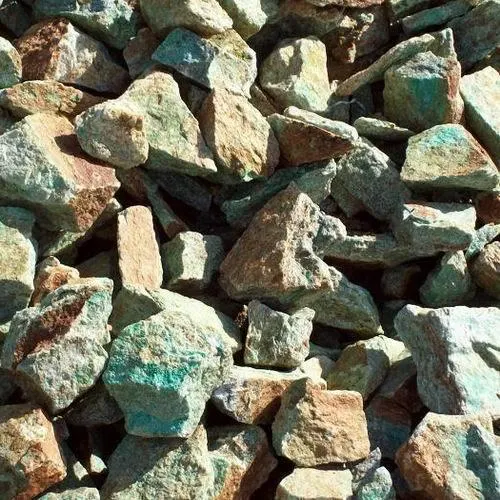
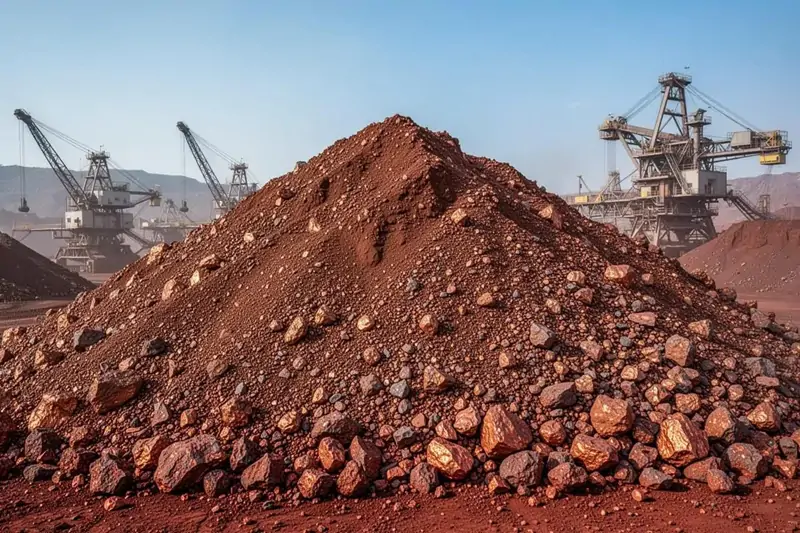
High Density Agitation Tanks are used where concentrated mineral pulp needs controlled mixing or conditioning before the next process step. The required agitation duty varies with ore type, particle characteristics, reagent system, and flowsheet, so the tank configuration is matched to the specific mineral processing application.

How to Select a High Density Agitation Tank?
Selecting the right High Density Agitation Tank depends on the slurry being handled and the role of the tank in the process. The key inputs are slurry concentration, particle size, flow rate, required residence time, and mixing duty. These determine the tank volume and agitation requirements.
Match the Tank to the Process and Slurry
Start with the process duty, such as flotation conditioning, concentrate mixing, or tailings backfill. Then provide the slurry concentration, particle size, density, and viscosity. These conditions determine the required circulation and help establish the appropriate tank size and impeller configuration.
Size the Tank and Agitation System Together
Tank volume should be based on actual slurry flow and required residence time. Impeller diameter, speed, shaft design, and motor power need to be matched as one system to maintain circulation and solids suspension. Oversizing the motor or simply increasing speed does not necessarily improve high-density mixing.
Check Materials and Site Conditions
For abrasive or corrosive slurry, wetted materials and tank lining should match the ore and slurry chemistry. Final selection should also consider foundation loads, available installation space, maintenance access, elevation, ambient conditions, and the electrical standard at the project site.
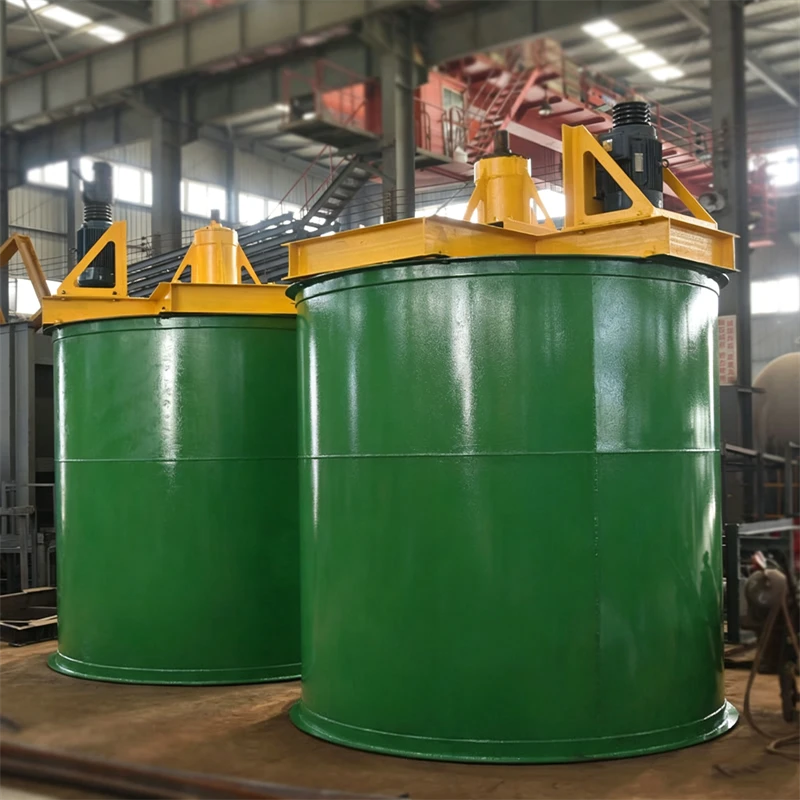
High Density Agitation Tank vs Standard Agitation Tank
Both equipment types are used for slurry mixing, but they are designed for different operating conditions. Standard Agitation Tanks are generally suited to conventional pulp mixing, while High Density Agitation Tanks are designed for high-solids slurry requiring stronger circulation and solids suspension.
| Factor | High Density Agitation Tank | Standard Agitation Tank |
| Slurry Condition | High-solids, dense mineral slurry | Conventional or lower-solids slurry |
| Mixing Duty | Strong circulation and solids suspension | General slurry mixing and conditioning |
| Impeller System | Large or specially configured impeller; dual-impeller designs available | Standard impeller configuration |
| Wear Requirement | Higher protection for abrasive slurry | Depends on slurry abrasiveness |
| Selection Basis | Concentration, particle size, density, viscosity, residence time | Volume, slurry properties, mixing duty, residence time |
High Density Agitation Tank Manufacturing Process
Manufacturing begins with process-based engineering rather than tank fabrication alone. The tank volume, slurry concentration, particle size, impeller diameter, shaft load, drive power, and internal circulation are reviewed together before fabrication. The tank body is cut and formed from specified steel plate, while shafts and impellers are machined to the required dimensions and alignment tolerances. Welded structures are checked for dimensional accuracy and weld quality, and wear-resistant linings or components are selected according to the actual slurry abrasion and corrosion conditions.
After assembly, the tank undergoes dimensional and alignment inspection to verify the shaft, impeller, drive unit, and tank body work as a matched system. Key welded areas and fabricated components are inspected before final assembly, followed by drive and operational checks to identify abnormal vibration, rotation, or assembly deviation. Final inspection covers the main structural, mechanical, and process-related requirements, with inspection records maintained for critical components before the equipment is released for shipment.
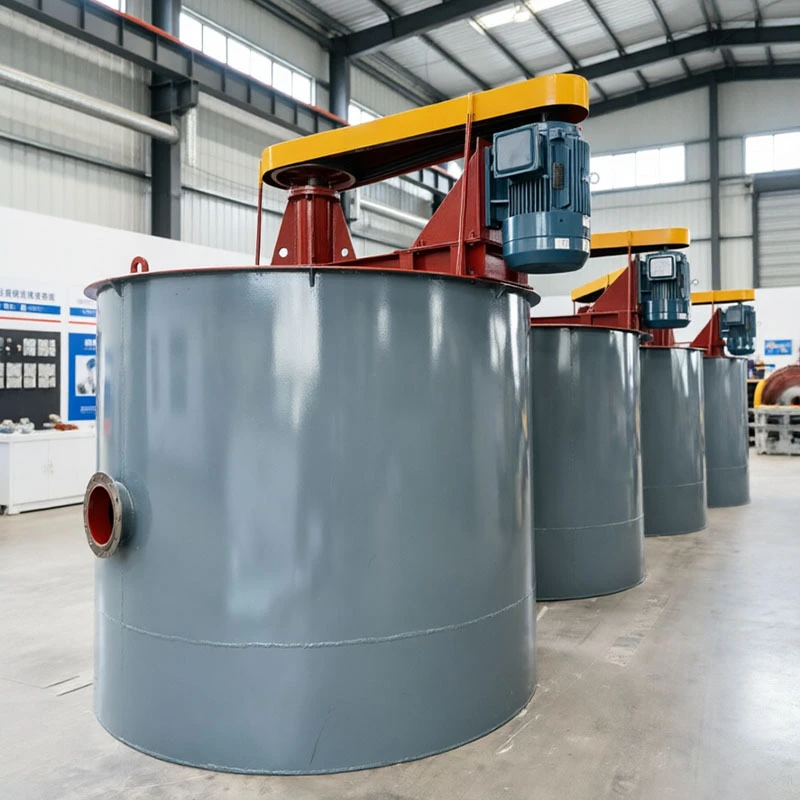
High Density Agitation Tank Quality Control
In our manufacturing experience, the most common problems with high-density slurry tanks are not simply caused by the tank body itself, but by mismatched impellers, shaft alignment, drive power, or materials selected without considering the actual slurry. We therefore check steel and critical components against the approved design before fabrication, and control tank dimensions, impeller geometry, shaft alignment, and weld quality throughout production. For abrasive or corrosive slurry, we select the lining and wetted materials according to the ore and slurry conditions rather than using the same specification for every project.
Before shipment, we inspect the assembled tank as a complete mixing system. We verify the shaft and impeller alignment, drive and reducer configuration, structural dimensions, lining condition, and sealing where required, then carry out rotation and functional checks to identify abnormal vibration or assembly problems. On project-specific orders, we also review the motor power and mixing configuration against the customer’s slurry concentration, density, particle size, and process duty. This helps us avoid two common field problems: insufficient circulation during operation and excessive mechanical loading on the drive system.
Why Choose Zhongyi Machinery?
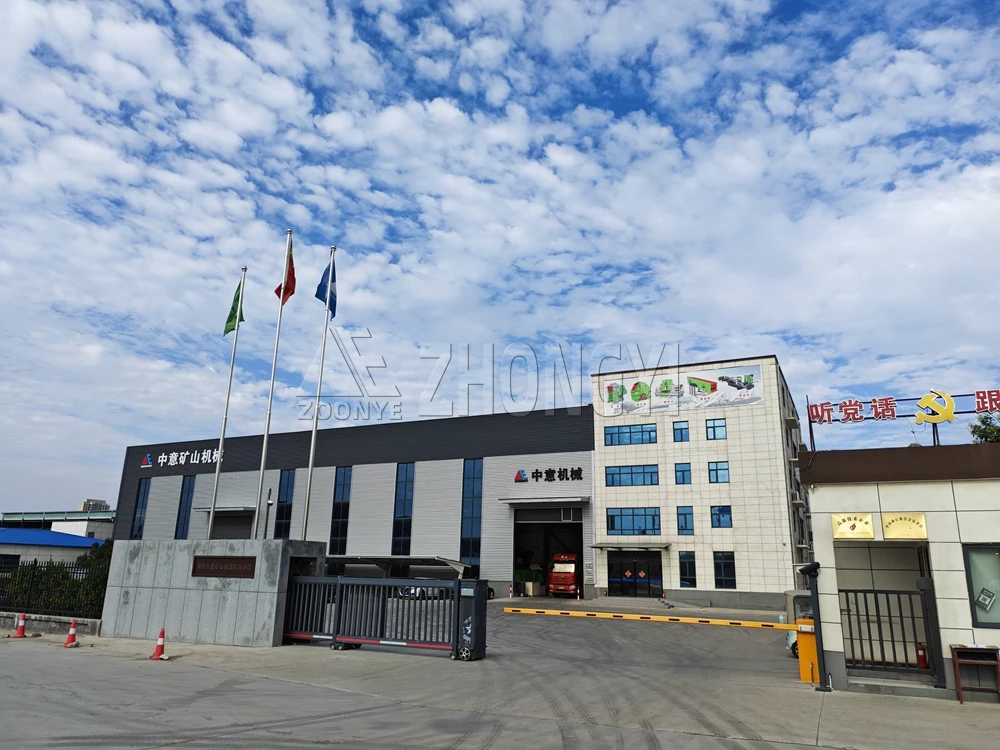
With more than 16 years of manufacturing experience, Zhongyi Machinery designs High Density Agitation Tanks around actual slurry and process conditions rather than tank volume alone. Our engineers consider slurry concentration, particle size, density, viscosity, residence time, and mixing duty when configuring the tank, impeller, shaft, drive system, and wear protection. A 40,000+ m² factory and 60+ sets of processing equipment support in-house fabrication and machining of major components.
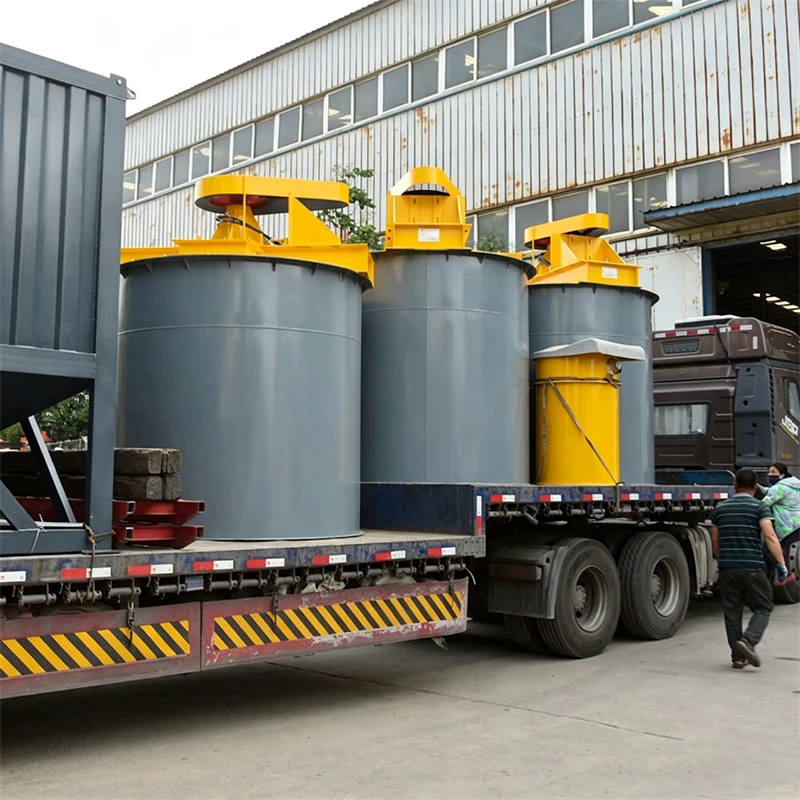
We also provide project support beyond equipment supply. Our equipment has been delivered to Southeast Asia, Western Asia, Africa, and Latin America, and our team supports equipment configuration, manufacturing inspection, installation guidance, commissioning, and spare parts. For abrasive or corrosive slurry, we select suitable materials and linings according to the actual operating conditions, helping customers reduce risks such as insufficient circulation, excessive wear, and drive overload.
Request a Customized Solution
Partner with Zhongyi for a High Density Agitation Tank engineered for high-solids slurry mixing, stable circulation, and reliable operation in mineral processing and tailings backfill applications.
Custom High Density Agitation Tank Solutions
Every slurry application has different requirements. Share your slurry concentration, particle size, flow rate, required volume, mixing duty, and site conditions, and our engineers can recommend the appropriate tank volume, impeller configuration, drive system, and wear protection. For complete mineral processing requirements, our Mineral Flotation Plants Solution can also be integrated with the agitation system and other process equipment. Contact Zhongyi with your process data for a practical equipment configuration and project solution.
Please Provide the Following Information:
FAQs
What is a High Density Agitation Tank used for?
A High Density Agitation Tank is used to mix and condition high-solids mineral slurry before downstream processing. Typical duties include flotation feed conditioning, concentrate mixing, reagent contact, and tailings backfill preparation. The tank maintains slurry circulation and reduces solids settling where conventional agitation may not provide sufficient suspension. Its configuration is selected according to slurry properties and the specific duty within the process flowsheet.
What slurry concentration can a High Density Agitation Tank handle?
There is no fixed concentration limit for every application. The suitable solids concentration depends on slurry density, particle size, viscosity, mineral type, and required circulation. High Density Agitation Tanks are intended for substantially higher-solids service than conventional agitation tanks. For accurate sizing, slurry concentration should be provided together with flow rate and particle characteristics so the tank, impeller, and drive system can be properly matched.
How does a High Density Agitation Tank prevent solids from settling?
The tank uses a properly sized impeller system to generate continuous slurry circulation through the working volume. Impeller diameter, speed, tank geometry, and internal flow arrangement are matched to the slurry characteristics. The objective is to keep solids adequately distributed and limit bottom accumulation. Simply increasing rotational speed is not always the correct solution, as excessive speed can increase power demand and mechanical loading without improving overall suspension.
What is the difference between a High Density Agitation Tank and a standard agitation tank?
The main difference is the operating duty. Standard agitation tanks are generally used for conventional slurry mixing and reagent conditioning, while High Density Agitation Tanks are intended for concentrated pulp requiring stronger circulation and solids suspension. High-density designs typically place greater emphasis on impeller capacity, internal flow, shaft and drive strength, and wear protection to handle heavier and more abrasive slurry.
How do I select the right High Density Agitation Tank?
Start with the actual process duty and slurry data. Important inputs include slurry concentration, particle size, density, viscosity, flow rate, required residence time, and effective tank volume. These conditions determine the required circulation and influence impeller diameter, operating speed, shaft design, motor power, and lining. Equipment selection should be based on the complete mixing duty rather than tank volume or motor power alone.
How is motor power determined for a High Density Agitation Tank?
Motor power is determined by the slurry properties and required agitation duty rather than tank volume alone. Slurry density, solids concentration, viscosity, particle size, impeller diameter, operating speed, and required circulation all affect the power requirement. The motor and reducer should be selected together with the impeller and shaft to provide sufficient mixing torque without excessive drive loading during continuous operation.
Can the tank handle abrasive or corrosive slurry?
Yes. High-density mineral slurry can impose significant abrasion or corrosion on the tank and mixing components. For these conditions, we select suitable impeller materials, tank linings, and other slurry-contact components according to particle hardness, solids concentration, and slurry chemistry. The material configuration is determined by the actual operating conditions to control wear and maintain reliable service over continuous operation.
What information is needed to select or quote a High Density Agitation Tank?
For equipment sizing, we normally need the material type, solids concentration, particle size, slurry flow rate, slurry density or viscosity, required residence time, and process duty. Information about upstream and downstream equipment, installation space, foundation conditions, and local power supply is also useful when preparing the final configuration and quotation.