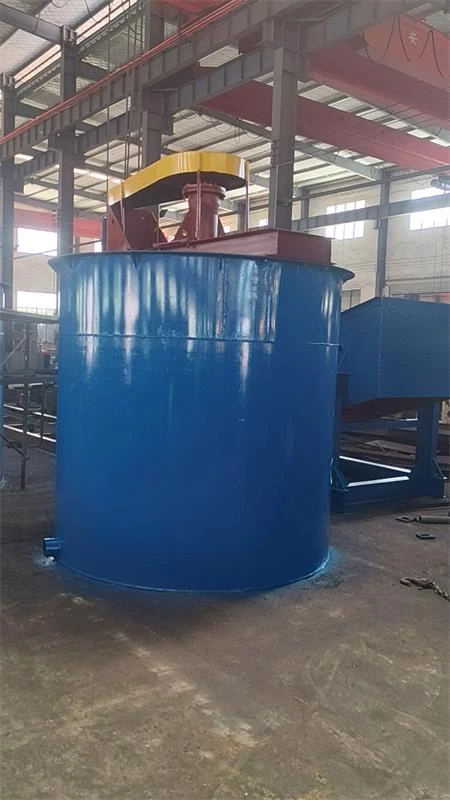
What Is a Mining Agitation Tank?
A mining agitation tank, also known as a mining agitator tank, slurry mixing tank, or mineral processing agitation tank, is a mechanical mixing vessel used to condition and homogenize mineral slurry before downstream separation. It is commonly installed after grinding and classification equipment, where it keeps solid particles suspended and promotes uniform contact between the slurry and process reagents before flotation, leaching, or other beneficiation operations.
The tank uses a motor-driven impeller to create continuous slurry circulation inside the vessel. This helps prevent solid particles from settling, disperses reagents through the slurry, and maintains consistent feed conditions for the next process stage. For flotation circuits, proper conditioning time and mixing intensity are particularly important because the slurry must remain adequately suspended while the reagent has sufficient contact with the mineral surface.
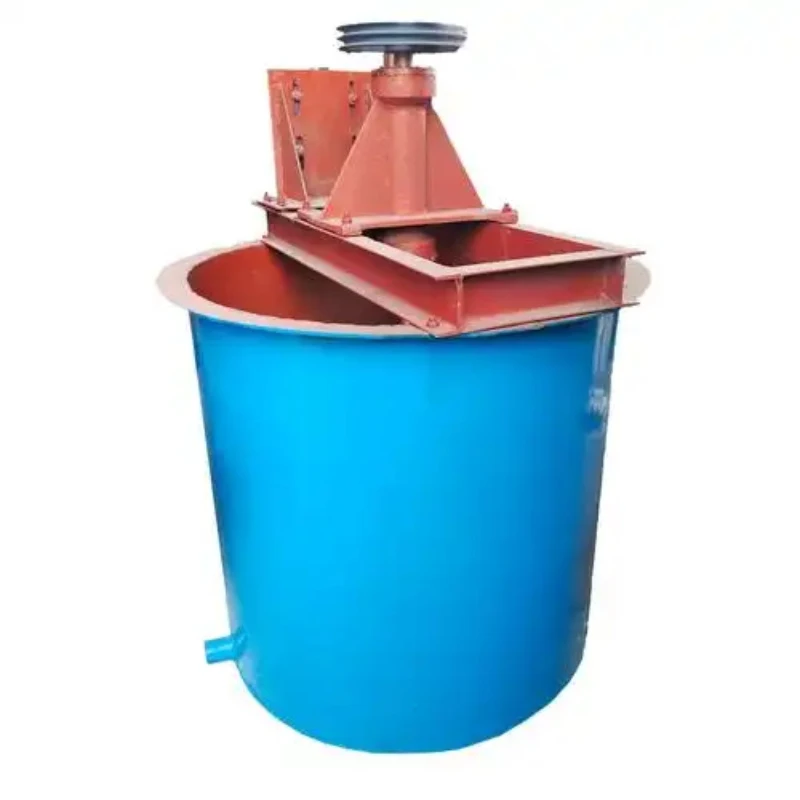
Mining Agitation Tank Working Principle and Structure
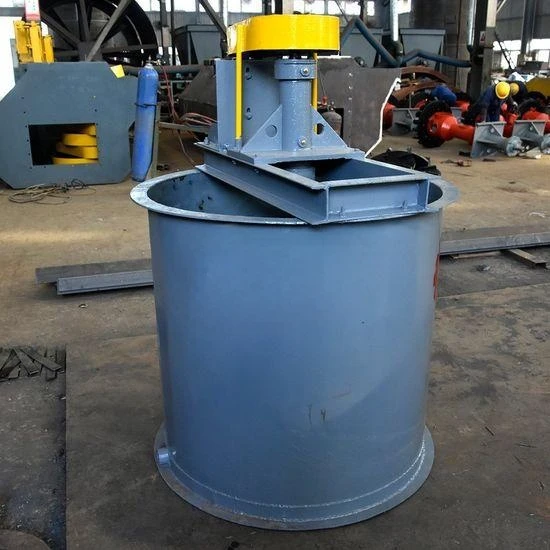
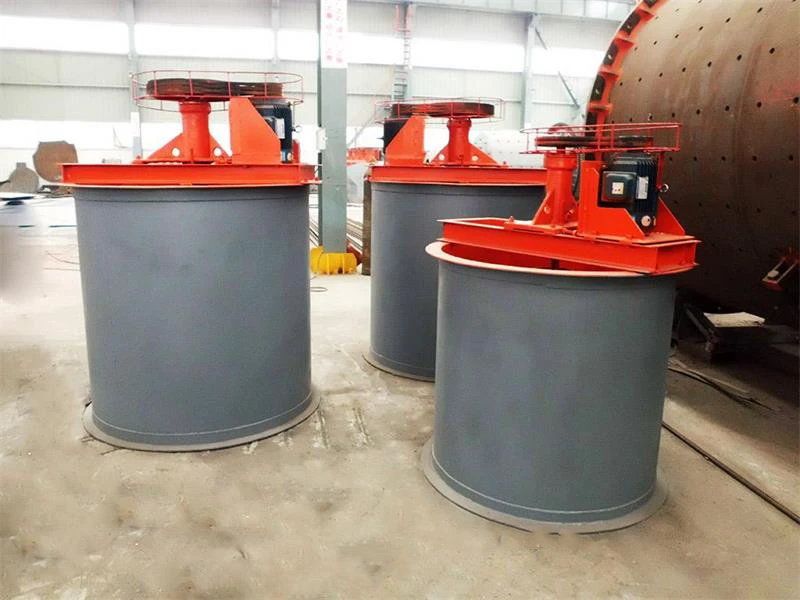
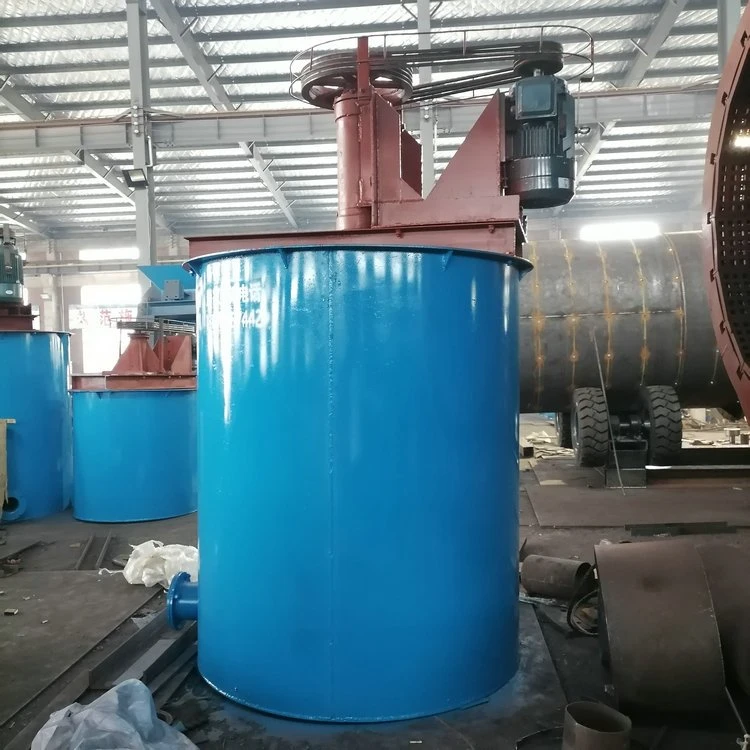
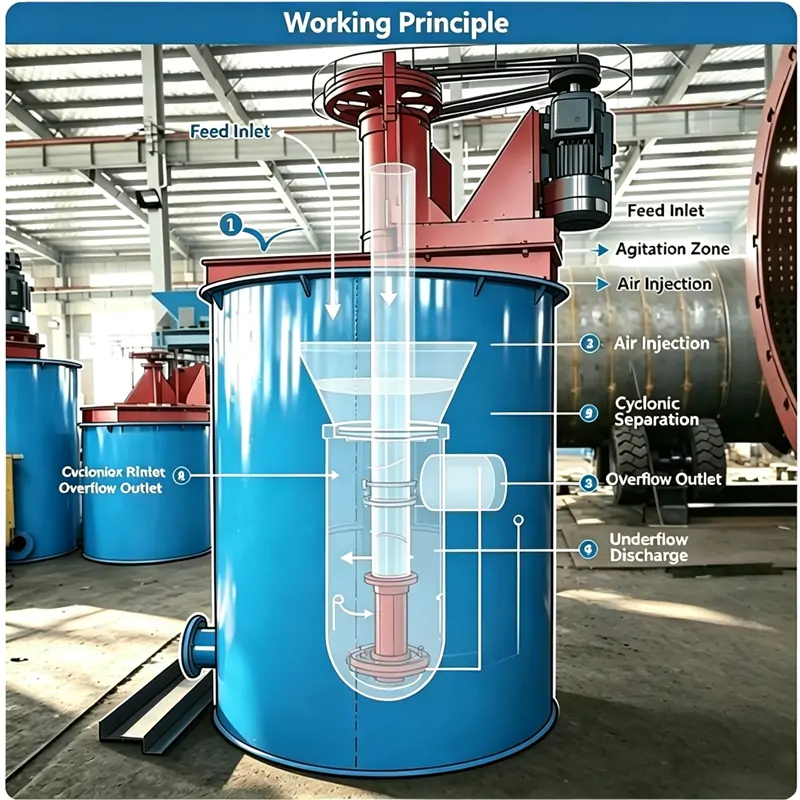
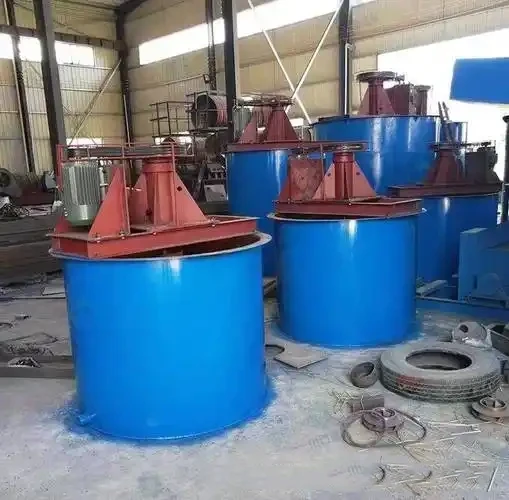
A mining agitation tank uses a motor-driven impeller to maintain controlled slurry circulation during mineral processing. The drive system transfers power to the shaft and impeller, which moves the pulp through the tank, keeps solid particles suspended, and distributes process reagents before the conditioned slurry enters flotation, leaching, or another downstream process.
Working Principle
During operation, the motor drives the shaft and impeller through the transmission system. The rotating impeller creates continuous slurry circulation inside the tank, reducing particle settling and promoting uniform distribution of solids, water, and reagents. The resulting flow pattern depends on the impeller geometry, rotational speed, tank dimensions, and slurry properties. Mixing performance is therefore determined by the agitation system as a whole rather than motor power alone.
Structural Design
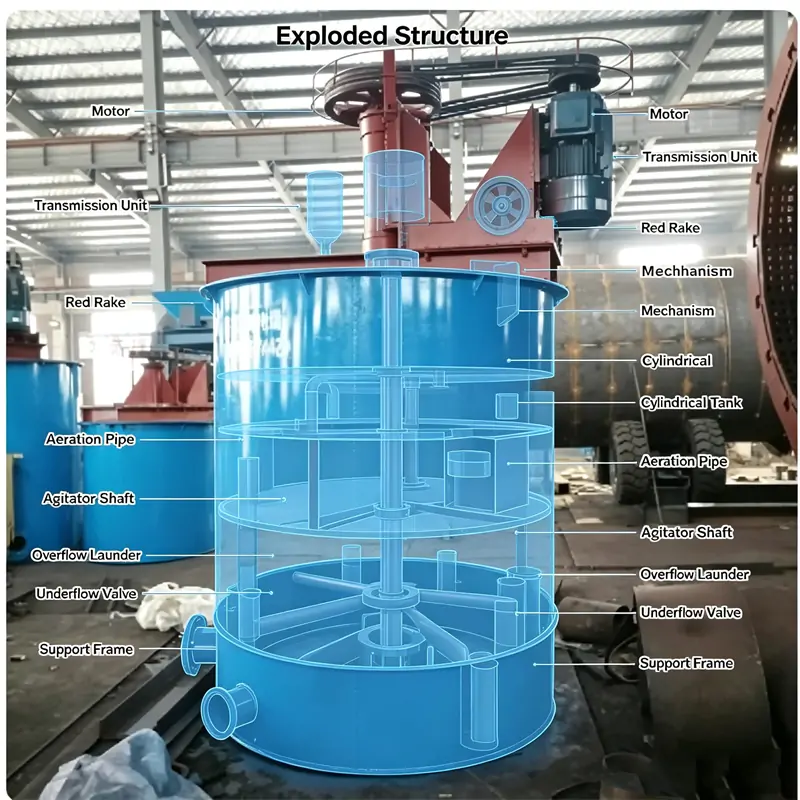
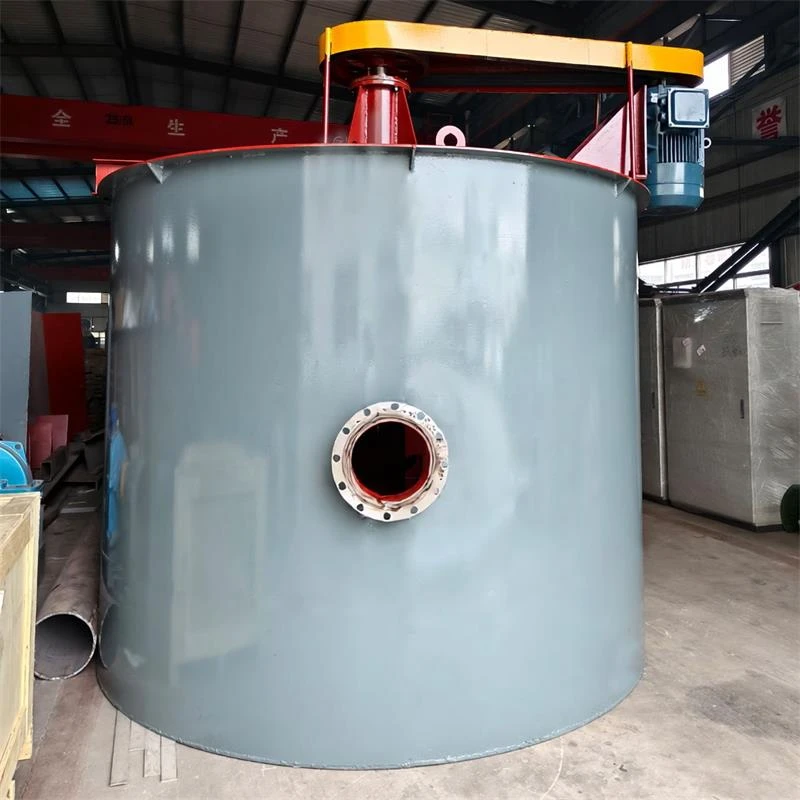
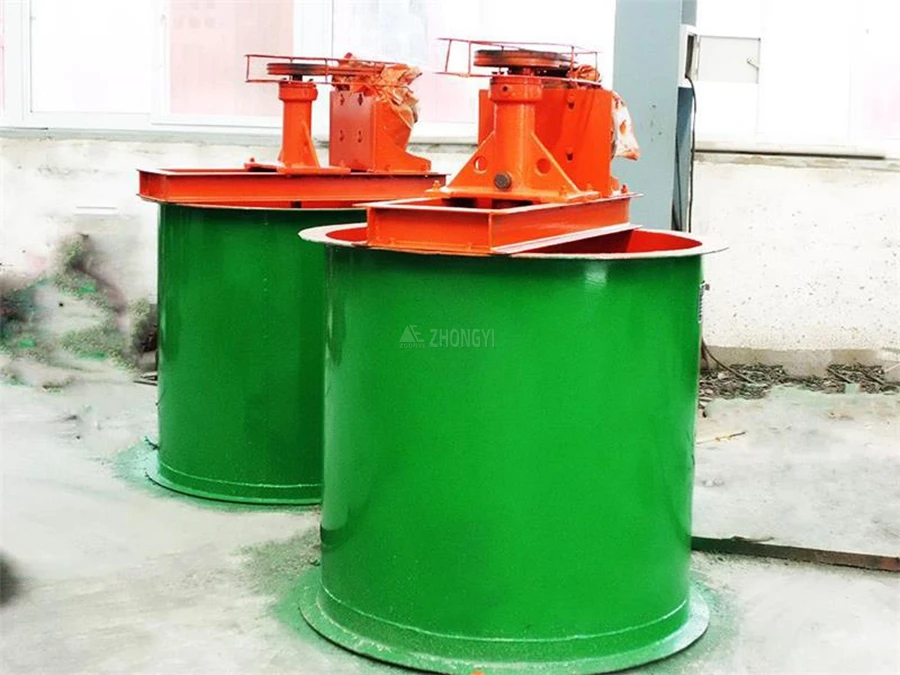
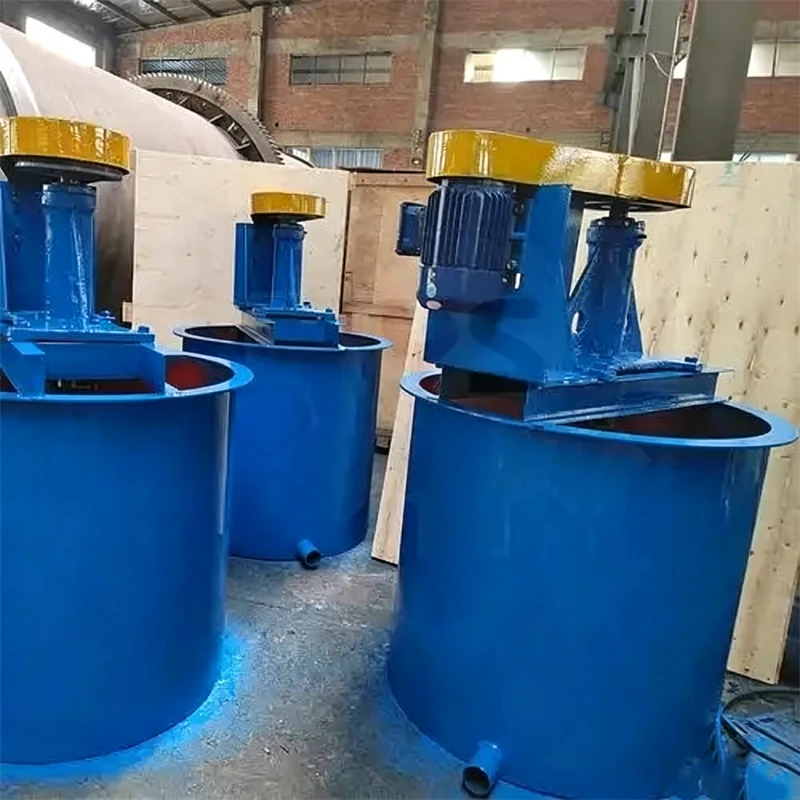
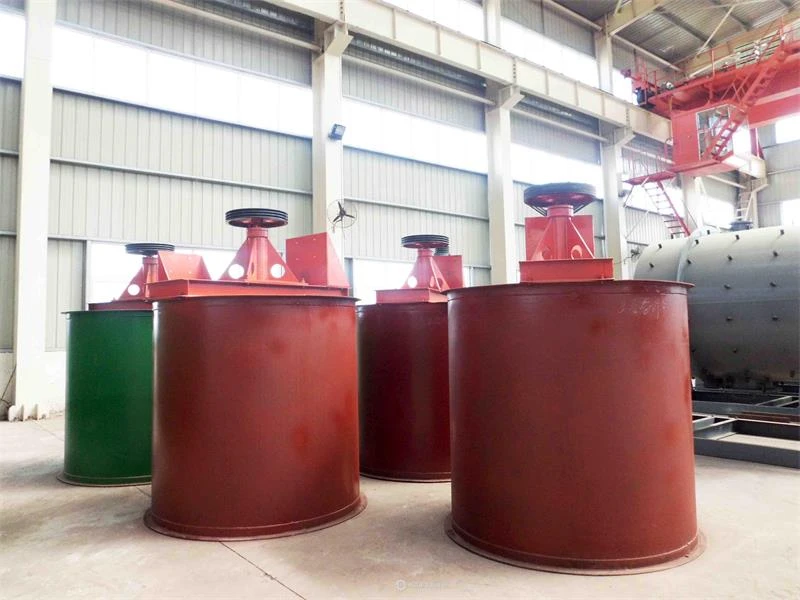
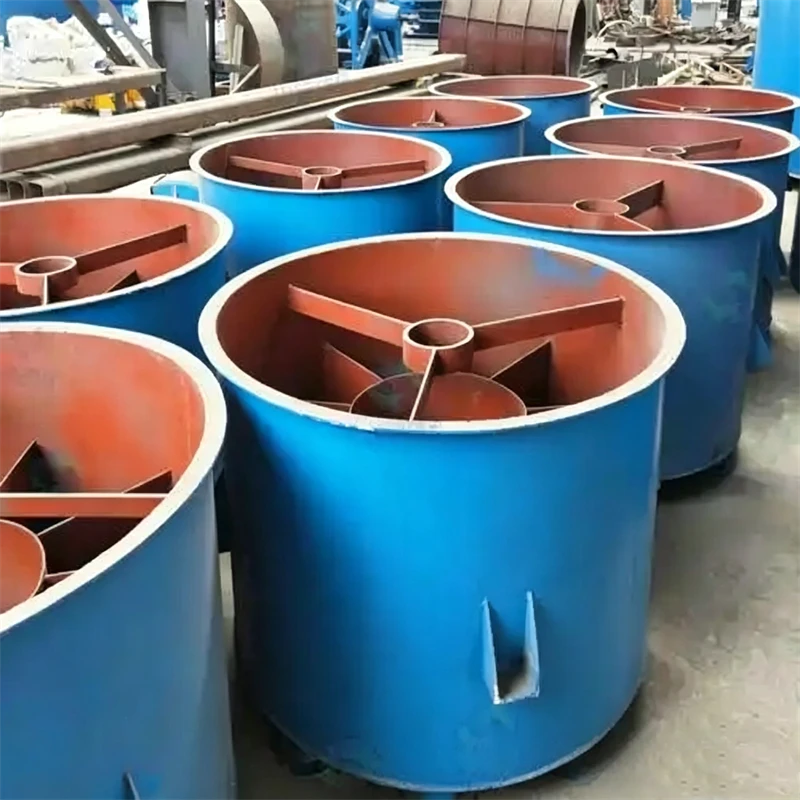
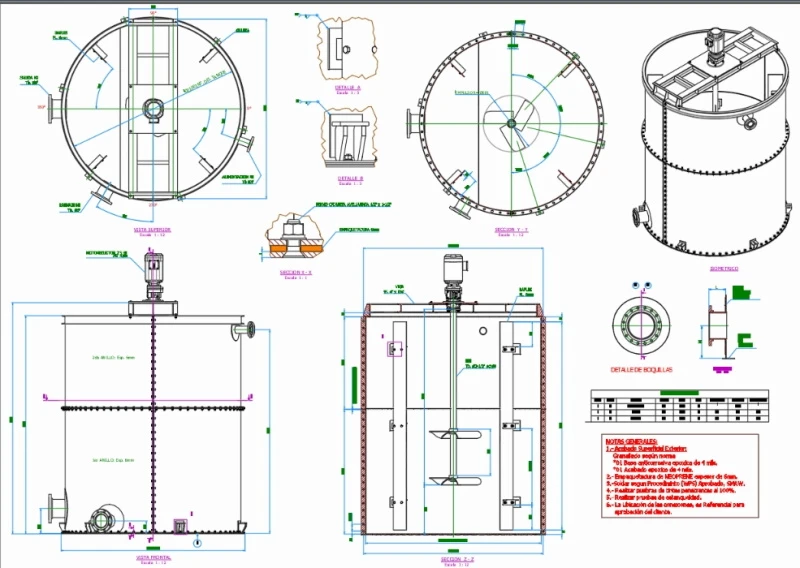
The main assembly consists of the tank body, vertical shaft, impeller, motor, and transmission system, with feed and discharge arrangements configured according to the process layout. The tank body provides the required effective working volume, while the shaft transfers torque to the impeller. Impeller diameter, blade configuration, shaft position, and rotational speed influence slurry circulation and particle suspension. For abrasive or dense mineral pulp, material selection and component dimensions also need to match the operating conditions.
Mixing and Conditioning Performance
As the slurry circulates, the agitation system keeps mineral particles suspended and promotes contact between the pulp and process reagents. In flotation circuits, adequate mixing provides more uniform reagent dispersion and the required conditioning time before the slurry enters the flotation cells. Effective volume, slurry flow rate, solids concentration, particle size, and conditioning time should be considered together when selecting the tank. For conventional applications, the equipment can be configured for slurry with a solids concentration of up to 30% by weight and particle sizes below 1 mm, subject to the selected model and process conditions.
Mining Agitation Tank Technical Specifications
The XB series mining agitation tanks are available in multiple sizes for slurry mixing and conditioning in mineral processing plants. The main specifications cover tank size, effective volume, impeller speed, impeller diameter, drive power, overall dimensions, and equipment weight. Final model selection should be based on slurry capacity, solids concentration, particle size, required conditioning time, and plant layout.
| Model | Tank Diameter (mm) | Tank Height (mm) | Effective Volume (m³) | Impeller Speed (r/min) | Impeller Diameter (mm) | Motor Model | Motor Power (kW) | Overall Dimensions (mm) | Weight (t) |
| XB-500 | 500 | 500 | 0.098 | 600 | 200 | Y90L-6 | 1.1 | 600 × 566 × 954 | 0.15 |
| XB-750 | 750 | 750 | 0.33 | 530 | 255 | Y100L-6 | 1.5 | 1085 × 858 × 1202 | 0.6 |
| XB-1000 | 1000 | 1000 | 0.58 | 530 | 255 | Y100L-6 | 1.5 | 1172 × 1138 × 1491 | 0.99 |
| XB-1200 | 1200 | 1200 | 1.4 | 340 | 400 | Y132S-6 | 2.2 | 1354 × 1310 × 1742 | 1.1 |
| XB-1500 | 1500 | 1500 | 2.2 | 320 | 400 | Y132S-6 | 3 | 1656 × 1572 × 2171 | 1.4 |
| XB-2000 | 2000 | 2000 | 5.6 | 290 | 550 | Y132M2-6 | 5.5 | 2380 × 2162 × 2850 | 2.3 |
| XB-2500 | 2500 | 2500 | 11.2 | 280 | 650 | Y180L-6 | 15 | 3036 × 2716 × 3543 | 3.44 |
| XB-3000 | 3000 | 3000 | 19.1 | 210 | 700 | Y255S-8 | 18.5 | 3604 × 3216 × 4250 | 4.61 |
| XB-3550 | 3550 | 3550 | 30 | 230 | 850 | Y225M-8 | 22 | 3940 × 3766 × 5386 | 7.28 |
| XB-4500 | 4500 | 4500 | 38 | 120 | 1000 | Y280M-8 | 45 | 3940 × 3766 × 5386 | 9.7 |
Mining Agitation Tank vs. Other Mixing Equipment
Mining agitation tanks are used for different process duties than reagent tanks, leaching tanks, and high-density slurry mixers. The main differences are the type of material being handled, the required mixing function, and where the equipment is installed in the mineral processing circuit. Understanding these differences helps buyers select the appropriate tank for slurry conditioning, reagent preparation, leaching, or high-solids mixing.
| Equipment | Main Purpose | Typical Position | Typical Application |
| Mining Agitation Tank | Slurry mixing and conditioning | Before flotation or another downstream process | Mineral slurry conditioning, reagent contact |
| Reagent Agitation Tank | Reagent preparation and dissolution | Reagent preparation section | Preparing flotation or leaching reagents |
| High-Efficiency Agitation Tank | Stronger slurry circulation and mixing | Slurry conditioning section | Applications requiring improved circulation and suspension |
| Leaching Agitation Tank | Slurry mixing with leaching and, where configured, aeration | Leaching circuit | Gold, silver and other hydrometallurgical processes |
| High-Density Agitation Tank | Mixing concentrated, high-solids slurry | High-density slurry handling section | Concentrated ore slurry and other high-solids applications |
Mining Agitation Tank Applications
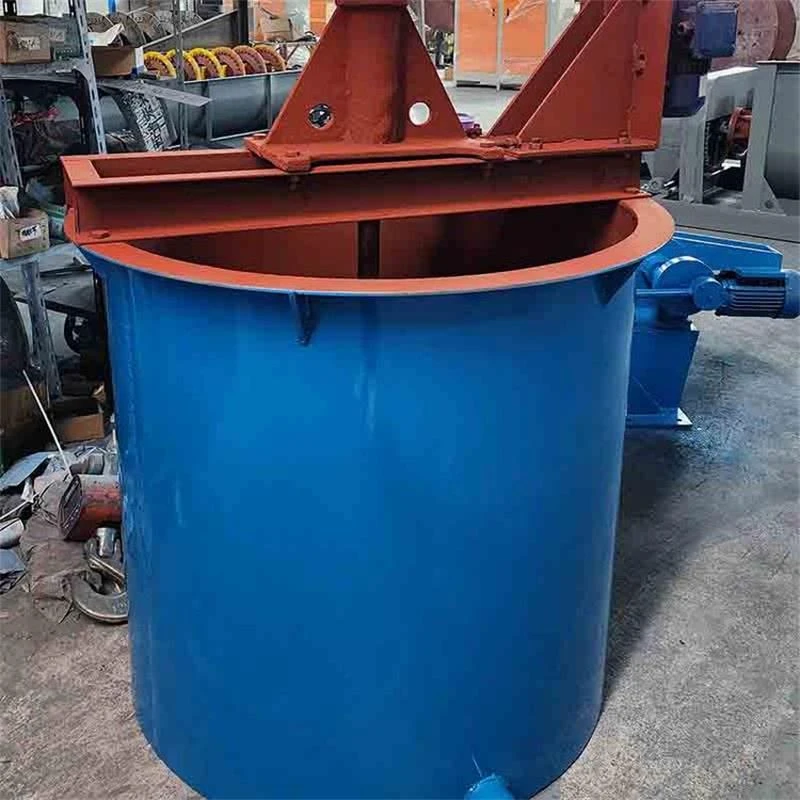
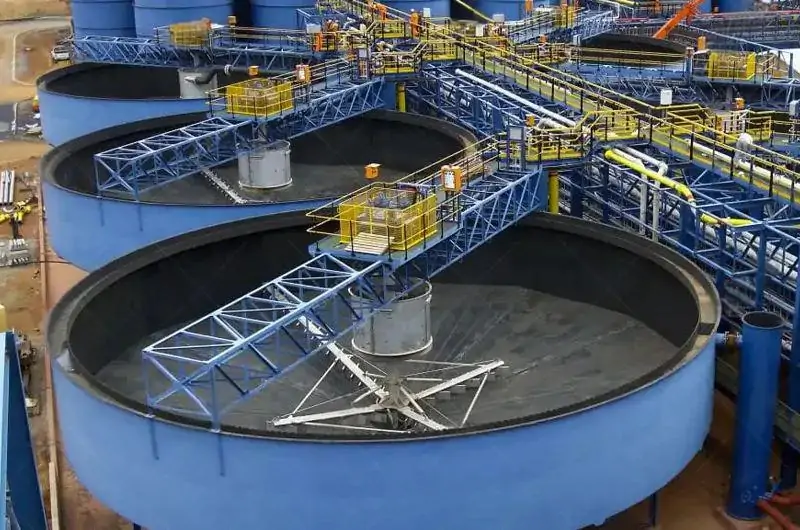
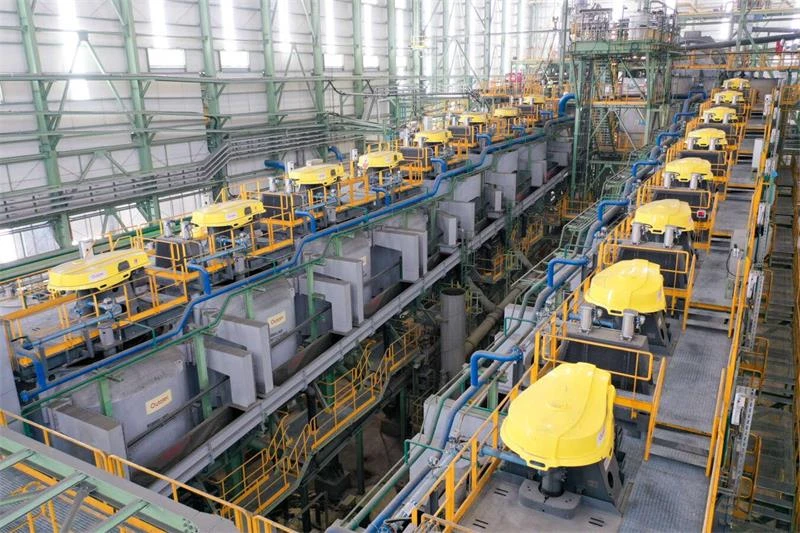
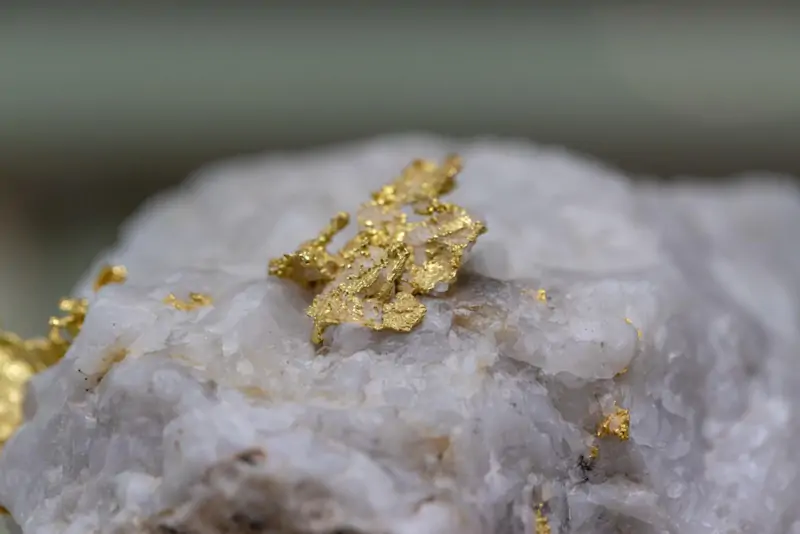
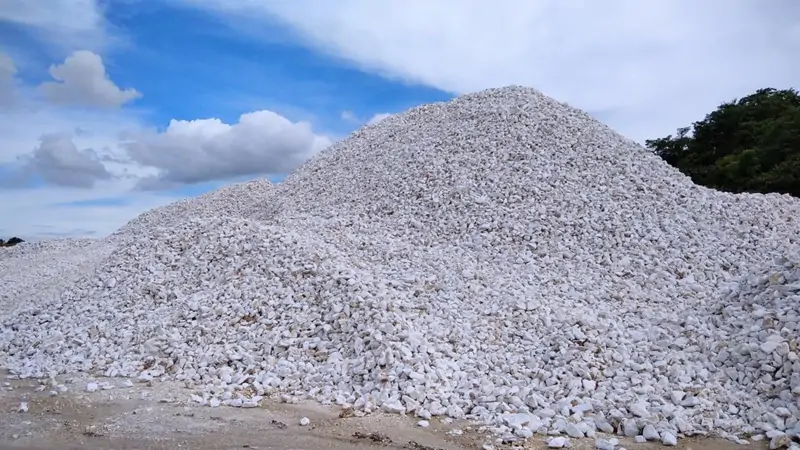
Mining agitation tanks are mainly used to mix and condition mineral slurry before the next processing stage. Typical applications include flotation feed conditioning, reagent mixing, gold ore processing, and non-metallic mineral processing. The tank configuration is selected according to slurry concentration, particle size, specific gravity, flow rate, and the requirements of the downstream process.
How to Select a Mining Agitation Tank?
Selecting a mining agitation tank requires matching the equipment to the actual slurry and process conditions. Flow rate, slurry properties, mixing requirements, and plant layout should be considered together rather than selecting the tank by volume alone.
Match Capacity and Slurry Conditions
Start with plant throughput, slurry flow rate, required conditioning time, and effective tank volume. Then check solids concentration, slurry density, ore specific gravity, and particle size, as these parameters directly affect the required suspension and mixing capacity.
Select the Agitation System
Impeller diameter, rotational speed, and motor power should be matched to tank dimensions and slurry characteristics. A larger impeller does not automatically mean better mixing. Abrasive particles or corrosive reagents may also require suitable impeller, shaft, and tank lining materials.
Check Installation Requirements
Before finalizing the model, confirm the available installation height, foundation, inlet and outlet elevation, maintenance clearance, lifting conditions, and motor position. These factors help determine the practical tank dimensions and configuration for the existing processing plant.
Common Mining Agitation Tank Problems
Common mining agitation tank problems include slurry settling, uneven reagent mixing, motor overload, and excessive vibration. These issues are usually related to slurry conditions, agitation parameters, component wear, or installation. Early inspection can help maintain stable mixing performance and avoid unnecessary downtime.
Slurry Settles at the Tank Bottom
Bottom settling can occur when the agitation intensity is insufficient for the slurry conditions. High solids concentration, coarse particles, high slurry density, or an unsuitable impeller configuration can reduce circulation near the tank bottom. We assess the slurry properties, tank dimensions, impeller size and speed, and motor capacity to identify the appropriate adjustment.
Reagent Is Not Mixed Uniformly
Uneven reagent mixing may result from the reagent inlet position, insufficient slurry circulation, unsuitable impeller speed, or insufficient conditioning time. The feed arrangement, effective volume, and agitation conditions should be checked together to improve reagent dispersion and slurry circulation.
Motor Overload
Motor overload may occur when slurry density or solids concentration exceeds the design condition, solids accumulate around the impeller, or mechanical resistance increases. Before increasing motor power, check the slurry condition, impeller clearance, accumulated solids, shaft, bearings, and transmission system to identify the actual cause.
Excessive Vibration
Excessive vibration is commonly associated with shaft misalignment, bearing wear, impeller imbalance, loose connections, or foundation problems. Inspection should cover the drive system, shaft alignment, bearings, impeller, and foundation. Proper factory assembly and commissioning can also help prevent mechanical problems during operation.
Why Choose Zhongyi Mining for Mining Agitation Tanks?
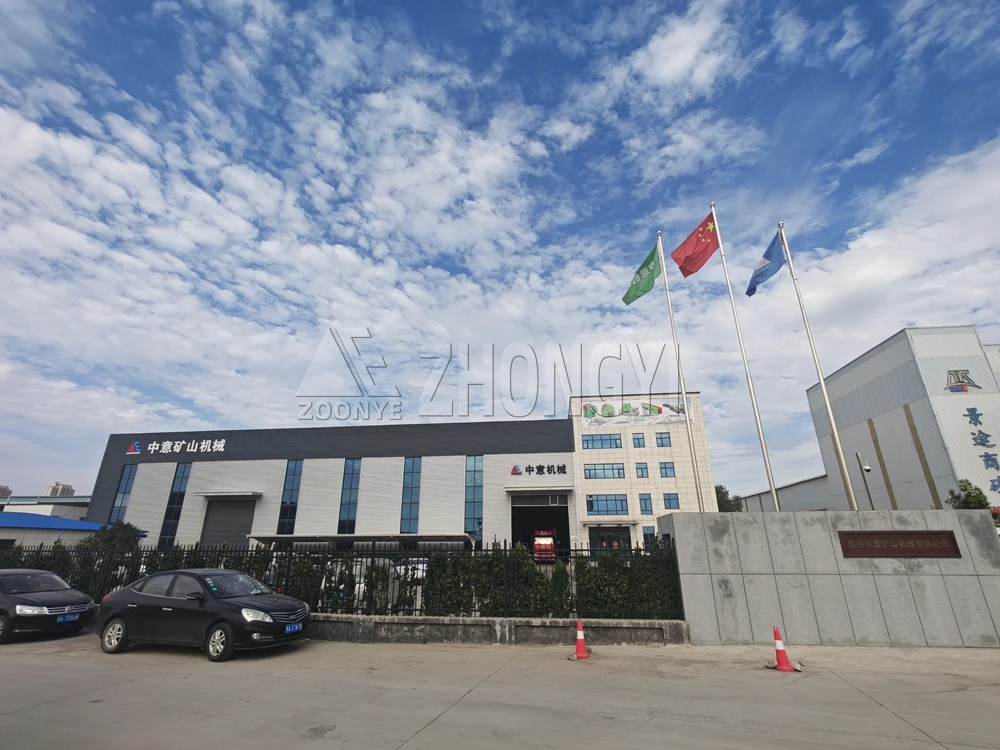
Zhengzhou Zhongyi Mining Machinery Co., Ltd. has its own manufacturing facilities covering design, machining, fabrication, assembly, and factory inspection. With more than 40,000 m² of factory area, over 60 sets of processing equipment, and trained production personnel, we can control key manufacturing stages in-house and produce agitation tanks according to the required dimensions and process configuration.
We do not select a tank based on volume alone. Our engineering team considers slurry characteristics, plant capacity, particle size, solids concentration, specific gravity, conditioning time, and the downstream process when matching the tank, impeller, drive system, and other components. This helps avoid common problems such as insufficient suspension, excessive loading, or unsuitable tank dimensions.
For quality control and project support, our manufacturing system follows ISO 9001:2015 requirements, with ANSYS FEA used where applicable for structural verification. Equipment undergoes 100% factory inspection, including no-load vibration of ≤4.5 mm/s, temperature rise of ≤45°C, and transmission efficiency of ≥95% under 120% load conditions, where applicable to the equipment configuration. ID traceability, site installation, commissioning, and technical support are also available for mining projects.To learn about real-world case studies, click on the Xinyang Yunfeng Mining & Metallurgy Gold Ore Processing Project.
Request a Customized Solution
Work with Zhongyi on a High Density Agitation Tank designed for high-solids slurry mixing, consistent circulation, and continuous operation in mineral processing and tailings backfill applications.
Custom High Density Agitation Tank Solutions
Each mining agitation tank is configured according to the slurry conditions and process requirements of the project. Send us your ore type, processing capacity, slurry concentration, particle size, specific gravity, required mixing or conditioning time, and plant layout so our engineering team can recommend the appropriate tank size, impeller, drive system, and material configuration. For complete flotation circuits, you can also explore our Mineral Flotation Plants Solution to see how the agitation tank fits into the overall process. Contact us with your project details for a suitable equipment configuration and quotation.
Please Provide the Following Information:
FAQs
What is a mining agitation tank used for?
A mining agitation tank is mainly used to mix and condition mineral slurry before flotation or another downstream process. It keeps solid particles suspended while promoting contact between the slurry and process reagents. Common applications include copper, lead-zinc, iron ore, fluorite, phosphate, and graphite processing. The tank configuration is selected according to slurry properties, required conditioning time, and downstream process conditions.
How do I choose the right agitation tank size?
Tank size is mainly determined by slurry flow rate, required conditioning time, and effective working volume. Slurry concentration, particle size, specific gravity, and downstream process requirements should also be considered. A tank that is too small may provide insufficient conditioning time, while excessive volume can increase equipment cost and installation requirements. These parameters should be reviewed together before selecting the final model.
What slurry information is required for tank selection?
The main information includes slurry flow rate, solids concentration, particle size, slurry density or specific gravity, and ore type. The intended process, such as flotation conditioning or reagent mixing, is also important. For abrasive or corrosive slurry, provide information about the mineral hardness and chemical characteristics. These details help determine the appropriate tank volume, impeller configuration, drive system, and material selection.
Can a mining agitation tank be used before flotation?
Yes. This is one of the most common applications. The tank is typically installed after grinding and classification and before flotation, where it mixes mineral slurry with flotation reagents and provides conditioning time. Proper agitation helps maintain solids suspension and reagent distribution before the slurry enters the flotation cells. Tank volume and mixing intensity should be matched to the slurry flow rate and flotation circuit.
Why does slurry settle at the bottom of an agitation tank?
Bottom settling usually indicates that the agitation system is not providing sufficient circulation for the actual slurry conditions. Possible causes include high solids concentration, coarse particles, high slurry density, unsuitable impeller size or speed, or accumulated solids around the tank bottom. The slurry properties and agitation system should be checked together before changing the motor or increasing operating speed.
How is motor power selected for a mining agitation tank?
Motor power depends on tank volume, impeller diameter and speed, slurry density, solids concentration, particle size, and required mixing intensity. The motor should provide sufficient torque to maintain slurry circulation under the actual operating load. Simply selecting a larger motor does not guarantee better mixing. Proper matching of the impeller and drive system is important for stable operation and reasonable power consumption.
What materials are suitable for abrasive mineral slurry?
Material selection depends on the abrasive and corrosive characteristics of the slurry. For abrasive mineral pulp, wear-resistant materials or protective lining may be required for the tank and impeller. If the process involves acidic, alkaline, or chemically active reagents, corrosion resistance also needs to be considered. The final material configuration should be selected according to the actual slurry and reagent conditions.
What is the difference between a mining agitation tank and a leaching agitation tank?
A mining agitation tank is commonly used for mineral slurry mixing and conditioning, particularly before flotation. A leaching agitation tank is designed for longer slurry-reagent contact during processes such as cyanidation, CIP, or CIL and may require specific aeration and impeller arrangements. Although both use mechanical agitation, their process duties and configuration requirements are different, so they should not be treated as interchangeable equipment.