What Is a Slurry Lifting Agitator Tank?
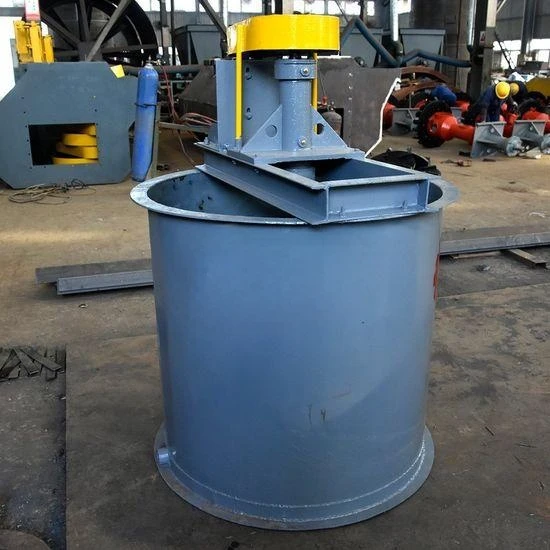
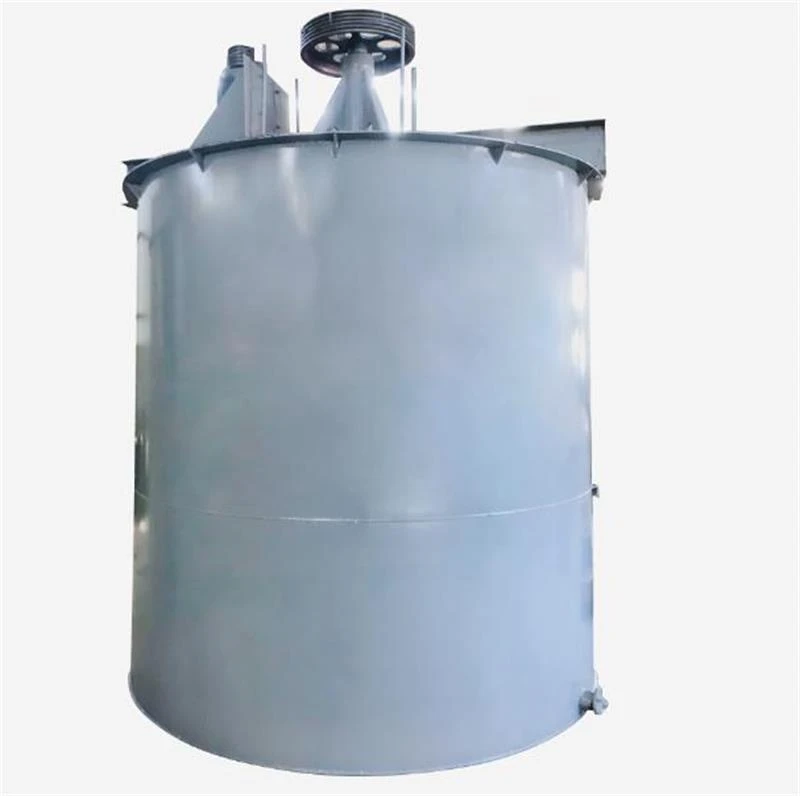
A Slurry Lifting Agitator Tank, also known as a Lifting Agitation Tank, Slurry Lifting Tank, or Flotation Agitator Tank, is a mineral processing unit that combines slurry agitation, reagent mixing, solids suspension, and slurry lifting in one tank. It is commonly installed between grinding/classification or conditioning equipment and flotation machines, or between flotation stages where insufficient elevation prevents slurry from flowing naturally. Unlike a conventional agitator tank, its impeller also provides the lifting force required to raise the slurry level and transfer it to the next process stage.
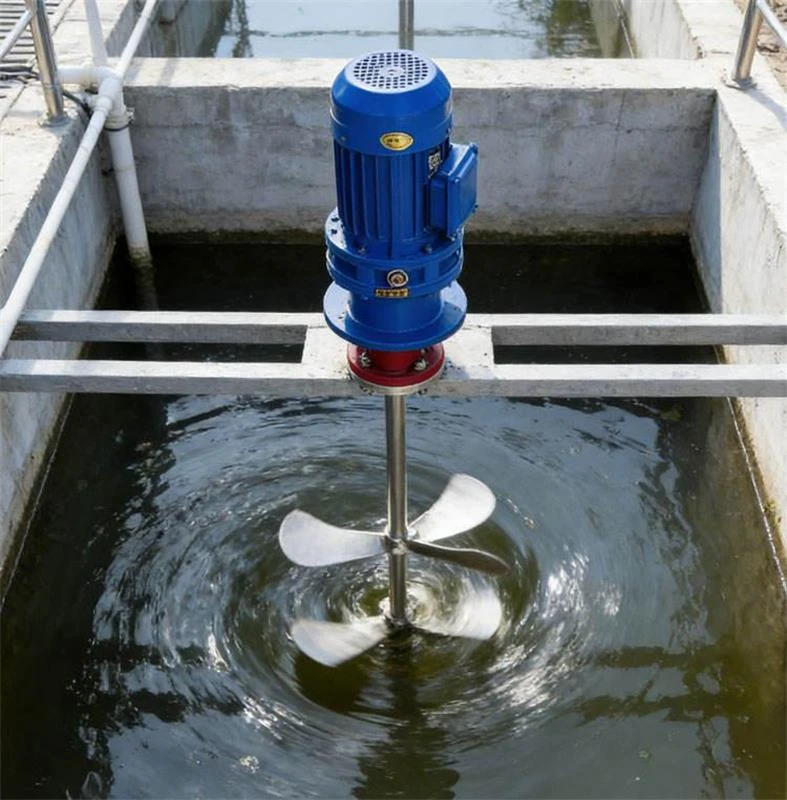
In operation, the motor drives the impeller to circulate and mix the slurry while promoting contact between mineral particles and flotation reagents. At the same time, centrifugal action draws slurry into the impeller and discharges it upward, providing the required lifting head without relying on an additional slurry pump in suitable layouts. Typical reference designs handle slurry with concentrations up to 30% by weight and particle sizes below 1 mm. The impeller-to-bottom clearance is generally maintained around 6–10 mm to balance circulation, lifting performance, and resistance to sediment buildup.
Why Is Slurry Lifting Required in Flotation Circuits?
Gravity flow is not always possible in a flotation plant because of limited elevation differences between process stages. A slurry lifting agitator tank provides the required lift while keeping the pulp mixed and suspended for stable transfer.
Slurry Lifting Agitator Tank Structure and Working Principle
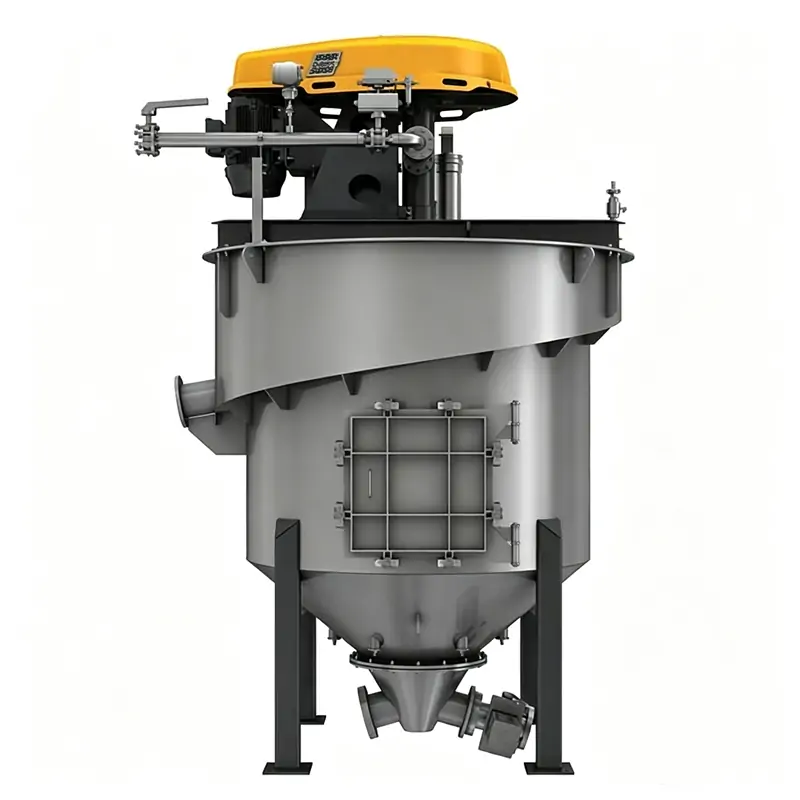
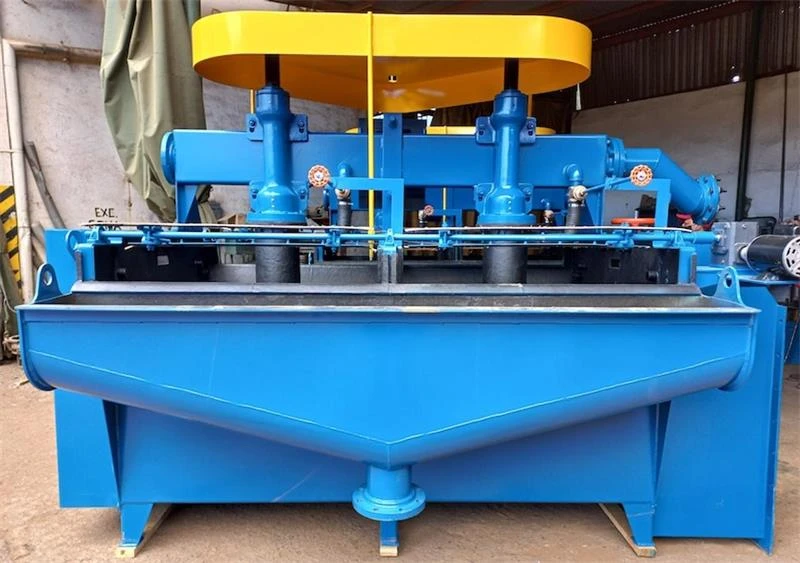
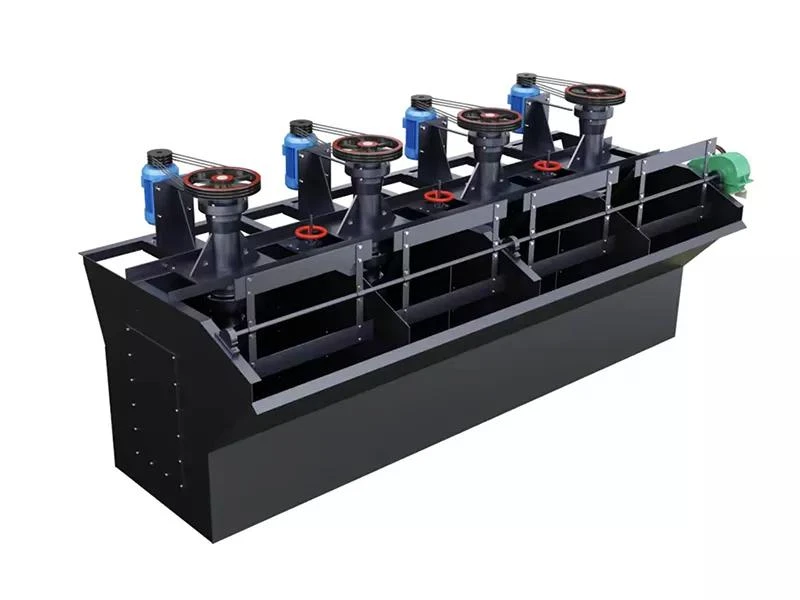
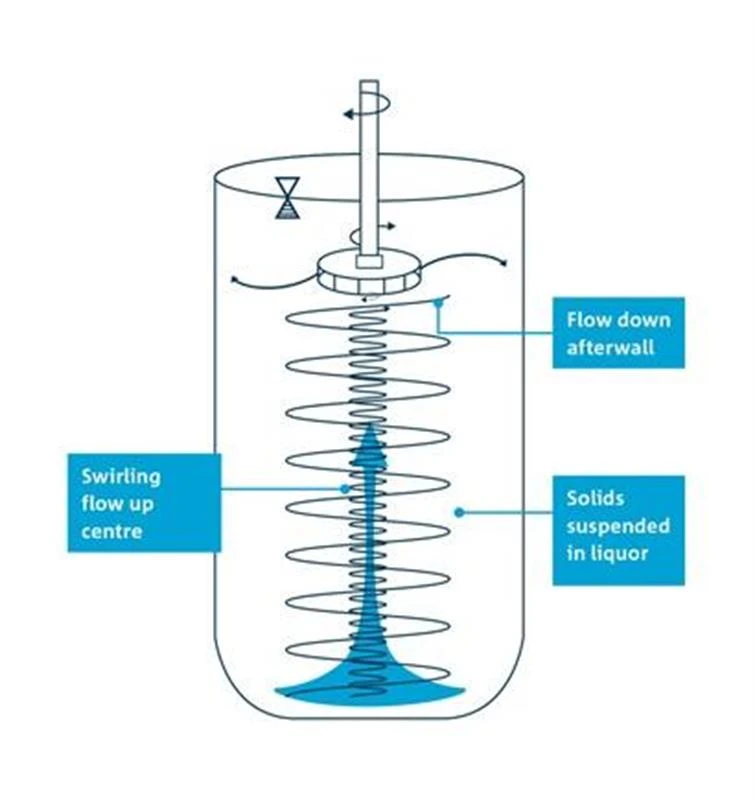
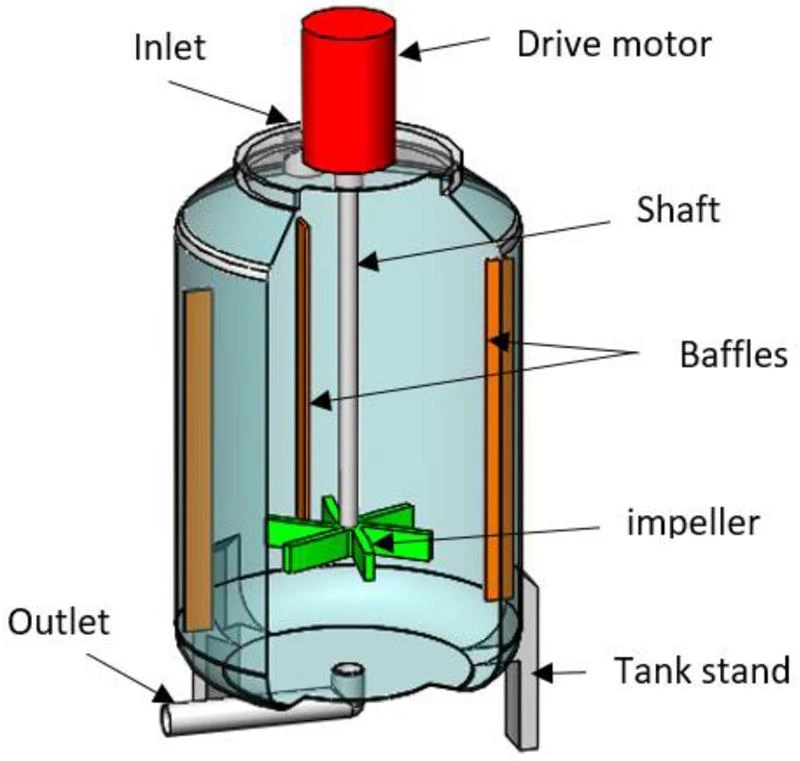
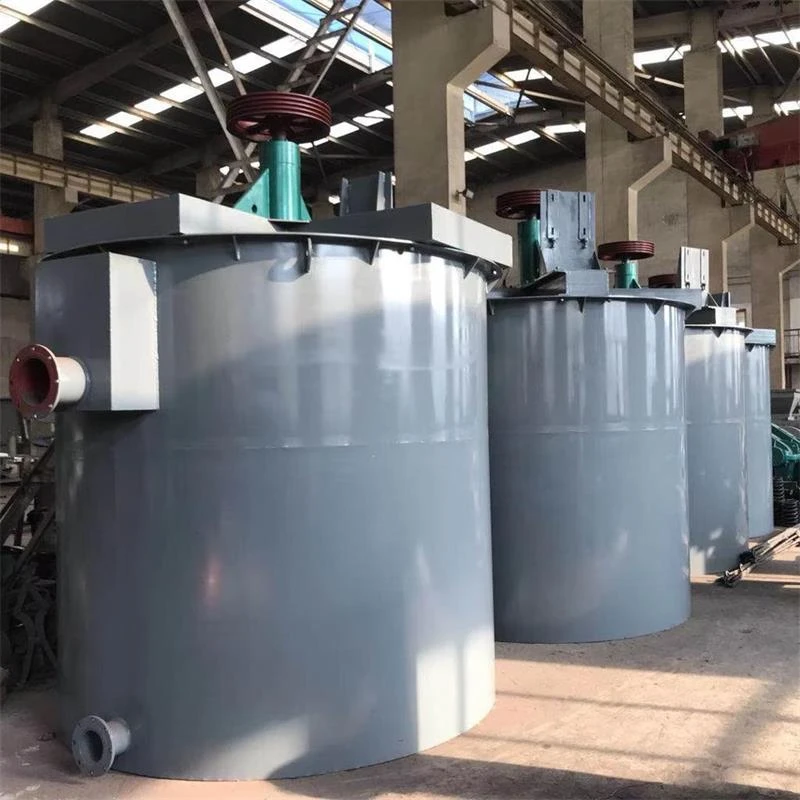
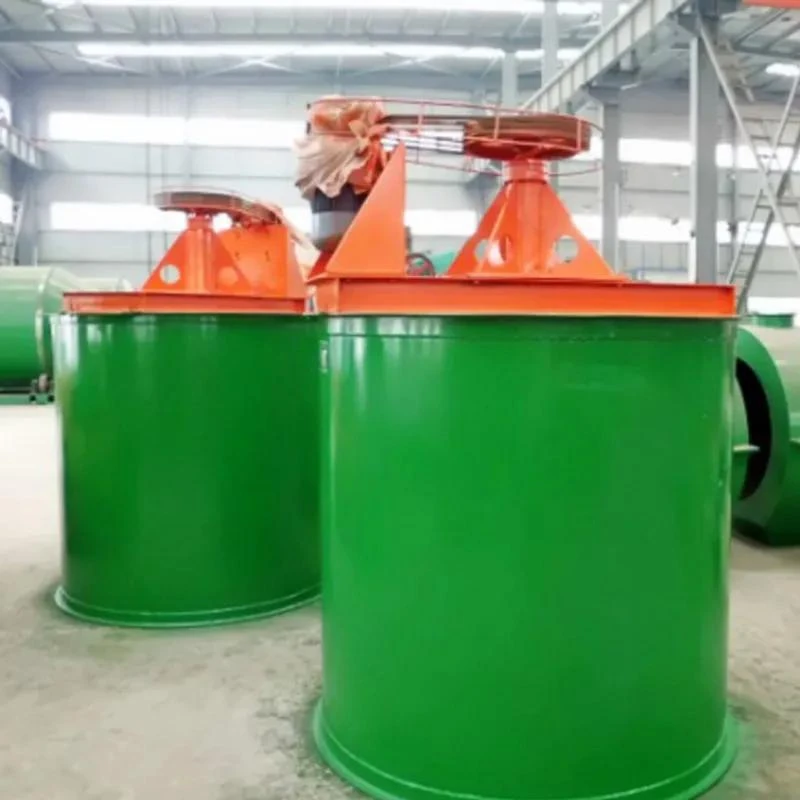
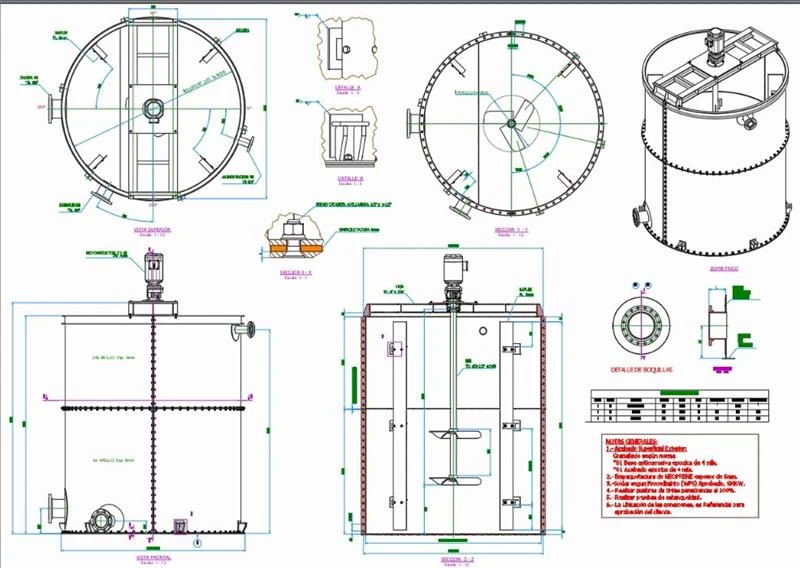
A slurry lifting agitator tank consists mainly of a tank body, support frame, drive system, shaft and centrifugal impeller. During operation, the motor drives the impeller to circulate the slurry, maintain solids suspension and generate the lifting force required to raise the slurry level.
Performance Features of Slurry Lifting Agitator Tank
The main performance of a slurry lifting agitator tank comes from its combined agitation and lifting function. The impeller design, lifting height and tank configuration are selected around slurry transfer conditions and flotation circuit layout, giving the equipment several practical advantages over a conventional agitator tank.
Slurry Lifting Agitator Tank Applications
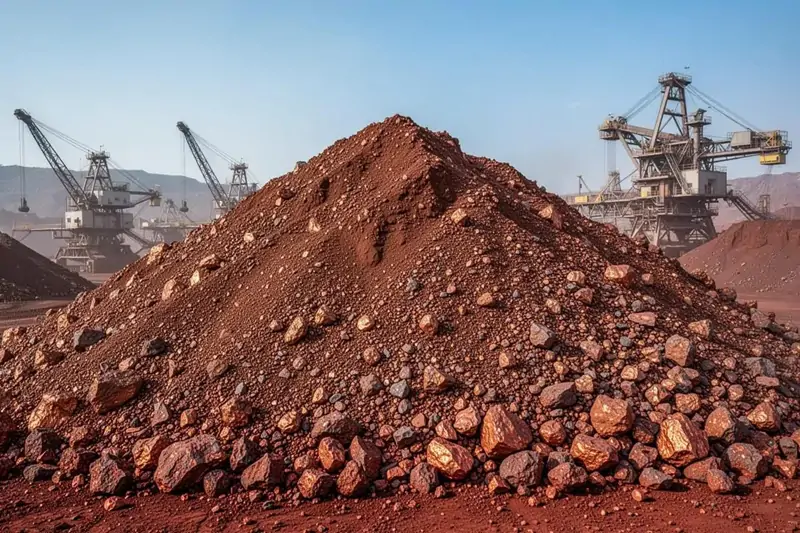
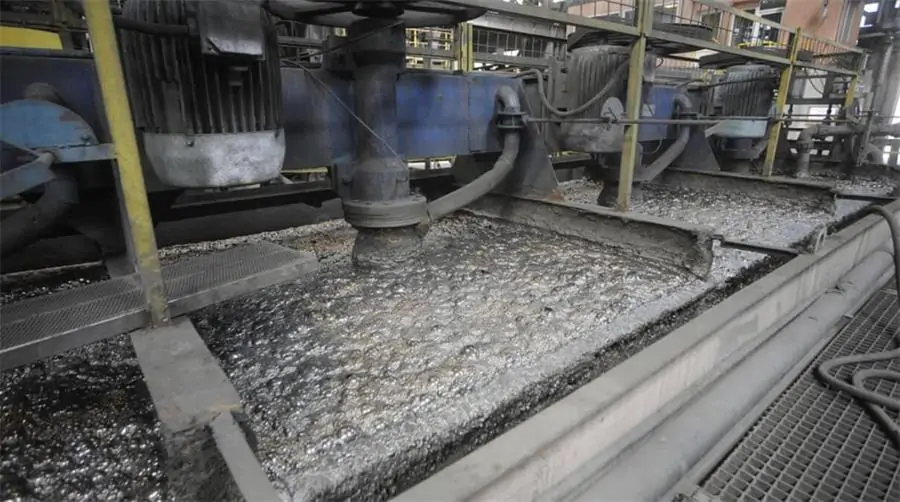
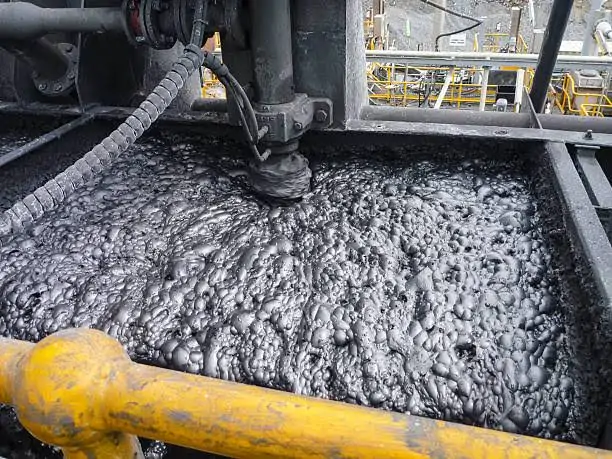
A Slurry Lifting Agitator Tank is mainly used in flotation circuits where slurry needs controlled mixing, solids suspension and level lifting. Its role can vary with the ore and flotation flowsheet, from reagent conditioning before flotation to slurry transfer between separation stages. Selection should be based on the actual slurry properties and process layout.
Slurry Lifting Agitator Tank Technical Parameters
The following table lists the reference specifications of the XBT series slurry lifting agitator tanks. Model selection depends on the required effective volume, lifting height, slurry conditions and flotation circuit layout.
| Model | Tank Diameter (mm) | Tank Depth (mm) | Effective Volume (m鲁) | Impeller Speed (rpm) | Impeller Diameter (mm) | Lifting Height (mm) | Motor Model | Motor Power (kW) | Weight (t) |
| XBT-1000 | 1000 | 1266 | 0.9 | 460 | 300 | 980 | Y132M2-6 | 3 | 0.76 |
| XBT-1250 | 1250 | 1510 | 1.4 | 420 | 400 | 1220 | Y132M2-6 | 5.5 | 1.3 |
| XBT-1500 | 1500 | 1800 | 2.8 | 400 | 450 | 1470 | Y160M-6 | 7.5 | 1.6 |
| XBT-2000 | 2000 | 2000 | 5.8 | 366 | 550 | 1570 | Y200L1-6 | 18.5 | 2.6 |
| XBT-2500 | 2500 | 2500 | 11.5 | 280 | 600 | 2070 | Y225M-8 | 22 | 3.76 |
| XBT-3000 | 3000 | 3000 | 21.2 | 250 | 650 | 2484 | Y250M-8 | 37 | 5.3 |
| XBT-3500 | 3500 | 3500 | 33 | 246 | 750 | 2930 | Y280M-8 | 45 | 7.2 |
Slurry Lifting Agitator Tank in a Flotation Process
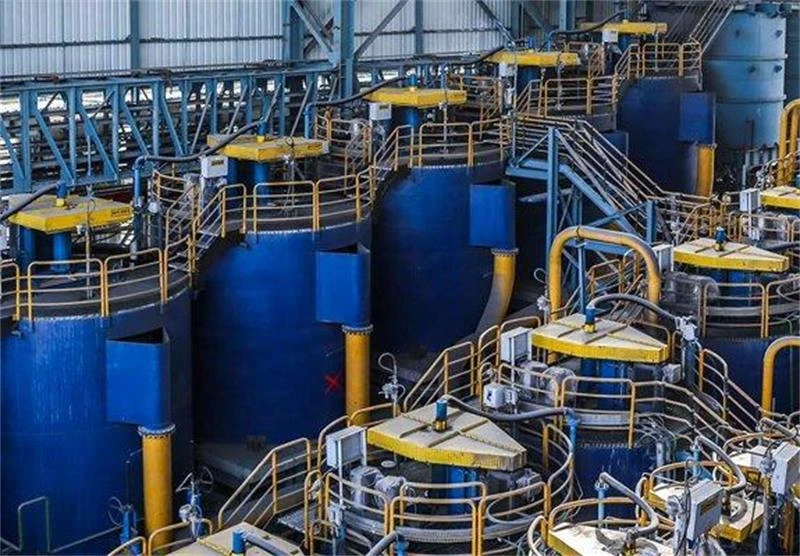
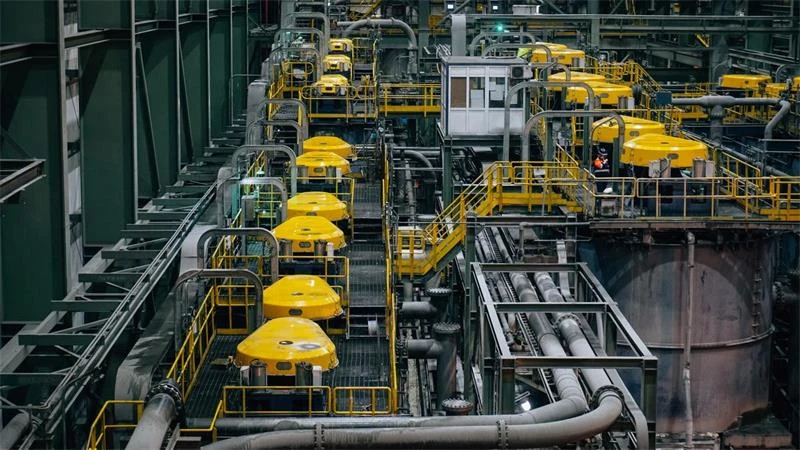
A Slurry Lifting Agitator Tank is used as a supporting unit in flotation circuits where slurry needs to be mixed and raised to the required process level. It can be installed before flotation or between flotation stages, particularly where the available elevation difference is insufficient for reliable gravity flow.
Typical Flotation Circuit:
Grinding → Classification → Conditioning → Flotation → Slurry Lifting Agitator Tank → Next Flotation Stage → Concentrate/Tailings Treatment
The tank does not perform mineral separation like a flotation cell. Its function is to maintain slurry mixing and solids suspension while providing the required lifting head for process transfer. The actual installation position depends on the flotation circuit layout, slurry properties and required elevation difference.lways be specified together with feed moisture, target moisture, particle size, and heat conditions.
How to Select a Slurry Lifting Agitator Tank?
The first step is to determine the required lifting height and flotation circuit elevation. Check the vertical difference between the tank overflow and the inlet of the next process stage. The selected tank should provide sufficient lifting capacity for continuous slurry transfer, especially in horizontal flotation layouts or circuits with limited elevation difference.
Slurry conditions then determine the impeller and drive requirements. Slurry concentration, particle size and density affect circulation, solids suspension, lifting performance and motor load. A typical reference design may be based on particles around 1 mm, but the actual allowable particle size and concentration should be confirmed according to the slurry and equipment configuration.
Finally, select the effective tank volume according to flotation throughput, required residence time and the capacity of upstream and downstream equipment. Tank size, impeller diameter, speed, motor power and lifting height should be considered as a complete system rather than selected independently. This helps ensure stable transfer without creating a flow restriction in the flotation circuit.
Slurry Lifting Agitator Tank vs Conventional Slurry Agitator Tank
The selection between a conventional slurry agitator tank and a slurry lifting agitator tank depends primarily on the slurry transfer requirements of the flotation circuit. A conventional agitator tank is suitable for slurry mixing, reagent conditioning and solids suspension when gravity flow is adequate, while a slurry lifting agitator tank is designed for circuits where insufficient elevation difference requires the slurry to be raised to the next process level. By integrating agitation and lifting, it can provide the required transfer head without a separate slurry pump under suitable low-head conditions.
| Feature | Slurry Agitator Tank | Slurry Lifting Agitator Tank |
| Slurry Mixing | Standard | Standard |
| Solids Suspension | Standard | Standard |
| Reagent Mixing | Standard | Standard |
| Slurry Lifting | Not Designed for Lifting | Integrated |
| Elevation Compensation | Not Applicable | Available |
| Horizontal Flotation Circuits | Applicable | Well Suited |
| Low-Head Pump-Free Transfer | Not Applicable | Possible |
Why Choose Zhongyi for Slurry Lifting Agitator Tanks?
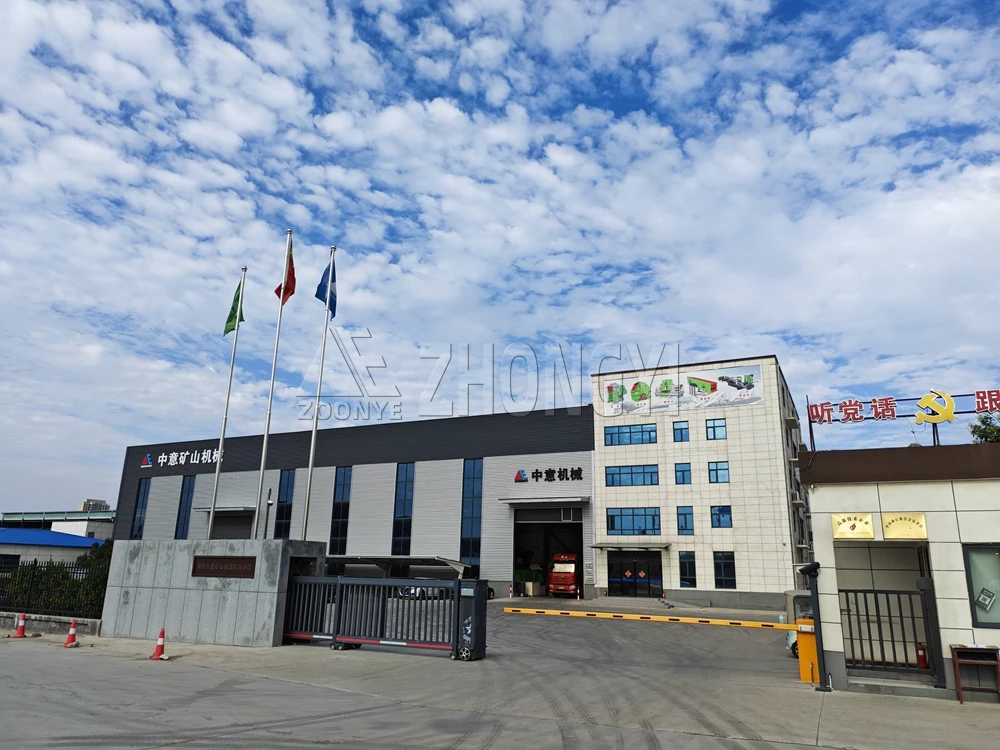
Zhongyi Machinery combines equipment manufacturing with mineral processing engineering, allowing slurry lifting agitator tanks to be designed around actual flotation circuit requirements. The tank, impeller, drive system and lifting height are considered as a complete unit according to slurry characteristics, required elevation difference and upstream and downstream equipment. With 16+ years of manufacturing experience, a 40,000+ m² manufacturing area, ISO 9001 certification and 60+ patents, Zhongyi provides equipment built for continuous mineral processing applications rather than a one-size-fits-all configuration.
Reliability also depends on how the equipment is integrated into the flotation circuit. Zhongyi supports process design, equipment selection, flow sheet development, installation and commissioning, helping ensure that the slurry lifting agitator tank provides stable agitation and transfer under actual operating conditions. From equipment fabrication and inspection to field installation, each stage is coordinated to reduce compatibility and commissioning risks and provide a dependable solution for long-term flotation plant operation.
Request a Customized Solution
Partner with Zhongyi for a Slurry Lifting Agitator Tank engineered for reliable slurry mixing, controlled lifting and stable transfer in flotation circuits with limited elevation difference. We can configure the tank, impeller and drive system according to slurry characteristics, required lifting height and overall process layout.
Custom Solutions
Every flotation project has different ore characteristics, throughput requirements, slurry conditions, elevation differences, and plant layouts, so the Slurry Lifting Agitator Tank should be configured as part of the overall process rather than selected as a standalone unit. Tell us your ore type, processing capacity, slurry concentration, particle size, required lifting height, and existing equipment layout, and our engineers can recommend the appropriate tank configuration and process arrangement. For complete process planning, you can also explore our Mineral Flotation Plants Solution and other mineral processing production line solutions. Contact Zhongyi with your project requirements to receive a customized equipment and process recommendation.
Please Provide the Following Information:
FAQs
What is a Slurry Lifting Agitator Tank used for?
A Slurry Lifting Agitator Tank combines slurry mixing and slurry lifting in one unit. It is mainly used in flotation circuits where the available elevation difference is insufficient for reliable gravity flow. The rotating impeller keeps solids suspended, promotes reagent mixing and generates the hydraulic force required to raise the slurry to the next process level.
When is a Slurry Lifting Agitator Tank needed?
A Slurry Lifting Agitator Tank is considered when slurry cannot flow reliably between flotation stages because of insufficient elevation difference. It is particularly useful in horizontal or compact flotation layouts where building additional elevation is impractical. The actual requirement should be determined from the required transfer height, slurry flow rate and arrangement of the upstream and downstream equipment.
Can a Slurry Lifting Agitator Tank replace a slurry pump?
Under suitable low-head conditions, a Slurry Lifting Agitator Tank can provide the lifting function without a separate slurry pump. Whether this is practical depends on the required lifting height, slurry flow rate, concentration, density and equipment layout. For higher lifting requirements or more demanding hydraulic conditions, a separate slurry pump may still be required.
What determines the lifting height of a Slurry Lifting Agitator Tank?
The lifting height depends on the impeller diameter, rotational speed, impeller clearance, slurry properties and overall equipment configuration. During selection, the required vertical difference between the tank overflow and the inlet of the next process stage should be clearly defined. The final lifting capability must then be checked against the actual slurry characteristics and operating conditions.
What slurry conditions are required for tank selection?
Important slurry parameters include concentration, particle size, density, flow rate and rheological characteristics. These conditions affect impeller loading, solids suspension, circulation and lifting performance. Providing representative process data allows the tank volume, impeller configuration and motor power to be matched more accurately. Final equipment selection should be based on the actual slurry and flotation circuit rather than a standard configuration alone.
Where is a Slurry Lifting Agitator Tank installed in a flotation circuit?
The tank can be installed before flotation or between flotation stages where slurry requires additional elevation. Its exact position depends on the process flow sheet, equipment arrangement and required transfer height. In a typical application, slurry enters the tank, is mixed and lifted by the impeller, and then leaves through the overflow toward the next flotation or processing stage.
How do you select the right Slurry Lifting Agitator Tank?
Selection should consider effective tank volume, slurry throughput, required lifting height and slurry properties together. Tank diameter, impeller size, rotational speed and motor power should be matched to these operating conditions. The available elevation difference and the capacity of connected equipment should also be checked to avoid creating a transfer restriction within the flotation circuit.
What information is needed for a customized Slurry Lifting Agitator Tank?
For preliminary selection, buyers should provide the ore type, processing capacity, slurry concentration, particle size and required lifting height. A flotation flow sheet or equipment layout is also helpful when available. Based on these conditions, Zhongyi can evaluate the appropriate tank volume, impeller configuration, drive power and lifting arrangement for integration with the customer’s flotation process.