What Is a Diesel Driven Vibrating Screen?
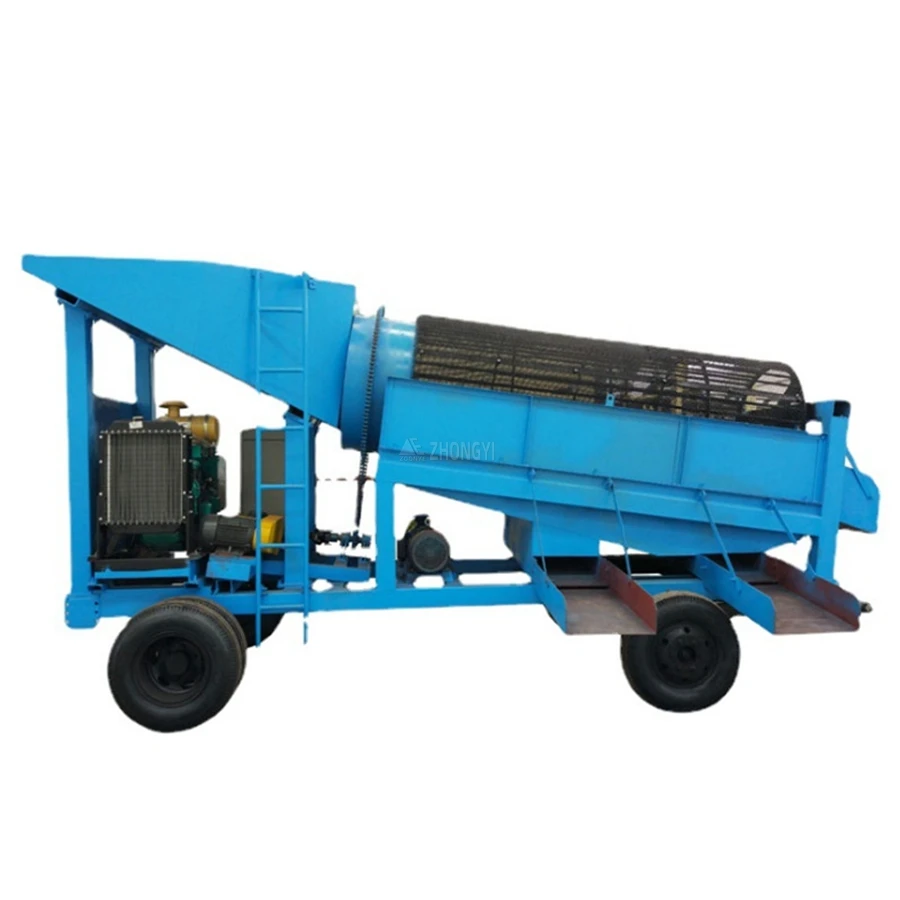
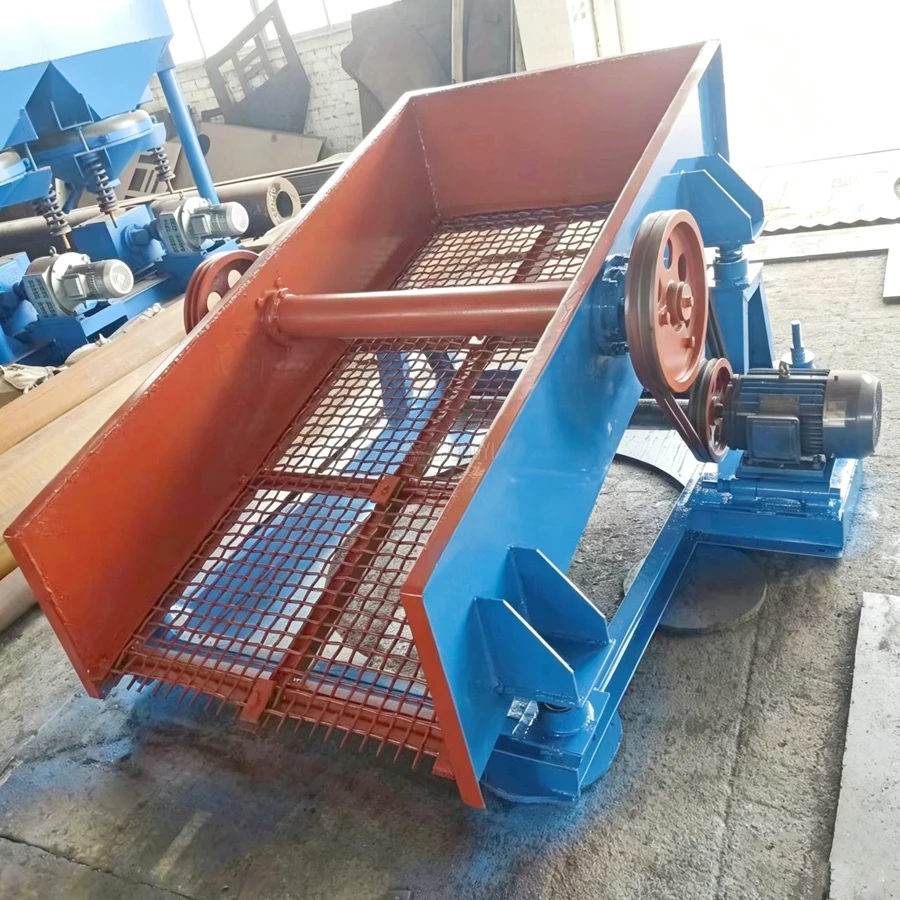
A Diesel Driven Vibrating Screen, also known as a diesel powered vibrating screen or diesel engine screening machine, is a screening equipment that uses a diesel engine as the power source to drive the vibration system for material separation. Unlike electric vibrating screens, it does not rely on external power supply, making it suitable for remote mining sites, quarries, and temporary crushing projects.
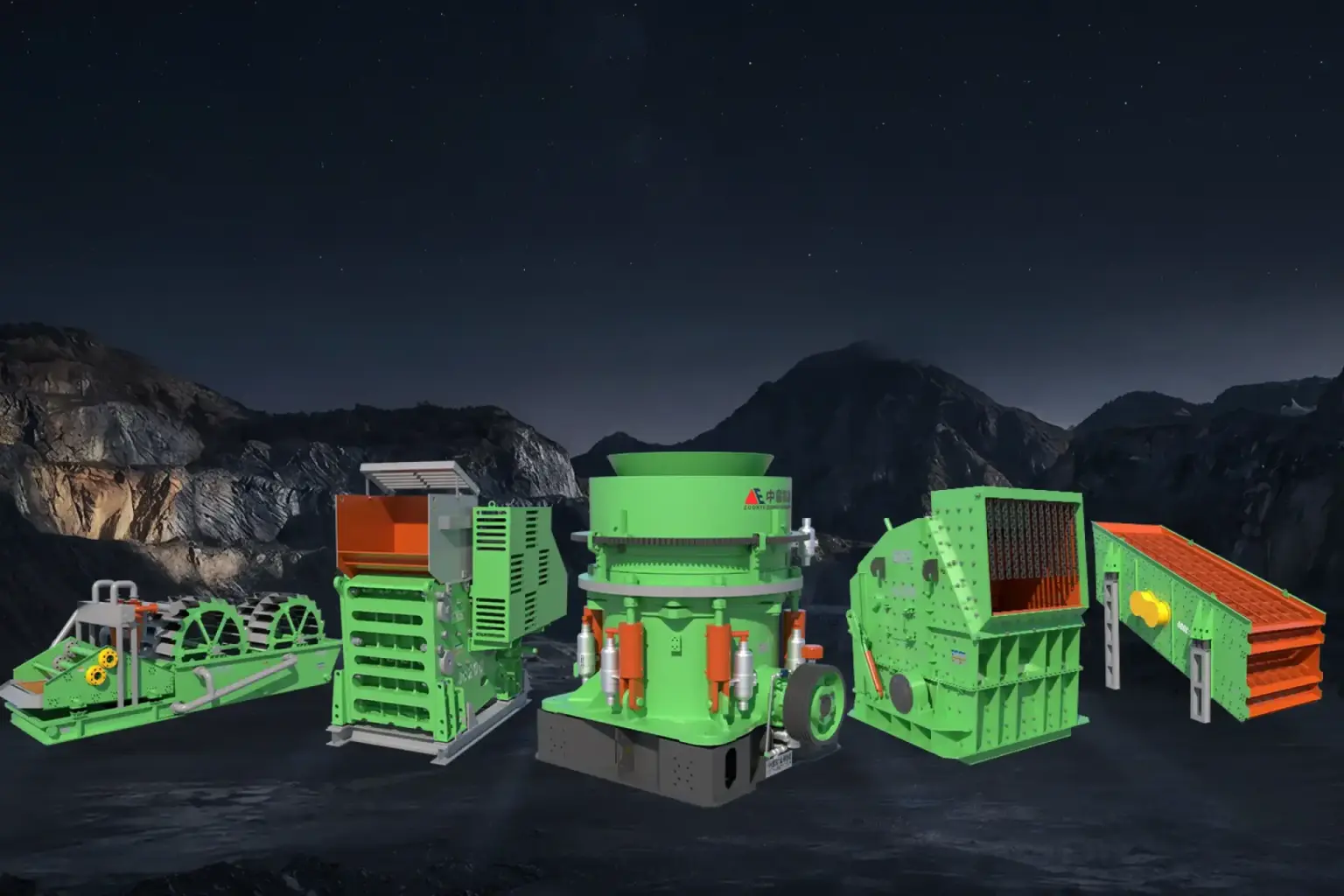
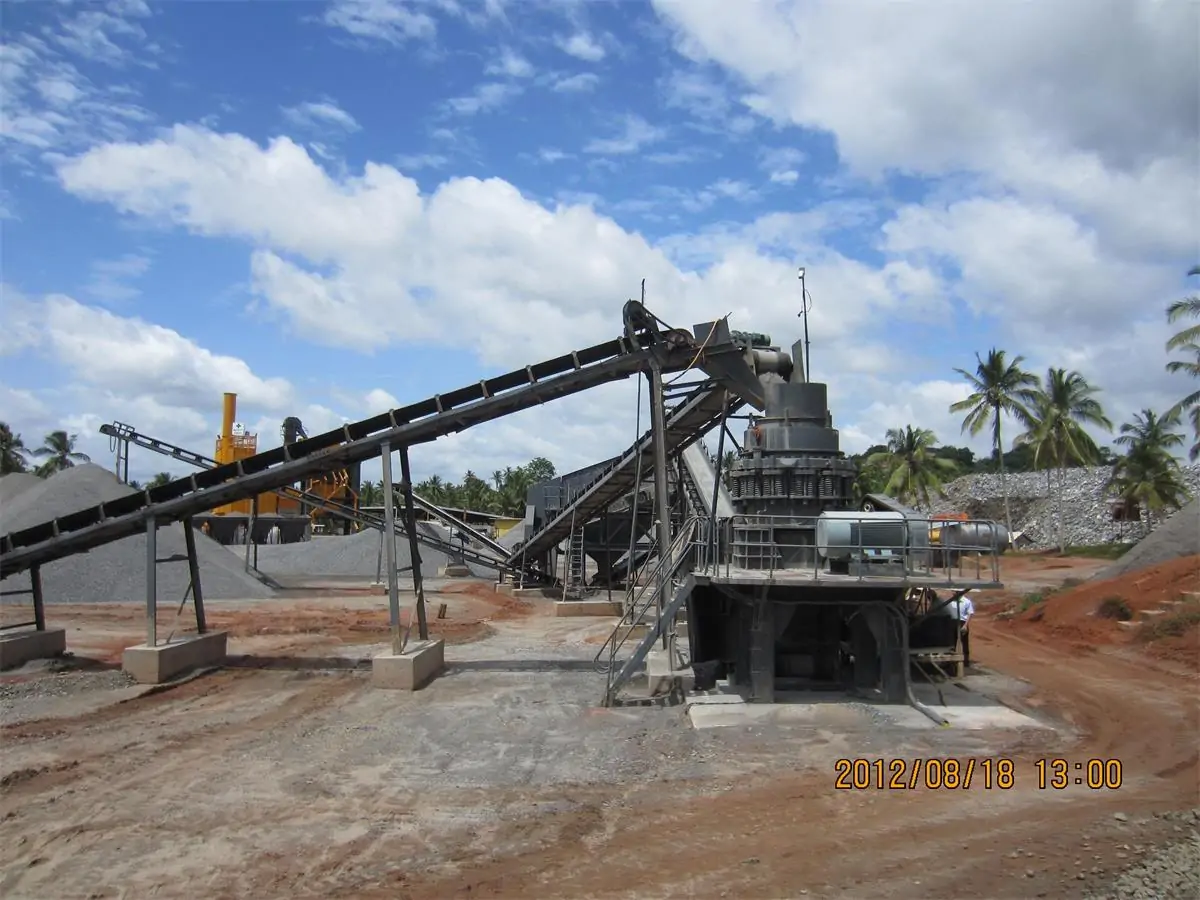
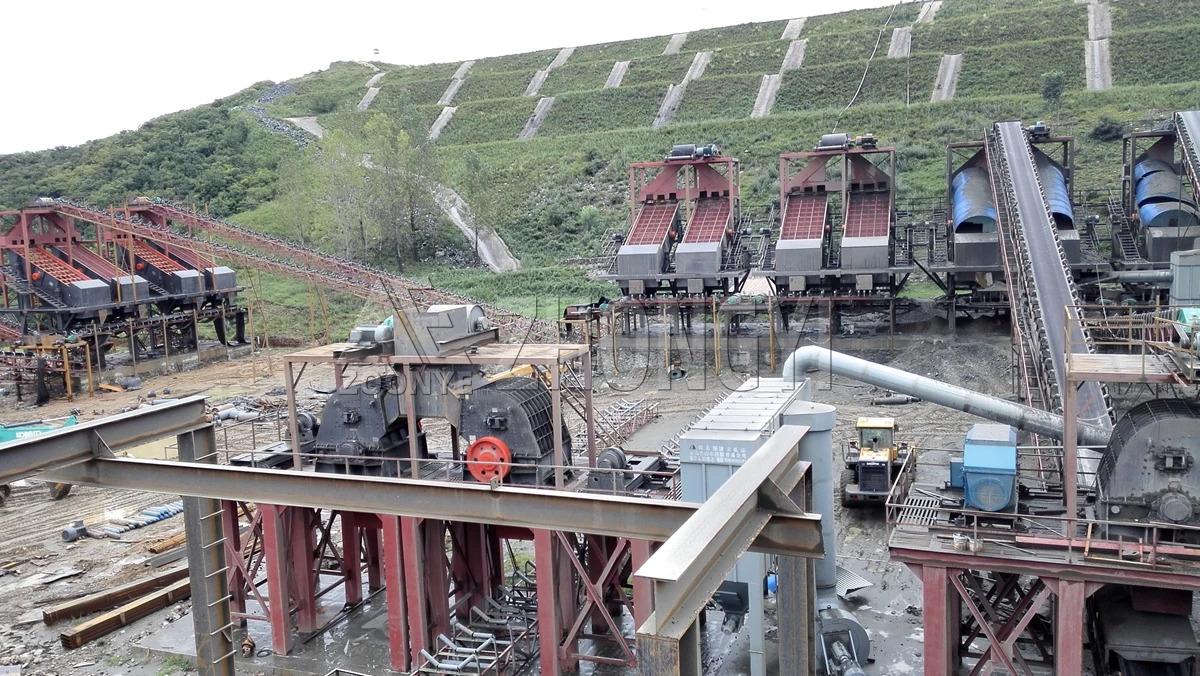
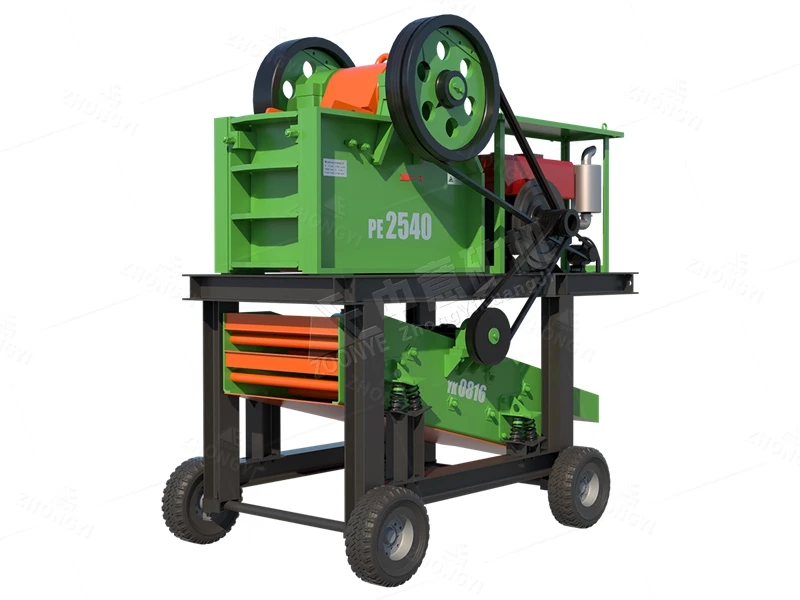
In a complete crushing and screening plant, the diesel vibrating screen usually works after primary crushing equipment such as jaw crushers or impact crushers to classify crushed materials into different sizes. It can also work together with vibrating feeders, cone crushers, and belt conveyors to form a mobile or stationary aggregate processing system.
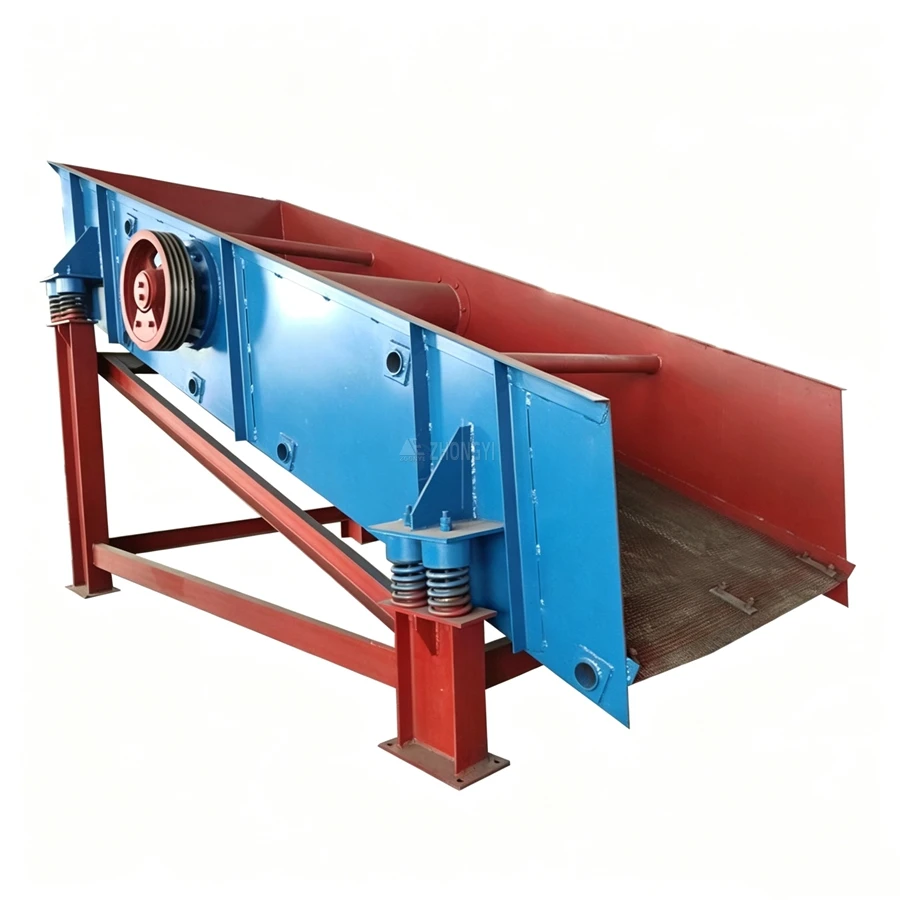
How Does a Diesel Vibrating Screen Work?
A Diesel Vibrating Screen separates materials by using controlled vibration to classify particles according to size. Its operation combines the diesel power system, vibration mechanism, and screening surface to achieve continuous material separation, making it suitable for mining, quarrying, and aggregate processing applications.
The diesel engine supplies power to the excitation system, where the eccentric shaft or vibrator generates vibration force to move the screen deck. As materials enter the screen, repeated throwing and falling actions help loosen the material layer, allowing smaller particles to pass through the mesh while larger particles remain on the surface and move toward the discharge end. The basic screening process is: Material feeding → Screen surface vibration → Particle separation → Different size discharge.
By changing the vibration trajectory, screen angle, and mesh configuration, the equipment can adapt to different material characteristics and screening requirements. Diesel vibrating screens are commonly integrated with crushers, feeders, and conveyors to form complete crushing and screening systems, with typical capacities of 20–400 t/h for mining and aggregate production.
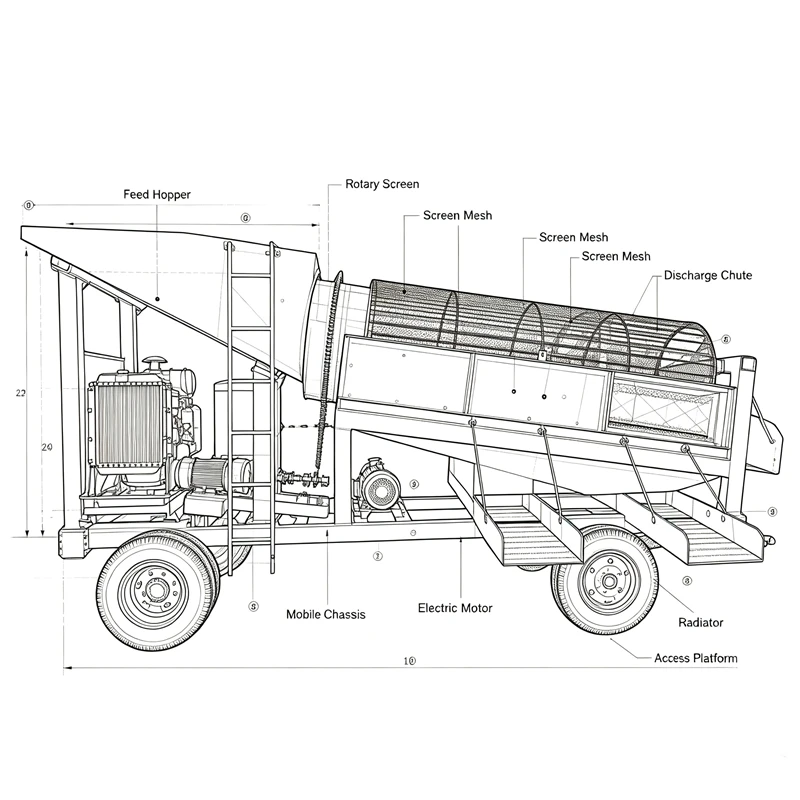
Diesel Driven Vibrating Screen Design and Main Components
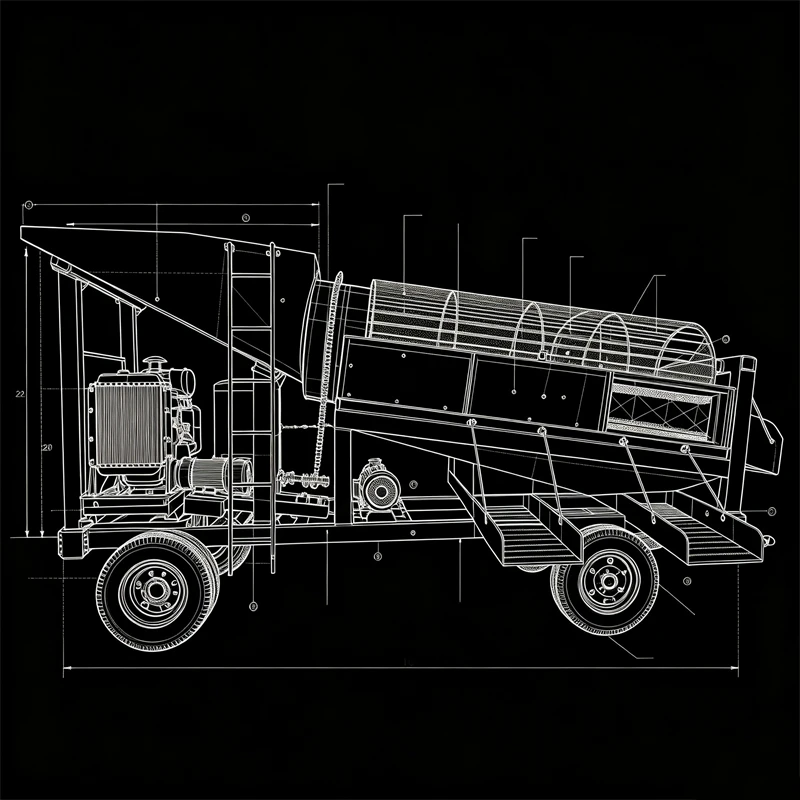
A Diesel Driven Vibrating Screen is composed of several key systems, including the diesel power unit, screening structure, vibration mechanism, support system, and material handling components. The diesel engine provides independent power for off-grid operations, while the screening and excitation systems work together to achieve efficient material separation. Different components can be customized according to material characteristics, capacity requirements, and working conditions.
| Component | Function |
| Diesel Engine | Provides independent power for screening operations without external electricity |
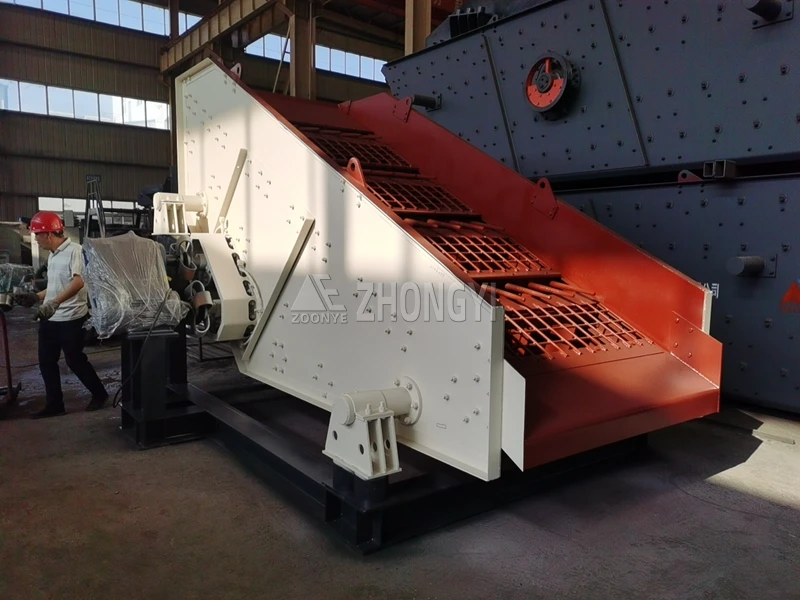
| Screen Box & Deck | Holds the screen media and separates materials according to particle size |
| Exciter | Generates vibration force through eccentric movement to drive the screening process |
| Feed Hopper | Controls material feeding and ensures stable distribution onto the screen surface |
| Support & Damping System | Absorbs vibration and improves equipment stability during operation |
| Conveyor System | Transfers screened materials to the next processing stage |
| Control Panel | Monitors and controls equipment operation parameters |
Advantages
Unlike conventional electric vibrating screens, Diesel Driven Vibrating Screen is designed for remote mines, temporary quarries, and mobile processing sites where power supply and equipment mobility are major concerns. Its independent diesel power system provides flexible operation without relying on fixed electrical infrastructure.
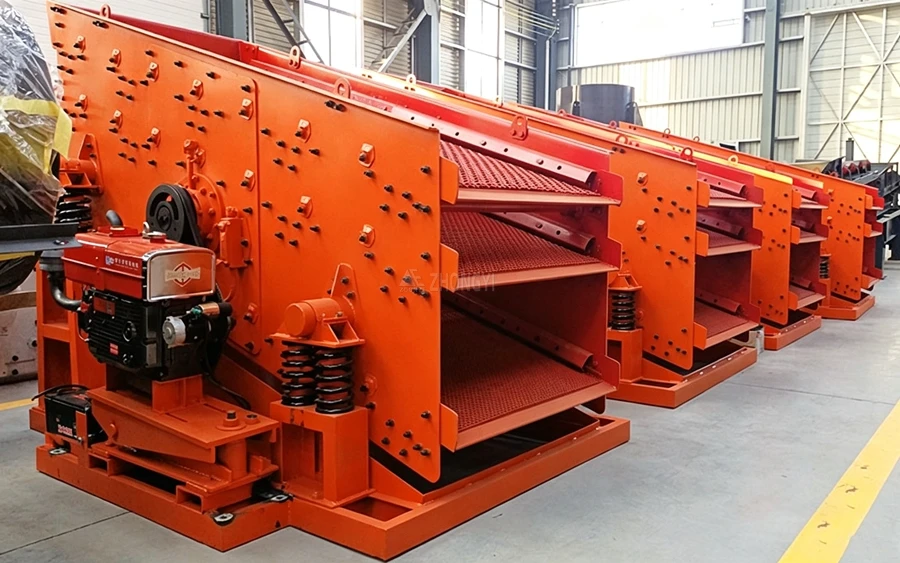
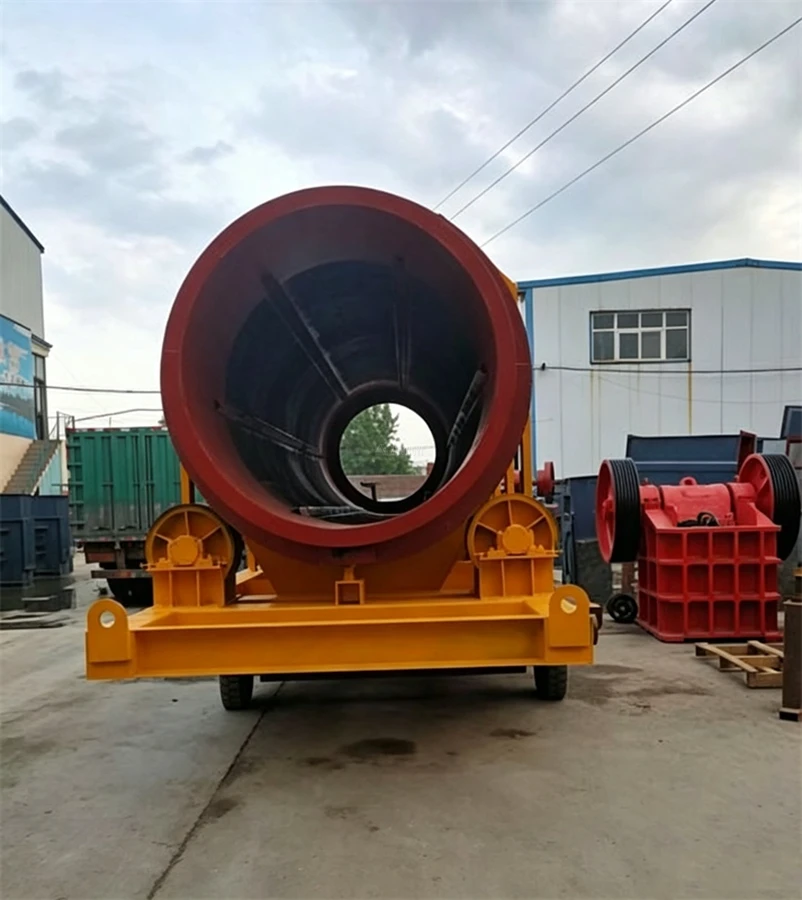
Applications
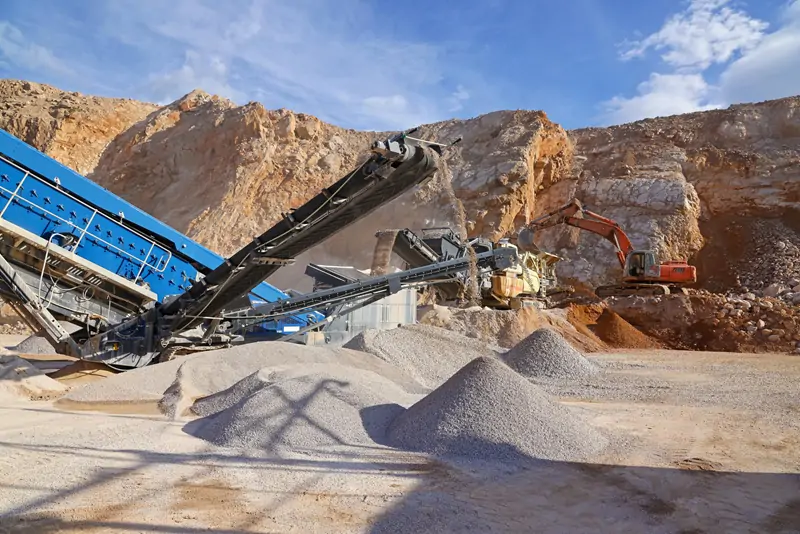
Unlike conventional electric vibrating screens that rely on fixed power infrastructure, Diesel Powered Vibrating Screen provides flexible screening operations for remote mines, quarries, and temporary projects. Powered by a diesel engine, it can operate independently without external electricity, allowing faster deployment directly at the material source.

Diesel Vibrating Screen Technical Specifications
The performance of a Diesel Vibrating Screen is mainly determined by screening capacity, deck configuration, power system, and material characteristics. Factors such as particle size, moisture content, screen opening, and feeding conditions directly affect screening efficiency and output. Different deck layers and screen designs can be customized for single or multi-stage classification, while reinforced structures and wear-resistant screen media help maintain stable performance in harsh mining environments. Typical specifications are shown below:
| Parameter | Range |
| Capacity | 20–400 t/h |
| Screen Deck | Single / Double / Triple Deck |
| Screening Area | Customized according to output requirements |
| Screen Mesh Size | Customized for different particle sizes |
| Engine Type | Diesel Engine |
| Power Configuration | Customized according to equipment size |
| Application | Quarry, Mining, Aggregate Production, Recycling |
| Material | Stone, Sand, Coal, Mineral, Construction Waste |
Diesel Vibrating Screen vs Electric Vibrating Screen
The choice between a Diesel Vibrating Screen and an Electric Vibrating Screen mainly depends on site conditions, power availability, and production requirements. Diesel models are designed for remote mining areas, temporary projects, and mobile operations where grid power is unavailable, while electric vibrating screens are more suitable for fixed plants with stable electricity supply and continuous production demands.
Equipment Comparison
| Comparison | Diesel Vibrating Screen | Electric Vibrating Screen |
| Power Source | Diesel engine | External electricity supply |
| Installation | Flexible deployment without grid connection | Requires stable power infrastructure |
| Mobility | High, suitable for frequent relocation | Limited, mainly used in fixed plants |
| Initial Investment | Reduces costs for power installation and infrastructure | Lower equipment cost where electricity is available |
| Operating Cost | Higher fuel consumption but suitable for short-term and remote projects | Lower energy cost for long-term continuous operation |
| Maintenance | Requires diesel engine inspection and fuel system maintenance | Simpler electrical system maintenance |
| Best Application | Remote mines, quarries, temporary crushing and screening projects | Permanent aggregate plants and industrial production lines |
When to Choose a Diesel Vibrating Screen?
A diesel vibrating screen is a practical choice when the working site has limited power access or requires frequent equipment movement. It is commonly used in remote mining areas, temporary quarries, construction waste recycling projects, and mobile crushing plants where installing electrical infrastructure is difficult or uneconomical. Its independent power system allows faster setup and flexible operation directly at the material source.
When to Choose an Electric Vibrating Screen?
An electric vibrating screen is better suited for fixed production facilities with reliable power supply and long-term operation plans. For large-scale quarries, aggregate plants, and mineral processing lines, electric models usually provide lower energy costs and stable performance during continuous production.
The selection between diesel and electric vibrating screens should be based on the actual working environment rather than equipment type alone. Diesel vibrating screens focus on mobility, independence, and rapid deployment, while electric vibrating screens focus on energy efficiency and long-term fixed production. Choosing the right power configuration helps improve operating efficiency and reduce unnecessary investment.
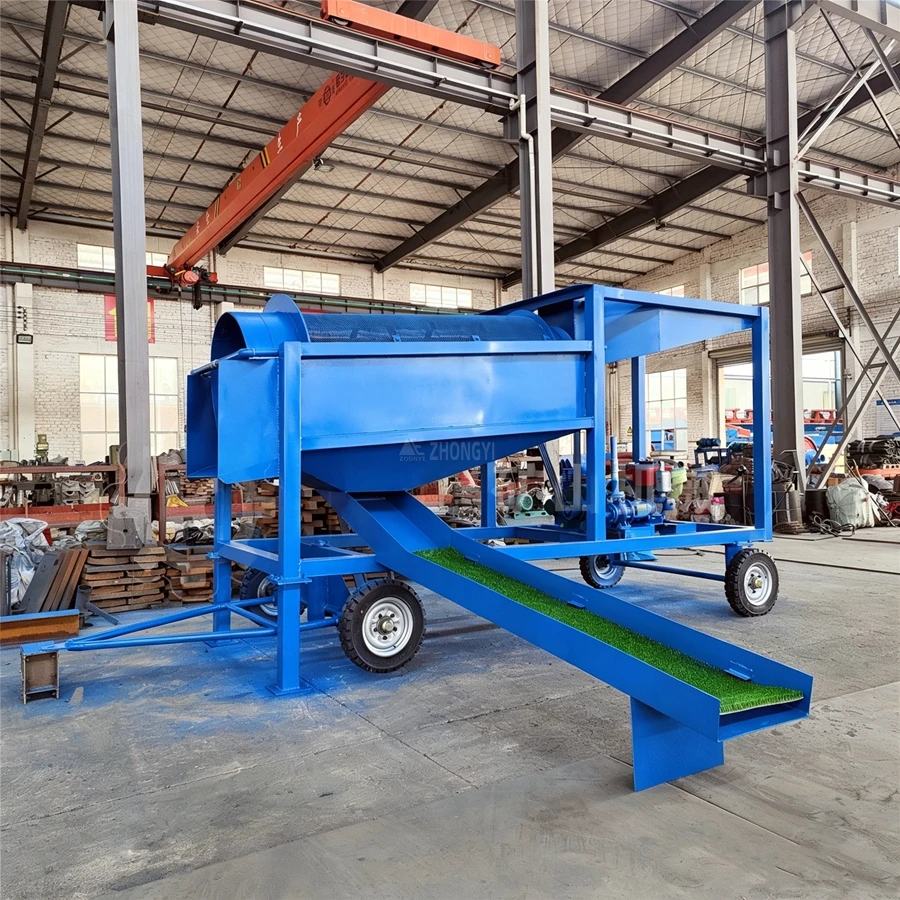
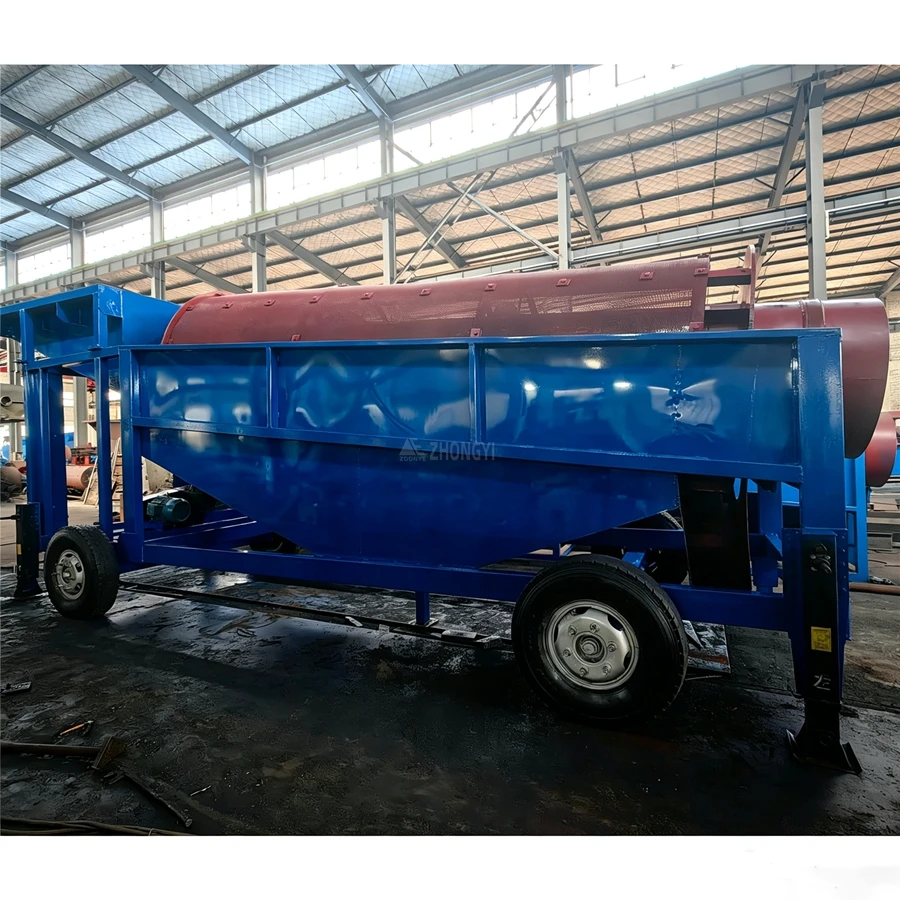
How to Choose the Right Diesel Driven Vibrating Screen?
Selecting the right Diesel Driven Vibrating Screen requires matching the equipment configuration with material properties, production requirements, and operating conditions. Material hardness, particle size, and moisture content directly affect the choice of screen structure and media. Hard abrasive materials such as granite and limestone require heavy-duty structures and wear-resistant screens, while wet or sticky materials need anti-blinding designs to maintain screening efficiency. From our experience, many customers focus only on capacity when selecting equipment but overlook material characteristics, which can lead to screen blockage, excessive wear, or unstable output during actual operation.
The working environment is another important factor that should be evaluated before purchase. For remote mining sites, temporary quarries, and mobile crushing operations without reliable power supply, diesel-driven models provide independent operation and flexible deployment. We usually recommend customers consider not only the initial equipment cost but also maintenance convenience, fuel efficiency, and future relocation needs. A properly configured vibrating screen can reduce unexpected downtime, improve production stability, and deliver better long-term operating value.
Diesel Vibrating Screen Maintenance Tips
Regular maintenance of a Diesel Vibrating Screen helps maintain stable screening performance and reduces unexpected downtime during continuous operation. Daily inspection should focus on the diesel engine, fuel system, bearing lubrication, fastening bolts, and screen mesh condition. Timely cleaning or replacement of worn screen media can prevent reduced screening efficiency caused by blockage or excessive wear, while proper lubrication helps extend the service life of bearings and vibration components.
From our practical experience with mining equipment operation, many failures are related to delayed maintenance rather than equipment design issues. We recommend regularly checking vibration parameters, abnormal noise, and structural connections, especially under dusty, high-load working conditions. A preventive maintenance plan can reduce downtime, improve equipment reliability, and ensure consistent screening performance throughout long-term operation.
Why Choose Our Diesel Driven Vibrating Screen?
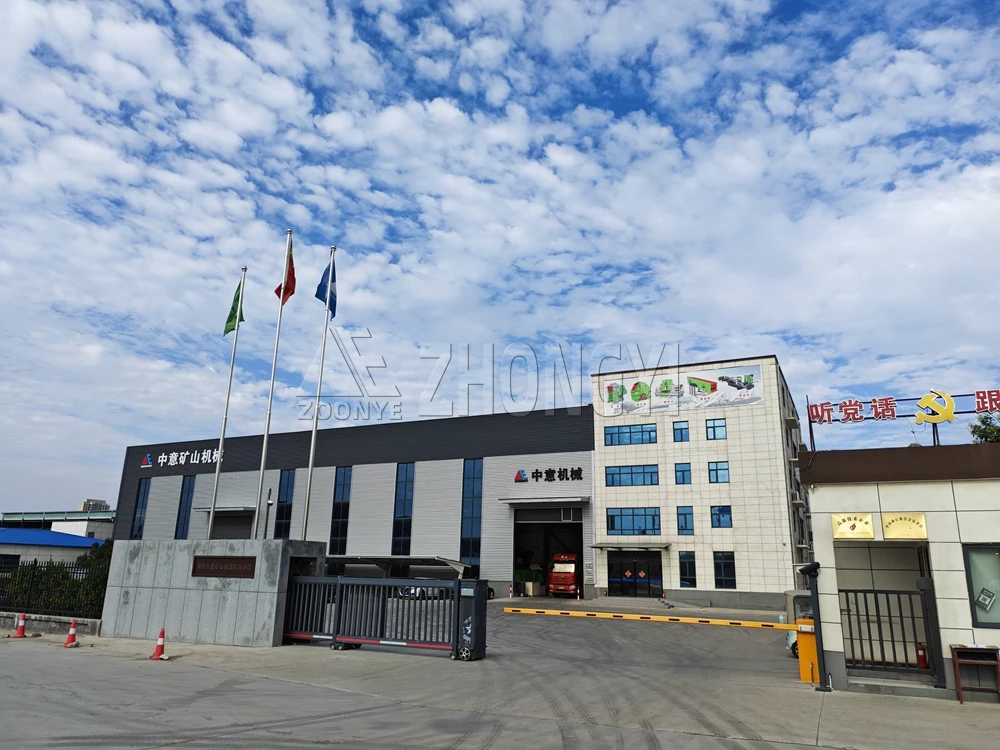
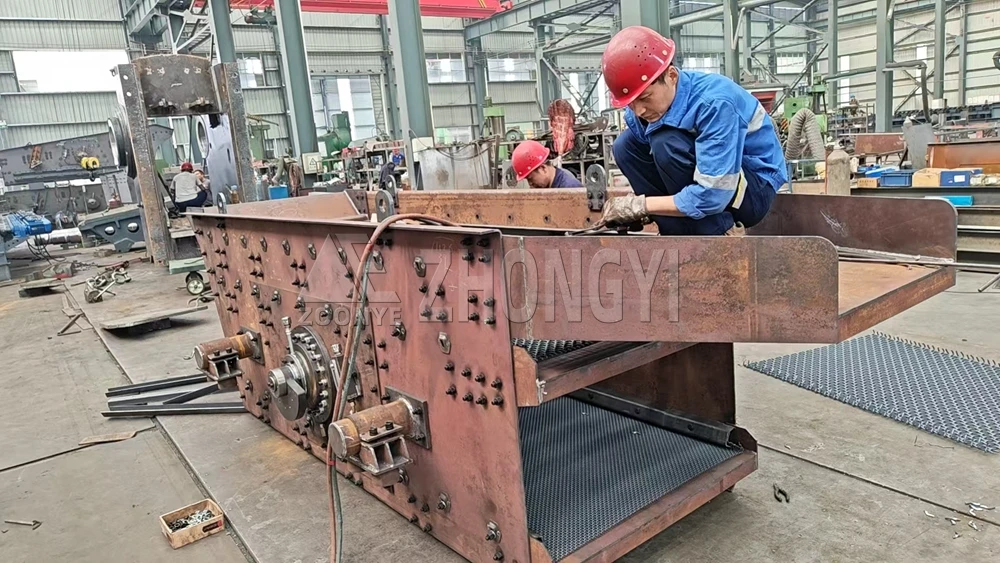
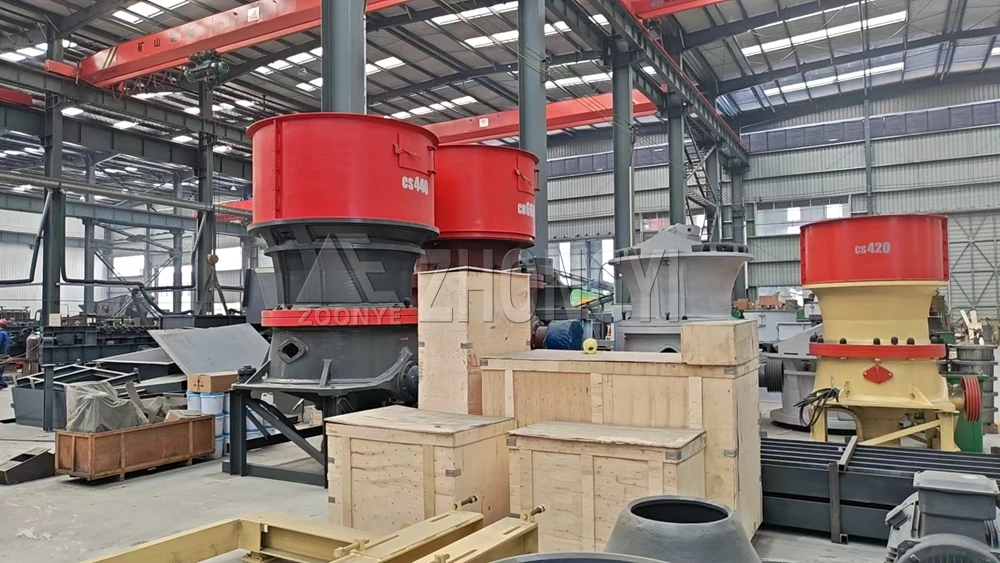
At Zhongyi Mining, we combine engineering expertise with advanced manufacturing capabilities to deliver reliable diesel driven vibrating screens for mining and aggregate applications. Our equipment is designed with structural optimization, including ANSYS analysis, to improve vibration stability and service life. With modern CNC machining equipment, strict welding inspection, and factory testing procedures, each unit is manufactured to meet demanding industrial operating conditions.
We provide customized screening solutions based on different project requirements, including screen size, deck configuration, capacity, and material characteristics. With professional installation guidance, spare parts supply, and technical support, Zhongyi Mining helps customers achieve stable operation and long-term performance in quarrying, mining, and mobile screening projects.
Request a Customized Solution
Partner with Zhongyi Mining for a Diesel Driven Vibrating Screen designed for flexible on-site screening, efficient material classification, and reliable operation in mining, quarrying, and recycling projects.
Customized Diesel Driven Vibrating Screen Solutions
Every mining and screening project has different requirements in terms of material characteristics, capacity, site conditions, and production layout. At Zhongyi Mining, we provide customized diesel driven vibrating screen solutions based on your specific needs, including screen size, deck configuration, processing capacity, and integration with complete crushing and screening systems. For larger projects, our engineers can also design complete crushing and screening plant solutions to optimize equipment matching and production efficiency. Share your material information, required output, and working conditions with our team, and we will provide a suitable configuration and technical solution for your project.
We provide customized design based on capacity, material type, and site conditions, including full mobile crushing line solutions (see: mobile crushing plant solutions).
Please Provide the Following Information:
FAQs
What is a diesel driven vibrating screen?
A diesel driven vibrating screen, also known as a diesel powered vibrating screen, is a screening machine powered by a diesel engine instead of external electricity. It is mainly used in remote mines, quarries, and mobile crushing projects where grid power is unavailable. The equipment separates materials by size and provides flexible screening performance in outdoor working environments.
What is the capacity of a diesel vibrating screen?
The capacity of a diesel vibrating screen depends on screen size, deck configuration, material characteristics, and feeding conditions. Typical models provide a capacity range of 20–400 t/h, while customized solutions can be designed for different production requirements. Factors such as feed size, moisture content, and required screening accuracy should be considered during equipment selection.
What materials can be screened by a diesel vibrating screen?
Diesel vibrating screens can handle various materials, including crushed stone, granite, limestone, sand, gravel, coal, mineral ores, and construction waste. Different screen meshes and deck configurations can be selected according to material hardness, particle size, and moisture conditions to improve screening efficiency and reduce screen blockage.
What is the difference between diesel vibrating screen and electric vibrating screen?
The main difference is the power source and application environment. Diesel vibrating screens are suitable for remote areas, temporary projects, and mobile operations without stable electricity supply. Electric vibrating screens are better suited for fixed plants with reliable power. The choice depends on project location, production requirements, and long-term operating conditions.
Can a diesel vibrating screen be used in a mobile crushing plant?
Yes. Diesel vibrating screens are commonly integrated with jaw crushers, impact crushers, cone crushers, feeders, and conveyors to build complete mobile crushing and screening systems. This combination allows operators to process materials directly at the working site, reducing transportation costs and improving flexibility for quarrying, mining, and recycling projects.
What deck configuration options are available for diesel vibrating screens?
Diesel vibrating screens are available with single, double, and triple deck configurations. Single deck models are suitable for basic screening, double deck screens can produce multiple aggregate sizes, and triple deck designs are used for applications requiring more precise classification. The deck configuration should be selected based on the number of final products required.
How do you maintain a diesel powered vibrating screen?
Regular maintenance includes inspecting the diesel engine, checking lubrication of bearings, replacing worn screen mesh, tightening fasteners, and monitoring vibration performance. Routine inspection helps prevent unexpected failures and maintain stable screening efficiency. Proper maintenance is especially important for equipment operating in dusty, abrasive mining environments.
How do I choose the right diesel vibrating screen for my project?
Choosing the right diesel vibrating screen requires evaluating material type, feed size, required capacity, final product sizes, working environment, and mobility requirements. Providing detailed project information allows manufacturers to recommend suitable screen dimensions, deck configuration, and power options for reliable long-term operation.