Introduction
A Flotation Cell is an essential mineral processing equipment used to separate valuable minerals from ore slurry through air bubbles, flotation reagents, and controlled agitation. Widely applied in copper, gold, lead-zinc, sulfide ore, and other beneficiation plants, it provides an efficient solution for mineral separation by improving mineral recovery, increasing concentrate grade, and reducing overall processing costs.
As a key part of modern flotation equipment systems, Flotation Equipments create a controlled environment where mineral particles, water, chemicals, and air bubbles interact effectively. Through optimized slurry mixing, air dispersion, and froth collection, industrial flotation cells help mining operations achieve stable separation performance under different ore conditions. Understanding how a flotation cell works, its main components, available types, applications, and selection factors is essential for choosing the right flotation solution for a mineral processing plant. The following sections explain the working principle, equipment structure, flotation cell types, and key considerations for industrial applications.
What Is a Flotation Cell?
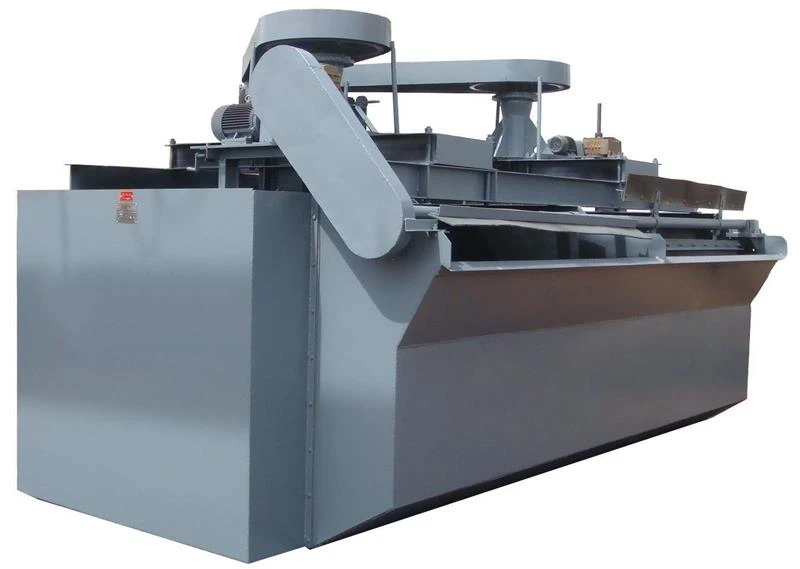
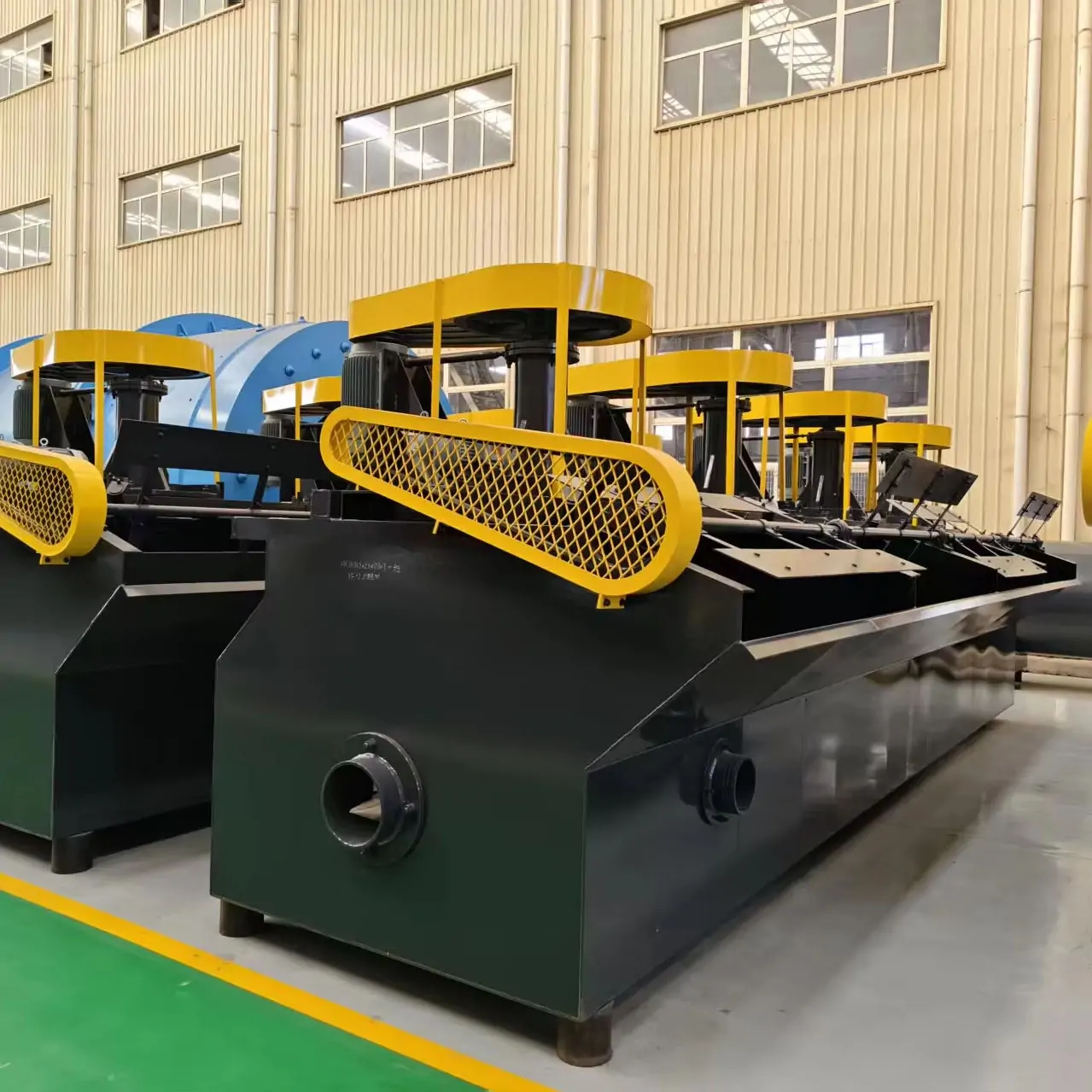
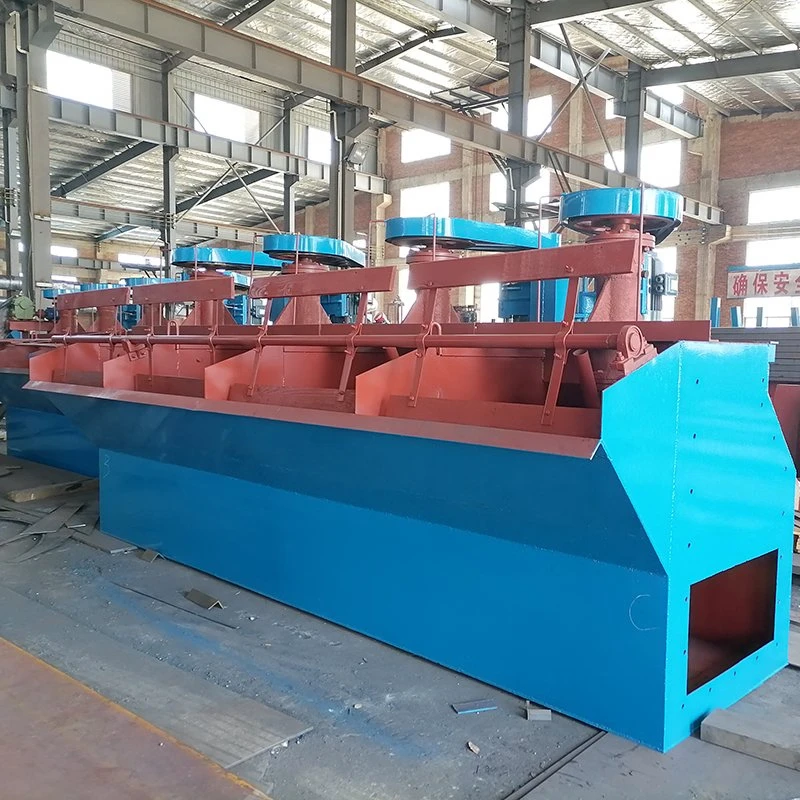
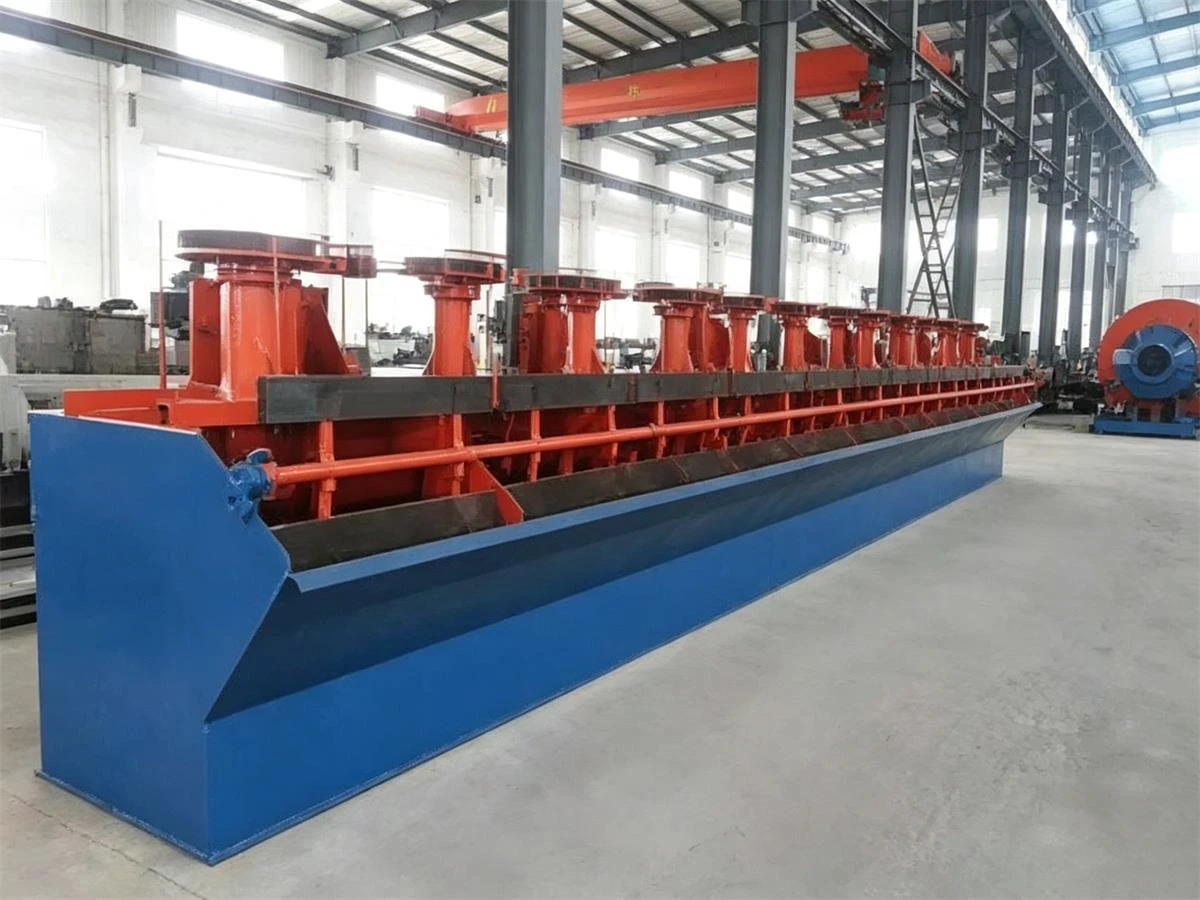
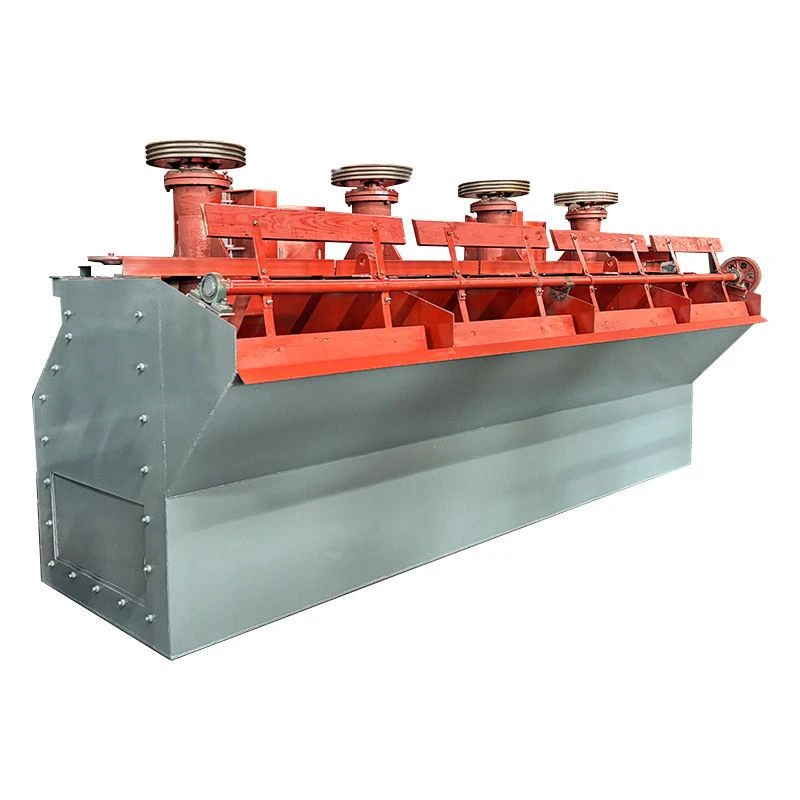
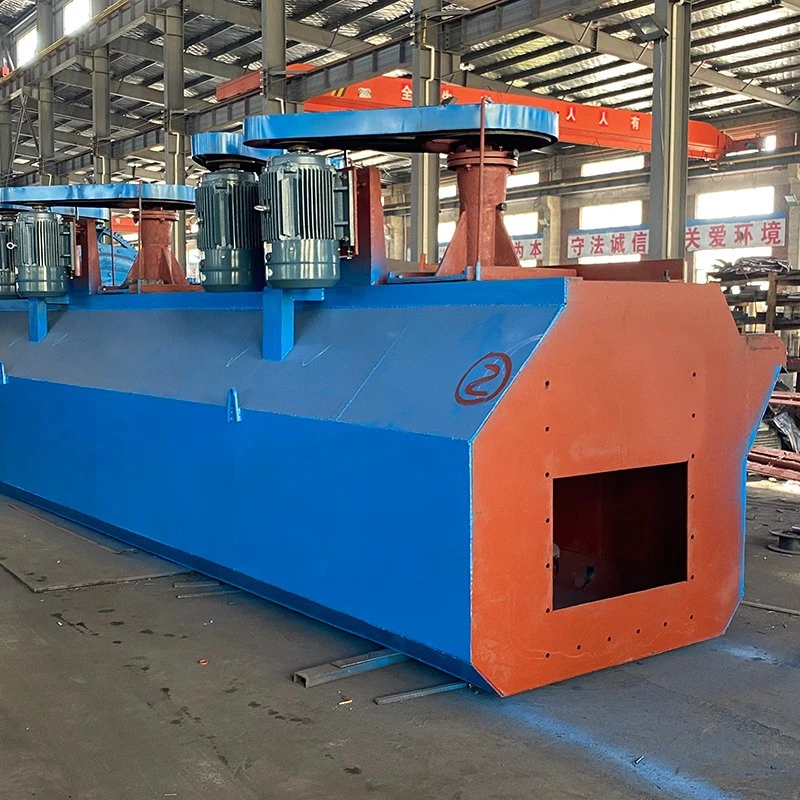
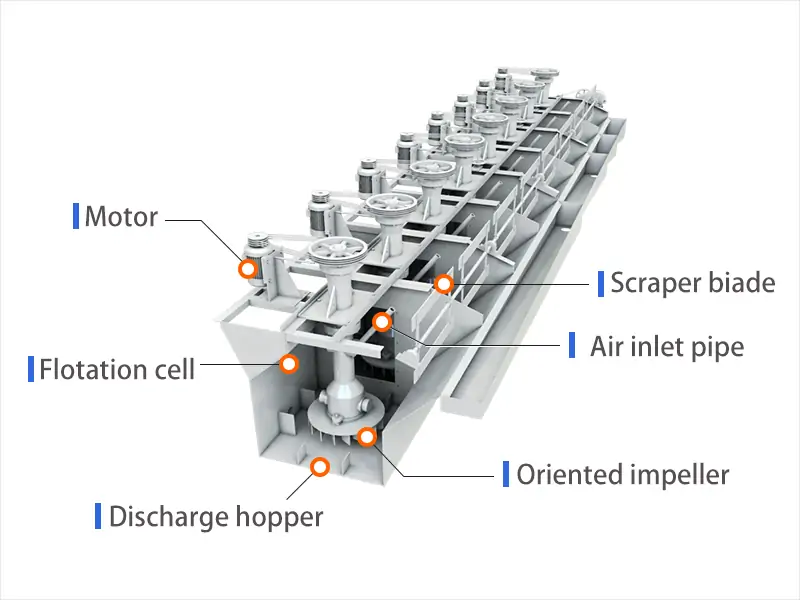
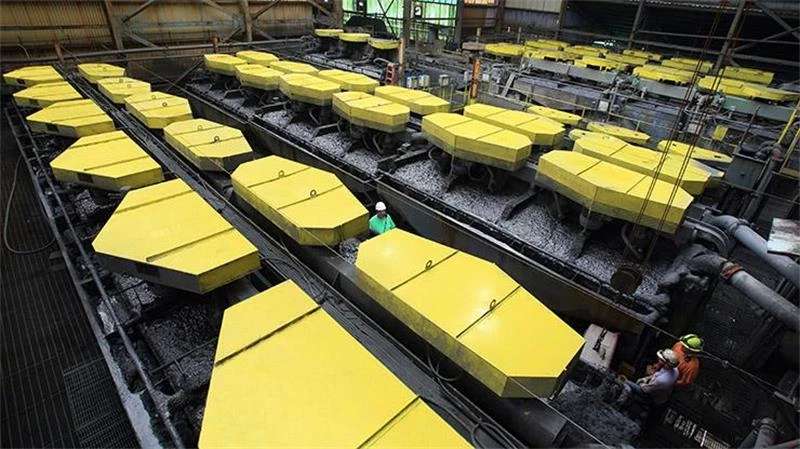
A flotation cell is a tank-type mineral separation device that uses air bubbles and flotation reagents to recover valuable minerals from slurry. It creates a controlled environment where mineral particles, water, chemicals, and air bubbles interact, allowing hydrophobic minerals to attach to bubbles and separate from unwanted materials.
Flotation equipments are widely used in mineral processing plants to improve separation efficiency and recover valuable components from complex ores. By providing effective mixing, air dispersion, and froth recovery, they play an important role in achieving higher mineral recovery rates, better concentrate grades, and more economical operation.
The Role in Mineral Processing
In a complete mineral processing plant, flotation cells are typically installed after the ore has undergone crushing, grinding, and classification processes. After the ore particles are reduced to suitable sizes, reagents are added during the conditioning stage to improve the selectivity of valuable minerals. The prepared slurry then enters the flotation stage, where flotation equipment separate target minerals from gangue materials before concentrate and tailings are collected.
The performance of flotation cells directly affects the overall efficiency of a beneficiation plant. A properly designed flotation equipmentcan improve recovery rate, increase concentrate grade, optimize reagent consumption, and reduce operating costs. Therefore, selecting the right flotation equipment based on ore characteristics and processing requirements is critical for stable and efficient mineral production.
Working Principle
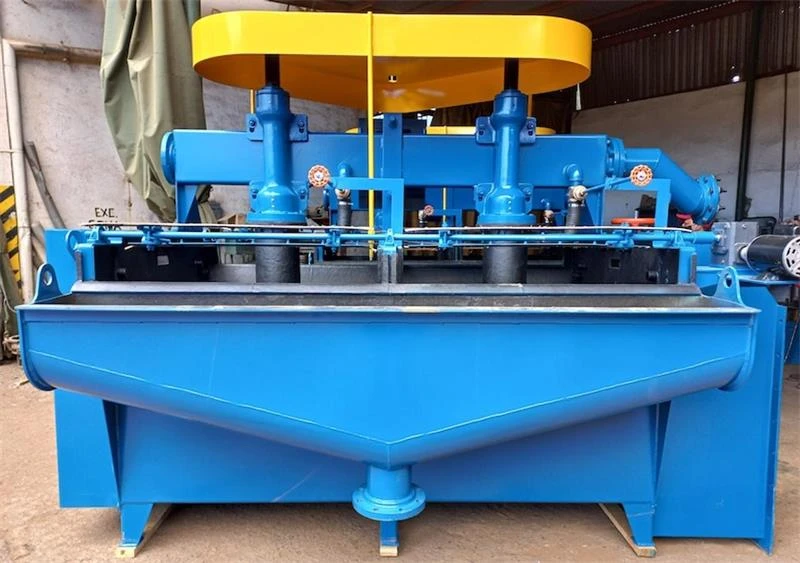
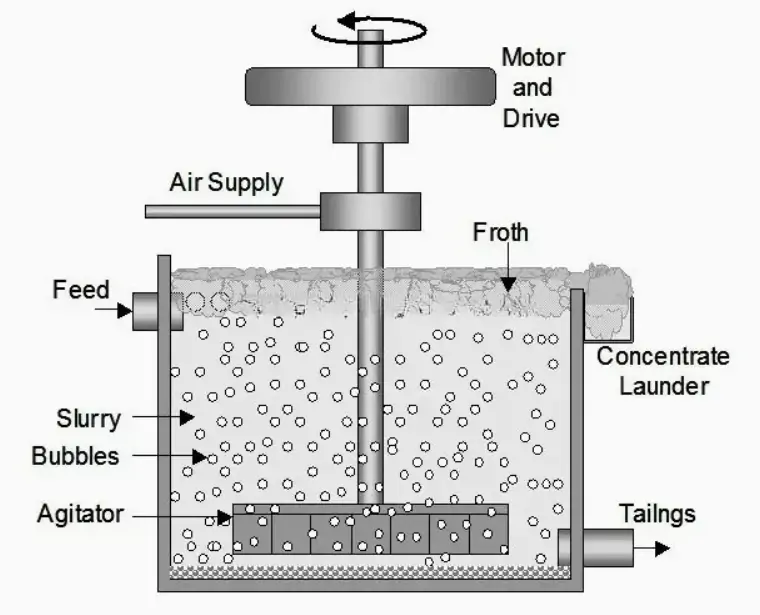
The flotation cell working principle is based on the different surface properties of minerals. In the flotation process, valuable minerals are treated with reagents and attached to air bubbles, while unwanted materials remain in the slurry. The attached minerals float to the surface and are collected as concentrate.
In a typical mineral processing plant, the flotation cell works by combining slurry preparation, reagent conditioning, air bubble mixing, and froth recovery. By controlling these steps, flotation equipment helps improve mineral recovery, increase concentrate grade, and achieve efficient separation of valuable minerals.
Slurry Preparation, Reagent Conditioning and Bubble Attachment
Before flotation, crushed and ground ore is mixed with water to form ore slurry with suitable particle size and concentration. Flotation reagents are then added to prepare the minerals for separation. Collectors make valuable minerals more water-repellent so they can attach to bubbles, while frothers help maintain stable bubbles during the flotation process. Modifiers are used to adjust the slurry conditions and improve separation results.
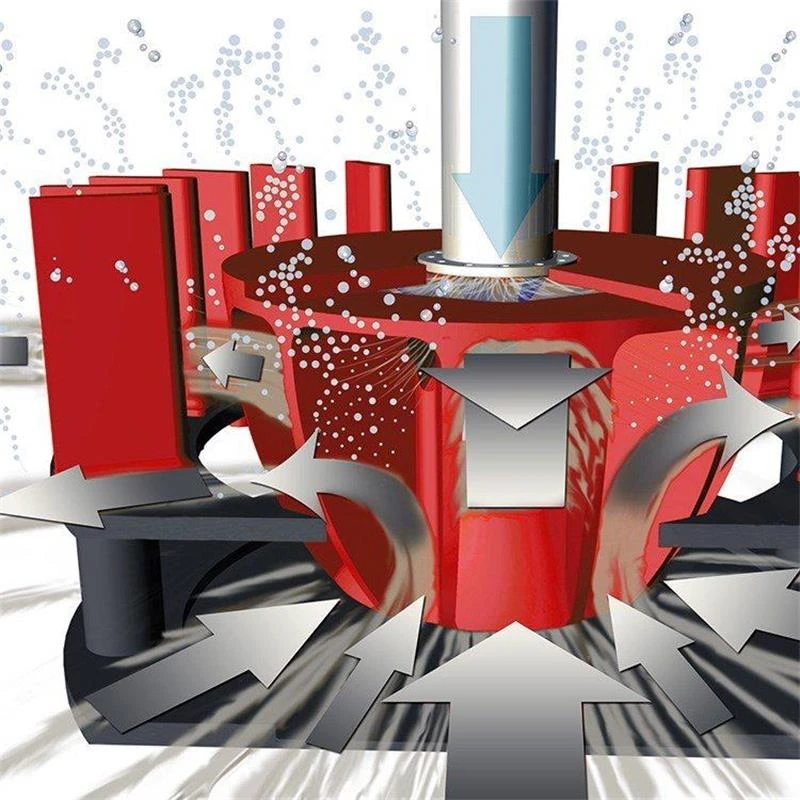
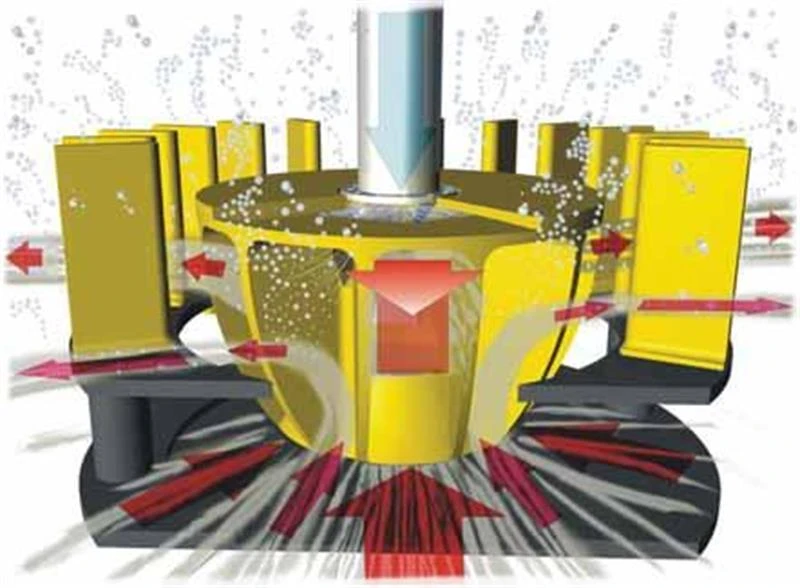
After conditioning, air bubbles are introduced into the slurry. Valuable hydrophobic minerals attach to the bubbles and rise upward, while other minerals remain in the slurry. The efficiency of this step is affected by bubble size, air volume, agitation intensity, and the degree of mineral liberation.
Mineral Separation and Froth Concentrate Recovery
Inside the flotation cell, mineral separation occurs when mineral particles collide with air bubbles and form stable mineral-bubble combinations. Because valuable minerals have different surface properties from gangue materials, they can be selectively recovered while unwanted particles stay in the slurry.
The mineral-loaded bubbles rise to the surface and create a froth layer in the froth flotation equipment. This froth layer is collected as concentrate, while the remaining slurry is discharged as tailings. Proper control of froth stability, concentrate collection, and tailings discharge helps maintain stable operation and improve overall mineral recovery.
Types
Flotation cells can be classified according to their mixing method, air supply system, and operating requirements. Different flotation cell types are designed for different ore characteristics, processing capacities, and recovery targets. In mineral processing plants, mechanical flotation cells and air-inflation flotation cells are the most commonly used designs, while pneumatic and flash flotation cells are applied for specific processing conditions.
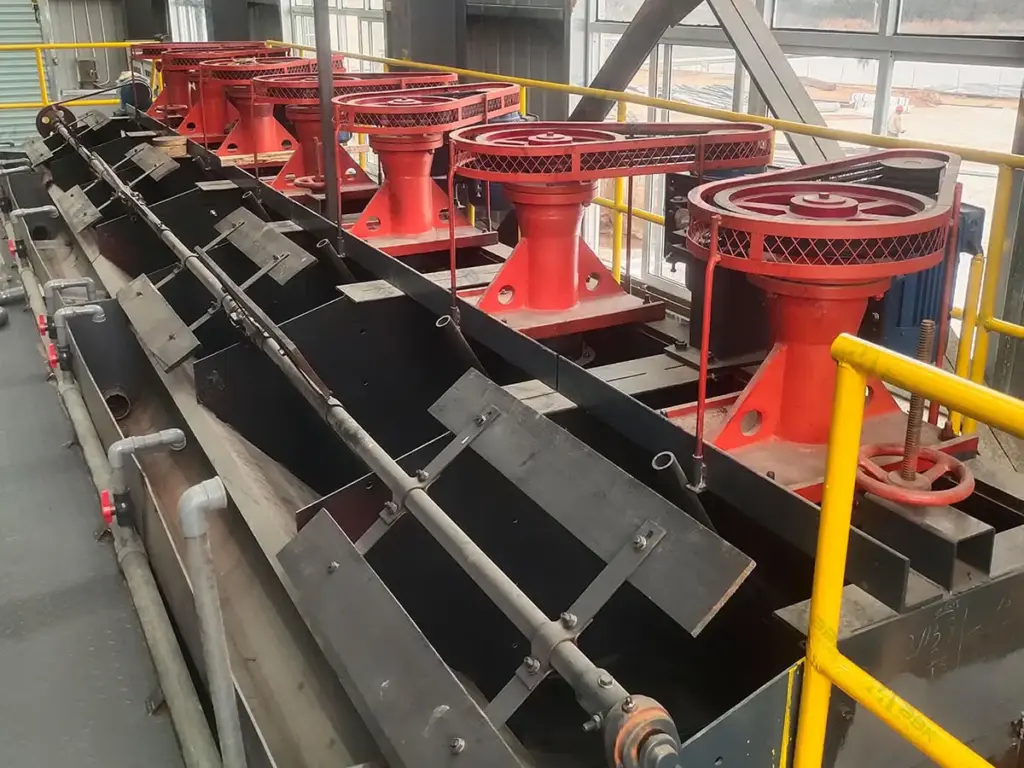
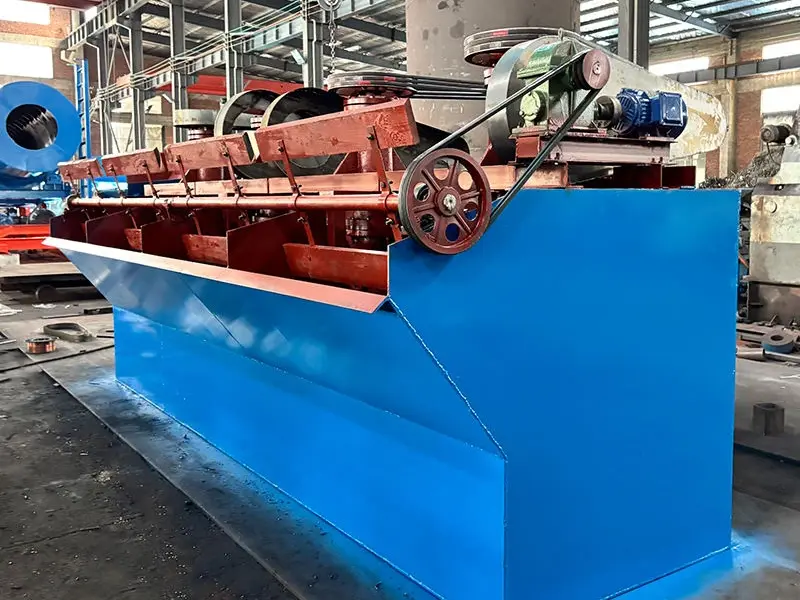
Mechanical Flotation Machine
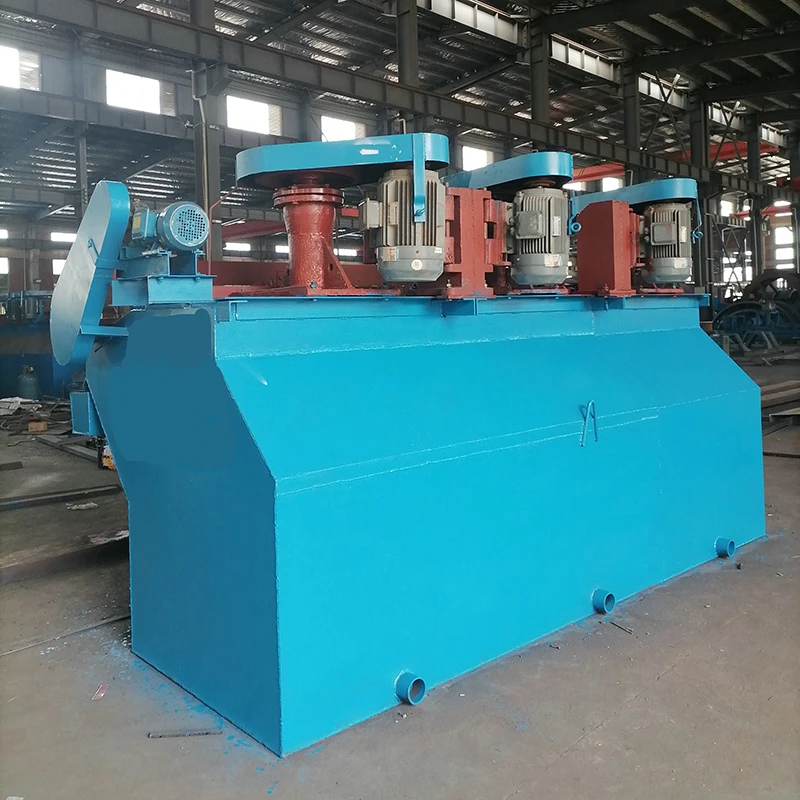
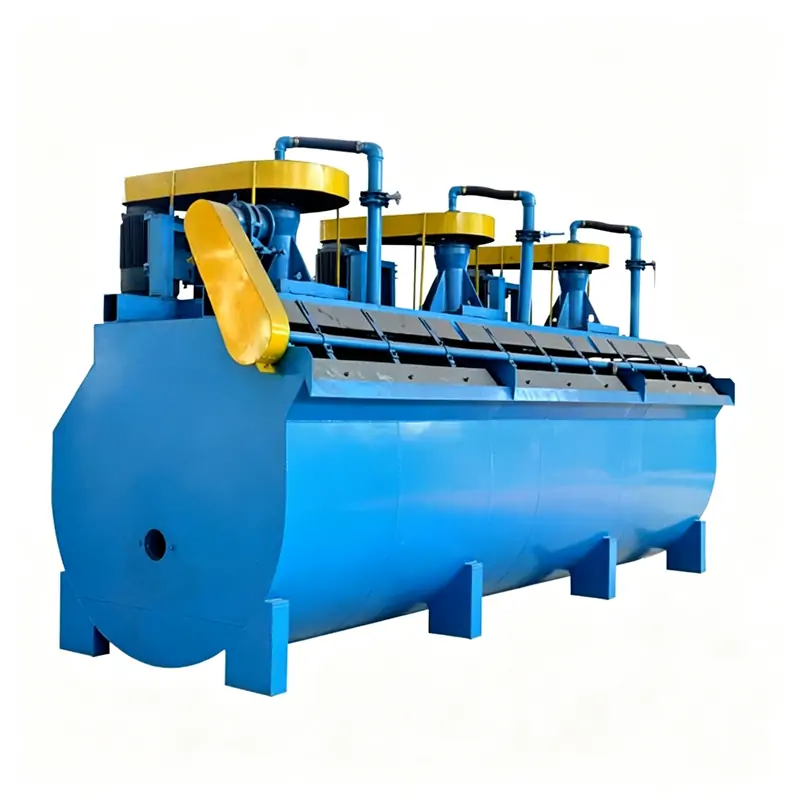
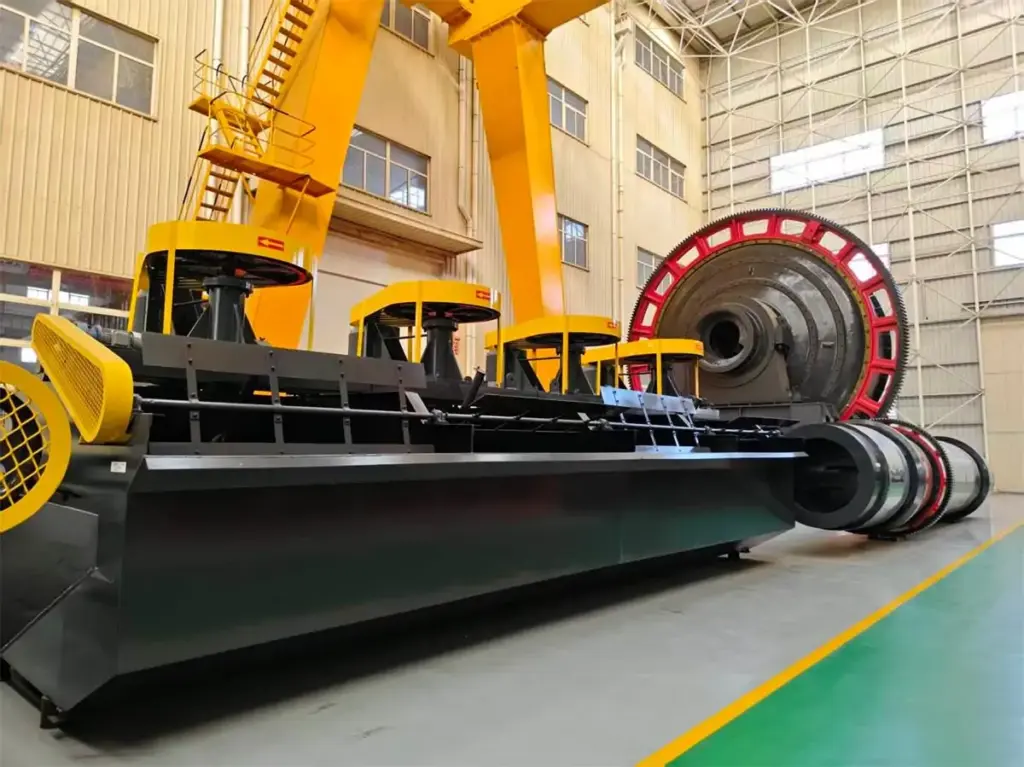
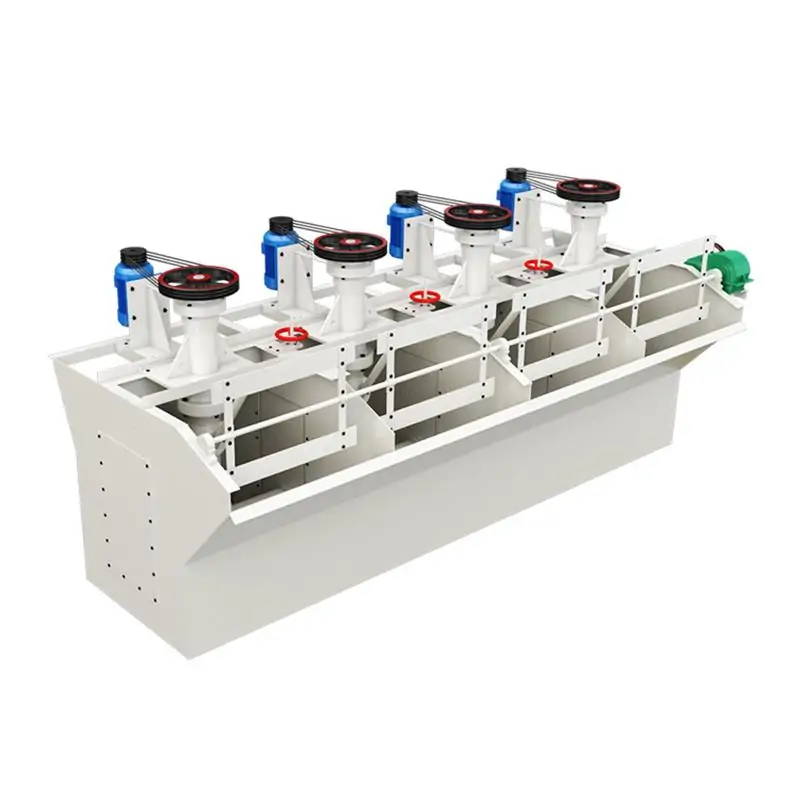
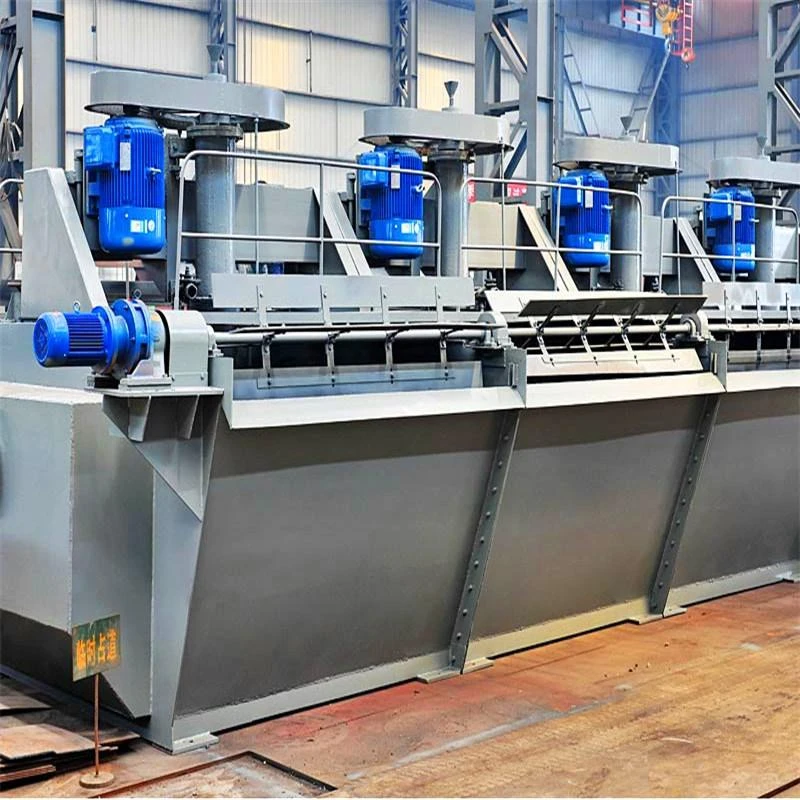
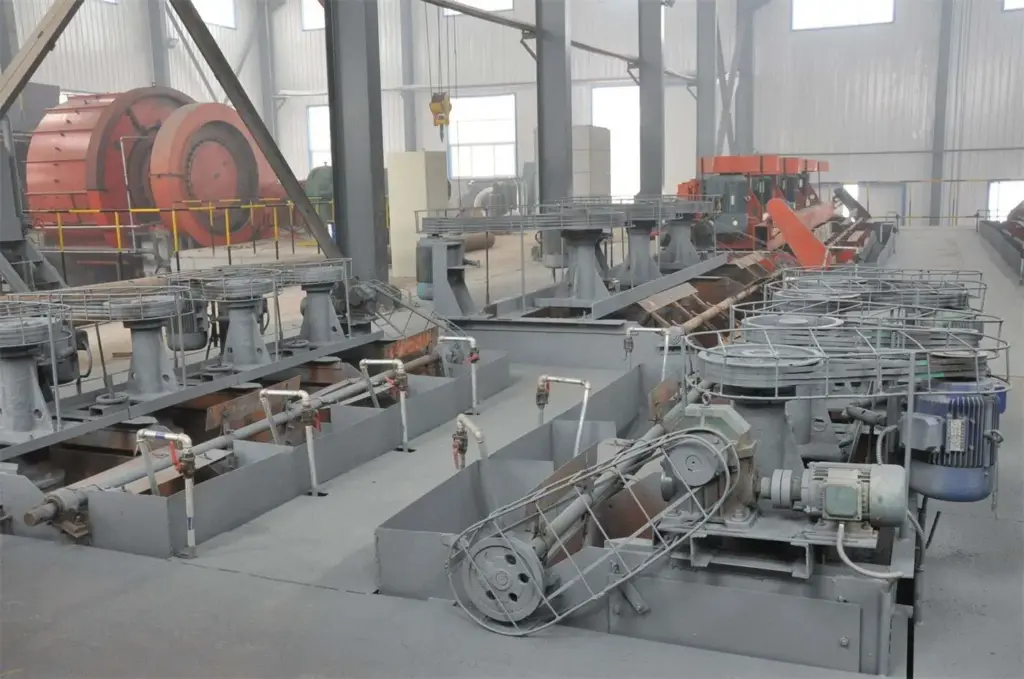
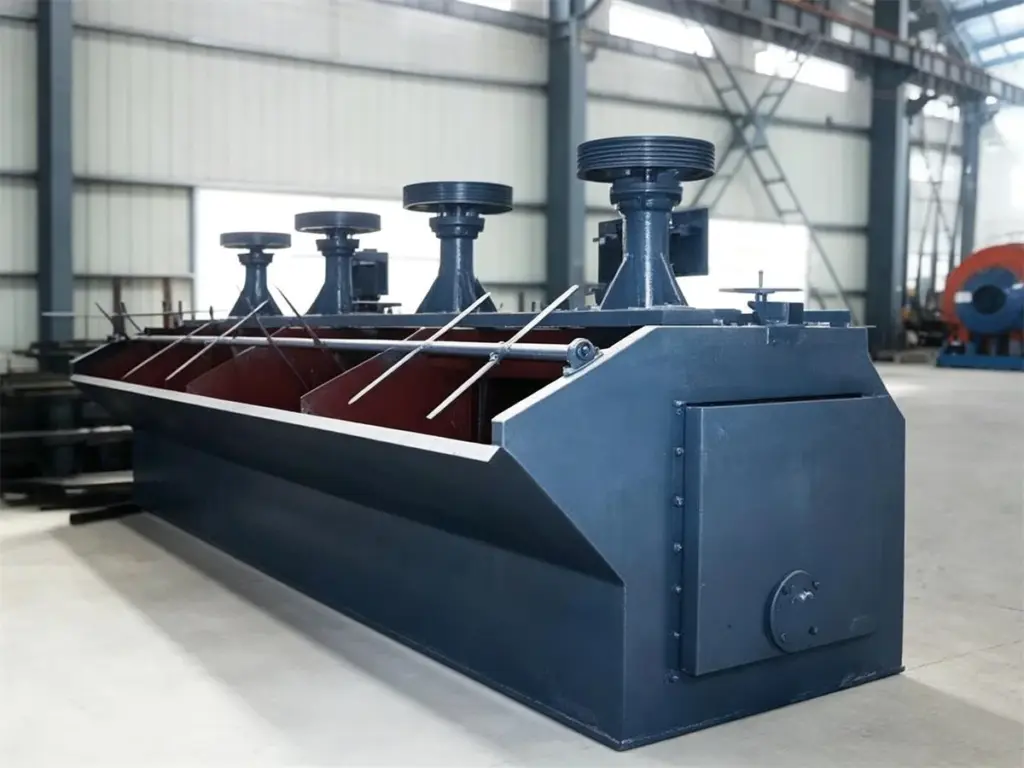
Mechanical flotation cells use an impeller-driven mixing system to combine slurry and air, creating suitable conditions for mineral particles to attach to bubbles. They are widely used because of their stable operation, simple structure, and adaptability to various mineral processing applications.
Common models include BF, SF, and XJK flotation cells, which are widely applied in copper, gold, lead-zinc, and sulfide ore beneficiation plants for roughing, scavenging, and cleaning operations.
Air-Inflation Flotation Machine
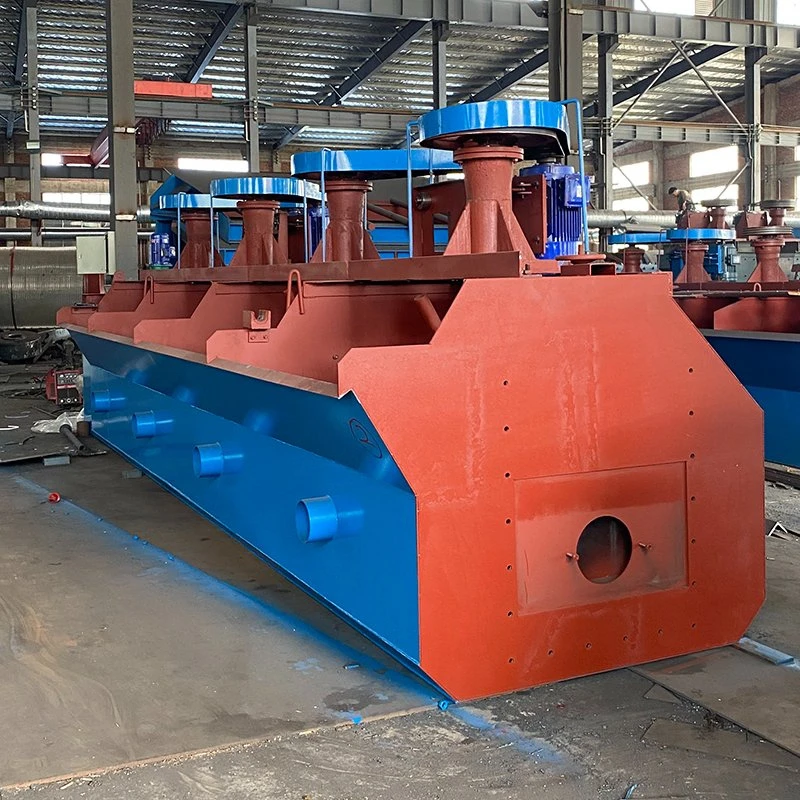
Air-inflation flotation cells introduce air through an external supply system, providing better control of aeration conditions compared with self-aspirated designs. They are commonly selected for medium and large-scale mineral processing plants that require stable operation and flexible flotation control.
XCF and KYF flotation cells are typical examples of this design and are often used in combination to improve slurry circulation, air dispersion, and overall flotation performance.
Pneumatic Flotation Machine
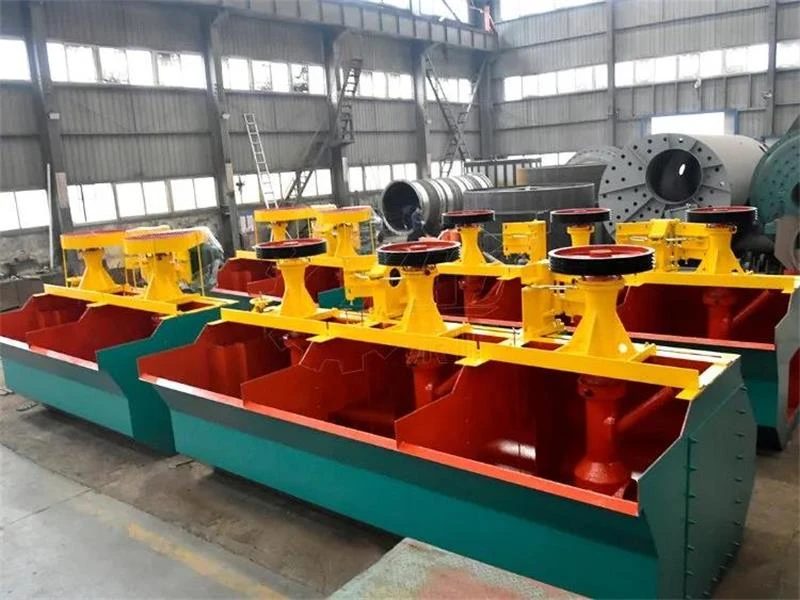
Pneumatic flotation cells generate bubbles through external air supply without using a traditional mechanical impeller system. This design reduces mechanical components and can provide flexible air control and lower mechanical wear.
They are suitable for mineral processing applications where stable bubble generation, reduced maintenance requirements, and reliable recovery performance are important.
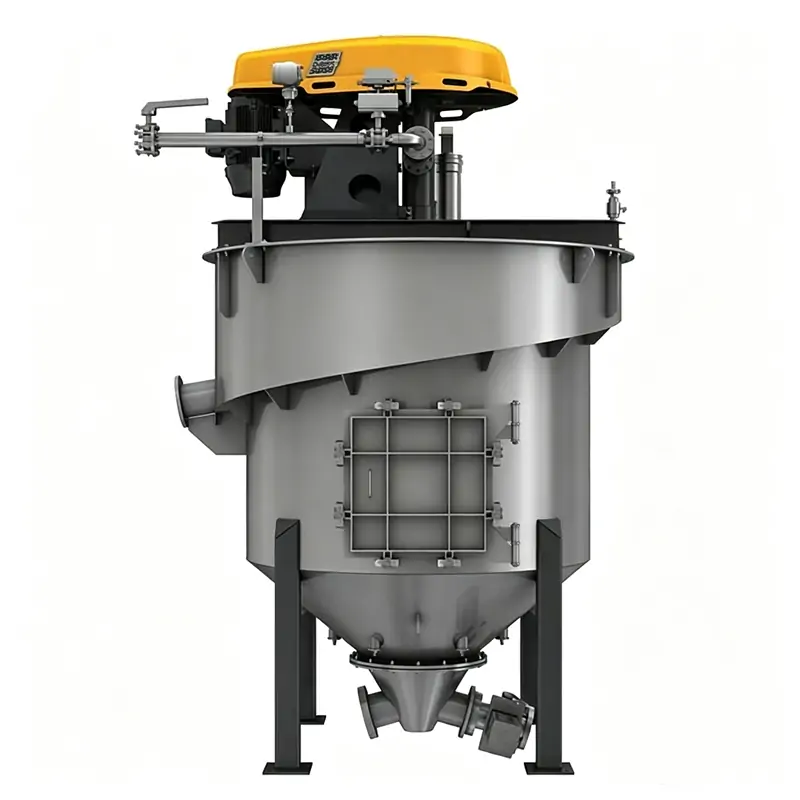
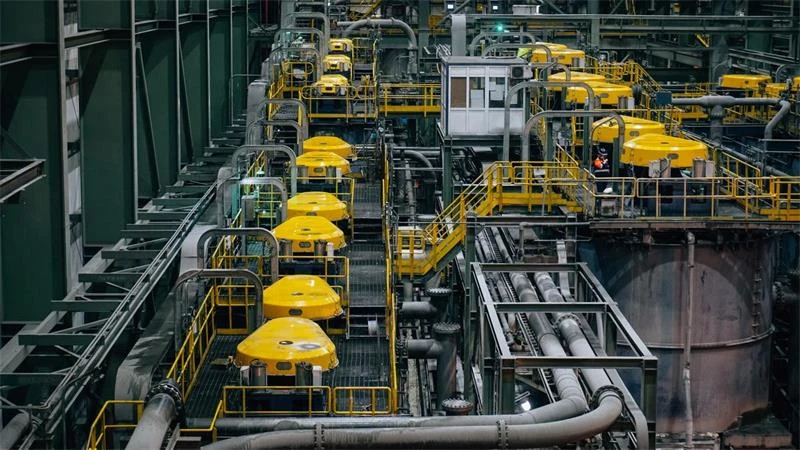
Flash Flotation Cell
Flash flotation cells are specialized equipment used for the early recovery of liberated and fast-floating minerals from grinding circuit slurry. They are commonly installed in cyclone underflow streams to recover valuable minerals before further grinding.
This process helps reduce overgrinding losses and improve overall recovery efficiency, especially in gold, copper, sulfide ore, and graphite processing plants.
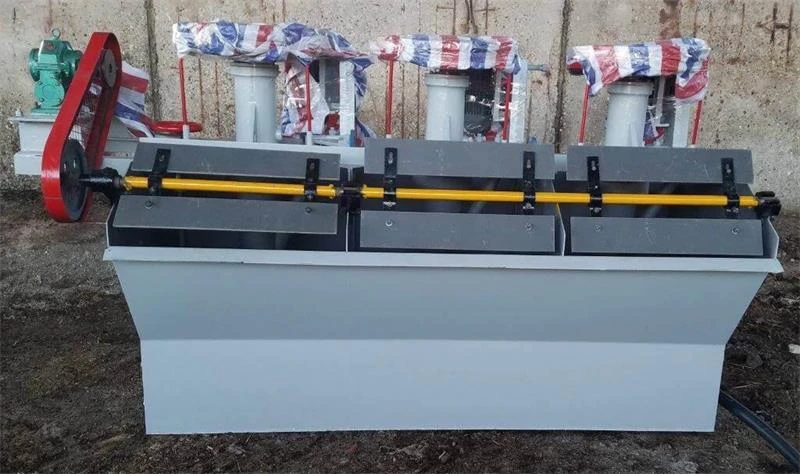
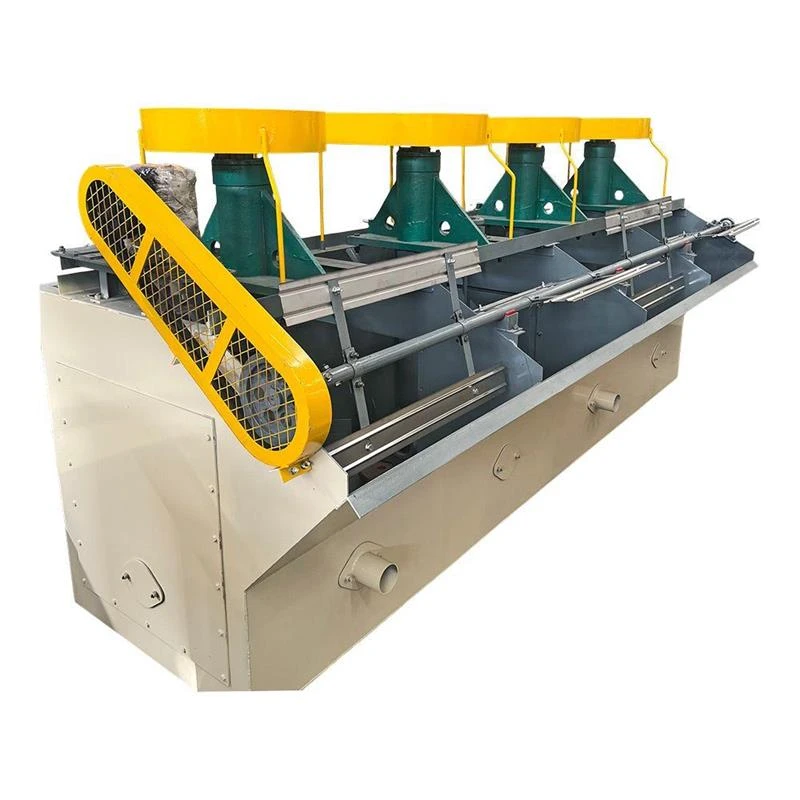
Froth Flotation Machine
Froth flotation cells are equipment used in the froth flotation process, where valuable minerals are separated through bubble attachment and froth recovery. They are widely used in modern beneficiation plants for copper, gold, zinc, nickel, sulfide ores, graphite, and other mineral applications.
How to Choose Between Different Flotation Machine Types?
Selecting the right flotation cell type depends on several factors, including ore characteristics, processing capacity, mineral liberation degree, and recovery requirements. Mechanical flotation equipments are suitable for general mineral processing applications, while air-inflation and pneumatic designs may be preferred for larger plants or specific separation conditions.
For complex ores or high-recovery requirements, specialized equipment such as flash flotation cells may provide additional benefits by recovering valuable minerals earlier in the process. In addition, factors such as slurry properties, particle size distribution, energy consumption, and maintenance requirements should also be considered when selecting flotation equipment.
A well-matched mineral flotation machine can help maintain stable operation, improve mineral recovery, and reduce unnecessary operating costs throughout the plant lifecycle. Therefore, flotation equipment selection should not only focus on individual machine performance but also consider the complete beneficiation process, including upstream grinding conditions, downstream concentrate treatment, and long-term production goals.
Applications
Mineral mineral processing equipments are widely used in mineral processing plants to recover valuable minerals from different ore types. By using the differences in mineral surface properties, flotation technology separates target minerals from gangue materials through reagent conditioning and air bubble attachment. Flotation cells are commonly applied in metal ore and non-metallic mineral processing, helping improve recovery efficiency, concentrate quality, and overall beneficiation performance.
Copper Ore Flotation
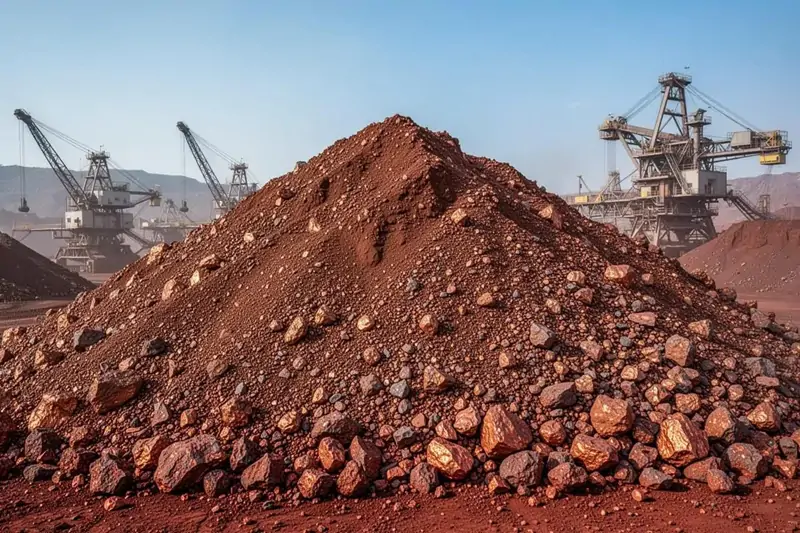
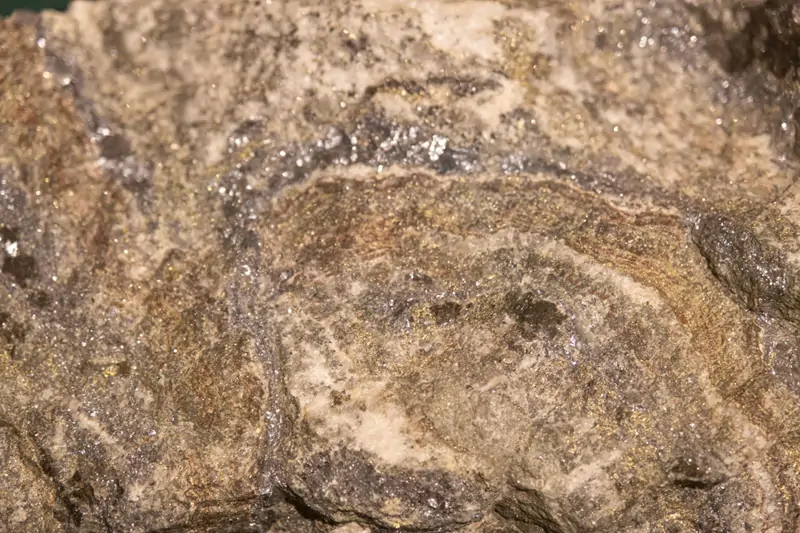
Copper ore flotation is one of the most common applications of mineral flotation machines, especially for copper sulfide ores. During the flotation process, collectors are used to make copper-bearing minerals attach to air bubbles, allowing them to be recovered as concentrate while unwanted minerals remain in the slurry. Flotation cells are widely used in copper processing plants through roughing, scavenging, and cleaning stages to improve copper recovery and concentrate grade.
Gold Ore Flotation
Gold ore flotation is commonly used for recovering fine gold particles and gold-bearing sulfide minerals that are difficult to separate through gravity methods alone. By selecting suitable reagents and controlling flotation conditions, mineral processing equipments help concentrate valuable gold minerals and improve precious metal recovery. This process is widely applied in gold beneficiation plants where efficient recovery from complex ores is required.
Lead-Zinc Sulfide Flotation
Lead-zinc sulfide flotation is an important application for processing polymetallic ores containing multiple valuable minerals. Flotation cells allow selective separation of lead and zinc minerals through different flotation stages by adjusting reagent systems, slurry conditions, and process flow. This method is widely used in lead-zinc beneficiation plants to produce separate concentrates with improved recovery performance.
Graphite, Phosphate and Coal Flotation
Mineral flotation machines are also used for processing non-metallic minerals and fine industrial materials. In graphite processing, flotation helps separate graphite flakes from surrounding minerals to improve carbon content, while phosphate flotation removes impurities to upgrade concentrate quality. In coal cleaning applications, flotation is used to recover fine coal particles that are difficult to separate through conventional methods, improving resource utilization and product value.
How to Select the Right Flotation Cell?
Selecting the right flotation cell is not simply about choosing a larger model or higher-capacity equipment. In real mineral processing projects, flotation performance is affected by the interaction between ore properties, flotation conditions, equipment design, and plant operation. A suitable mineral processing equipment should match the actual process requirements to achieve stable recovery, consistent concentrate quality, and reasonable operating costs.
Start with Ore Characteristics, Not Equipment Size
Many flotation projects face unstable recovery because equipment selection starts with capacity requirements while ignoring the characteristics of the ore itself. Before choosing a mineral flotation machine, it is important to evaluate ore type, particle size distribution, mineral liberation degree, and slurry properties.
Different ores require different flotation conditions. For example, sulfide copper and gold ores usually depend on effective reagent control and bubble attachment, while complex polymetallic ores require better selectivity between valuable minerals. Understanding the ore behavior helps determine the suitable flotation method instead of selecting equipment based only on production capacity.
Match Flotation Capacity with Actual Plant Conditions
Choosing a mineral processing equipment with a larger volume does not always mean better performance. Oversized equipment may increase investment and energy consumption, while insufficient capacity can reduce retention time and affect mineral recovery.
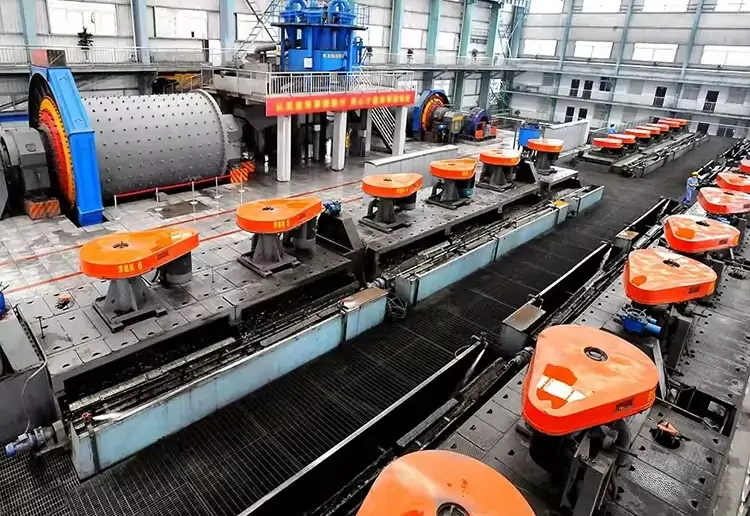
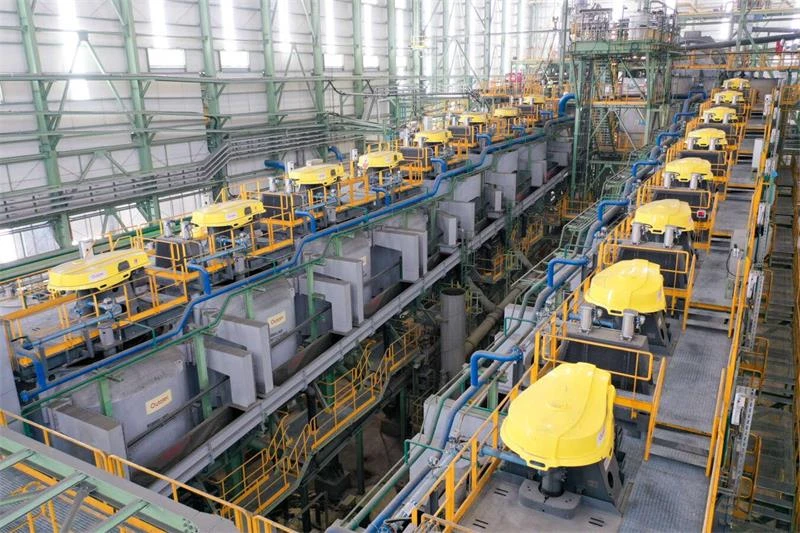
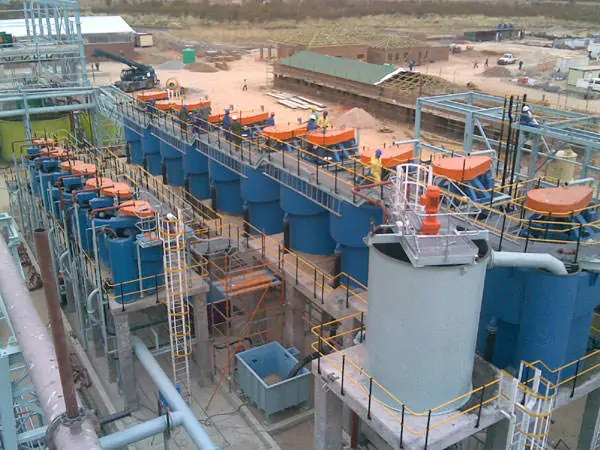
The correct selection should consider actual throughput, slurry concentration, required flotation time, and plant layout. In industrial projects, flotation cells are usually configured as multiple units working together, allowing operators to balance recovery rate, concentrate grade, and production stability according to different flotation stages.
Consider Total Operating Cost, Not Only Initial Price
The purchase price is only one part of the total cost of a flotation cell. During long-term operation, factors such as motor power consumption, wear part replacement, maintenance frequency, and equipment reliability have a greater impact on profitability.
A well-designed flotation cell should provide stable mixing, effective air dispersion, and reliable operation while reducing unnecessary downtime. For mining companies, equipment with slightly higher initial investment may provide better economic value through lower energy consumption, longer service life, and reduced maintenance requirements.
Select Equipment Based on Flotation Process Stages
A common mistake in flotation plant design is using the same type of flotation cell for every operation stage. In practice, roughing, scavenging, and cleaning stages have different targets and operating requirements.
Roughing stages usually focus on recovering as much valuable mineral as possible, while cleaning stages focus on improving concentrate grade. Therefore, flotation equipment selection should consider the complete flotation circuit rather than a single machine. Proper equipment matching helps improve overall plant performance and reduce mineral losses.
Technical Parameters
The technical parameters of an industrial mineral processing equipment vary depending on ore characteristics, processing capacity, and flotation circuit requirements. In practical mineral processing projects, equipment size, aeration performance, and power configuration are usually customized according to the plant design rather than selected by a single standard model.
The following parameters provide a general reference range for industrial flotation cell selection:
| Parameter | Typical Range |
| Cell Volume | 0.5–320 m³ |
| Processing Capacity | 0.5–1000 t/h |
| Impeller Speed | Adjustable according to flotation requirements |
| Air Flow | Adjustable based on ore characteristics and flotation conditions |
| Motor Power | Customized according to cell size and operating conditions |
| Application | Copper, Gold, Lead-Zinc, Sulfide Ore, and Other Mineral Processing |
Conclusion & Call to Action
A Flotation Cell is a key piece of mineral processing equipment used to separate valuable minerals from ore slurry through reagent conditioning, air bubble attachment, and froth recovery. Understanding its working principle, different flotation cell types, application areas, and key selection factors helps mining companies choose suitable flotation equipment for their specific production requirements.
In practical mineral processing projects, the right mineral flotation machine should not only match the required capacity but also fit the ore characteristics, processing conditions, and long-term operation goals. A properly selected flotation solution can help improve mineral recovery, maintain concentrate quality, and reduce unnecessary operating costs.
If you are planning a new flotation plant or looking to upgrade existing flotation equipment, Zhongyi can provide customized flotation solutions based on your ore properties, processing capacity, and project requirements. Contact our technical team to discuss your application needs and find a suitable mineral processing equipmentconfiguration for your mineral processing operation.
Request a Customized Solution
Contact Zhongyi for flotation equipment recommendations and customized solutions based on your ore conditions, processing capacity, and plant requirements.
FAQ
What is a flotation cell used for?
A flotation cell is a mineral processing device used to separate valuable minerals from ore slurry through air bubbles and flotation reagents. It is widely applied in copper, gold, lead-zinc, sulfide ore, graphite, and other beneficiation plants. By improving mineral recovery and concentrate quality, mineral flotation machines help mining operations maximize resource utilization and improve overall processing efficiency.
How does a flotation cell work?
A flotation cell works by mixing ore slurry with flotation reagents and introducing air bubbles into the pulp. Valuable minerals become attached to bubbles due to their hydrophobic properties and rise to the surface to form froth concentrate. Meanwhile, unwanted gangue minerals remain in the slurry and are discharged as tailings, completing the mineral separation process.
What factors should be considered when selecting a flotation cell?
Selecting a suitable mineral flotation machine requires considering ore characteristics, processing capacity, mineral liberation degree, slurry properties, and flotation process requirements. Equipment size, air supply method, energy consumption, and maintenance requirements should also be evaluated. The right flotation cell should match the complete beneficiation process rather than only the required production capacity.
What is the difference between a flotation cell and a flotation machine?
In the mineral processing industry, flotation cell and flotation machine are often used to describe the same type of equipment. Generally, a mineral processing equipment refers to an individual separation unit, while flotation machine is a broader term that may describe flotation equipment systems. Both are designed to recover valuable minerals through bubble-based separation.
What minerals are suitable for flotation processing?
Flotation processing is suitable for many minerals that have differences in surface properties, including copper, gold, lead-zinc, nickel, sulfide ores, graphite, phosphate, and coal. It is especially effective for recovering fine mineral particles that are difficult to separate using gravity or other traditional beneficiation methods.
How can mineral flotation machine recovery performance be improved?
Flotation recovery depends on multiple factors, including grinding size, reagent selection, air dispersion, slurry conditions, and equipment operation. Improving recovery requires matching flotation conditions with ore characteristics and maintaining stable operating parameters. Proper equipment selection and regular maintenance also help achieve consistent concentrate grade and long-term processing performance.
What is the difference between mechanical and pneumatic flotation cells?
Mechanical mineral flotation machine use an impeller and stator system to mix slurry and disperse air, making them widely used in conventional mineral processing plants. Pneumatic flotation cells rely mainly on external air supply and bubble generation systems, reducing mechanical components. The suitable choice depends on ore properties, plant requirements, and production conditions.
Can flotation cells be customized for different mineral processing plants?
Yes, mineral flotation machines can be customized according to ore characteristics, processing capacity, plant layout, and flotation requirements. Professional manufacturers can provide suitable equipment configurations, including cell volume selection, air supply design, and process recommendations. Customized solutions help mining companies achieve stable operation, improved recovery, and better compatibility with existing beneficiation systems.