What is a Pneumatic Flotation Cell For Mineral Processing?
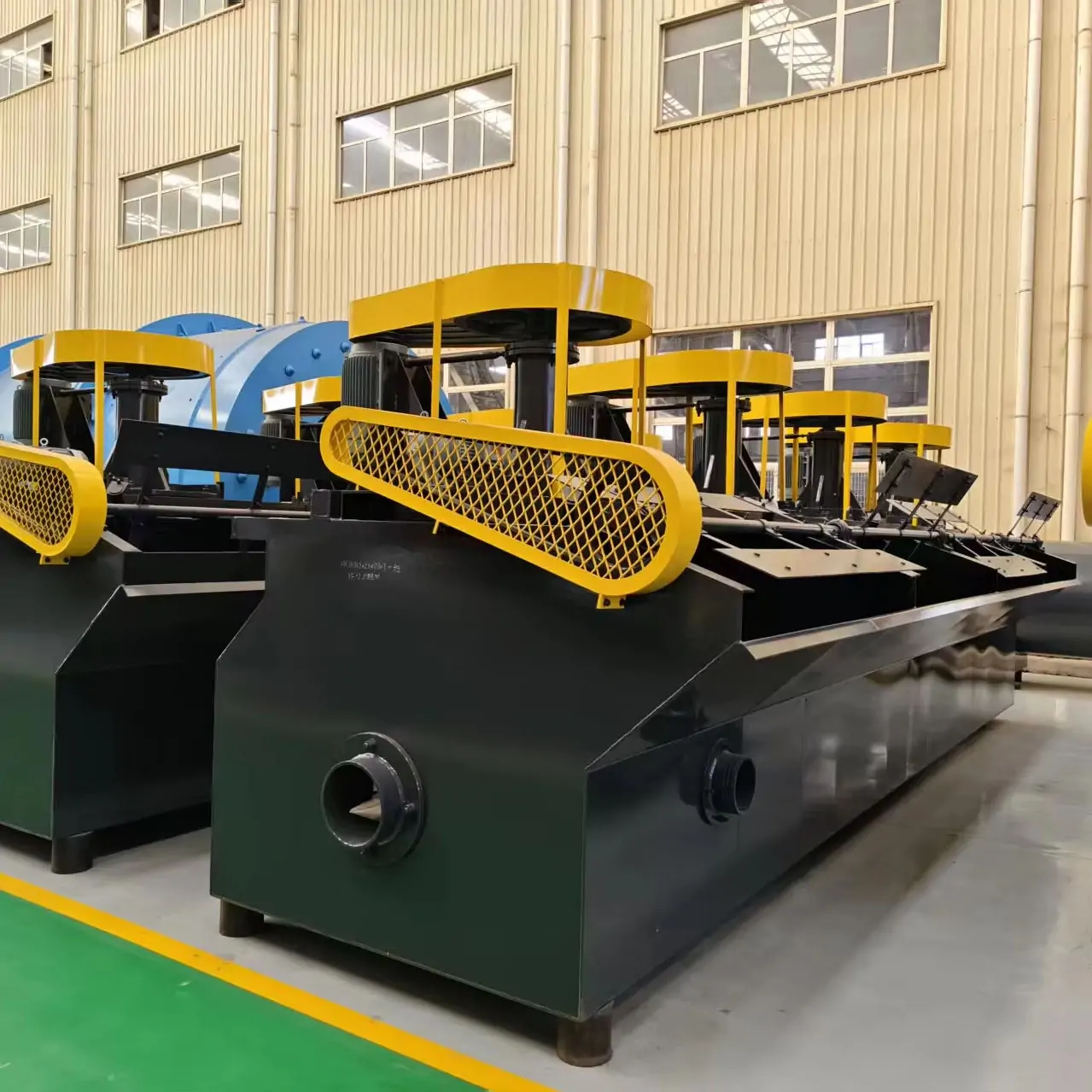
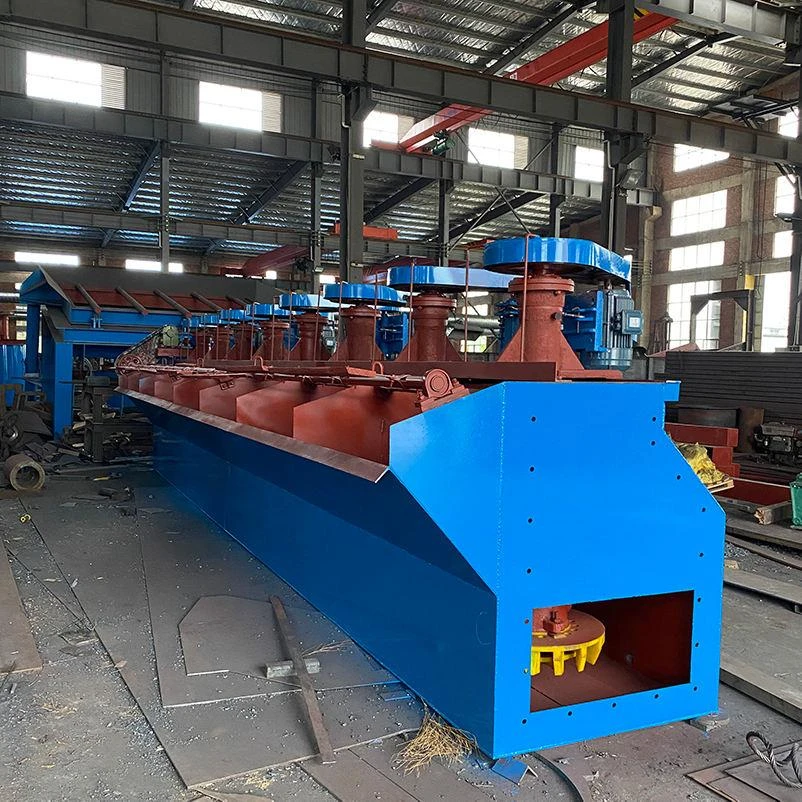
A Pneumatic Flotation Cell is designed for mineral separation in beneficiation plants, using an external air supply system to generate flotation bubbles and recover valuable minerals from ore slurry. It is also known as a pneumatic flotation machine. Unlike self-aspirated flotation machines, it uses an external air supply system instead of relying on the impeller for air intake.
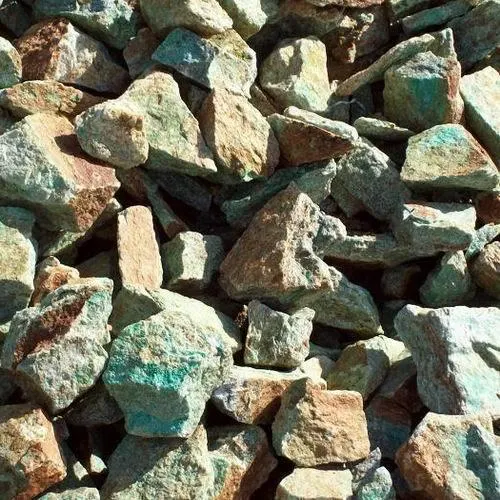
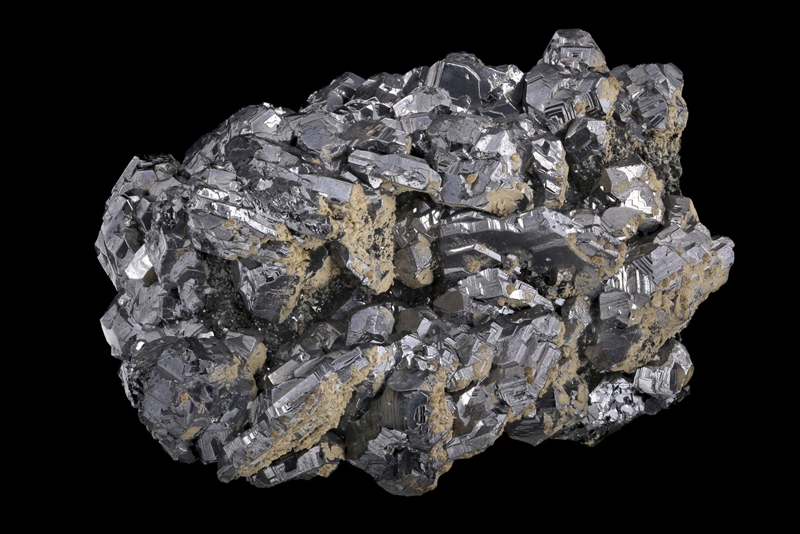
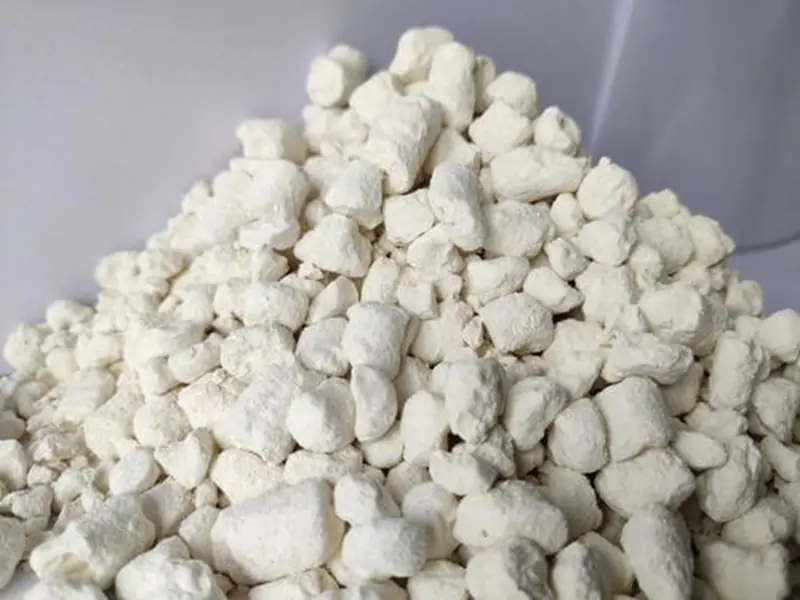
Pneumatic flotation cells are widely used in medium and large-scale mineral processing plants for rougher, cleaner, and scavenger flotation operations. They are suitable for the recovery of non-ferrous metals, ferrous metals, and non-metallic minerals, including copper ore, gold ore, lead-zinc ore, graphite, and fluorite.
In a flotation circuit, the pneumatic flotation cell is normally installed after grinding and classification equipment and works together with slurry pumps, reagent dosing systems, and concentrate dewatering equipment. The suitable feed particle size is generally 0.3–0.01 mm, depending on ore characteristics and flotation requirements. Equipment selection is mainly based on mineral properties, processing capacity, and plant layout.If you want to learn more, click “What is a Flotation Cell?”
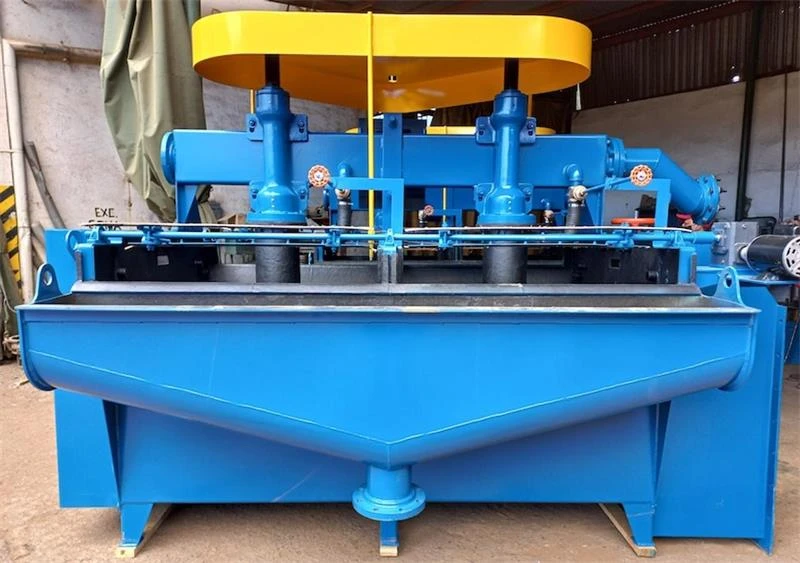
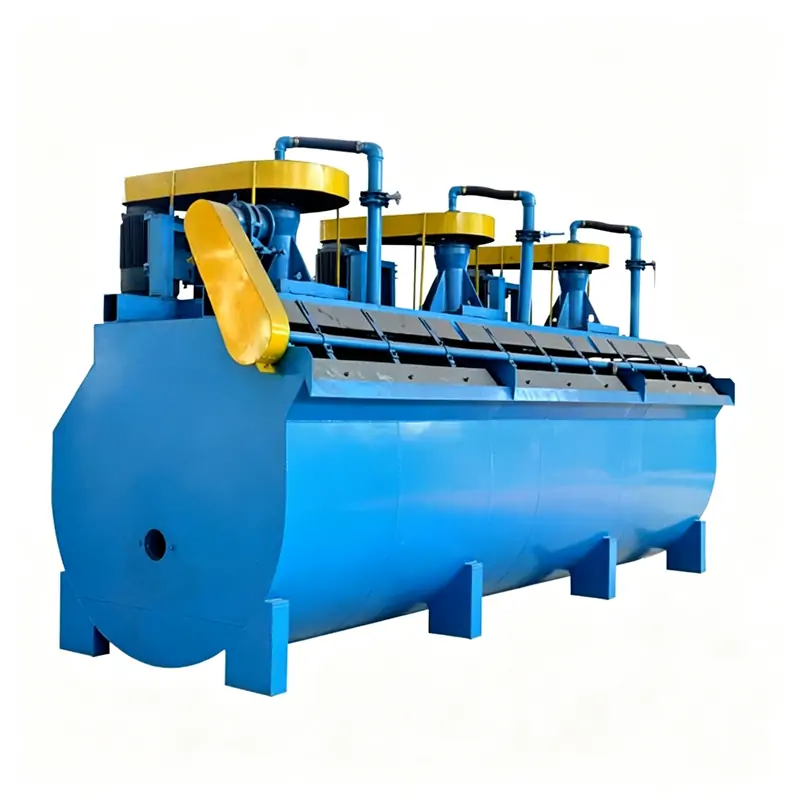
Pneumatic Flotation Cell Working Principle
External Air Supply And Bubble Generation
A Pneumatic Flotation Cell operates by using an external air supply system to generate flotation bubbles instead of relying on self-aspirated air intake. Compressed air is introduced into the flotation tank through the air distribution system, where it is dispersed into fine bubbles and mixed with mineral slurry.
The bubble generation process includes:
- Compressed air enters the flotation cell through the external air supply system.
- The air distributor disperses the air into fine bubbles inside the slurry.
- The bubbles contact mineral particles and create suitable flotation conditions.
The stability of air dispersion and micro bubble generation directly influences the contact between air bubbles and mineral particles during flotation.
Mineral-Bubble Attachment And Flotation Separation
During operation, the slurry, air bubbles, and flotation reagents form a gas-liquid-solid three-phase system. The reagents modify mineral surface properties, allowing hydrophobic mineral particles to attach selectively to bubbles and form mineralized bubbles.
The mineralized bubbles rise to the surface and form a foam layer, where valuable minerals are recovered as concentrate. Meanwhile, hydrophilic gangue minerals remain in the slurry and are discharged as tailings.
The quality of mineral-bubble contact plays an important role in flotation separation results, especially when processing fine particle minerals.
.webp)
Pneumatic Flotation Cell Structure
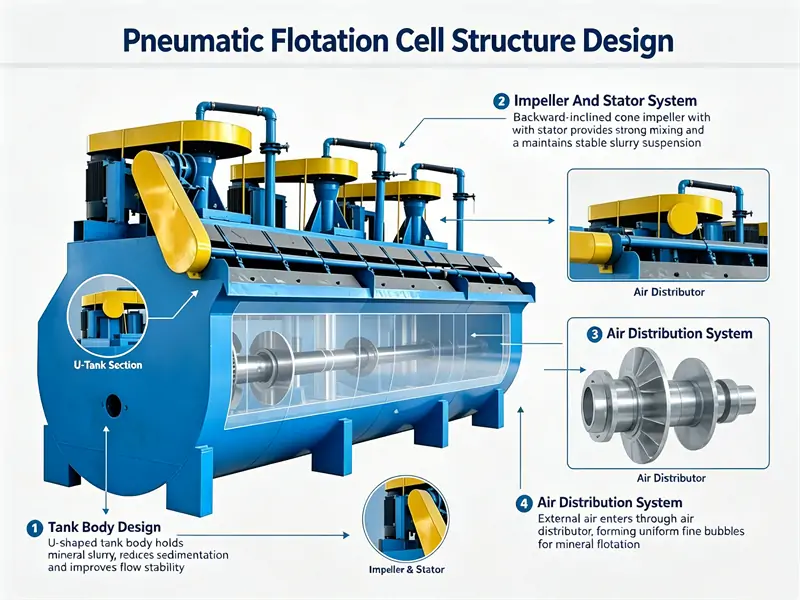
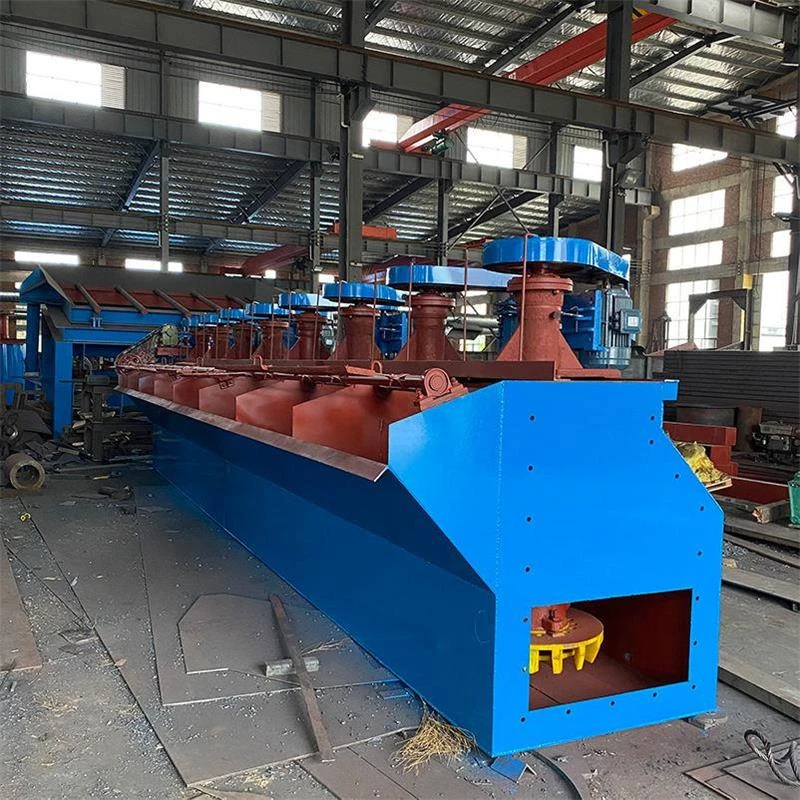
The Pneumatic Flotation Cell consists of the tank body, impeller and stator system, and air distribution system. These components work together to maintain slurry circulation, air mixing, and stable flotation conditions during mineral separation.
Tank Body Design
The tank body holds the mineral slurry and provides the space for flotation operation. Pneumatic flotation cells are commonly designed with U-shaped tanks or vertical tanks according to different process requirements.
The U-shaped tank reduces slurry sedimentation, improves slurry flow, and allows easier maintenance.
Impeller And Stator System
The impeller and stator system is the main mixing unit of the flotation cell, including the impeller, stator, and main shaft.
The backward-inclined cone impeller provides strong mixing performance with a simple structure, helping maintain stable slurry suspension during operation.
Air Distribution System
The air distribution system introduces external air into the flotation cell through a porous cylindrical air distributor.
The system helps achieve uniform air dispersion, stable bubble generation, and better slurry-air mixing for mineral flotation.
Advantages Of Pneumatic Flotation Cell
The Pneumatic Flotation Cell is designed for mineral processing applications that require stable flotation performance, lower energy consumption, and reliable operation. Its external air supply system and optimized mechanical design help maintain consistent flotation conditions in different beneficiation plants.
Low Energy Consumption Design
The pneumatic flotation cell uses a small-diameter impeller with low circumferential speed, reducing power consumption during operation. This design can achieve around 30%-50% energy saving compared with some traditional flotation equipment, helping lower operating costs in continuous flotation production.
Efficient Mineral-Bubble Contact
The stable air dispersion system improves mineral-bubble contact during flotation. More uniform bubble distribution helps hydrophobic mineral particles attach effectively, supporting higher flotation recovery and more stable separation results.
Good Mineral Suspension Performance
The optimized slurry circulation keeps mineral particles suspended inside the flotation tank and reduces settling during operation. This helps maintain stable flotation conditions and consistent recovery performance for different mineral processing applications.
Reduced Wear And Long Service Life
The simple mechanical structure reduces wear on key components and lowers maintenance requirements during long-term operation. Reduced component wear helps extend service intervals and improve equipment availability in beneficiation plants.
Flexible Flotation Circuit Configuration
The pneumatic flotation cell can be arranged for rougher flotation, cleaner flotation, and scavenger flotation stages according to process requirements. Its flexible configuration allows integration into different mineral processing flows.
Applications
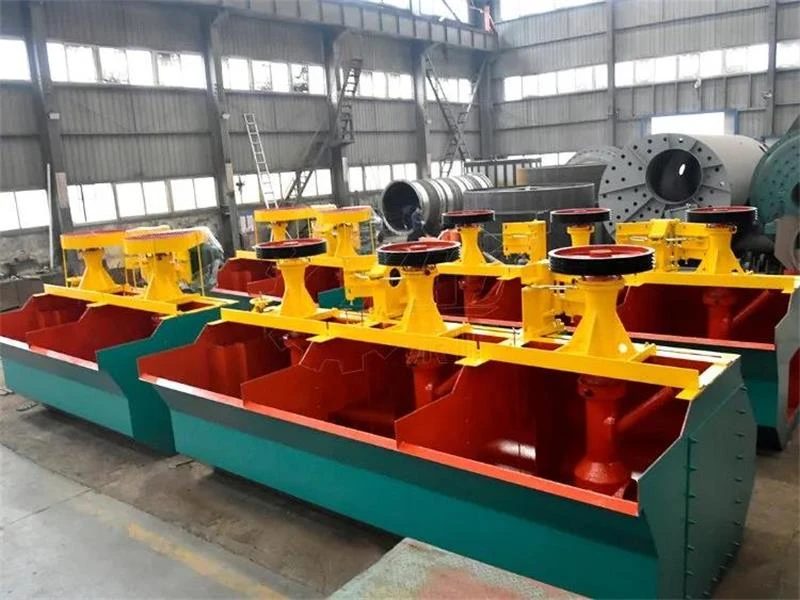
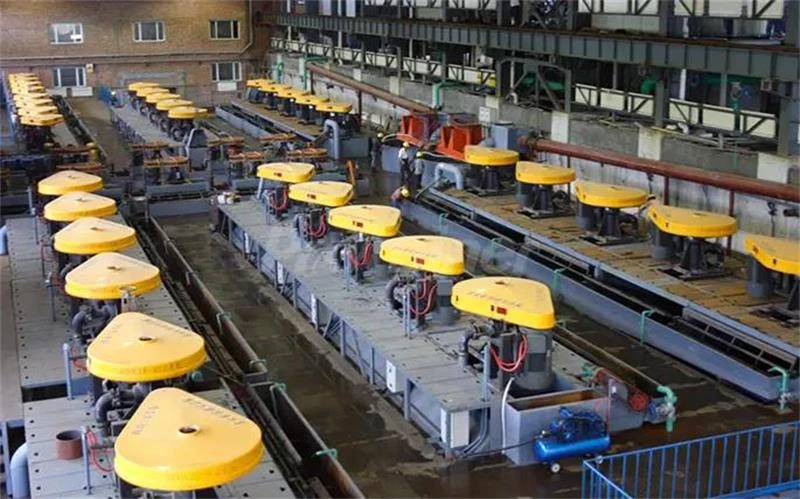
The Pneumatic Flotation Cell is used in various mineral processing plants for metallic and non-metallic mineral separation, including copper, gold, lead-zinc, graphite, and fluorite flotation applications.If you’d like to learn more, click on “Types of Flotation Cells for Mineral Processing.”

Pneumatic Flotation Cell Technical Specifications
The technical specifications of a Pneumatic Flotation Cell depend on the flotation process, ore properties, and required processing capacity. The main parameters include tank volume, slurry handling capacity, impeller size, rotation speed, air supply pressure, motor power, and equipment weight.
| Parameter | Typical Specification |
| Tank Volume | 1–70 m³ |
| Processing Capacity | 0.2–50 m³/min |
| Impeller Diameter | 340–1200 mm |
| Impeller Speed | 100–360 r/min |
| Air Pressure | 12–35 kPa |
| Air Inflation Volume | ≤2 m³/m²·min |
| Motor Power | 4–90 kW |
| Scraper Motor Power | 0.75–1.5 kW |
| Equipment Weight | 0.8–26 t |
Note: The final configuration of the Pneumatic Flotation Cell is selected according to mineral properties, processing capacity, and flotation circuit design. Customized equipment sizes are available for different beneficiation plant requirements.
How To Select The Right Pneumatic Flotation Cell?
Selecting the right Pneumatic Flotation Cell depends on ore properties, processing capacity, and flotation process requirements. Proper selection ensures stable operation, suitable flotation performance, and efficient integration with the beneficiation plant.
Project Case
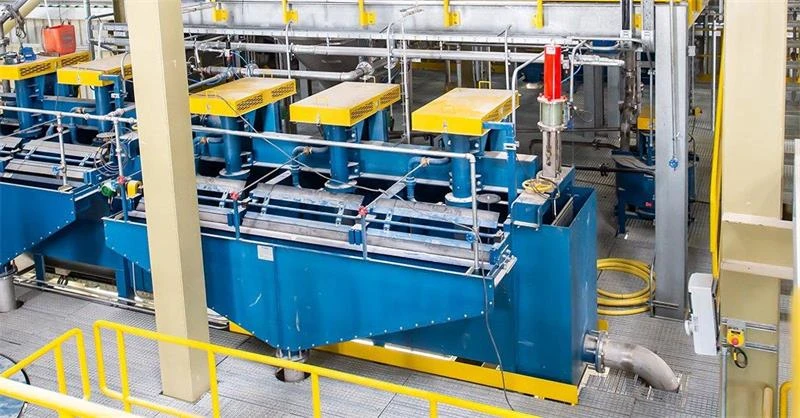
A copper ore beneficiation plant needed to improve the flotation performance of its existing processing line due to complex ore composition and unstable recovery results. Based on the ore characteristics and flotation requirements, the Pneumatic Flotation Cell was applied in the rougher and cleaner flotation stages to improve mineral separation and maintain stable pulp circulation. The equipment was configured according to the plant capacity, grinding fineness, and flotation process conditions.
After installation and commissioning, the flotation system achieved more stable copper mineral recovery and improved concentrate quality during continuous operation. The external air supply system provided consistent bubble generation, while the optimized mixing structure improved mineral-bubble contact and flotation stability. The plant manager commented: “The pneumatic flotation cell fits well with our beneficiation process. It operates reliably and provides stable flotation performance with convenient maintenance.”
Why Choose Zhongyi?
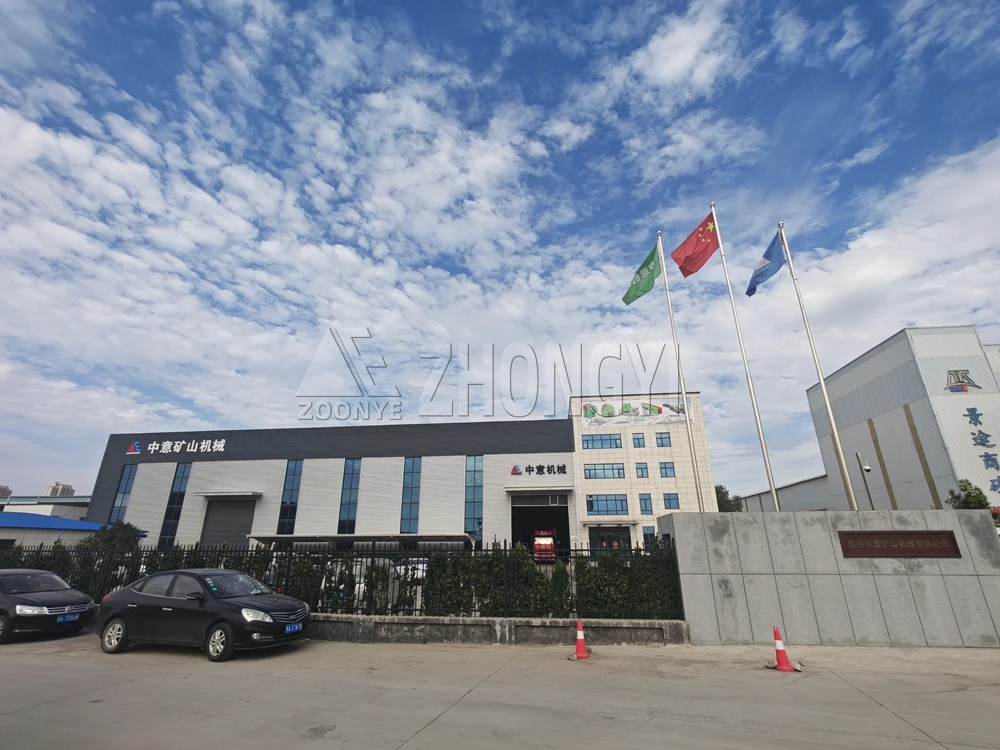
With more than 16 years of experience in mining equipment manufacturing, Zhongyi provides complete flotation equipment solutions based on practical beneficiation requirements. Unlike suppliers focusing only on equipment production, we integrate design, R&D, manufacturing, and installation to ensure the Pneumatic Flotation Cell matches different ore characteristics, processing capacities, and flotation circuits.
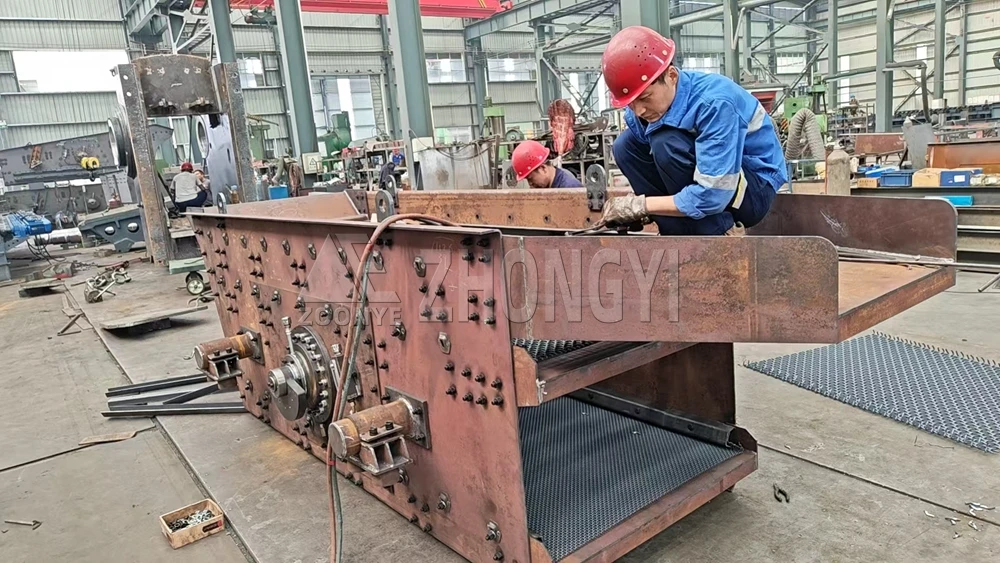
Zhongyi operates a manufacturing facility covering more than 40,000 m², supported by over 200 sets of processing equipment and professional production teams. With 60+ patent certificates, strict quality control, and experience across mining and mineral processing industries, we focus on delivering reliable flotation equipment with stable operation, customized configurations, and long-term service support for beneficiation plants worldwide.
Request a Customized Solution
Partner with Zhongyi for a Pneumatic Flotation Cell solution designed to improve mineral separation, optimize flotation performance, and support stable operation in mining and mineral processing plants.
Custom Solutions
Every beneficiation plant has different ore properties, processing capacity, and flotation requirements. Zhongyi provides customized Pneumatic Flotation Cell solutions based on mineral characteristics, production targets, and plant layout. Our engineering team can assist with equipment selection, flotation circuit design, and complete mineral processing solutions to ensure proper integration with upstream and downstream equipment.
For complete plant planning, Zhongyi also provides customized flotation plant solutions and mineral processing production line solutions covering grinding, flotation, concentrate recovery, and related equipment configuration. Contact our technical team with your ore type, processing capacity, and project requirements to receive a suitable flotation solution for your beneficiation project.
Please Provide the Following Information:
FAQs
What is a Pneumatic Flotation Cell used for?
A Pneumatic Flotation Cell is a mineral separation equipment used in beneficiation plants to recover valuable minerals from ore slurry. It generates flotation bubbles through an external air supply system, allowing hydrophobic mineral particles to attach to bubbles and separate from gangue minerals. It is widely used in copper, gold, lead-zinc, iron ore, and non-metallic mineral processing.
What is the difference between a pneumatic flotation cell and a mechanical flotation cell?
The main difference is the air supply method and internal structure. A pneumatic flotation cell uses externally supplied compressed air for bubble generation, while a mechanical flotation cell mainly relies on an impeller system for air suction and slurry mixing. Pneumatic designs are often selected for applications requiring stable air control, lower wear, and specific flotation process conditions.
What minerals can be processed by a Pneumatic Flotation Cell?
A Pneumatic Flotation Cell is suitable for processing various metallic and non-metallic minerals, including copper ore, gold ore, lead-zinc ore, graphite, fluorite, quartz, and feldspar. The final equipment configuration depends on mineral composition, particle size, floatability, and flotation test results to ensure suitable separation performance for each ore type.
How do I select the right Pneumatic Flotation Cell for my plant?
Selecting the right flotation cell requires considering ore characteristics, processing capacity, feed particle size, slurry conditions, and flotation circuit requirements. The equipment size, tank volume, and configuration should match the rougher, cleaner, or scavenger flotation stages. A proper selection process helps maintain stable operation and achieve the required concentrate grade and recovery.
What is the processing capacity of a Pneumatic Flotation Cell?
The processing capacity of a Pneumatic Flotation Cell depends on tank volume, ore properties, slurry concentration, and flotation circuit design. Different beneficiation plants require different equipment configurations. Before quotation, manufacturers usually evaluate the required throughput, mineral type, and production conditions to determine the suitable flotation cell size and quantity.
Can a Pneumatic Flotation Cell be used for rougher and cleaner flotation?
Yes. Pneumatic Flotation Cells can be applied in rougher flotation, cleaner flotation, and scavenger flotation stages. Rougher flotation is mainly used for initial mineral recovery, while cleaner flotation improves concentrate grade. The equipment arrangement and operating parameters are selected according to the flotation flowsheet and the final recovery requirements of the beneficiation plant.
What information is required before purchasing a Pneumatic Flotation Cell?
Before purchasing a Pneumatic Flotation Cell, customers should provide key project information, including ore type, processing capacity, feed particle size, mineral composition, flotation process requirements, and plant layout. These details allow engineers to evaluate the suitable equipment configuration and develop a flotation solution matching the actual beneficiation conditions.
Does Zhongyi provide complete flotation plant solutions?
Yes. Zhongyi provides customized mineral processing solutions based on different ore properties and project requirements. Besides Pneumatic Flotation Cells, we support flotation circuit design, equipment selection, and integration with complete beneficiation production lines. Our engineering team works with customers to develop practical solutions for copper, gold, lead-zinc, and other mineral processing projects.