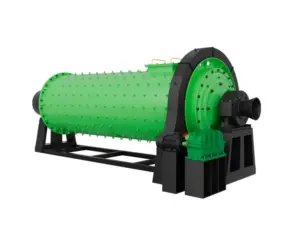
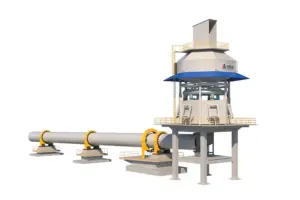
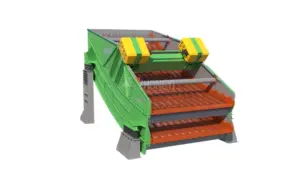
What Is a Coal Slime Dryer?
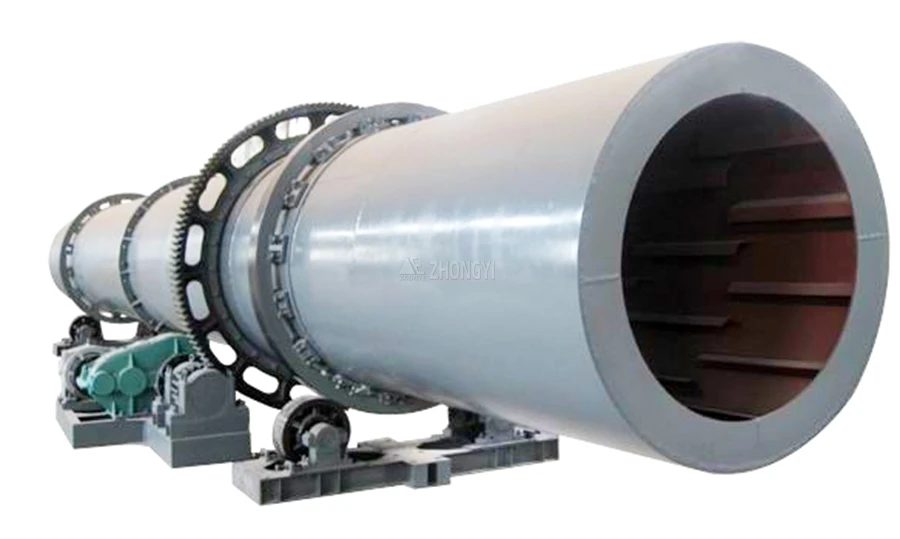
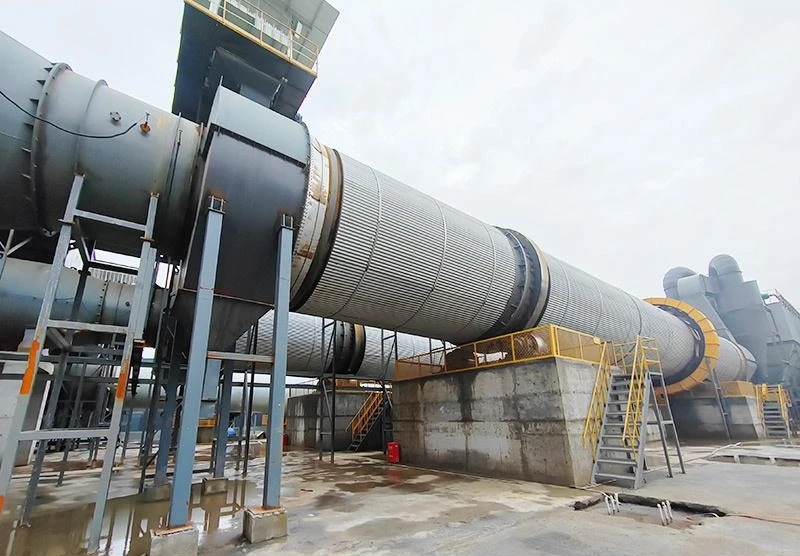
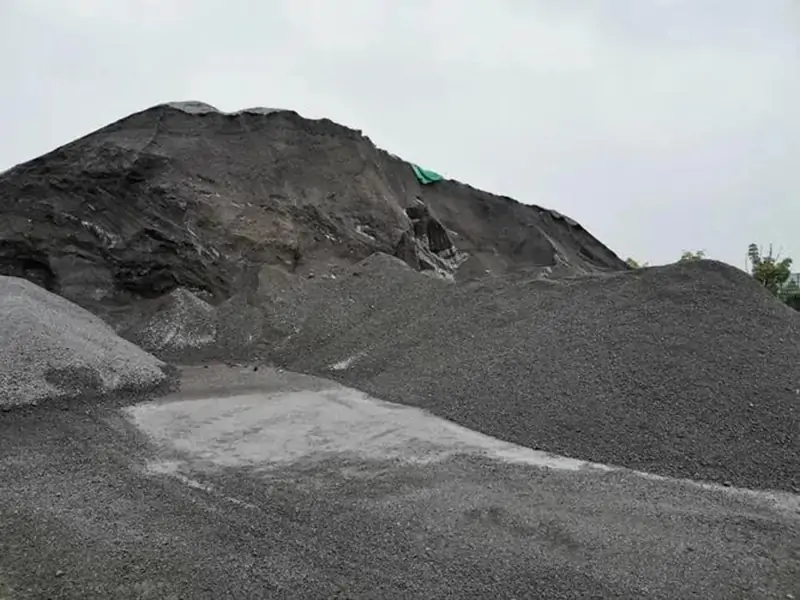
A Coal Slime Dryer, also known as a Coal Slime Rotary Dryer, Coal Slime Drying Machine, or Coal Slime Rotary Drum Dryer, is an industrial drying machine developed for high-moisture and sticky coal slime from coal washing and mineral processing operations. Based on the rotary drum dryer, it combines controlled hot-air drying with continuous mechanical lifting and dispersing to evaporate moisture efficiently. Besides coal slime, the equipment can also handle metal concentrates, flotation concentrates, tailings, and other wet mineral materials.
In a typical processing line, the Coal Slime Dryer works downstream of dewatering equipment such as a filter press, thickener, or centrifuge, and upstream of conveyors, storage, fuel preparation, or briquetting equipment. Wet material is fed into the rotating drum, where lifting flights disperse it through the hot gas for continuous heat and mass transfer. The dried material is discharged from the outlet, while moisture-laden exhaust gas passes through a cyclone or bag filter before discharge. Depending on feed conditions and product requirements, final moisture can typically be controlled to around 8–12% or lower.
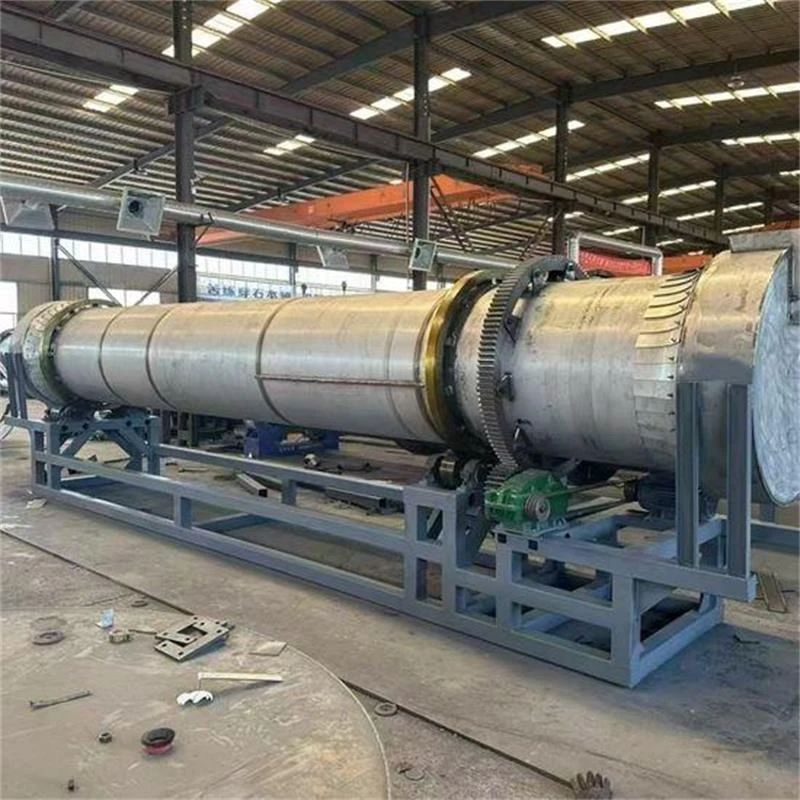
Coal Slime Dryer Products
Zhongyi provides coal slime drying equipment for different processing capacities and operating conditions. From individual rotary dryers to complete drying systems, each configuration can be customized according to coal slime moisture, throughput, heat source, and final moisture requirements.
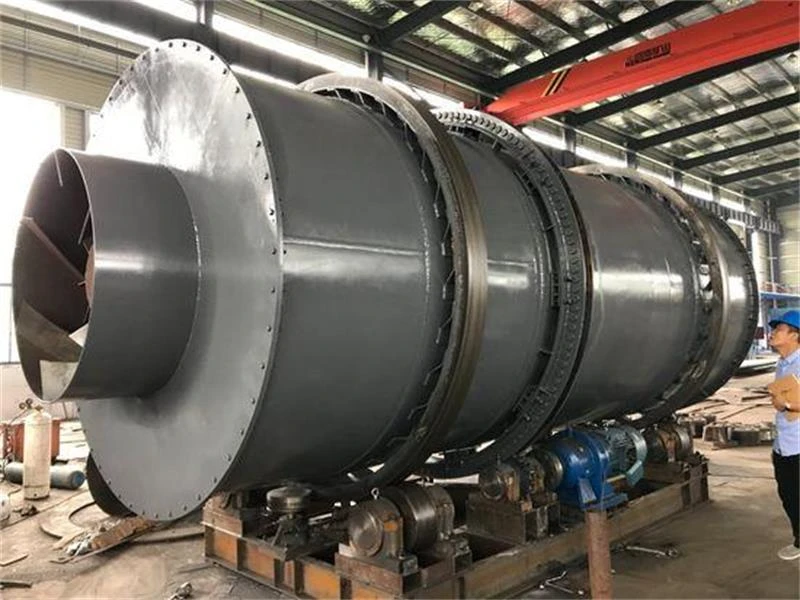
Rotary Coal Slime Dryer
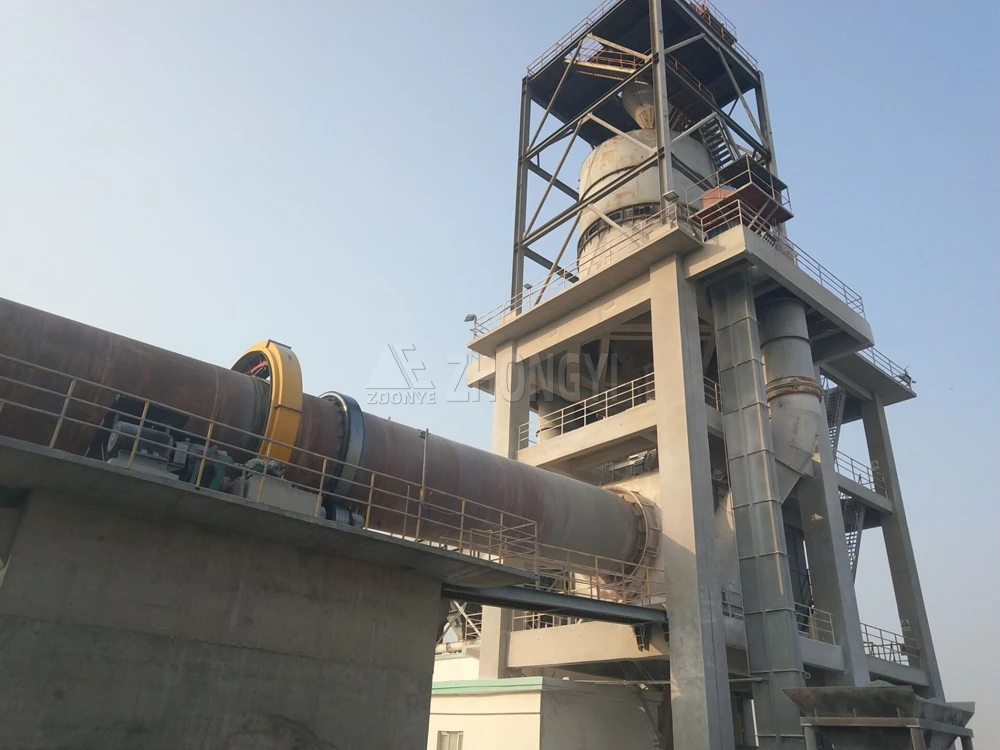
The Rotary Coal Slime Dryer is designed for continuous drying of wet and sticky coal slime from coal washing and mineral processing. The rotating drum and internal lifting flights repeatedly disperse the material and increase its contact with hot gas, promoting efficient moisture evaporation and stable drying performance.
Get a Quote
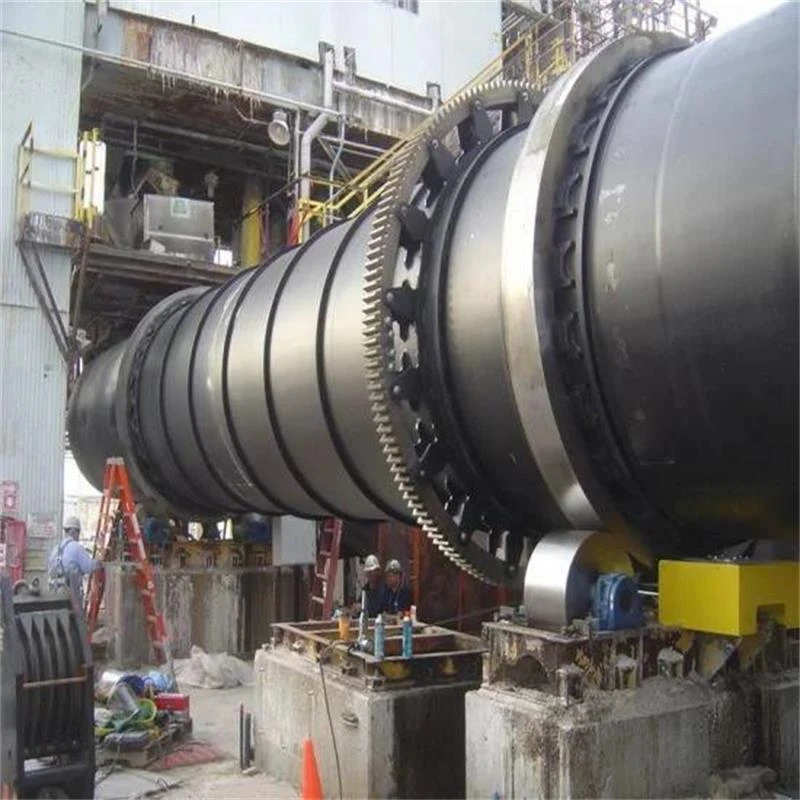
Heavy-Duty Coal Slime Rotary Dryer
The Heavy-Duty Coal Slime Rotary Dryer is designed for high-throughput applications and long-term continuous operation. A reinforced drum structure, heavy-duty drive system, and customized internal lifting arrangement help maintain stable material movement and reliable operation under demanding working conditions.
Get a Quote
Complete Coal Slime Drying System
The Complete Coal Slime Drying System integrates the rotary dryer with feeding, heating, dust collection, conveying, and discharge equipment. Zhongyi can configure the complete system according to material characteristics, processing capacity, available heat source, emission requirements, and site conditions.
Get a Quote
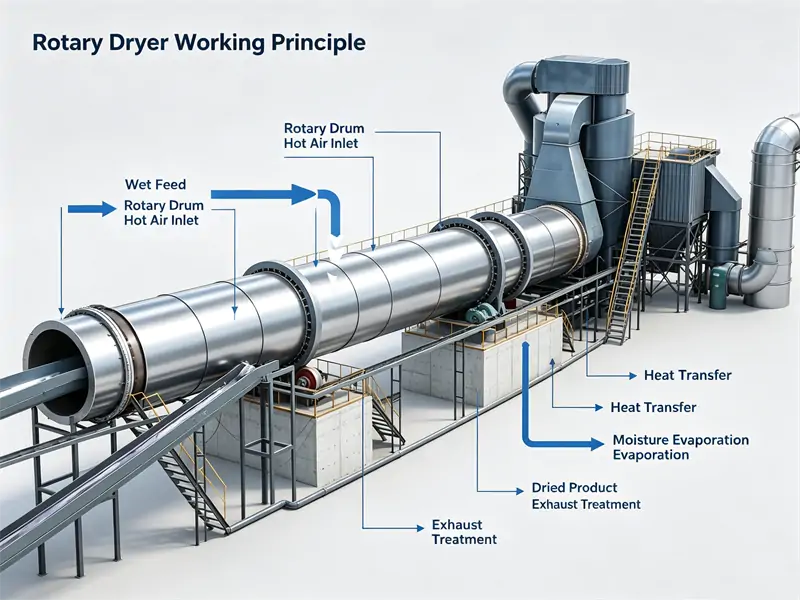
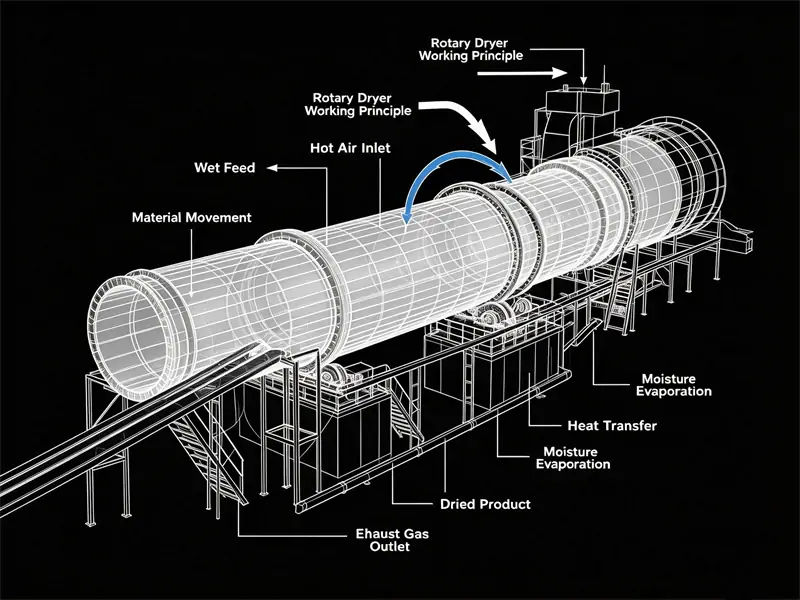
Coal Slime Dryer Working Principle
Wet Coal Slime → Feeding → Rotary Drying → Moisture Evaporation → Dust Collection → Dried Material
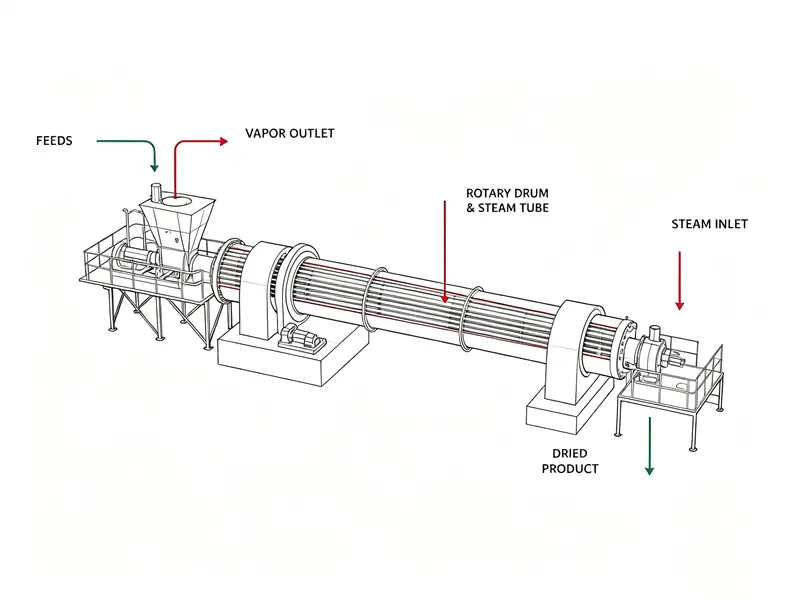
The Coal Slime Dryer uses hot gas and continuous mechanical movement to remove moisture from wet coal slime. After entering the rotating drum through the feeding system, the material is lifted, scattered, and turned by internal flights to increase contact with the hot gas. Heat transfer causes moisture to evaporate continuously, while the rotating motion helps reduce material accumulation and maintain stable drying. Depending on the material and process requirements, the drying system can be configured with different heat sources and operating conditions.
The moisture-laden exhaust gas is drawn from the dryer and directed to a dust collection system, while the dried coal slime is discharged from the outlet for conveying, storage, fuel preparation, or further processing. Internal lifting and dispersing structures are designed according to the moisture and stickiness of the feed material, helping maintain consistent material flow through the drum. For suitable feed conditions, the dryer can reduce coal slime moisture to approximately 8–15%, with the actual final moisture determined by the feed condition and required product specification.
Main Components of Coal Slime Dryer
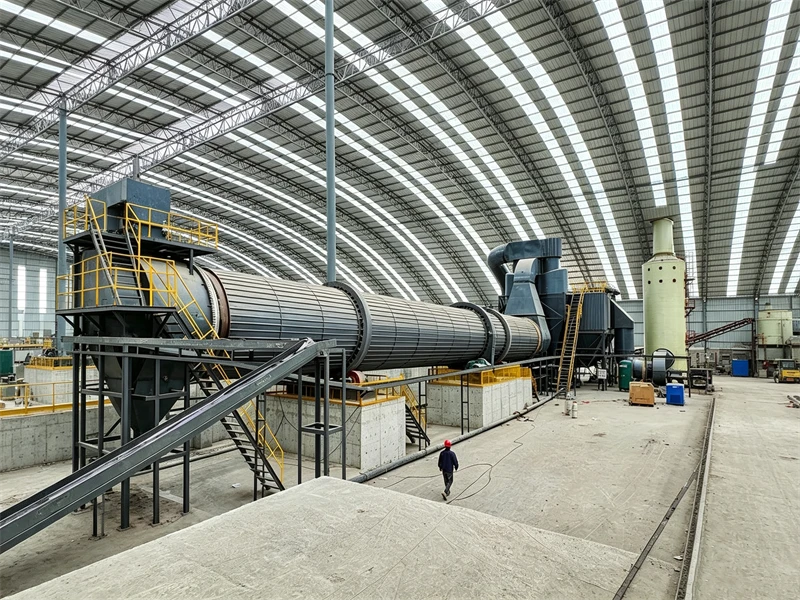
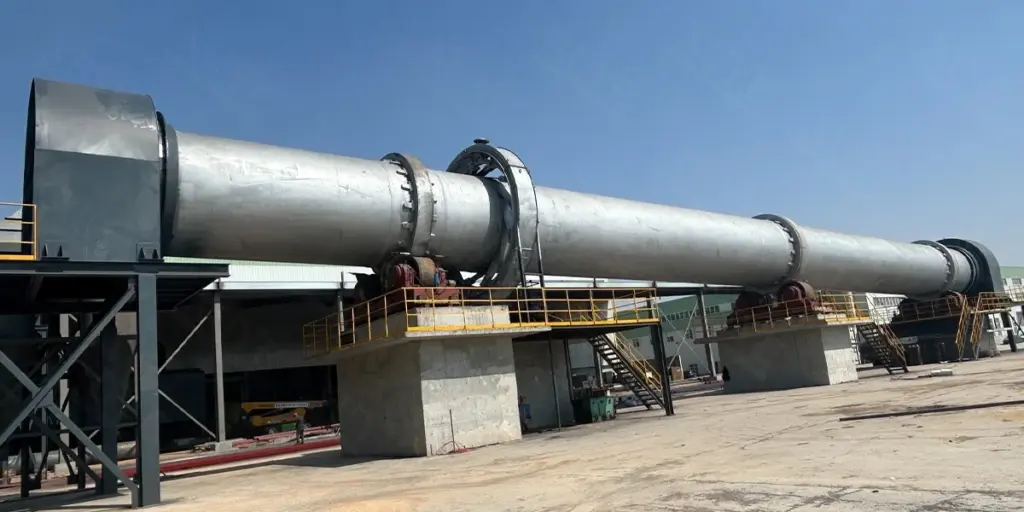
The Coal Slime Dryer is mainly composed of a rotary drum and several mechanical components that work together to lift, disperse, heat, and discharge wet coal slime. The internal structure is designed to improve material contact with hot gas while reducing sticking and accumulation, supporting stable continuous drying. The main mechanical components include:
- Rotary Drum: The main body of the dryer where coal slime is heated, lifted, and moved continuously from the feed end to the discharge end.
- Lifting Flights: Installed inside the drum to lift and scatter coal slime, forming a material curtain that improves contact with hot gas.
- Dispersing Bars: Help break up wet and sticky coal slime and distribute the material more evenly inside the drum.
- Cleaning Chains: Knock and remove material adhering to the inner drum wall, helping reduce build-up during continuous operation.
- Support Rollers: Support the rotating drum and maintain stable alignment and smooth rotation under operating loads.
- Drive Gear: Transfers power from the drive assembly to the drum and maintains the required rotational speed for continuous drying.
Coal Slime Dryer Features
The Coal Slime Dryer is designed for continuous drying of high-moisture coal slime, with the drum structure and internal components configured around material flow, heat transfer, and long-term operation.
Applications
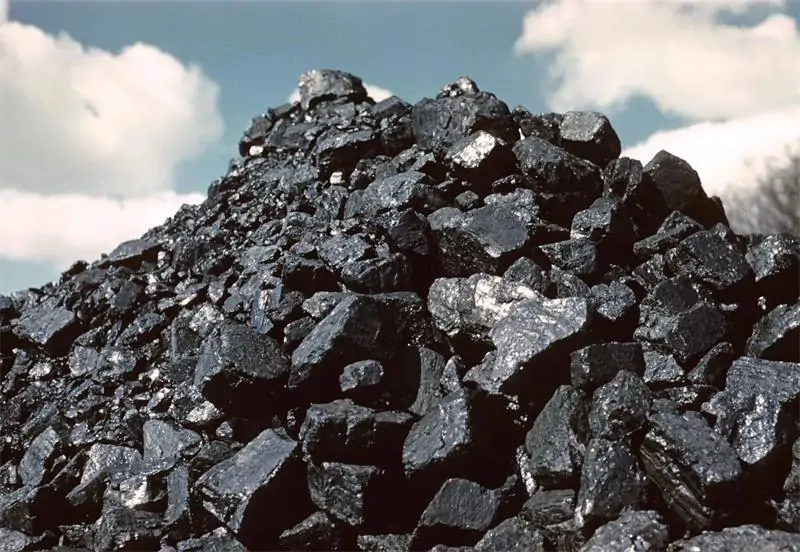
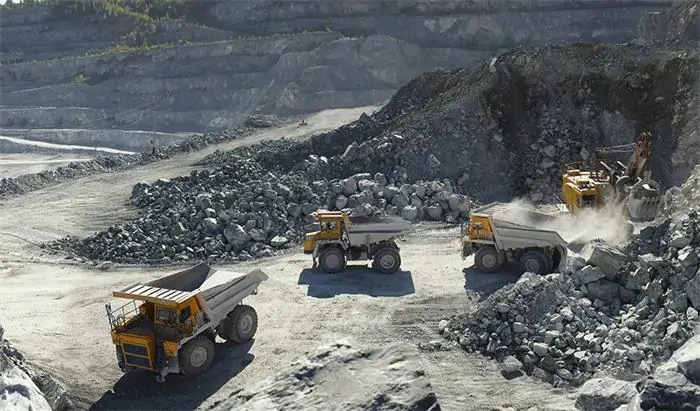
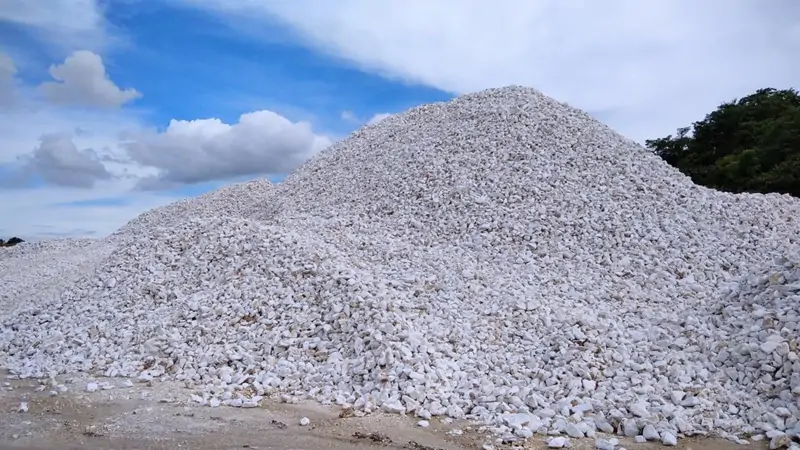
The equipment is mainly used to reduce moisture in wet coal slime generated during coal washing and processing. It can also be integrated into downstream fuel preparation and briquetting operations where controlled moisture is required.
Coal Slime Dryer Technical Parameters
The following are typical technical parameters for the Coal Slime Dryer. Final equipment specifications are determined according to material conditions and required production capacity.
| Parameter | Specification |
| Drum Diameter | 1.2–4.0 m |
| Drum Length | 8–30 m |
| Processing Capacity | 5–60 t/h |
| Feed Moisture | Up to 50% |
| Final Moisture | 8–15% |
| Drum Speed | 1–8 rpm |
Coal Slime Drying System Configuration
A coal slime drying system typically consists of a feeding section, drying section, exhaust handling, and discharge section. The ZSW Series Mining Vibrating Feeder can be used for controlled and continuous feeding of wet coal slime into the processing line, while the GZT Series Vibrating Grizzly Feeder is suitable for heavier-duty feeding conditions where coarse material needs to be handled before the drying stage. The feeding equipment is selected according to material characteristics and required throughput.
The drying section uses a rotary dryer matched to the feed rate, initial moisture, target moisture, and available heat source. During operation, wet coal slime enters the drum, moves forward as the drum rotates, and is repeatedly lifted and dispersed for heat exchange. Dried material is discharged at the outlet, while the exhaust gas is directed to the plant’s dust collection and exhaust treatment equipment. The overall configuration can be adjusted to suit the existing coal washing process and plant layout.
Why Choose Zhongyi Coal Slime Dryer?
Zhongyi is an industrial equipment manufacturer with experience in drying and mineral processing equipment. Coal slime dryers are designed according to actual feed conditions, required capacity, target moisture, heat source, and plant layout. The equipment can be supplied as a standalone dryer or configured as part of a complete drying line.
For different coal slime conditions, we adjust the drum dimensions, internal lifting structure, drive components, and supporting equipment rather than applying one fixed configuration to every project. Feeding, heating, dust collection, and conveying equipment can also be matched to the process flow and available space at the plant.
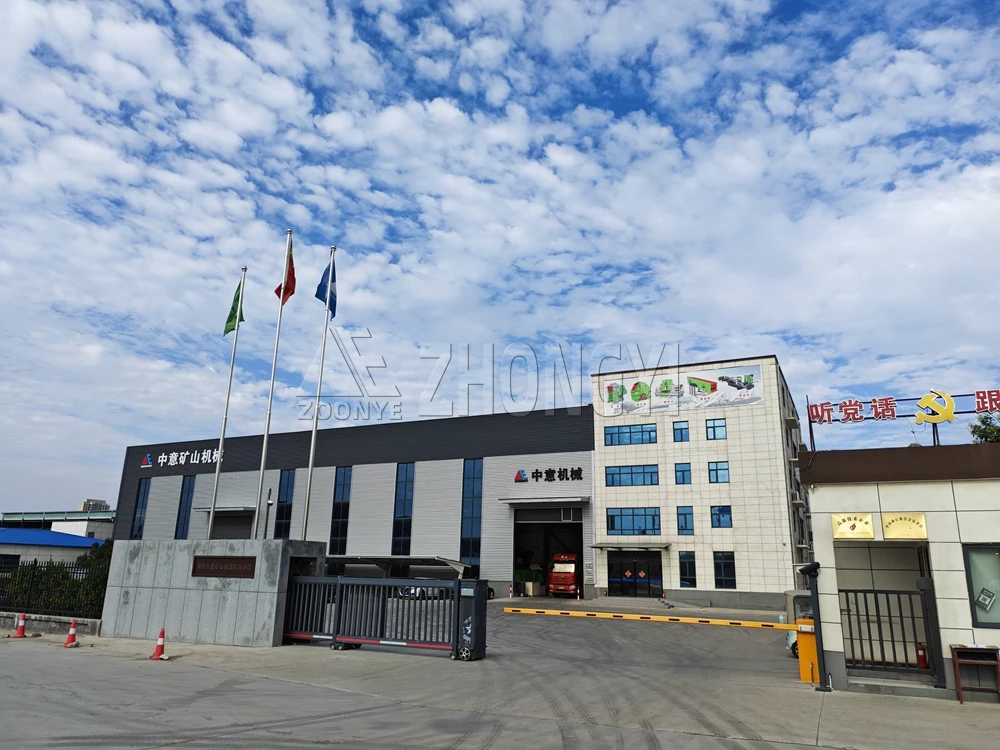
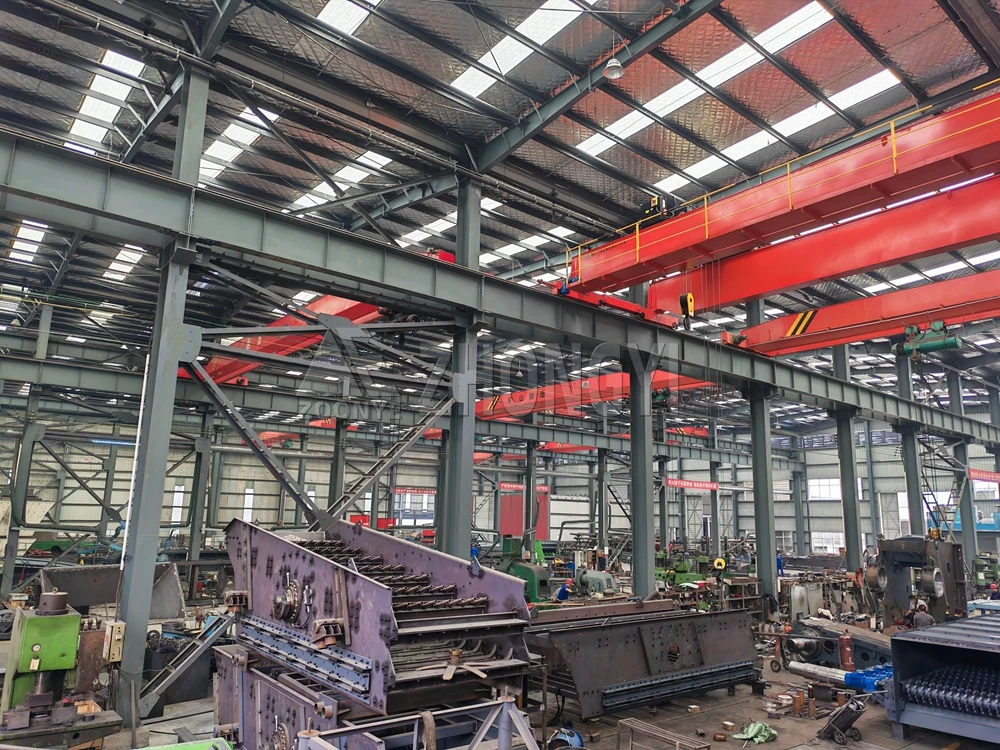
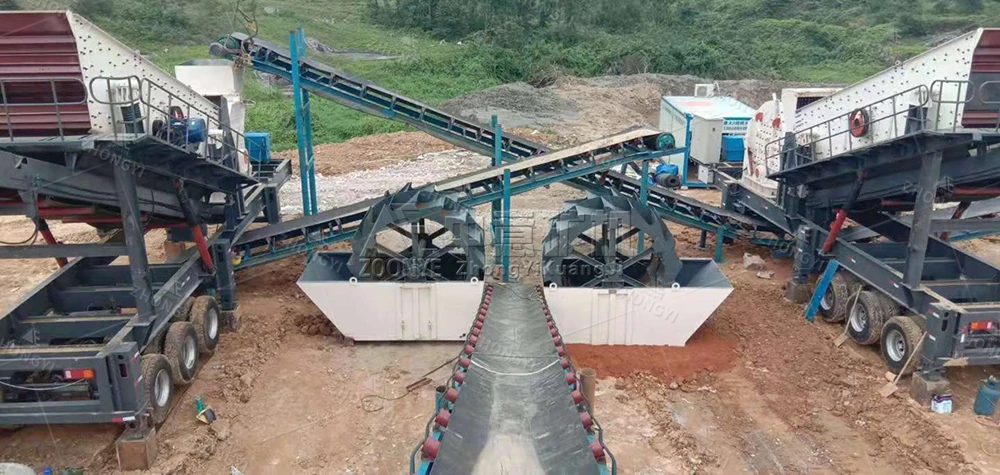
The equipment is fabricated and assembled in Zhongyi’s production facilities before delivery. Completed units are checked for fabrication quality, component assembly, and overall equipment condition prior to shipment. This factory-based manufacturing and inspection process provides a clear quality check before installation and commissioning at the customer’s site.
Request a Customized Solution
Partner with Zhongyi for a Coal Slime Dryer designed for continuous moisture reduction, stable material handling, and reliable operation in coal washing and mineral processing plants.
Request a Custom Coal Slime Dryer
Every coal slime drying project has different feed moisture, processing capacity, target moisture, heat source, and site conditions. Zhongyi can configure the coal slime dryer, feeding equipment, heat source, dust collection, and conveying equipment according to your actual process requirements. For complete plant requirements, our engineers can also develop a suitable Mineral Processing Plant Solution or related production line configuration. Send us your material information, capacity, moisture requirements, and site conditions to discuss the right equipment configuration with Zhongyi.
Please Provide the Following Information:
FAQs
What is a coal slime dryer used for?
A coal slime dryer removes excess moisture from wet coal slime generated during coal washing and processing. The dried material can then be used for storage, transportation, fuel blending, briquetting, or further processing. Rotary drying equipment is commonly selected for plants that require continuous operation and stable moisture reduction at medium or large production capacities.
How much capacity can a coal slime dryer handle?
Drying capacity depends on the wet feed rate, initial moisture, target moisture, material characteristics, heat source, and required operating hours. There is no single capacity suitable for every coal washing plant. Zhongyi determines the appropriate drum size and configuration from the actual project conditions rather than selecting equipment based only on the required dry-product output.
What final moisture can be achieved after drying?
The achievable final moisture depends on the initial moisture content, coal slime characteristics, drying temperature, residence time, and heat supply. For this reason, a fixed final moisture value should not be applied to every project. Zhongyi configures the drying process according to the customer’s required moisture level and production conditions to achieve the specified drying target.
Can rotary drying equipment handle sticky coal slime?
Yes. Wet coal slime can be sticky and prone to forming lumps or adhering to the drum wall. The rotary dryer can be equipped with suitable lifting, dispersing, and cleaning components to keep the material moving through the drum. The internal arrangement is selected according to moisture content, particle size, stickiness, and other material characteristics.
What heat sources can be used for coal slime drying?
The available heat source depends on the energy conditions and operating requirements of the plant. Common options include coal, natural gas, biomass, steam, and waste heat. Zhongyi can match the heating arrangement to the dryer and project conditions, including available fuel, required drying temperature, operating cost considerations, and existing heat sources at the site.
What equipment is included in a complete coal slime drying system?
A typical drying line includes feeding equipment, conveying equipment, the rotary dryer, heat source, dust collection equipment, induced draft fan, and discharge equipment. The final configuration depends on the plant’s production capacity, material condition, heat source, and existing equipment. Zhongyi can configure the related equipment to form a complete drying process rather than supplying only the main machine.
How can coal slime build-up inside the dryer be reduced?
High-moisture coal slime may stick to the drum wall and affect material movement if the internal structure is not properly selected. Lifting flights, dispersing components, and cleaning chains can be arranged according to the material condition. These components help break up wet lumps, remove adhering material, and maintain the effective working section during continuous drying.
What information is needed to select a coal slime dryer?
For equipment selection, customers should provide the wet feed capacity, initial moisture, target final moisture, material characteristics, and available heat source. Particle size, operating hours, existing conveying equipment, and plant layout are also useful for system design. Based on these conditions, Zhongyi can recommend the appropriate dryer size, internal structure, and supporting equipment for the project.