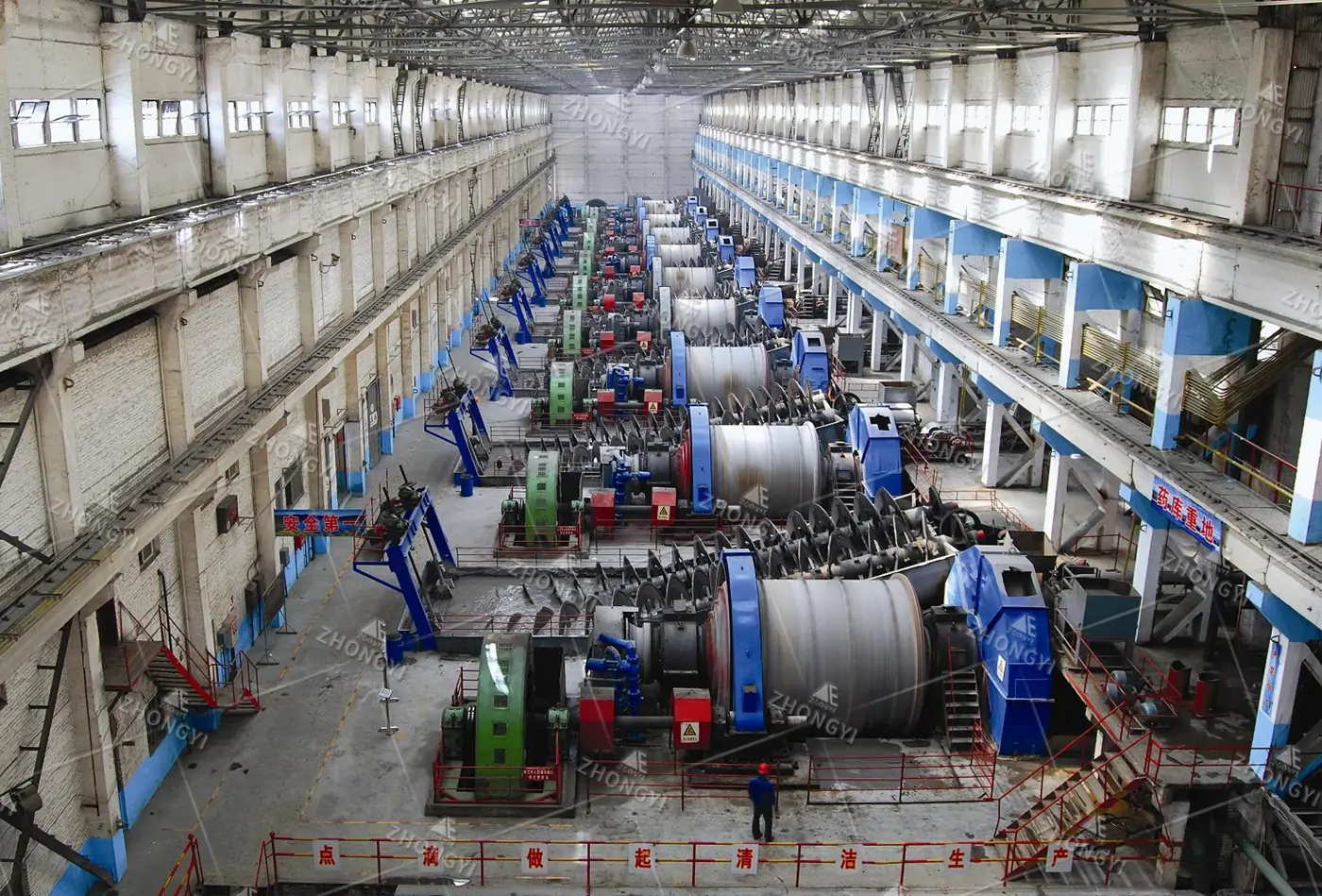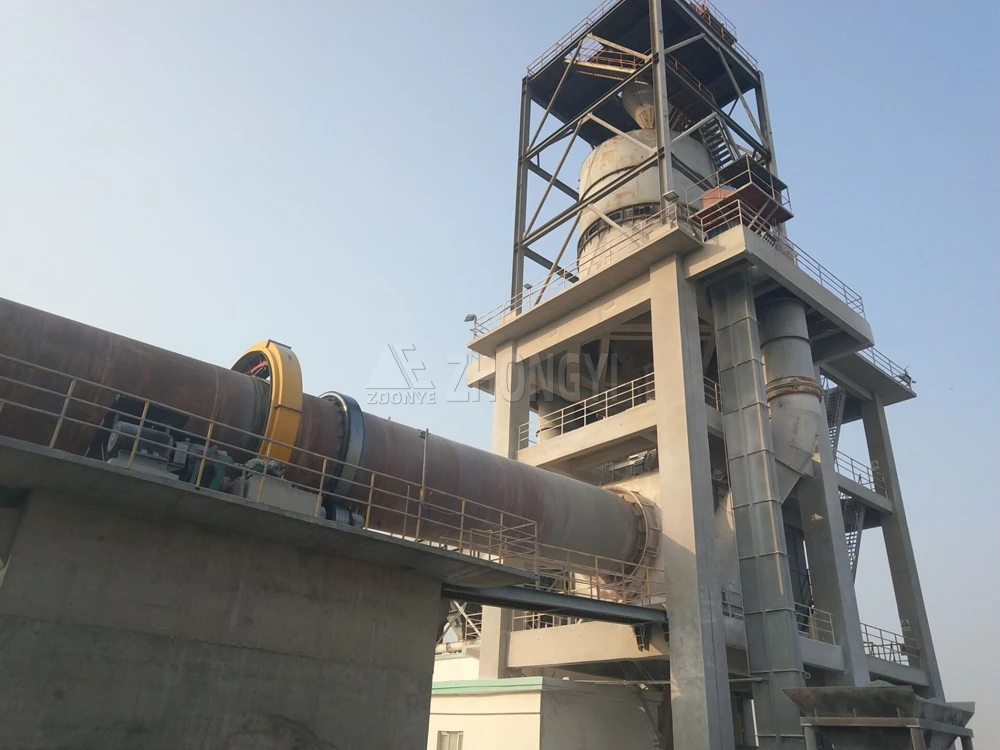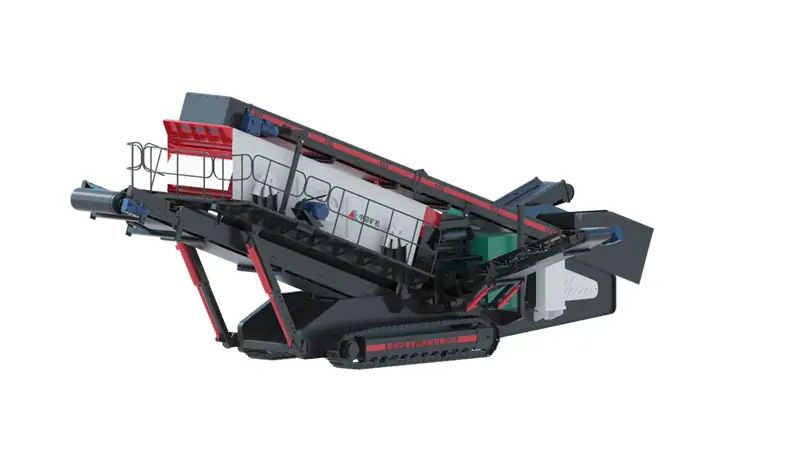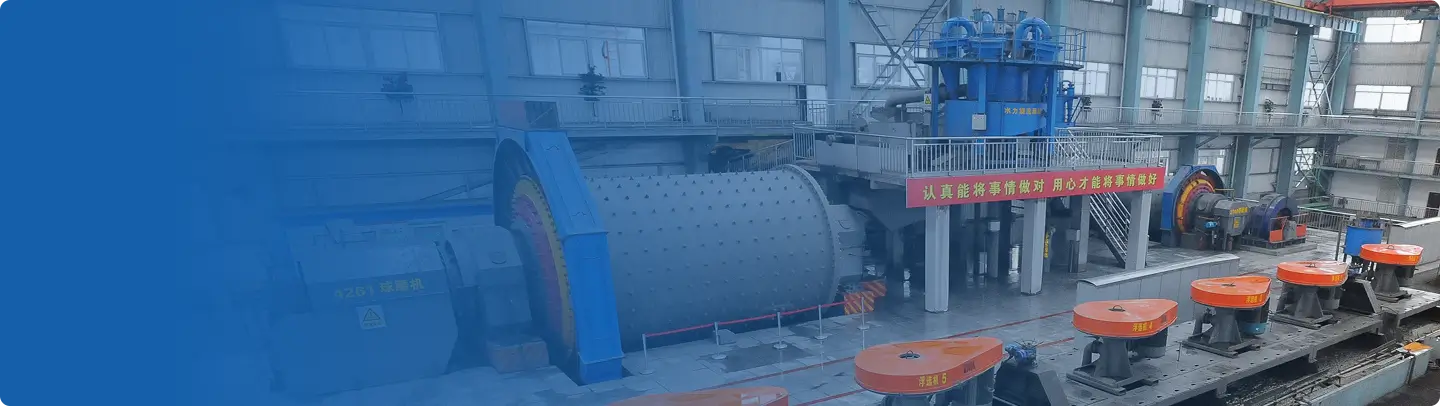
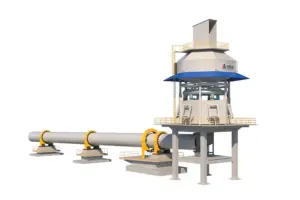
What Is a Slag Dryer?
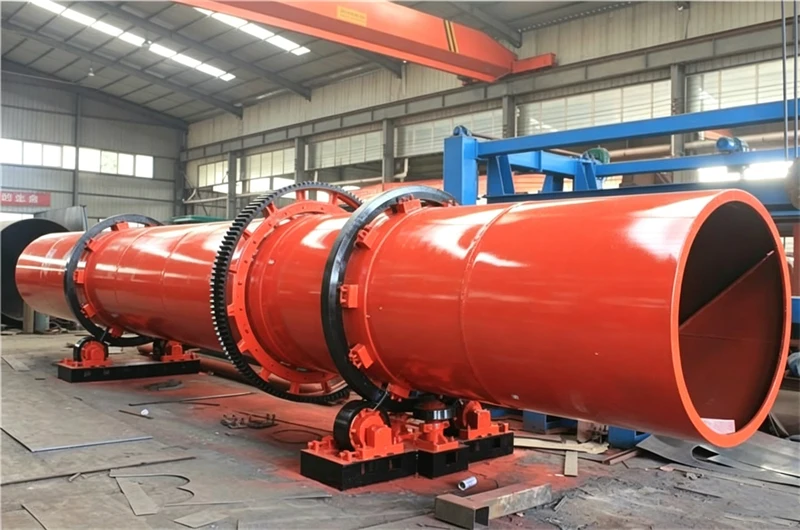
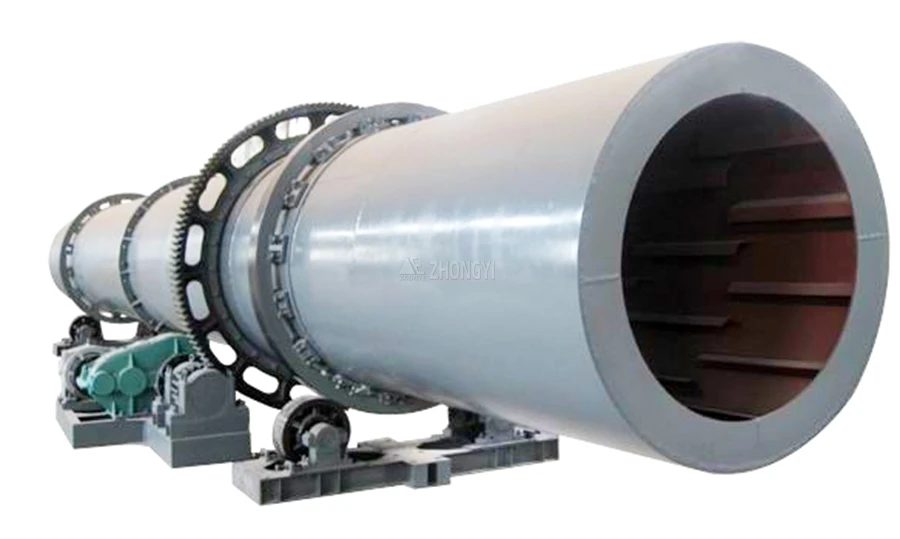
A Slag Dryer, also known as a Slag Drying Machine or Slag Drying Equipment, is a rotary drum dryer designed to remove excess moisture from wet slag before further processing. Slag is a by-product of metallurgical operations, and its moisture level can affect conveying, screening, crushing, grinding, and storage. The rotating drum continuously lifts and disperses the material through a controlled hot-air flow, making it suitable for continuous industrial drying at capacities that can reach tens of tons per hour, depending on the material and process conditions.
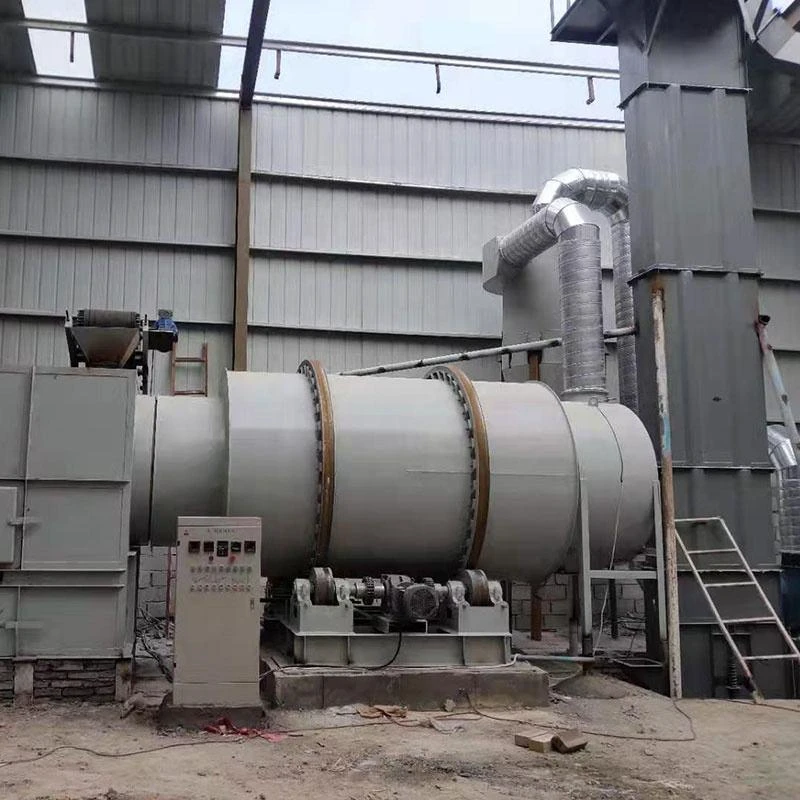
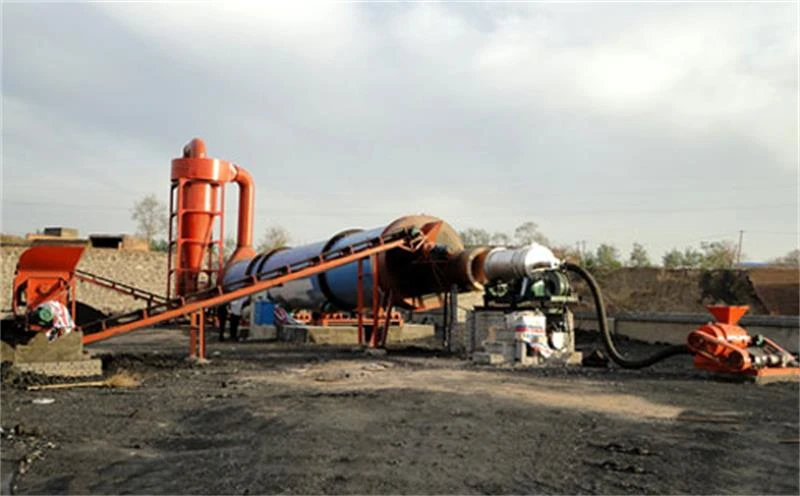
In a typical slag processing line, the Slag Dryer works downstream of equipment such as a feeding hopper, belt conveyor, crusher, or screen, and upstream of grinding, classification, storage, or recycling equipment. The drying system may also be connected to a hot-air furnace, cyclone, bag filter, and induced-draft fan for heat supply and exhaust treatment. This arrangement allows the dried slag to enter the next processing stage with a controlled moisture level while maintaining stable material flow through the plant.
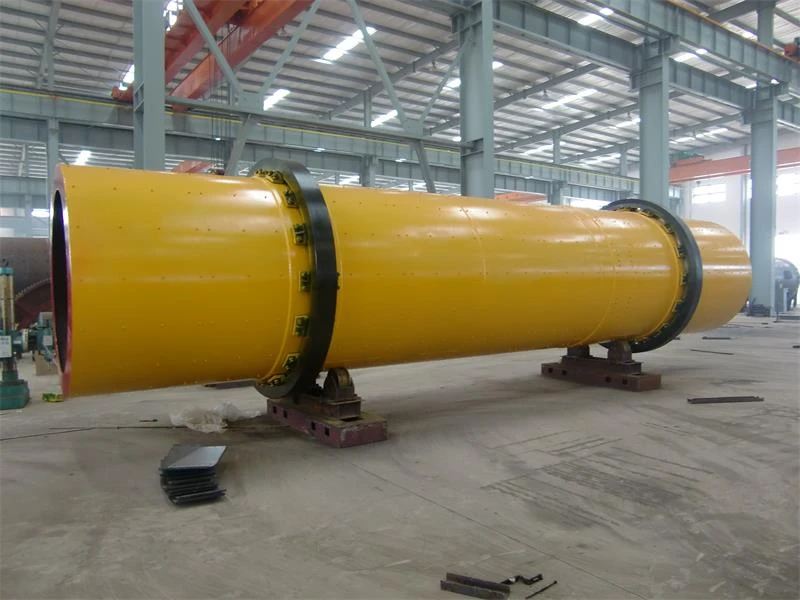
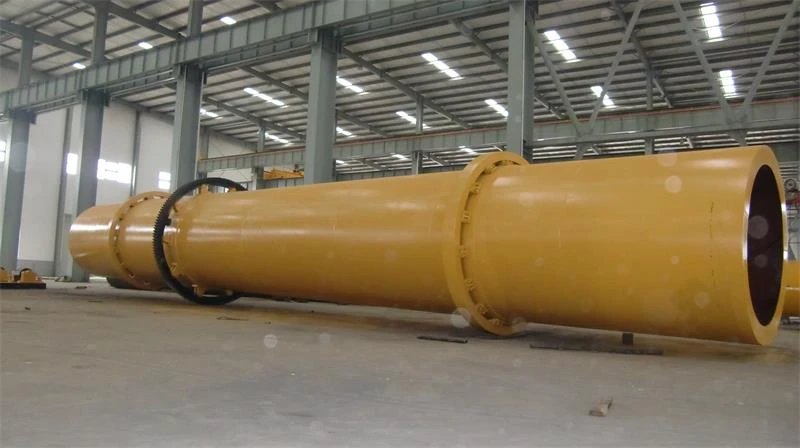
Why Dry Slag Before Further Processing?
Drying removes excess free and surface moisture from slag, improving its flowability during conveying, feeding, storage, and handling. This is especially important for wet or fine slag that can stick, build up, or cause unstable feeding. By bringing moisture to a controlled level, the drying process also helps reduce material agglomeration and makes the overall handling process more stable.
A controlled moisture level also improves downstream screening, crushing, grinding, and classification, while preparing slag for reuse in cement, GGBFS, concrete, road construction, and other applications. For example, reducing moisture from about 25–30% to below 13% can significantly improve the processing condition of wet slag, although the required final moisture should be determined by the specific downstream process.
Slag Dryer Working Principle and Structure
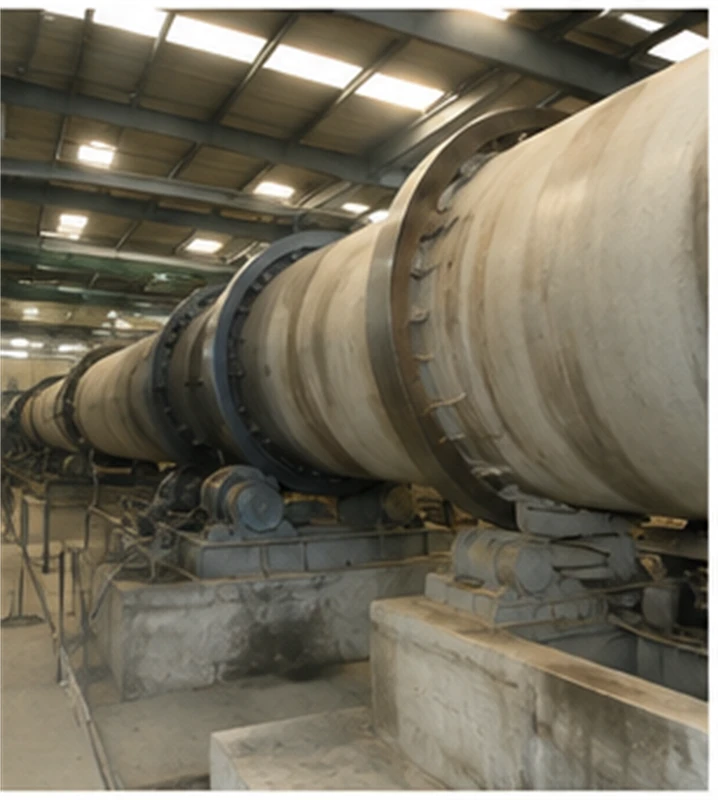
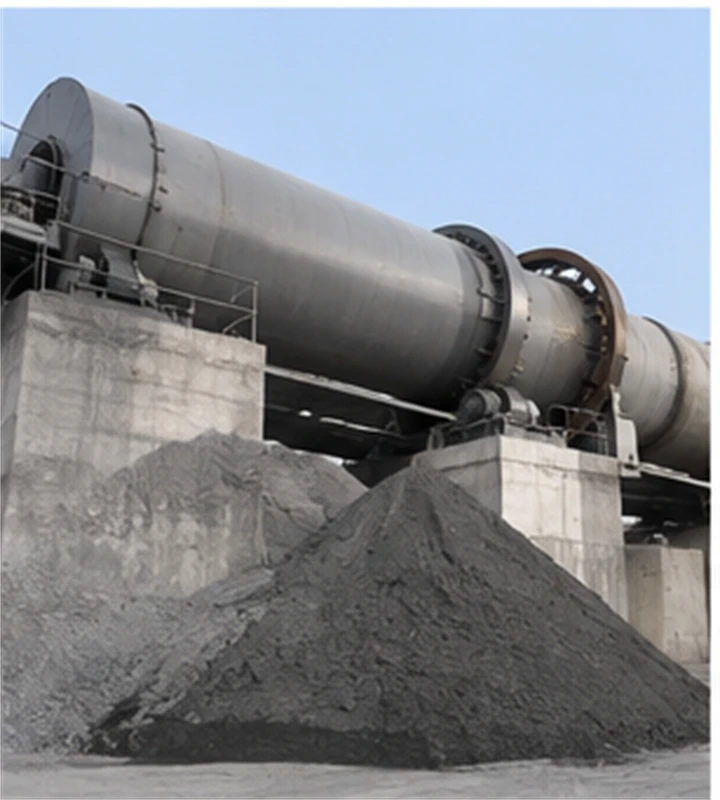
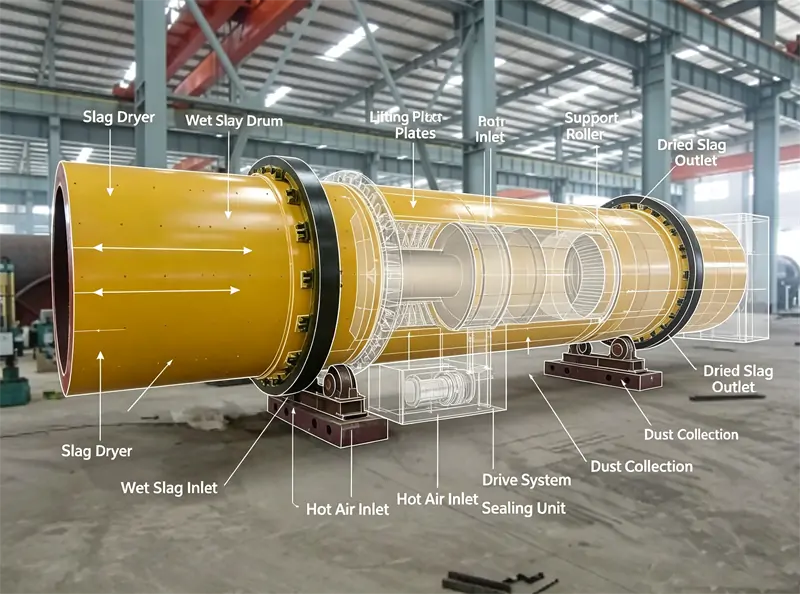
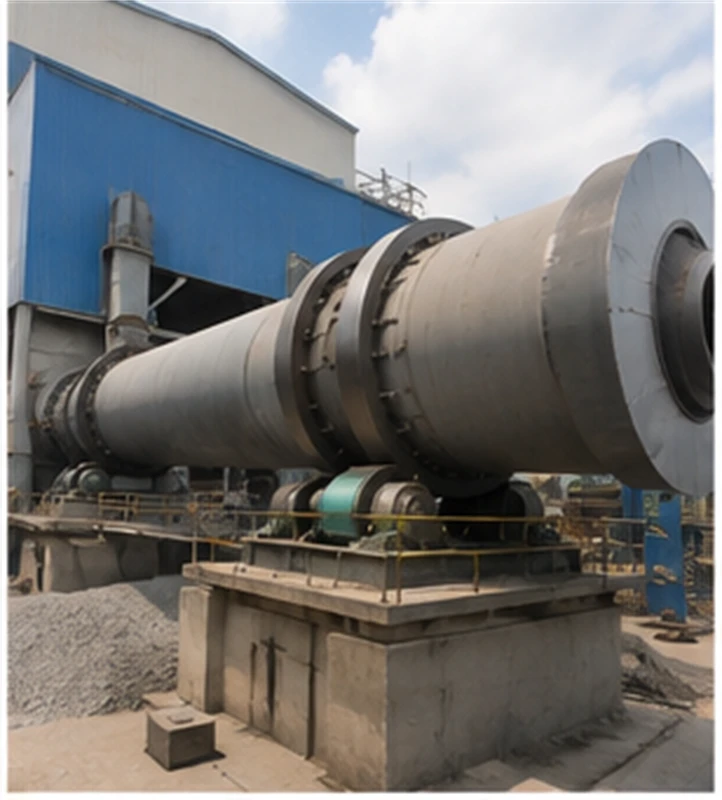
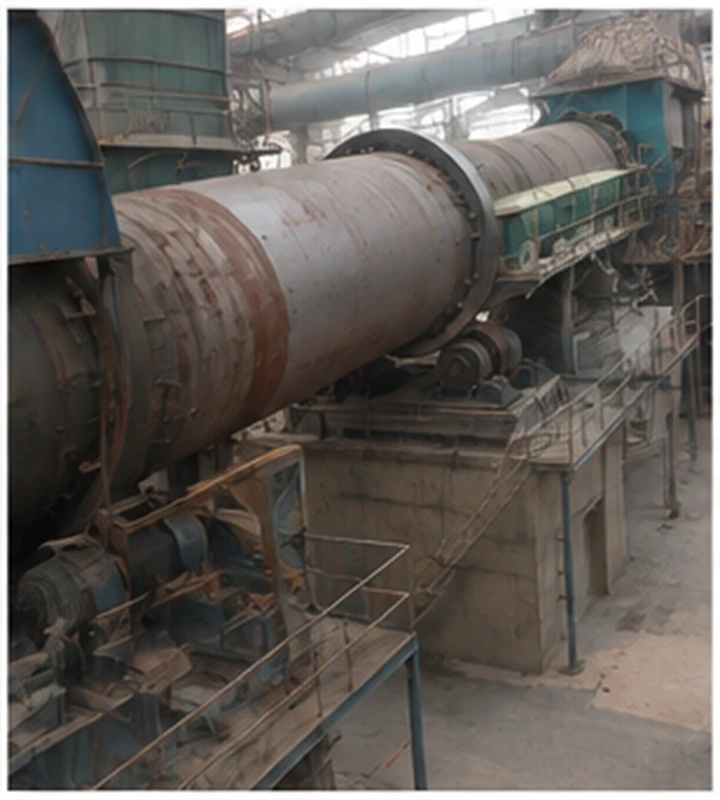
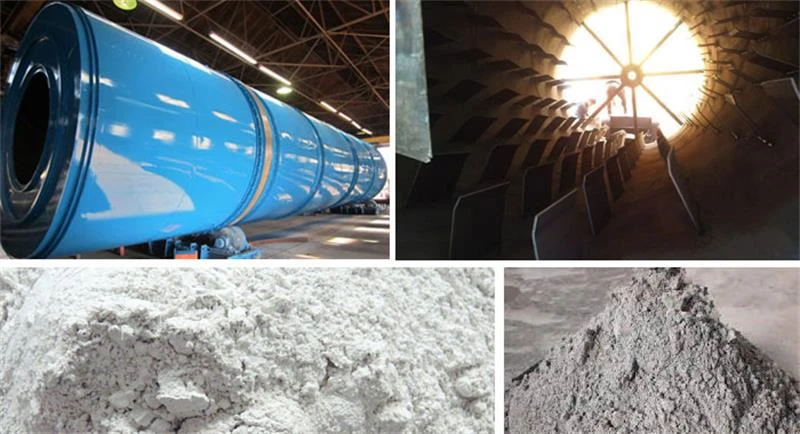
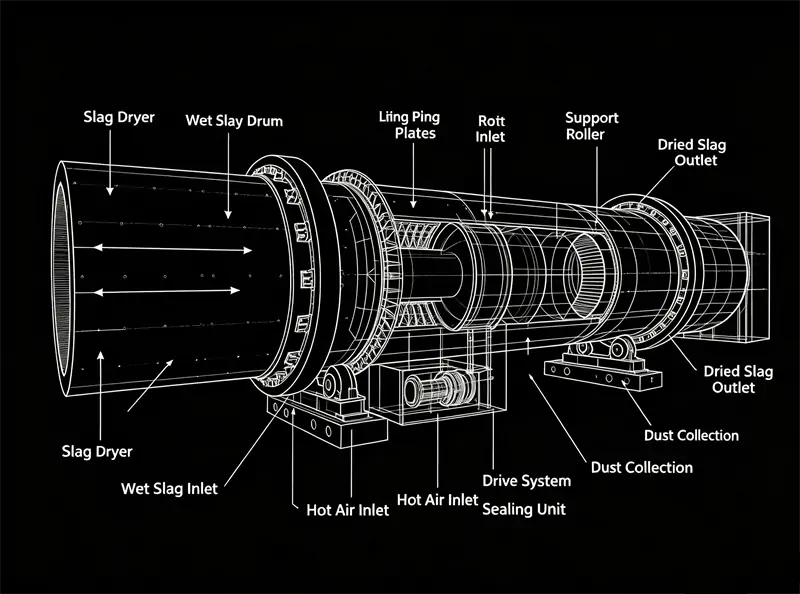
A Slag Dryer, also known as a Slag Drying Machine, is a heavy-duty rotary drying equipment designed to continuously reduce moisture in wet slag. The main structure includes a feeding system, rotary drum, lifting plates, cleaning device, drive and supporting system, sealing components, heat source, and dust collection system. The drum rotates continuously to lift and disperse slag while controlled hot air passes through the material, promoting efficient heat and mass transfer.
Feeding and Material Distribution
Wet slag enters the rotary drum through the feeding system and is evenly distributed inside the drying chamber. As the drum rotates, internal lifting plates repeatedly raise and scatter the material, increasing the contact area between slag and hot air. The drum, lifting plates, and cleaning device work together to maintain continuous material movement and reduce build-up when processing wet or sticky slag.
Heat Transfer and Moisture Removal
Hot air flows through the rotating material, transferring heat to the slag and evaporating its moisture. The lifting and dispersing action improves gas-solid contact, while the drum inclination and rotation speed control material residence time. For abrasive slag, wear-resistant liners or reinforced lifting components can be applied to high-wear areas to maintain reliable operation under continuous loads.
Discharge and Dust Collection
As the slag gradually reaches the required moisture level, it moves toward the discharge end and exits through the discharge system for screening, grinding, storage, or further recycling. Moist exhaust gas carrying fine particles is collected and treated by equipment such as cyclones or bag filters. Sealing components help limit hot-air leakage and dust escape, supporting stable thermal performance and cleaner operation.
Features of Slag Dryer
The Slag Dryer is designed for continuous moisture reduction in abrasive and often irregular slag materials. This industrial drying equipment focuses on controlling wear, improving material-to-air contact, and maintaining stable operation under changing feed conditions. Key components and operating parameters can be configured according to slag type, moisture content, particle size, throughput, and downstream requirements.
Slag Dryer Applications
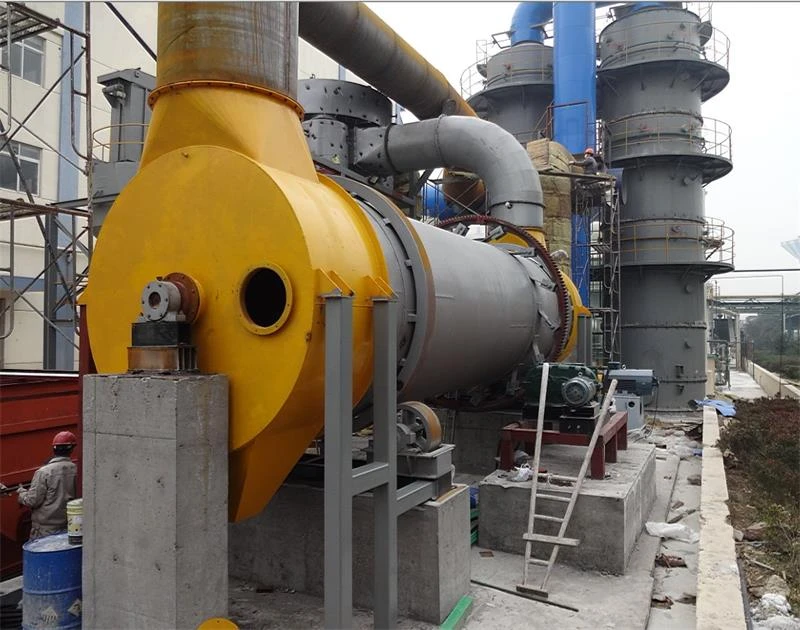
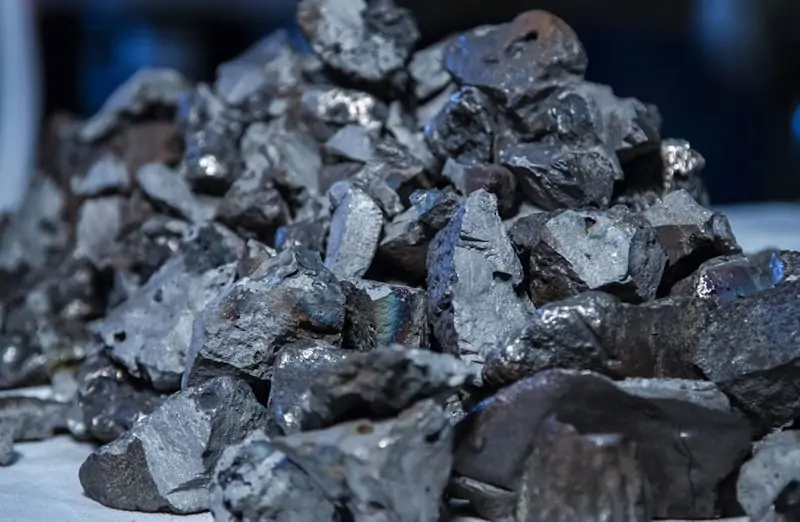
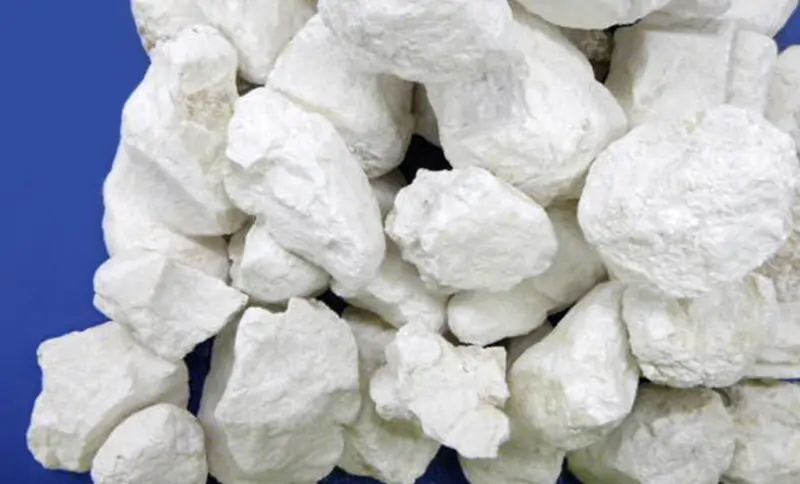
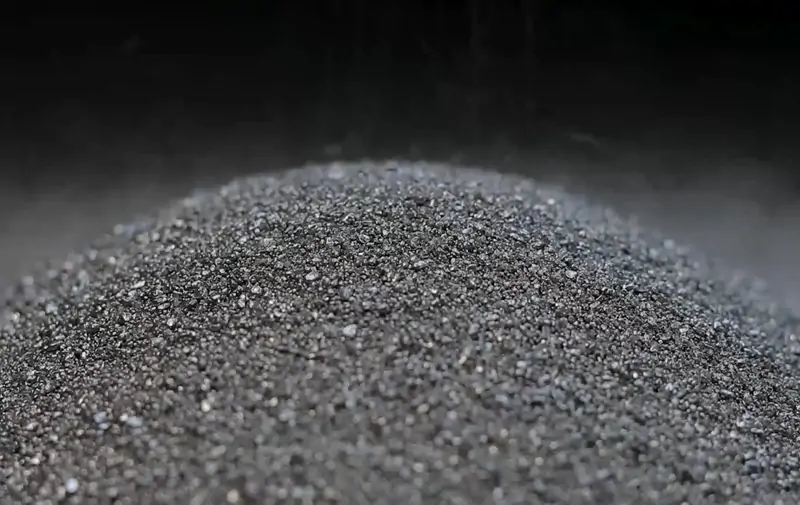
The Rotary Slag Dryer is used to remove excess moisture from slag before crushing, screening, grinding, storage, or reuse. Common feed materials include steel slag, granulated blast furnace slag, copper slag, and other metallurgical slags.
Slag Dryer Specifications
The following specifications cover common rotary slag dryer configurations. Drum size and motor power are selected according to required throughput, slag moisture, feed size, and drying conditions. Final specifications are confirmed during project design.
| Model | Drum Size (m × m) | Capacity (t/h) | Main Motor (kW) | Weight (t) |
| Φ1.5 × 14 | 1.5 × 14 | 5.3–6.6 | 15 | 19.7 |
| Φ2.2 × 14 | 2.2 × 14 | 11.4–14.2 | 22 | 36 |
| Φ2.4 × 18 | 2.4 × 18 | 17.4–21.7 | 37 | 49 |
| Φ3.0 × 25 | 3.0 × 25 | 37.7–47.1 | 75 | 95 |
| Φ3.6 × 28 | 3.6 × 28 | 60.8–76.0 | 160 | 135 |
Slag Dryer Capacity and Drying Performance
Slag Dryer capacity depends on the material and drying conditions, not drum size alone. Feed rate, initial moisture, target moisture, particle size, bulk density, heat supply, residence time, and airflow all affect throughput and moisture removal. We select the dryer size and operating parameters based on the actual slag and required drying duty.
What Determines Slag Dryer Capacity?
Capacity is mainly determined by wet feed rate and moisture evaporation load. Higher initial moisture or a lower target moisture requires greater heat input and longer effective drying time. Drum dimensions, lifting plate design, rotation speed, airflow, and heat supply are selected accordingly.
Why Does the Same Dryer Have Different Capacities?
The same Rotary Slag Dryer can deliver different capacities under different operating conditions. For example, a system processing 1,000 kg/h of wet slag at 40% initial moisture has a different drying duty from the same feed with lower moisture. Therefore, rated capacity should always be specified together with feed moisture, target moisture, particle size, and heat conditions.
Slag Dryer Price: Main Cost Factors
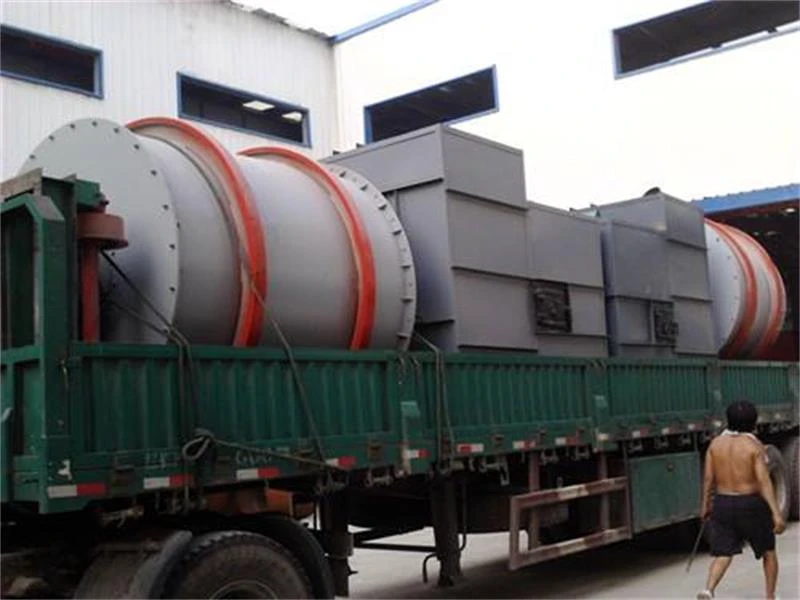
The price of a Rotary Slag Dryer is project-specific. It mainly depends on the required capacity, drum size, slag moisture, material characteristics, heat source, wear protection, and auxiliary equipment. We determine the dryer configuration from the actual drying duty rather than using one standard price for every application.
How to Extend the Service Life of a Slag Dryer?
Proper operation and preventive maintenance are important for extending the service life of a Slag Dryer, particularly when handling dense, abrasive, or wet slag. We recommend routine inspection of wear parts and transmission components, stable feeding, controlled drying conditions, and regular cleaning of the drum and dust collection system. Maintenance intervals should be adjusted according to operating hours, material characteristics, load, and the manufacturer’s recommendations.
| Maintenance Item | Key Points | Practice |
| Wear Parts | Lining, lifting plates, feed/discharge areas | Inspect and replace when worn |
| Bearings & Drive | Lubrication, temperature, noise, vibration | Check and lubricate regularly |
| Feeding | Feed size, moisture, feed rate | Avoid overload and blockage |
| Drying Conditions | Temperature, airflow, rotation | Keep operating conditions stable |
| Drum Cleaning | Slag build-up and sticking | Clean regularly |
| Dust Collection | Seals, ducts, cyclone, bag filter, fan | Check for blockage and leakage |
Regular maintenance helps prevent premature wear and unplanned downtime. For abrasive slag, timely replacement of wear parts, proper lubrication, and stable feeding are particularly important for maintaining drying performance and extending equipment service life.
Common Slag Dryer Problems and Solutions
Common problems with a Slag Dryer include feed blockage, high outlet moisture, material build-up, abnormal noise, excessive wear, and dust leakage. Most issues are related to feed conditions, heat and airflow, wear parts, or routine maintenance. We recommend checking the operating condition and material flow first, then inspecting the related mechanical or thermal components.
Feeding, Drying and Material Flow
Feed blockage is usually caused by excessive moisture, oversized slag, or uneven feeding. Keep the feed size and feed rate within the designed range and check the cleaning device when build-up occurs. If the final moisture is too high, check the feed rate, heat supply, airflow, and material residence time before changing the drying temperature. For sticky slag, improve material dispersion and clean accumulated material inside the drum.
Mechanical Wear, Noise and Dust
Abnormal noise commonly comes from worn bearings, gears, support rollers, or loose components. Excessive wear should be checked at the drum lining, lifting plates, feed section, and discharge section, especially when handling abrasive slag. Dust leakage may result from damaged seals, blocked ducts, poor airflow, or problems with the cyclone, bag filter, or fan. Regular inspection of these components helps prevent minor faults from developing into unplanned shutdowns.
How to Choose the Right Slag Dryer?
Choosing the right Slag Dryer starts with the material and required drying duty. Confirm the slag type, initial moisture, target moisture, feed size, bulk density, throughput, and abrasiveness before selecting the model. These factors determine drum size, heat input, residence time, lifting design, and wear protection. We size the Slag Drying Machine according to the actual feed and moisture removal requirement, not capacity alone.
The complete system should also match the plant conditions, including heat source, feeding, conveying, dust collection, and electrical control. Abrasive slag may require reinforced wear protection, while wet or sticky material needs suitable feeding and cleaning arrangements. A suitable Slag Drying Equipment should meet the required drying result and operating conditions while allowing practical maintenance and reliable long-term operation.
Complete Slag Drying Process
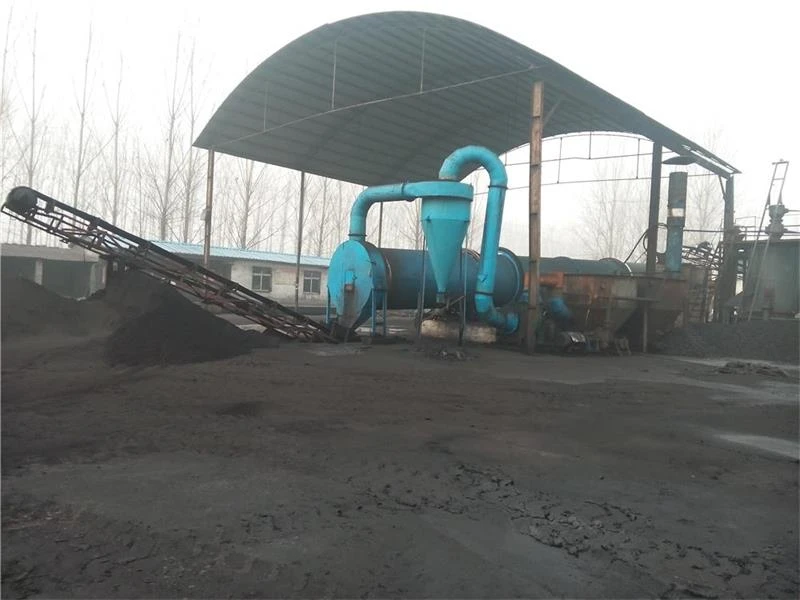
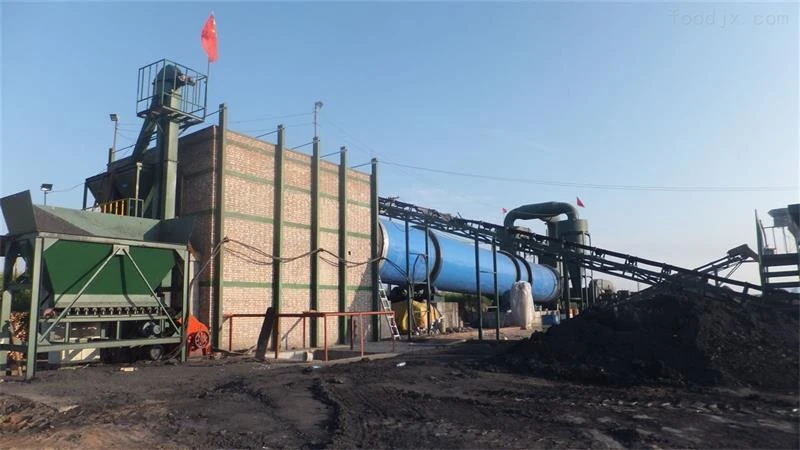
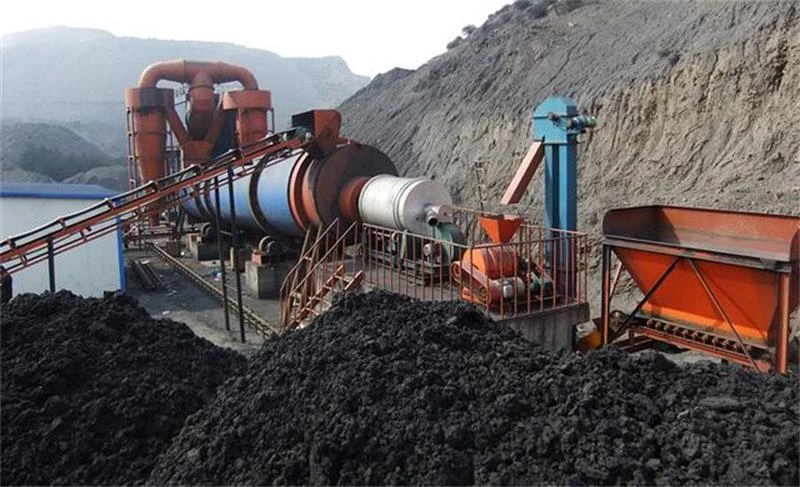
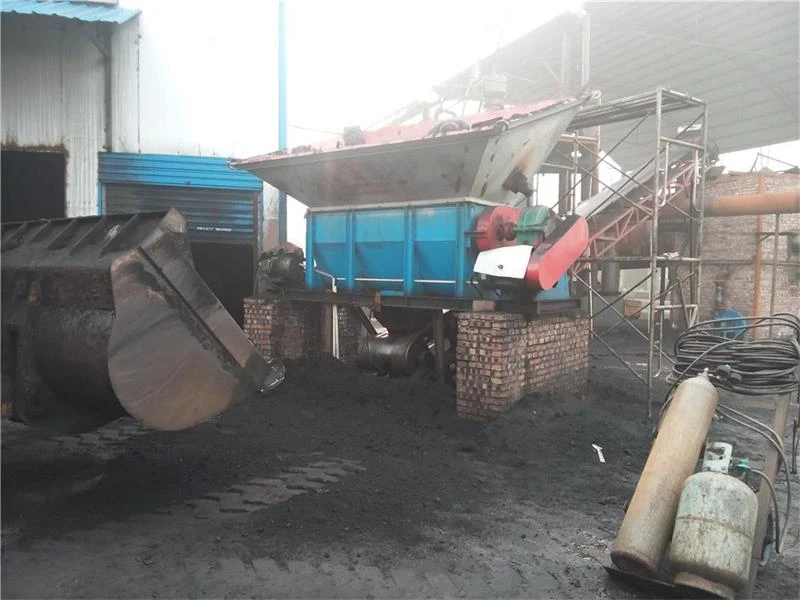
The Slag Dryer is the core equipment in the drying line. Wet slag is delivered through the feeding system into the rotary drum, where lifting plates continuously turn and disperse the material while controlled hot air removes moisture. After drying, the material is discharged and conveyed to the next process, while moisture-laden exhaust gas is treated through the dust collection system. The drying process can be arranged for different slag moisture levels, feed capacities, and final moisture requirements.
A typical line is arranged as Feeding → Slag Dryer → Dust Collection → Discharge & Conveying → Further Processing. We can integrate the drying system with suitable thermal equipment according to the available energy source and process requirements, including Vertical Preheater, Indirect Heating Rotary Kiln, and Secondary Combustion Chamber. The final configuration is determined by the heat requirement, slag characteristics, plant layout, and downstream process.
Why Choose Zhongyi Slag Dryer?
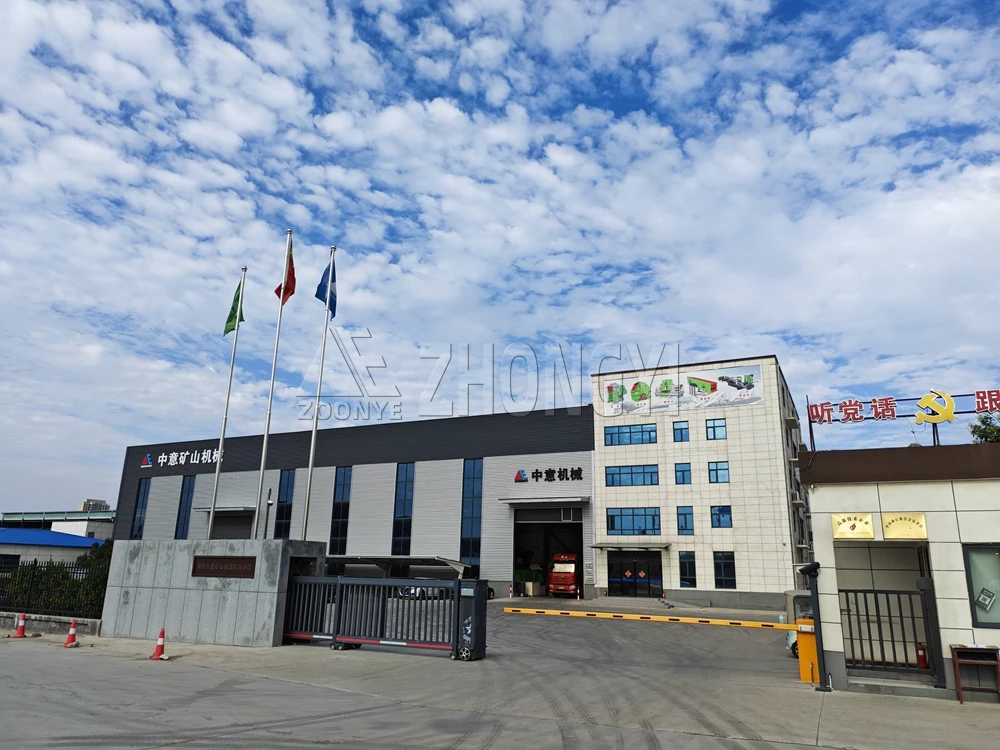
Zhongyi Machinery manufactures and supplies drying equipment for mining, metallurgy, construction materials, chemical engineering, and environmental applications. Our factory covers more than 40,000 m² and is equipped with 60+ sets of processing equipment, supporting equipment manufacturing, process design, installation, and commissioning. For slag drying projects, we select the dryer configuration according to material condition, required capacity, moisture reduction, and plant layout rather than using a fixed standard configuration.
Our service covers the main stages of a project, from equipment selection and process design to manufacturing, installation, commissioning, and after-sales support. The company has more than 16 years of manufacturing experience and has supplied equipment to steel mills, mining companies, and other industrial plants. Quality management includes ISO9001 certification, factory inspection, and controlled manufacturing processes to ensure that the delivered Slag Drying Equipment matches the specified operating requirements.
Request a Customized Solution
Partner with Zhongyi for a Slag Dryer engineered for continuous moisture reduction, stable material handling, and reliable operation in metallurgical and industrial slag processing applications.
Custom Slag Drying Solutions
Every slag drying project has different requirements for material type, feed moisture, capacity, target moisture, heat source, and plant layout. Send us your slag type, processing capacity, initial moisture, feed size, and required final moisture, and our engineers can recommend a suitable Slag Dryer and supporting equipment. Where slag drying is part of a wider mineral processing project, the drying unit can also be integrated into our Gold Mine Processing Plant Solutions and related process equipment. Contact Zhongyi for equipment selection, process design, and a project-based quotation.
Please Provide the Following Information:
FAQs
What is a Slag Dryer used for?
A Slag Dryer is used to reduce excess moisture in steel slag, blast furnace slag, copper slag, and other metallurgical residues before crushing, screening, grinding, storage, or reuse. It provides continuous drying through controlled hot-air flow and material movement inside the rotary drum. The equipment is sized according to feed capacity, moisture content, particle size, heat supply, and required final moisture.
How does a Slag Dryer work?
A Rotary Slag Dryer removes moisture through direct contact between wet slag and controlled hot air. The material enters the rotating drum and is repeatedly lifted and dispersed by internal lifting plates, increasing the contact area for heat transfer. As the slag moves through the drum, moisture evaporates and leaves with the exhaust gas, while the dried material is discharged for further processing.
What types of slag can a Slag Dryer process?
The Slag Drying Machine can process steel slag, granulated blast furnace slag, copper slag, and other suitable metallurgical slags. Because different materials vary in moisture, particle size, bulk density, abrasiveness, and stickiness, the dryer configuration is not the same for every application. Wear protection, feeding design, lifting arrangement, airflow, and drying parameters should be selected according to the actual slag condition.
How much does a Slag Dryer cost?
Slag Dryer price depends on capacity, drum size, initial and final moisture, slag characteristics, wear protection, heat source, dust collection, and auxiliary equipment. A standalone dryer and a complete drying line can have very different costs. We normally determine the required equipment configuration from the material and drying duty first, then prepare a quotation based on the actual project scope.
What determines Slag Dryer capacity?
Slag Dryer capacity depends on wet feed rate and the amount of moisture that must be removed. Initial moisture, target moisture, particle size, bulk density, heat input, airflow, and residence time all affect actual throughput. For example, a dryer processing high-moisture slag has a greater evaporation load than the same machine handling drier material. Capacity should therefore be specified together with the main drying conditions.
What heat source and dust collection system are required?
A Slag Drying Equipment system can use natural gas, biomass, coal, fuel oil, or suitable waste heat, depending on site conditions and operating costs. The heat source should be matched with the required evaporation load and airflow. Exhaust gas normally passes through a cyclone, bag filter, or other dust collection equipment selected according to gas volume, temperature, and dust characteristics.
How can I extend the service life of a Slag Dryer?
Service life is strongly affected by slag abrasiveness, feeding conditions, lubrication, operating temperature, and maintenance. Regularly inspect the drum lining, lifting plates, bearings, gears, support rollers, and feed and discharge sections. Keep the feed size and rate stable, avoid severe overload, maintain proper lubrication, and remove material build-up and dust before they affect equipment operation or heat transfer.
How do I choose the right Slag Dryer?
Start with five basic data: slag type, feed capacity, initial moisture, target moisture, and feed size. Also confirm bulk density, abrasiveness, stickiness, available heat source, and dust-control requirements. These conditions determine the dryer size, internal lifting arrangement, wear protection, heat requirement, and auxiliary equipment. We select the Slag Drying Machine according to the complete drying duty rather than capacity alone.