What Is a Cement Rotary Kiln?
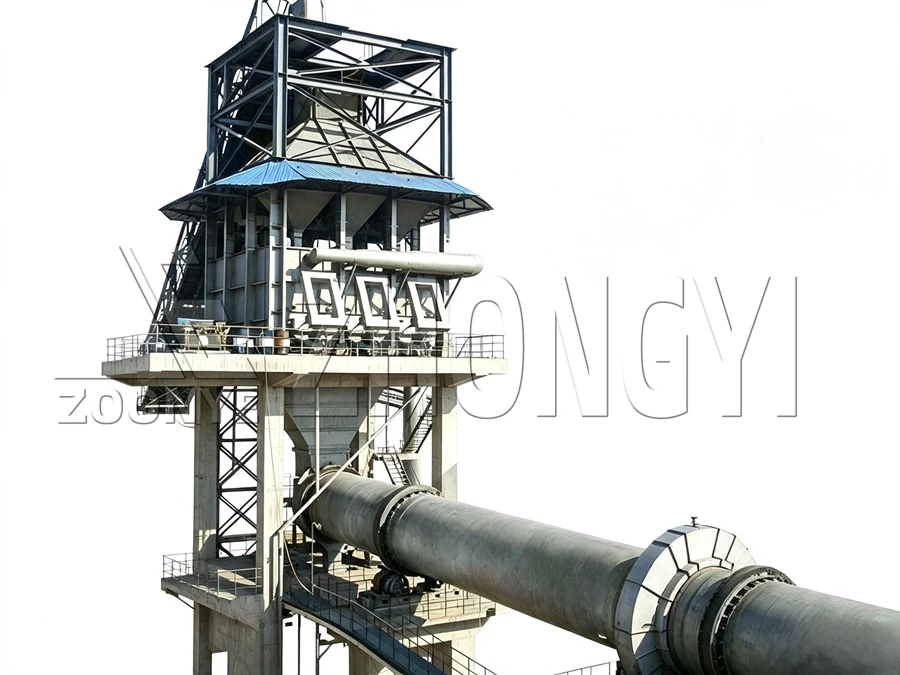
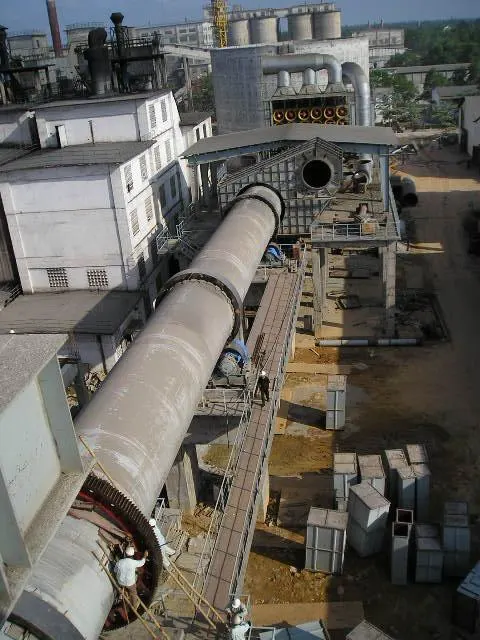
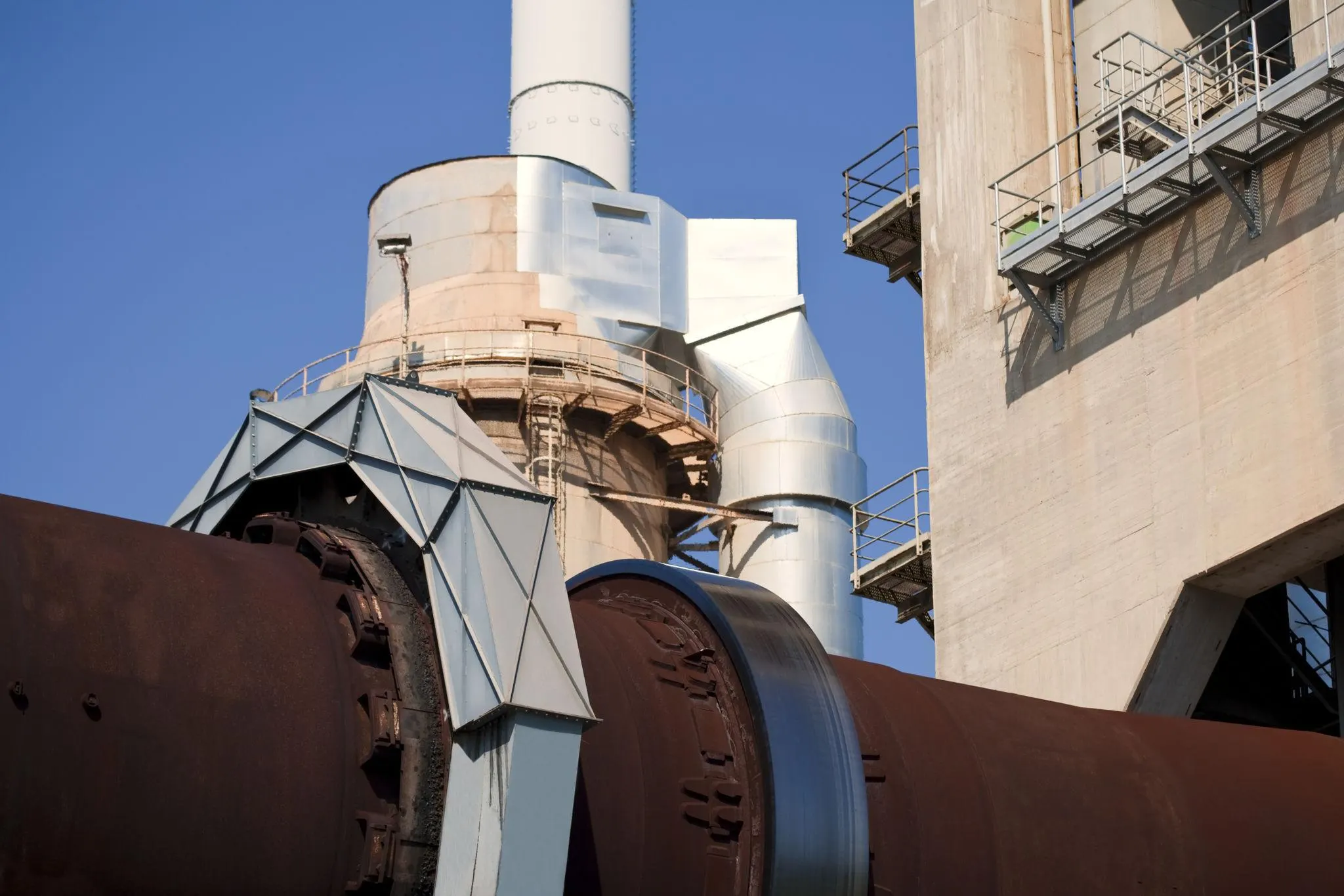
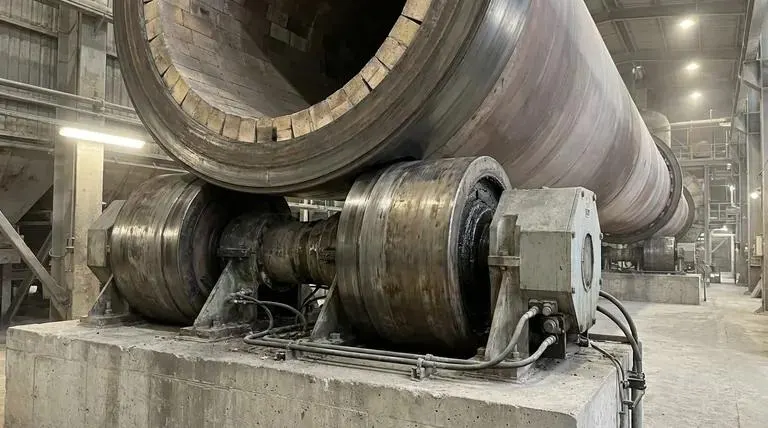
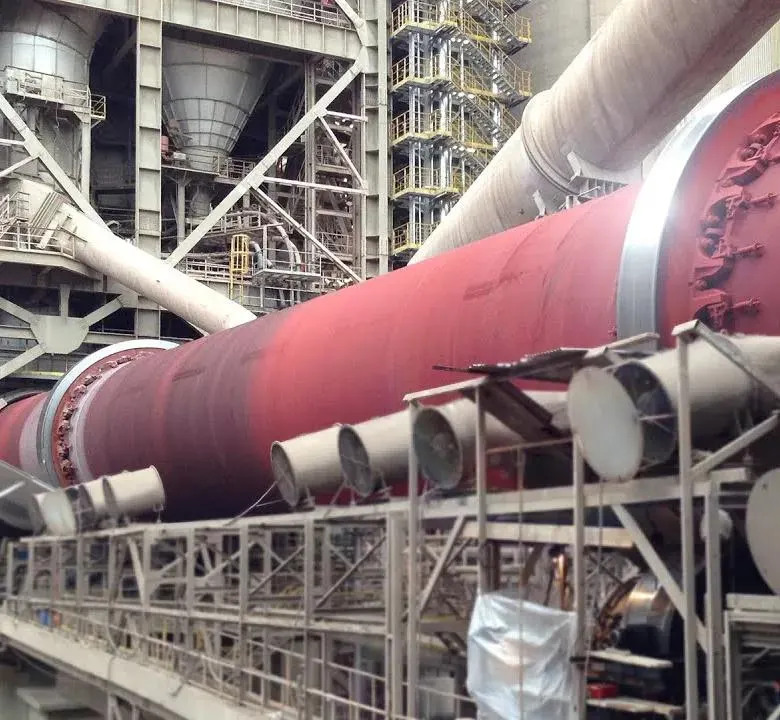
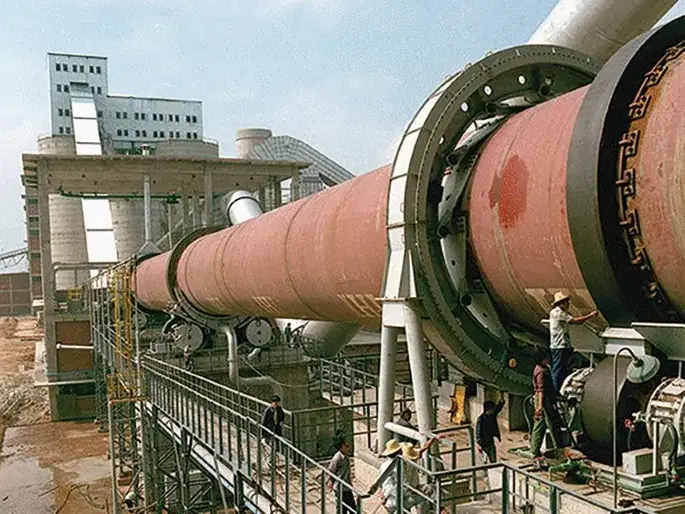
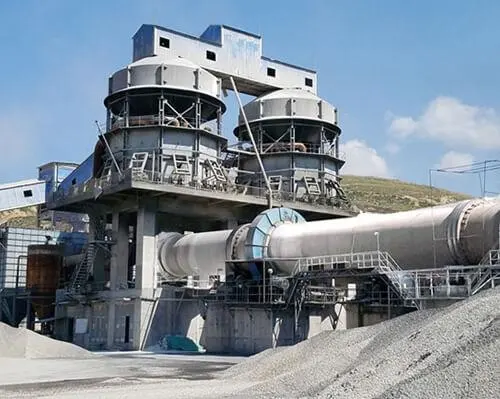
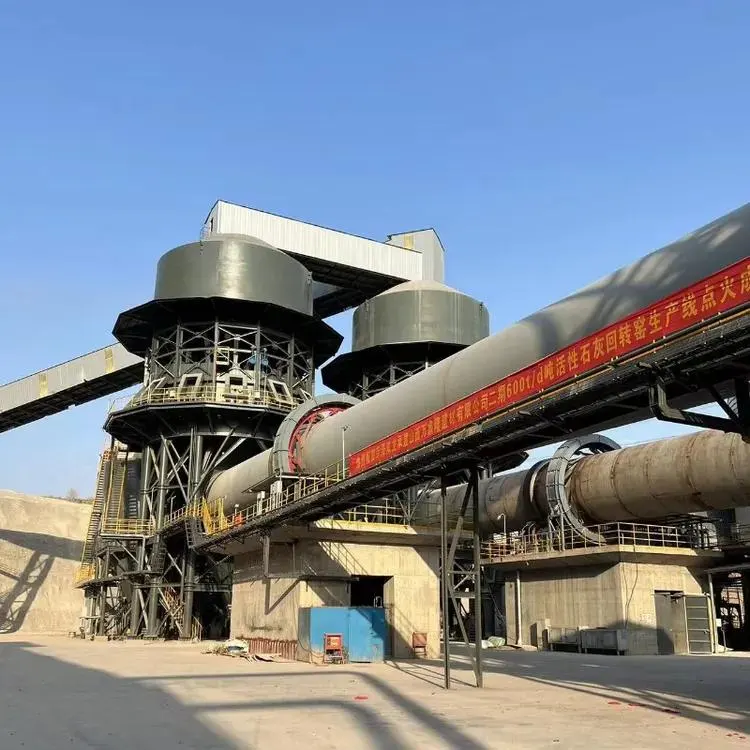
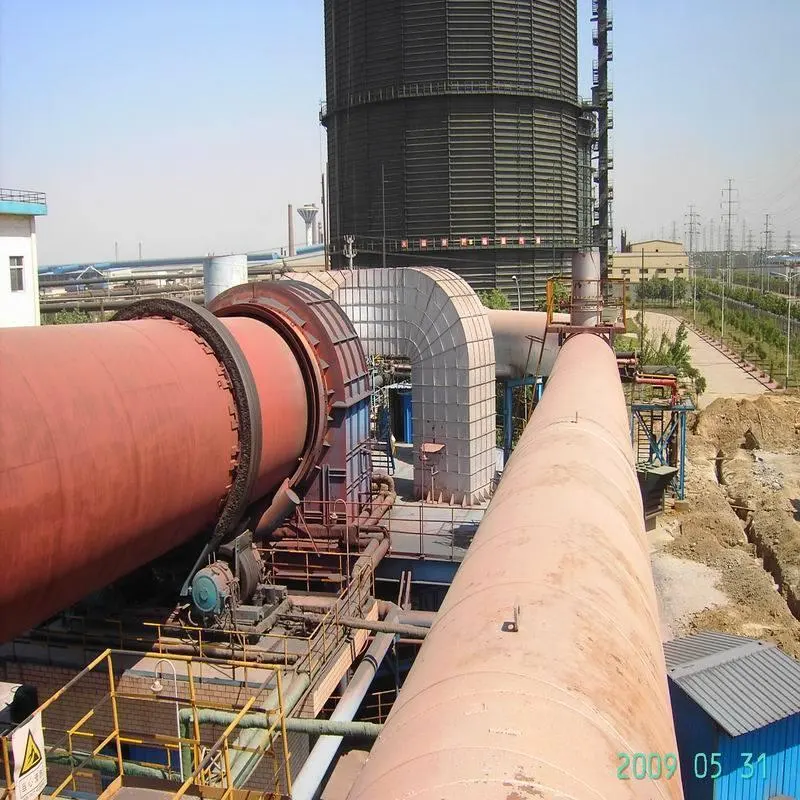
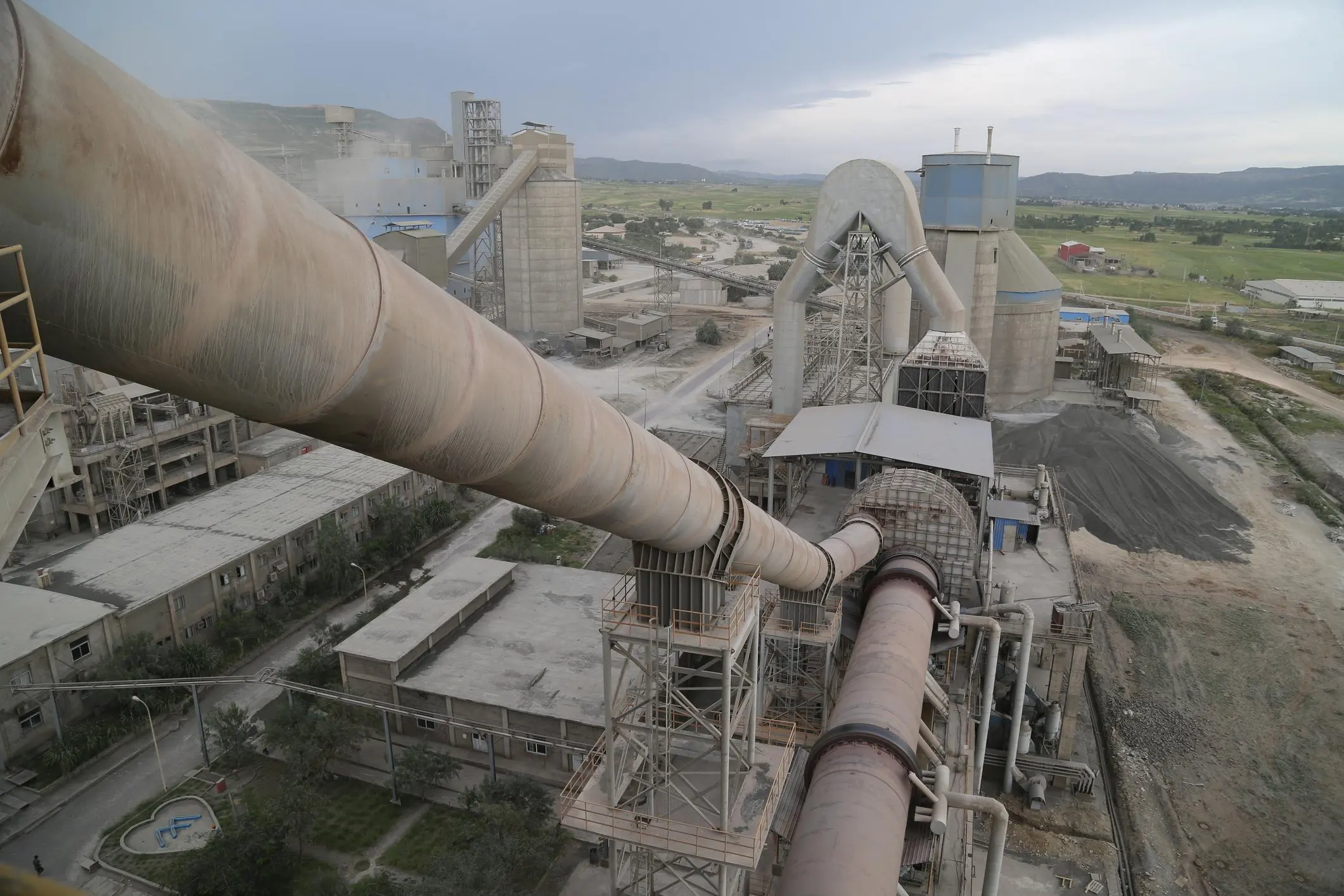
A cement rotary kiln is a long, slightly inclined steel cylinder used to heat cement raw meal until clinker minerals form. In a cement plant, it normally sits after raw meal preparation and preheating, and before clinker cooling and cement grinding. In lime and metallurgy projects, the same rotary kiln principle is used for limestone decomposition, mineral roasting, or thermal treatment.
The kiln diameters range from about 2.5 m to 5.2 m, with lengths from 40 m to 78 m depending on capacity, fuel type, and process route. Capacity may range from small 180 t/d lines to larger 2,200 t/d systems. Burning quality is affected by raw material chemistry, feed size, kiln slope, rotational speed, flame shape, and refractory lining condition.
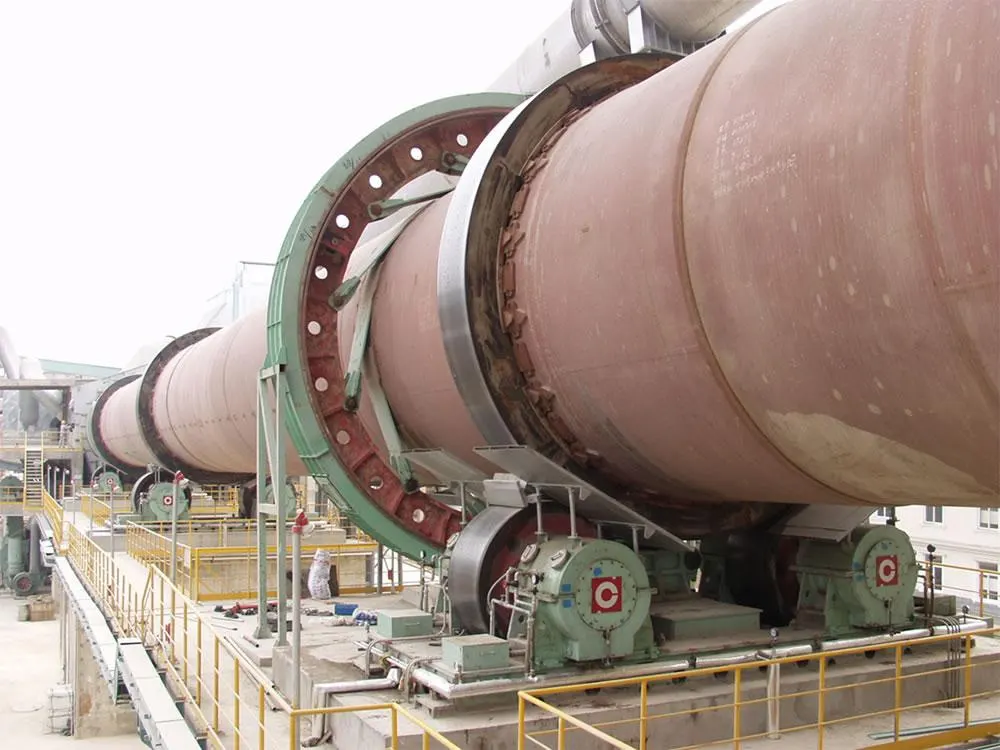
Types of Cement Rotary Kiln
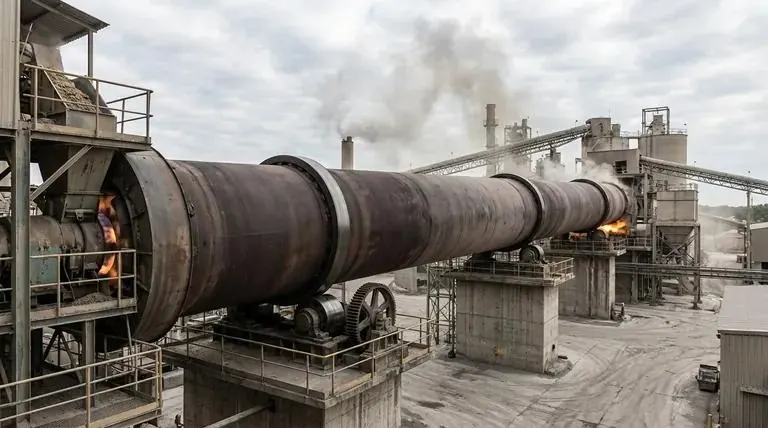
Zhongyi supplies cement rotary kilns for different clinker production requirements, from small-capacity plants to large-scale cement production lines. Rotary kiln type and configuration are determined by production capacity, process route, raw material properties, fuel type, and plant layout. The complete system can be supplied as a standalone kiln or integrated with preheating, cooling, conveying, and control equipment.
Dry Process Cement Rotary Kiln
Dry process rotary kilns are used in modern cement plants where dry raw meal is preheated and partially calcined before entering the kiln. Compared with wet-process systems, they require less fuel and are the preferred choice for new clinker production lines.
- Capacity: 1,000–10,000 TPD
- Kiln Diameter: 3.5–6.5 m
- Kiln Length: 50–95 m
- Fuel: Coal, petcoke, natural gas, RDF
- Application: New dry-process cement plants
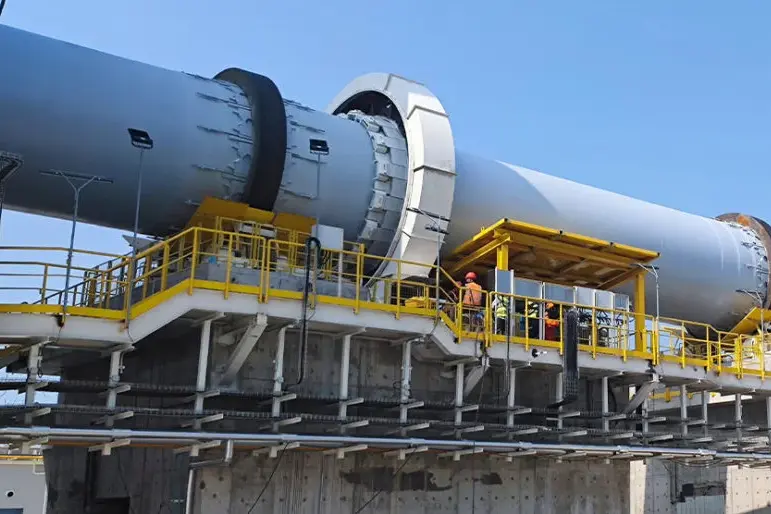
Wet Process Rotary Kiln
Wet process rotary kilns process raw materials in slurry form and are mainly used where raw material conditions or existing production lines require wet grinding. Although less common in new plants, they remain suitable for some renovation and specialty cement projects.
- Capacity: 200–3,000 TPD
- Kiln Diameter: 2.5–5.0 m
- Kiln Length: 60–180 m
- Feed Material: Raw slurry
- Application: Wet-process cement plants
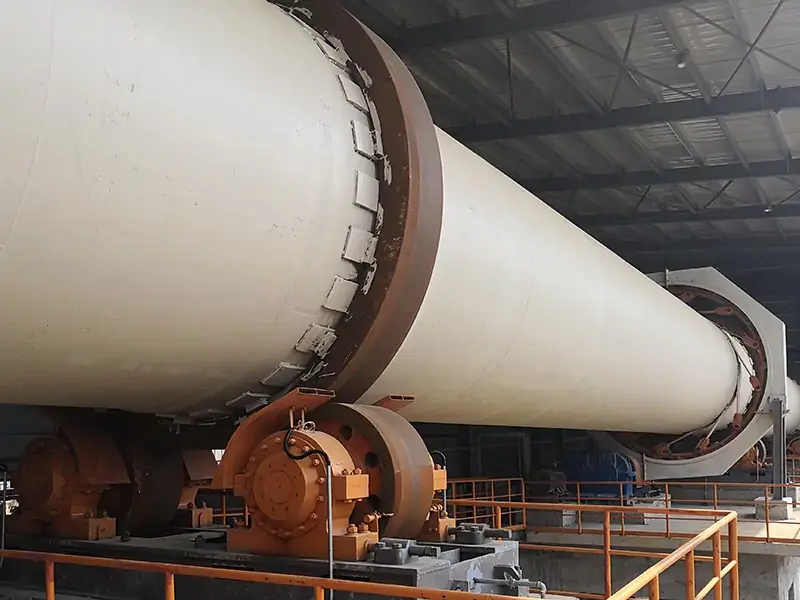
Small Cement Rotary Kiln
Small cement rotary kilns are designed for mini cement plants, pilot production, and laboratory-scale projects. Their compact structure and lower installation requirements make them suitable for clinker production where output demand is relatively small.
- Capacity: 50–500 TPD
- Kiln Diameter: 1.8–3.0 m
- Kiln Length: 30–55 m
- Operating Temperature: Up to 1,450°C
- Application: Mini cement plants and pilot lines
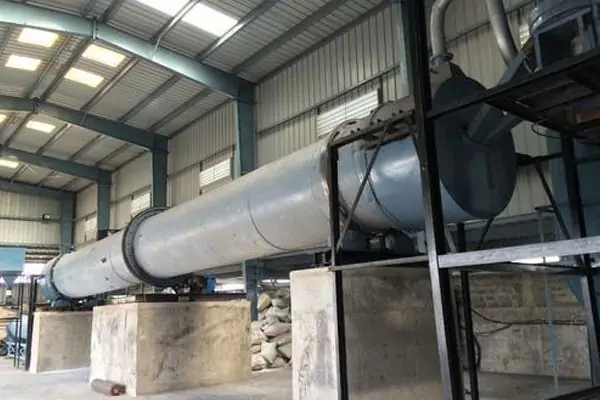
Large Cement Rotary Kiln
Large cement rotary kilns are used in continuous clinker production lines with high daily output. They are typically installed together with multi-stage preheaters, precalciners, and grate coolers to improve thermal efficiency and maintain stable clinker quality.
- Capacity: 1,000–10,000 TPD
- Kiln Diameter: 4.0–6.5 m
- Kiln Length: 60–95 m
- Operating Temperature: Up to 1,450°C
- Application: Large integrated cement plants
Cement Rotary Kiln Working Principle
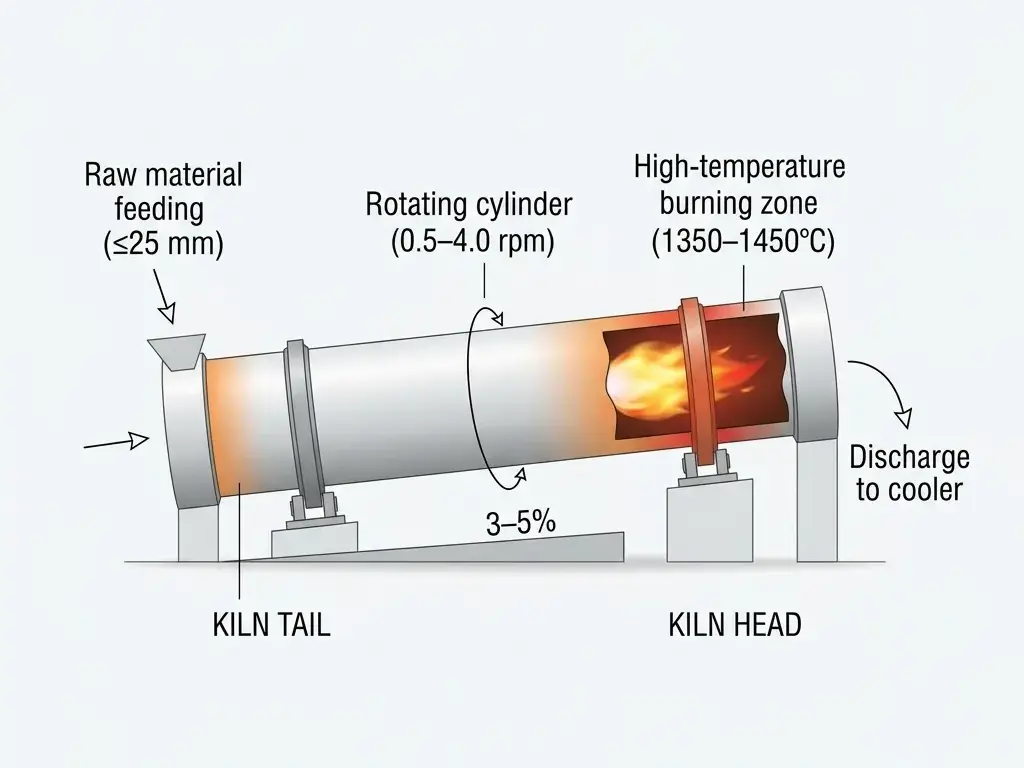
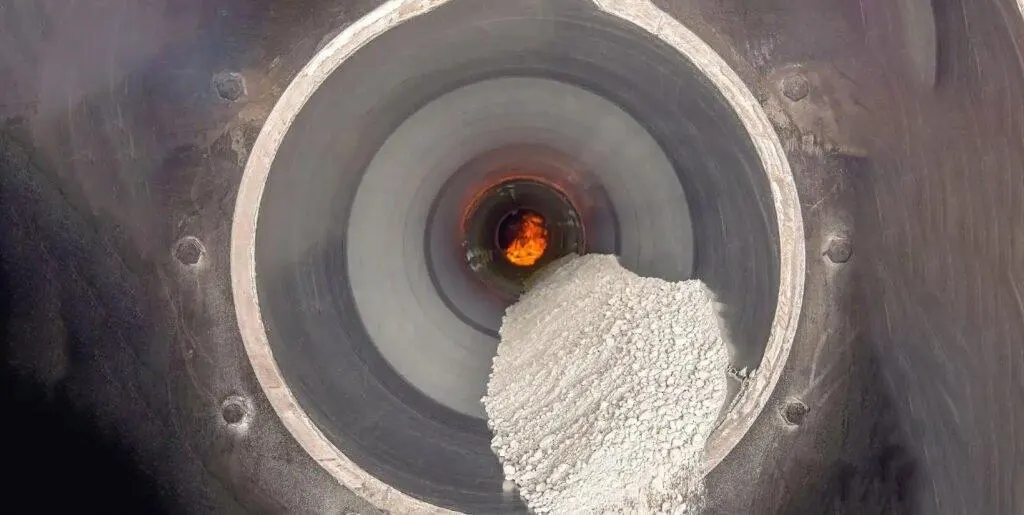
A cement rotary kiln works by rotating an inclined cylinder while fuel combustion and process gas heat the moving material bed. The kiln combines mechanical conveying, high-temperature heat transfer, and controlled chemical reaction in one continuous process. Compared with static shaft kilns, it gives better control of residence time and burning zone temperature.
The process flow is as follows:
- raw meal or limestone enters from the kiln tail at <=25 mm
- the cylinder rotates at about 0.5-4.0 rpm and moves material forward along a 3%-5% slope
- burner flame heats the burning zone to about 1,350-1,450°C for clinker or 900-1,100°C for lime
- finished clinker or lime discharges to the cooler for temperature reduction.
Specifications
| Model | Feeding Size | Discharge Size | Capacity | Motor Power | Kiln Diameter x Length | Rotary Speed |
| Phi2.5×40 m | <=25 mm | 5-40 mm | 180-300 t/d | 55 kW | 2.5 x 40 m | 0.6-3.0 rpm |
| Phi3.0x48 m | <=25 mm | 5-40 mm | 320-520 t/d | 90 kW | 3.0 x 48 m | 0.5-3.2 rpm |
| Phi3.5×54 m | <=25 mm | 5-40 mm | 650-850 t/d | 160 kW | 3.5 x 54 m | 0.4-3.5 rpm |
| Phi4.0x60 m | <=25 mm | 5-40 mm | 900-1,200 t/d | 250 kW | 4.0 x 60 m | 0.4-3.8 rpm |
| Phi4.3×64 m | <=25 mm | 5-40 mm | 1,300-1,600 t/d | 315 kW | 4.3 x 64 m | 0.35-3.6 rpm |
| Phi4.8×72 m | <=25 mm | 5-40 mm | 1,800-2,200 t/d | 500 kW | 4.8 x 72 m | 0.3-3.2 rpm |
Complete Cement Production Line Configuration
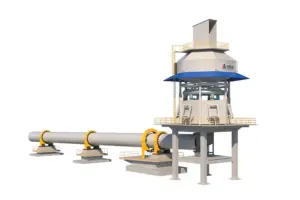
A complete cement production line consists of raw material preparation, clinker production, cement grinding, material handling, and plant control systems. Equipment is selected and configured according to plant capacity, raw material characteristics, fuel type, and process requirements to ensure stable clinker production and efficient plant operation.
| Equipment | Function |
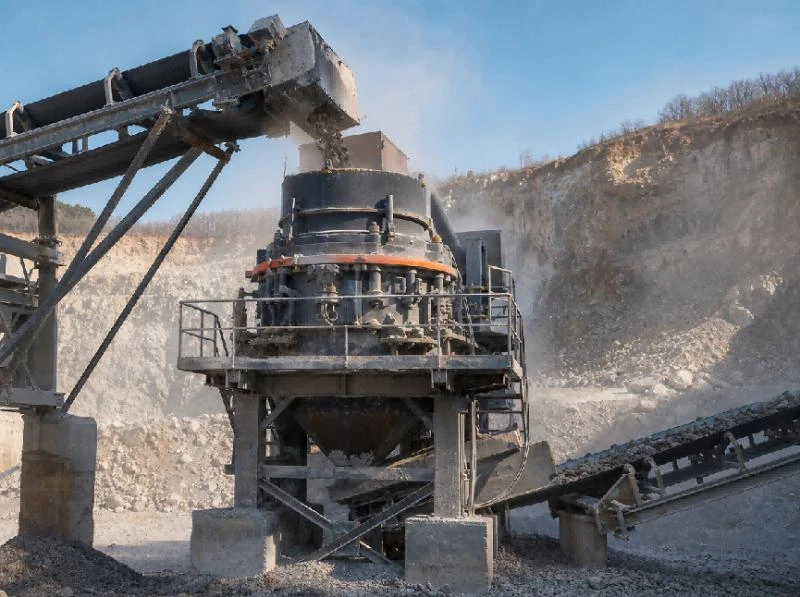
| Raw Material Crusher | Reduces limestone and other raw materials to the required feed size for grinding. |
| Vertical Roller Mill | Grinds and dries raw materials into fine raw meal with consistent composition. |
| Cyclone Preheater | Recovers waste heat to preheat raw meal before it enters the kiln, reducing fuel consumption. |
| Calciner | Completes most of the limestone calcination before the material enters the rotary kiln. |
| Cement Rotary Kiln | Sinters the calcined raw meal into cement clinker at temperatures up to 1,450°C. |
| Clinker Cooler | Rapidly cools hot clinker and recovers heat for reuse in the production process. |
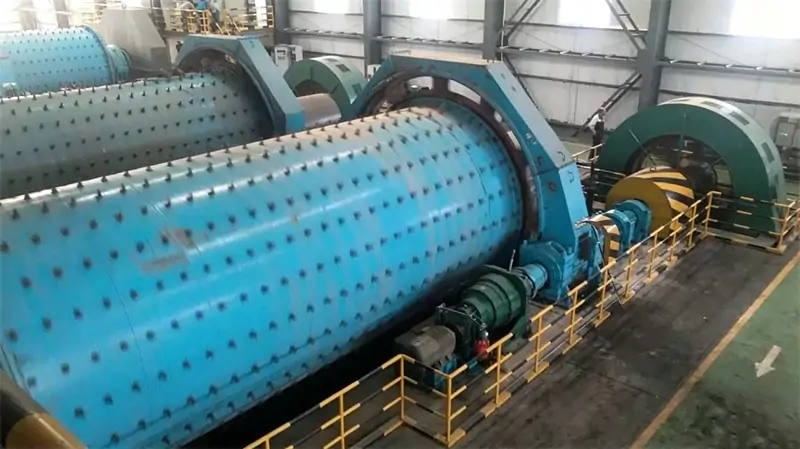
| Cement Mill | Grinds clinker with gypsum and other additives into finished cement. |
| Packing System | Automatically bags or loads finished cement for storage and transportation. |
| Dust Collection System | Captures dust generated throughout the production process to meet environmental standards. |
| PLC Control System | Monitors and controls the complete production line for stable and continuous operation. |
Materials Suitable
Cement rotary kilns are designed to process calcareous, siliceous, aluminous, and ferruginous raw materials used in clinker production. They can handle materials with different chemical compositions and moisture levels after proper crushing, grinding, and proportioning.
Limestone
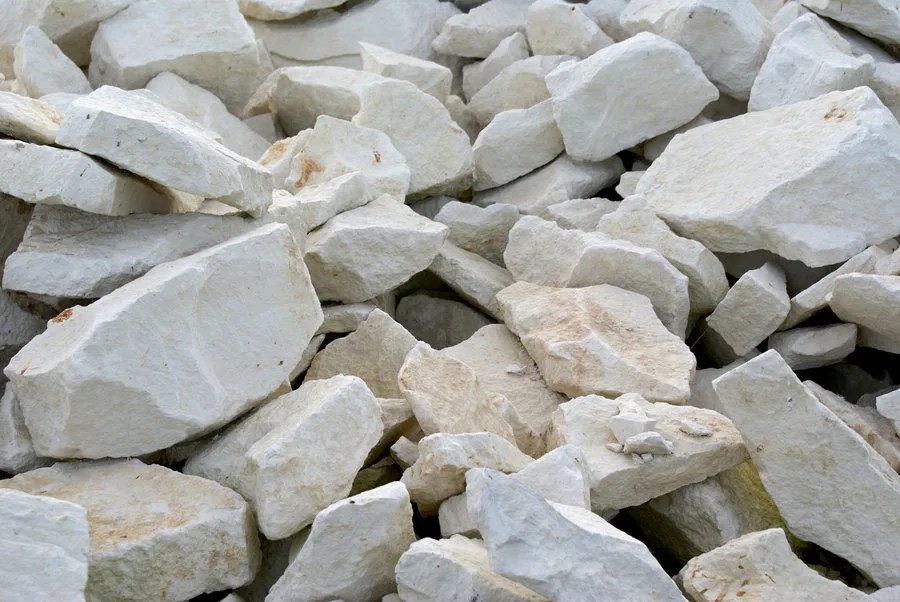
Primary source of calcium carbonate and the main raw material for clinker production.
Clay
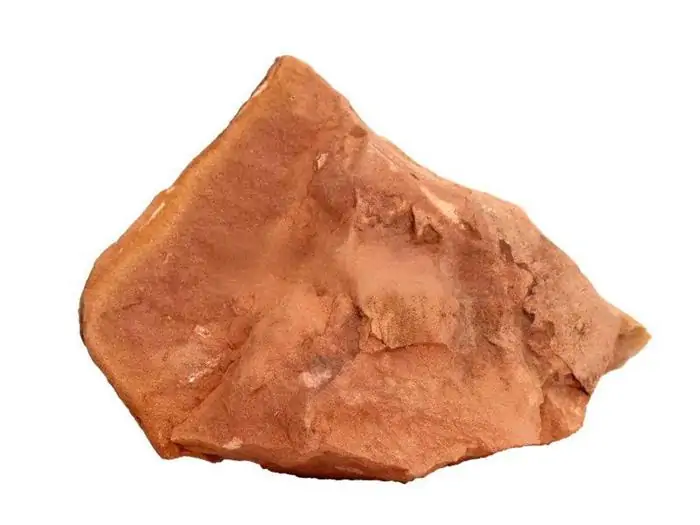
Provides silica and alumina to achieve the required raw meal composition.
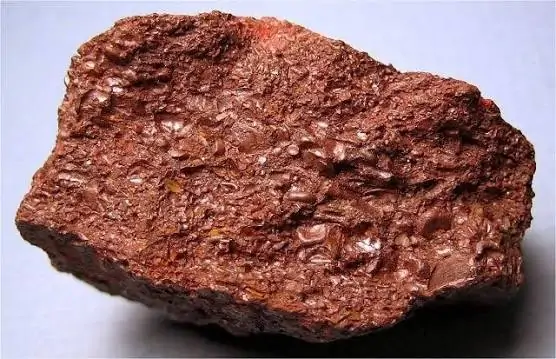
Iron Ore
Supplies iron oxide to balance the chemical composition of cement clinker.
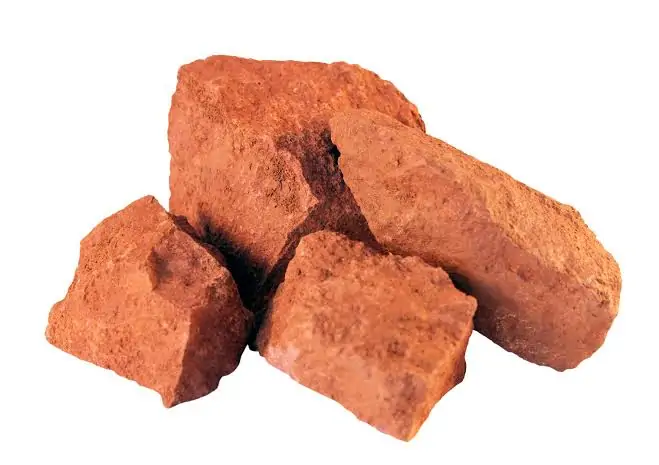
Bauxite
Adds alumina for high-alumina cement and clinker composition adjustment.
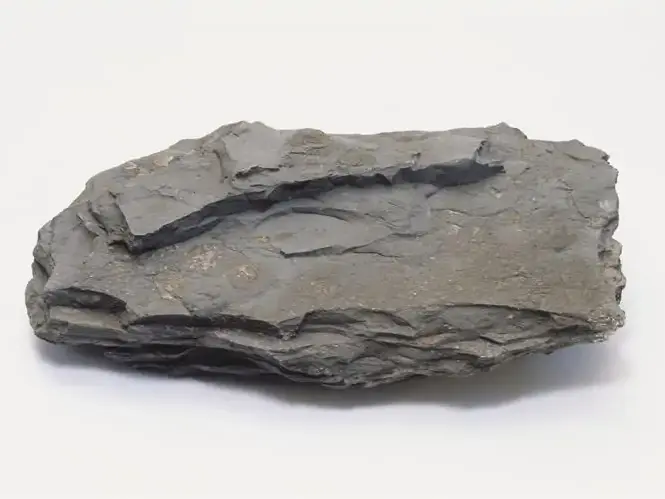
Shale
Used as an alternative source of silica, alumina, and iron oxides.
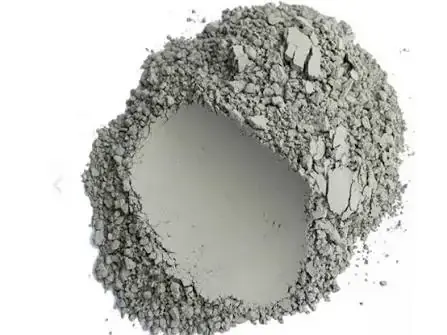
Fly Ash
Utilized as a supplementary raw material to improve resource utilization and reduce raw material consumption.
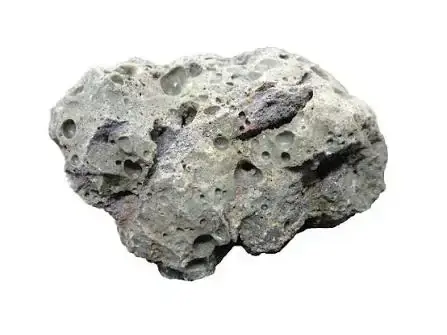
Slag
Recycled industrial by-product used in clinker production or blended cement manufacturing.
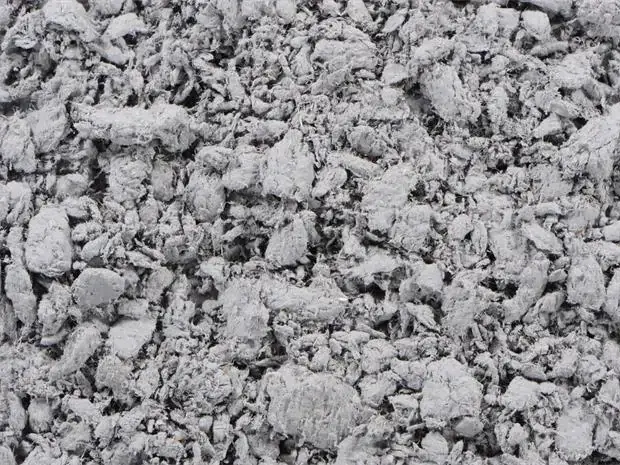
Alternative Raw Materials
Industrial by-products and recycled mineral materials processed according to production and environmental requirements.
Applications
Cement Rotary Kiln vs Lime Rotary Kiln
A cement rotary kiln and a lime rotary kiln share the same rotating cylinder principle, but they serve different reactions. Cement kilns sinter raw meal into clinker at higher burning-zone temperatures, while lime kilns decompose limestone into quicklime at lower temperatures.
| Item | Cement Rotary Kiln | Lime Rotary Kiln |
| Main Feed | Cement raw meal | Limestone |
| Main Product | Clinker | Quicklime |
| Typical Temperature | 1,350-1,450°C | 900-1,100°C |
| Product Size | Clinker nodules | 10-50 mm lime |
| Common Line Equipment | Preheater, cooler, cement grinding | Preheater, cooler, lime storage |
| Selection Focus | Clinker quality, fuel rate, free lime | Lime activity, CaO content, overburn control |
Choose the kiln based on final product, not only kiln diameter. A lime project needs different retention time, fuel control, and cooler matching than a cement clinker line.
How to Choose a Cement Rotary Kiln?
Request a Customized Solution
Partner with Zhongyi for expert technical support, customized solutions, and reliable equipment tailored to your ore characteristics and production requirements.
Customized Rotary Kiln System
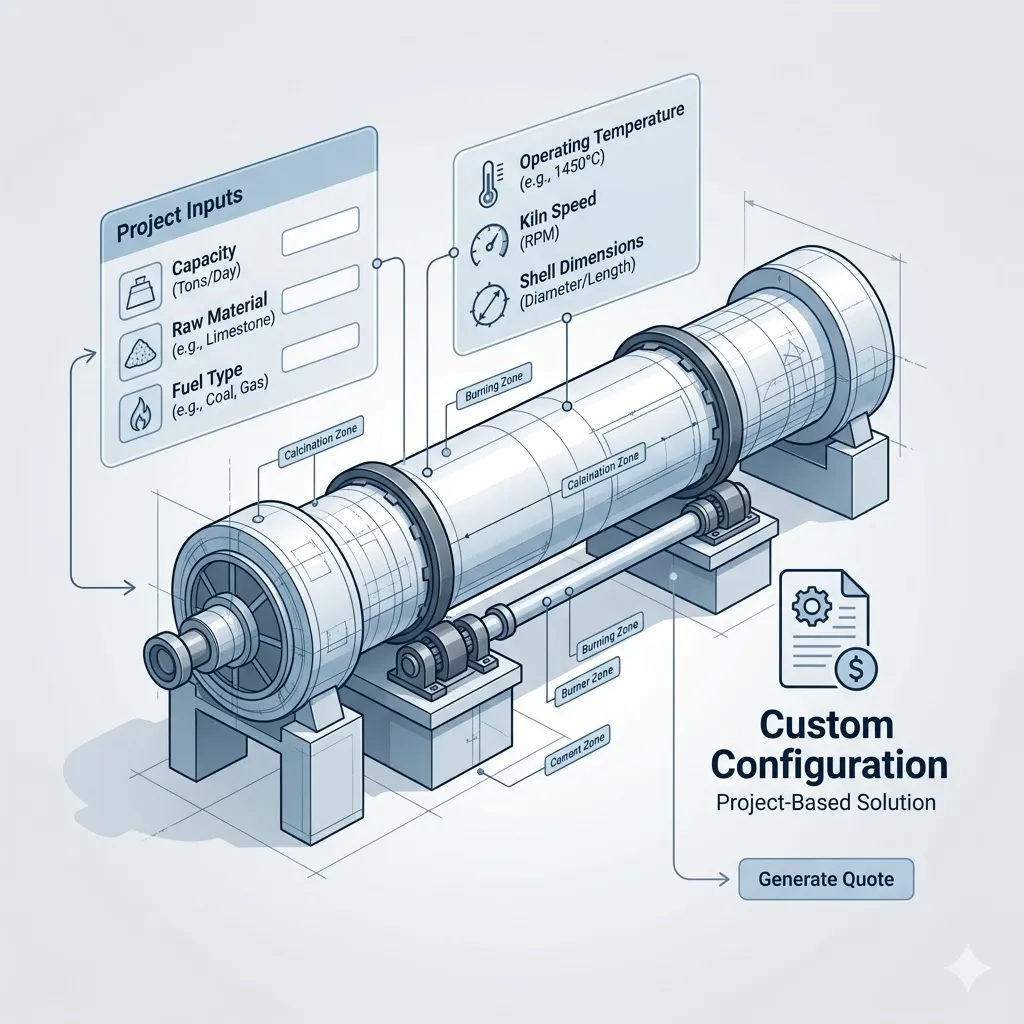
For projects with unique process requirements, Zhongyi provides customized rotary kiln systems engineered around production capacity, raw material composition, fuel selection, and plant layout. Complete solutions can include preheaters, precalciners, clinker coolers, burners, dust collection systems, material conveying, and automation controls to match the overall process design.
Provide the Following Information:
Cement Rotary Kiln Manufacturer & Supplier
As a professional manufacturer of industrial calcination equipment, Henan Zhongyi Environmental Protection Equipment Co., Ltd. delivers cement rotary kiln systems for clinker production, alumina rotary kilns, active lime lines, and mineral roasting projects. A correctly specified kiln can reduce unstable burning, ring formation risk, and unplanned shutdowns in continuous production. We evaluate raw material chemistry, capacity needs, fuel conditions, and site layout to configure kiln diameter, length, drive system, burner, and auxiliary equipment.
We have over 16 years of engineering experience in cement clinker, active lime, limestone calcination, metallurgy, and refractory material projects, Zhongyi has supplied 500+ kiln-related equipment sets across Southeast Asia, South Asia, Africa, and South America. Our ISO9001:2015 certified factory and CE-marked components support consistent fabrication and export compliance. We provide process layout design, equipment manufacturing, installation supervision, operator training, and spare parts support.
FAQs
What is a cement rotary kiln used for?
A cement rotary kiln heats raw meal into clinker for cement production. It can also be configured for active lime and mineral calcination.
What capacity range can Zhongyi supply?
Zhongyi reference models cover about 180-2,200 t/d. Final capacity depends on kiln size, feed chemistry, fuel type, and line configuration.
What feed size is suitable for a cement rotary kiln?
Most cement rotary kiln systems require feed below 25 mm or prepared raw meal powder. Lime kiln feed often uses 10-50 mm limestone.
Can the same kiln be used for cement and lime?
The same kiln principle can serve both, but cement and lime projects need different temperatures, residence time, refractory lining, and auxiliary equipment.
What affects cement rotary kiln price most?
Kiln diameter, length, steel weight, refractory lining, burner system, automation level, and auxiliary equipment are the main price drivers.
How should I choose a rotary kiln supplier?
Choose a supplier that checks raw material data, capacity target, fuel condition, layout, and service scope before recommending a kiln model.
How long does delivery usually take?
Regular checks include refractory lining, support rollers, girth gear, seals, lubrication, burner condition, shell temperature, and bearing temperature.