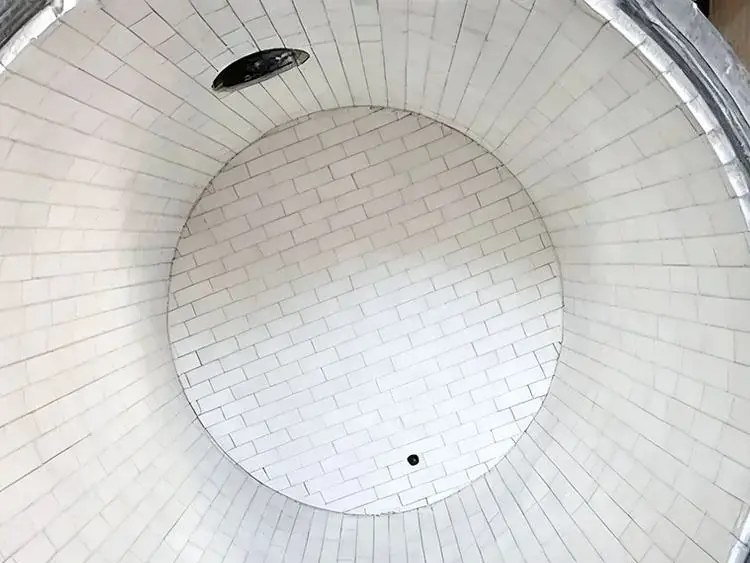
What Is a Ceramic Lined Ball Mill?
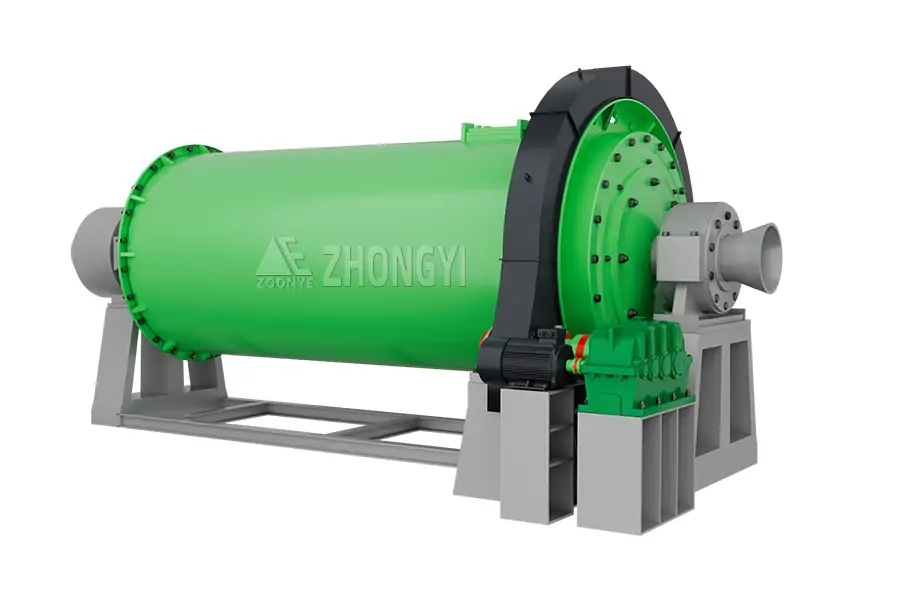
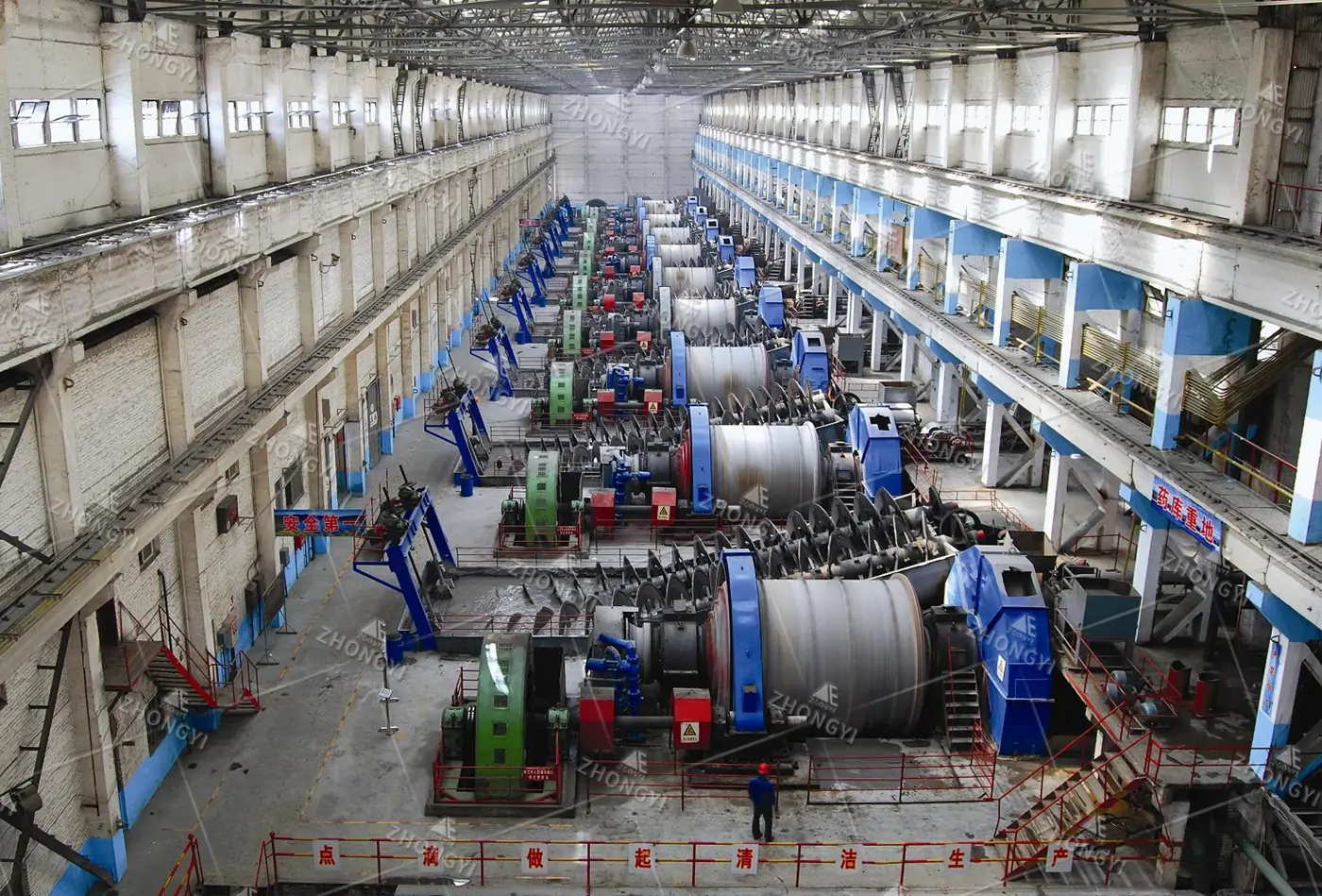
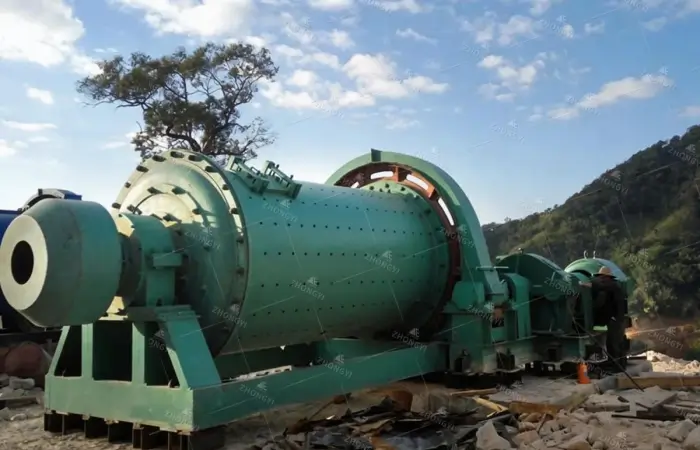
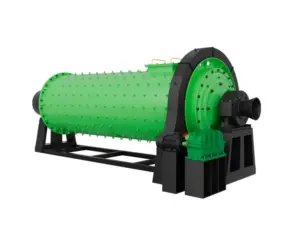
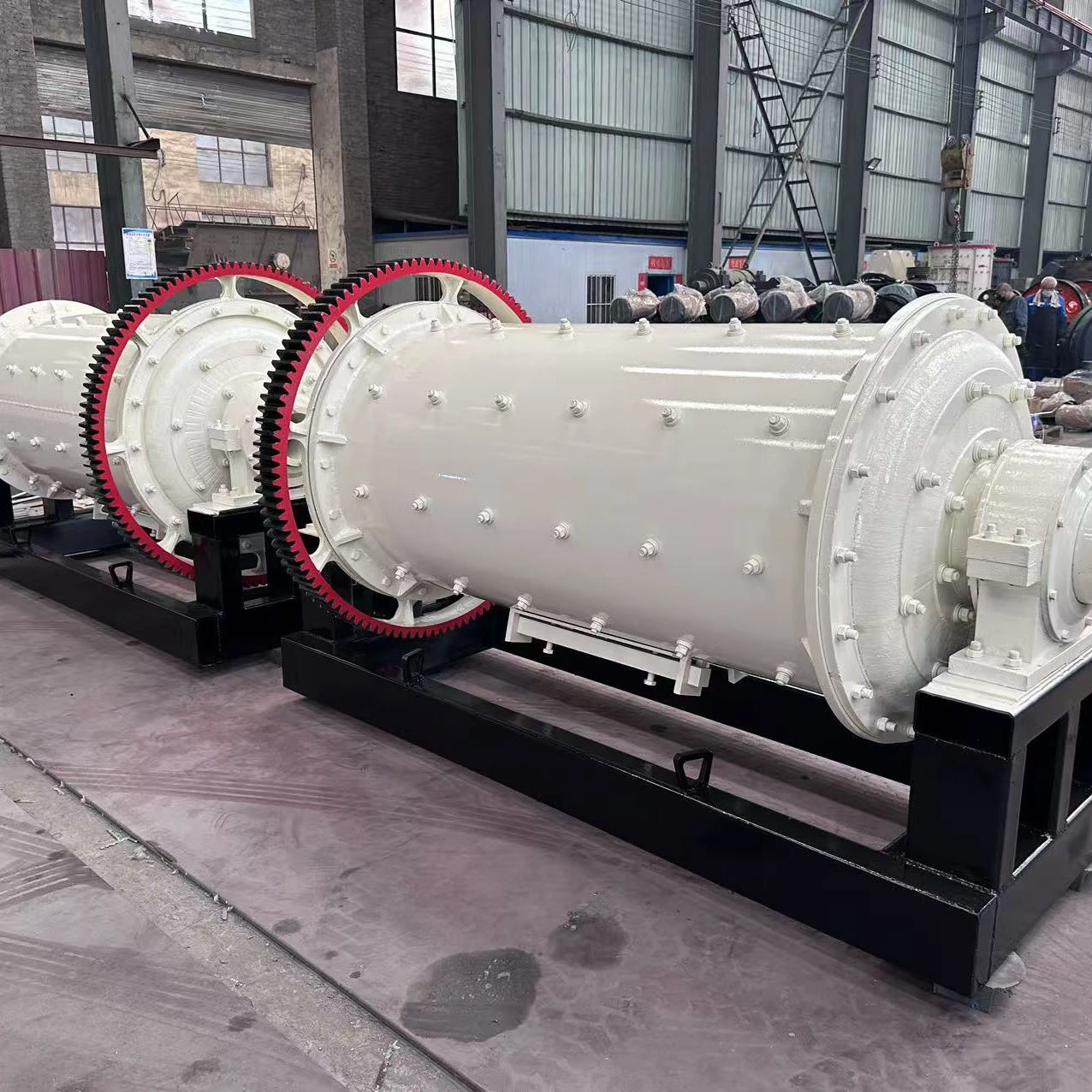
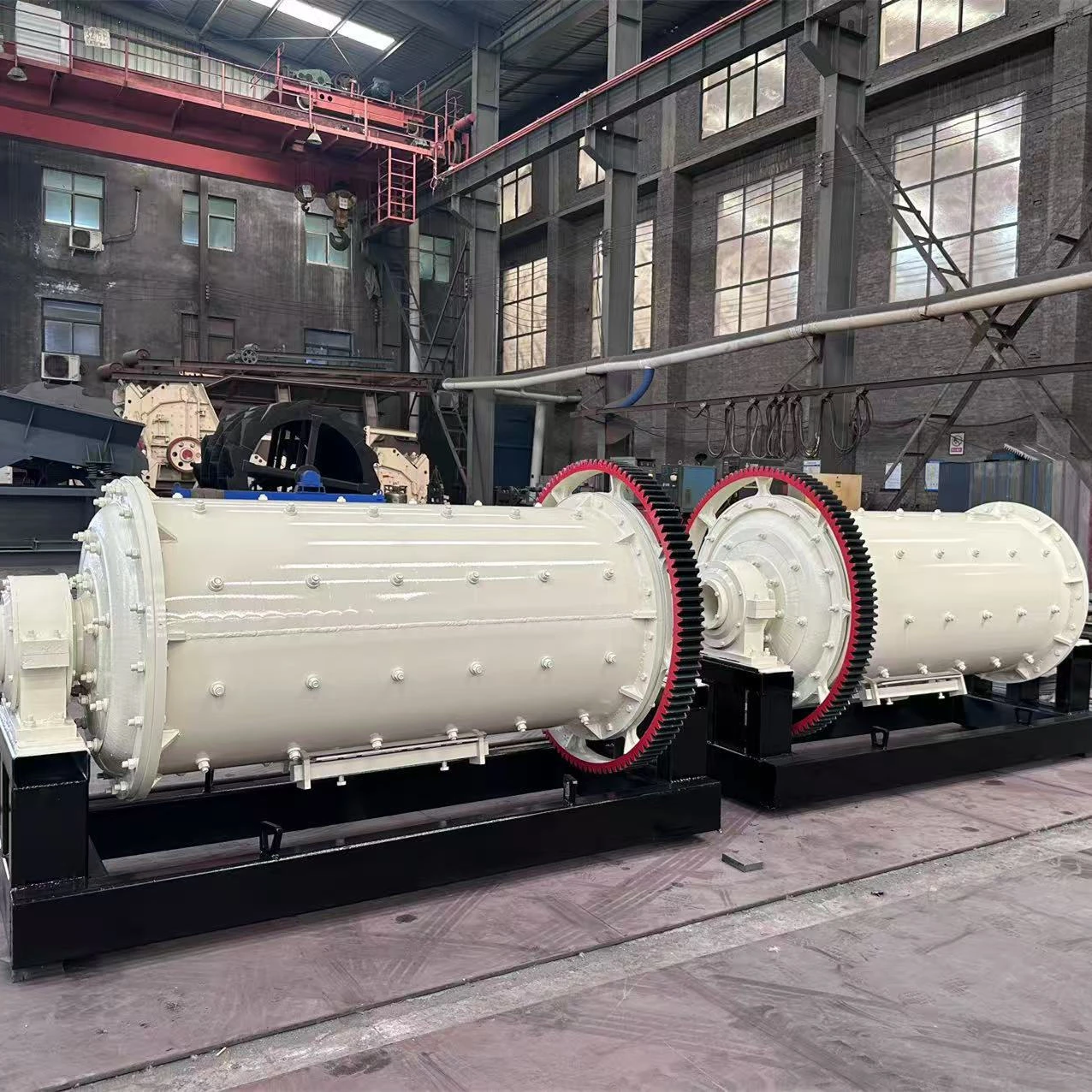
A Ceramic Lined Ball Mill also calle Ceramic Ball Mill, is a grinding machine designed for materials that require high purity and low metal contamination. It is widely used in ceramics, quartz, feldspar, glass, glaze, and chemical industries, providing stable grinding performance and consistent product quality.
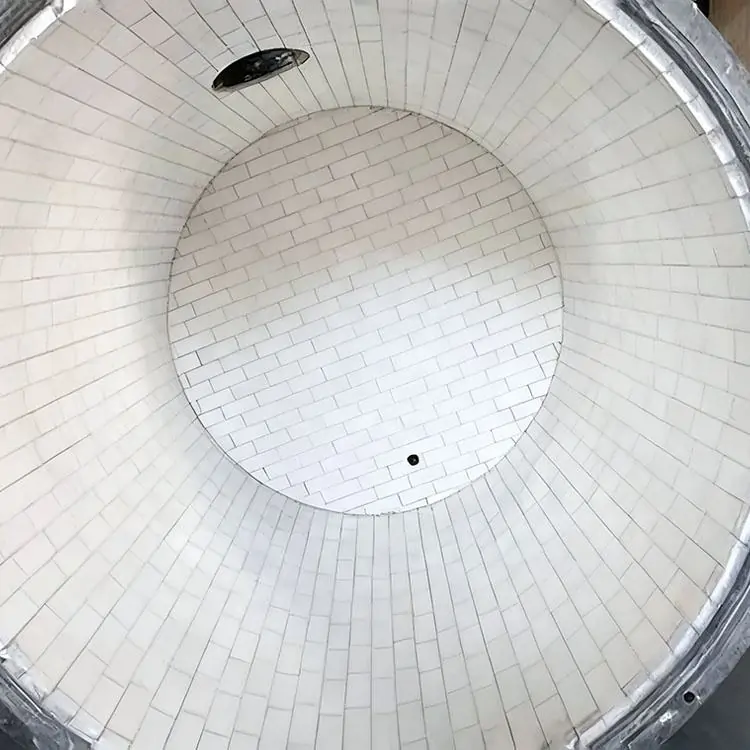
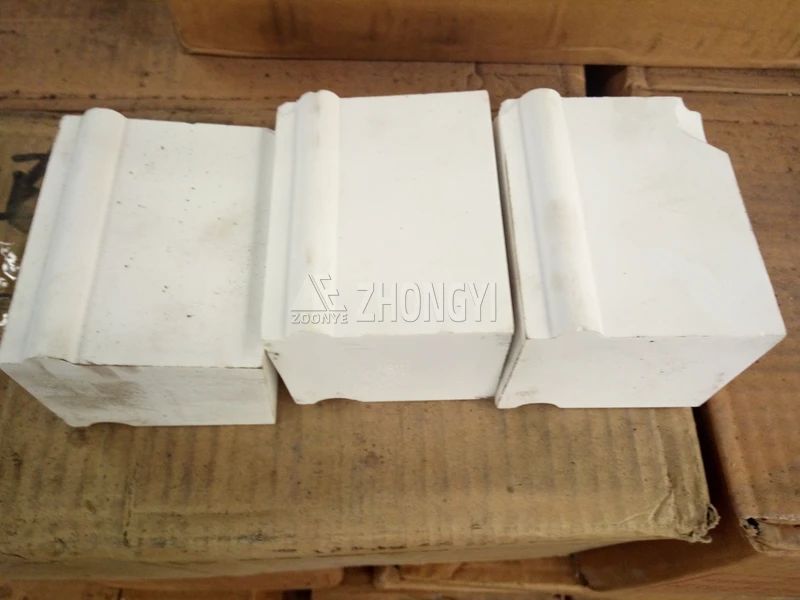
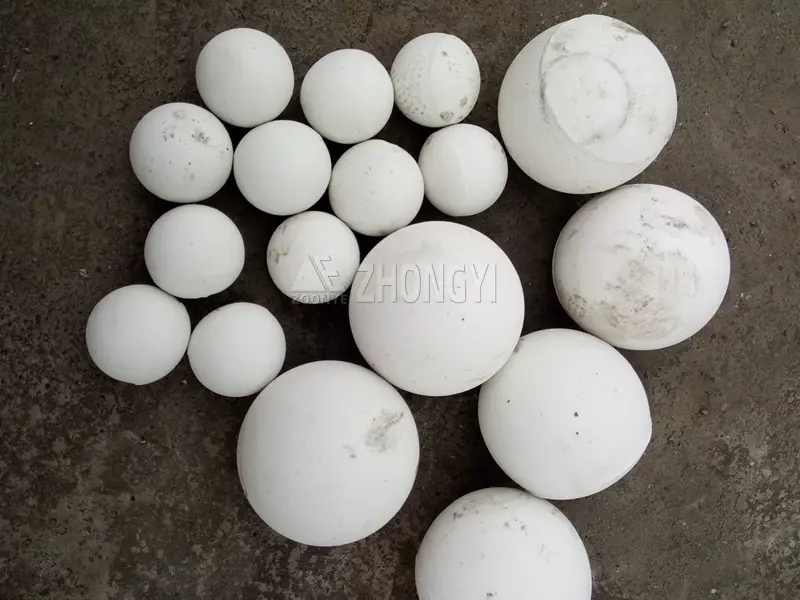
It uses ceramic liners and ceramic grinding media instead of steel components inside the grinding chamber. Compared with conventional ball mills, it effectively reduces iron contamination and improves material purity. It is particularly suitable for fine grinding applications where product color, whiteness, and chemical composition must be strictly controlled.
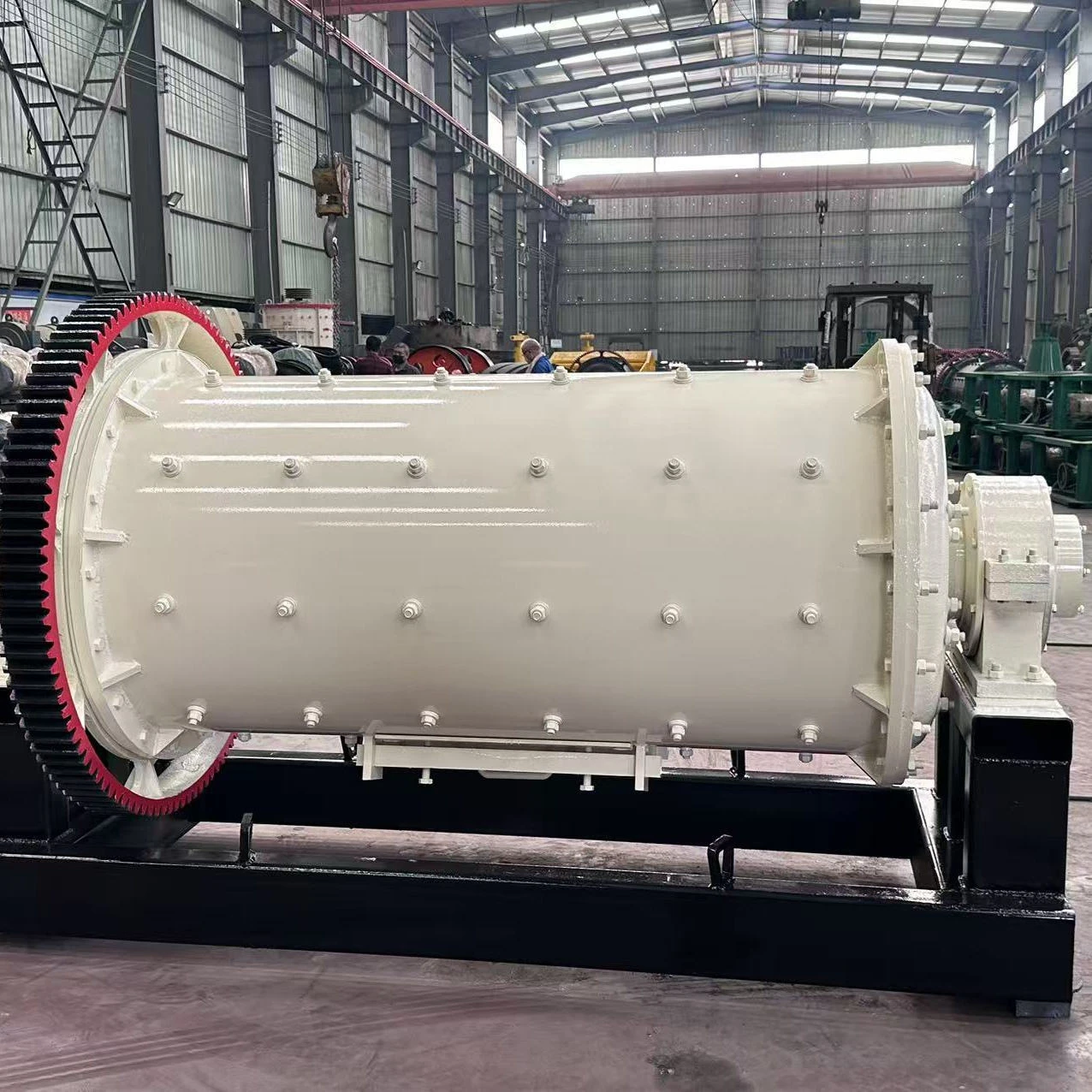
Before selecting a ceramic ball mill, it is important to understand how different ball mill designs work and where they are applied. Learn more about ball mill machines, working principle, types, and industrial applications in our detailed guide.
Working Principle
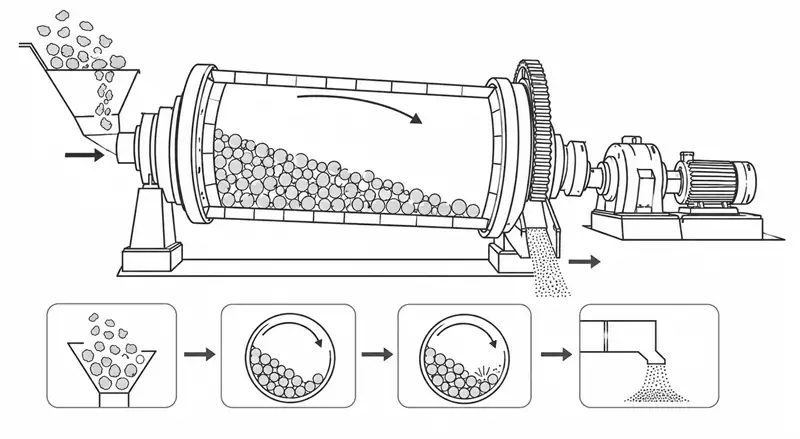
Ceramic lined ball mill operates through a rotating cylindrical grinding system, where the mill body is driven by a motor and reducer to rotate at a controlled speed. The inner wall is lined with ceramic plates, and the grinding media (ceramic balls) work together with the lining to crush and grind materials through impact and friction.
As the cylinder rotates, materials and ceramic balls are lifted by friction and centrifugal force, then fall along a parabolic trajectory under gravity. The falling grinding media generate impact force on the material bed, breaking particles, while continuous rolling and sliding between media further refine particle size into fine powder.
During operation, material gradually moves from the feed end to the discharge end under continuous feeding and internal circulation. After sufficient grinding, fine particles are discharged through the outlet, completing a stable fine-grinding process suitable for high-purity ceramic, chemical, and mineral applications.
Suitable Materials
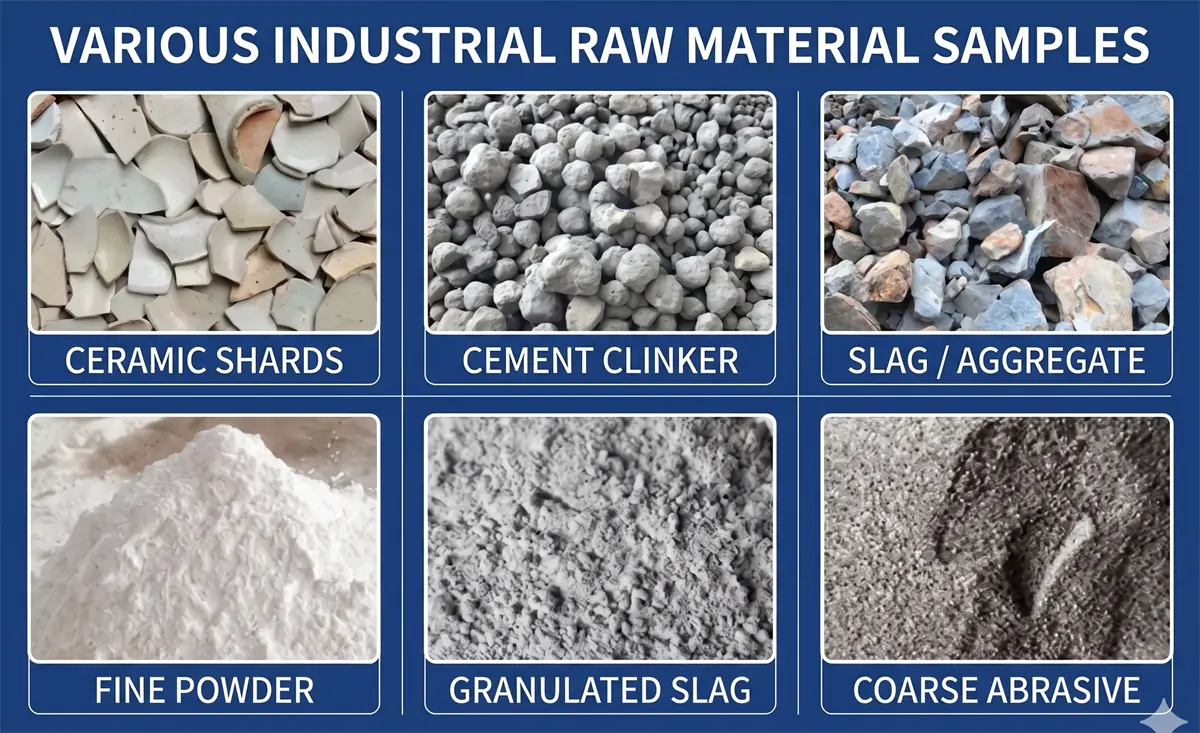
Ceramic lined ball mill is designed for fine grinding of non-metallic and high-purity materials where metal contamination must be avoided. The feed size is ≤20–25 mm, depending on pre-crushing conditions. After grinding, the discharge fineness is usually 0.074–0.1 mm (100–200 mesh), and with extended grinding time or optimized media ratio, it can reach micron or sub-micron level (D97 ≤ 2 μm). It is widely used in ceramic, glass, chemical industry.
Specifications
The ceramic lined ball mill is available in multiple sizes to meet different grinding requirements. Models can be selected according to material characteristics, batch capacity, and required product fineness. Customized configurations are available for specific production needs.
| Model | Loading Capacity (t/batch) | Cylinder Speed (rpm) | Motor Power (kW) |
|---|---|---|---|
| CBM-800×600 | 0.075 | 42 | 3 |
| CBM-900×1200 | 0.20 | 38.5 | 5.5 |
| CBM-1300×1500 | 0.50 | 33 | 7.5 |
| CBM-1500×1800 | 1.20 | 28.5 | 11 |
| CBM-1800×2000 | 1.50 | 24 | 15 |
| CBM-2600×2800 | 5.00 | 16.5 | 37 |
| CBM-3000×3800 | 10.00 | 14.5 | 55 |
| CBM-3200×4600 | 15.00 | 13.5 | 75 |
| CBM-3400×6600 | 18.00 | 13 | 135 |
Note: The specifications above are for reference only. Actual model selection depends on material properties, feed size, product fineness, and production requirements. Customized ceramic ball mill solutions are available upon request.
Ceramic Lined Ball Mill Applications
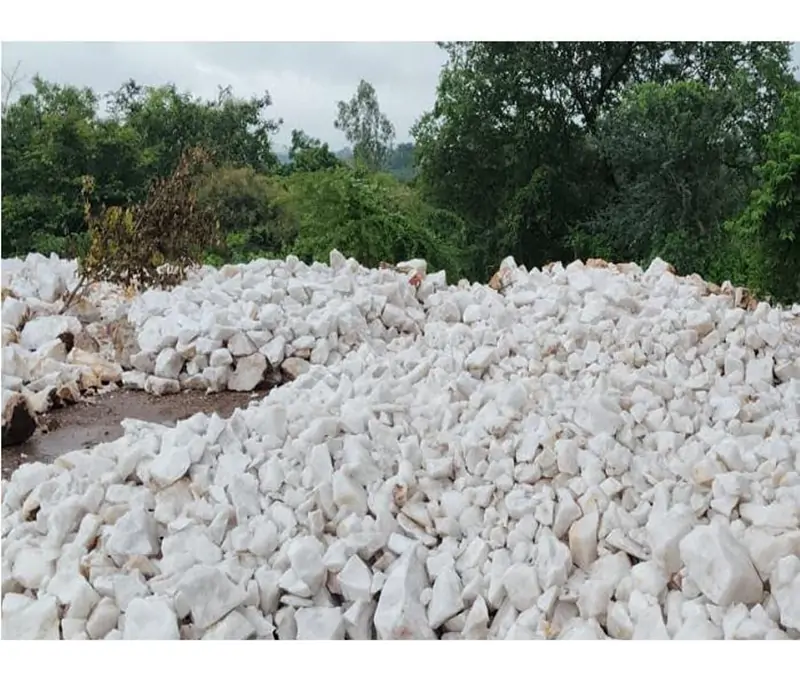
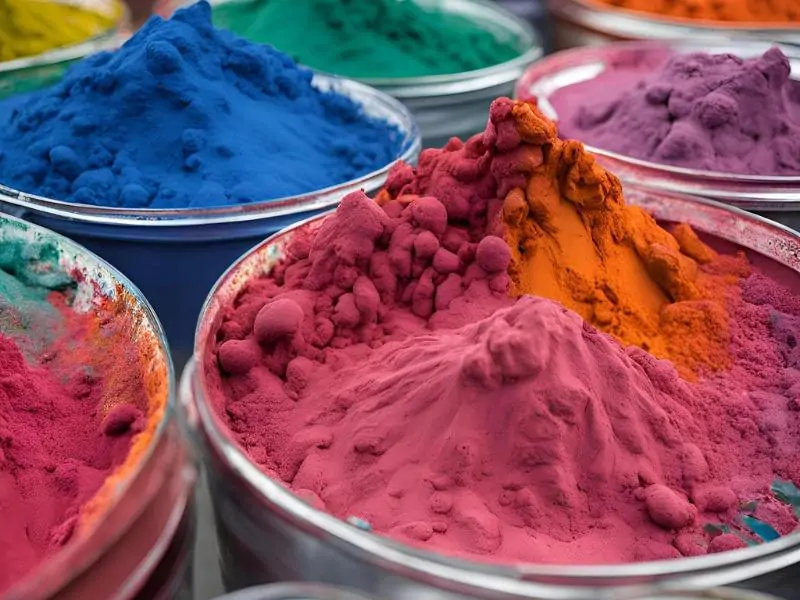
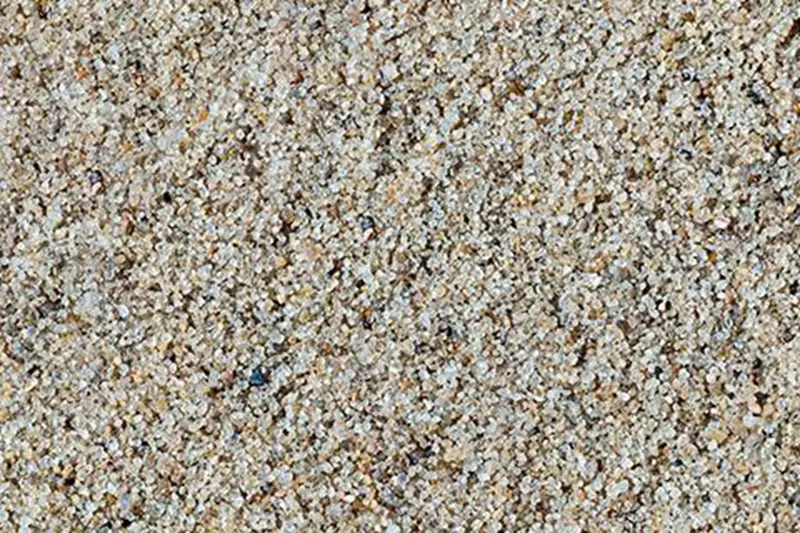
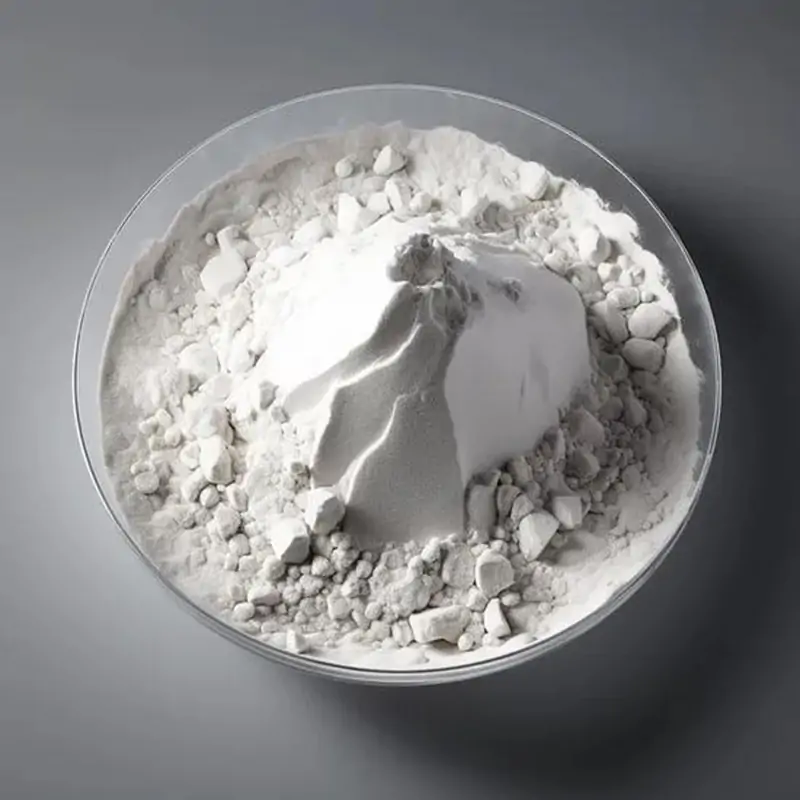
Ceramic grinding ball mills are widely used for fine grinding of materials that require high purity, low iron contamination, and uniform particle size in ceramic, mineral, chemical, and building material industries.
Projects Show
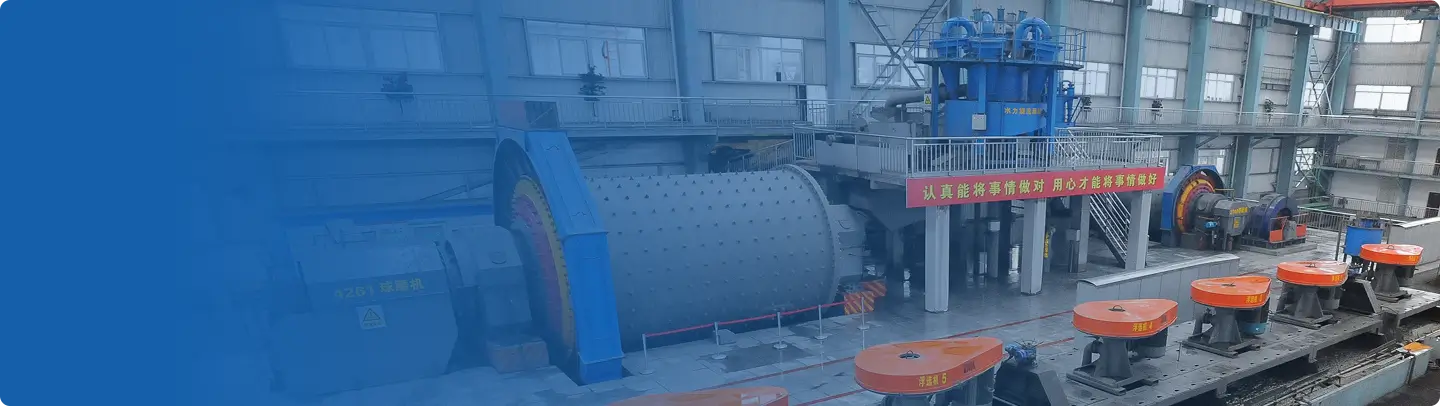
8 TPH Feldspar Grinding Plant – Turkey
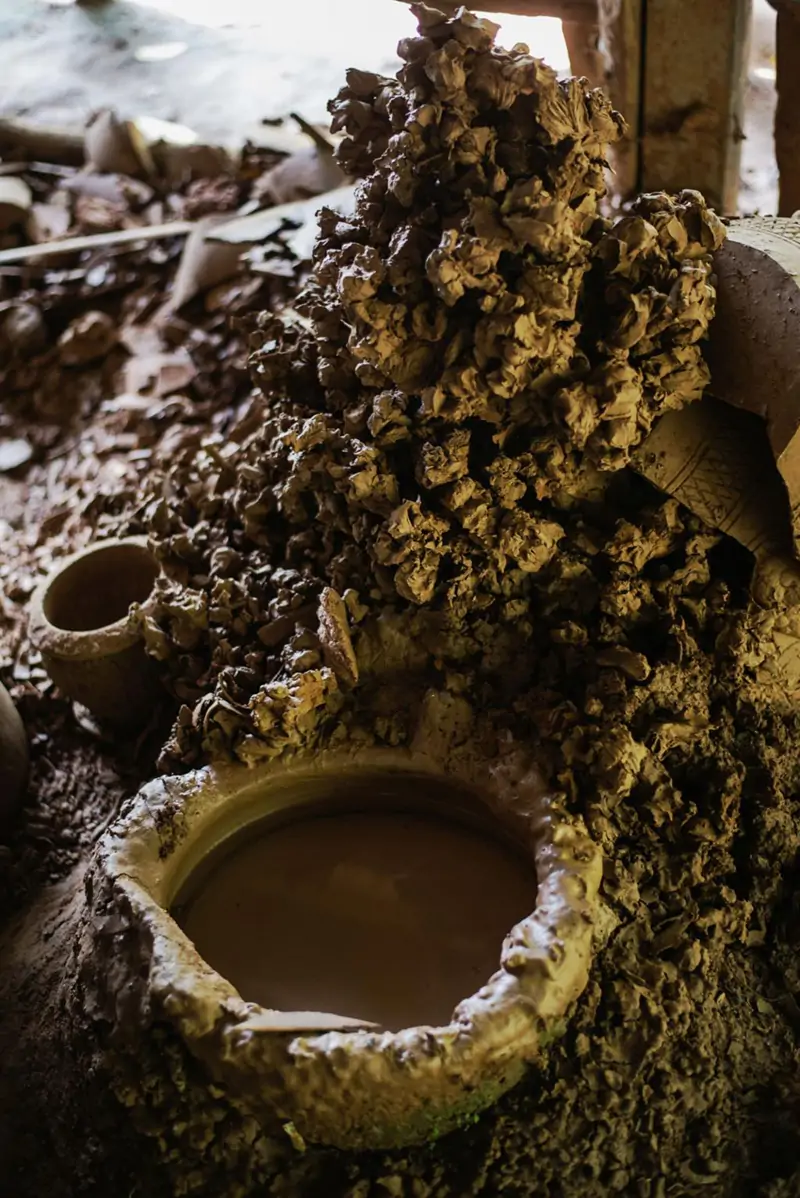
A ceramic raw material supplier in Turkey required a grinding system for feldspar powder used in ceramic tile production. The project required a final fineness of 200–325 mesh while maintaining low iron contamination throughout the grinding process.
Zhongyi supplied a Ceramic Lined Ball Mill fitted with high-alumina ceramic liners and ceramic grinding media. Compared with the customer’s previous steel-lined mill, the ceramic grinding system helped reduce metal contamination and provided more stable product quality for downstream ceramic production.
The mill processes approximately 8 tons of feldspar per hour and operates as part of the customer’s ceramic raw material preparation line.
Capacity: 8 TPH
Material: Feldspar
Feed Size: ≤25 mm
Product Fineness: 200–325 Mesh
Equipment: Ceramic Lined Ball Mill
Application: Ceramic Raw Material Grinding
Request a Customized Solution
Partner with Zhongyi for expert technical support, customized solutions, and reliable equipment tailored to your ore characteristics and production requirements.
Provide your material type, required fineness, and capacity requirements, and our engineers will recommend a suitableCeramic Grinding Mill solution and quotation.
Customized Grinding Solutions
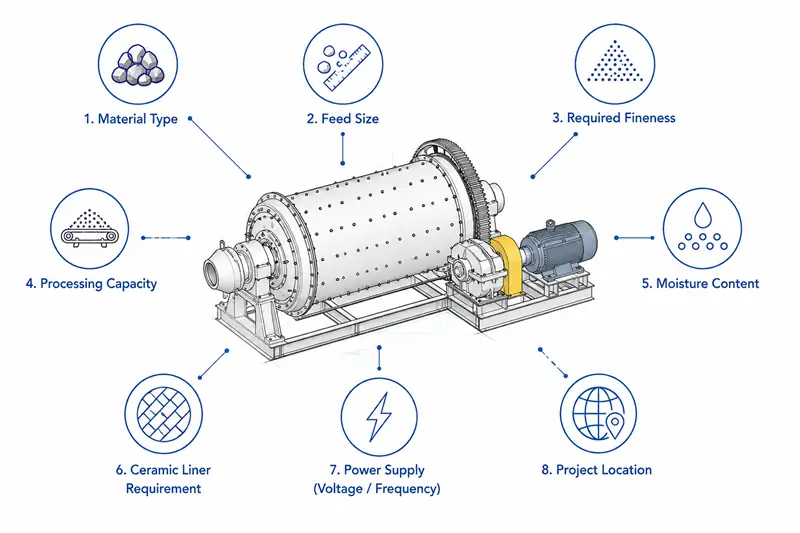
We provide customized grinding mill solutions based on your material characteristics, production requirements, and plant conditions. To help us recommend a suitable model and configuration, please provide the following information:
Provide the Following Information:
Our engineers will recommend a suitable ceramic ball mill configuration based on your application requirements.
Ceramic Lined Ball Mill Manufacturer and Supplier
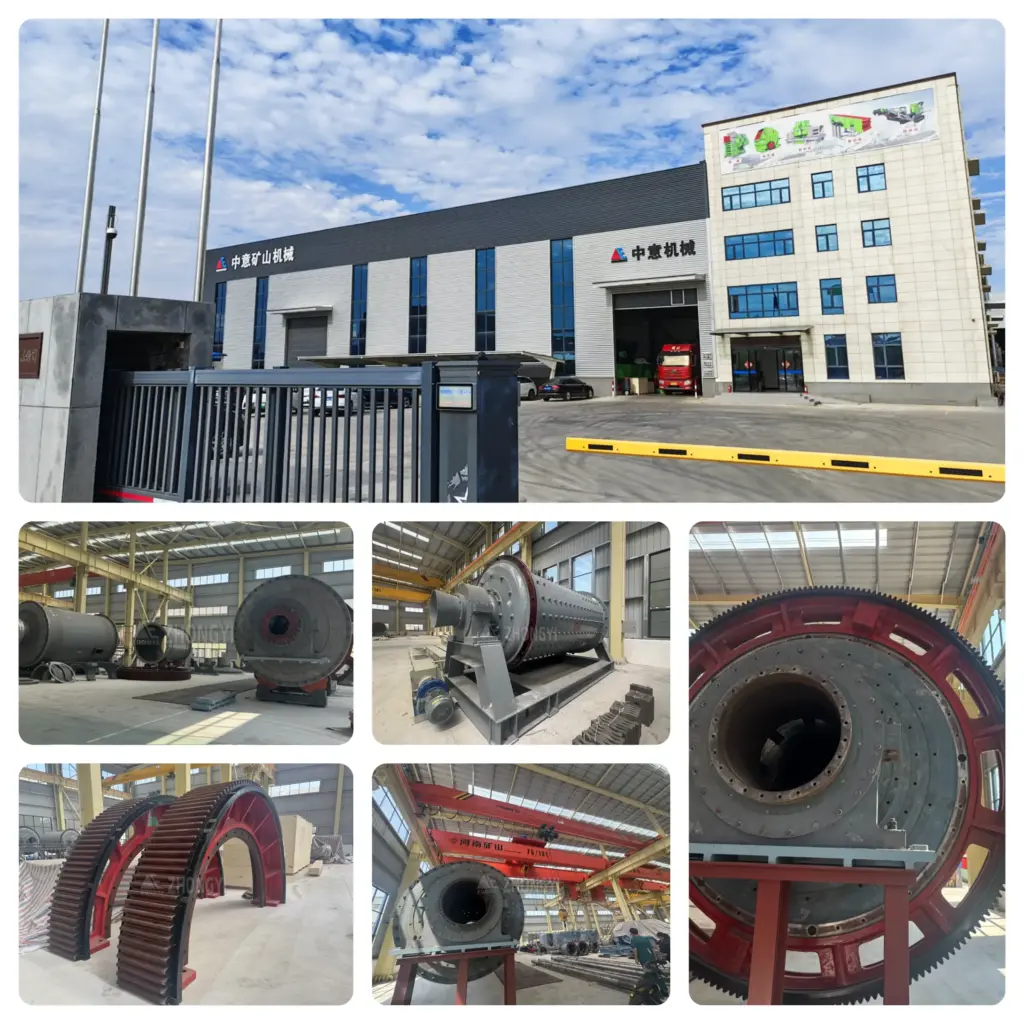
Zhongyi has been producing ceramic lined ball mills and grinding equipment since 2010. The company operates three manufacturing bases with CNC machining centers, laser cutting, and automated welding systems, ensuring consistent production quality and stable delivery for industrial projects.
We are ISO9001 certified and hold more than 60 patents in grinding and mineral processing equipment. Our ceramic lined ball mills are used in ceramics, glass, mining, and chemical plants, covering both batch and continuous grinding applications.
We provide equipment selection, customized design, installation support, and after-sales service for complete grinding systems. If you are planning a project or need a quotation, contact Zhongyi for technical selection and configuration support.
FAQ
What is a Ceramic Lined Ball Mill used for?
A Ceramic Lined Ball Mill is used for fine grinding of quartz, feldspar, clay, glass materials, and chemical powders. Ceramic liners and grinding media help reduce iron contamination and maintain product purity during the grinding process.
What materials can be processed in a
Ceramic Grinding Mill?
It can process a wide range of materials, including quartz, feldspar, kaolin, alumina, ceramic raw materials, glass powder, pigments, and other non-metallic minerals that require clean and controlled grinding.
What particle size can a ceramic lined ball mill achieve?
The final product fineness depends on material properties, grinding time, and media size. Most applications can achieve particle sizes ranging from 200 to 325 mesh, while finer grinding is possible with optimized configurations.
Why choose a ceramic ball mill instead of a conventional ball mill?
Unlike conventional ball mills with metal liners, ceramic ball mills use ceramic lining and grinding media to minimize metal contamination. They are widely used in industries where product purity and material quality are critical.
How does the ceramic lining improve grinding performance?
Ceramic liners offer excellent wear resistance and chemical stability. They reduce liner wear, lower contamination risks, and help maintain consistent grinding performance throughout long-term operation.
What factors affect ceramic lined ball mill capacity?
Capacity is influenced by material hardness, feed size, moisture content, required fineness, loading volume, and grinding media configuration. Proper parameter selection helps achieve stable output and efficient grinding.
How do I choose the right ceramic lined ball mill model?
The appropriate model depends on material type, feed size, target fineness, and production requirements. Providing these details allows engineers to recommend a suitable mill size and grinding configuration.
Can ceramic lined ball mills be customized for specific applications?
Yes. Ceramic lined ball mills can be customized according to material characteristics, capacity requirements, liner materials, grinding media, discharge methods, electrical systems, and installation conditions to meet different production needs.