What Is Ultra Fine Grinding Mill?
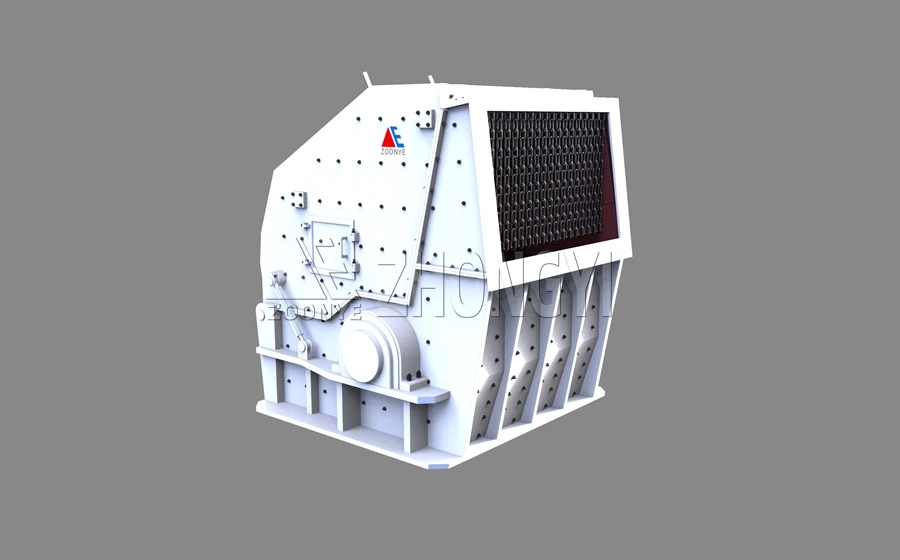
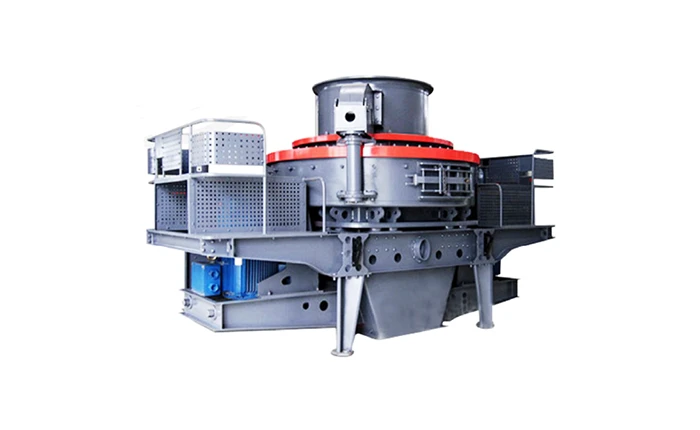
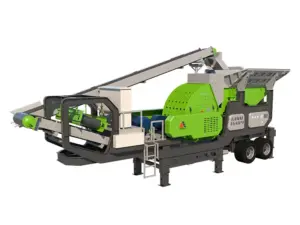
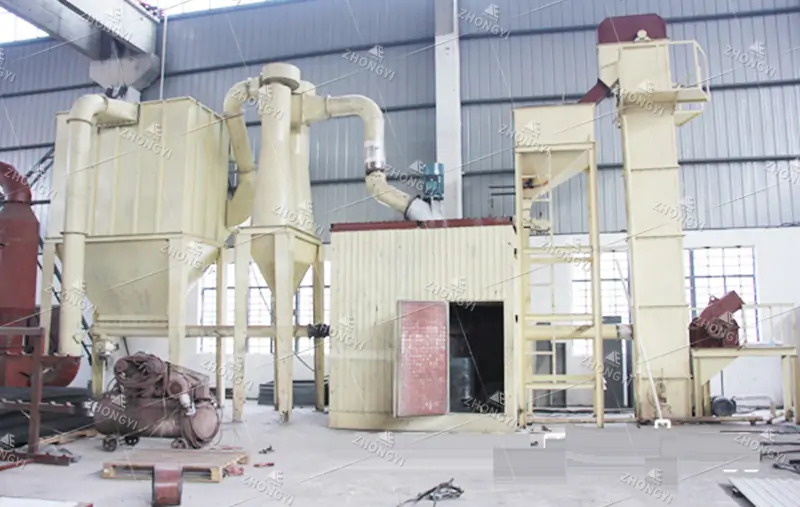
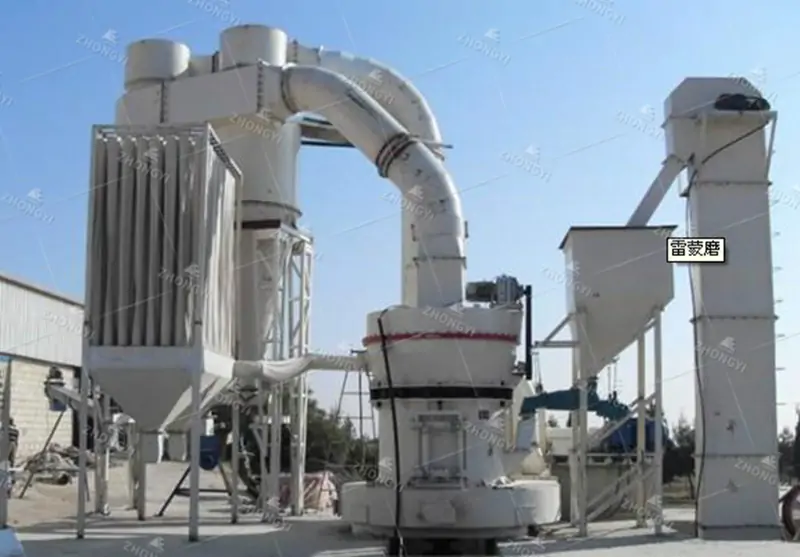
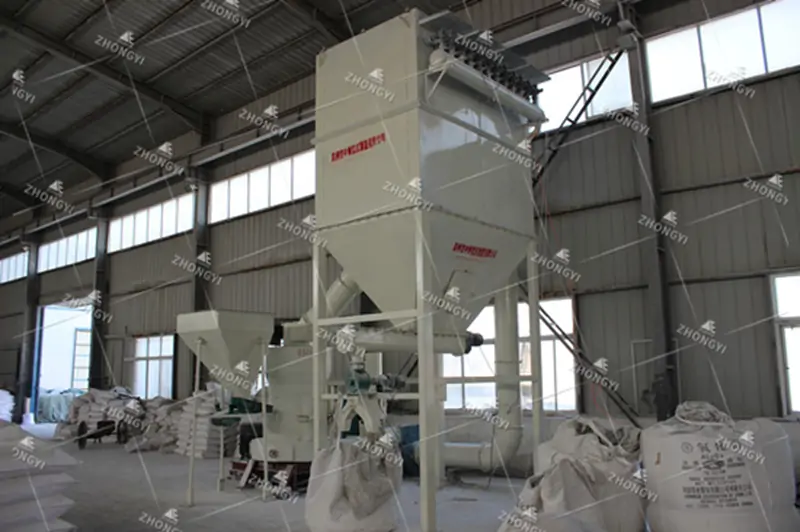
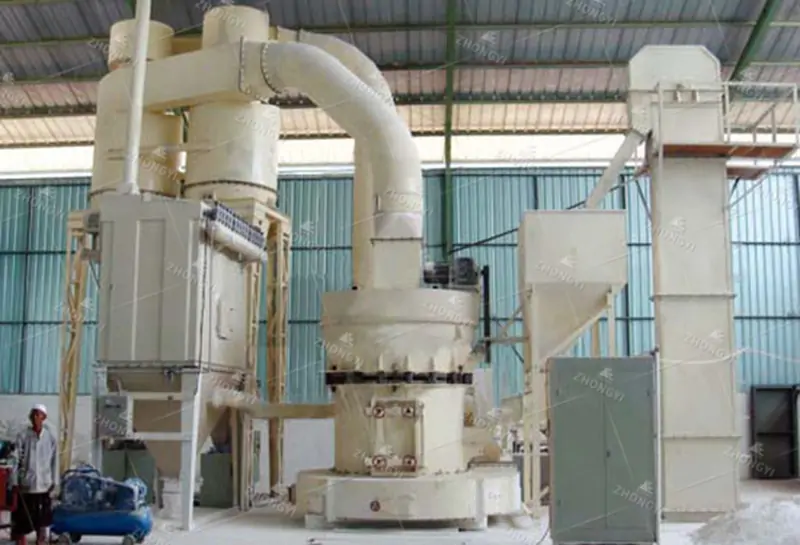
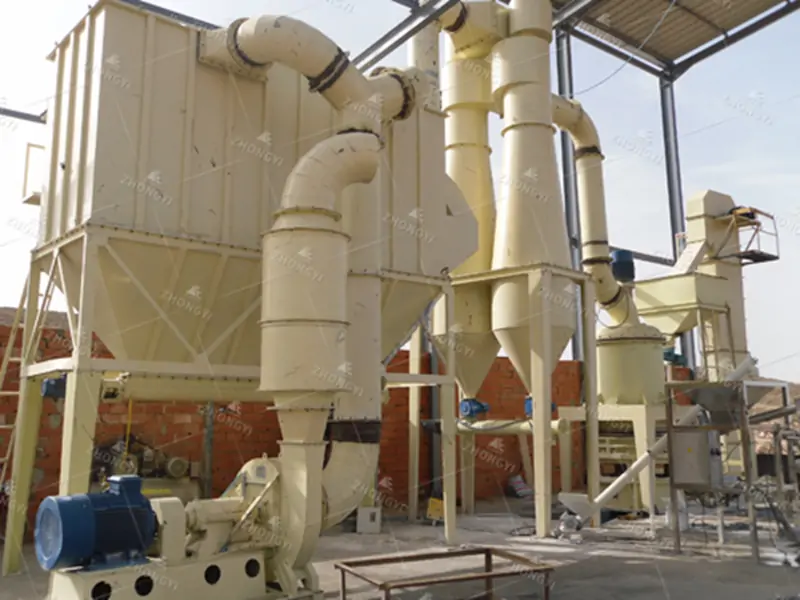
Ultra Fine Grinding Mill, also called an ultra-fine powder mill or fine grinding system, is a type of grinding equipment used to reduce minerals and non-metallic materials into fine or ultra-fine powder. It works by combining mechanical grinding with an air classification system to control particle size inside a closed circuit. To maintain maximum system efficiency, the raw material is standardly pre-conditioned by an upstream mobile impact crusher to meet strict incoming feed size limits.
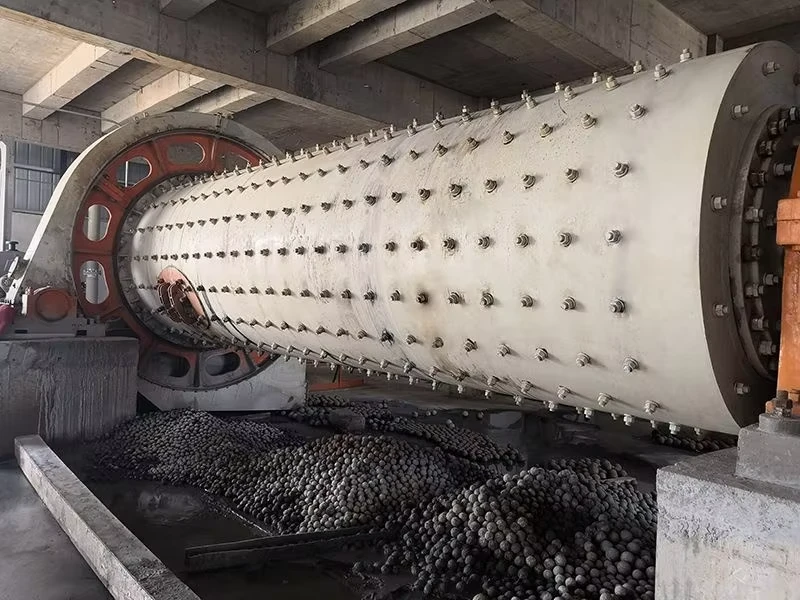
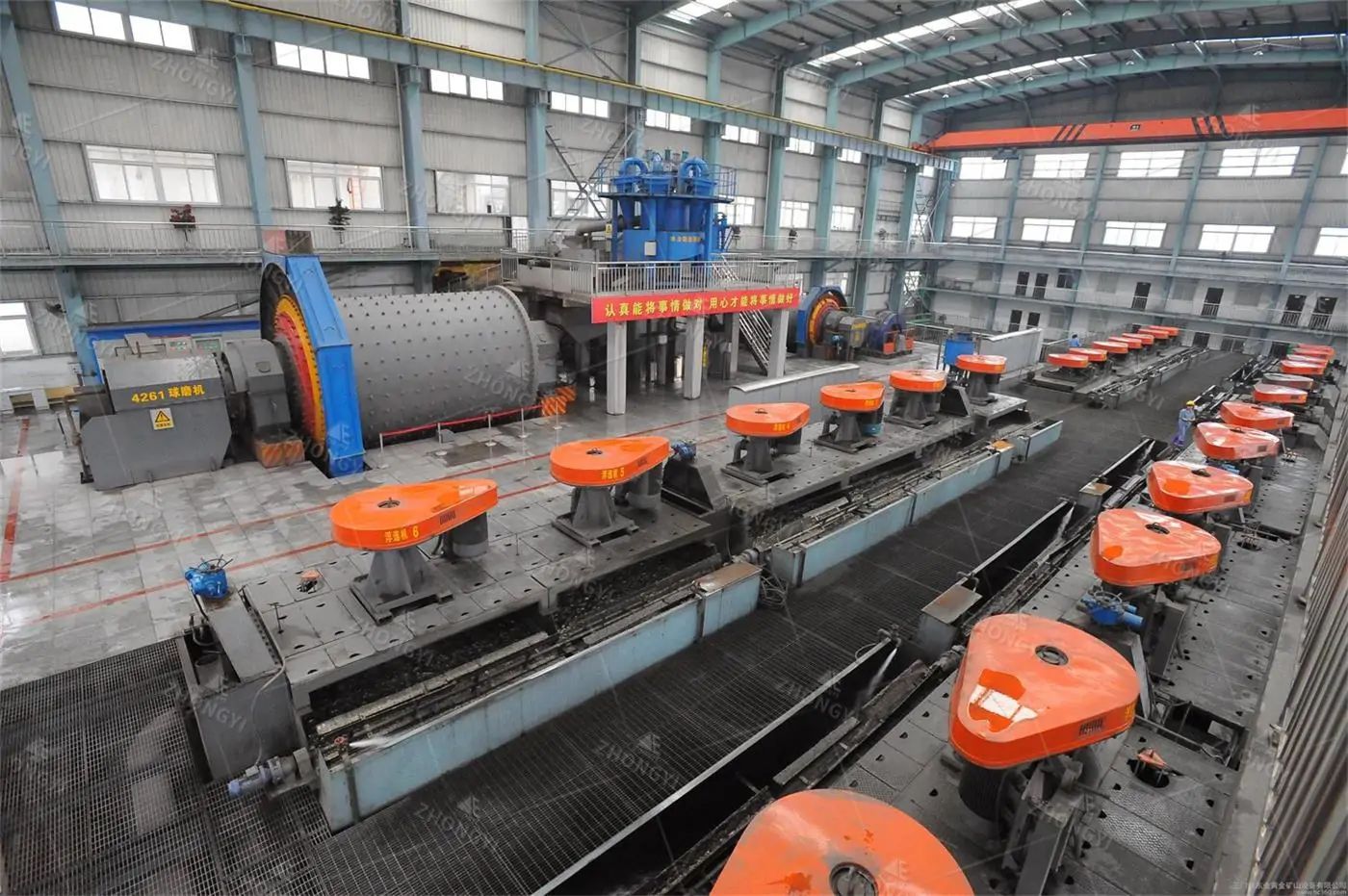
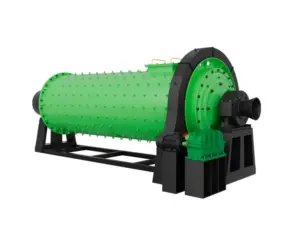
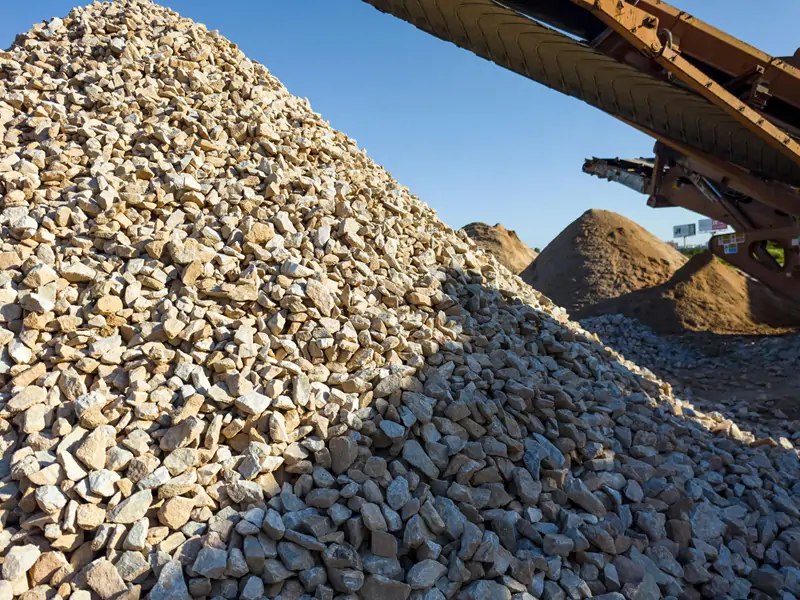
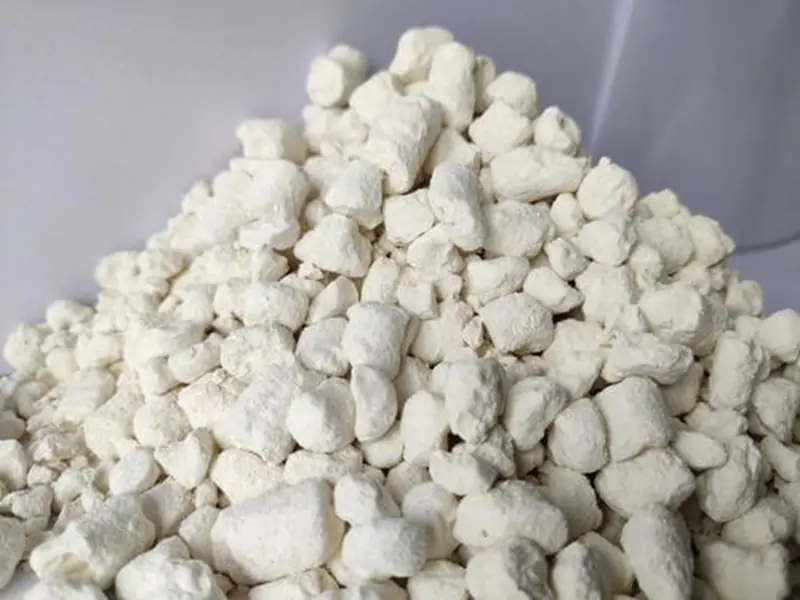
The equipment is mainly used for processing materials like calcium carbonate, quartz, kaolin, and other industrial minerals. It is commonly used in mineral processing plants and industrial powder production lines where stable particle size is needed for further processing or final product use. For advanced lines requiring zero iron contamination, this system can directly process the pre-ground slurry discharged from an upstream ceramic lined ball mill.
Applications
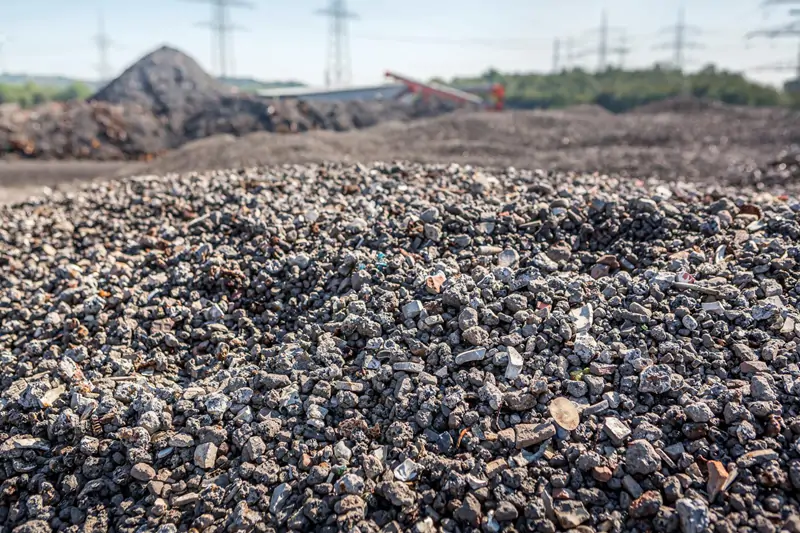
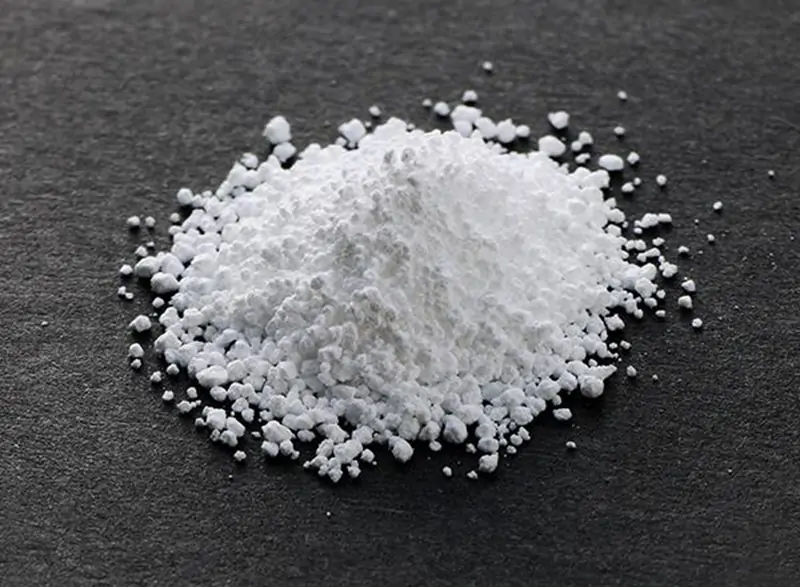
Ultra Fine Grinding Mill is used in different material processing lines where controlled particle size and stable fineness are required. Its application mainly depends on the material type and the required grinding stage in the production process.
Working Principle
Ultra Fine Grinding Mill operates through a continuous grinding circuit that controls material size reduction, classification, and discharge in a closed system.
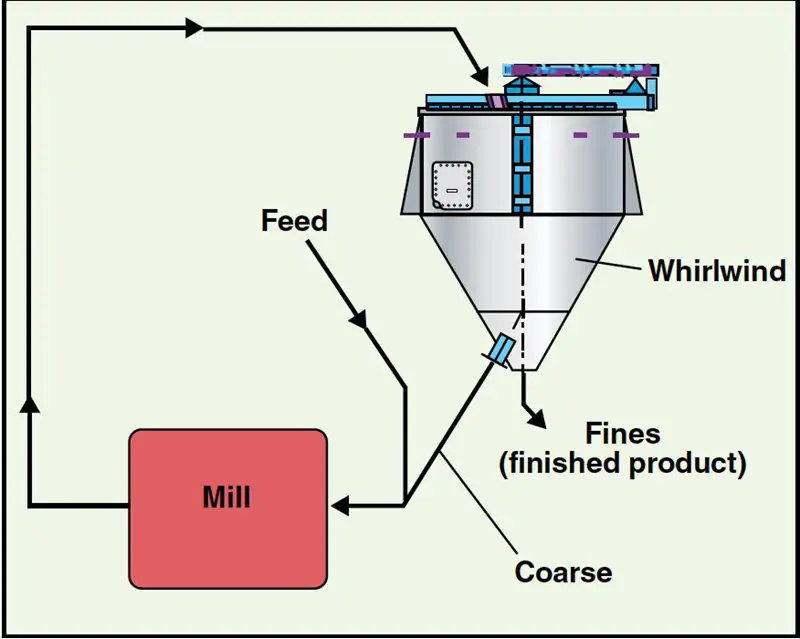
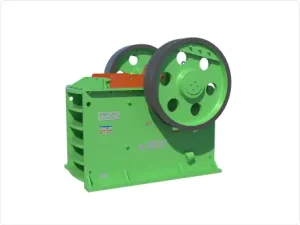
Feeding: Material enters the chamber via a regulated feeder to avoid pressure fluctuations. This feed rate is balanced to match the hourly primary reduction achieved by upstream mining jaw crusher stations.
Grinding
Inside the grinding chamber, grinding media and mechanical forces such as impact, compression, and friction continuously reduce particle size. Material is circulated and ground repeatedly in the grinding zone until it reaches the required fineness range.
Classification
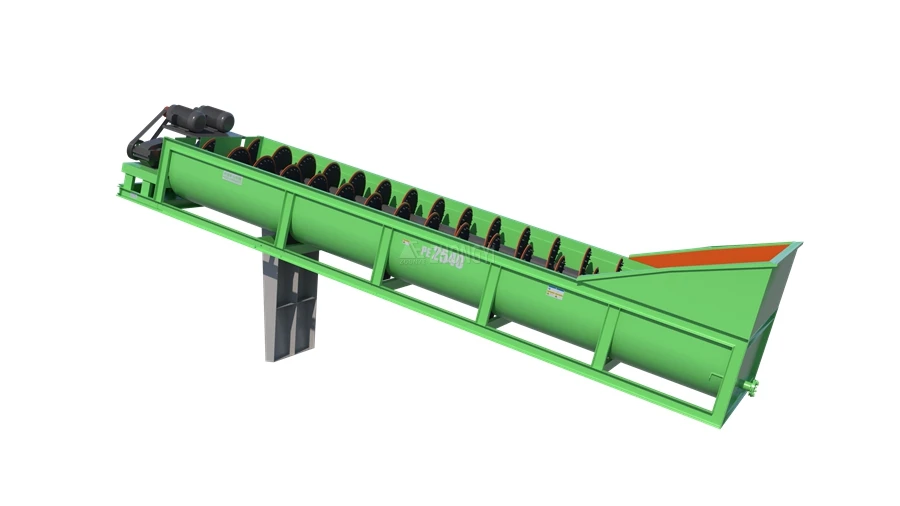
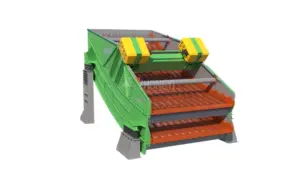
Ground material is carried by airflow to the classifier for size separation. In wet-type circuits, this airflow separation stage works in parallel with an adjacent screw classifier system.
Discharge
Qualified fine powder is collected through the dust collection or cyclone system and discharged for storage or downstream use. The system operates in a closed or semi-closed loop to maintain stable particle size control and reduce material loss.
Components of Ultra Fine Grinding Mill
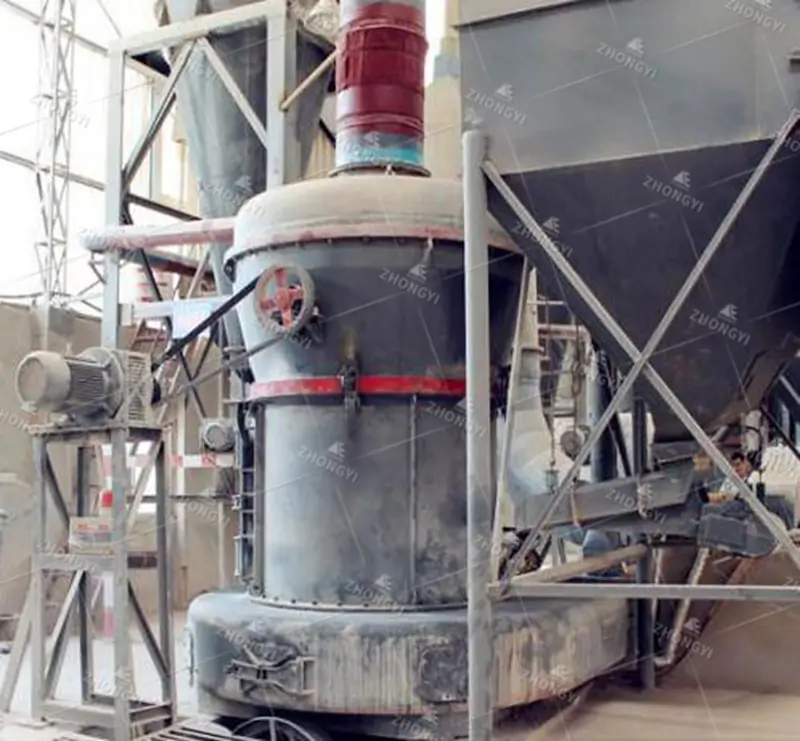
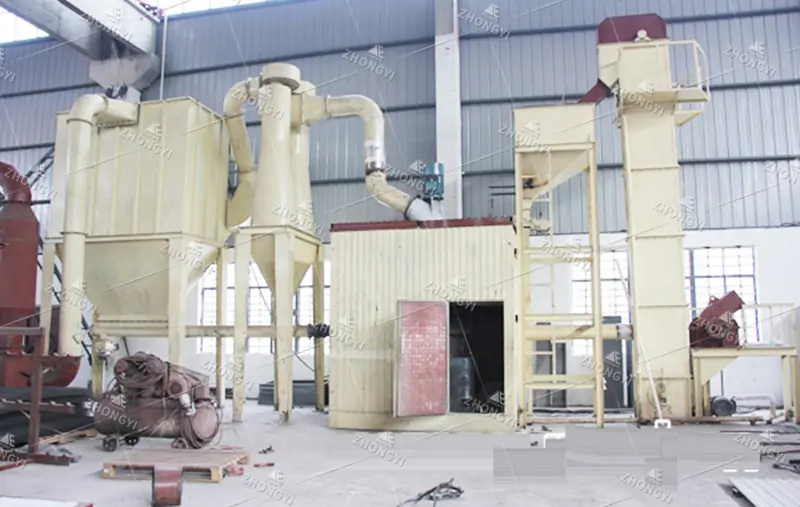
Ultra Fine Grinding Mill is composed of several integrated systems that work together to complete grinding, classification, air circulation, feeding, and powder collection.
Grinding system
Main grinding section including grinding rollers or grinding media inside the mill. This is the core part where material size reduction takes place through impact, compression, and friction under continuous operation.
Classifier (dynamic or centrifugal classifier)
Separates fine and coarse particles based on required fineness. Fine powder passes through the classifier, while coarse particles are returned to the grinding system for reprocessing.
Air circulation system (blower & duct system)
Includes fan, air ducts, and internal airflow channels that transport material between grinding and classification zones. It maintains stable air volume for closed-circuit operation.
Feeding system (screw feeder / belt feeder)
Controls raw material input into the mill. It ensures stable feed rate and uniform load distribution inside the grinding chamber.
Dust collection system (cyclone separator & bag filter)
Collects finished fine powder from airflow. Cyclone separates primary powder, and bag filter captures fine particles for final discharge.
Advantages of Ultra Fine Grinding Mill
Ultra Fine Grinding Mill is designed for producing high-quality superfine powder with precise particle size control. It combines grinding, classification, and conveying functions in one system, delivering high grinding efficiency, low energy consumption, and stable product fineness. Widely used in mining, metallurgy, chemicals, building materials, and non-metallic mineral processing, it is ideal for producing powders ranging from 325 to 2500 mesh (5–45 μm).
Specifications
Below is the technical specification table of the Ultra Fine Grinding Mill. Key parameters such as capacity, fineness, and power can be customized according to material characteristics and project requirements.
| Item | Specification |
|---|---|
| Capacity | 0.5 – 25 t/h |
| Feed size | ≤ 20 mm |
| Output fineness | 5 – 45 μm (200–3000 mesh) |
| Power | 45 – 800 kW |
| Grinding method | Impact / compression / friction grinding |
| System type | Dry system / air classification system / closed circuit system |
| Classifier type | Dynamic classifier / centrifugal classifier |
| Air system | Closed-loop air circulation with blower system |
| Collection system | Cyclone separator + bag filter dust collection |
| Applicable materials | Calcium carbonate, quartz, kaolin, feldspar, mica |
Actual parameters may vary depending on material characteristics, process configuration, and required product fineness.
Comparison
To help understand the performance differences between common industrial grinding equipment, a comparison of Ball Mill, Raymond Mill, and Vertical Roller Mill is provided below.
| Item | Ball Mill | Raymond Mill | Vertical Roller Mill |
|---|---|---|---|
| Fineness range | Wide range depending on grinding time and classification system | Medium to fine powder range with air classification | Stable fine grinding with controlled particle size distribution |
| Energy consumption behavior | Higher energy demand driven by impact and media motion inside mill shell | Medium energy use based on roller grinding with air flow assistance | Lower specific energy consumption due to integrated grinding and drying system |
| Grinding mechanism | Impact and abrasion between grinding media and material inside rotating cylinder | Compression grinding between rollers and grinding ring | Bed grinding between rollers and rotating grinding table |
| Operational circuit | Open or closed circuit with external classifier system | Semi-closed circuit with internal air classification | Fully closed circuit with integrated separator and air system |
| Application scope | Mineral grinding, cement production, and general fine powder processing | Non-metallic minerals with medium hardness such as limestone and barite | Large-scale cement plants and industrial powder production lines |
| Feed material condition | Accepts relatively wide feed size after crushing | Requires pre-crushed material with controlled feed size | Requires stable pre-processed feed with controlled moisture and size |
This comparison is based on typical industrial configurations. Actual performance varies depending on system design, material characteristics, and process conditions.
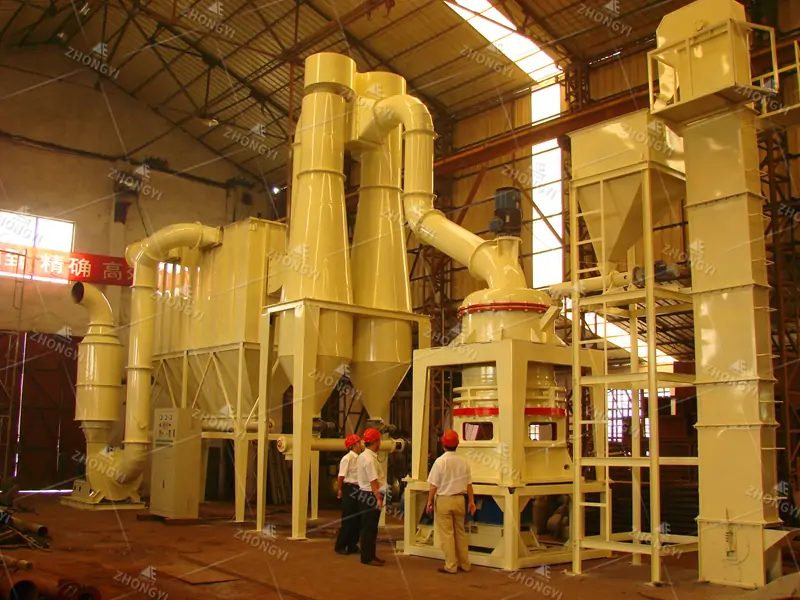
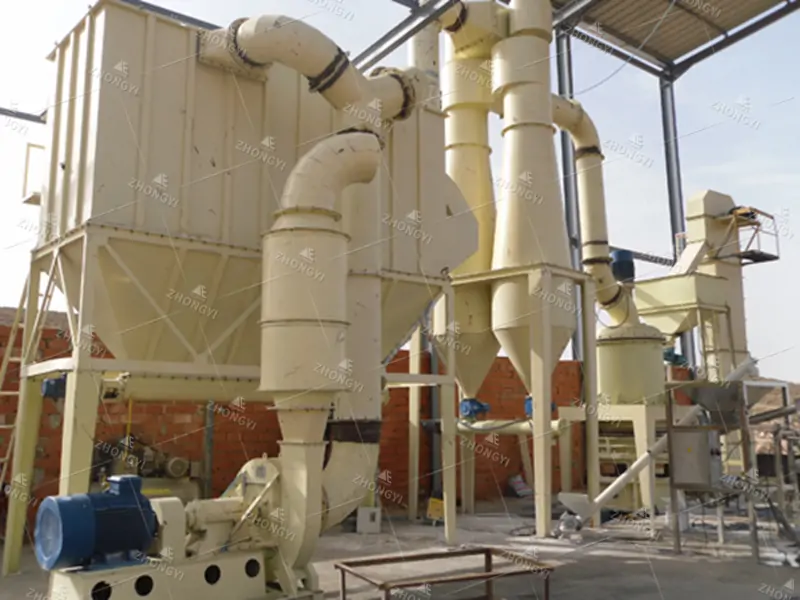
Projects Show
Selection Guide
Ultra fine grinding mill selection depends on material condition, required fineness, capacity level, and energy cost target. The final decision is based on matching process requirements with the suitable grinding system type.
System Selection Matrix
| Requirement | Recommended System |
|---|---|
| Medium fineness + stable cost | Raymond Mill system |
| Medium to fine industrial powder | Ball Mill + classifier system |
| Ultra-fine powder + strict size control | Ultra fine grinding system (air classification / closed circuit) |
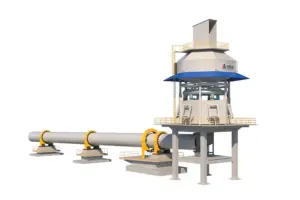
| Large-scale continuous production | Vertical roller grinding system |
Request a Customized Solution
Partner with Zhongyi for expert technical support, customized solutions, and reliable equipment tailored to your ore characteristics and production requirements.
Custom Options
Ultra fine grinding systems are configured based on material conditions, production requirements, and plant layout. To prepare a suitable technical proposal, the following information is required.
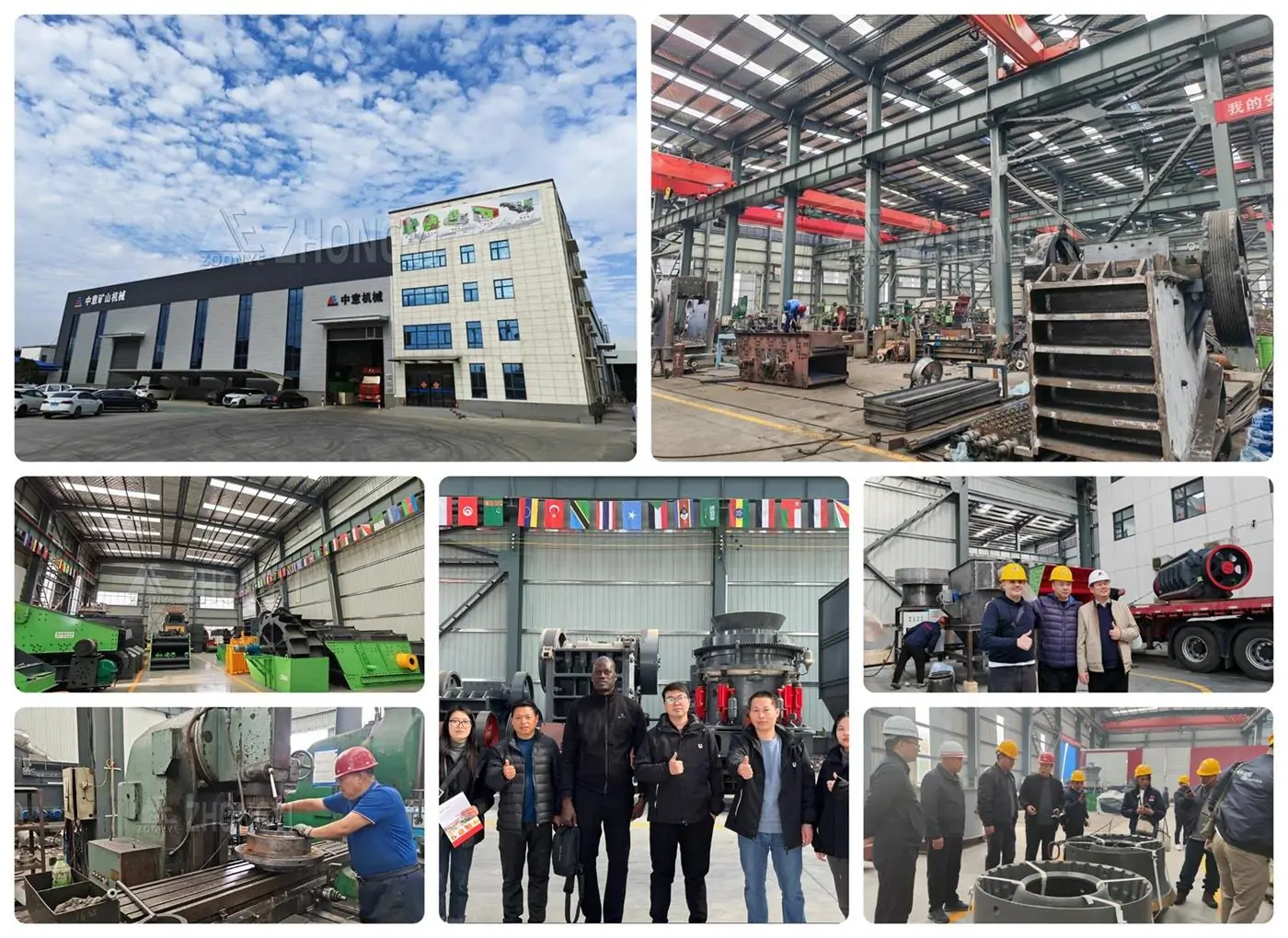
Why Choose Zhongyi?
Zhongyi is a manufacturer of mining and grinding equipment with more than 20 years of engineering and production experience. Equipment has been delivered for mineral grinding and powder processing projects in both domestic and export markets.
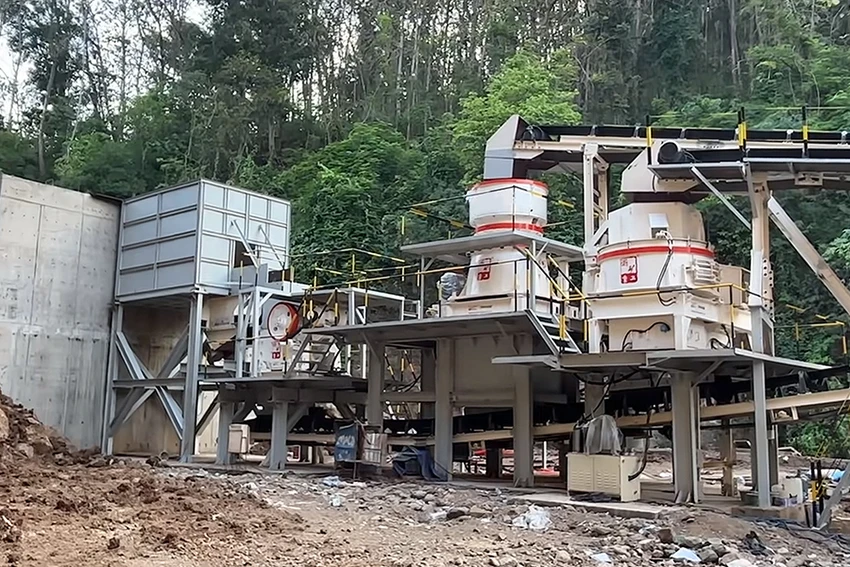
System design is based on real project conditions, including material characteristics, required capacity, and plant layout. Each configuration is adjusted according to process requirements rather than fixed standard models. For temporary sites or remote mineral deposits, our engineering division can integrate these grinding modules alongside a comprehensive mobile crusher plant layout.
Equipment is manufactured under ISO9001 quality management system and aligned with international industrial requirements. Technical support covers system design, manufacturing, installation guidance, commissioning, and long-term operation.
Technical discussions based on project conditions are welcome, and suitable system proposals can be provided according to actual requirements.
FAQs
1. How does Ultra Fine Grinding Mill control energy consumption?
Energy use is mainly related to circulation load and classification efficiency. When fine particles are separated early, the system avoids repeated grinding of qualified material, which helps stabilize power demand during continuous operation.
2. How is final fineness controlled in the system?
Fineness is controlled through classifier speed, airflow adjustment, and grinding load balance. The classification system continuously separates particles, which keeps output size within a stable range.
3. What is the difference between a Ball Mill and an Ultra Fine Grinding Mill?
A Ball Mill relies on impact and abrasion from grinding media inside a rotating cylinder. An Ultra Fine Grinding Mill combines grinding with air classification, allowing tighter control of fine and ultra-fine particle size distribution.
4.What materials can be processed?
The system is suitable for materials such as limestone, calcite, kaolin, quartz, and feldspar. Material selection depends on hardness, moisture content, and required final fineness.
5. What maintenance is required?
Maintenance focuses on grinding parts, classifier components, and airflow system. Regular inspection of wear parts, sealing, and air circulation stability is needed to ensure continuous operation.
6. How to select the right configuration?
Selection is based on material properties, target fineness, and capacity requirements. For finer product requirements, a closed-circuit system with air classification is usually required.
7. What is the investment logic?
Investment is influenced by capacity, system configuration, and energy consumption target. Higher system integration and automation increase initial cost but improve long-term operating stability.
8. Can Zhongyi provide customization?
Yes. Systems can be configured based on material conditions, production capacity, and plant layout. Configuration can include grinding system type, classification method, and full production line integration according to project requirements.